

When the kids move out, the quieter house can come with some noticeable changes to the household budget. Groceries last longer, there are fewer loads of laundry, and parents may no longer be paying for everything from school activities to extra restaurant meals. The shift can be especially meaningful at a time when many parents are still helping their grown children financially; a recent Bankrate survey found that a majority of parents with adult children have made financial sacrifices to support them. While every household is different, these are 15 things families spend less on once the kids leave home.
Groceries

One fewer person at the dinner table can make a surprisingly noticeable difference at the supermarket, particularly when that person is a hungry teenager or young adult. USDA’s July 2026 Thrifty Food Plan estimates food at home for a 14- to 19-year-old at about $261 a month for females, with costs higher for males. Parents may need to relearn how to shop for two, though. Empty nesters online frequently mention overbuying fresh food and continuing to cook family-sized recipes long after the kids have left.
Takeout and Fast Food

Takeout can lose some of its appeal once parents aren’t trying to feed several people with competing school, work, and activity schedules. A pizza order for two is also plainly different from feeding a family of four or five. But don’t count the savings before they happen. Some empty nesters use their newfound freedom to eat at restaurants more frequently. Instead of assuming the old takeout budget has vanished, compare what you’re now spending on restaurants, delivery, and takeout combined.
Electricity

An empty bedroom doesn’t make the electric bill disappear, but fewer people generally means fewer computers, gaming systems, televisions, chargers, and lights running around the house. The washer and dishwasher may operate less frequently, too. Just don’t expect the bill to fall in proportion to the number of people who moved out. Heating and cooling are among the biggest household electricity uses, according to the U.S. Energy Information Administration, and you’re probably still heating or cooling roughly the same house after the kids leave.
Water

This may be one of the easier utility changes to spot. The EPA estimates that Americans use about 82 gallons of water per person per day at home. Toilets are the largest individual source of indoor household water use, while showers account for nearly 17%. Remove a couple of daily showers, toilet users and piles of laundry, and consumption can drop. The effect on the bill varies, however, particularly where outdoor irrigation represents a large share of household water use or local utilities charge substantial fixed fees.
Laundry Costs
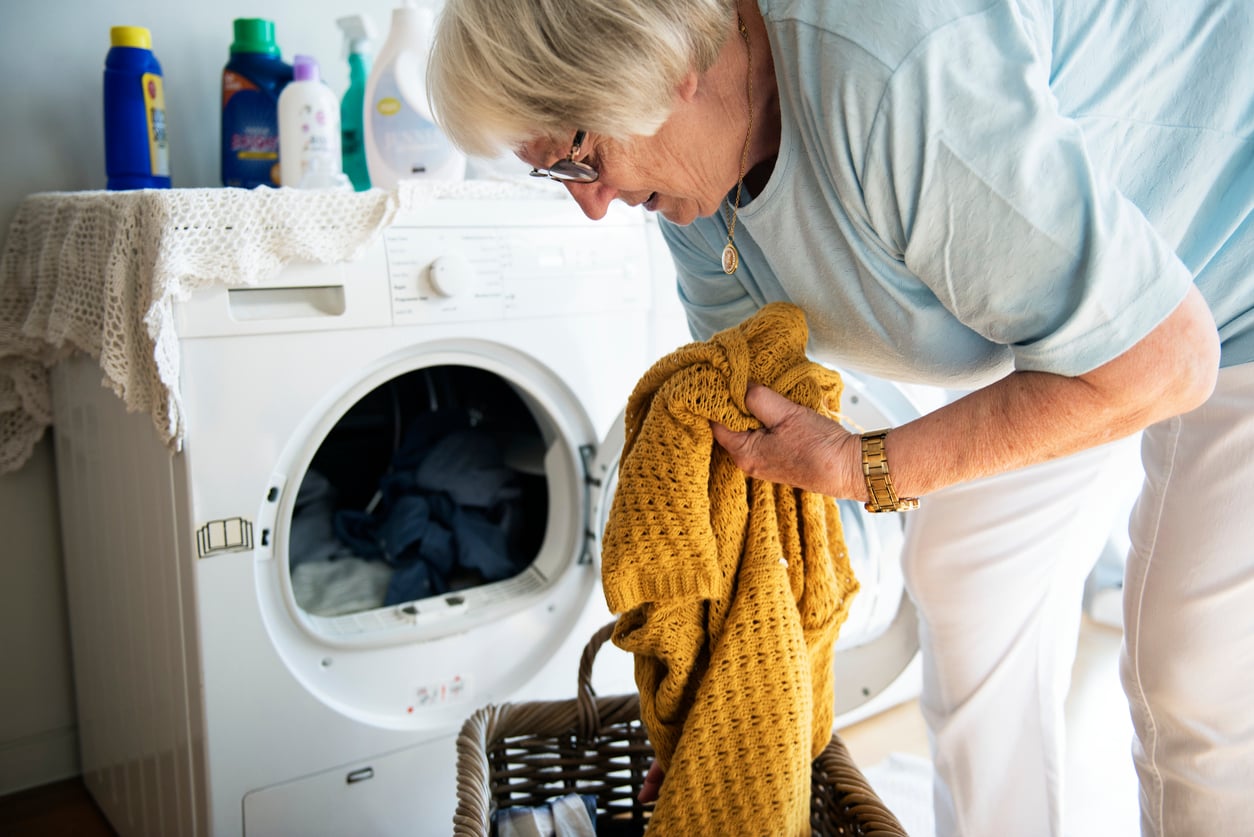
Remember the days when the hamper seemed full again five minutes after you emptied it? Fewer people means fewer shirts, towels, sheets, socks and athletic clothes cycling through the washer and dryer. That can reduce spending on detergent, stain remover and other laundry products while also trimming water and energy use. The savings arrive a little at a time rather than as one dramatic budget cut, which makes them easy to miss. One practical adjustment: stop automatically buying family-sized laundry products unless the price and shelf life still make sense.
Trending on Cheapism


Gasoline

For parents who spent years acting as the family chauffeur, an empty nest can mean fewer trips to school, practice, lessons, friends’ houses, appointments and part-time jobs. Those short journeys can add up to a surprising amount of mileage over the course of a week. The savings will be smaller if the kids were already driving themselves before leaving home, and parents who use their extra freedom for more road trips may simply replace one kind of driving with another. Still, fewer child-related errands can mean fewer visits to the gas station.
Auto Insurance

This can produce a much more noticeable saving than using a little less detergent. Young drivers are expensive to insure, and the Insurance Information Institute notes that dropping a driver or vehicle from a policy can lower its cost. But moving out alone doesn’t necessarily qualify. An adult child who continues driving a parent’s car or otherwise needs to remain covered may still belong on the policy. Parents should tell their insurer when living and vehicle arrangements change and ask what can actually be removed rather than simply assuming the premium will fall.
School and Activity Costs

Sports registration, uniforms, instruments, lessons, tutoring, field trips, yearbooks, school events and club fees have a habit of arriving one at a time, which can disguise how much they cost over an entire year. Once the kids are finished with school and organized activities, many of those charges finally disappear. Of course, they can be replaced by considerably larger requests for college tuition, rent or other young-adult expenses. If the old activity budget really is gone, consider deliberately moving that amount toward retirement or savings before it gets absorbed elsewhere.
Sign up for our newsletter
Streaming and Gaming Subscriptions

Years of keeping everyone entertained can leave a household with Netflix here, a gaming membership there, a music family plan somewhere else and a handful of apps nobody remembers signing up for. When children move out, it is a good time to see which services the people still living at home actually use. Don’t automatically cancel every family plan, however. Some adult children continue sharing subscriptions, and changing tiers may not save enough to matter. Review the entire recurring-subscription list before deciding what’s genuinely expendable.
Cellphone Plans

Taking an adult child off the family cellphone plan sounds like an obvious saving, but the math isn’t always that simple. Wireless plans frequently price additional lines differently from the first one, so eliminating a line won’t necessarily reduce the bill by the amount parents expect. There may also be an outstanding device installment attached to it. Once an adult child is ready to take responsibility for their own service, compare the household’s new total before changing plans. Sometimes the financial benefit is modest; other times, dropping several lines is worth doing.
Household Supplies

A roll of toilet paper lasts longer when fewer people are reaching for it. The same goes for paper towels, trash bags, hand soap, shampoo, toothpaste and plenty of other unglamorous purchases that quietly fill a shopping cart. These aren’t dramatic expenses individually, but they occur throughout the year. The biggest adjustment may be breaking the habit of shopping for a full house. That enormous warehouse-club package isn’t a bargain if two people take so long to finish it that products expire, deteriorate or simply occupy a closet for years.
Clothing and Shoes

Growing children have a remarkable ability to need another pair of shoes just after the last pair was purchased. Add school clothes, winter coats, sports gear, special-event outfits and seasonal replacements, and clothing can become a persistent family expense. Once adult children are buying their own wardrobes, that recurring category can shrink substantially. Parents may still buy clothes as birthday or holiday gifts or help with an expensive work outfit, of course. The difference is that those purchases can become occasional gifts rather than another routine household obligation.
Entertainment and Family Outings

Four movie tickets cost more than two. So do four admissions to a museum, amusement park, sporting event or bowling alley, before anyone buys snacks or drinks. Once the kids leave, couples can still go out without automatically paying for an entire group. Whether that translates into actual savings depends on what they do with their newfound freedom. Some empty nesters travel more, attend concerts or pick pricier activities. The useful comparison isn’t simply whether entertainment spending falls, but whether each outing now costs less because fewer tickets and meals are involved.
Restaurant Bills

Dining out gets simpler when the server is bringing two menus instead of four or five. Fewer entrees, drinks, appetizers and desserts can make an ordinary restaurant visit considerably easier on the wallet, especially for parents accustomed to paying the whole family’s tab. There’s a catch: couples who no longer have to coordinate dinner around children’s schedules may go out more frequently. A lower bill per restaurant visit doesn’t guarantee a lower monthly restaurant budget. Track both how much each meal costs and how often you’re eating away from home.
Home Wear and Tear

This one won’t show up neatly on next month’s bank statement. With fewer people opening doors, using bathrooms, sitting on furniture, cooking, walking across carpets and running appliances, some household items may simply endure less use. That can potentially stretch the time between certain repairs and replacements. But don’t pencil in a specific annual saving: appliances and home systems can fail because of age as well as use, and major costs such as roofs and HVAC systems don’t suddenly stop aging when the kids leave. Think of this as a possible long-term benefit rather than guaranteed savings.