There was a time when realizing you needed a ladder didn’t automatically mean ordering one online. Neighbor borrowing was the easier solution: You figured out who had one and walked over to ask. The same went for tools, extra chairs, oversized cookware, and, of course, the proverbial cup of sugar.
Before same-day delivery, warehouse clubs, and inexpensive gadgets made it easy to own just about everything, Americans were more accustomed to sharing stuff they only needed occasionally. One family might have the good socket set, another the lawn mower, and somebody always seemed to have a giant roasting pan that made the rounds every Thanksgiving.
Some neighborhood borrowing still happens, but plenty of it has disappeared. Here are 16 things Americans once routinely borrowed from the people next door instead of buying their own.
Ladders

Every block seemed to have one household with a garage full of tools, and that was probably where you went when you needed a tall ladder. Most families didn’t have much reason to own an extension ladder that might only come out once or twice a year. Instead, the neighborhood ladder traveled around for gutter cleaning, exterior painting, tree trimming, and the occasional trip onto the roof. Today, a trip to a home-improvement store is more likely to end with a ladder strapped to the car.
Lawn Mowers
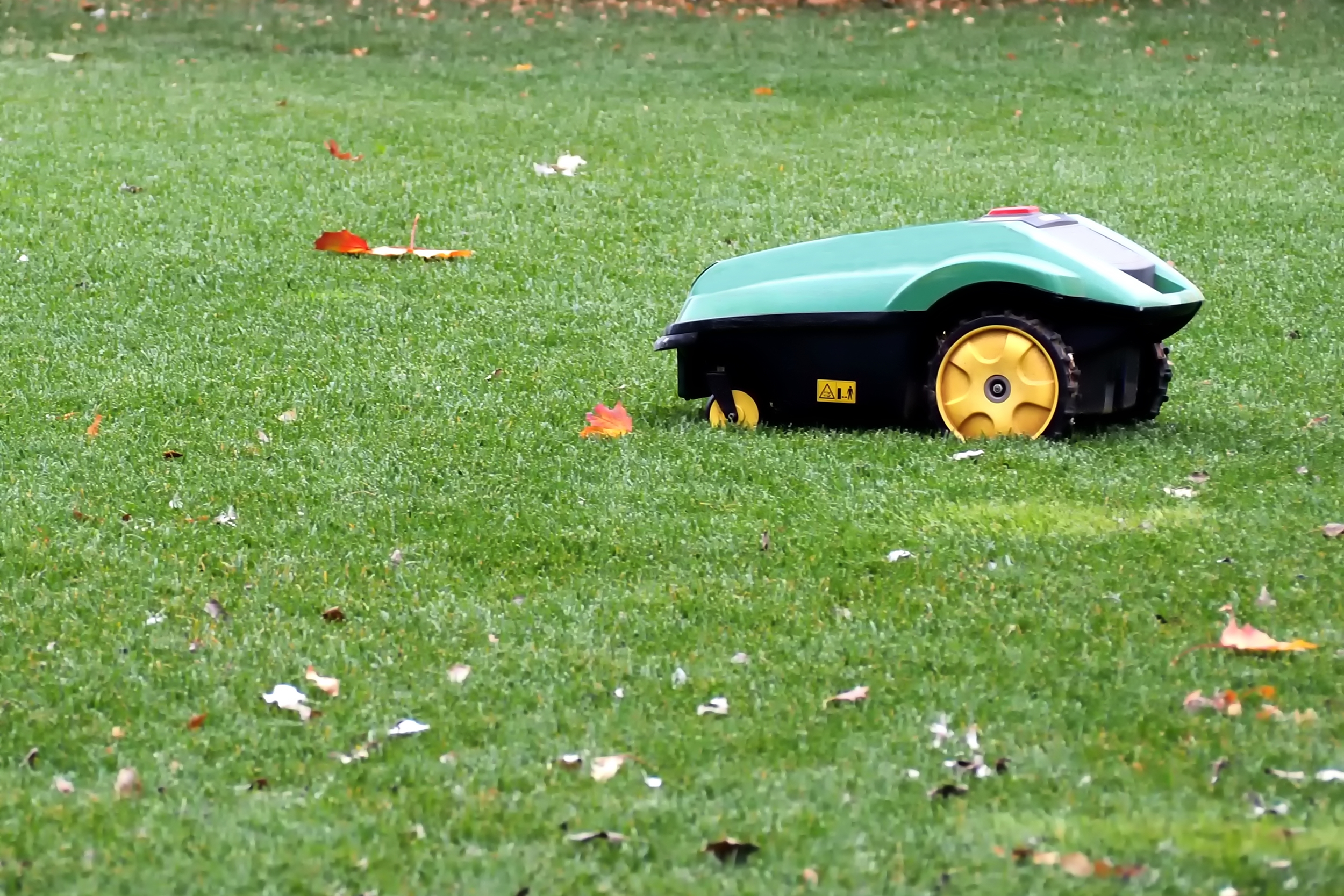
The idea of lending out a lawn mower might seem strange now, but neighbors and relatives sometimes shared one, particularly when yards were small enough to tackle with a basic push mower. One household might own the machine while somebody else supplied the gas, helped maintain it, or returned the favor another way. As suburban garages filled with equipment and lawn mowers became more affordable, having your own increasingly became the norm.
Power Drills
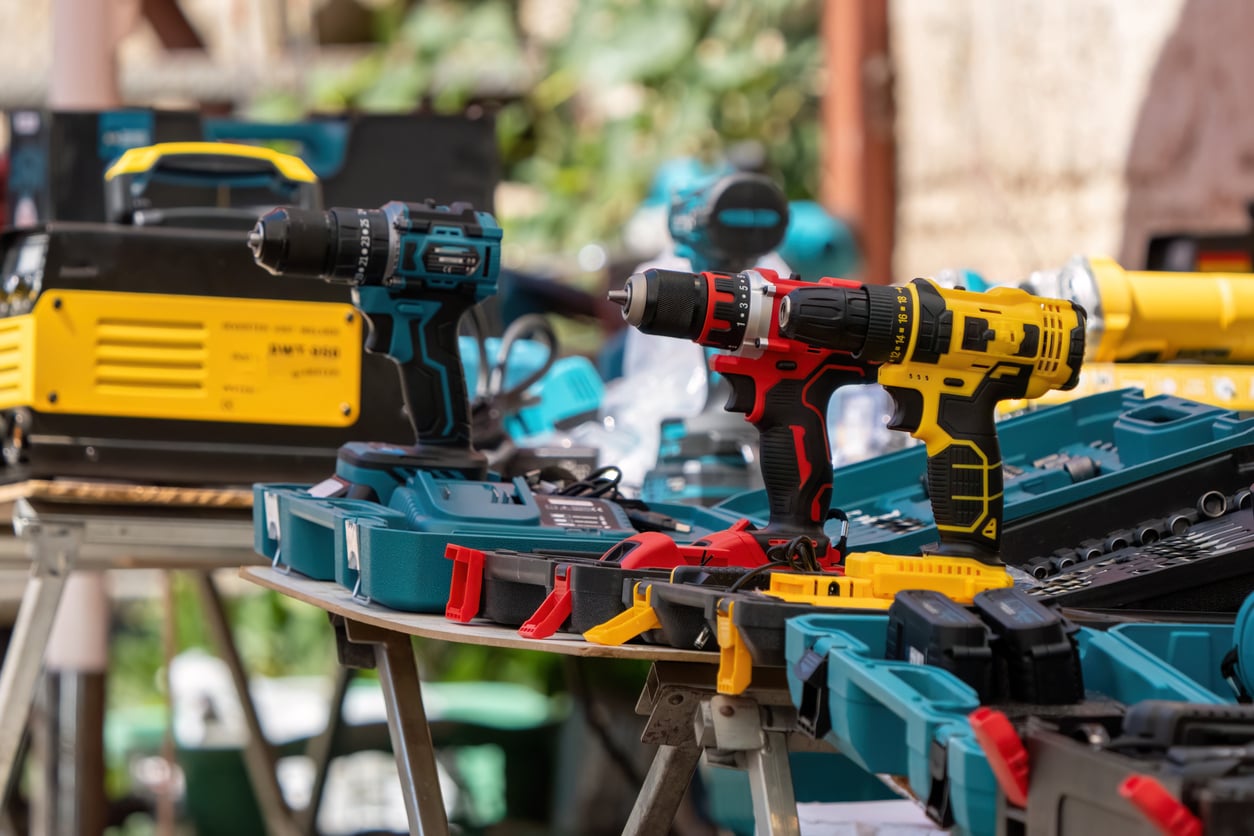
Need to put up one shelf? Buying an entire power drill for the job wasn’t always the obvious solution. Tools tended to accumulate in whichever household had the resident handyman, and neighbors knew where to go when they needed to drill a few holes or make a minor repair. It’s an old habit that’s starting to make sense again: Modern tool libraries and neighborhood lending groups essentially recreate the same system without requiring you to know which guy on the block has the best toolbox.
Socket Sets and Wrenches
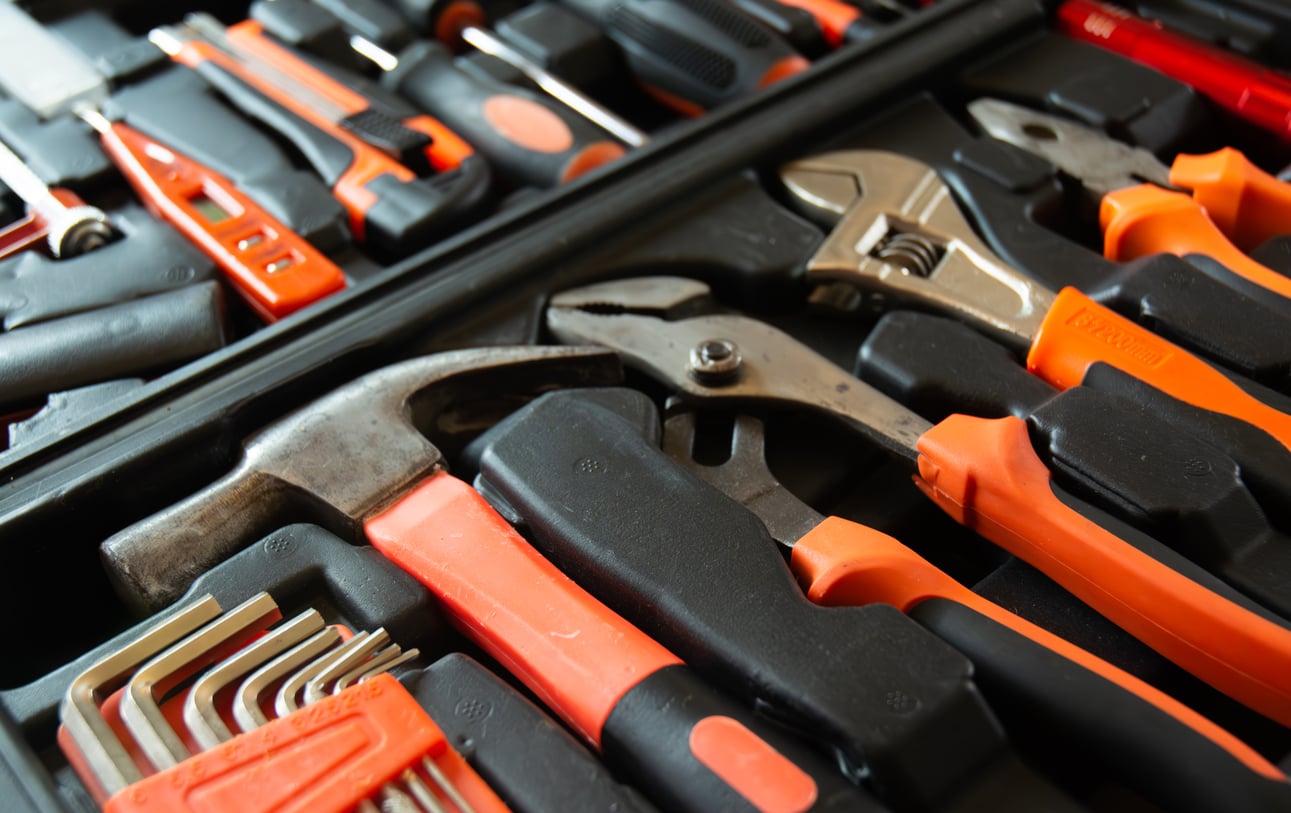
Back when more people did their own basic car maintenance, there was often somebody down the street who seemed to have every tool imaginable. If you needed a particular socket or wrench to change a battery, replace a belt, or fix a lawn mower, you asked them before heading to the hardware store. The neighbor who “could fix anything” — and owned the tools to prove it — was practically a neighborhood institution.
Jumper Cables
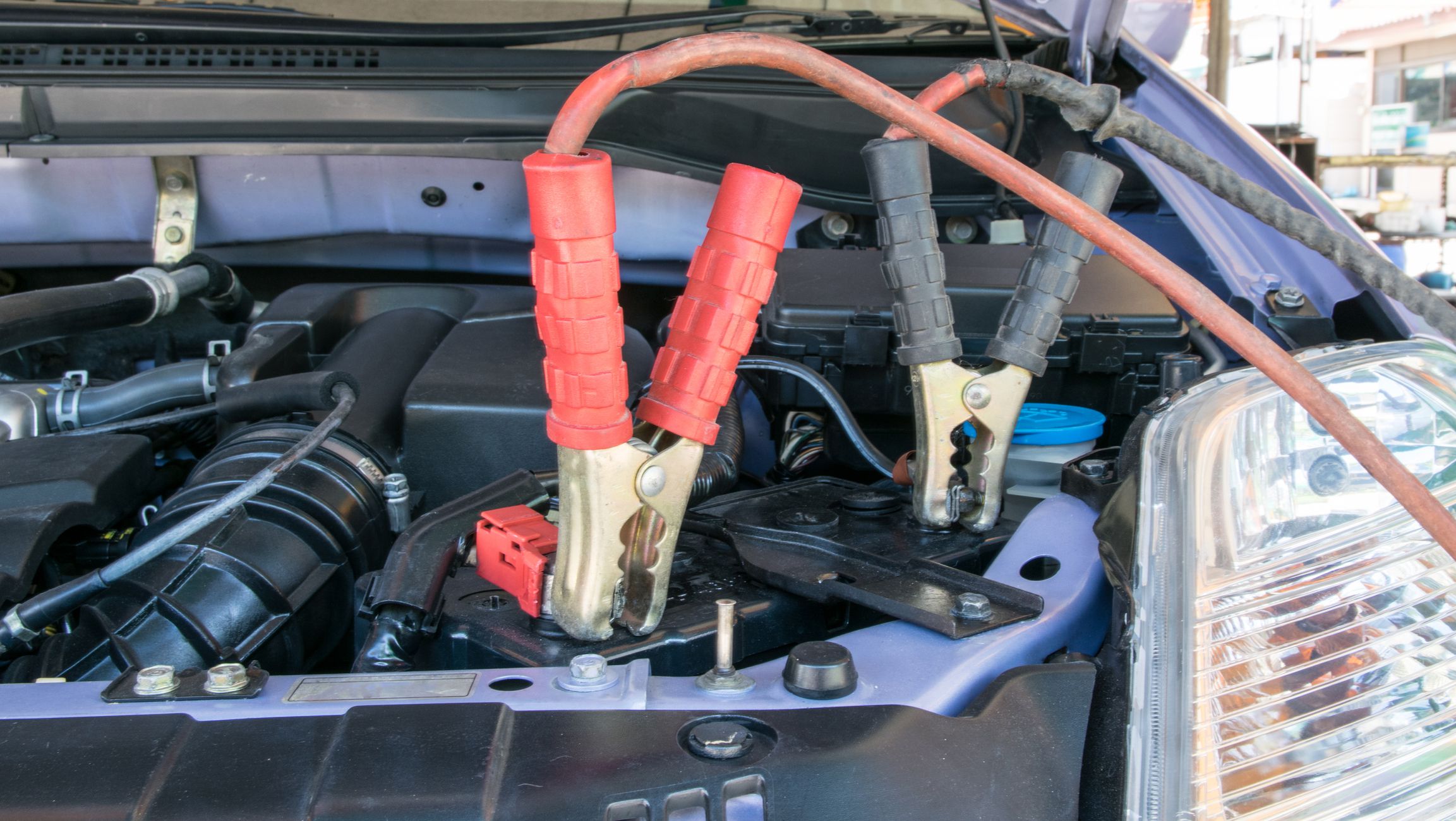
A car that wouldn’t start in the morning once meant more than calling roadside assistance from your phone. You might have to knock on a neighbor’s door and ask whether they had jumper cables — and whether they’d mind bringing their car over, too. Old batteries, freezing mornings, and headlights accidentally left on overnight created plenty of opportunities for neighbors to rescue one another. Portable jump starters and better-stocked emergency kits have made the ritual considerably less common.
Trending on Cheapism


Snow Shovels
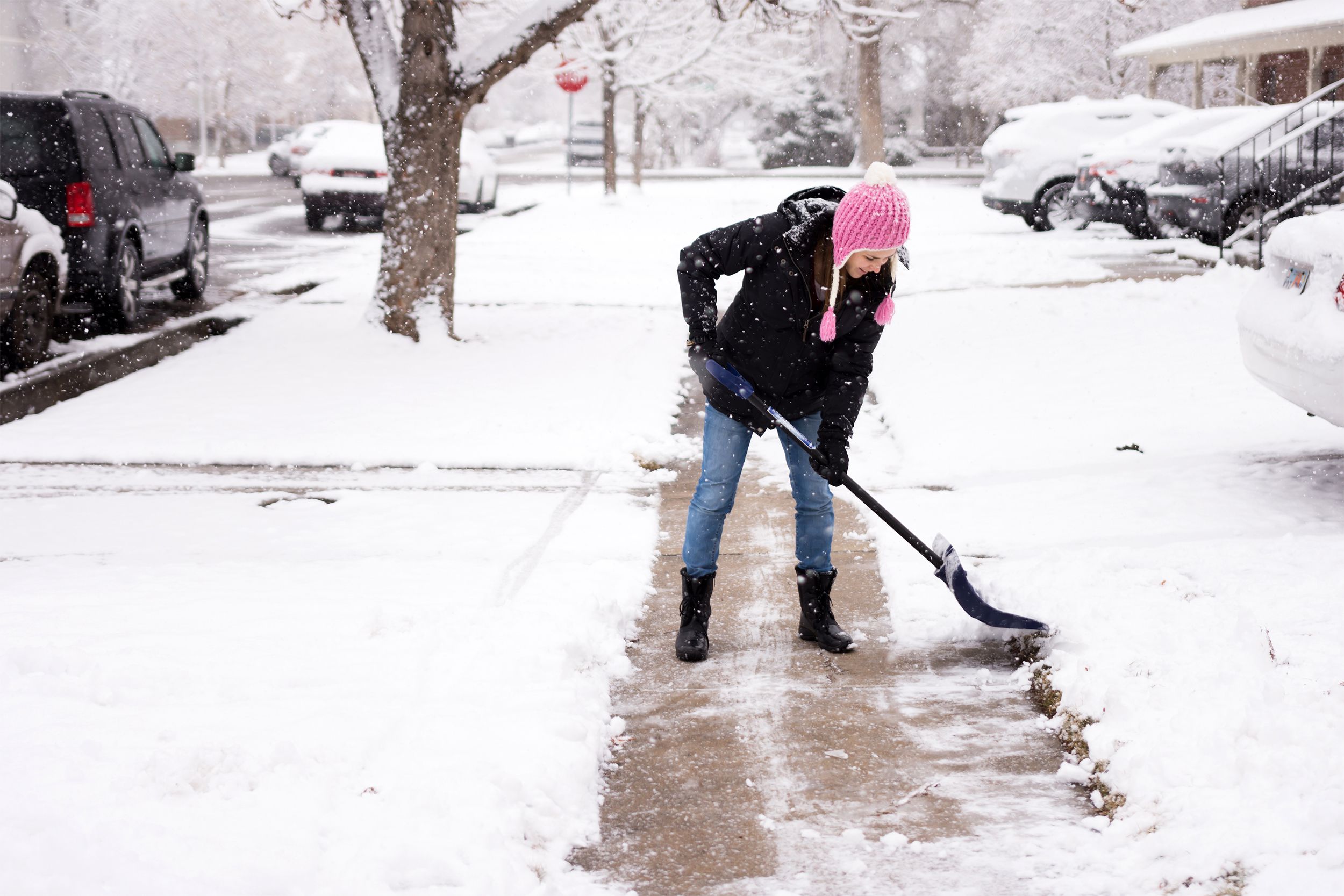
Nothing reveals who owns a snow shovel faster than an unexpected storm. In places where heavy snow wasn’t a regular occurrence, buying specialized equipment that might sit untouched for years didn’t make much sense. When snow finally arrived, the one decent shovel on the block could end up clearing several sidewalks and driveways. These days, households with garages and sheds are more likely to have their own stash of seasonal gear.
Wheelbarrows
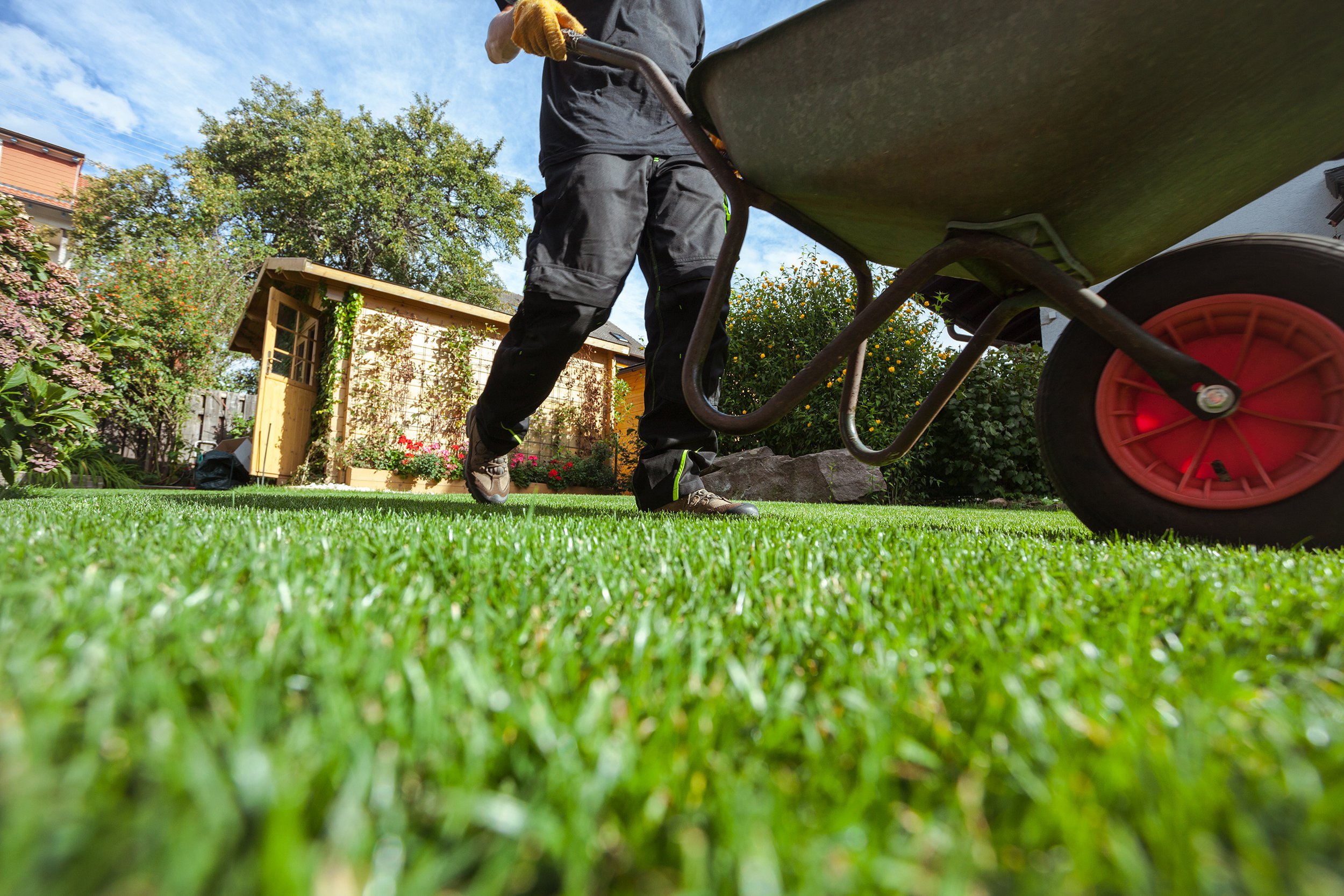
Wheelbarrows have always presented a pretty compelling argument for borrowing: They’re big, awkward to store, and most people don’t use them particularly often. Need to move a pile of mulch, soil, gravel, firewood, or garden debris? Borrowing the neighbor’s for an afternoon was easier than finding somewhere to keep one permanently. Of all the old borrowing habits on this list, this one might still make the most financial sense.
Hedge Clippers and Pruning Tools
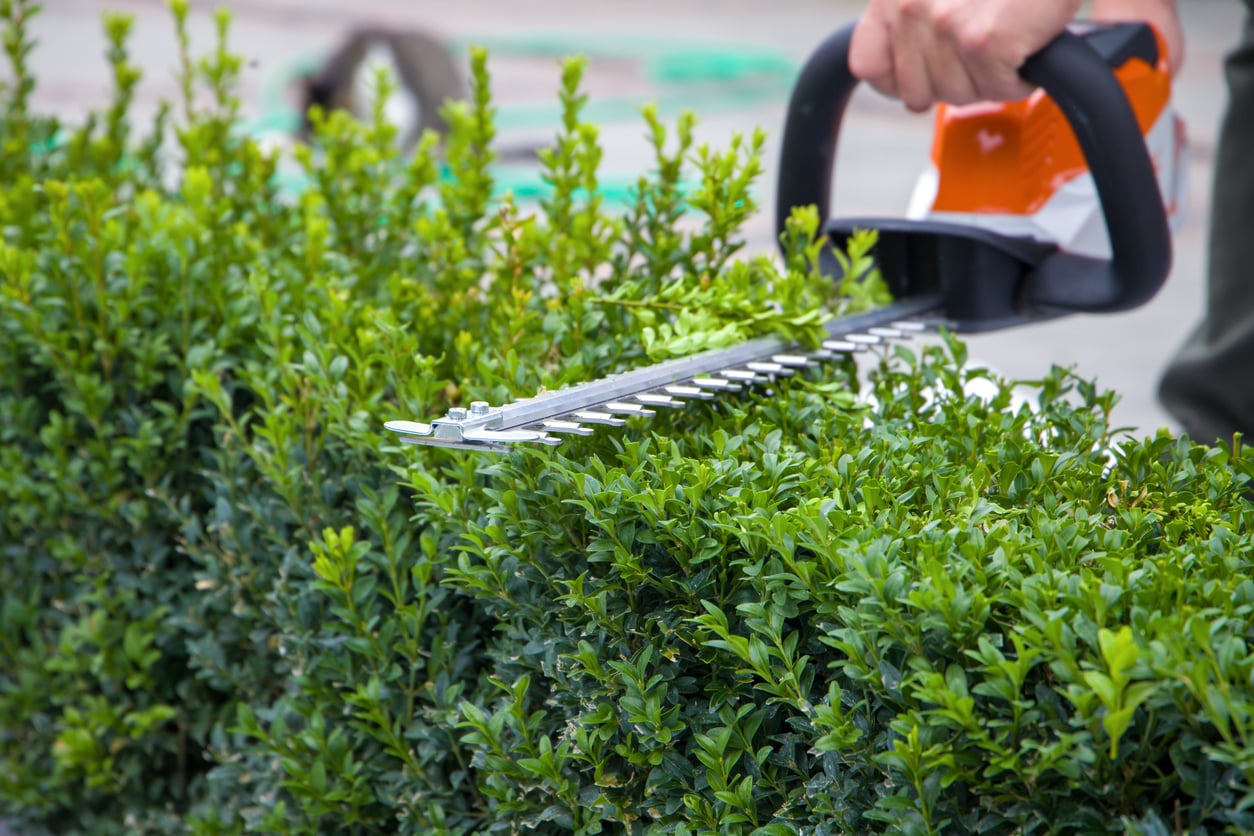
Unless you were serious about gardening, there wasn’t much reason to own every specialized tool needed to keep a yard tidy. Neighbors with impressive gardens were often the ones with good pruning shears, hedge clippers, and other equipment that could be passed over the fence when somebody needed to tame an unruly shrub. Cheap electric and battery-powered tools have since made it much easier for every homeowner to build a personal collection.
Sign up for our newsletter
Large Roasting Pans
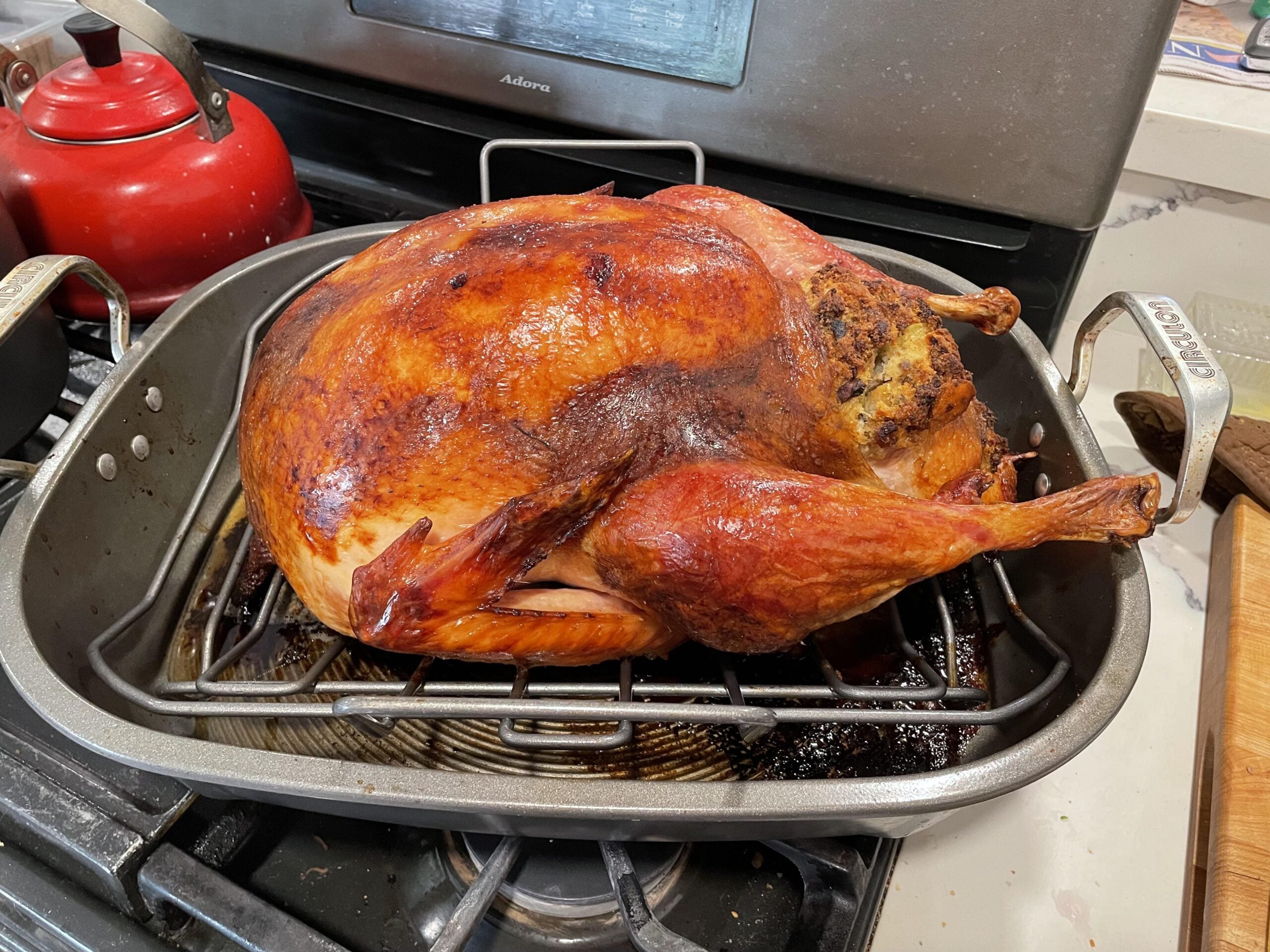
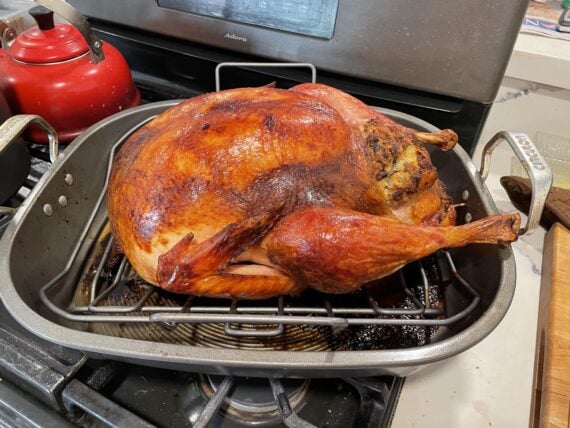
Thanksgiving could turn into a neighborhood equipment swap before anyone even put the turkey in the oven. Oversized roasting pans took up valuable cabinet space and might only be needed once or twice a year, so families frequently borrowed them from relatives or neighbors. The same holiday shuffle could involve casserole dishes, serving platters, extra chairs, and whatever else was necessary to squeeze a crowd around the table.
Cake Pans and Specialty Baking Dishes
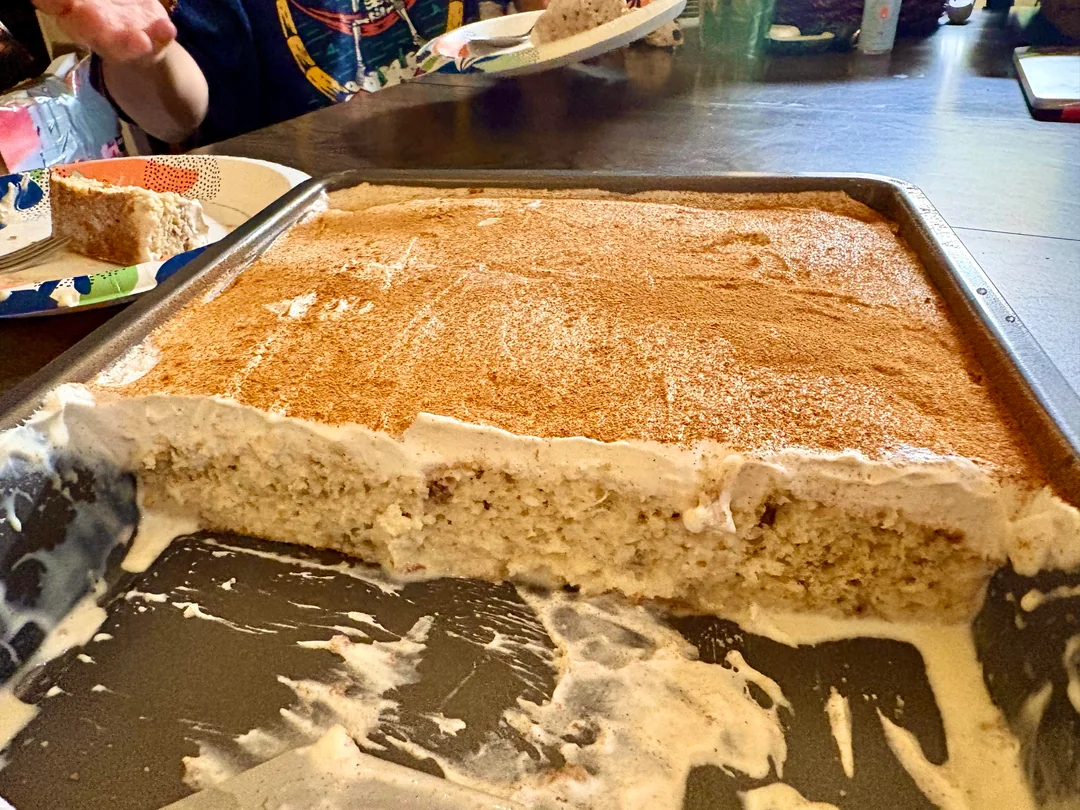
You didn’t necessarily buy a Bundt pan because one recipe called for it. Chances were somebody you knew already had one. Angel food cake pans, springform pans, shaped birthday cake molds, and other specialty bakeware regularly circulated among home bakers for birthdays, church gatherings, holidays, and school bake sales. Inexpensive bakeware and online shopping have made it easier to accumulate every pan imaginable — whether you have cabinet space for them or not.
Folding Tables
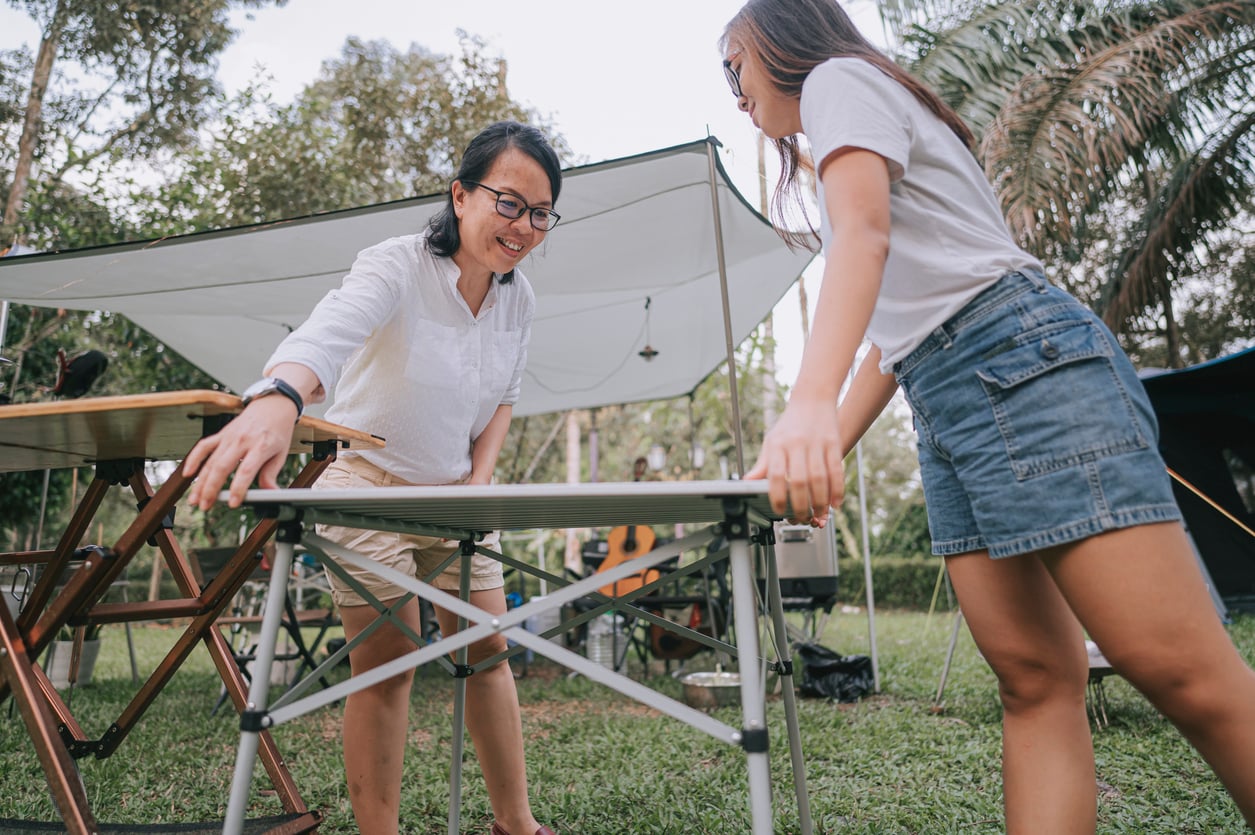
A folding table spends most of its life doing absolutely nothing, which made borrowing one an obvious choice. When graduation parties, backyard cookouts, garage sales, card games, and big holiday dinners rolled around, tables could migrate from garages and basements all over the neighborhood. Buying several tables for the two occasions a year when you actually need them still doesn’t make much sense, making this another borrowing habit worth preserving.
Extra Chairs
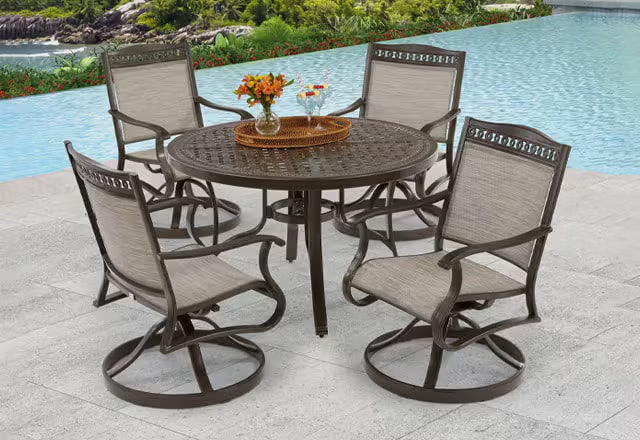
If 20 people were coming for Thanksgiving and you owned 12 chairs, nobody panicked. You borrowed the other eight. Guests might end up sitting on an assortment of dining chairs, folding chairs, kitchen chairs, and whatever else could be found nearby. Perfectly coordinated seating wasn’t the point. Birthdays, family reunions, wedding showers, and neighborhood meetings all gave those mismatched borrowed chairs plenty of work.
Coolers
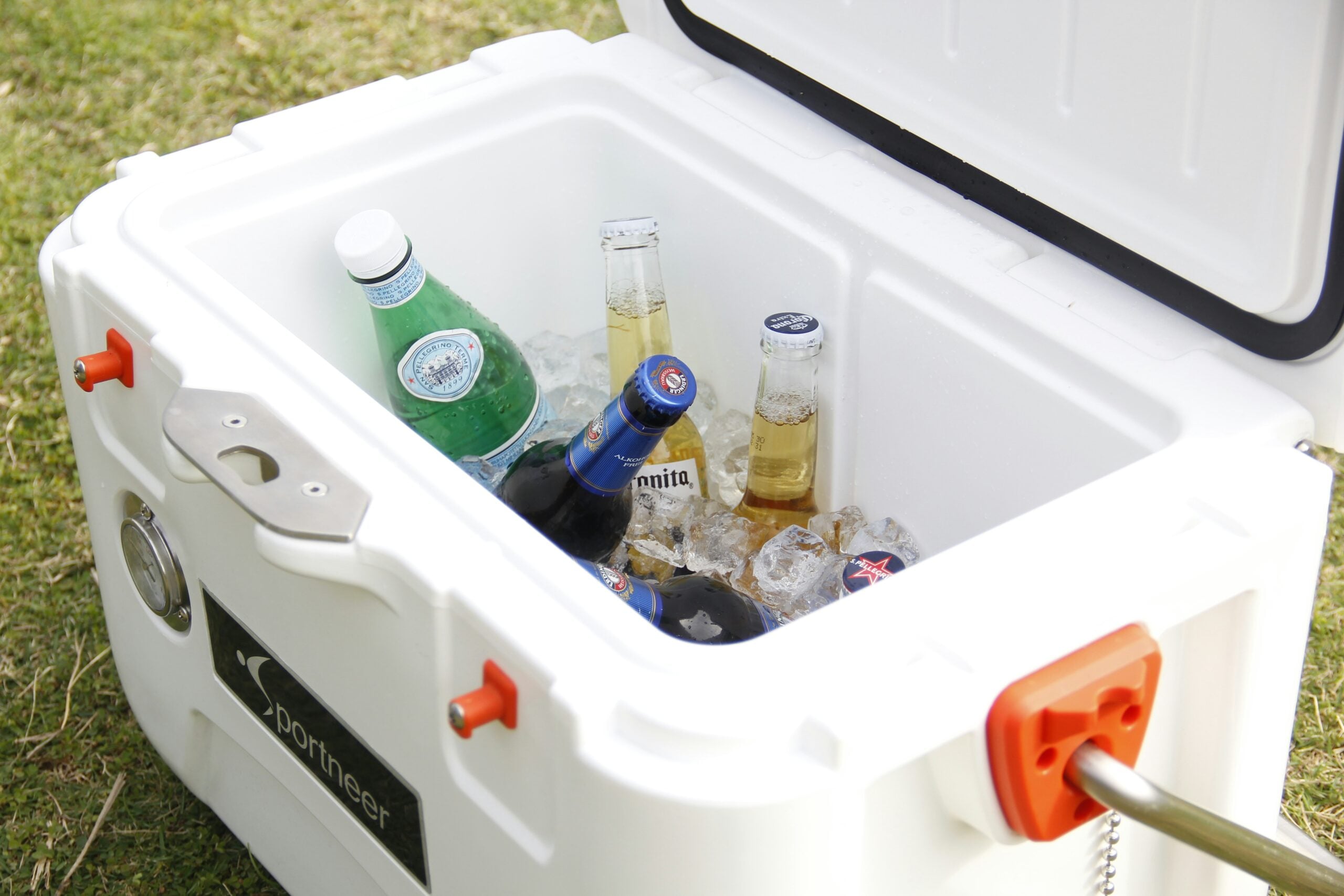
Large coolers weren’t always something every household kept stacked in the garage. They were expensive, bulky, and often unnecessary for most of the year, making them ideal candidates for sharing. Families borrowed them for camping trips, beach weekends, fishing outings, picnics, and backyard cookouts before returning them to whichever relative or neighbor actually had room to store the things. As coolers became cheaper and recreational gear became more widely marketed, owning one became much more commonplace.
Camping Gear

Buying a tent, sleeping bags, lanterns, and a camp stove before discovering you hate sleeping outdoors is an expensive experiment. Families once avoided that mistake by cobbling together camping equipment from friends, neighbors, relatives, or Scout families. A weekend trip might involve a borrowed tent from one household and a lantern from another. It’s one old-fashioned strategy that remains pretty sensible today, especially for first-time campers.
Vacuum Cleaners and Carpet Cleaners
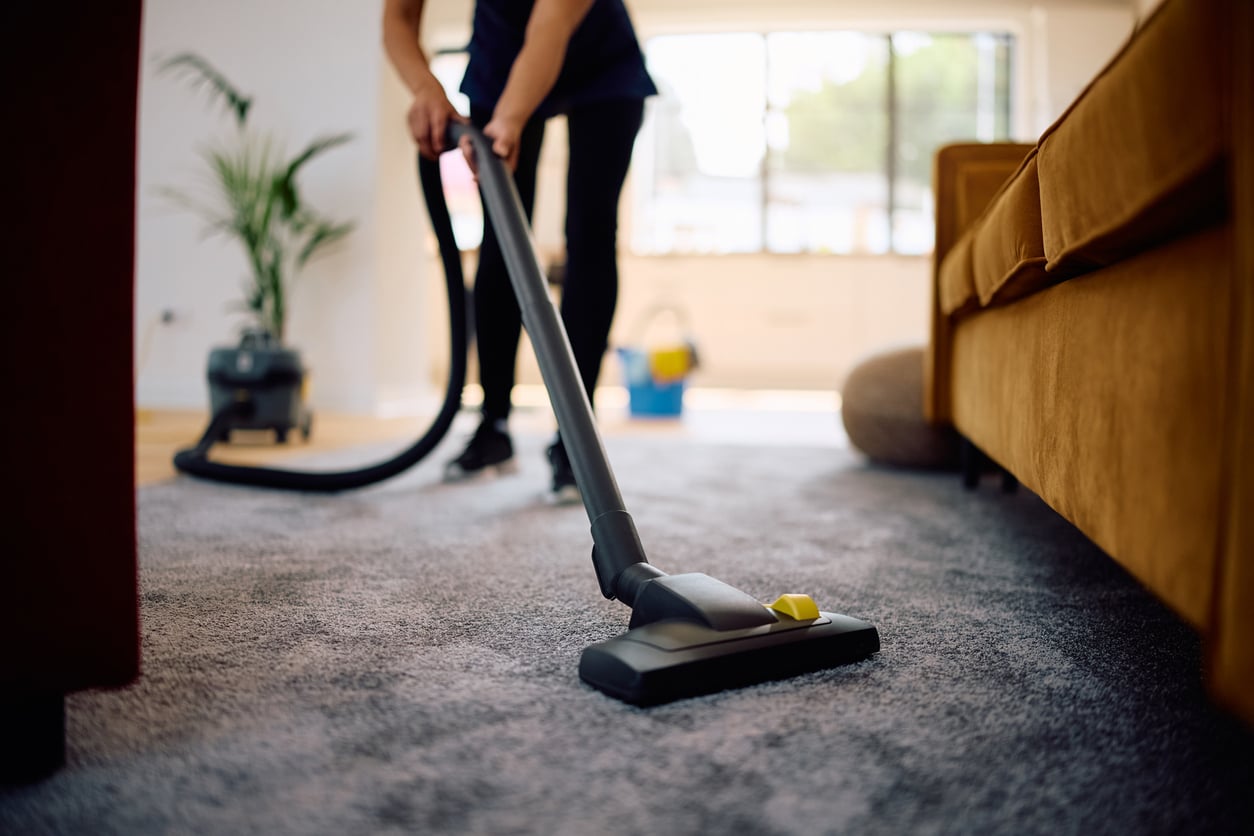
Not every borrowed vacuum was the ordinary kind you ran around the living room once a week. Heavy-duty vacuums, wet vacs, and carpet-cleaning machines were expensive and took up considerable storage space, so the household that owned one could become very popular during spring cleaning or after a major spill. Rental machines eventually offered another option, while smaller and less expensive home versions made specialty cleaning equipment easier to own.
Cups of Sugar, Flour, and Other Pantry Basics
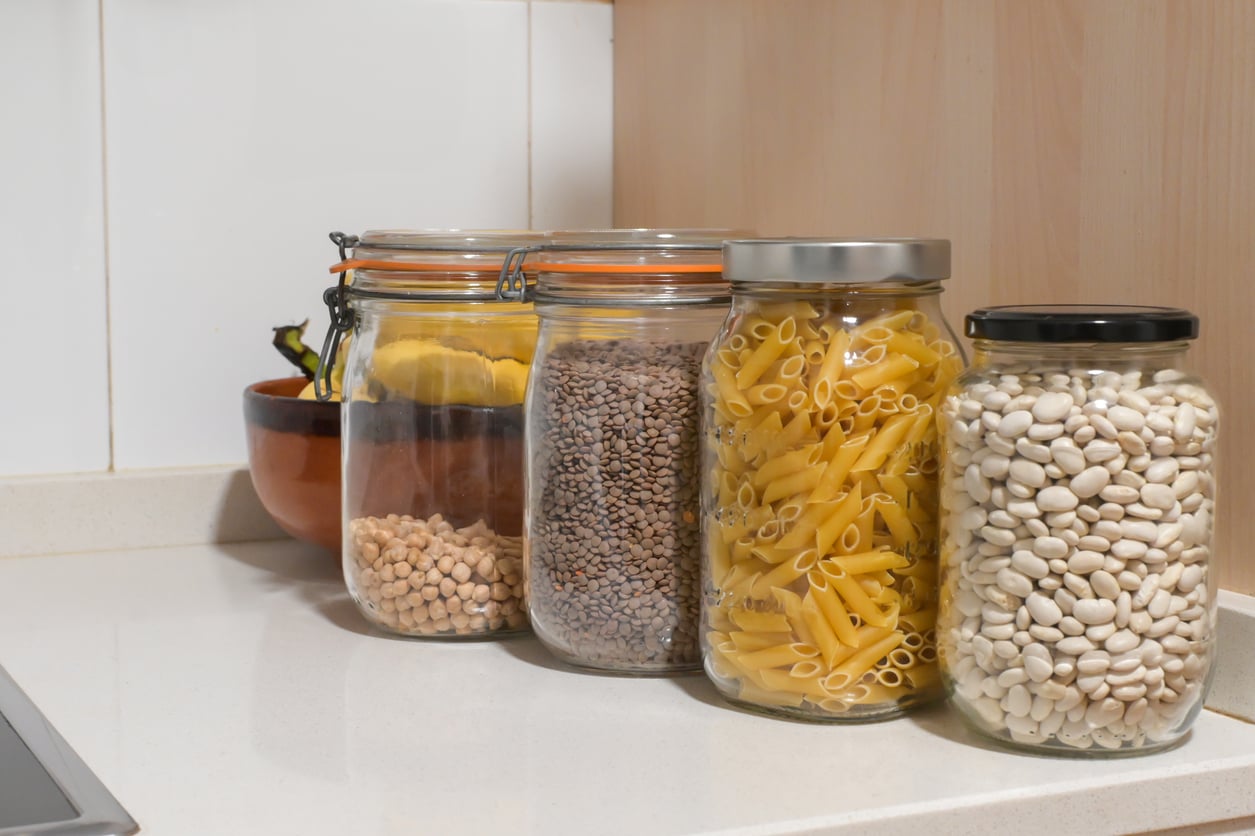
Few images of old-fashioned neighborliness are more recognizable than somebody knocking on the door to borrow a cup of sugar. Running out of flour halfway through a cake or discovering you were one egg short didn’t necessarily justify a separate grocery trip. You asked next door and returned the favor later. Longer store hours, bigger pantries, convenience stores, and grocery delivery have made emergency ingredient borrowing much less necessary — though asking a neighbor for an egg is still considerably cheaper than having a dozen delivered to your doorstep.
Maybe We Should Start Borrowing Again

The biggest difference wasn’t that previous generations didn’t need all this stuff. They simply didn’t expect every household to own every object it might someday use. Bulky, expensive, and rarely needed items could circulate between homes, saving everyone money and storage space in the process.
Of course, the system required something else that’s harder to order online: knowing your neighbors well enough to ask.
Some of that mentality is returning through tool libraries, Buy Nothing groups, and neighborhood apps. The technology may be different, but the basic idea isn’t. Before spending $50 on something you’ll use once and then shove into the garage for five years, it might be worth asking whether somebody nearby already has one.