Walk into a typical American home in the 1970s and you’d find plenty of 1970s home items that would look unusual today. Shag carpeting covered floors, wood paneling covered walls, and avocado green and harvest gold showed up on everything from refrigerators to countertops. Even the technology was hard to miss, with giant speakers and stereo equipment taking up serious living-room real estate.
Some of these once-common household fixtures disappeared because better technology came along. Others simply fell victim to changing tastes — or turned out to be a nightmare to clean and maintain. And while plenty can still be found in vintage-loving homes today, they’re no longer the everyday fixtures they once were. Here are 15 things that could instantly transport you back to a 1970s home.
Shag Carpeting
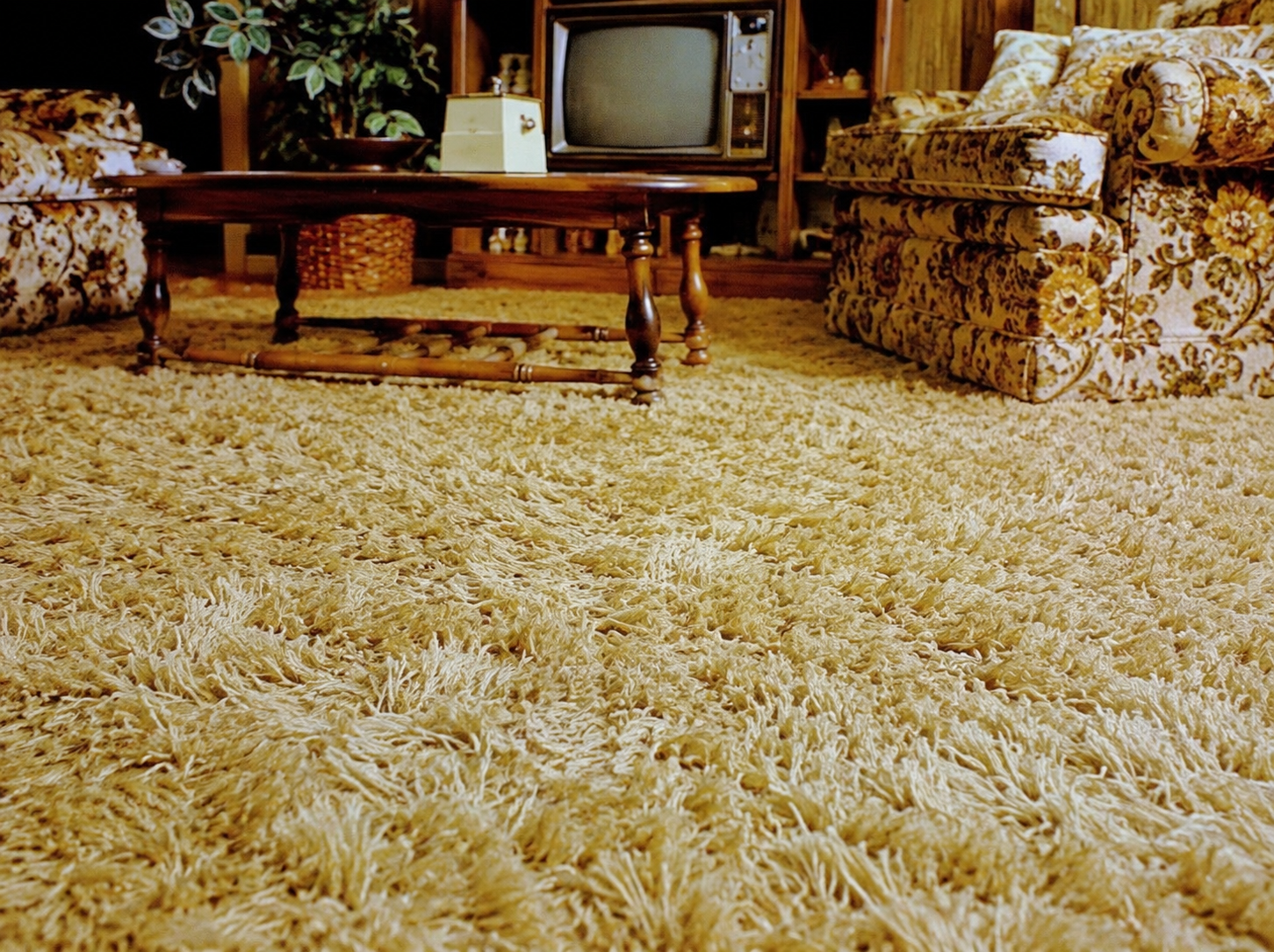
Few decorating choices scream “1970s” quite like shag carpeting. With extra-long fibers that gave floors an almost furry appearance, shag showed up in living rooms, bedrooms, and, somehow, even bathrooms. Orange, brown, avocado green, and harvest gold were all fair game. But what felt plush and luxurious also had a habit of collecting crumbs, dust, pet hair, and just about anything else that landed on it. Lower-pile carpeting and hard flooring eventually won out, leaving wall-to-wall shag as one of the decade’s most recognizable relics.
Beanbag Chairs
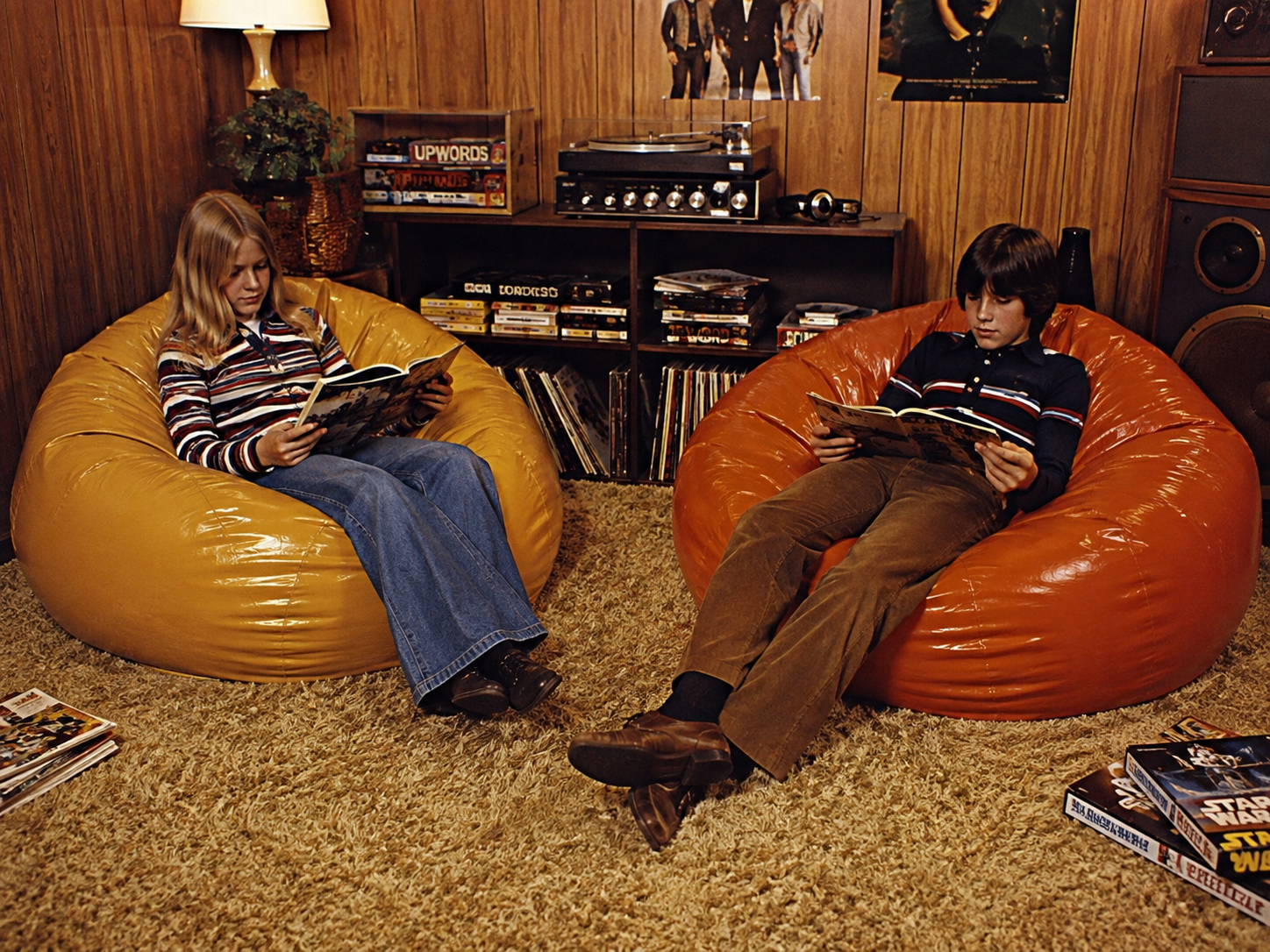
Why sit upright when you could collapse into a giant sack of tiny beads? Beanbag chairs perfectly matched the more casual approach to decorating that took hold in the 1970s, especially in kids’ bedrooms and rec rooms. The classic versions were floppy, lightweight, and often covered in brightly colored vinyl, making them easy to drag wherever you wanted to lounge. Beanbags haven’t disappeared completely, but today’s oversized foam loungers tend to be much more structured than the shapeless orange and brown blobs that once dotted American homes.
Macramé Plant Hangers
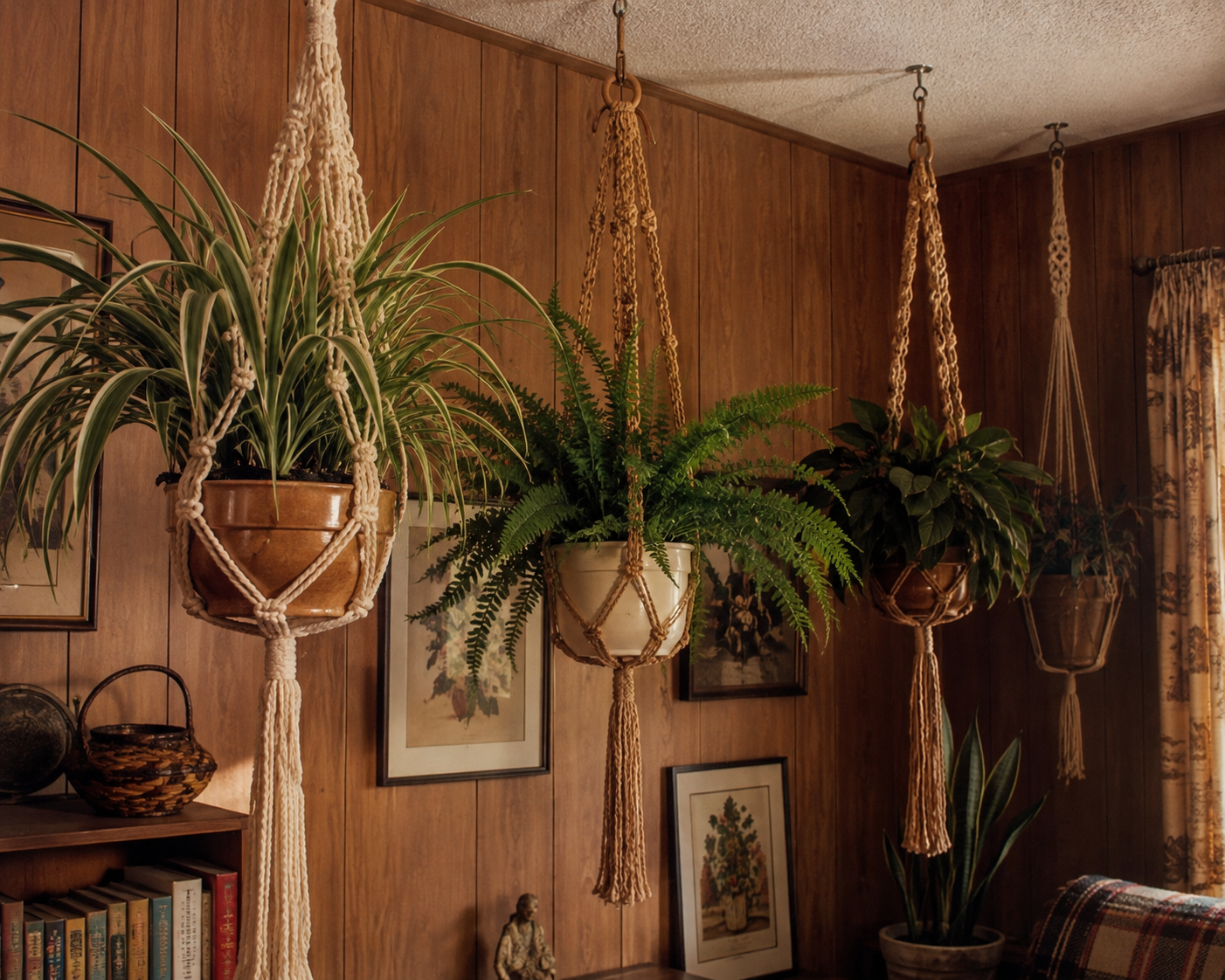
The 1970s loved houseplants. It also loved macramé. Naturally, someone decided the two belonged together. Braided rope holders suspended pots from ceilings and hooks, often displaying spider plants, ferns, and long trailing vines. Better yet, you didn’t necessarily have to buy one: DIY macramé became part of the decade’s broader craft craze, with kits and instructions teaching people to knot their own home decor. Macramé has made a comeback in recent years, but hanging rope planters aren’t nearly as unavoidable as they once were.
Avocado Green Kitchen Appliances
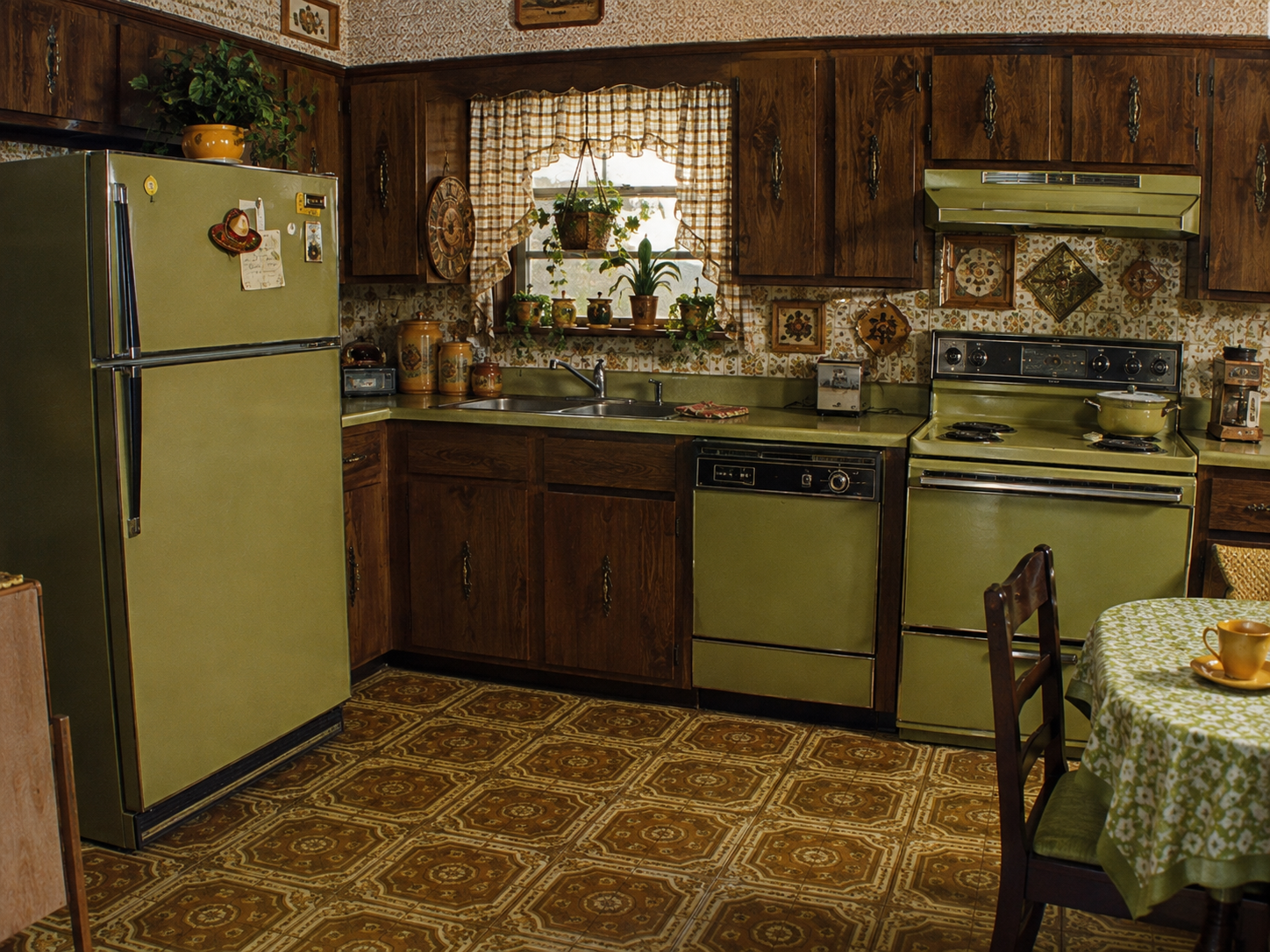
Today, buying a refrigerator usually means choosing between stainless steel, white, or black. In the 1970s, you could make a much bolder commitment. Avocado green became one of the defining kitchen colors of the decade, appearing on refrigerators, ranges, dishwashers, mixers, and blenders. It was frequently paired with dark wood cabinetry, patterned floors, and other earthy shades. The downside became obvious once decorating trends changed: A refrigerator can last for years, and a giant green one has a way of dictating the look of an entire kitchen.
Harvest Gold Everything
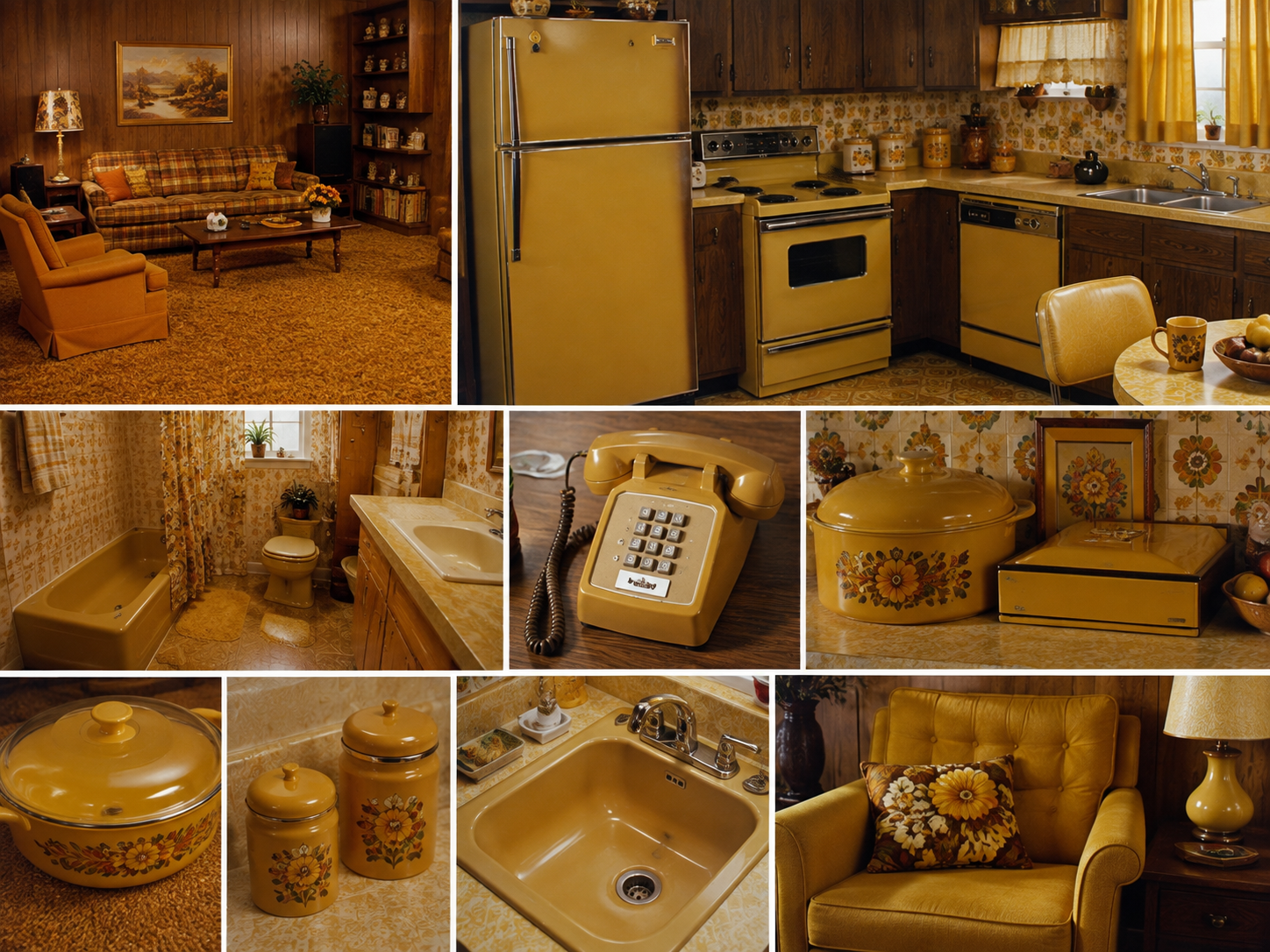
Avocado green had some serious competition from harvest gold. The warm mustard-yellow shade wasn’t limited to appliances, either. It could appear on telephones, countertops, curtains, cookware, bathroom fixtures, and upholstery — sometimes all in the same house. Paired with brown, orange, and avocado, it created a color palette that’s almost impossible to separate from the 1970s today. Yellow eventually returned to interior design, but you’re far more likely to see it on a throw pillow than covering your refrigerator, bathtub, and kitchen counter simultaneously.
Trending on Cheapism

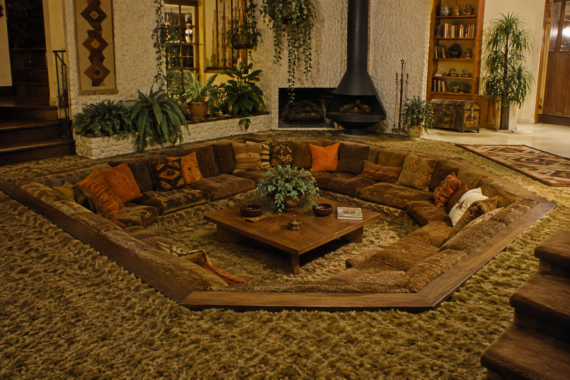
Conversation Pits
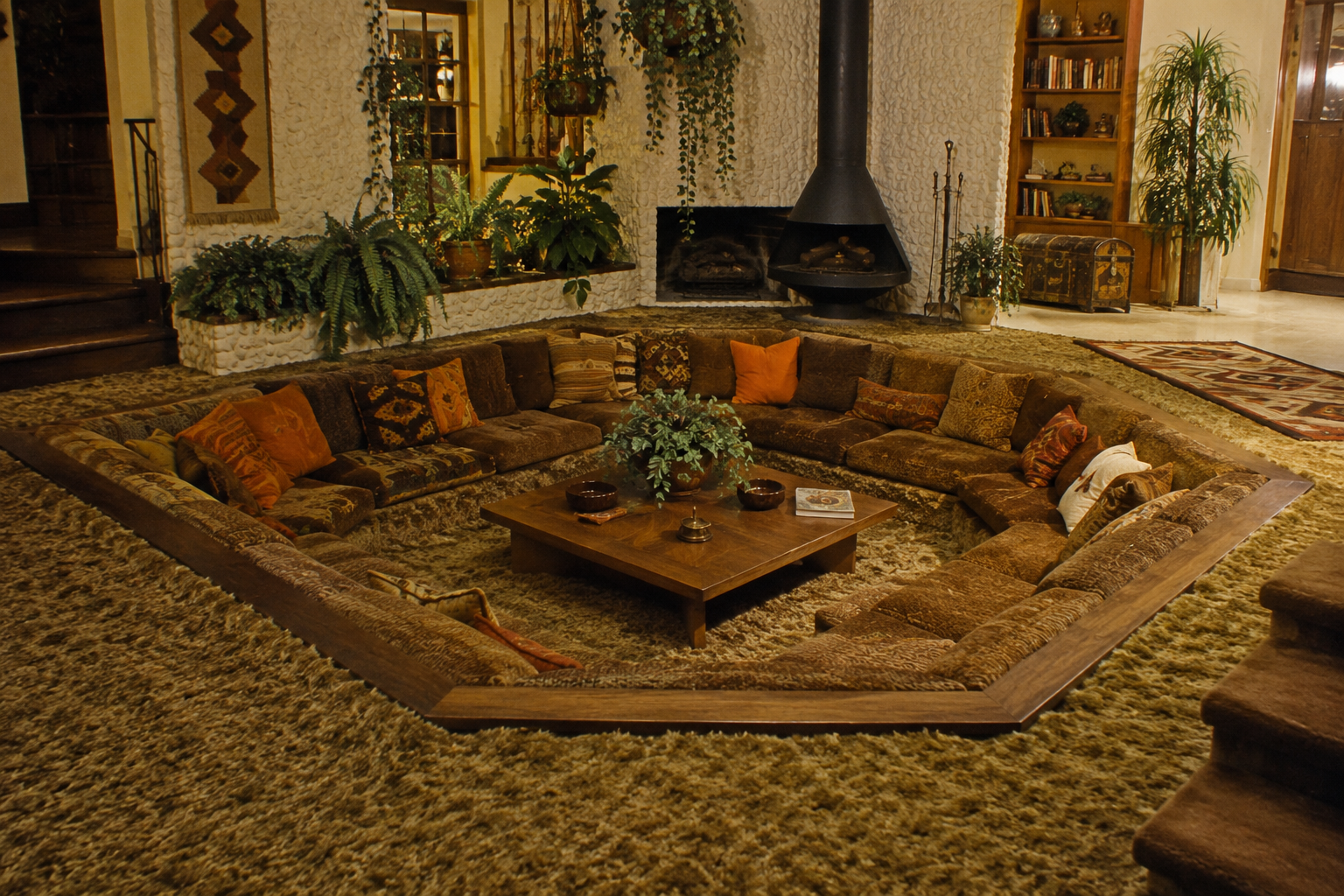
Some lucky 1970s homeowners didn’t just have a living room. They had a living room with its own hole in the floor. Conversation pits featured built-in seating or cushions arranged around a lowered central area, creating a dedicated place for guests to gather. Although the concept predates the decade, sunken living spaces became strongly associated with the adventurous architecture of the era. They looked undeniably cool, but permanent floor-level changes also came with accessibility and fall concerns. A big sectional can accomplish much the same thing without requiring anyone to watch their step.
Waterbeds
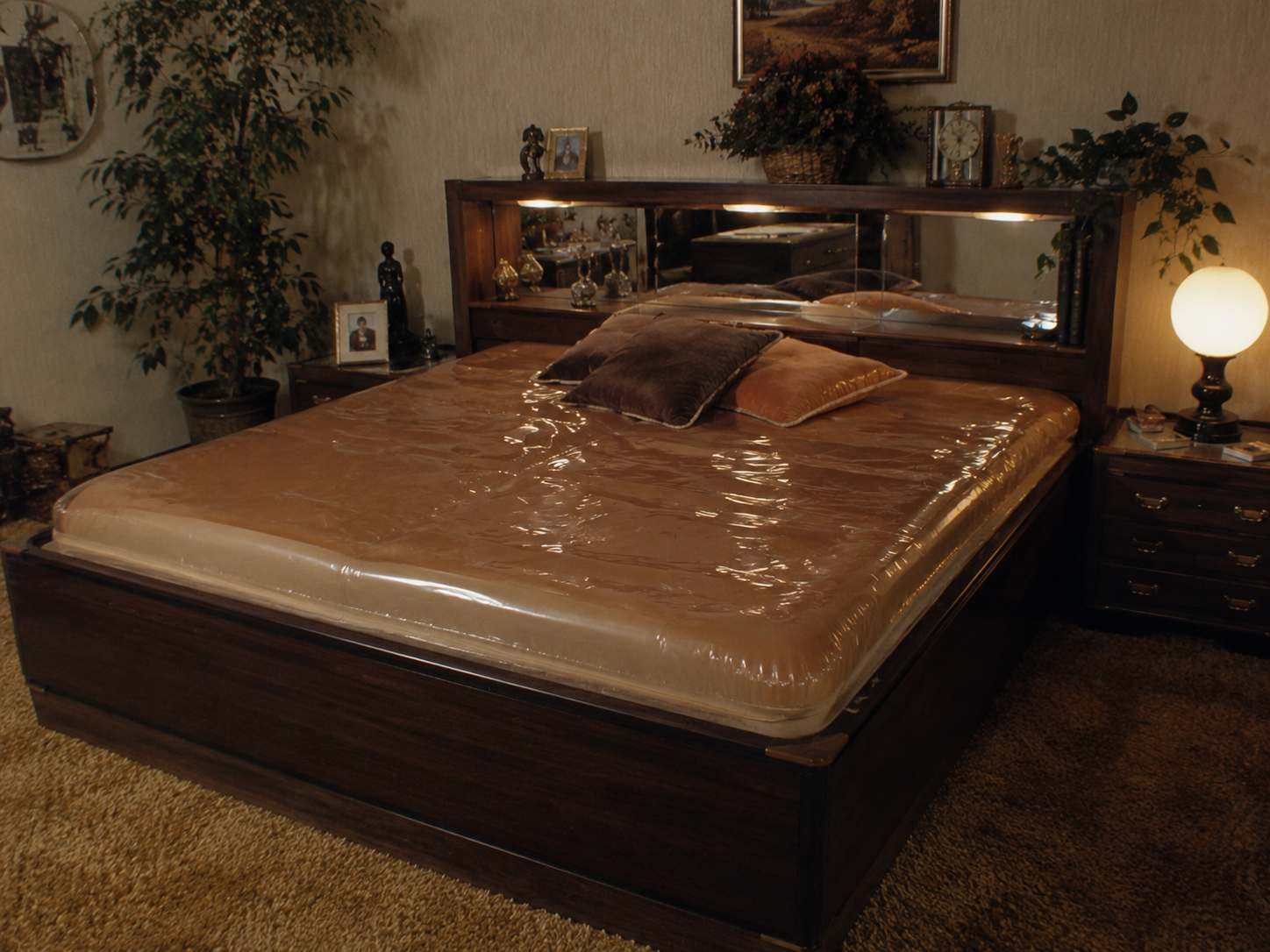
Few bedroom trends have ever had quite the cultural moment of the waterbed. A large vinyl mattress filled with water sat inside a sturdy frame, sometimes surrounded by shelves or an elaborate mirrored headboard. Owners could even add heaters so they weren’t climbing onto a chilly bag of water every night. Waterbeds moved from counterculture novelty to mainstream furniture-store purchase, but the practical problems eventually caught up with them. They were extremely heavy when full, difficult to move, and one leak could turn a bedroom into a very expensive mess.
Fondue Pots
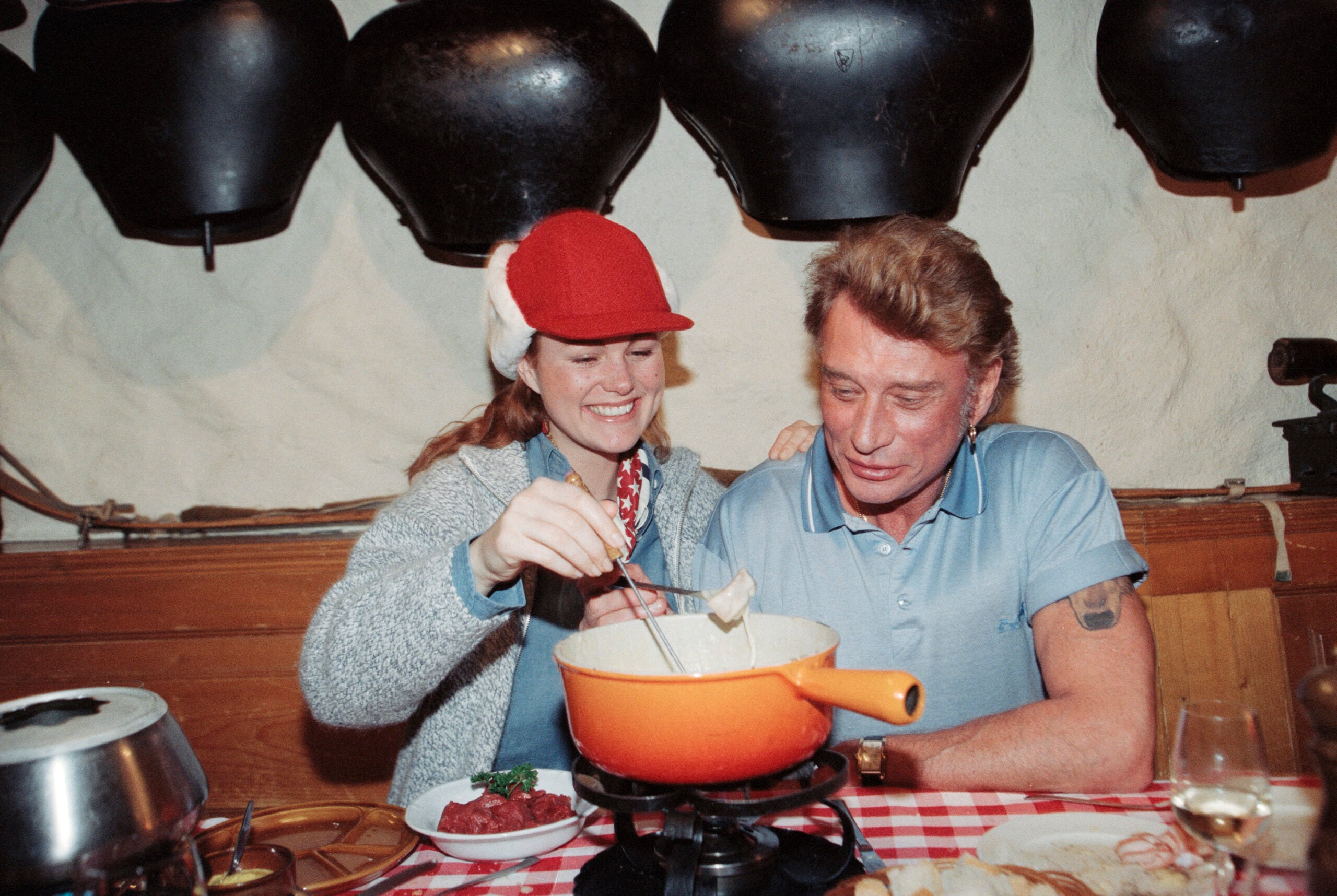
Dinner parties got considerably more interactive when the fondue pot came out. Guests gathered around to spear bread with long forks and dip it into melted cheese, while chocolate versions turned fruit and cake into dessert. There was also hot-oil fondue for cooking meat. Brightly colored enamel and electric fondue sets became popular wedding and housewarming gifts, fitting perfectly with the decade’s enthusiasm for casual group entertaining. Fondue still has its fans, but owning a specialized pot for it is no longer the entertaining essential it once seemed to be.
Sign up for our newsletter
Countertop Electric Can Openers
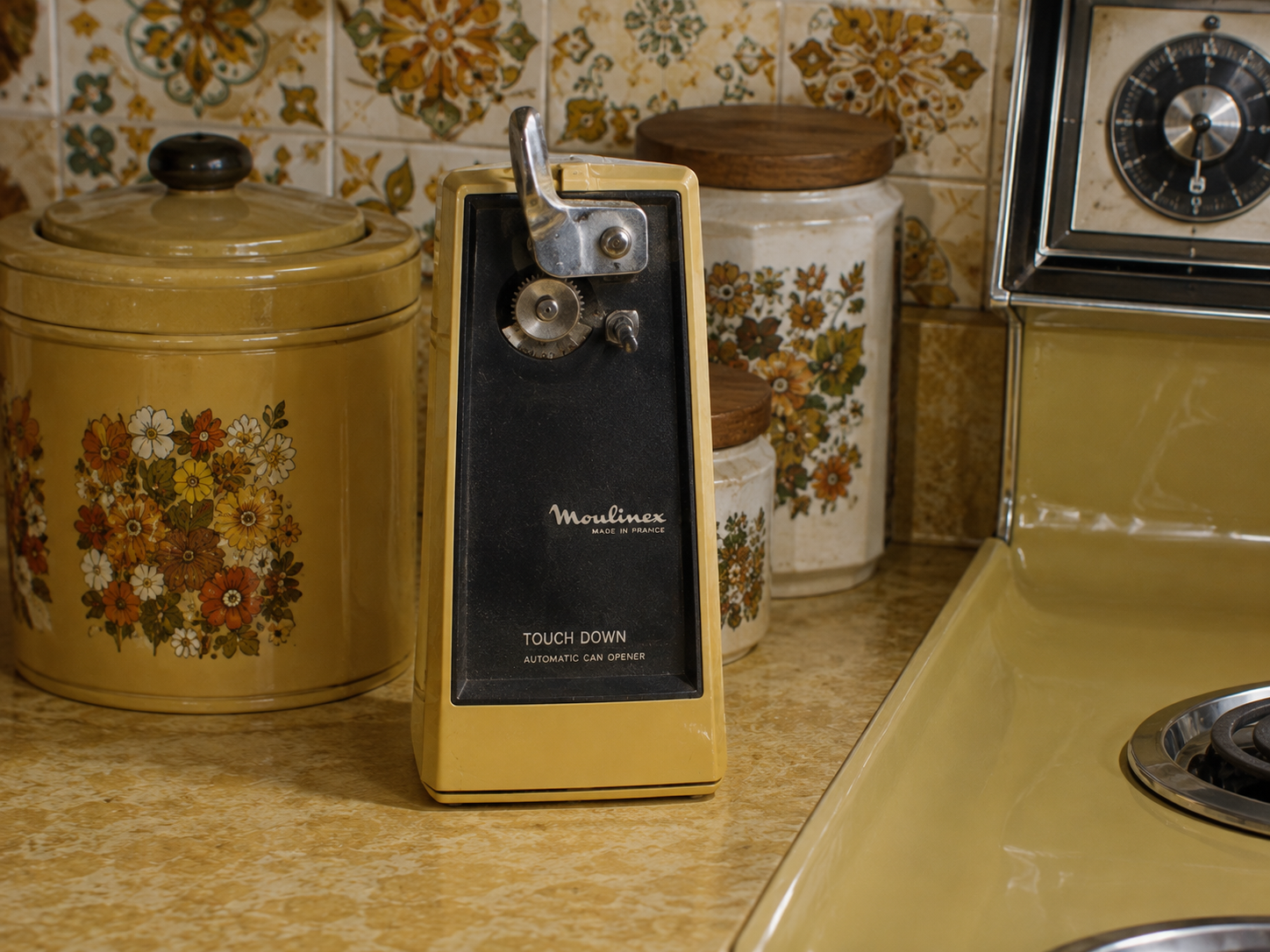
Opening a can apparently once warranted its own permanent kitchen appliance. Tall electric can openers sat plugged in on countertops alongside the toaster and coffee maker, and some models sweetened the deal with built-in knife sharpeners, bottle openers, or magnetic lid holders. They made more sense when canned ingredients were heavily used and pull tabs weren’t as common. As cans became easier to open and kitchen counters filled with newer gadgets, dedicating valuable space to a machine that performed one very small task became a harder sell.
Mushroom Lamps
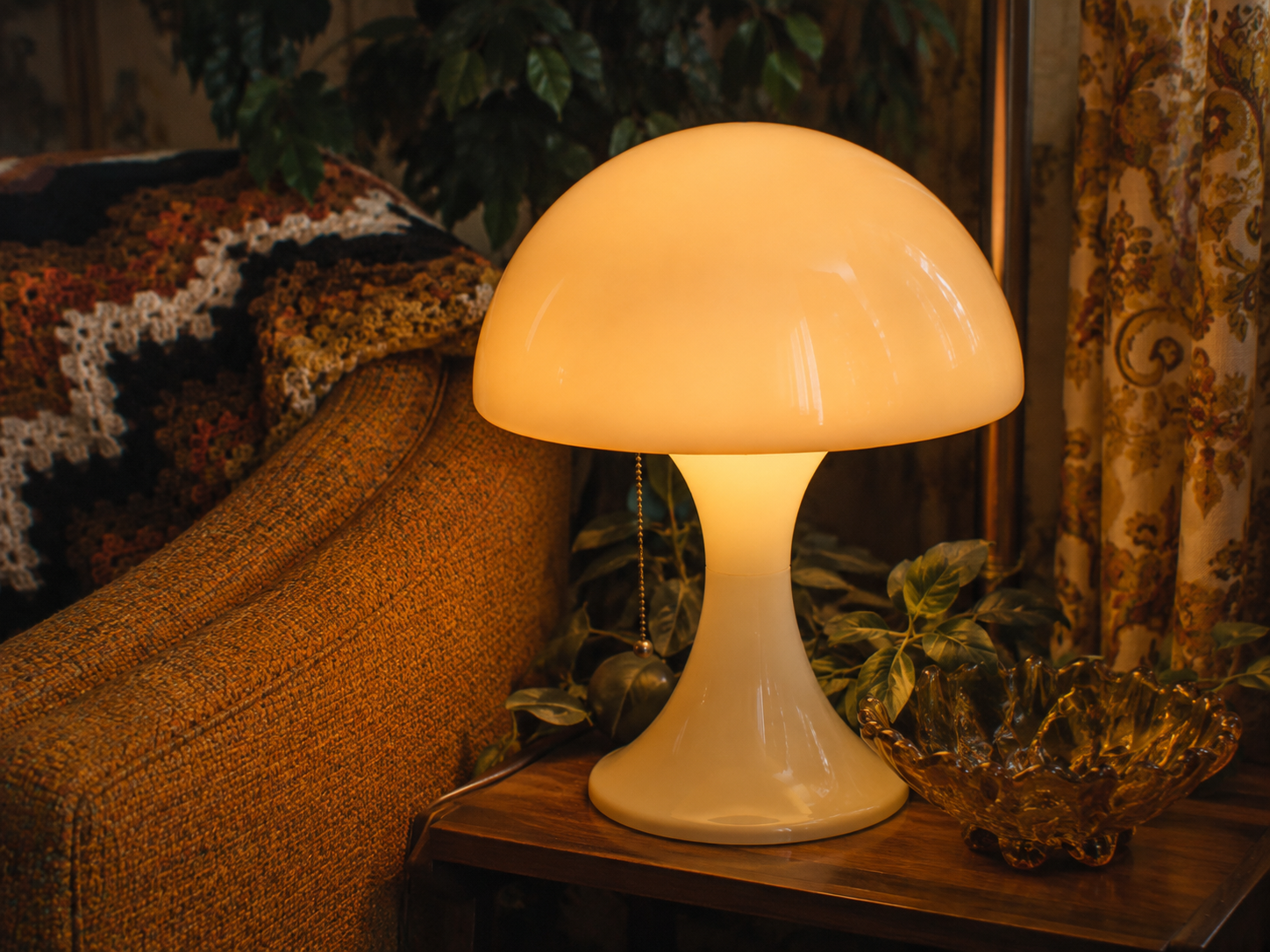
The 1970s managed to make lamps look simultaneously futuristic and organic. Mushroom lamps featured rounded dome-shaped shades and came in glass, acrylic, metal, and plastic versions. Smoked and amber glass could cast the warm, moody light that looked particularly at home beside brown upholstery and wood paneling. The distinctive silhouette eventually fell out of mainstream decorating as simpler fixtures took over. Original examples have become desirable vintage finds, though, so that mushroom lamp someone tossed during a remodel might be considerably more fashionable today than expected.
Wood-Paneled Rec Rooms
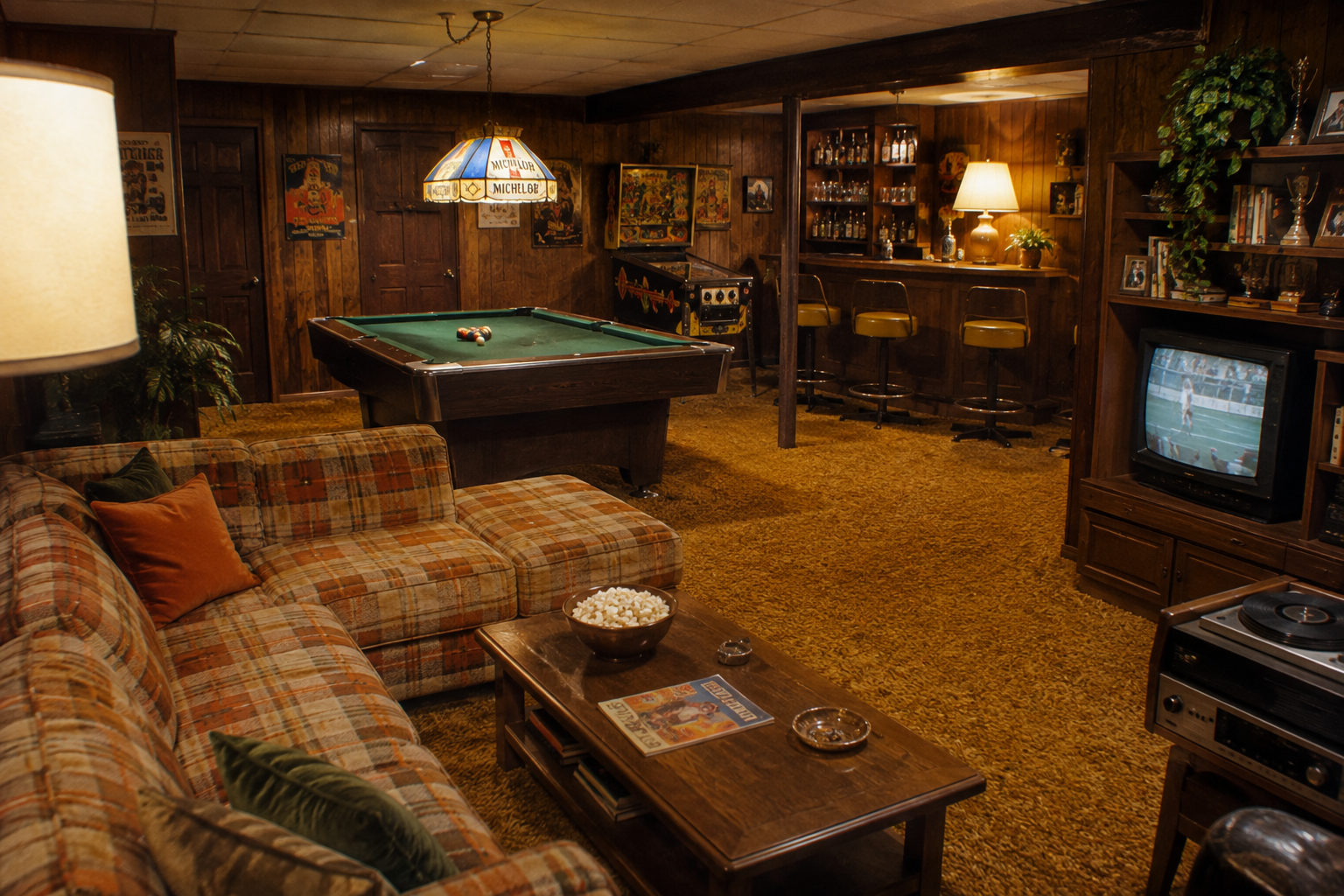
If your 1970s basement wasn’t naturally dark enough, faux wood paneling was there to help. Inexpensive woodgrain panels gave unfinished basements, dens, and rec rooms a quick makeover, often surrounding pool tables, home bars, TVs, stereos, and oversized sofas. At the time, the brown walls could make a newly finished basement feel warm and cozy. Later generations weren’t always convinced. Countless homeowners eventually ripped the panels out or painted them, as brighter walls and more open-looking spaces became fashionable.
Giant Floor Speakers
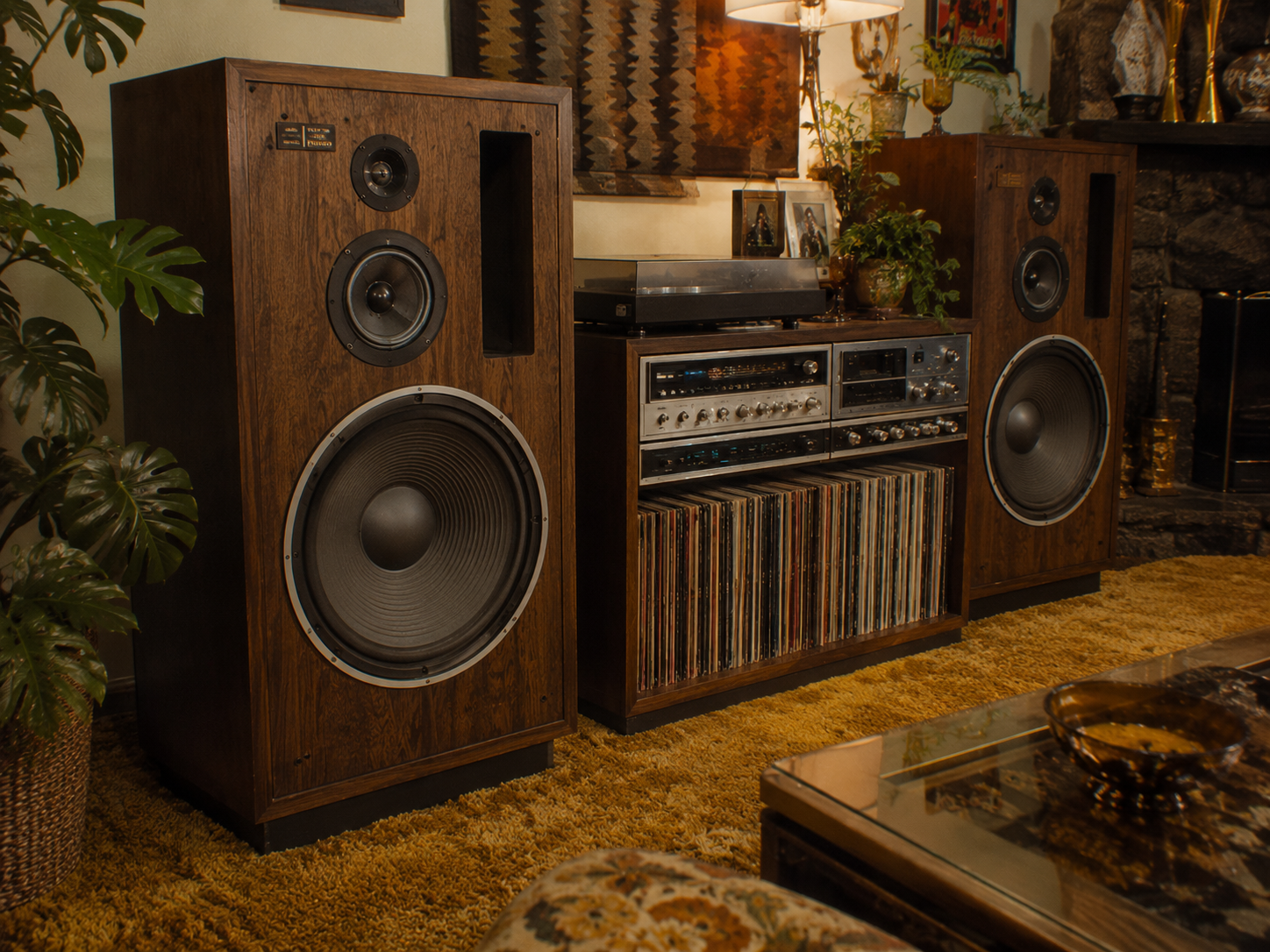
Before a tiny wireless speaker could fill a room with music, a serious stereo system could occupy a decent portion of that room. Large wooden speaker cabinets stood alongside turntables, receivers, equalizers, and cassette or 8-track decks, and audio enthusiasts often displayed the whole setup proudly. Brands like JBL, Pioneer, Marantz, and Advent became familiar names to stereo fans. Soundbars, headphones, bookshelf speakers, and wireless systems eventually made home audio considerably more compact, but they don’t have quite the same visual drama as a pair of enormous speakers flanking the stereo.
Decorative Glass Terrariums
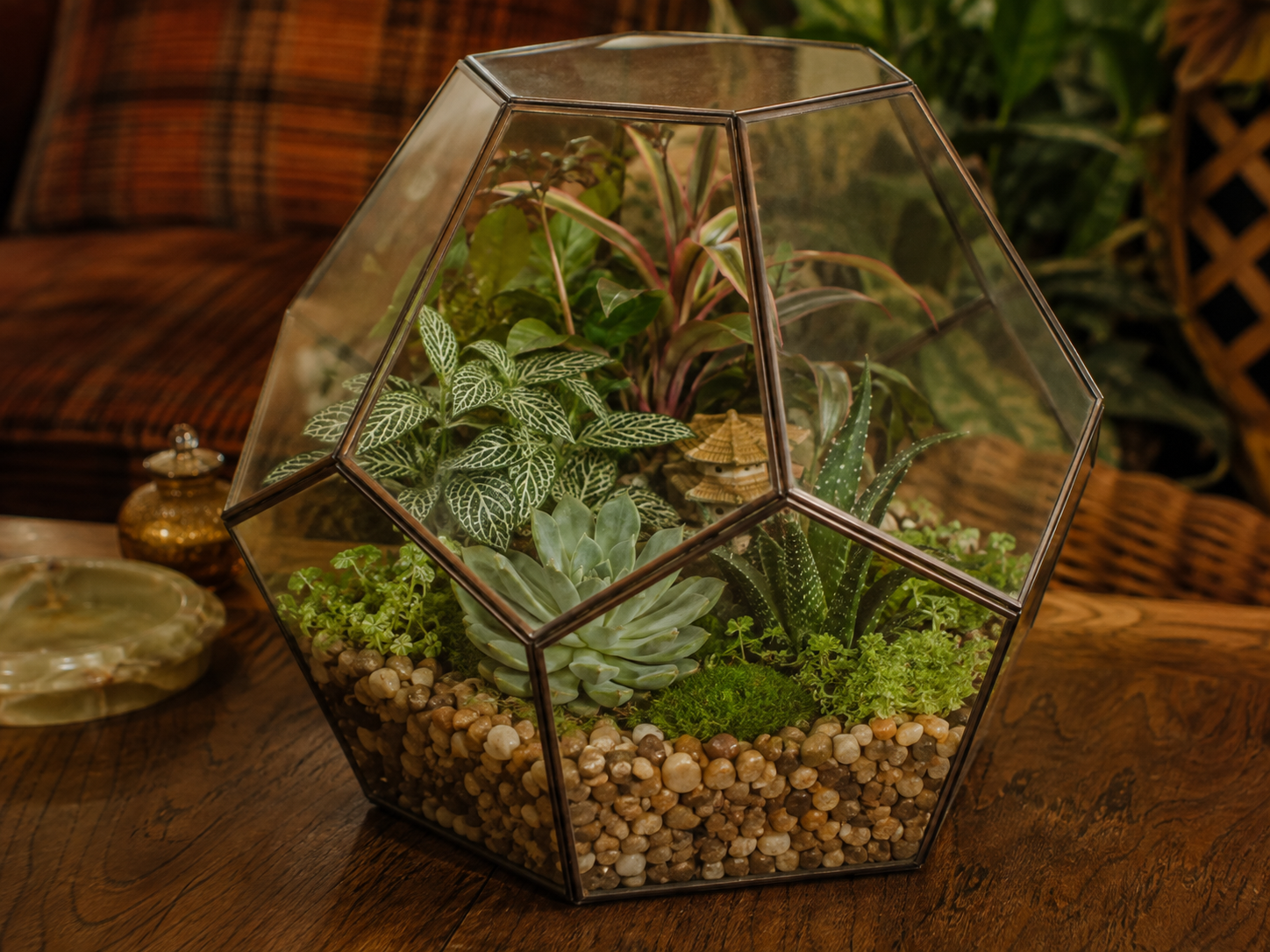
Houseplants weren’t confined to pots in the 1970s. Decorative terrariums turned moss, ferns, stones, and miniature plants into tiny indoor landscapes, sometimes housed inside geometric glass containers or hanging from chains. The look fit perfectly alongside macramé and the decade’s fascination with bringing nature indoors. Large decorative terrariums eventually faded from mainstream interiors, and today’s houseplant boom tends to favor individual plants in comparatively simple pots. Still, there’s something charmingly ’70s about turning a corner of the living room into its own miniature ecosystem.
Novelty Kitchen Clocks
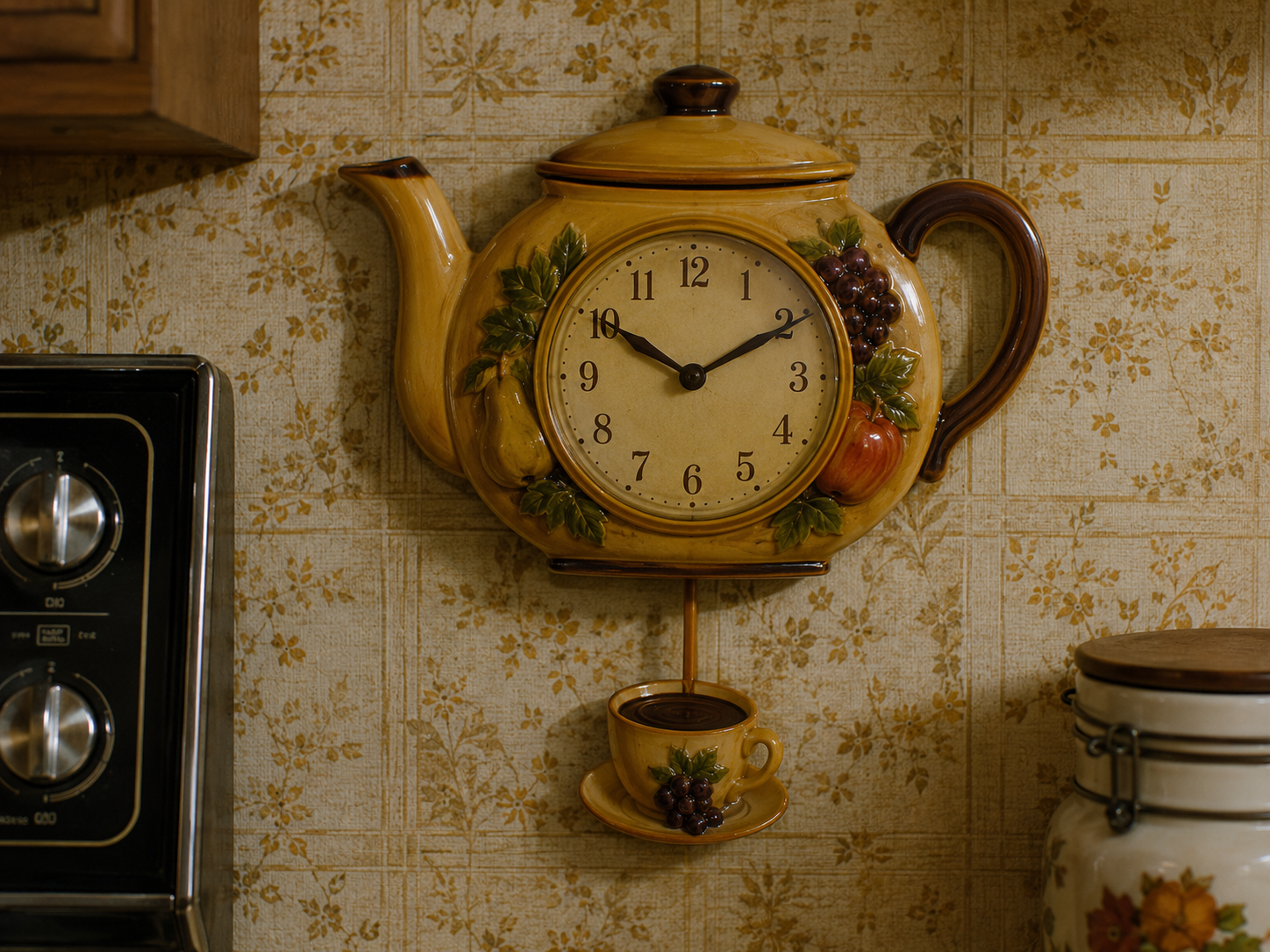
A kitchen clock didn’t have to look remotely like a clock. It could resemble a frying pan, coffee pot, owl, flower, sunburst, or giant piece of fruit and still earn a prominent spot on the wall. Bright plastic and faux wood finishes only made them more at home in a 1970s kitchen. Dedicated clocks were also more useful before ovens, microwaves, smartphones, and seemingly every other electronic device displayed the time. Today, the more unusual survivors tend to look like quirky vintage collectibles rather than kitchen necessities.
Huge Collections of Records and 8-Tracks
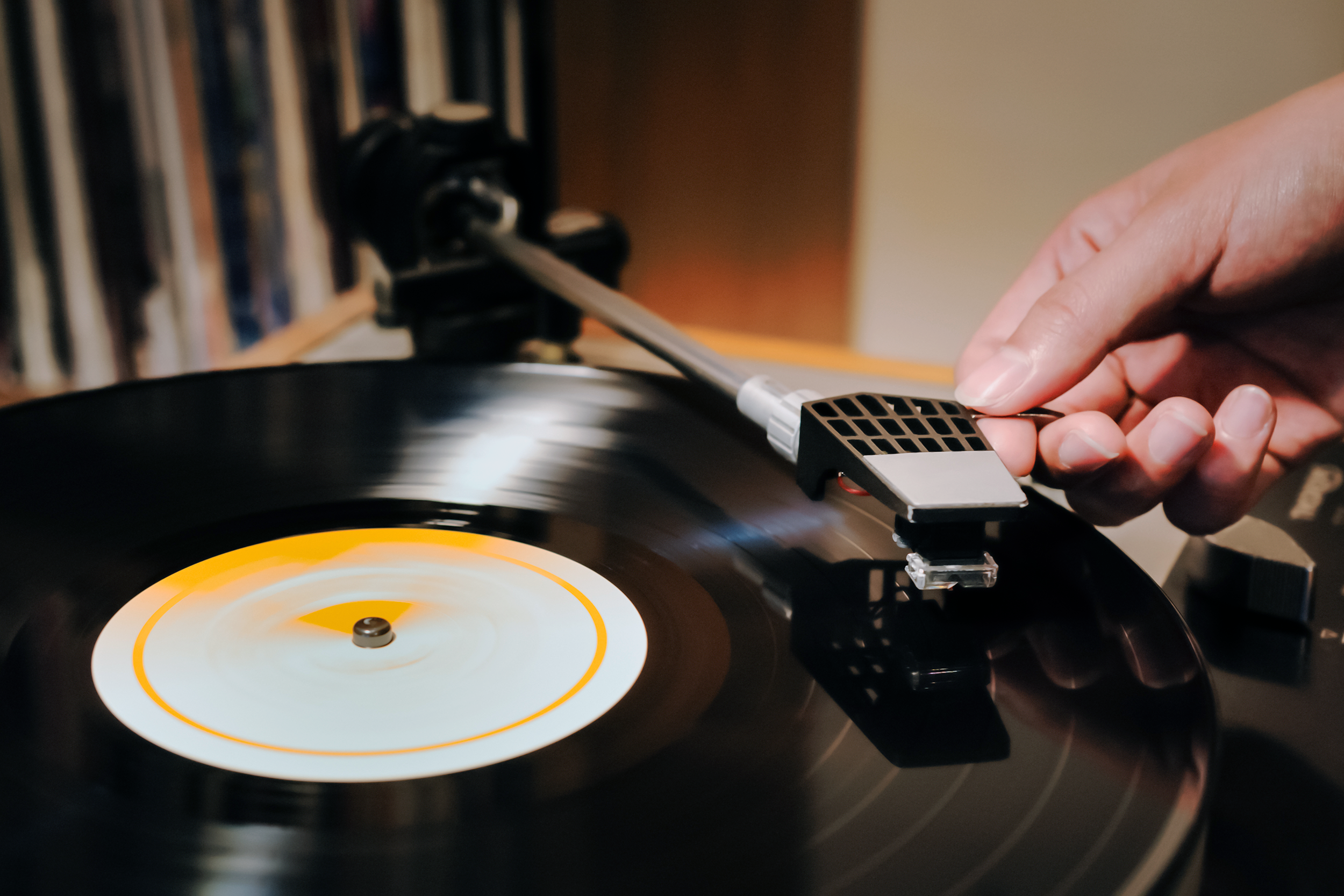
A music library used to require actual storage space. LPs filled cabinets and crates, while chunky 8-track cartridges accumulated in racks near home stereos and in cars. Some households even had dedicated 8-track decks as part of elaborate component stereo systems. Finding an album meant physically flipping through the collection rather than typing its name into an app. Vinyl eventually staged an impressive comeback, but 8-tracks weren’t nearly so lucky. And even dedicated music fans can now carry collections that once filled an entire cabinet in their pockets.