Growing up in the 1980s meant mastering a surprising amount of technology that would look downright prehistoric to kids today. You had to rewind your movies before returning them, wait beside the radio to record your favorite song, and occasionally perform minor surgery on a cassette tape with a pencil.
And then there were the everyday objects that simply belonged to childhood: Trapper Keepers stuffed with homework, scratch-and-sniff stickers traded at school, character lunch boxes, and Garbage Pail Kids cards your parents probably wished you’d throw away.
Some of these ’80s childhood essentials were cutting-edge at the time, while others had already been around for years. Either way, they became fixtures of bedrooms, backpacks, classrooms, and family living rooms. Here are 16 that might instantly transport you back.
A Trapper Keeper
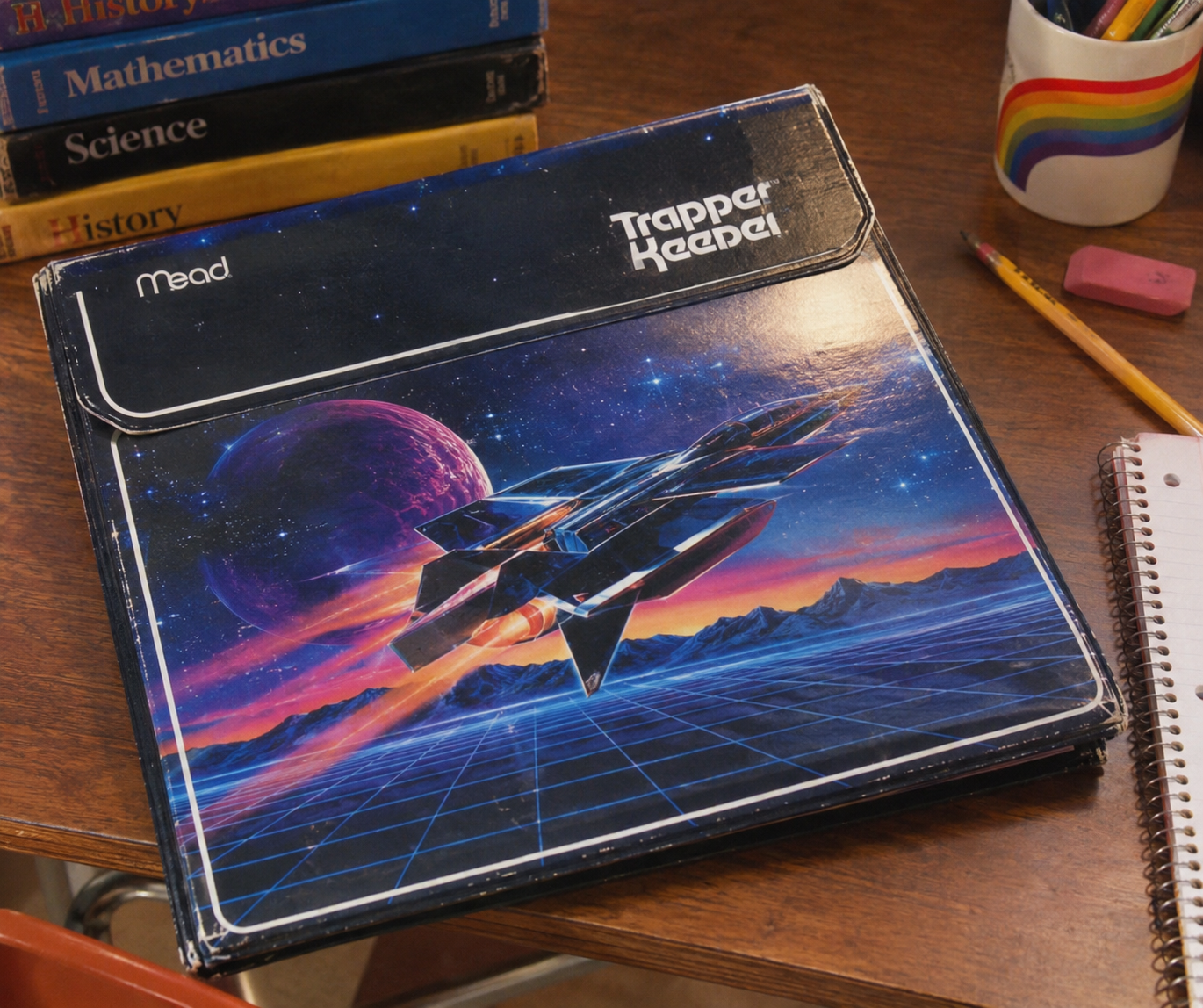
A plain binder simply couldn’t compete with a Trapper Keeper. Mead’s colorful school organizers held folders and papers behind a Velcro flap that announced every opening to the entire classroom. The bold graphics were part of the appeal, whether you preferred sports cars, geometric patterns, rainbows, or licensed characters. They became such a school phenomenon that some teachers reportedly banned them. For kids who had one, though, even homework felt slightly cooler when it lived inside a Trapper Keeper.
A Cassette Walkman With Foam Headphones
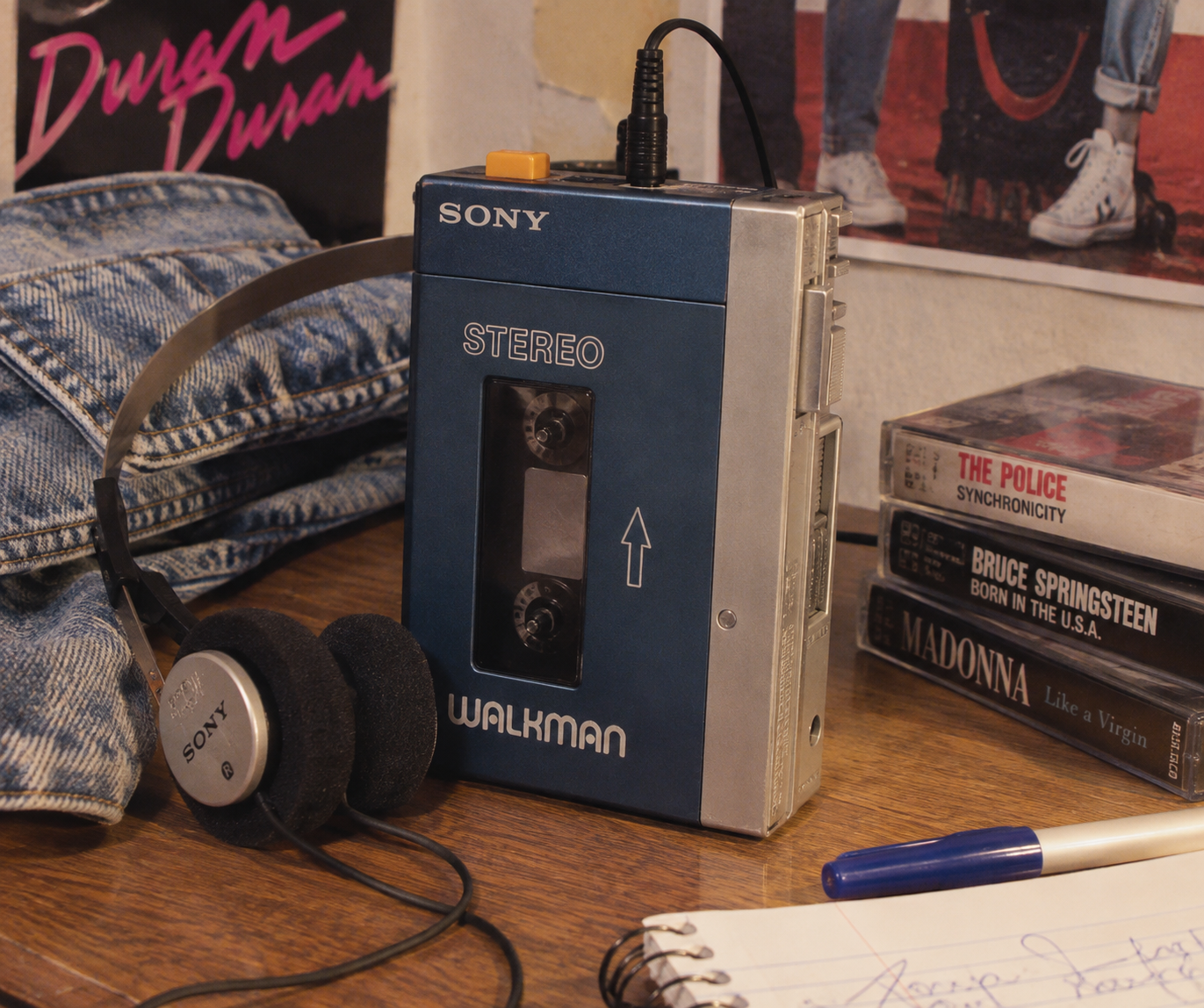
Sony introduced the original Walkman in 1979, but the portable cassette player became inseparable from ’80s youth culture. Suddenly, kids and teens could take their music with them without forcing the rest of the family to listen. The experience wasn’t exactly seamless: Songs couldn’t be instantly skipped, batteries eventually died, and those flimsy foam-covered headphones weren’t built for eternity. But clipping a Walkman to your waistband and heading out with your favorite tape felt remarkably high-tech.
Blank Cassette Tapes and a Pencil
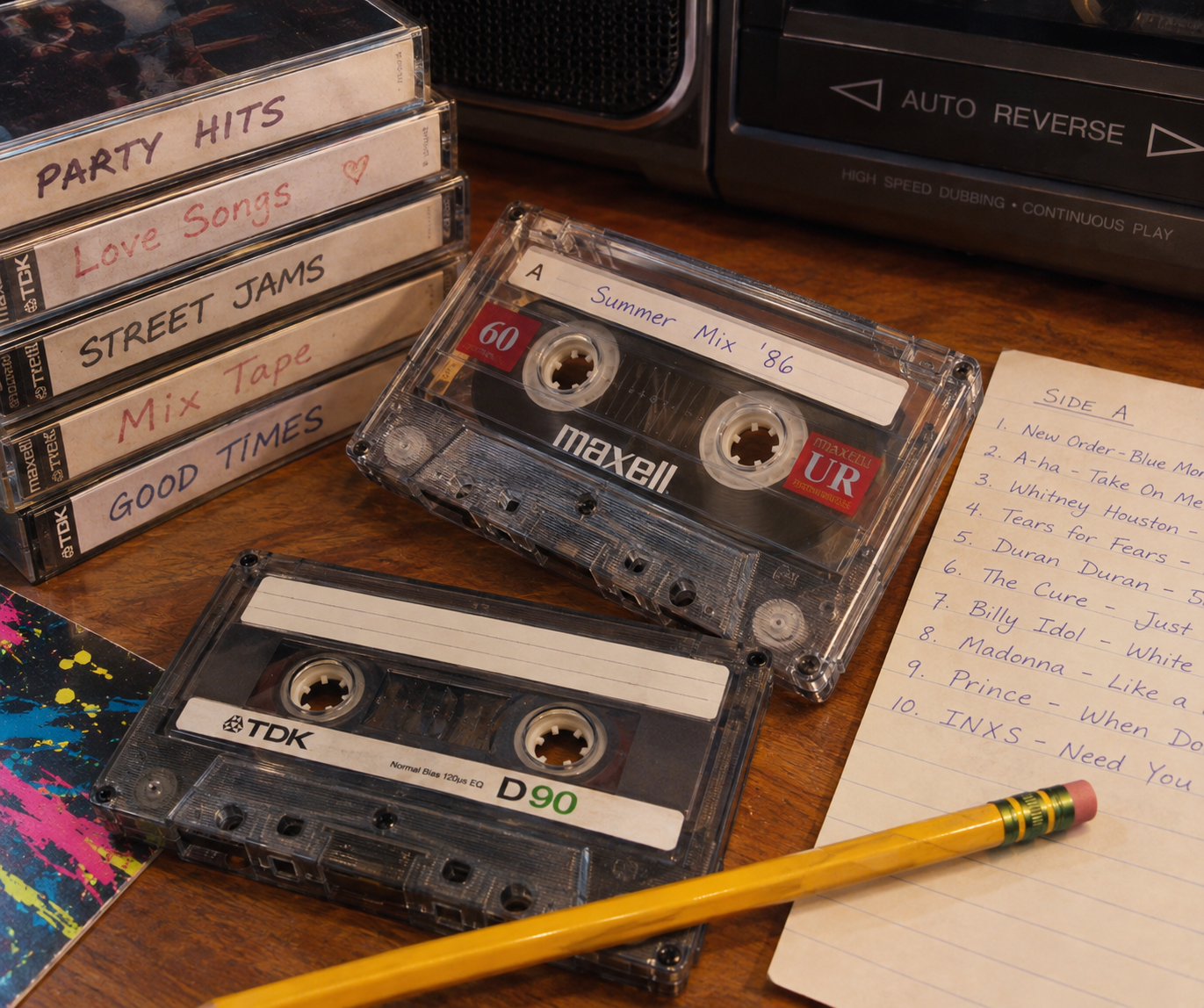
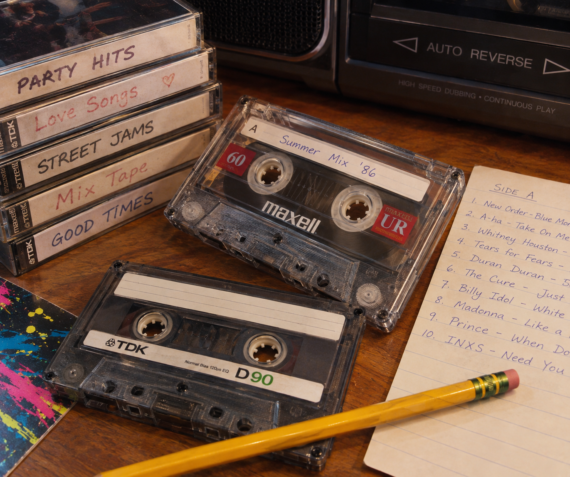
Long before anyone could build a playlist in seconds, there was the homemade mixtape. That could mean copying songs from other cassettes or sitting beside the radio waiting for your favorite track to finally come on — then desperately hitting “record” before you missed the beginning. If the DJ talked over the intro or outro, that commentary became part of your tape forever. And when cassette tape came loose, a pencil inserted into the reel offered a wonderfully low-tech way to wind it back into place.
VHS Tapes and a Separate Tape Rewinder
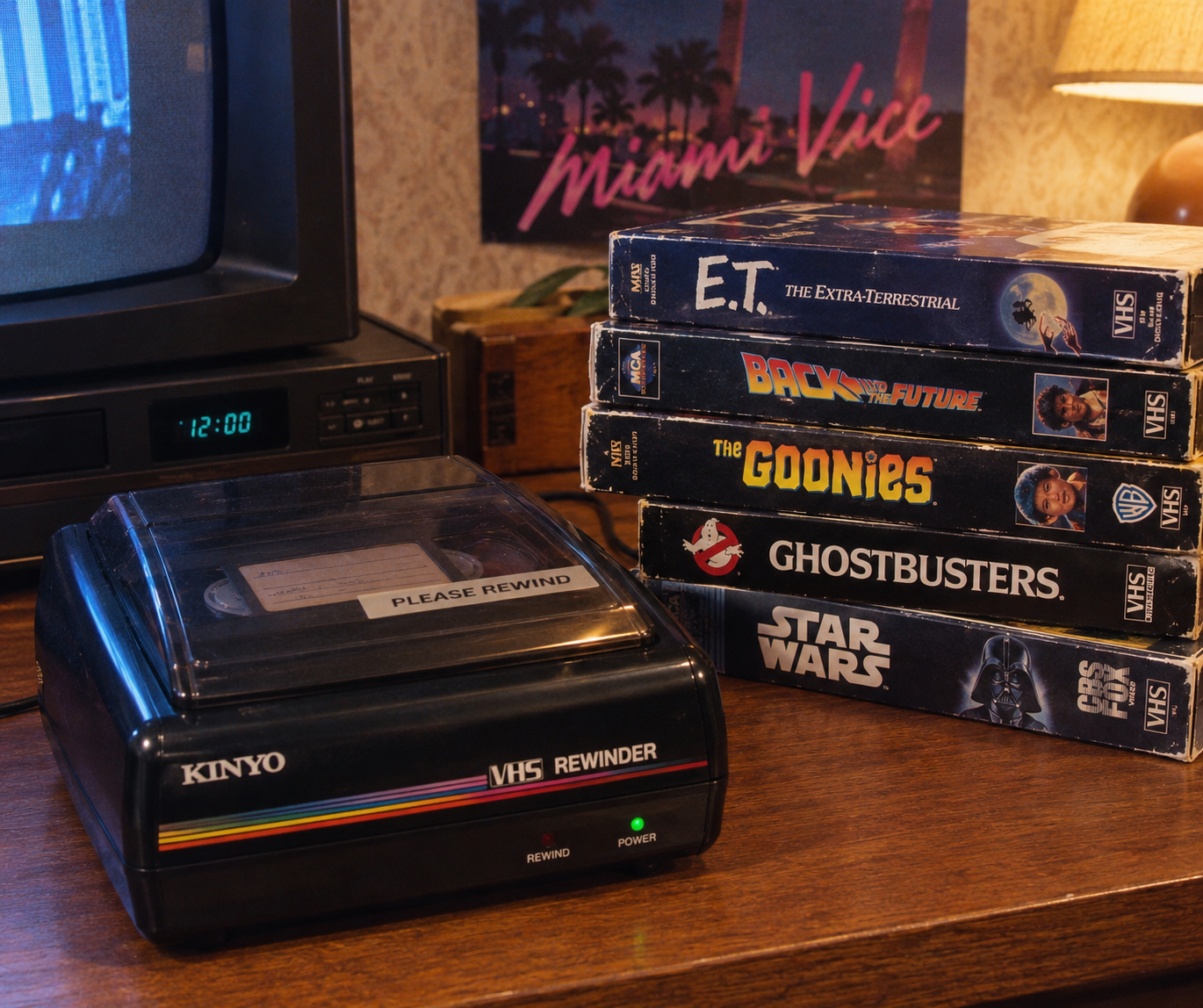
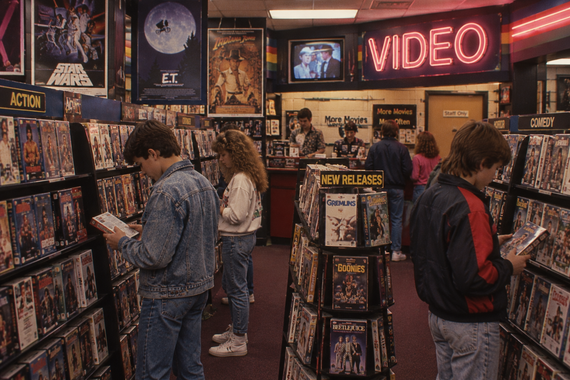
Movie night once required a lot more physical equipment. VHS tapes were bulky, collections consumed entire shelves, and rented movies were supposed to go back to the video store rewound. “Be Kind, Rewind” wasn’t just a cute slogan. Some families even had standalone tape rewinders, allowing them to rewind a movie without tying up the VCR. Compared with choosing something on a streaming service today, watching a movie at home in the ’80s could feel like an entire operation.
Rabbit Ears on the Television
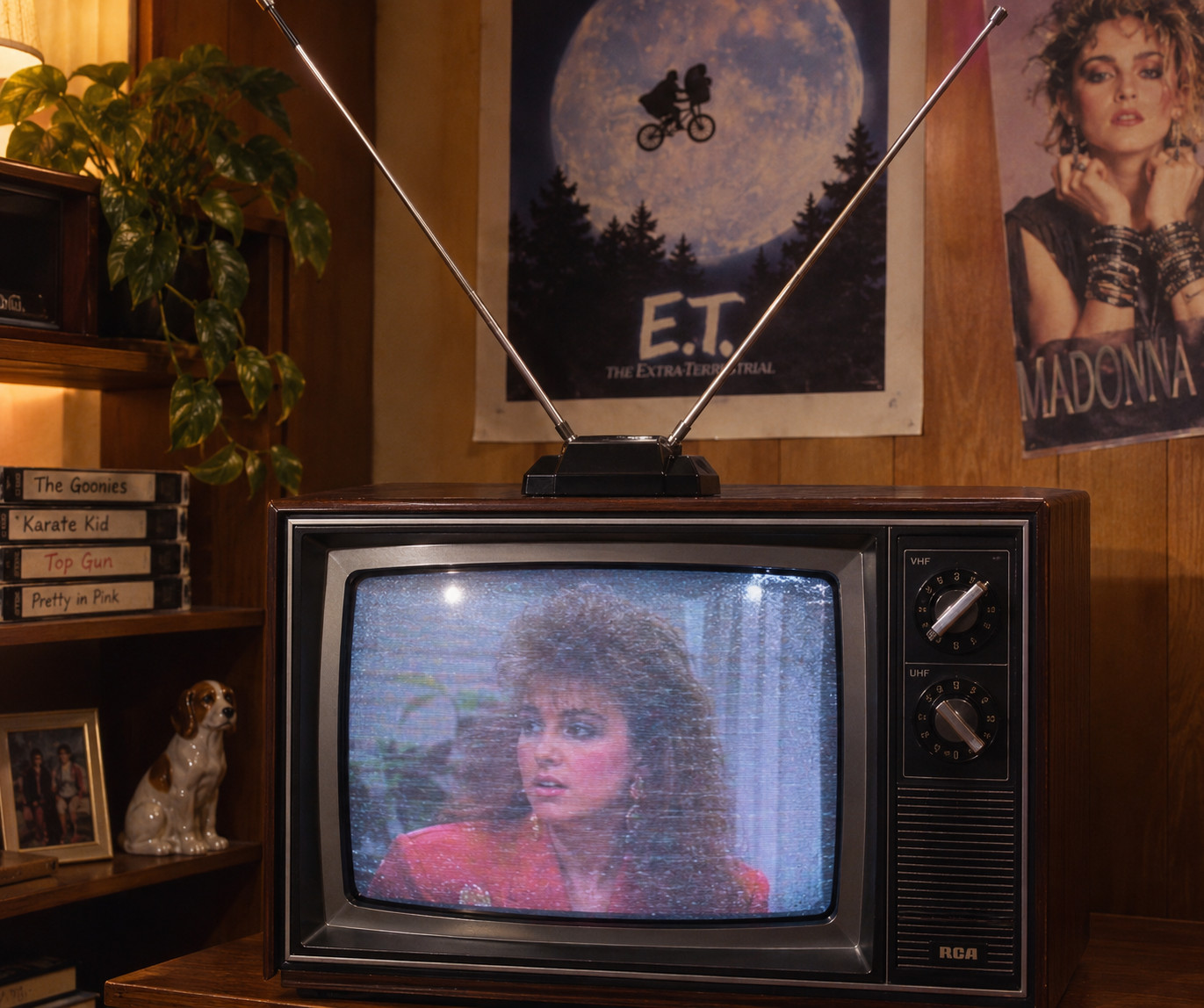
Sometimes watching TV required finding the perfect antenna position first. The metal “rabbit ears” sitting on top of the television could be extended, shortened, rotated, and repositioned in an attempt to turn a fuzzy picture into something watchable. Aluminum foil was another famously improvised reception fix. And every family seemed to have experienced the moment when someone finally found the sweet spot and was immediately ordered not to move.
Trending on Cheapism


A Corded Family Telephone
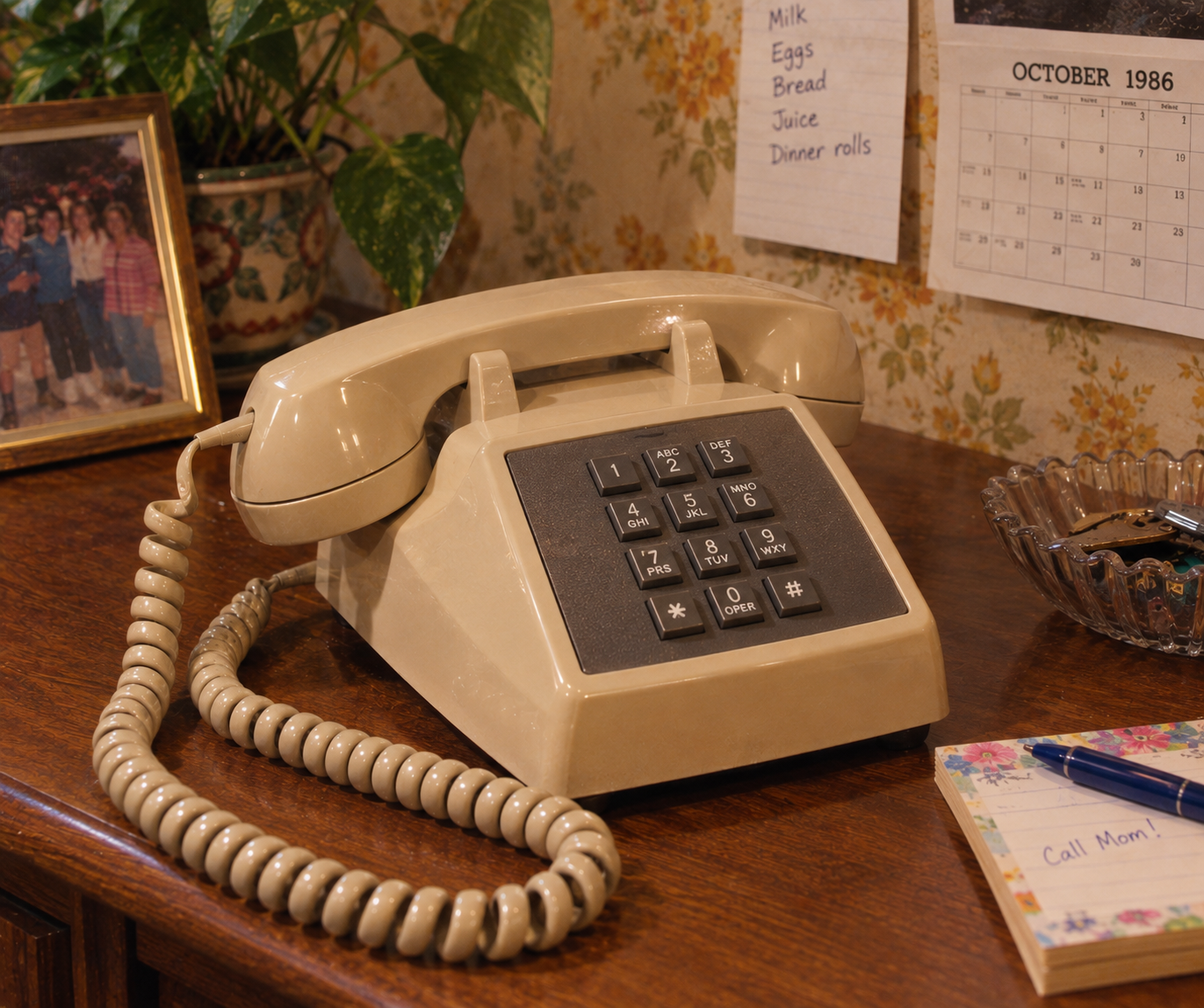
Calling a friend wasn’t exactly private when the only phone belonged to the entire household. You dialed their home number, waited to see who answered, and potentially had to ask someone’s mom or dad, “Can I talk to Jennifer?” A generously long phone cord was a luxury because it allowed you to stretch into a hallway, closet, or nearby room for a little privacy. Busy signals were another unavoidable part of life: If someone was already using the line, you simply had to try again later.
A Scratch-and-Sniff Sticker Collection
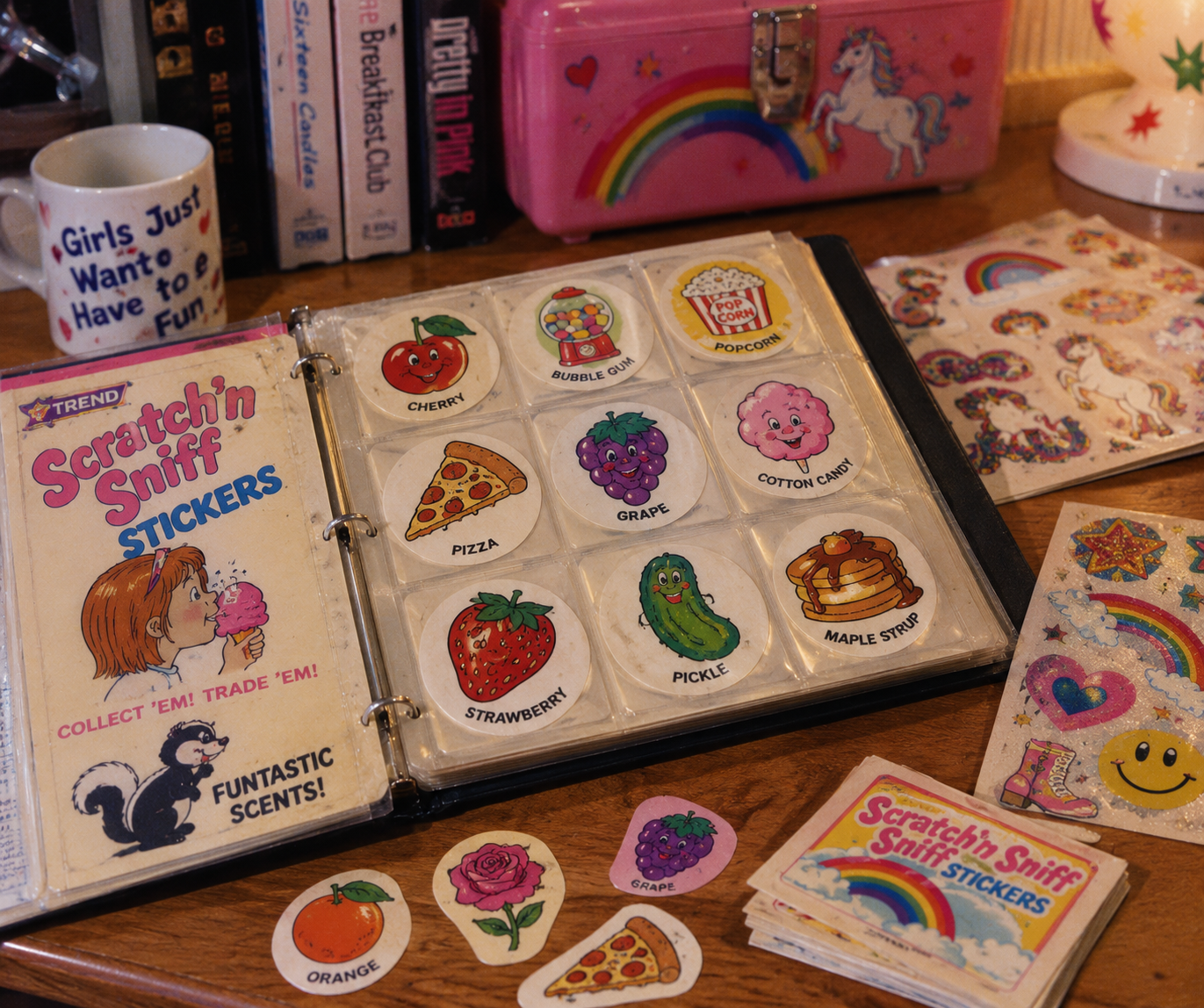
Stickers could become serious playground currency in the ’80s. Kids collected them in albums and notebooks, compared their favorites, and negotiated trades with friends. There were puffy stickers, fuzzy stickers, shiny stickers, and, perhaps most memorably, scratch-and-sniff varieties. Scratching a tiny pizza, pickle, fruit, or popcorn sticker was supposed to release a matching scent. Naturally, the really good stickers weren’t necessarily the ones you were willing to trade.
Garbage Pail Kids Cards
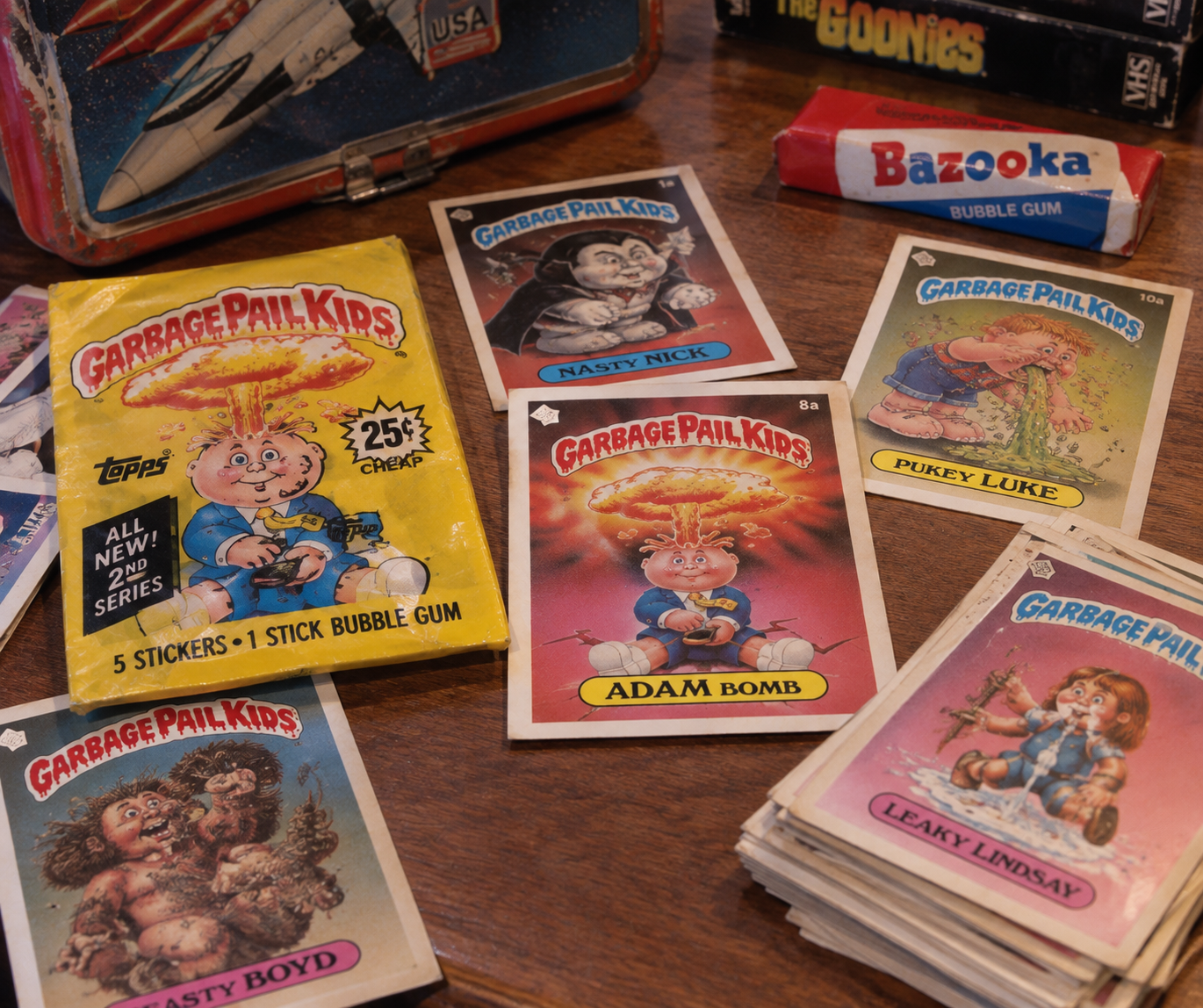
If Cabbage Patch Kids were adorable, Garbage Pail Kids were their deliberately disgusting opposite. Topps launched the parody cards in 1985, filling them with grotesque characters, gross-out jokes, and names like Adam Bomb. They doubled as stickers, which meant plenty ended up plastered on binders, desks, and bedroom furniture rather than carefully preserved as collectibles. Parents and schools weren’t always amused, and the cards were reportedly banned in some classrooms — which probably only made them more appealing.
Sign up for our newsletter
Cabbage Patch Kids Adoption Papers
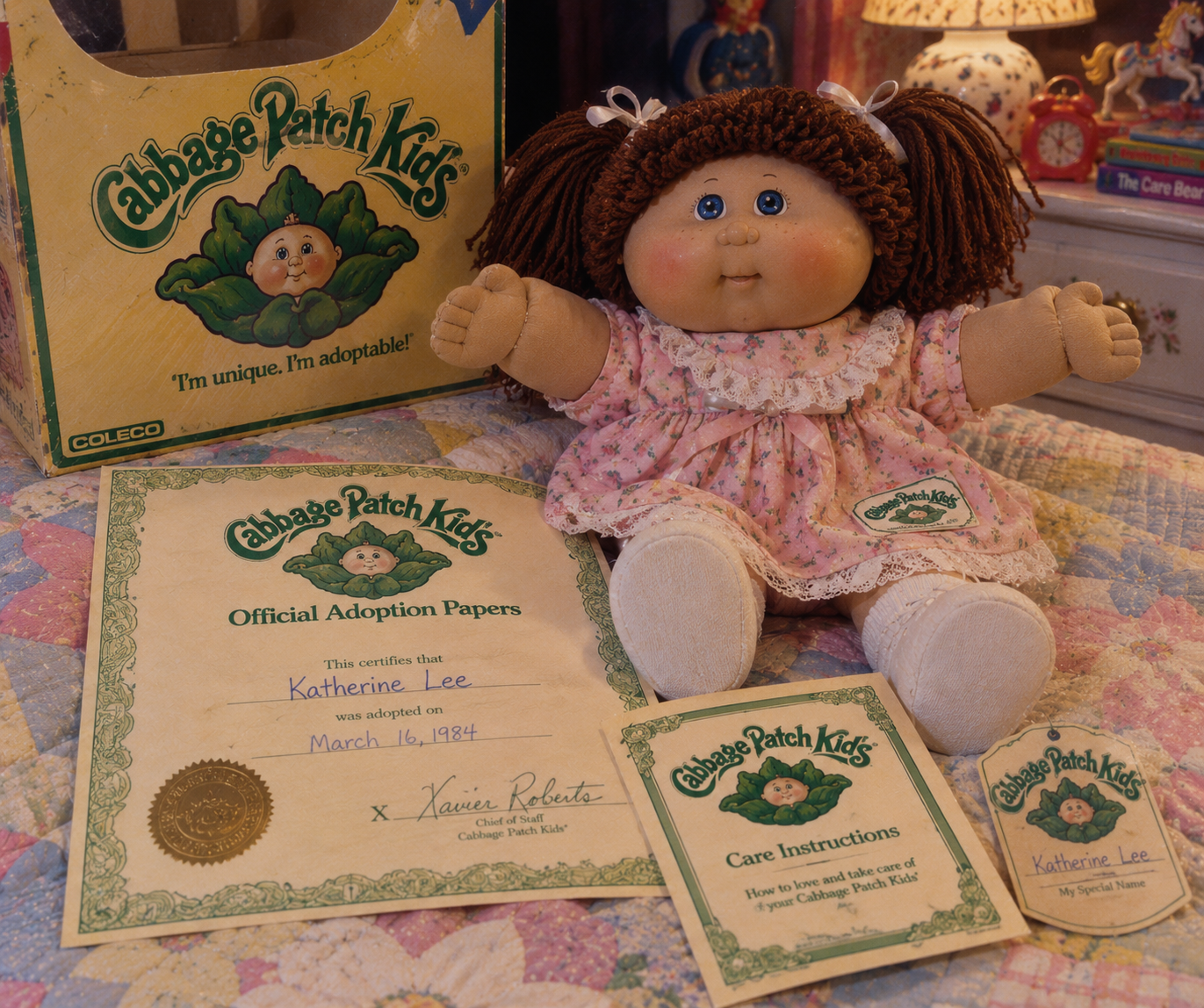
Getting a Cabbage Patch Kid wasn’t supposed to feel like buying an ordinary doll. Each one came with a name and adoption paperwork, transforming the toy into a character kids were officially bringing home. The concept helped fuel an enormous craze, especially during the frantic 1983 Christmas shopping season, when stores struggled to keep up with demand. Nearly 3 million dolls were “adopted” by the end of that year, and for plenty of kids, the doll’s peculiar official name was part of the fun.
Teddy Ruxpin and His Story Cassettes
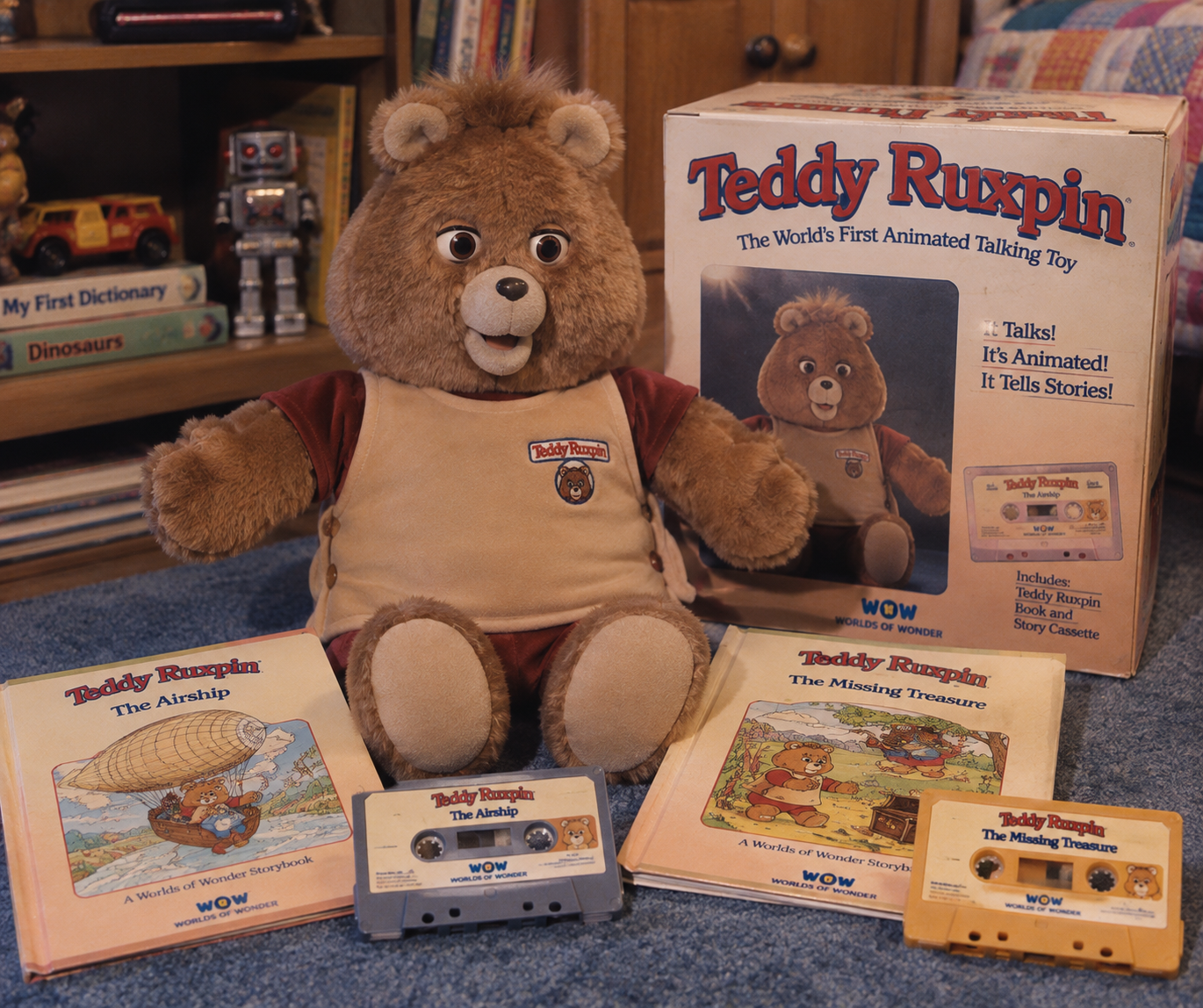
Teddy Ruxpin seemed almost impossibly futuristic when he arrived in 1985. Hidden inside the talking bear’s back was a cassette player, and special story tapes made his mouth and eyes move along with the narration. Kids had to physically open him up and insert another cassette when they wanted a new story. Compared with today’s interactive toys, the mechanism may seem quaint, but a stuffed animal appearing to tell you a story on its own was pretty magical at the time.
A Speak & Spell
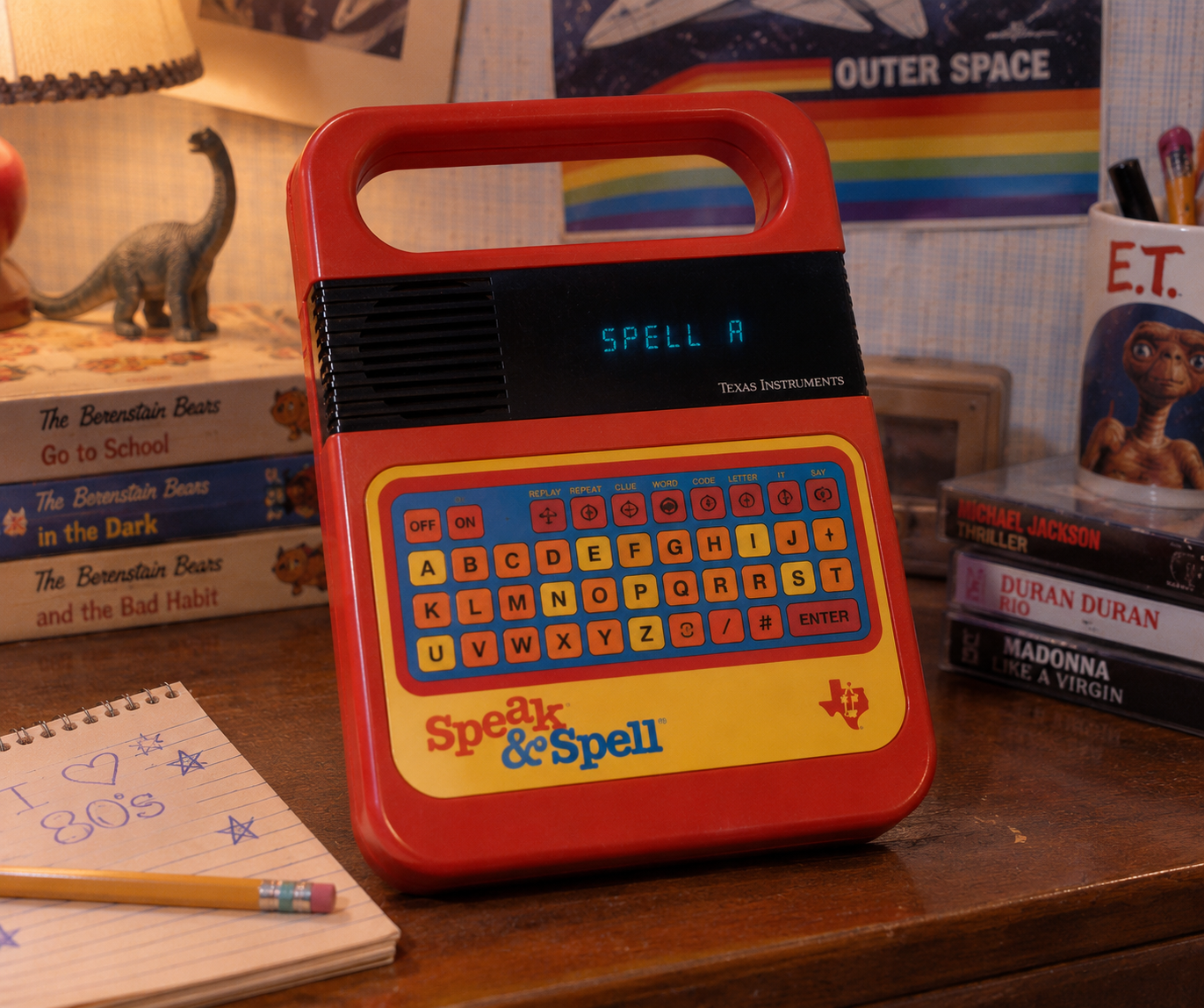
Few electronic sounds are as instantly recognizable to certain ’80s kids as the robotic voice of a Speak & Spell. Texas Instruments introduced the educational toy in 1978, using synthesized speech to help children practice spelling and pronunciation. Kids typed answers on its keyboard and listened as the machine responded in its unmistakable electronic voice. It was educational, sure, but that didn’t stop children from deliberately entering ridiculous answers just to hear what the machine would say.
A Character Lunch Box With a Thermos
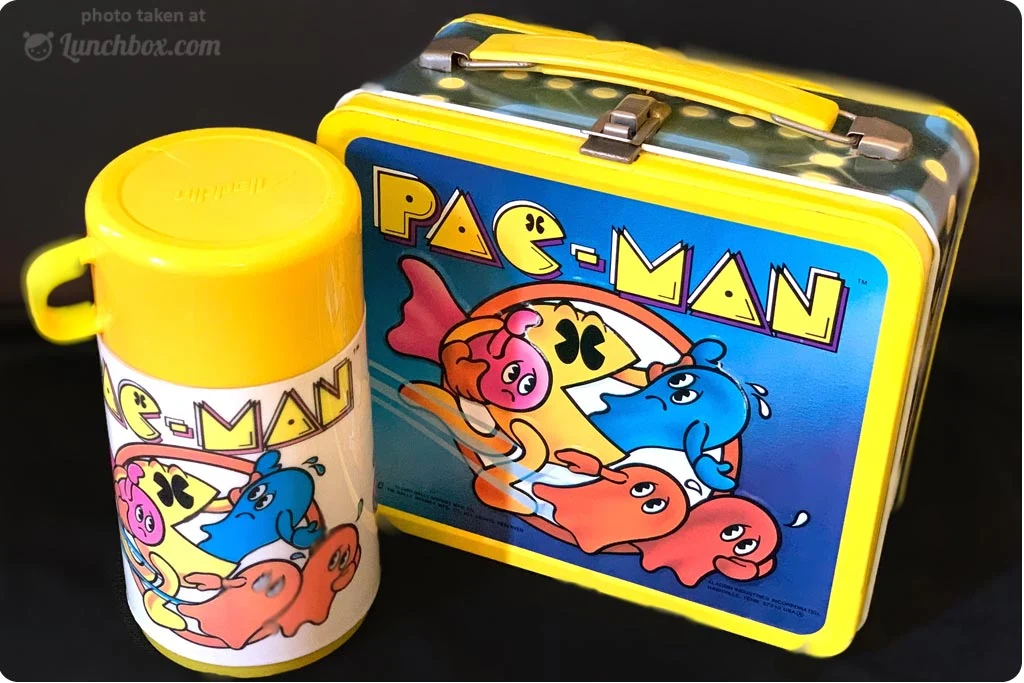
Your lunch box could reveal a lot about you before anyone even saw what was inside. Cartoon characters, movies, television shows, and other pop-culture favorites decorated the rigid metal and plastic boxes kids carried into school cafeterias. Inside, there was often a matching Thermos alongside a sandwich, snack, and whatever else Mom or Dad had packed that morning. The Thermos also seemed to retain the faint smell of yesterday’s drink no matter how thoroughly anyone washed it.
A View-Master and a Stack of Reels
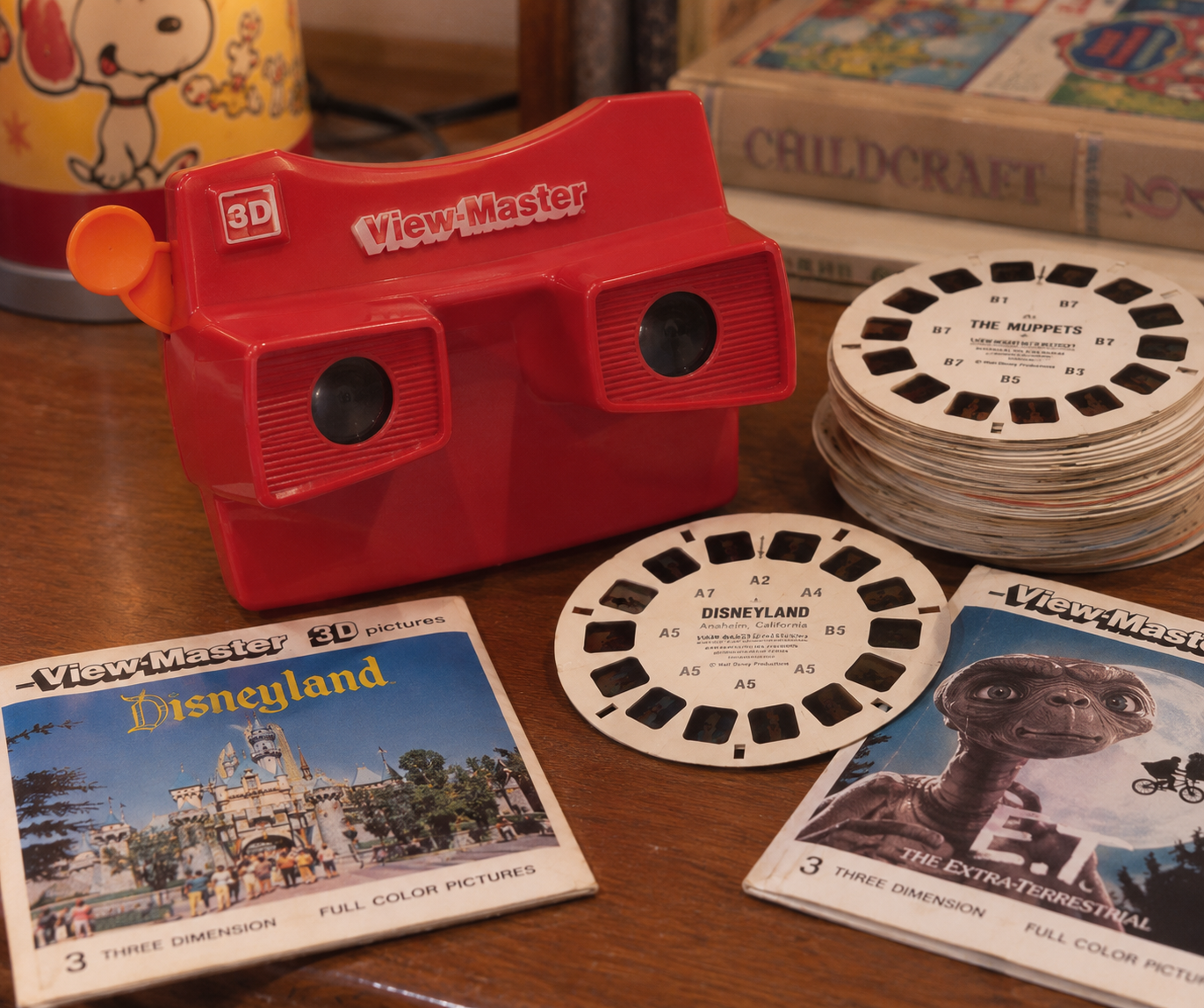
The View-Master was already decades old by the 1980s, but plenty of kids were still happily clicking through its little cardboard reels. Each reel contained pairs of tiny images that appeared three-dimensional when viewed through the plastic device. Cartoon characters, movies, television shows, and travel scenes all found their way onto reels. For the best view, you might point the View-Master toward a bright lamp or window and disappear into those miniature scenes one click at a time.
Nintendo Cartridges
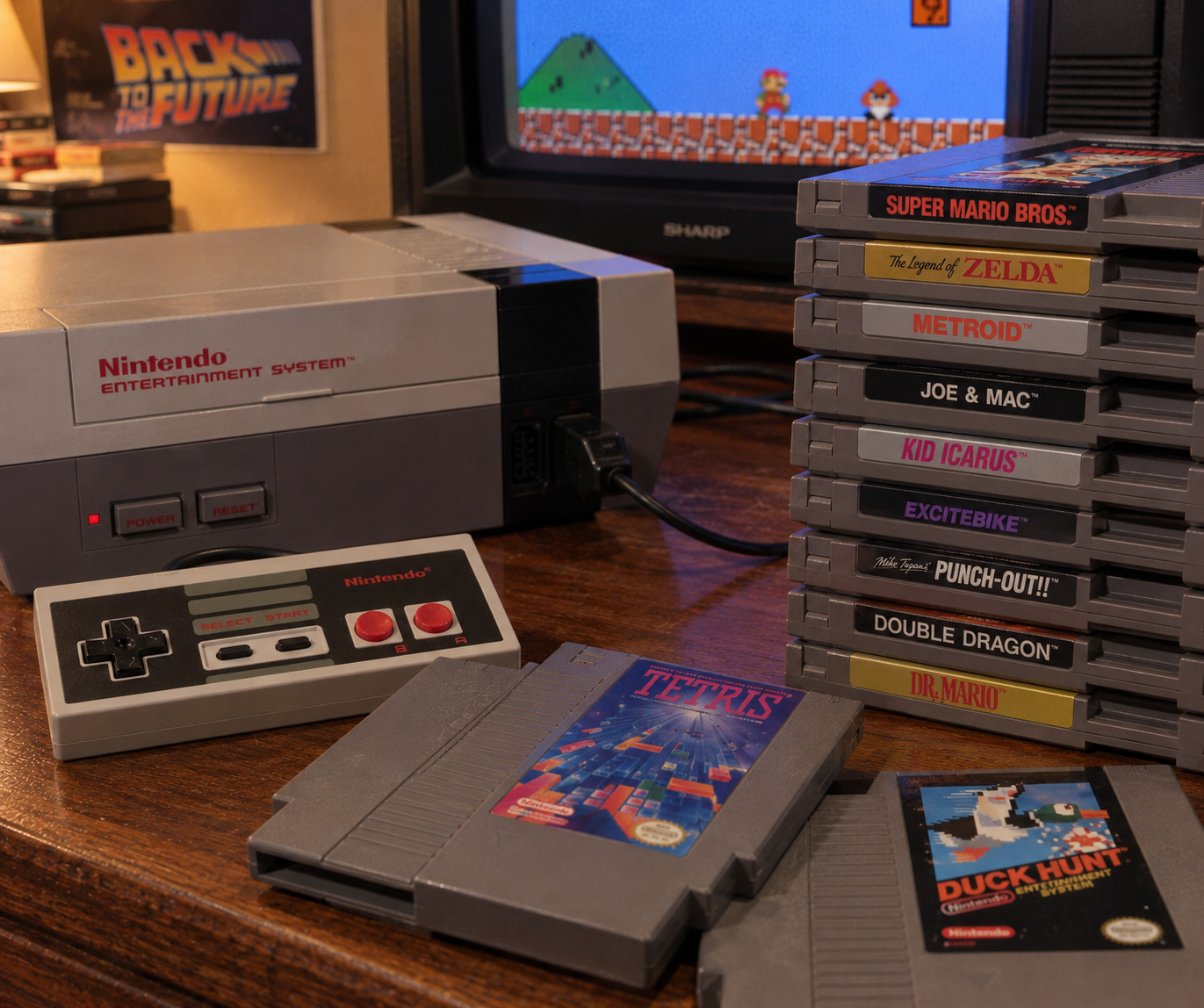
When the Nintendo Entertainment System arrived in North America in 1985, video games became a fixture in countless living rooms. Playing something new meant physically removing one chunky cartridge and inserting another, whether it was “Super Mario Bros.,” “The Legend of Zelda,” or another favorite. And when a game refused to load, kids developed their own rituals involving removing the cartridge, putting it back in, pressing reset, and trying again until that familiar title screen finally appeared.
Floppy Disks
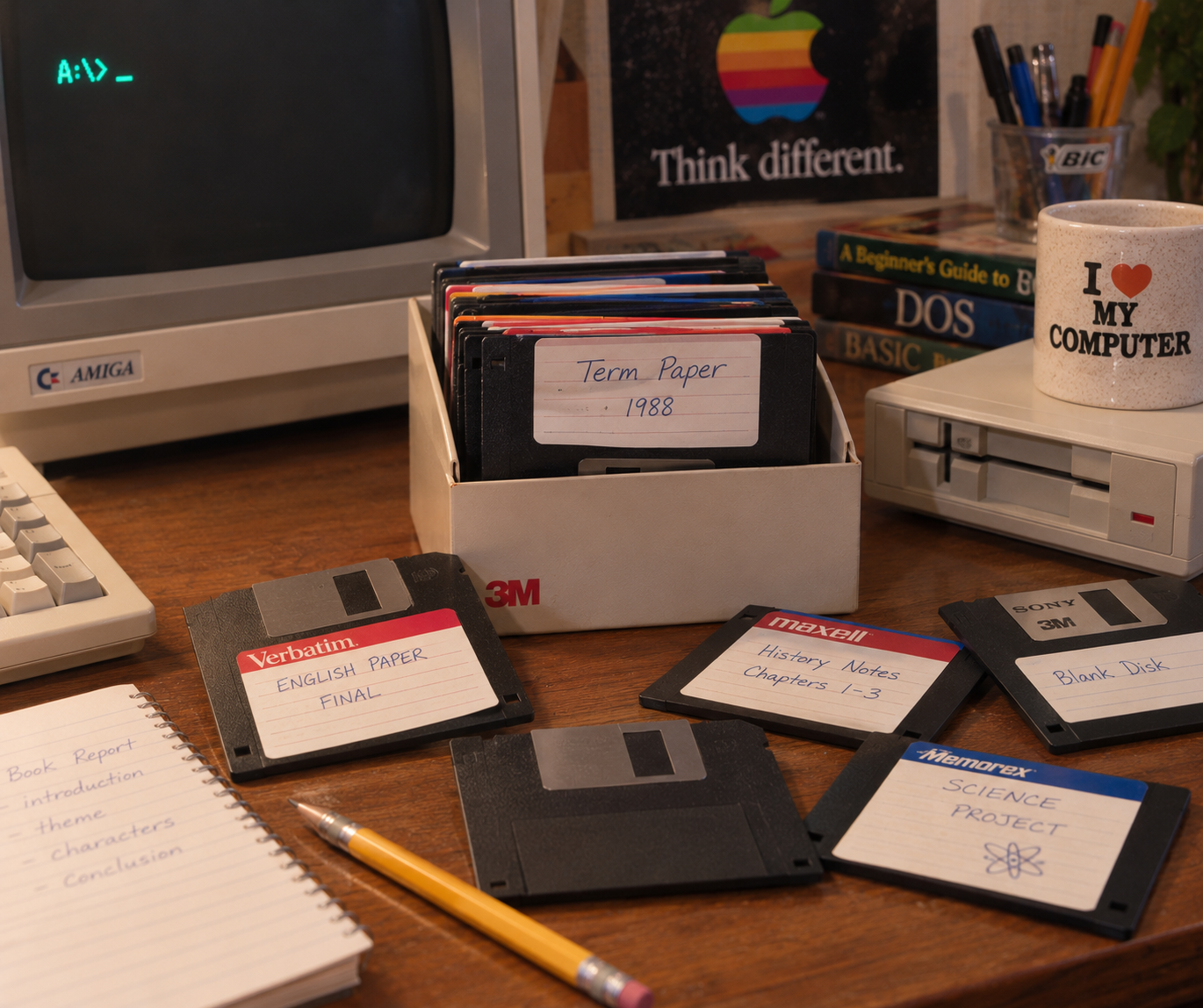
Before files quietly lived in the cloud, they had to live somewhere physical. For many kids encountering computers at school, that meant floppy disks labeled by hand so you could remember exactly what was stored on each one. The 5¼-inch floppy was genuinely floppy, while the later 3½-inch version came protected by a harder plastic shell. Either way, sliding a disk into a school computer and hearing the drive click and whir was once a completely ordinary part of using technology.
A 35mm Film Camera and Rolls of Film
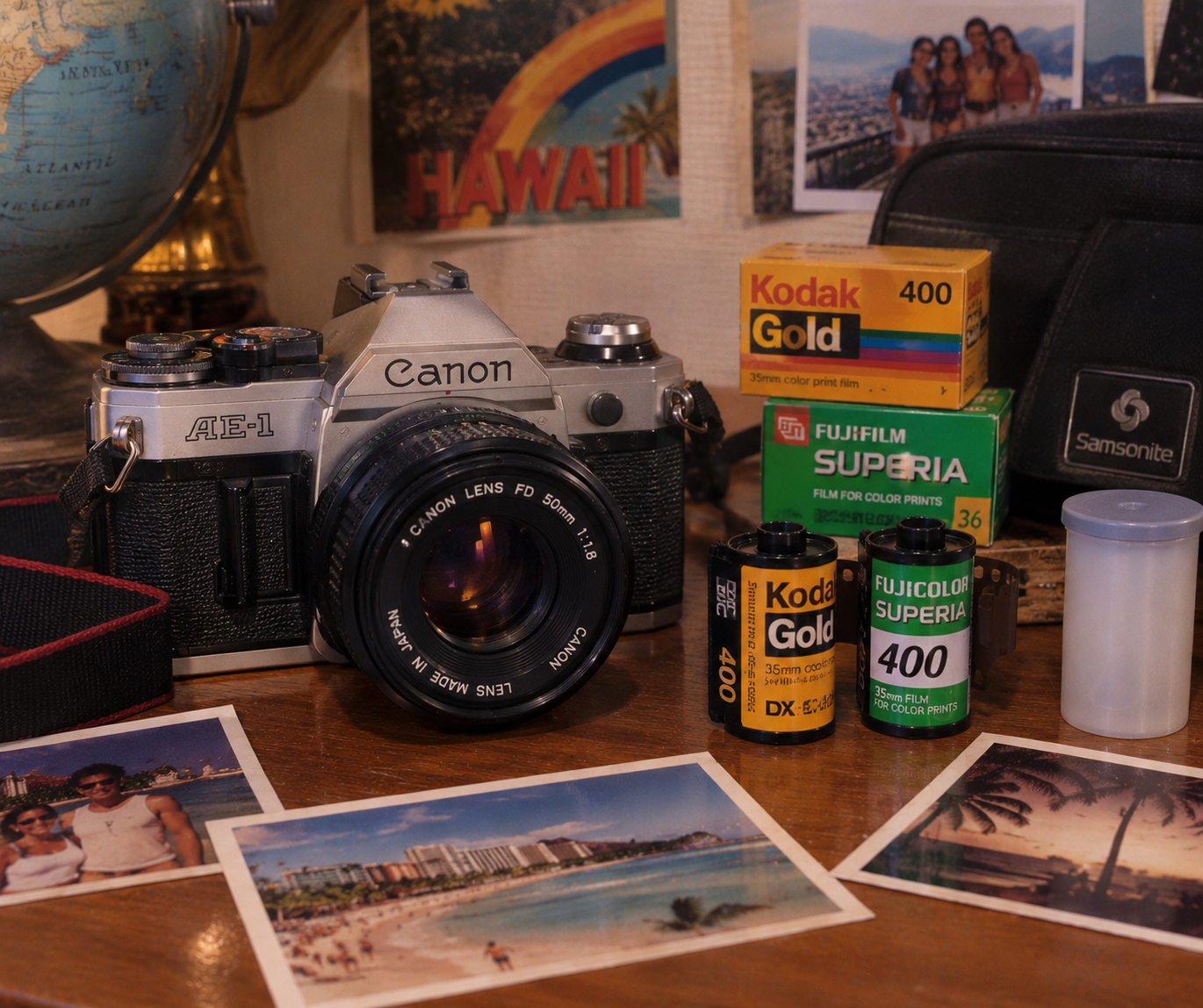
Taking a picture required commitment when every roll contained a limited number of exposures. There was no checking the screen, deleting a bad shot, or taking 30 nearly identical photos just to be safe. Families finished their 12-, 24-, or 36-exposure rolls, dropped the film off for processing, and waited to see what they’d captured. Opening that envelope of developed photographs was part of the experience — blurry faces, closed eyes, accidental thumbs, and all. Every once in a while, buried among the mistakes, there was one perfect picture.