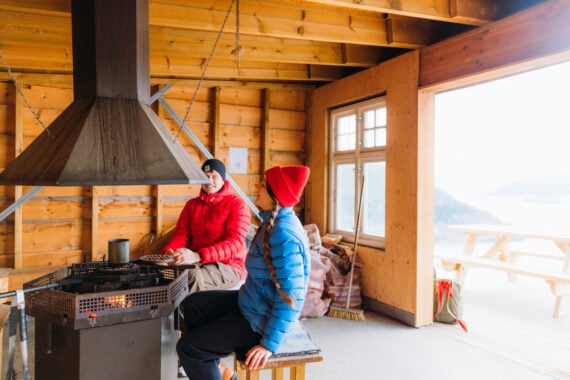

Life for Americans changed significantly between the 1950s and the 1980s; consequently, situations involving friends, the workplace, or parenting differ greatly from today’s reality, as noted by the National Center for Health Statistics. These Boomer facts reveal dome things that members of Generation Z likely wouldn’t believe actually happened!
Some Boomers Went to College When Public Tuition Was Only a Few Hundred Dollars a Year
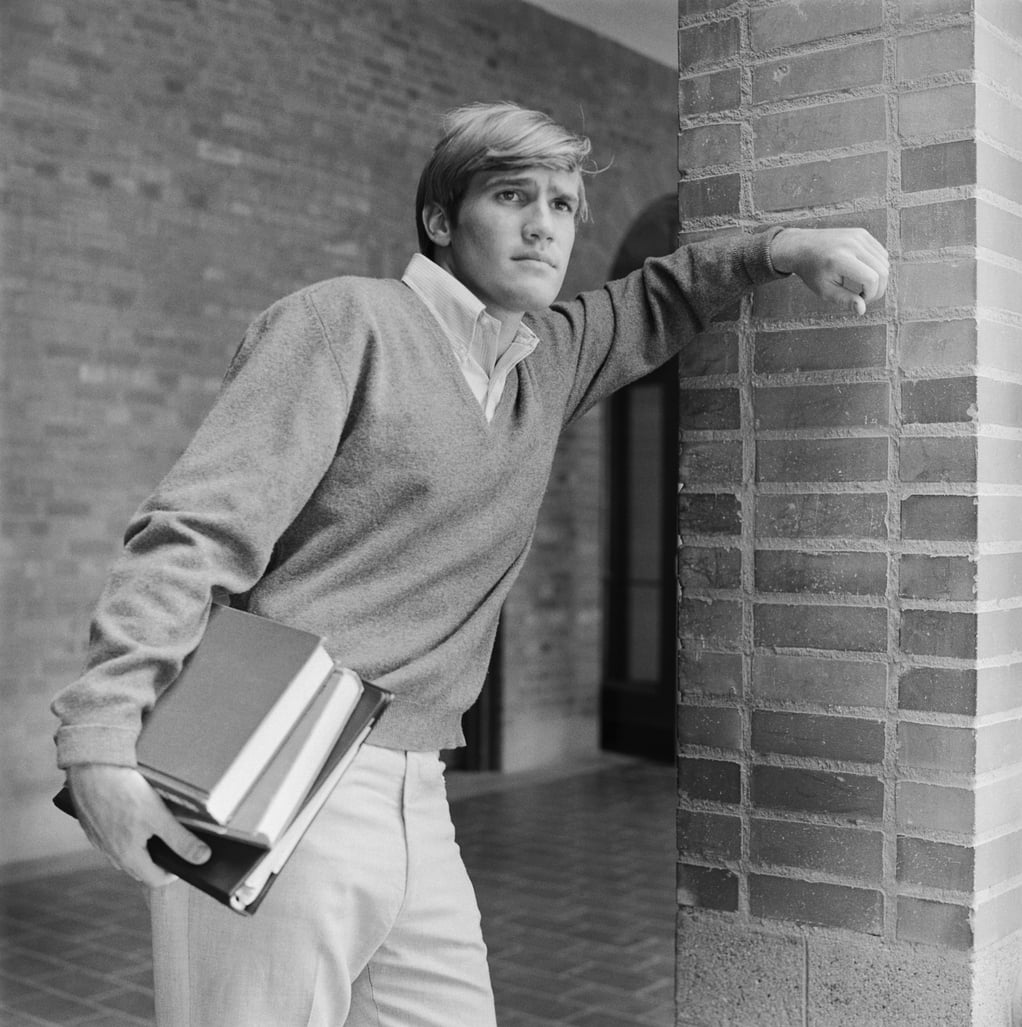
One advantage Boomers enjoyed was that college tuition cost just a few hundred dollars a year, around $394 in 1970-71 dollars. According to the National Center for Education Statistics, these Boomer facts show how different college costs were from those of subsequent decades. Nevertheless, not all Boomers could attend college, as expenses for room, board, books, and other necessities added up.
Smoking Was So Common That More Than 4 in 10 Adults Did It
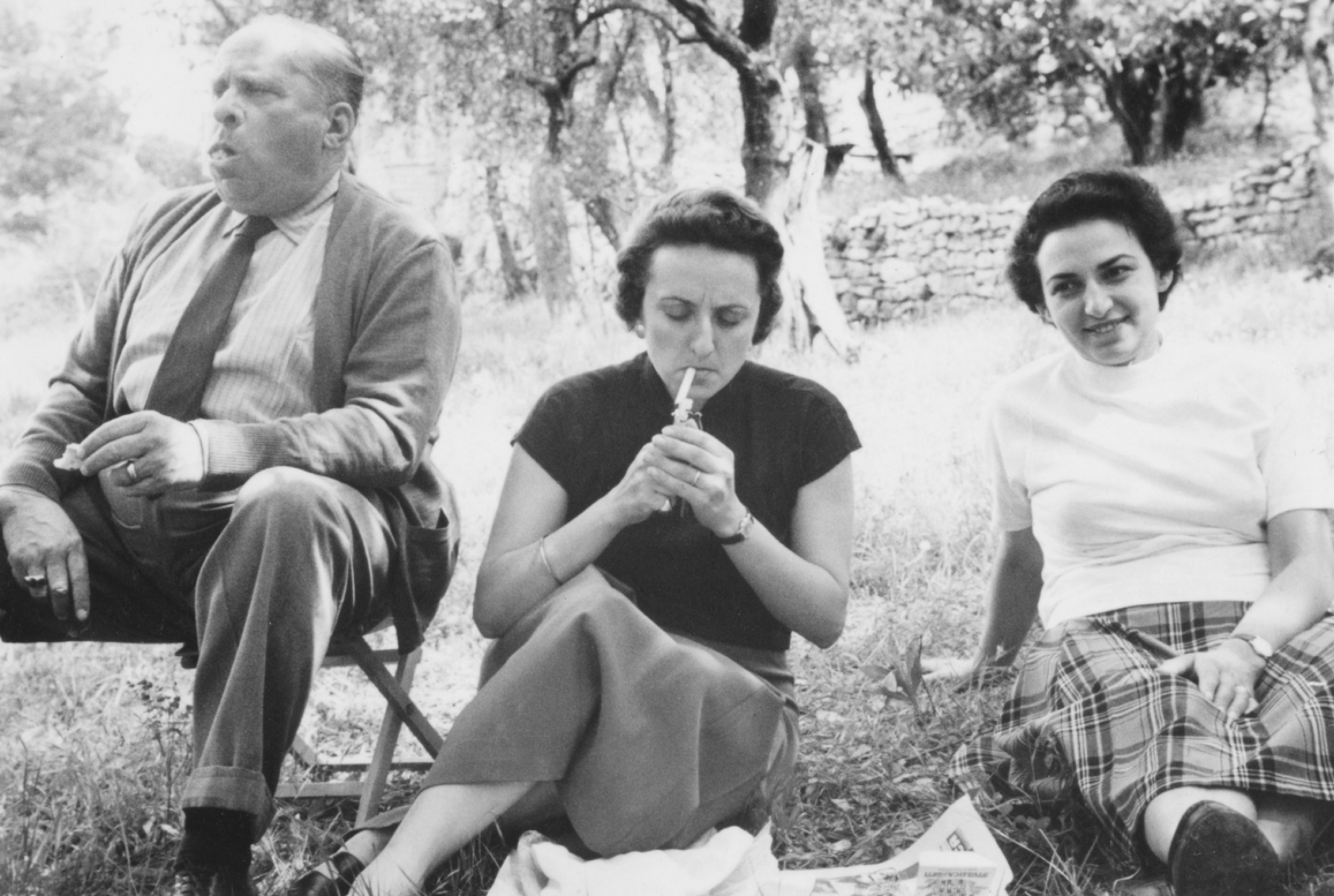
According to the National Center for Health Statistics, 42.4% of American adults were cigarette smokers in 1965; the figure was higher among men, reaching 52%. Consequently, many Baby Boomers grew up surrounded by cigarette smoke in their homes, restaurants, offices, and public places. Over the decades, this figure declined as the associated health risks became better understood, one of many notable Boomer facts.
Seat Belts Could Be Something People Simply Ignored
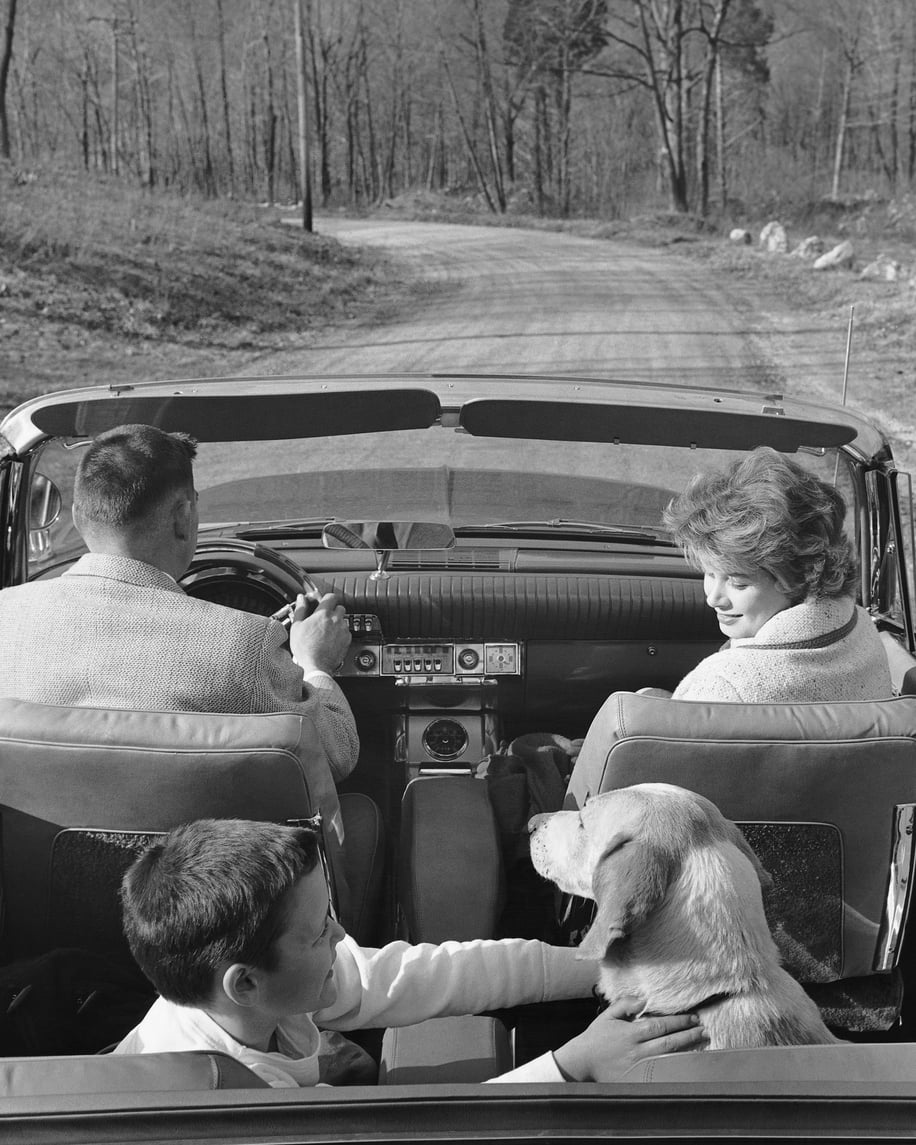
Many young people from Generation Z would not understand that Baby Boomers used to travel in cars without wearing seat belts. In those years, federal standards required cars to have seat belts, but the law did not mandate their use by occupants. It was not until 1984 that New York City State enacted a mandatory seat belt law, making this one of the more surprising Boomer facts. Many Boomers remember getting into the car without the routine of immediately fastening their seatbelt.
Kids Could Leave Home in the Morning and Not Check In for Hours

Street safety was different in the decades when Boomers were children. It was common for a young person’s routine to include bike rides around the neighborhood with friends, visits to parks, or exploring nearby shops, all without their parents knowing their exact whereabouts. These Boomer facts help explain why the rule of “come home when the streetlights turn on” became a standard guideline parents set for their children.
A Family Could Have One Telephone for Everyone
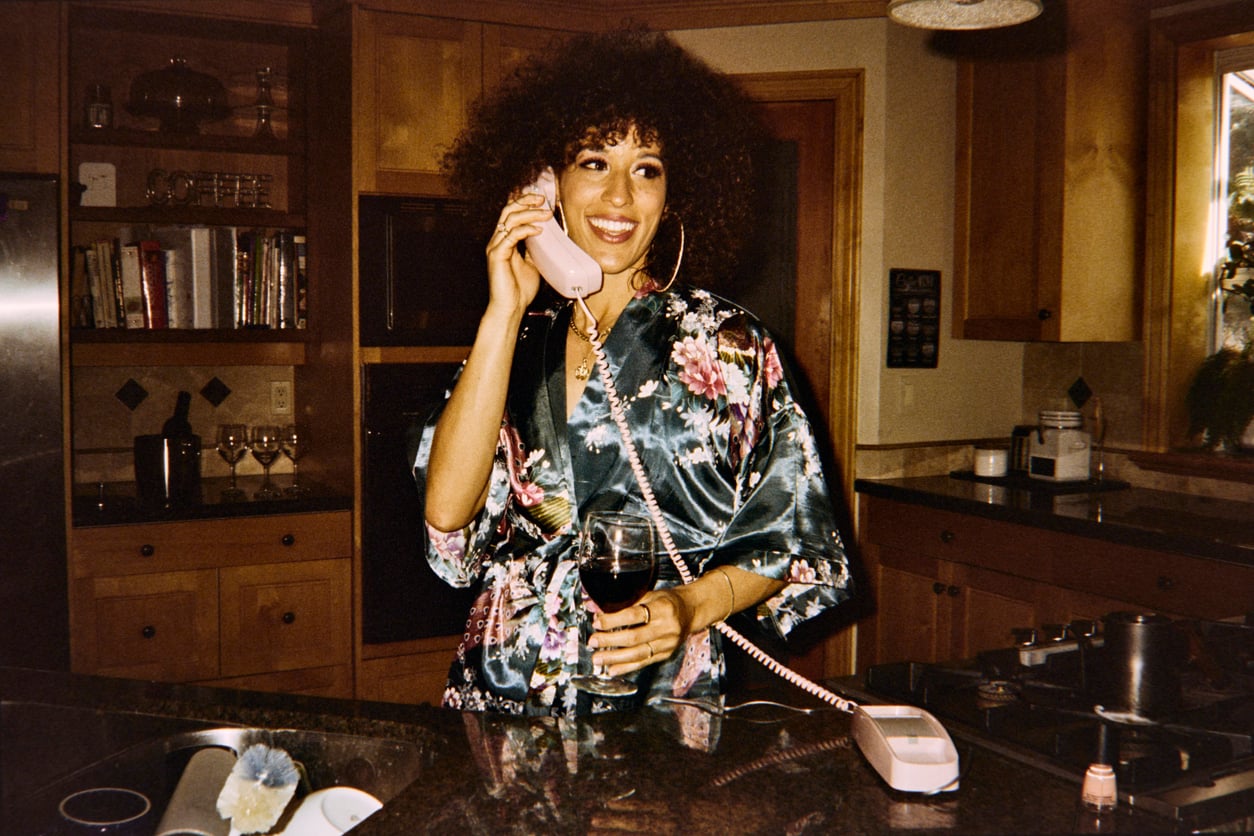
Decades ago, families shared a single telephone, as there was only one landline in the house. Private conversations were impossible because the phone was usually located in the living room or kitchen, and the only way to move it was to stretch the cord as far as it would go. Moreover, when the phone rang, no one knew who the call was for, and, naturally, there was no way to verify the caller’s identity beforehand. It was one of the everyday Boomer facts of the pre-digital era.
Trending on Cheapism


Some Families Shared Their Phone Line With Other Households

Another situation that few in Generation Z would understand is that some families shared their telephone line with other households. This arrangement was known as a “party line,” connecting different households to the same telephone circuit; to distinguish which house the call was intended for, each had a specific ringing pattern. Occasionally, people in the other households could overhear the conversation taking place if they picked up their own phone. That is another of the era’s Boomer facts.
Television Stations Could Literally Stop Broadcasting for the Night
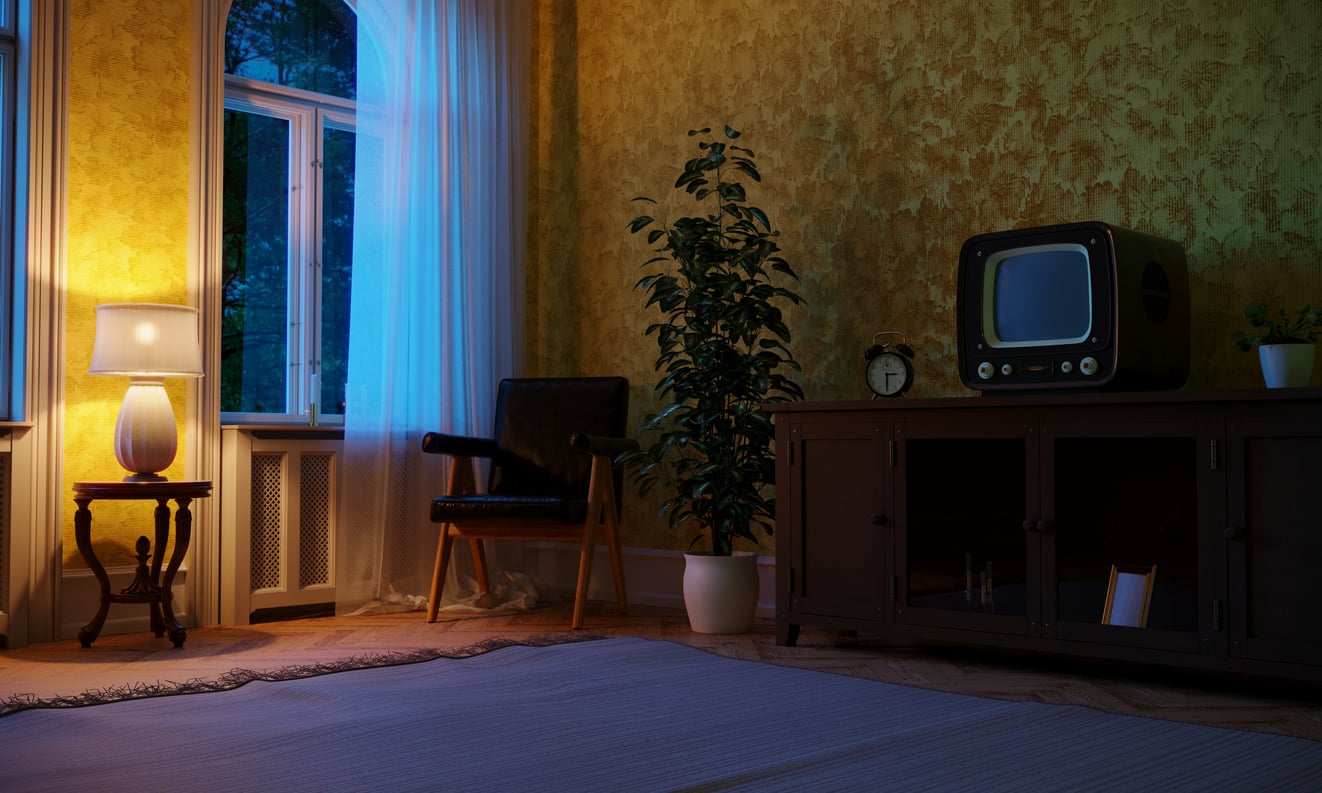
Generation Z is accustomed to turning on the television at any time of day and watching a program, but when Boomers were young, television did not broadcast around the clock. Some local stations used to stop broadcasting at night, usually after playing the national anthem and displaying a test pattern or static, leaving viewers unable to watch TV until service resumed hours later. These Boomer facts show how different television viewing once was.
Families Often Planned Their Evening Around One Television Show
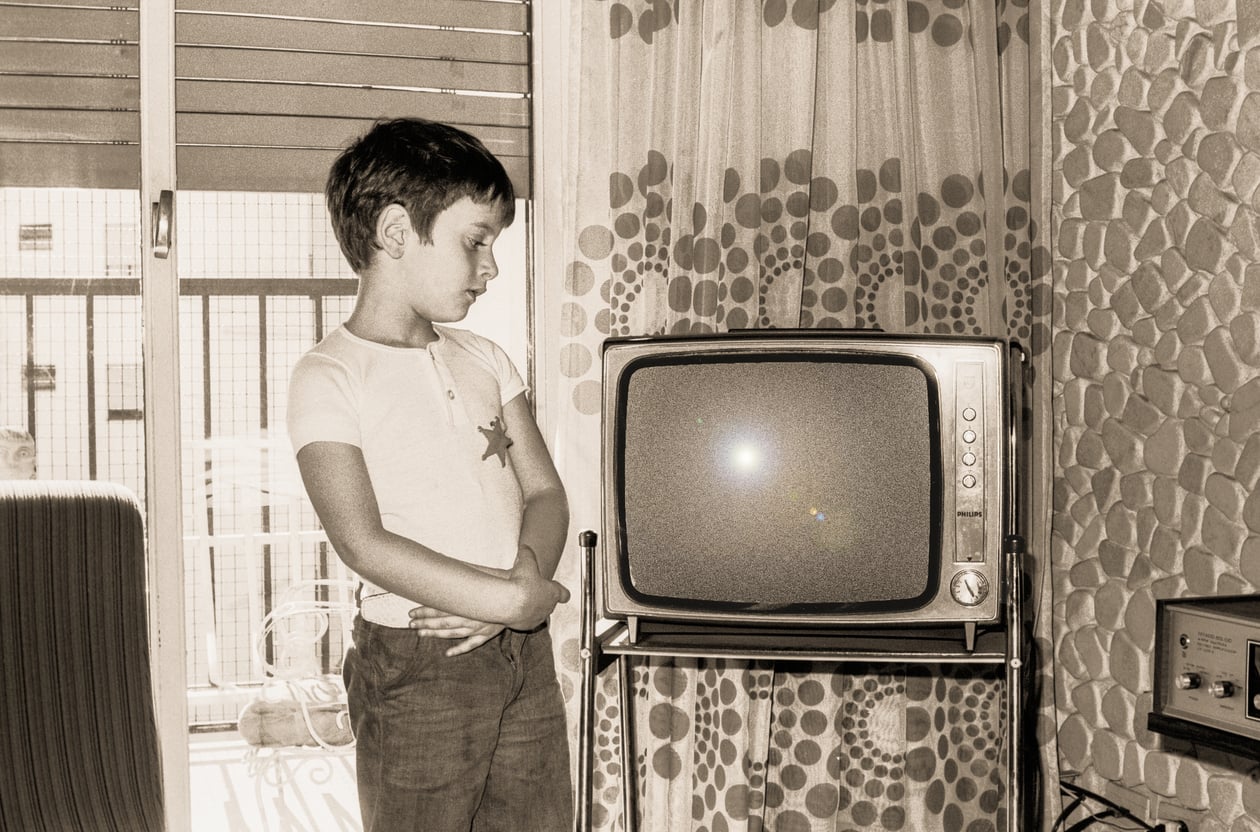
One form of family entertainment involved making a pact to gather together for specific television show. Parents of the Baby Boomer generation would often schedule meals, errands, and bedtimes around the family’s favorite program. In those days, there was no streaming, on-demand library, or DVD. Missing a live broadcast meant you would never be able to watch it again, one of the memorable Boomer facts for many families.
Sign up for our newsletter
Getting a Photograph Back Could Take Days

Back when Boomers were young, taking photos meant using a roll of 12, 24, or 36 exposures, with no way of knowing at the time if a shot had turned out well. Once the roll was finished, the film had to be taken to a photo lab or local shop for processing. It took days for the printed photos to arrive at your home in an envelope, at which point families would gather to look at them. Only then could you see if the images had come out clearly, making it one of the memorable Boomer facts and a real family event!
Boomers Could Get Their First Job Without Filling Out an Online Application
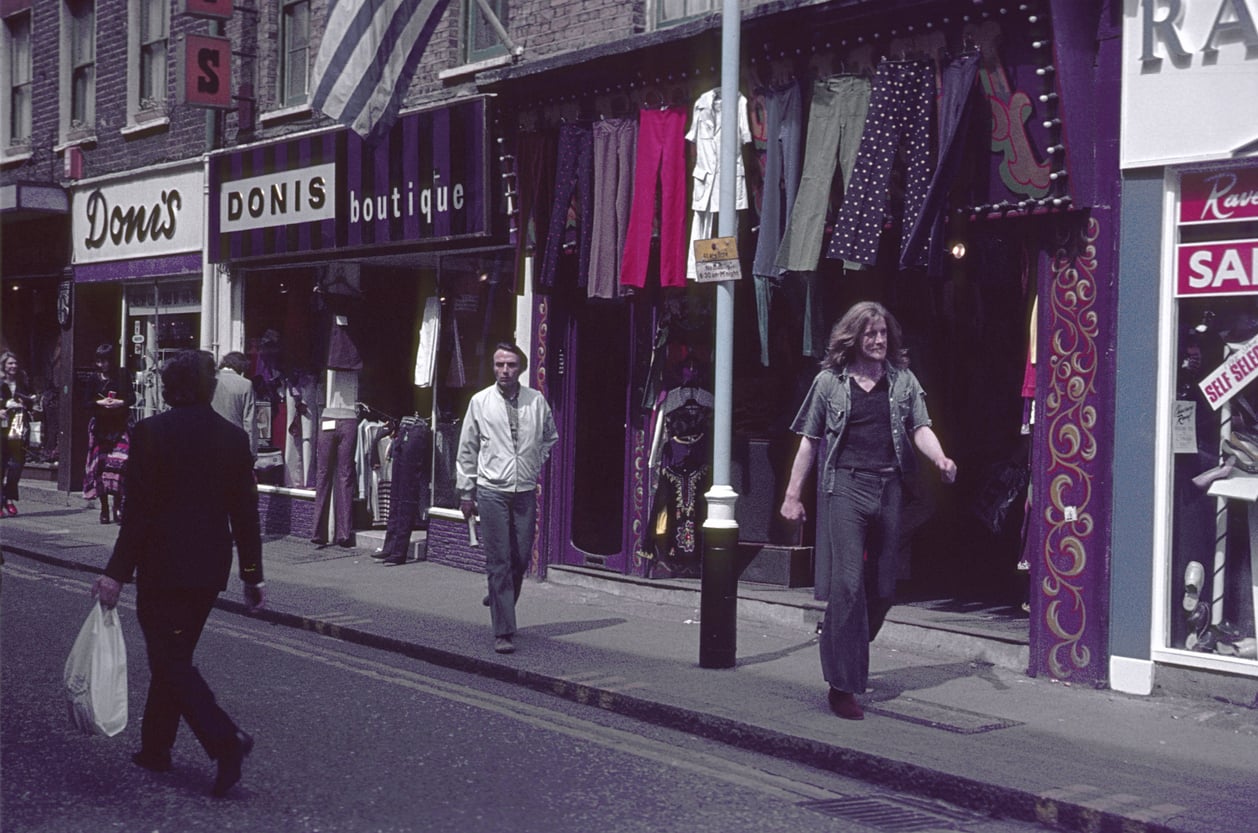
The way Boomers found work was by walking into shops, restaurants, gas stations, or local businesses and asking if they were hiring. They would fill out paper applications on the spot, and at some smaller businesses, a quick conversation with the owner could turn into an impromptu interview. Those years were a far cry from the era of digital résumés, online portals, and automated résumé filters, another striking example of Boomer facts.
The Newspaper Was Essentially Craigslist, Zillow, Indeed, and Facebook Marketplace Combined
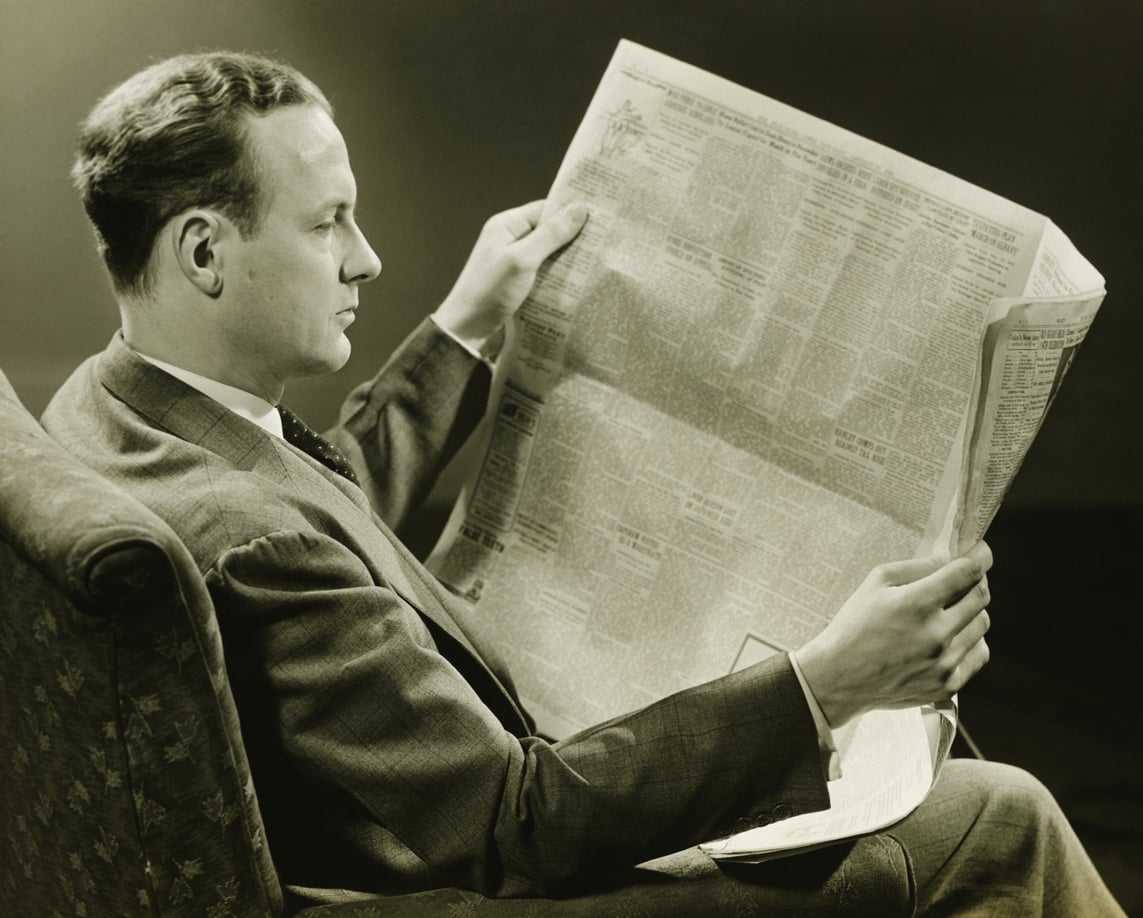
For Boomers, the newspaper was their window to the world. Whether you wanted a job, were looking for a property, wanted to buy a used car, needed to hire a babysitter, or wanted to find a garage sale, you looked for all of that in the newspaper. In their Sunday editions, these papers featured pages filled with tiny classified ads. Alternatives to the newspaper included conversations with family members or local shopper publications. These are classic Boomer facts from the pre-internet era.
People Could Walk Someone All the Way to the Airport Gate Without a Ticket
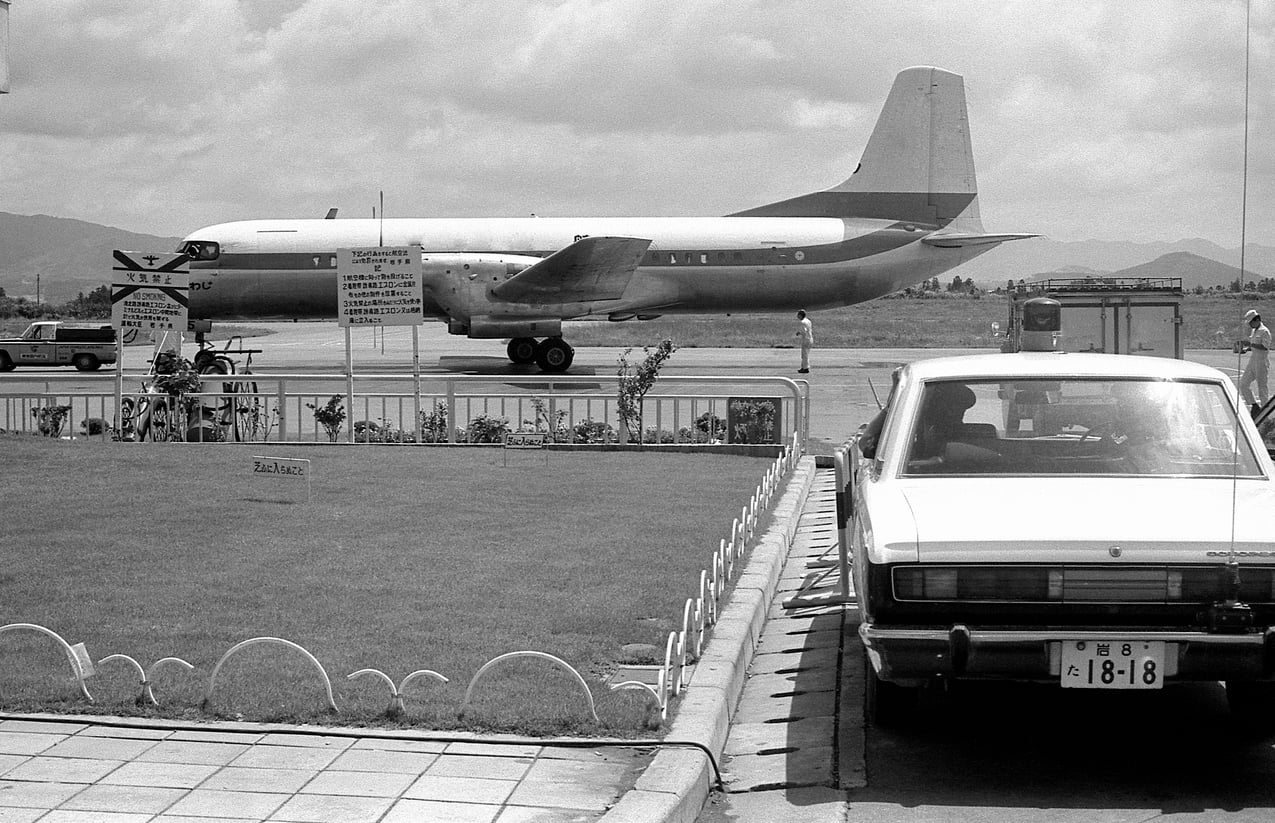
It might be hard for a member of Generation Z to believe that during the Baby Boom era, a passenger’s family and friends could accompany them through airport security and wait at the gate before they boarded the plane. Families would gather to welcome and see off passengers because the security environment was not as rigorous, something that changed after September 11, 2001. This is another Boomer fact that highlights how much air travel changed.
Getting Lost Was a Normal Part of Driving Somewhere New
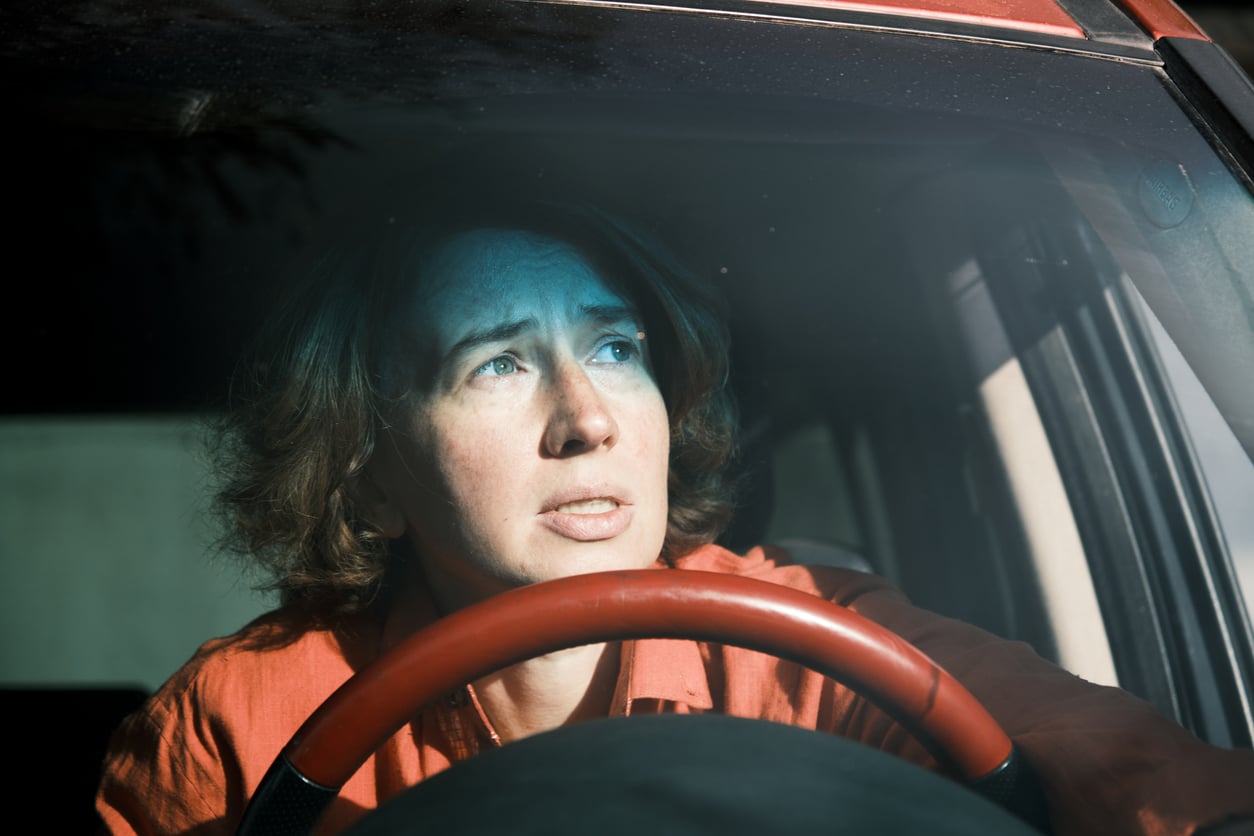
When Boomers went on family road trips, they relied on maps, handwritten directions, and road signs to navigate the route. Since personal GPS devices didn’t exist, a wrong turn meant having to ask strangers along the way how to get back on track. People would typically memorize their routes, including where to turn, before setting off, and they used huge maps that they would unfold inside the car. These road-trip Boomer facts reflect a world before everyday GPS navigation.
Long-Distance Phone Calls Were Something Families Watched Carefully
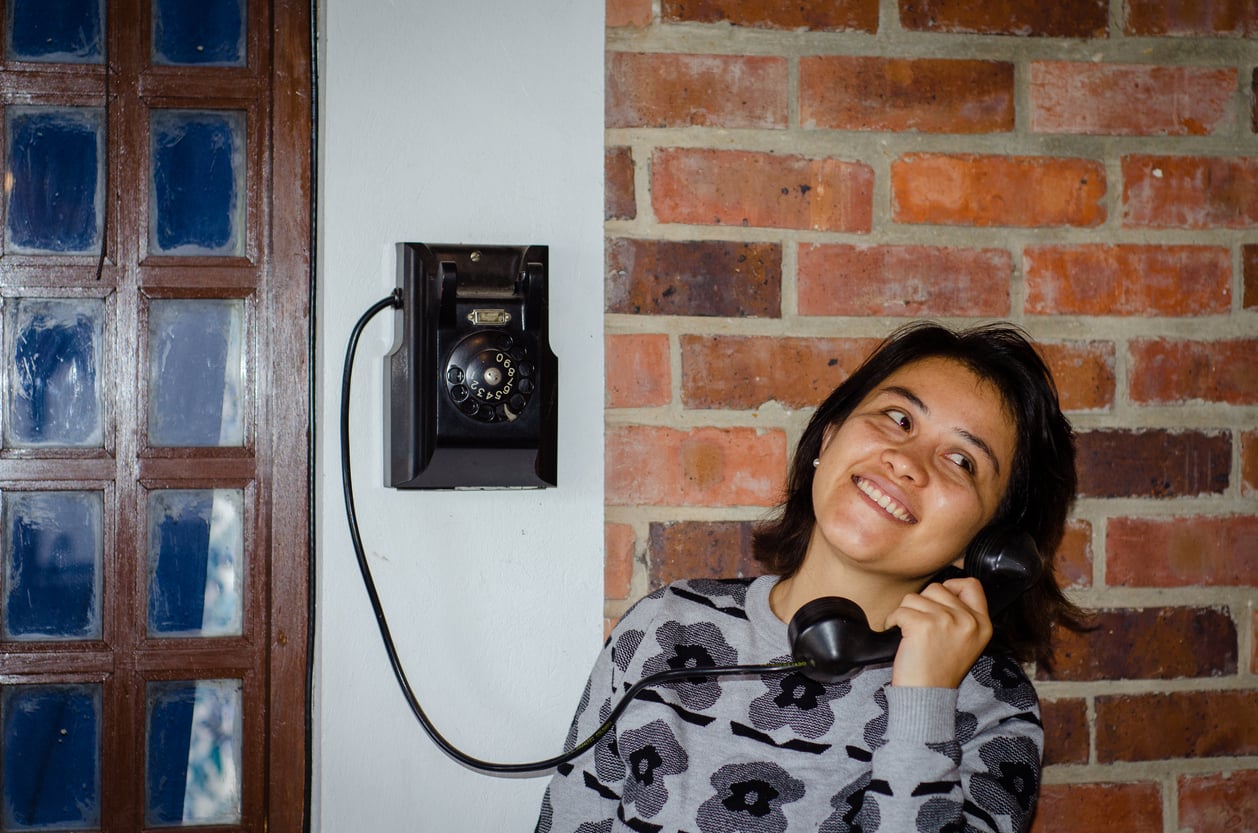
The cost of calling another city or state could involve long-distance charges billed by the minute. Decades ago, many families chose to make calls at night or on weekends, when rates were lower. Many Boomers remember their parents talking on landlines while other family members warned them not to spend too much time on long-distance calls because those Boomer facts included the reality of expensive phone bills.
Getting Married in Your Early 20s Was Far More Normal
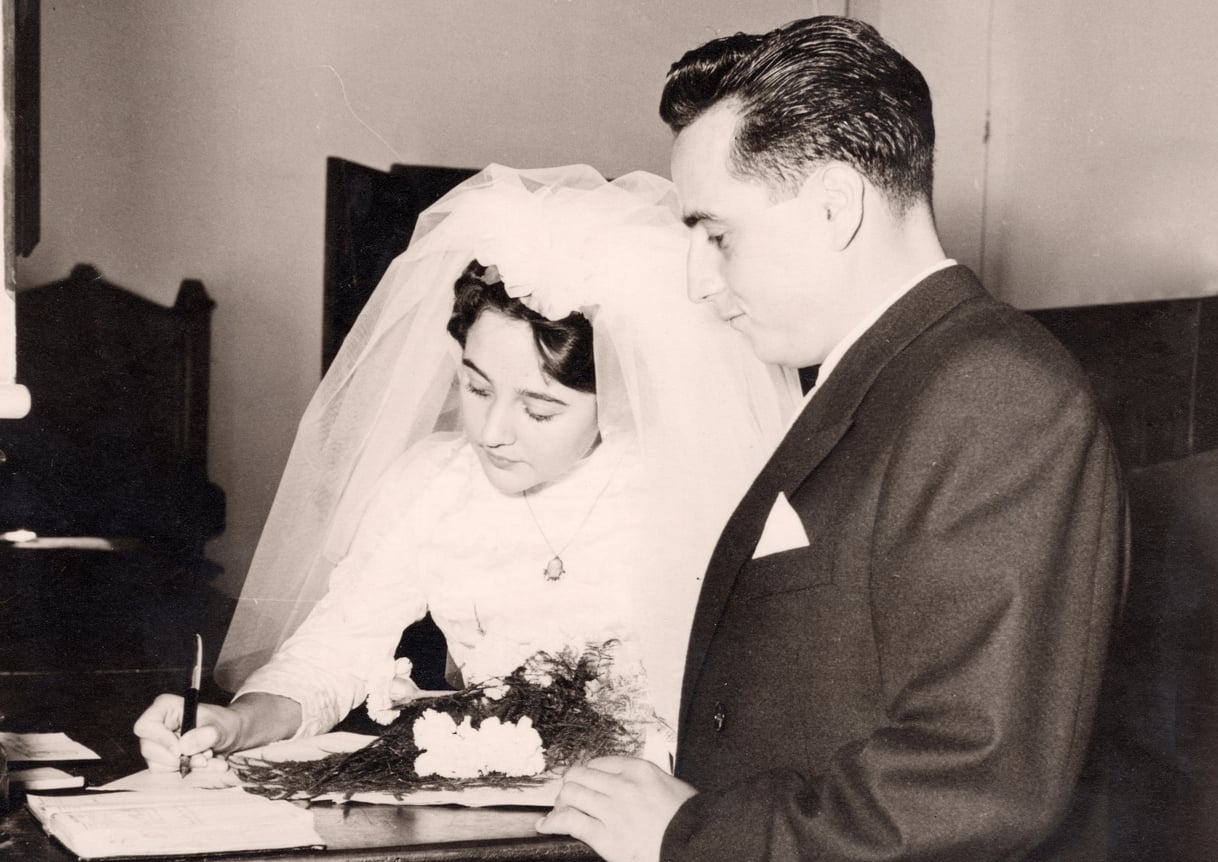
Americans tended to marry much younger during the Baby Boomer era compared to today. In the 1960s, the median age at first marriage was roughly 23 for men and 20 to 21 for women. According to Census.gov, the Census Bureau holds historical data documenting the rise in the average age of marriage that occurred in subsequent decades. These Boomer facts reflect how social expectations and educational patterns surrounding marriage have changed.
Schools Could Send Kids Home With Almost No Way for Parents to Monitor Them
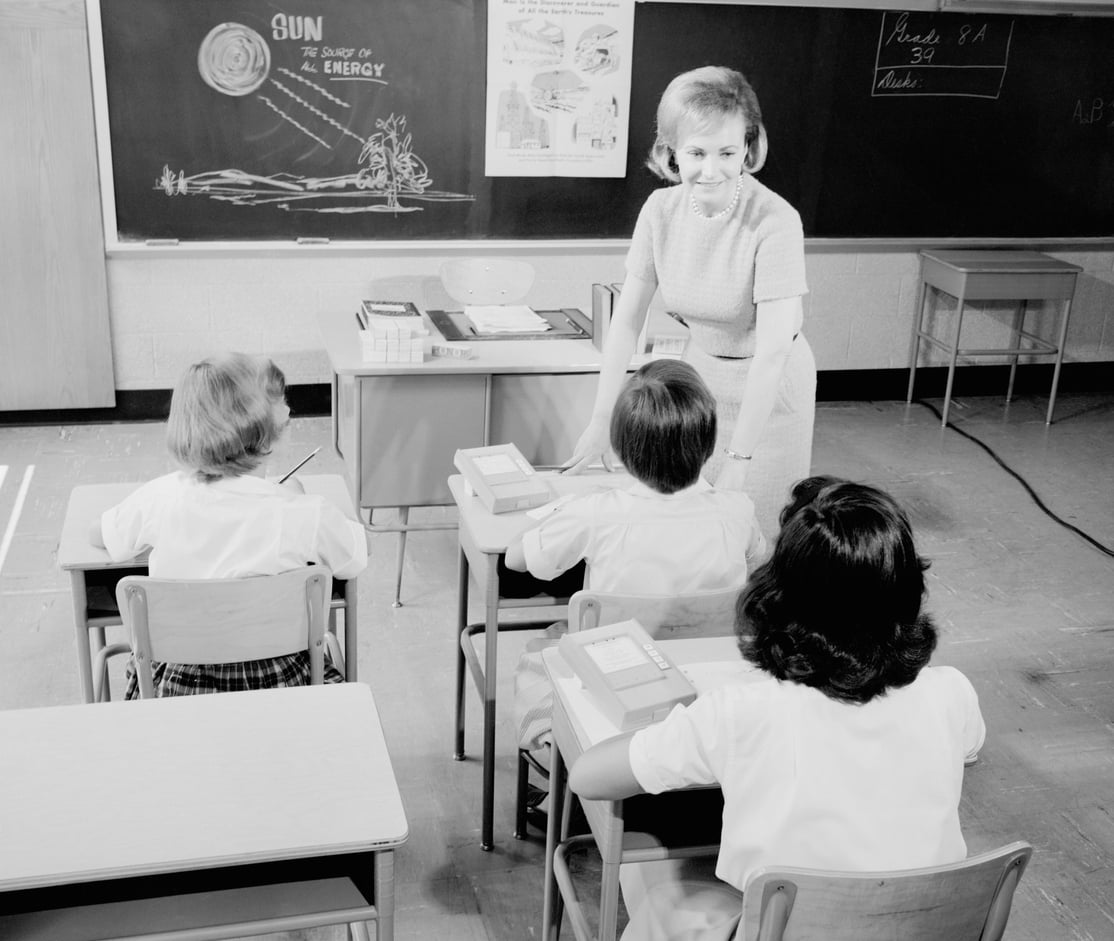
When Baby Boomers were young, their parents did not have access to a real-time portal for assignments, missing homework, or grades, tools that exist today and to which Generation Z is accustomed. Parents of that era had to rely more on their children and communicate with them, or speak with the teacher or a school representative to track exam performance. Also, the report card arrived a few times during the school year. These Boomer facts show how much parent’s access to to school information has changed.
Conclusion
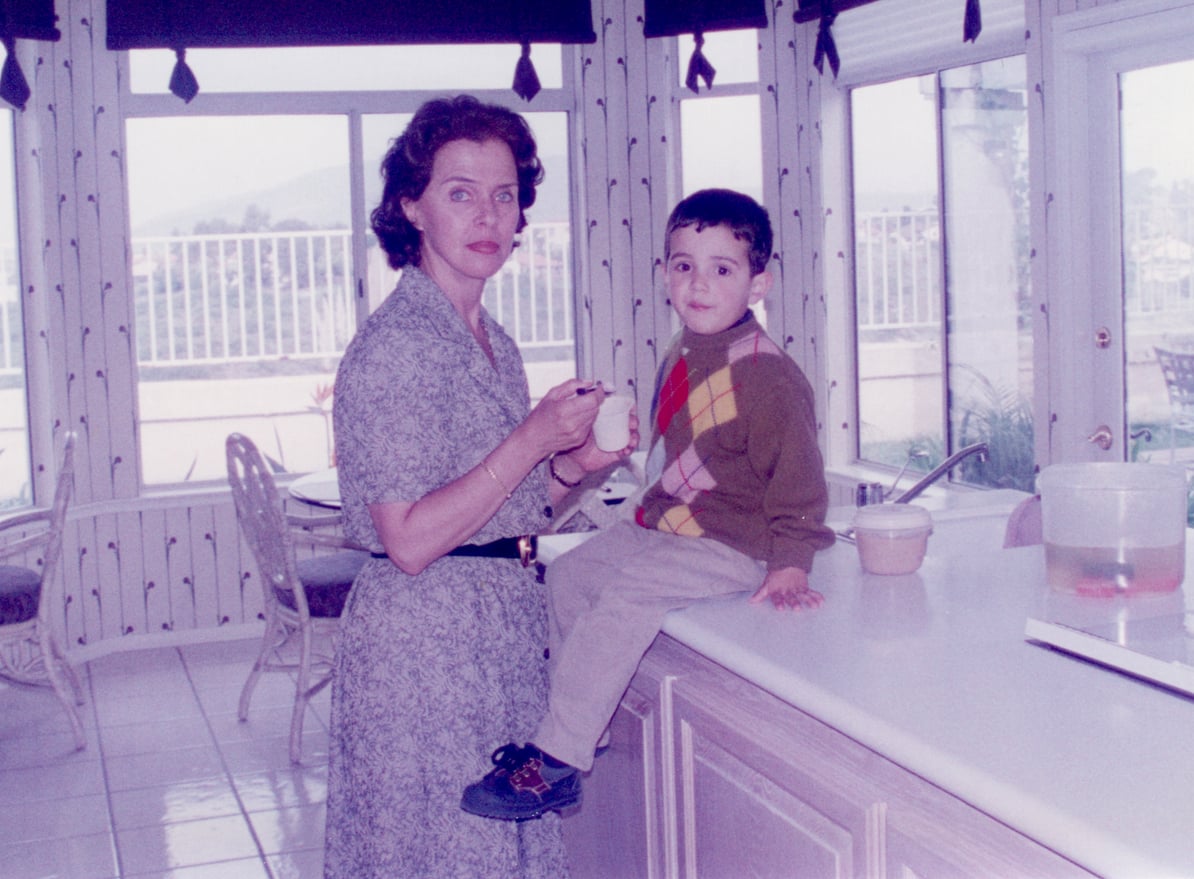
What has notably changed over time is the way people communicate with the world around them, and this affects parenting, work, education, and even entertainment. Technology and pivotal historical events have altered the way we live in society, making it difficult for many young people to grasp what the world was like before those decisive turning points. Taken together, these Boomer facts illustrate the scale of that transformation.