The lives of Baby Boomers when they were young were very different from the lives children lead today. Boomers spent a lot of time outdoors, largely because families typically had only one television for entertainment and a landline phone for communication. Many of their fondest memories are tied to simple things like backyard games and metal lunchboxes. Take a look at these experiences that Baby Boomers likely remember from their childhoods!
Playing With Lawn Darts
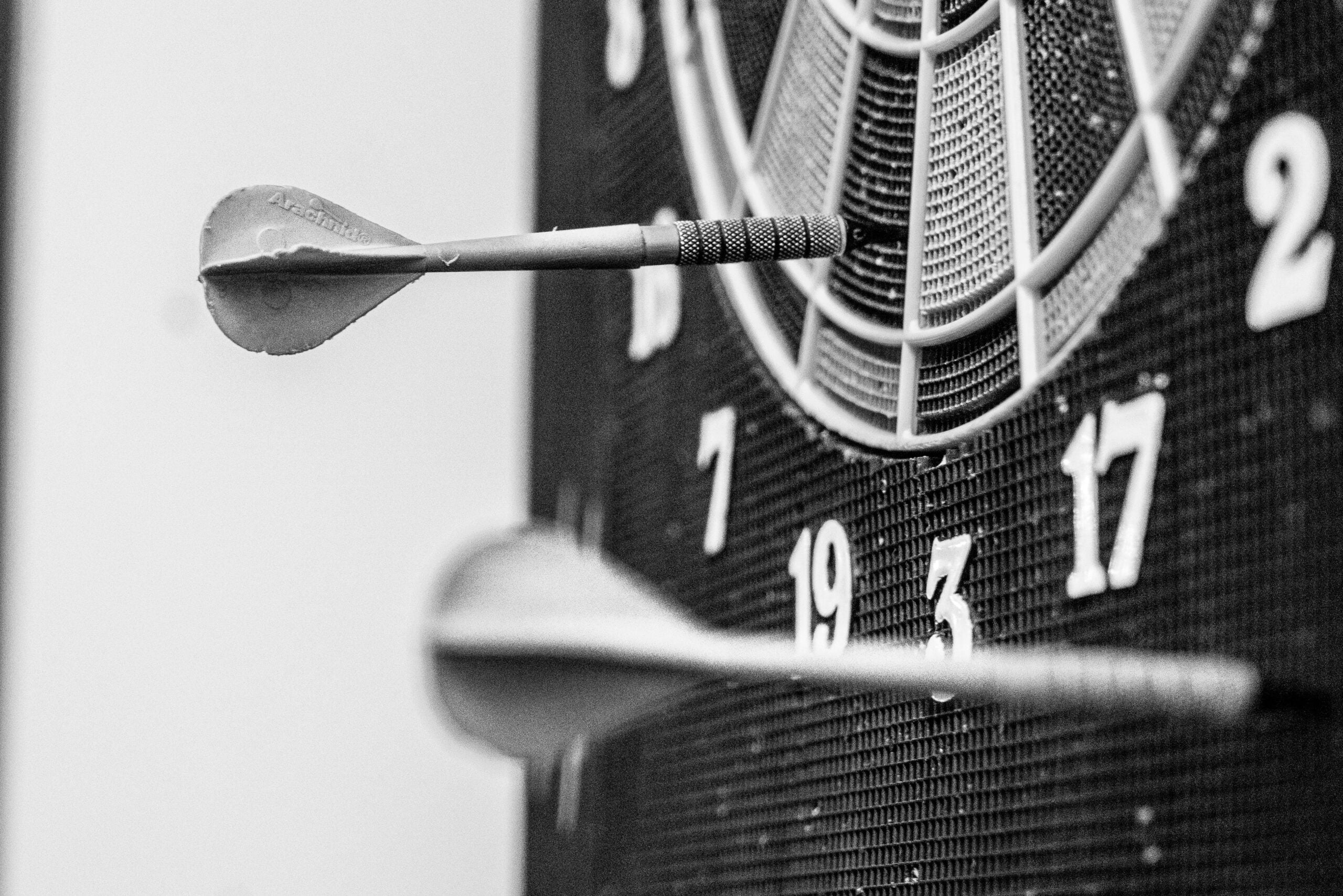
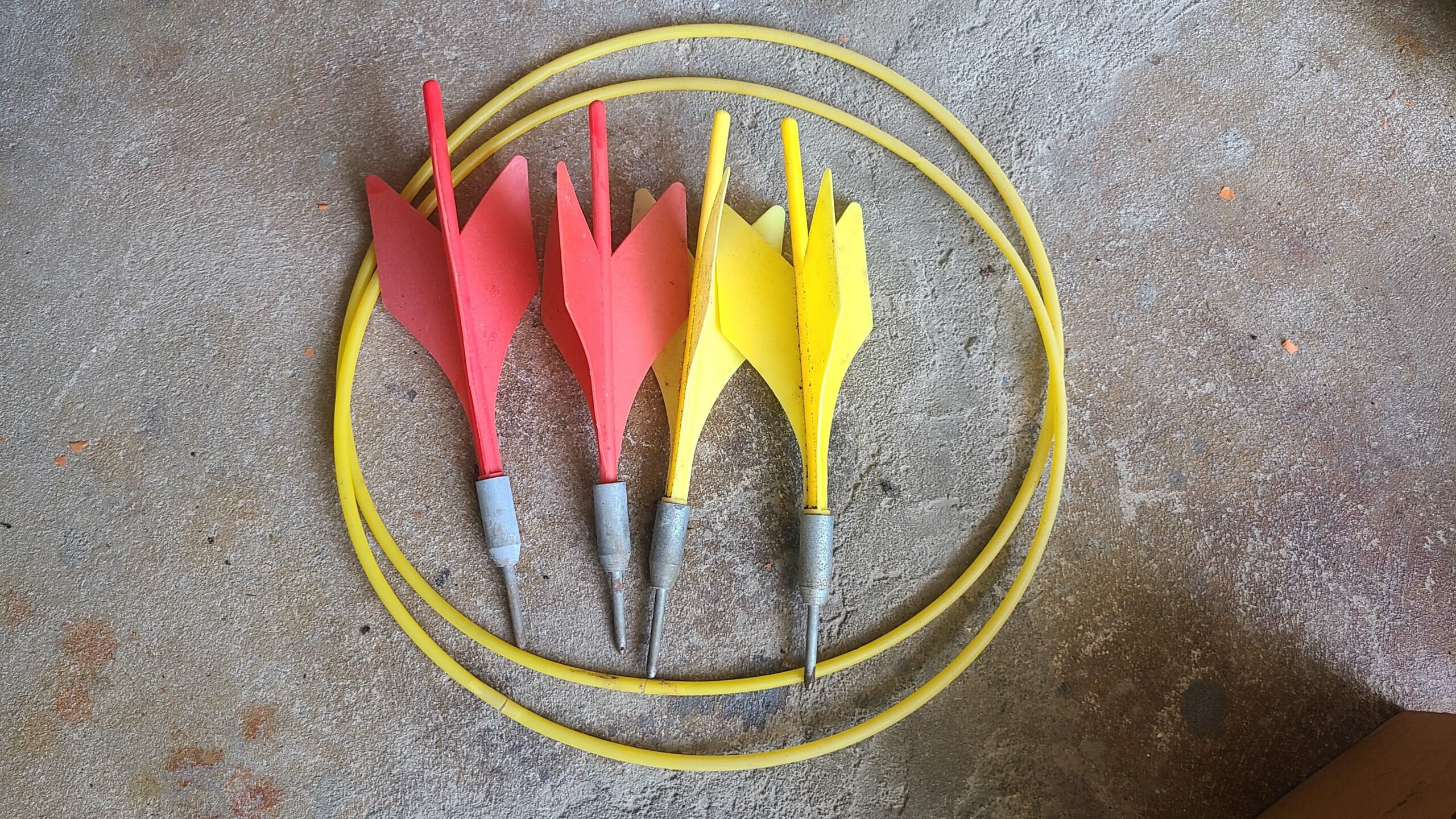
Baby Boomers used to enjoy playing with lawn darts in their backyards during family cookouts, picnics, and summer gatherings. These long, weighted, metal-tipped projectiles were thrown toward a plastic ring, and the object of the game was to land them in the area of the circle that yielded the most points. These pointed darts were banned in the United States for some months in 1988 after players suffered several serious injuries.
Riding Bikes Everywhere
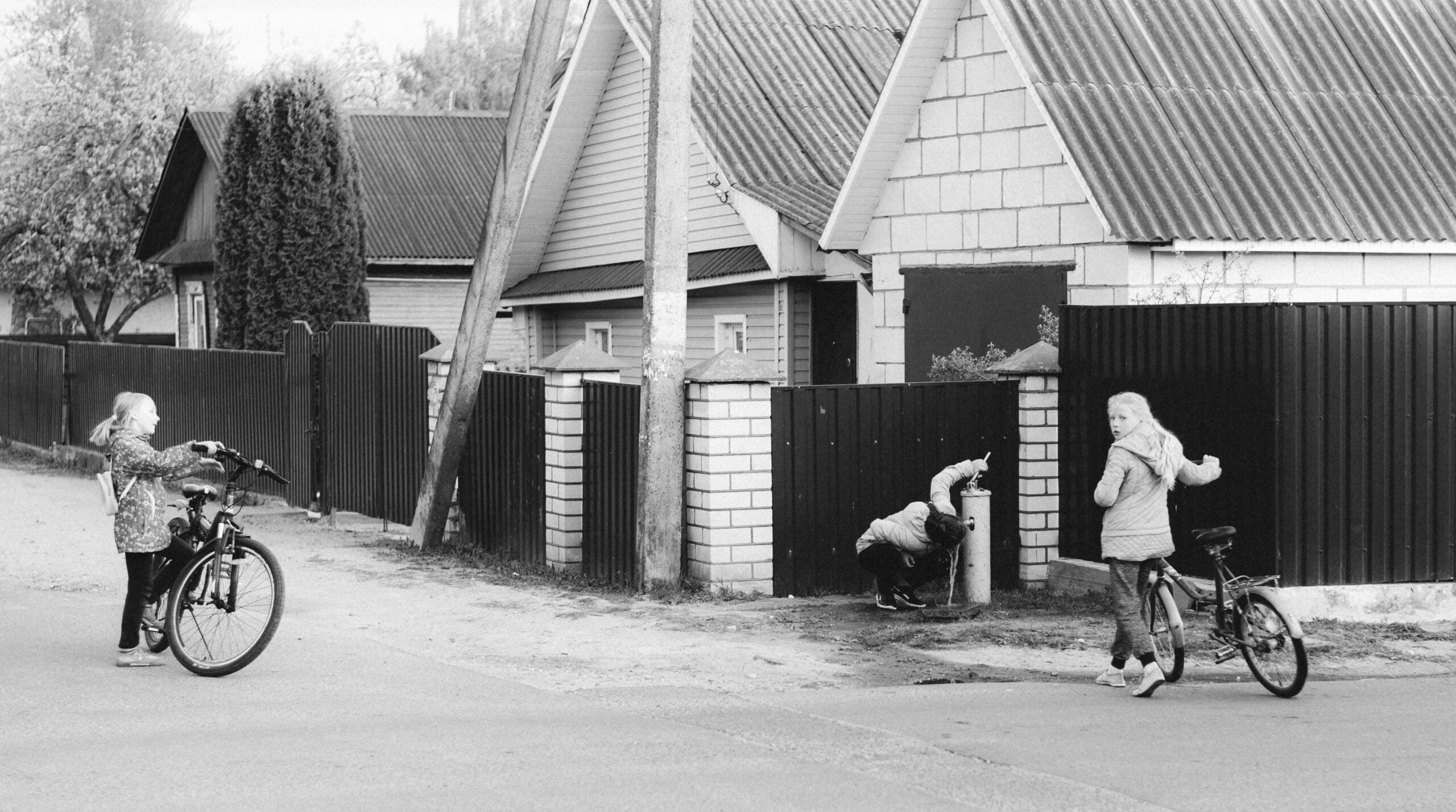
In the 1950s and 60s, when Baby Boomers were children, riding bicycles offered them a great deal of independence. Young people could head to friends’ houses, baseball fields, playgrounds, stores, and school without needing adult supervision. Children have more freedom to travel around their neighborhoods independently. Nowadays, they do not enjoy the same level of freedom they once did. Bicycles were often left in front yards, and young people would buy accessories, such as baskets and banana seats, to customize them.
Staying Outside Until the Streetlights Came On
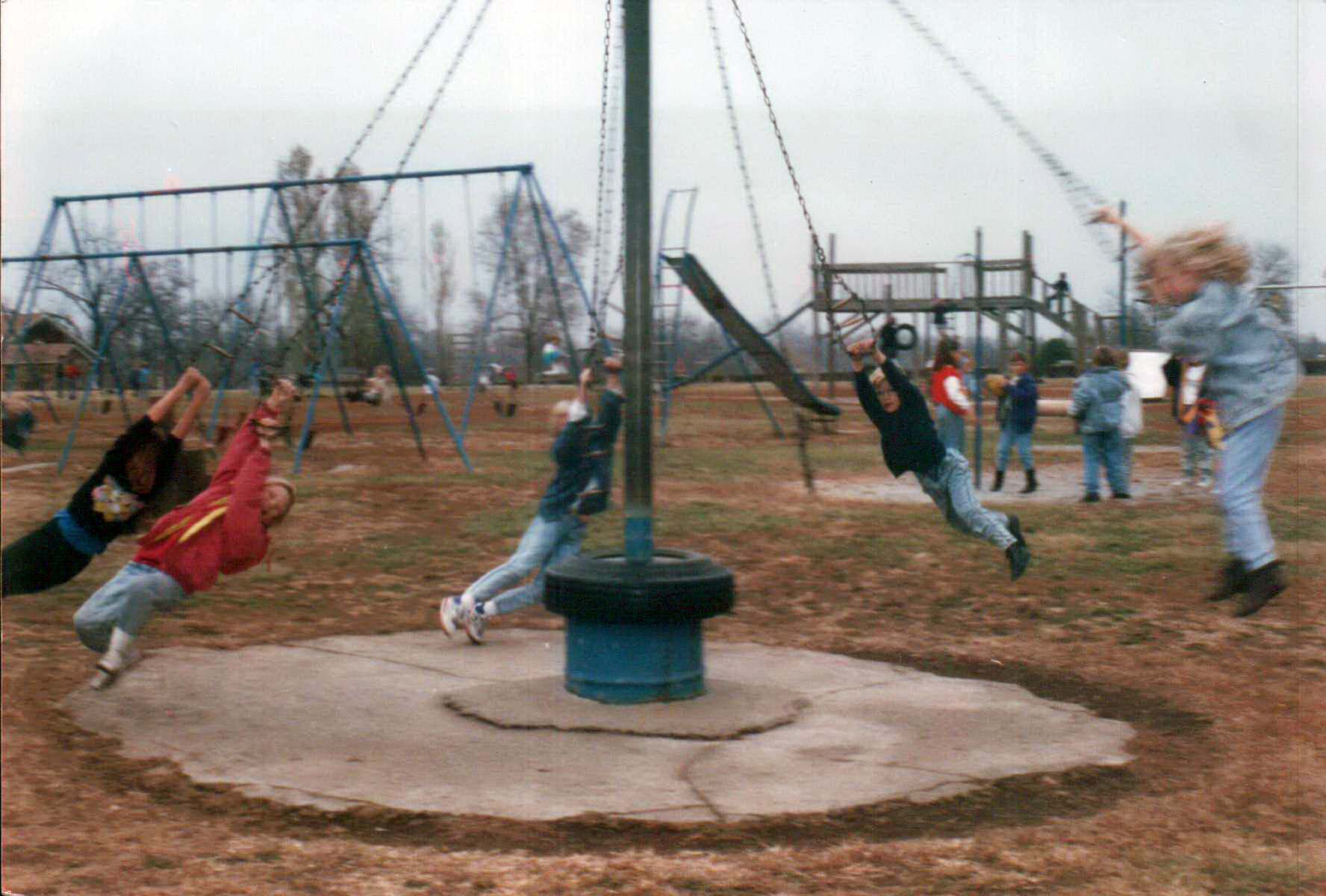
Since Baby Boomers when young spent many hours outdoors playing and socializing with friends, their activities often ended when the sun went down and the streetlights came on. Games among neighborhood children were commonplace, and parents knew where their children were, or at least which area they were in, without having to watch them constantly.
School Filmstrips and Projectors
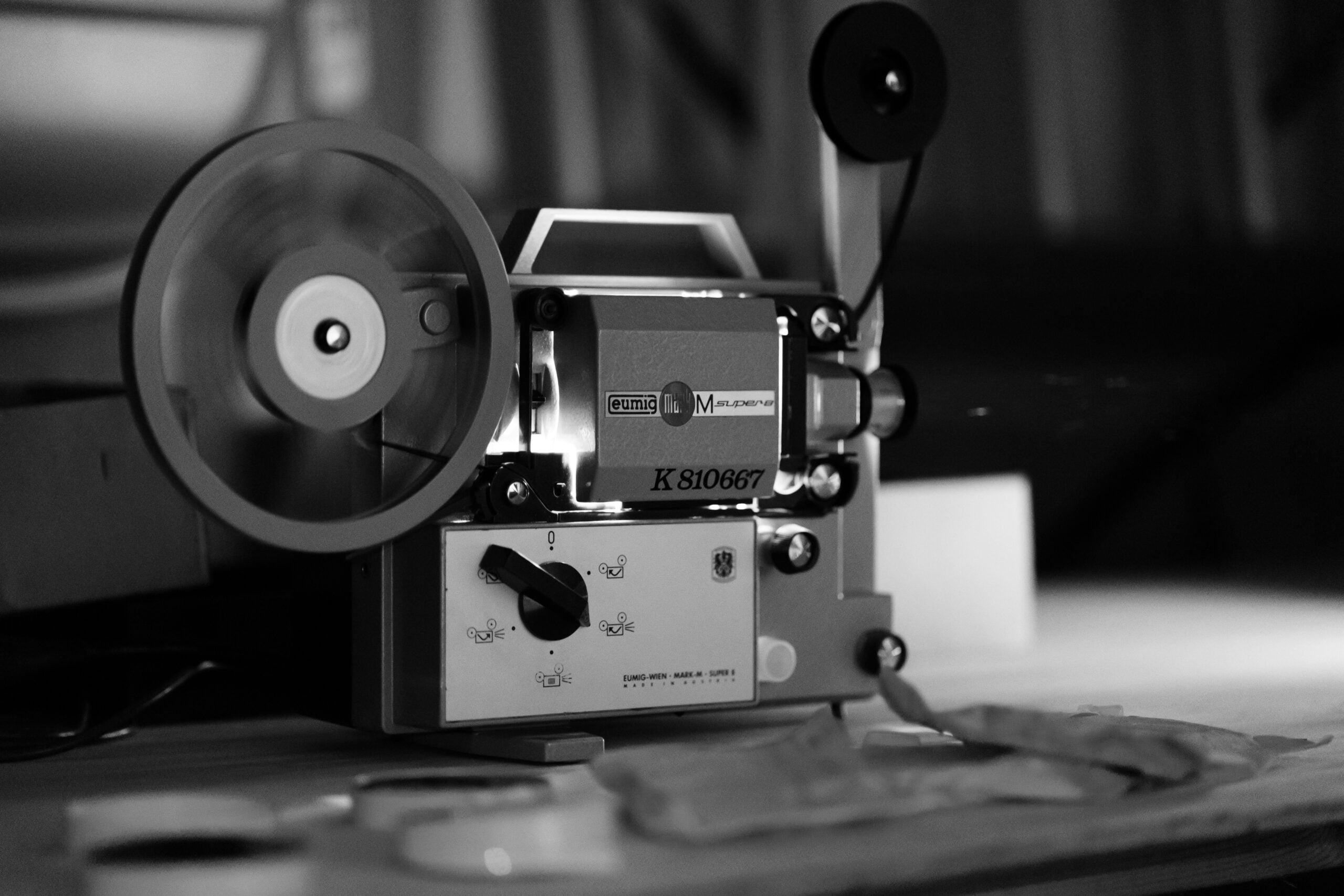
Children in the classroom would go wild when they saw a filmstrip being brought in; it meant the teacher’s usual lesson was about to get more interesting. Baby Boomers may remember how the device featured images shown one frame at a time and a beep signaling when it was time to advance to the next one. They were most frequently used for subjects like science, geography, history, health and safety. The image of a dark classroom and teachers untangling the film are among the memories associated with the experience.
Penny Candy at the Corner Store
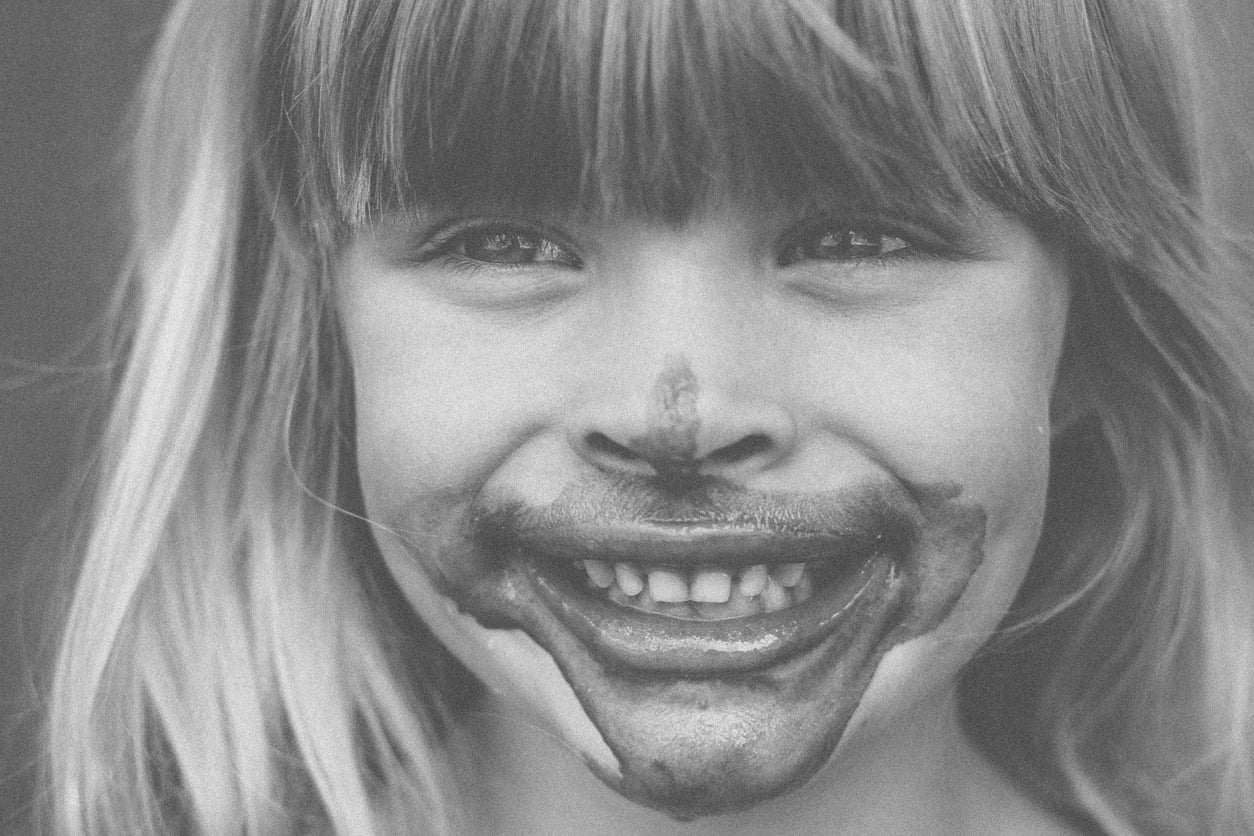
In those decades, Baby Boomers would head out with just a few cents in their pockets and could buy a wide variety of small candies at neighborhood shops. From candy buttons and jawbreakers to bubble gum, kids often spent as much time choosing what to buy as they did actually eating the candy. Back then, having a nickel or a dime meant you could buy yourself a treat.
Trending on Cheapism
Rotary Phones and Party Lines
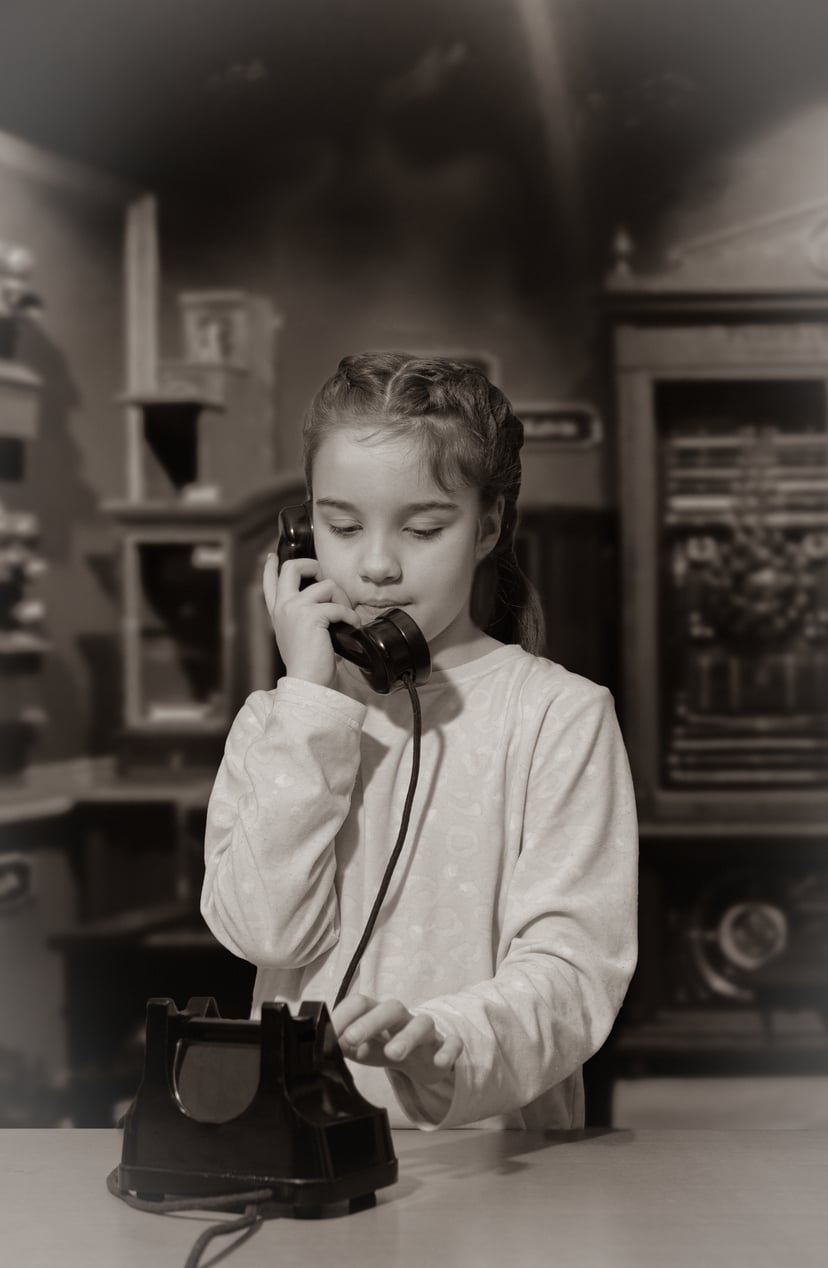
Since cellphones didn’t exist when Baby Boomers were young, families relied on a single landline that everyone shared. You had to place your finger in each numbered hole to dial and then wait for the dial to rotate back. In some rural areas of the United States, households shared telephone service via party lines, and you had no privacy while talking because the phone was usually located in the living room or kitchen, rather than in the privacy of your own bedroom.
Metal Lunchboxes with TV Characters
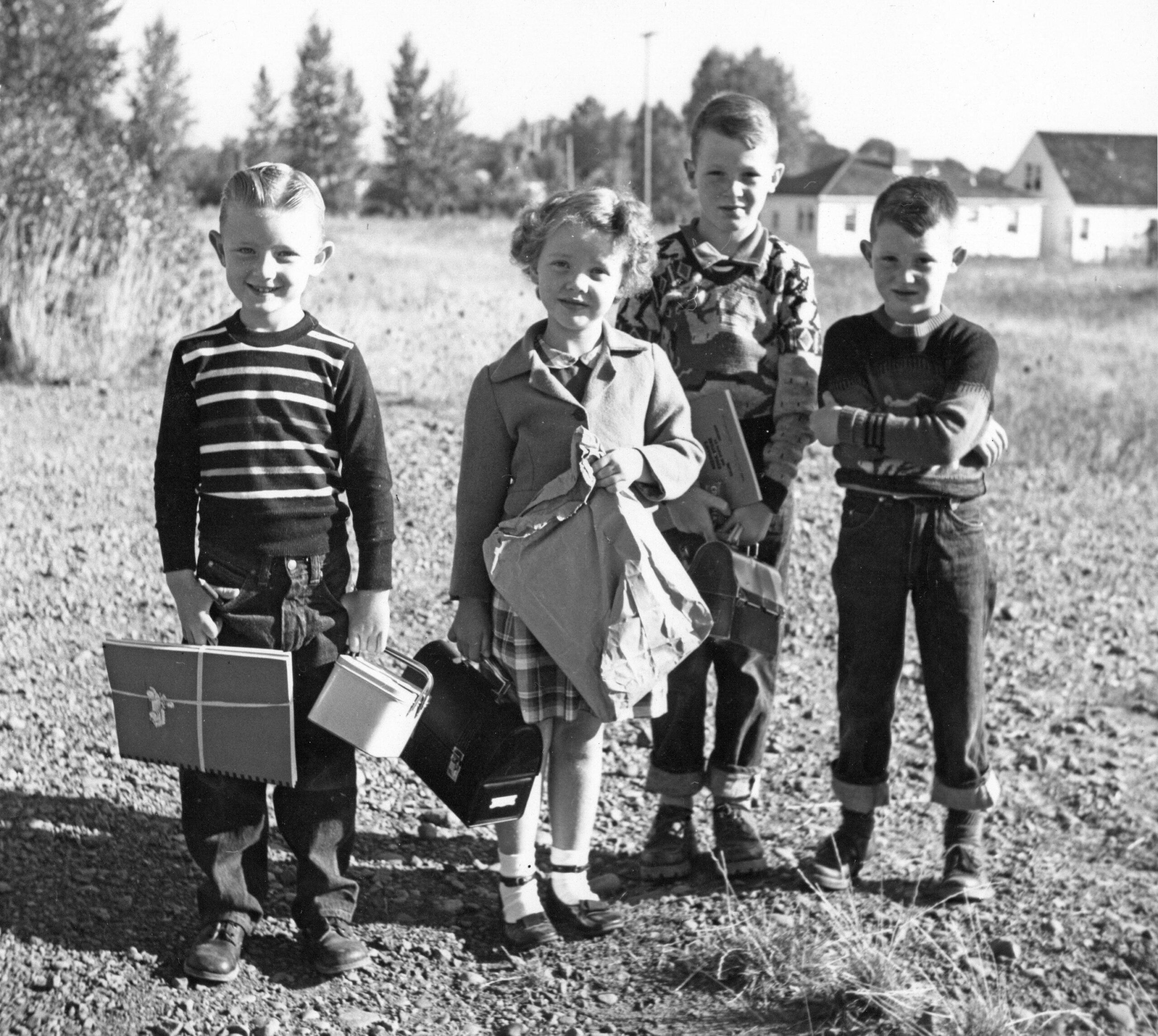
Lunchboxes were part of a child’s identity for many Baby Boomers, because you could choose ones that showcased your Western heroes, cartoon characters, TV shows, and more. Dented corners, the metal latch snapping shut, space-age designs on the exterior and the matching thermos tucked inside were some of their defining features.
Hula Hoops
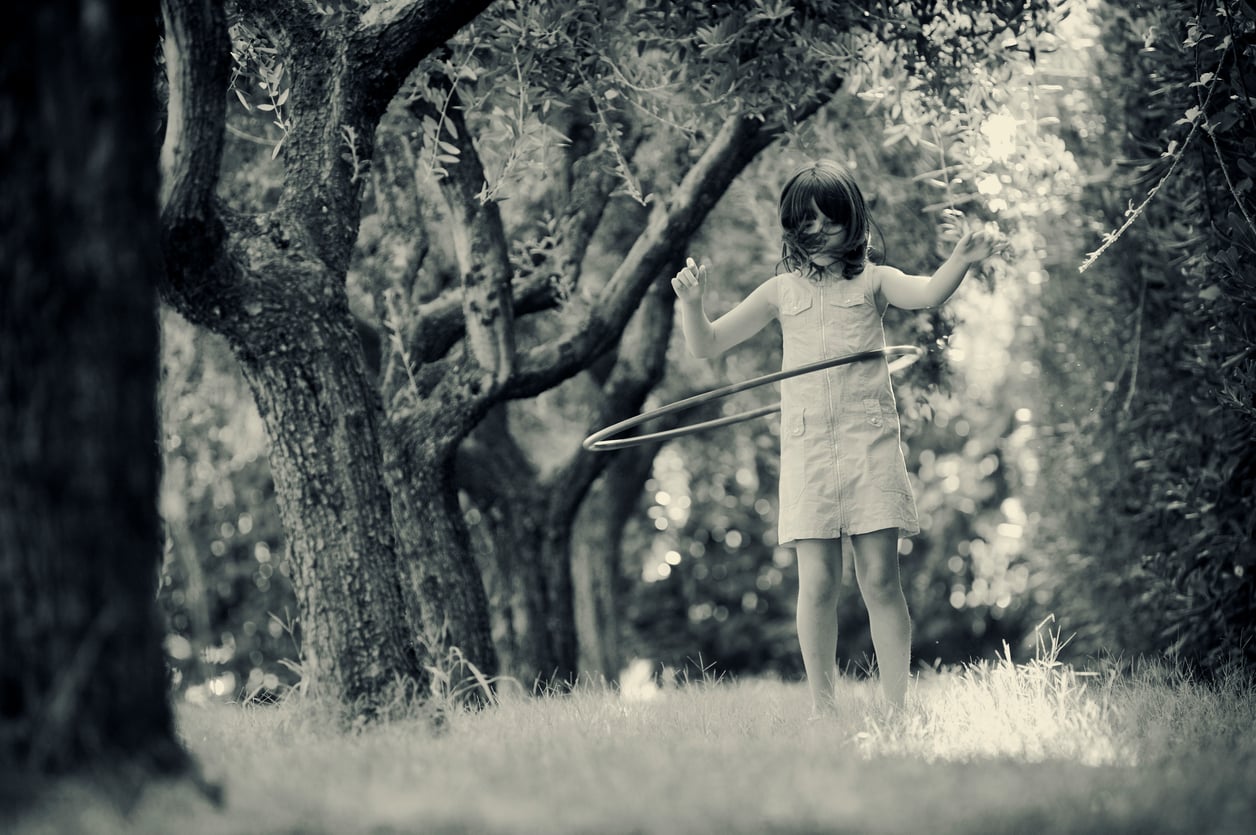
Hula Hoops were those simple plastic hoops that caused a sensation from the late 1950s onwards. For Baby Boomers, the national phenomenon sparked competitions among children to see who could spin the hula hoop the longest. It was a time when young people didn’t need batteries, screens, or instructions to play. Some people remember the hoops stacked in the backyard, or trying to spin more than one at a time around their waists.
Sign up for our newsletter
Etch A Sketch, Slinky, and View-Master
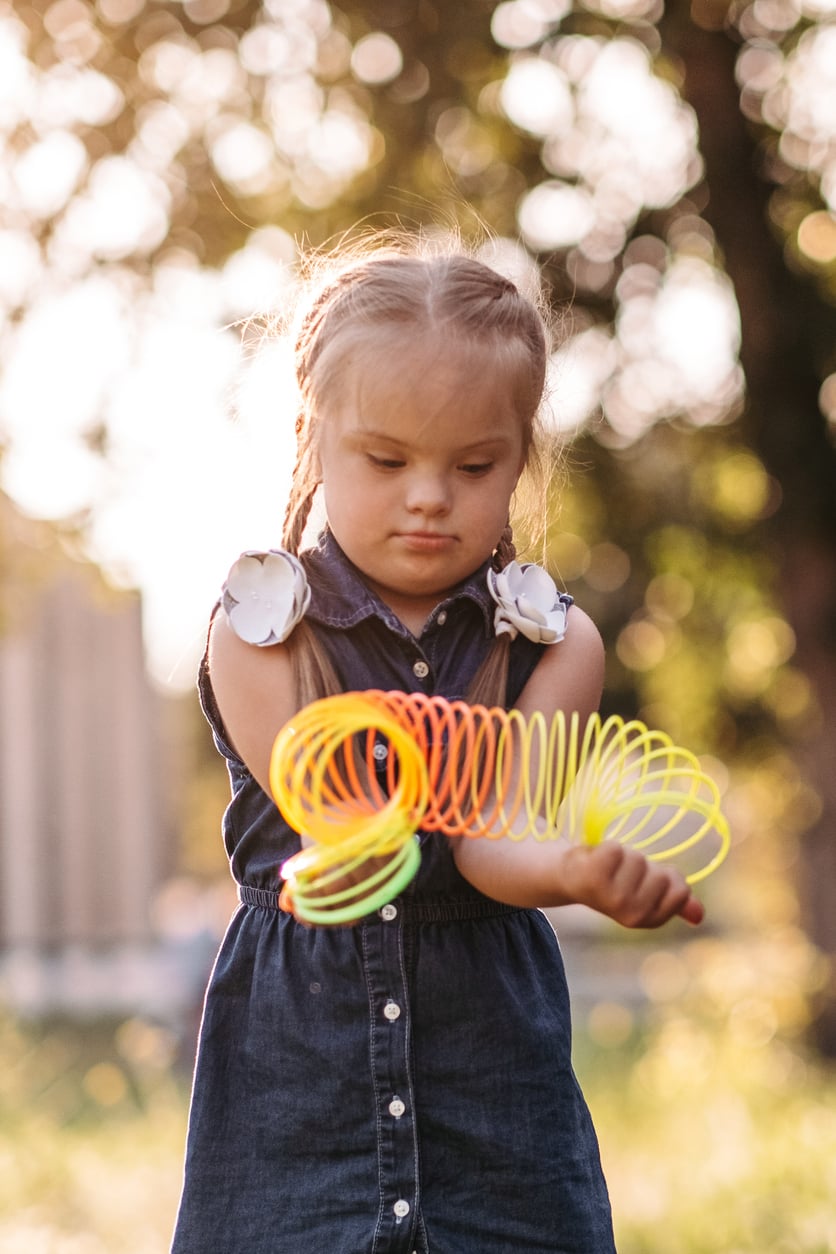
The most technologically advanced toys of that decade relied on simple mechanics and were not electronic in themselves. Baby Boomers may remember Etch A Sketche toy, which featured gray screens and two knobs that controlled a stylus, allowing you to write or create drawings using them. Another well-known toy was Slinky, a series of connected coils that you could set at the top of a staircase, watching it slowly make its way down, step by step.
TV Dinners in Aluminum Trays
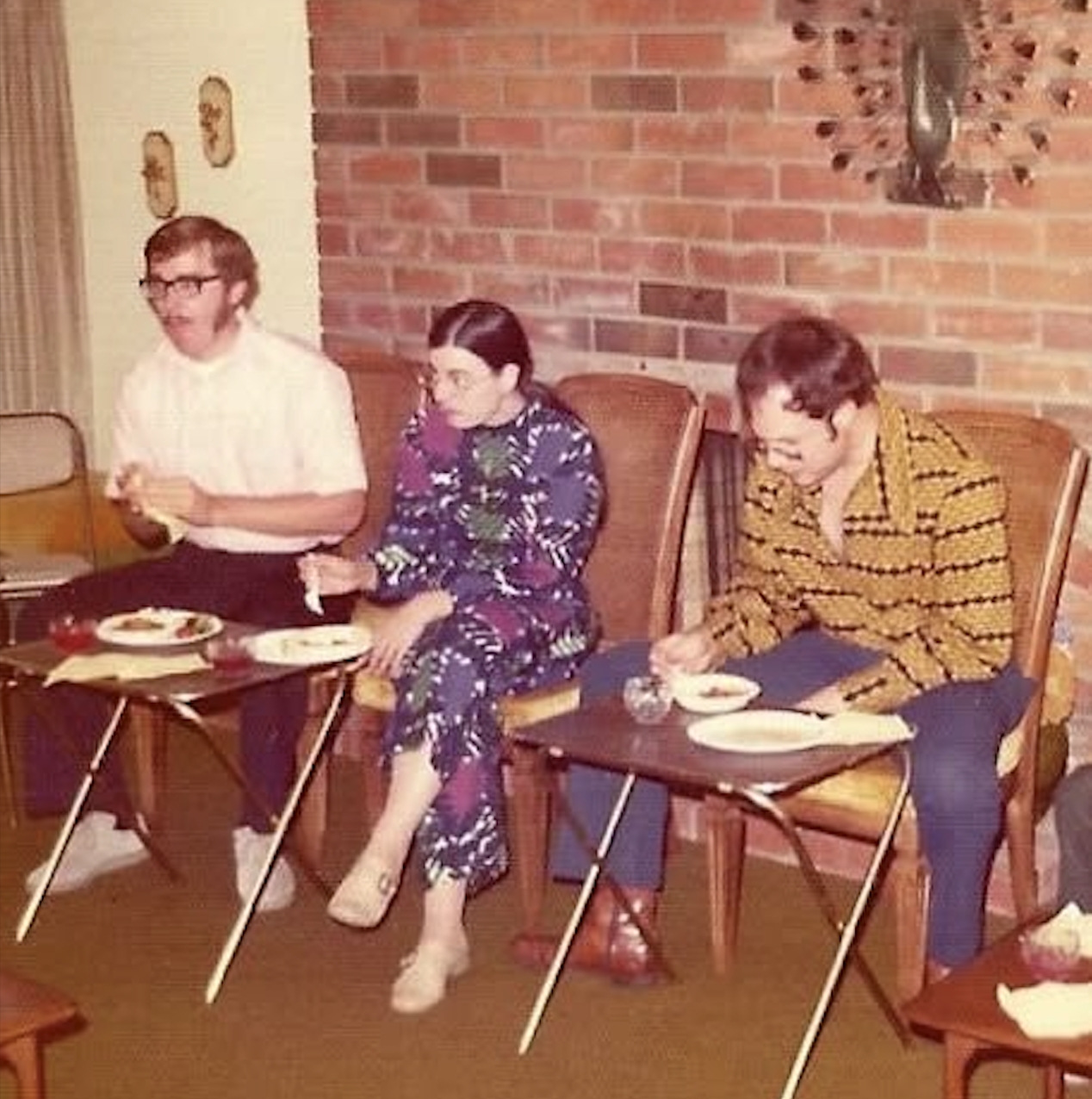
In those years, convenience for Baby Boomers meant having frozen dinners to eat while watching television. These meals were divided into aluminum compartments that kept the meat, vegetables, potatoes, and occasional desserts separate. You simply had to heat them in the oven before eating. These meals offered a special sense of being a modern way to eat.
Drinking From the Garden Hose
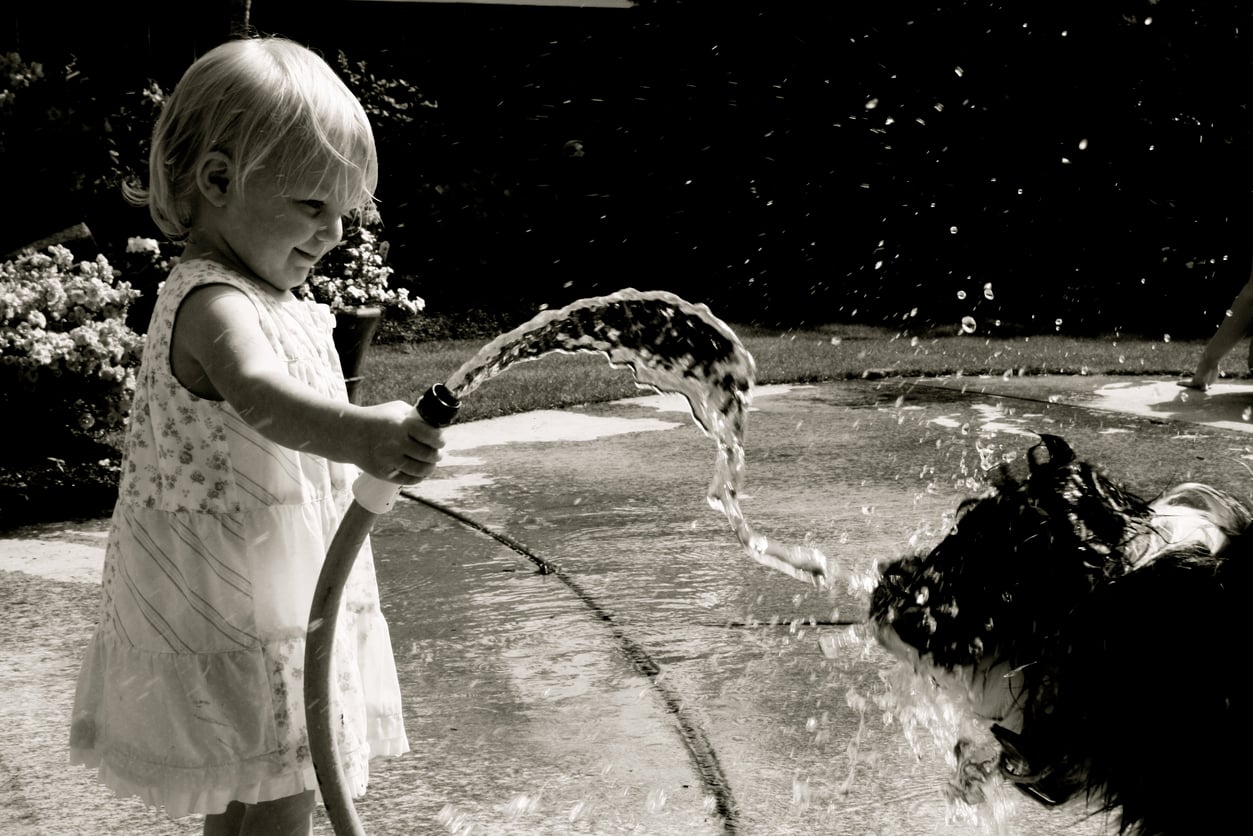
Since the children spent so much time playing outside, they didn’t always come back indoors to get water and rest some minutes. Instead, they would head to the garden hose to cool off, taking turns so everyone could hydrate. Some remember that faint rubbery taste and having to let the water run for a few seconds to get it cold.
Baseball Cards with Bubble Gum
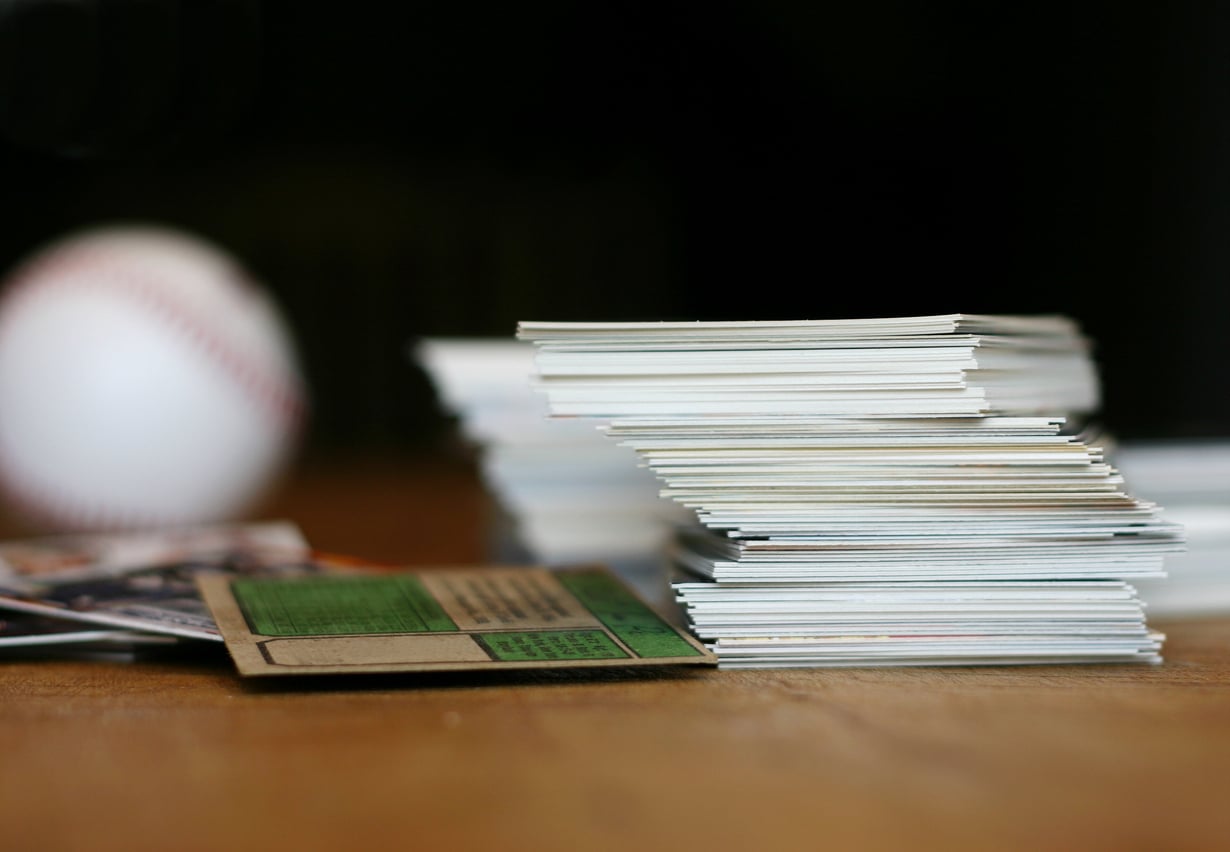
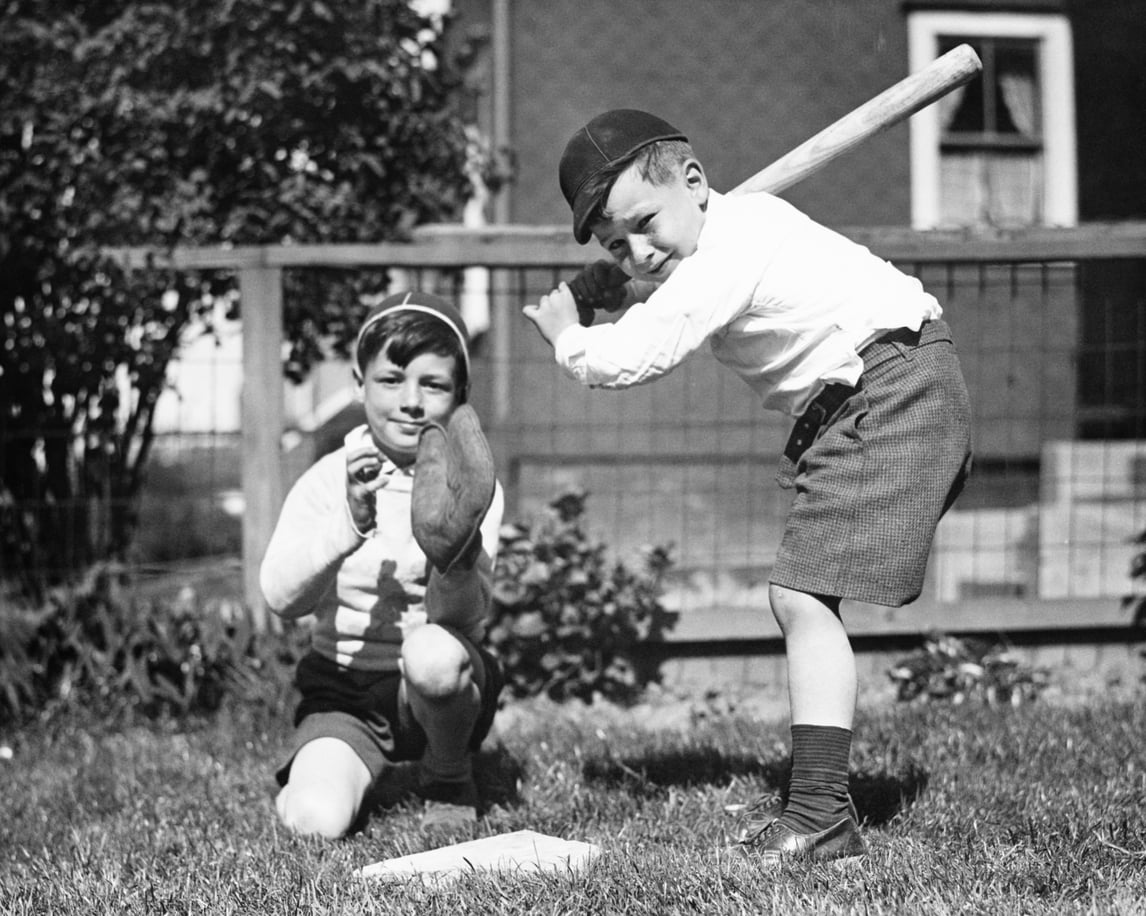
When Baby Boomers were young, they spent their days trading baseball cards; they would swap duplicates or wager them in card-flipping games, and the cards that didn’t end up in their bicycle spokes were held together with rubber bands. Some of the packs the cards came in included a piece of bubble gum, and those cards are now sold as vintage collectibles and can cost hundreds of dollars.
Family Road Trips with Paper Maps
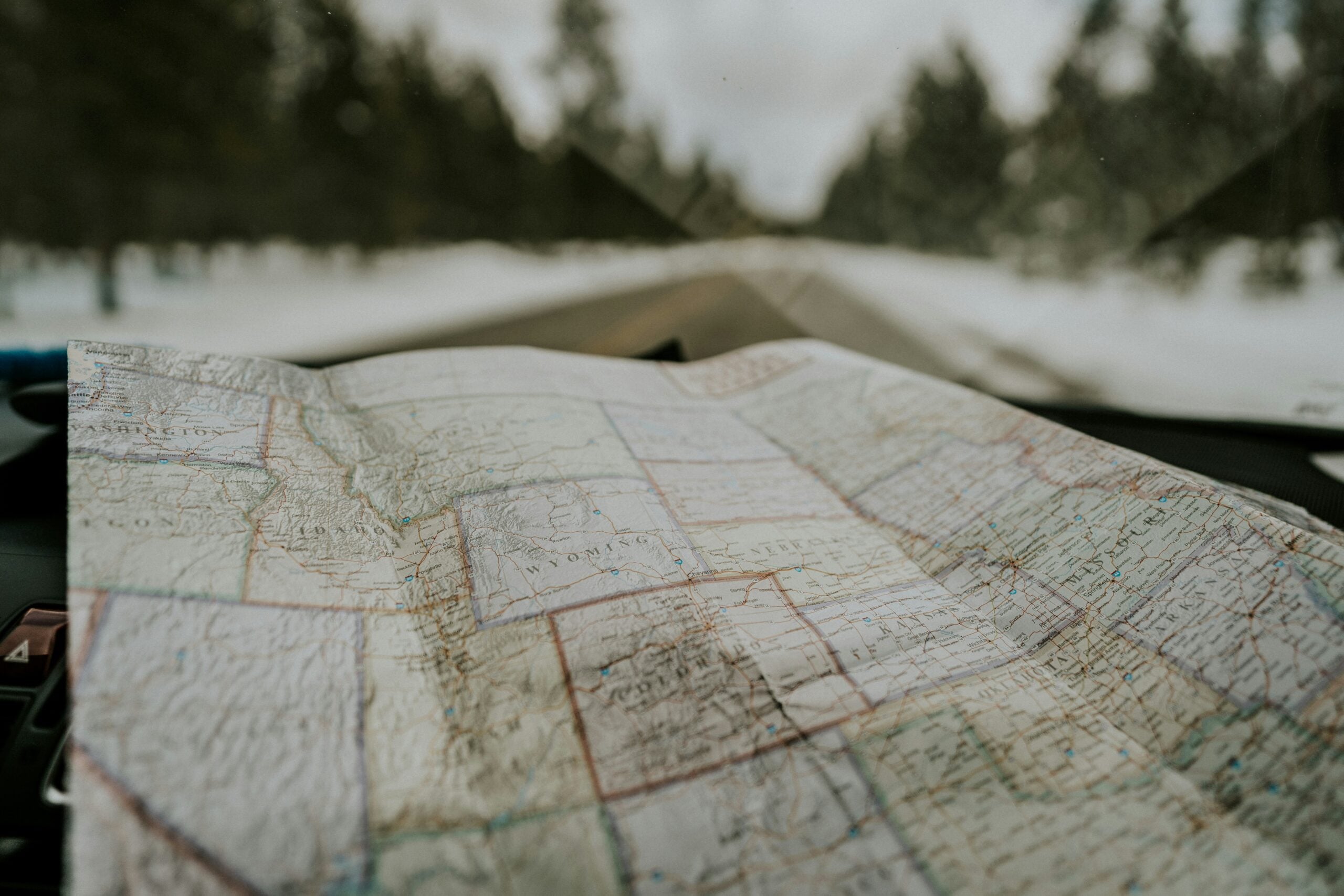
Vacations were sometimes directly linked to taking long drives rather than hopping on an expensive flight. Baby Boomers from that era watched their parents use folded maps, road atlases, highway signs, and handwritten directions to reach their destinations. You had to make do with those tools because GPS devices weren’t available for the average person to buy.
Drive-In Movies
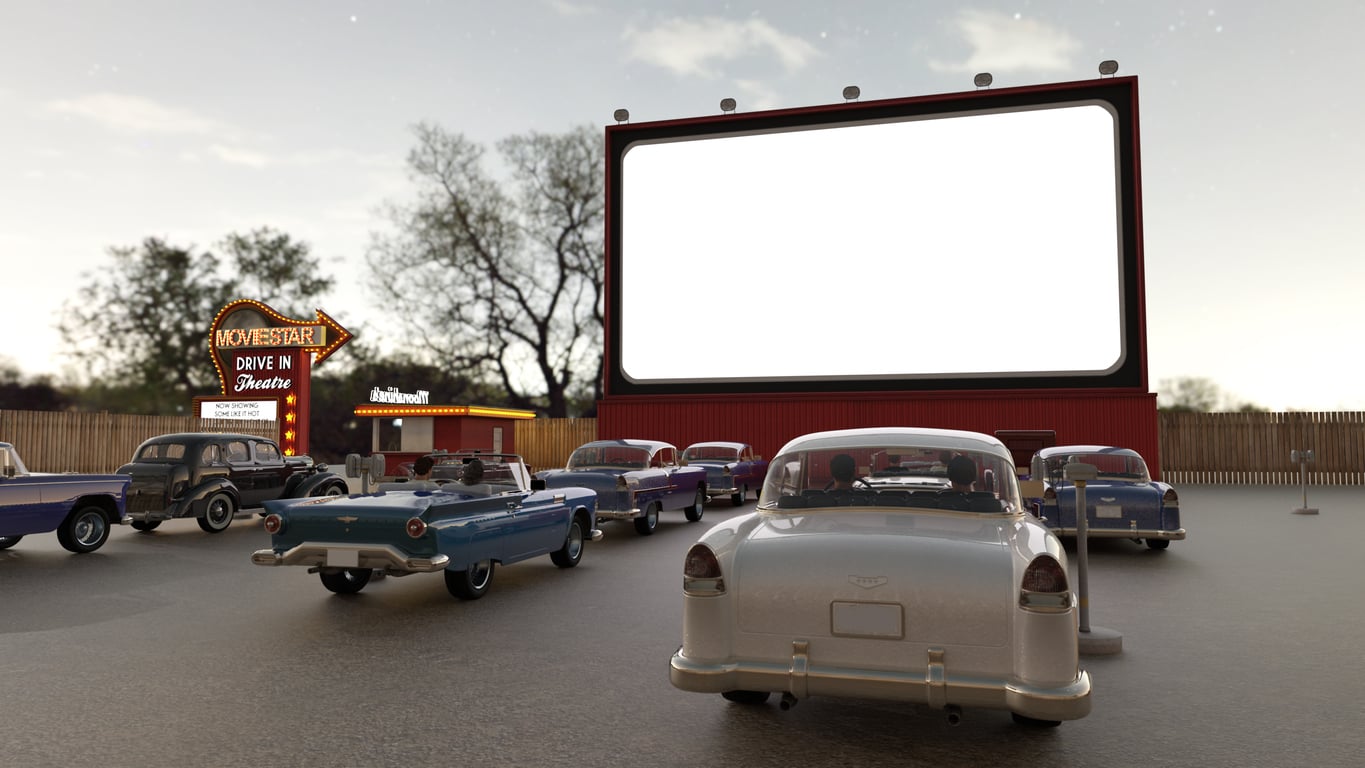
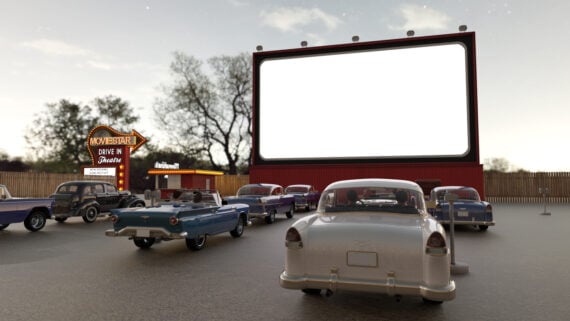
Drive-In theaters were all the rage during the Baby Boomers’ teenage years. At these venues, you would drive your car into a lot and park in a row alongside other vehicles to watch a movie on a massive screen. Interestingly, to ensure everyone could hear the film, small speakers were clipped to the window of each car. This activity was a way to socialize with others.
Milk Delivered to the House
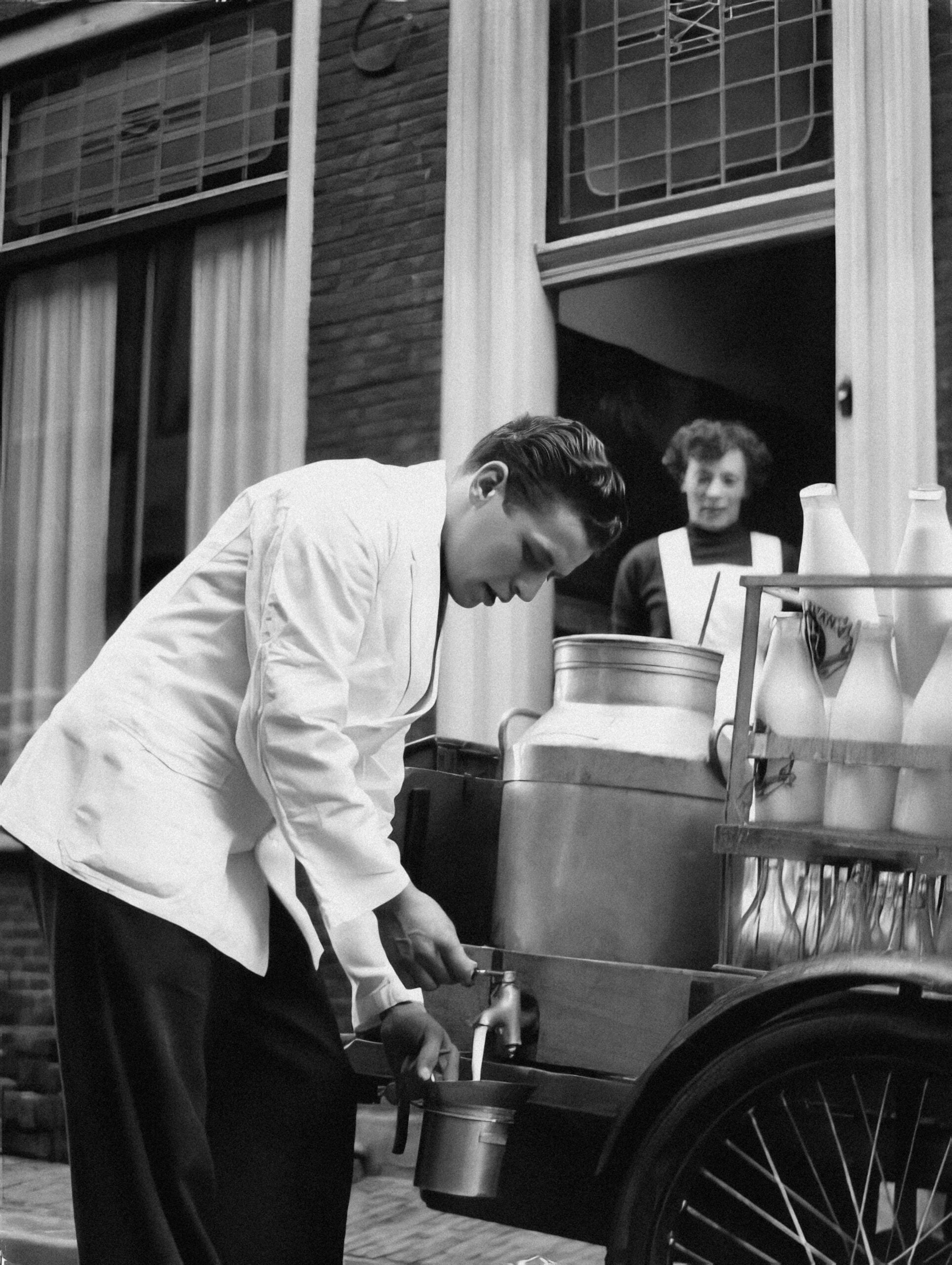
Milk was delivered directly to homes because it arrived at the home fresher, and not every household had a refrigerator, nor were there suitable containers to keep it from spoiling over a long period. Consequently, to ensure the milk stayed cool, you would have it delivered and consume it within a short timeframe. The glass bottles were reusable, so they were later collected.
Listening for School Closings on the Radio
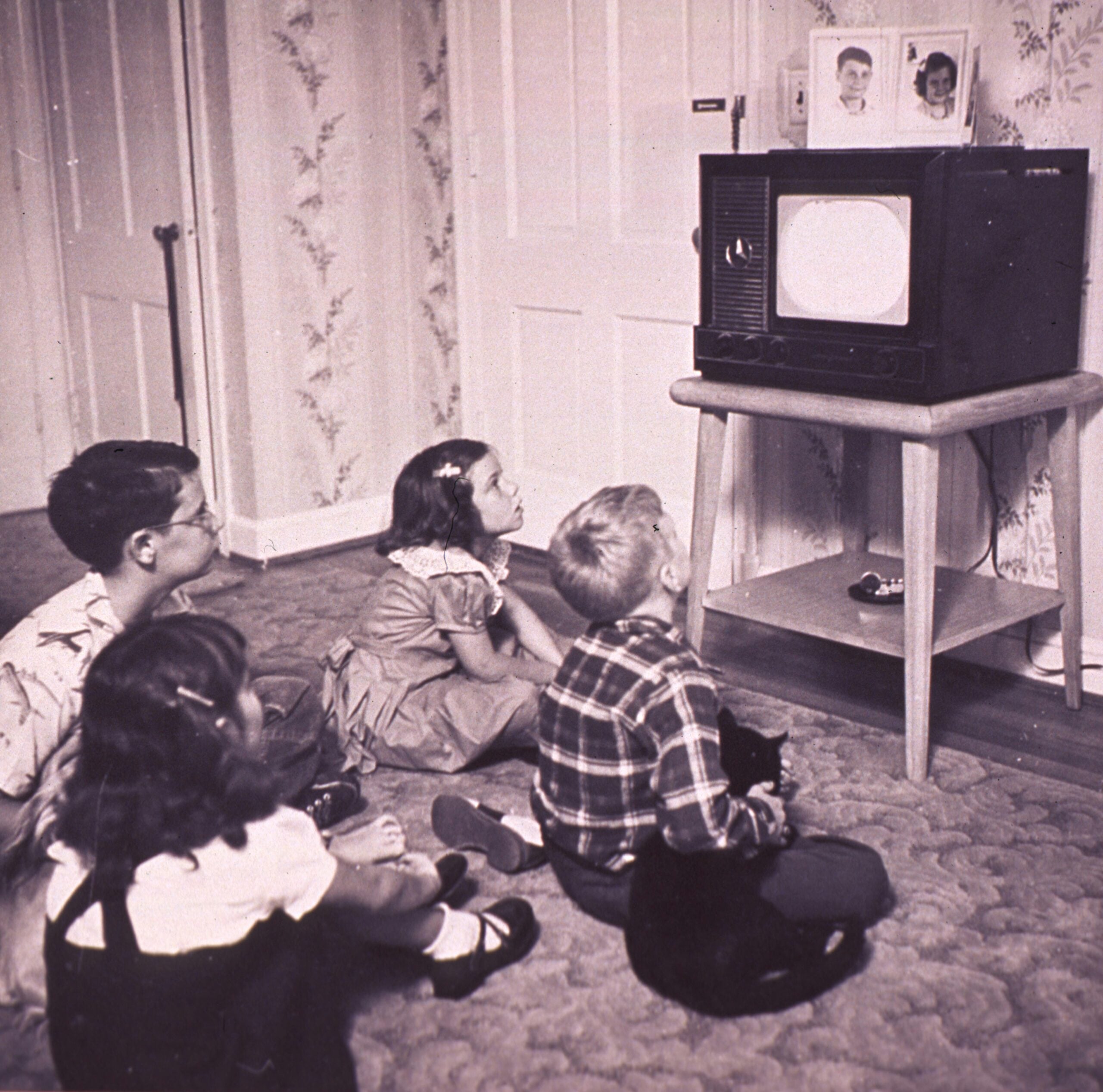
The radio was the way to find out if a school was closing due to weather conditions or other reasons, since websites, social media, and mobile alert messages did not exist. Children would listen to the announcements as the radio stations ran through the long list of the district’s schools. If you didn’t pay attention, you had to listen to the entire list all over again.
Conclusion
Some Baby Boomer memories are linked to situations that seemed commonplace back then but are far less common today, such as having a huge road map spread out in the car while driving. It is true that these memories evoke nostalgia, and they may appear more positive and fondly regarded than they actually were at the time.