Life in the 1920s United States was caught somewhere between the old-fashioned and the surprisingly modern. Cars and radios were becoming part of everyday culture, but many families still relied on iceboxes, coal furnaces, clotheslines, and streetcars. The decade also brought enormous social and technological change, the Smithsonian’s collection on 1920 highlights everything from the rise of radio broadcasting to the beginning of the Roaring Twenties. From making a phone call to keeping groceries cold, here are 16 everyday ways life looked very different a century ago.
Keeping Food Cold Could Mean Buying a Block of Ice
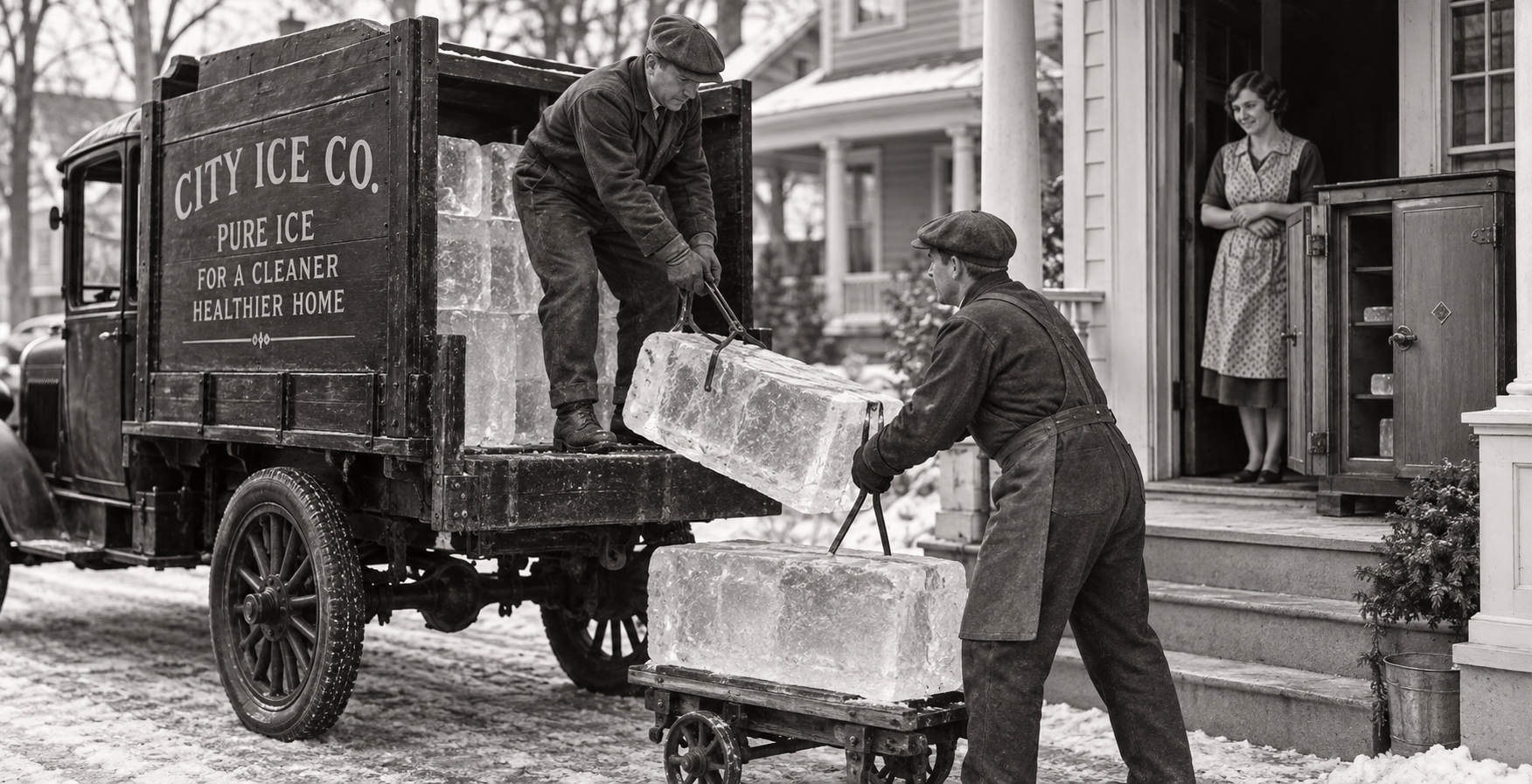
Before the refrigerator became a kitchen standard, many families depended on an icebox: an insulated cabinet chilled by a large block of ice. An iceman made neighborhood rounds, and customers could place cards in their windows indicating whether they wanted a 25, 50, 75, or 100 pound block. As the ice melted, homeowners also had to deal with the resulting water. Electric refrigerators were arriving, GE’s Monitor Top debuted in 1927, but iceboxes remained common well into the 1930s.
Heating the House Could Be a Daily Chore
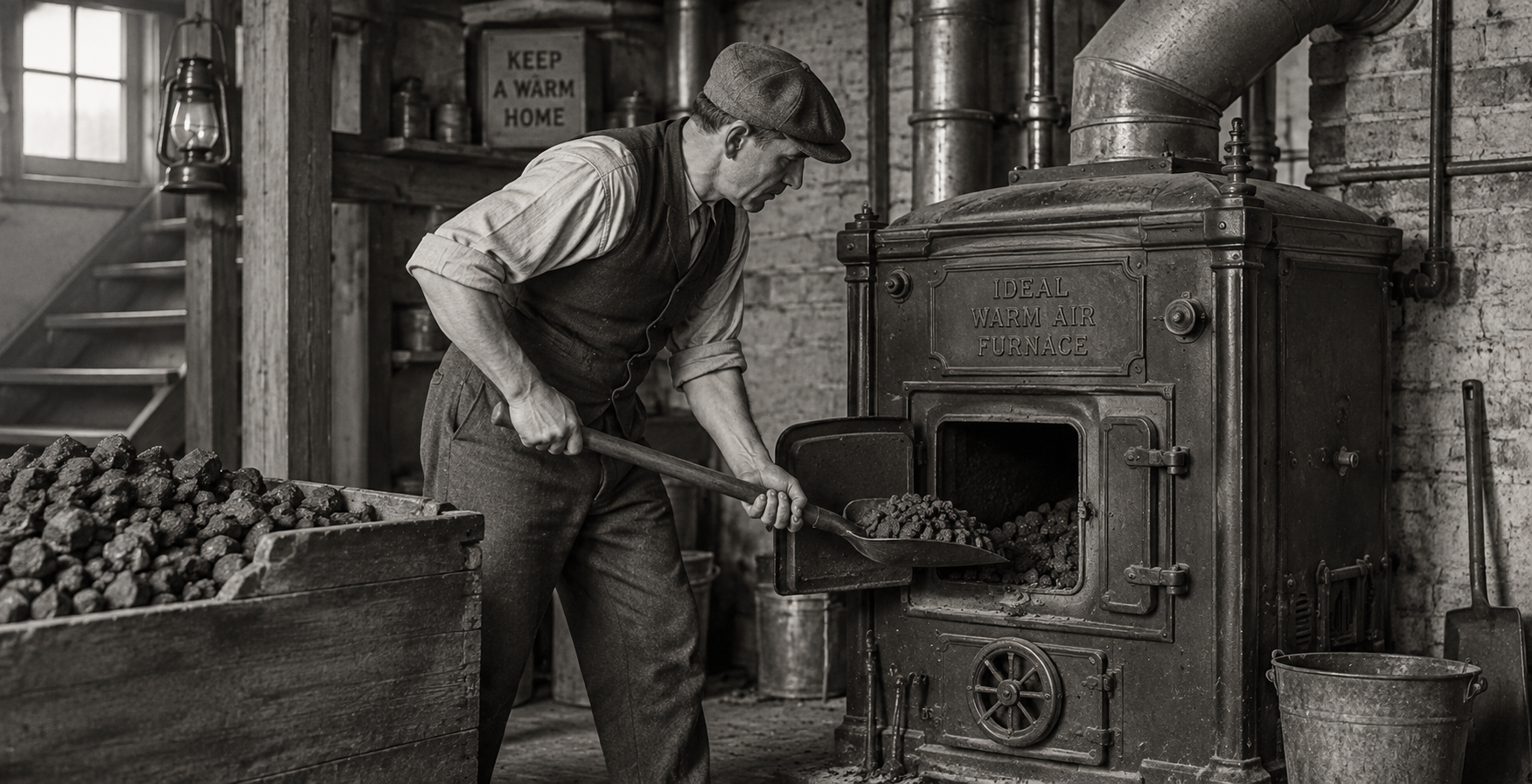
Turning up a thermostat wasn’t necessarily an option. Depending on the home and region, Americans heated rooms with coal-burning furnaces, fireplaces, wood or coal stoves, and other systems that required considerably more attention than today’s heating. Fuel had to be stored and fires maintained, while coal created ash, dust, and soot. In the coal community of Kaymoor, West Virginia, for example, residents recalled carrying coal home and using coal furnaces or fireplaces for heat.
Even Having One Telephone Wasn’t Guaranteed
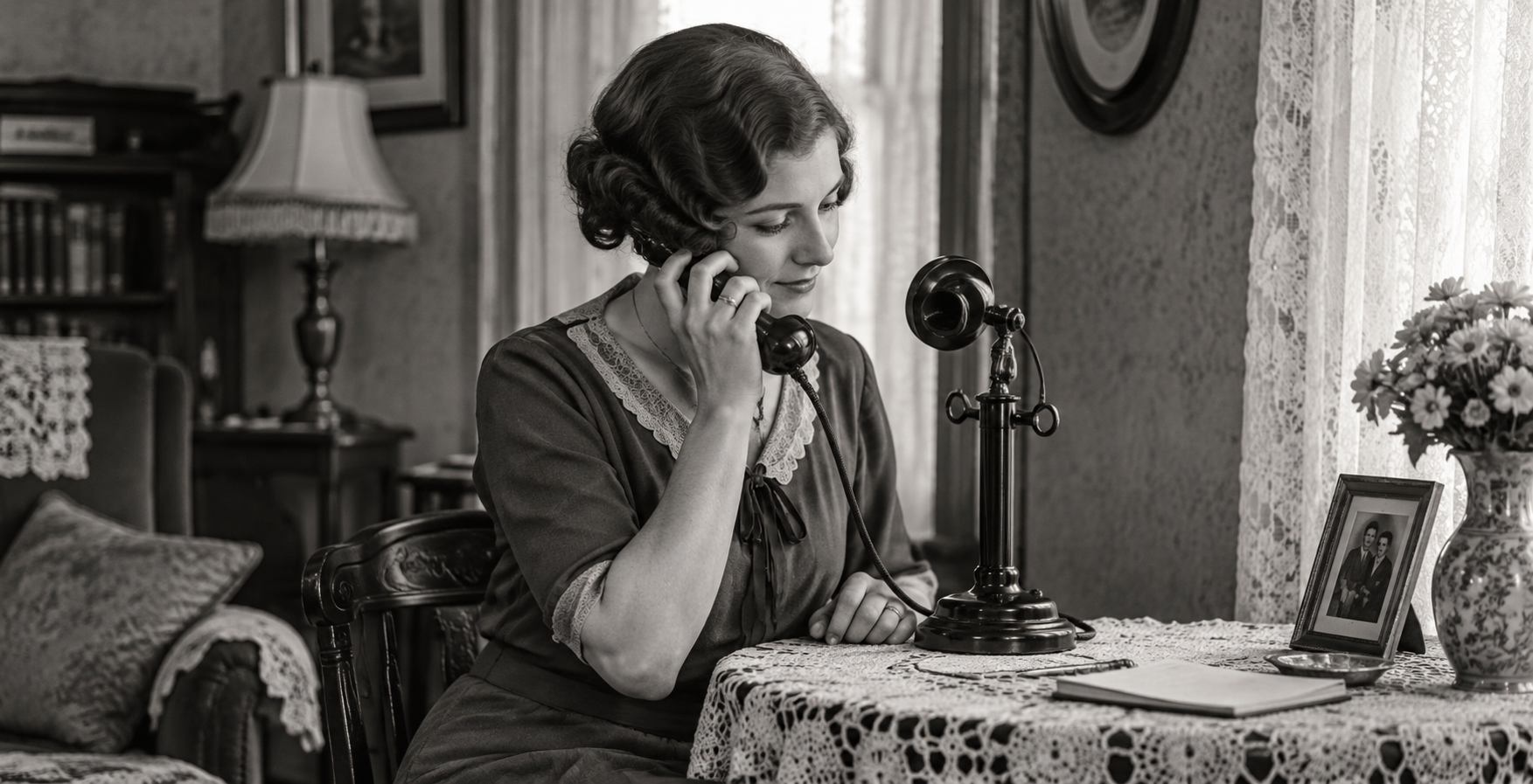
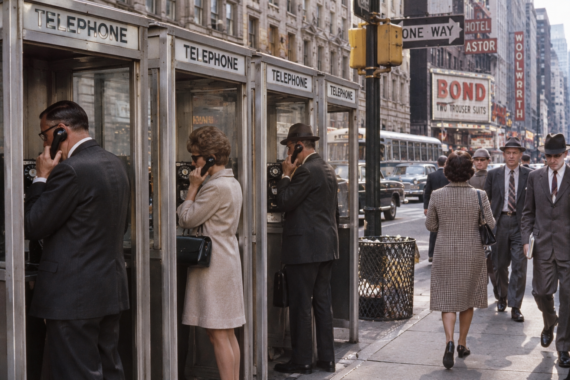
A family’s phone, if it had one, stayed put. Census historical material indicates that only about 35% of American households had telephone service in 1920. Rural telephone users could also find themselves on “party lines”, where multiple households shared a connection. Different ringing patterns identified which household was being called, and privacy wasn’t exactly guaranteed, another subscriber could potentially pick up and listen. Long-distance communication often required assistance from an operator.
The Radio Was the Exciting New Screen-Free Entertainment
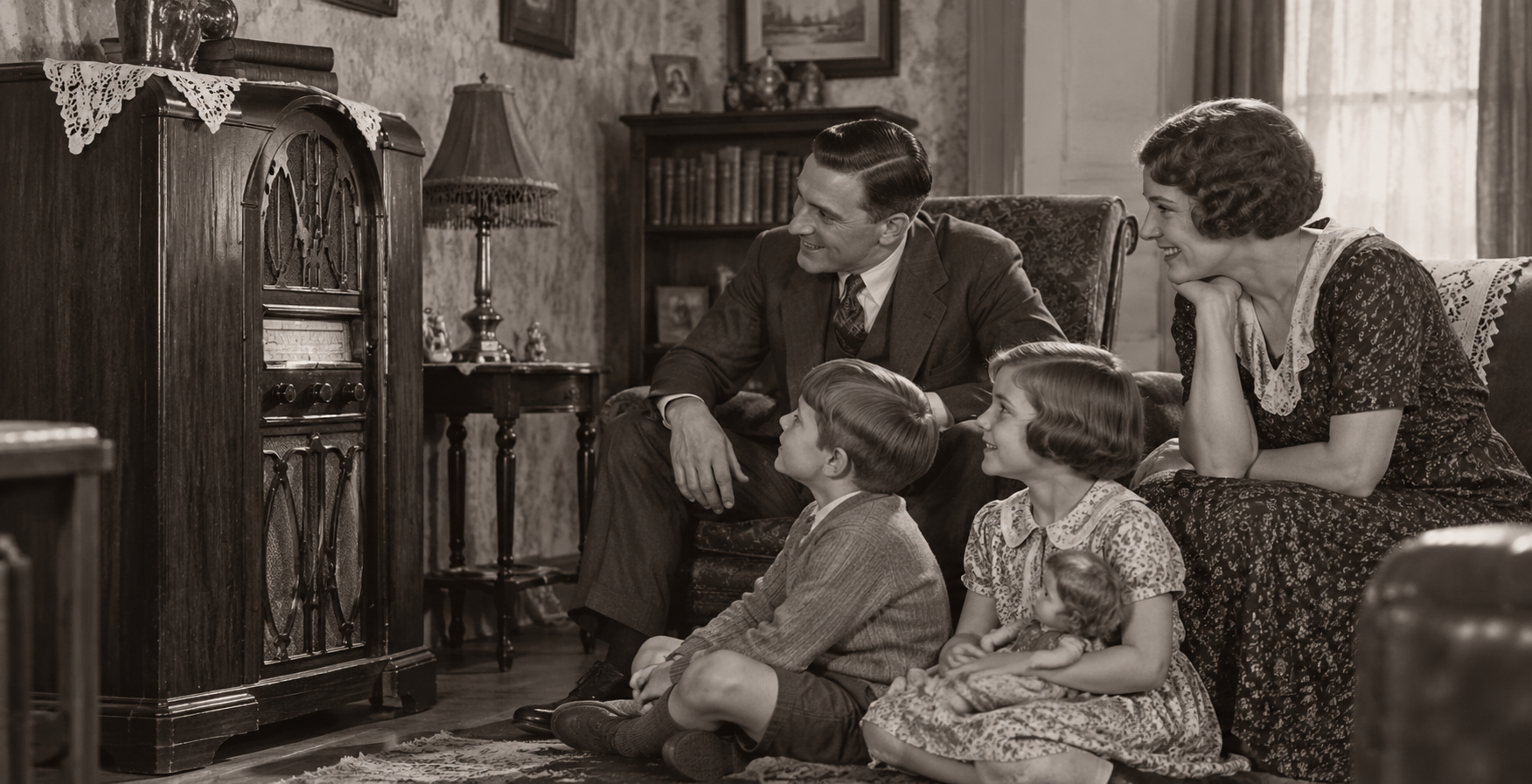
Imagine buying a device that suddenly brought music, sports, advertising, and news directly into your living room. Radio was one of the decade’s transformative consumer technologies. The Library of Congress estimates that by the end of the 1920s, about 40% of American families owned one. Instead of everyone disappearing into separate screens, a radio program could turn into a shared family event, with listeners gathering around the same set at the same scheduled time.
A Night at the Movies Was Usually Silent
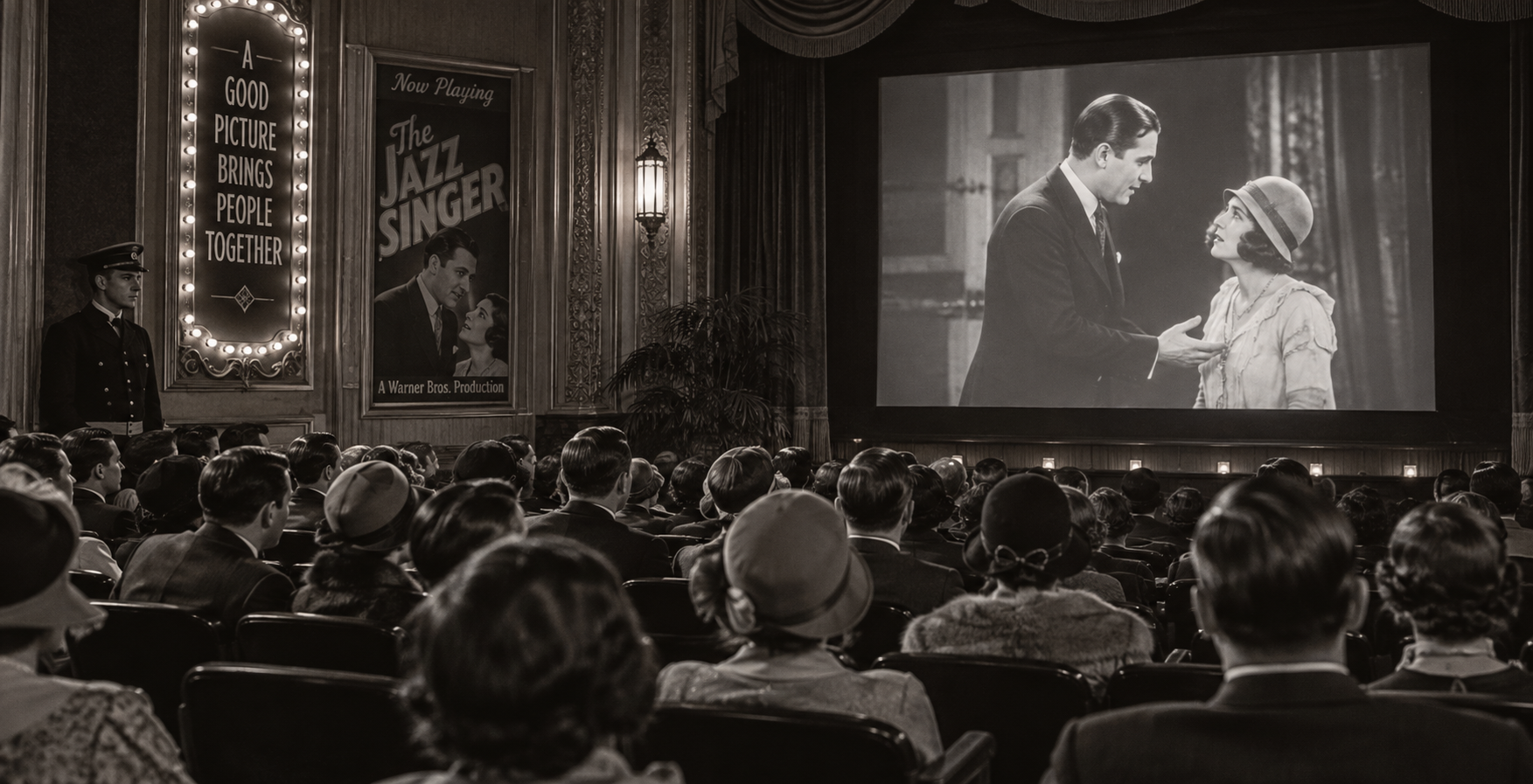
For most of the 1920s, going to the movies meant watching actors tell their stories without recorded dialogue. Music supplied much of the atmosphere, and title cards carried important words and conversations. The Library of Congress dates America’s silent feature-film era through 1929. The famous turning point came with 1927’s “The Jazz Singer,” which incorporated synchronized dialogue and helped usher in the age of “talkies.” By the decade’s end, the moviegoing experience was changing remarkably fast.
Trending on Cheapism


Streetcars Were Part of the Daily Commute
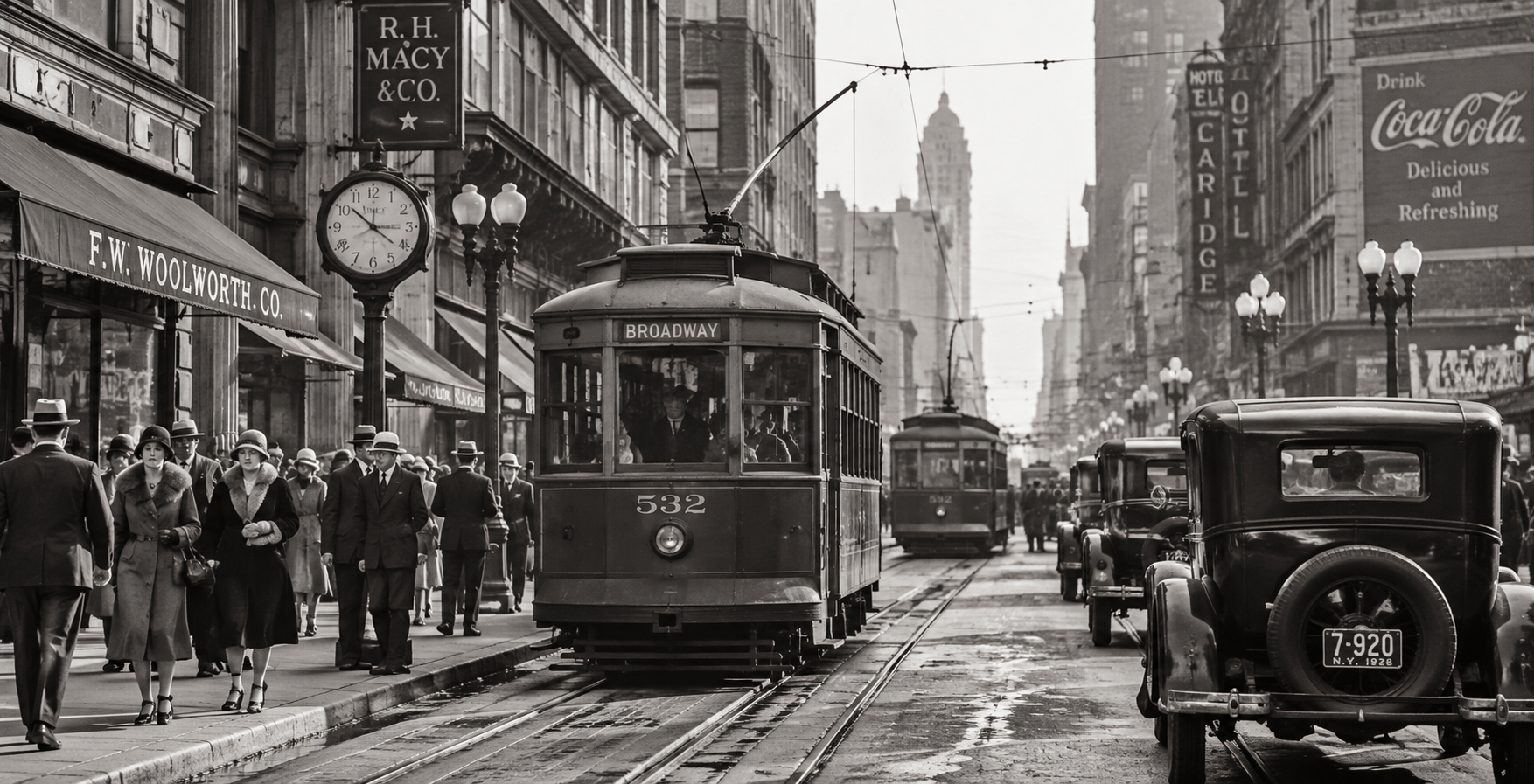
Long before ride-hailing apps, and before many households owned cars, electric streetcars helped Americans move around their cities. Networks connected residential neighborhoods with downtown workplaces, stores, and entertainment districts, and development frequently followed the tracks. The Library of Congress notes that street railway systems reached the height of their popularity between the 1890s and 1920s. A busy downtown filled with trolley tracks, overhead wires, pedestrians, and early automobiles would have looked very different from today’s car-oriented streets.
Americans Had Cars, but Not Today’s Road System
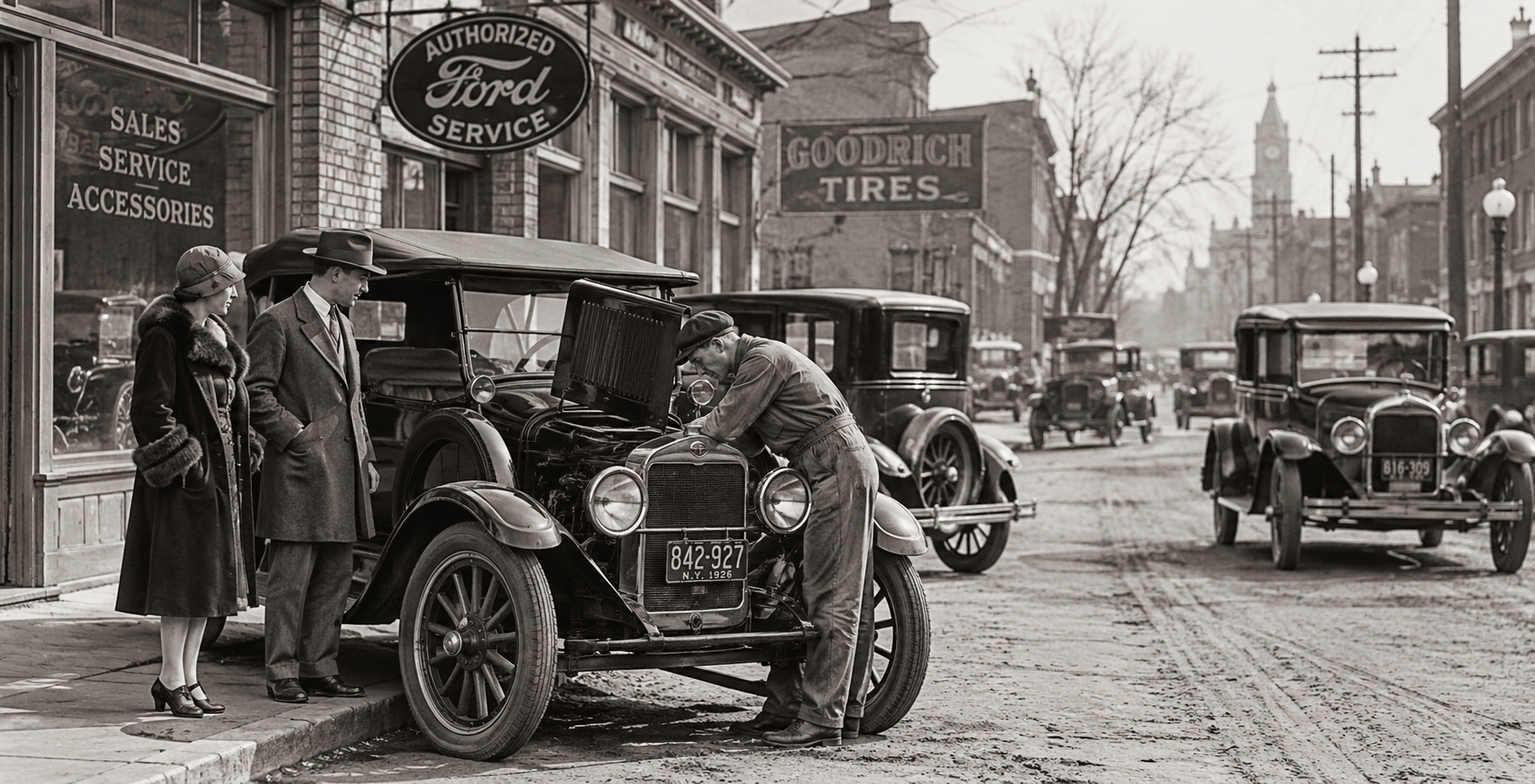
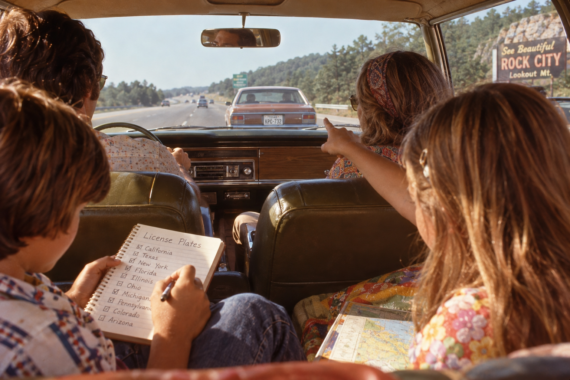
The automobile was hardly a novelty by the 1920s. By 1925, the Library of Congress says there was roughly one automobile for every six people in the country. But the roads serving those cars were still evolving. The numbered U.S. Highway system wasn’t established until 1925, and modern interstate highways were decades away. Americans nevertheless drove more and more: Federal Highway Administration data show estimated vehicle miles traveled rising from 47.6 billion in 1920 to nearly 198 billion in 1929.
Grocery Shopping Could Involve Giving a Clerk Your Order
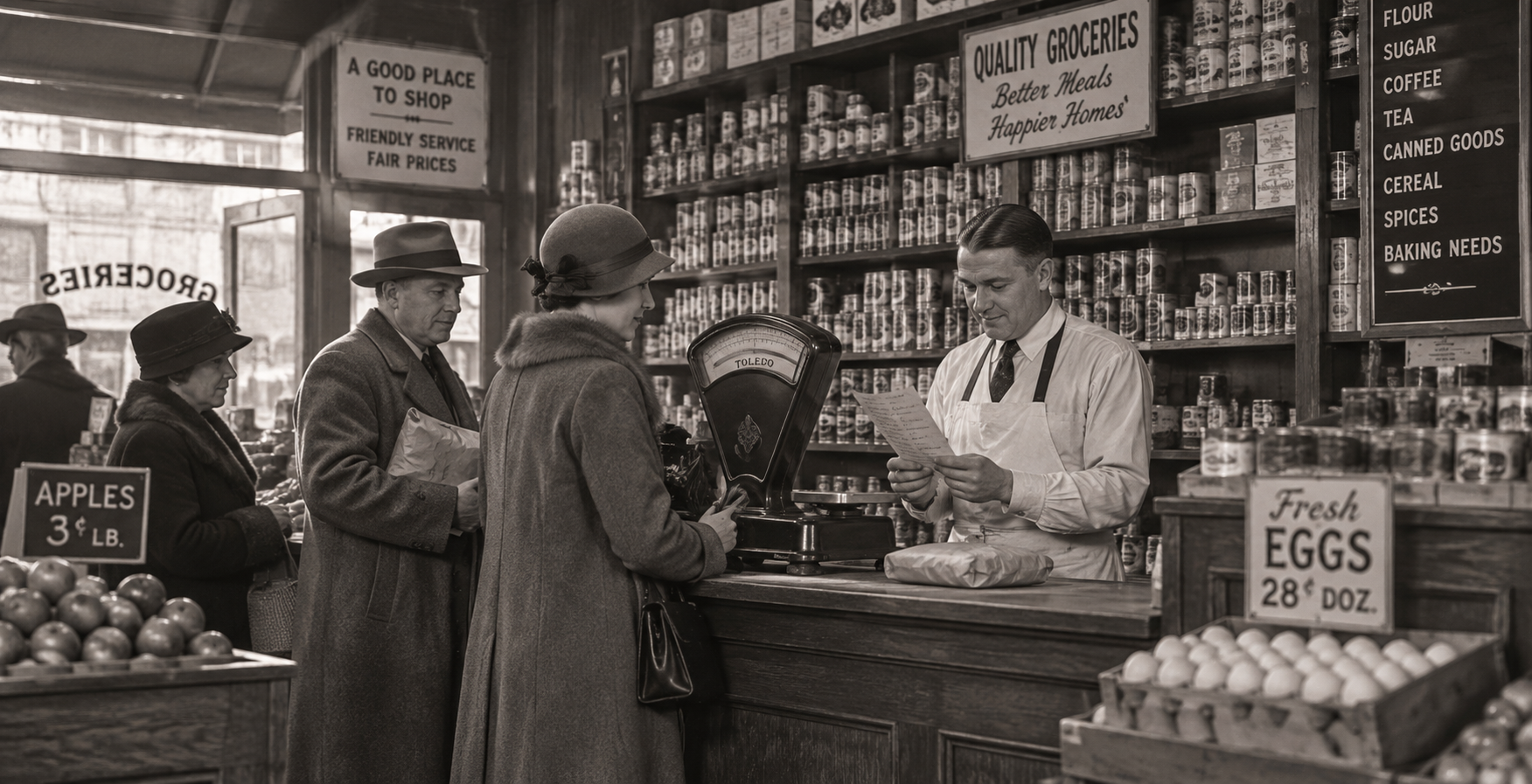
The supermarket routine we know today was only beginning to take shape. Traditionally, customers told grocery clerks what they wanted, and employees retrieved or measured the goods. Piggly Wiggly shook up that system when its first Memphis store opened in 1916 and allowed customers to walk the aisles with baskets and select their own groceries. The self-service idea spread during the following years, but older counter-service stores did not disappear overnight. Shopping could also mean visiting separate butchers, bakers, produce sellers, and grocers.
Sign up for our newsletter
Everyday Necessities Could Arrive at the Front Door
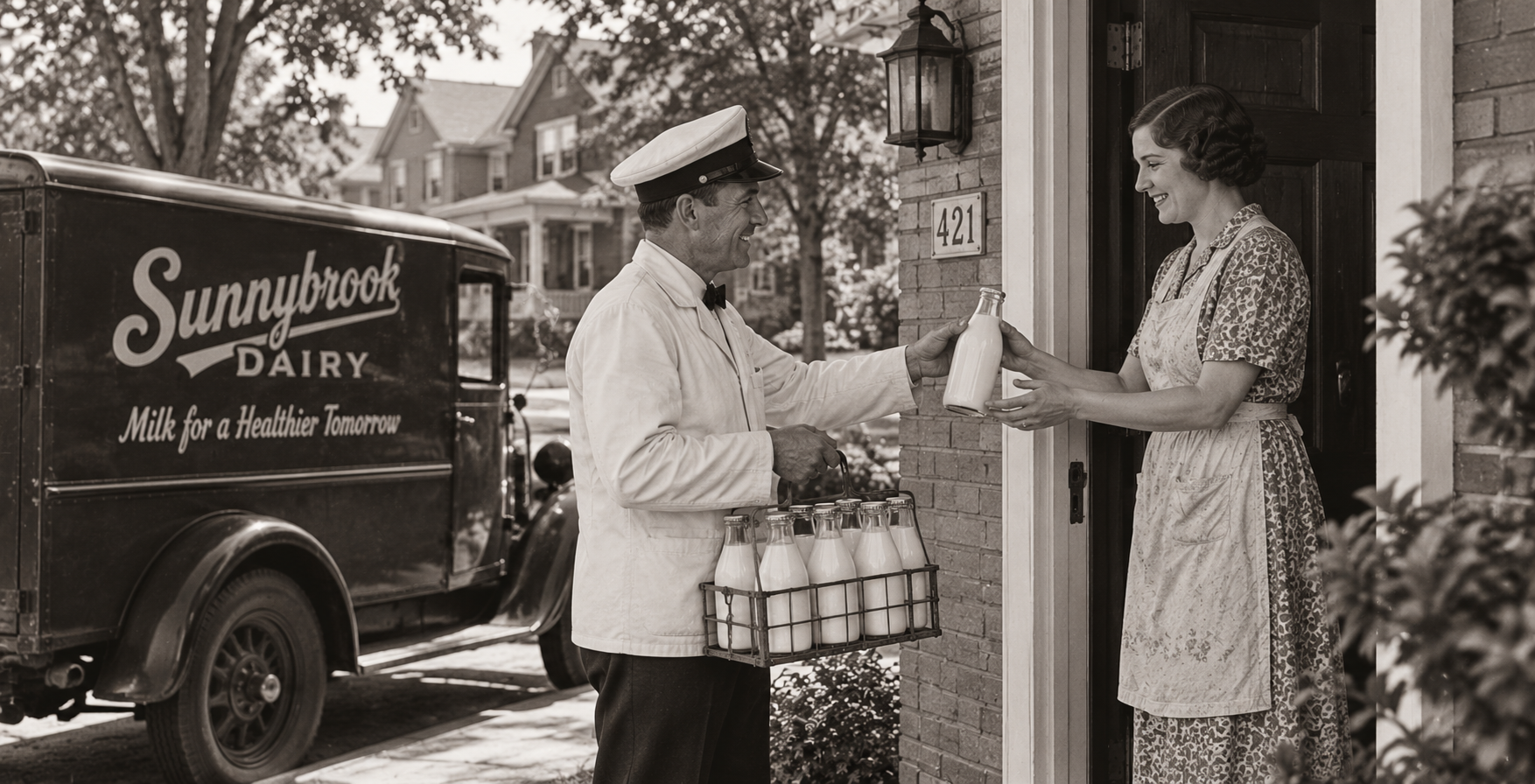
Home delivery wasn’t invented by online shopping. Neighborhood delivery routes were an important part of everyday life for many households, particularly in cities and towns. Ice was an especially necessary delivery because an icebox needed regular replacement blocks to keep food cold. Smithsonian records show that ice customers could leave signs in their windows specifying the size of block they wanted. Milk and other perishables were also commonly distributed locally in reusable glass bottles, making the front porch part of the household supply chain.
Laundry Could Take Up a Huge Chunk of the Day
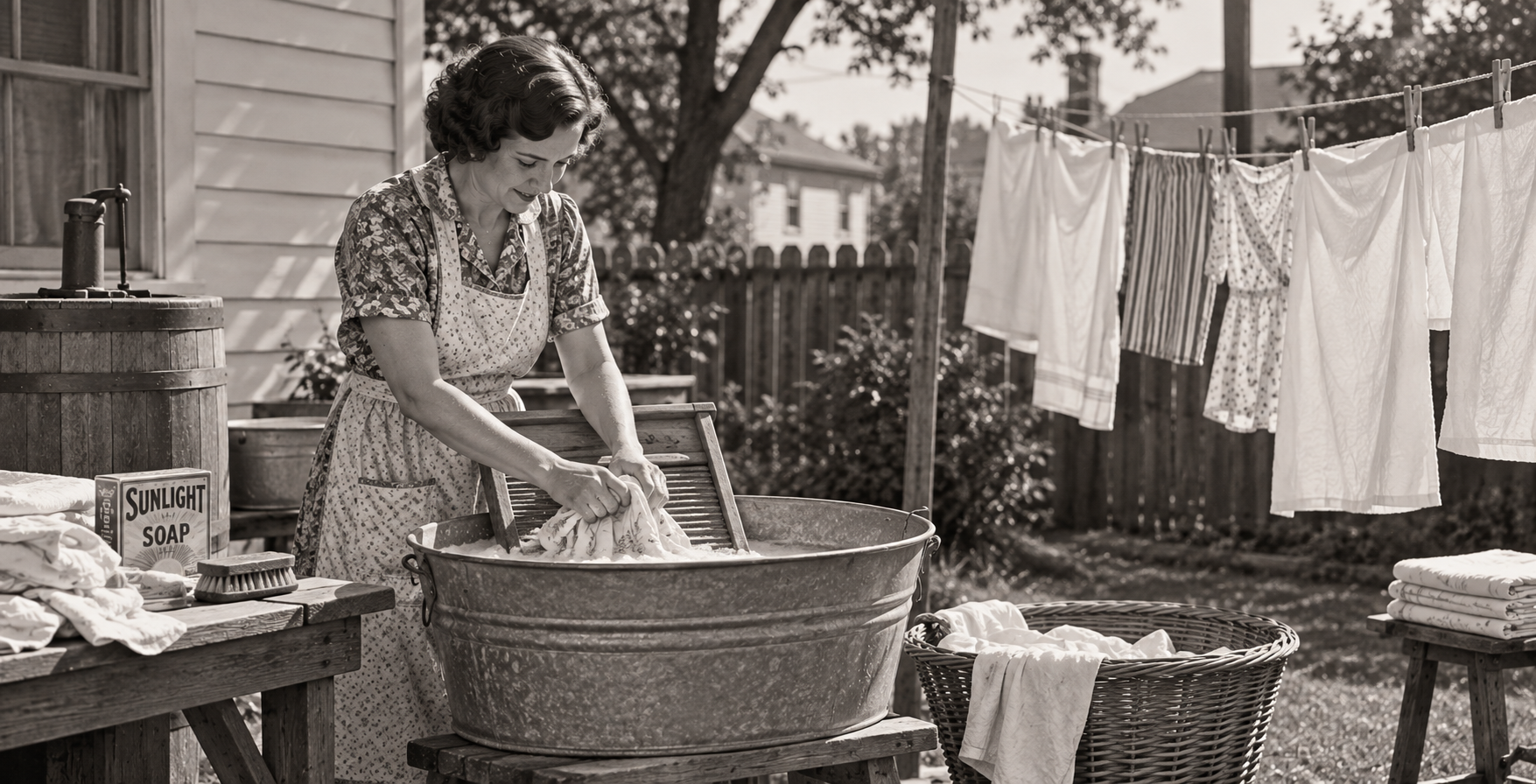
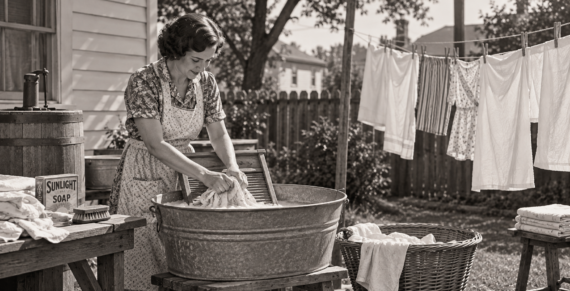
Laundry involved far more than pressing a button and returning an hour later. Depending on a family’s equipment and circumstances, washing could involve soaking, scrubbing, rinsing, wringing, starching, line drying, and ironing. Mechanical washing machines were available, but ownership was by no means universal. The amount of work also depended heavily on whether a home had running water and electricity. On American farms in 1920, only about 10% reported piped water into the dwelling, illustrating how demanding household chores could still be outside electrified urban areas.
Air Conditioning Wasn’t Cooling the Average Home
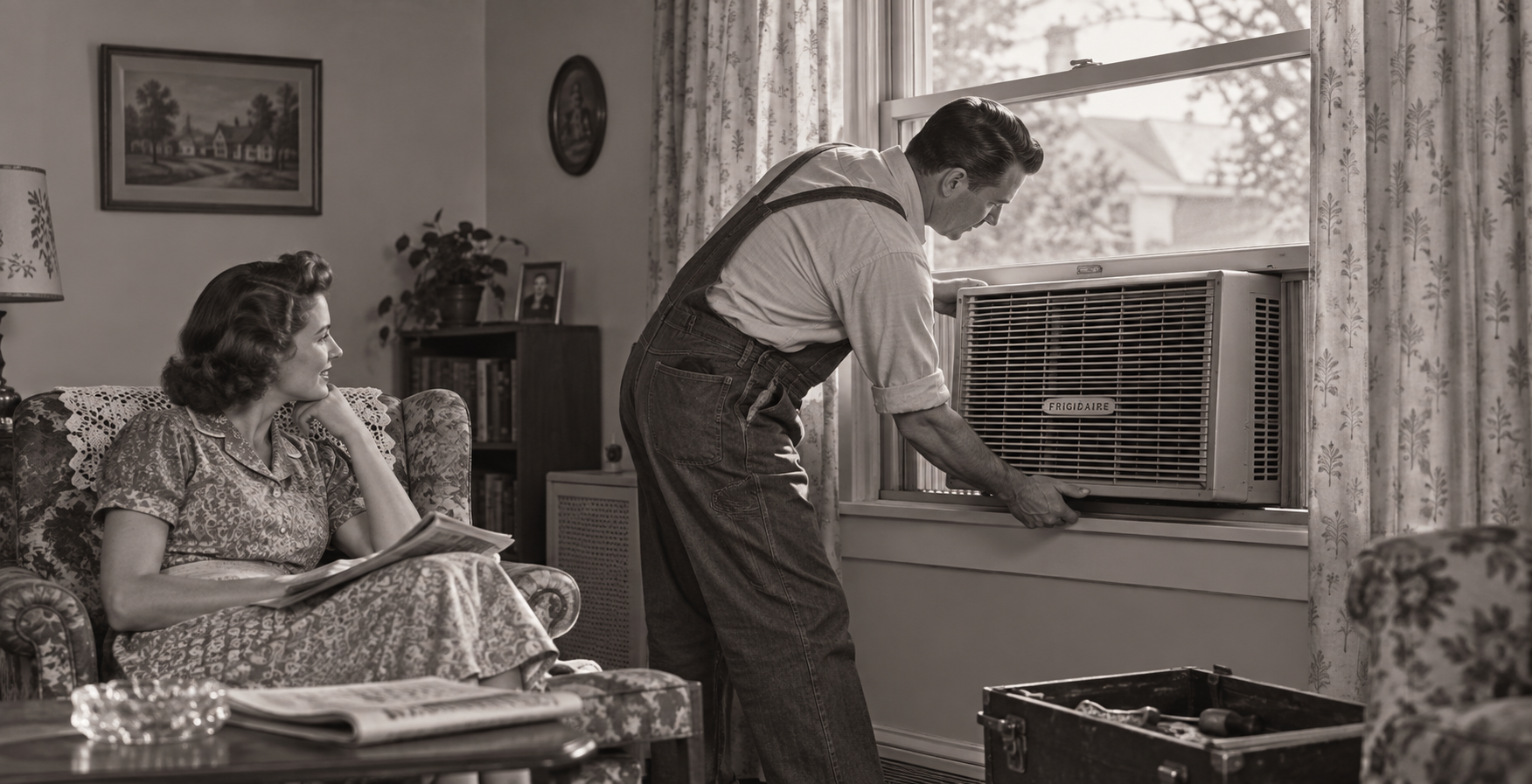
A sweltering summer night generally had to be endured without residential air conditioning. People opened windows, used porches and fans where electricity was available, and adjusted their routines around the heat. Large-scale cooling technology advanced dramatically during the 1920s, particularly in movie theaters. But home systems were another matter. The Department of Energy notes that Frigidaire introduced a home-size split-system room cooler in 1929, but it was heavy, expensive, and impractical for most households. Affordable residential cooling remained a development for later decades.
Department Stores Could Be an Entire Afternoon Out
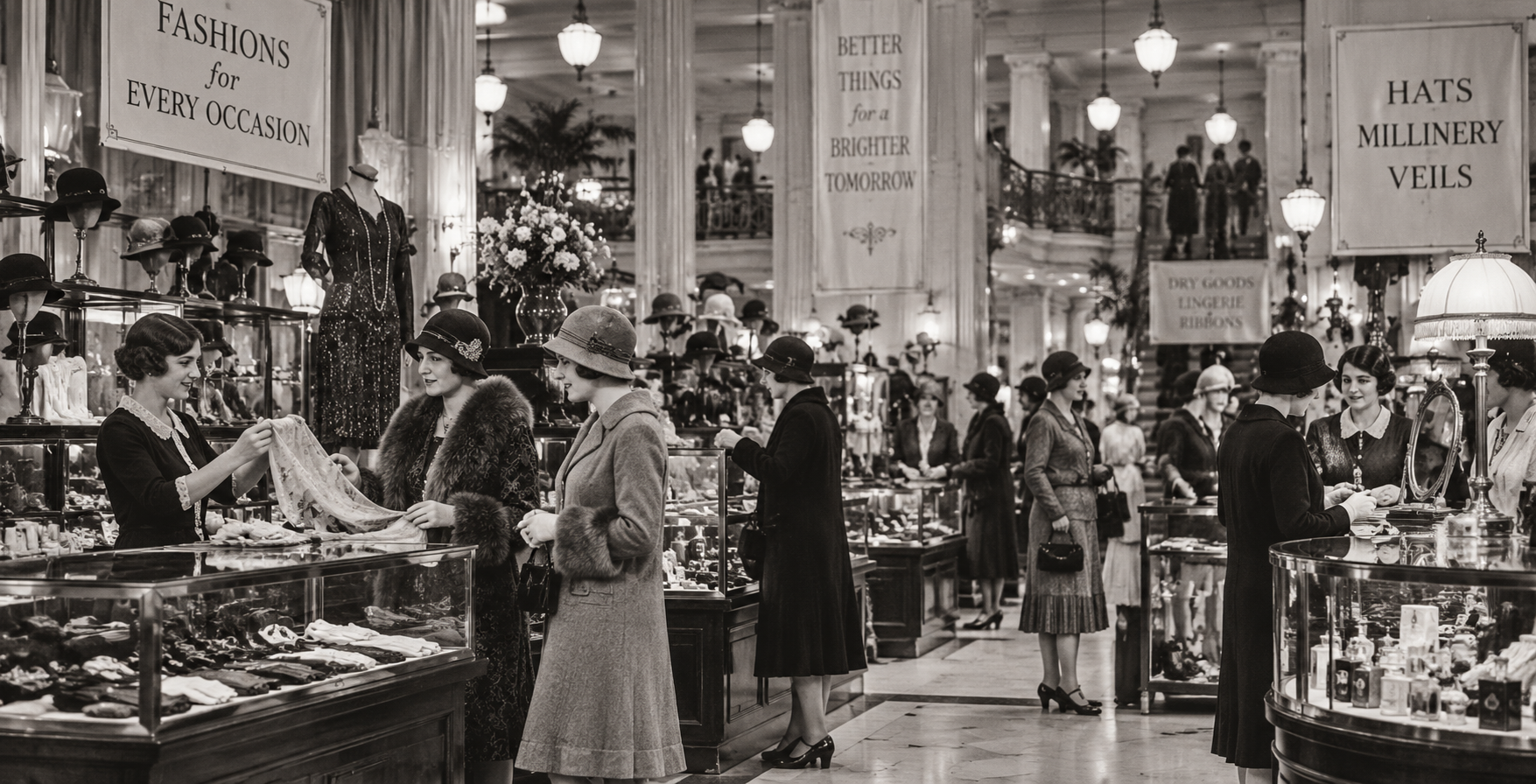
Downtown department stores weren’t simply places to dash in for a purchase. Their architecture, window displays, service departments, and amenities were designed to encourage shoppers to linger. Smithsonian research describes early-20th-century department stores as elegant destinations where shopping evolved into a social activity shared with friends. Some stores offered dining and other services alongside enormous selections of merchandise. Before postwar suburban malls shifted America’s retail landscape, going downtown to browse the big department stores could be entertainment in itself.
Going Out Usually Meant Dressing Up More
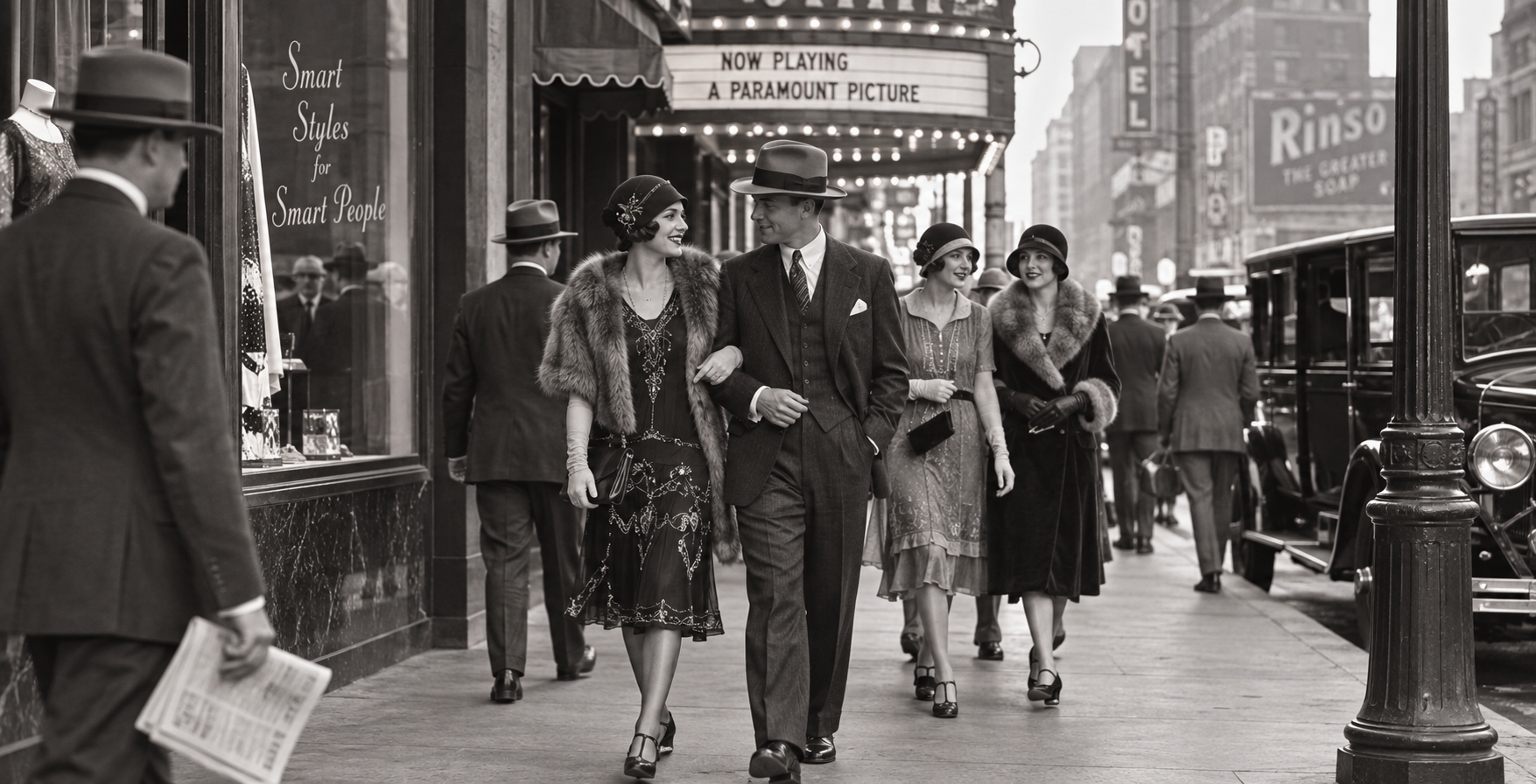
Look at a crowded American street from the 1920s and one difference jumps out before you notice the cars: the clothes. Hats were an everyday accessory for many men and women, while suits, jackets, dresses, skirts, stockings, and collared shirts gave public spaces a noticeably more formal appearance. Younger women helped loosen some conventions during the decade, with the flapper becoming an especially visible symbol of changing fashion. The Library of Congress notes the era’s bobbed hair, felt hats, shorter dresses, and Charleston craze.
Household Chores Depended Heavily on Where You Lived
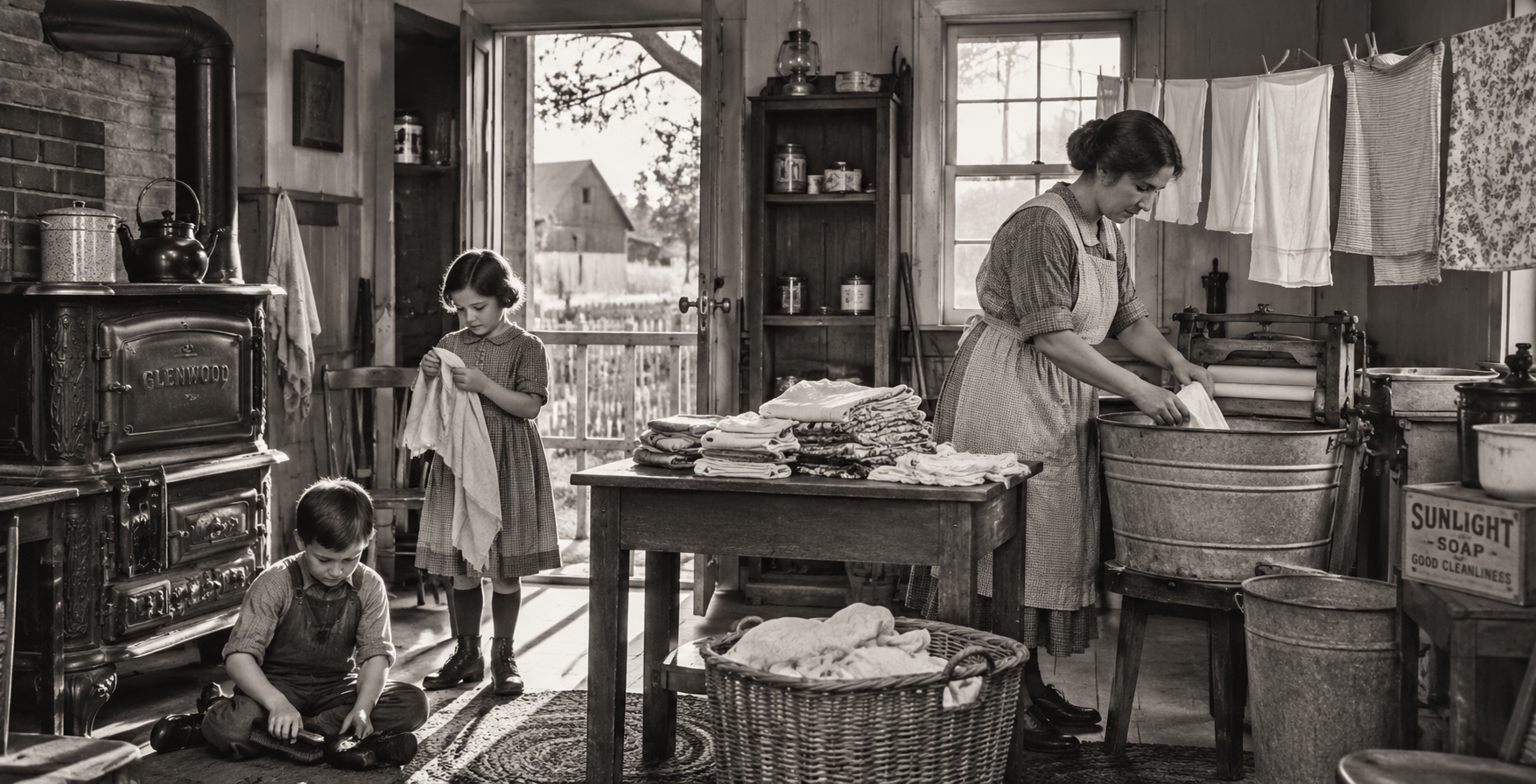
The 1920s were an age of electric irons, vacuum cleaners, washing machines, and other labor-saving products, but access was dramatically uneven. Rural America lagged particularly far behind. USDA historical data indicate that only about 100,000 farms had central-station electric service in 1920, while census agricultural figures show only about 7% of farms reporting electrically lighted dwellings that year. For millions of Americans, cooking, cleaning, heating water, washing clothes, and lighting the house still required much more manual work.
The Daily Paper Was a Major Connection to the Outside World
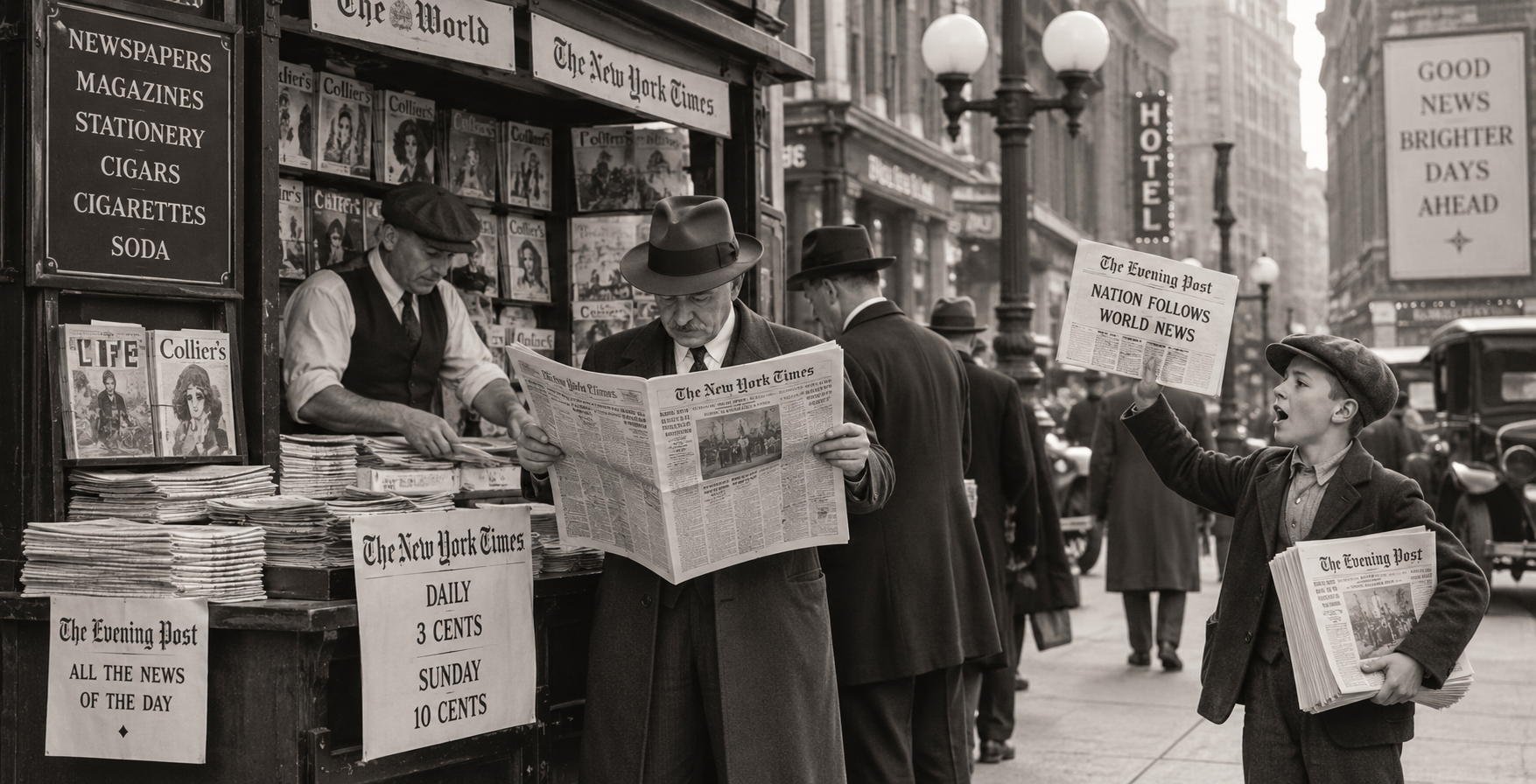
There were no news alerts vibrating in anyone’s pocket. Newspapers delivered politics, sports scores, advertisements, crime reports, entertainment, and events on a schedule determined by printing and distribution. Major cities supported numerous publications and newsstands, while papers were read at home, on trains and streetcars, and in public places. Radio increasingly competed for Americans’ attention as the decade progressed, but print remained deeply embedded in everyday life. Even the New York Daily News, which remains in publication today, dates its title to 1920.
Entertainment Often Meant Leaving the House
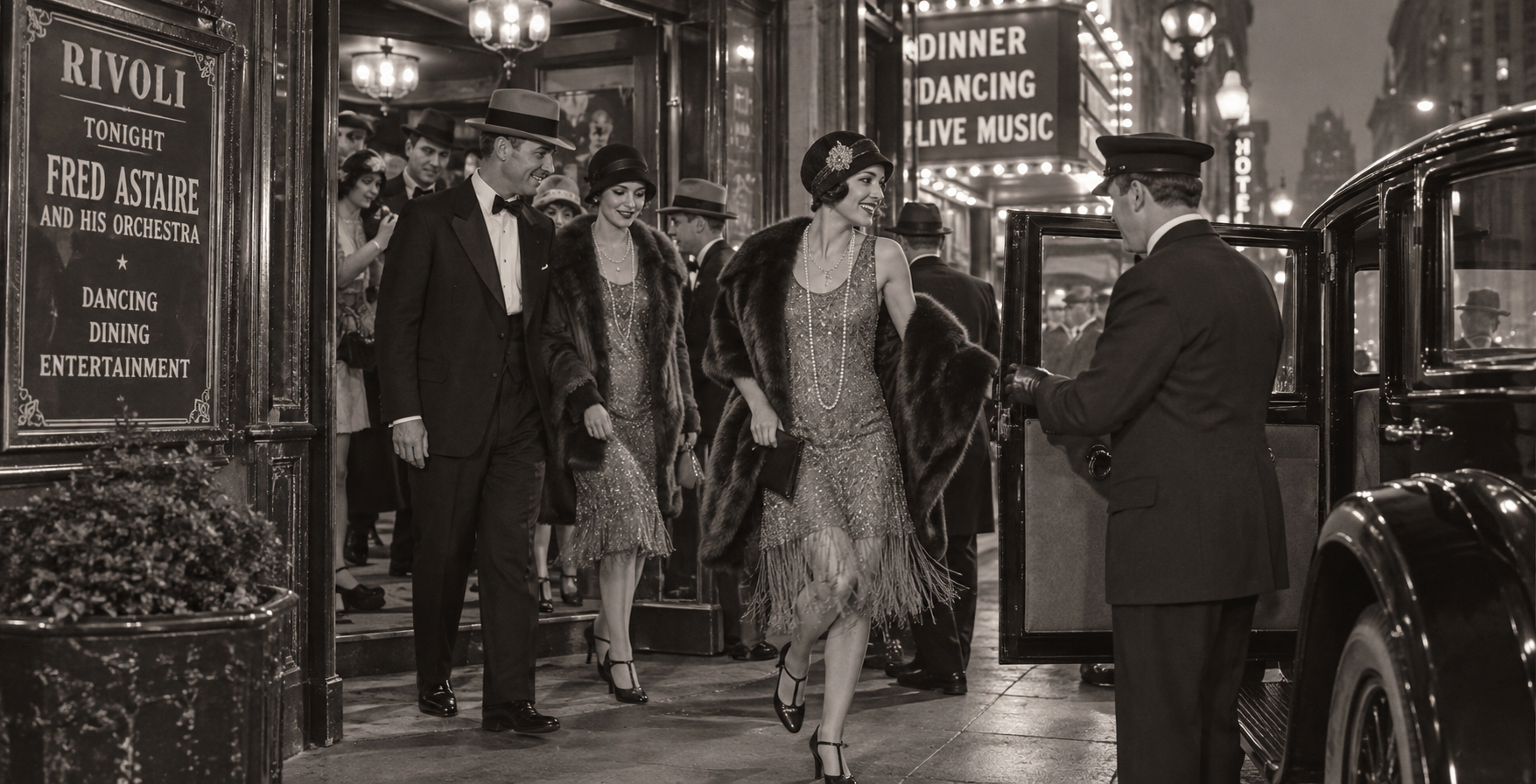
Streaming wasn’t an option, and even radio ownership was far from universal. Leisure therefore remained heavily tied to public and community spaces. Americans went to movie theaters, amusement parks, baseball games, parks, dance halls, clubs, and neighborhood events. Vaudeville was still enormously popular: the Library of Congress describes it as America’s most popular form of live entertainment from the early 1880s through the end of the 1920s. In cities especially, increased leisure time also helped support amusement parks, stadiums, and other public entertainment venues.