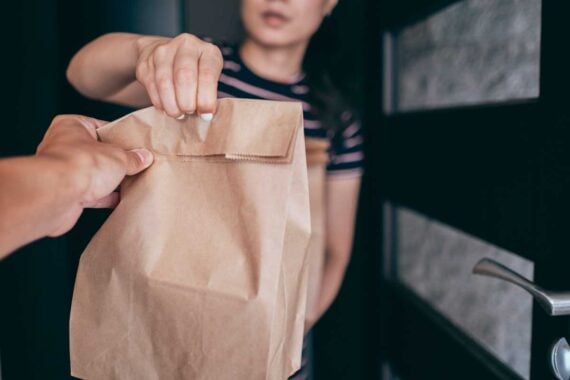
There was a time when ordering takeout felt like a small, reasonable luxury. A weeknight treat. A break from cooking. A way to make an ordinary Thursday feel special. Now, the receipts make us feel sick with guilt (you know, that “What did I just do?” feeling).
In a viral Reddit thread titled “I hit my limit with these restaurant bills,” one poster summed up what a lot of people have been thinking: the food isn’t better, the experience isn’t better, but the prices are dramatically higher. An $18 eggs Benedict. $15 fried rice. No free refills. And suddenly, a long-standing “Takeout Thursday” tradition gets swapped for instant ramen and potstickers purchased with coupons. Not because the desire went away, but because the value did.
The Changing Value Gap

Many commenters made the same distinction: They aren’t anti-restaurant. They’re practical. They’ll spend money when it feels worth it. What’s changed is the gap between cost and satisfaction. One user put it simply: “What changed isn’t just prices, it’s the value gap. Paying more feels worse when the experience or quality stayed the same.”
That gap shows up everywhere. Smaller portions. Mediocre food. Loud dining rooms. Long waits. And then the tip screen flips around — sometimes for takeout, sometimes with extra “administrative” or credit card fees tacked on. Even people who can afford to eat out say it’s stopped being fun. When dinner feels stressful or guilt-ridden, it loses its appeal fast.
Why Takeout Hurts More Than Dining Out
Takeout used to be the compromise: Cheaper than dining in, no tip pressure, and familiar favorites. Now it’s often the worst offender.
Fried rice costs more than a bag of groceries. Delivery apps push single entrées past $25 before fees. And food that, once it’s home, feels underwhelming compared to what it cost. As one commenter said bluntly: “Some restaurants are just reheating frozen food anyway. Might as well cut out the middleman.” That realization has pushed a lot of people toward a new strategy to redefine takeout nights.
Smart Substitutions
Across the thread, the most common workaround wasn’t extreme frugality. It was substitution. Frozen fried rice from Trader Joe’s or Costco. Bibigo or Ajinomoto dumplings. Orange chicken from the freezer aisle, finished with a fried egg or a drizzle of kewpie mayo.
One person wrote, “We wouldn’t dream of paying for fried rice from a restaurant anymore. The Trader Joe’s version is better.”
Others talked about choosing only foods they can’t easily replicate at home — deep-fried dishes, barbecue, sushi — and letting everything else move into the home-cooking category.
Keep the Ritual, Change the Rules
For many families, takeout nights are part of their weekly routine, and even something they looked forward to (who doesn’t love a night off from cooking and dishes, after all?). So people didn’t abandon the ritual. They reinvented it.
“Fake-away nights.” Themed dinners. Cooking together with music on. Making big batches and freezing leftovers so future nights still feel easy. Recreating that joy at home beats paying restaurant prices and feeling disappointed afterward.
When Eating Out Is Still Worth It
Most people in the thread didn’t swear off restaurants completely. They just got selective, reserving dining out for special occasions, truly unique cuisines, and places that still deliver on hospitality and quality. Meals that feel memorable instead of transactional.
As one user put it, “We save our money and go to exceptional places every few months. Everything else, we can do better at home.”
That shift — fewer meals out, higher standards — seems to be where a lot of people are landing. And we’re right there with them.
Trending on Cheapism

More From Cheapism
- 21 Takeout Meals Made Cheaper at Home — Eating takeout all the time quickly becomes expensive. Fortunately, many of the best takeout meals can be made quickly and cheaply at home.
- The Most Popular Takeout Dish in Every State — Curious what your home state likes to order? Find out if it’s chicken parm, Buffalo cauliflower, or something else entirely.
- 9 Subtle Clues That a Restaurant Is Cutting Costs at Your Expense — To stay afloat, some places quietly cut costs in ways that aren’t always obvious at first — until your plate looks smaller, your bill looks bigger, or the experience just doesn’t feel the same.