Cereal companies constantly modify their products to keep up with changing consumer tastes. However, some cereal brands have managed to establish themselves and build a loyal following, allowing them to remain on supermarket shelves for decades, according to AARP, General Mills and Kellogg’s. Here are the cereal brands that made the cut!
Grape-Nuts
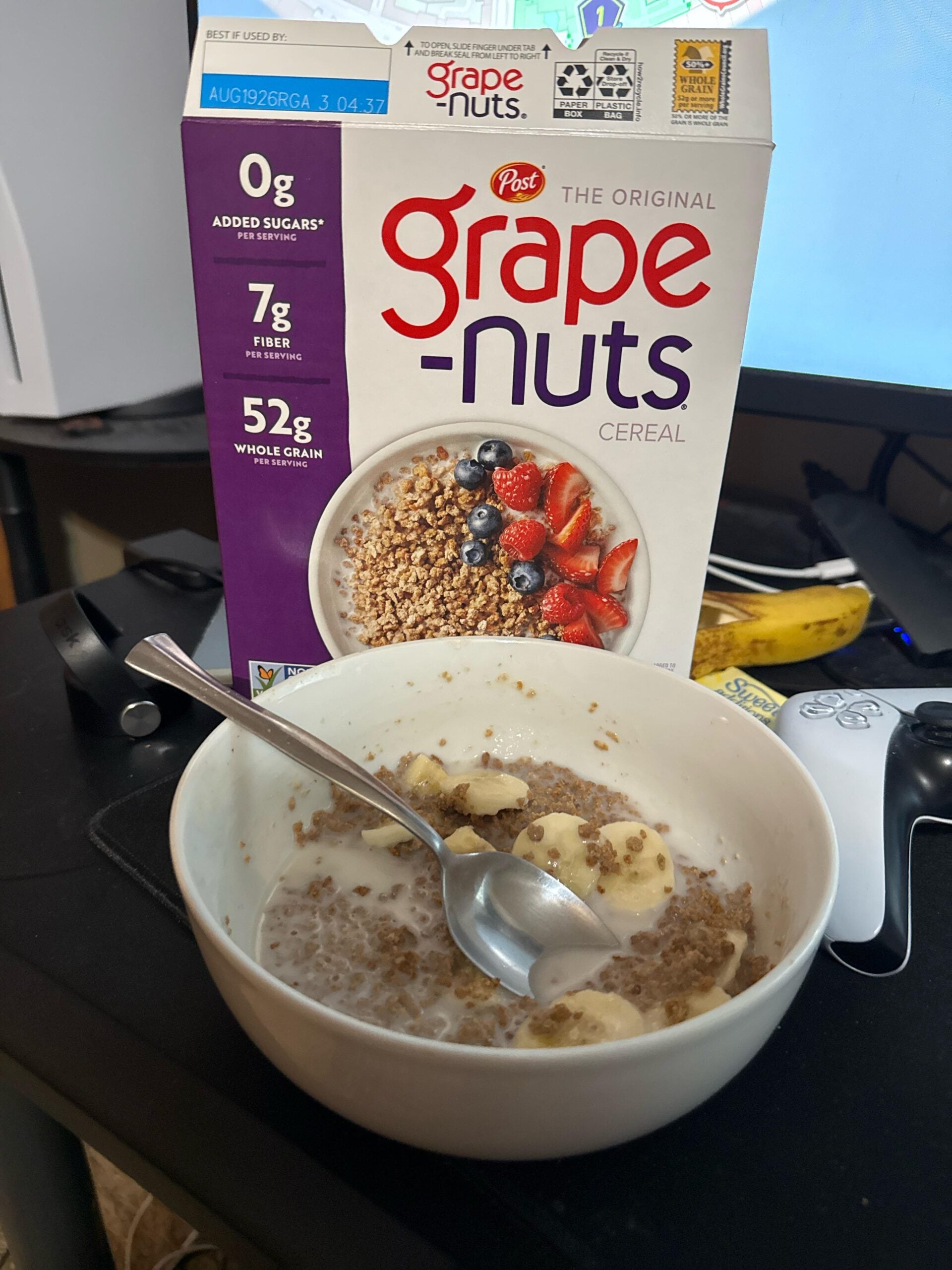
Grape-Nuts was one of the first cereal product brand in the United States to successfully launch on the public market. It began operations in 1897 and is described as one of the first ready-to-eat, packaged cereals. Surprisingly, despite its name, the cereal contains neither grapes nor nuts, instead, it contains whole grain wheat flour, malted barley flour, salt and dried yeast,
Kellogg’s Corn Flakes
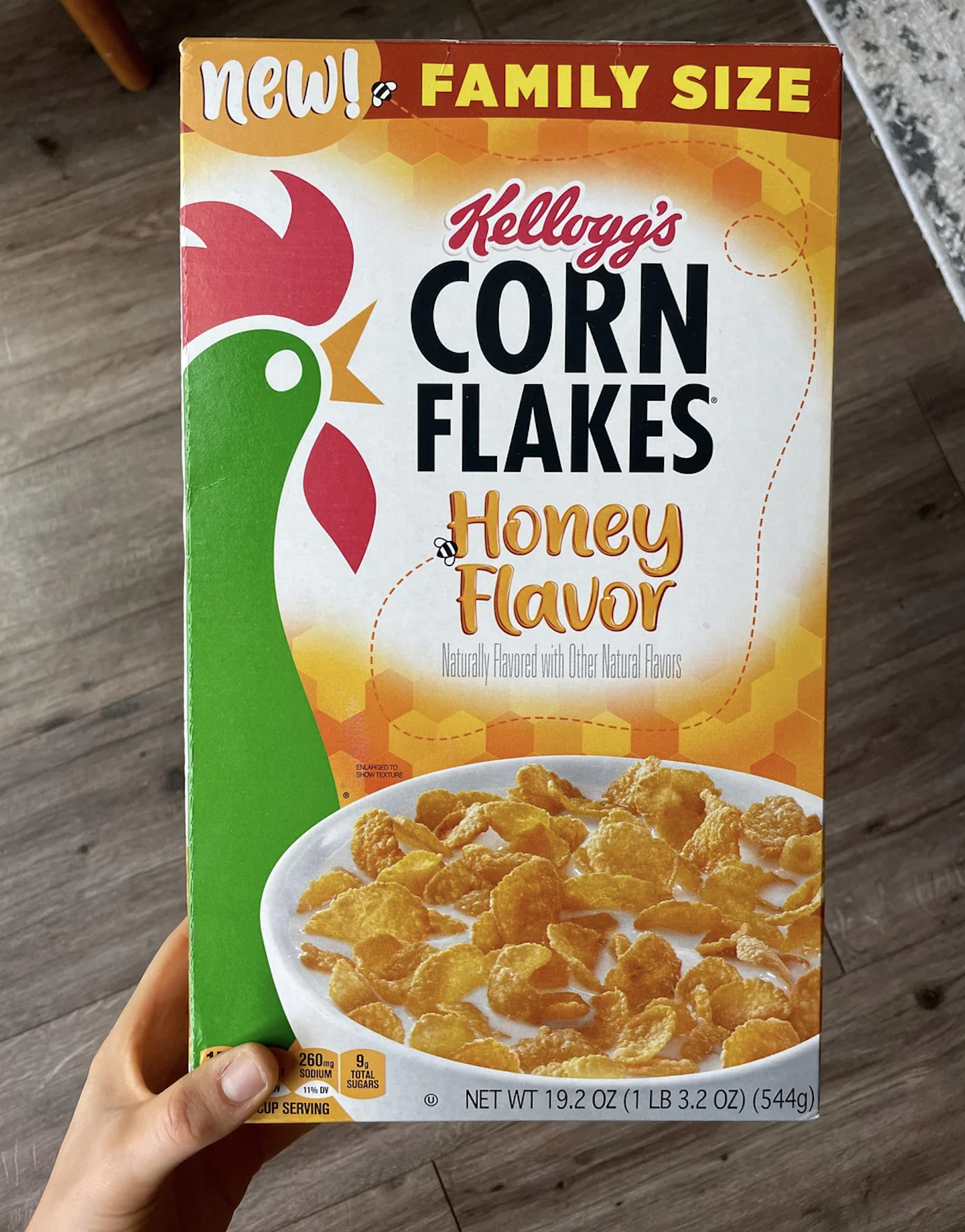
Kellogg’s Corn Flakes were launched to the public in 1906, when W. K. Kellogg established the Battle Creek Toasted Corn Flake Company. At the time, the company was experimenting with toasted grain flakes in Michigan when they hit upon a formula that would define the modern cold-cereal industry in the United States. Remarkably, the product has changed little over the years and retains its relevance, evoking nostalgia when one looks at the original box designs of one of these iconic cereal brands.
Wheaties
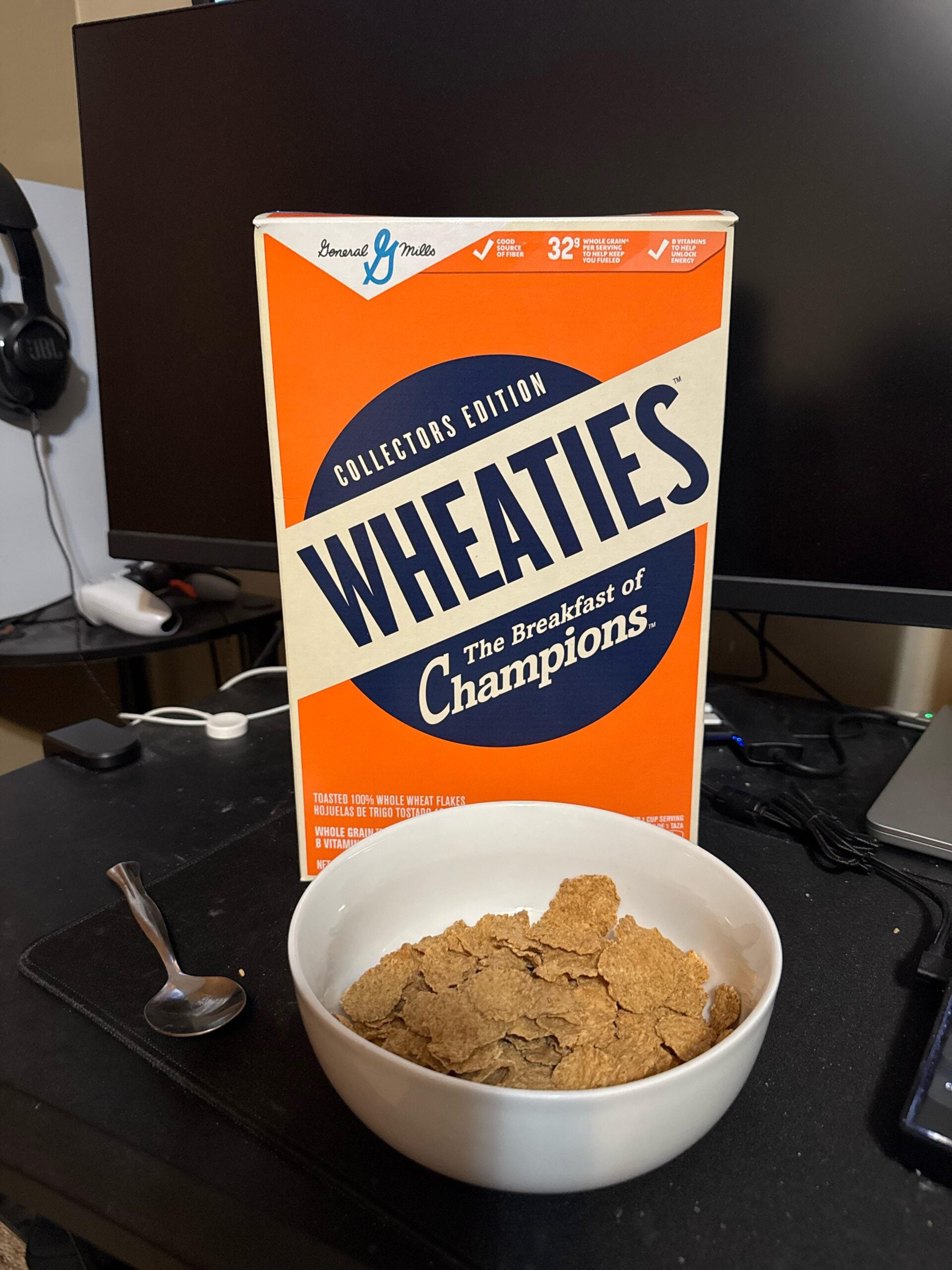
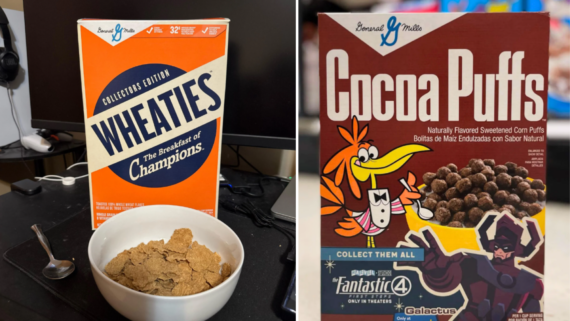
Wheaties cereal dates back to 1921, although at the time it was known as “Washburn’s Whole Wheat Flakes.” The name by which one of these cereal brands is know today was chosen during an employee contest, and later on, a connection to sports was established through boxers. The identity that was built around being “the breakfast of champions” is one that represents the company as a motto.
Rice Krispies
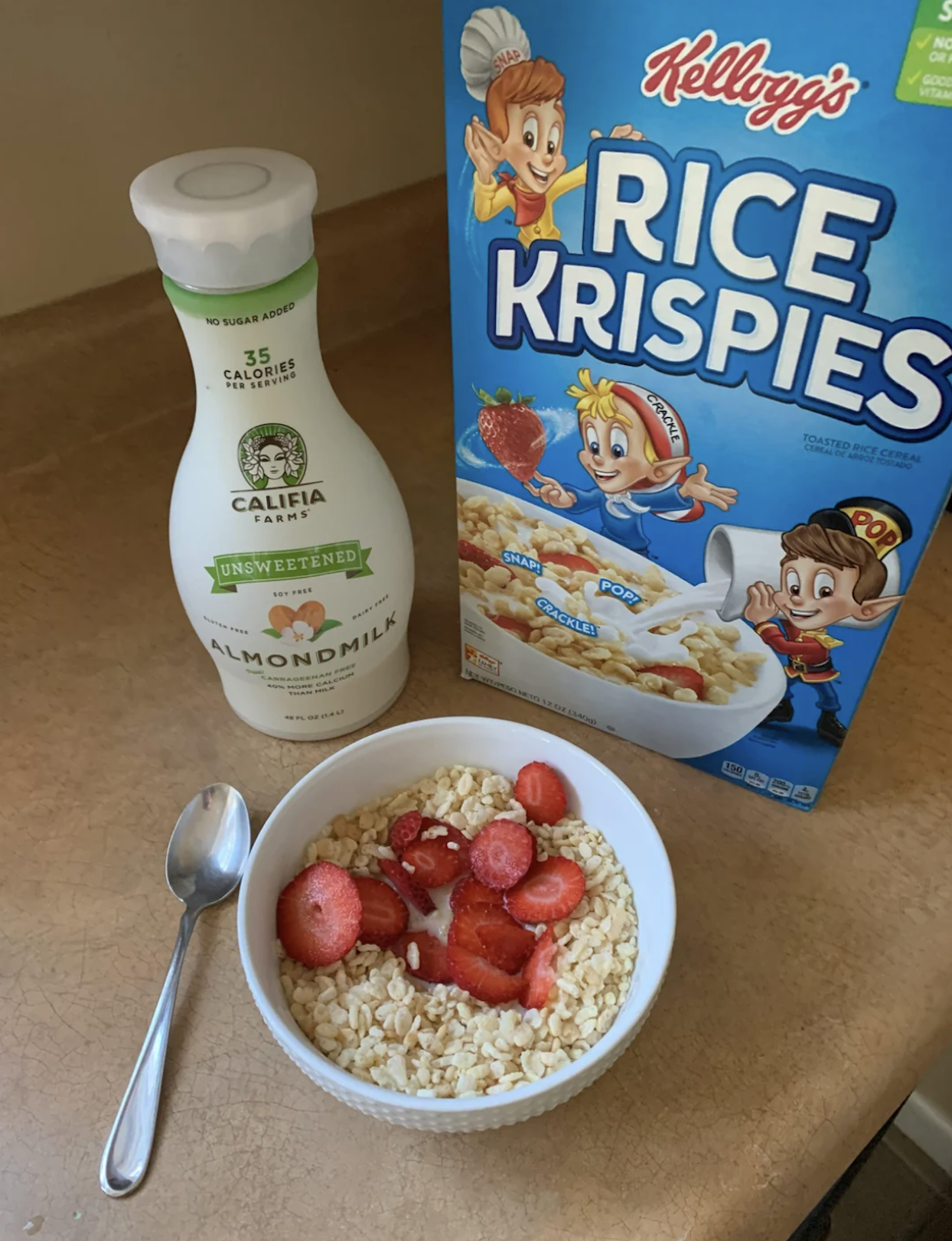
One of the most successful early puffed-rice cereals is Rice Krispies, which dates back to 1928. What sets one of these cereal brands apart is the distinctive crackling sound it makes when mixed with milk, a sound that has been used to create iconic advertising over the years. This sound occurs because the milk breaks the tiny, fragile air walls inside the puffed rice grains.
Kix
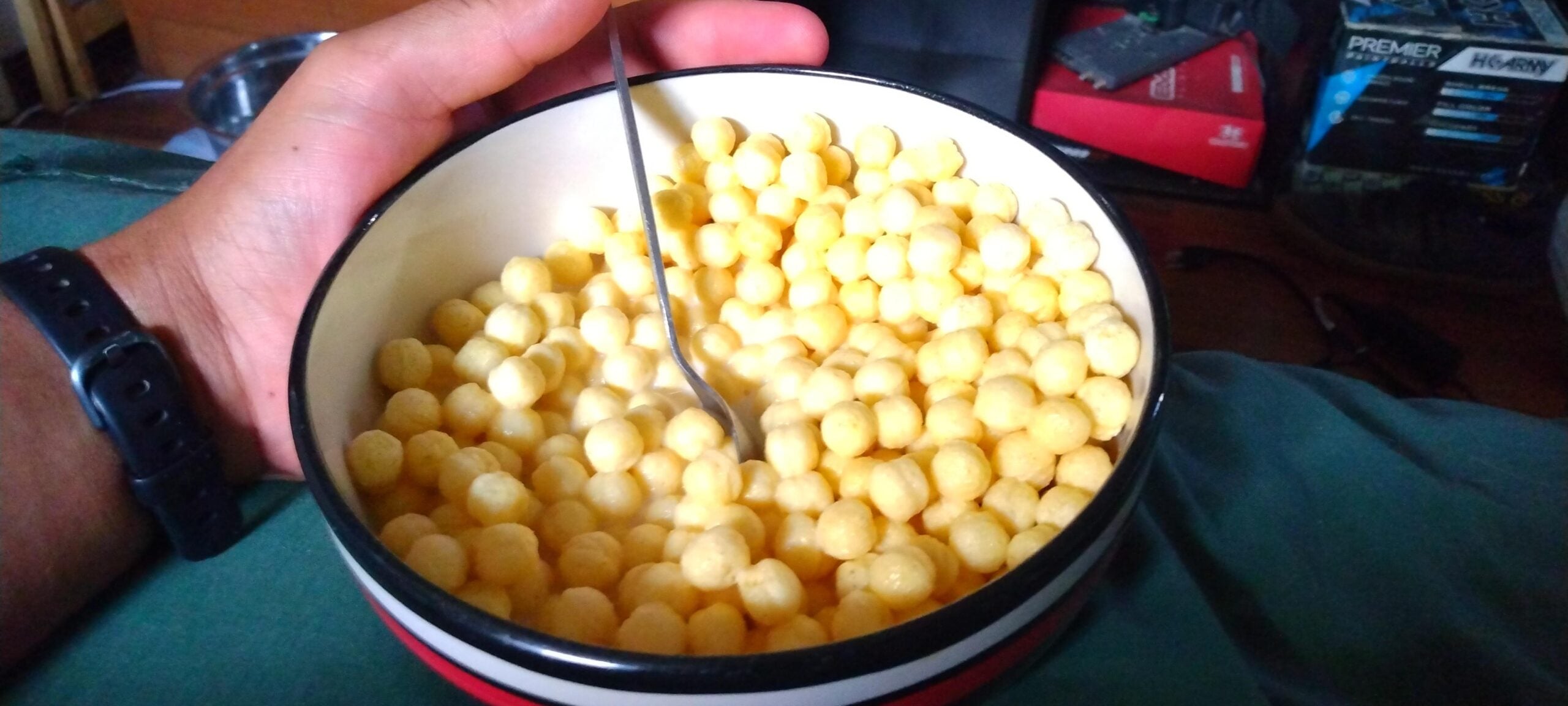
The first batch of Kix was produced in 1937, and one of these cereal brands has remained on supermarket shelves ever since. Part of its market success stems from the simplicity of the corn-puff format, rather than relying on colors to attract younger consumers; because General Mills leveraged technology to become the first company to produce puffed-corn cereal, those early years marked a significant milestone. Even today, one of Kix’s most notable achievements is having successfully maintained that original flavor and distinctive texture.
Trending on Cheapism


Cheerios
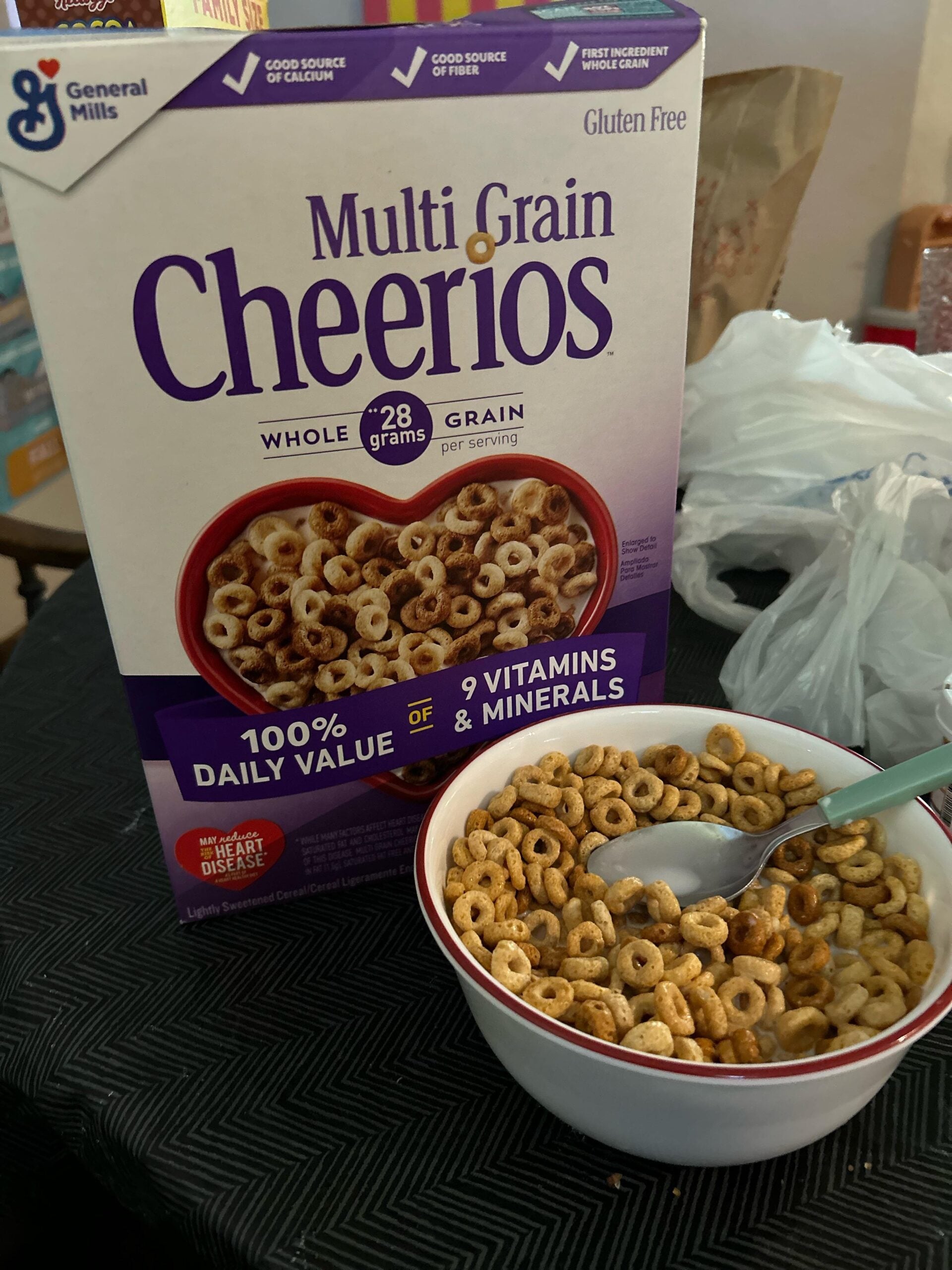
Cheerios were not launched until 1941. In fact, they were originally marketed by General Mills under the name of “Cheerioats.” It was not until 1945 that the name of these sensationally popular, ring-shaped oat cereals was changed. One factor behind its initial sales success was the innovative technology that enabled the company to manufacture circular cereal. Cheerios dominated the U.S. market for decades, until other brands managed to match its popularity.
Kellogg’s Raisin Bran
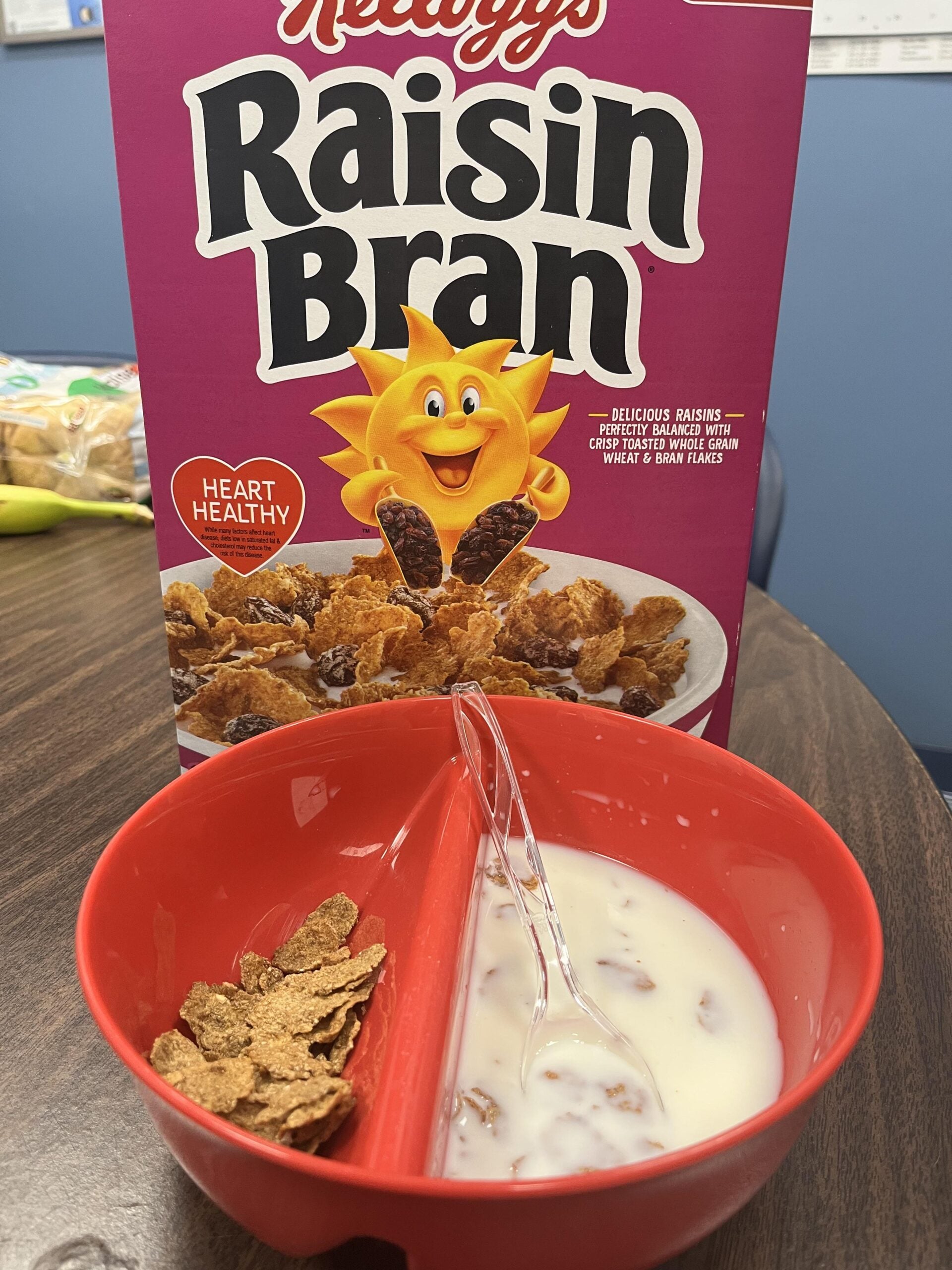
Kellogg’s Raisin Bran was innovative in pairing a bran flake formula with raisins, eliminating the need for customers to add the fruit themselves after purchasing the box. Since its debut in 1942, one of these cereal brands has established an identity that competitors have sought to emulate, anchored by the familiar “Sun” character that serves as its promotional mascot.
Kellogg’s Frosted Flakes
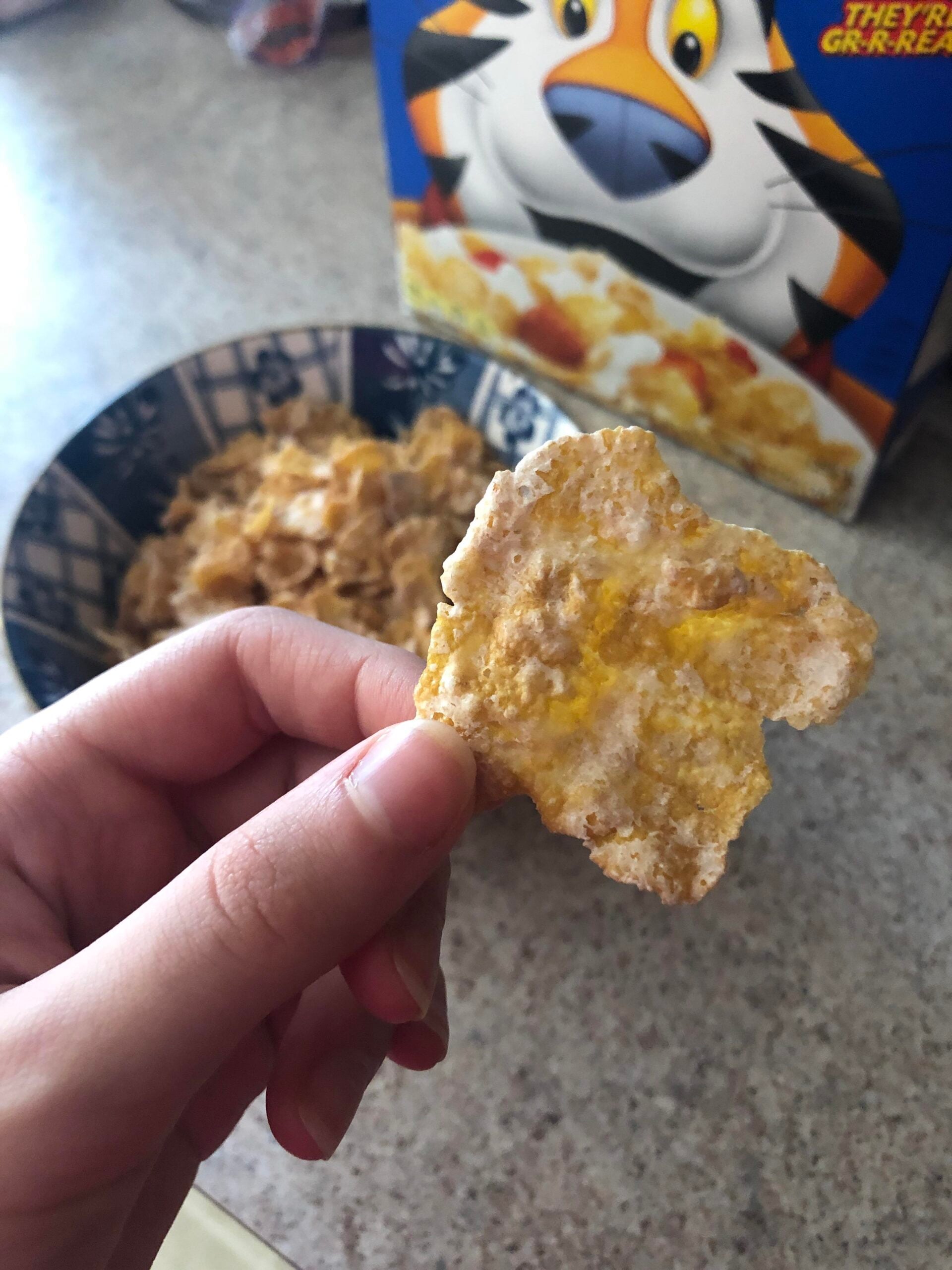
Another of the cereal brands Kellogg has successfully established on supermarket shelves over the years is its version of Frosted Flakes. ‘Tony the Tiger’ made his debut alongside this cereal in 1952, to help the corporate strategy to take standard corn flakes and add a sweet coating, a move that proved to be a massive hit. To this day, Frosted Flakes remains a flagship product for the company, with ‘Tony the Tiger’ serving as the mascot throughout the years, even though his appearance has changed significantly.
Sign up for our newsletter
Trix
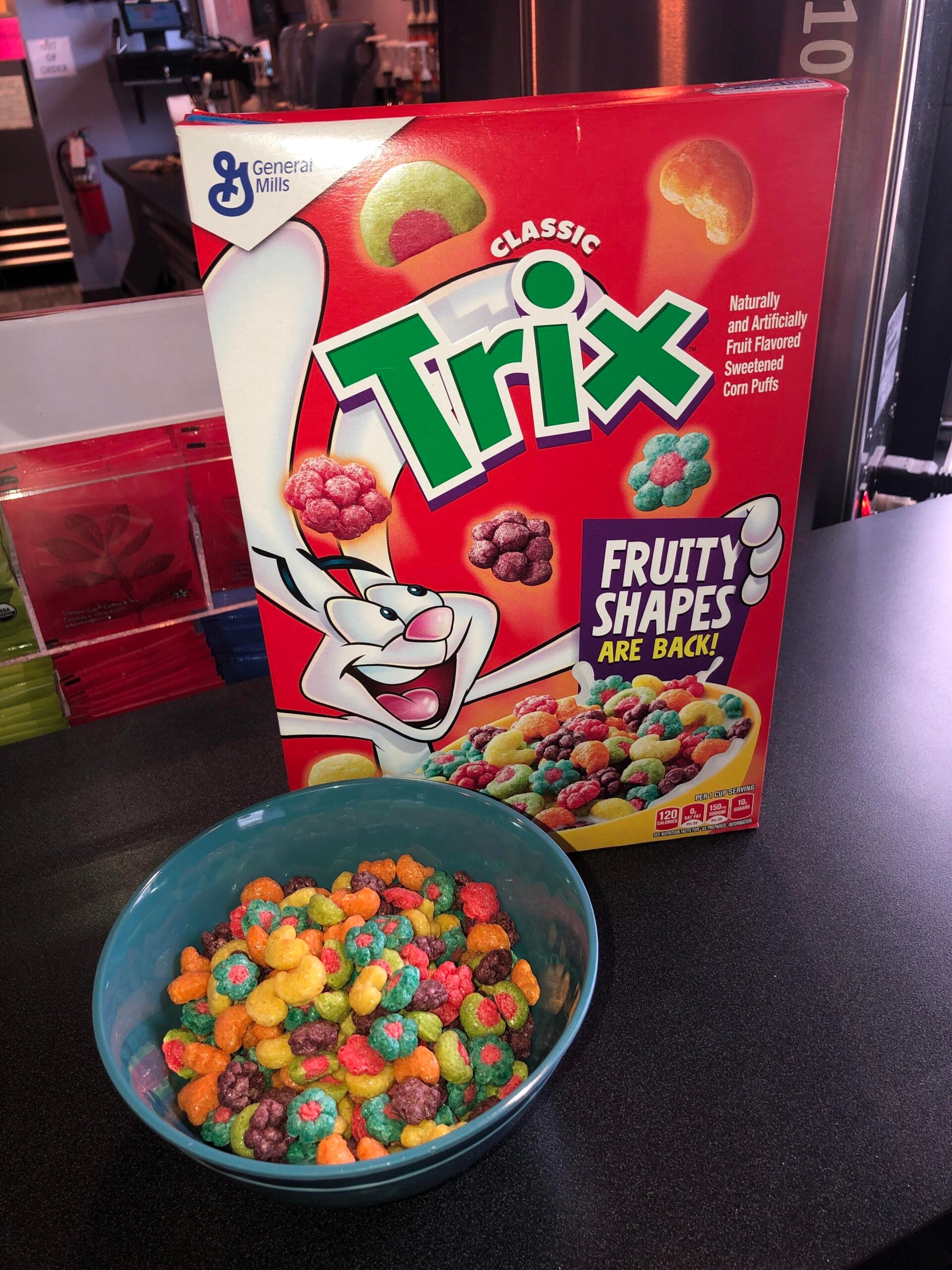
The way Trix was marketed during its early years positioned it as one of the first fruit-flavored cereal brands on the market. In 1954, Trix came in only three flavors and colors: Raspberry Red, Orange Orange, and Lemony Yellow. The shape of the cereal evolved over the years, shifting from round to fruit-shaped and then back to the original form, and in 1959 the Trix Rabbit made his debut.
Special K
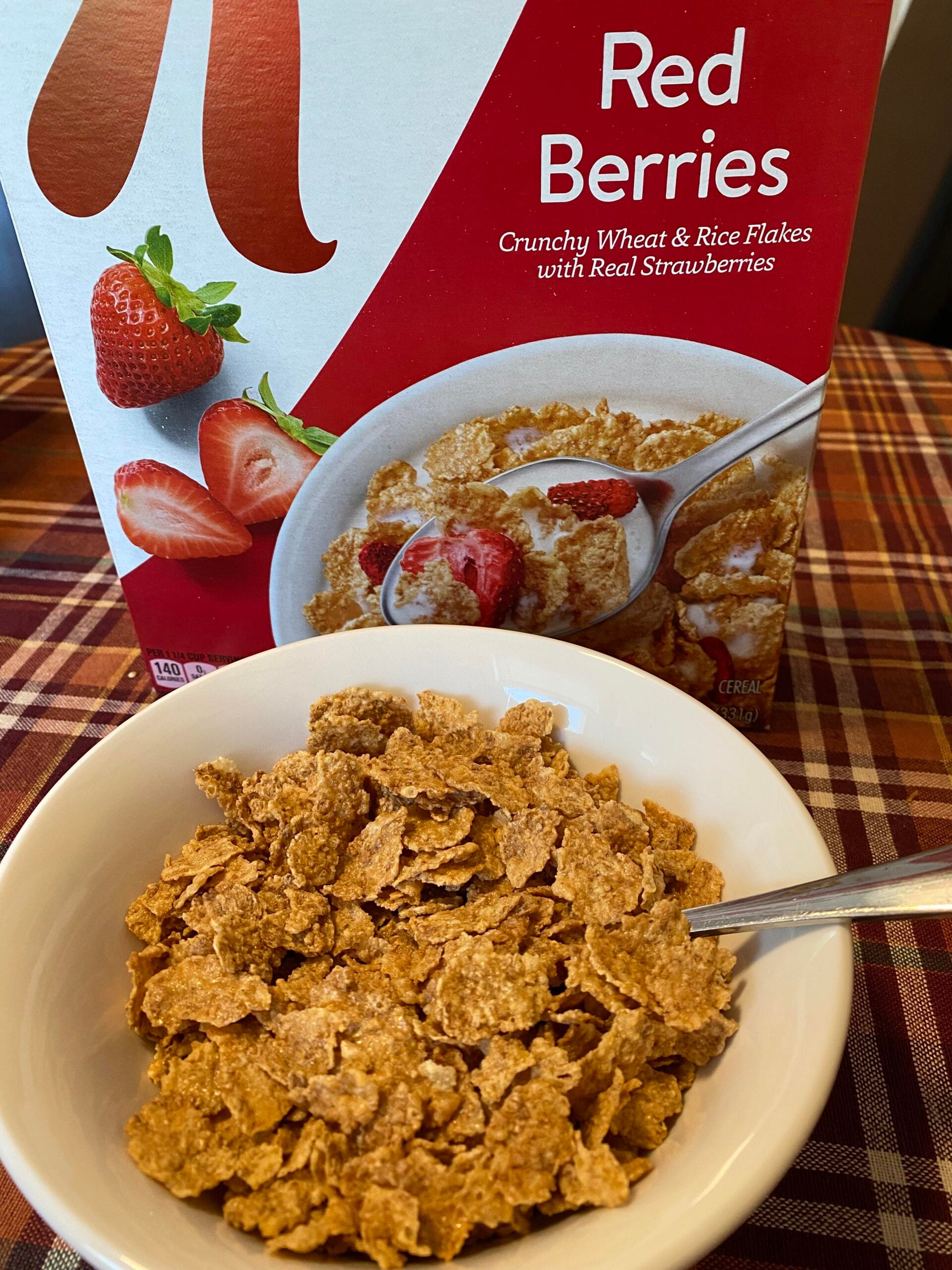
It was the 1950s when Kellogg’s introduced Special K, seeking to move away from the sugary cereals aimed at younger consumers by launching a version that was high in protein and fortified with vitamins and minerals. This was one of many modifications the company championed over the decades, inspiring new flavors and related products. Kellogg’s own website indicates that this version of the cereal appeared in the 1950s but does not specify further, whereas some research suggests it might have been 1955.
Cocoa Puffs
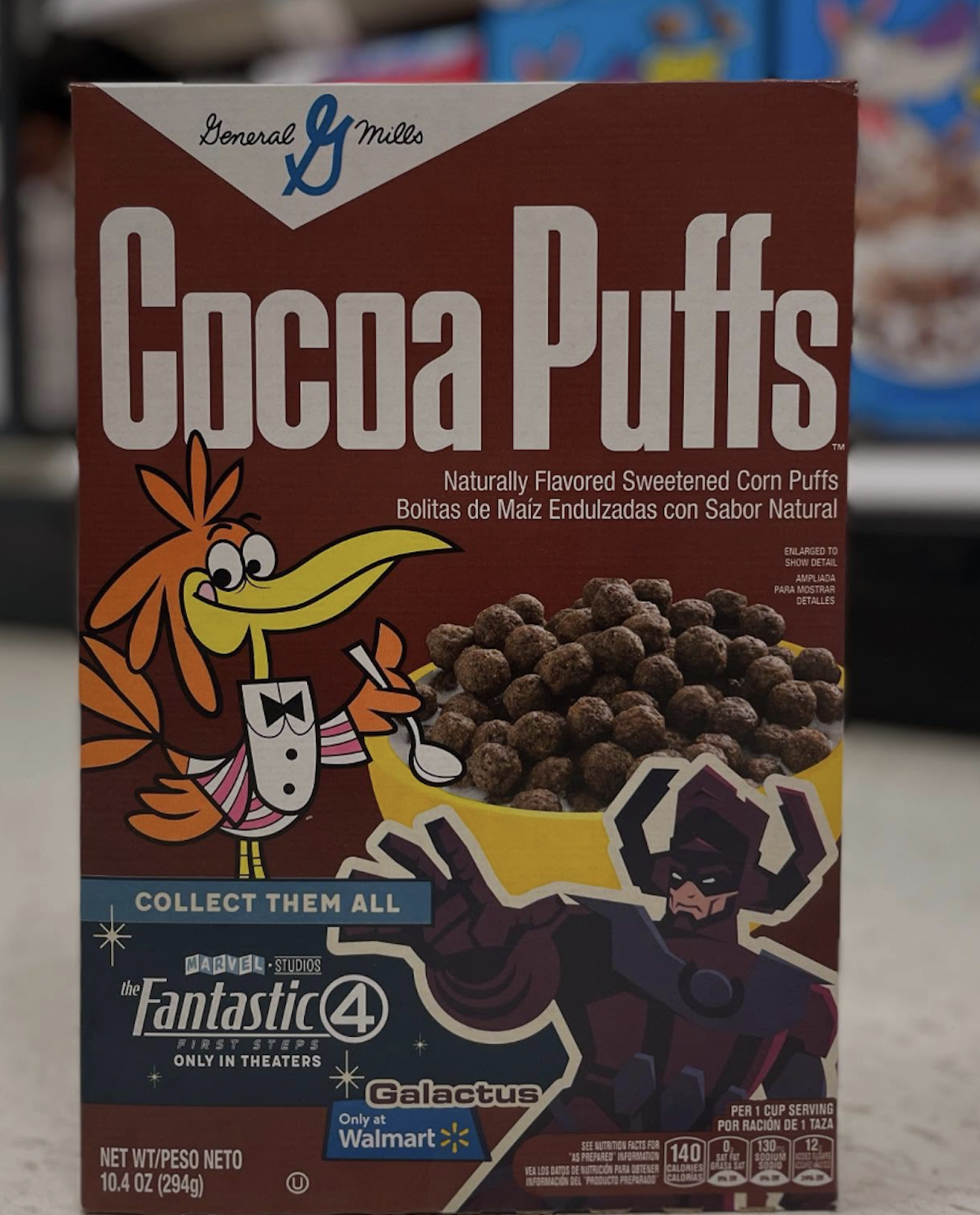
Cocoa Puffs is another cereal produced by General Mills to showcase a new application of its puffed-cereal technology, this time featuring a chocolate coating. The product made a striking impression on consumers in 1958 because the milk turned chocolatey when added to the cereal, an innovative feature at the time. Later, the introduction of ‘Sonny’ the cuckoo bird further cemented the cereal’s success.
Life Cereal
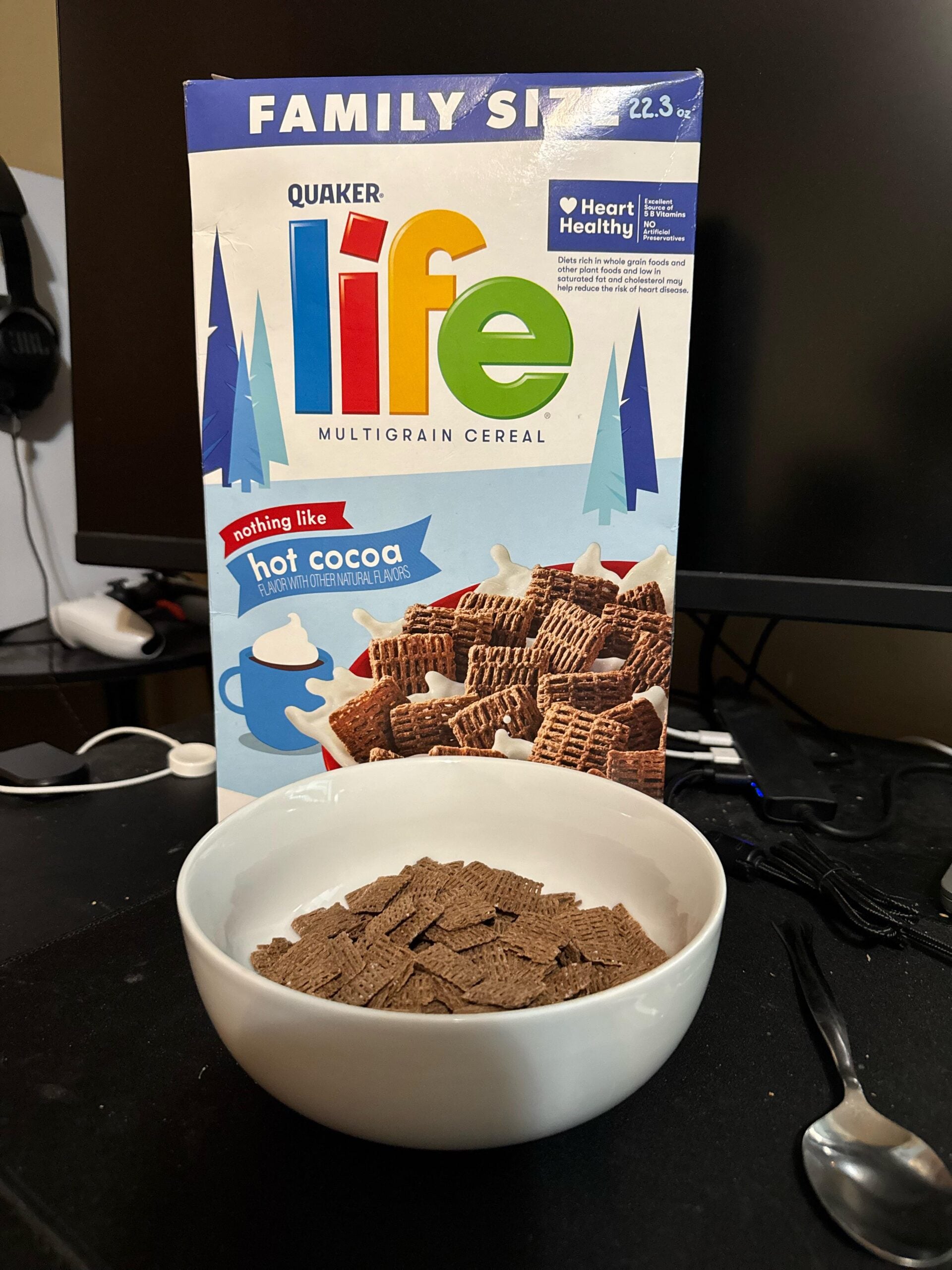
In 1961, Quaker decided to introduce Life Cereal, those small woven square pieces that looked different from the flakes or puffed balls offered by competitors. Another feature that distinguished Quaker from other cereal brands companies was that it did not use an animal mascot on the box for promotion. Instead, in the 1970s it featured ‘Little Mikey,’ a child actor named John Gilchrist who played that fictional role in the company’s commercials. The premise of the Mikey character was that he hated everything except Quaker cereal.
Froot Loops
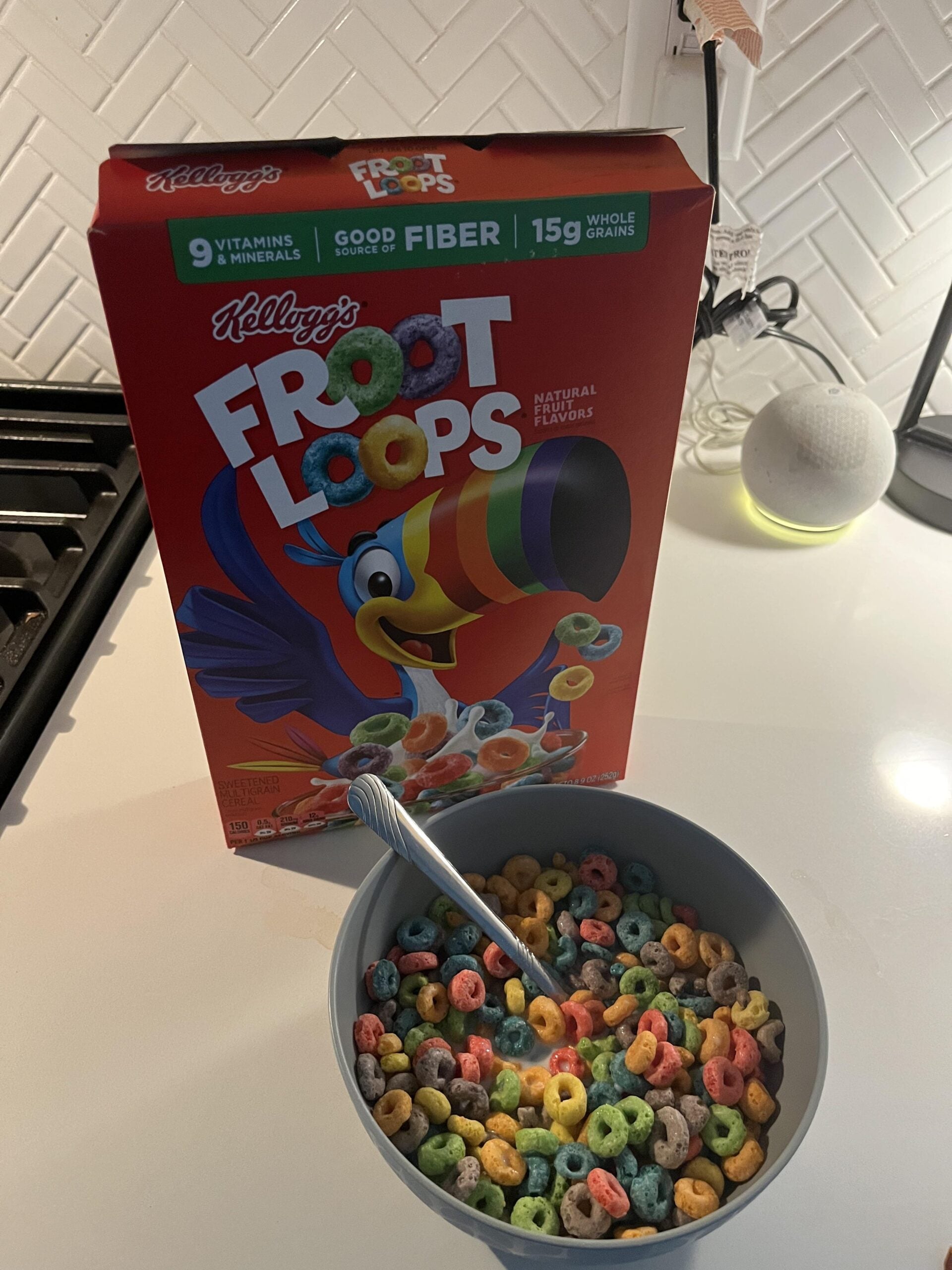
When Kellogg’s decided to fill its cereals with color to attract a younger audience in the 1960s, they created Froot Loops, one of the colorful cereal brands. Years later, management sought to position the cereal with a mascot, much like ‘Tony the Tiger’, introducing ‘Sam the Toucan’. Although the cereal loops come in different colors, they all share the same flavor. The formula has proven successful, as the cereal still sells in large quantities and is instantly recognizable.
Lucky Charms
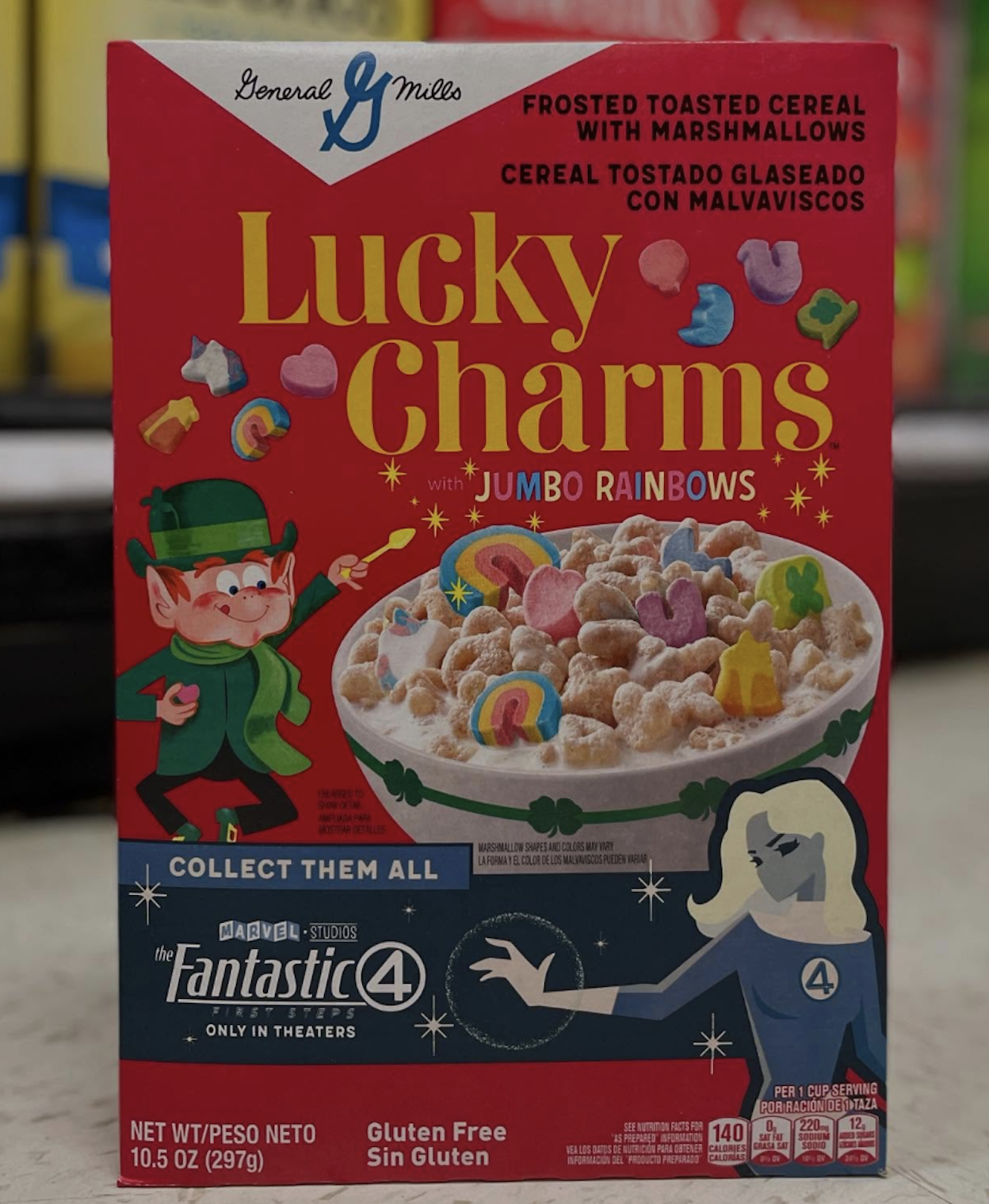
Lucky Charms is one of the cereal brands that has been on supermarket shelves since 1964. The idea for its creation arose after developer John Holahan experimented with pieces of Circus Peanuts candy and Cheerios. That blend of toasted cereal pieces and colorful marshmallows creates the Lucky Charms breakfast cereal. Regarding the original marshmallow shapes, General Mills notes that only the pink heart remains today.
Honeycomb
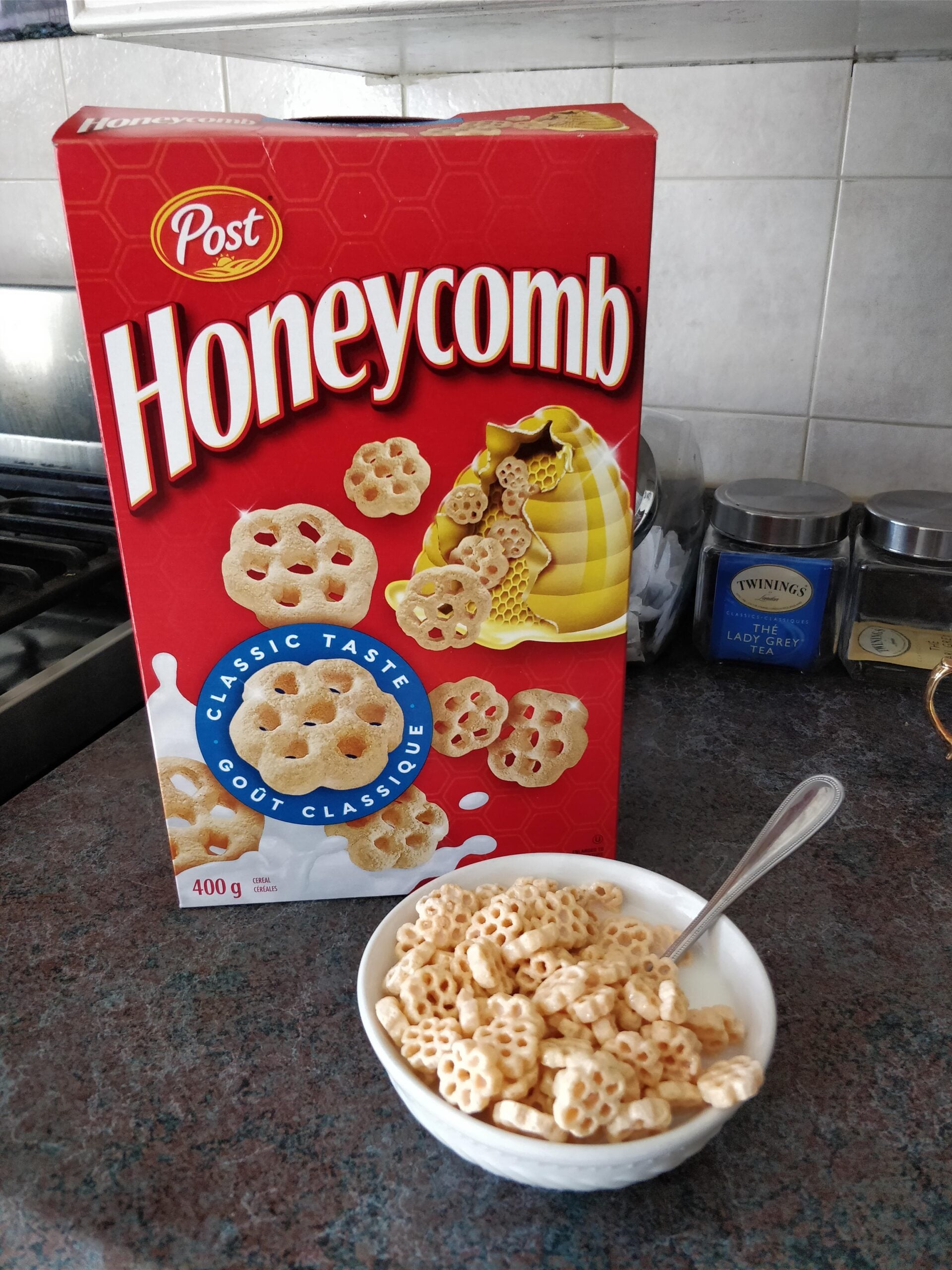
Honeycomb cereal features a large, hexagonal shape that sets it apart from other cereal brands in the supermarket aisles. Since 1965, the company has introduced various advertising campaigns and mascots, yet it has maintained the signature honey flavor and open-grid design. To achieve this hexagonal shape, the cereal, made from a sweetened corn and oat dough, is forced through a specialized metal die plate featuring an interconnected hexagonal pattern that creates the honeycomb geometry.
Quaker Oats
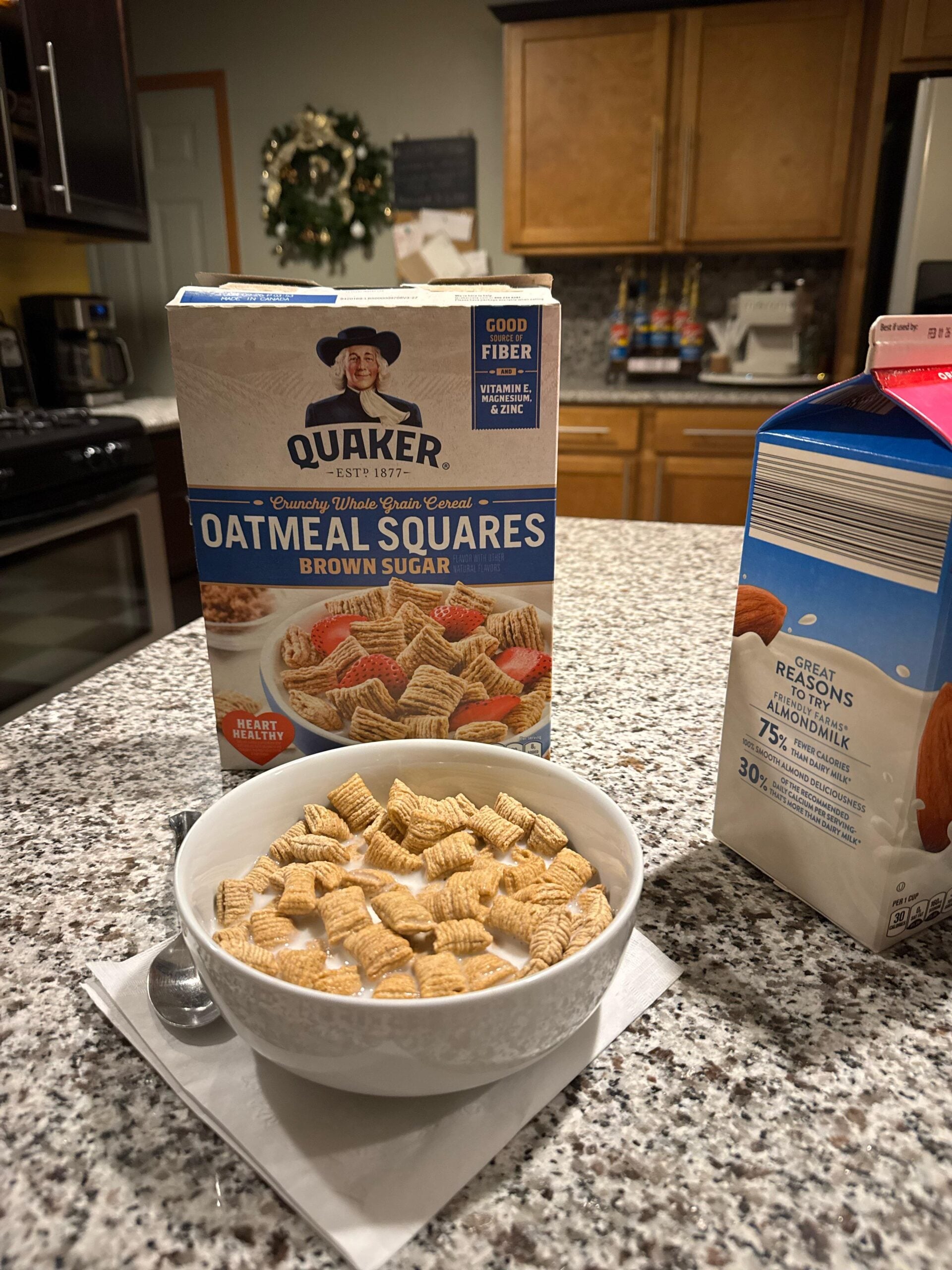
Quaker Oats is likely one of the oldest cereal brands, with its trademark registered in 1877. According to the company’s history, ‘The Quaker’ is one of the earliest federally registered trademarks for a breakfast cereal. Oats are cereal grains, albeit distinct from ready-to-eat cold cereals, and they helped establish the categories of packaged breakfast foods, a model later replicated with flakes, puffs, and O-shaped cereals.
Conclusion

All these cereal brands have managed to survive turbulent times and significant changes in the United States. Features that seem commonplace today, such as fruit-flavored cereals or the addition of marshmallows, represented unexpected innovations back then. There is also a recurring pattern of using a mascot to help establish a product, alongside a wide variety of nutritional profiles and packaging designs. Which is your favorite cereal?