Hacks for coffee drinkers are more valuable than ever as coffee prices continue to rise. Fortunately, better coffee does not always require spending more money. Small changes in how you buy, store, and brew your beans can improve flavor while cutting everyday costs. Even the Specialty Coffee Association emphasizes that good brewing habits and consistency play a major role in the quality of every cup. These practical tips can help you enjoy better coffee at home without stretching your budget.
Buy Whole Beans Instead of Pre-Ground Coffee
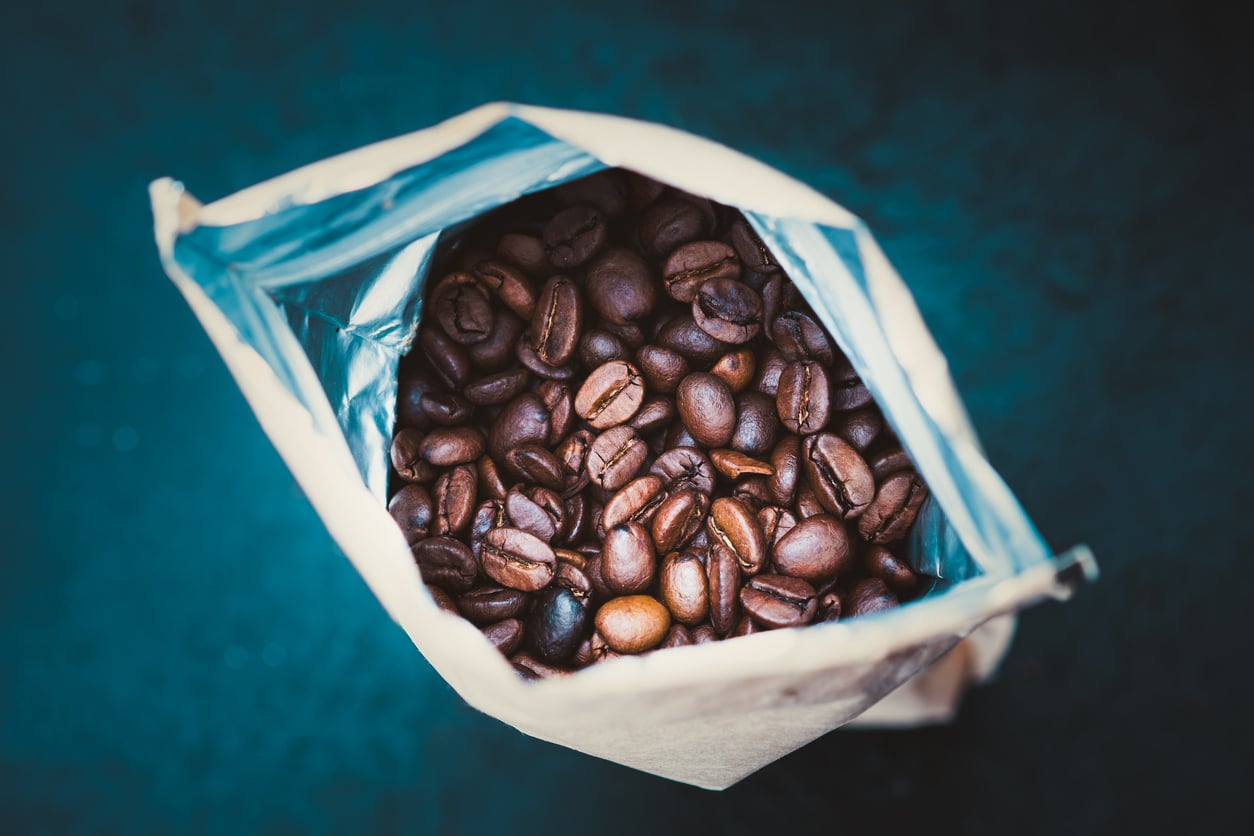
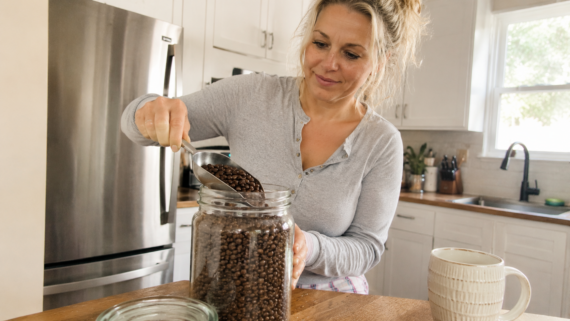
Whole beans are one of the simplest upgrades because coffee loses aroma faster once it is ground. The National Coffee Association recommends waiting to grind coffee until you are ready to brew, which is why whole beans usually taste fresher than a bag of pre-ground coffee that has been open for weeks. The catch is that you need a grinder, but even a basic setup can help you get more flavor from affordable beans.
Freeze Extra Beans in Small Portions
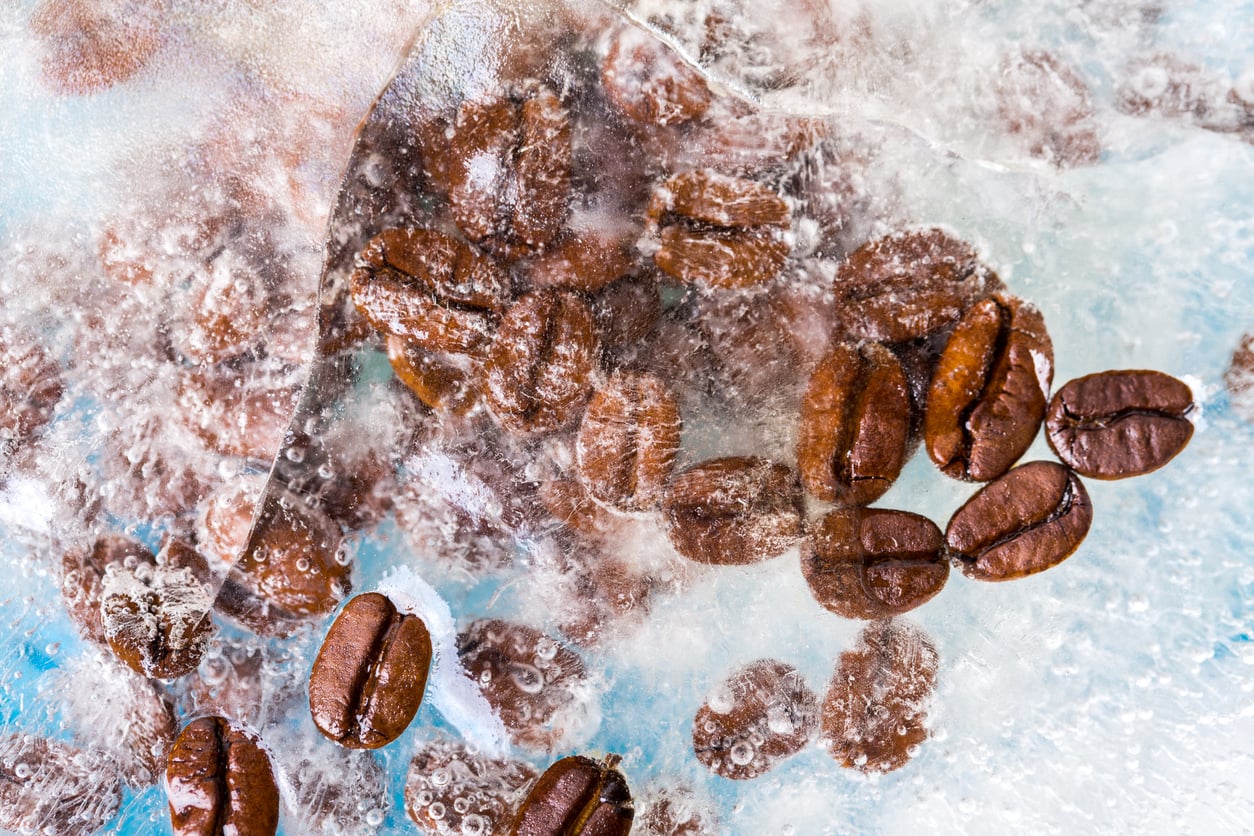
Freezing coffee can work, but only if you do it carefully. The best approach is to portion beans into small airtight bags or containers, freeze what you will not use soon, and avoid opening the same frozen bag again and again. Serious Eats notes that unopened bags you will not use for several weeks can be frozen, while some coffee experts still prefer pantry storage for short-term use. Treat freezing as a bulk-buy tool, not a daily storage habit.
Skip the Coffee Shop on Weekdays
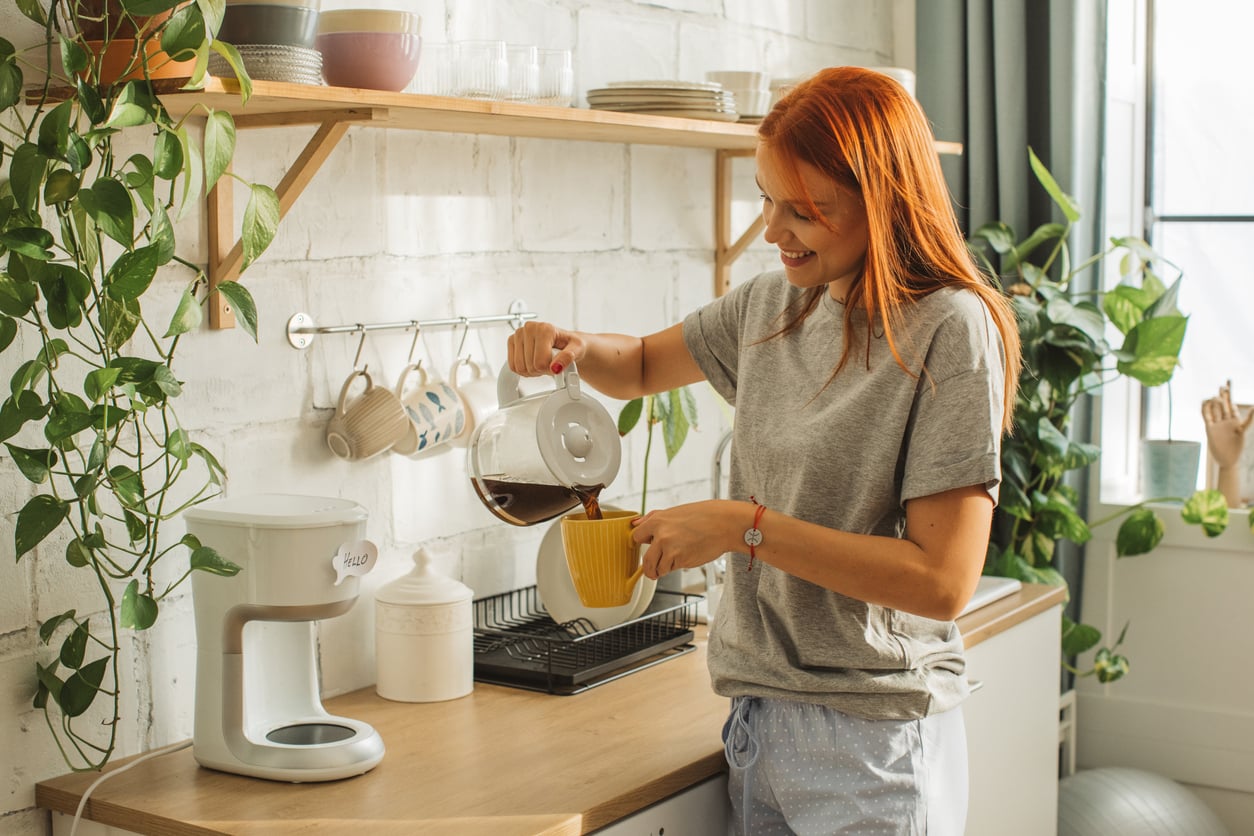
A daily coffee-shop stop adds up fast, especially if it turns into a latte and pastry. Investopedia estimates that brewing one cup at home instead of buying one at a premium shop can save hundreds per year. Reddit users in threads make the same point, with several saying the biggest savings came from making weekday coffee at home and saving cafe trips for weekends.
Buy From Local Roasters During Sales
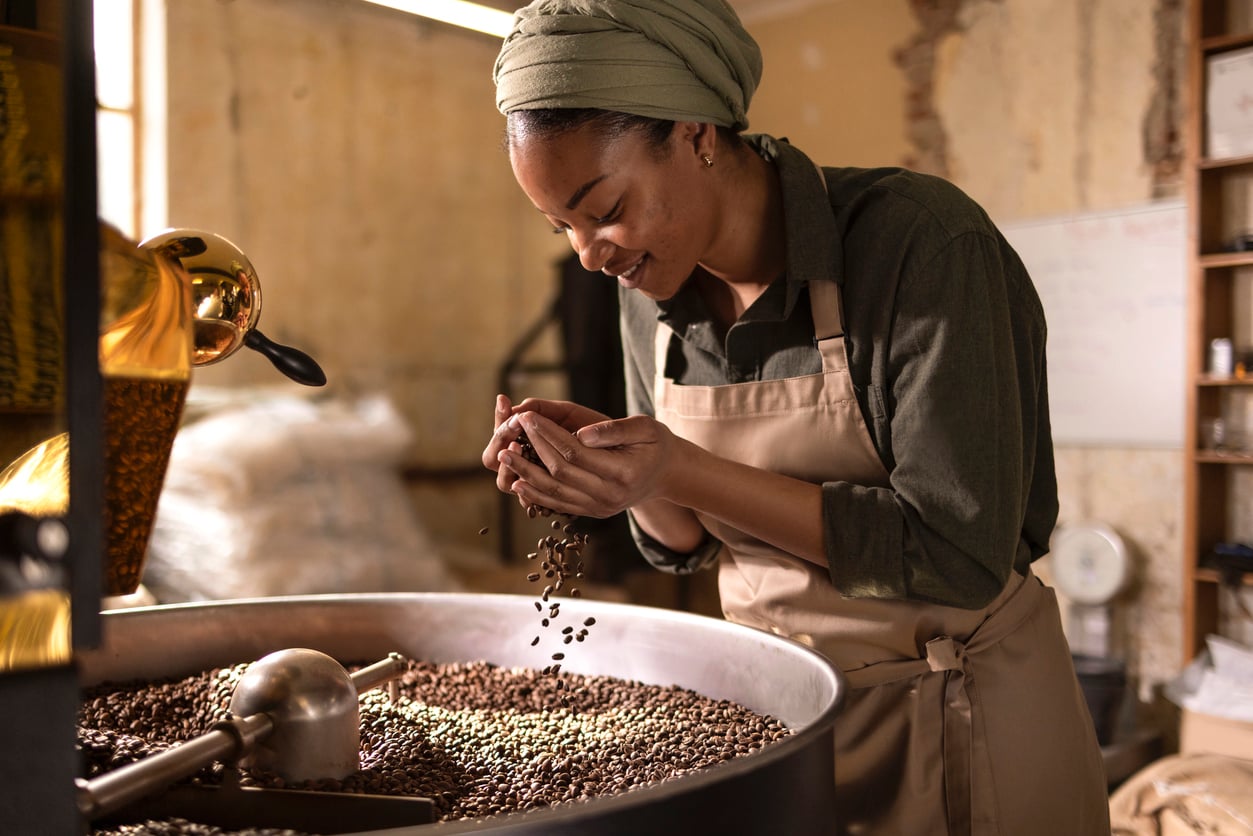
Local roasters can be expensive, but sales, subscriptions, email discounts, and “last roast” bags can make fresh coffee more reasonable. Freshness matters because older beans often taste flat even when the brand is good. Look for roast dates, not just expiration dates, and compare price per ounce before assuming a grocery bag is cheaper. The downside is that local roaster deals vary a lot, so this works best if you are flexible about origin, roast level, or blend.
Learn Basic Pour-Over Brewing
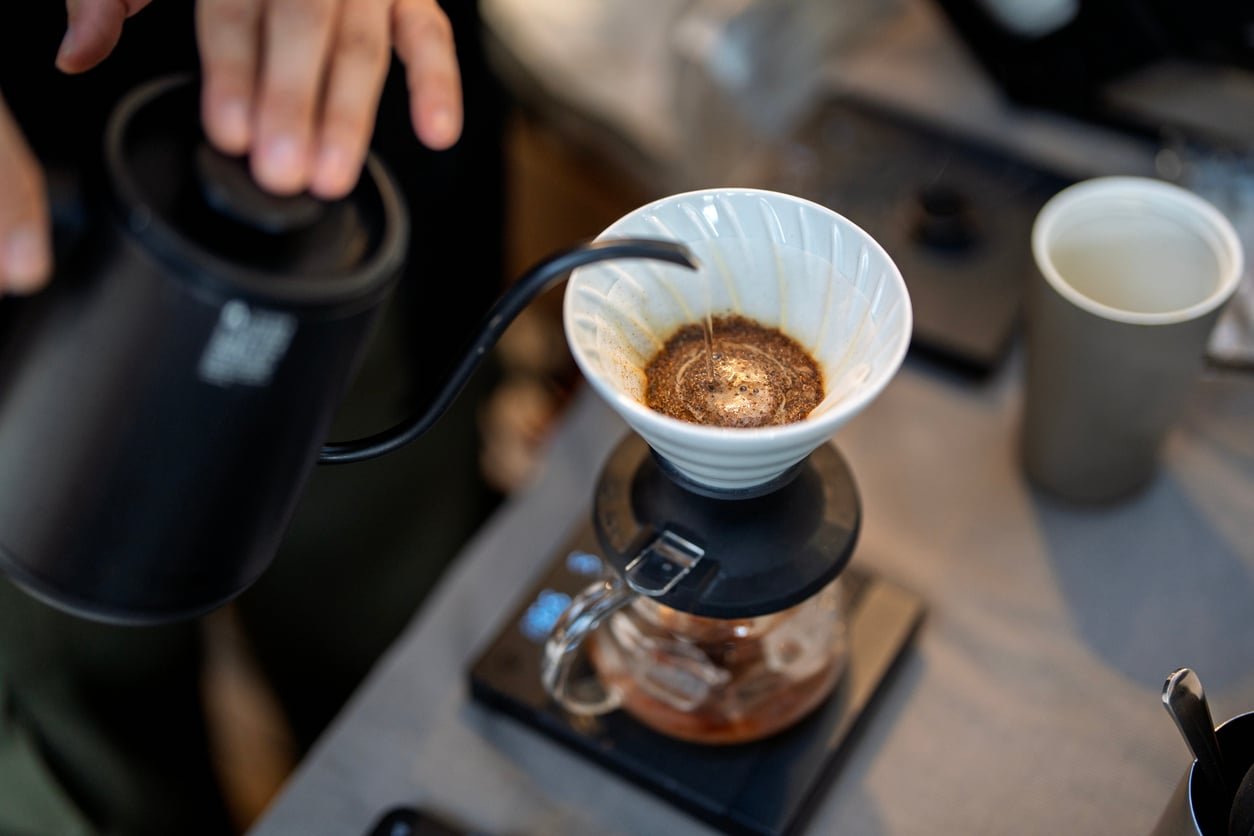
Pour-over looks fussy, but the gear can be cheap: a cone, filters, a kettle, and a little patience. It is a good method for people who want better flavor without buying an espresso machine. The Specialty Coffee Association notes that brewing ratio matters, and pour-over makes it easier to control coffee, water, grind, and timing. The downside is that it takes more attention than pushing a button, so it may not be ideal for rushed mornings.
Trending on Cheapism
Use a Burr Grinder Instead of a Blade Grinder
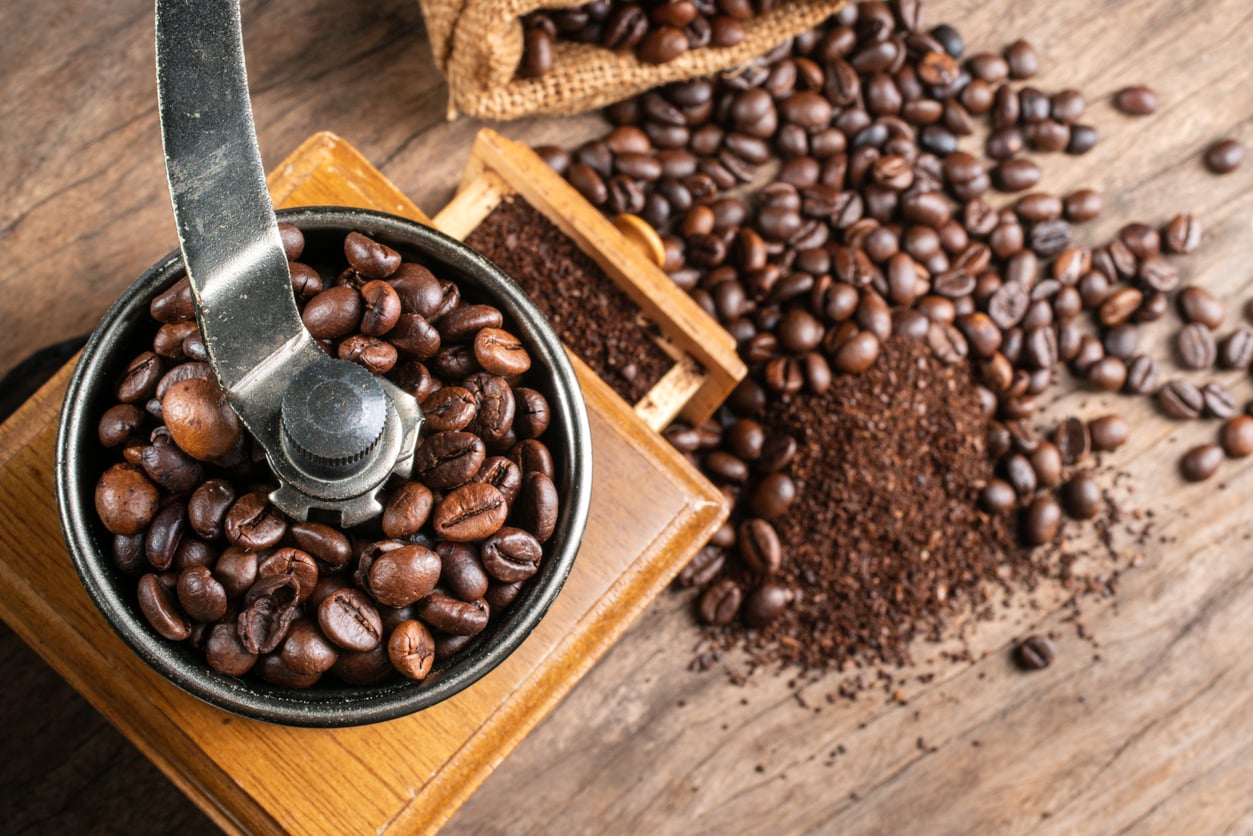
A burr grinder is often a better buy than a fancier coffee maker. Burr grinders crush beans more evenly, while blade grinders chop unevenly, which can lead to bitter and weak flavors in the same cup. Bon Appetit explains that burr grinders produce a more consistent grind than blade grinders. You do not need a luxury model, but consistency helps cheaper beans taste better and makes your favorite recipe easier to repeat.
Measure Coffee Instead of Guessing
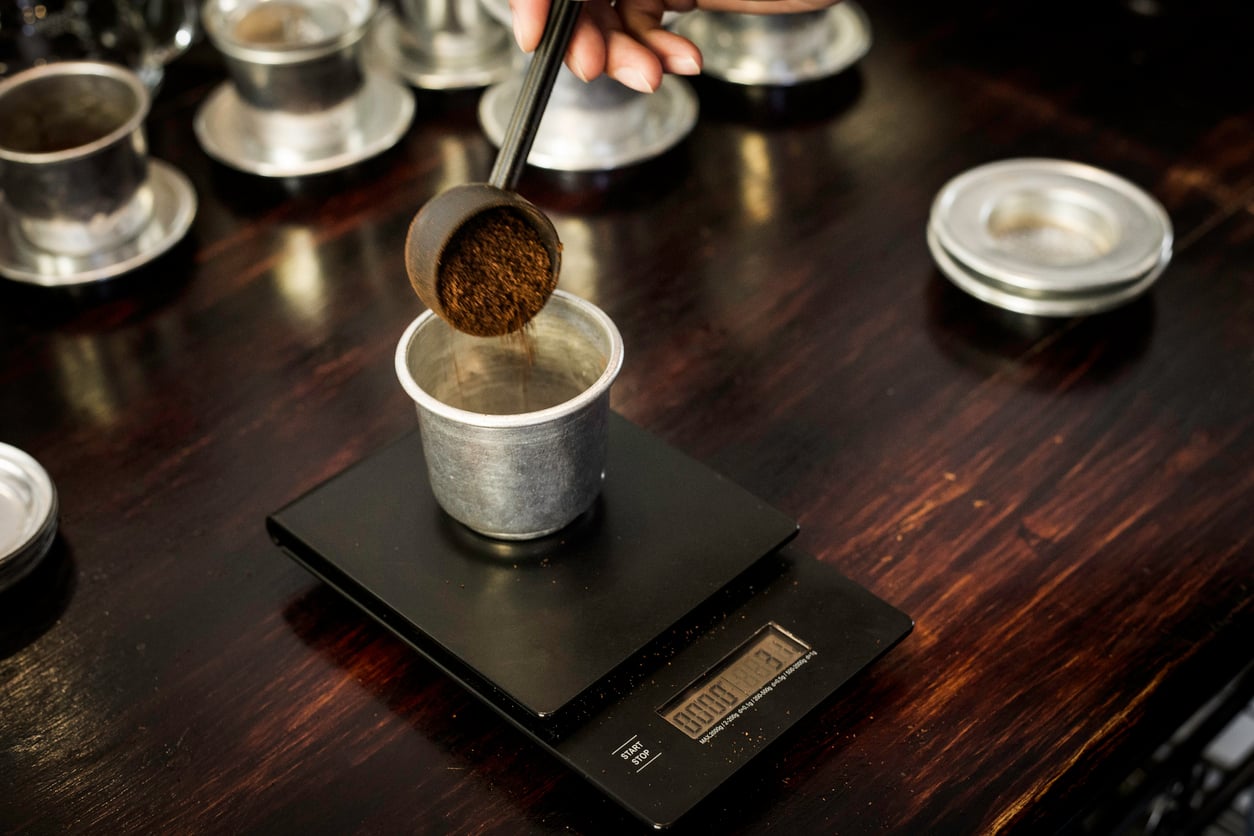
Scooping by eye is easy, but it can quietly waste coffee. A simple kitchen scale helps you use the same amount each time, which improves flavor and keeps you from overloading the filter just to avoid a weak pot. The SCA commonly uses 60 grams per liter as a brewing reference point, which is about a 1:16.7 ratio. Reddit coffee users also regularly discuss scales as a practical way to improve pour-over consistency.
Make Cold Brew at Home
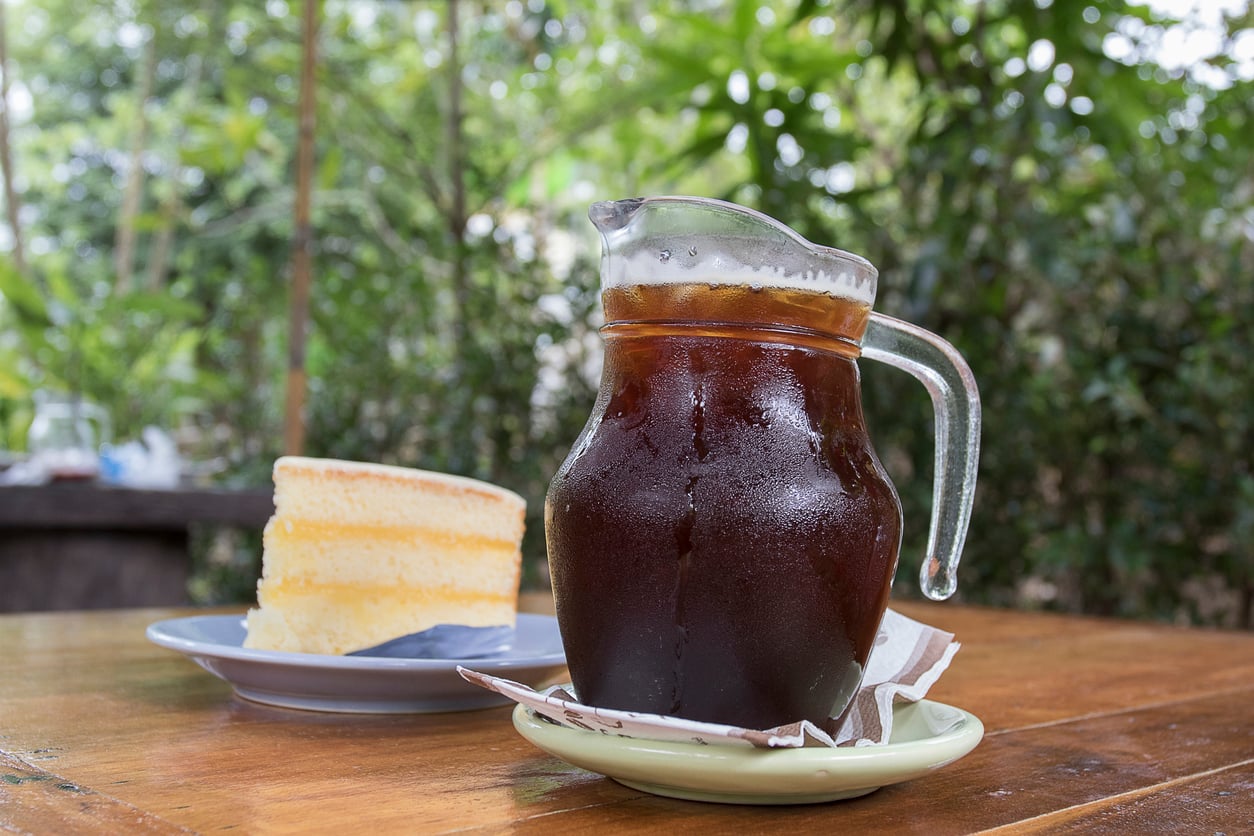
Cold brew is one of the easiest coffee-shop drinks to copy at home because it mostly requires time, not skill. A jar, pitcher, or cold brew maker can produce several servings at once. Reddit users often mention homemade cold brew as a money saver, though others point out that savings shrink if you use expensive beans or compare it with sale-priced bottled cold brew. For the best value, use solid budget beans and make batches you will actually finish.
Sign up for our newsletter
Watch Warehouse Clubs for Premium Bean Deals
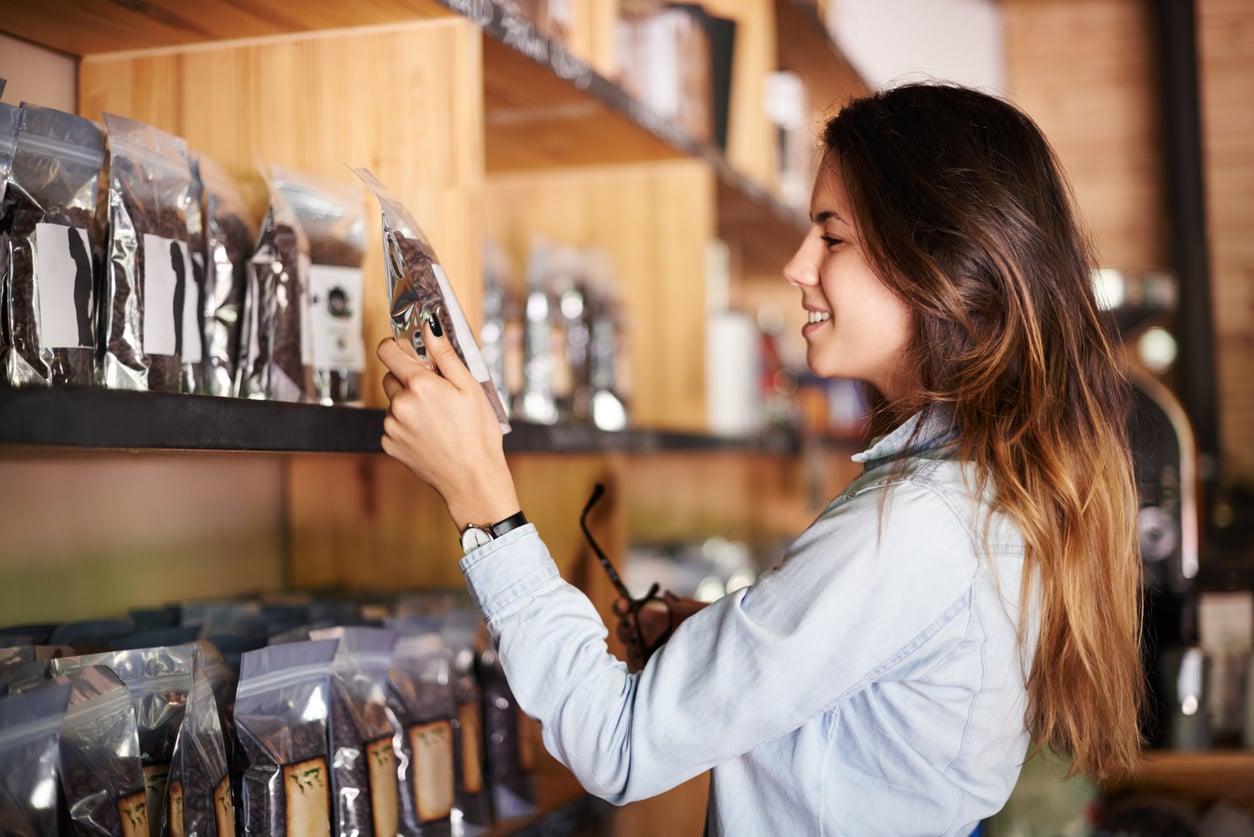
Costco, Sam’s Club, and BJ’s can be good places to find larger bags of name-brand or specialty-style beans. The savings are only real if you compare price per pound and store the coffee properly. Big bags can go stale if one person drinks coffee slowly, so portioning matters. One Reddit user in a frugal coffee thread said they buy whole beans at Costco or Sam’s and freeze part of the bag for later.
Clean Your Coffee Maker More Often
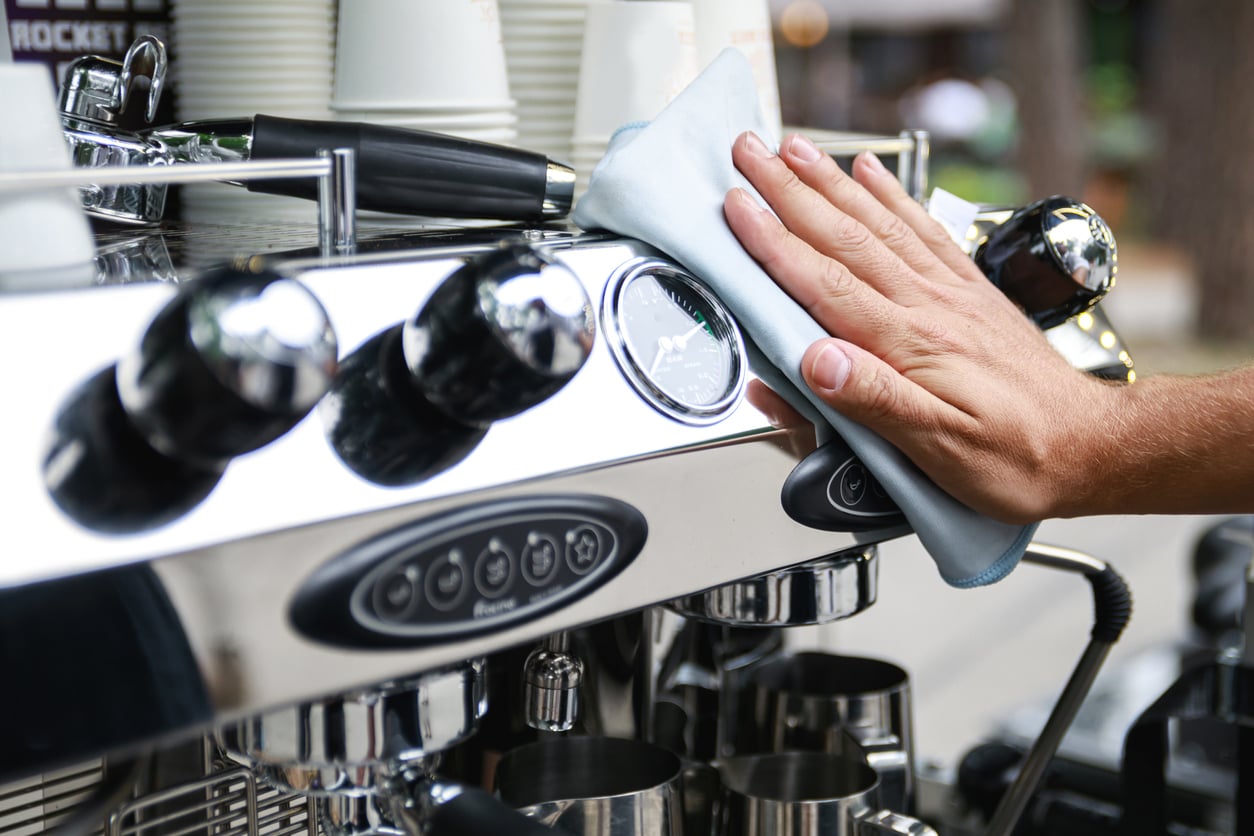
Sometimes the problem is not the beans. It is the machine. Coffee oils and leftover grounds can make future cups taste bitter, and mineral buildup can slow brewing. The National Coffee Association recommends rinsing the brew basket and permanent filter after each use and washing parts regularly. Breville also suggests vinegar and water for cleaning drip machines, though you should always check your manufacturer instructions first. This is one of the cheapest ways to improve flavor.
Learn Which Store Brands Are Surprisingly Good
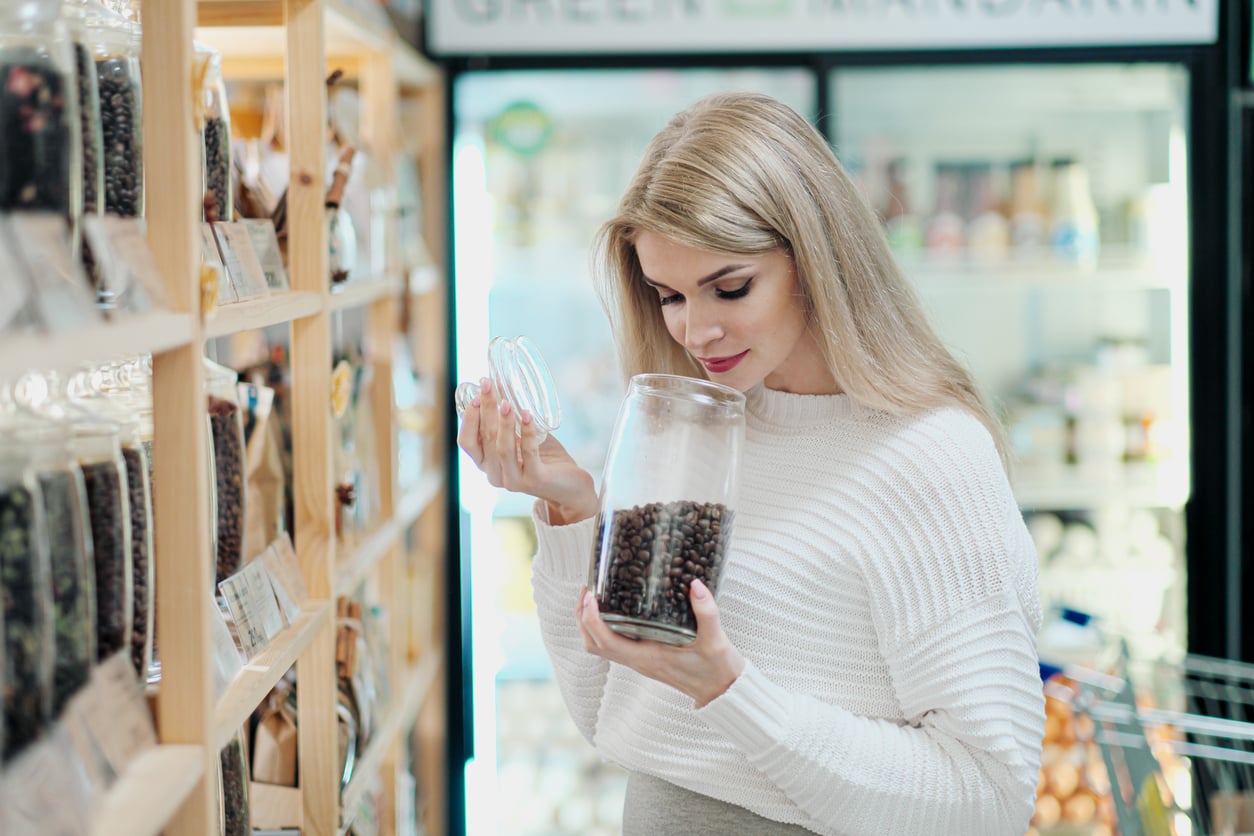
Store-brand coffee is not automatically second-rate anymore. Many grocery chains sell Colombian, breakfast blend, dark roast, and organic options that cost less than national brands. The smart move is to read recent reviews, buy a smaller bag first, and judge by freshness, roast level, and how you brew it. This is especially useful for drip coffee, cold brew, and guests who take cream and sugar. The downside is inconsistency, since store-brand suppliers and blends can change.
Use Loyalty Programs Without Letting Them Use You
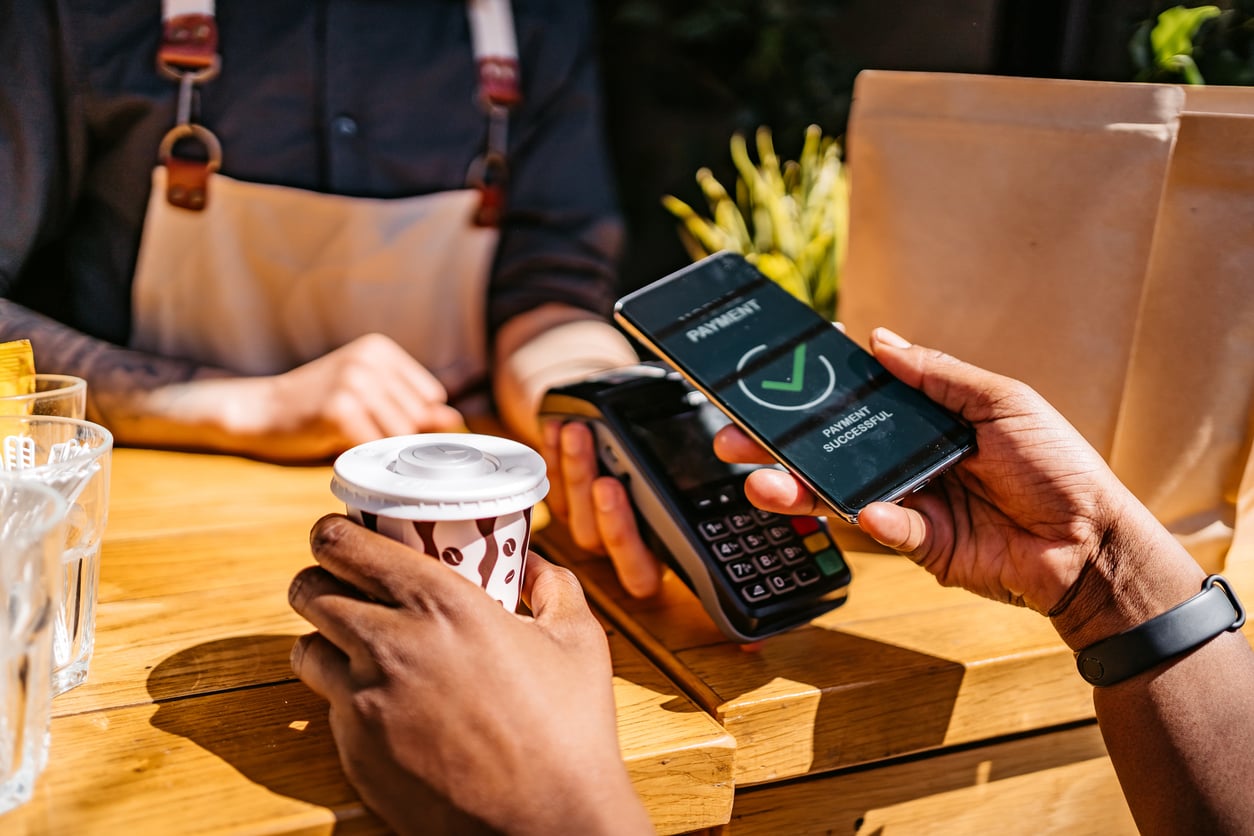
Coffee-shop apps can be useful if you already go there. Starbucks Rewards includes birthday rewards and personalized offers, while Dunkin’ Rewards lets members convert points into food and drink rewards. The key is not buying extra just to chase points. Use the app for planned visits, bonus days, and birthday perks, but do not let “almost free” rewards turn into more spending than you intended.
Brew a Concentrate and Add Hot Water
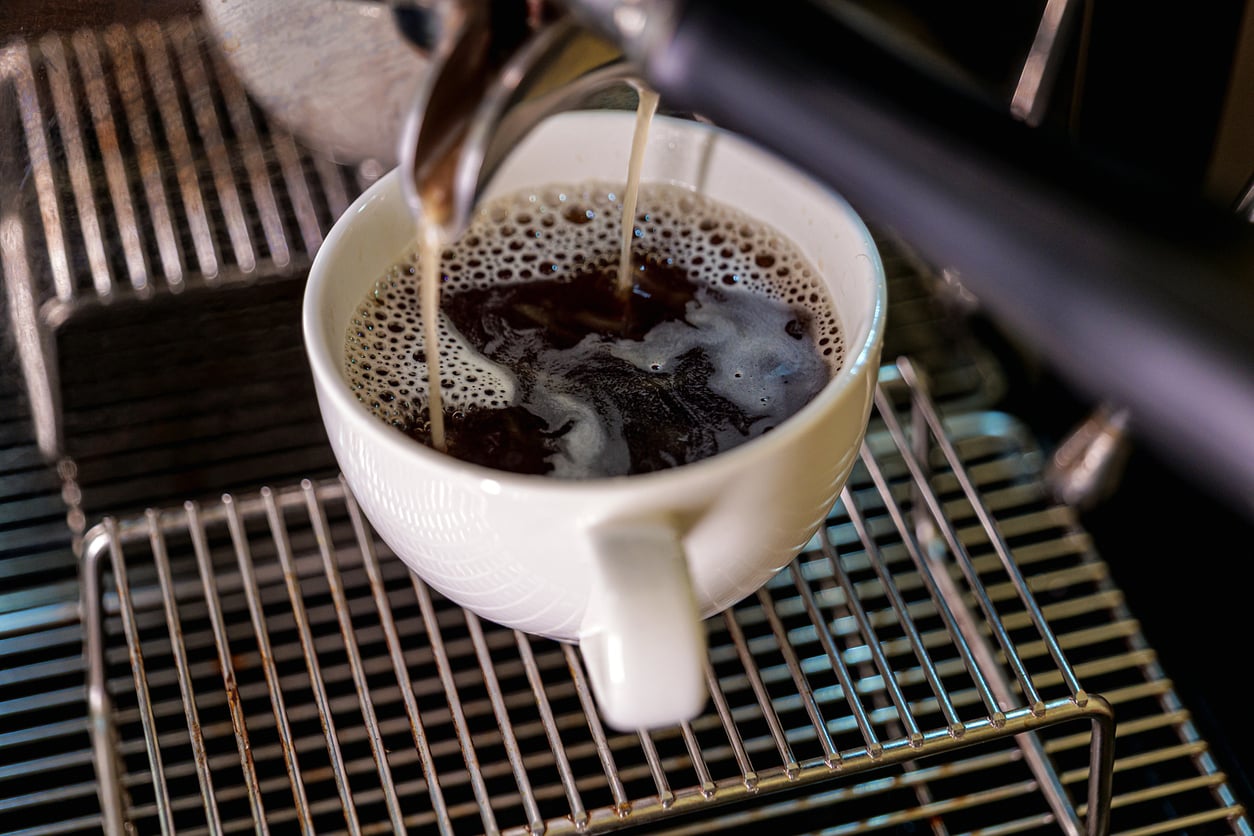
Some coffee drinkers get better results by brewing a stronger cup and diluting it to taste, almost like an Americano-style approach for drip or pour-over. This can help if your coffee often comes out too weak or too intense. It is not magic savings, and it will not fix bad beans, but it gives you more control than randomly adding extra scoops. Start with your usual ratio, adjust slowly, and write down what works.
Grind Only What You Will Use Immediately
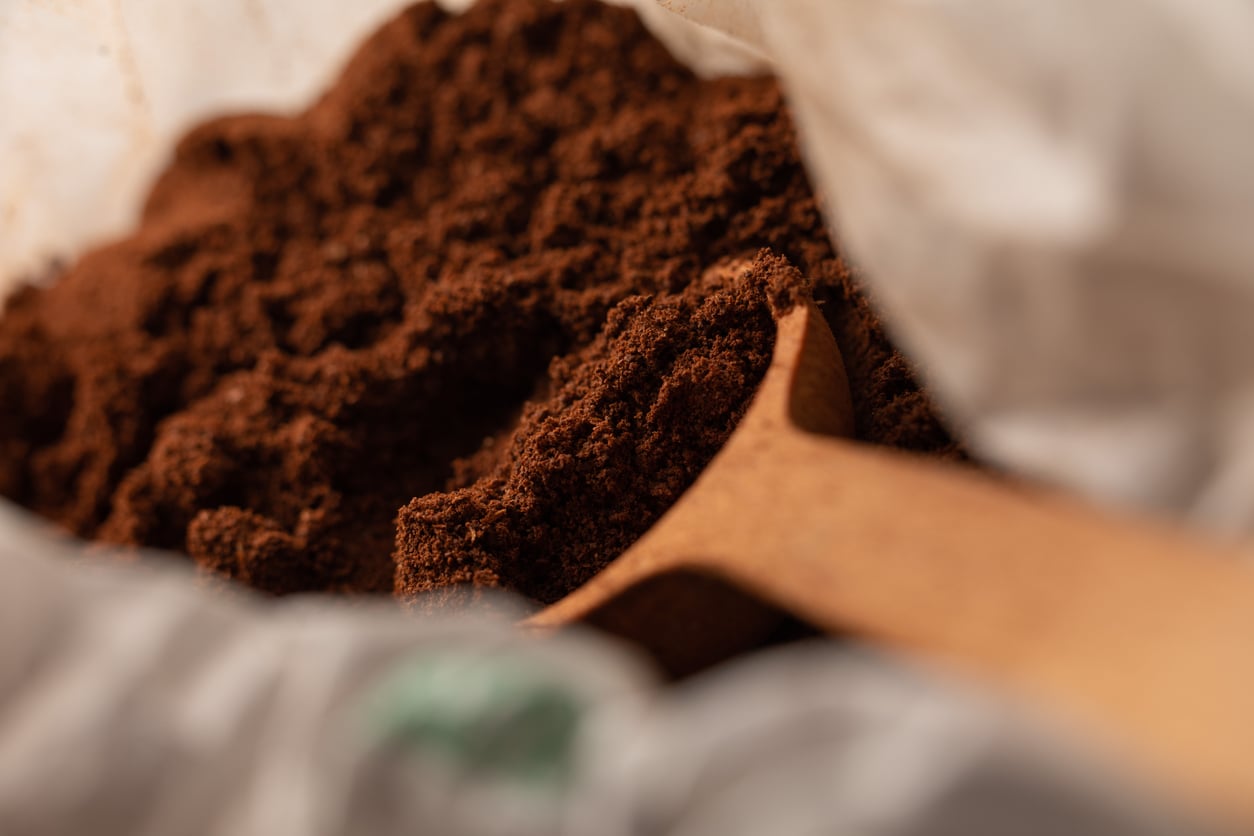
Grinding a full bag at once is convenient, but it gives flavor away early. The NCA recommends grinding only what you need right before brewing, because whole beans protect aroma better than ground coffee. This habit also works well with bulk buying: keep beans whole, portion them carefully, and grind only the morning’s amount. It is a small step, but coffee people mention it constantly because it makes even ordinary beans taste fresher.
Keep an Emergency Bag of Budget Beans
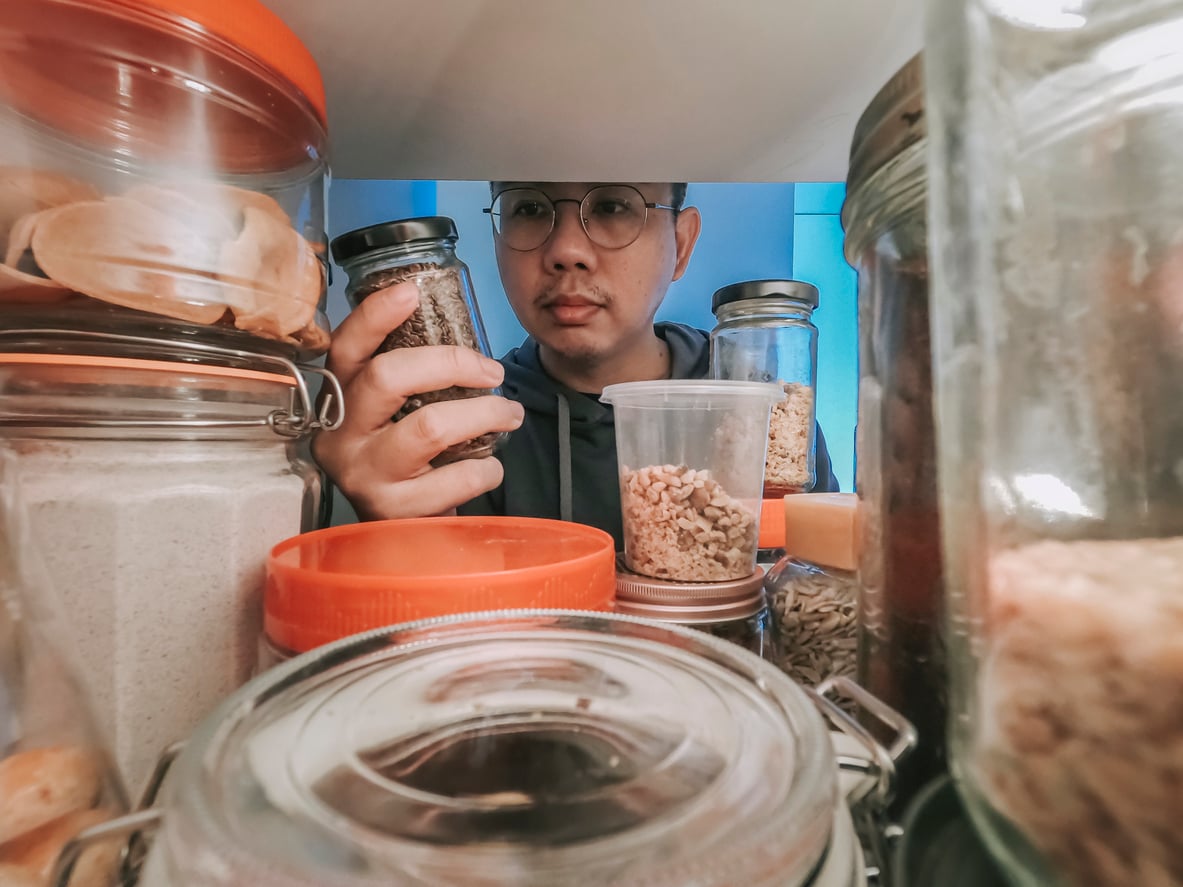
Running out of coffee is when many people overpay. A backup bag of decent budget beans can stop a rushed drive-through trip before it starts. It is also useful for cold brew, guests, or mornings when you do not want to open your nicer bag. Just avoid letting the emergency bag become ancient. Choose something reliable, store it away from heat and light, and replace it before it tastes like cabinet dust.
Treat Coffee Like a Skill, Not Just a Grocery Item
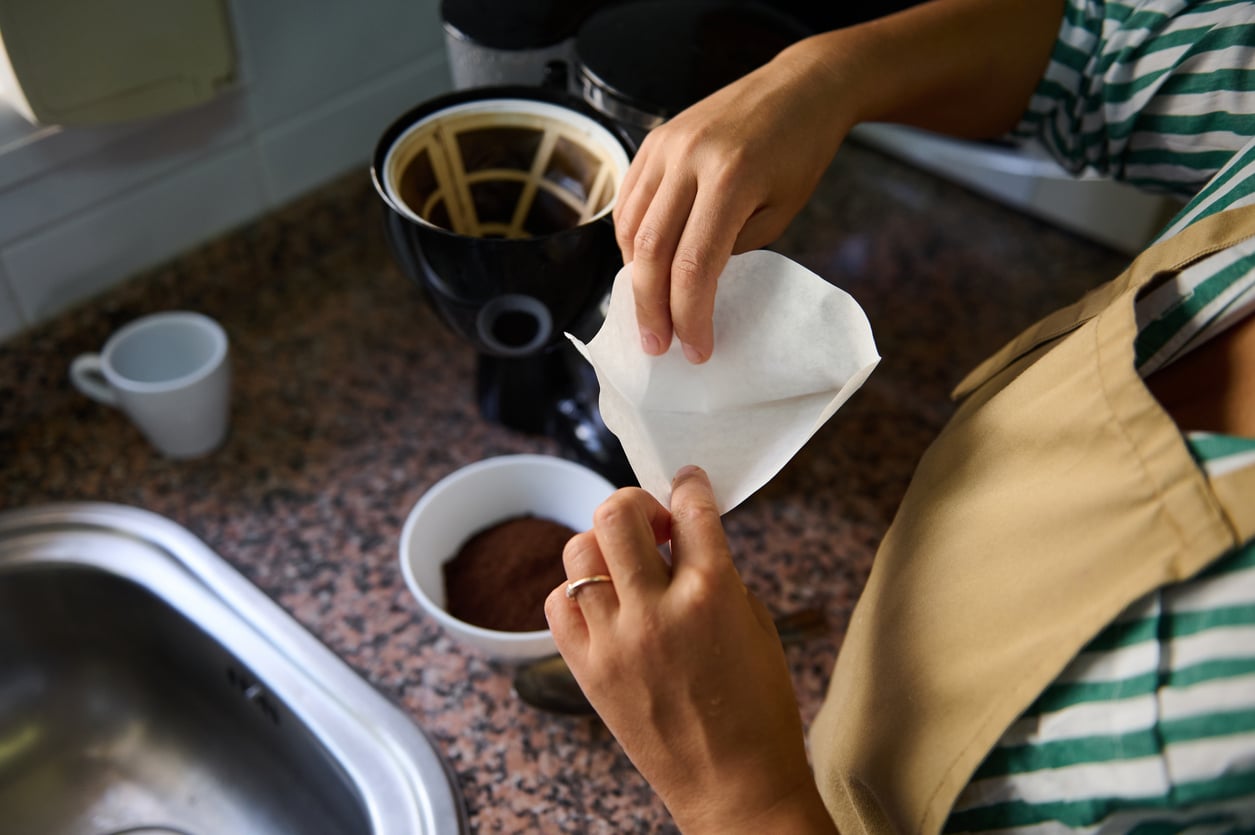
The biggest coffee hack may be learning how you like to brew. A scale, cleaner machine, better storage, and the right grind can do more than simply buying a pricier bag. Coffee education also helps you avoid expensive gadgets you do not need. If you mostly drink drip coffee, you may not need an espresso machine. If you love iced coffee, cold brew may matter more. Better coffee usually comes from better habits first.