Many of the household items people keep in their homes are there simply because of habits inherited from their parents, whether because they grew up hearing that adults ought to own these appliances or because they saw them used in their daily lives as children. While some of these items remain useful, others might be better off rented or borrowed. Here are the items people own mainly because their parents told them they were essential!
A Full Tool Set
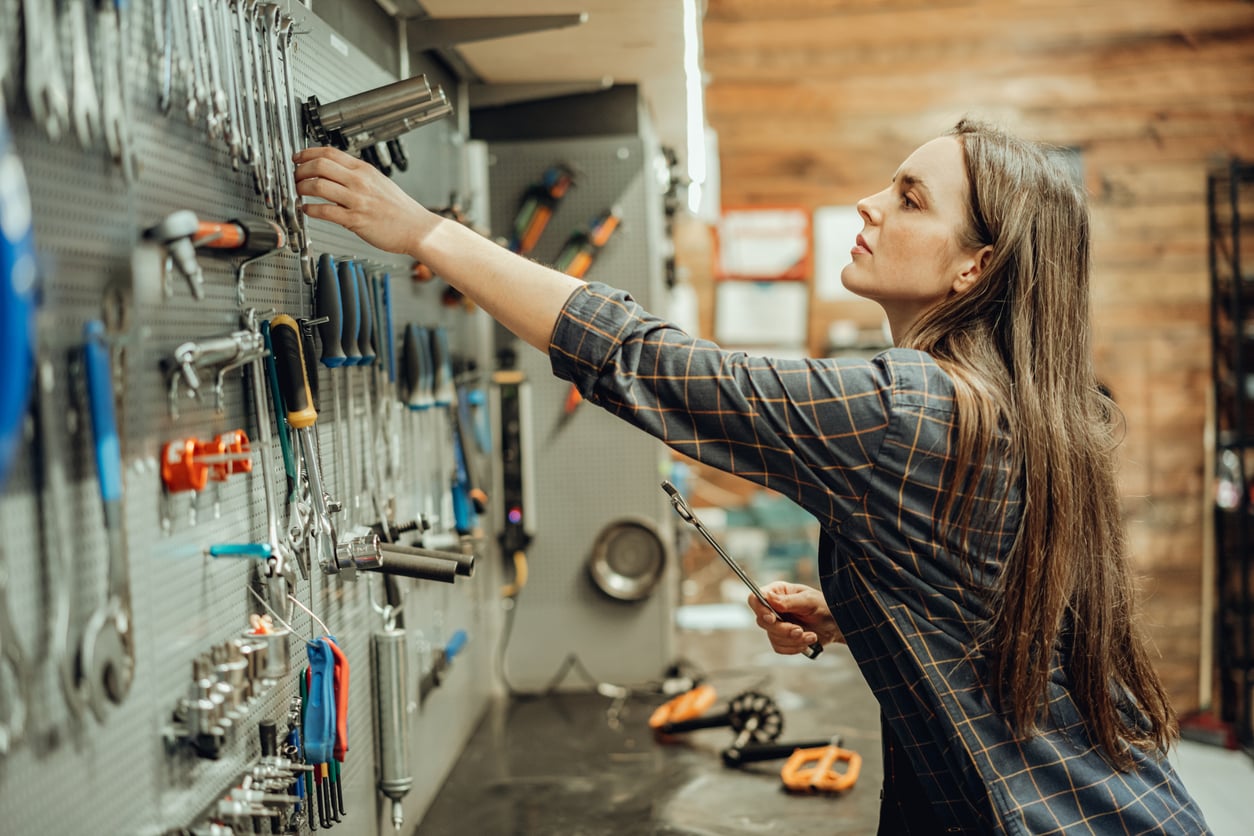
Past generations considered it essential to own household items such as hammers, screwdrivers, wrenches, and pliers to handle unexpected household issues, such as broken appliances or a necessary repair. These tools fostered self-sufficiency. Today, however, few people take a hands-on approach or require a full tool set for repairs. Instead, they prefer to call someone else to solve the problem.
A Formal Dining Set
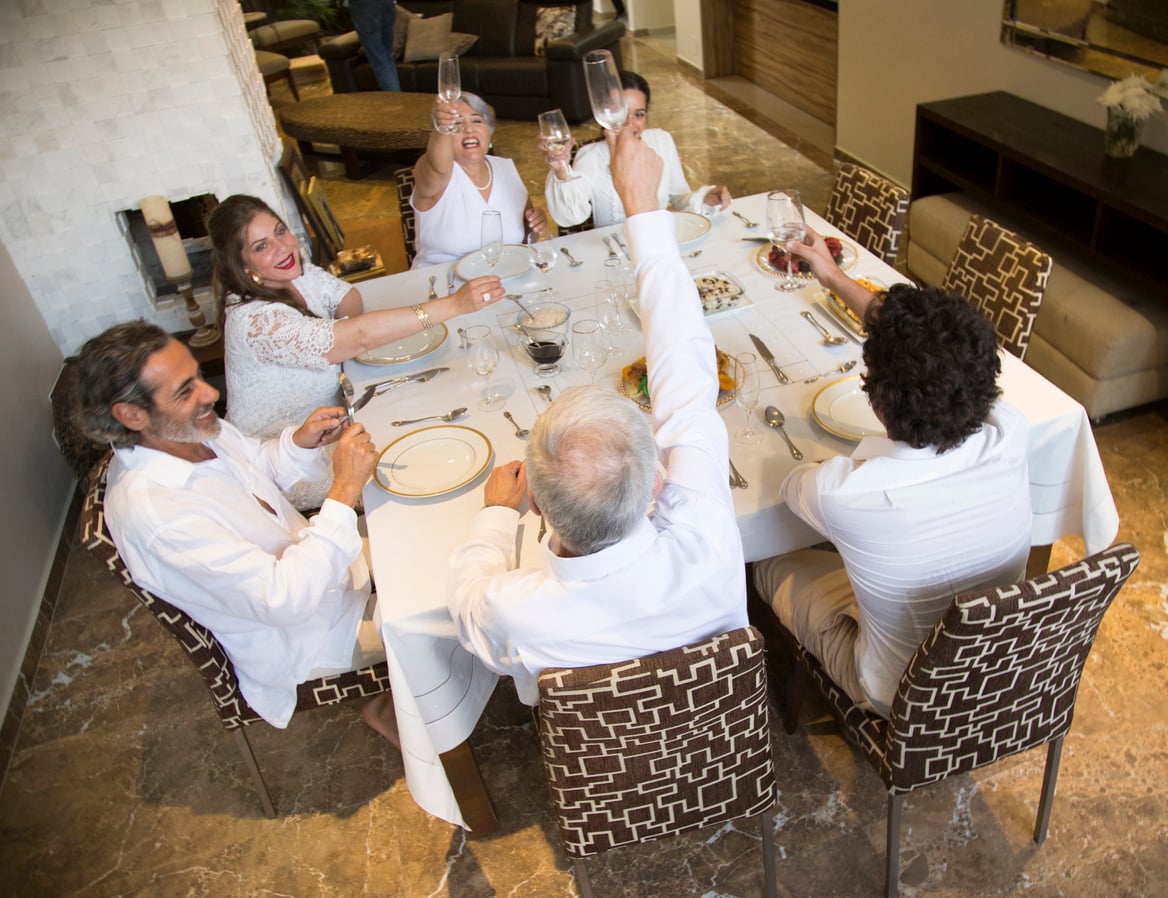
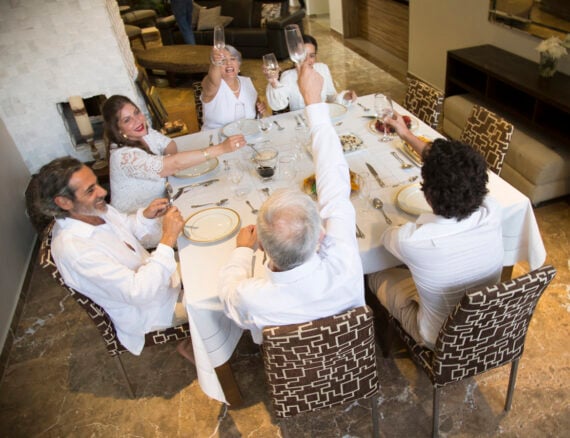
On special occasions, when hosting guests who did not typically visit the home, people would dine using a formal dining set, complete with matching chairs for the guests and a coordinated set of utensils. These household items were once common, but nowadays, formal dining areas have often been converted into home offices or storage spaces, or simply go unused. People generally dine in a shared, casual setting.
Fine China
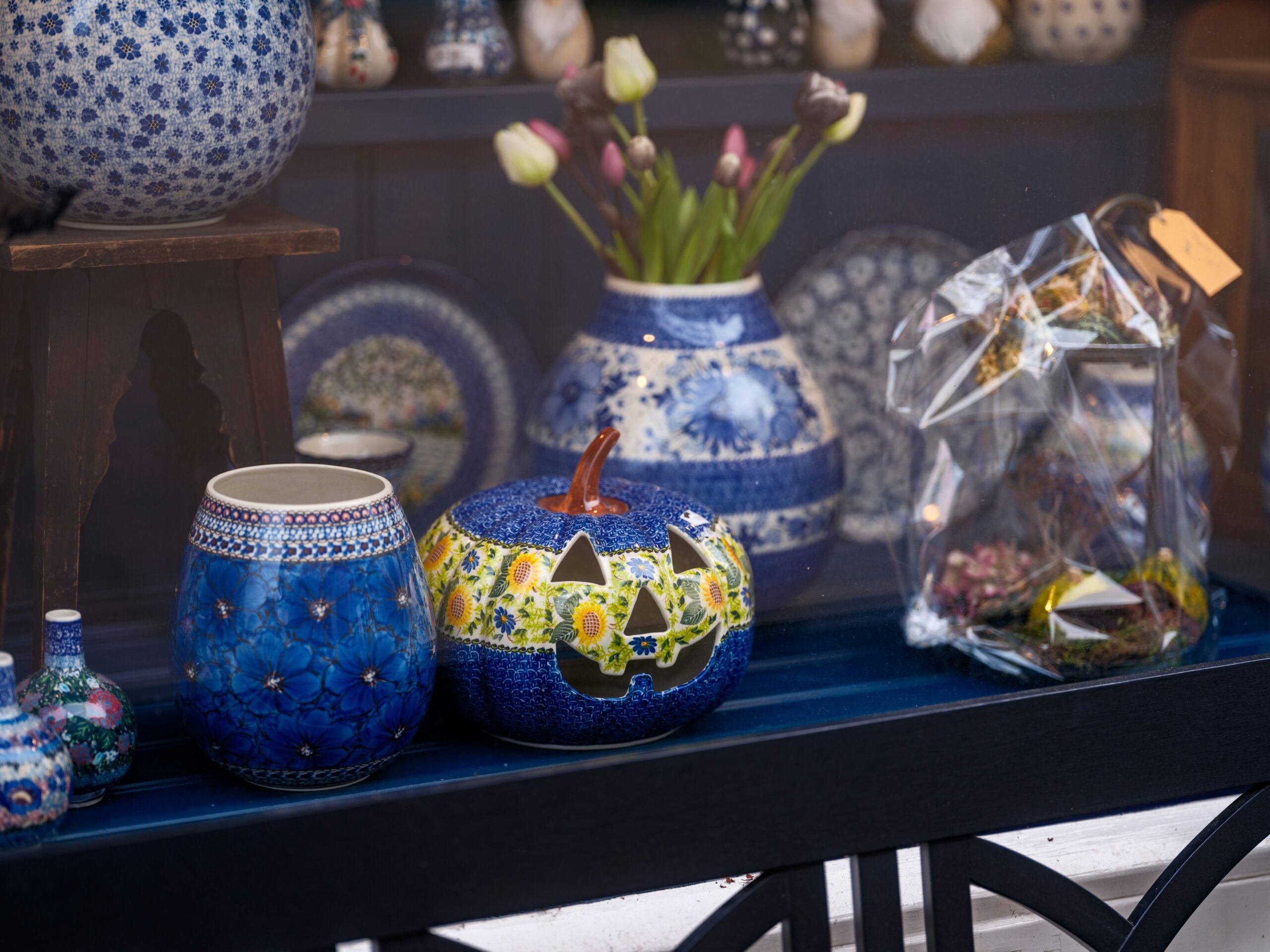
Some households kept sets of fine china for special occasions or the holidays. A few decades ago, many parents owned boxed sets of matching dishes and utensils that were used only on rare occasions. Many people still have these household items in their homes, but they use it for entertaining rather than saving it exclusively for special occasions, and the sets are usually kept stored away in a cupboard.
A Giant Roasting Pan
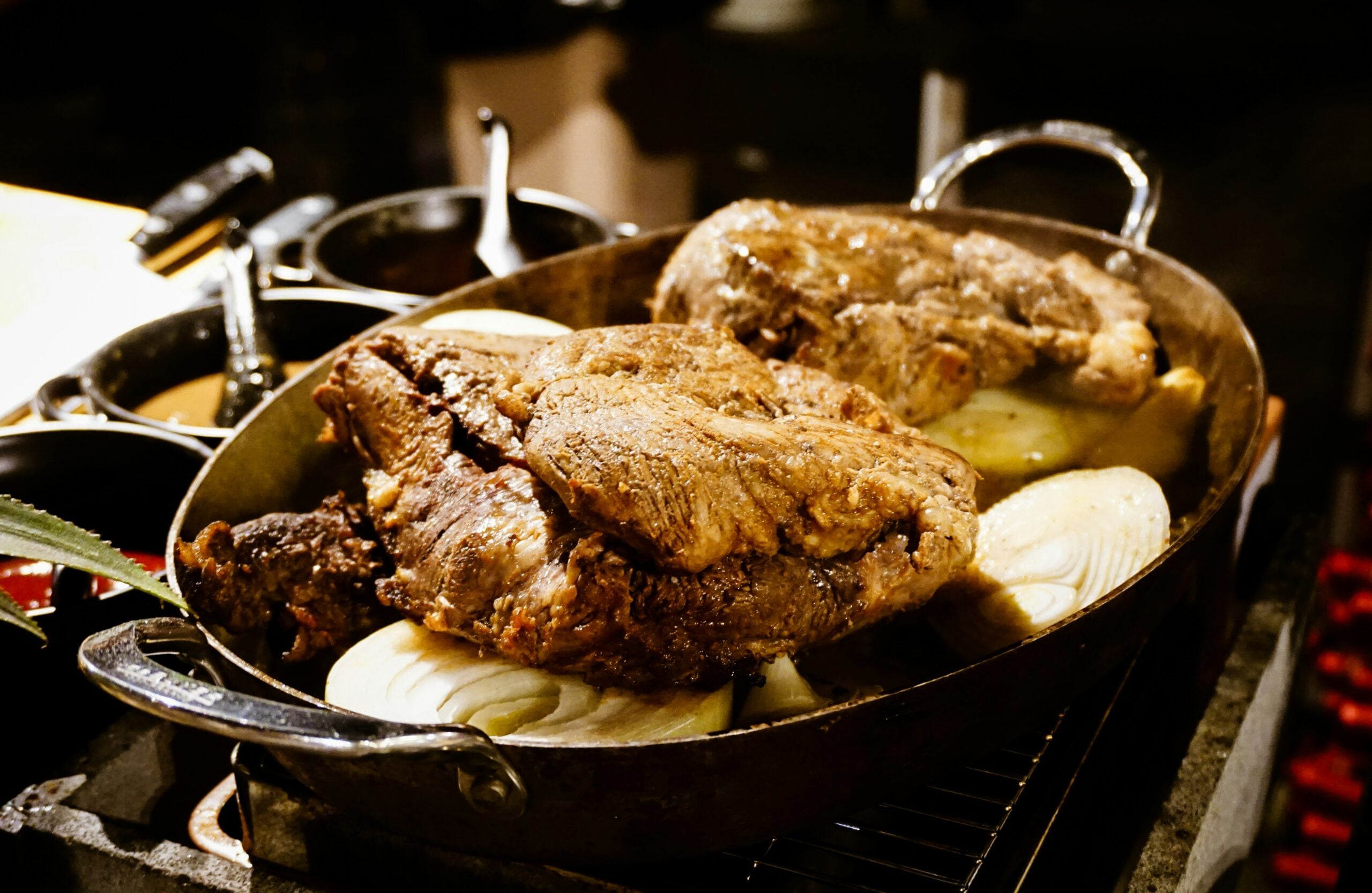
One long-standing tradition was that every household was expected to host Thanksgiving at some point, which meant owning a giant roasting pan. Cooking for so many people required such a pan, that was one of the bulky household items that took up a lot of cabinet space yet was used barely once a year. Nowadays, the best alternative is to borrow one or use a disposable pan, although many people still keep the traditional kind.
A Complete Matching Towel Set

One sign that a home belonged to adults was having matching bath towels, hand towels, and washcloths that were part of a set. Many parents decades ago owned these household items, as do some of their children today, but these matching towels are often kept merely for decoration and rarely actually used. Nowadays, people prioritize functionality. Buying a matching towel set is much more expensive than purchasing just one towel.
Trending on Cheapism


A Punch Bowl
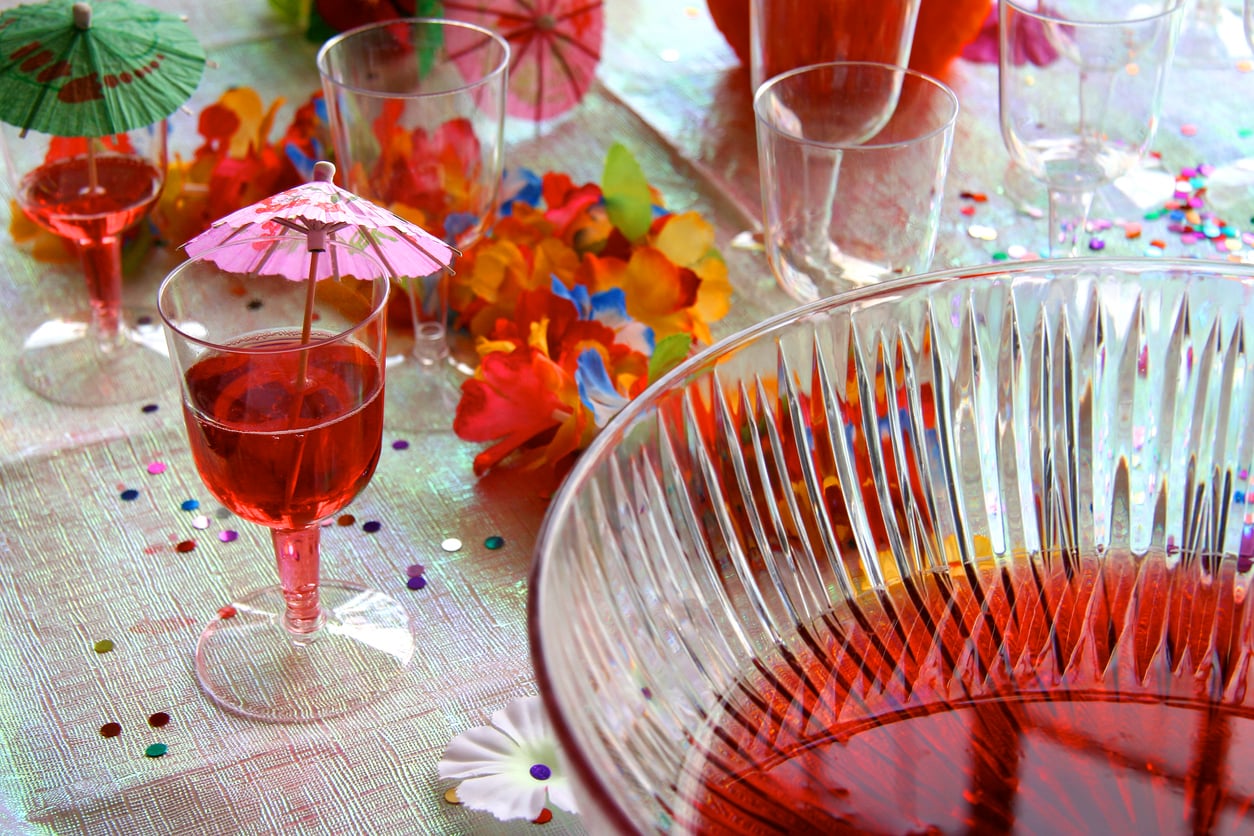
When hosting a party or celebrating a special occasion, households would typically have a punch bowl for serving juices and drinks. Ladling the beverage into one’s glass was part of the fun. While some people still own these household items, often as family heirlooms, they rarely make it down from the top shelf where they are stored year-round. Instead, simpler, larger devices like beverage dispensers, canned drinks, and pitchers have become the norm.
An Iron and Ironing Board
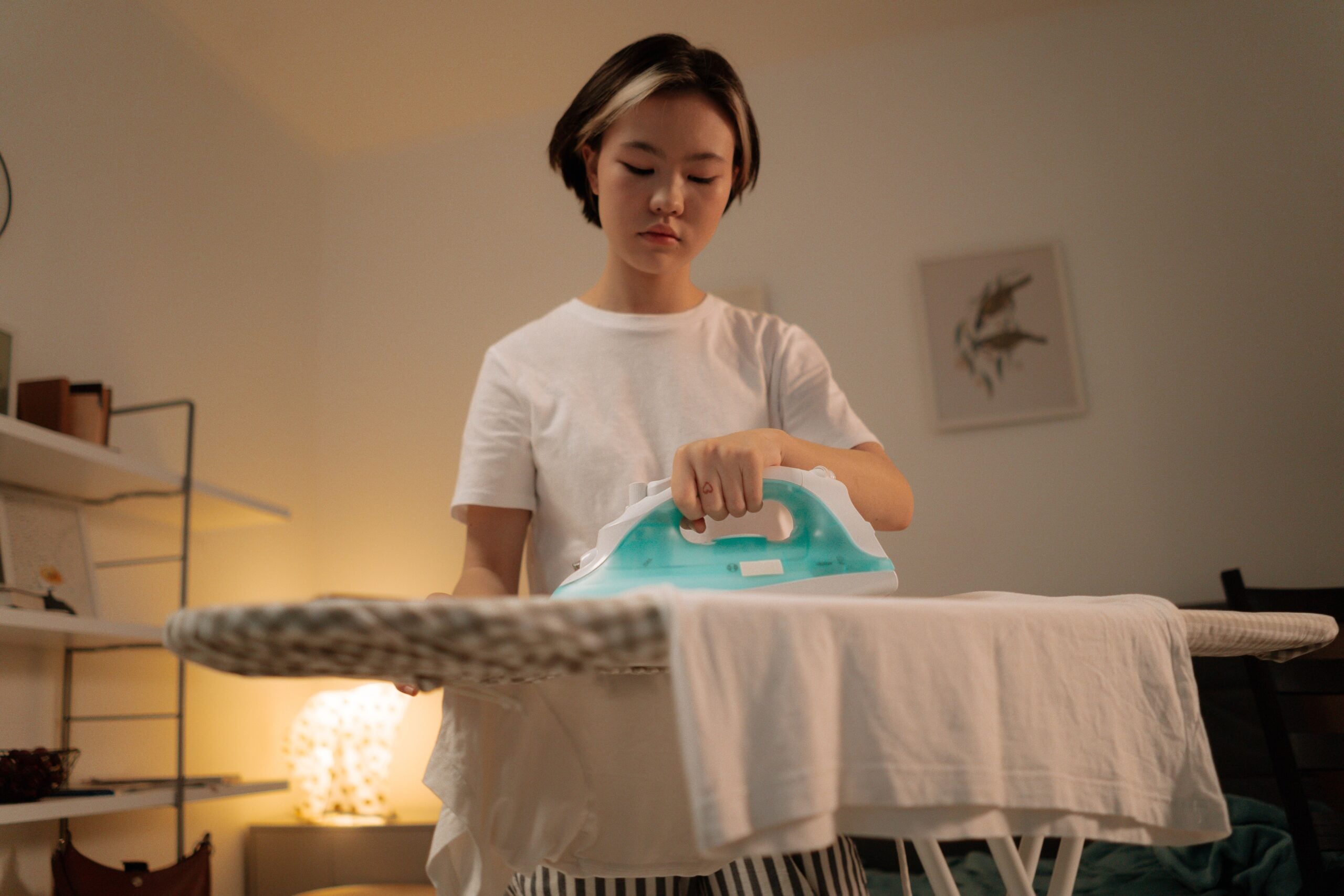
Maintaining a pristine appearance was very important a few decades ago, making wrinkle free clothing essential, which required an iron and an ironing board. Household items like these were once used frequently, and woman used to spend hours ironing their husbands’ clothes, a practice that has changed today. While some people still keep those items, there are now garment steamers and wrinkle-resistant clothing, while some dryers offer wrinkle-reducing cycles. Modern wardrobes do not require as much ironing.
A Larger Chest of Drawers
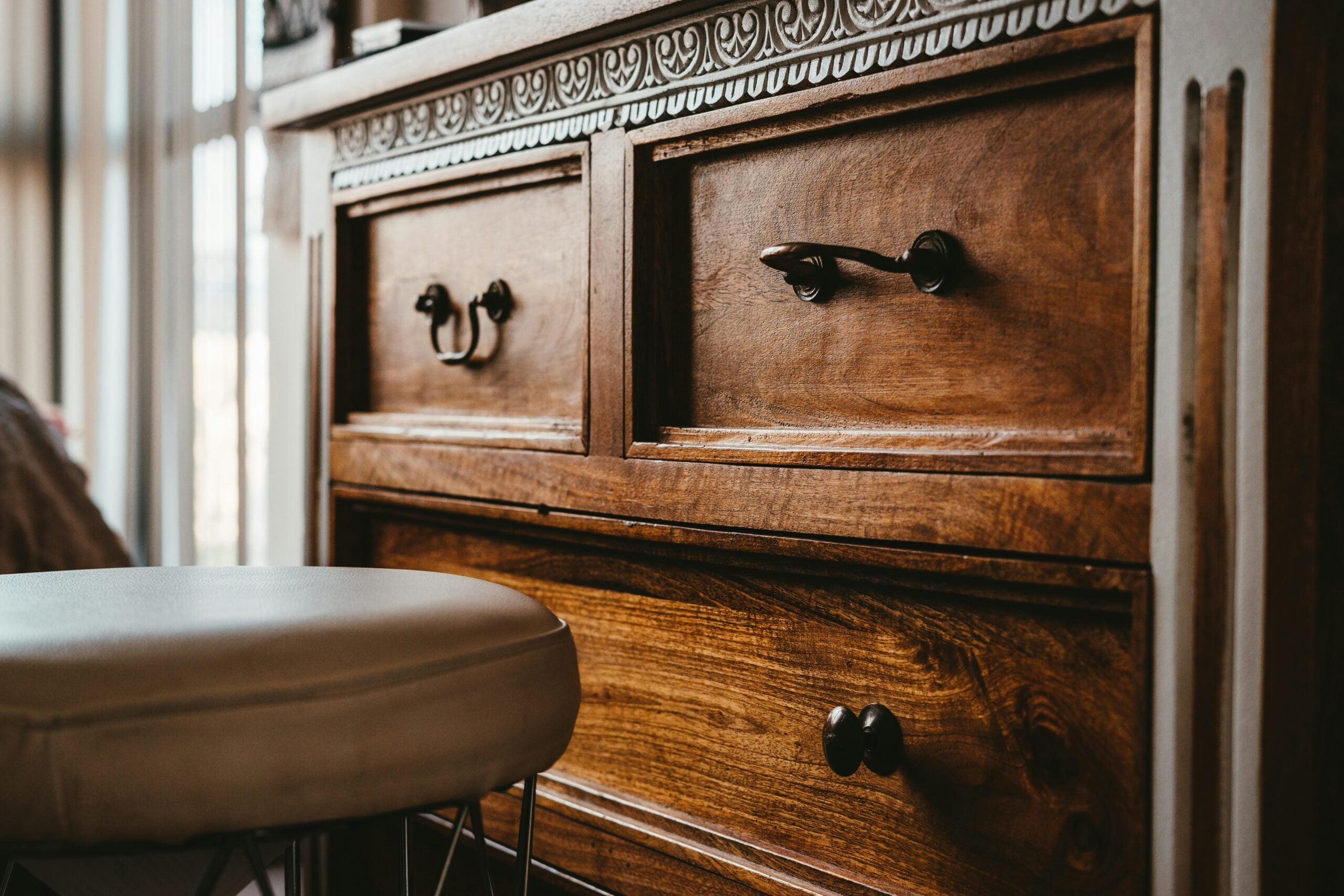
The parents of many young people today used to buy their bedroom furniture in sets that included a dresser, a chest, a mirror, and nightstands. Compared to today’s standards, those dressers were enormous. While some people still keep these household items as heirlooms, they generally do not utilize the full storage capacity. Homes are smaller now, and current styles lean toward minimalism rather than massive bedroom sets.
Sign up for our newsletter
A Dedicated Guest Room
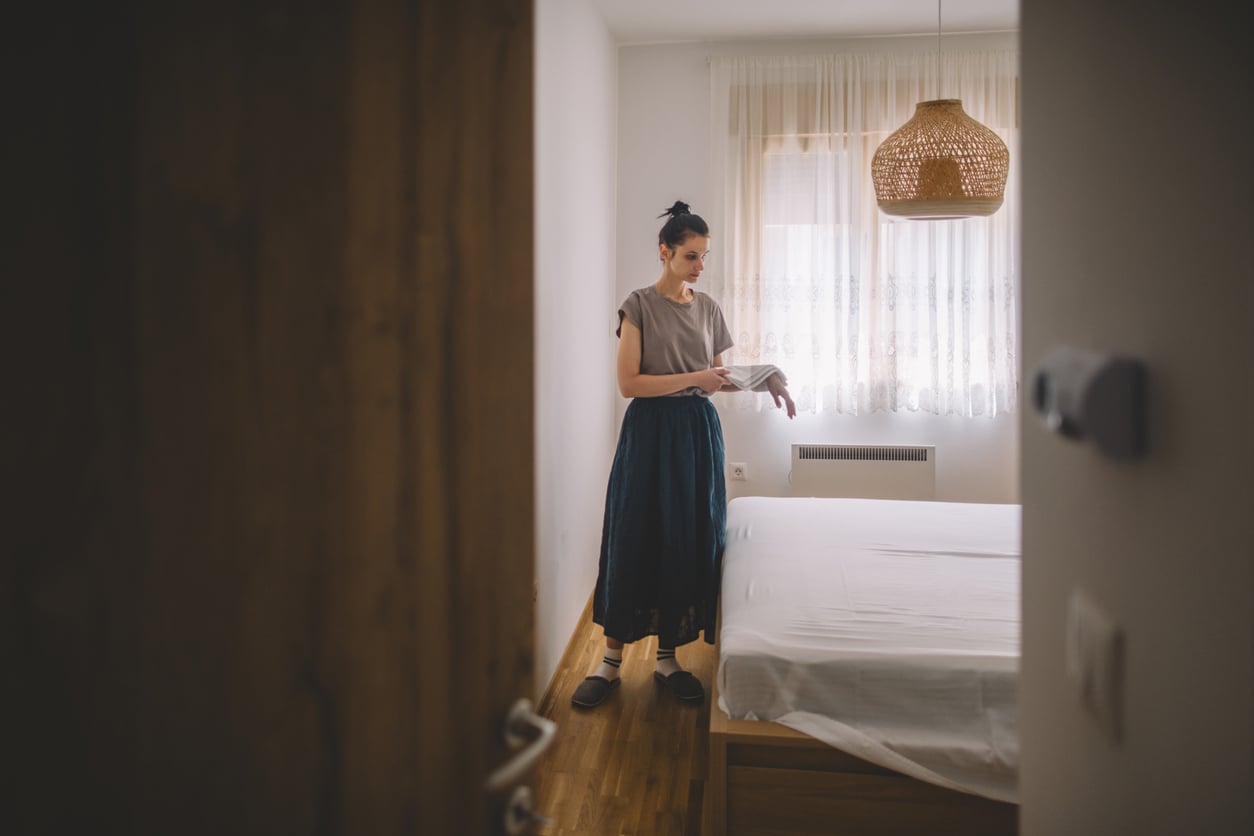
In homes from a few decades ago, households typically had a spare room for overnight guests, a feature that signified a “complete” home. Although houses are smaller today, some properties still include a guest room. However, these spaces have often been repurposed into home offices or spaces with sofa beds, or used for short-term rentals, as a dedicated guest room would otherwise sit unused for much of the year.
A Huge Set of Pots and Pans
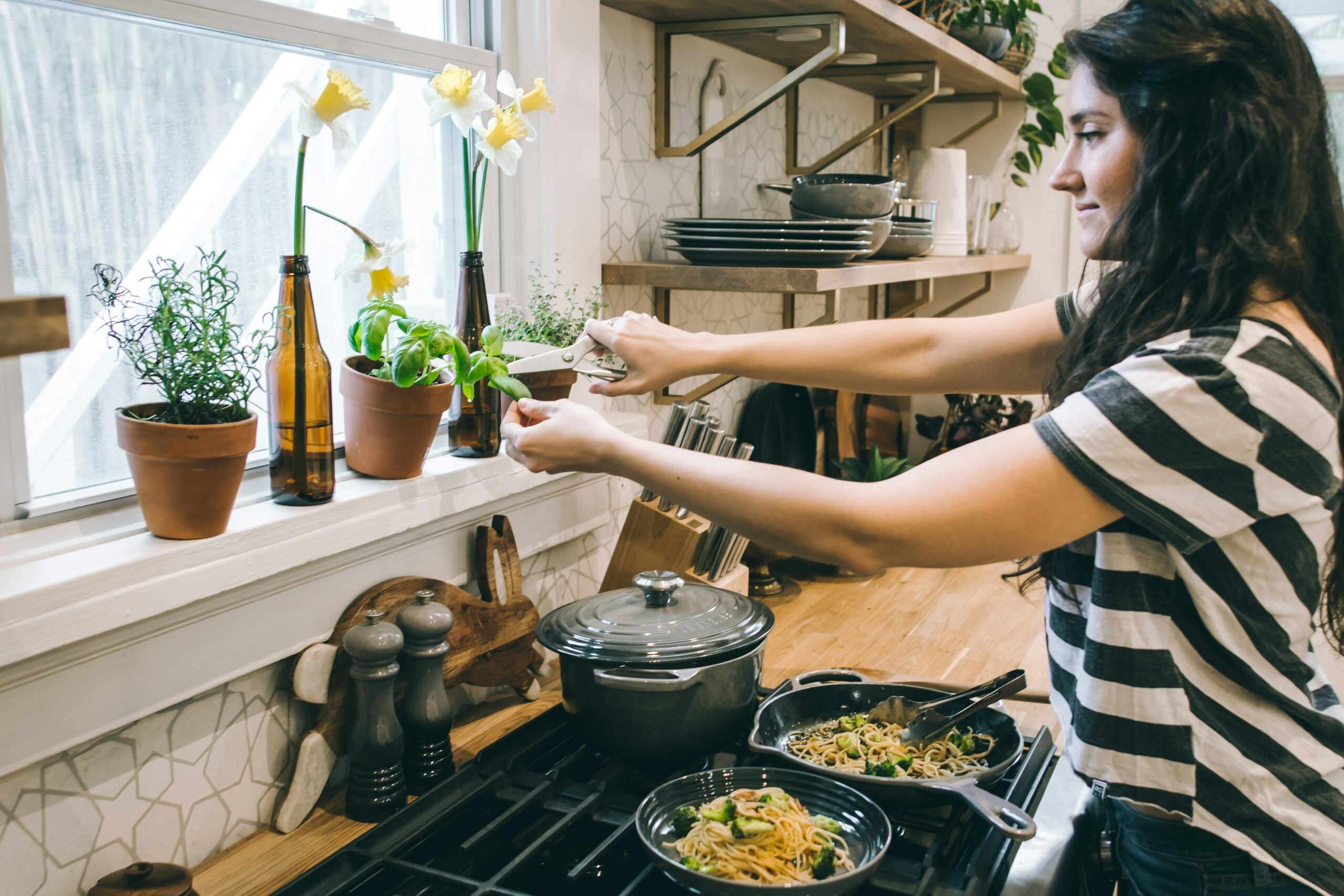
Cookware used to be sold in large matching sets, unlike today, when individual pieces are sold separately. Years ago, many people believed it was necessary to own every possible size of pan and pot. That mindset has changed over time, as households now tend to use the same skillet, saucepan, and stockpot while ignoring the rest of their household items.
A Sewing Kit
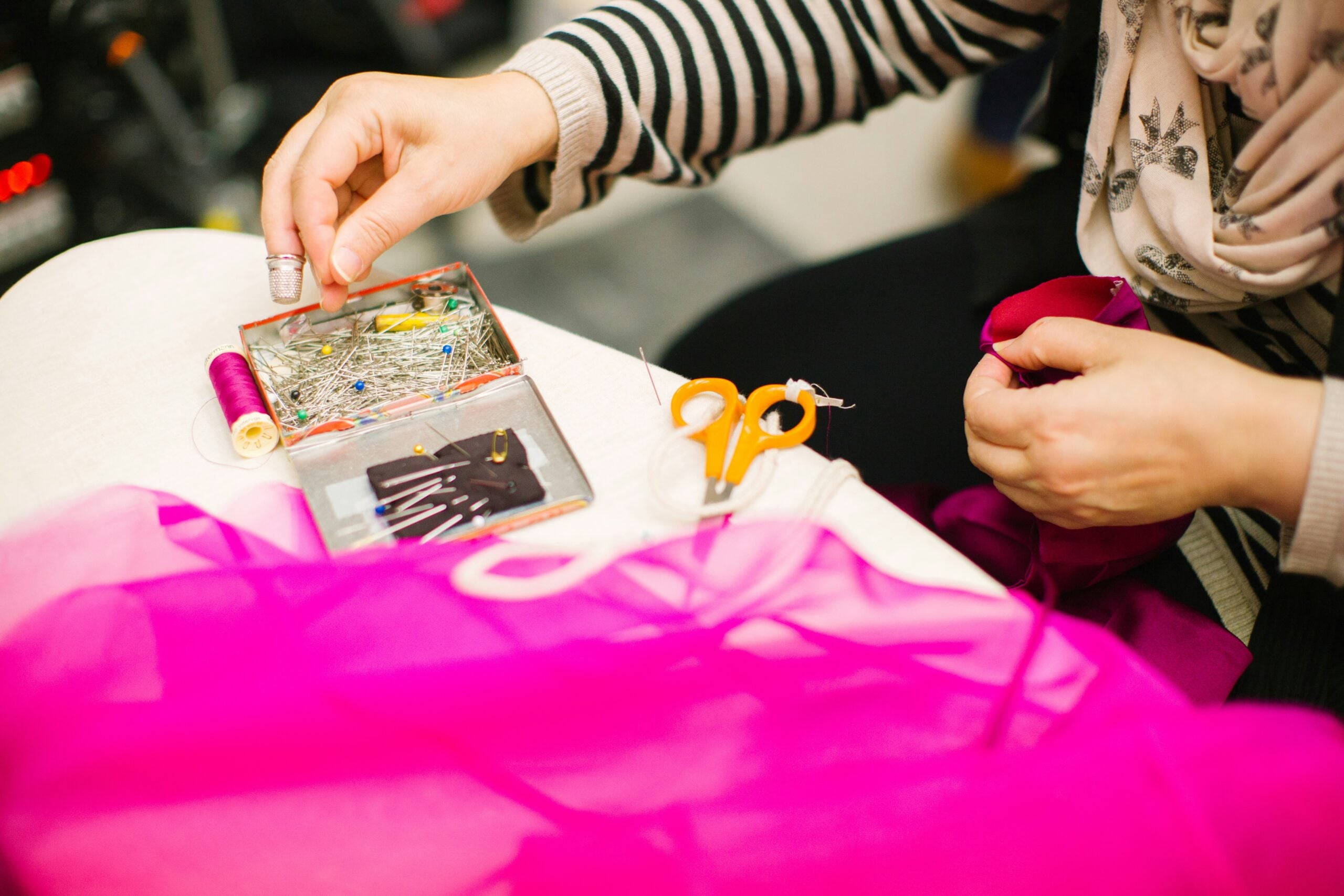
One tradition that is fading away is keeping a sewing kit at home to replace a button or mend a tear, something once considered a household essential. Some homes still have a sewing kit, even if it isn’t used much; there it sits, a tin full of thread, needles, and mystery buttons. At the same time, inexpensive clothing is easier to replace nowadays than it was in the past, making one of these household items less essential for some people.
A Vacuum for Every Kind of Floor
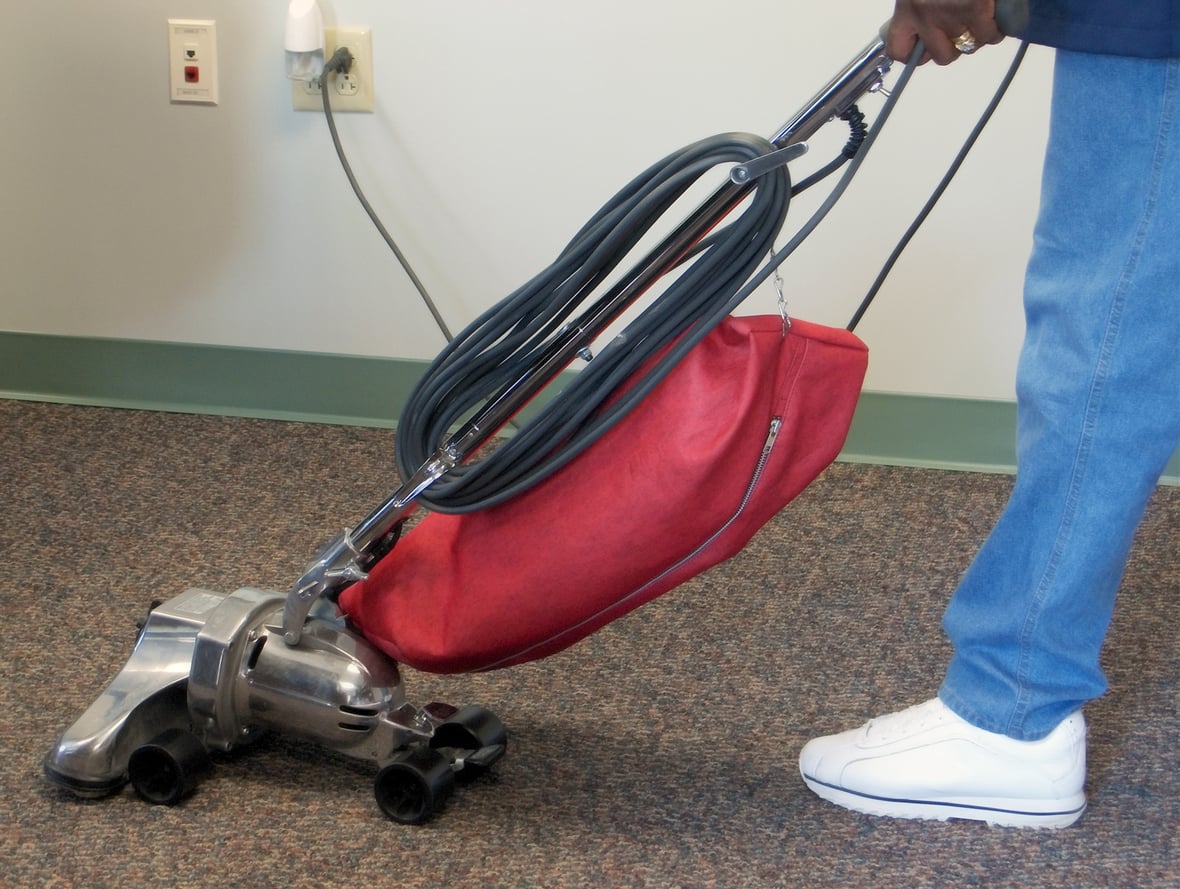
Owning a full-size vacuum was a priority for families a few decades ago, and that habit has carried over to today’s younger generation. At some point while cleaning the house, you will need a vacuum. However, today there are handheld, stick, and robot vacuums available, all of which are smaller, lighter, and easier to use. These compact, cordless household items easily handle the task once performed by that heavier equipment.
A Huge Serving-Platter Collection

People used to gather in larger groups, so hosts needed a collection of large serving platters for the turkey, appetizers, desserts, and side dishes. People still keep these household items in their homes, but they generally use them only for the holidays. It is far more common for them to use casual or disposable serving pieces.
A Ladder

A ladder was once essential for cleaning gutters, changing high light bulbs, painting trim, and performing other basic maintenance tasks, so many households owned one. Nowadays, some of these tasks are performed only occasionally, and other tools are available to make the job easier, meaning one of these household items might sit in storage for months. That is why people often borrow or rent a ladder instead.
A Filing Cabinet
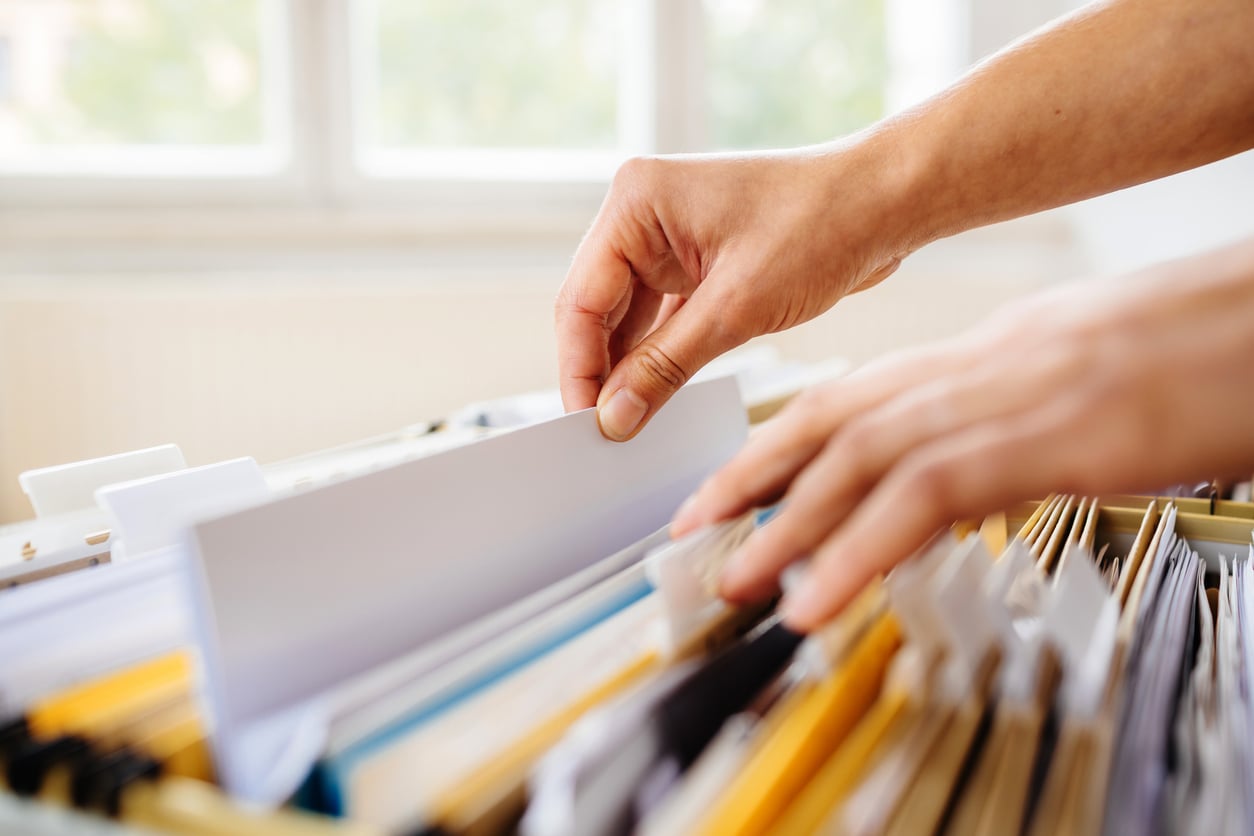
One of the most important elements of a household was the filing cabinet, where relevant documents belonging to the owner, such as tax documents, statements, old warranties, and manuals, were kept, as they could easily pile up. It was an era before digital documents became commonplace, unlike digital financial records, recipes, and manuals that can now be stored electronically, so you had to keep those household items in your possession and in physical storage.
“Good” Towels, Dishes, or Linens Nobody Uses
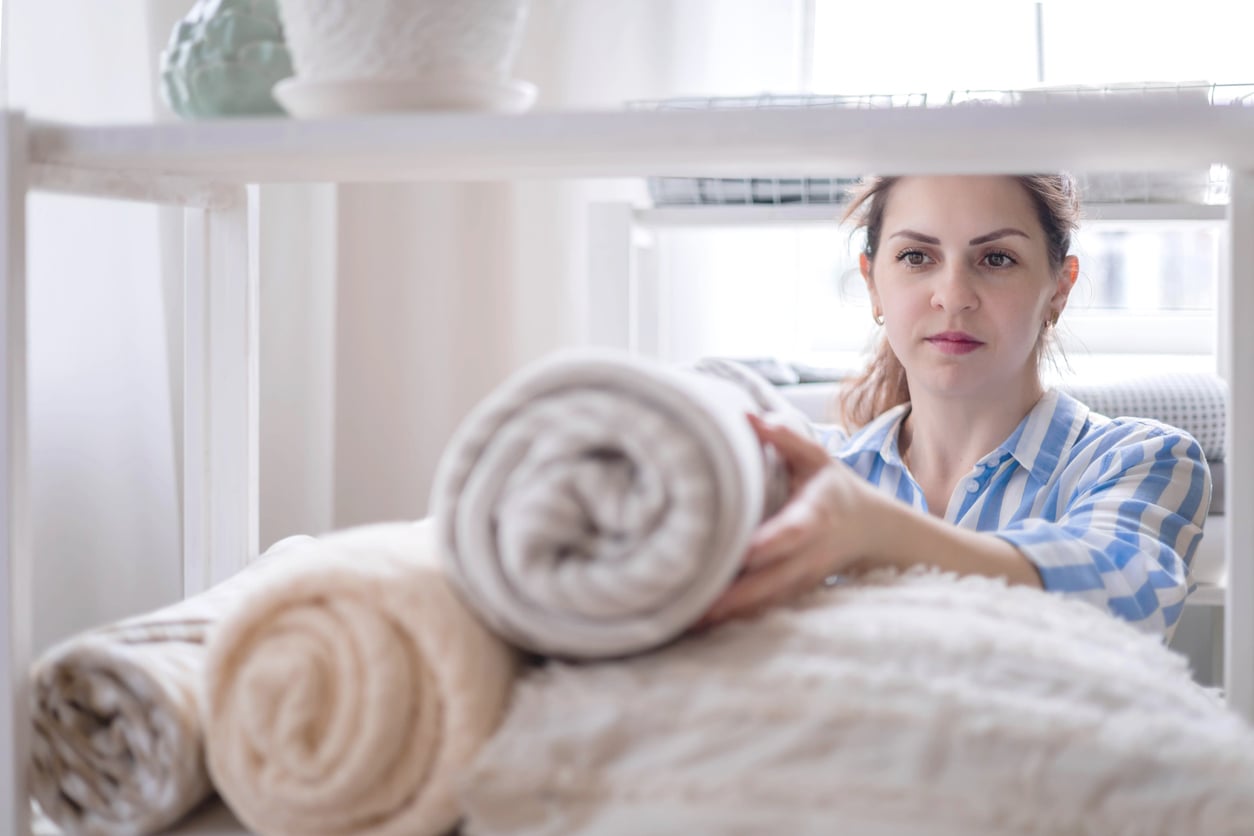
Previous generations kept a “second tier” of household goods, ranging from towels and dishes to linens, reserved for guests and rarely used. These items were considered too fine for everyday use, so they only made an appearance on special occasions. The difference today is that people prefer to use their best household items rather than keeping them stored away indefinitely.
Conclusion
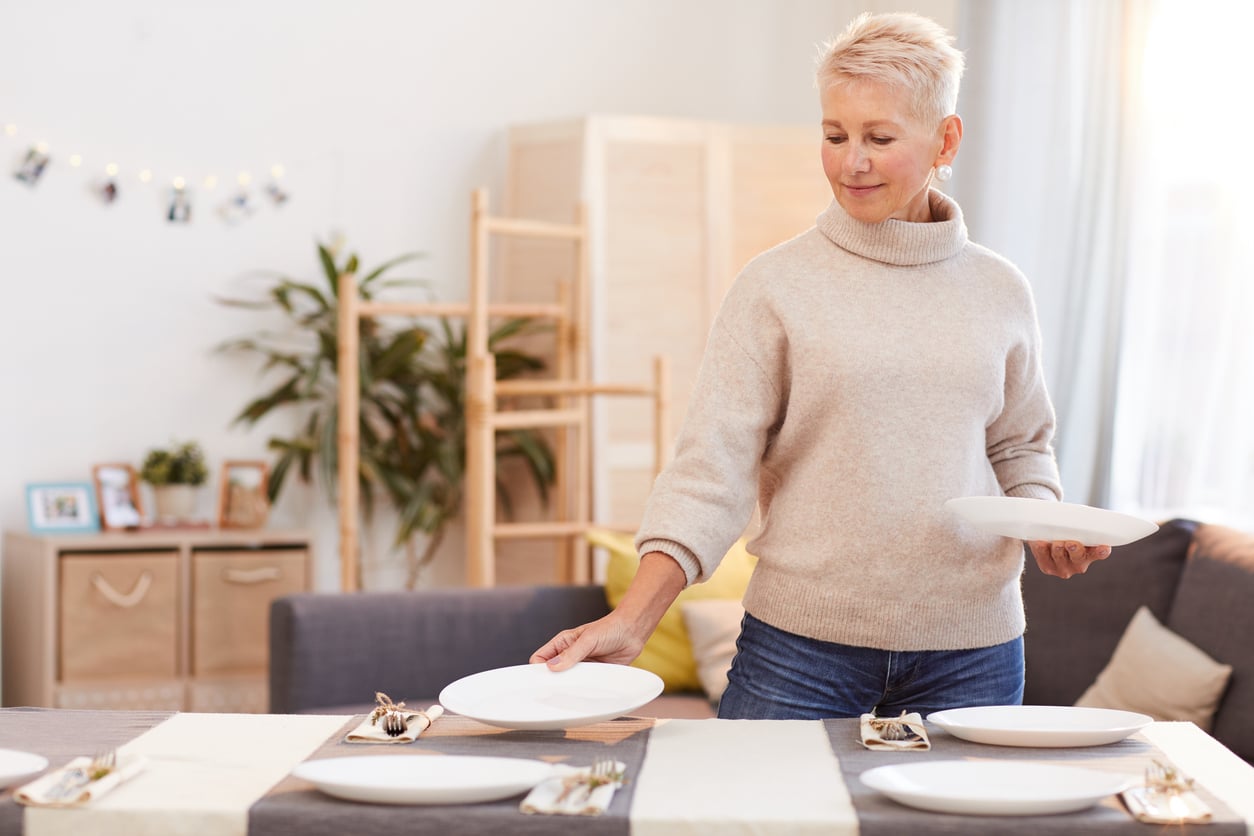
Many of these household items are no longer actually used, or newer, more convenient appliances and alternatives have since become available, so they often remain in the home simply out of habit. Factors working against them include the automation of certain tasks and the fact that they take up a great deal of space. Finally, in a tight economy, people consider whether a purchased item will truly be used throughout the year.