Theme park hacks can make an expensive day feel a lot more manageable. Between tickets, parking, food, and paid line-skipping options, the costs can climb fast, but smart planning can help visitors get more for their money. The Disney Parks Blog regularly shares updates on new attractions, park changes, and planning tips, but experienced visitors know that a little preparation goes even further. A few simple choices before and during your trip can mean shorter lines, fewer impulse purchases, and a much better overall experience.
Buy Tickets From Authorized Discount Sellers

Buying at the front gate is usually the least flexible option. Before paying full price, compare the park’s own website with authorized ticket sellers, travel clubs, warehouse clubs, employer perks, and vacation packages. Undercover Tourist is one commonly used authorized seller for Disney and Universal trips, though discounts are often modest. The savings matter more when you are buying four or five tickets. Avoid random resale sites, marketplace listings, or “too good to be true” tickets.
Visit Midweek When You Can
A Tuesday, Wednesday, or Thursday visit will not magically make a park empty, but it can help. Travel planners often point to weekdays outside school breaks and major holidays as better bets for lower crowds, and lower demand can also help with hotel rates. This is especially useful for retirees, grandparents, and families who are not locked into school calendars. The catch is that some regional parks have shorter hours or fewer shows on slower days, so compare hours before booking.
Compare One-Day Tickets With Multi-Day Tickets or Passes
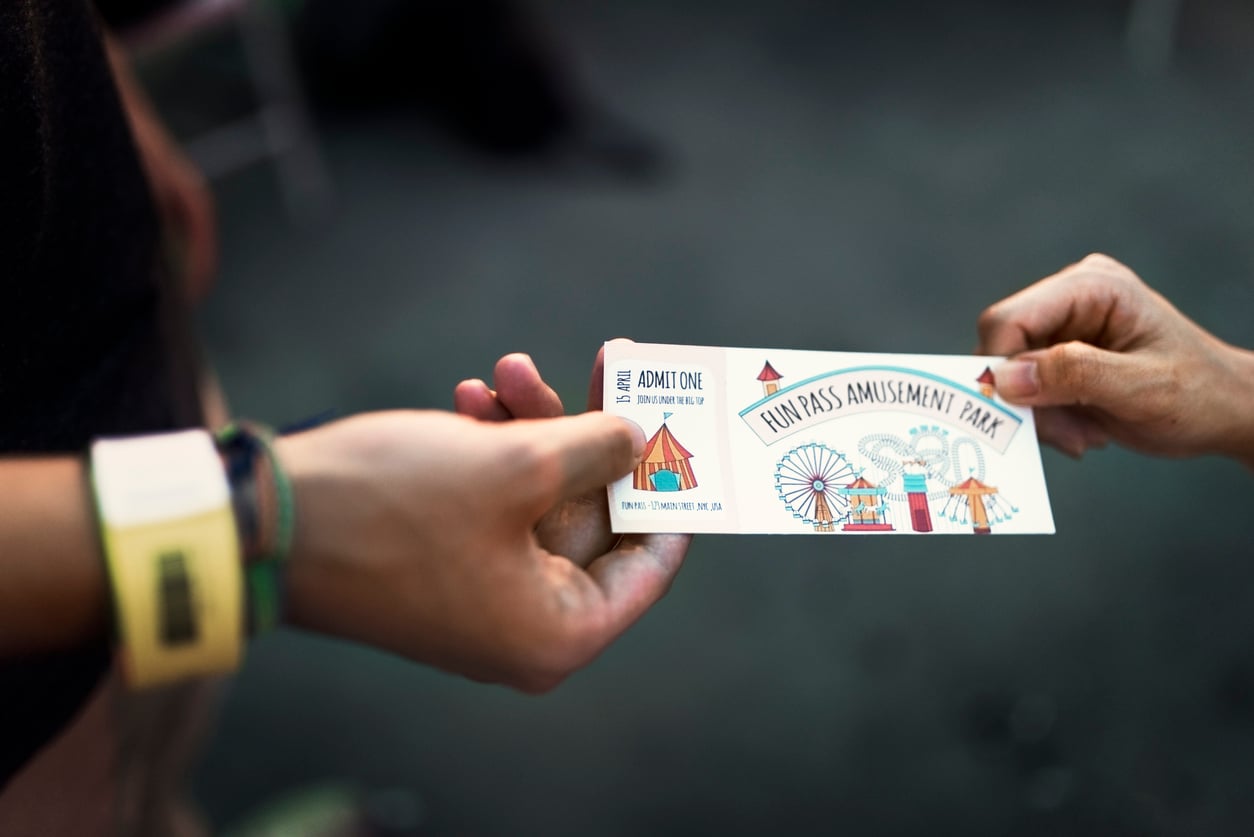
Do the math before assuming a one-day ticket is the bargain. At many parks, the per-day price drops when you add extra days, and a seasonal pass can sometimes make sense if you will visit twice, need parking, or want food and merchandise discounts. This is not always the right move for out-of-towners, especially if blackout dates apply. Still, for grandparents taking local grandkids or families near a regional park, a pass can beat buying separate tickets every time.
Price the Whole Hotel Package, Not Just the Room
A cheaper hotel is not always cheaper once parking, transportation, early entry, and ride perks are included. Universal Orlando hotels, for example, can include early park admission, complimentary transportation, and at some premium hotels, Universal Express Unlimited. Walt Disney World also has hotel-based park benefits, but Disneyland replaced its hotel early-entry perk with a different Lightning Lane benefit starting Jan. 5, 2026. Compare the full package before choosing.
Arrive Before Opening
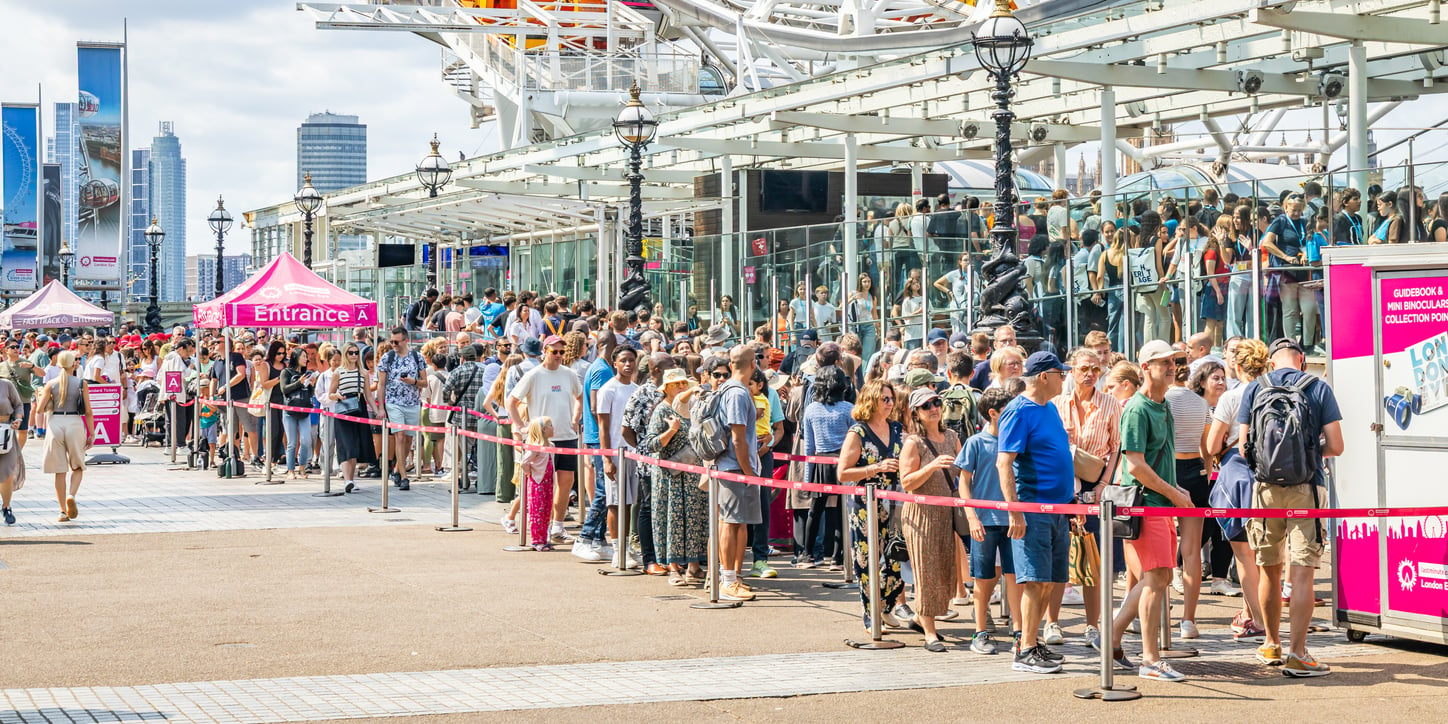
Old-school visitors call it “rope drop,” and it still works. Getting to the parking lot or security area 30 to 45 minutes before opening can make the first hour feel like a bonus day. You may knock out a headline ride before wait times swell. This is especially useful for people who do not want to buy paid line-skipping passes. The downside is obvious: it makes for an early morning, so do not pair it with a midnight bedtime.
Trending on Cheapism

Download the Official Park App Before You Go
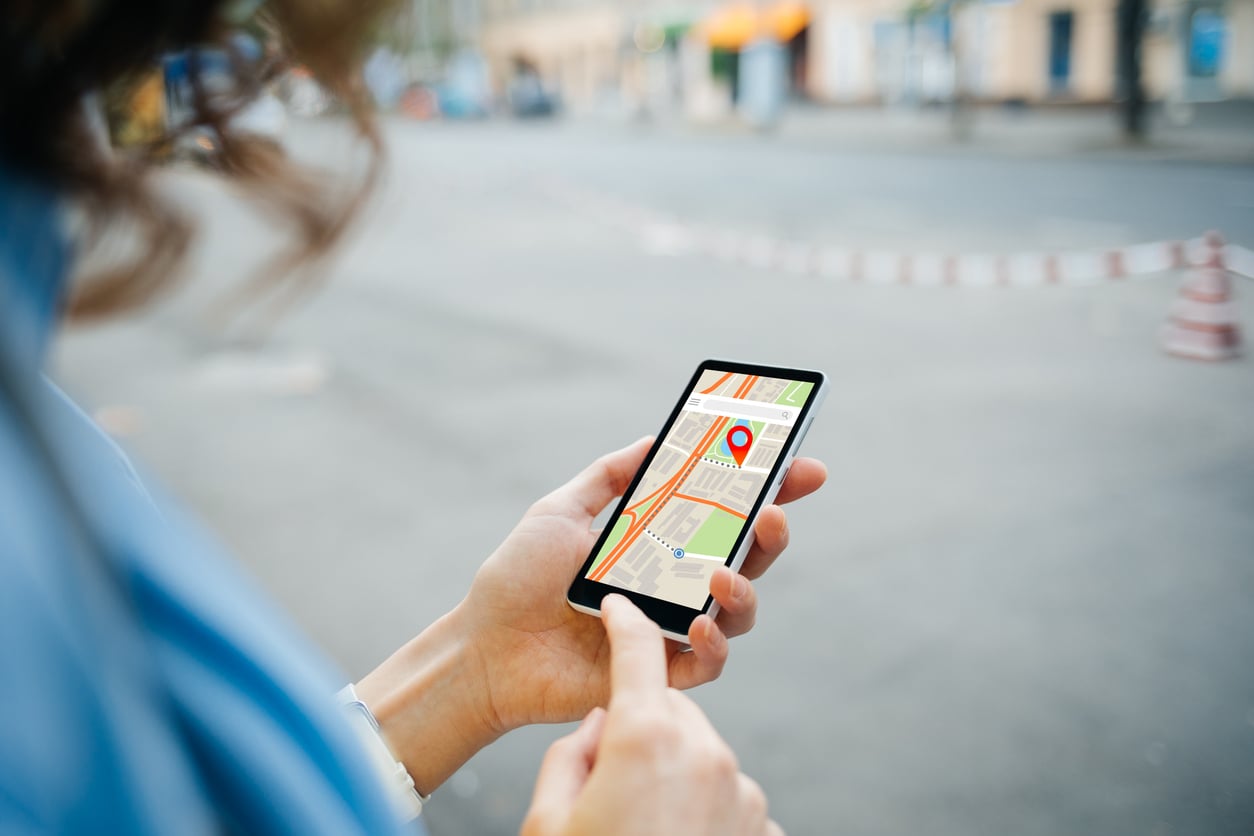
Do not wait until you are standing in the sun with a low battery to learn the app. Disney, Universal, Six Flags, Cedar Point, and other parks increasingly use apps for maps, wait times, food ordering, ride alerts, showtimes, tickets, and payment features. Spend 20 minutes with the app before the trip. Save your tickets, turn on useful alerts, and learn where bathrooms, first aid, lockers, and quiet seating areas are.
Do Not Buy Express Passes Until You Know You Need Them
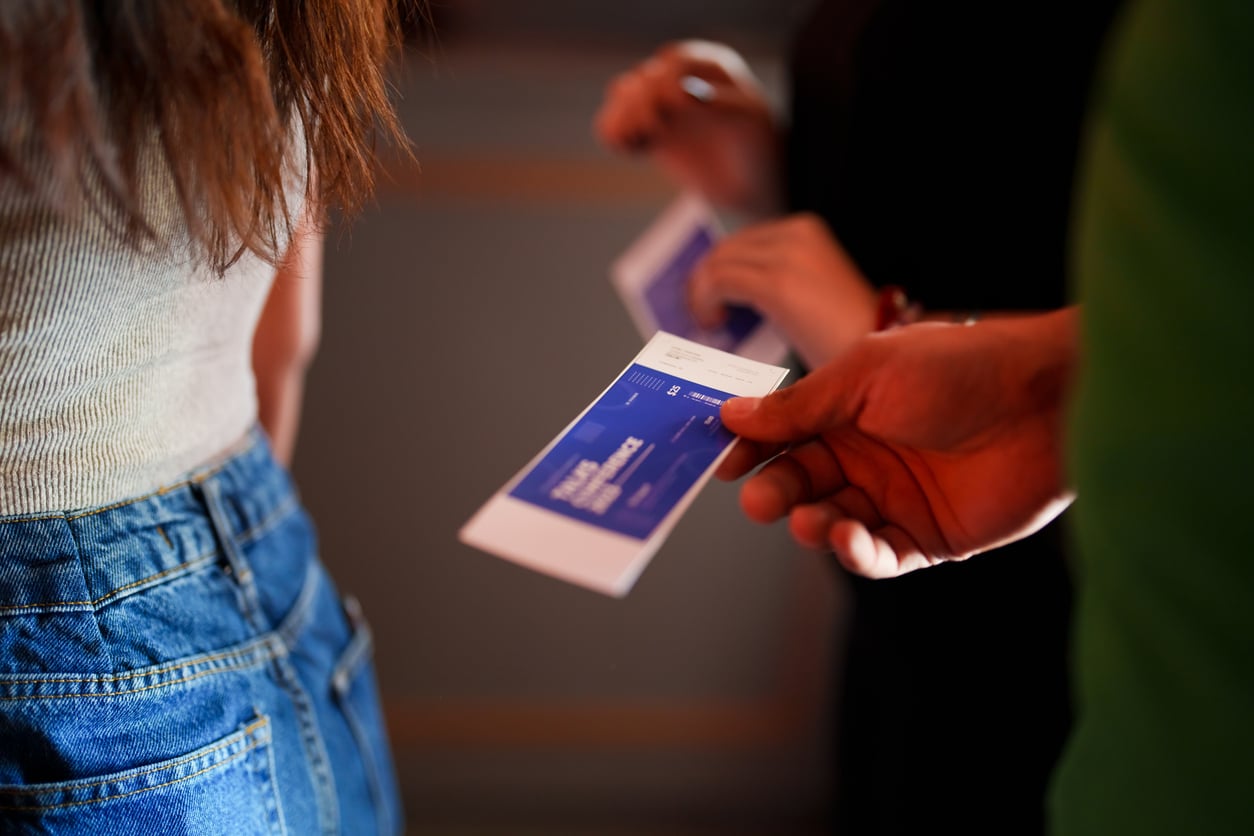
Paid line-skipping can be worth it on crowded days, but it can also be an expensive panic purchase. Universal Express, Disney Lightning Lane, Six Flags Fast Lane, and similar products vary by date, ride, and park. Disney’s Premier Pass has carried very high prices, while other passes require return windows or exclude certain rides. Check crowd calendars first, then decide whether the upgrade is worth it for your group.
Eat Lunch Before Noon or After 2
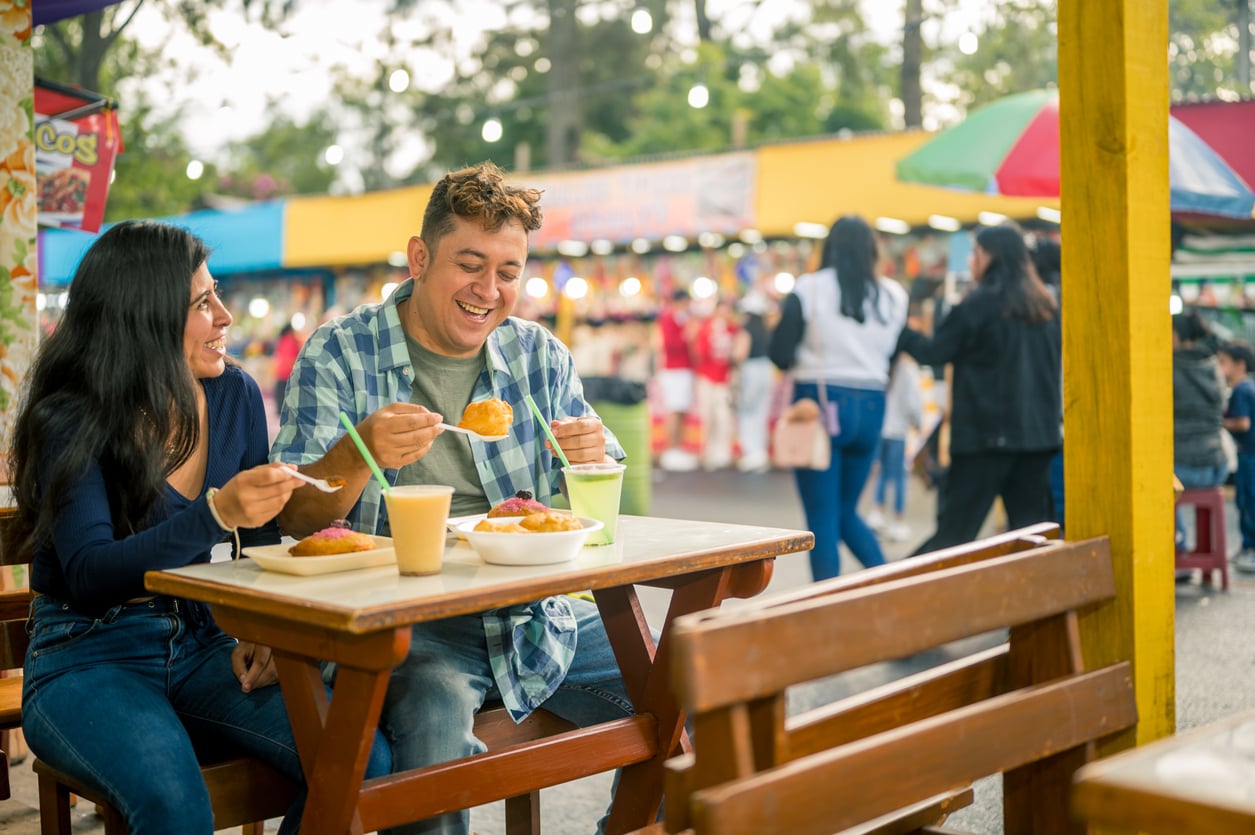
Theme park restaurants get slammed at normal lunch hour. Eating at 11 a.m. or waiting until after 2 p.m. can mean shorter food lines, easier seating, and less crankiness. It also lets you ride while other people are hunting for chicken tenders. Mobile order helps, but only if you place the order before everyone else has the same idea. For older visitors, this is also a good way to sit down before the hottest part of the day.
Sign up for our newsletter
Bring a Refillable Water Bottle

Buying bottled drinks all day adds up fast, especially in Florida or California heat. A refillable bottle is one of the simplest theme park hacks because it saves money and keeps people from getting worn down. Disney World allows outside food and nonalcoholic drinks within its rules, and many parks have bottle-filling stations or quick-service counters where guests can get water. Check the park’s current bag and container policy before packing.
Pack Small Snacks
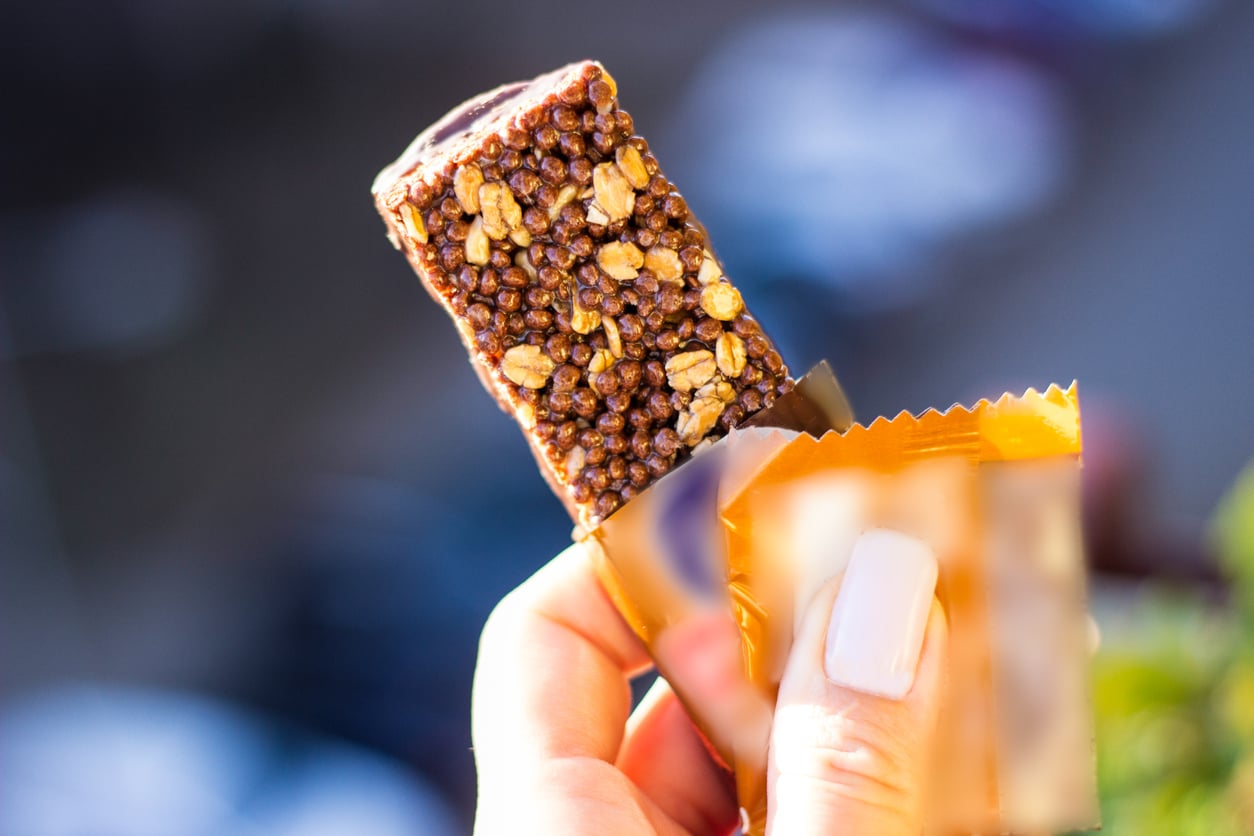
A few granola bars, crackers, apples, or trail mix can prevent a $60 snack stop. This is especially helpful if you are visiting with grandkids, managing blood sugar, or waiting in a long line when hunger hits. Parks vary on outside-food rules, so keep snacks simple and avoid large coolers unless allowed. This will not replace a meal, but it can cut impulse buys and keep everyone pleasant between rides.
Bring a Portable Charger and Payment Backup
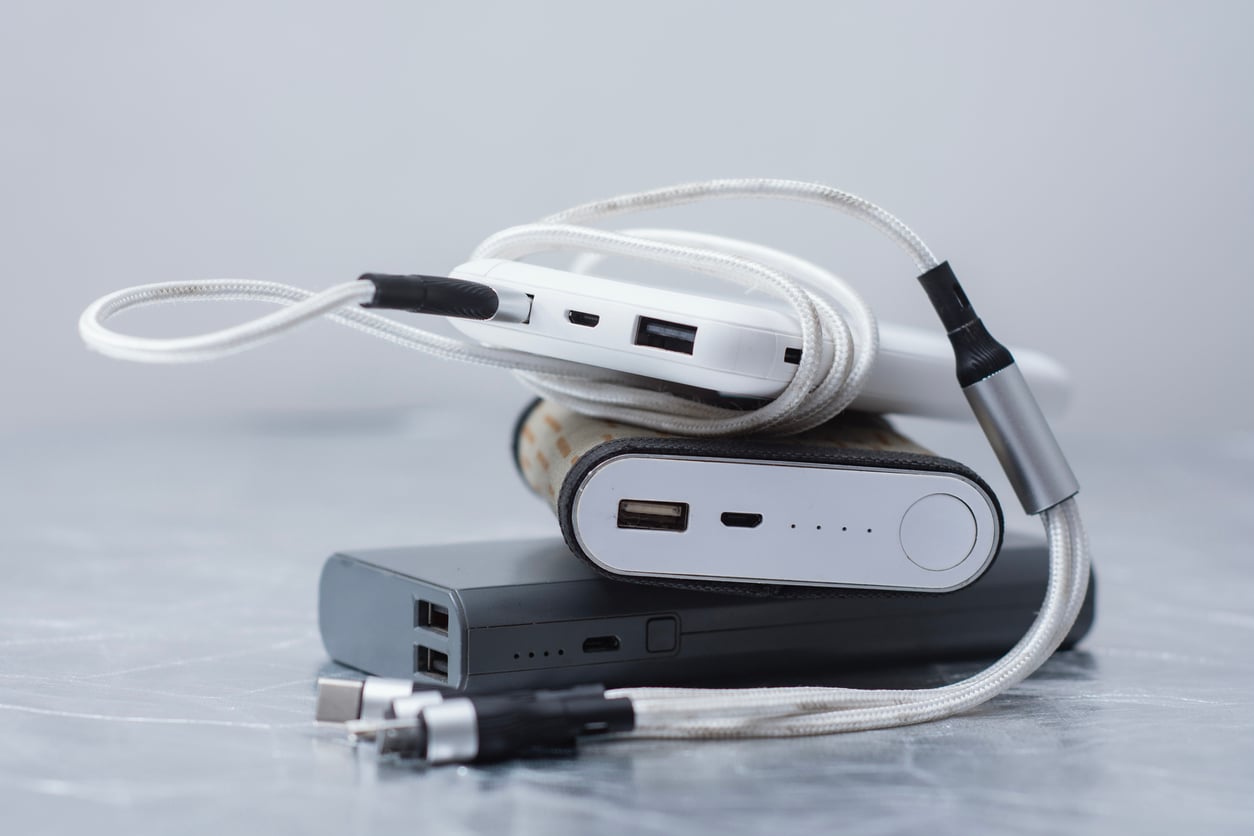
A dead phone can now mean lost tickets, maps, mobile orders, ride photos, and payment options. Bring a small portable charger and a charging cord. Also carry a backup credit card or park gift card, because more parks and vendors are moving toward cashless payment. Disneyland began testing cashless payment at some outdoor food carts in 2026, and Universal’s Volcano Bay also moved to cashless payments with kiosks for converting cash to prepaid cards.
Use Rider Switch With Small Children

Rider Switch is easy to miss if you have not used it before. At participating attractions, adults can take turns riding when someone in the party cannot or does not want to ride, without making both adults wait through the full line twice. This is useful for parents and grandparents traveling with small children. Ask a staff member before entering the queue, because each park and ride may handle the process differently.
Ride Popular Attractions During Parades or Fireworks
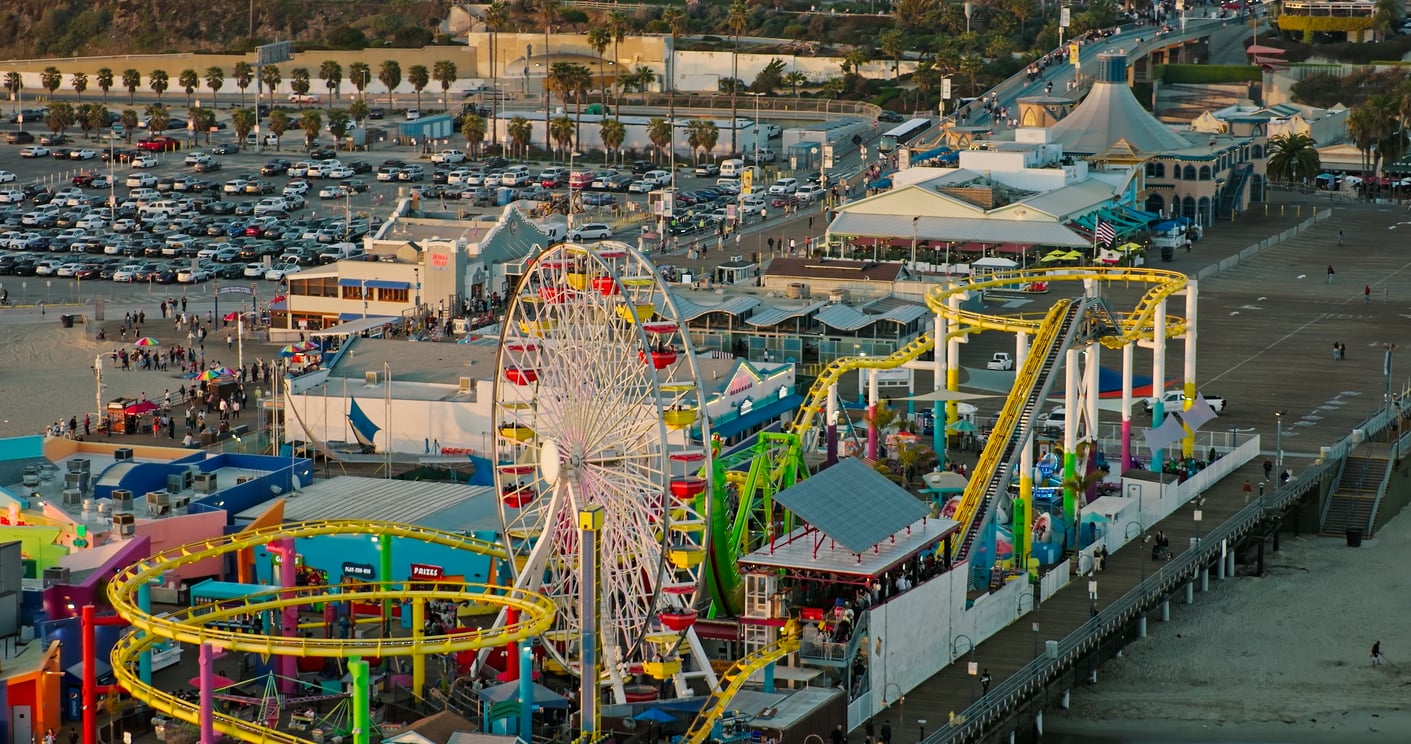
If you have already seen the parade or nighttime show, use that window for rides. A lot of guests move toward the entertainment route or fireworks viewing areas, which can soften ride waits elsewhere. This works best for repeat visitors or people who care more about rides than shows. First-timers may not want to skip a classic fireworks show, so treat this as a trade-off, not a rule.
Take an Afternoon Break If You Are Staying Nearby

Mid-afternoon is often when crowds, heat, and tired feet all peak at once. If your hotel is nearby, leaving for a swim, nap, shower, or quiet meal can make the evening much better. This is especially useful for multi-day trips and older visitors who do not want to grind through 12 straight hours. The downside is transportation time, so it works best when you are staying close or have easy parking access.
Watch Wait Times and Change the Plan

A printed plan is helpful until the park changes. Rides break down, shows pull crowds away, storms clear outdoor queues, and wait times move all day. Use the app to watch patterns instead of marching across the park just because the schedule says so. This is one of the easiest no-cost theme park hacks: pick the shortest nearby line, save energy, and stop zigzagging. Less walking often means a better day.
End the Day With a Headliner
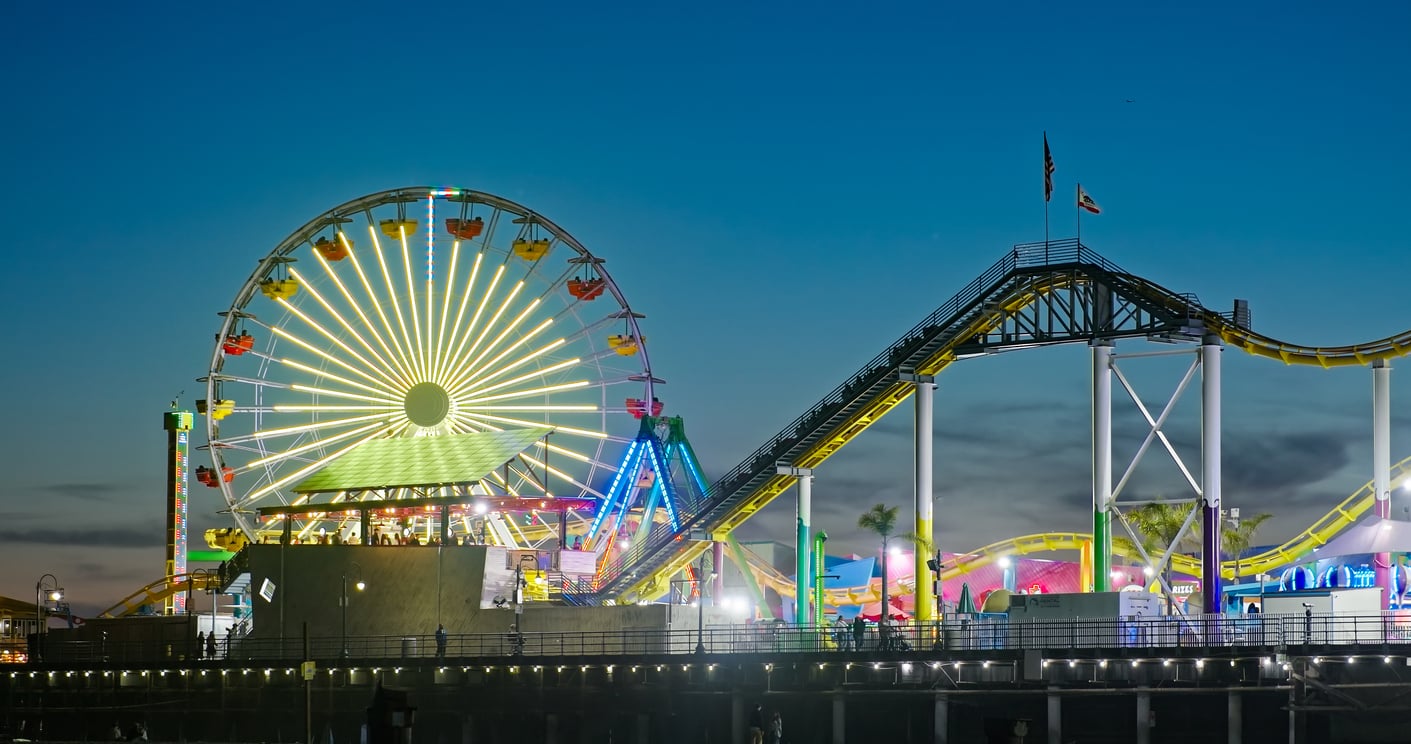
If you still have energy, save one major ride for the final stretch. Many guests drift toward shops, exits, or fireworks near closing, and some parks allow guests already in line before official closing to ride. This can turn the longest wait of the day into a more manageable one. Do not try this with a must-do ride that often closes early or has weather issues, but it can be a great last move.