For many baby boomers, the problem with prices in 2026 isn’t simply that everything costs more. It’s that plenty of things boomers shouldn’t buy — or at least might want to think twice about buying — now come with prices that can make even longtime customers question whether they’re still worth it.
That calculation can matter even more for retirees and people approaching retirement. AARP’s 2026 Financial Security Trends Survey found that 60% of Americans 50 and older worry about having enough money to last through retirement, while 69% say prices are rising faster than their income. Even some older Americans with relatively comfortable incomes are feeling the squeeze: 20% of those with household incomes of $75,000 or more reported feeling financially insecure.
Here are 20 purchases that may deserve a second look in 2026, along with alternatives that can deliver much of the same enjoyment for less.
Brand-New Cars

That new-car smell comes at a steep price these days. Kelley Blue Book put the average transaction price for a new vehicle at $49,758 in June 2026 — uncomfortably close to $50,000. For retirees who no longer have a daily commute, spending that much on a vehicle that may spend plenty of time parked can be particularly hard to justify.
If your current car is reliable and paid off, keeping it for a few more years could leave a lot more money in your pocket. Another option is buying a two- or three-year-old vehicle and letting its first owner take the biggest depreciation hit. Downsizing from a large SUV or truck can also make sense for drivers whose transportation needs have changed in retirement.
Big Arena Concert Tickets
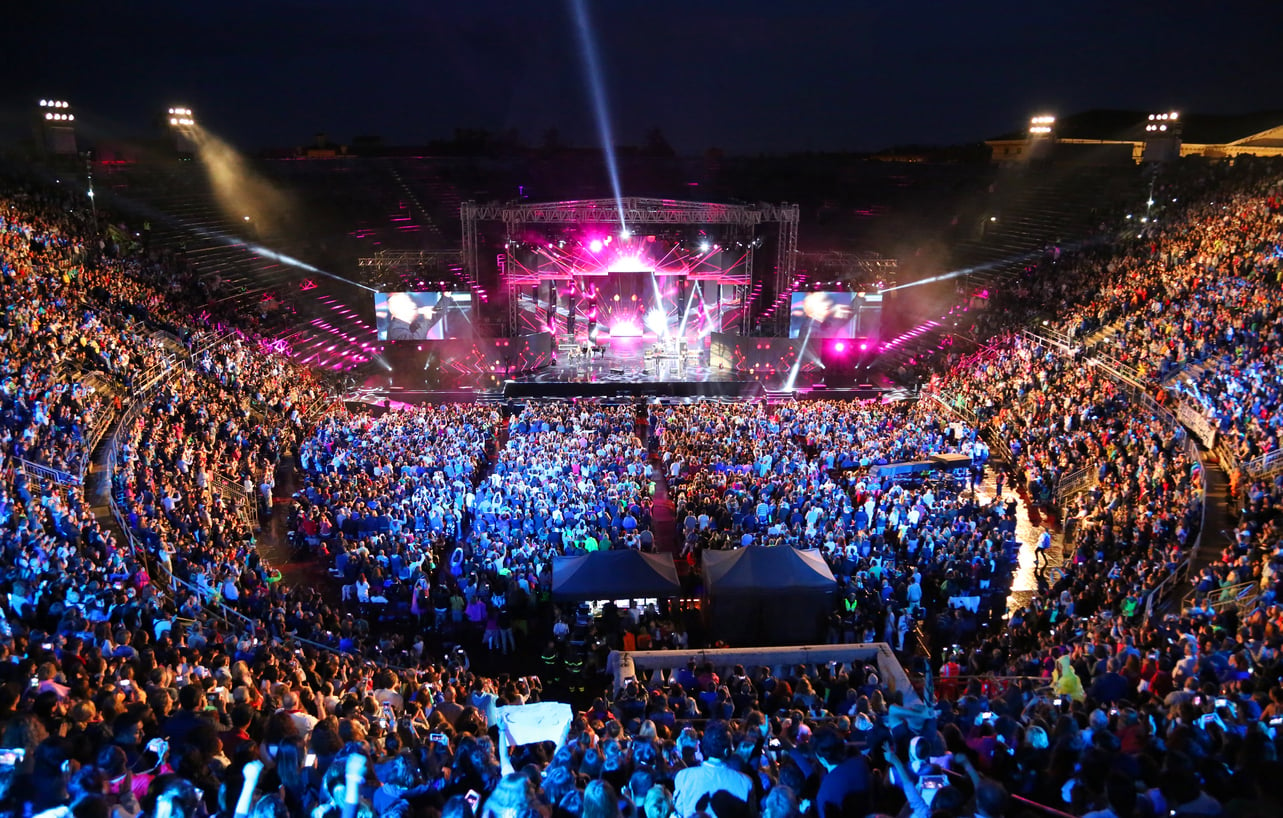
Seeing the bands you grew up with can be a great way to spend an evening — but nostalgia isn’t cheap. Pollstar reported that the average ticket price for the top 100 North American tours reached $136.45 in 2024. In 2025, it remained lofty at $134.23. And some legacy acts command far more: The Rolling Stones’ 2024 tour had an average ticket price of $277.28.
That’s before parking, dinner, drinks, merchandise, and other expenses turn two tickets into a seriously expensive night out. Smaller theaters, county fairs, casinos, and local venues can offer live music without arena prices. Another strategy is simply making the big show a once-a-year splurge rather than a regular habit.
Dinner at a Steakhouse Every Few Weeks
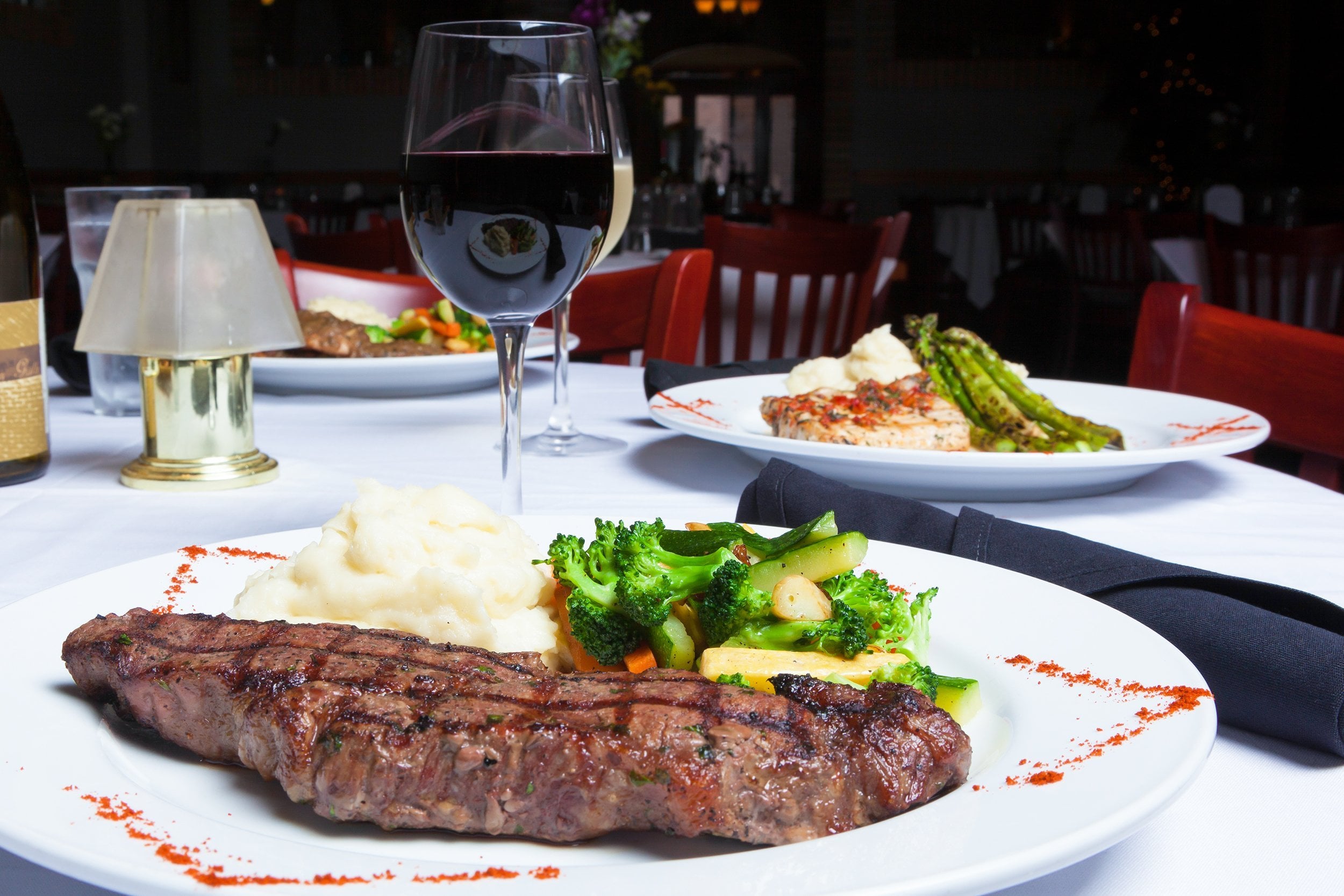
A nice steak dinner isn’t going anywhere, but treating one as an ordinary Friday-night expense is getting harder. According to the Bureau of Labor Statistics, food-away-from-home prices rose 3.4% from June 2025 to June 2026, while prices for full-service meals climbed 3.7%.
Add appetizers, cocktails, dessert, tax, and tip, and dinner for two can quickly become a triple-digit expense. Buying good steaks from Costco or a local butcher and cooking them at home offers much of the indulgence for less. When you do want to eat out, lunch specials and saving the steakhouse for birthdays or anniversaries can help keep the experience special without making the bill a regular occurrence.
Traditional Cable TV
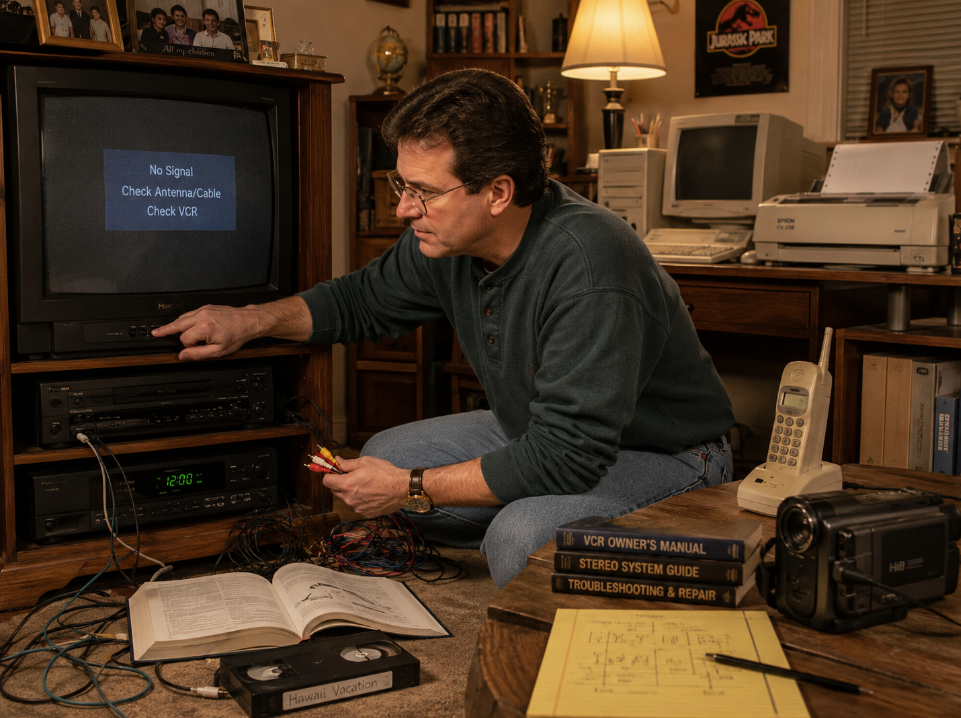
Paying for a giant bundle of channels made more sense when cable was one of the only ways to get premium programming, news, and live sports. That world has changed dramatically. Nielsen reported that streaming accounted for 44.8% of U.S. television viewing in May 2025, surpassing broadcast and cable combined for the first time.
If you’re routinely skipping past dozens of channels, it may be time to run the numbers. An antenna for local broadcasts paired with one or two streaming subscriptions may cover most viewing needs for less. Rotating services — subscribing for a few months, watching what you want, then canceling — can also prevent a supposedly cheaper streaming setup from turning into cable 2.0.
A New RV
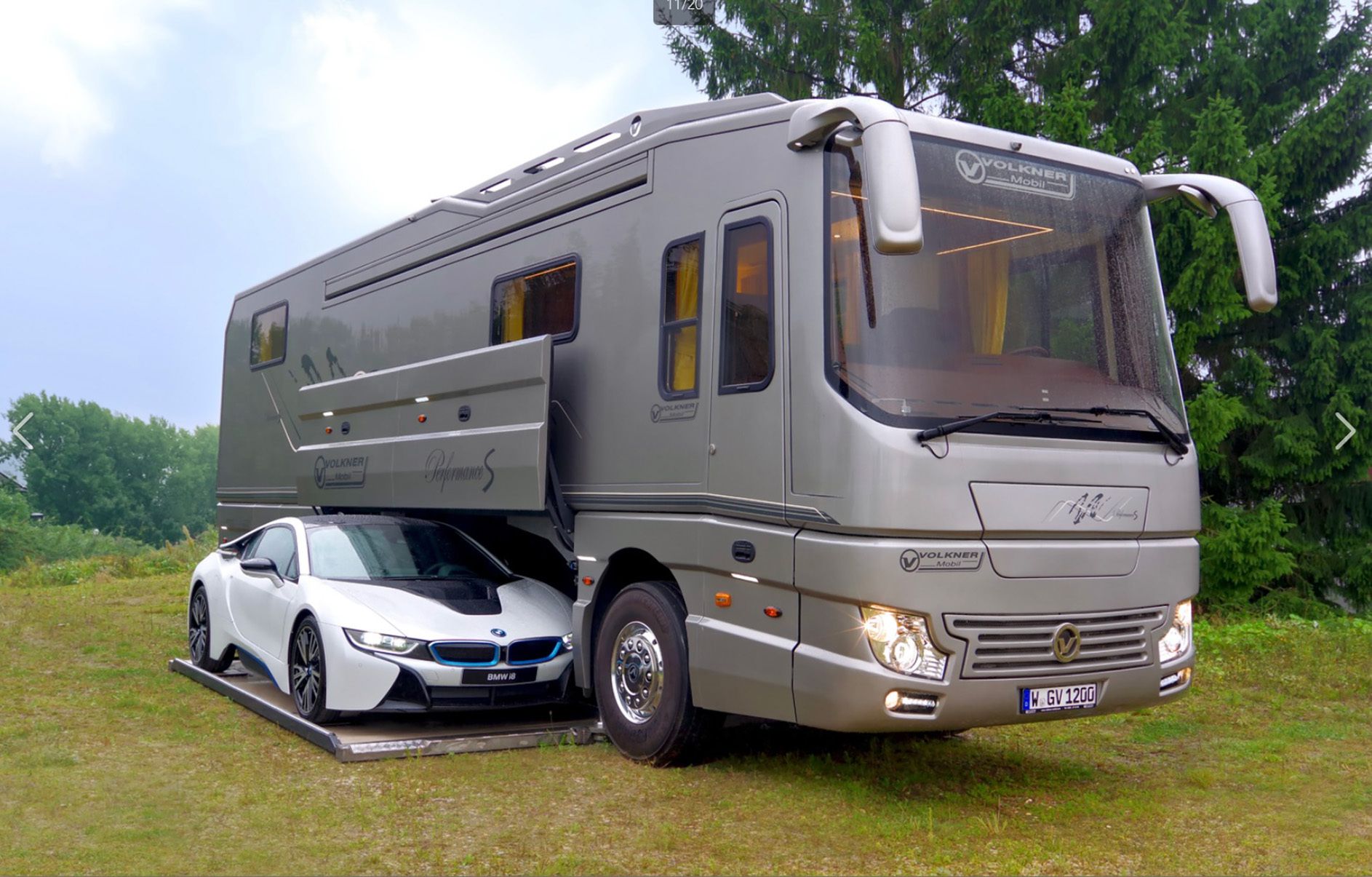
Buying an RV and hitting the open road remains a classic retirement dream. But buying the rig is only the first expense. Insurance, maintenance, storage, campground fees, fuel, repairs, tires, and depreciation all continue whether you’re traveling every month or taking only a couple of trips per year.
Depreciation is especially worth considering when buying new. Progressive notes that new RVs typically lose the most value during their first year and continue depreciating quickly through about age five. For occasional travelers, renting an RV when the urge for a road trip strikes may make more financial sense. Buying used — or skipping RV ownership altogether and staying in cabins, state park lodges, and inexpensive hotels — can deliver the road-trip experience without committing to another vehicle that needs year-round care.
Trending on Cheapism

Premium Movie Nights
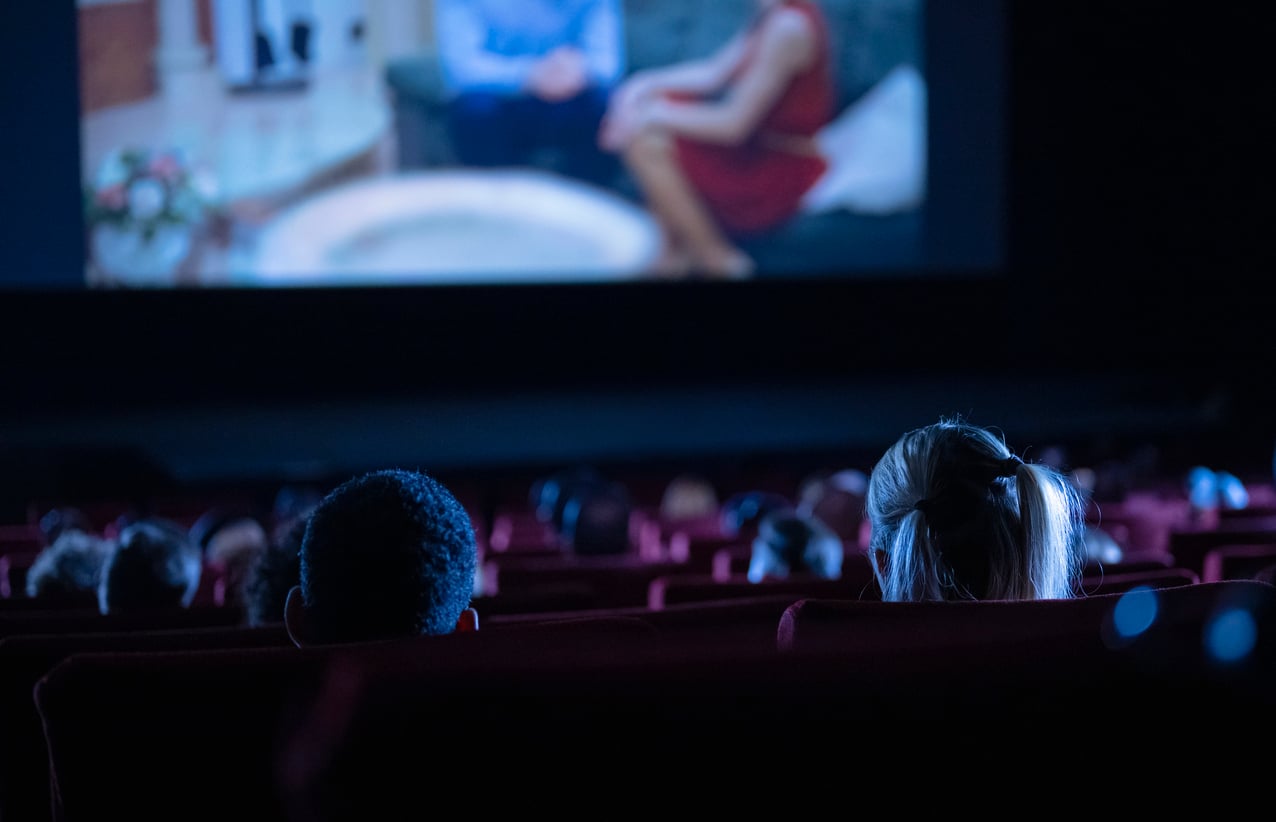
Going to the movies can still be a relatively affordable night out — until you start adding upgrades. Premium-format tickets can run as high as $30, compared with an average ticket price of about $12.75. Add popcorn, drinks, parking, and a second ticket, and suddenly you’re spending serious money to watch a two-hour movie.
Fortunately, movie theaters offer plenty of ways to pay less. Senior matinees and discount Tuesdays can dramatically reduce the price, while local independent theaters may offer a less expensive experience. And if a particular movie isn’t begging to be seen on a giant screen, waiting for streaming can turn a $60-plus outing into a night on the couch.
Season Tickets to Professional Sports
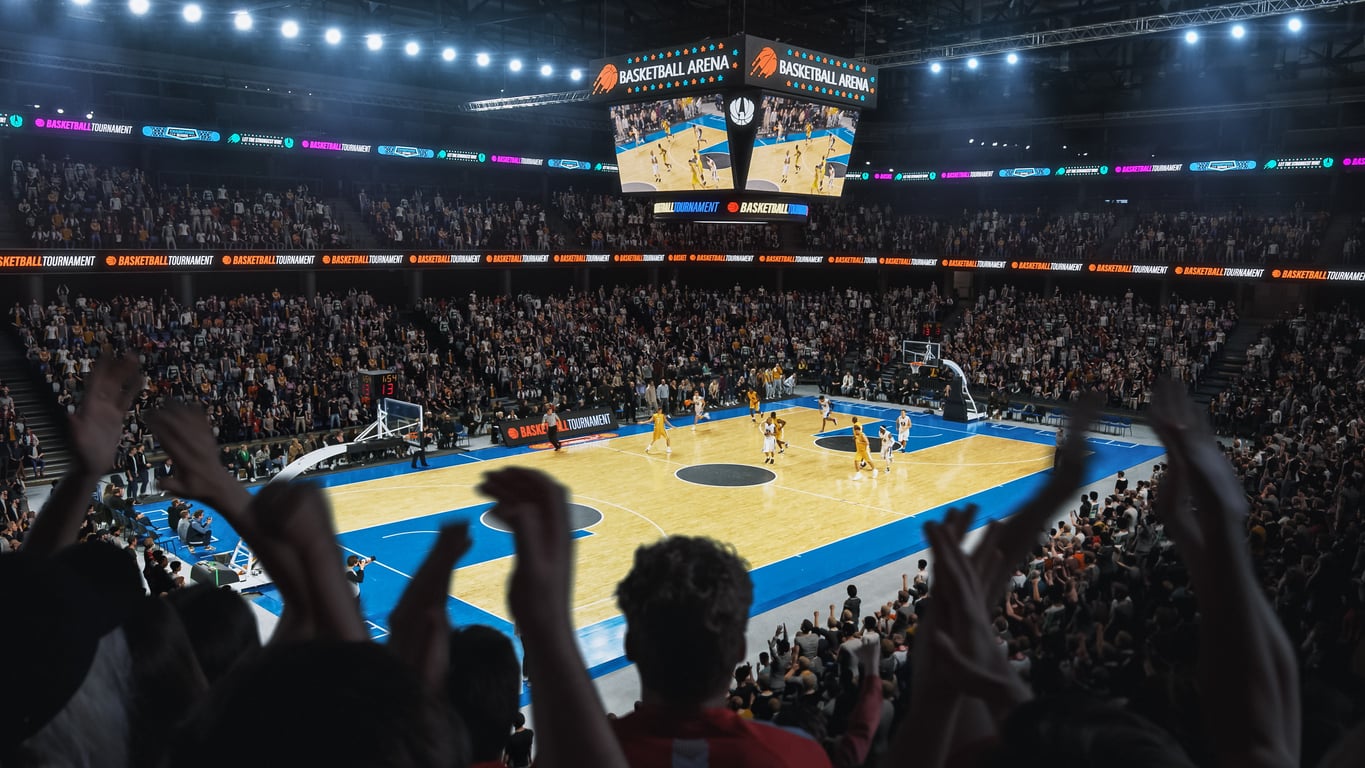
Being a die-hard fan doesn’t mean you have to attend every home game. Season tickets commit you to a large upfront expense before you’ve paid for parking, food, drinks, transportation, and any other game-day costs.
Instead, consider picking a handful of games you really want to see and shopping for individual tickets. Weekday games and matchups against less popular opponents can be cheaper, while minor-league and college sports can provide plenty of live action without major-league prices. You may discover that attending five games you really care about is more enjoyable — and certainly cheaper — than feeling obligated to use 40 tickets because you’ve already paid for them.
Expensive Golf Resort Rounds
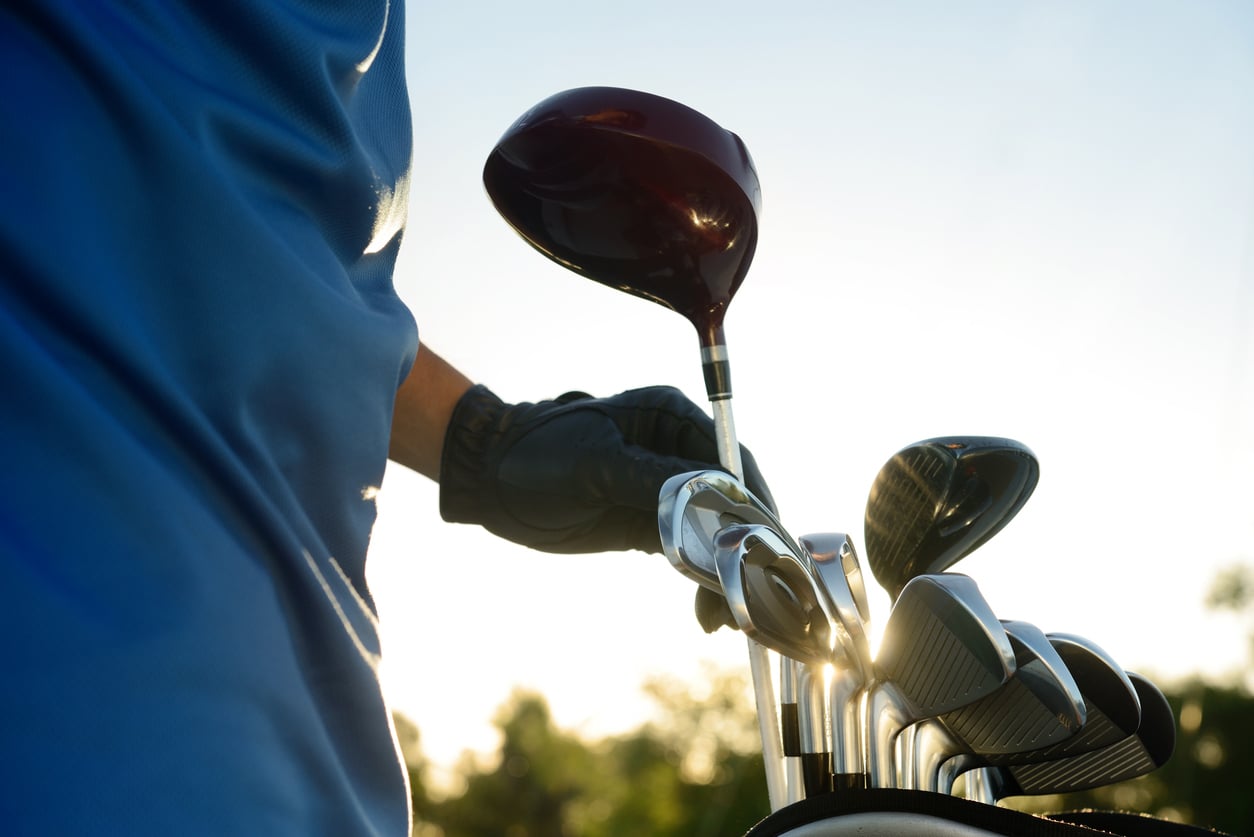
Golf doesn’t have to be outrageously expensive, but destination golf certainly can be. A round at Pebble Beach Golf Links costs $695 during the 2026-27 rate period. For non-resort guests, that’s before the $60 cart fee. Club rentals cost another $120 plus tax, and a single-bag caddie costs $175.
For golfers who care more about playing than bragging about where they played, municipal and county courses can offer considerably better value. Twilight tee times can reduce costs further. A senior or annual pass at a favorite public course might provide an entire season of golf for what a destination golf weekend costs.
Sign up for our newsletter
Giant Boats for Occasional Weekend Use
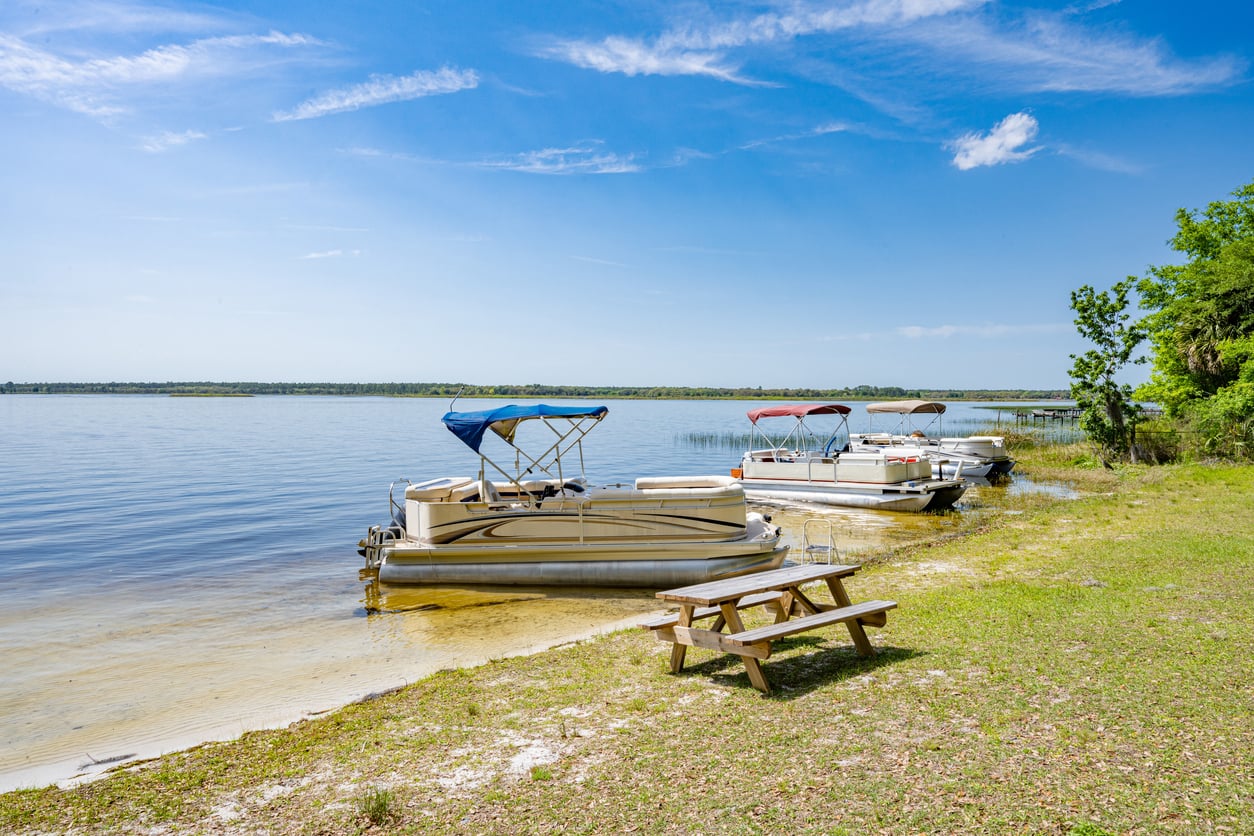
Buying a boat is only your admission ticket to the world of boat expenses. There’s also the marina slip, insurance, registration, fuel, maintenance, cleaning, repairs, winter storage in colder climates, and depreciation.
Those expenses can be difficult to justify if the boat leaves the dock only a few weekends each summer. Renting a pontoon or fishing boat when you actually want one eliminates most of the year-round expenses. Boat clubs are another possibility for people who want regular access without sole responsibility for maintaining a vessel. Sharing ownership with relatives or friends can work, too, provided everyone agrees in advance about scheduling, expenses, maintenance, and repairs.
Weeklong Cruises Loaded With Extras
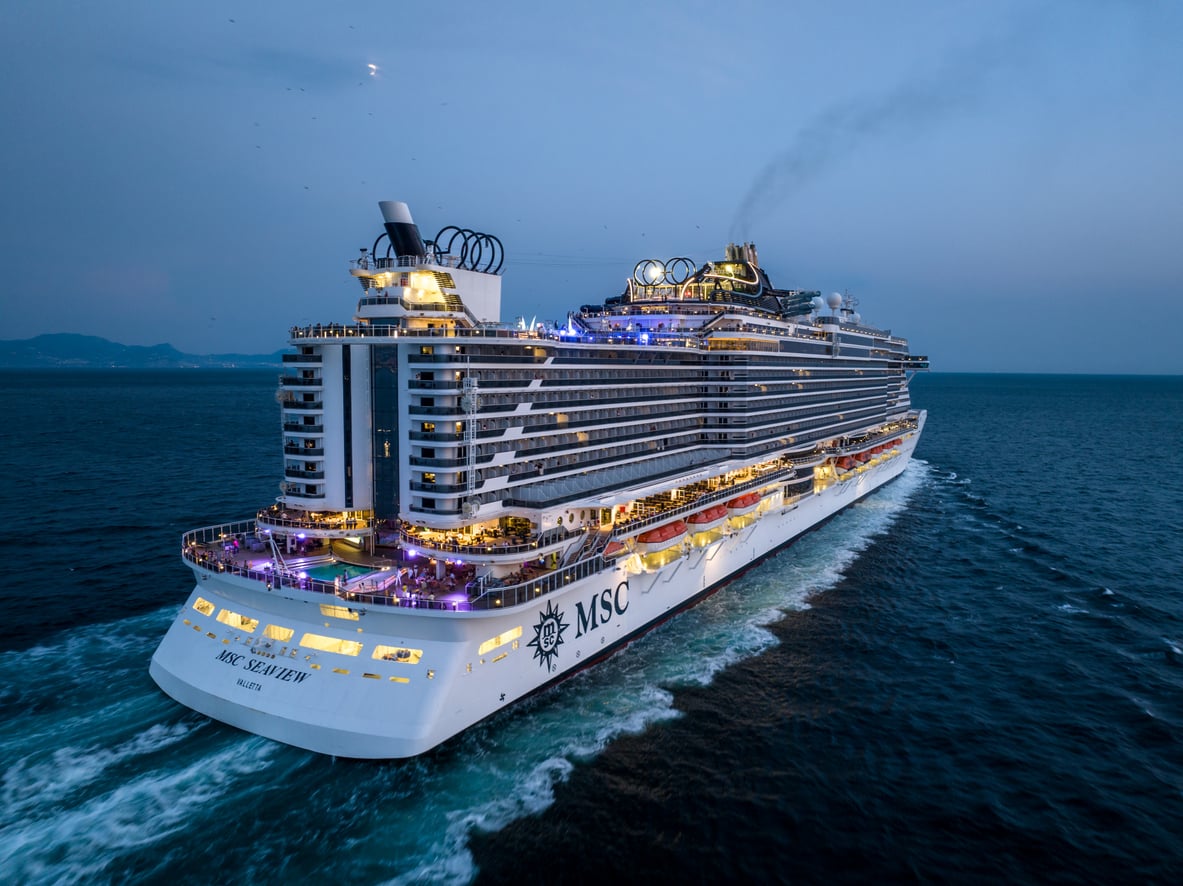
A cruise fare can look like an incredible deal until you start clicking “add.” Wi-Fi, drink packages, gratuities, specialty restaurants, excursions, airfare, pre-cruise hotels, and parking can push the real vacation cost far above the advertised cabin rate.
That doesn’t mean cruisers have to stay home. Look at older ships, less fashionable itineraries, repositioning cruises, and shoulder-season departures. And don’t automatically purchase every package offered during booking. Someone who drinks little, for instance, may spend far less buying beverages individually than purchasing an unlimited package. The number that matters isn’t the advertised fare — it’s what the entire trip costs by the time you get home.
Premium Cable Sports Packages

Being a sports fan has become surprisingly complicated. Depending on which teams and leagues you follow, watching everything can mean maintaining cable or live TV service along with league subscriptions and multiple streaming platforms.
Before paying for every option all year, take inventory of what you actually watch. A baseball fan may not need an MLB-related subscription in December, just as someone who only follows football doesn’t necessarily need sports-heavy services during the summer. Subscribe for the season you care about and cancel afterward when possible. For an occasional game you can’t get at home, meeting friends at a neighborhood bar may be more fun anyway.
Every Collectible Marketed as an “Investment”

Boomers have seen plenty of collectibles come and go: commemorative plates, dolls, coins, sports cards, figurines, model cars, and countless “limited editions.” The problem comes when something mass-produced is marketed not merely as a fun object but as an investment destined to appreciate.
There’s nothing wrong with collecting something you genuinely enjoy. Just separate that enjoyment from expectations of a financial return. Before paying a premium because something is supposedly rare, check completed secondhand sales rather than sellers’ asking prices. If you’ve already accumulated decades’ worth of collectibles, selling duplicates or unwanted pieces may make more sense than adding another box to the collection.
A Brand-New Set of Golf Clubs Every Few Years

Golf companies are remarkably good at making last year’s perfectly functional equipment feel obsolete. New drivers promise more distance and forgiveness, while new irons promise technology that will transform your game.
For the average recreational golfer, though, a properly fitted club that’s several years old may still work just fine. Previous-generation equipment often becomes cheaper as soon as its replacement arrives, and the used market is full of premium clubs. Before replacing an entire bag, consider paying for a professional fitting or a few lessons. Fixing your swing could shave more strokes than buying another expensive driver.
Expensive Casino Weekends

The bargain version of Las Vegas that many boomers remember has become harder to find. An enticing room rate can be only the beginning once resort fees, parking, restaurants, drinks, shows, and gambling enter the equation.
You don’t necessarily have to give up casino trips. Downtown Las Vegas, off-Strip hotels, and regional casinos may stretch your entertainment budget further. Loyalty programs can also make a meaningful difference for repeat visitors. Most importantly, calculate the entire trip before booking rather than allowing a cheap advertised room to determine whether a getaway fits the budget.
Premium Airline Seats for Short Flights

Extra space and better service can be money well spent when you’re going to be trapped in an airplane for eight or 10 hours. On a two-hour flight, however, paying hundreds of dollars more can be harder to rationalize.
If comfort is the main concern, compare the premium-cabin price with an extra-legroom economy seat. Choosing a nonstop economy flight rather than an itinerary with connections can also improve the travel experience without paying for first class. Retirees with flexible schedules have another advantage: They can search different days and departure times for better fares. Save the miles — and the big upgrades — for flights long enough to enjoy them.
Expensive Home Exercise Machines That Become Clothes Racks
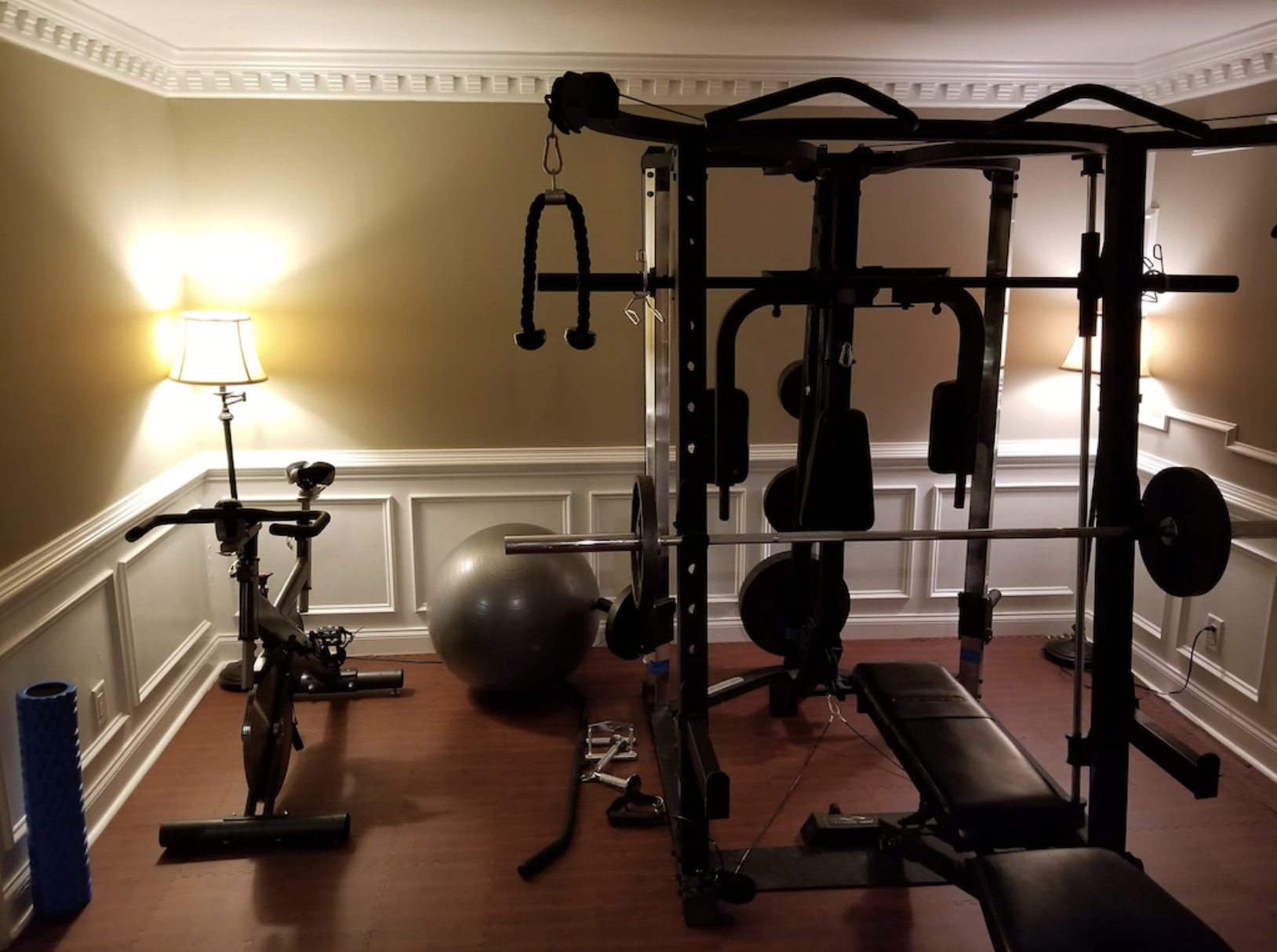
The best exercise machine isn’t necessarily the one with the biggest screen, fanciest subscription, or most impressive list of features. It’s the one you actually use.
Before spending thousands on a treadmill, exercise bike, rower, or home gym, make sure the habit will stick. Walking, resistance bands, inexpensive weights, and community recreation centers offer cheaper ways to establish a routine. If you eventually decide you really do want a machine, check the secondhand market. The abundance of barely used exercise equipment for sale is a good reminder of what can happen when enthusiasm for a new workout fades.
High-End Gas Grills With Every Possible Feature

Today’s fanciest grills can resemble outdoor command centers, complete with side burners, infrared cooking zones, Wi-Fi connectivity, lighting, storage, and multiple cooking surfaces.
That’s great if you routinely cook elaborate meals for a crowd. It’s harder to justify if you’re usually grilling a couple of burgers or steaks. A well-built three- or four-burner gas grill can handle most backyard cooking, while a classic charcoal kettle costs even less. Before replacing a grill that’s starting to show its age, also check whether new burners, grates, or another replacement part could give it several more years of life.
Huge Holiday Decorations Bought New Every Year
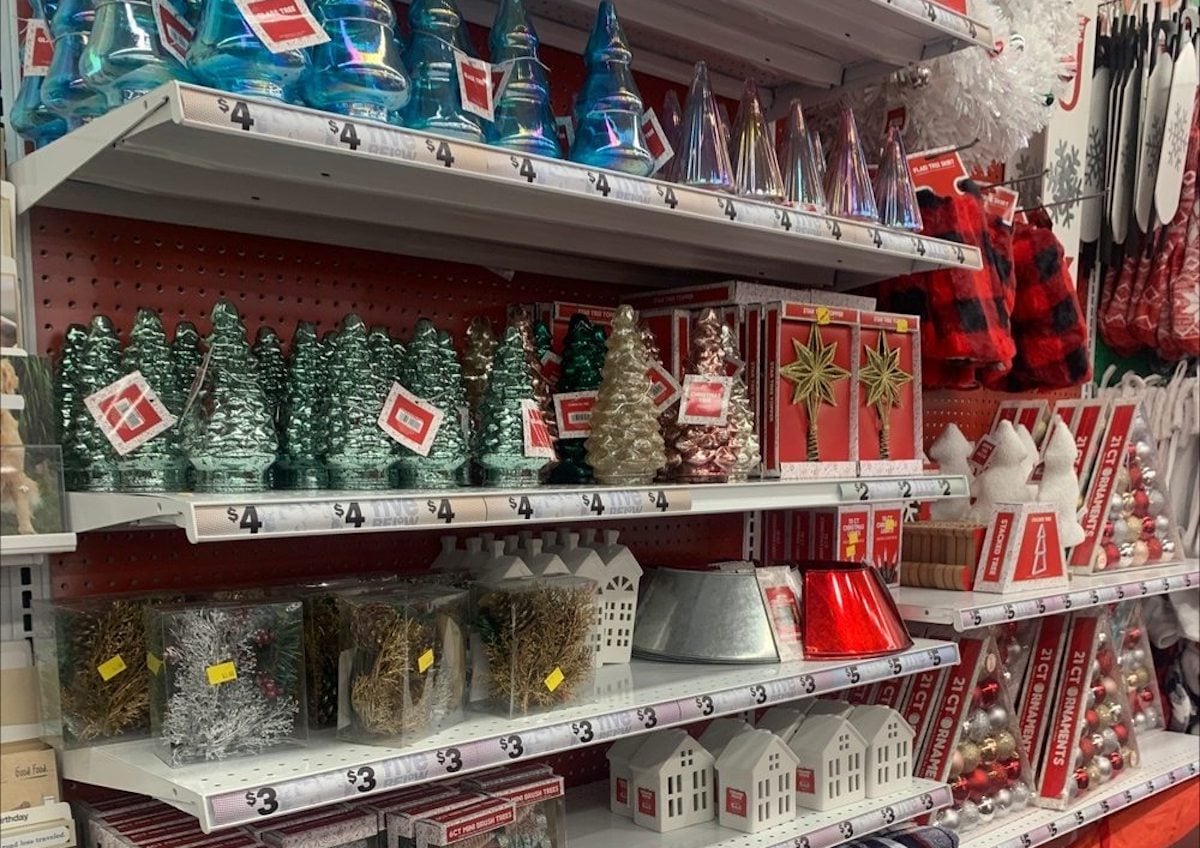
After several decades of holidays, many boomers already have enough decorations to open a small Christmas store. Buying another batch every year can mean spending money to replace perfectly good decorations simply because styles have changed.
There’s another issue as homeowners get older: Giant displays require storage, lifting, ladders, extension cords, setup, and eventual takedown. Pulling out favorite decorations you’ve collected over the years can be cheaper and more meaningful. Thrift stores are also packed with seasonal décor for anyone who wants something different. The money saved could instead go toward a holiday dinner or family outing that doesn’t need to be stored in the basement afterward.
Luxury Watches Bought Mainly for Status
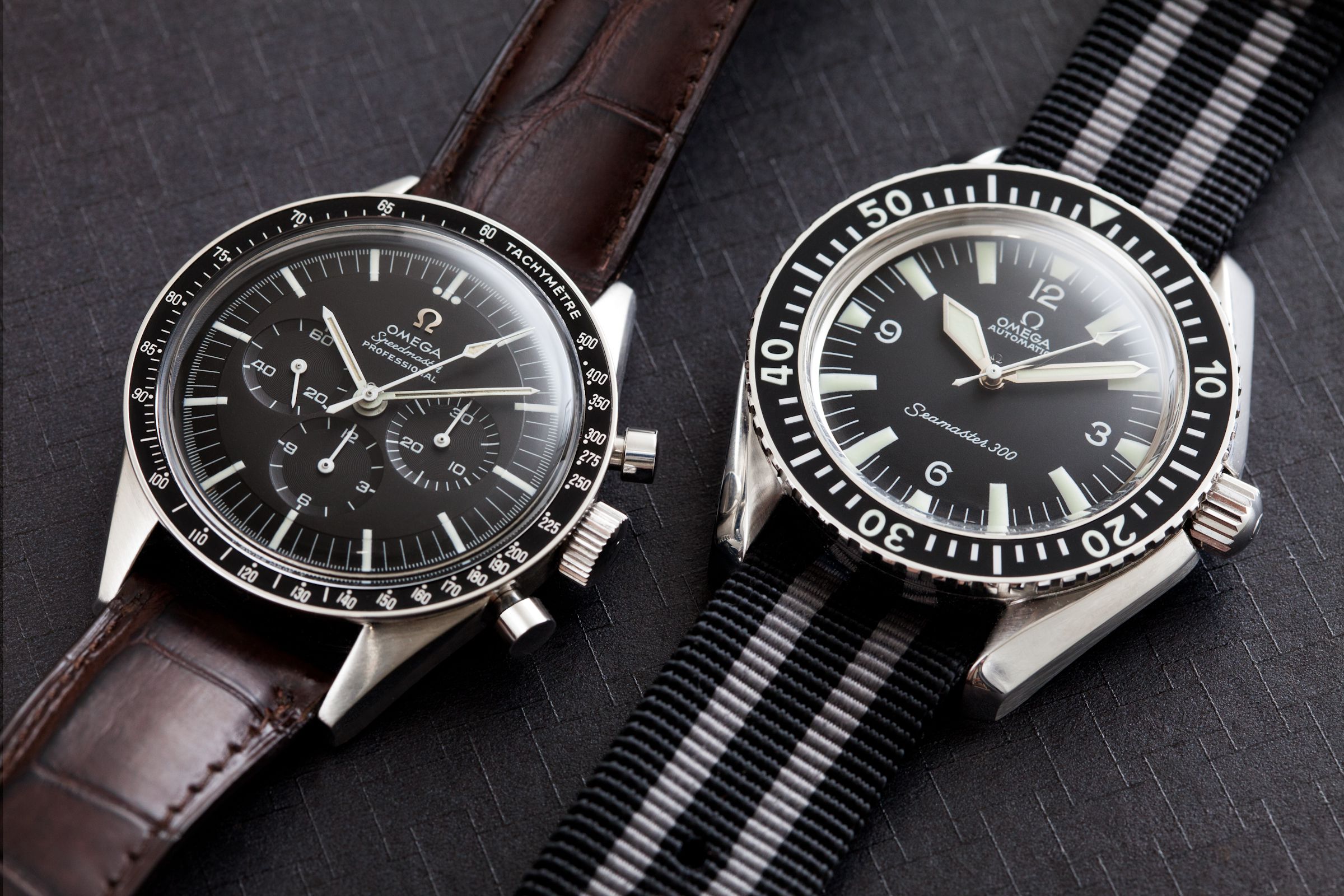
A beautifully made mechanical watch can be a legitimate passion, but there’s a difference between buying one because you love watches and buying another because it’s an expensive status symbol.
Luxury watches also carry costs beyond the initial purchase. They may require insurance, secure storage, and periodic professional servicing. Rolex, for example, says service costs depend on the watch and its condition and provides owners with an estimate after evaluating the piece. A complete overhaul can take at least four to six weeks.
If you already own a watch you love, consider servicing and enjoying it instead of automatically buying another. Preowned and vintage pieces can also be worth considering. Above all, treat a luxury watch as a hobby purchase rather than assuming an expensive timepiece will necessarily be a profitable investment.
Expensive Hobbies Just Because Retirement Finally Arrived

Retirement advertising can make leaving the workforce look like the starting gun for a spending spree: Buy the RV. Join the country club. Get the boat. Build the dream workshop. Book the elaborate vacations.
But there’s no rule saying retirement has to come with a collection of expensive new possessions. AARP’s 2026 Travel Trends research found that 86% of adults 50 and older consider travel a top discretionary spending priority. At the same time, cost remains the biggest travel barrier, and 89% say they at least sometimes shop for bargains when planning trips.
The same cautious approach can apply to other retirement dreams. Rent an RV before buying one. Join friends on their boat before purchasing your own. Take golf lessons before committing to an expensive club membership. Try a hobby for a season before filling the garage with equipment. Retirement gives you more time to explore your interests — and that means there’s no need to buy everything on day one.
The Bottom Line

None of this means boomers should stop spending money on things that make life enjoyable. The bigger question in 2026 is whether the expensive version of an experience still provides enough extra enjoyment to justify the price.
A municipal course can replace a resort golf round. A matinee can replace a premium movie night. A smaller venue can scratch the live-music itch without stadium prices. And a reliable used car can get you to exactly the same places as a $50,000 new one.
Frequency matters, too. A $150 splurge once a year is very different from a $150 habit every month. For retirees especially, finding less expensive versions of favorite activities can help preserve both the fun and the budget.
The goal isn’t to spend as little as possible. It’s to keep spending on the things you genuinely value — and stop paying a premium for the ones that no longer feel worth it.