Working class families in the 1920s and 30s experienced decades of dramatic contrast across America. The prosperity of the Roaring Twenties gave way to the hardships of the Great Depression, forcing millions to stretch every paycheck, adapt to changing jobs, and find creative ways to support their households. Despite economic uncertainty, family life continued through shared meals, long workdays, neighborhood gatherings, and small everyday moments that reflected resilience and determination.
These old-school photos offer a fascinating glimpse into the lives of working-class families during the era. From crowded city apartments and company towns to rural farms and factory communities, each image captures the homes, routines, clothing, and relationships that shaped daily life for ordinary Americans during one of the most transformative periods in the nation’s history.
Three Generations on a Summer Picnic
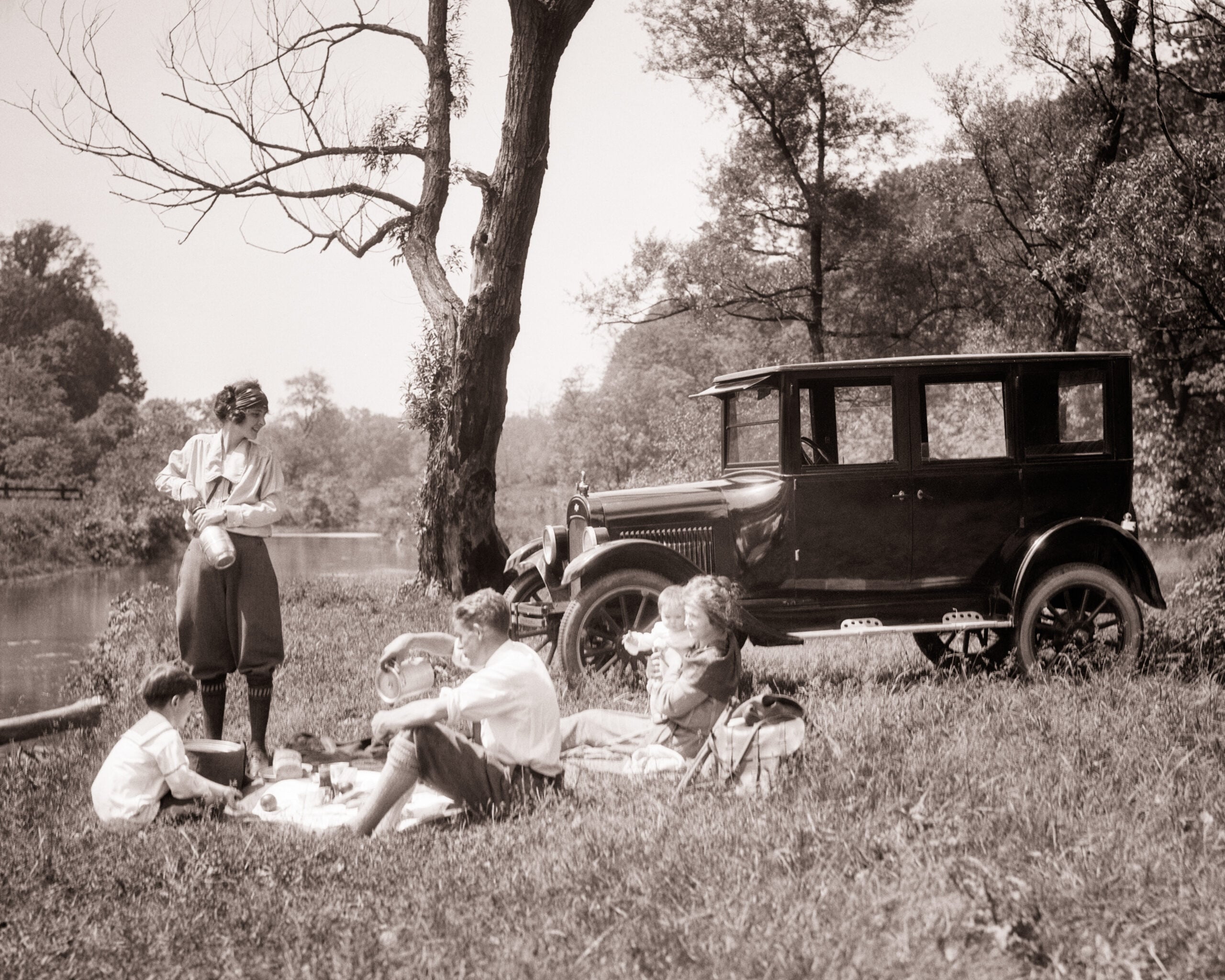
Family picnics were an affordable way for working-class families to enjoy time together during the 1920s, especially as automobiles became more accessible. Packed into a modest Chevrolet Superior sedan, three generations could escape the routines of work and home for a day in the countryside. Outings like this reflected the importance of family bonds and simple pleasures, even during an era of economic uncertainty.
Life on the Family Farm
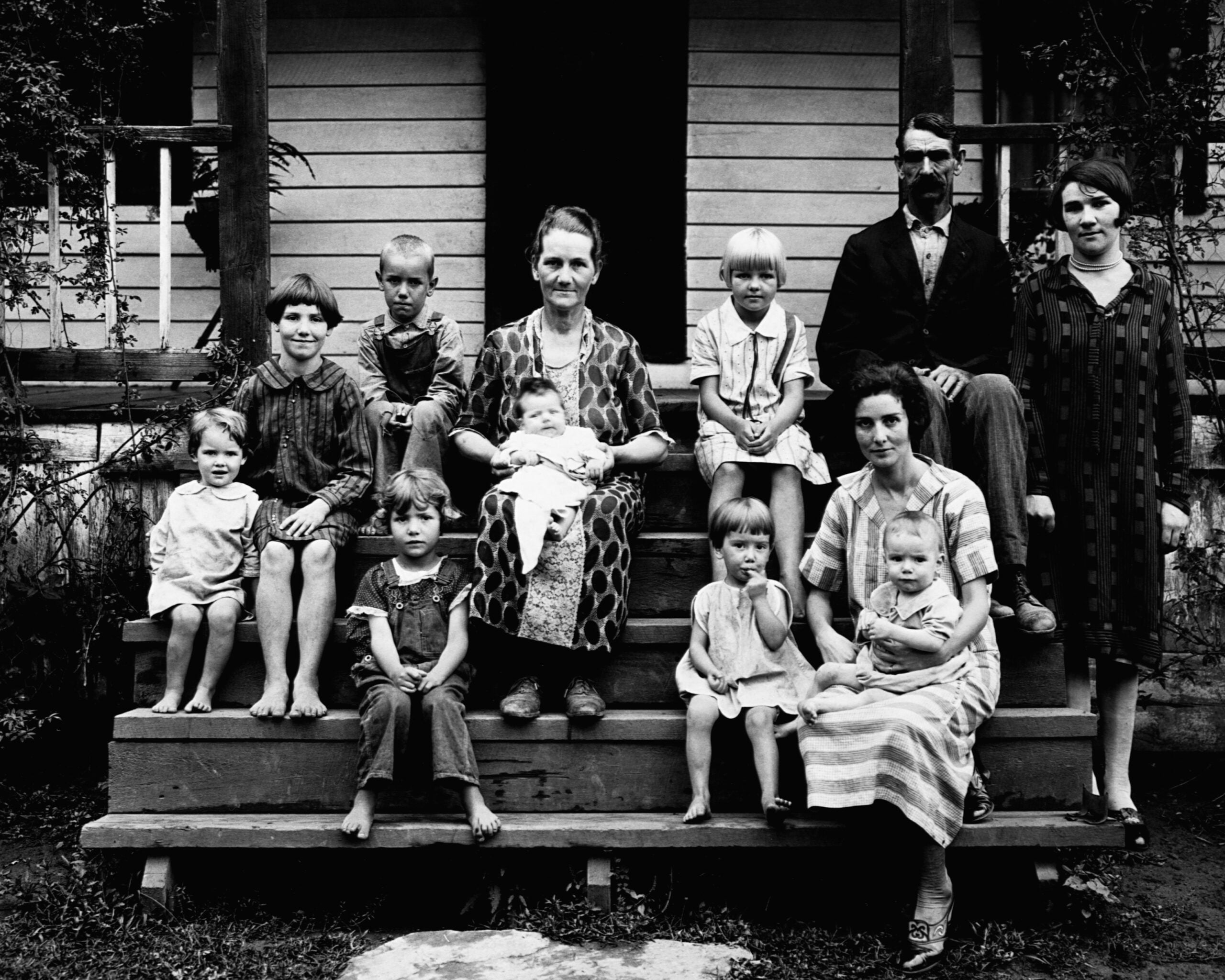
For many working-class families, the farm was both a home and a livelihood. Every member of the household, including children, often contributed to planting, harvesting, caring for livestock, or maintaining the property. During the 1920s and 1930s, family farms depended on hard work, cooperation, and resourcefulness to make ends meet through both prosperous years and the hardships of the Great Depression.
A Temporary Home for Migrant Workers
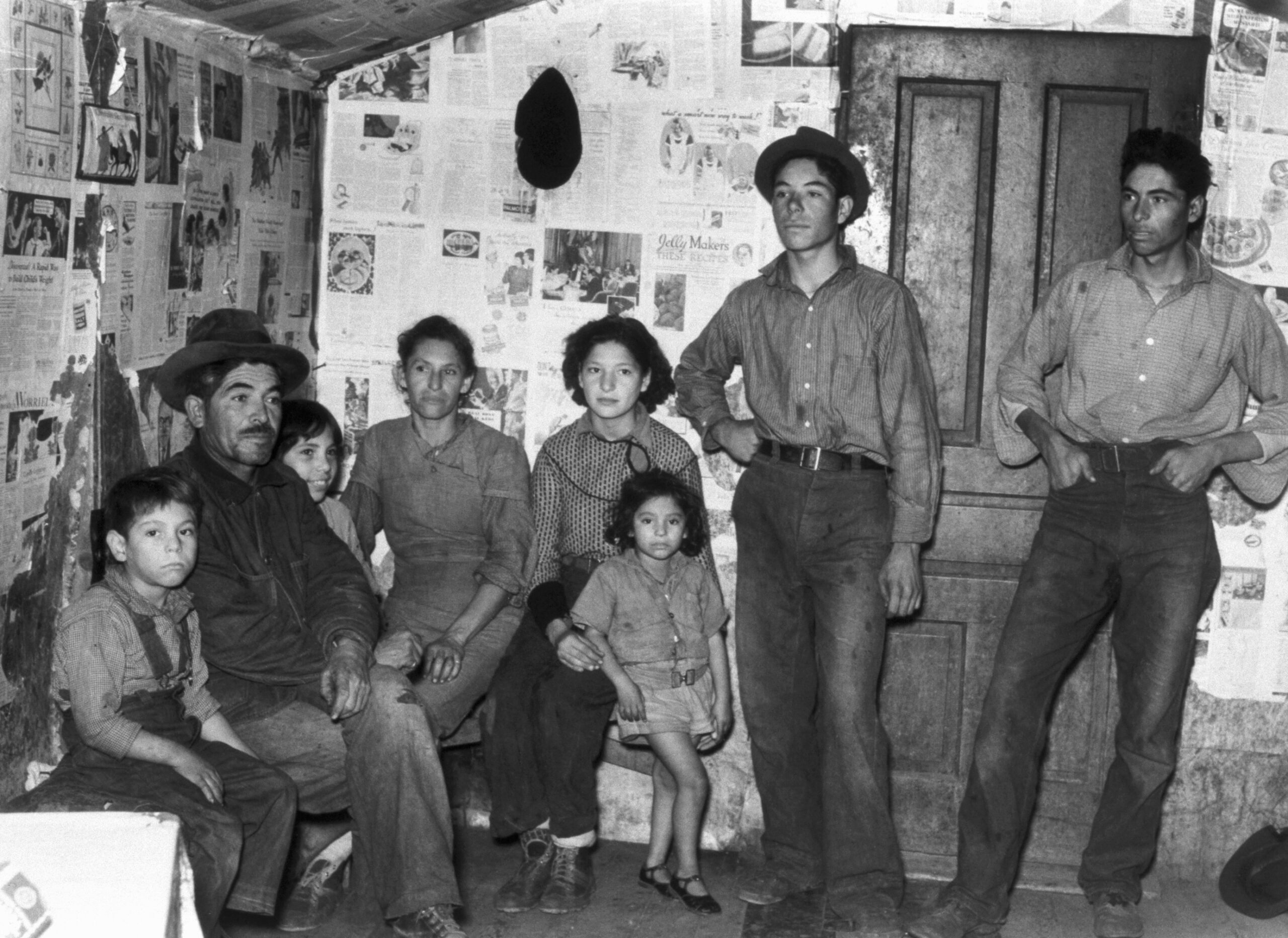
Many working-class families traveled seasonally in search of agricultural work during the Great Depression, following crops wherever jobs could be found. This Mexican migrant family from Texas lived together in a single room while harvesting sugar beets in Minnesota in 1937, making do with sparse furnishings and walls covered in newspaper for insulation. Their experience reflects the sacrifices and resilience of countless migrant laborers who endured difficult living conditions to support their families.
A New Beginning in America
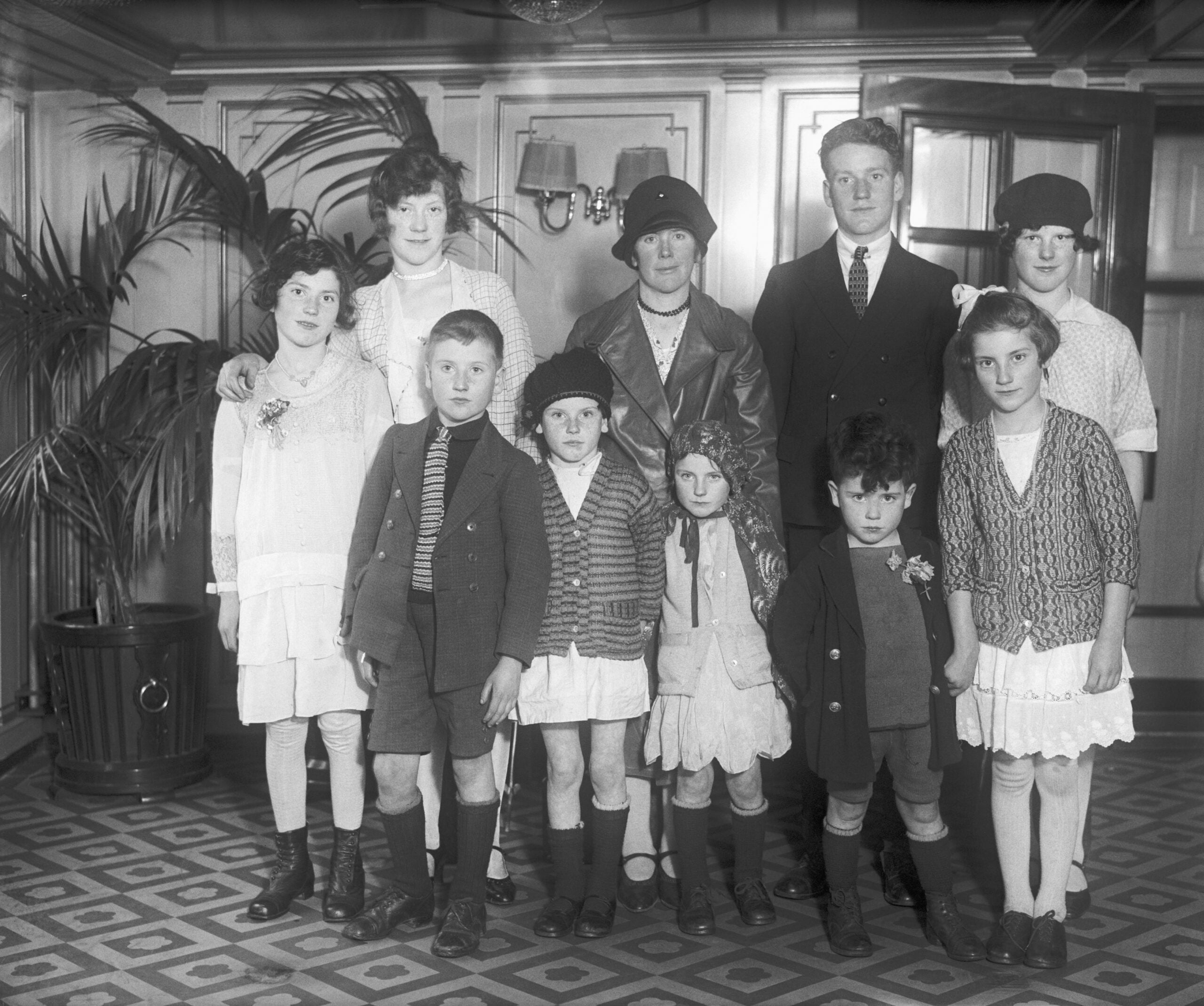
Many working-class immigrant families arrived in the United States hoping to reunite with relatives and build more secure lives. In 1929, Bridget Casey and nine of her children reached New York after leaving Ireland, where they planned to join their husband and father, who had already spent several years working in Connecticut. Stories like theirs highlight both the opportunities and the hardships of immigration, as families often endured long separations and uncertain futures in pursuit of steady work.
Gathering Around the Family Radio
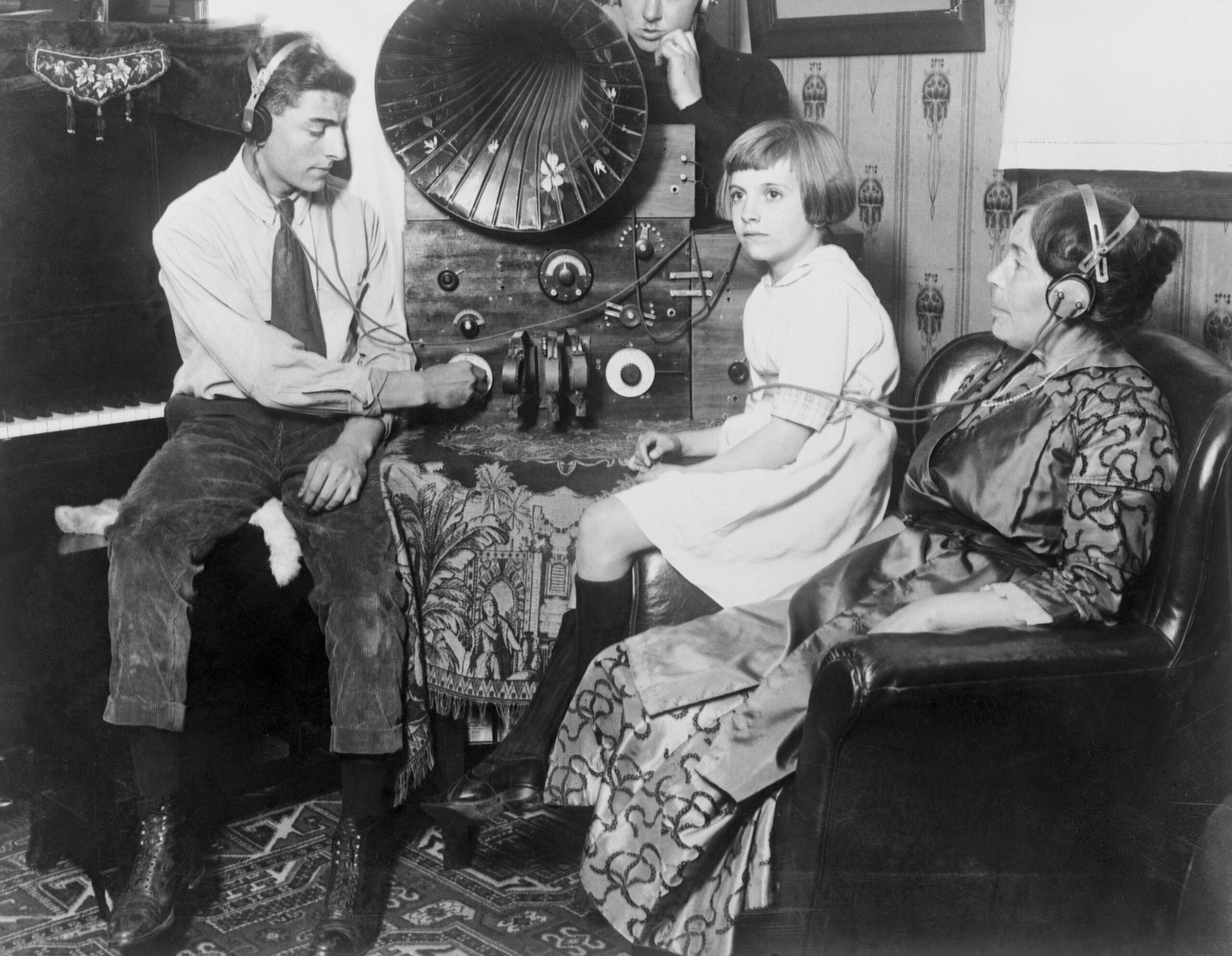
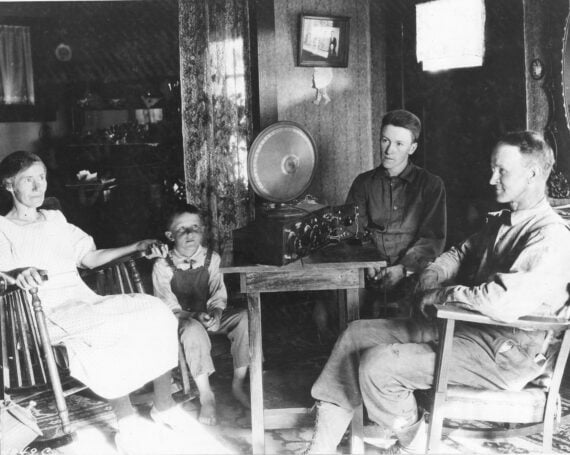
By the late 1920s, the radio had become the center of entertainment in countless working-class homes. Families gathered each evening to listen to music, news, dramas, and live broadcasts, often replacing older forms of home entertainment like the Victrola. Whether purchased or assembled at home, radios connected households to the wider world and offered an affordable escape from the routines of everyday life.
Trending on Cheapism


Children Sharing a Day Together
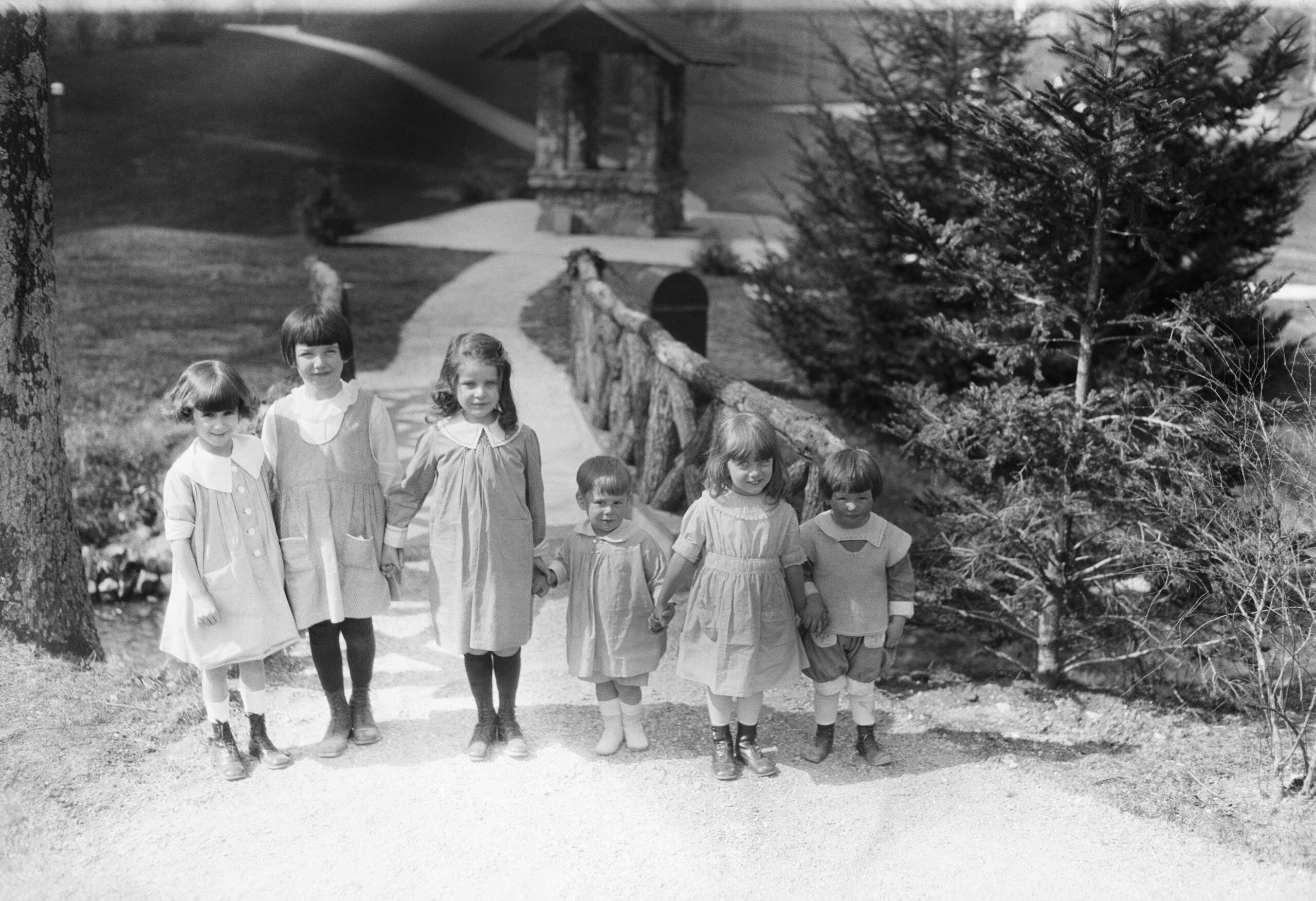
Children in the 1920s spent much of their free time outdoors, where games, conversation, and simple group activities filled long afternoons. While every family’s circumstances were different, moments like these capture the importance of friendship and community during an era when organized entertainment was far less common. Childhood memories were often shaped by time spent together rather than expensive toys or technology.
Making Their Own Fun
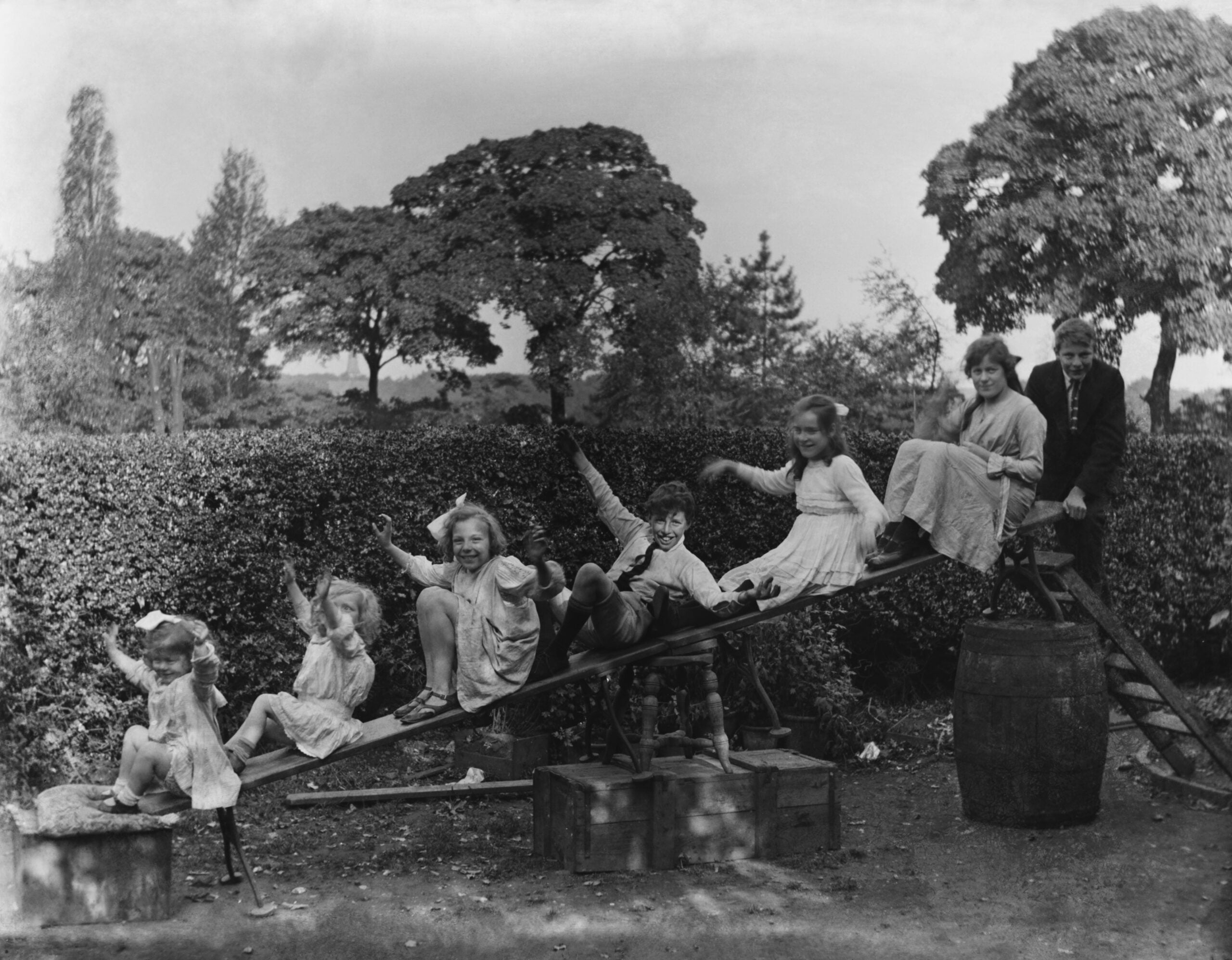
Working-class children rarely needed expensive playgrounds or elaborate toys to stay entertained. Homemade play equipment and a bit of imagination turned backyards and gardens into places for adventure, where siblings and neighborhood friends could spend hours together. Photos like this capture the creativity and carefree spirit that defined childhood for many families during the 1920s.
Evenings Around the Radio
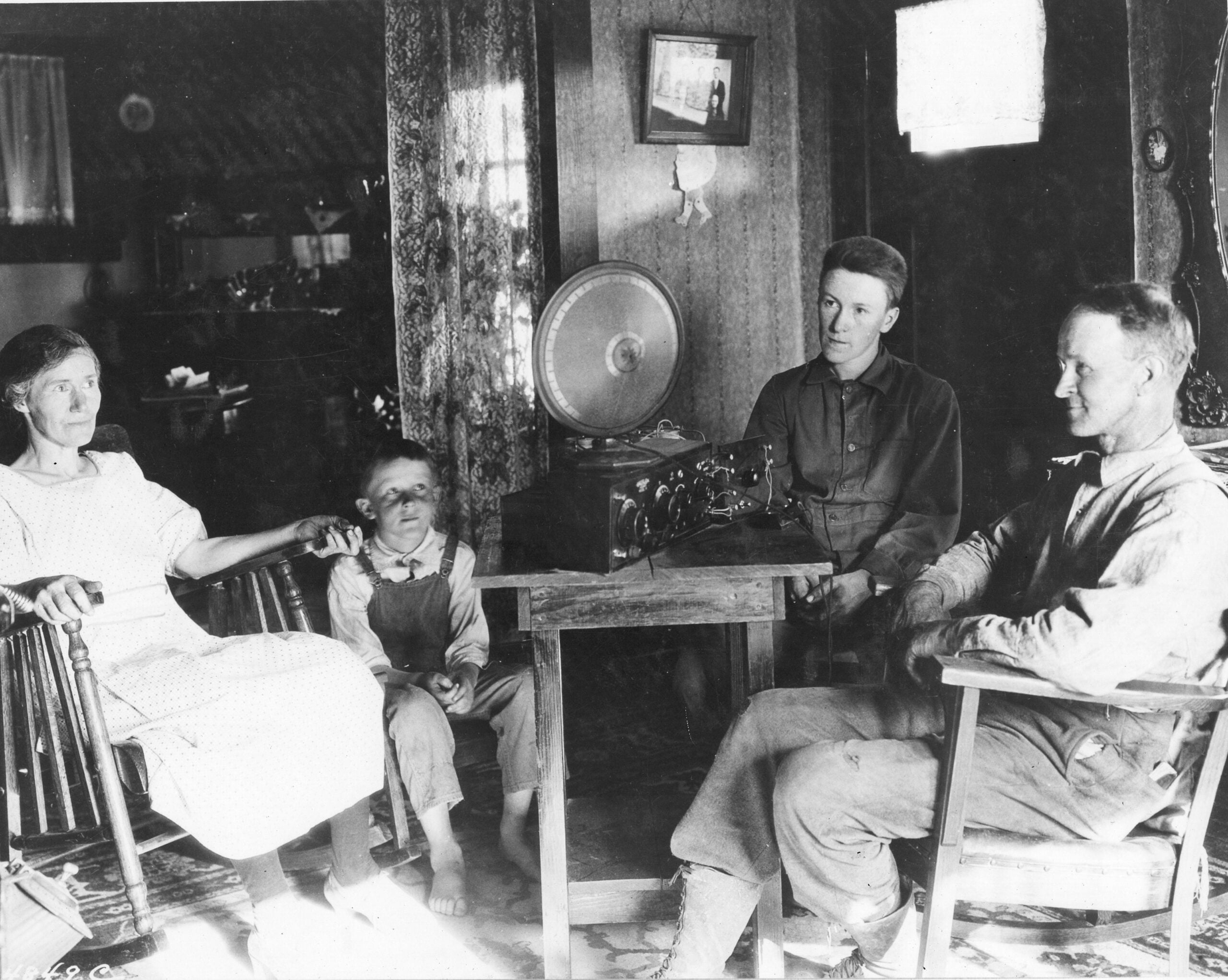
In the mid-1920s, gathering around the radio quickly became a cherished evening ritual for working-class families. News reports, live music, comedy programs, and special broadcasts brought entertainment into homes that had previously relied on books, conversation, or music played at home. For many households, the radio became an affordable way to stay informed while sharing time together at the end of a long workday.
Sign up for our newsletter
Before She Became Marilyn Monroe
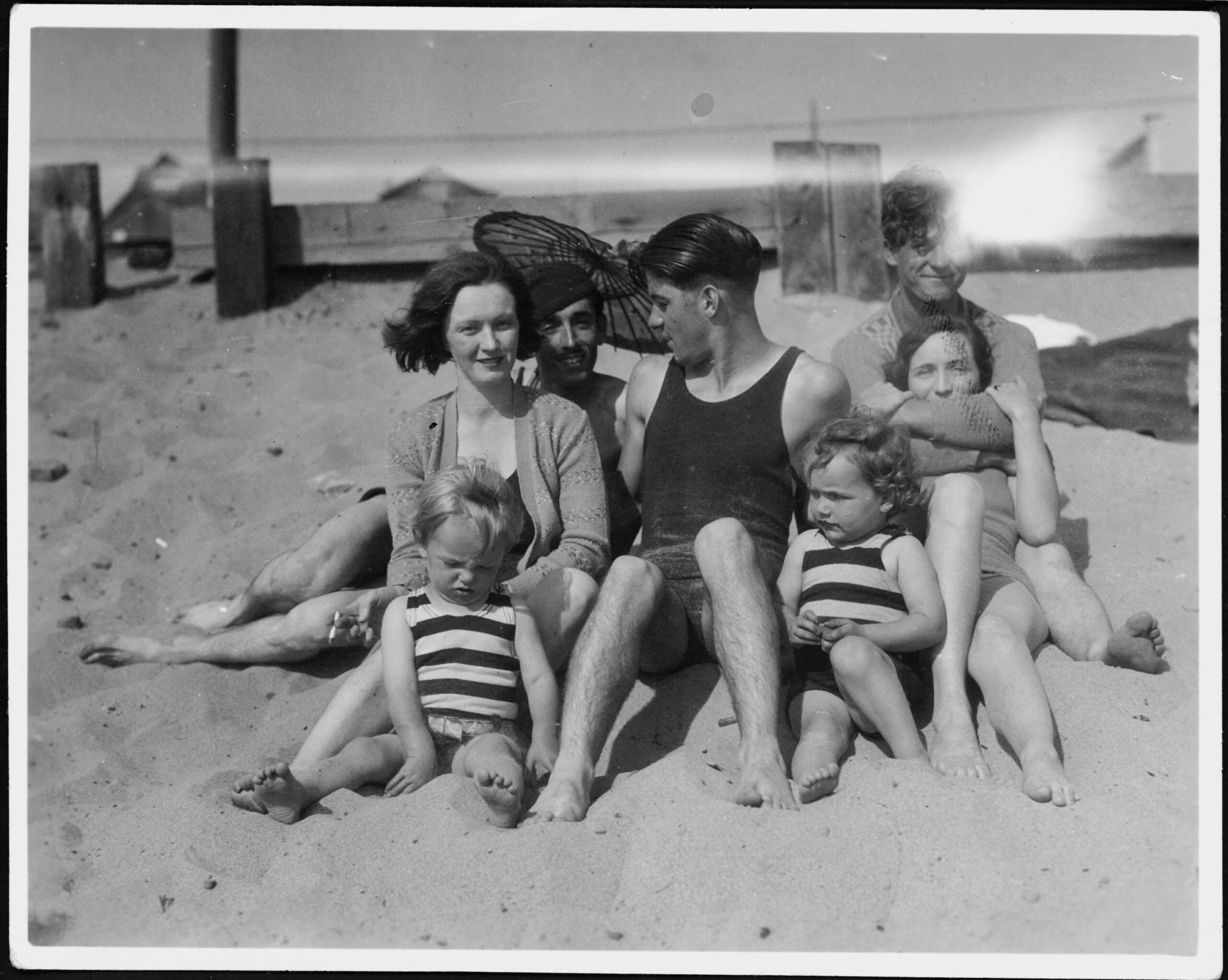
Long before she became one of Hollywood’s most recognizable stars, Norma Jeane Baker spent an ordinary childhood marked by both simple pleasures and personal hardship. This beach outing with her mother, Gladys Baker, captures a quiet moment from 1929, before fame transformed her life forever. Photos like this offer a rare glimpse of childhood during an era when working-class families treasured affordable outings to parks and beaches whenever they could.
An Evening of Family Entertainment
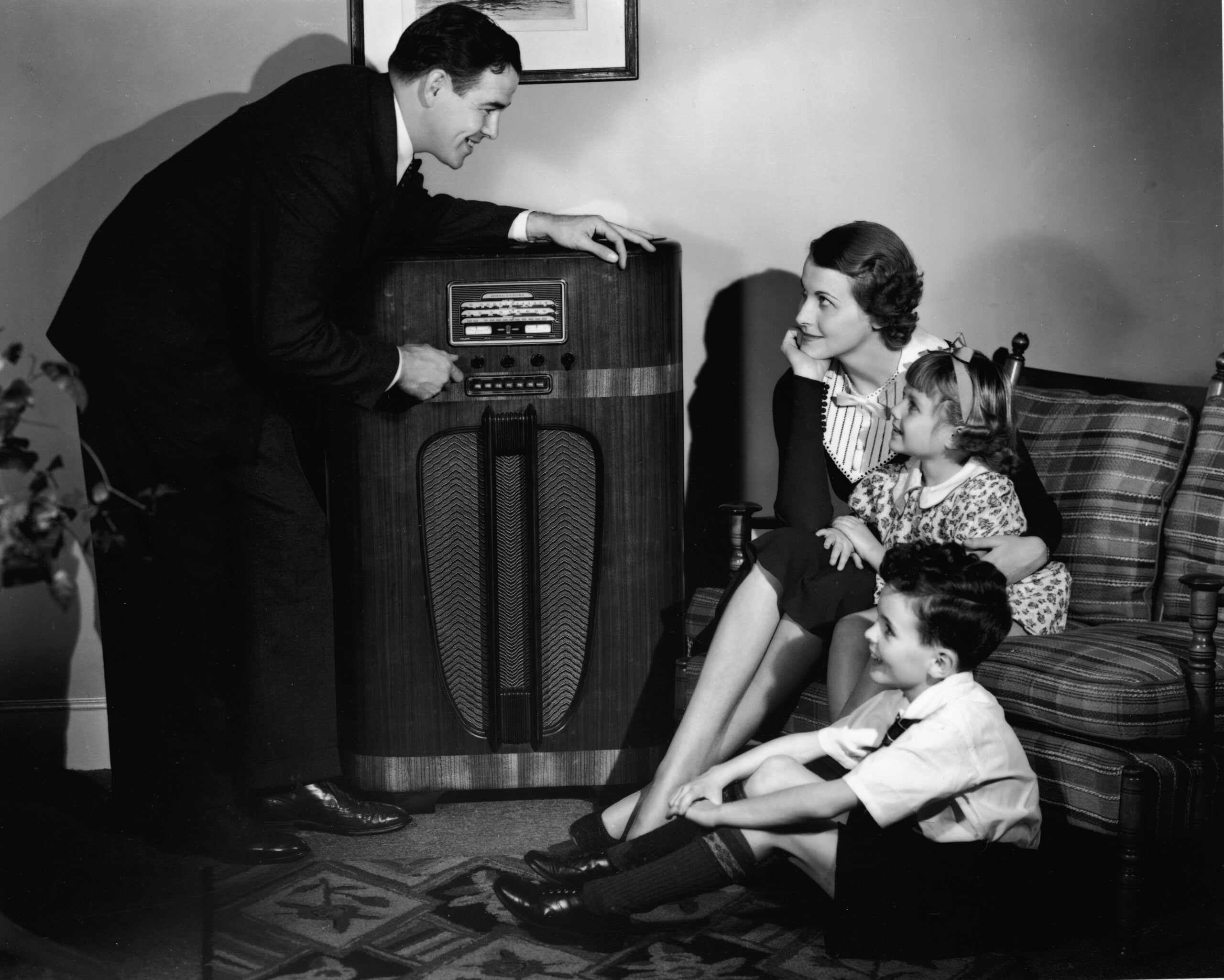
During the 1930s, the family radio became one of the most valued possessions in many working-class homes. Parents and children often gathered in the living room while one family member adjusted the dial to find music, news, or popular dramas. In the midst of the Great Depression, these shared evenings provided affordable entertainment and a welcome sense of togetherness after long days of work and school.
Learning About a World at War
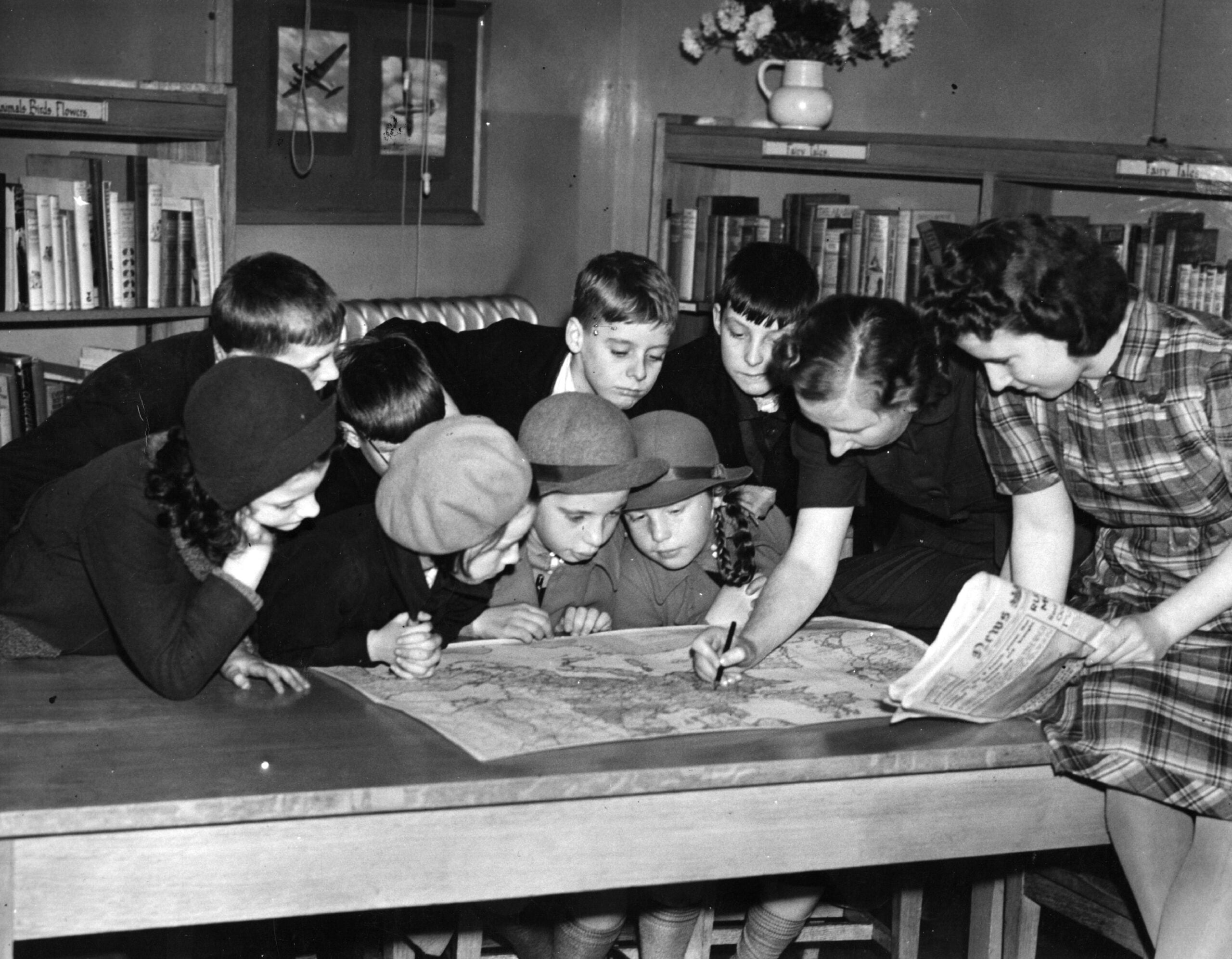
By 1939, the outbreak of World War II had become part of everyday life, even for children. Libraries served as important community spaces where young people could learn about current events through books, newspapers, and educational activities like this map lesson. For many working-class families, public libraries offered free access to information and opportunities for learning during uncertain times.
Celebrating Jesse Owens’ Historic Victory
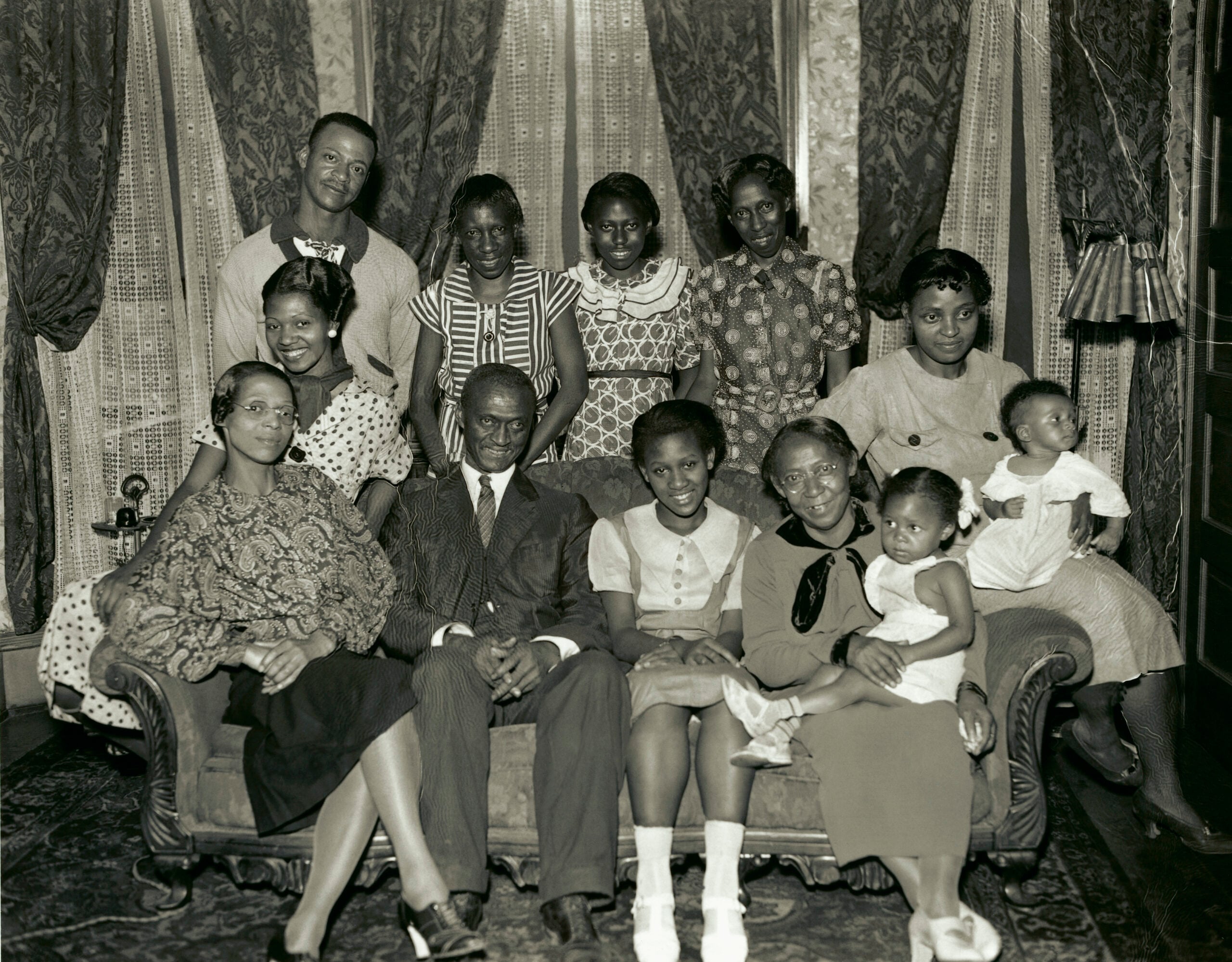
When Jesse Owens returned home after his extraordinary performance at the 1936 Berlin Olympics, his achievements became a source of immense pride for his entire family and community. Gathered around a victory supper, relatives celebrated not only his four gold medals but also the inspiration he brought during a time of racial segregation and economic hardship. The photo highlights the close-knit family support that often defined working-class households in the 1930s.
Watching Television’s Early Days
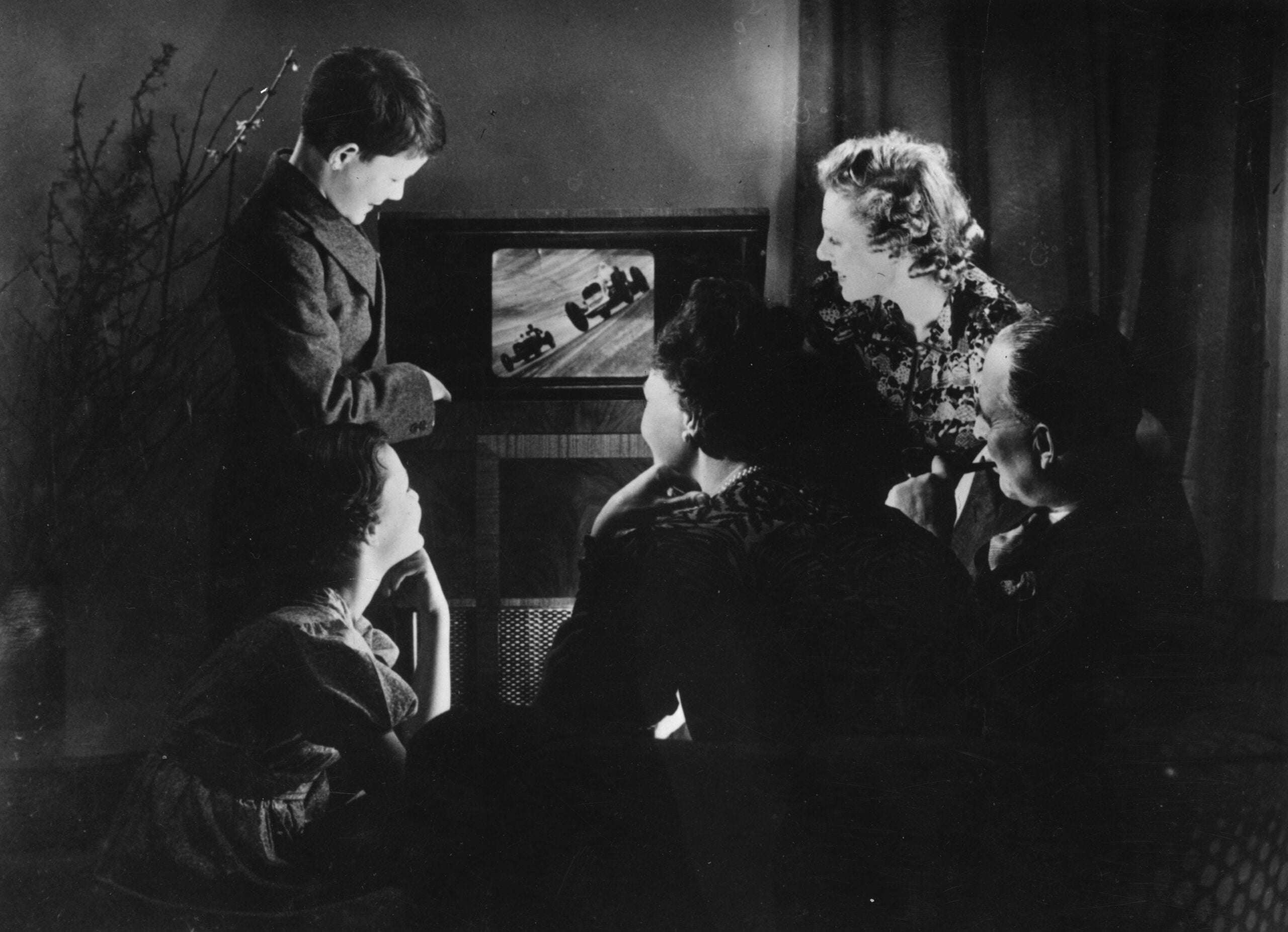
By the late 1930s, television was still a remarkable novelty found in only a small number of homes. Families fortunate enough to own one gathered to watch early broadcasts, marveling at a technology that would eventually transform entertainment. For most working-class households, however, television remained a glimpse of the future, while radio continued to be the center of family life.
On the Road to a Better Life
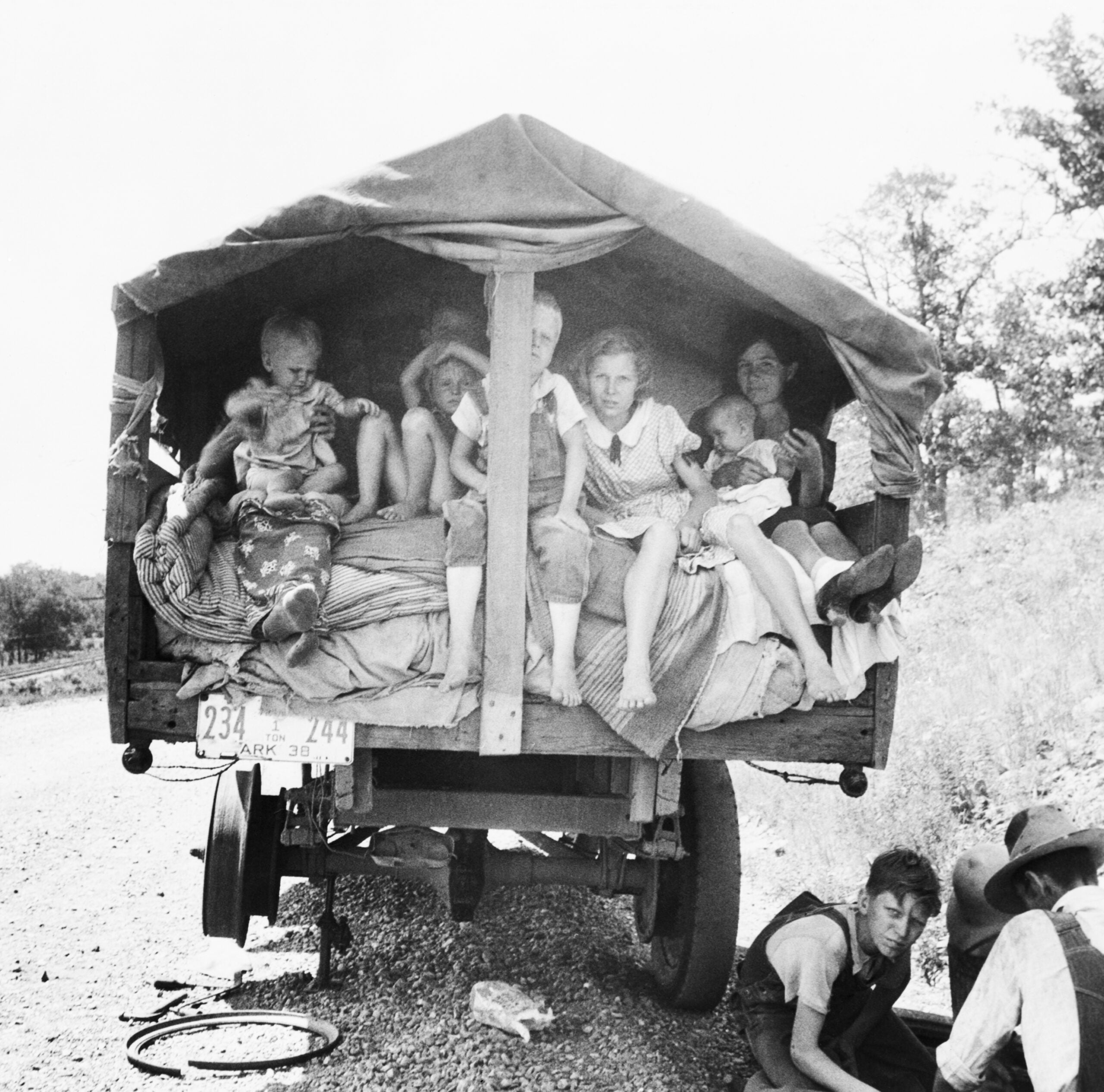
During the Dust Bowl of the 1930s, thousands of working-class families packed everything they owned into cars and trucks, hoping to find jobs and better opportunities elsewhere. Breakdowns like this one were common, leaving families stranded for hours or even days with few resources. The journey was often as difficult as the hardships they were trying to escape, but many continued on despite the overwhelming challenges.
An Evening Shared Among Friends
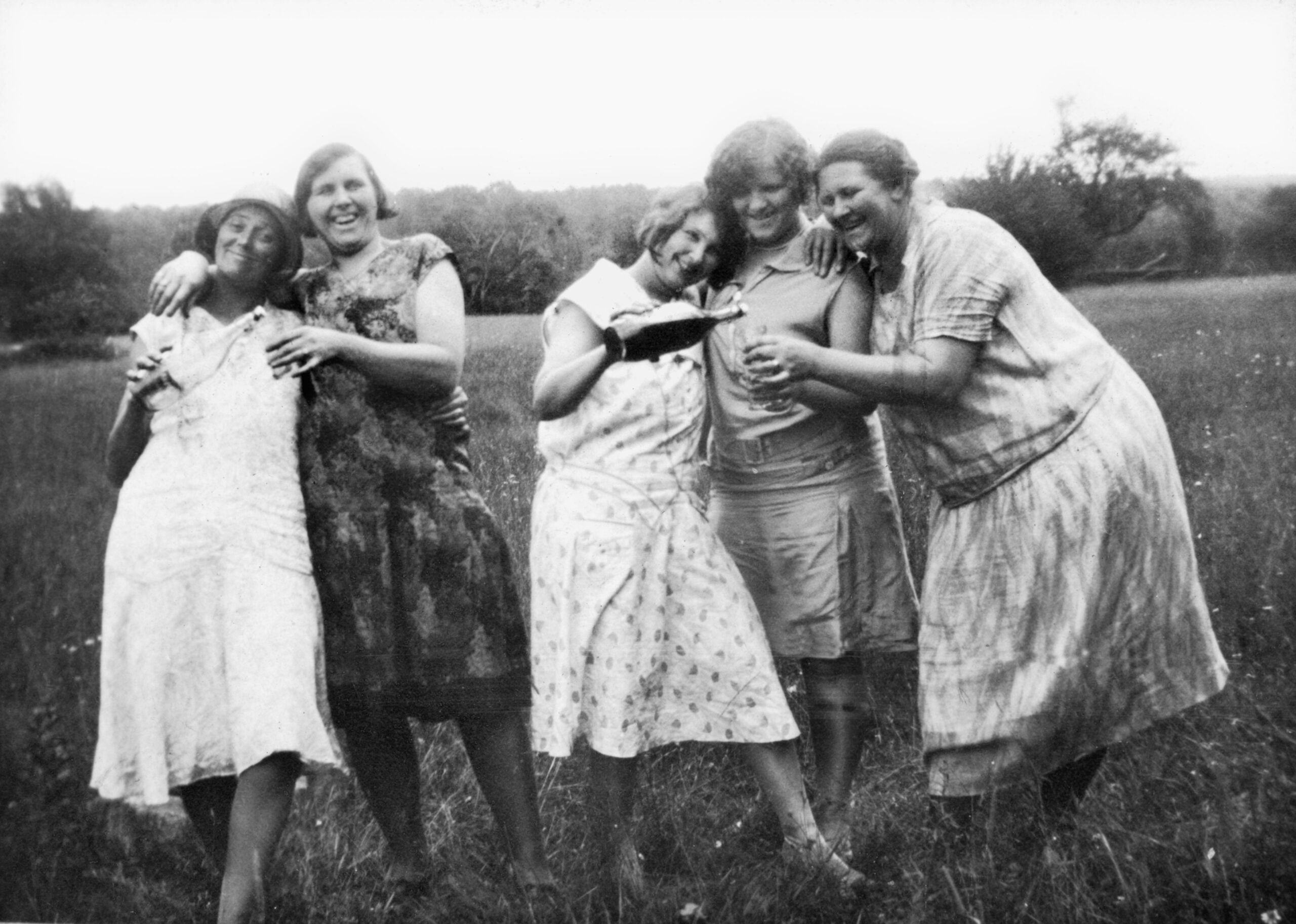
Even during the hardships of the 1930s, people found reasons to gather and celebrate life’s small moments. Sharing a glass of wine with friends or family offered a welcome escape from the pressures of work and financial uncertainty. For many working-class communities, these simple social gatherings helped strengthen friendships and provided comfort during challenging times.
A Day of Cricket by the Sea
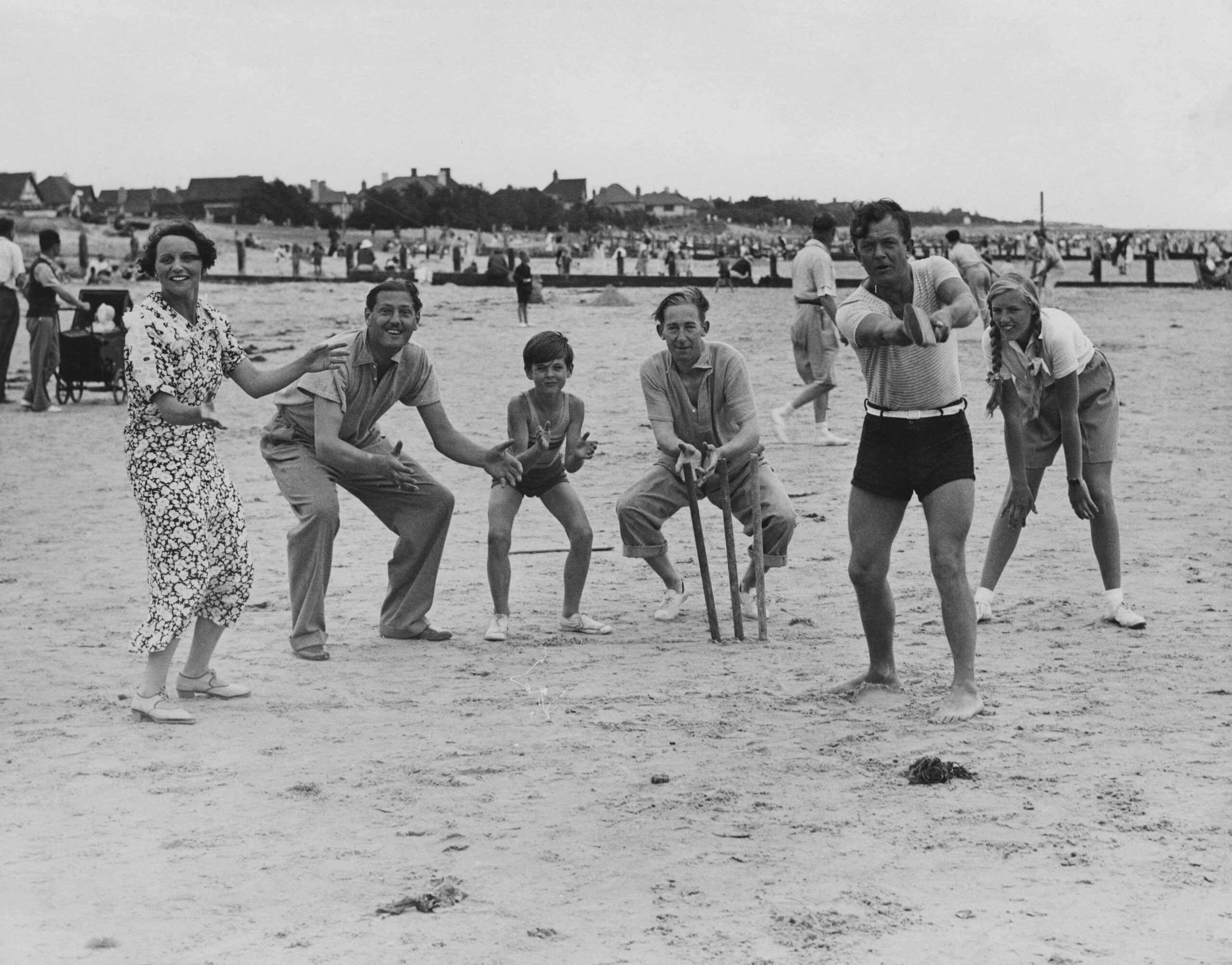
For many families in the 1930s, a trip to the beach offered a welcome break from everyday routines. Whether building sandcastles, enjoying a picnic, or organizing a friendly game of cricket, seaside holidays created lasting memories without requiring extravagant entertainment. Moments like this capture the simple pleasures that brought families together during the era.
Gathered Around the Kitchen Table
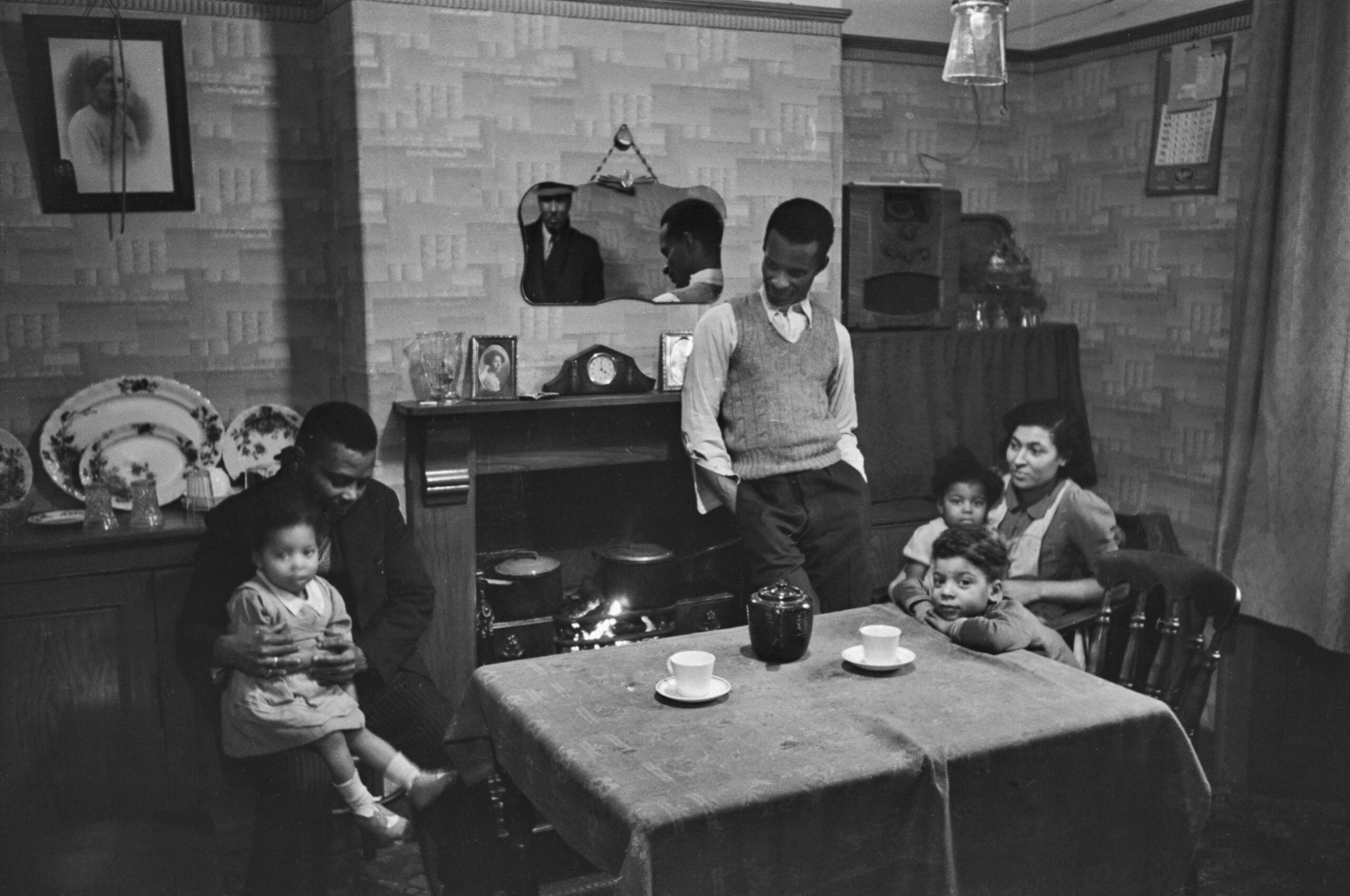
For working-class families in the 1930s, the kitchen table was the heart of the home. It was where meals were shared, bills were discussed, schoolwork was completed, and families gathered after long days of work.