Long before GPS made every stop searchable, American road trips were shaped by giant statues, neon signs, oddball buildings, mysterious caves, and billboards promising something worth pulling over for. The National Park Service documents how automobile travel helped create a distinctive roadside culture across the country. These Classic Roadside Attractions have survived changing highways and travel habits, giving today’s road-trippers a nostalgic glimpse of an era when half the fun was discovering something strange along the way.
Lucy the Elephant – Margate, New Jersey
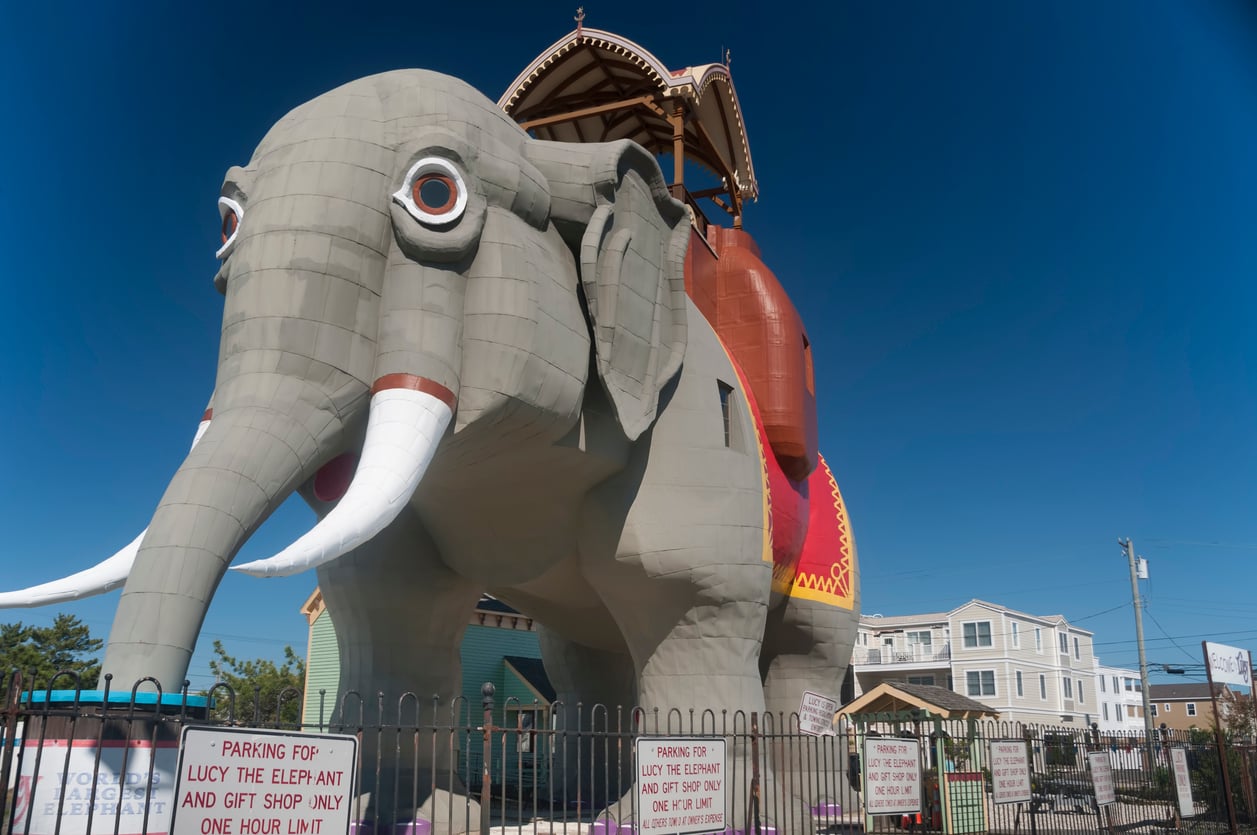
Six stories tall and shaped like an elephant, Lucy has been confusing and delighting Jersey Shore visitors since James Lafferty built her in 1881 to attract attention to nearby real estate. Today she’s a National Historic Landmark that visitors can actually enter on guided tours. Adult admission is currently $9. The catch for older or mobility-limited travelers is the climb: getting inside involves stairs, something visitors frequently mention in reviews. You can still admire and photograph Lucy from outside without taking the tour.
The Corn Palace – Mitchell, South Dakota
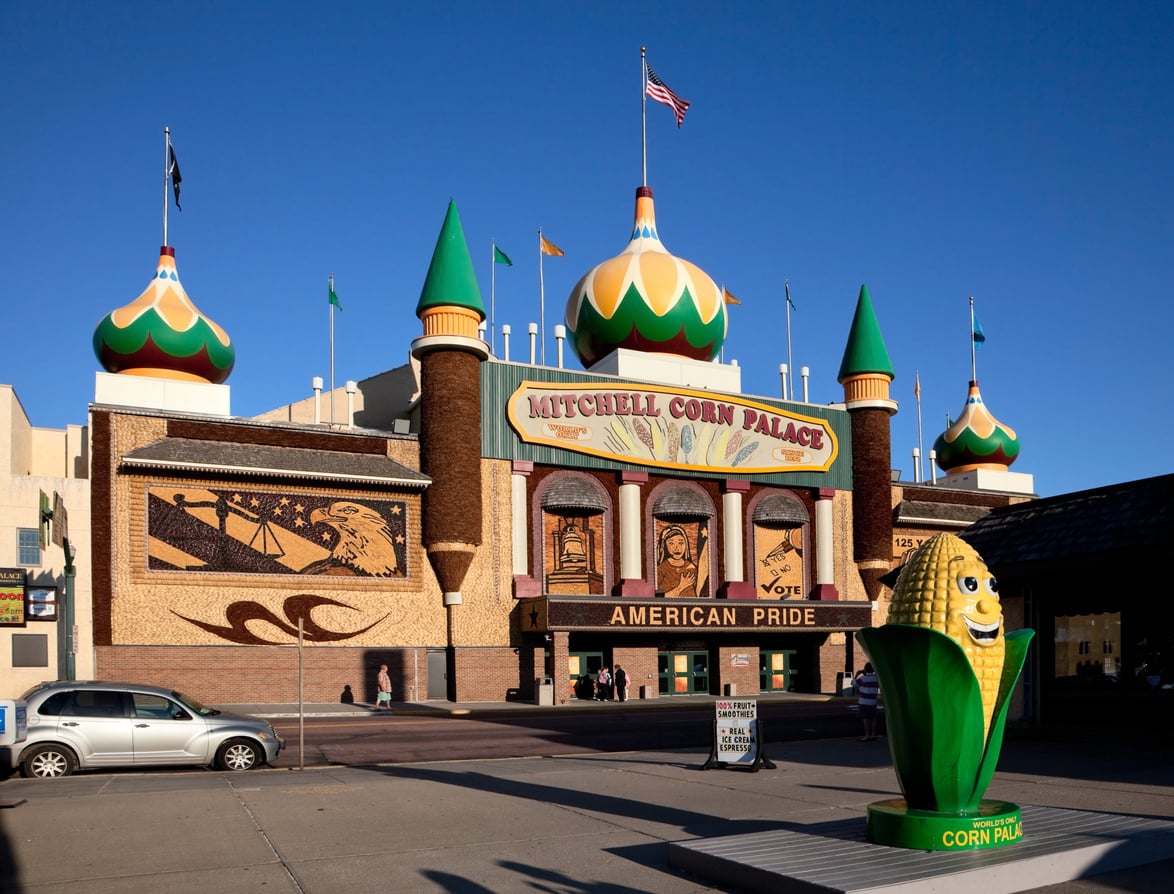
Mitchell’s first Corn Palace appeared in 1892 as a flashy advertisement for South Dakota’s agricultural abundance. Today’s building is a later version, but the basic gimmick survives: enormous exterior murals are decorated with corn and other grains and regularly redesigned. Better yet for budget-conscious road-trippers, ordinary admission and parking remain free. In 2026, the annual Corn Palace Festival runs August 27 through 30, continuing a tradition that transformed agricultural boosterism into one of South Dakota’s most recognizable roadside stops.
Coral Castle – Homestead, Florida
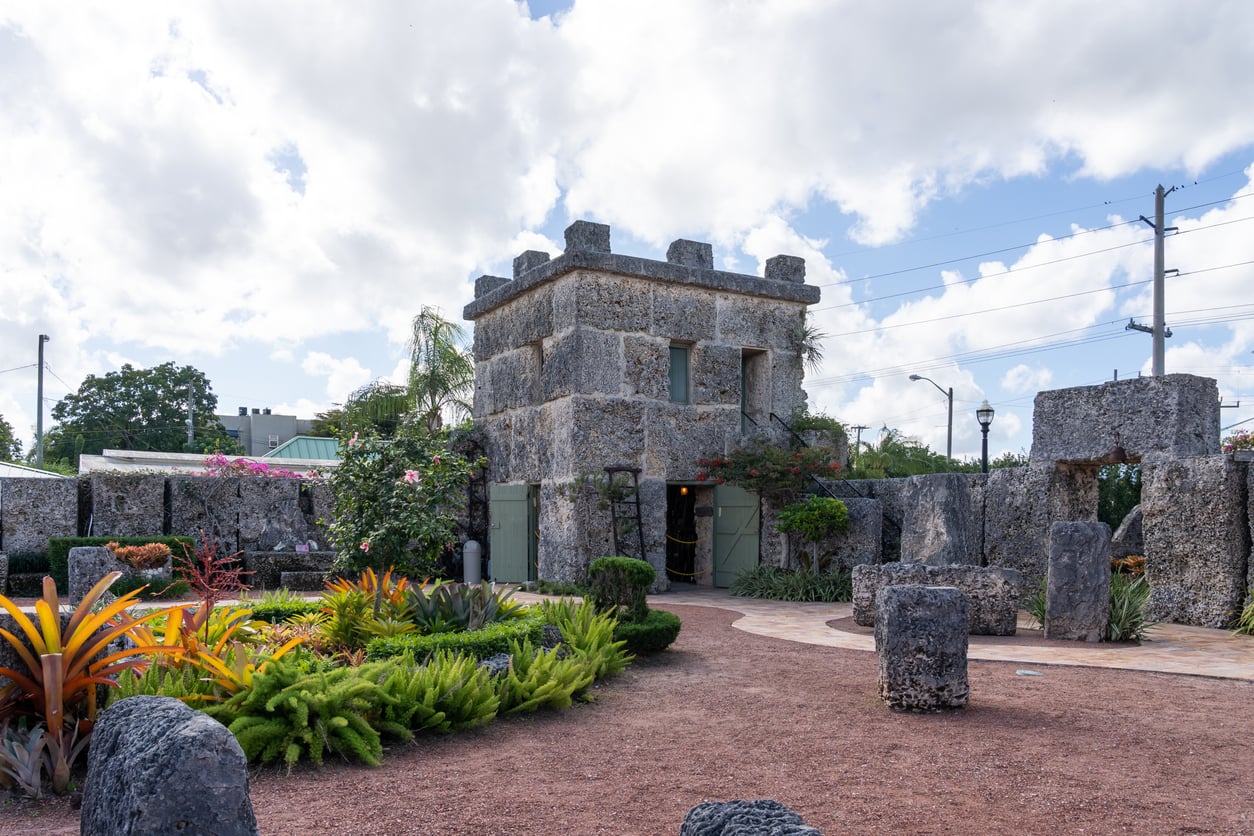
Beginning in 1923, Latvian immigrant Edward Leedskalnin spent decades cutting, moving, and arranging enormous blocks of Florida oolitic limestone into walls, furniture, sculptures, and curious mechanical features. Despite the name, the material isn’t conventional coral. The site remains fascinating precisely because Leedskalnin did much of the work using relatively simple tools, not supernatural powers. Admission currently costs $25 for adults, and recent visitors sometimes call that steep for the size of the attraction, though others praise the guided experience.
Wall Drug – Wall, South Dakota
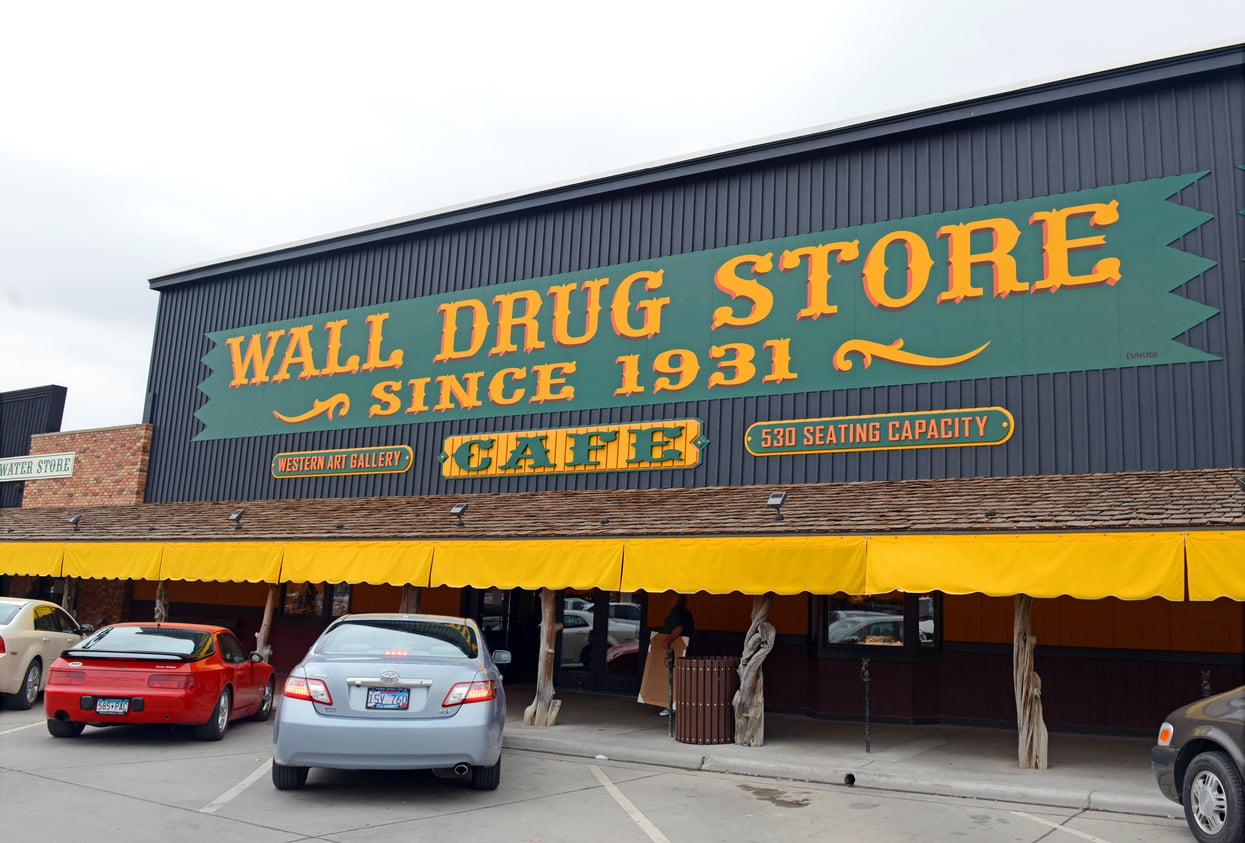
Wall Drug turned one of the cheapest giveaways imaginable into a marketing empire. Ted and Dorothy Hustead bought the tiny drugstore in 1931, then began posting highway signs promising thirsty motorists free ice water. It worked spectacularly. The business now sprawls across roughly 76,000 square feet with food, souvenirs, Western displays, photo ops, and, yes, free ice water. Some travelers lovingly call it kitsch while others see a full-fledged tourist trap; summertime crowds can be intense. Either reaction is almost part of the tradition.
The Big Duck – Flanders, New York
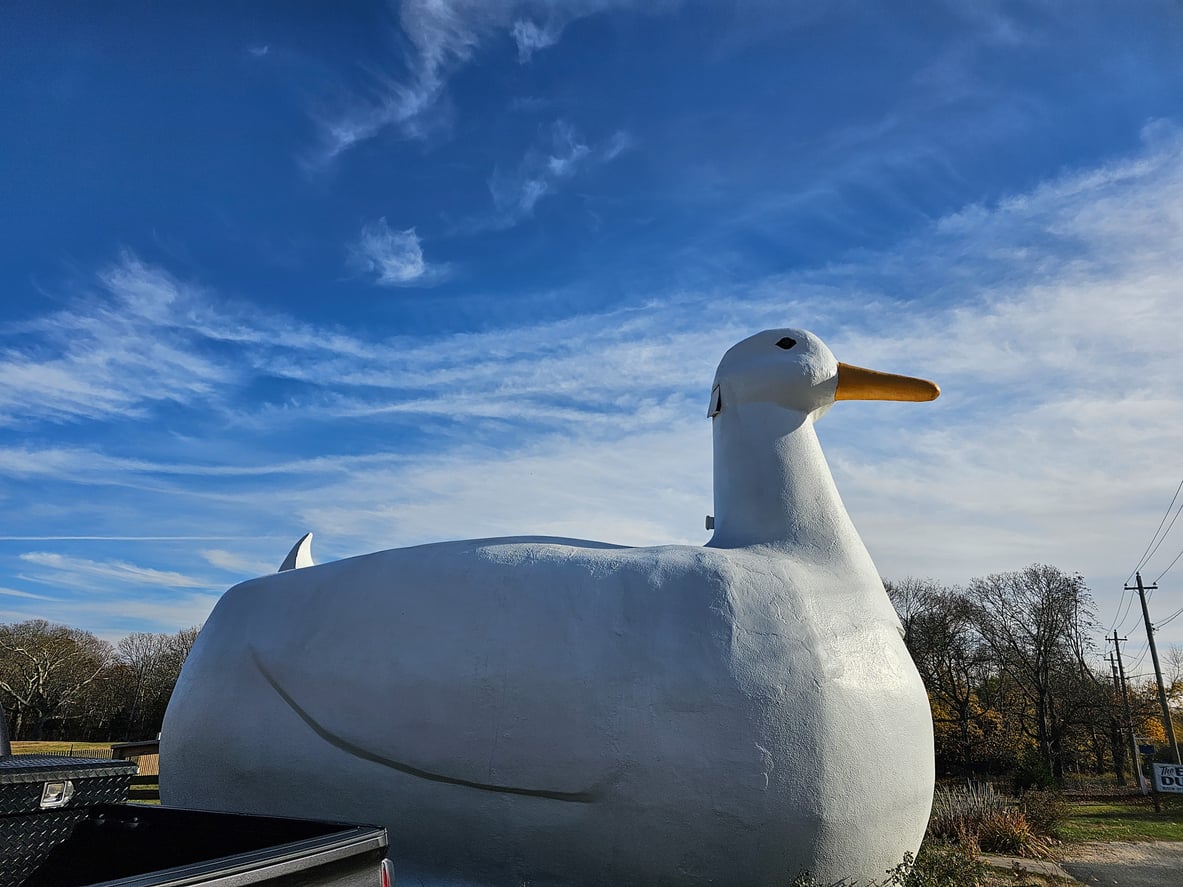
Long Island duck farmer Martin Maurer needed drivers to notice his poultry business, so in 1931 he put his shop inside an enormous white duck. The resulting Big Duck became so influential that architectural writers later used “duck” to describe buildings whose shape advertises what happens or is sold inside. After several moves, the structure now sits near Sears Bellows County Park in Flanders and operates as a gift shop and local-history stop. It’s wonderfully literal roadside marketing: see giant duck, stop car.
Trending on Cheapism
Rock City Gardens – Lookout Mountain, Georgia
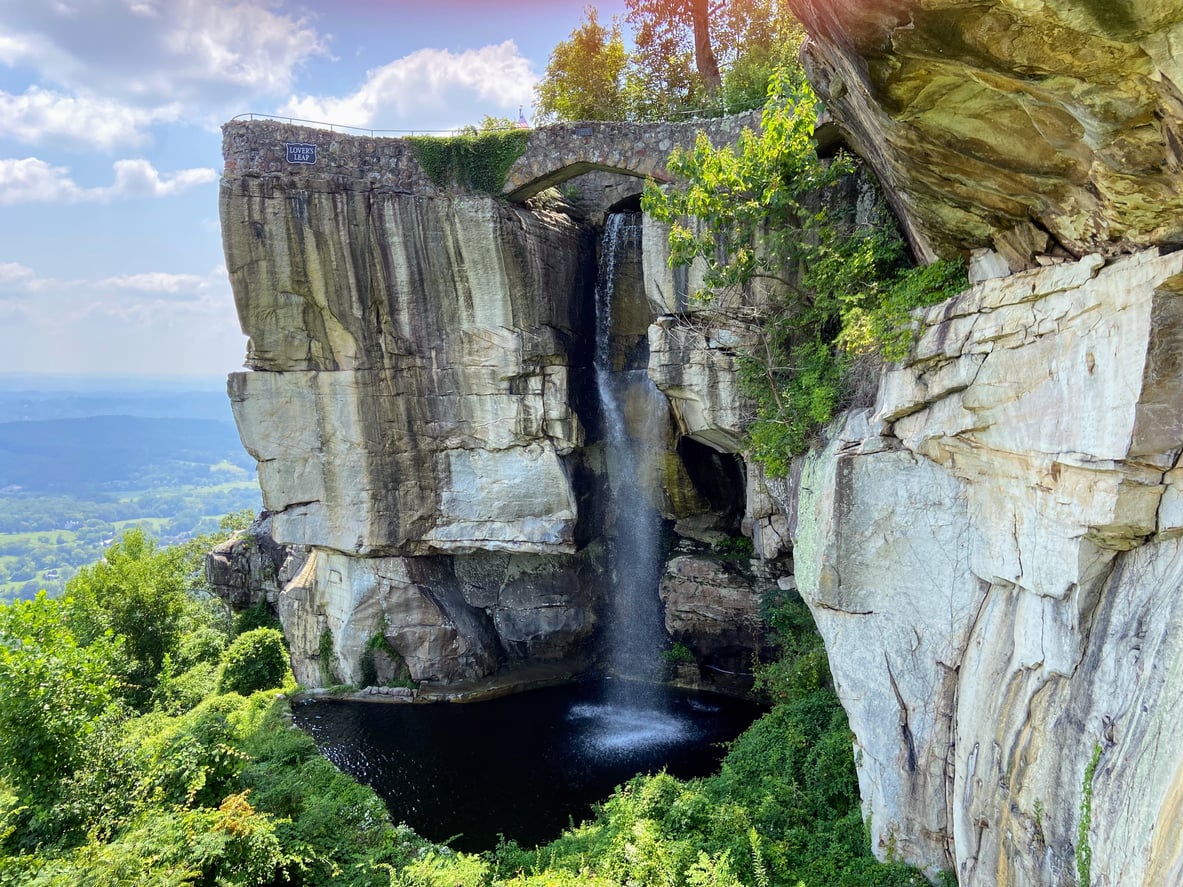
Generations of drivers knew Rock City before they ever saw it thanks to three words painted on barns across the country: See Rock City. Garnet and Frieda Carter opened the Lookout Mountain attraction in 1932, combining gardens and natural rock formations with bridges, caves, overlooks, and deliberately whimsical touches. Sign painter Clark Byers later spread the message across barns as far away as Michigan and Texas. Unlike a quick roadside photo stop, this one requires admission and enough time to walk the attraction’s trails.
Meramec Caverns – Stanton, Missouri
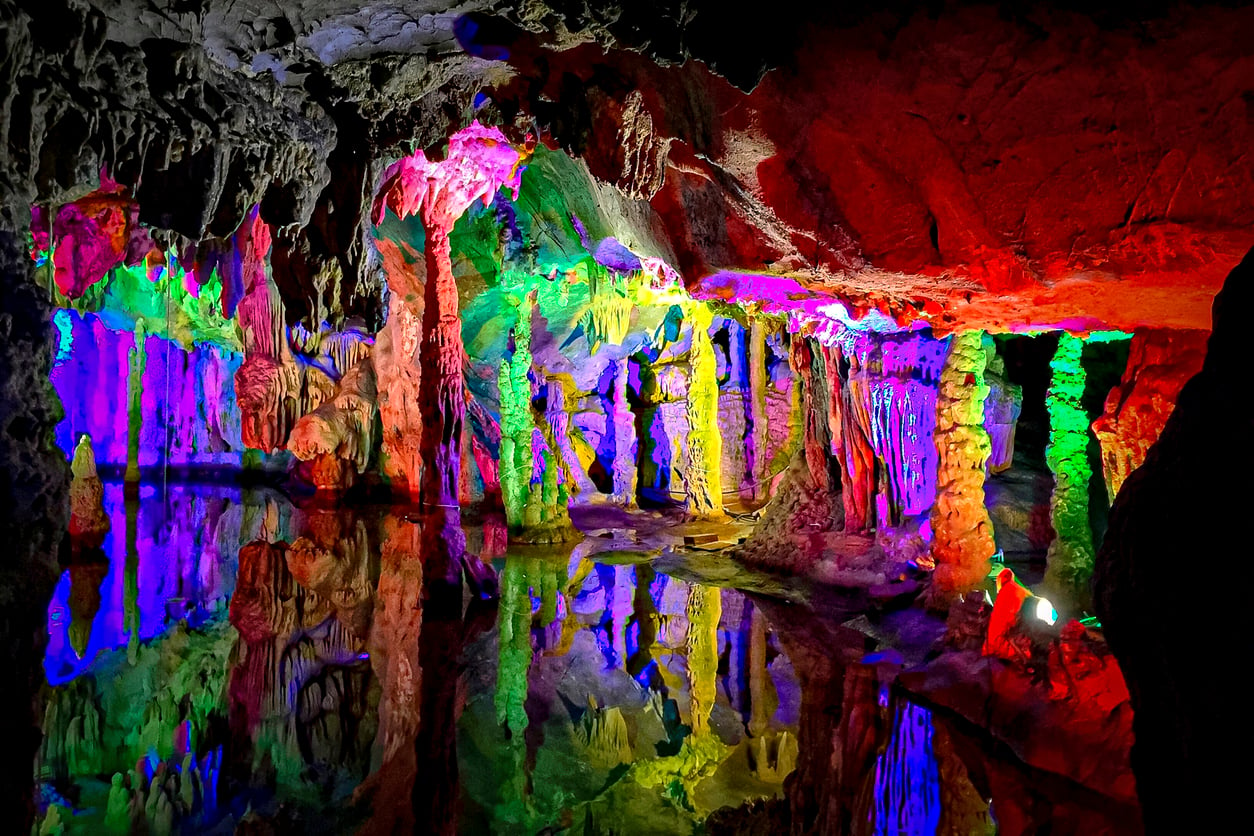
Meramec Caverns became a Route 66 institution after Lester Dill opened the Missouri cave system to tourists in 1935 and marketed it relentlessly to passing motorists. Guided tours still take visitors underground through the limestone formations, making this more substantial than the average roadside oddity. The caves have also long been promoted through stories connecting them to outlaw Jesse James, but historical evidence for those tales is thin. Recent visitors commonly praise the formations and guides, while anyone with balance concerns may appreciate that portions of the route have handrails.
Dinosaur Park – Rapid City, South Dakota
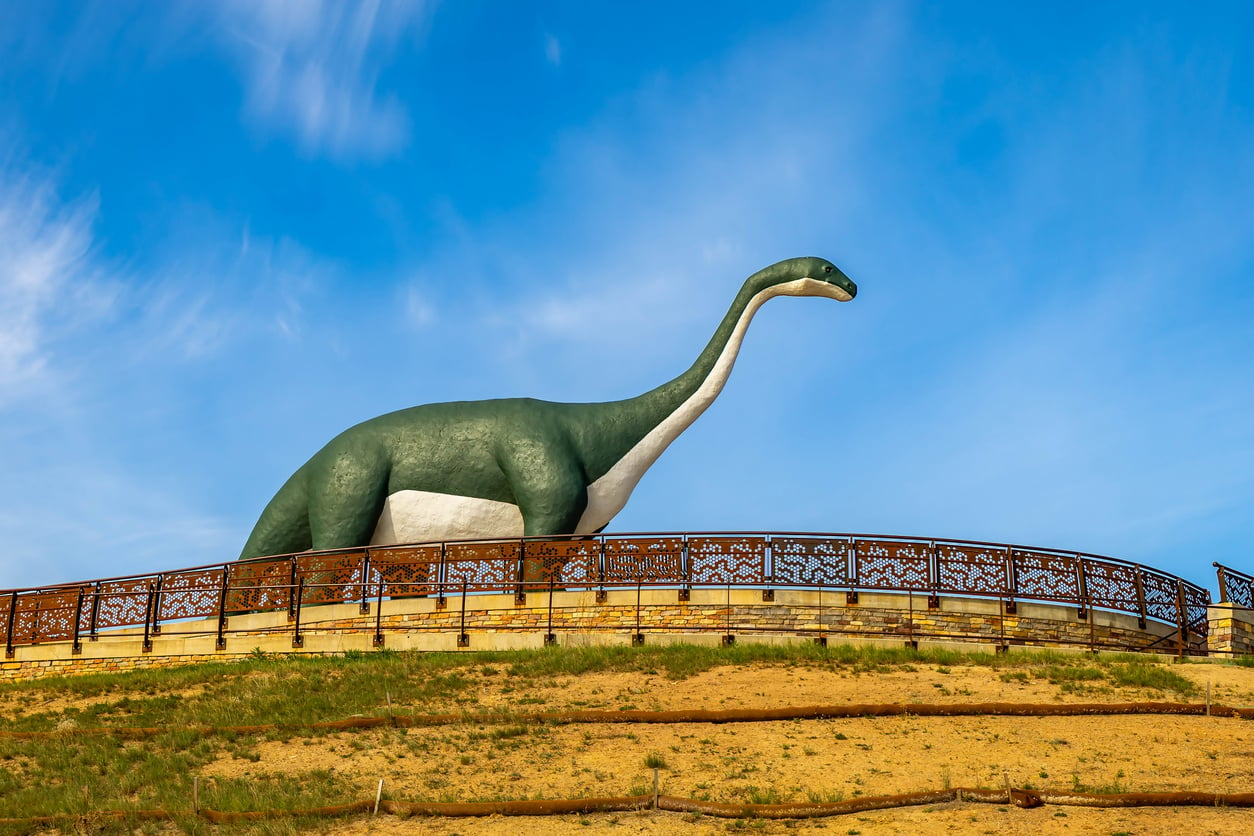
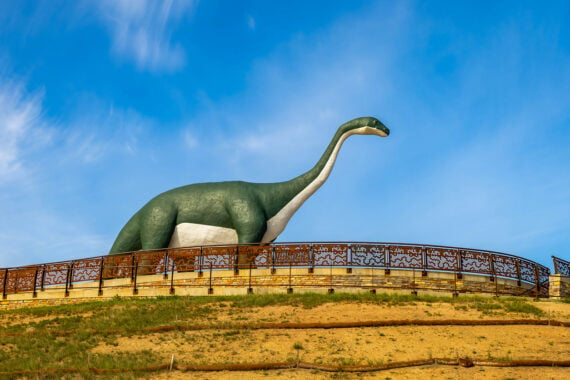
Seven giant concrete dinosaurs have watched over Rapid City since 1936, when the Depression-era attraction was created partly to lure Mount Rushmore-bound motorists into town. Their anatomy does not exactly match modern paleontology, but replacing them would miss the point: the slightly cartoonish dinosaurs themselves are now historic. Dinosaur Park remains free, making it one of the better-value stops on this list. Recent improvements added an accessible pedestrian route, new handrails, and other upgrades to a site once reached mainly by steep stairs.
Sign up for our newsletter
Paul Bunyan and Babe the Blue Ox – Bemidji, Minnesota
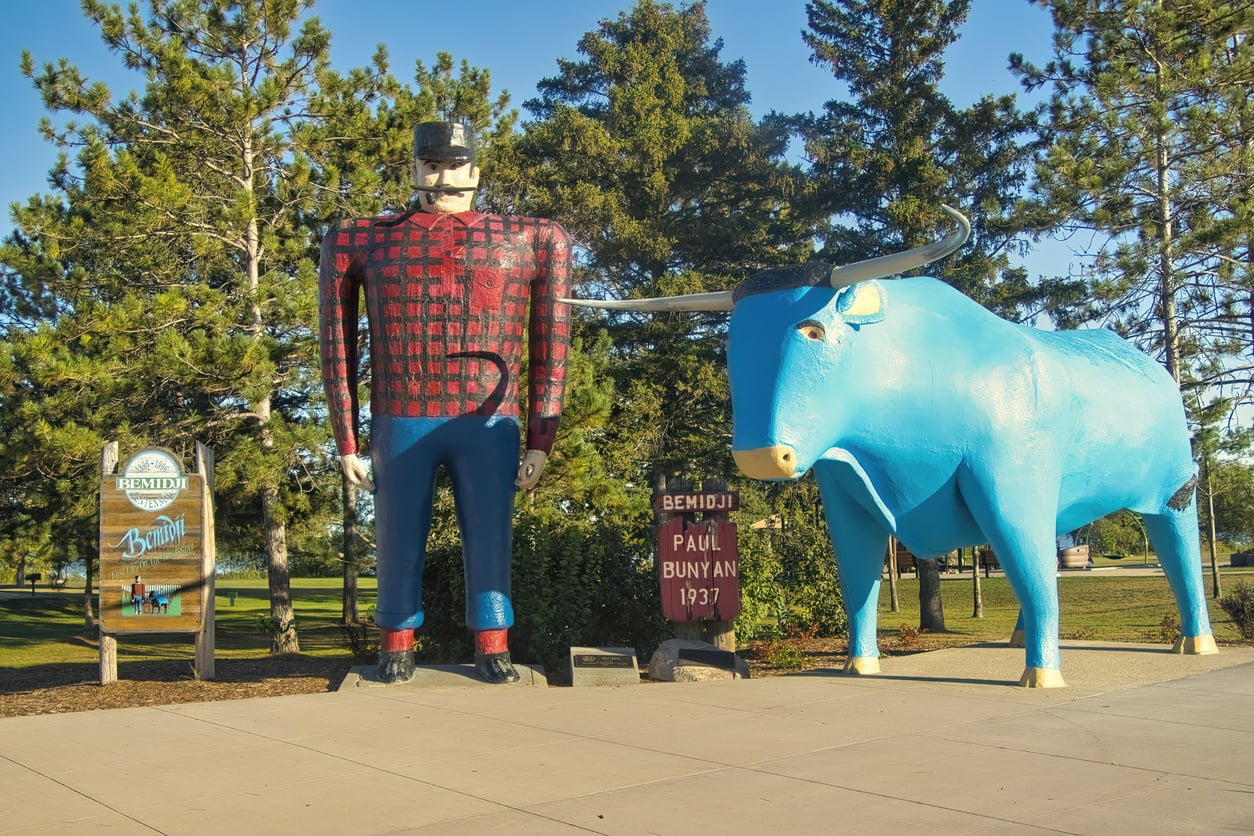
Bemidji built its enormous Paul Bunyan and Babe the Blue Ox figures for a 1937 winter carnival meant to promote tourism and the region’s logging heritage. They quickly became permanent roadside celebrities. The statues were added to the National Register of Historic Places in 1988 and continue to stand near Lake Bemidji beside the Tourist Information Center. There’s no elaborate attraction hiding behind them, this is an old-fashioned photo stop in the purest sense, which also means travelers don’t have to spend much to enjoy it.
The Mystery Spot – Santa Cruz, California
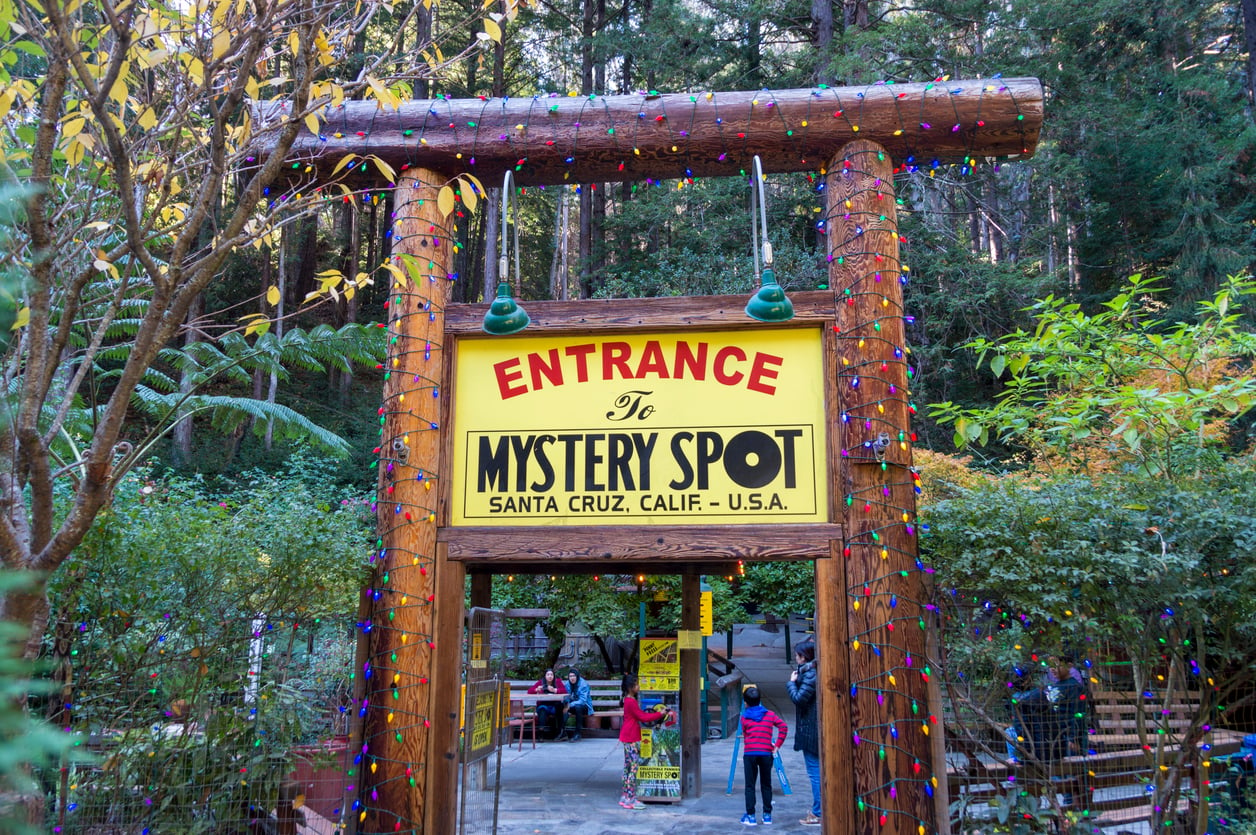
The Mystery Spot has been making visitors feel as though gravity has gone haywire since opening in 1940. The effect comes from a dramatically tilted environment and visual cues that make people and objects appear to lean at impossible angles, not from scientifically demonstrated changes in gravity. That doesn’t spoil the fun. Recent visitors frequently compliment the personable guides, although the tour is fairly short and popular times can become crowded. Parking currently costs an additional $5, and advance tickets can be useful on busy weekends.
Blue Swallow Motel – Tucumcari, New Mexico
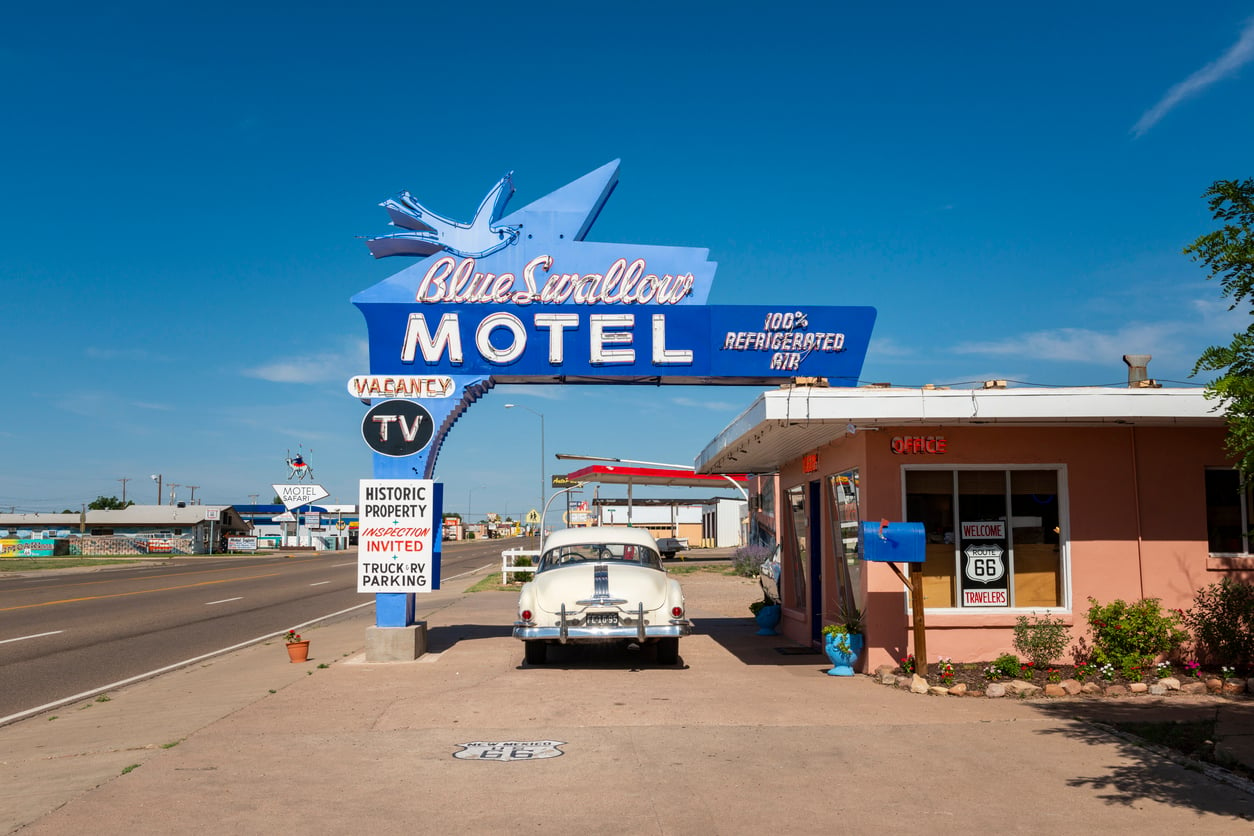
The Blue Swallow proves a roadside attraction can still serve its original purpose. Built along Route 66 in the early 1940s, the pink-stucco motor court is known for its restored neon, Southwestern details, and attached garages between rooms. Instead of merely posing for a photo, travelers can still book a night there, experiencing a style of motel built specifically for America’s automobile age. The property is listed on the National Register of Historic Places, and its glowing neon makes nighttime a particularly atmospheric time to see it.
Weeki Wachee Springs – Weeki Wachee, Florida
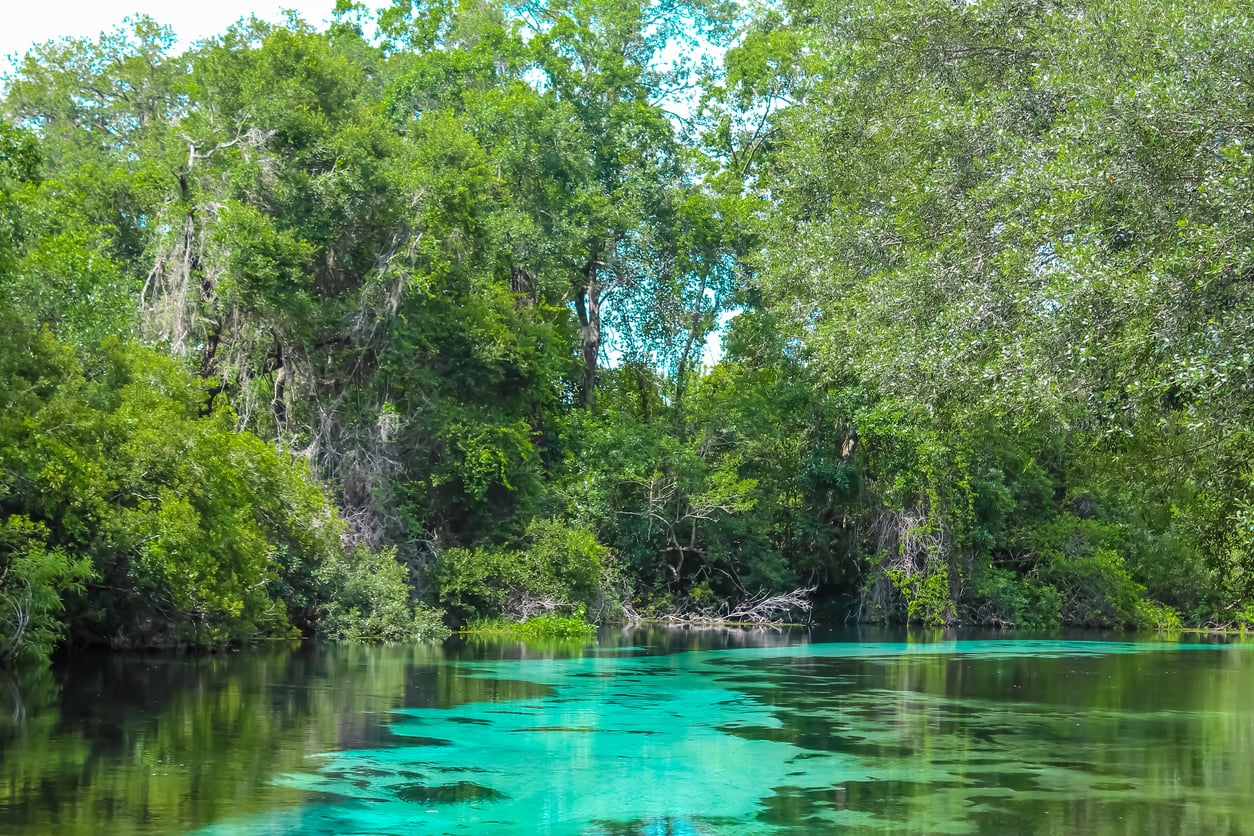
Florida’s highways once competed for tourists with some wonderfully strange attractions, and Weeki Wachee may be the most enduring. Its first underwater show opened in 1947, featuring performers who breathed through submerged air hoses while swimming and performing as mermaids in a natural spring. Weeki Wachee is now part of Florida’s state park system, but the mermaid show remains. Current park admission is modest compared with major Florida theme parks: $13 for adults and $8 for children ages 6 through 12.
South of the Border – Dillon, South Carolina
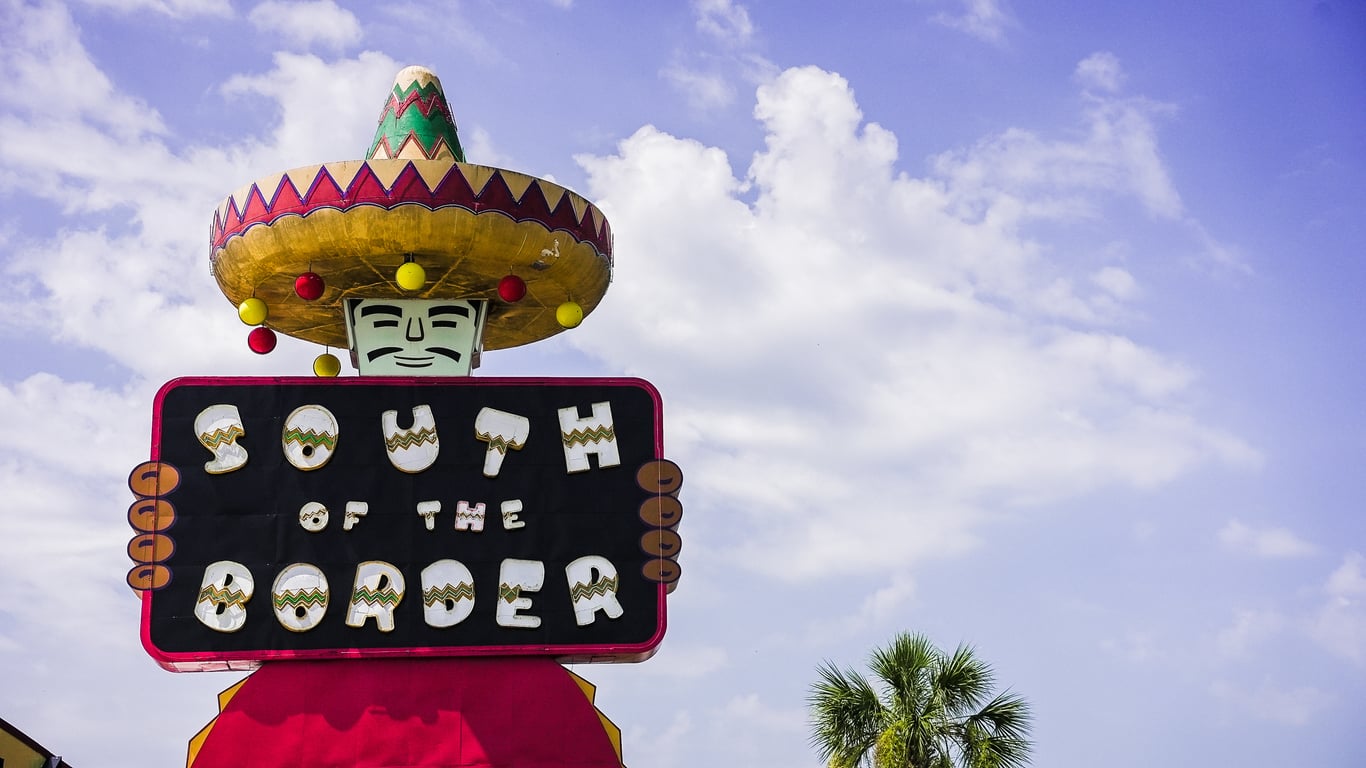
Drivers on Interstate 95 have been bombarded with South of the Border billboards for generations. The attraction started in 1949 as Alan Schafer’s small beer stand just below dry counties in North Carolina, then expanded into a sprawling collection of shops, restaurants, lodging, neon, and giant signs. Its sheer absurdity remains part of the appeal. However, its faux-Mexican “Pedro” mascot and some historical imagery reflect stereotypes many modern travelers find dated or offensive, an uncomfortable part of the attraction’s long roadside legacy.
Wigwam Village Motel No. 6 – Holbrook, Arizona
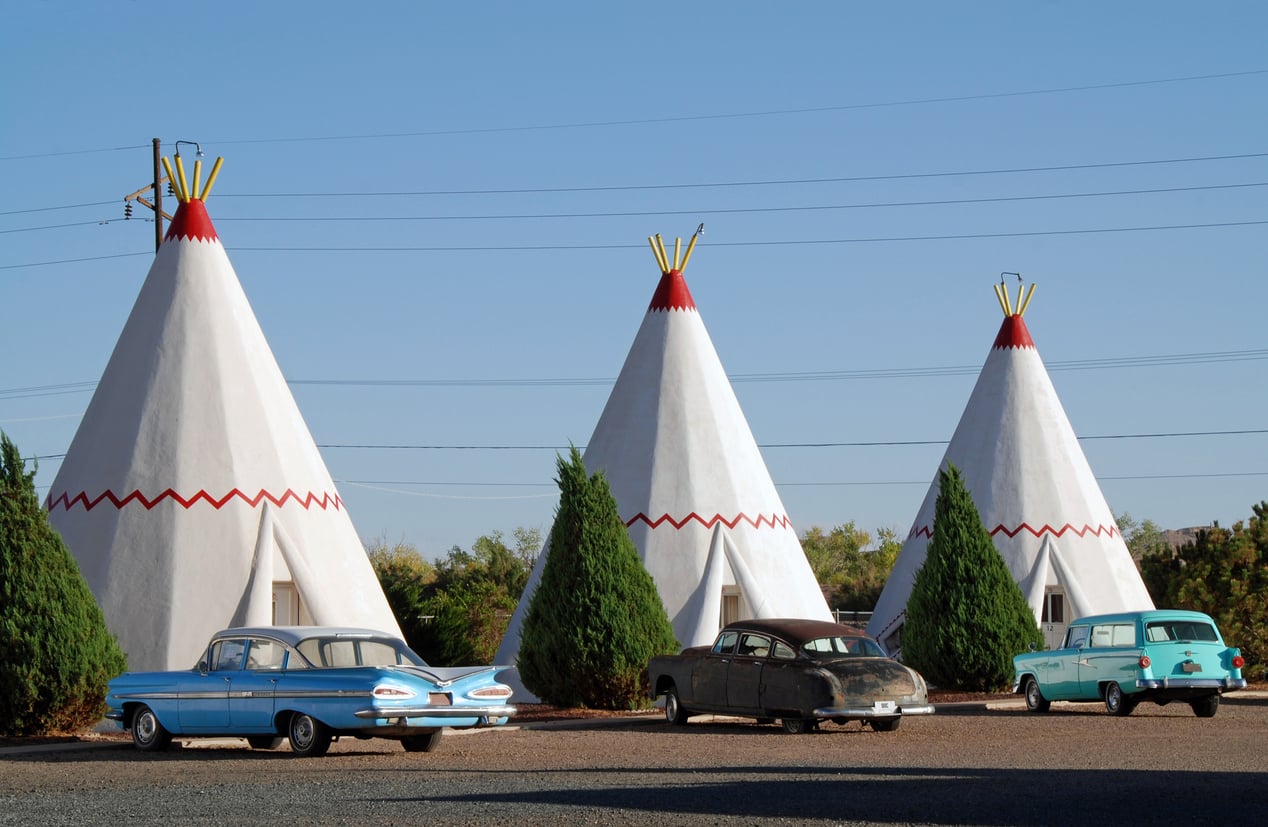
Completed in 1950 on Route 66, Wigwam Village No. 6 lets travelers do more than photograph novelty architecture: they can sleep inside it. Its concrete cone-shaped rooms were marketed as “wigwams,” although the shape more closely resembles a tipi, making the historical terminology culturally and architecturally inaccurate. Only three of the original seven Wigwam Village properties survive. Vintage automobiles parked around the Holbrook property complete the midcentury motor-court atmosphere, while its continued motel operation makes it a particularly tangible piece of Route 66 history.
The Big Texan Steak Ranch – Amarillo, Texas
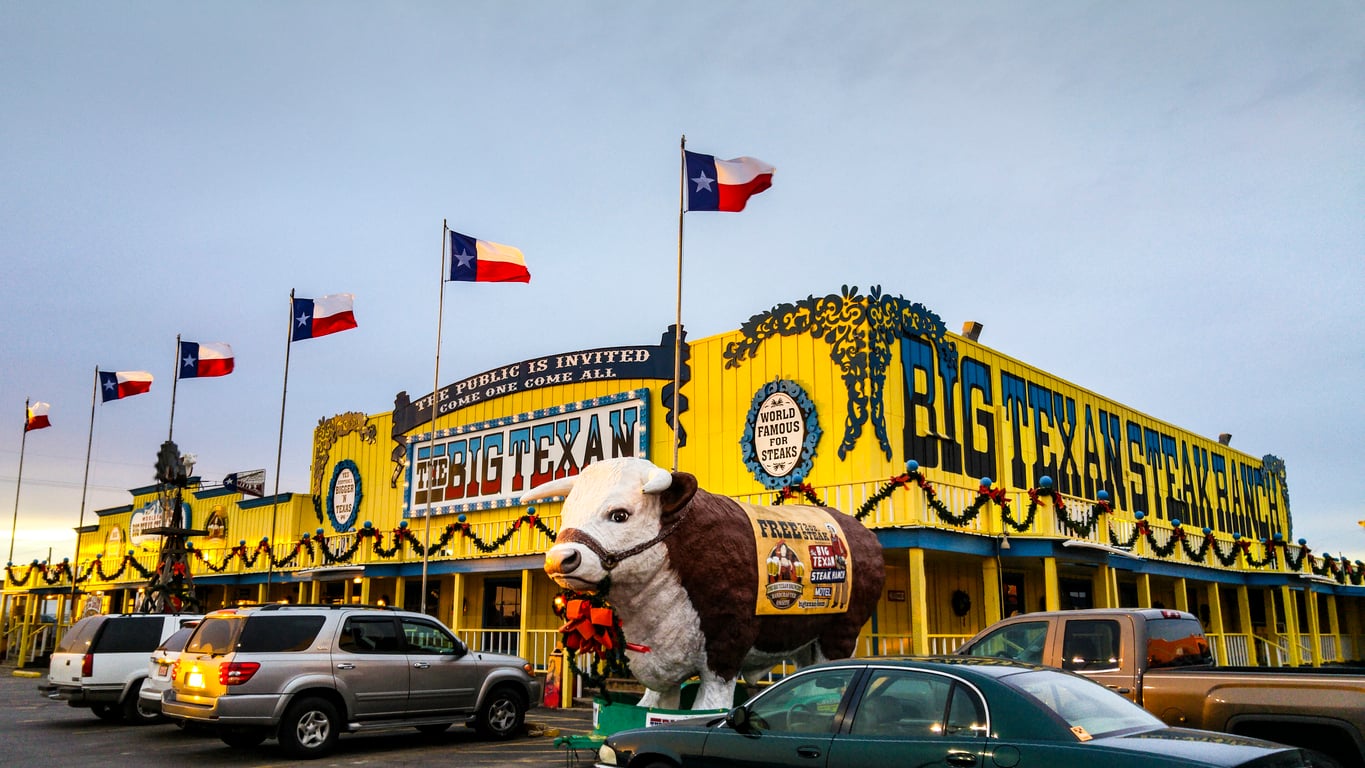
The Big Texan has been turning dinner into roadside theater since 1960. Its signature 72-ounce steak challenge requires contestants to finish the enormous steak plus a baked potato, salad, shrimp cocktail, and roll within one hour. Finish everything and the meal is free; fail and you pay. The challenge remains active today, but spectators don’t need a four-and-a-half-pound appetite to enjoy the spectacle. The oversized Western styling, gift shop, and highway-side showmanship make the restaurant as much roadside attraction as steakhouse.
The Blue Whale of Catoosa – Catoosa, Oklahoma
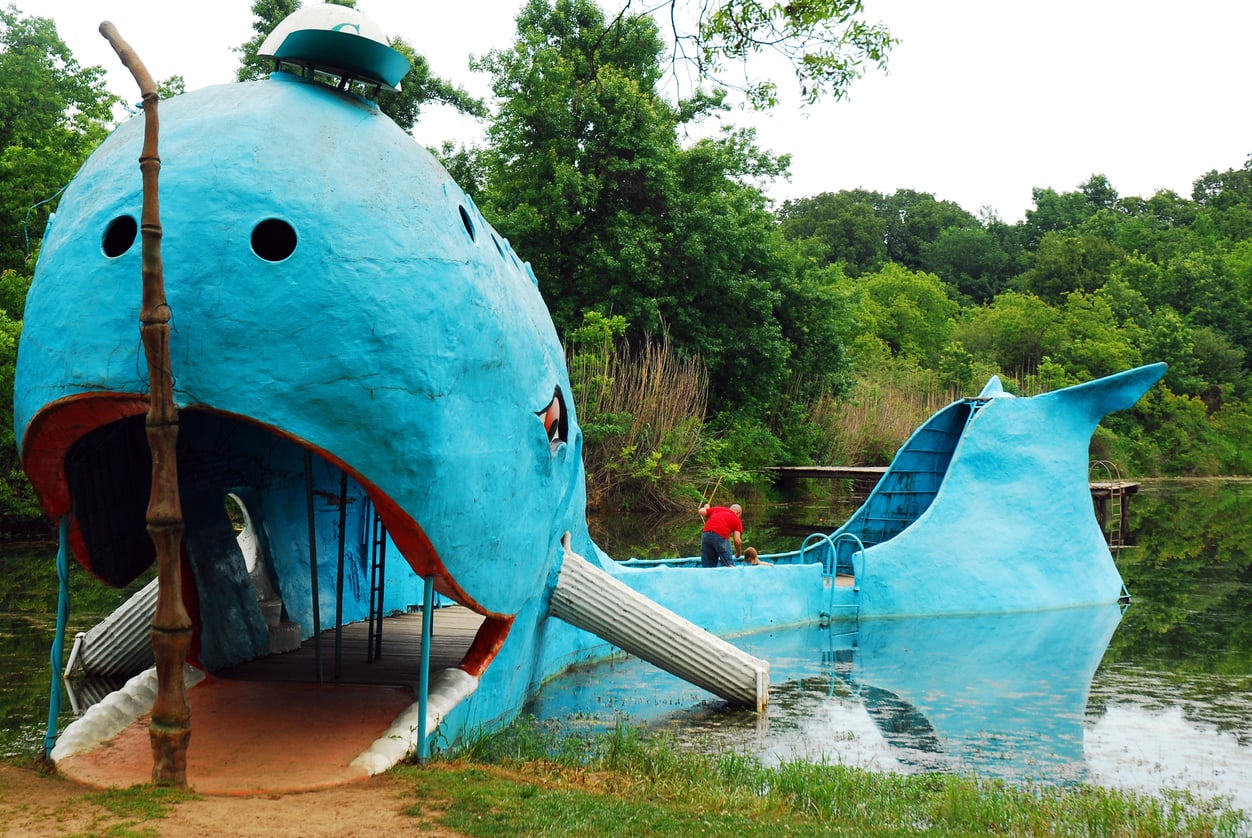
Hugh Davis wasn’t originally trying to create a Route 66 landmark. He built the enormous blue whale beside his family’s pond as a place for his grandchildren to play. Completed in 1972 after roughly two years of work, the whale measures about 80 feet long and 20 feet high. Swimming is no longer allowed, but visitors can walk around, picnic, fish, and photograph it. The City of Catoosa now operates the site, and admission remains free, an increasingly welcome feature on a long road trip.
Cadillac Ranch – Amarillo, Texas
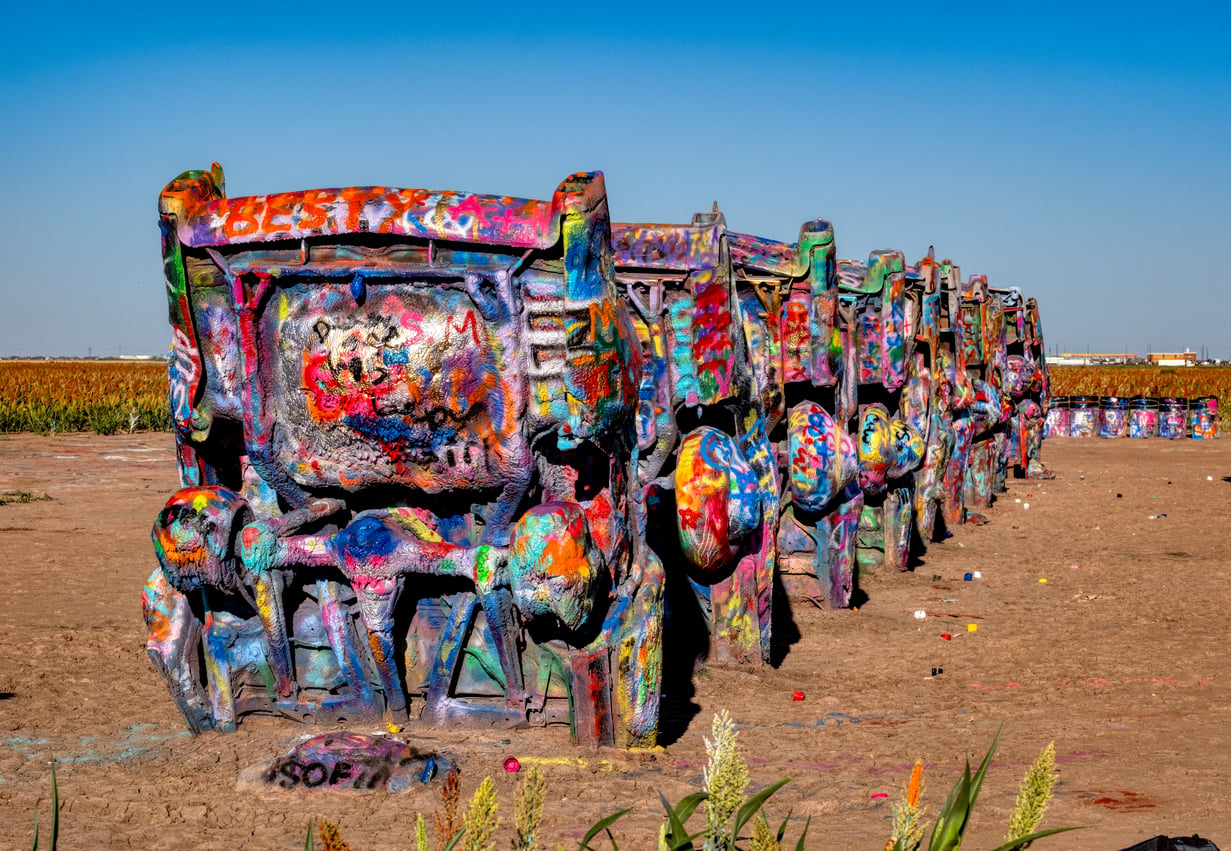
Ten Cadillacs buried nose-first in a Texas field have been stopping motorists since art collective Ant Farm created Cadillac Ranch in 1974. The cars were chosen partly to trace changes in Cadillac design and America’s obsession with automotive style. What makes the installation unusual is that visitors don’t merely look at it: adding spray paint has become part of the experience, so its surface constantly changes. Visit Amarillo continues to encourage visitors to make their mark, though taking empty cans and caps away afterward is the considerate move.
Cabazon Dinosaurs – Cabazon, California
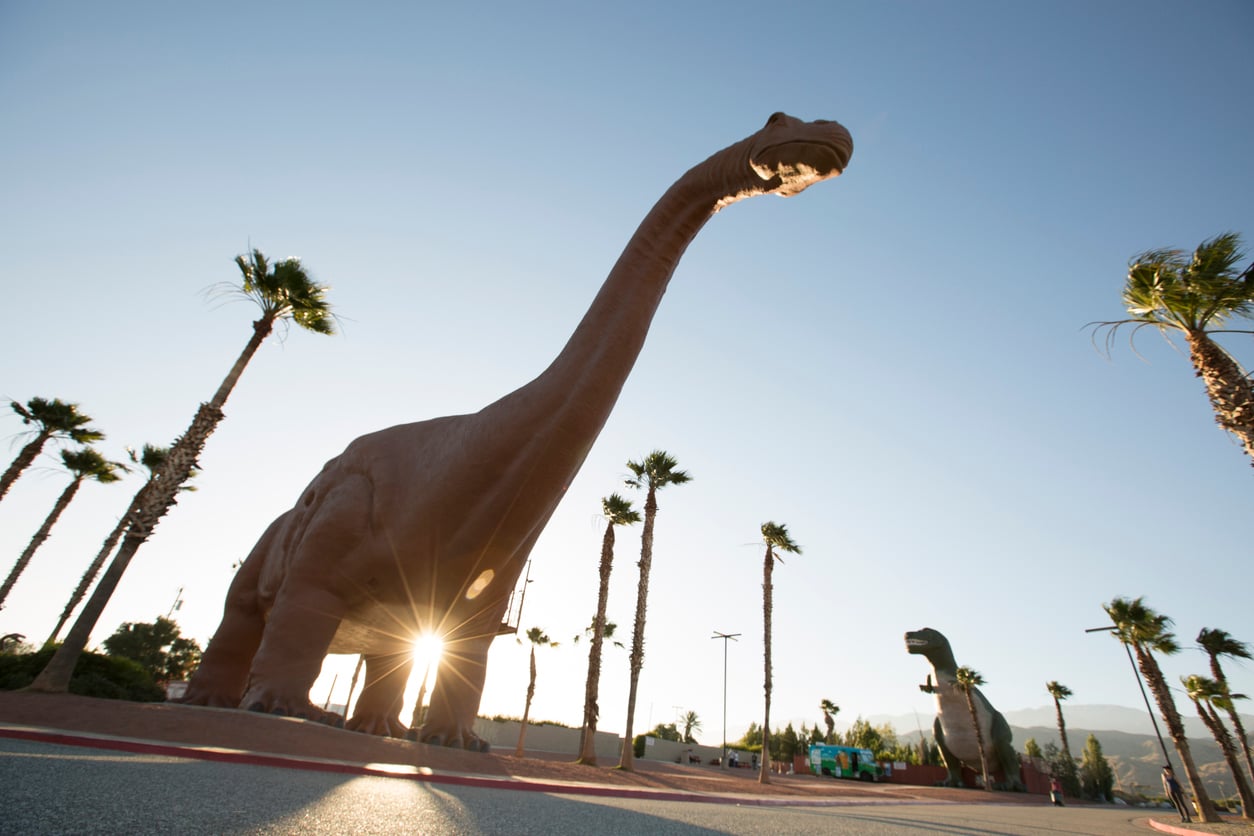
Few highway sights announce themselves quite like the enormous dinosaurs looming beside Interstate 10 between Los Angeles and Palm Springs. Claude Bell began creating the concrete giants beside his Wheel Inn restaurant as a way to lure motorists off the road, and Dinny and Mr. Rex eventually became pop-culture landmarks as well as roadside ones. The attraction remains open, with more dinosaurs added around the originals. Adult admission to the dinosaur park is currently $15, while seniors and military visitors pay $11.