Historic hotels offer something a museum simply cannot: the chance to actually spend the night surrounded by generations of travel history. These historic hotels where travelers can still spend the night range from colonial-era inns to Gilded Age resorts and legendary national park lodges. Many are recognized by Historic Hotels of America, a National Trust for Historic Preservation program dedicated to notable historic lodging properties that remain part of the modern travel landscape.
The Omni Homestead Resort – Hot Springs, Virginia
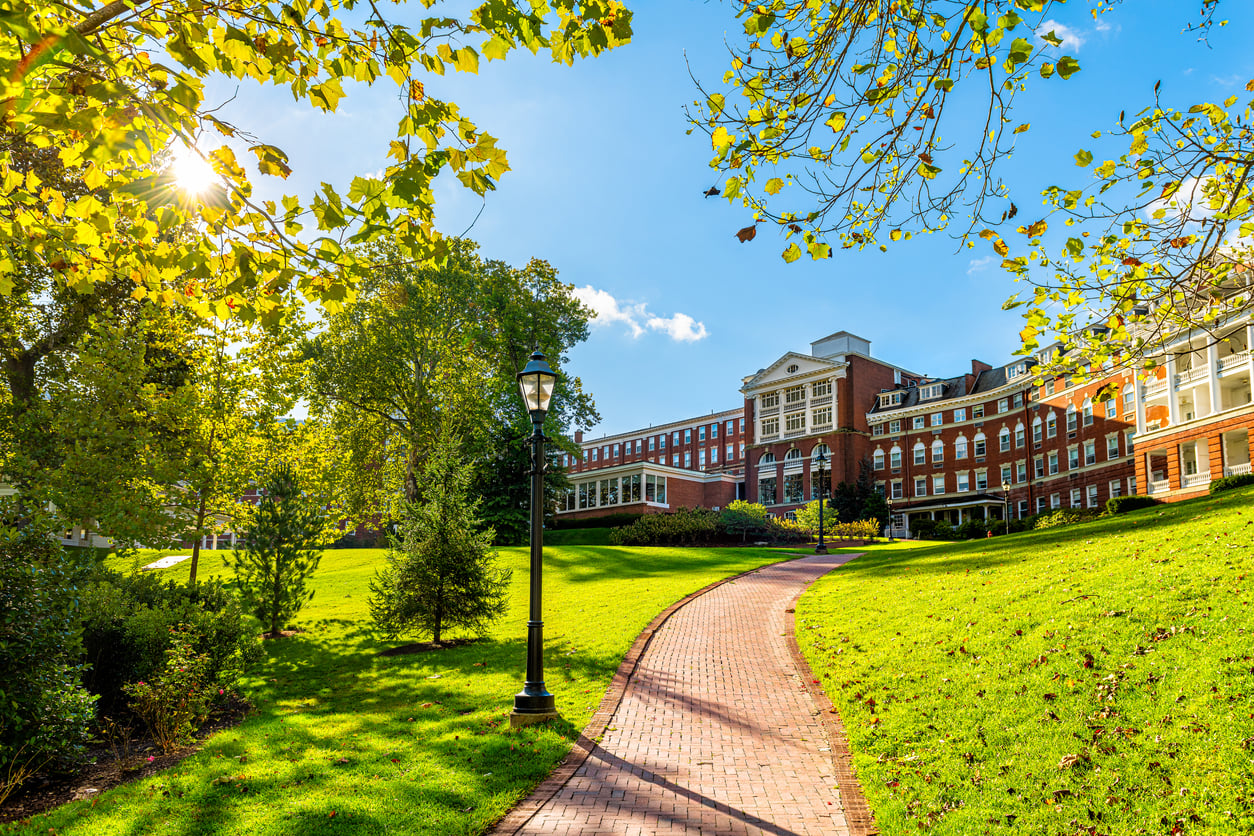
The Homestead traces its hospitality history to 1766, when a small wooden lodge opened near Virginia’s mineral springs, making its resort lineage older than the United States itself. Today’s sprawling property is considerably newer and much larger, covering more than 2,300 acres. Guests can combine that history with golf, spa treatments, pools, and mountain activities. Omni also says 24 U.S. presidents have visited, though modern comforts now far outnumber anything those earliest guests would recognize.
The Red Lion Inn – Stockbridge, Massachusetts
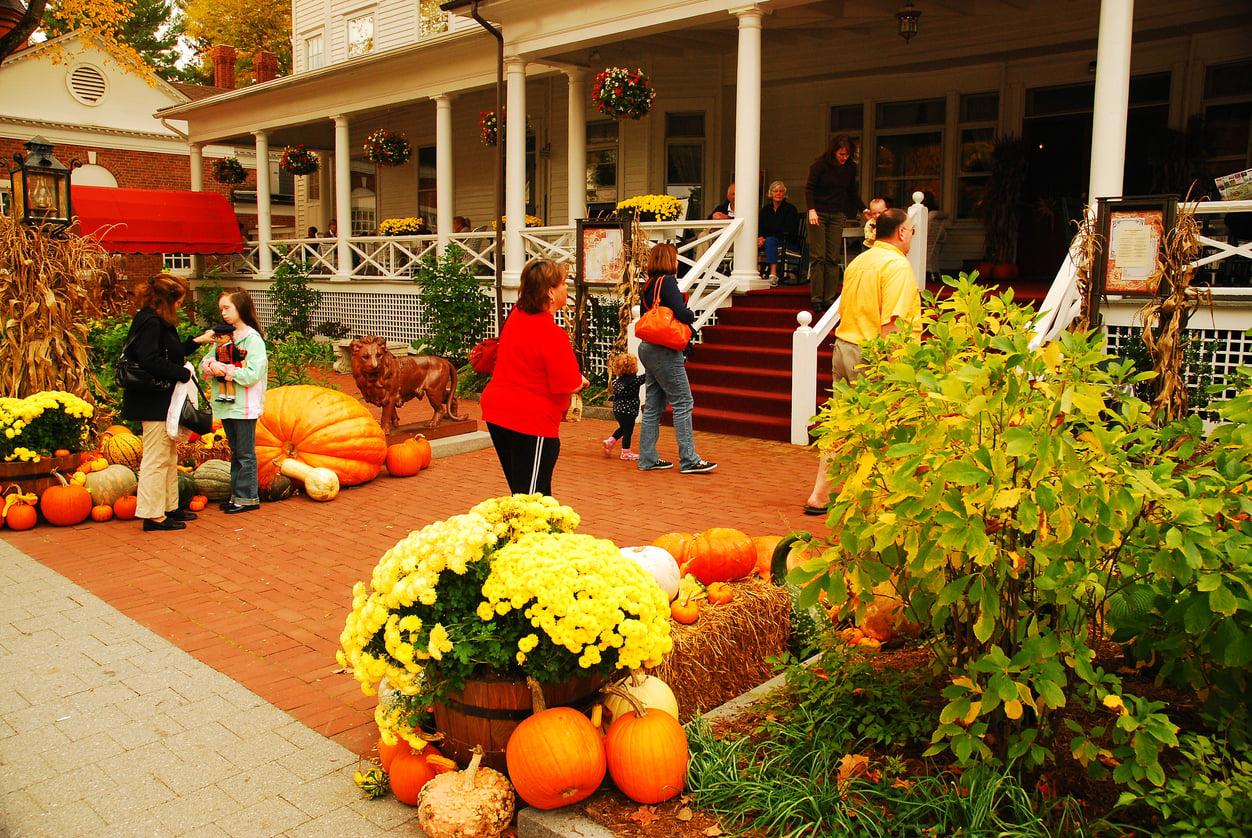
The Red Lion Inn says that, according to local tradition, Silas Pepoon established a tavern on this Stockbridge corner in 1773, serving stagecoach travelers between Albany and Boston. More than 250 years later, visitors can still sleep in the heart of the Berkshires amid porches, antiques, fireplaces, and classic New England atmosphere. Its age is part of the appeal, though travelers wanting sleek, uniform modern rooms should remember that character and consistency are not always the same thing.
French Lick Springs Hotel – French Lick, Indiana
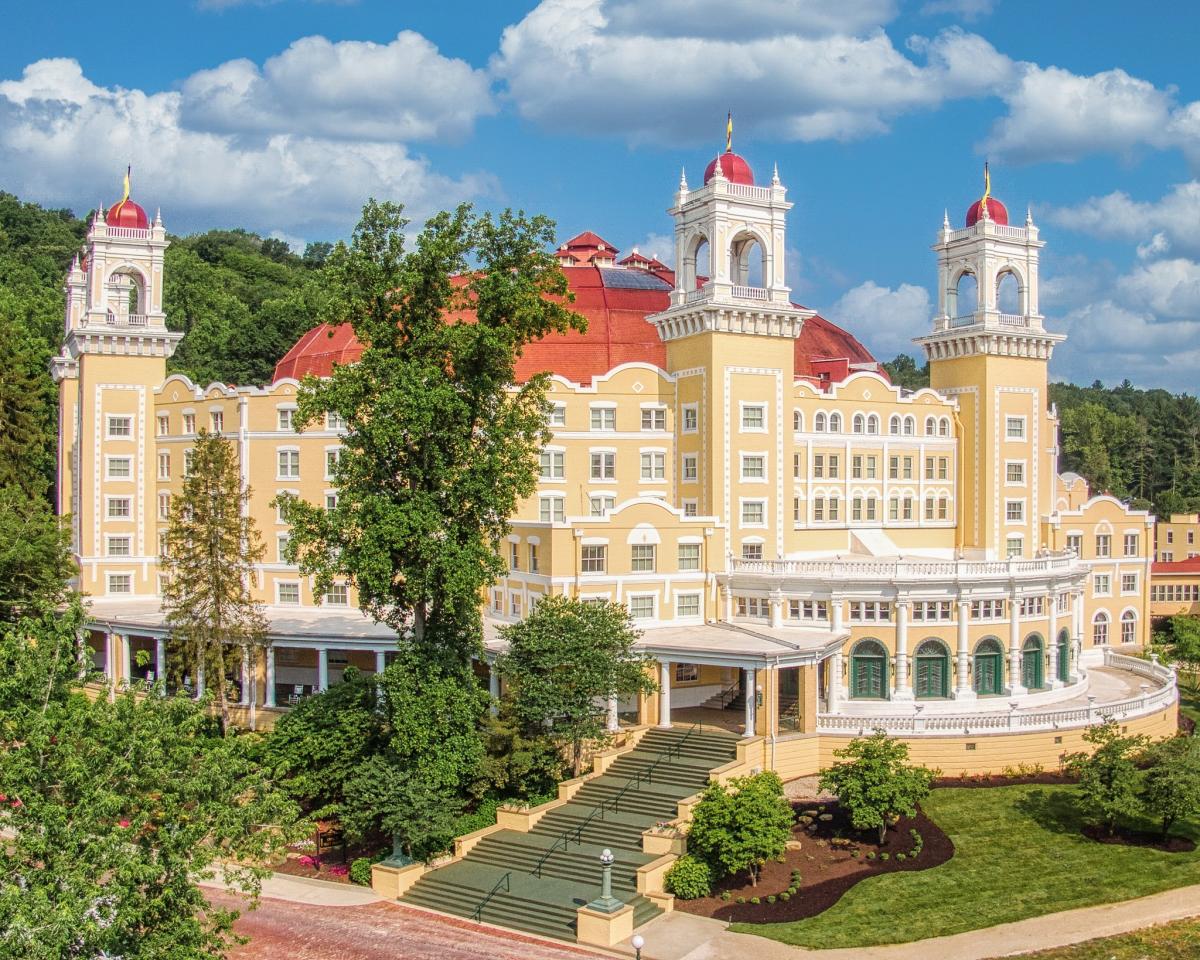
French Lick’s hotel history dates to 1845, when physician William Bowles built a hotel and promoted the area’s mineral springs as a health attraction. The pungent waters later became famous through bottled Pluto Water, once sold as a medicinal product. Today’s restored French Lick Springs Hotel is much more conventional in its comforts, with dining, golf, spa facilities, and casino entertainment. The ornate early-20th-century interiors make it especially interesting for travelers curious about America’s once-booming mineral-springs resort culture.
Omni Parker House – Boston, Massachusetts
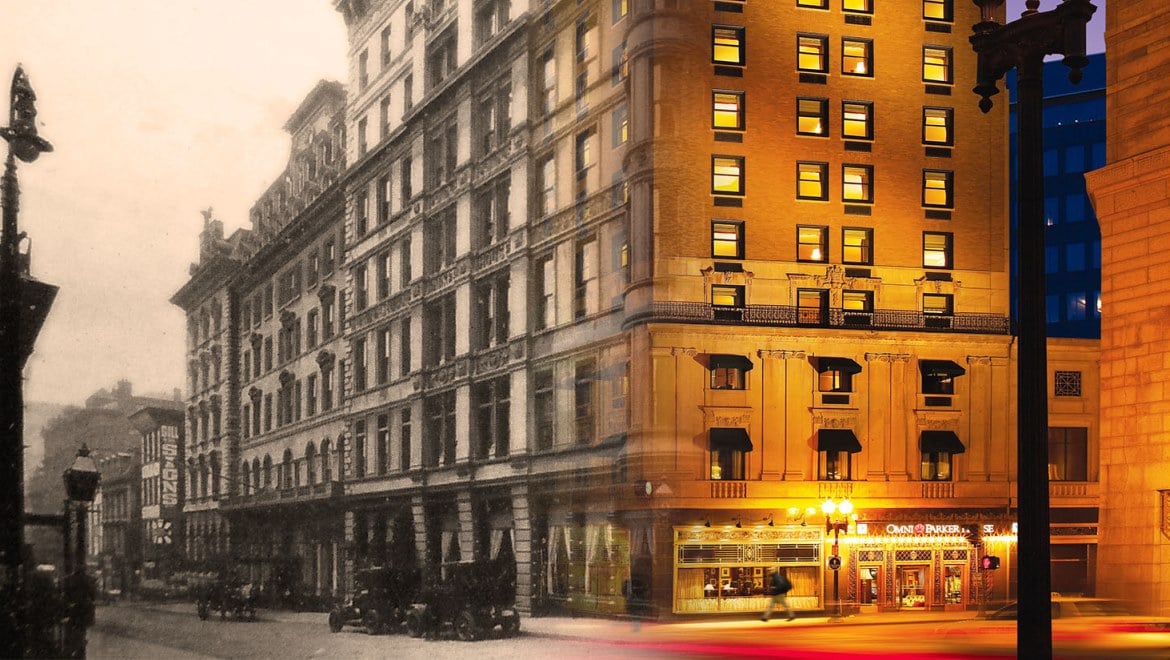
Opened in 1855, the Parker House remains one of Boston’s great historic addresses, close to Boston Common, Beacon Hill, and the Freedom Trail. Its history includes famous literary guests and a much tastier legacy: the hotel credits chef Augustine Francois Anezin with creating Boston cream pie there in 1856, while Parker House rolls followed in the 1870s. Guests today get a full-service downtown hotel rather than a historical reconstruction, making this an easy way to fold a historic stay into a Boston sightseeing trip.
Mohonk Mountain House – New Paltz, New York
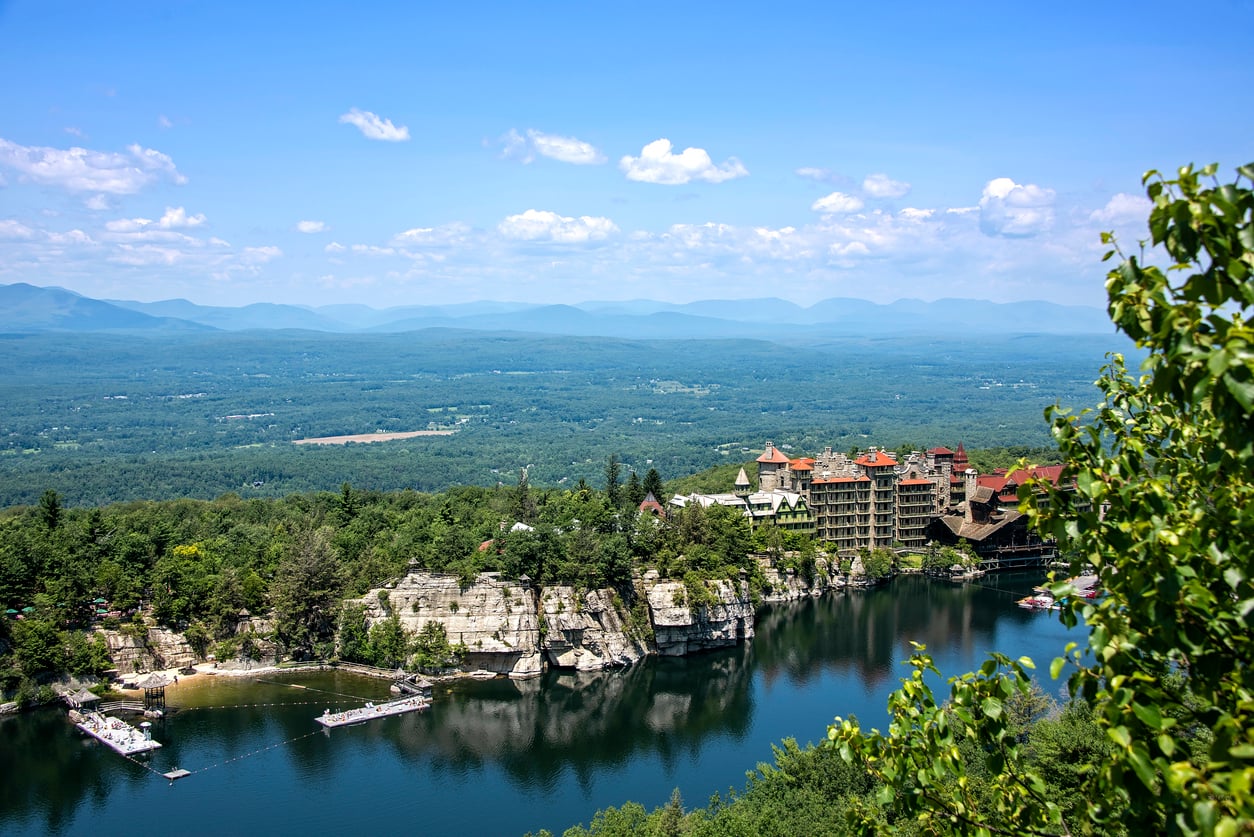
Mohonk Mountain House has remained in the Smiley family’s hands since 1869, when Albert Smiley began developing a retreat beside Lake Mohonk in the Hudson Valley. The sprawling Victorian resort is now a National Historic Landmark surrounded by more than 85 miles of trails. One practical difference from many luxury resorts is that overnight rates generally include three meals, afternoon tea and cookies, and many activities. That can soften the sticker shock, although Mohonk is still decidedly a splurge rather than a budget historic getaway.
Trending on Cheapism
The Peabody Memphis – Memphis, Tennessee
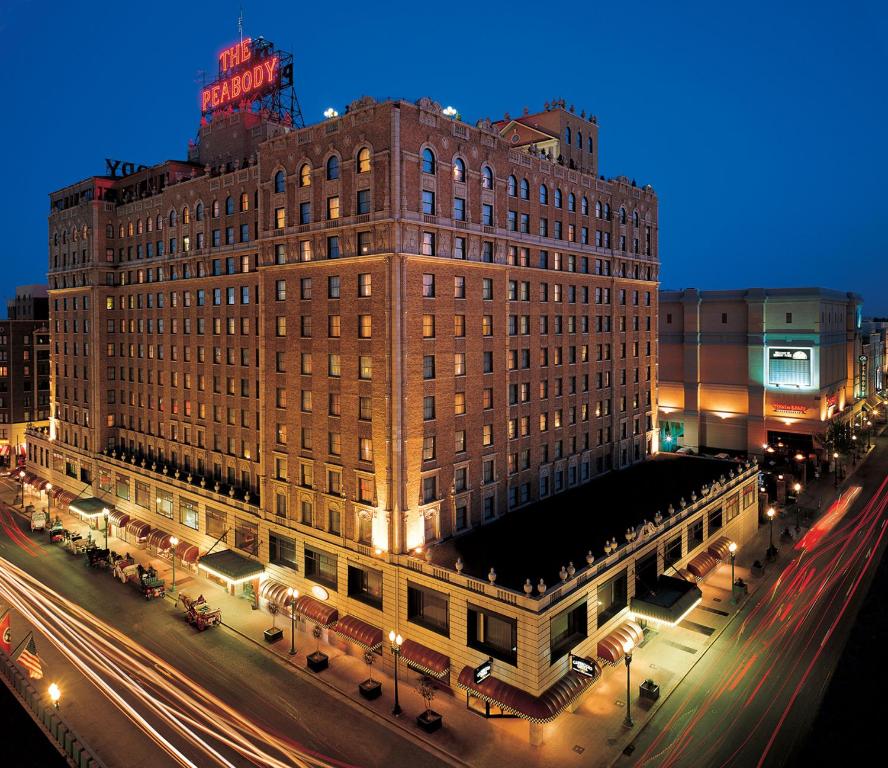
The Peabody’s history begins in 1869, but guests today sleep in the replacement hotel that opened at Union and Second streets in 1925. Its most famous tradition arrived in 1933, when ducks were placed in the lobby fountain after a hunting trip. The stunt became permanent, and visitors can still watch the Peabody Ducks march to and from the fountain under the direction of the Duckmaster. Even travelers who do not stay overnight can see the spectacle, so expect the lobby to attract plenty of spectators.
Palmer House – Chicago, Illinois
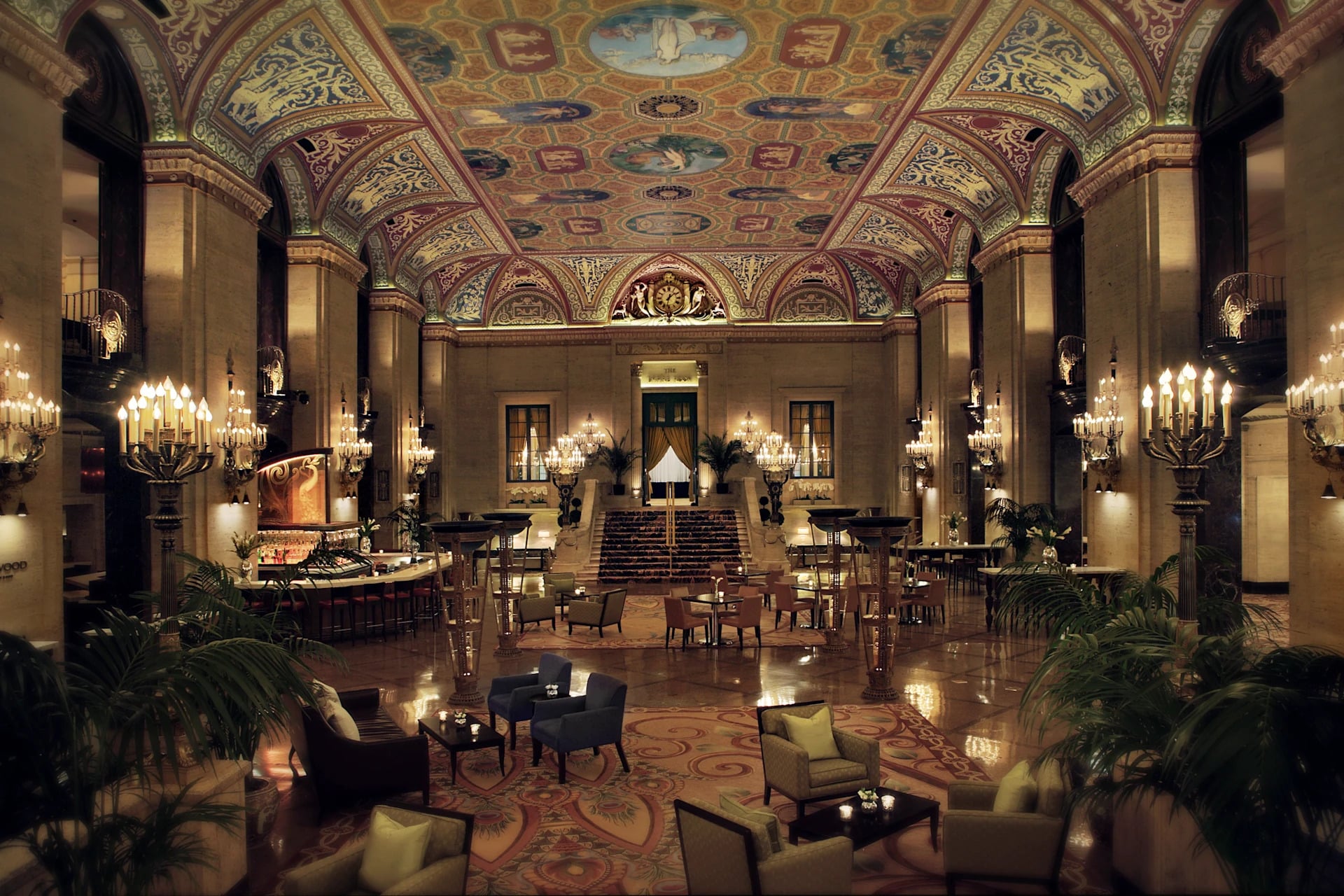
Few hotel origin stories are as dramatic as Palmer House’s. Potter Palmer gave the original hotel to his wife, Bertha, as a wedding gift in 1871, only for it to burn in the Great Chicago Fire 13 days after opening. It was rebuilt and became a Chicago institution. Today’s guests can admire the famously ornate lobby and sample another piece of its history: Hilton credits the Palmer House kitchen with creating the brownie for the 1893 World’s Columbian Exposition.
Palace Hotel – San Francisco, California
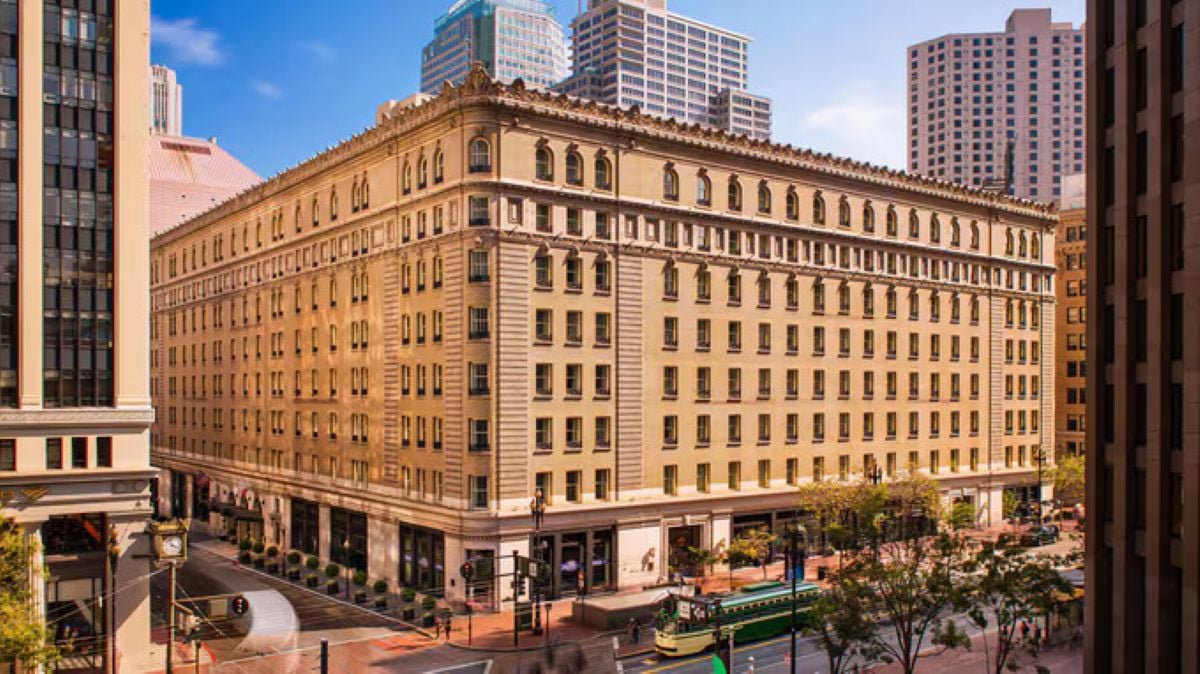
When San Francisco’s Palace Hotel opened in 1875, Marriott says it was the largest hotel in the world. The original was lost after the 1906 earthquake and fire, so the building travelers enter today dates to the hotel’s 1909 reopening. Its showpiece is the Garden Court, where Italian marble columns, Austrian crystal chandeliers, and a huge glass dome preserve the grand-hotel effect. The downtown location is convenient for sightseeing, but this is firmly luxury lodging rather than an inexpensive historical curiosity.
Sign up for our newsletter
Grand Hotel – Mackinac Island, Michigan
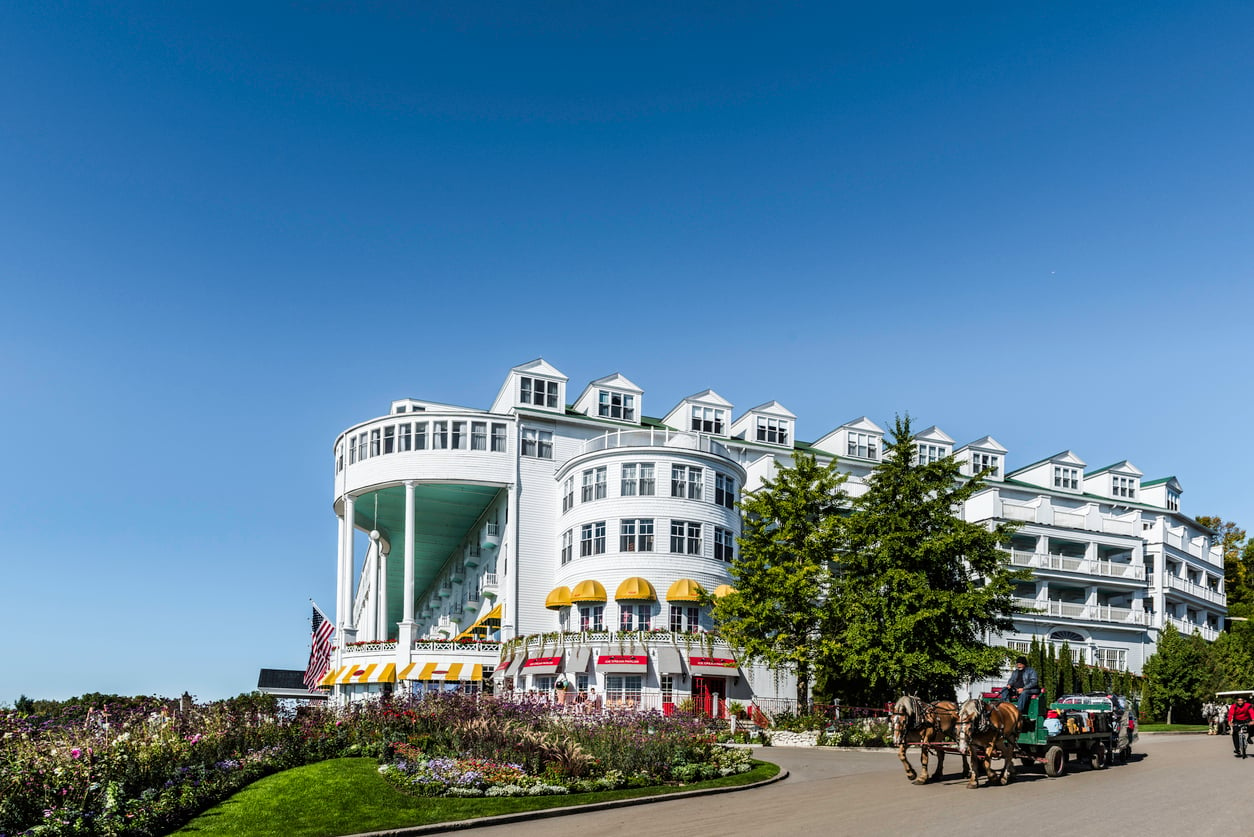
Grand Hotel opened in 1887 as a summer retreat for travelers arriving by rail and lake steamer. Its enormous 660-foot front porch remains the hotel’s signature feature, while Mackinac Island’s limited automobile traffic helps preserve an unusually old-fashioned atmosphere. Guests can still dress for dinner, take afternoon tea, hear live music, and travel by horse-drawn carriage. Fans of “Somewhere in Time” get another nostalgic connection: the 1980 film was shot in and around the hotel.
Hotel del Coronado – Coronado, California
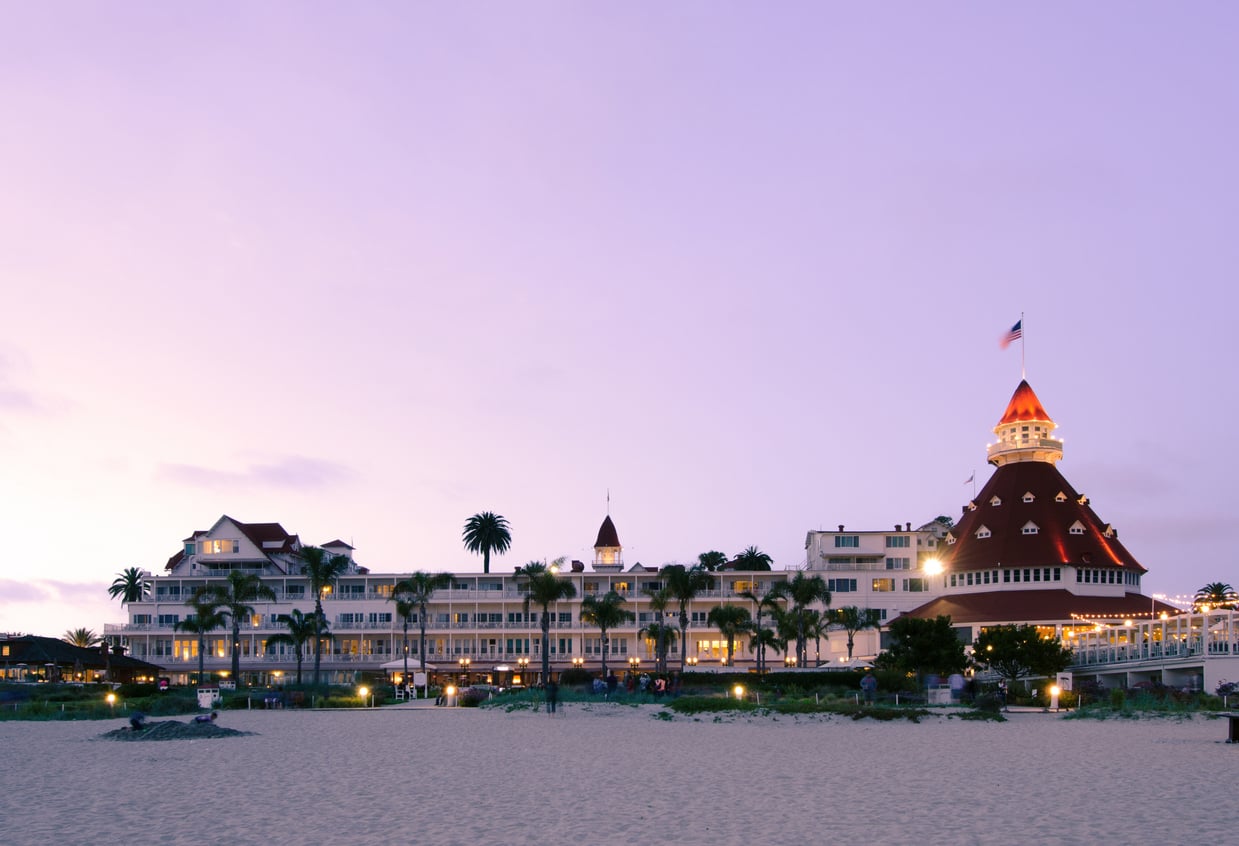
The enormous red-roofed Victorian Hotel del Coronado has overlooked the Pacific since 1888 and became a National Historic Landmark in 1977. Travelers can still specifically reserve rooms in the original Victorian building rather than one of the resort’s newer sections. The Del completed a six-year, resort-wide restoration exceeding $550 million in 2025, including extensive work on the historic building. The history is impressive, but so is the scale: this is now a large contemporary beach resort wrapped around its famous Victorian centerpiece.
Lake Yellowstone Hotel – Yellowstone National Park, Wyoming
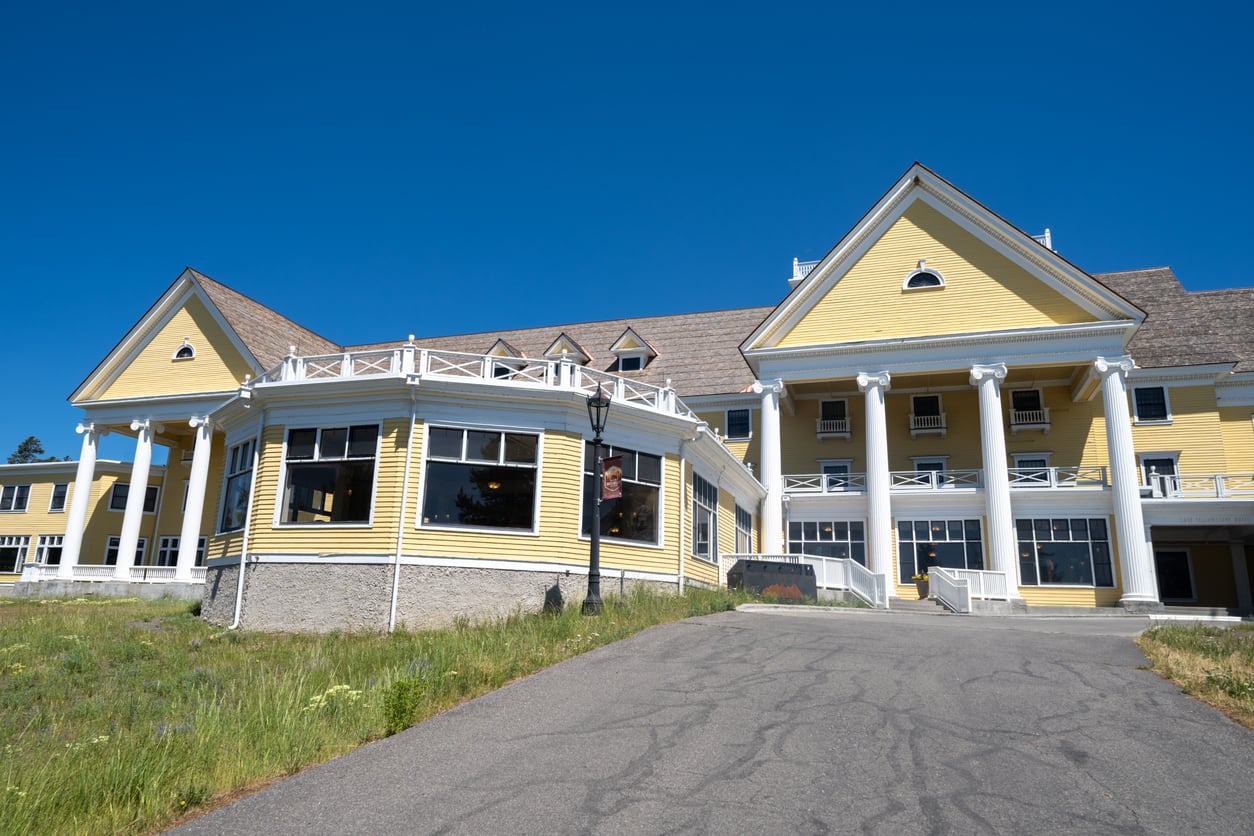
Lake Yellowstone Hotel opened in 1891 and remains Yellowstone’s oldest operating hotel. Architect Robert Reamer reshaped its appearance in 1903, adding the distinctive columns and other features that produced the elegant Colonial Revival look travelers see today. Its biggest selling point may simply be location: guests sleep inside Yellowstone overlooking its enormous lake. The tradeoff is seasonality and national-park pricing. NPS says the hotel generally operates from mid-May into early October, making advance planning particularly important.
The Brown Palace Hotel and Spa – Denver, Colorado
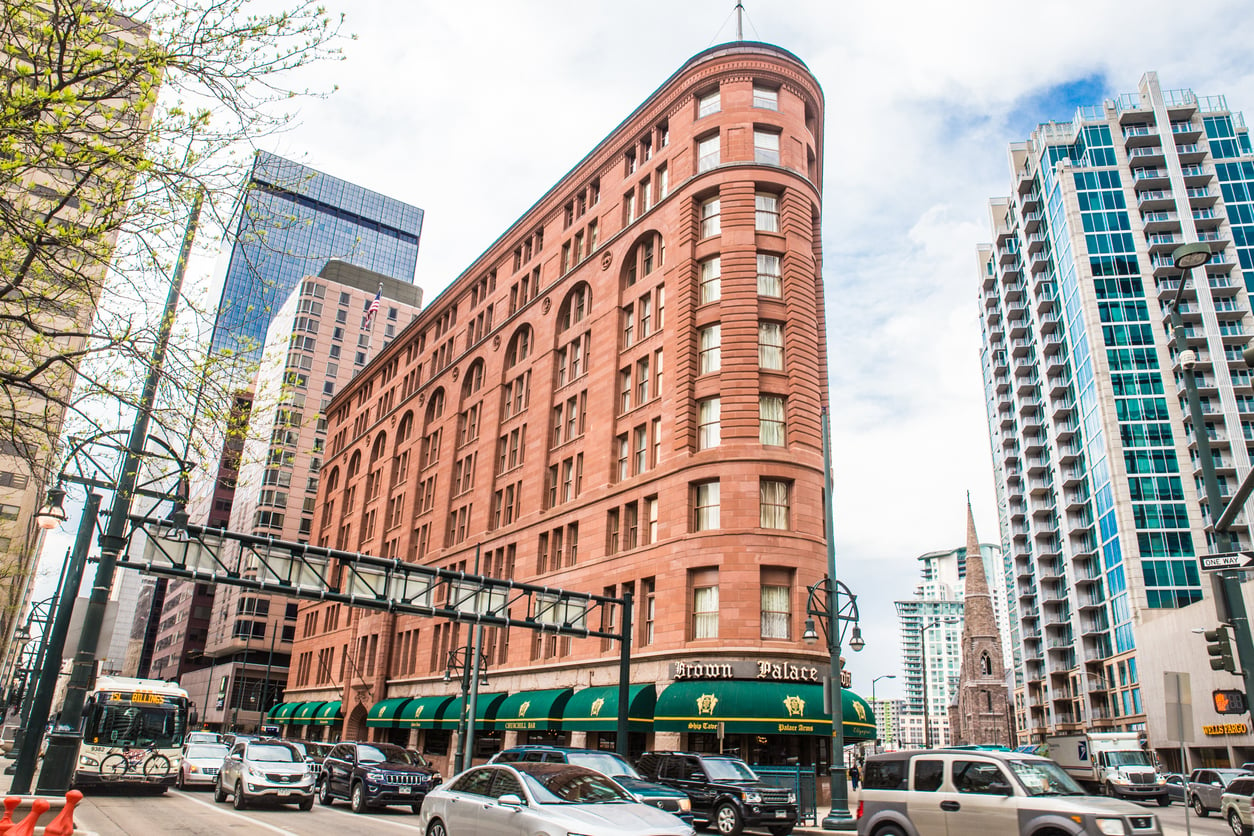
The Brown Palace has been part of downtown Denver since 1892, with its dramatic atrium giving visitors an immediate sense of the hotel’s Gilded Age origins. Afternoon tea remains one of its signature traditions and is still served throughout the week. Recent Marriott guest reviews, however, are not universally glowing: alongside praise for the tea and historic atmosphere are complaints about high prices and room-maintenance issues. In other words, travelers may find the history more consistently impressive than every aspect of the modern hotel experience.
The Pfister Hotel – Milwaukee, Wisconsin
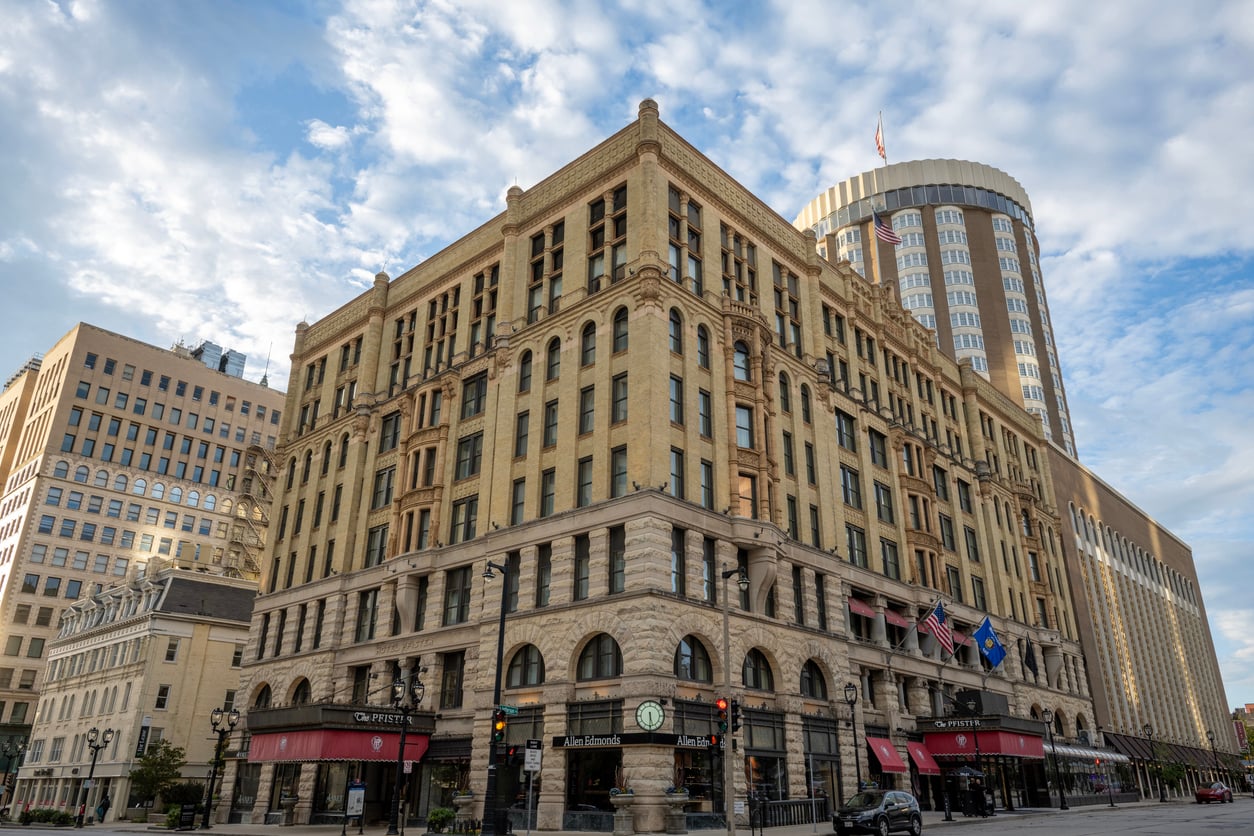
When the Pfister opened in 1893, it was billed as the “Grand Hotel of the West”. Its amenities were unusually advanced for the period, including electricity throughout the property and individual thermostat controls in guest rooms. Today, perhaps its most interesting feature is the art: the hotel says it houses the world’s largest hotel collection of Victorian art, which guests can explore through tours. A modern tower was added in the 1960s, so travelers wanting the strongest historic feel should pay attention to room location when booking.
Omni Mount Washington Resort – Bretton Woods, New Hampshire
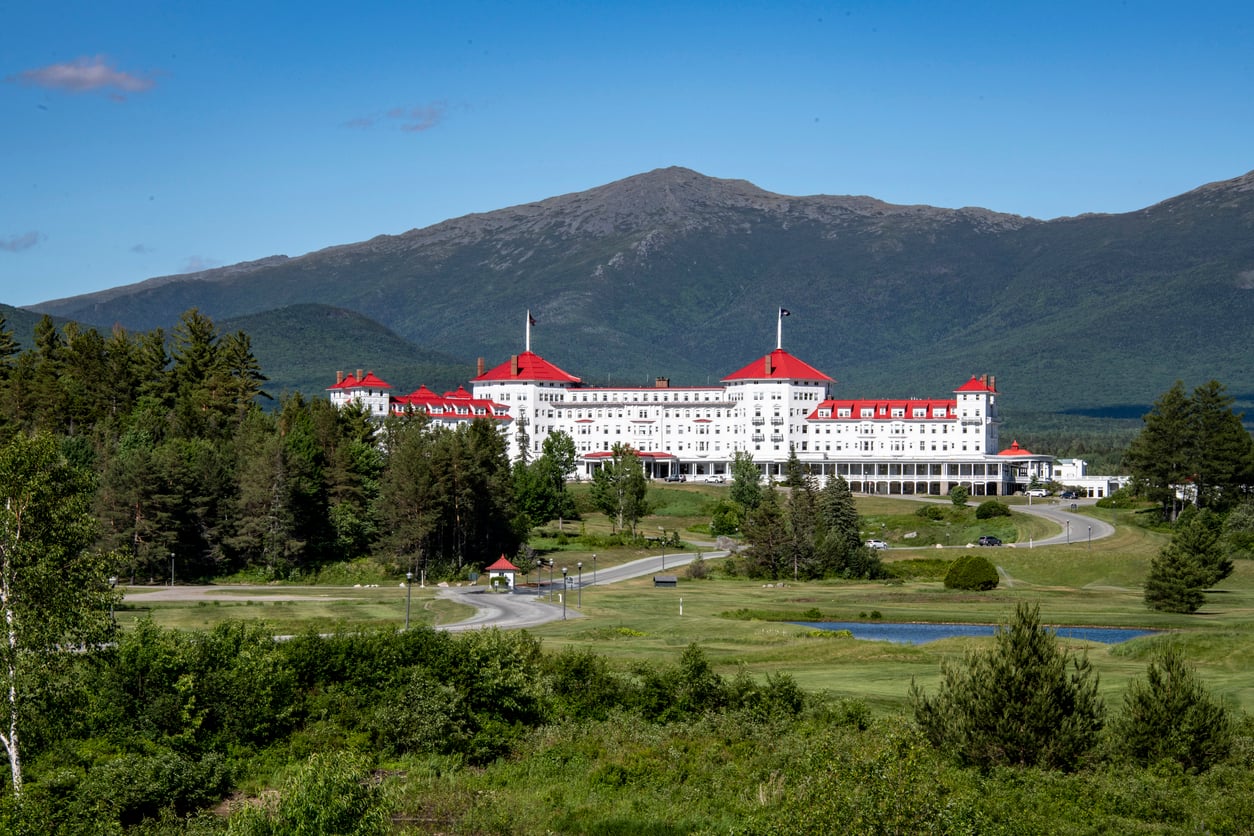
The Mount Washington Hotel opened beneath New Hampshire’s Presidential Range in 1902, but its most important historical moment came in 1944. Representatives from 44 countries gathered here for the Bretton Woods Conference, helping establish the International Monetary Fund and World Bank and reshape the postwar financial system. The Gold Room where documents were signed survives. Modern guests can combine that heavy economic history with much lighter pursuits, including skiing, hiking, golf, and mountain views at the surrounding resort.
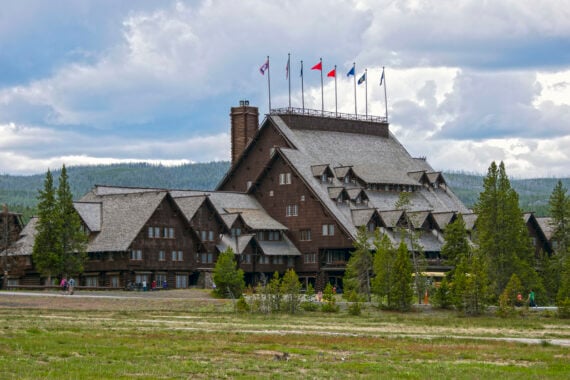
Old Faithful Inn – Yellowstone National Park, Wyoming
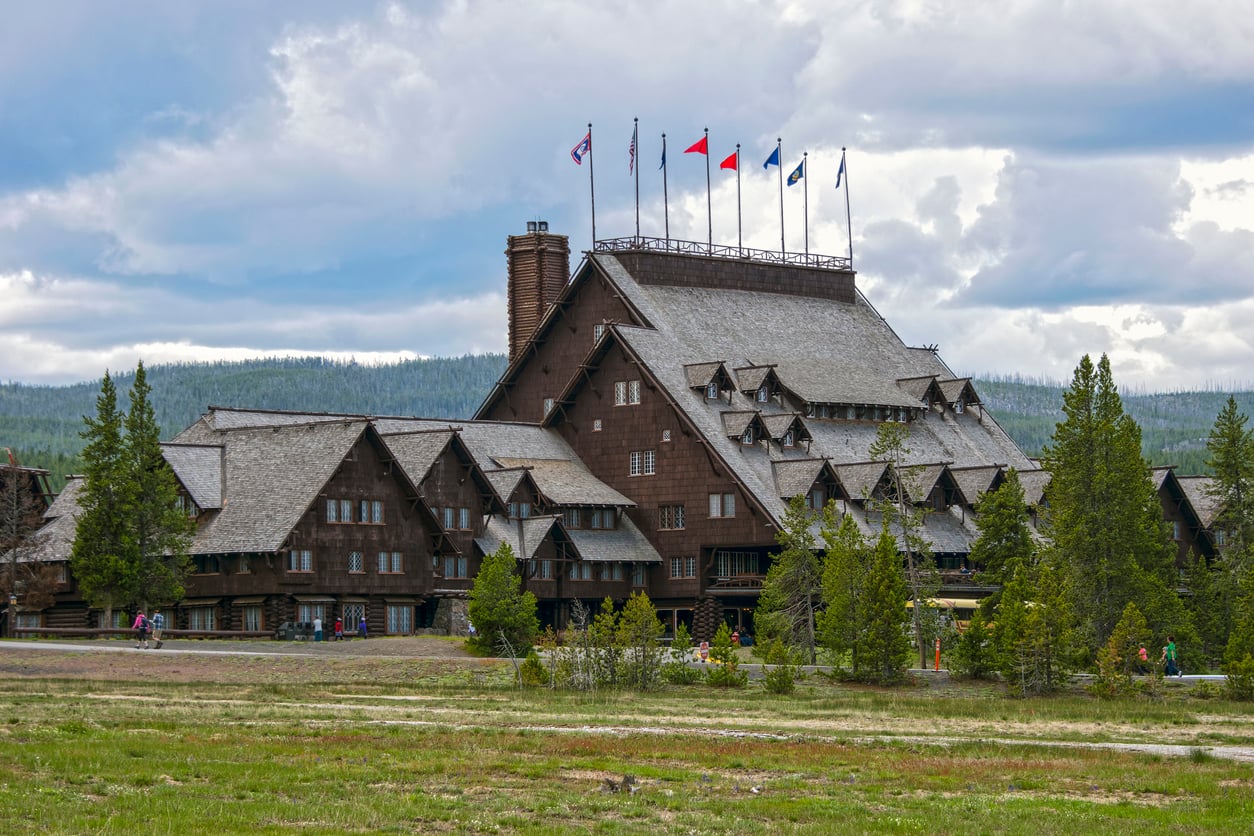
Old Faithful Inn opened in 1904 beside Yellowstone’s famous geyser, and its towering log-and-stone lobby remains one of the great sights of America’s national parks. Staying there, however, requires the right expectations. Some historic Old House rooms offer a deliberately simple experience, and travelers regularly note smaller rooms, crowds, and limited luxury compared with similarly priced conventional hotels. The payoff is difficult to reproduce elsewhere: guests step outside into the Upper Geyser Basin with Old Faithful practically at the doorstep.
El Tovar Hotel – Grand Canyon National Park, Arizona
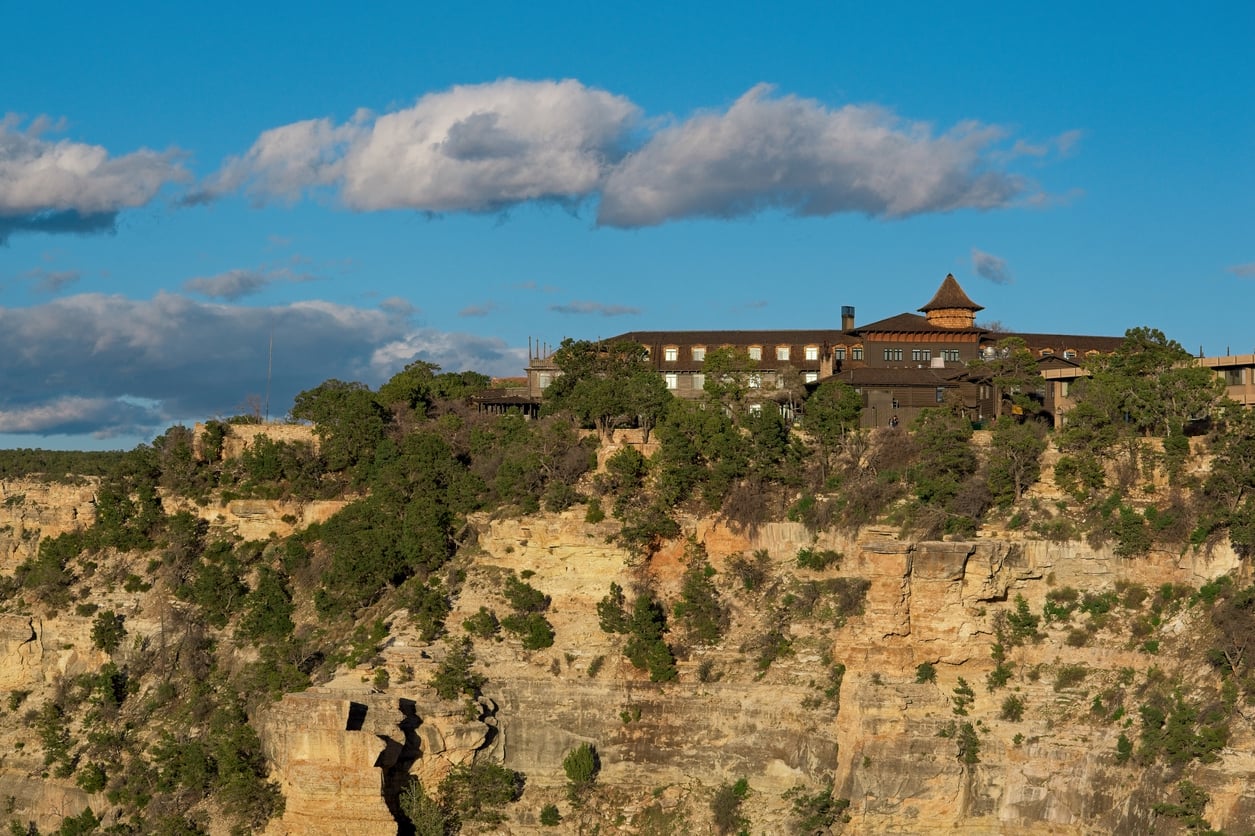
El Tovar opened on the South Rim in 1905 as an upscale destination for railroad tourists. Architect Charles Whittlesey blended Swiss chalet and Norwegian villa influences, while the Fred Harvey Company and Santa Fe Railway supplied the hospitality operation. Today it remains the oldest operating hotel within Grand Canyon National Park, with just 78 individually configured rooms. Its extraordinary rim location creates equally extraordinary demand, and the National Park Service recommends advance reservations, particularly for holidays and summer stays.
La Fonda on the Plaza – Santa Fe, New Mexico
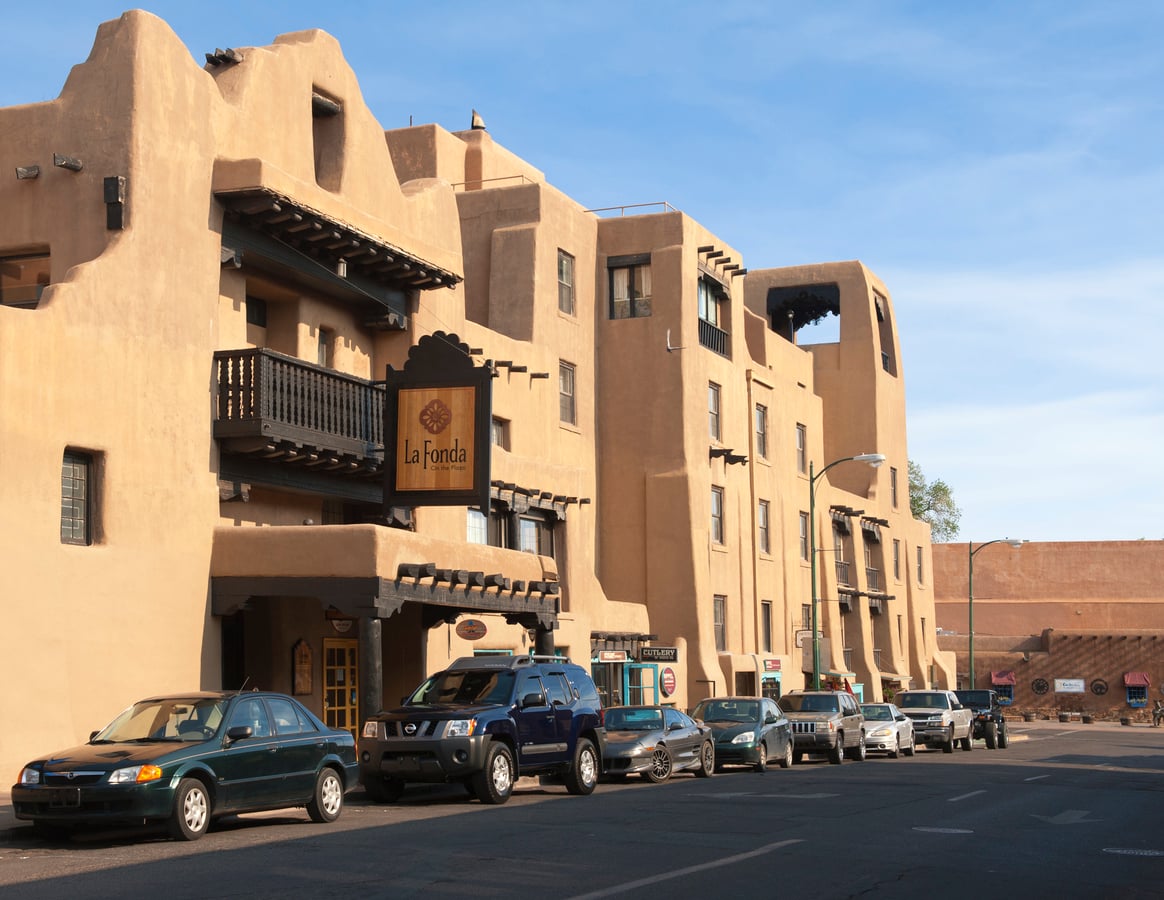
The current La Fonda building dates to 1922, although the hotel’s history associates its prime Santa Fe Plaza location with a much older tradition of hospitality. The building travelers see today incorporates Pueblo Revival and Spanish Colonial influences, and later interiors were shaped by influential designer Mary Colter during the hotel’s years as a Harvey House. Guests are surrounded by regional artwork and can step directly onto the Plaza, making La Fonda particularly appealing for travelers who would rather experience history by walking through it than driving to it.
Many Glacier Hotel – Glacier National Park, Montana
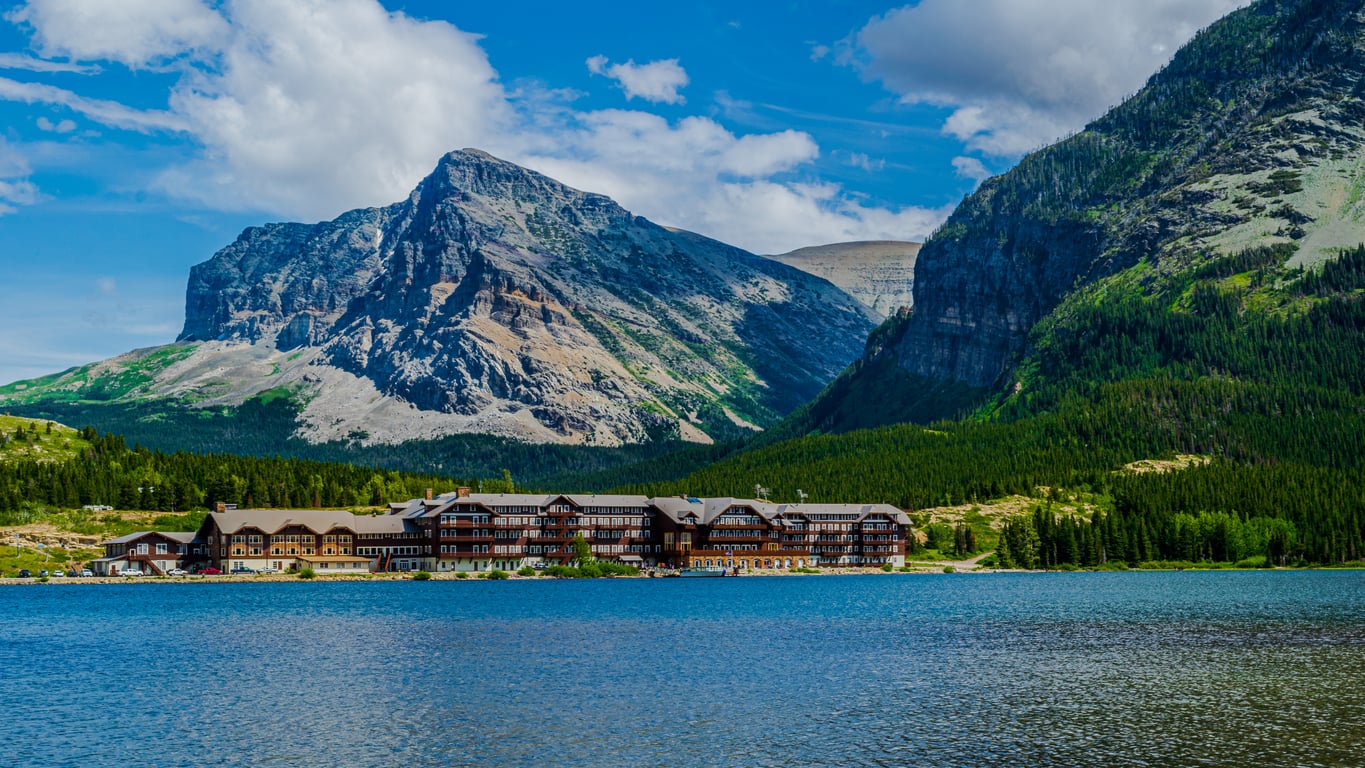
Many Glacier Hotel was built by the Great Northern Railway in 1914 and 1915 as the showpiece of its network of Glacier National Park accommodations, opening July 4, 1915. The Swiss chalet styling fit the railway’s effort to market Glacier as an Alpine-like destination. Travelers still stay beside Swiftcurrent Lake surrounded by some of the park’s most dramatic mountain scenery. Guest comments often make the tradeoff clear: rooms can feel small, but a lake-facing view may be far more memorable than the furnishings.