California in the 1950s and ’60s was a place of endless possibility. These vintage California photos capture an era when postwar prosperity fueled booming suburbs, shiny new freeways, and a growing car culture, while Hollywood, surfing, and rock ‘n’ roll helped shape the state’s larger-than-life identity. It was a time of drive-in diners, beach days, family road trips, and rapidly changing cities that would soon become global icons.
These vintage photos capture everyday moments from that unforgettable period, offering a glimpse into what life really looked like across the Golden State. From bustling streets and quiet neighborhoods to famous landmarks and carefree summer scenes, each image tells a story about a California that feels both familiar and wonderfully different from today.
A Peaceful Gathering in Golden Gate Park
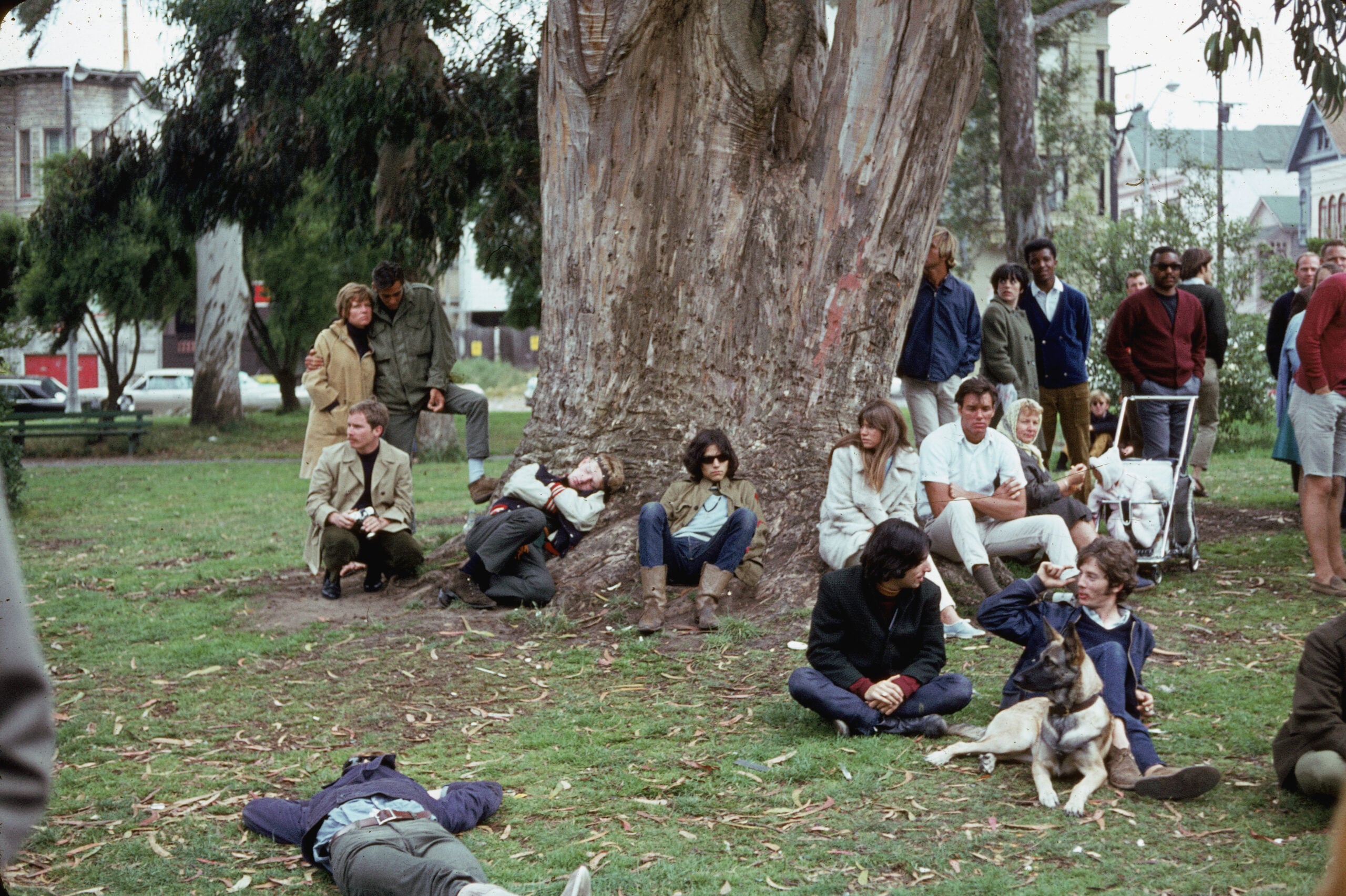
Golden Gate Park became a symbol of California’s growing counterculture movement during the 1960s, drawing artists, musicians, free spirits, and activists from across the country. This photo captures a group of hippies gathered beneath a towering tree during a “happening”—the spontaneous social events that celebrated music, art, community, and self-expression. Scenes like this helped cement San Francisco’s reputation as the heart of the Summer of Love and the era’s cultural revolution.
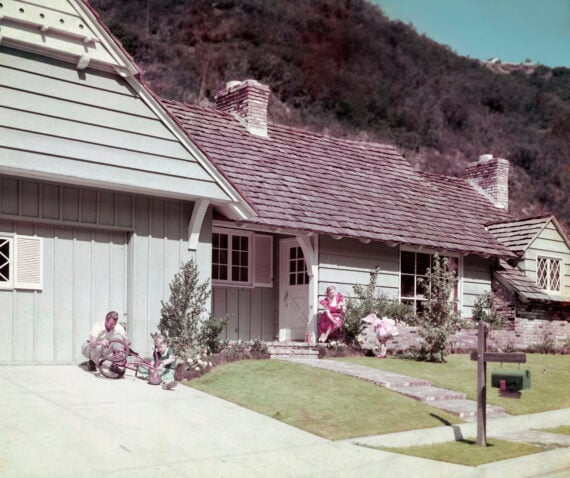
Everyday Family Life in the San Fernando Valley
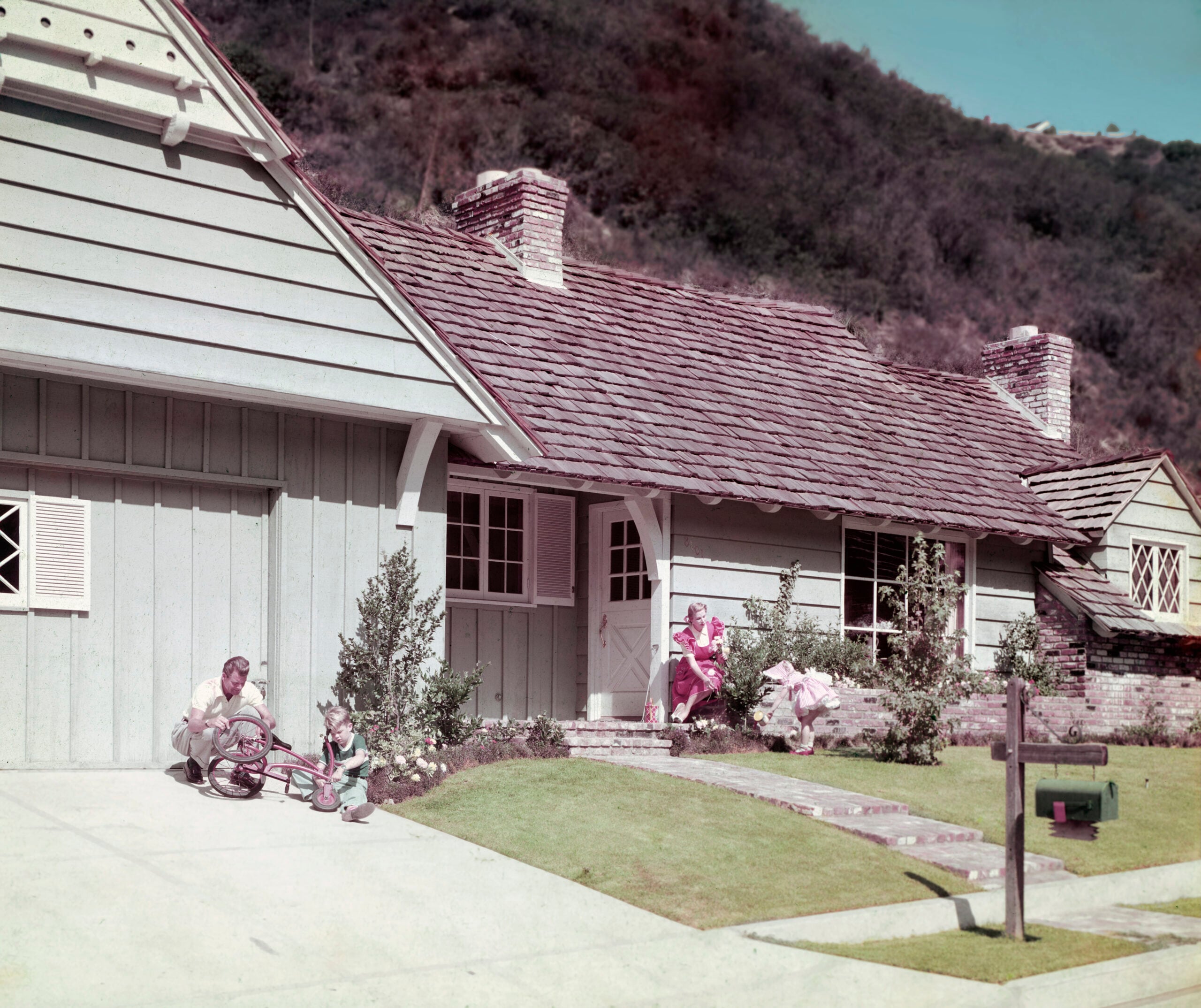
This snapshot captures the simple rhythms of suburban life in 1950s California. While the father helps his son repair a tricycle, the mother and daughter tend the garden, reflecting the era’s emphasis on homeownership, family life, and well-defined household roles. As communities like the San Fernando Valley expanded after World War II, scenes like this became increasingly common across Southern California.
Surf Culture Takes Off in Southern California
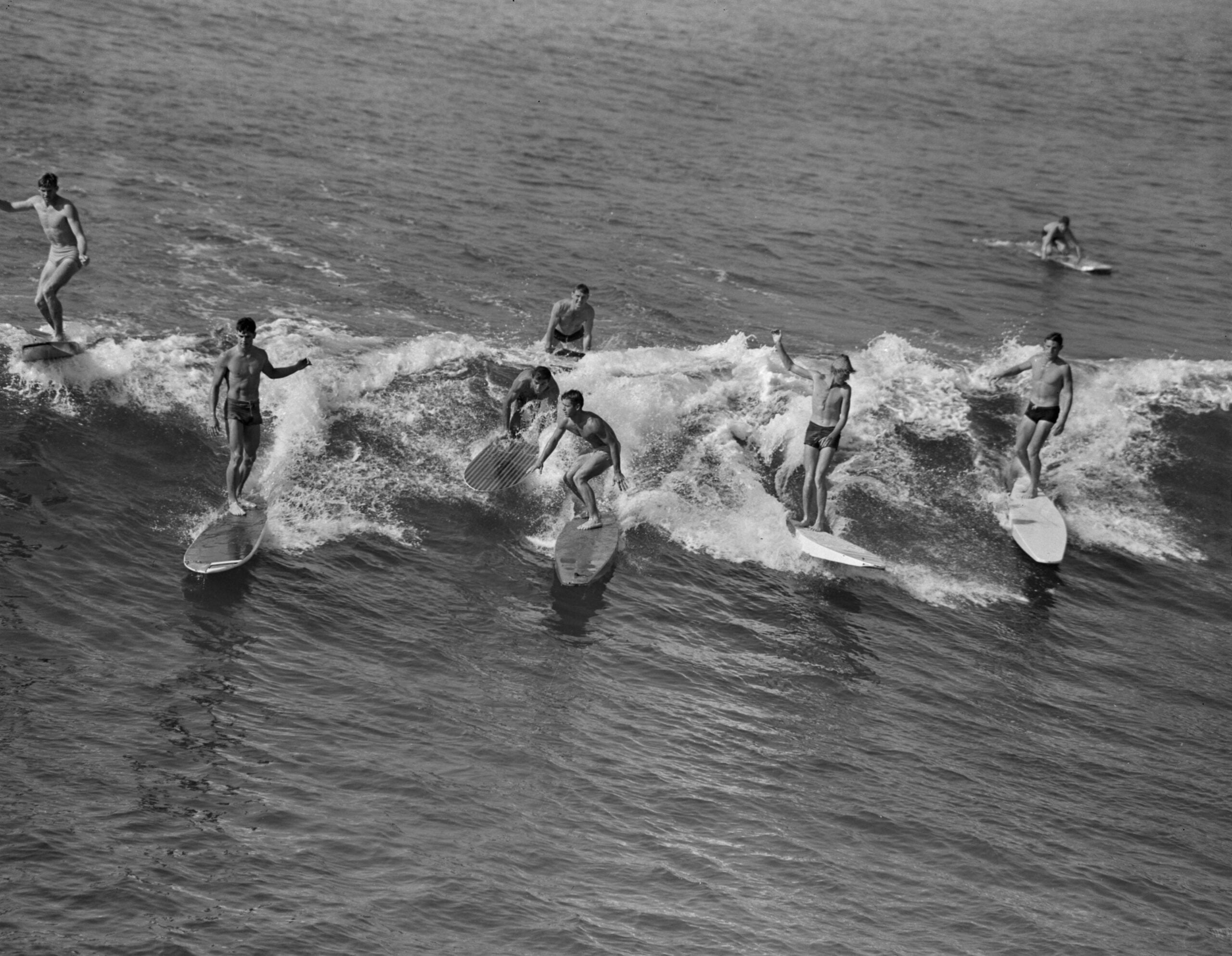
By the mid-1950s, surfing had become more than just a pastime—it was quickly evolving into a defining part of California’s identity. This photo shows members of the Hermosa Beach Surf Club practicing for a competition, highlighting the sport’s growing popularity along the state’s coastline. Long before surfing became a global phenomenon, clubs like this helped build the tight-knit beach communities that shaped California’s laid-back lifestyle.
The Free-Spirited Summer of 1967
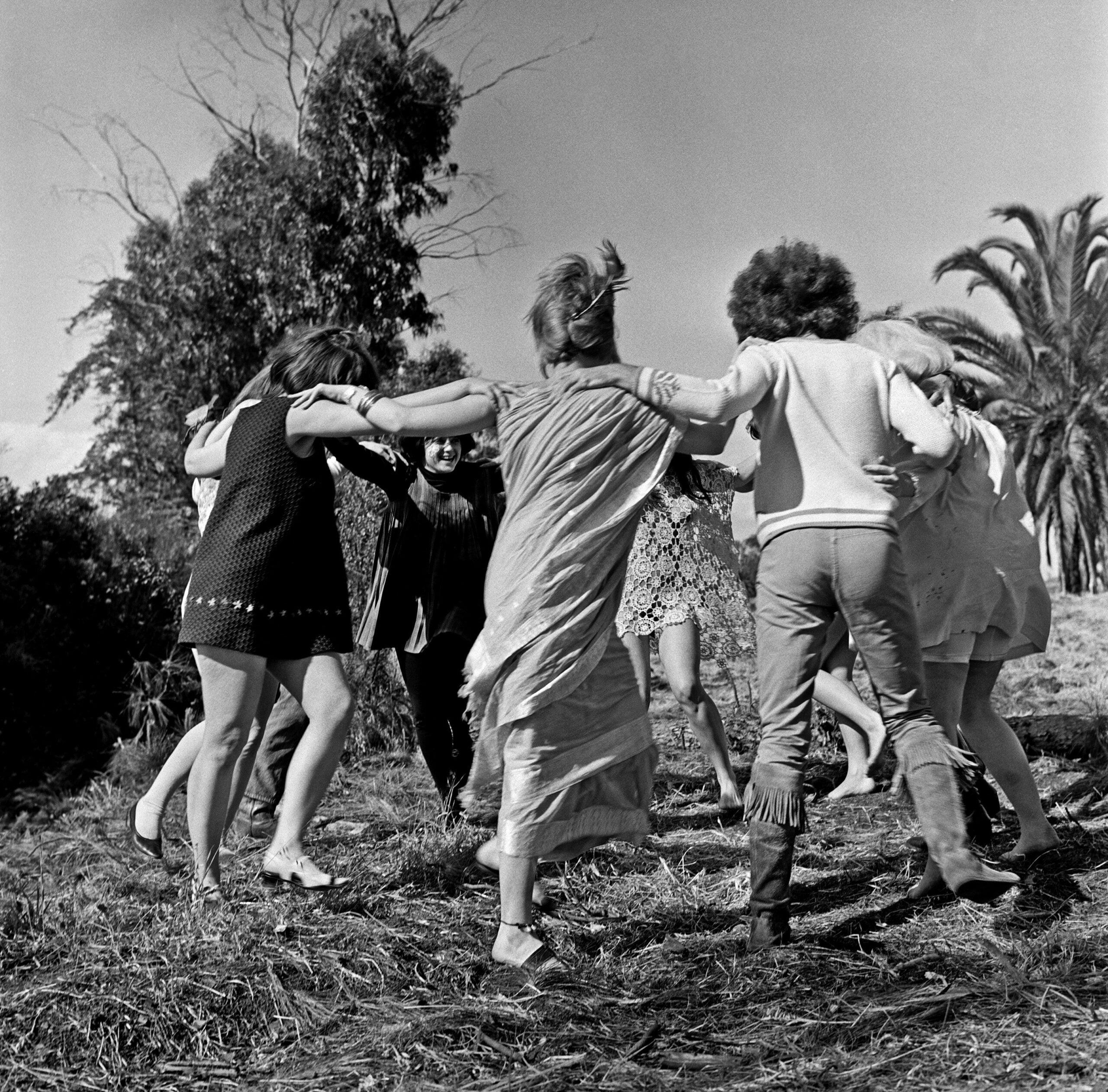
By the summer of 1967, California had become the epicenter of the counterculture movement, attracting thousands of young people seeking freedom, creativity, and a break from traditional norms. This photo captures a group of hippies—many of whom preferred the term “freaks”—dancing together in an open field in Los Angeles. Their colorful gatherings reflected the era’s embrace of peace, music, self-expression, and an alternative way of life that left a lasting mark on American culture.
The Perfect California Family Picnic
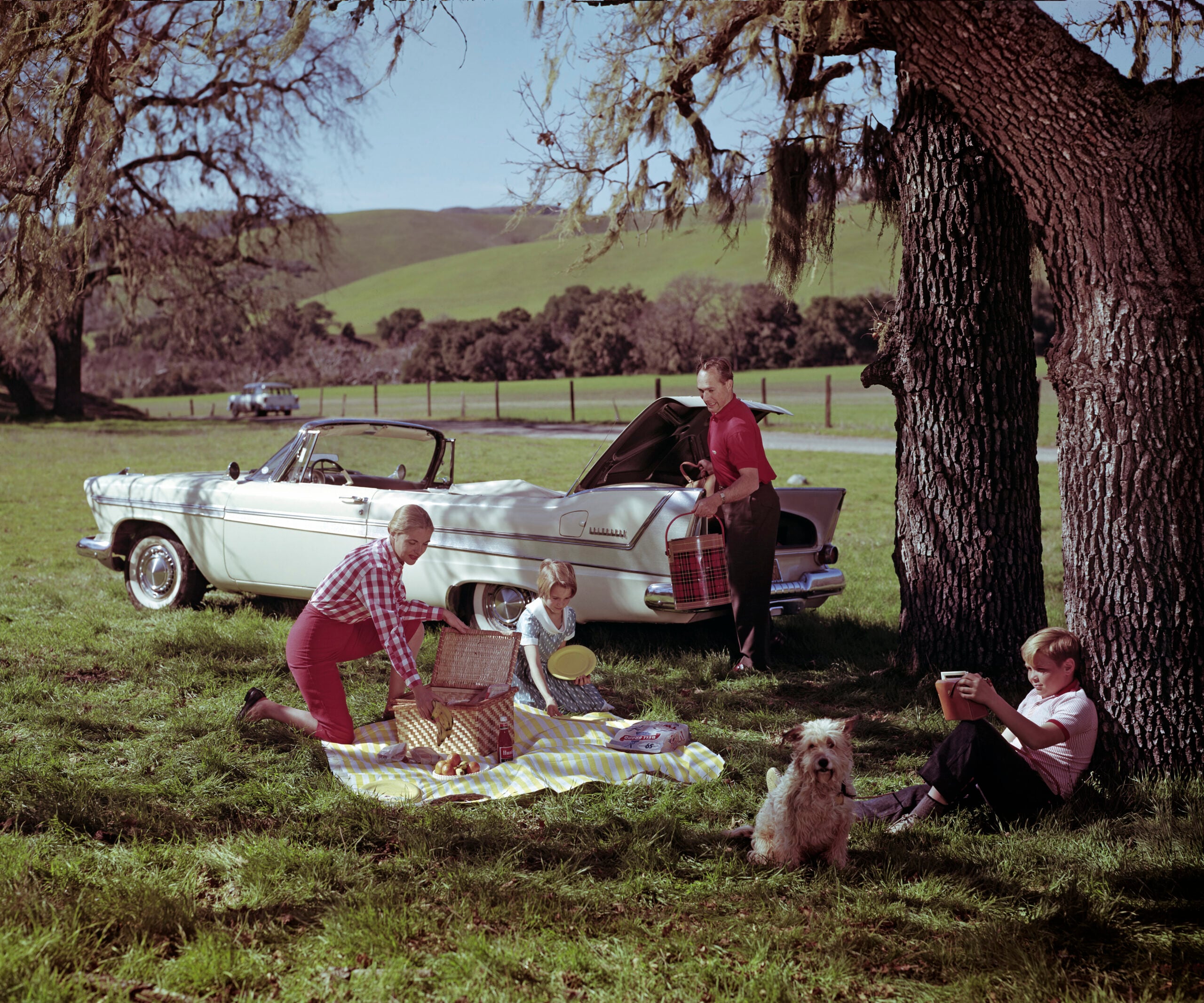
Few images capture the optimism of 1950s California quite like this cheerful family picnic in Agoura. Originally photographed as an advertisement for the Plymouth Belvedere convertible, the scene reflects the era’s booming car culture, growing suburbs, and the idealized vision of family life. With sunny weather, open spaces, and a loyal dog along for the ride, it embodies the carefree lifestyle many Americans associated with the Golden State.
Trending on Cheapism

Berkeley at the Heart of Student Activism
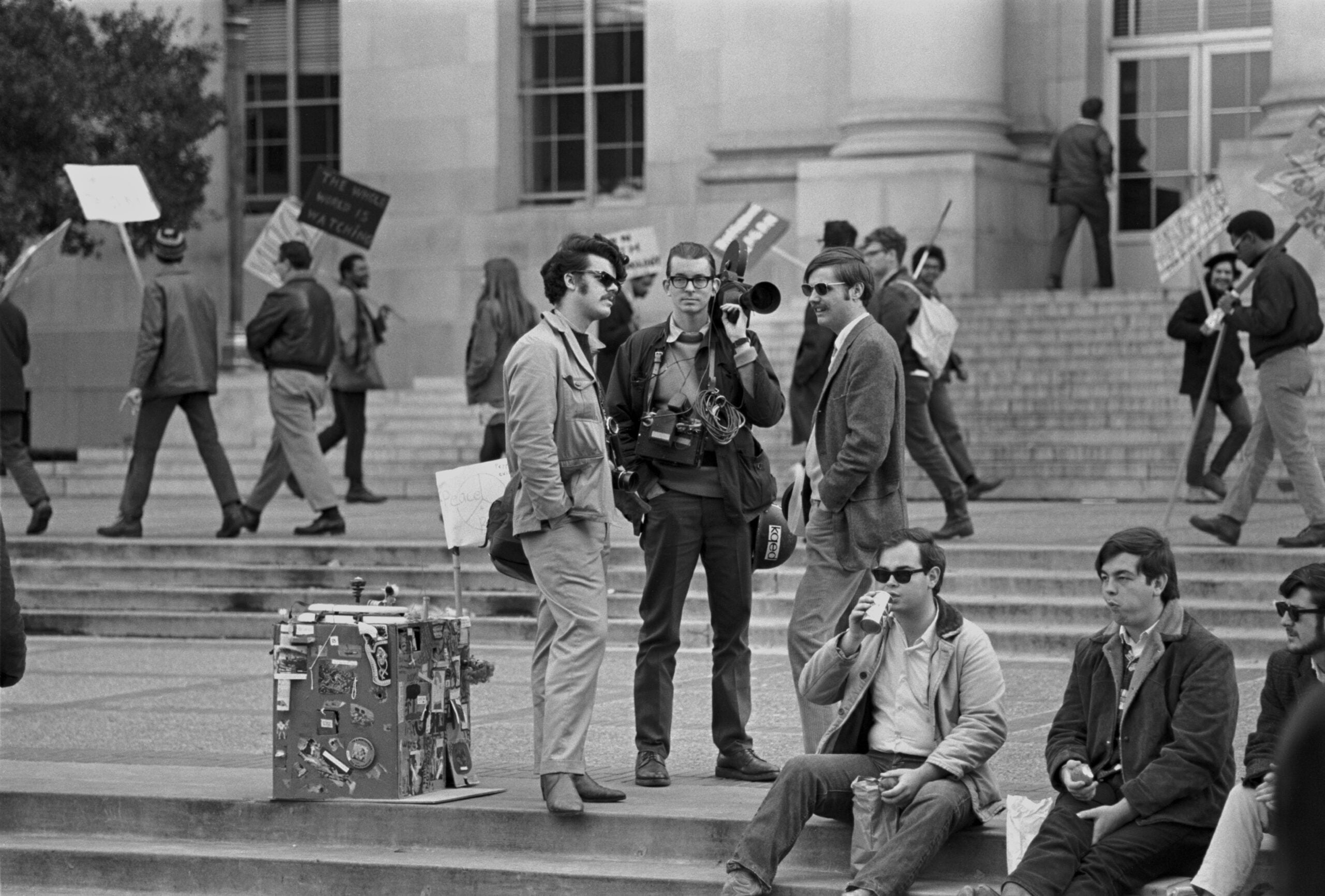
This powerful image captures the atmosphere at the University of California, Berkeley, during the student protests of 1968–69. While journalists and photographer Nacio Jan Brown talk in the foreground, demonstrators gather behind them amid a campus-wide strike led by the Third World Liberation Front. The movement called for the creation of ethnic studies programs and, after months of protests, arrests, and clashes with authorities, helped pave the way for the nation’s first college of ethnic studies.
A Busy Day in San Francisco’s Chinatown
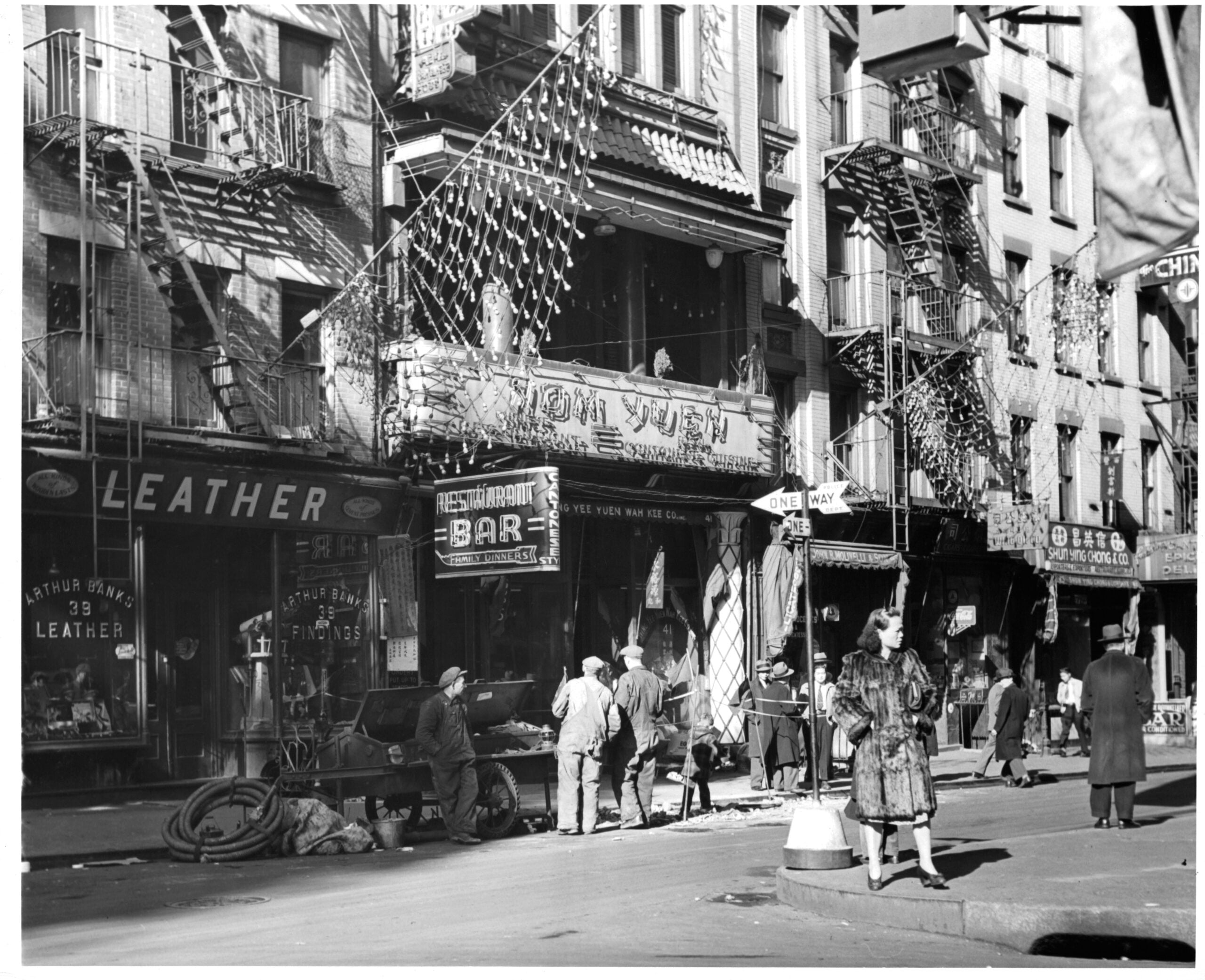
San Francisco’s Chinatown has long been one of the city’s most vibrant and historic neighborhoods, and this 1955 photo captures its lively streets filled with shops, apartments, businesses, and everyday activity. Home to one of the oldest and largest Chinese communities outside Asia, the district served as a cultural and commercial hub where generations of residents lived, worked, and preserved their traditions. The bustling sidewalks and storefronts offer a timeless glimpse into daily life in mid-century California.
Sunset Boulevard in Hollywood’s Golden Age
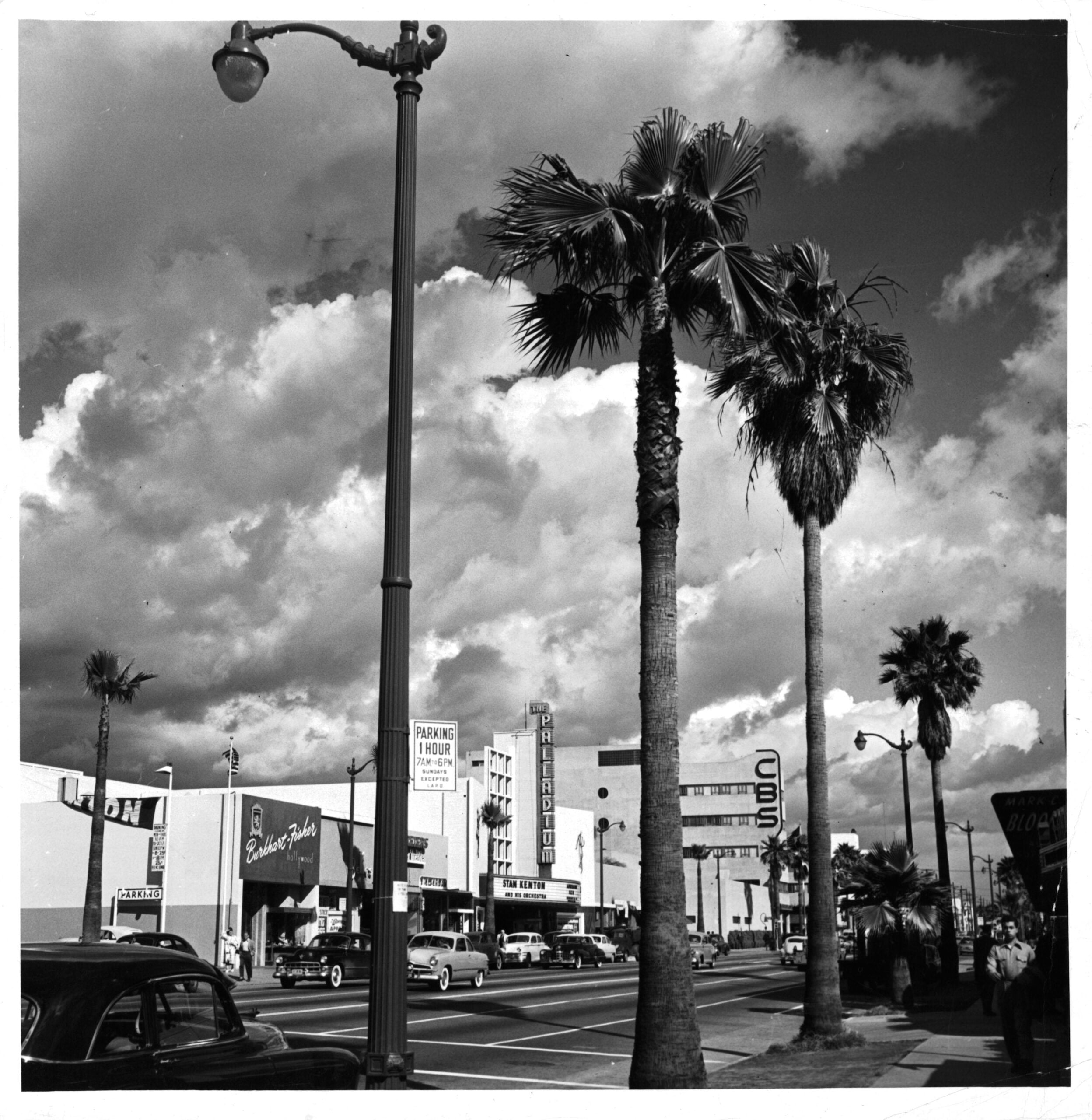
This 1951 view looking east along Sunset Boulevard captures Hollywood at the height of its glamour. Landmarks like the CBS studios and the famed Palladium stood as symbols of an entertainment industry that was booming with radio, television, music, and film. As traffic rolled by beneath glowing signs, Sunset Boulevard embodied the excitement and ambition that made Los Angeles the entertainment capital of the world.
Sign up for our newsletter
A Relaxing Day at Will Rogers State Beach
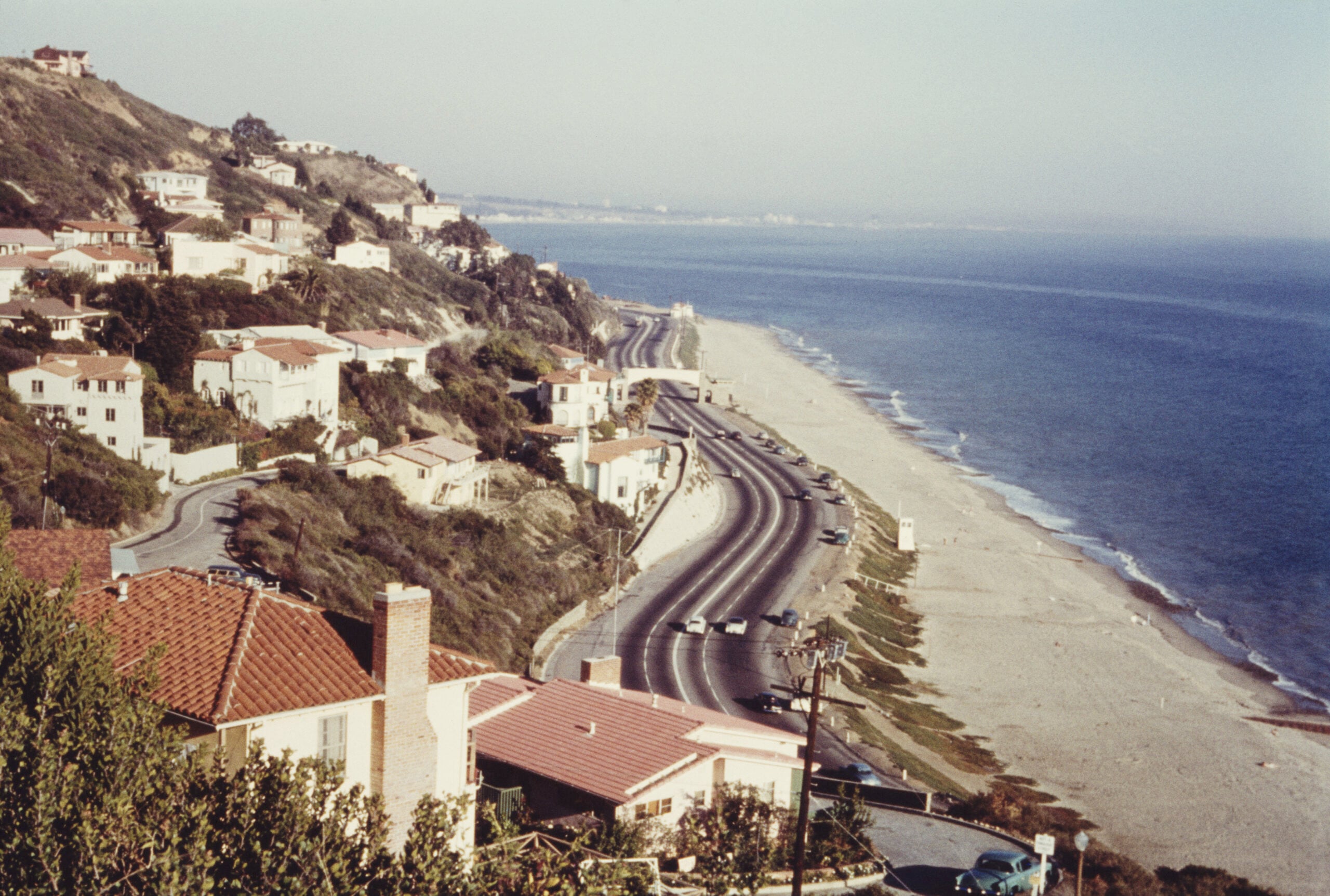
Around 1960, Will Rogers State Beach was already one of Southern California’s favorite seaside destinations. Families, surfers, and sunbathers flocked to its wide stretch of sand to enjoy the Pacific Ocean and the region’s famously mild weather. Photos like this capture the laid-back beach culture that helped define California’s image throughout the 20th century.
Disney’s Creative Magic Comes to Life
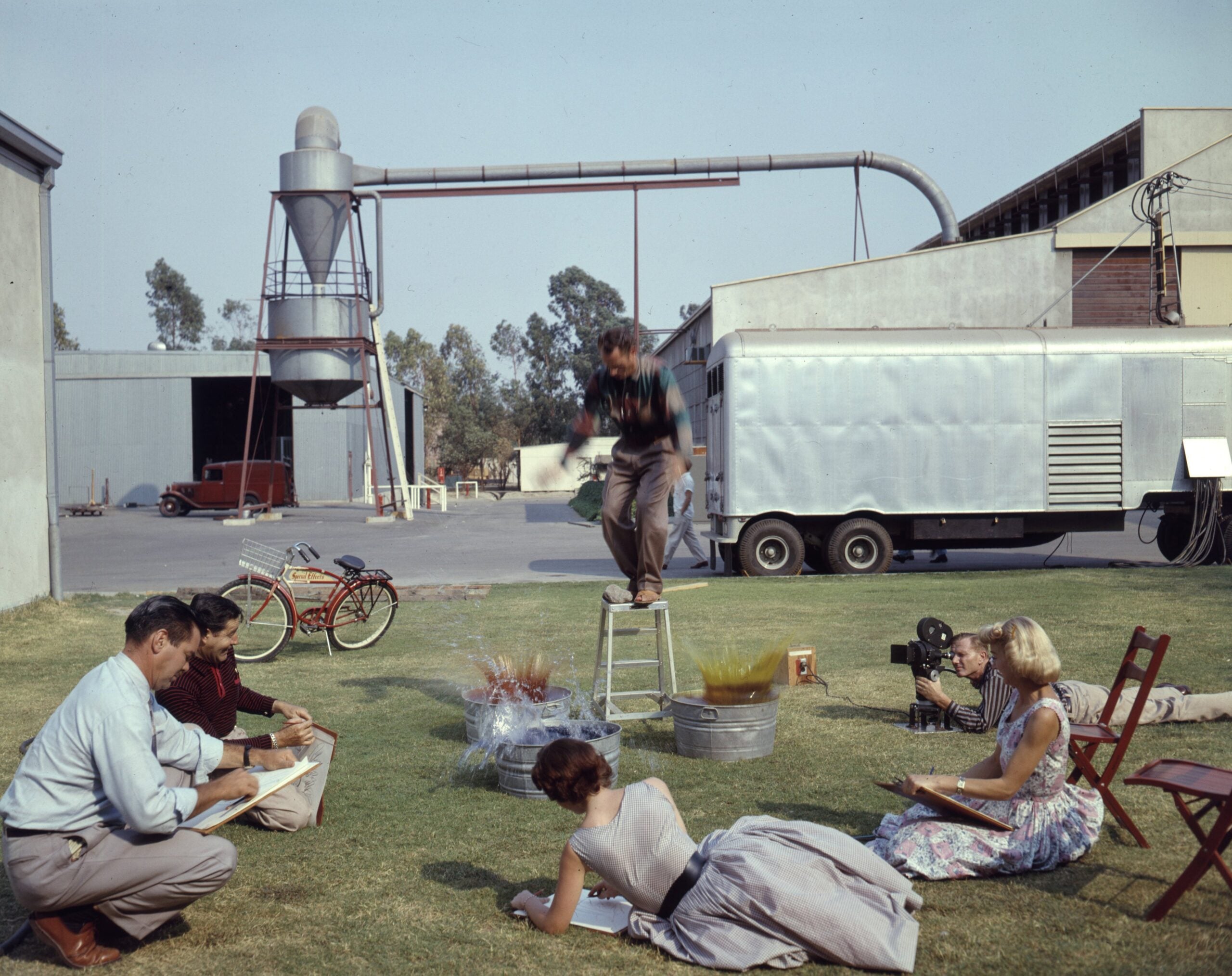
Around 1955, as Disneyland was opening its gates to the public, Walt Disney’s artists and animators were hard at work bringing beloved characters and attractions to life. This behind-the-scenes photo offers a rare glimpse at the creative minds whose sketches helped shape one of California’s most iconic destinations. Their imagination and craftsmanship played a key role in making Disneyland “The Happiest Place on Earth” for generations of visitors.
A Snapshot of Los Angeles in 1963
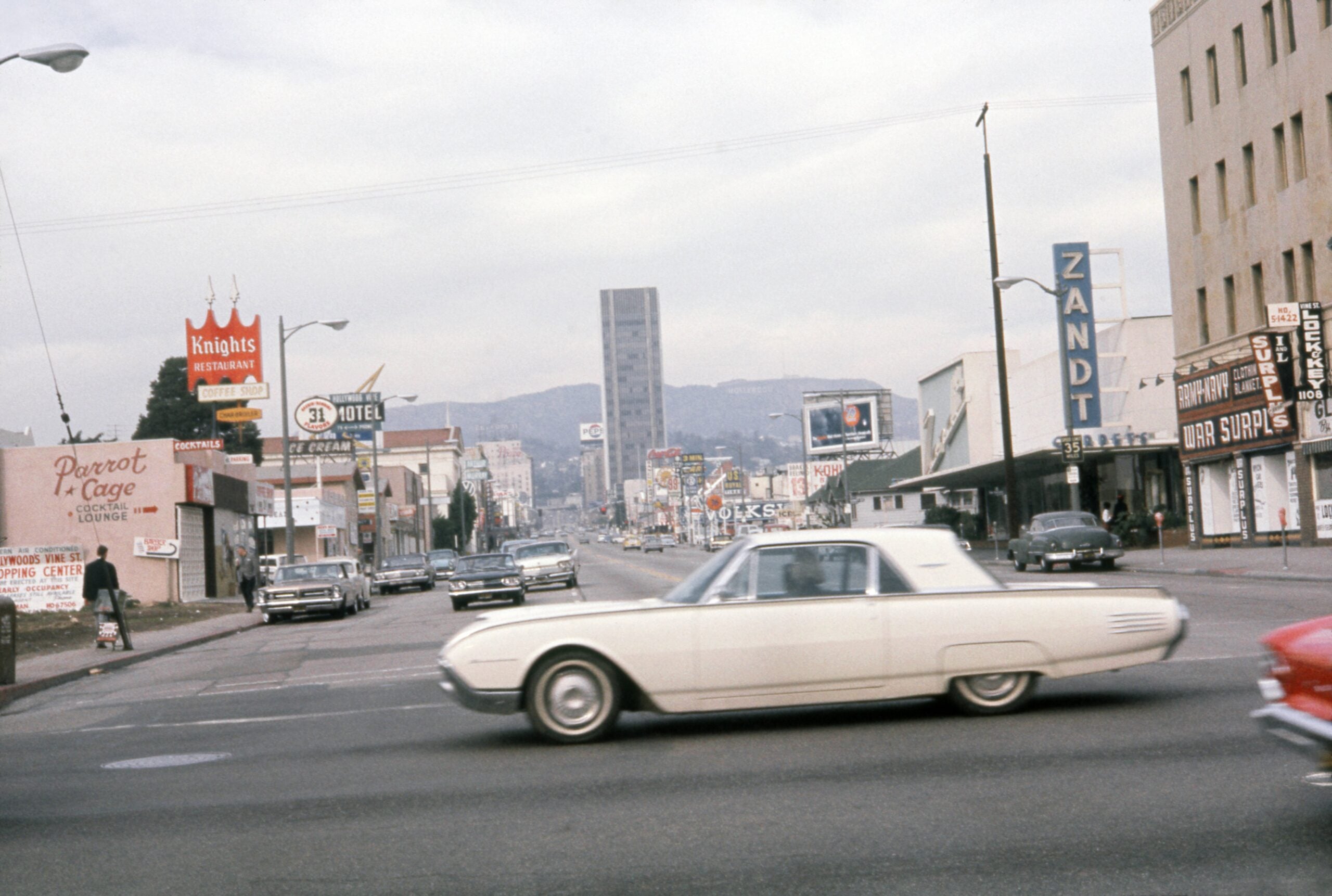
This view looking north along Vine Street from the intersection with Santa Monica Boulevard captures Los Angeles during a period of rapid growth and transformation. Lined with businesses, neon signs, and steady traffic, the area reflected the city’s expanding influence as a center for entertainment, commerce, and car culture. It’s a classic glimpse of mid-century L.A., where bustling streets and iconic boulevards defined everyday life.
A Scenic Ride Through Disneyland
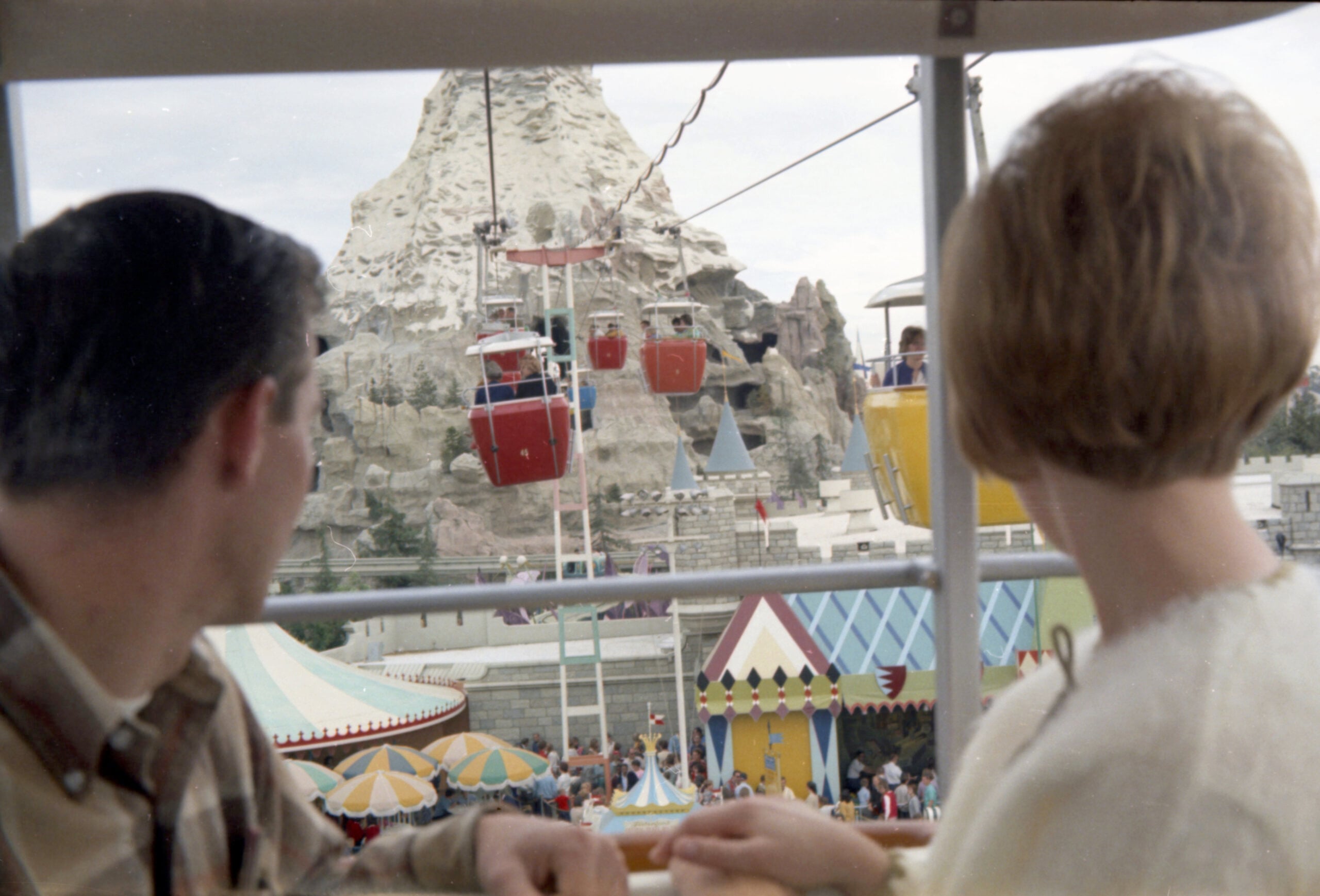
This charming 1966 photo captures a couple riding the Skyway gondola toward Disneyland’s iconic Matterhorn Bobsleds. The aerial attraction offered guests sweeping views of the park while providing a unique way to travel between Fantasyland and Tomorrowland. Together, the Skyway and the towering Matterhorn became two of Disneyland’s most beloved attractions, creating unforgettable memories for millions of visitors.
Cruising the Hollywood Freeway
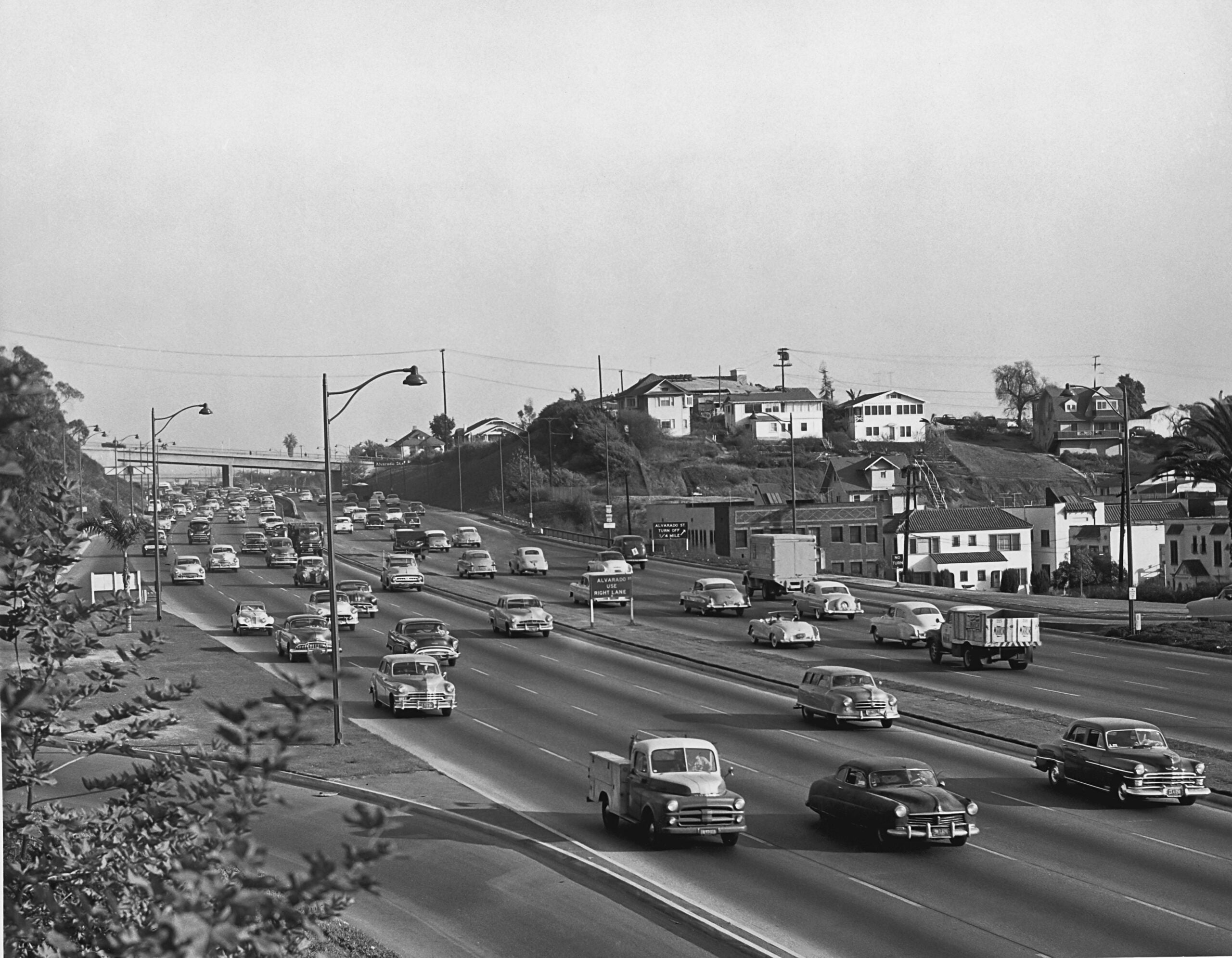
This early 1950s view of the Hollywood Freeway captures Los Angeles as it embraced the automobile like no other American city. With traffic flowing through one of the nation’s newest freeway systems, the image reflects the rapid postwar growth that transformed Southern California into a sprawling metropolis. These expanding highways reshaped daily life, making the car an essential part of the California dream.
The Festival That Changed Music History
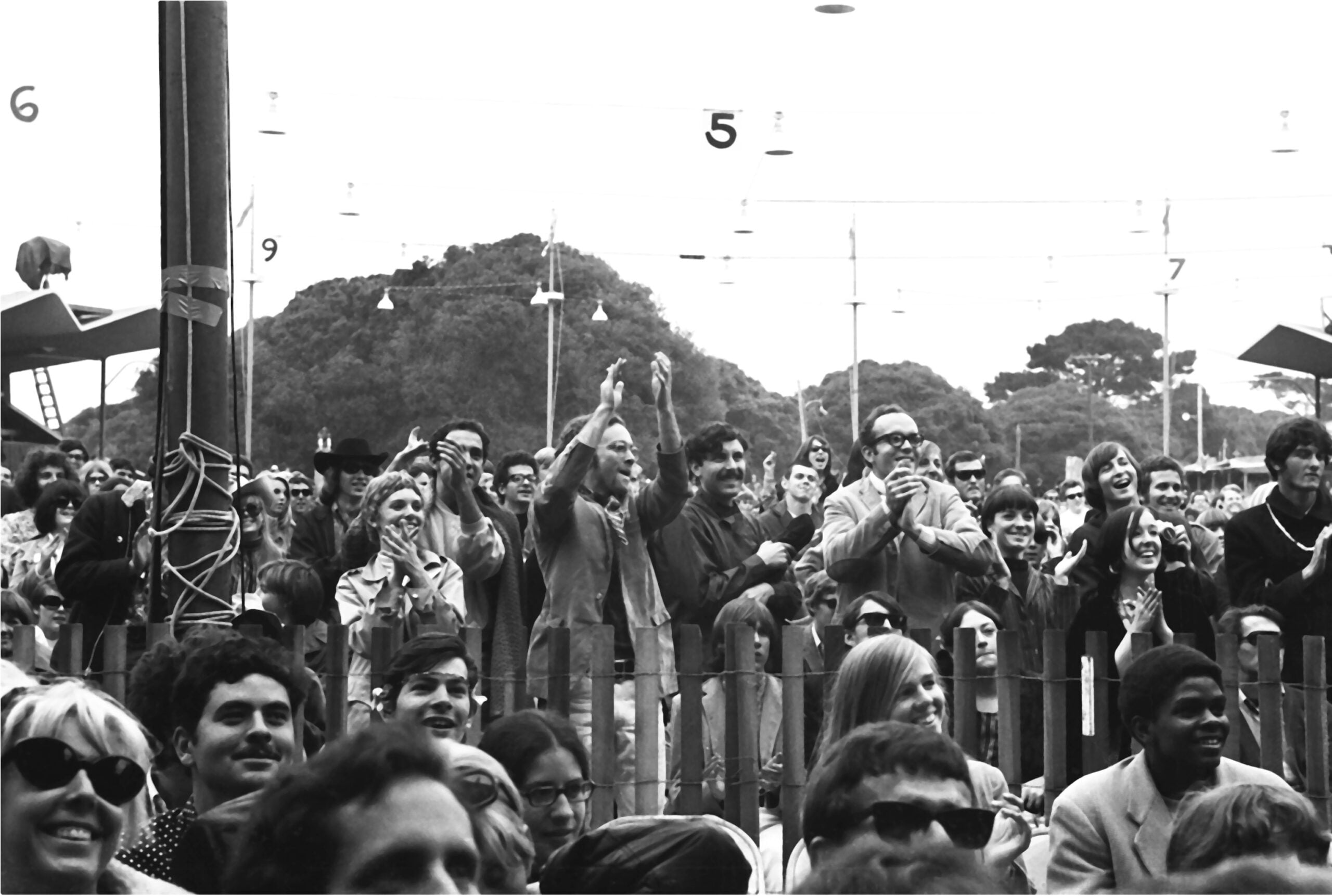
The 1967 Monterey International Pop Festival is widely regarded as one of the most influential music festivals ever held, introducing audiences to groundbreaking artists and unforgettable performances. Among its standout moments was sitar virtuoso Ravi Shankar’s mesmerizing set, which earned a prolonged standing ovation from the crowd. The festival captured the spirit of California’s vibrant music scene and helped define the cultural revolution of the late 1960s.
Voices for Peace in Haight-Ashbury
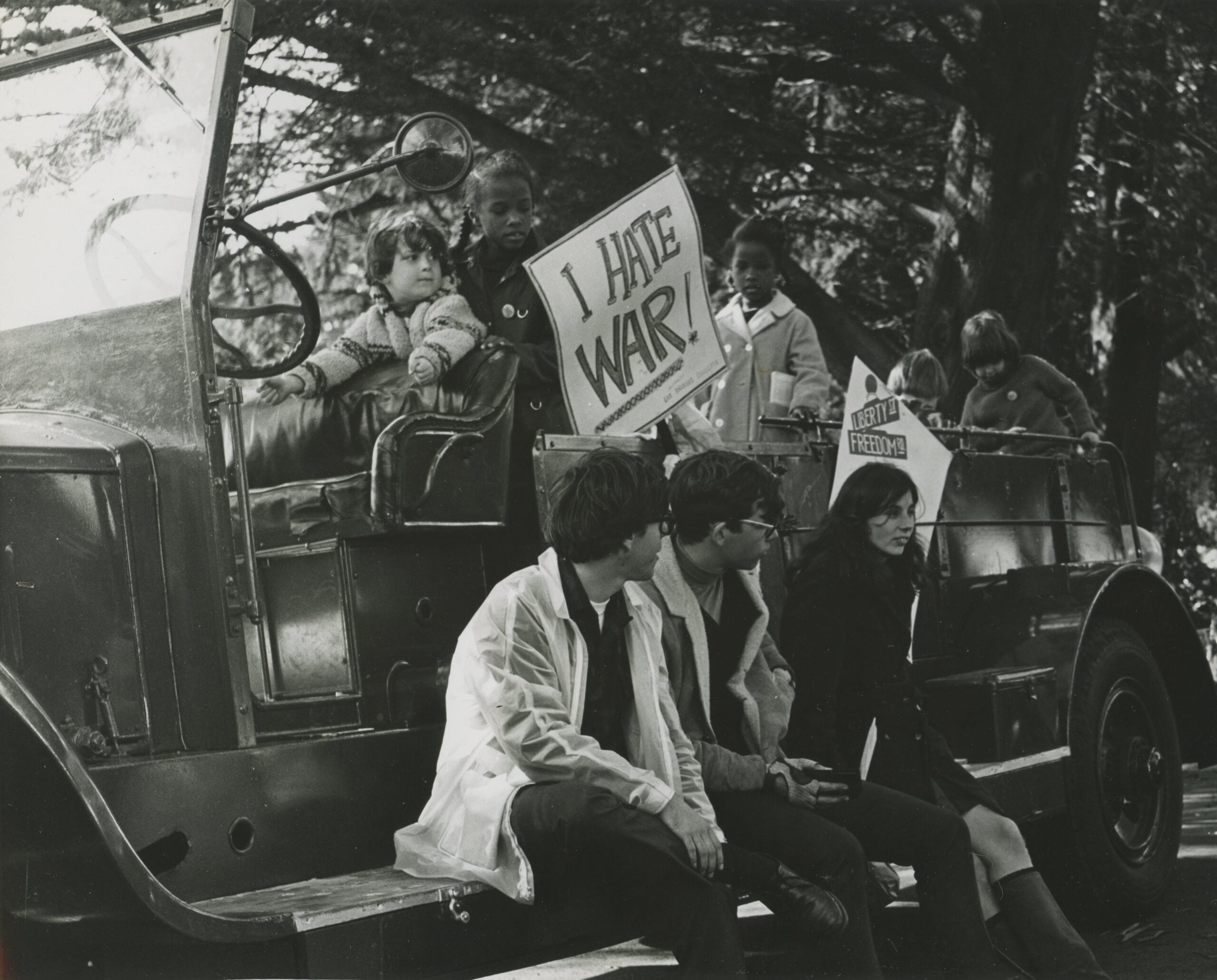
This striking 1967 photo captures the spirit of the anti-war movement in San Francisco’s Haight-Ashbury neighborhood, where demonstrators of all ages gathered to call for peace during the Vietnam War era. Young protesters and children ride atop a vintage truck holding hand-painted signs, reflecting the grassroots activism that became a defining feature of the 1960s. Haight-Ashbury wasn’t just the center of the hippie movement—it was also a focal point for social and political change across California.
Kicking Off the New Year at the Rose Parade
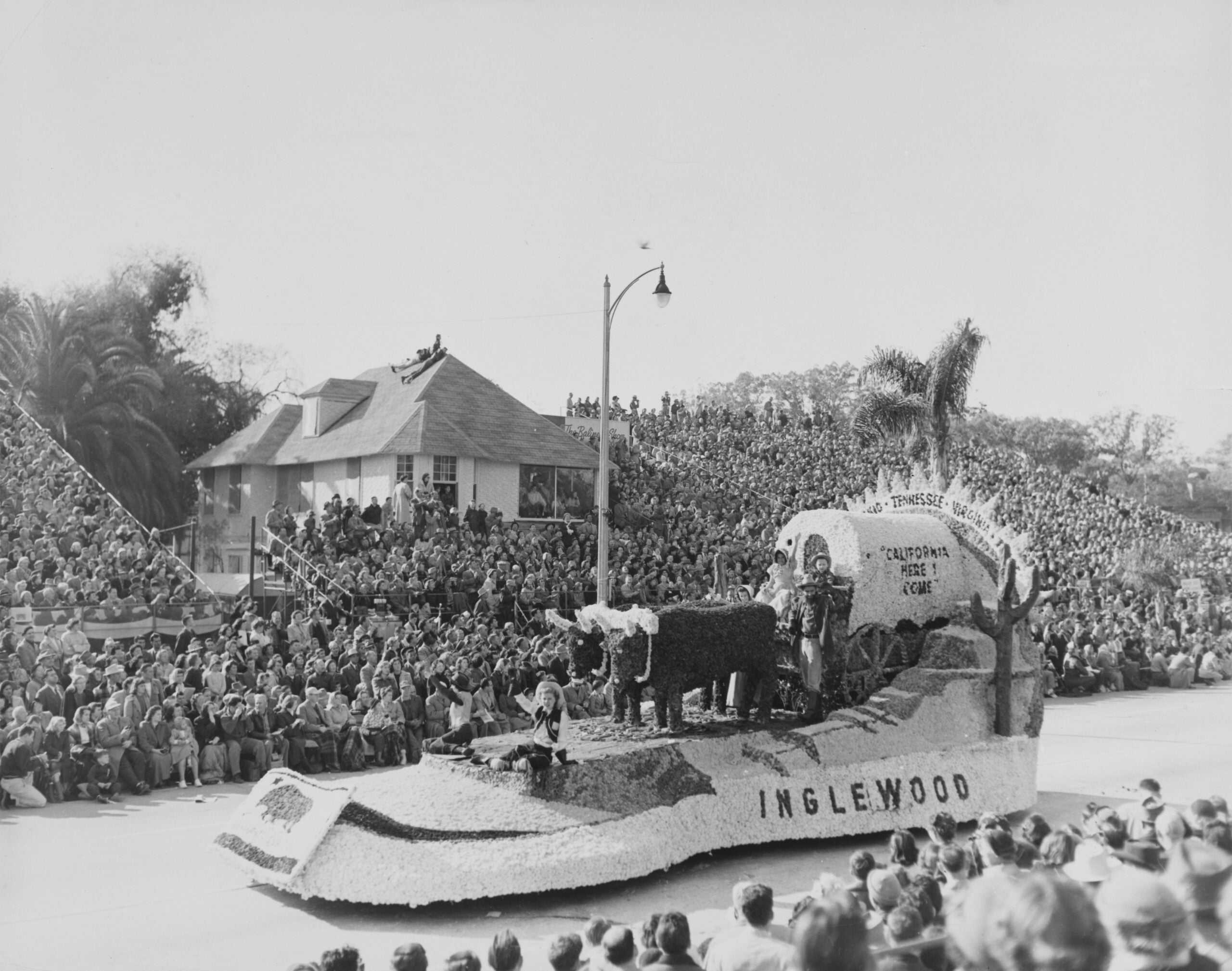
This festive scene from New Year’s Day 1953 shows Inglewood’s colorful entry in Pasadena’s famous Tournament of Roses Parade. Featuring a covered wagon pulled by cattle and the cheerful slogan “California, Here I Come,” the float celebrated the state’s pioneering spirit as children waved to the crowds lining Colorado Boulevard. The Rose Parade has been a beloved California tradition since 1890, drawing thousands of spectators each year before the iconic Rose Bowl football game.
A Colorful Moment from the Summer of Love
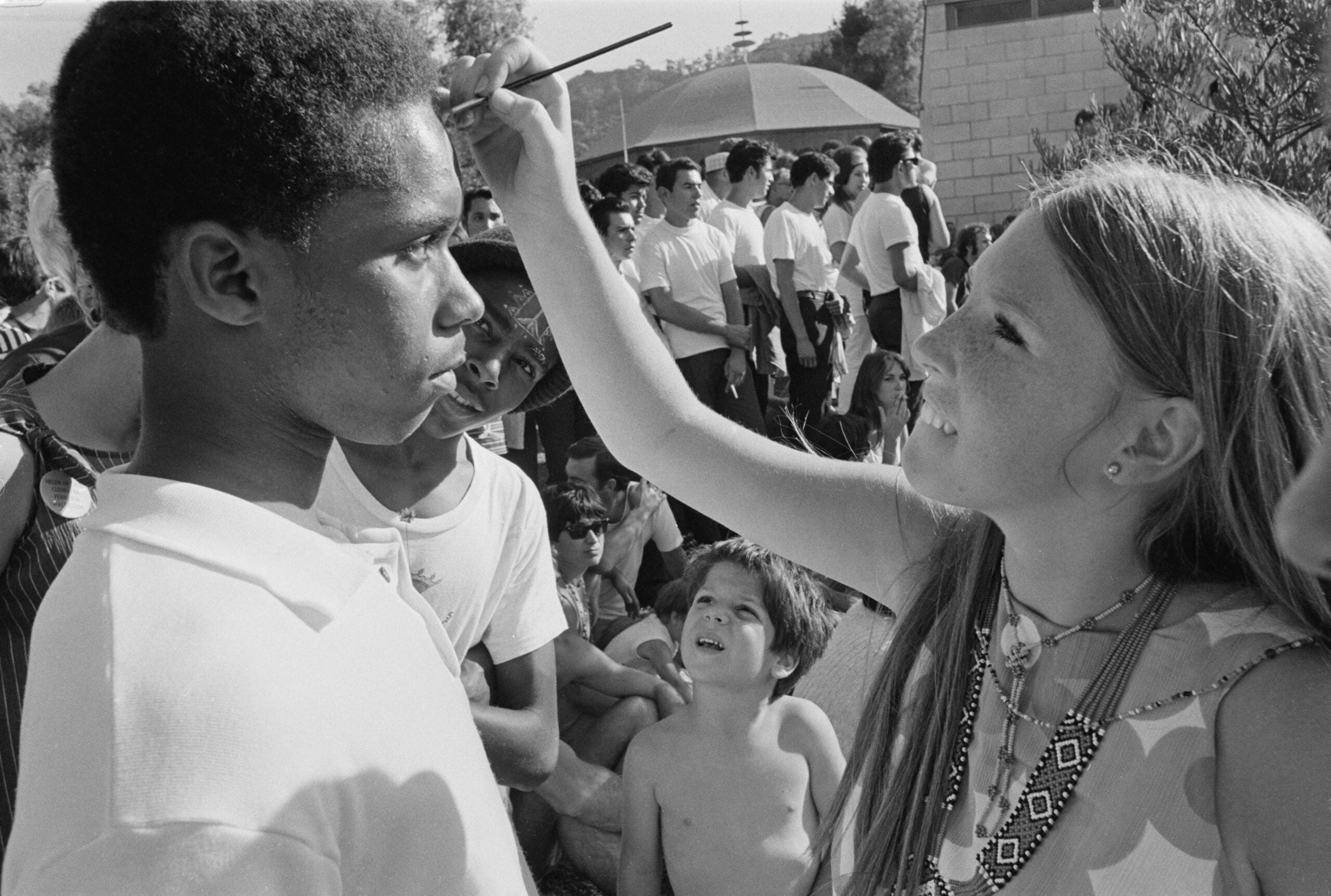
This 1967 photo captures a young woman painting a man’s face during a love-in at Griffith Park, one of the many gatherings that celebrated peace, creativity, and self-expression during the counterculture era. Love-ins brought together thousands of people for music, art, and community in a relaxed outdoor setting. Events like these helped define California’s role as the cultural epicenter of the 1960s and the spirit of the Summer of Love.