

The world has changed significantly since Baby Boomers experienced their early years of adulthood; politics, religion, wages, education, healthcare, and so many other fundamental aspects are no longer what they used to be. Now between their early 60s and around 80 years old, these individuals have had to adapt to this new reality according to aarp.org and gallup. Here are 20 Baby Boomer changes and situations when they had to evolve to keep pace with the present day!
They No Longer See Technology as Strictly a Young Person’s World

As technology has permeated society, Baby Boomer changes have included learning how smartphones, tablets, and streaming services, among other advancements, work. Technology offers independence, security, and enhanced communication, making it beneficial to use. AARP revealed that 71% of older adults bought technology in 2025, up from 67% in 2024, while two in five were already planning another technology purchase in 2026.
They Are Becoming More Comfortable Handling Important Tasks Online

Baby Boomer changes also include using online services for banking, shopping, reservations, travel, prescription refills, and medical appointments, among other things. Consequently, some baby boomers who used to visit banks, travel agencies, or pharmacies now handle these tasks more quickly via the internet. While this offers an advantage, it also presents risks, as there are fraudulent websites as well.
They Are More Open to Working Differently Instead of Simply Retiring

Baby Boomer changes have reshaped the vision of retirement. What was once viewed as a period of rest after decades of work, is now seen as an opportunity to take on occasional work in a field they enjoy. AARP says flexible arrangements can help older employees remain in the workforce longer while accommodating health conditions, disabilities, and caregiving responsibilities.
They Are Questioning the Idea That Loyalty to One Employer Is Always Rewarded

Decades ago, staying with the same company for many years was a source of pride and offered the chance to grow within a single environment. Baby Boomer changes have also transformed attitudes toward long-term employment. However, reduced pensions, frequent restructuring, and corporate takeovers have shifted that mindset. AARP found that 24% of workers 50 and older planned to change jobs in 2025, up from 14% in the comparable 2024 survey.
They Better Understand Why Adult Children Sometimes Live at Home

Harsh economic realities have led many young adults to continue living in their parents’ homes. Property costs, rising student debt, unstable employment, and delayed marriages are all factors contributing to a situation where parents and young adults still share the same household. AARP noted that multigenerational living has been increasing for decades and can help families contain housing costs while meeting caregiving needs. Baby Boomer changes include adapting to multigenerational households.
Trending on Cheapism


They Are Rethinking What Independence Looks Like in Later Life

Baby Boomer changes have redefined their concept of independence. Previously, it meant owning your own home, driving wherever you pleased, and needing no one’s help. Today, the focus has shifted. If you need support, it should be the right kind -precise and appropriate- and maintaining an accessible home is key, while family nearby to assist is considered acceptable. AARP mentioned that smart-home devices, remote health tools and similar technologies can help older adults remain in their communities longer.
There Are Considering Housing Options Beyond the Traditional Family Home

Owning a family home was a major life decision for Boomers, because it symbolized success, even after their children had moved out. Baby Boomer changes have influenced housing preferences. However, in recent years, Boomers have increasingly preferred living in age-restricted communities and in smaller homes located closer to essential services. AARP mentioned accessory dwelling units can help families remain close while preserving privacy, supporting caregiving, and potentially reducing housing costs.
They Are Accepting That Family Caregiving Is a Major Economic Issue

Baby Boomer changes also involve modern caregiving responsibilities for parents, a grandchild, or another family member is a task that carries physical, financial, and emotional consequences. While Boomers enjoyed a certain level of economic stability, families today vary significantly in terms of finances, proximity to parents, insurance coverage, and job flexibility, among many other factors. AARP estimated that 63 million Americans were providing family care in 2025, demonstrating that caregiving is not a small or unusual household responsibility.
Sign up for our newsletter
They Are More Willing to Admit That Retirement Can Be Financially Uncertain

Some Boomers retired early because they had accumulated savings and owned property, thereby enjoying financial security. Nevertheless, healthcare expenses, market volatility, housing costs, and a lack of access to pensions have derailed many of those plans, making retirement more uncertain and causing Baby Boomer changes in longer periods. AARP commented that people reaching age 65 without savings will largely rely on Social Security.
They Are Taking Mental Health More Seriously
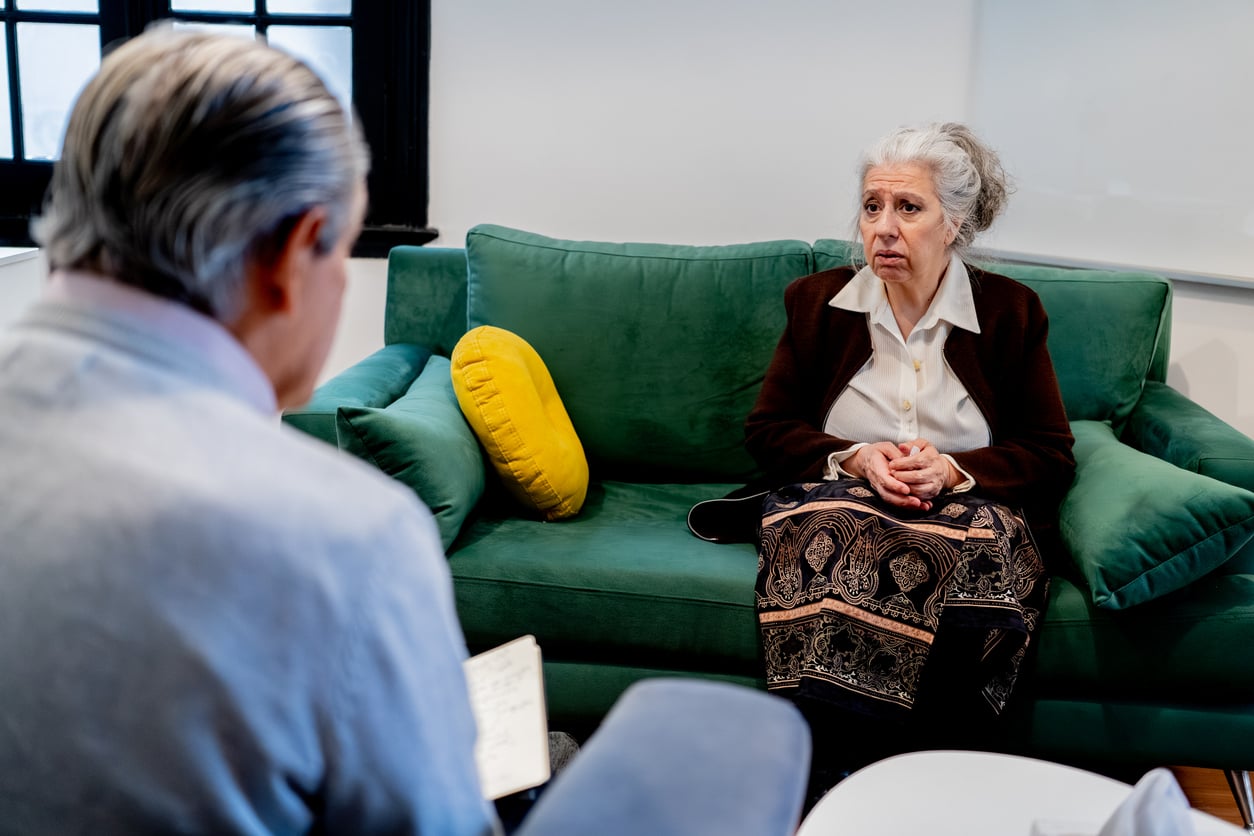
Throughout their lives, Boomers have learned to hide their emotions, anxiety, trauma, and addiction, among so many other things. However, therapy has permeated society as a symbol of recovery rather than weakness, as was once believed. AARP found out that 48% of workers 50 and older said their jobs positively affected their mental health, while 21% reported a negative effect, demonstrating a willingness to discuss work in psychological terms.
They Are Reconsidering Traditional Genders Roles at Home and Work

Boomers grew up with the norm that men provided the household income while women handled domestic chores, but they are gradually adapting to changing gender roles. If both partners work and share responsibility for maintaining the home, they can enjoy a better quality of life, an approach they are adopting from younger generations.
They Are More Accepting of Different Paths to Marriage and Family
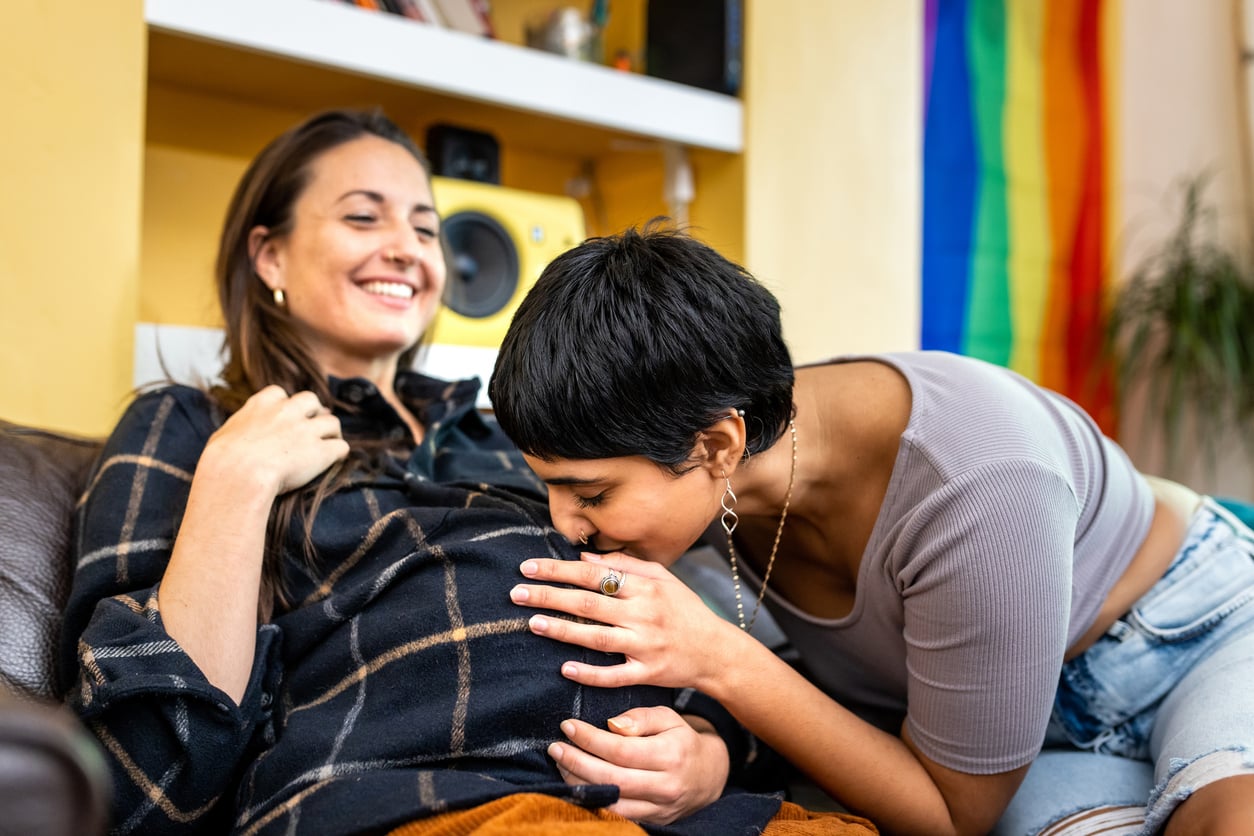
Adults used to view marriage, homeownership, and parenthood as life goals that only responsible adults achieved, and at a relatively young age. Now, however, they must contend with adult children who remain unmarried and child-free by choice, or who raise children outside the traditional two-parent structure; this acceptance has gradually led to a shift in family lifestyle patterns. AARP noted that divorce rates for people 50 and over doubled from 1990 to 2010 according to a study by Bowling Green State University.
They Are More Likely to Welcome Interracial and Multicultural Families

During the period when Boomers were getting married, interracial marriage was illegal in the United States until 1967. Consequently, a long journey was required to reach the point where interracial and multicultural families are welcomed today. Not only is it far more widely accepted now, but its portrayal on social media also portrays it as a commonplace reality, an evolution that took decades to achieve. Baby Boomer changes reflect growing acceptance of interracial families.
Many Have Changed Their Views on Same-Sex Marriage
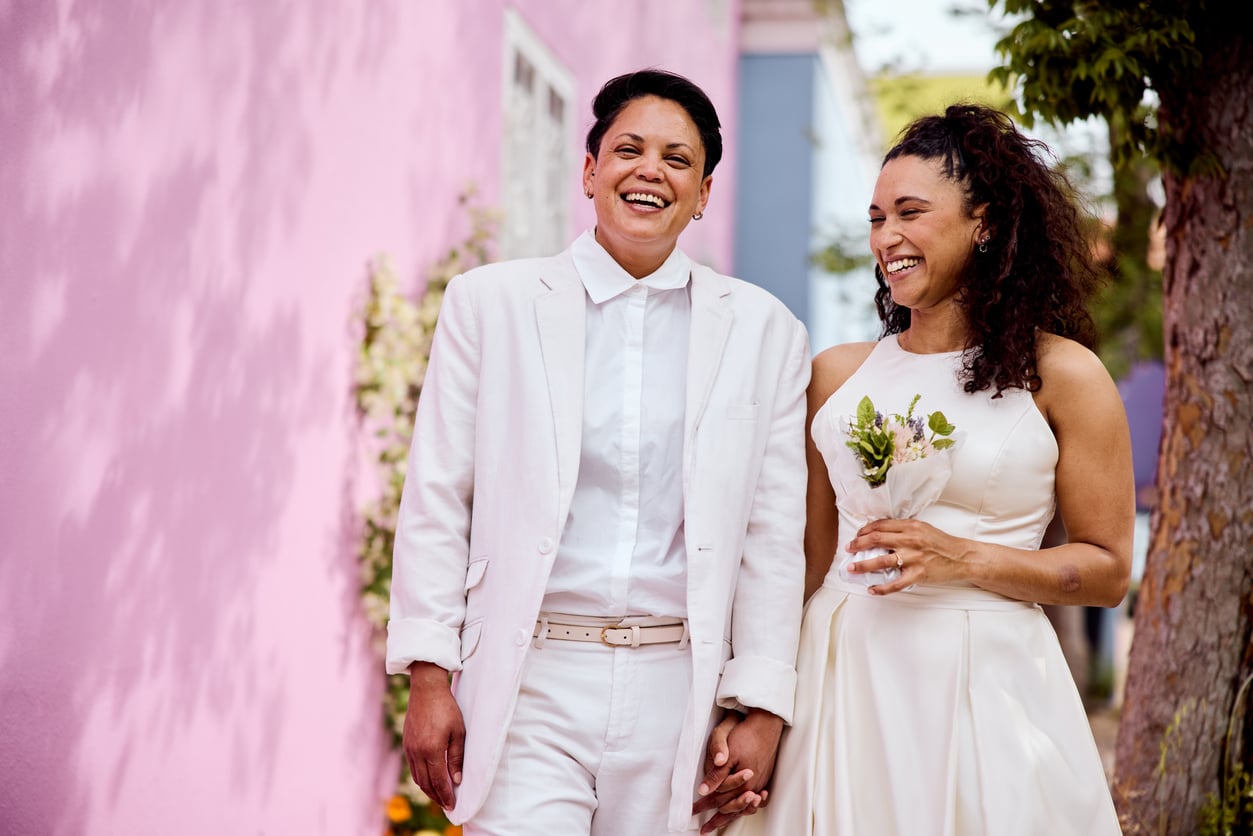
Throughout their adult lives, Boomers had to discard their long-held views on marriage as being exclusively between a man and a woman, shifting their perspective to align with a more contemporary reality. The new reality embraces personal relationships involving LGBTQ individuals, as well as connections among friends, and diverse pairings of people with different genders. Baby Boomer changes have included adapting to changing views on relationships. Gallup mentioned that the national support rose from 27% in 1996 to more than two-thirds of adults in recent years.
They Are Recognizing That Younger Generations Face Different Economics

Nowadays, meeting all of life’s financial demands is no easy task. Many young people have to cover housing and university costs, want to buy the latest smartphone, and work during the summer, all while navigating an economy where prices constantly fluctuate. Baby Boomer changes have helped them understand this reality of financial pressures, as they observe how medical bills, childcare costs, and household expenses keep changing.
They Are Becoming More Comfortable Learning From Younger Coworkers

Social media, digital tools, and artificial intelligence have transformed work systems. Therefore, the experience of older employees does not always carry more weight than a young person’s proficiency with tools. Workplaces now often incorporate “reverse mentoring,” where younger employees work with older colleagues to help them better understand the latest technology. So, Baby Boomer changes include adapting to artificial intelligence and digital workplaces. AARP mentioned that 34% of older workers and job seekers worried that artificial intelligence could affect their job security.
They Are More Open to Discussing Aging Before a Crisis Happens

In the past, it was quite common for older adults to avoid discussing the loss of their abilities, wills, long-term care, home safety, and similar matters until an emergency arose. They themselves had experienced situations where they misplaced their parents’ documents or did not know their parents’ wishes regarding what should happen after their passing. Baby Boomer changes have encouraged earlier planning for aging and long-term care. Currently, AARP projects a major shortage of affordable and accessible housing as the population over 65 grows, increasing the importance of planning before needs become urgent.
They Are Revising the Idea That Asking for Help Means Losing Control

Boomers traditionally believed that personal, financial, household, and family issues should be resolved in private. However, health limitations, challenges with technology, and changing household needs have led them to abandon this old mindset. Assistance with moving, in-home support, cost-sharing, and participation in community programs are becoming increasingly common parts of their daily lives. Baby Boomers changes have led many to accept outside assistance.
They Are Realizing That No Generation Has All The Answers

Boomers possess a wealth of experience gained from the enormous changes they have had to navigate regarding civil rights, women in the workforce, family life, technology, communication, and health, among other areas. While that experience can foster wisdom, it is also true that assumptions can become outdated. Baby Boomer changes have given Boomers a unique perspective on social progress.
Conclusion

Boomers are evolving once again, either because the new reality demands it or because their personal experiences with technology, work, retirement, and family life have led them to do so in order to make the most of life. Baby Boomer changes continue as they adapt to new realities shaped by younger generations. These changes do not follow a specific trajectory, rather, they represent an adaptation to the new landscape shaped by the generations currently steering the direction of society.