

We have already covered circumstances such as housing, caregiving, retirement, and climate disasters that complicated life in 2026. But in this new look, we will address issues like the inevitability of artificial intelligence becoming just another tool, inadequate rest, and bad behaviors that lead to major problems according to Pew Research Center -PRC-, U.S. Department of Education and the Bureau of Justice Statistics. We’ll reveal the new life in 2026 problems that have turned life in 2026 into a hellscape!
Americans Are Being Pushed Into an AI Future Most of Them Do Not Feel Ready For
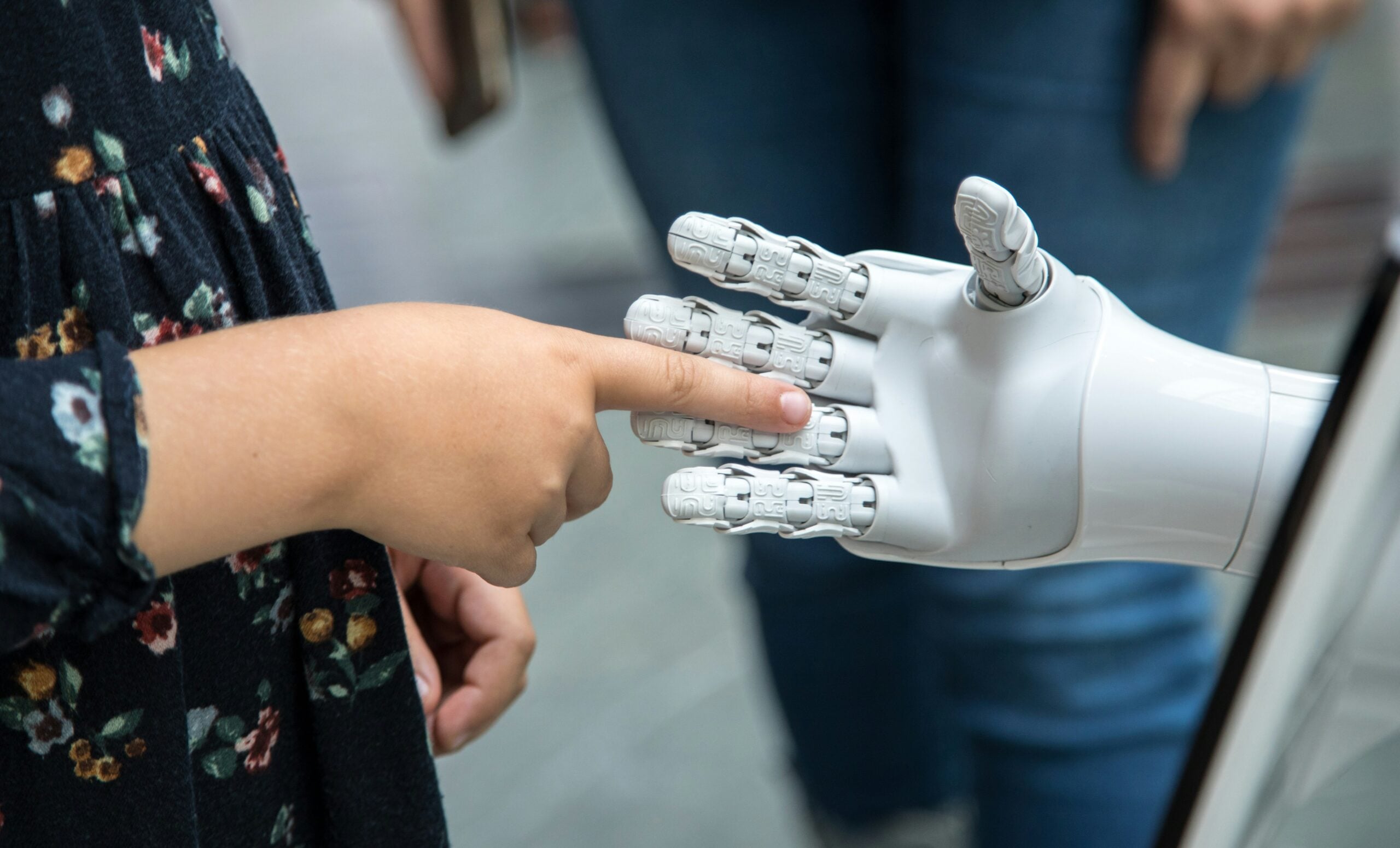
It is not a problem that AI is encroaching on our lives and becoming just another tool for millions of people. The issue, however, is that the majority of them say they are not ready for that to happen because 40% of them, according to a Pew Research Center study, mentioned that it will have a negative impact on society, and only 16% think it would be a positive one. People will be required to interact with automated systems while having little practical ability to challenge incorrect decisions.
Most Americans Have Little Confidence That Journalists Act in the Public’s Best Interest

A majority of Americans, 57%, express low confidence in journalists to act in the best interest of the public, according to PRC. That percentage includes a 40% that mentioned not having much confidence in journalists and another 17% that remarked having none at all, as one of life in 2026 problems. Nowadays, you have to pay attention to where the information comes from, what its main goal is and filter whatever you read and consume.
Reported Internet-Crime Losses Exceeded $20 Billion in One Year

The FBI has released its 2025 Internet Crime Report where it reveals that internet crime losses surged to $20.9 billion. That loss represents a 26% increase compared to the $16 billion reported in 2024. The most common tactics to commit internet crimes are online scams, artificial intelligence tactics, and cryptocurrency fraud, and one of the growing life in 2026 problems.
Most People Do Not Understand What Companies Are Doing With Their Personal Data

Roughly 79% of American adults worry about how companies use their information, and 67% of them understand little to nothing about company data practices, so they feel they have lost control over their personal data, according to PRC. People routinely surrender location, purchase, browsing and behavioral information simply to use modern services.
Nearly One-Third of Adults Are Not Getting Enough Sleep

In a study conducted by PRC, only 33% of U.S. adults mentioned they are sleeping extremely or very well. Although, 77% of them revealed that getting enough sleep is extremely or very important to them personally because they know sleep deprivation affects concentration, mood, driving, physical health and much more. Poor sleep has become one of the life in 2026 problems affecting Americans.
Trending on Cheapism


Three in Four Adults Have at Least One Chronic Health Condition

The Pew Research Center stated that 75% of U.S. adults aged 65 and older live with at least one chronic condition, such as high blood pressure, diabetes, or heart disease. Chronic disease is statistically associated with advanced age and lower education and it’s taken as a serious health concern as many surveys revealed. And also, PRC mentioned that 20% of adults revealed that they are living with two or more chronic health conditions.
Hundreds of Women Still Die From Pregnancy-Related Causes Every Year

Roughly 700 to 900 women die from pregnancy-related causes each year in the United States, said PRC. Almost 60% of those deaths are preventable, with severe racial disparities persisting across all income and education levels, but it’s a number that has risen markedly over the past 30 years. Some factors beyond the quality of medical care are gaps in post-birth support and access to care, housing, and other social determinants of health.
Almost One in Three Public-School Students is Chronically Absent

The U.S. rate of chronic absenteeism reached 23% in the 2024-25 school year, while it marks an improvement in comparison to pandemic era that peaked nearly 30% according to the U.S. Department of Education. The definition of it is missing at least 10% of the school year. Among the children that were more affected by that were the American Indian and the Pacific Islander and the causes can be from student disengagement to the lack of access to student and family supports. Absenteeism is another of the life in 2026 problems.
Sign up for our newsletter
Millions of Workers Want Full-Time Hours but Cannot Get Them

The Federal Reserve Economic Data revealed that approximately 4.7 million workers in the U.S. are employed part-time for economic reasons but wish to get a full-time job. The historic peak for workers wanting a full-time job was in April 2020 where nearly 10.9 million were in that position. Their unpredictable scheduling can make it difficult to accept another job for them and one of the life in 2026 problems.
More Than 745,000 People Were Homeless on a Single Night

Low incomes, a lack of affordable housing and weak safety nets drive record highs in homelessness in the U.S. with 745,652 people experiencing homelessness on a single night in January 2025 according to the National Alliance to End Homelessness. The same organization estimated 771,480 people experienced homelessness across the U.S. in 2024, and 653,104 in 2023. Homelessness is one of the fastest-growing life in 2026 problems.
Household Debt Has Reached $18.8 Trillion

Total household debt reached $18.8 trillion in the first quarter of 2026, according to the Quarterly Report on Household Debt and Credit and is one of the life in 2026 problems. They also mentioned that mortgage balance alone totaled $13.19 trillion at the end of March. This could be a big problem because households can be locked into years of mandatory monthly payments to comply with that.
Nearly 5% of All Outstanding Household Debt Is Already Delinquent

Approximately 4.8% of outstanding household debt was in some state of delinquency during the first quarter of 2026. There are approximately 9.2 million Americans that are currently in default on their student loans, credit cards, mortgages, and consumer loans, which in total climbed 4.8%. Finally, bankruptcies rose 12.2% in 2026. Rising delinquency is another of the life in 2026 problems.
Roughly 27 Million People Went an Entire Year Without Health Insurance

The Centers for Disease Control and Prevention revealed that 27 million people, or 8% of people nationwide, lack health insurance, a number that has grown due to the expiration of enhanced federal subsidies for Affordable Care Act marketplace plans and ongoing Medicaid eligibility redeterminations. This is one of life in 2026 problems that can be very problematic because an ordinary illness or injury can represent a major financial emergency.
More Than One-Third of The Food Produced in America Is Never Eaten

Roughly 30% to 40% of the food supply in the United States is never eaten according to the U.S. Department of Agriculture. This equals about 60 million tons of food per year, costing more than $400 billion annually and filling up landfills with safe, uneaten meals. This waste that is one of the overlooked life in 2026 problems, happens because people throw away bad leftovers, restaurants prepare too much food and farms left crops unharvested because of low market prices, among other causes.
Millions of Lead Pipes May Still Be Delivering Drinking Water

The U.S. Environmental Protection Agency revealed that an estimated 9.2 million lead service lines still deliver drinking water to homes across the United States. These pipes that are located in older industrial states and regions with corrosive water chemistry, connect street water mains to private properties, posing severe health risks. This is a big problem because a household can receive water that appears clear while aging infrastructure introduces an invisible health risk.
Nearly 70,000 Water Bodies Fail to Meet Water-Quality Standards

There were almost 70,000 water bodies nationwide that do not meet water quality standards according to the U.S. Environmental Protection Agency. As a result, millions of people were exposed to per- and polyfluoroalkyl substances that came from contaminated water, food, or air. And this is not an exclusive issue for those people, pollution can affect tourism, property values, agriculture, municipal costs and weather. Water pollution remains one of the major life in 2026 problems.
More Than 650,000 People Were Being Held in Local Jails

The Bureau of Justice Statistics revealed that jails hold roughly 664,000 people on any given day, and the majority are unconvicted individuals awaiting trial or court action rather than serving a sentence. The difference between jails and prisons is that in the first one they hold people that serve short sentences or that have to await resolution. These individuals also represent job losses, and significant expense for the state, as $60,989 a year, according to USAFacts. Jail overcrowding is one of the life in 2026 problems.
Speeding Alone Was Connected to More Than 11,000 Deaths

The NHTSA also mentioned that speeding is a contributing factor in 29% of all traffic fatalities. Sometimes people can be driving at the speed limit but the road conditions because of bad weather or a road under repair could represent a risk. Traffic congestion is one of the most frequently mentioned contributing factors to aggressive driving, such as speeding, but also running late, anonymity and disregard for others. This continues to be one of the life in 2026 problems.
Conclusion

All these life in 2026 problems pose a major problem for people. No demographic group, whether defined by age, race, or gender, is exempt, as everyone is exposed to these risks. Making better decisions, relying on accurate information, and doing what you know is best for your health can help you avoid these issues. Reversing this trend requires everyone’s participation, allowing millions to move forward together.