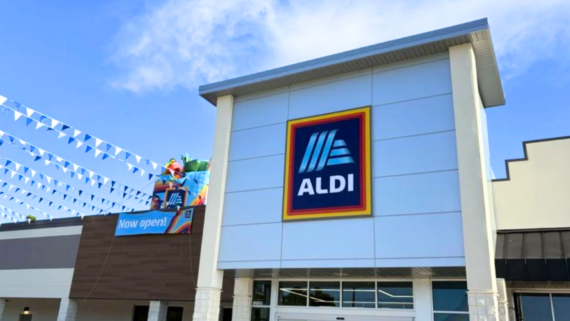
ALDI isn’t slowing down anytime soon. After opening hundreds of stores across the United States in recent years, the discount grocery giant has announced plans to add more than 225 new locations in 2026 alone as part of what the company describes as the largest single-year expansion effort in its history. The aggressive growth strategy comes as millions of Americans continue searching for ways to stretch their grocery budgets amid persistent food inflation and rising living costs.
Known for its no-frills shopping experience, private-label products, and prices that often undercut traditional supermarkets, ALDI has become one of the fastest-growing grocery chains in the country. The retailer now operates more than 2,500 stores nationwide and continues expanding into new regions while strengthening its presence in some of America’s fastest-growing metropolitan areas.
From Colorado and Arizona to Maine and Arkansas, several cities are preparing to welcome new ALDI stores in the months ahead. Here are 12 places where shoppers can expect to see the discount grocer’s footprint grow.
Portland, Maine
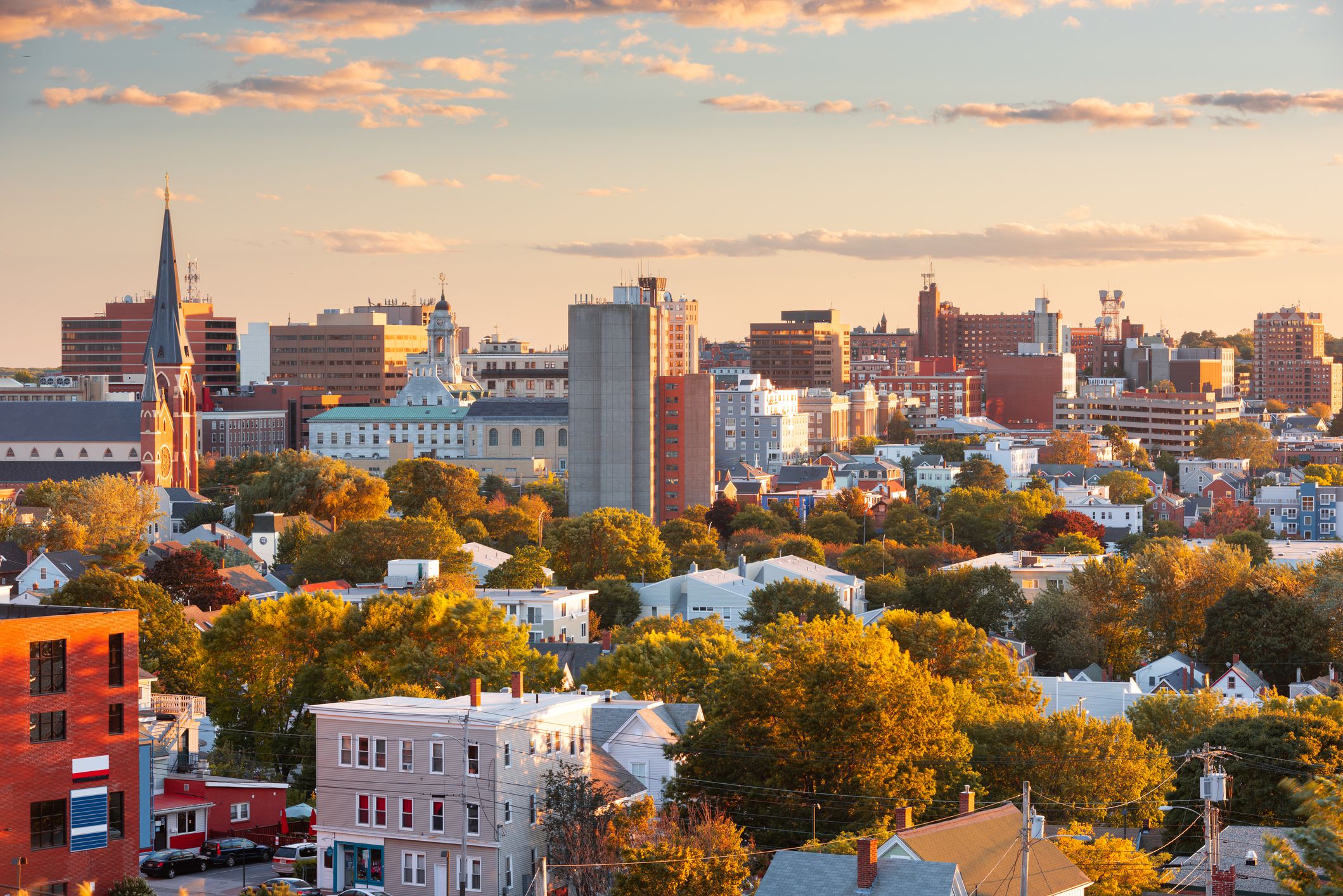
Portland will make history as ALDI’s first location in Maine, marking the retailer’s entry into its 40th U.S. state. The store is expected to introduce ALDI’s low-cost grocery model to a region where discount supermarket competition has traditionally been limited. The opening is part of the company’s broader push into underserved markets across the Northeast.
Denver, Colorado
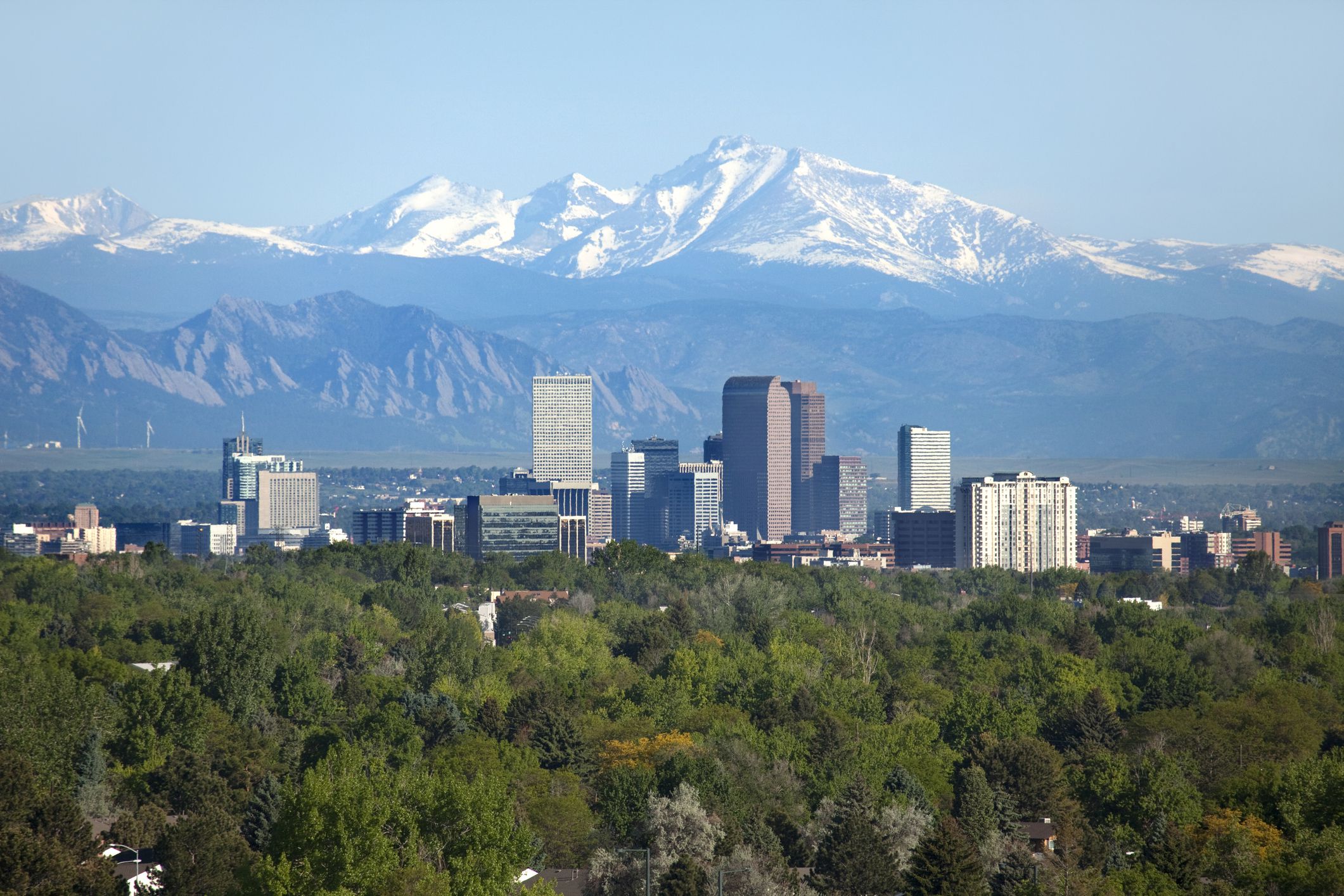
Denver is expected to become one of ALDI’s most important new markets. The company announced plans for more than 50 stores across the Denver and Colorado Springs regions during the next several years, supported by a new distribution center. Denver’s rapid population growth and high grocery prices make it a natural target for expansion.
Colorado Springs, Colorado
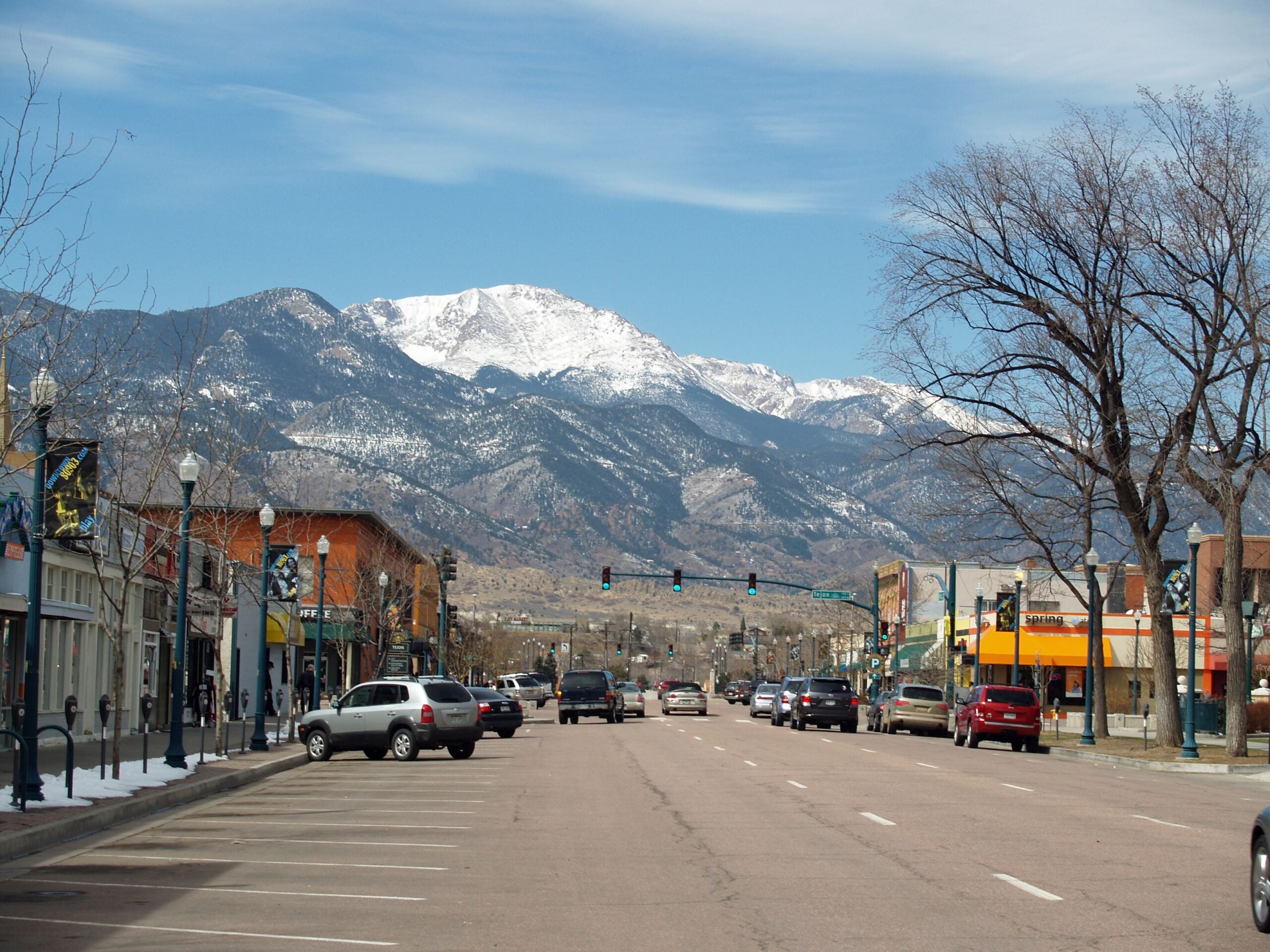
Alongside Denver, Colorado Springs will serve as a key launch point for ALDI’s Colorado debut. The city’s expanding suburban population and strong household growth fit the retailer’s strategy of targeting fast-growing metro areas where consumers are increasingly seeking value-oriented grocery options.
Phoenix, Arizona
ALDI has specifically announced plans to open 10 new stores in the Phoenix market during 2026. The chain views Phoenix as one of its most promising western growth markets, with long-term plans calling for roughly 40 additional locations by the end of the decade.
Mesa, Arizona
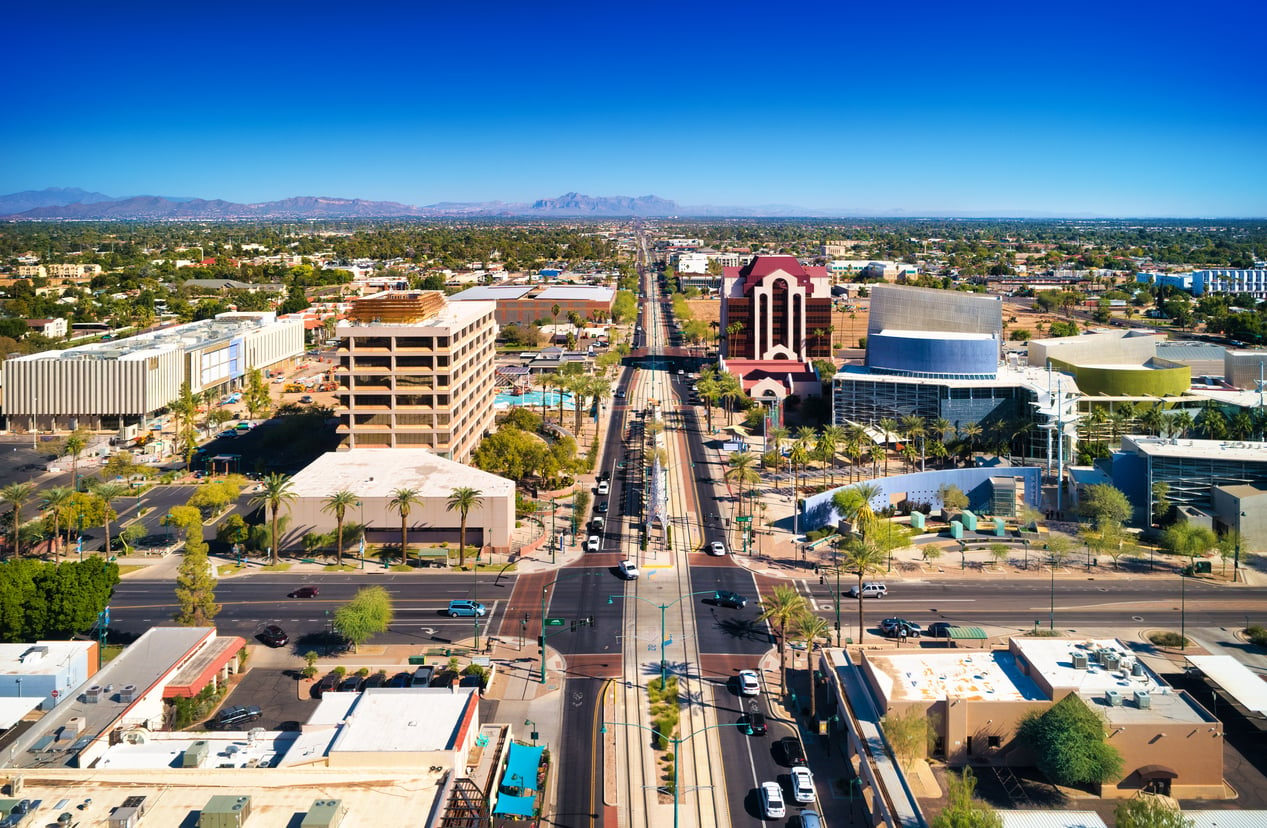
As one of the largest cities in the Phoenix metropolitan area, Mesa is expected to benefit from ALDI’s aggressive Arizona expansion. The city’s growing population and family-oriented demographics align well with ALDI’s value-focused customer base.
Trending on Cheapism


Chandler, Arizona
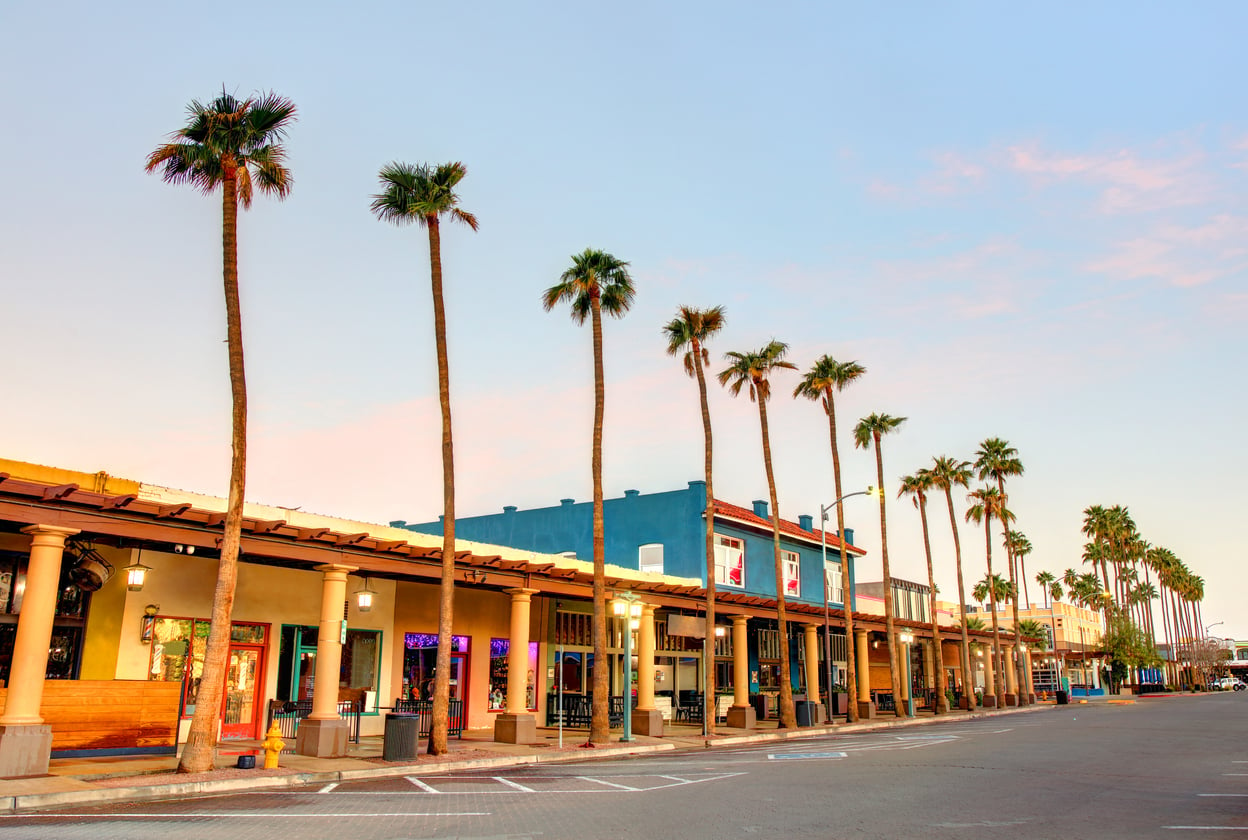
Chandler’s continued residential growth and strong household incomes make it a logical candidate for future ALDI locations. The city has experienced significant retail development in recent years, creating opportunities for discount grocers seeking additional market share.
Gilbert, Arizona
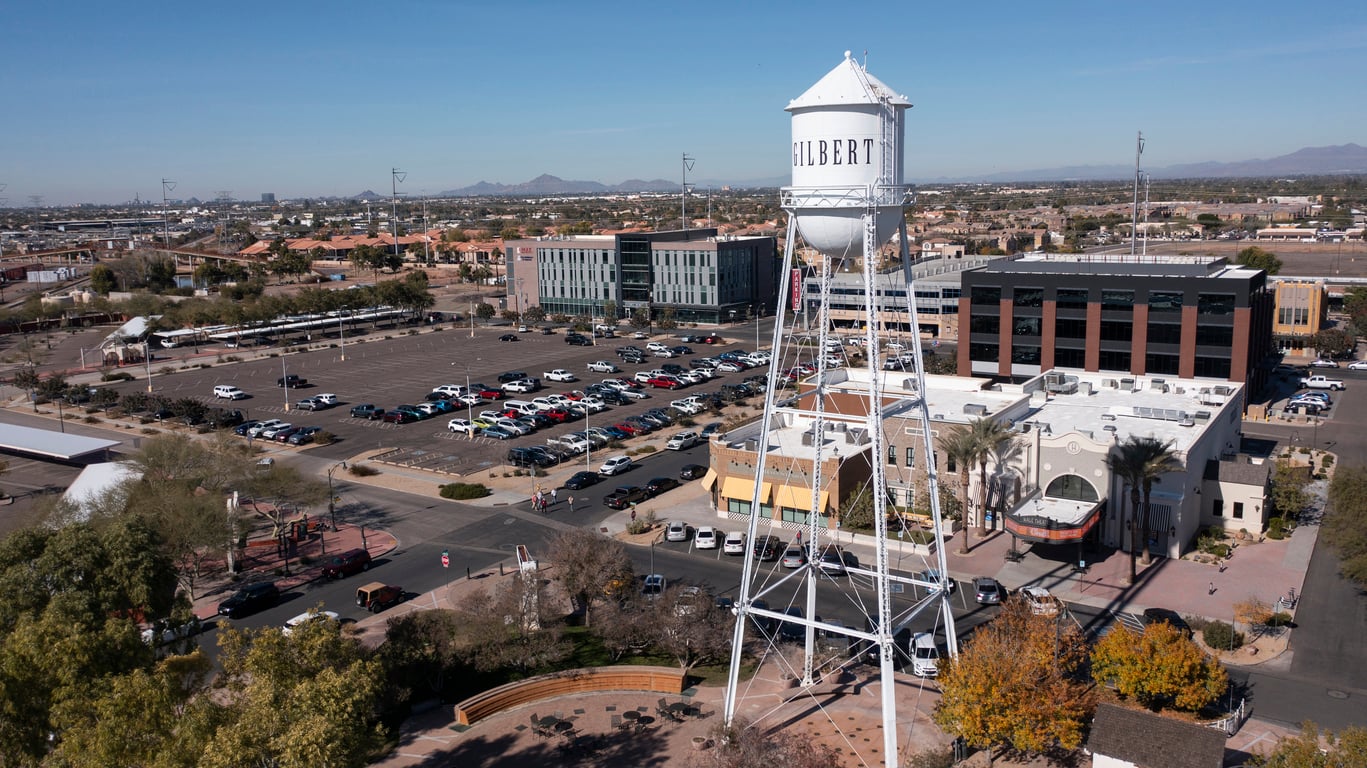
Gilbert has transformed from a small suburb into one of Arizona’s fastest-growing communities. ALDI’s expansion strategy in the Phoenix metro area makes Gilbert a likely beneficiary as the company builds out its regional footprint.
Glendale, Arizona
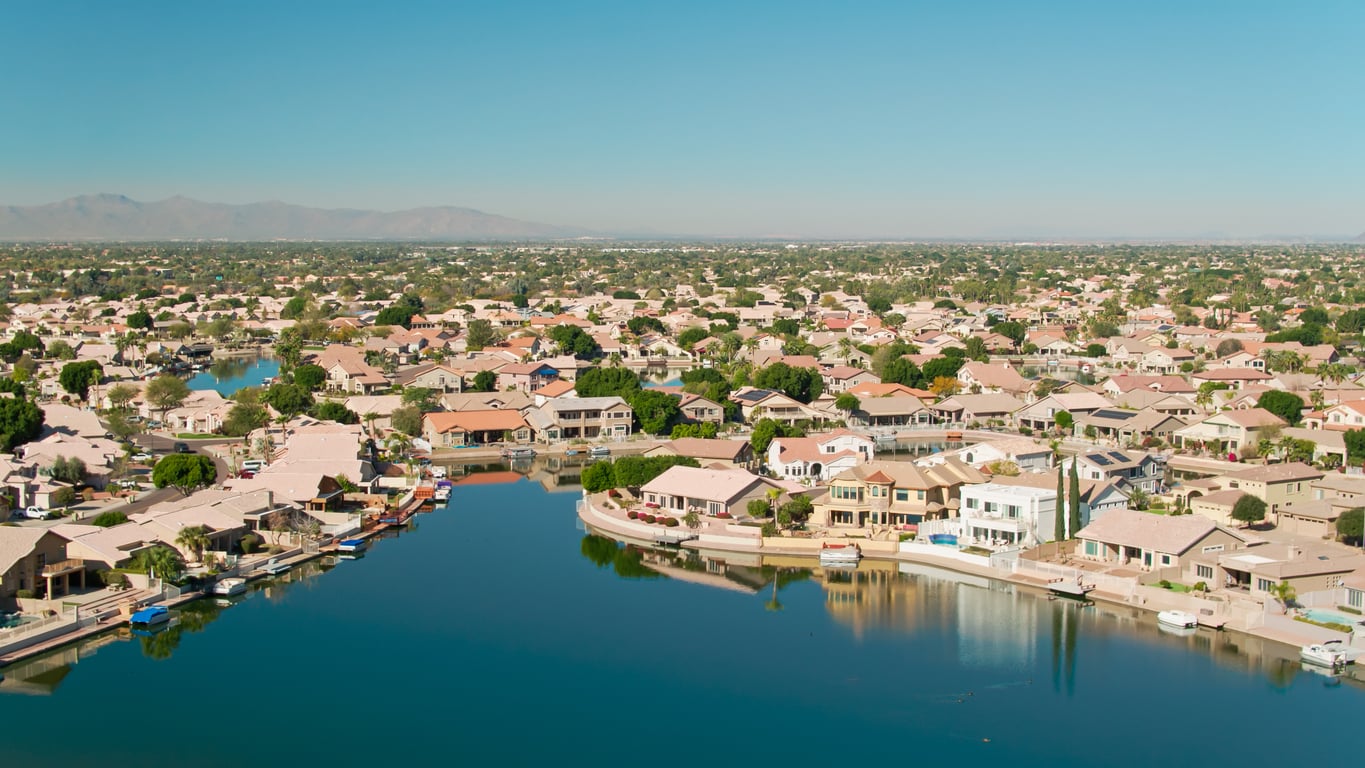
Located northwest of Phoenix, Glendale offers access to a large suburban customer base. As ALDI works toward opening multiple stores throughout the region, Glendale is positioned to become an important part of the chain’s Arizona growth strategy.
Sign up for our newsletter
Las Vegas, Nevada

After successfully entering the Las Vegas market in 2025, ALDI plans to continue expanding in the city and eventually double its local store count by 2030. The company’s early performance in Las Vegas reportedly exceeded expectations, encouraging additional investment in the area.
Jacksonville, Florida
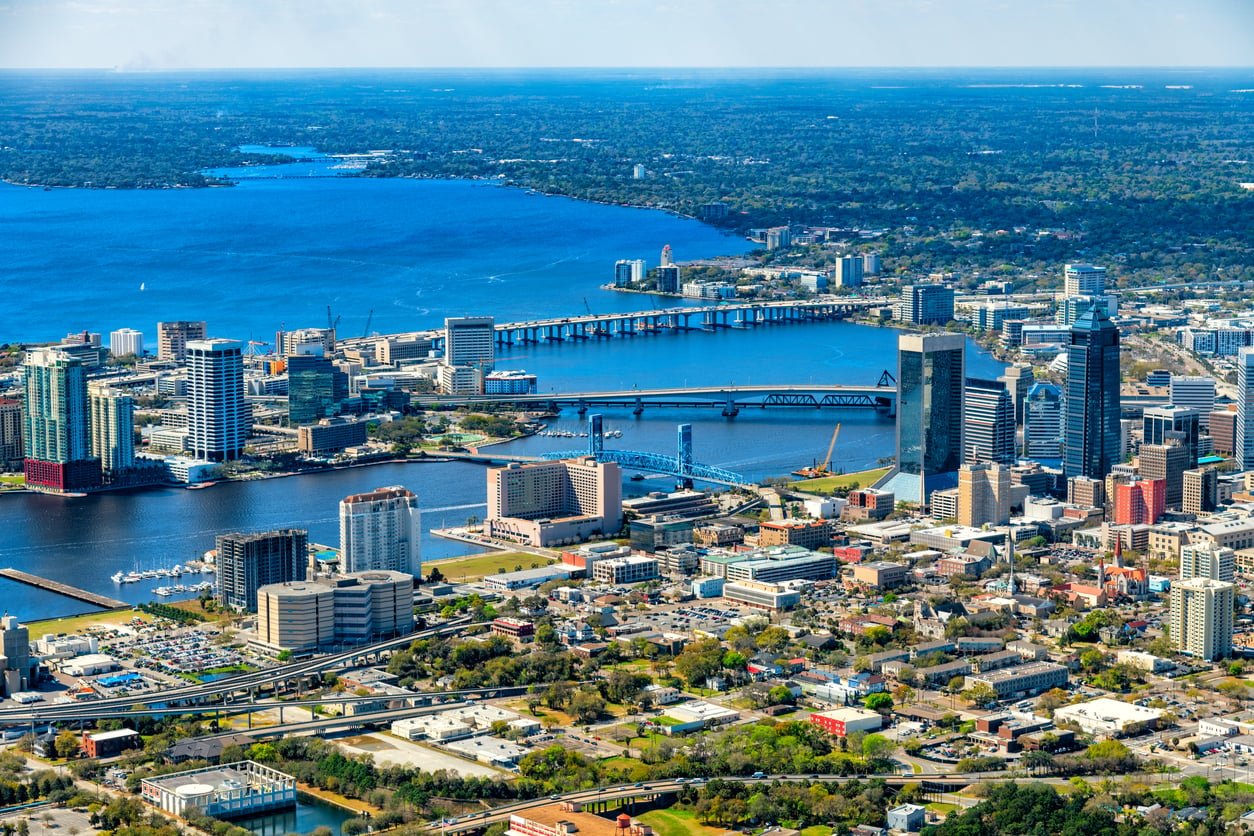
Jacksonville is expected to see additional ALDI locations as the retailer converts former Southeastern Grocers properties throughout the Southeast. The city’s large geographic footprint and growing population make it a key market for the company’s Florida expansion efforts.
Tampa, Florida
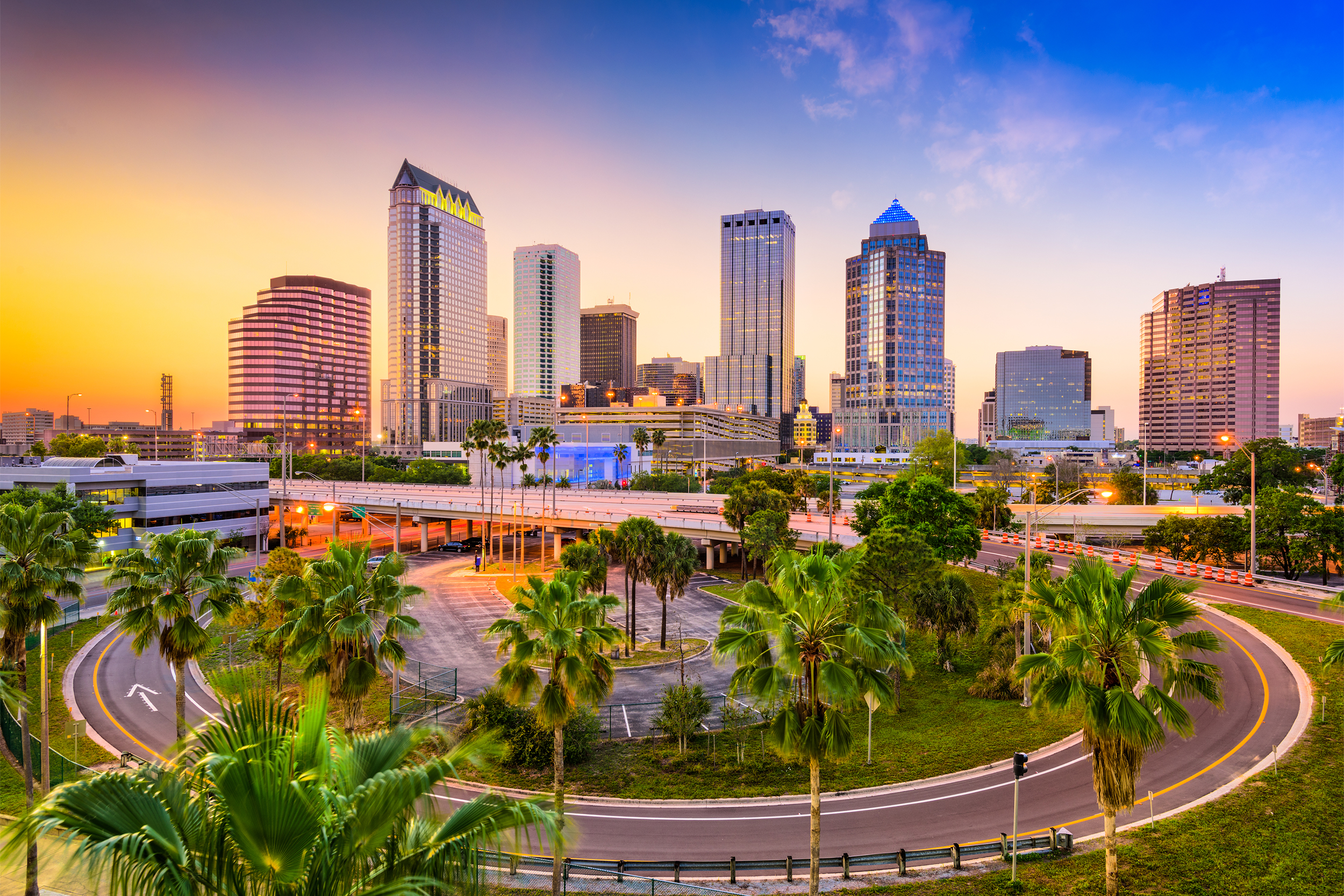
Tampa remains one of Florida’s fastest-growing metro areas and a major focus for grocery retailers. ALDI’s ongoing conversion of former Winn-Dixie locations is likely to strengthen its presence throughout the Tampa Bay region as the company seeks to capture more value-conscious shoppers.
North Little Rock, Arkansas

North Little Rock is among the more concrete city-level projects that have surfaced during ALDI’s 2026 expansion. Plans call for a new store that will become the city’s second ALDI location, reflecting the retailer’s continued investment in growing Southern markets.
Why ALDI’s Expansion Matters
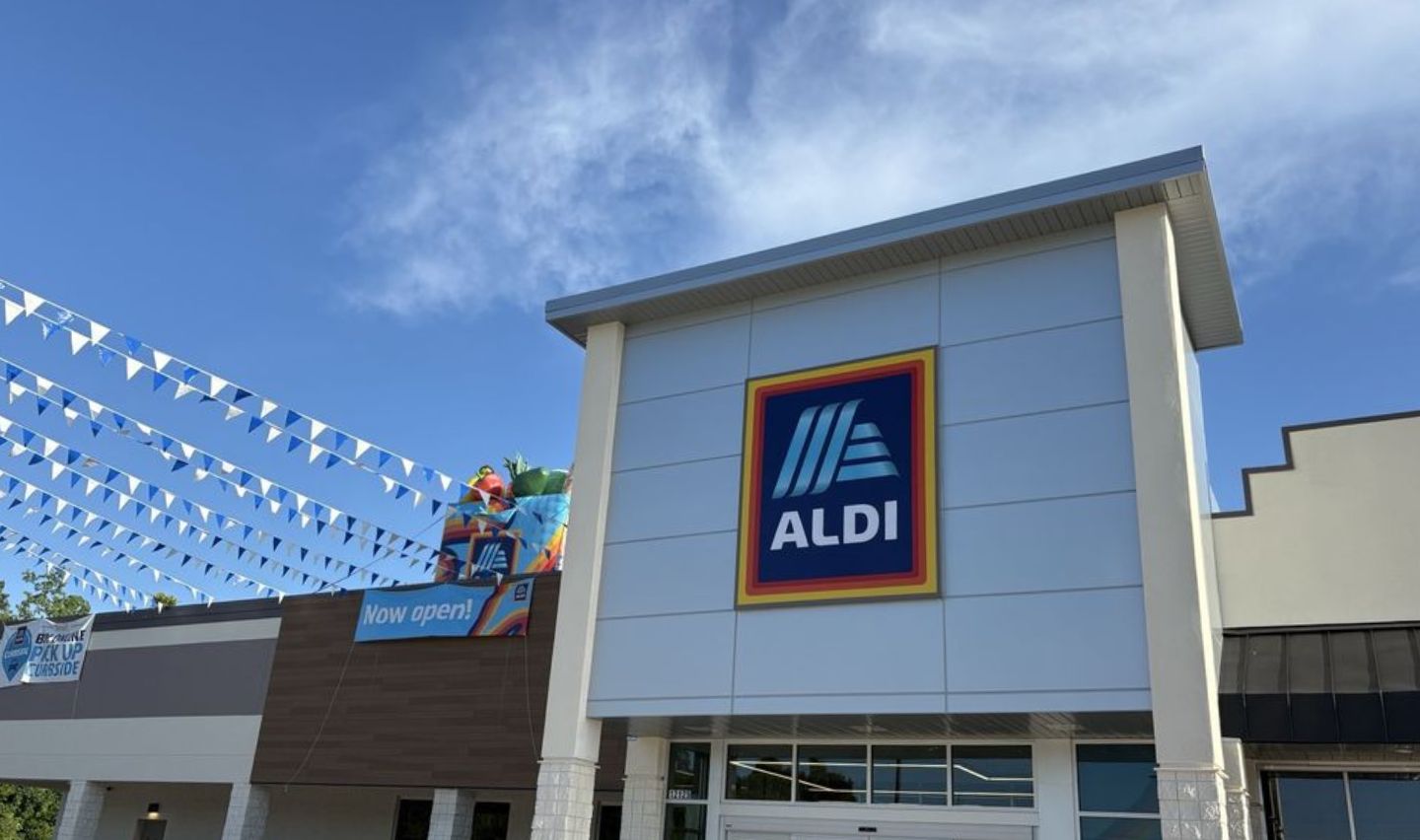
ALDI’s rapid growth reflects broader changes in how Americans shop for groceries. As food prices remain elevated, consumers are increasingly prioritizing value, leading many households to shift spending away from traditional supermarkets and toward discount-focused chains.
Industry analysts have pointed to ALDI’s streamlined business model as a major advantage. By offering a smaller selection of products, emphasizing store-brand items, and keeping operating costs low, the retailer is often able to offer lower prices than many competitors. The strategy has resonated with shoppers across a wide range of income levels, helping fuel the company’s continued expansion.
The retailer’s growth has also intensified competition throughout the grocery industry, prompting rival chains to introduce more aggressive promotions, loyalty programs, and private-label offerings in an effort to retain customers.
The Bottom Line
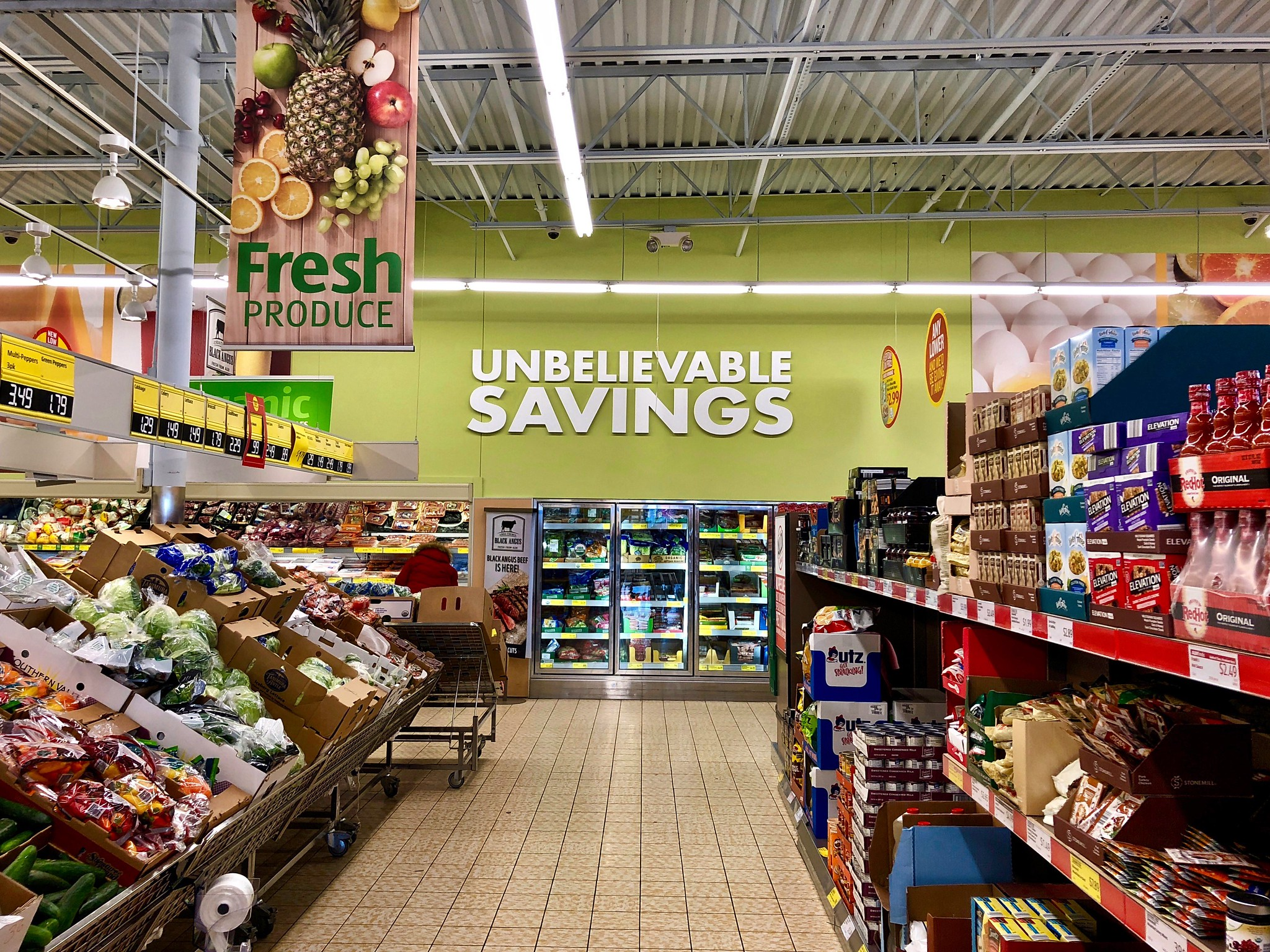
For shoppers, more ALDI stores typically mean more options for affordable groceries and increased competition among local retailers. For the company, the expansion represents another major step toward becoming one of the nation’s dominant grocery chains.
While not every announced location has opened its doors yet, ALDI’s plans make one thing clear: the retailer sees significant opportunity in the American market. Whether it’s entering entirely new states like Maine or deepening its presence in fast-growing Sun Belt cities, ALDI is betting that demand for low-cost groceries isn’t going away anytime soon.
If the company’s recent growth trajectory is any indication, many more communities could find themselves welcoming new ALDI stores in the years ahead.