

Most travelers spend countless hours hunting for cheap airfare, comparing airlines, tracking fare alerts, and searching for promo codes. But while finding a lower ticket price can certainly help, airfare is often only one piece of the overall travel budget.
Airport parking, baggage fees, rental cars, food, drinks, transportation, and forgotten travel essentials can quietly add hundreds of dollars to the cost of a trip. In many cases, frequent travelers save more money by cutting these hidden expenses than by finding a slightly cheaper flight.
Travel communities on Reddit regularly share airport money-saving strategies that help travelers avoid unnecessary spending before they even reach their destination. The good news is that many of these costs are entirely avoidable with a little planning.
Here are some of the best airport hacks that can help keep your travel budget under control.
Bring an Empty Water Bottle

Buying bottled water at the airport is one of the easiest ways to overspend. Airport retailers often charge several times what the same bottle would cost elsewhere.
Fortunately, TSA allows travelers to bring empty water bottles through security checkpoints. Once inside the terminal, you can fill them at one of the many refill stations now available in major airports.
The savings may seem small at first, but they add up quickly for families or frequent travelers. A reusable bottle can eliminate the need for multiple drink purchases during every trip while also reducing waste.
Eat Before You Reach the Airport

Airport restaurants are notorious for charging premium prices. Even fast-food meals often cost significantly more once they’re located inside a terminal.
Eating before heading to the airport can help eliminate one of the most common travel-day impulse purchases. If your schedule allows, grab a meal at home or stop at a restaurant near the airport where prices are typically lower.
Families can see especially large savings by avoiding airport dining altogether, particularly on longer travel days.
Compare Airport Parking Lots Before You Leave
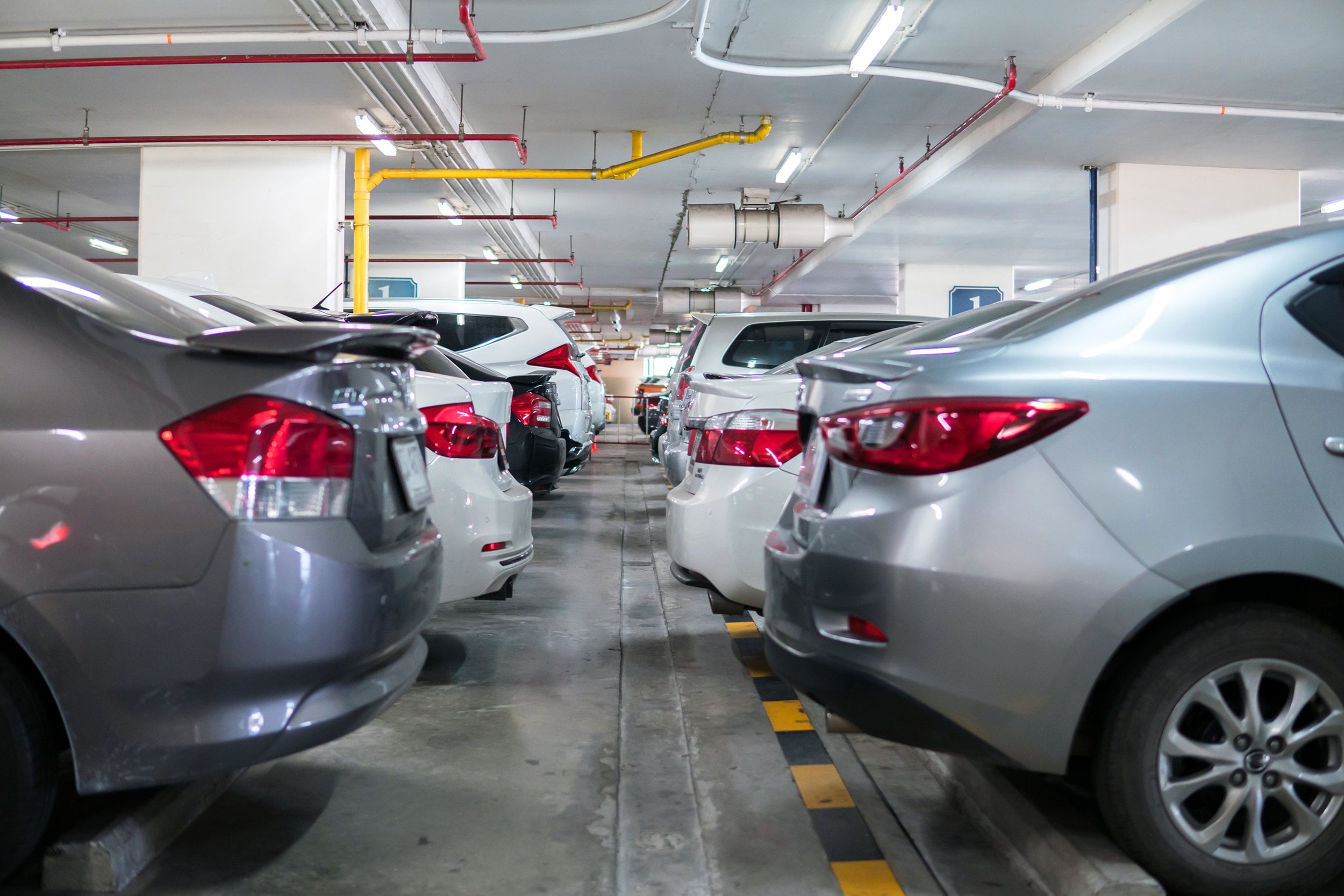
Many travelers automatically park in official airport lots without checking alternatives. However, nearby private parking operators frequently offer lower daily and weekly rates.
Many off-site lots include complimentary shuttle service to the terminal, making the experience nearly as convenient as airport-owned parking.
Comparing prices before your trip can lead to substantial savings, especially if you’re traveling for a week or longer. Booking online ahead of time often unlocks additional discounts as well.
Pack a Small Snack Bag

Flight delays, long layovers, and unexpected schedule changes often lead travelers straight to overpriced airport convenience stores.
Packing a small snack bag can help prevent those purchases. TSA permits many common foods through security, including granola bars, trail mix, crackers, sandwiches, and packaged snacks.
Reddit travelers frequently recommend keeping emergency snacks on hand, particularly when traveling with children. Having food available can reduce the temptation to buy expensive meals or snacks during delays and connections.
Skip Currency Exchange Counters
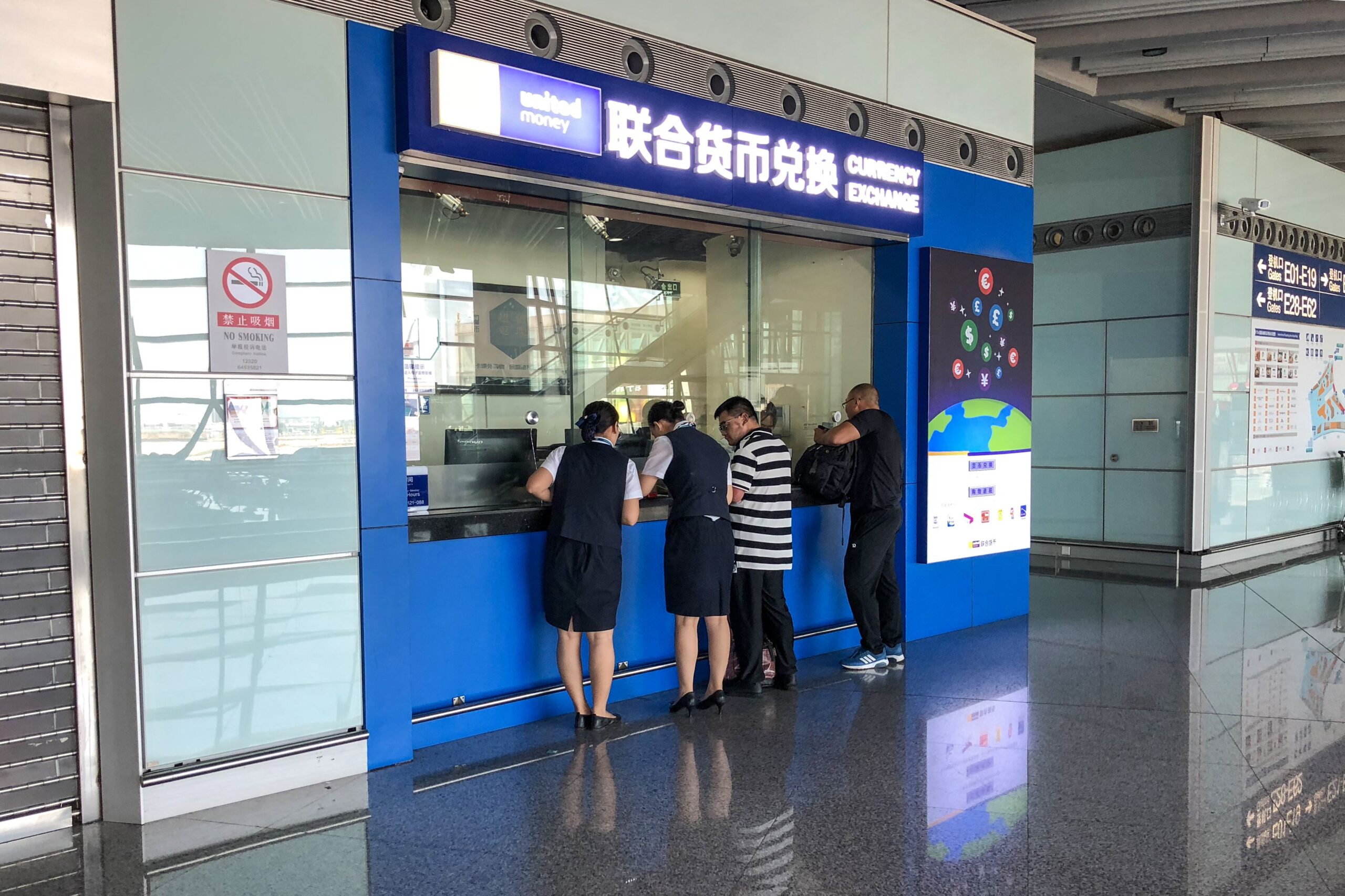
Airport currency exchange counters are convenient, but that convenience often comes at a steep cost.
Many airport exchanges offer less favorable rates and charge substantial spreads compared to other options. Travelers can lose a surprising amount of money simply by exchanging cash at the airport.
For international trips, using a bank ATM at your destination or paying with a credit card that offers competitive exchange rates is often a more cost-effective strategy.
Trending on Cheapism

Use Airport Hotel Park-and-Fly Packages
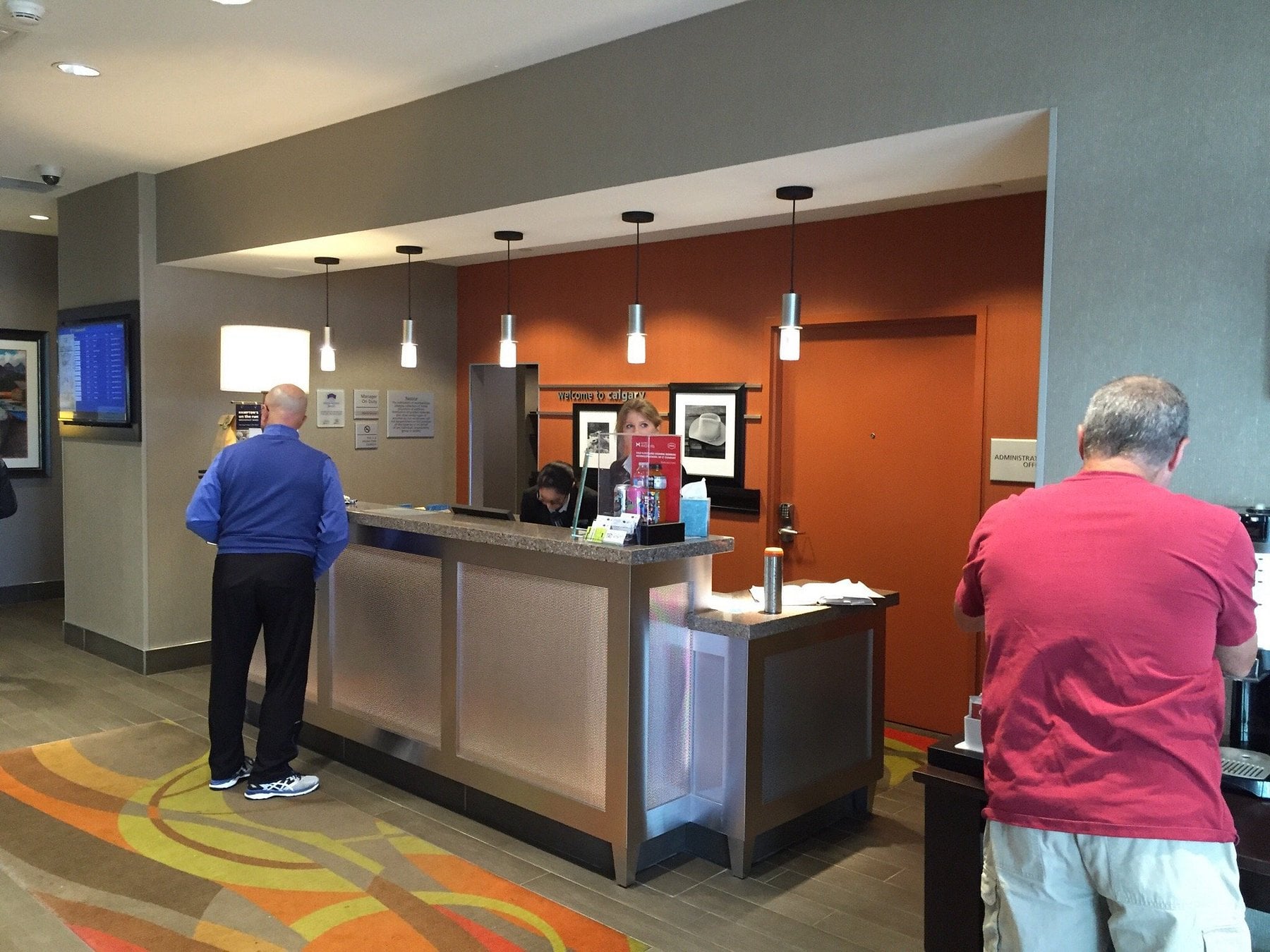
If you have an early morning flight, an airport hotel may actually help reduce overall travel costs.
Many airport hotels offer park-and-fly packages that include several days of parking along with an overnight stay. In some cases, the parking savings offset a significant portion of the room cost.
These packages often include complimentary shuttle service to and from the terminal, making them particularly appealing for travelers facing long drives or very early departures.
Avoid Checked Bag Fees Whenever Possible
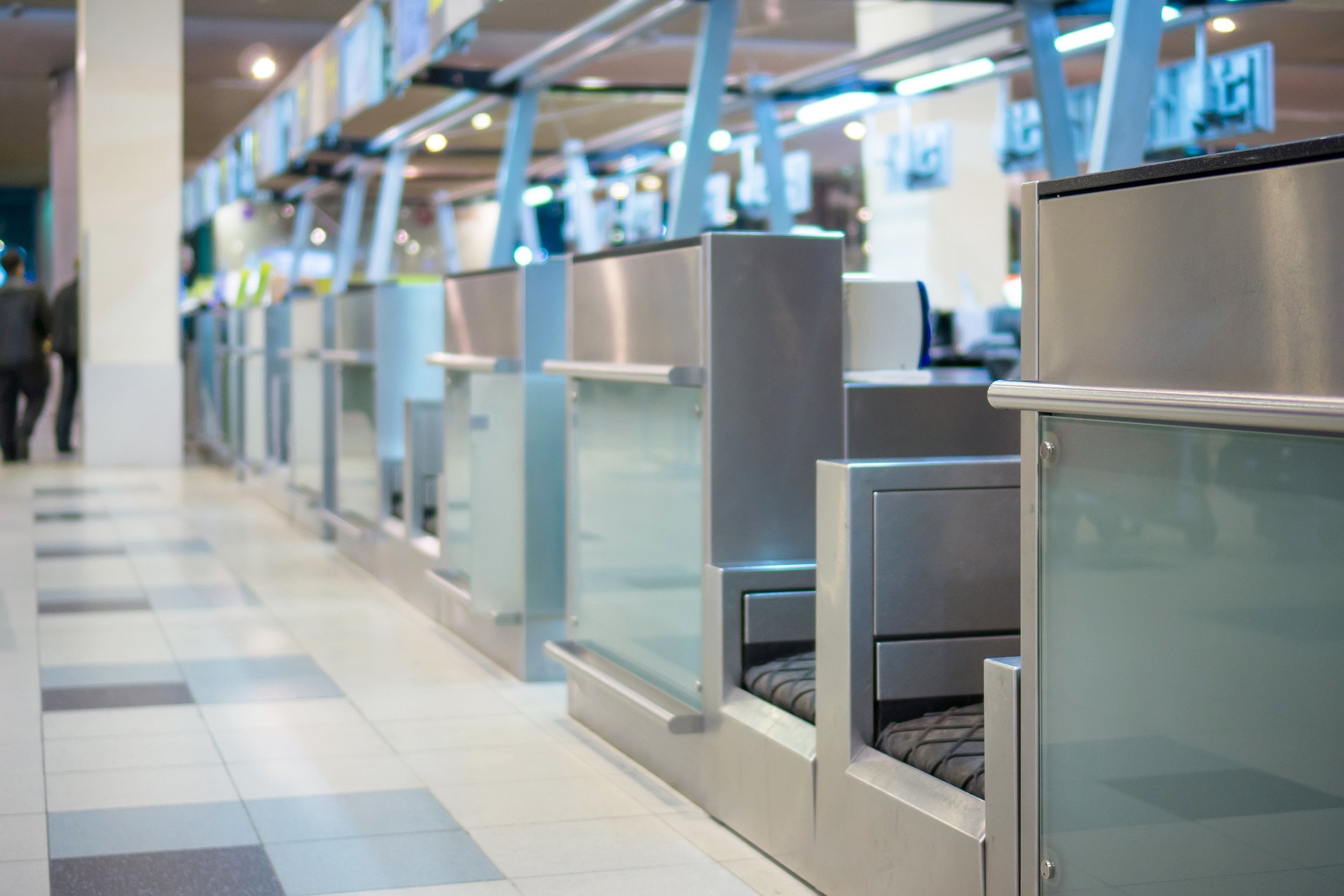
Airline baggage fees continue to climb, making checked luggage one of the most common travel add-on expenses.
Many experienced travelers have embraced carry-on-only packing strategies to avoid these fees altogether. Packing cubes, versatile clothing, and careful planning can make traveling with less surprisingly manageable.
Families can often reduce costs by consolidating belongings into fewer bags rather than checking multiple suitcases. In some cases, baggage fees can rival the cost of the airfare itself.
Return Rental Cars Off-Airport

Airport rental car locations frequently charge additional taxes and facility fees that don’t apply at nearby city locations.
Before booking, compare rates at off-airport branches. Even if you need a short rideshare trip to reach the rental office, the overall savings may still be significant.
The difference becomes even more noticeable on longer rentals, where airport surcharges can add up quickly.
Sign up for our newsletter
Bring Your Own Entertainment
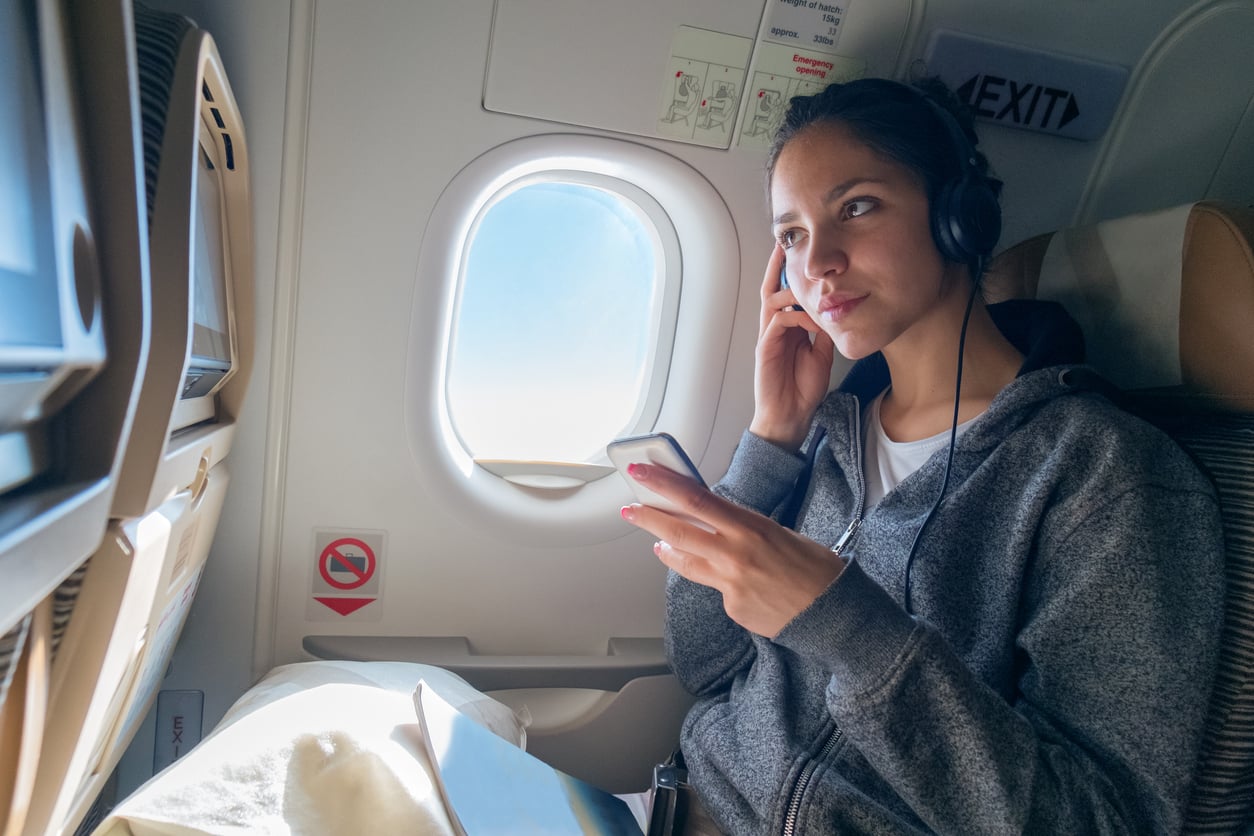
Airport bookstores, gift shops, and electronics stores are rarely budget-friendly.
Downloading movies, podcasts, audiobooks, or TV shows before leaving home can help eliminate boredom-related spending. Travelers who arrive prepared are less likely to purchase expensive magazines, headphones, chargers, or other convenience items.
Families can also save money by loading tablets with content before travel day instead of relying on airport purchases.
Use Public Transportation Instead of Airport Parking
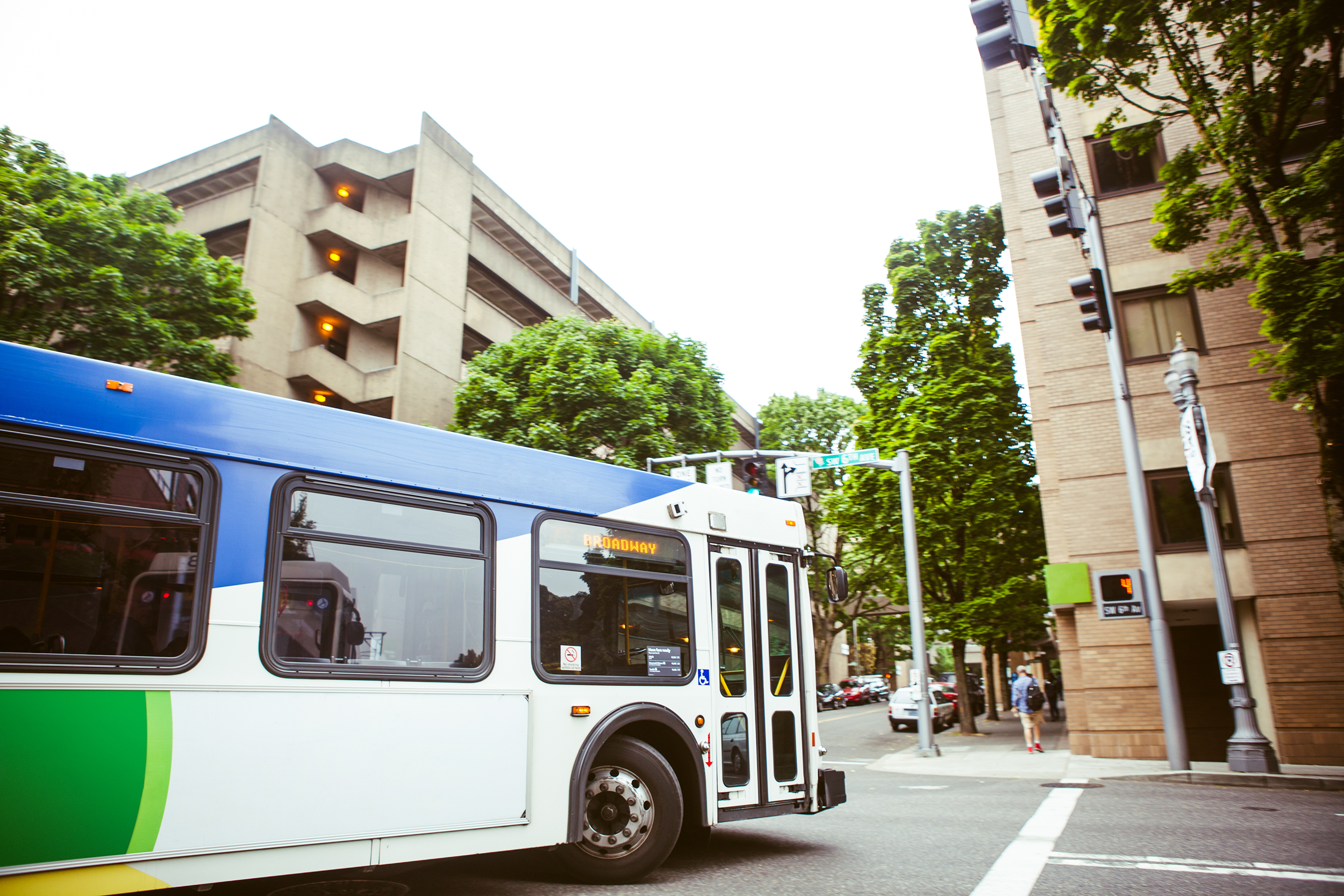
For travelers who live near major cities, public transportation may be dramatically cheaper than airport parking.
Many airports offer train, subway, or bus connections that cost less than a single day of parking. The longer your trip, the greater the potential savings.
While public transit isn’t practical for everyone, it can be one of the most effective ways to reduce transportation costs before a trip even begins.
Refill Coffee After Security Carefully

Coffee may seem like a small expense, but frequent flyers often identify it as one of the most consistent travel-day purchases.
Bringing an insulated travel mug can help reduce the need for multiple coffee purchases throughout the airport experience. Some travelers fill up before arriving, while others take advantage of loyalty rewards programs to offset costs.
Like bottled water, coffee purchases can quietly accumulate over the course of multiple trips each year.
Check Nearby Airports for Rental Cars
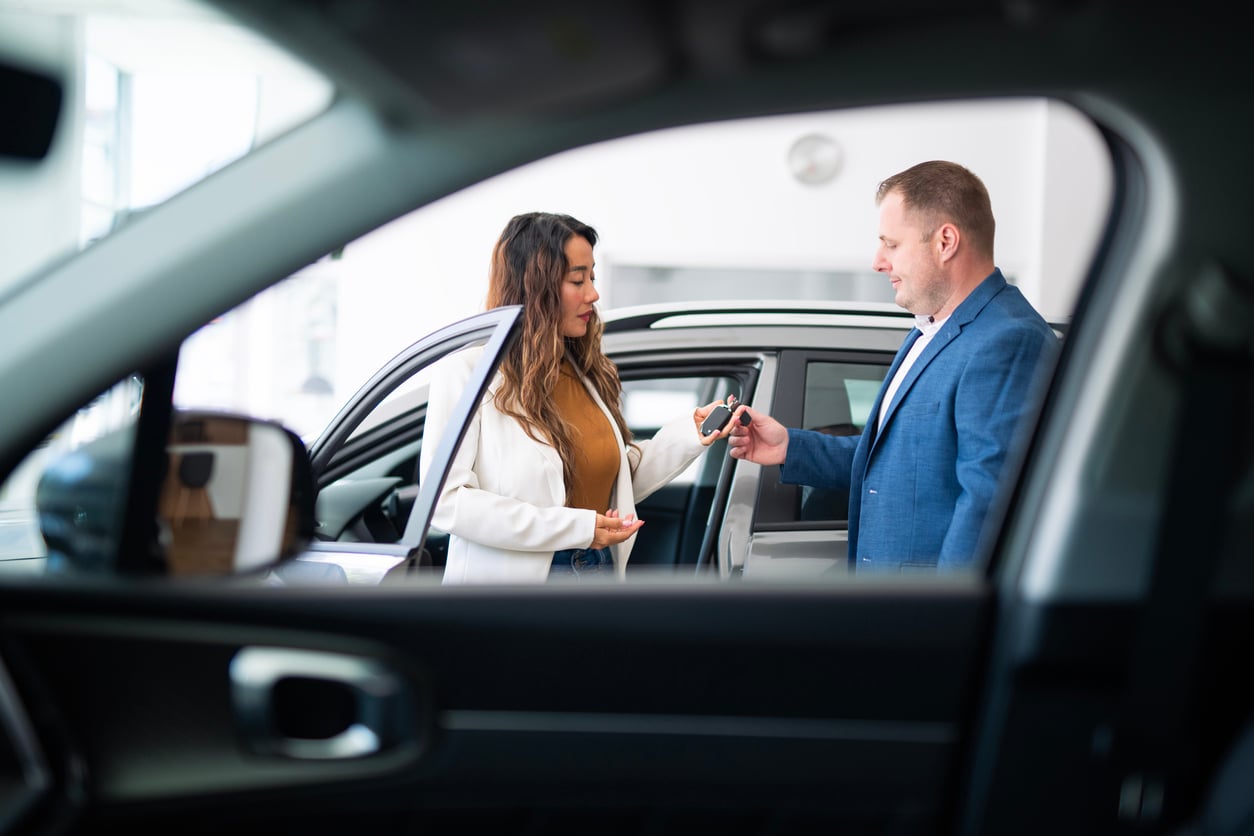
Rental car prices can vary dramatically between airports located within the same region.
Major tourist destinations often carry higher rental fees, while smaller regional airports may offer lower rates and fewer surcharges. Travelers planning road trips should compare nearby pickup locations before finalizing reservations.
In some situations, choosing a different airport for your rental car can produce surprisingly large savings.
Use Lounge Access Strategically

Airport lounges are often viewed as luxury perks, but they can sometimes help reduce travel expenses.
Many lounges offer complimentary meals, snacks, beverages, Wi-Fi, and comfortable workspaces. Travelers facing long layovers may spend less overall in a lounge than they would purchasing food and drinks throughout the terminal.
Travel credit cards frequently include lounge access benefits, making the value proposition even stronger for frequent travelers.
Avoid Buying Travel Essentials at the Airport
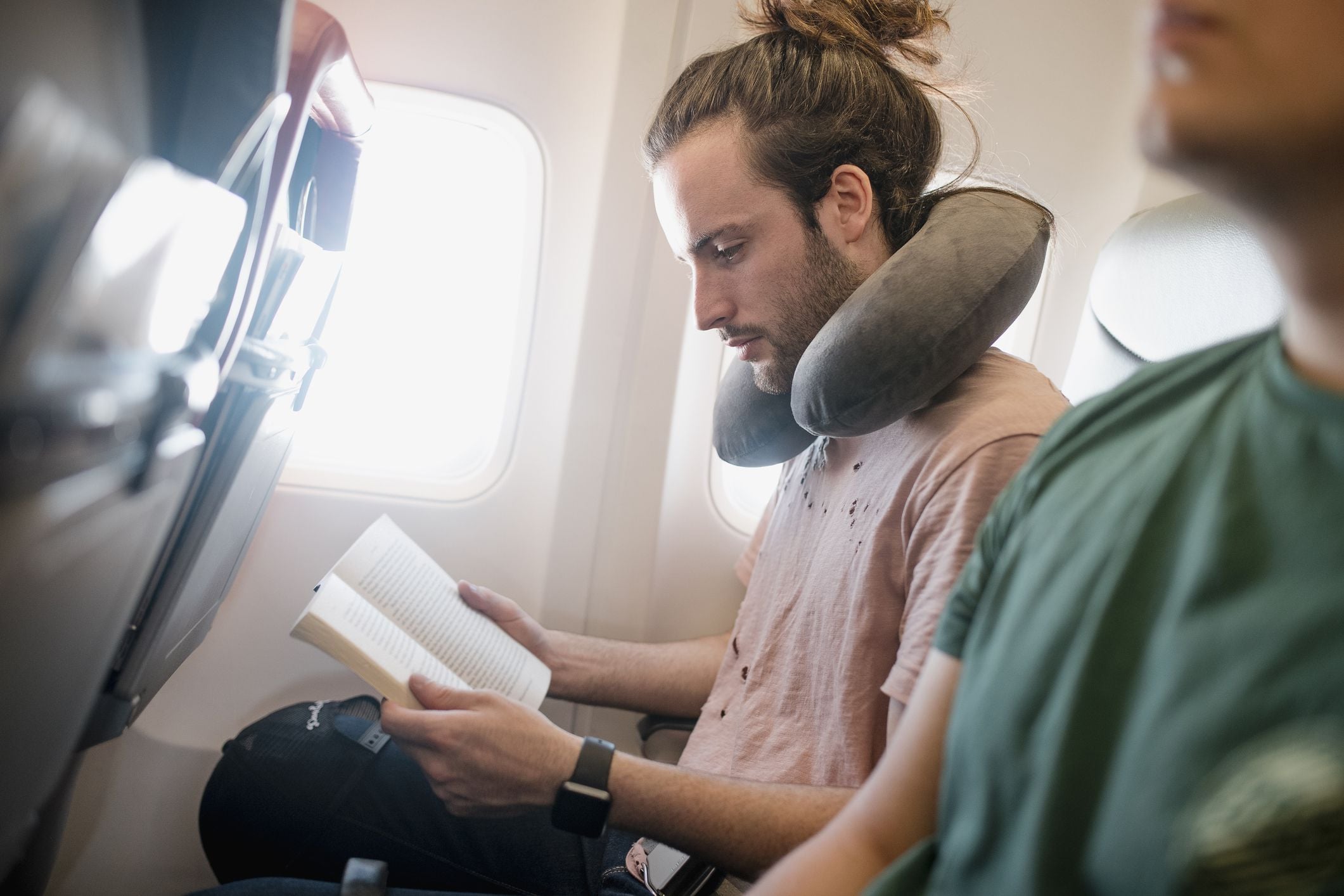
Few places charge more for everyday travel items than airport shops.
Chargers, headphones, toiletries, neck pillows, and other essentials often carry substantial markups because travelers need them immediately.
Creating a simple travel checklist before every trip can help prevent forgotten items and eliminate these costly last-minute purchases.
Use Grocery Delivery at Your Destination
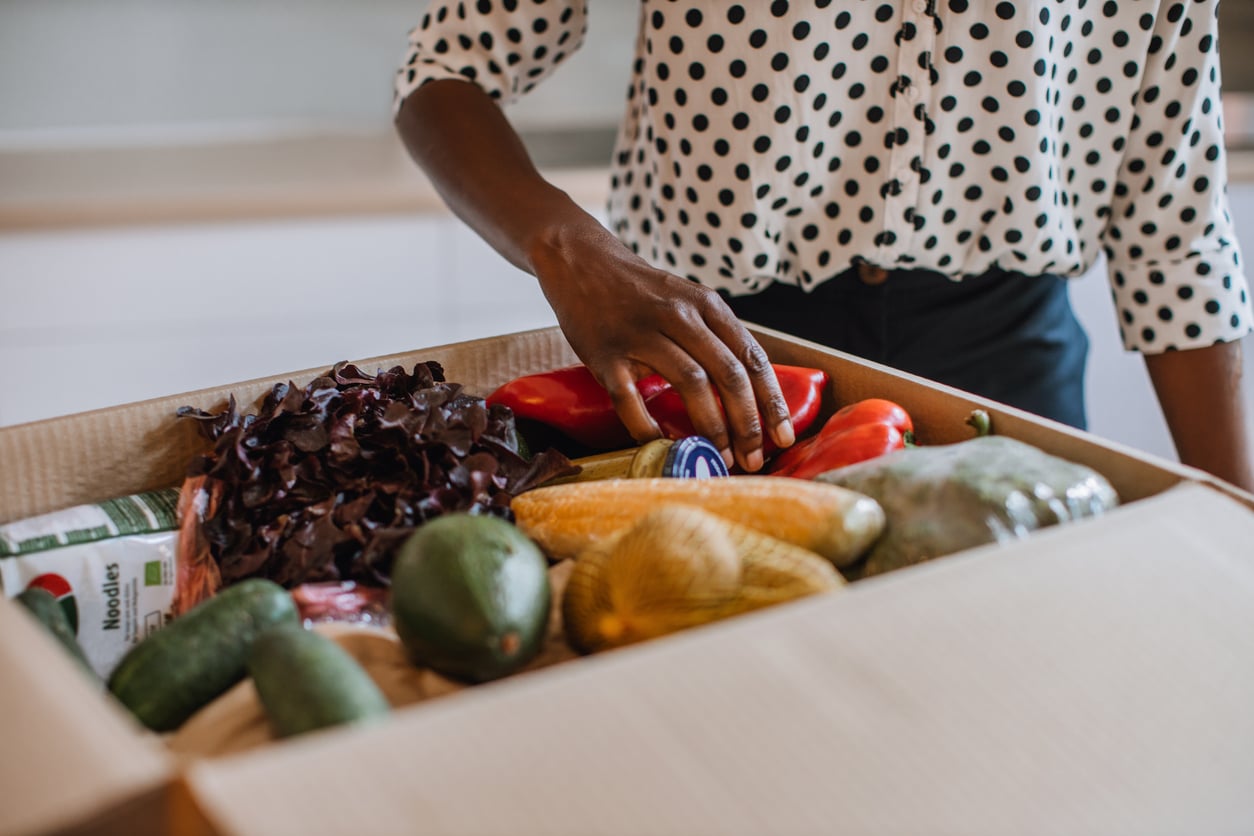
One of the easiest ways to cut vacation costs begins immediately after arrival.
Ordering groceries for delivery can dramatically reduce spending on restaurant breakfasts, snacks, bottled water, and drinks. Families often see the greatest benefit, but solo travelers can save money as well.
For longer trips, this strategy can reduce food costs far more effectively than obsessing over small airfare differences.
Why These Airport Hacks Matter
Airport spending has a way of sneaking into travel budgets. A bottle of water here, a parking fee there, an overpriced meal during a delay, and suddenly the total cost of a trip looks very different than the airfare advertised on the booking site.
Small savings across parking, food, baggage, transportation, rental cars, and airport purchases can add up to hundreds of dollars over the course of a single vacation. For frequent travelers, those savings become even more significant over time.
The reality is that the cheapest trip isn’t always the one with the lowest airfare. Often, it’s the one that avoids all the unnecessary add-on expenses that accumulate before you ever reach your destination.