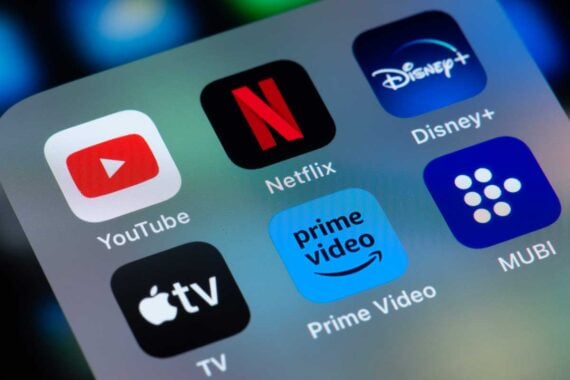
Does anyone else imagine Jeff Bezos and Andy Jassy — Amazon’s founder and CEO, respectively — sitting around chit-chatting about new ways to siphon more money out of Americans’ pockets? Starting April 10, Amazon is rolling out a new tier called Prime Video Ultra, which will cost an extra $4.99 per month for anyone who wants to watch their movies and TV without ads. That’s on top of the already pricey $14.99/month Prime membership that most users are already paying.
If that sounds familiar, it should. Just two years ago, Amazon introduced ads to Prime Video — a service people were already paying for — and told subscribers they could remove them for an extra $2.99 per month. Now that same ad-free experience is getting a quiet price hike, dressed up as an “upgrade.”
The Streaming Upsell Playbook, Amazon Edition
Amazon’s official reasoning is predictable: “Premium features.” “Investment.” “Flexibility.”
But let’s call this what it is: a classic streaming move.
Step 1: Include a feature people expect (ad-free streaming).
Step 2: Take it away (introduce ads).
Step 3: Charge to get it back.
Step 4: Raise that charge later and bundle in a few extras to justify it.
Step 5: Listen to Bezos and Jassy laugh maniacally.
In this case, the new Ultra tier includes:
- Up to 5 streams (previously 3)
- 100 downloads (up from 25)
- 4K/UHD access
Nice perks. Also, not the reason most people are paying extra.
They’re paying to avoid sitting through ads on something they already thought they’d paid for.
‘It’s Not a Price Increase’
Amazon has been very careful with its wording around all of this. When ads were first introduced in 2024, the company argued it wasn’t actually raising prices, just modifying the “benefits” of the service. That argument even held up in court after a class-action lawsuit challenged the move.
Technically, they’re doing the same thing here. The base price of Prime hasn’t changed; you can still watch with ads at no extra cost. But in reality, the experience many subscribers originally signed up for — uninterrupted streaming — now costs more than it did before. And now, it costs more than it did even a year ago.
Let’s Not Forget: Prime Has Already Gotten More Expensive
This doesn’t exist in a vacuum.
Amazon last raised the price of Prime in 2022, bumping it from $119/year to $139/year (or $12.99 to $14.99 monthly). At the time, the company cited rising costs and expanded benefits.
Since then, we’ve seen:
- Ads added to Prime Video
- A new fee to remove those ads
- And now, a higher fee to keep them off
Individually, each move feels small. Together, they add up fast.
More From Cheapism
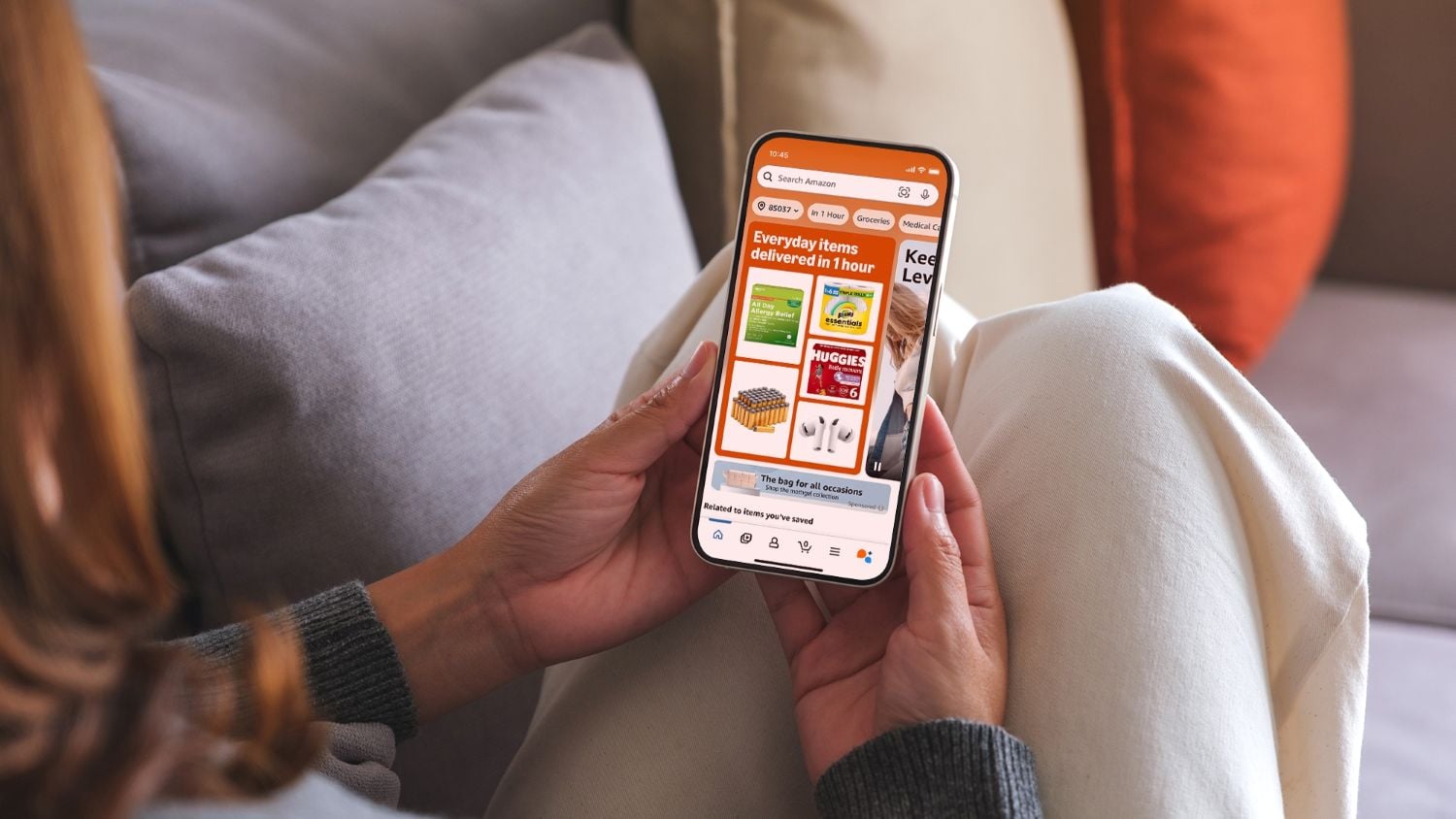
- Amazon Launches 1-Hour Delivery, But It’s Going to Cost You — If two-day, next-day, or overnight delivery aren’t quick enough for you, Amazon just launched one-hour delivery … for a price.
- Hobby Lobby Is Now on Amazon. But Do They Offer the Same Sought-After Sales? — Hobby Lobby now has a store on Amazon, so you can get your home decor and seasonal decorations with your regular Amazon orders.
- Another Day, Another Scam: Fake Amazon Recall Texts Are Everywhere — With so many people using Amazon, it’s prime real estate for scammers. Don’t fall into the trap.