Vacations used to be sold as a break from everyday stress, but for many Americans, getting around has become part of the stress. As a result, walkable towns in America are becoming increasingly popular vacation destinations. Gas is expensive again, parking is rarely a throwaway cost, and rideshares can turn even a simple dinner into another expense. These towns are not just charming; they let travelers park once, slow down, and spend more of the trip actually being somewhere instead of constantly figuring out how to get somewhere.
Savannah, Georgia
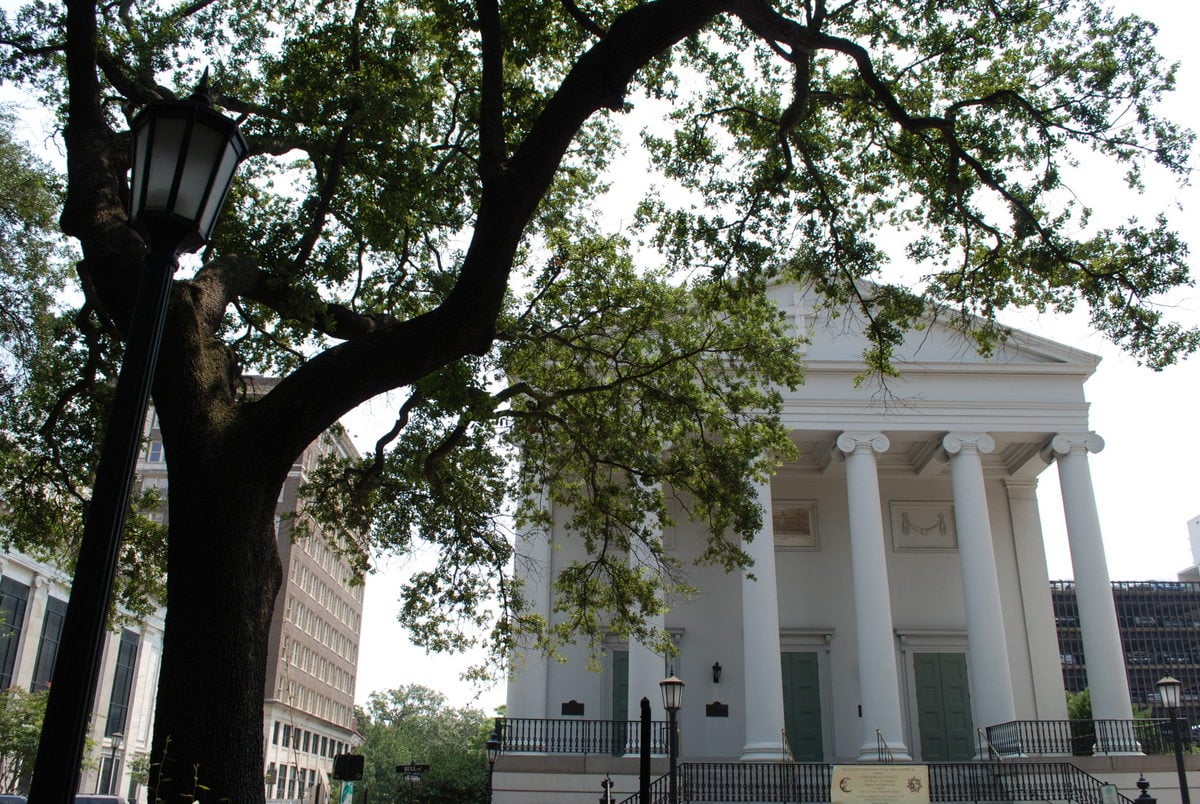
Savannah is one of the easiest Southern cities to enjoy without constantly getting back in the car. Its historic district is compact, scenic, and built around leafy squares that naturally slow the pace. For older travelers or families trying to keep vacation costs under control, the appeal is simple: choose a hotel near the historic core, park once, and walk to restaurants, riverfront shops, museums, and parks. Savannah also has a free DOT shuttle through the Historic District, which helps when the heat or cobblestones start to wear you down. The main drawbacks are summer humidity and event-weekend parking, so timing still matters.
Charleston, South Carolina
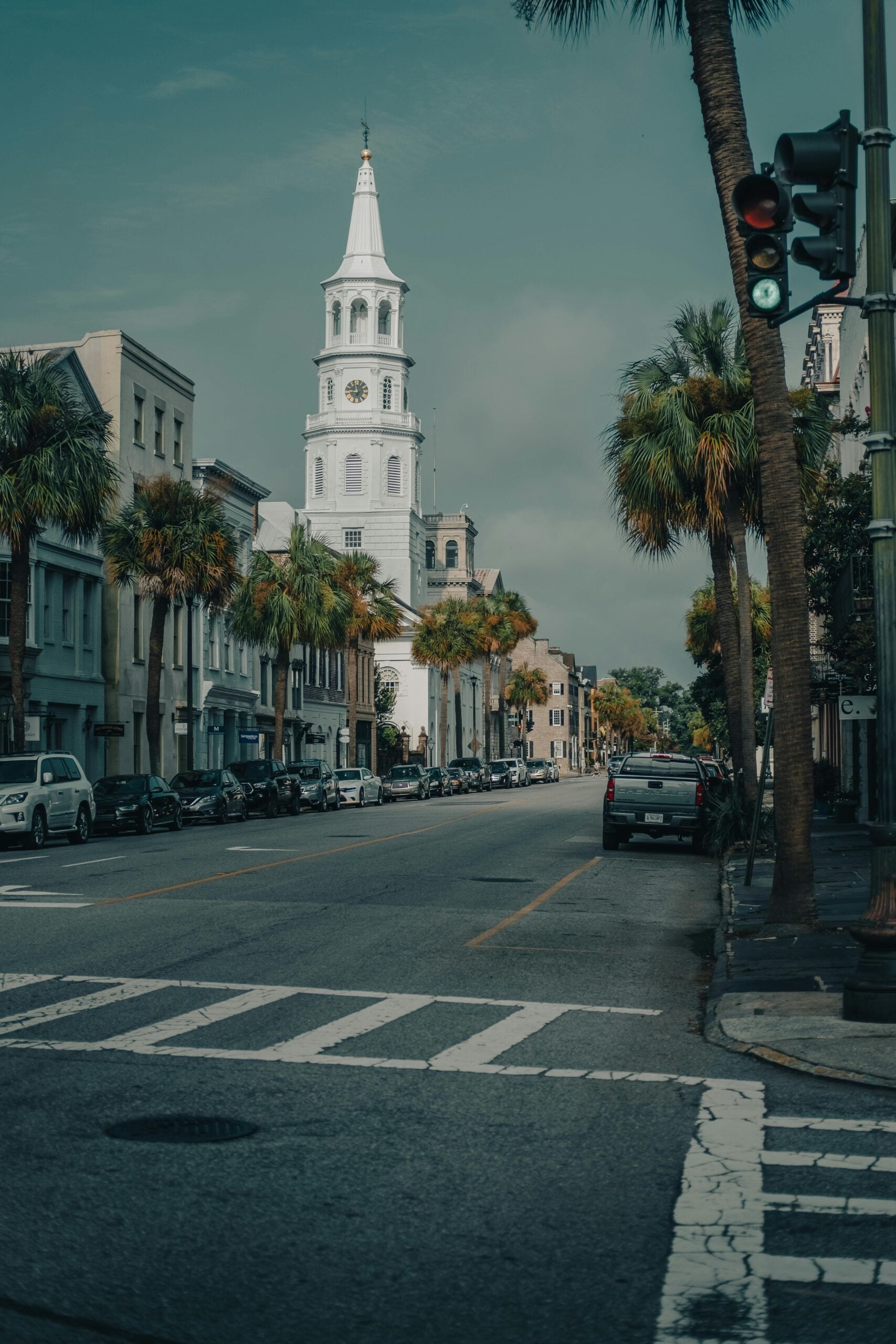
Charleston’s downtown peninsula works well for travelers who want a historic-city trip without moving the car all day. The visitor center, Waterfront Park, King Street shops, restaurants, churches, and old residential streets are close enough for a slow day of wandering. The free DASH shuttle is a helpful backup, especially for visitors who do not want to walk every block in summer heat. Charleston is not cheap, and parking near hotels or restaurants can still sting, but the city rewards careful planning. Pick lodging wisely, then treat the car as a last resort instead of the main way to sightsee.
Key West, Florida
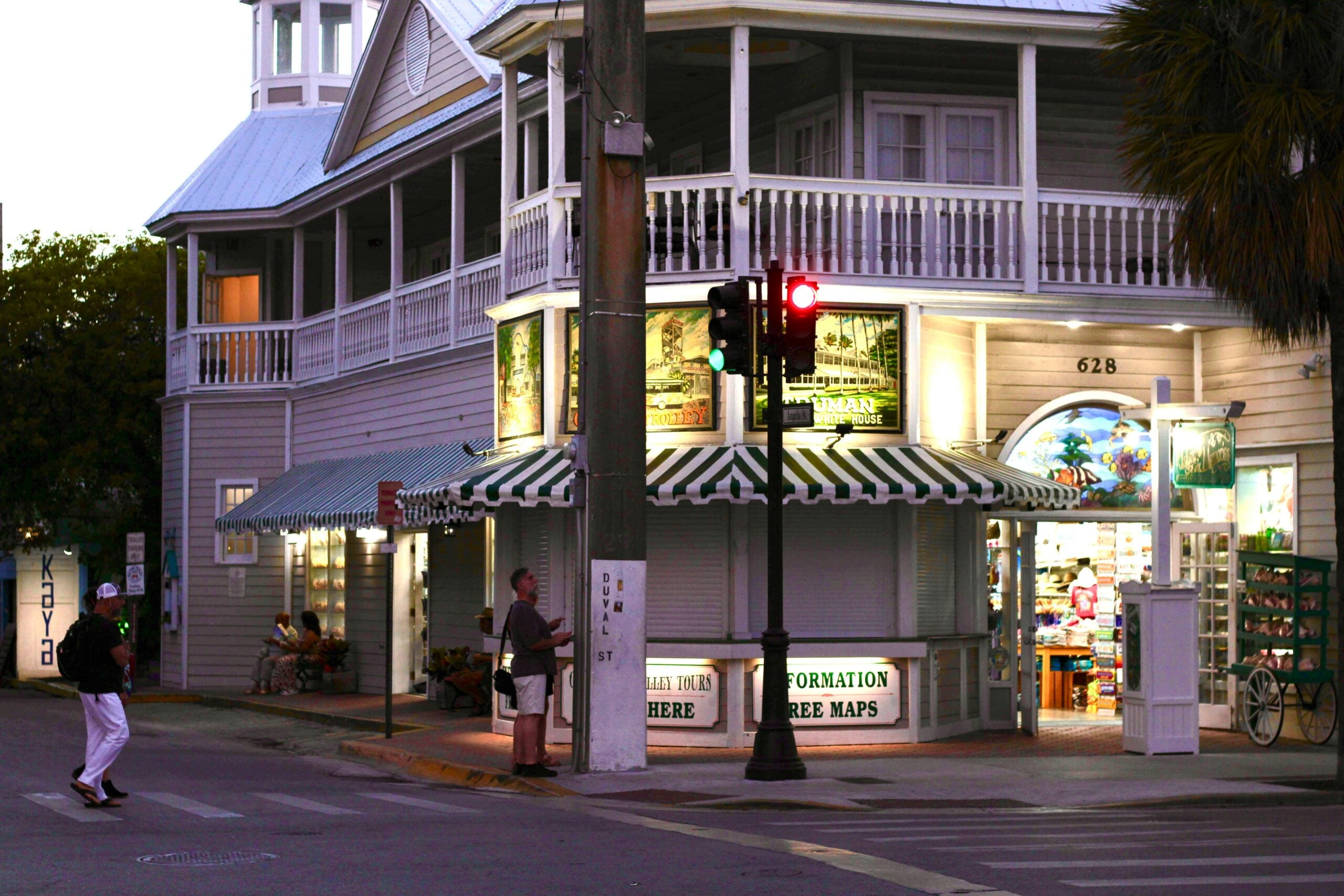
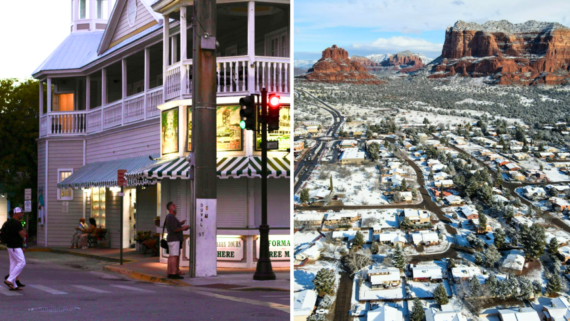
Key West is famous for Duval Street, sunsets, and pastel old houses, but its real budget advantage is size. The island is only about 2 miles by 4 miles, and Old Town is where many visitors spend most of their time anyway. Walking, biking, pedicabs, trolleys, hotel shuttles, and small electric rentals often make more sense than circling for parking near the action. This is not automatically a cheap trip; hotels and restaurants can be pricey, and summer heat can make short walks feel longer. Still, a car-free or low-car Key West weekend is very realistic if you stay central.
Asheville, North Carolina
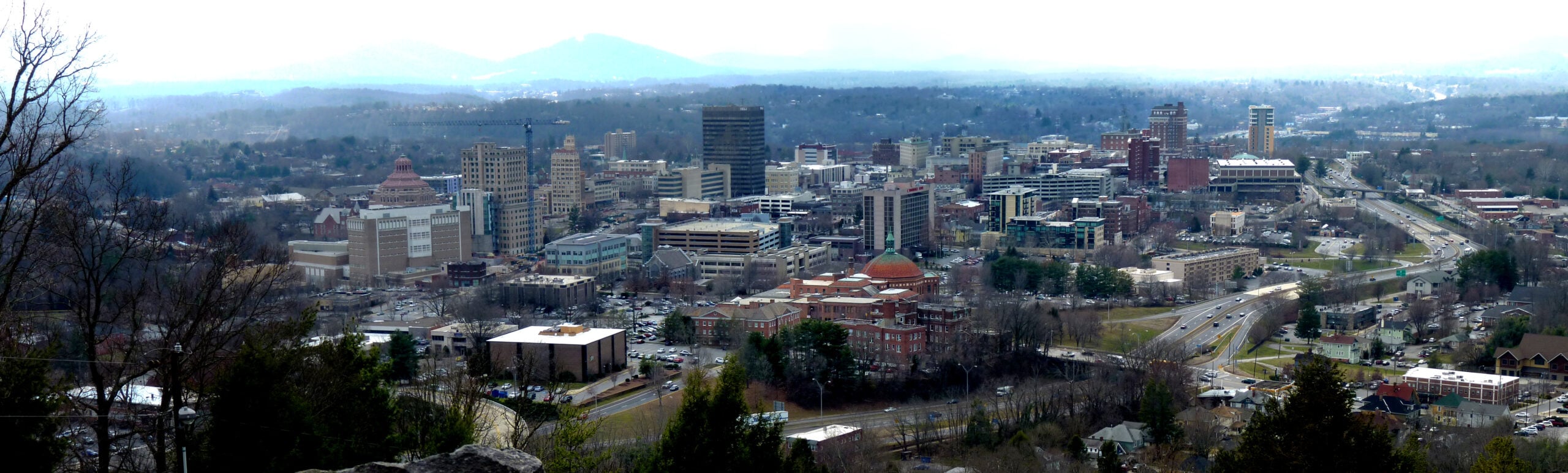
Asheville shows why walkability is not just a big-city perk. Downtown and the South Slope brewery area make it easy to string together coffee, shops, galleries, restaurants, and breweries without moving the car every hour. That matters because downtown metered parking is short-term and costs $2.50 an hour in many spaces, according to Explore Asheville. The city is not fully car-free; the Biltmore, mountain hikes, and Blue Ridge Parkway still require wheels or a tour. But for a weekend built around food, music, and browsing downtown, Asheville can feel pleasantly compact.
New Orleans, Louisiana
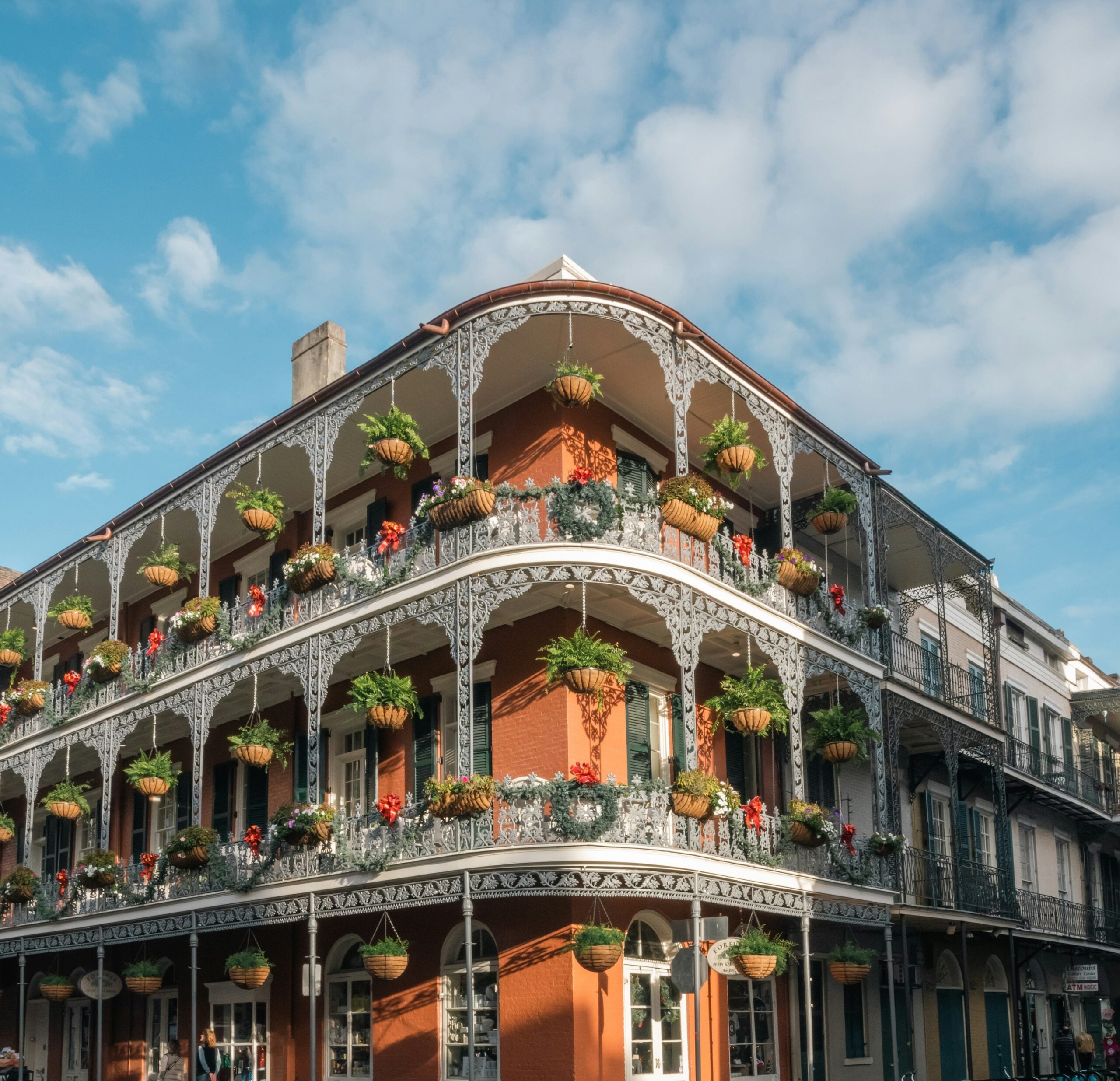
New Orleans is not a city where most visitors need to drive from attraction to attraction. The French Quarter, Marigny, Garden District, and riverfront can be paired with streetcars, short rides, and plenty of walking. Streetcar fares are still low compared with parking or repeated rideshares, which makes them useful for budget-minded travelers. The catch is that not every neighborhood is equally convenient, and summer heat, uneven sidewalks, and late-night safety concerns can change the plan. For many visitors, the smarter move is to choose a walkable base and use transit for the longer hops.
Trending on Cheapism


Bar Harbor, Maine
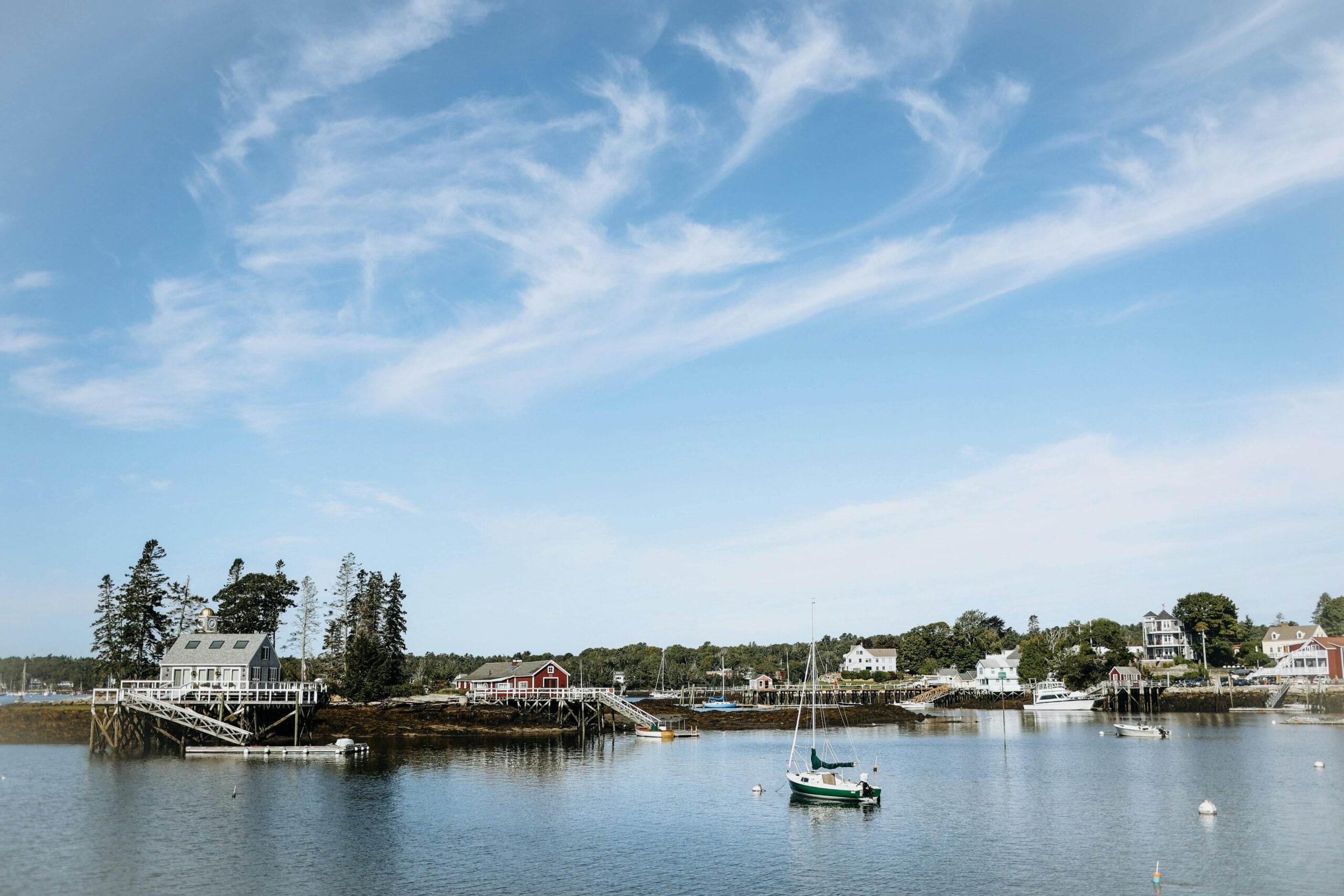
Bar Harbor is the rare national-park gateway where leaving the car alone can make the trip easier. Downtown is small enough to handle restaurants, shops, the waterfront, and many hotels on foot. For Acadia, the fare-free Island Explorer connects Bar Harbor with surrounding villages, hotels, campgrounds, beaches, carriage roads, and trailheads during its operating season. That can save real money and stress when park parking gets tight. The only catch is timing: service is seasonal and routes vary, so check the current schedule before planning a whole day around the shuttle.
Downtown Napa, California
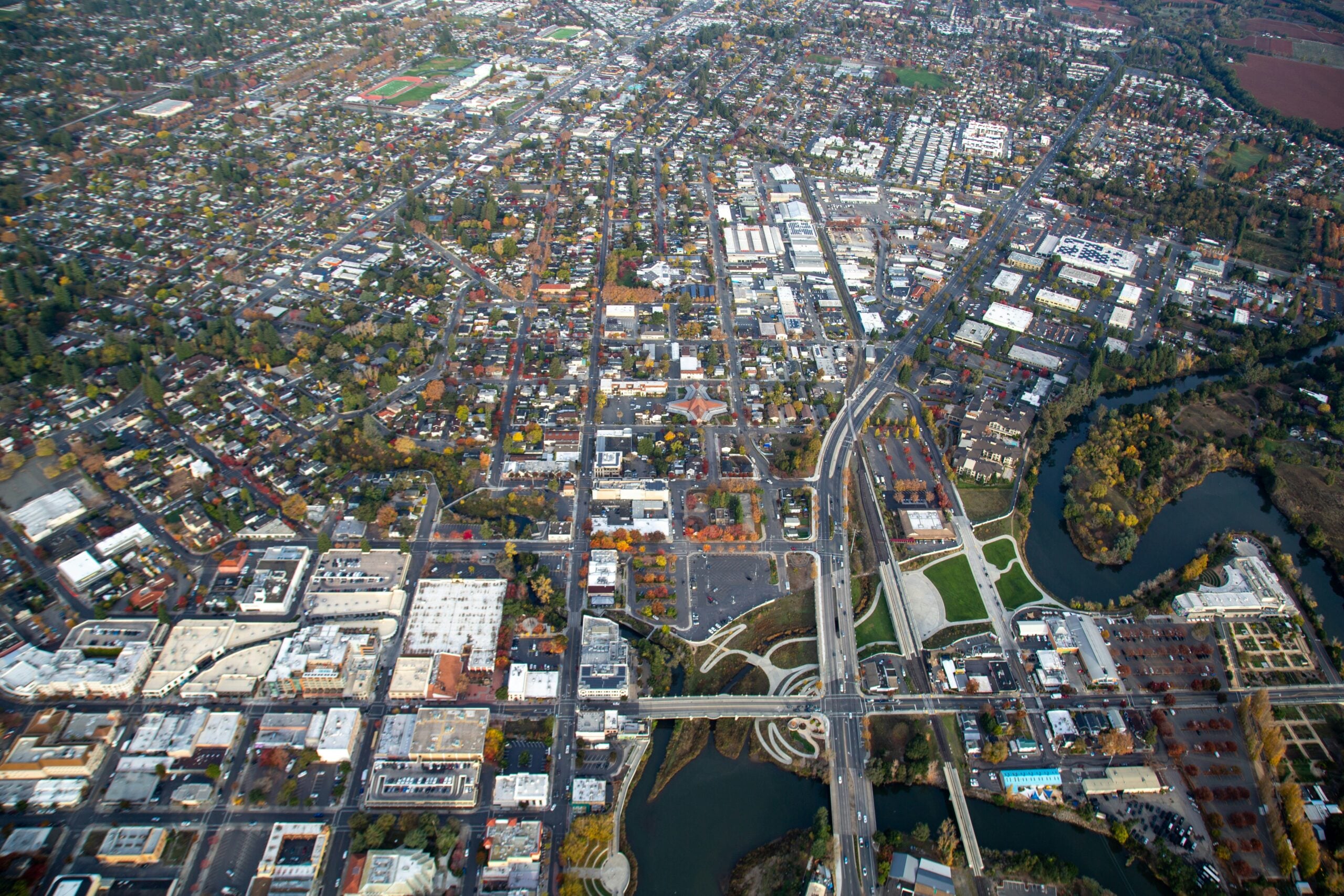
Napa Valley can get expensive quickly when every winery stop requires a car, driver, rideshare, or tour. Downtown Napa offers a more compact version of wine country, with tasting rooms, restaurants, boutiques, breweries, public art, and the riverfront clustered into a walkable core. Visit Napa Valley describes downtown as easy to explore on foot, which makes it useful for travelers trying to control transportation costs. The caveat is that this is not the same as seeing the whole valley. If the dream is roaming rural estates from Calistoga to Carneros, walking will not solve that. Downtown Napa works best as a focused trip.
Traverse City, Michigan
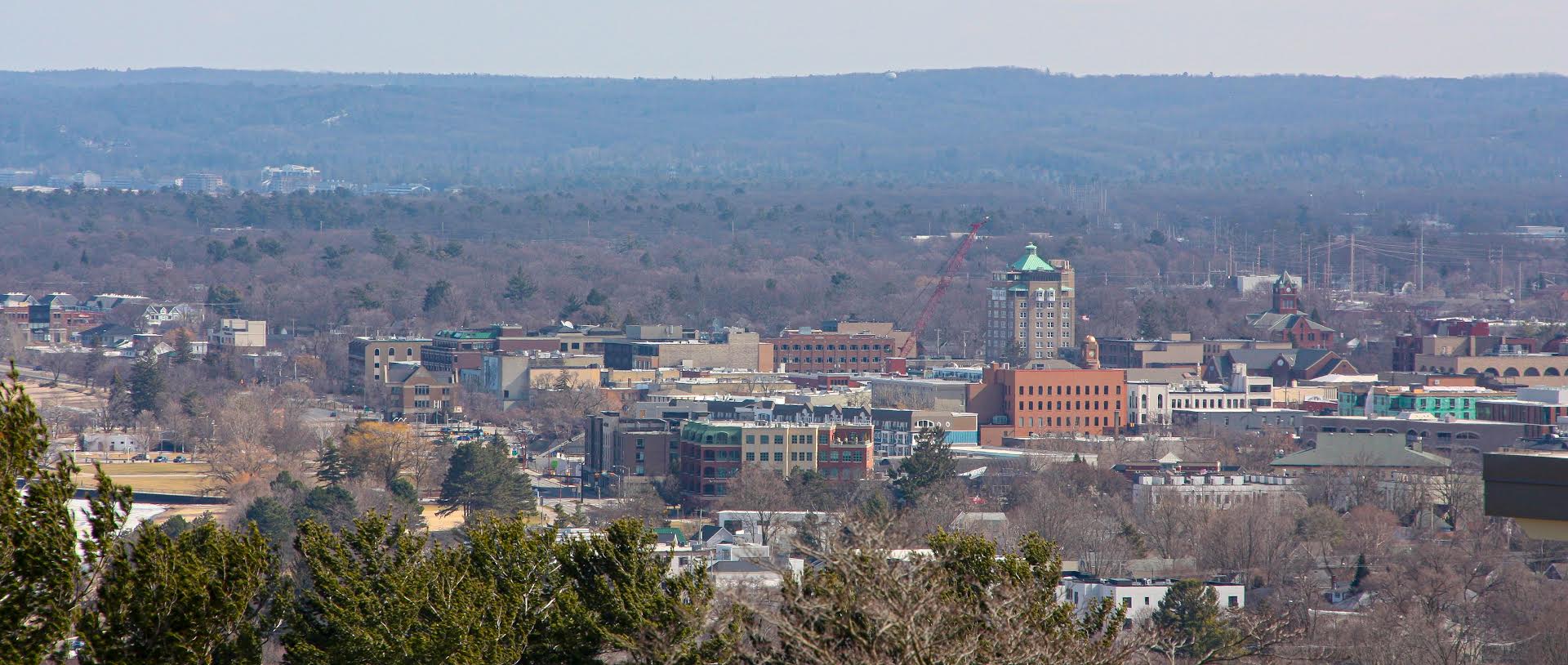
Traverse City has the kind of lake-town layout that can make a vacation feel easier if you choose lodging carefully. Downtown puts shops, restaurants, breweries, galleries, waterfront parks, and events close to Grand Traverse Bay, so visitors can spend a day around Front Street without constantly moving the car. There is still metered downtown parking, and summer festivals can make spaces harder to find, but the core is easier to manage than many sprawling resort areas. It is especially useful for travelers who want a lake trip with dinners, walks, and shopping close together instead of a car ride away.
Sign up for our newsletter
St. Augustine, Florida
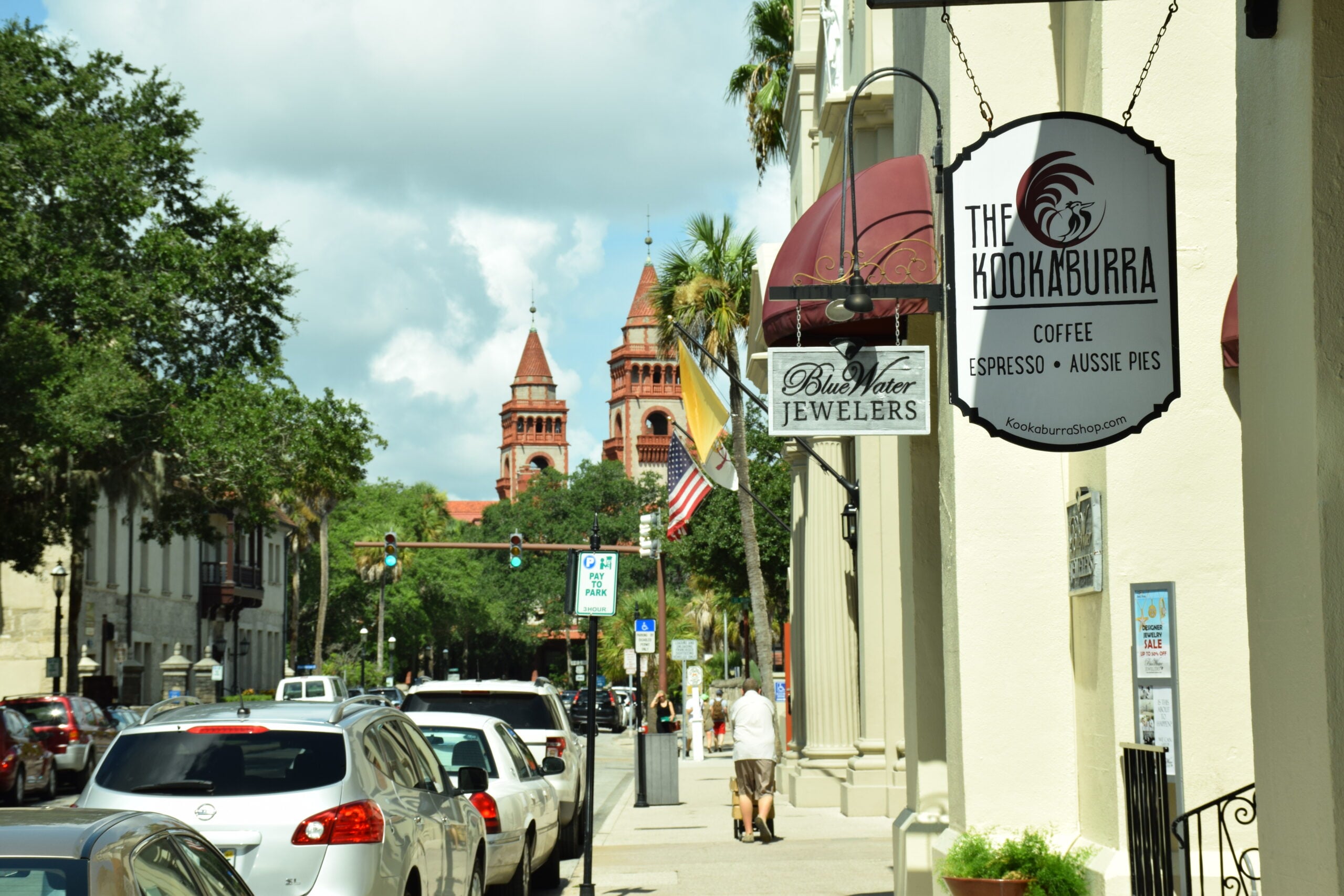
St. Augustine’s historic district is made for the kind of trip where the car becomes annoying after arrival. St. George Street, Castillo de San Marcos, small museums, restaurants, and shops are close enough to explore on foot, while trolley options help visitors cover more ground without driving through narrow tourist streets. The city is popular for a reason, so parking near major attractions can fill quickly, especially during holidays and spring break. But compared with a beach resort where dinner, shopping, and sightseeing all sit in different directions, St. Augustine gives visitors a real chance to park once and wander.
Sedona, Arizona

Sedona is tricky because the scenery is spread out, but it still belongs on this list for travelers who plan carefully. Staying near Uptown Sedona or Tlaquepaque can put restaurants, shops, galleries, and easy browsing within walking distance. For trailheads, the free Sedona Shuttle helps reduce the stress of parking and traffic on popular routes. The downside is obvious: this is not a fully walkable town like Savannah or Key West. Red-rock views, heat, and trail access all require planning. Still, the shuttle makes a lower-driving Sedona trip more realistic than it used to be.
Mackinac Island, Michigan

Mackinac Island is the purest version of a no-driving vacation. Most motor vehicles have been banned since 1898, so visitors arrive by ferry or plane and get around by walking, biking, horse-drawn carriage, or horse taxi. For anyone tired of traffic, parking apps, and gas-station stops, that alone feels like part of the vacation. It is not automatically cheap; ferry tickets, lodging, bike rentals, and carriage rides can add up. Travelers with mobility concerns should also review current accessibility and e-bike rules before going. But for old-fashioned atmosphere and a real break from the car, Mackinac is hard to beat.
Santa Fe, New Mexico
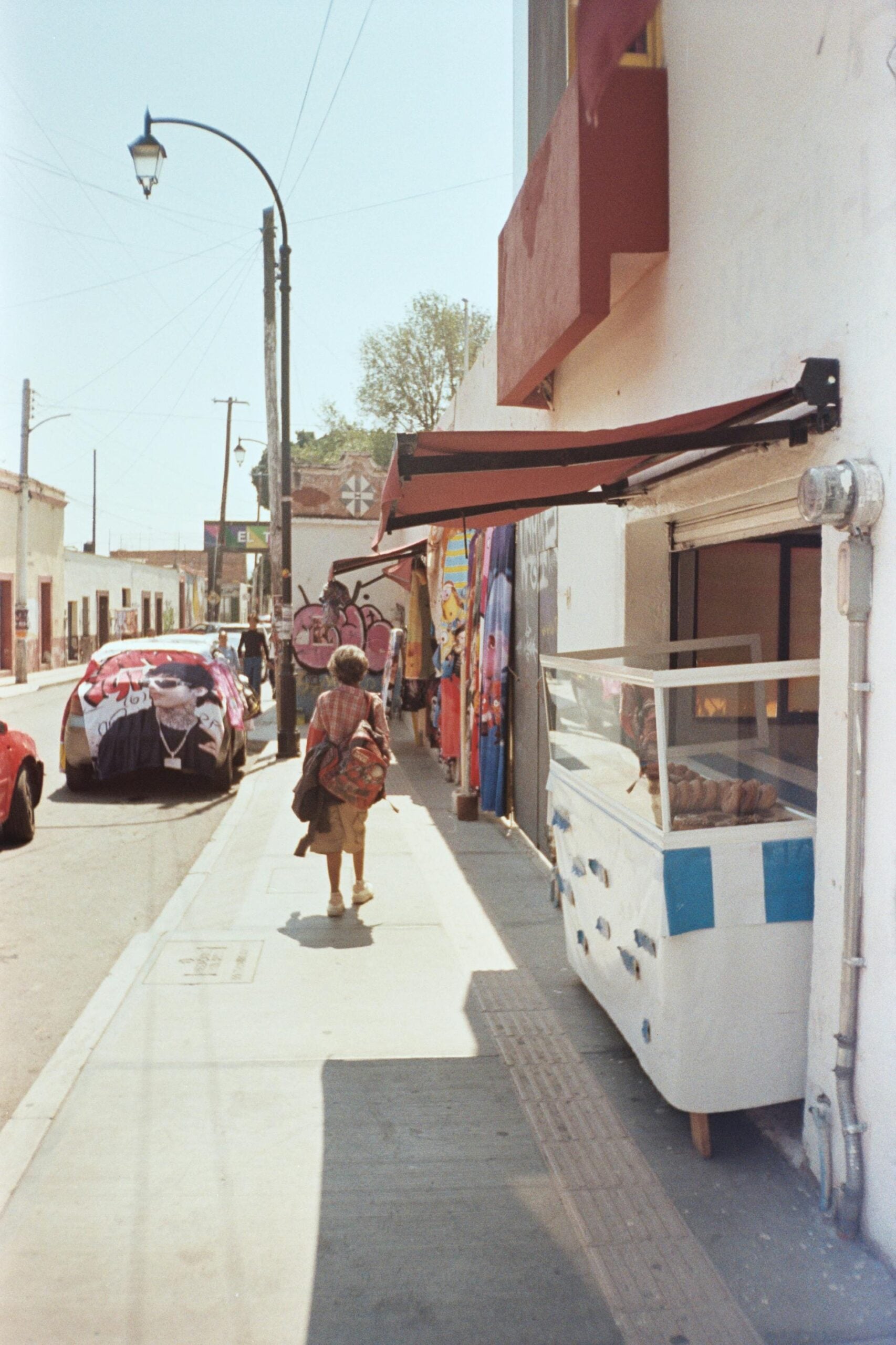
Santa Fe’s Plaza and downtown area give visitors a slower, easier vacation rhythm. Galleries, museums, boutiques, restaurants, bookstores, and historic sites are clustered around the old city center, making it a good place to spend money on a long lunch or museum ticket instead of another day of driving and parking. It also works well for older travelers who like to break up the day with coffee, shopping, and a return to the hotel. The drawback is that some major attractions sit beyond the Plaza area, and the high-desert sun can make midday walking feel tougher than the map suggests.
Provincetown, Massachusetts

Provincetown is exactly the kind of place where driving can feel like more trouble than it is worth. Commercial Street, galleries, restaurants, guesthouses, beaches, and the harbor are clustered around a compact town center, while seasonal shuttles connect Provincetown with Truro, beach areas, and the Province Lands Visitor Center. Parking is limited, and seasonal rates can add up quickly. That does not make Provincetown cheap, especially in summer, but it does make the case for arriving, parking once, and letting your feet, bike, ferry, or shuttle handle the rest.
Carmel-by-the-Sea, California
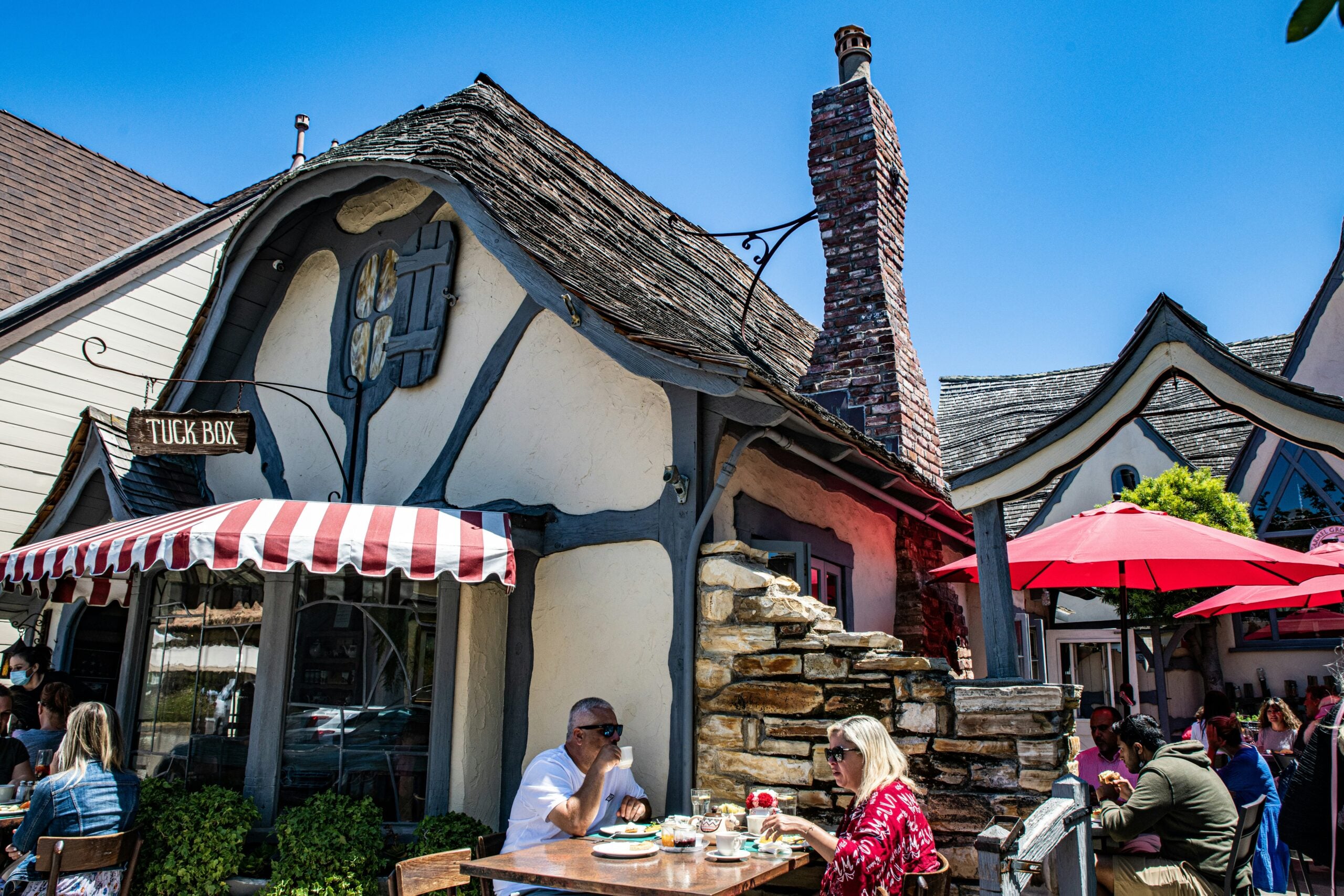
Carmel-by-the-Sea is small, pretty, and unusually easy to enjoy on foot if visitors keep the trip focused. The village has restaurants, galleries, courtyards, tasting rooms, inns, and Carmel Beach close enough to make the car feel unnecessary for much of the day. Official visitor information describes Carmel as a walkable, one-square-mile village, though downtown parking is timed and can take some patience. That is part of the point: people who find a spot and stop moving the car often have the better day. California gas prices make fewer short drives feel even more valuable, though Carmel’s lodging and dining are not exactly budget territory.
Cape May, New Jersey
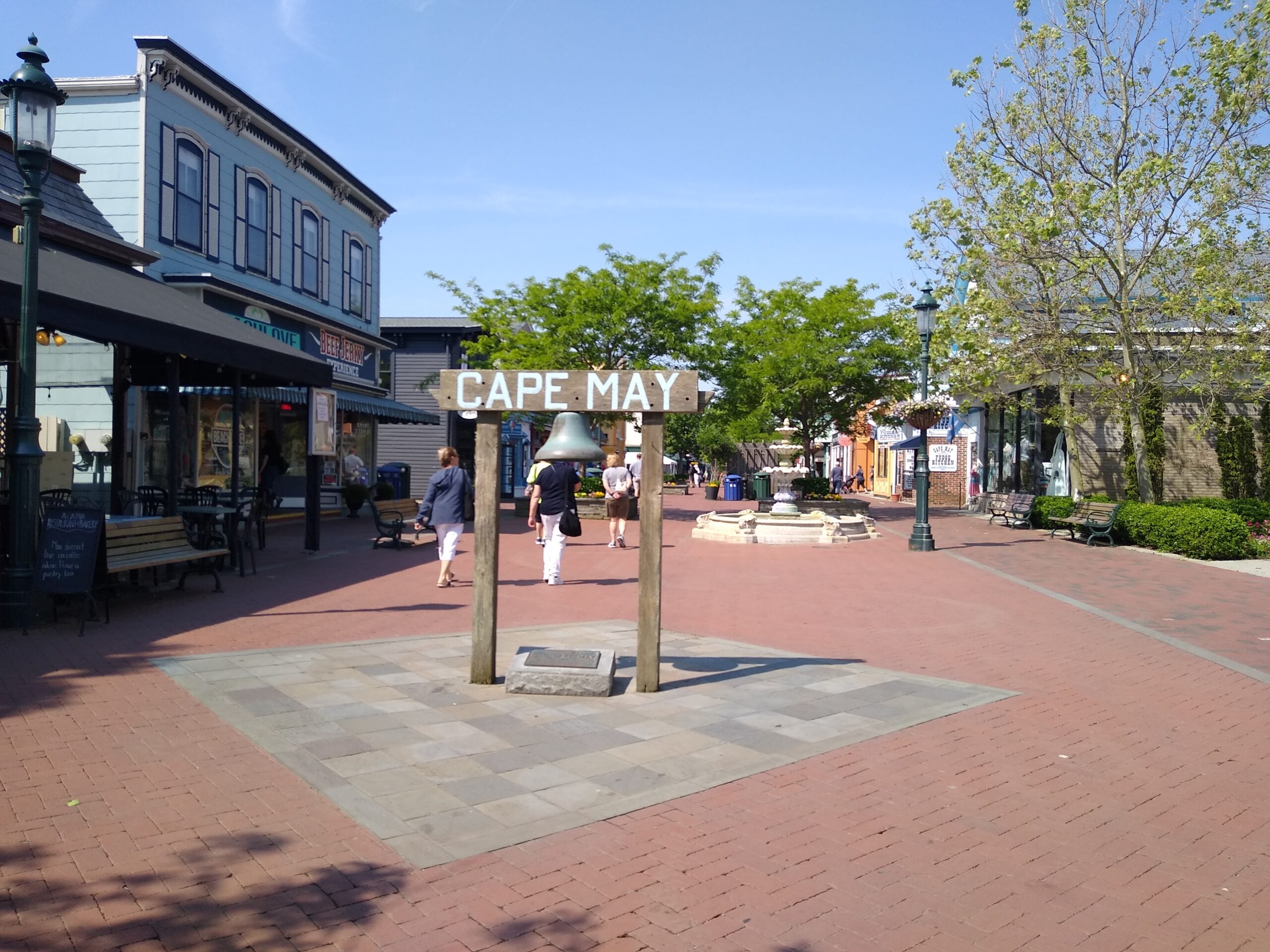
Cape May gives beach travelers a walkable alternative to shore towns where every errand turns into a car trip. The Washington Street Mall, Victorian streets, restaurants, inns, promenade, beach access, and welcome center are close enough to shape a relaxed weekend on foot. The city also offers seasonal free shuttle service, which can help when parking becomes more of a nuisance. Cape May still gets crowded, and visitors should check beach-tag rules, hotel parking details, and shuttle hours before assuming everything is effortless. But for a classic seaside trip, it is one of the better places to park once and wander.
Old Town Alexandria, Virginia
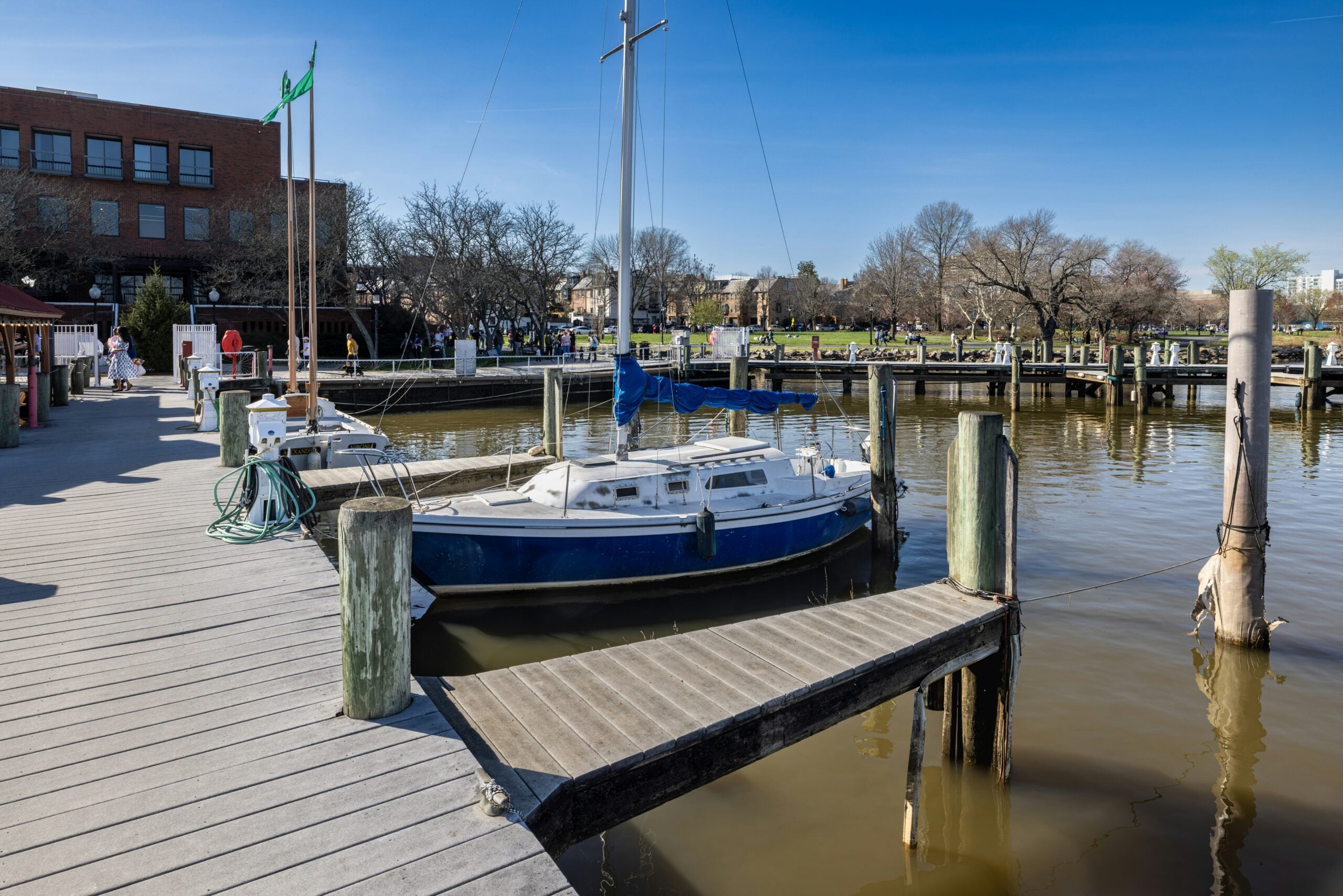
Old Town Alexandria is a practical pick for travelers who want a walkable town feel without giving up transit. King Street, the waterfront, restaurants, museums, shops, and historic blocks are connected by the free King Street Trolley, which runs between the Metro station and City Hall/Market Square with stops every few blocks. That makes it possible to arrive by train or park once and still cover a lot of ground. The downside is that Alexandria sits in a busy Washington-area travel corridor, so hotels and weekends can be pricey. But for a short, low-driving getaway, it is easy to navigate.
The new vacation luxury is not always a bigger resort or a farther flight. For many travelers, it is the simple relief of leaving the car alone. A walkable town can cut down on fuel, parking, rideshare surprises, and the small daily frustrations that make a trip feel less relaxing than it should. The smartest choice still depends on the traveler: mobility, weather tolerance, budget, and hotel location all matter. But in 2026, walkable towns in America are no longer just an urban-planning concept. They are one more way Americans are trying to make vacations feel affordable again.
More from Cheapism:
- 27 RV Accessories That Are Just a Waste of Money — Before you fill your RV with pricey gadgets and upgrades, find out which accessories seasoned travelers say are unnecessary, bulky, or rarely worth the expense.
- How to Travel Cheaply: 15 Smart Ideas to Try — From affordable lodging hacks to creative ways to cut transportation costs, these clever travel tips can help you see more of the world without draining your bank account.
- National Parks Are Raising Fees for Non-American Tourists — International travelers planning a U.S. national parks trip may soon face steep new entrance costs, making iconic destinations significantly more expensive to visit.