Many Americans still want to travel in 2026, but more people are thinking carefully about what a trip should cost and how long they can realistically be away. Instead of stretching for a major vacation with flights, resort fees, rental cars, and expensive restaurant meals, many travelers are looking for shorter, driveable escapes that still give them a mental reset.
These weekend escapes work because they trade luxury for scenery, flexibility, local food, nostalgia, and less stress. They offer a chance to recharge without the high price tag of a traditional vacation.
Smoky Mountain Cabin Trips
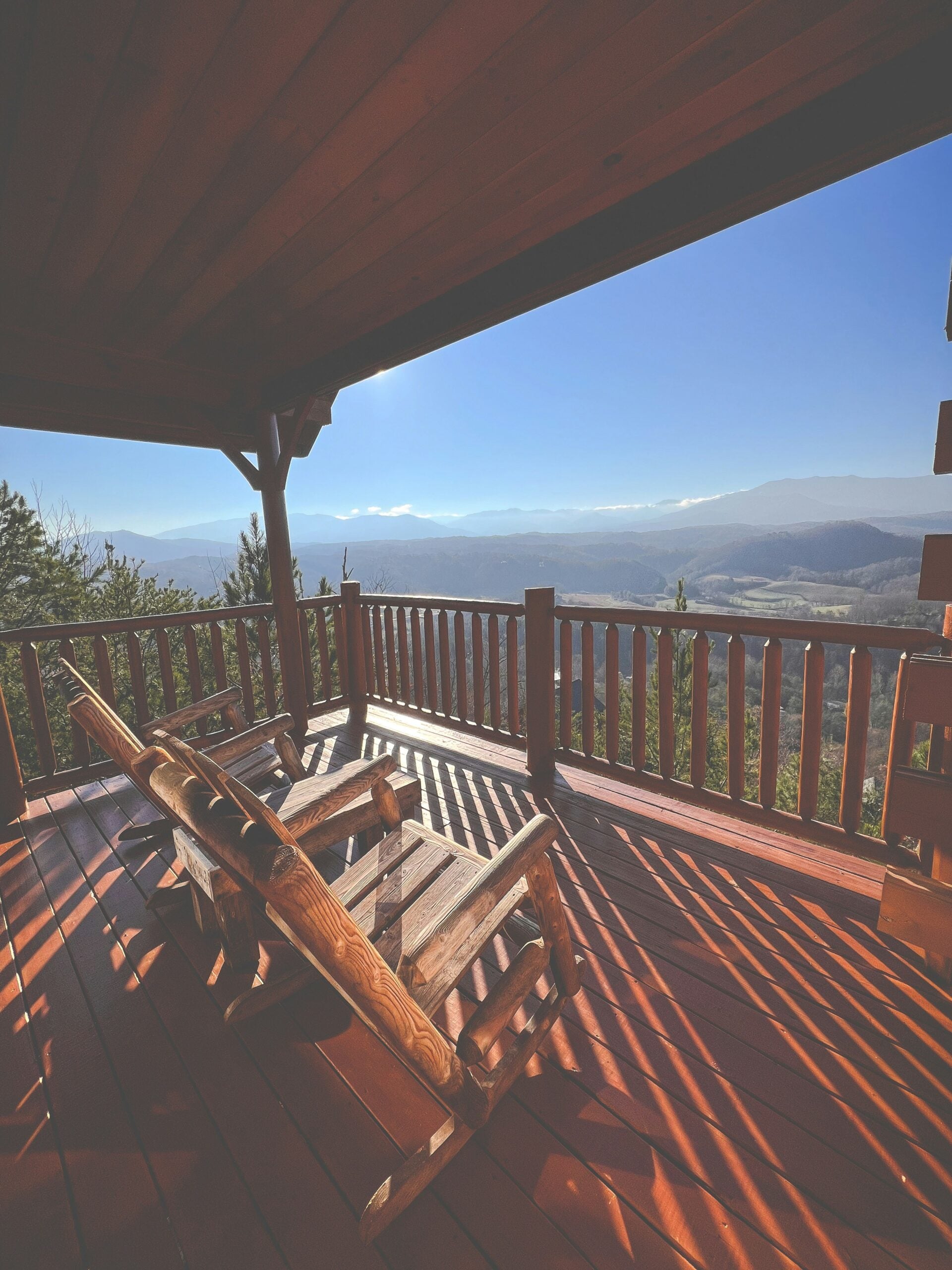
A cabin weekend in the Smokies gives people the feeling of a real vacation without forcing them into a resort budget. Groups can split lodging, cook a few meals, and spend most of the day on low-cost activities like hiking, scenic drives, overlooks, and wandering through small mountain towns. Great Smoky Mountains National Park also remains one of the easiest national park trips for much of the Southeast and Midwest, which makes the whole drive-to escape even more appealing.
Small Beach Town Weekends
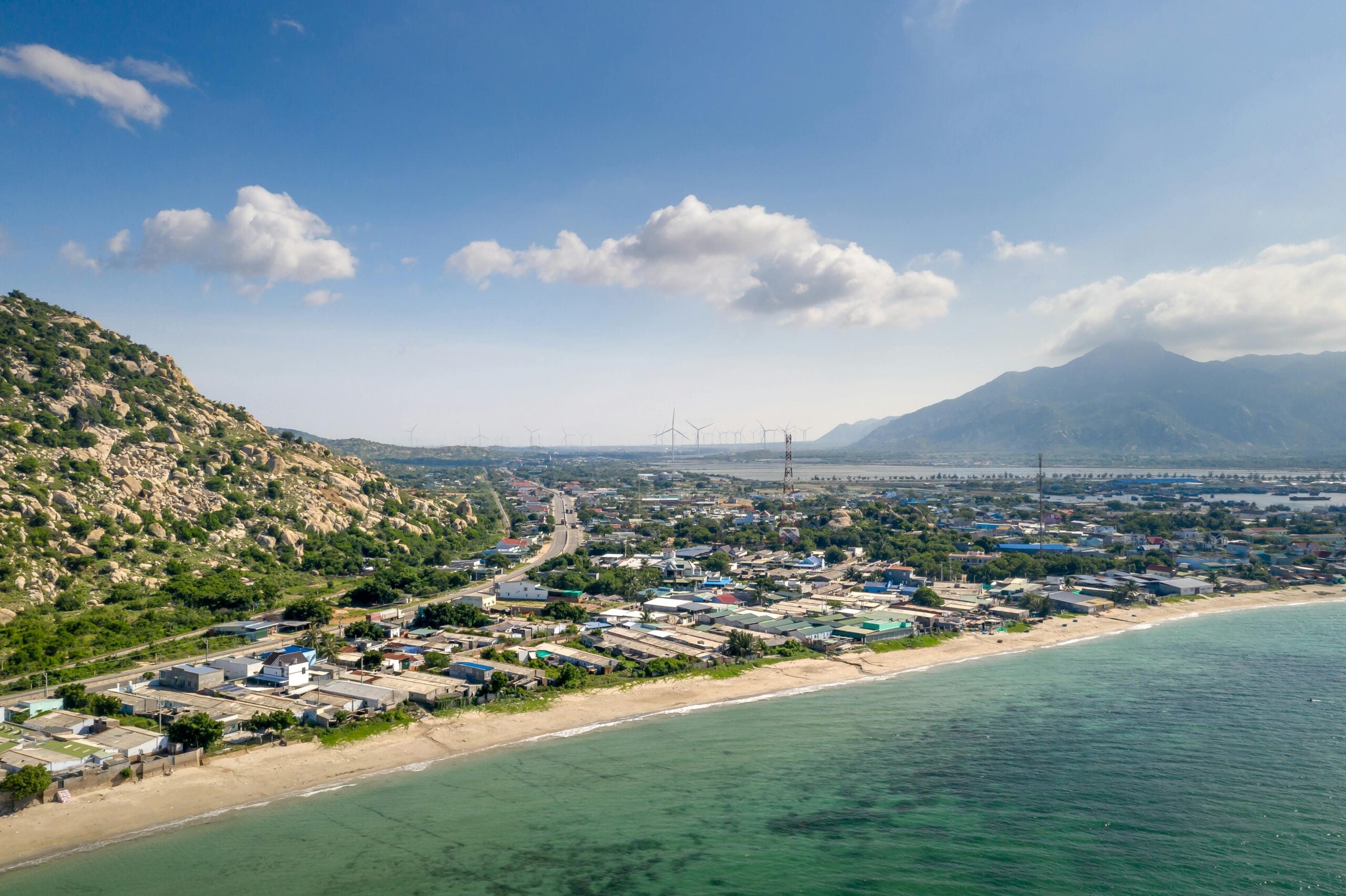
Instead of fighting the prices in Miami, Malibu, or the Hamptons, many travelers are choosing quieter beach towns where the main attraction is still free: the beach itself. A smaller coastal town can mean simpler motels, casual seafood, easier parking, and less pressure to spend all day paying for entertainment. Shoulder season makes the idea even better, especially for people who want the sound of the water more than a luxury resort experience.
National Park Road Trips
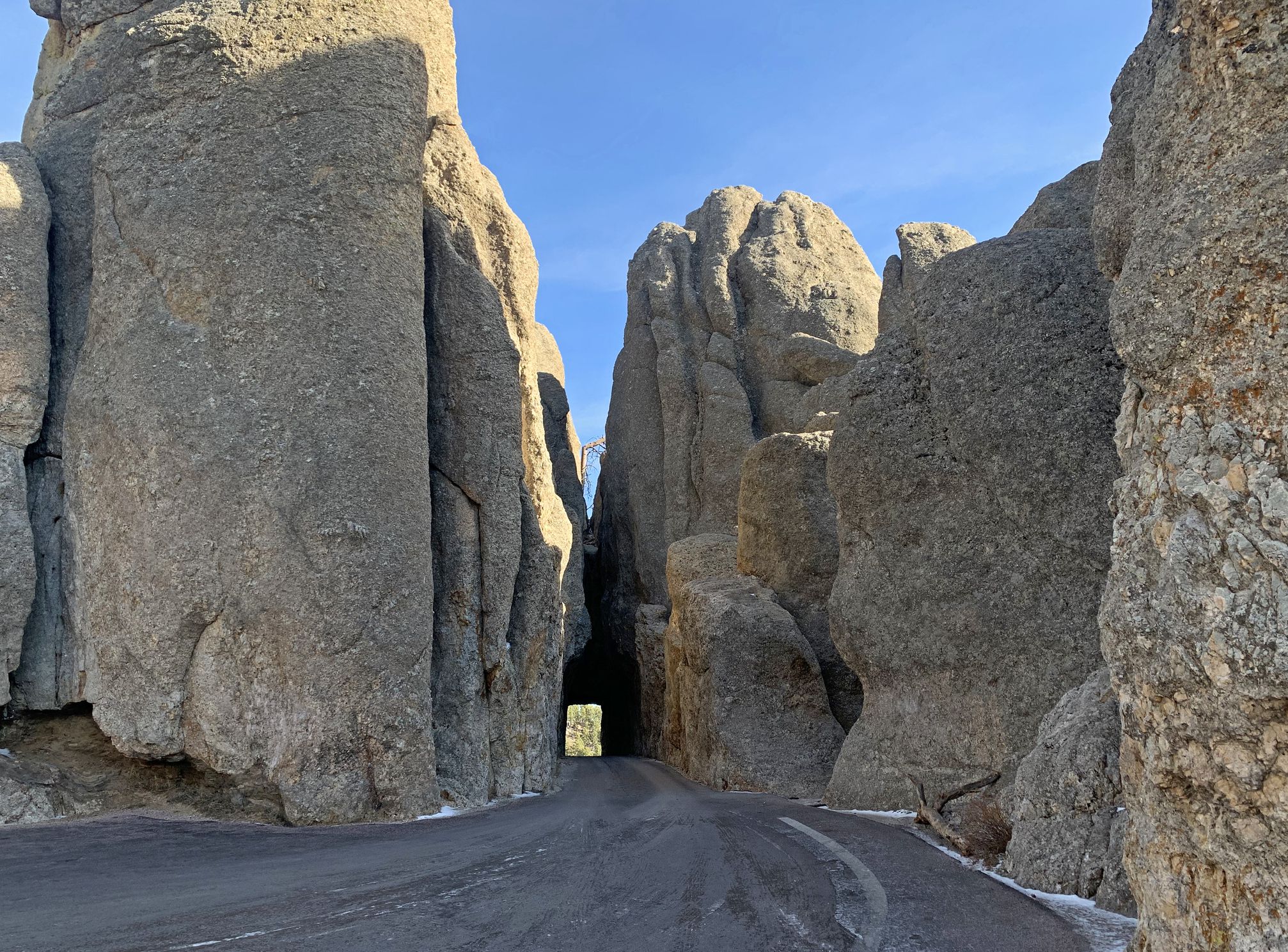
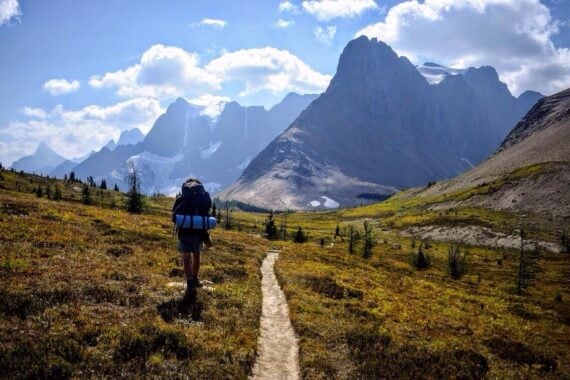
National parks still offer one of the clearest tradeoffs in American travel: you may spend money getting there and sleeping nearby, but the main experience is scenery, trails, ranger programs, and time outside. Families can keep costs lower by camping, packing lunches, or staying just outside the park entrance instead of paying for the closest hotels. In a year when many trips feel overbuilt and overpriced, a national park road trip still feels like money spent on memories rather than extras.
Lake Cabin Rentals
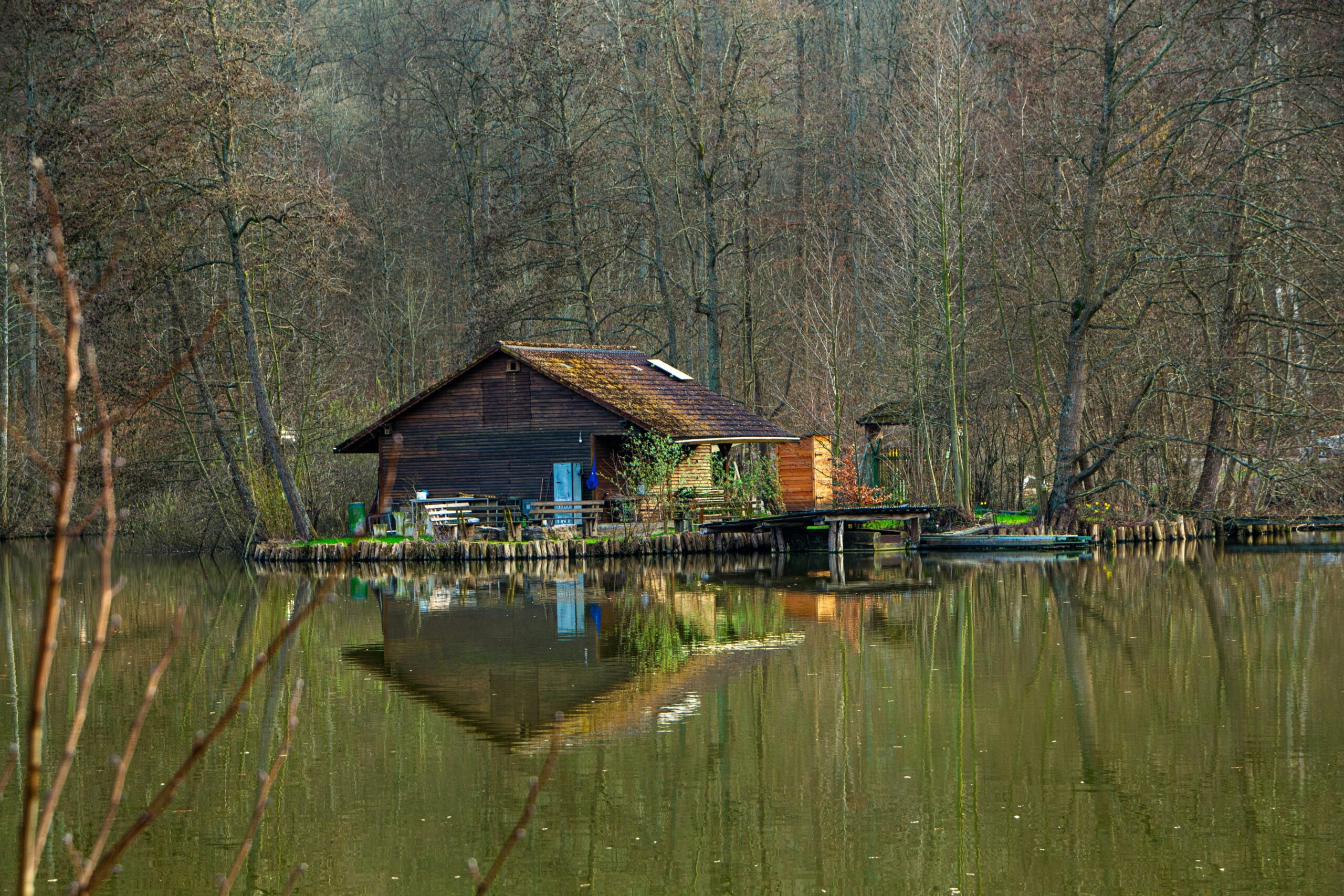
Lake weekends have become a practical middle ground between staying home and paying for a full vacation. A cabin near the water gives families and friend groups a place to swim, read, grill, fish, paddle, or just sit outside without buying tickets for every activity. Many Midwest and Southern lake towns can also be cheaper than major beach markets, especially when travelers split the rental and bring groceries. It still feels like a getaway, but without the pressure to spend every hour spending money.
State Park Camping Trips
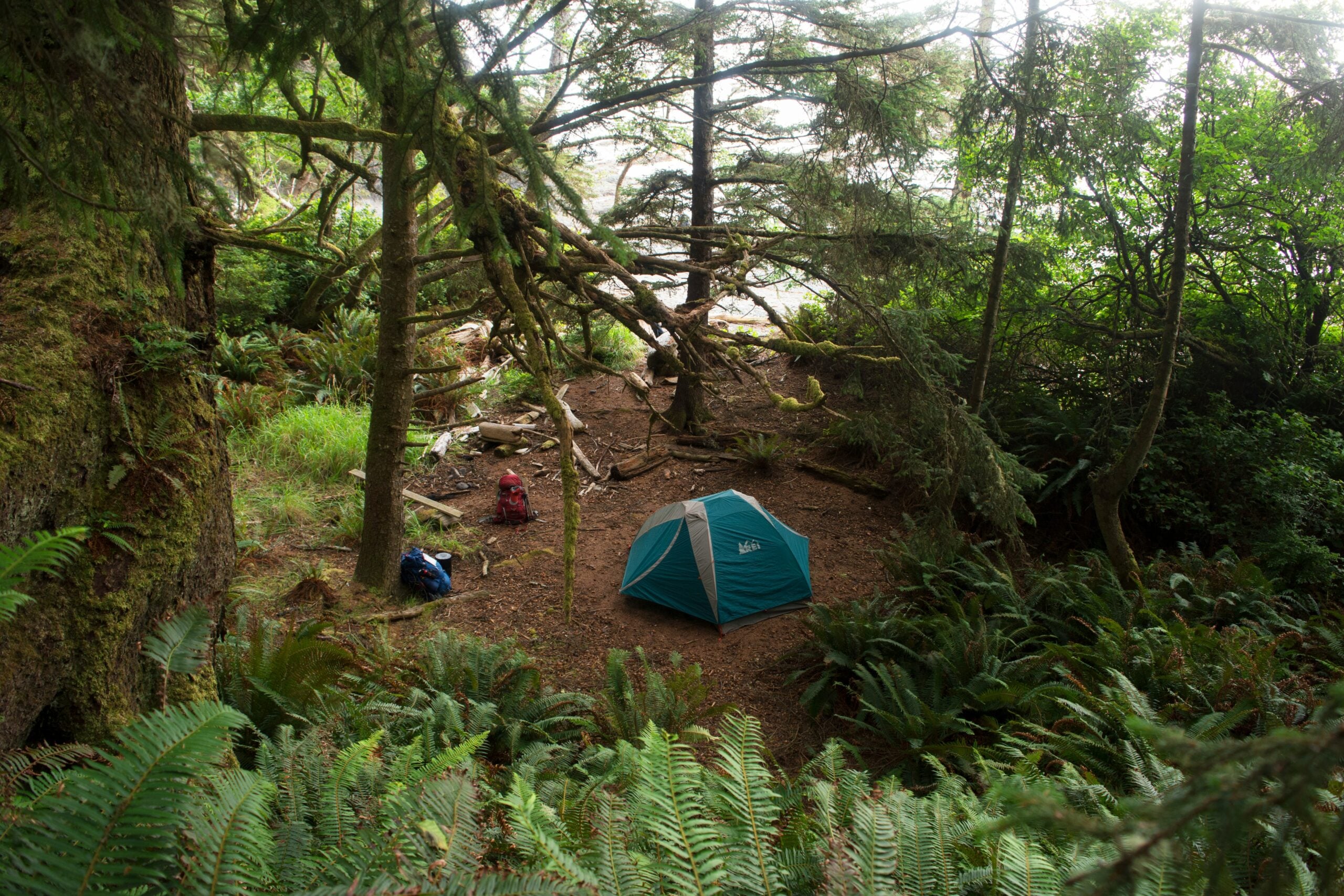
Camping is not glamorous, but that is part of why it works. State parks often offer cheaper overnight options than hotels or vacation rentals, and they come with built-in activities like hiking, swimming, wildlife watching, and campfire meals. For people who mostly need a reset, a tent, camper, or small cabin can feel more refreshing than a crowded hotel lobby and a weekend full of expensive reservations.
Trending on Cheapism


Historic Small-Town Escapes
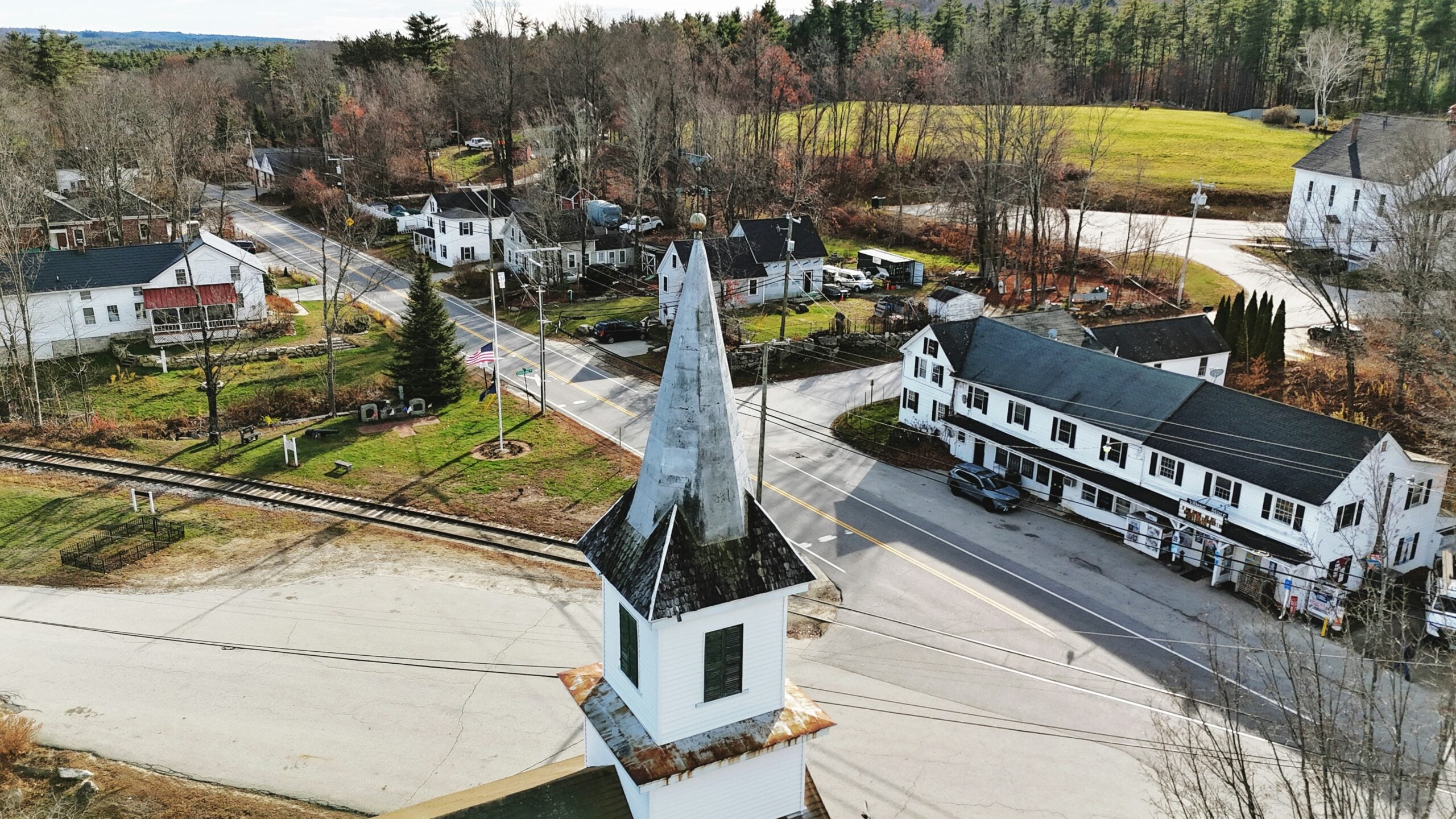
Historic small towns are a smart replacement for big-city weekends because visitors can spend the day walking instead of constantly paying for transportation, parking, and attractions. A good main street can offer diners, antique shops, old buildings, bookstores, local festivals, and enough charm to make the weekend feel like a real escape. These trips work especially well for travelers who want atmosphere more than a packed itinerary.
Great Lakes Beach Trips
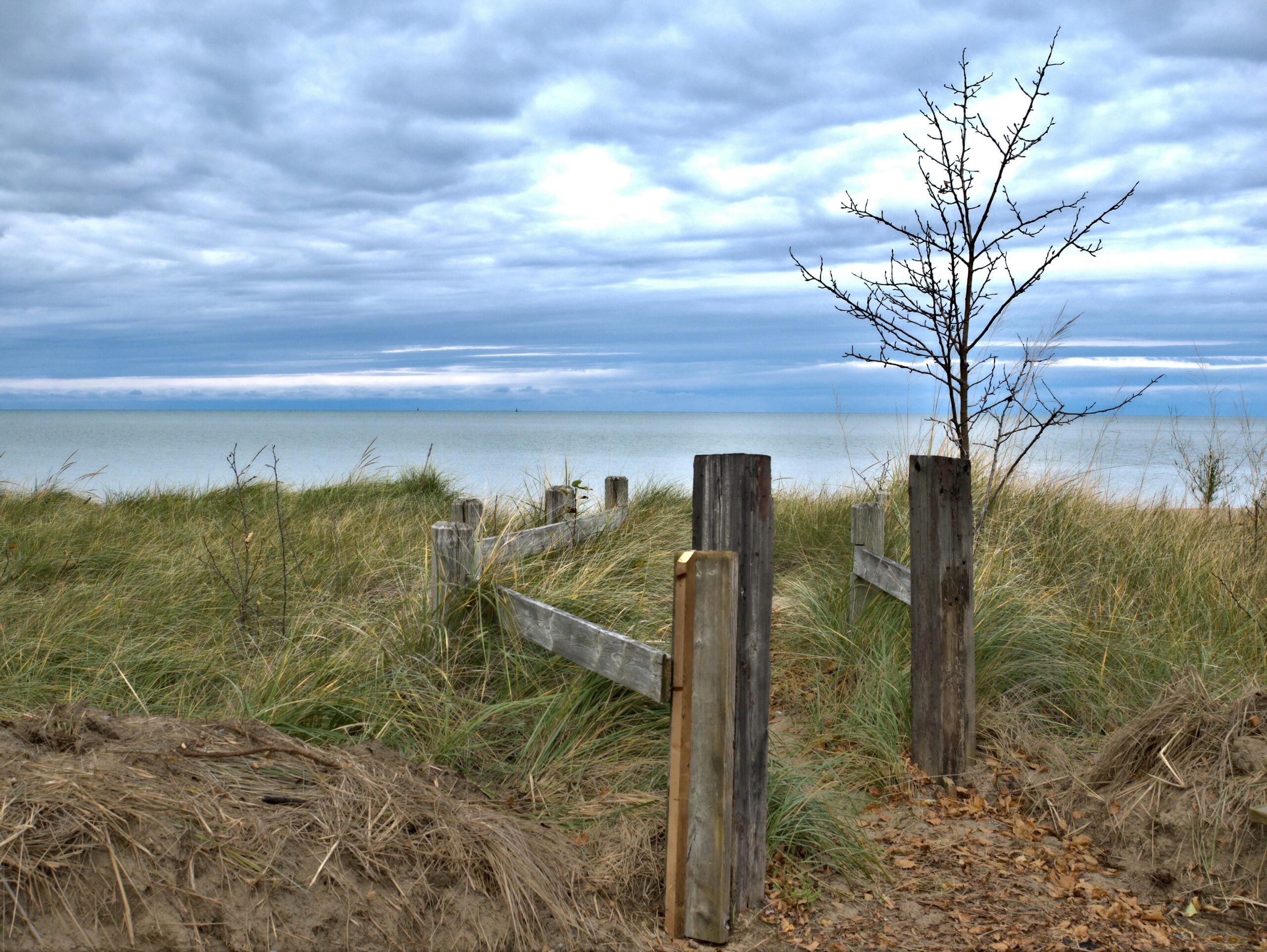
The Great Lakes can give Midwest travelers a beach trip without oceanfront pricing or a long flight. Many lake towns have public beaches, walkable downtowns, casual restaurants, and family-run motels that feel more relaxed than major resort areas. The water may not feel tropical, but the combination of sand, sunsets, and driveable distance makes these trips feel surprisingly satisfying for the money.
Desert Southwest Getaways
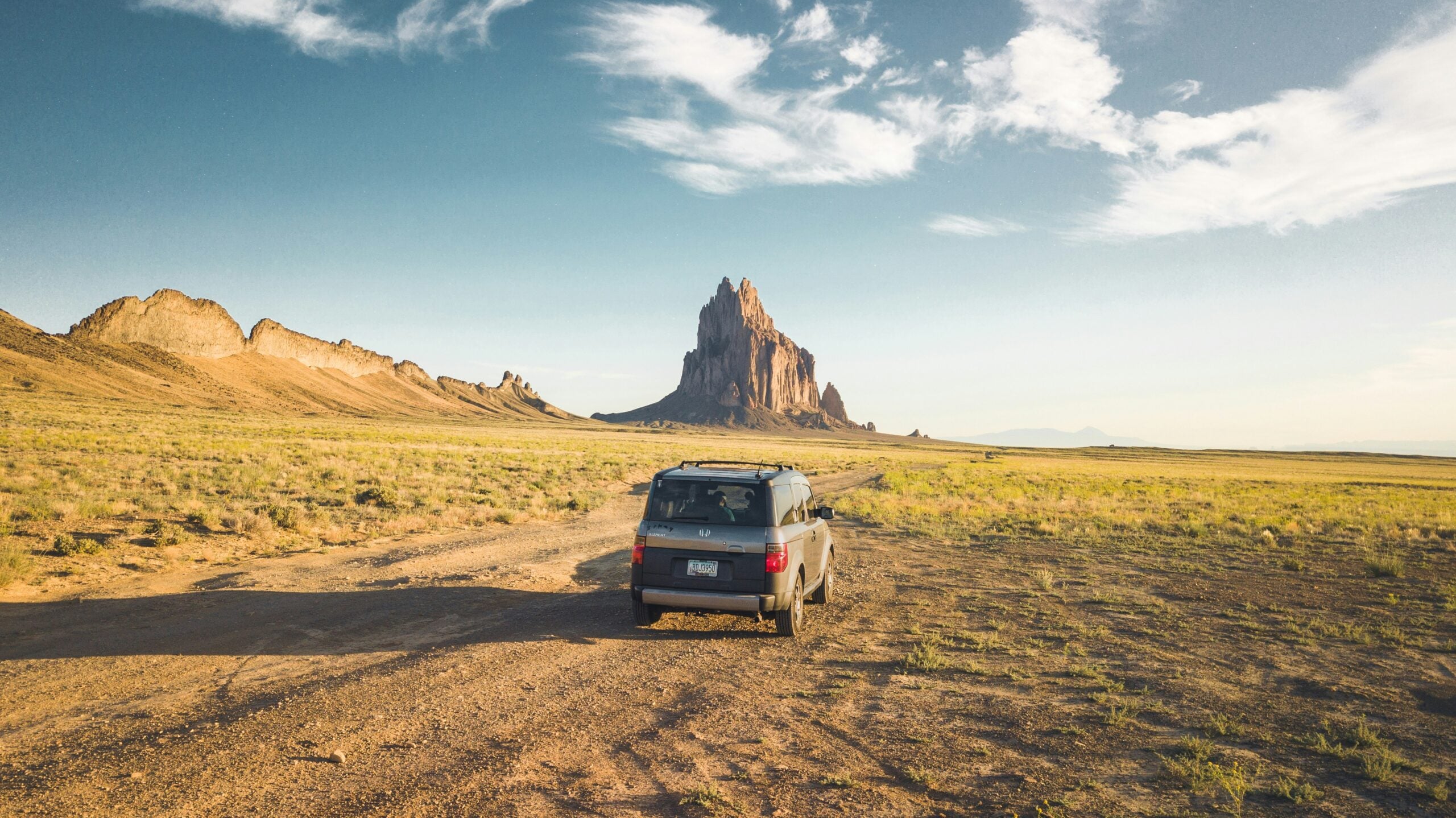
Desert weekends in Arizona, New Mexico, Nevada, or Utah can be a bargain when travelers avoid peak heat and luxury resort zones. Scenic drives, red-rock hikes, historic plazas, desert gardens, and low-key motels can make a short trip feel dramatic without stacking up attraction fees. The trick is choosing smaller towns and shoulder-season timing instead of treating every desert trip like a spa retreat.
Sign up for our newsletter
Cabin Resorts Near Major Cities
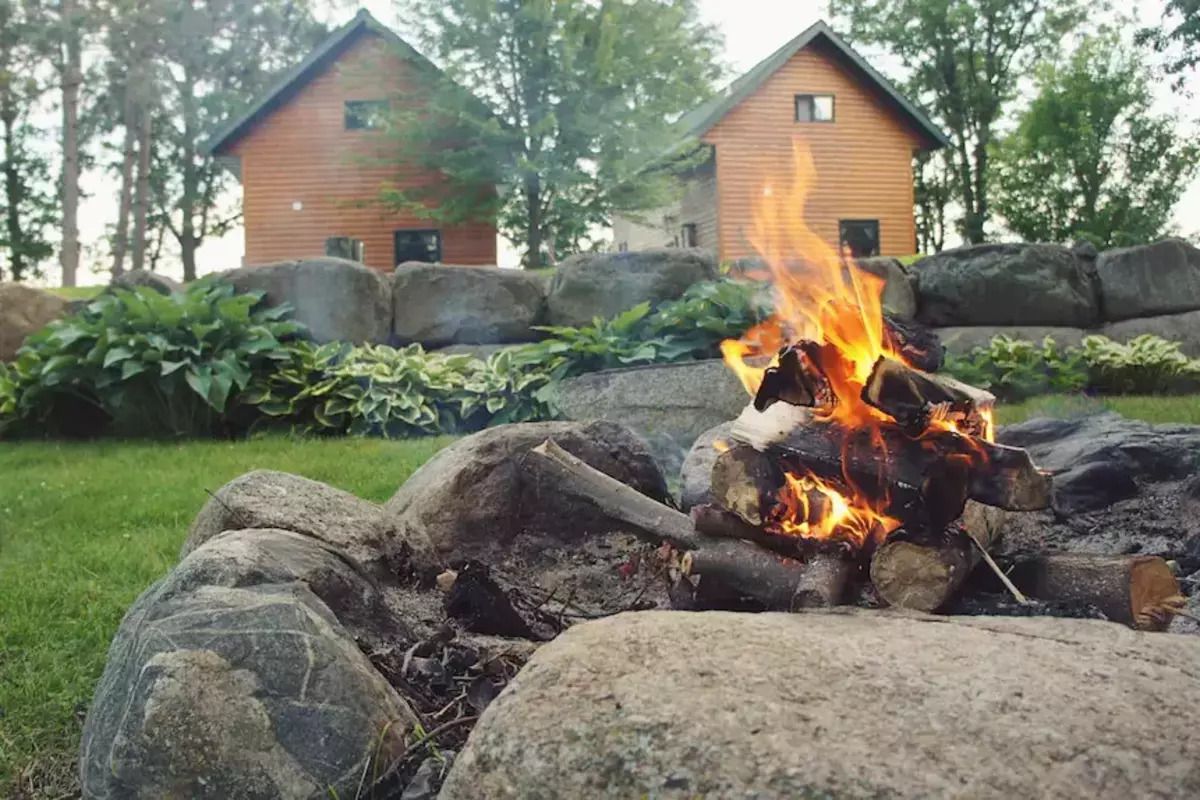
A cabin within a few hours of a major city solves one of the biggest vacation problems: getting there. There is no airfare, no rental car, and usually no need to take a full week off. For workers who feel burned out but are still watching their budgets, a two-night forest cabin can deliver the feeling of leaving real life behind without the planning spiral of a major trip.
Off-Season Ski Town Visits
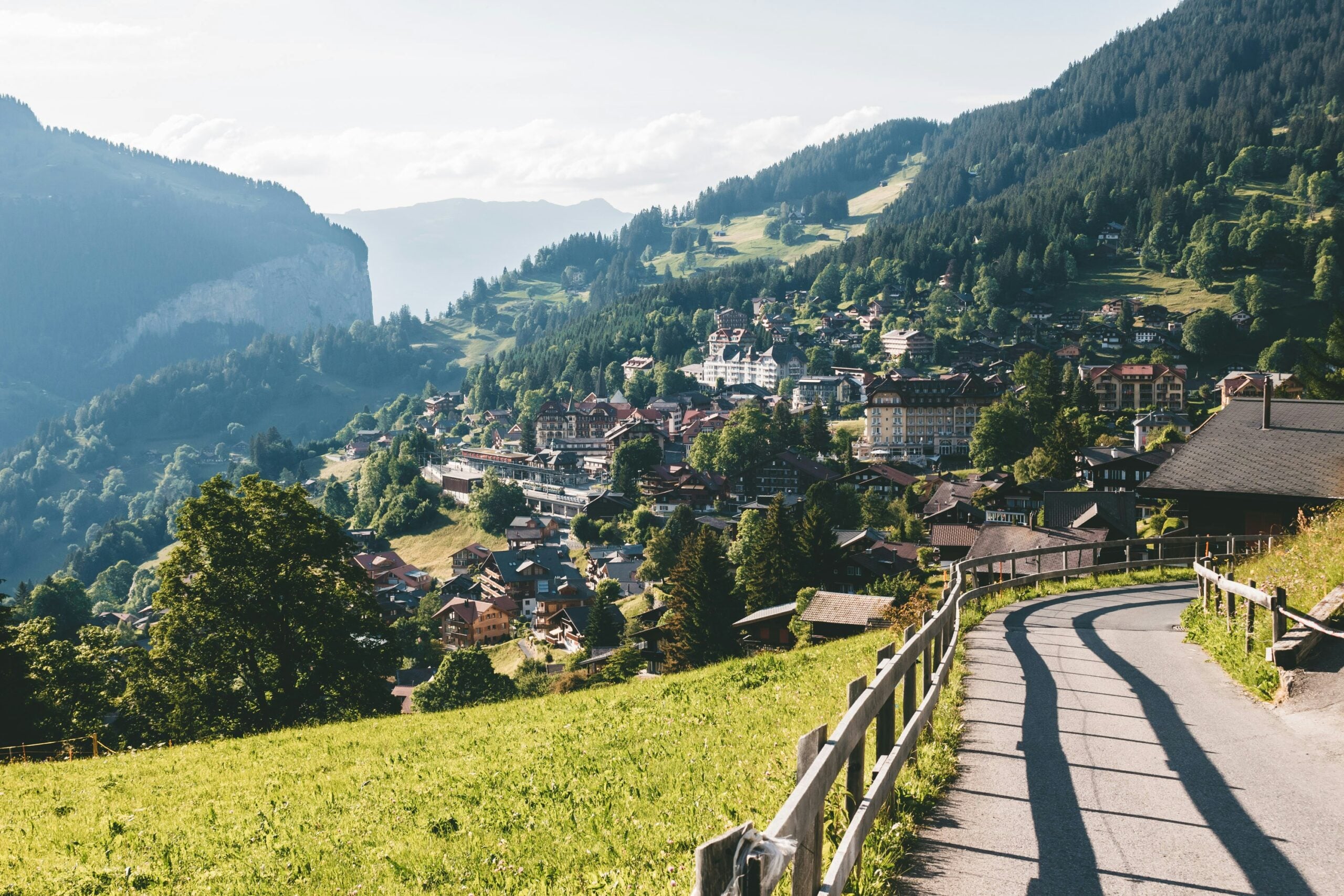
Ski towns can be shockingly expensive in winter, but many become much more approachable in summer and fall. Travelers still get mountain views, trails, scenic lifts, breweries, cafes, and cooler weather, but without peak-season lift tickets and packed hotel rates. For people who care more about scenery than skiing, the off-season version may actually be the better weekend escape.
Food-Focused Weekend Road Trips
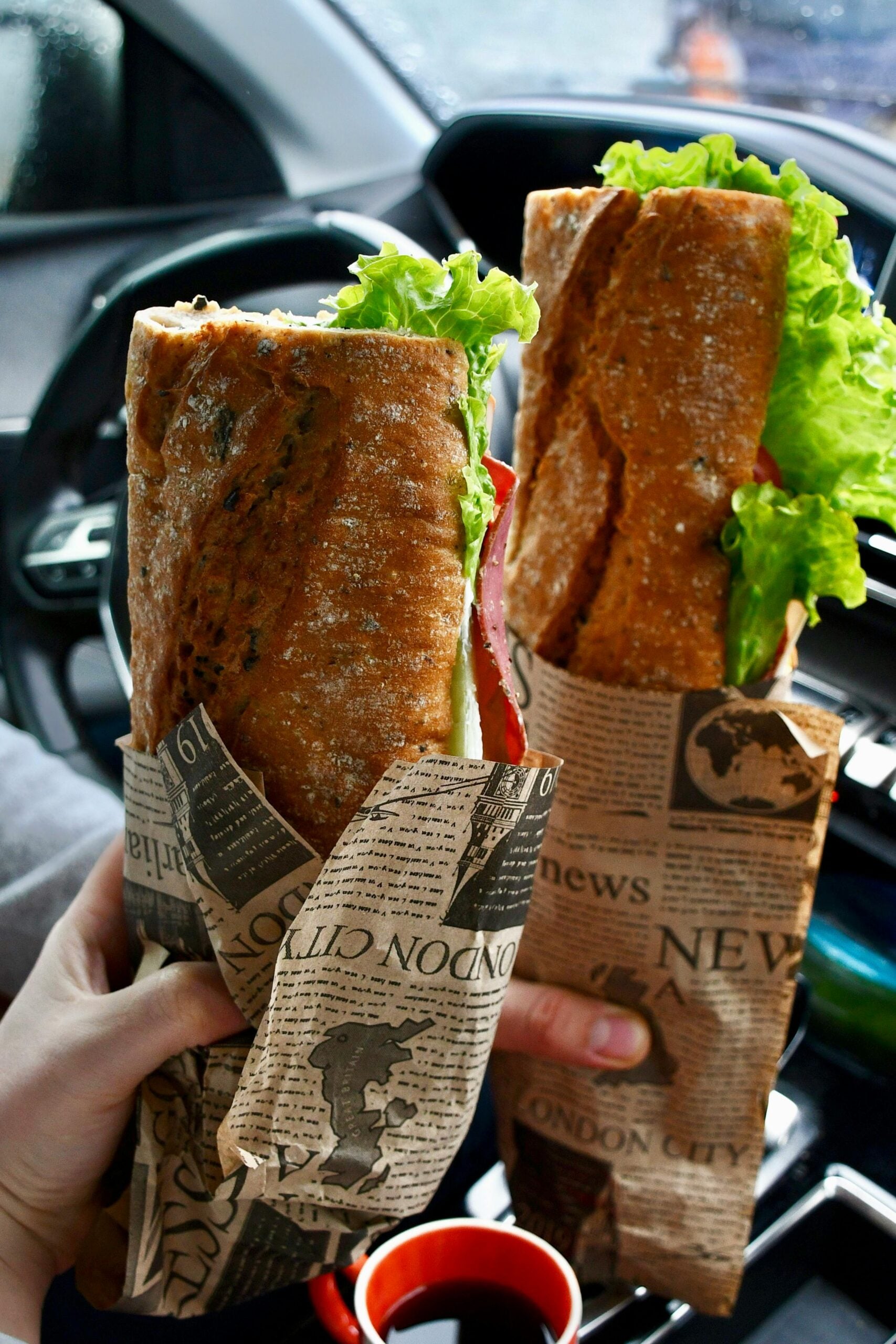
A food weekend can feel like a real vacation even when the destination is only a few hours away. Barbecue trails, diner routes, taco towns, seafood shacks, farmers markets, and bakery stops give travelers a reason to explore without booking an expensive resort. The best version is flexible: pick a region, make a loose list, and let the meals shape the trip instead of overplanning every hour.
College Town Weekends
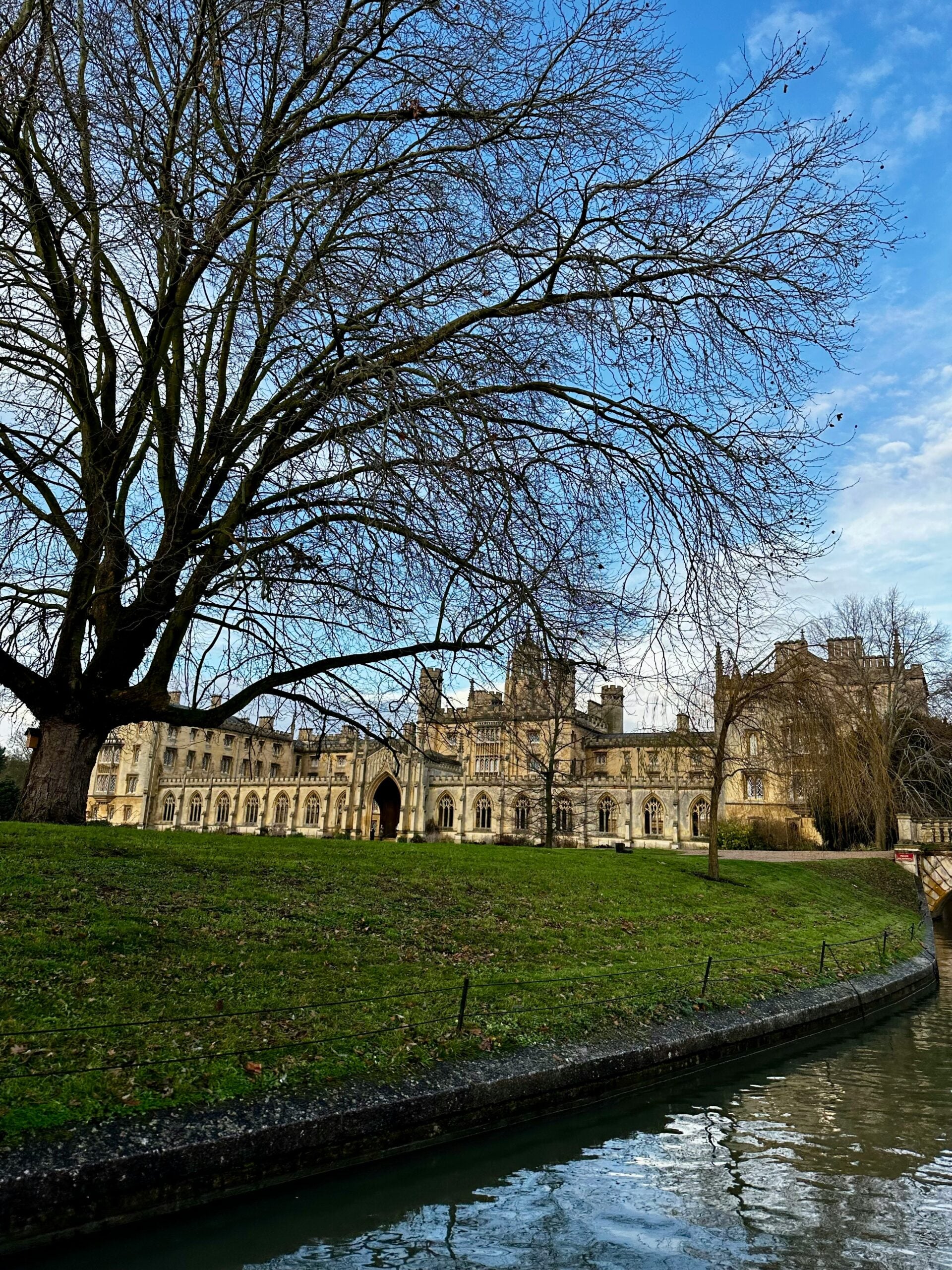
College towns often offer exactly what budget travelers need: walkable streets, cheaper restaurants, coffee shops, bookstores, live music, and a little energy without big-city hotel prices. Football weekends, graduation, and parents’ weekends can get expensive fast, so the smarter move is visiting during a quieter period. When classes are in session but no major event is taking over town, a college-town weekend can feel lively, easy, and affordable at the same time.
River Town Escapes
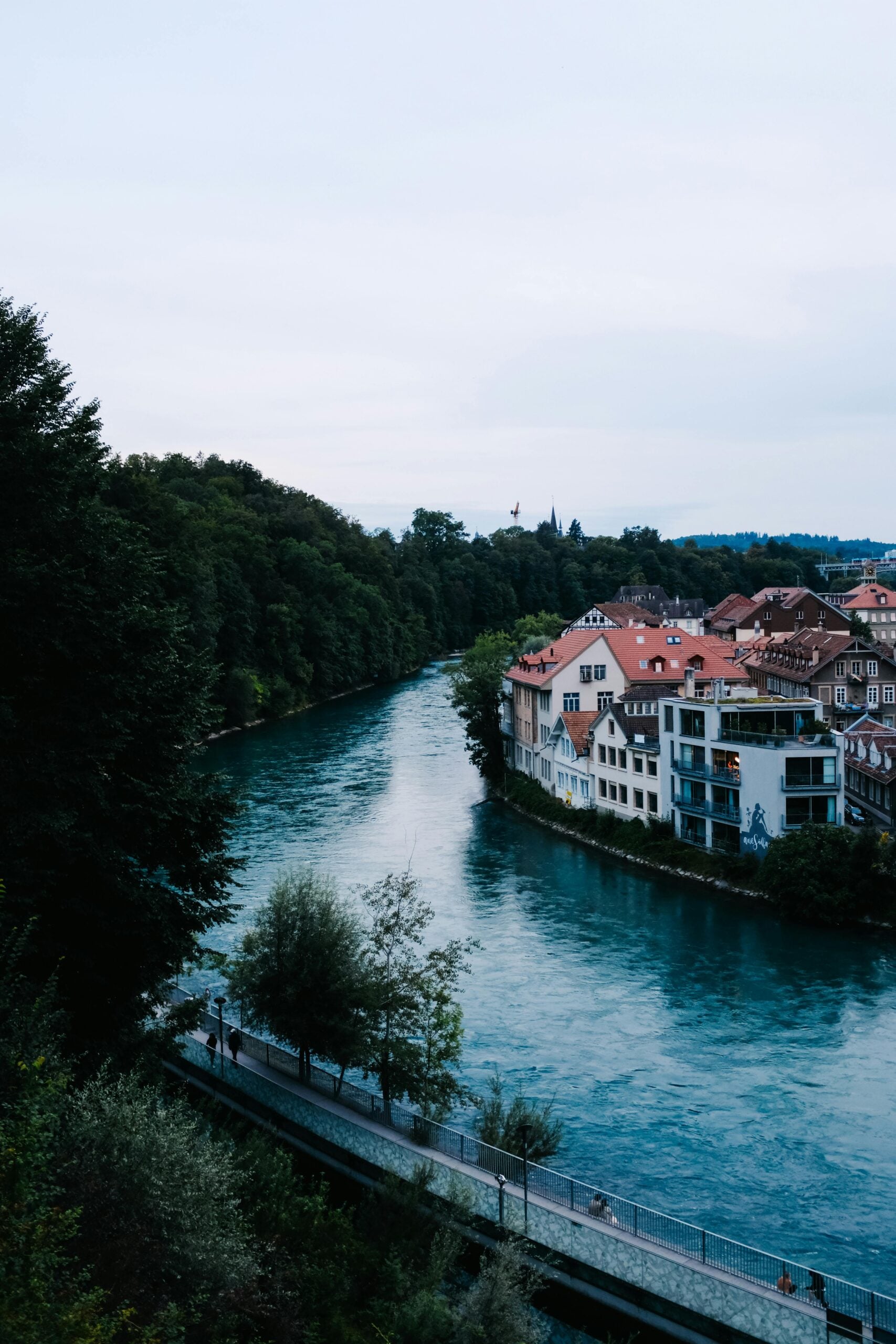
River towns give travelers waterfront scenery without the price tag of many beach destinations. A good river weekend can mean a simple motel, a local diner, a walk along the water, a small museum, and a sunset from a bridge or bluff. These places tend to move slower, which is exactly the point for people replacing expensive vacations with shorter, calmer escapes.
Retro Motel Road Trips
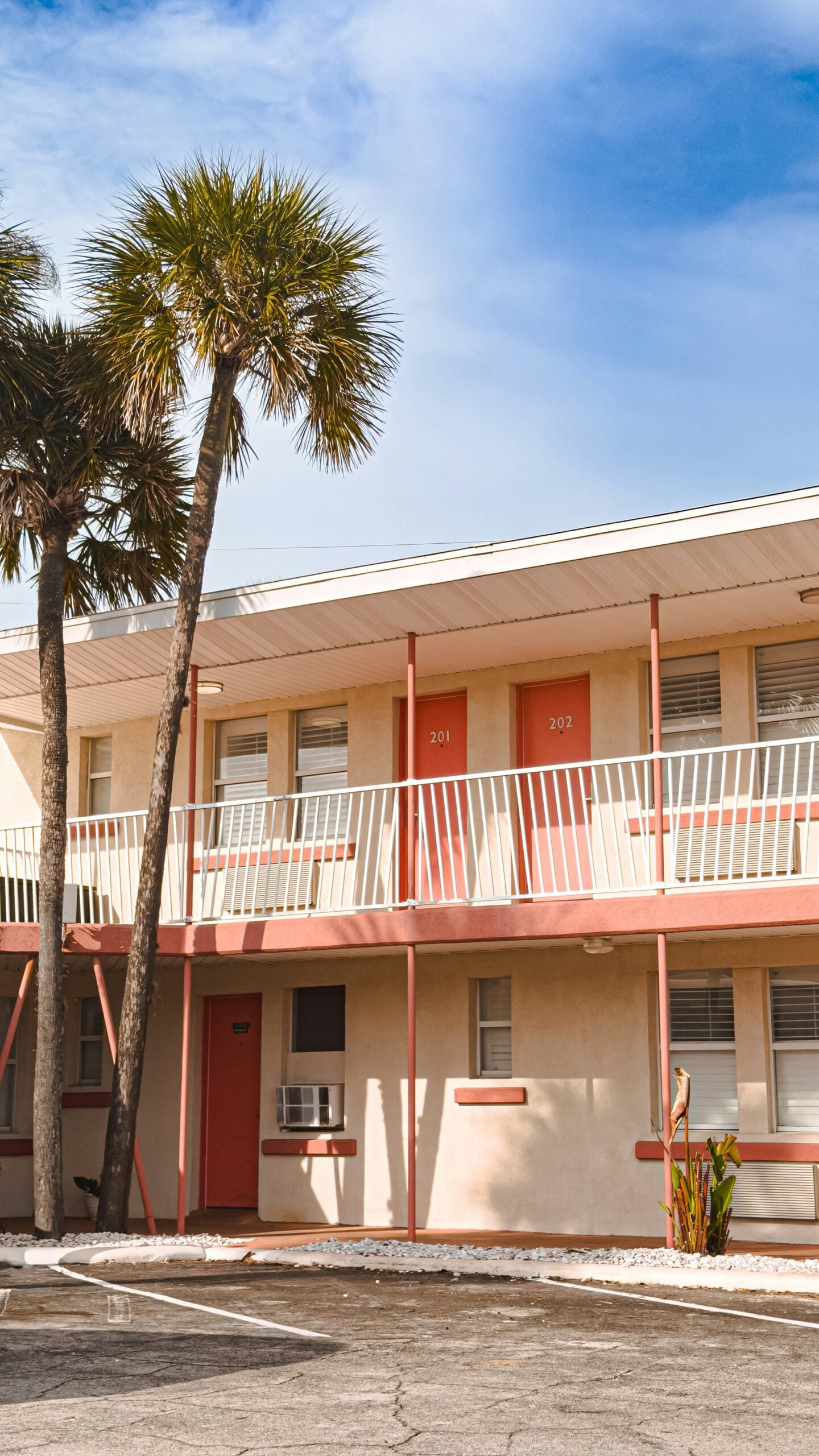
Retro motels have become appealing again because they make travel feel simple, nostalgic, and a little more personal. A restored roadside motel, a pool, a neon sign, and a diner nearby can deliver more personality than a standard chain hotel with resort fees and a lobby that looks like every other lobby. Travelers are embracing this kind of Americana because it feels fun and memorable without trying too hard to be luxury.
Regional Winery and Brewery Weekends
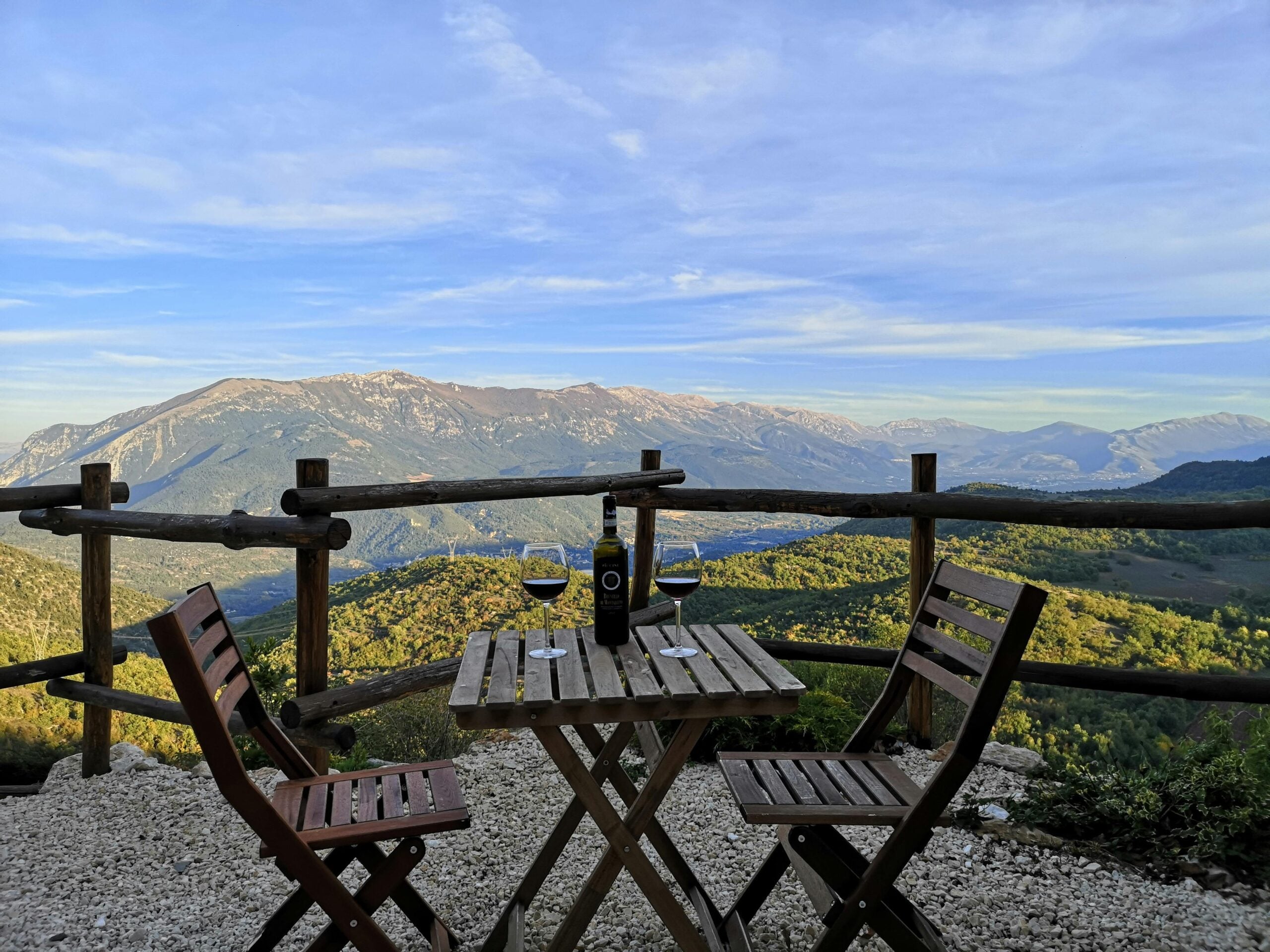
Not every wine or beer weekend has to mean Napa prices or a major nightlife district. Smaller regional wine trails and brewery towns can offer tastings, patios, food trucks, live music, and countryside drives at a more manageable pace. The key is choosing relaxed local regions rather than bucket-list destinations where lodging, restaurants, and tasting fees often rise with the name recognition.
Farm-Stay and Agritourism Weekends
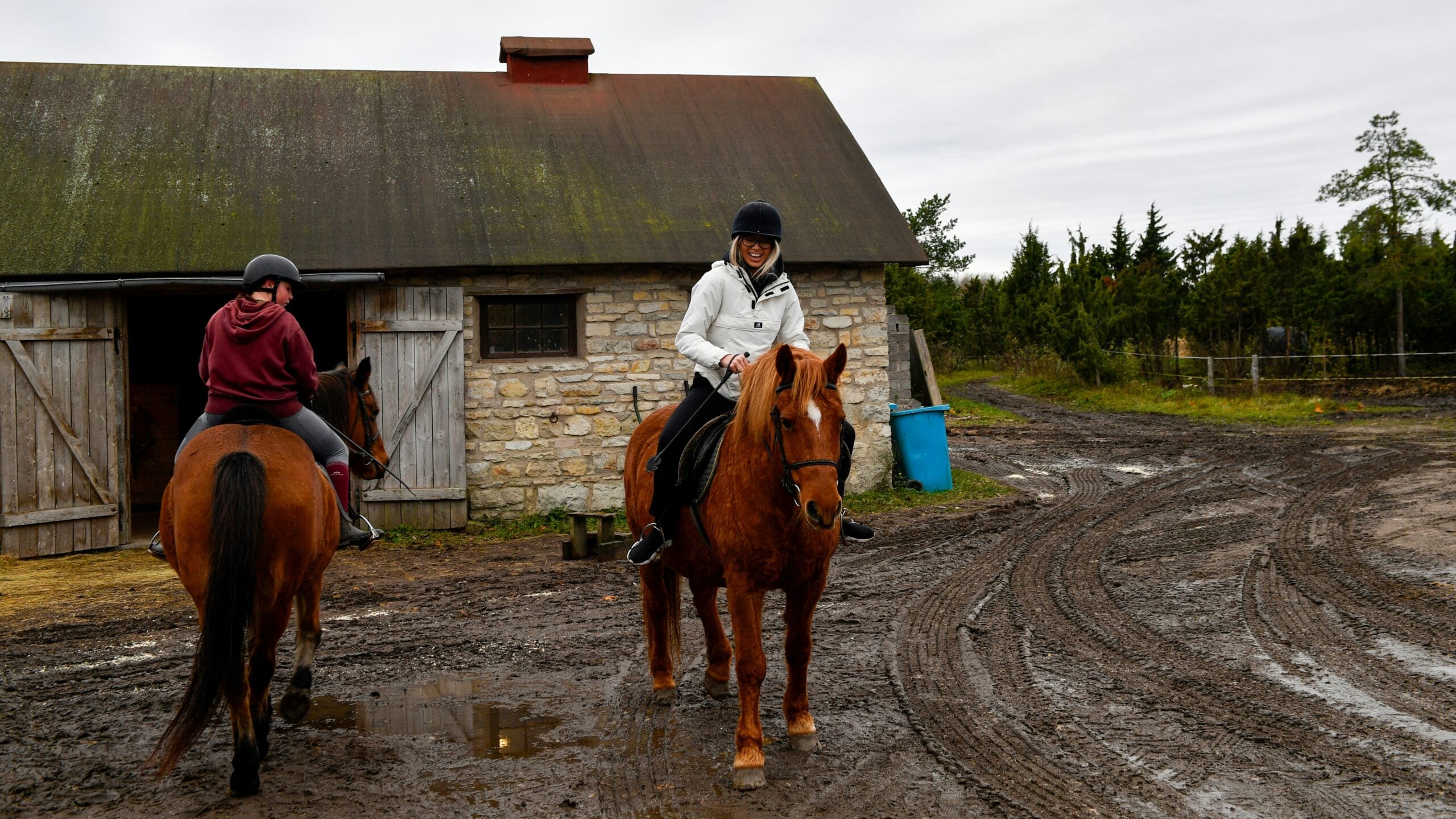
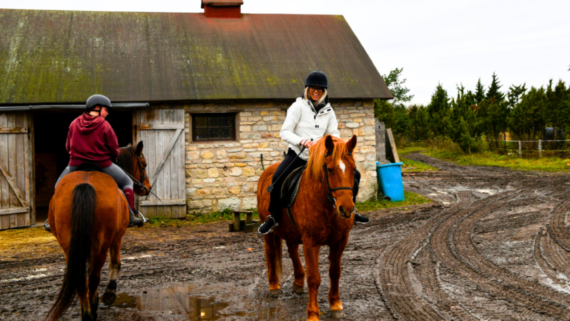
Farm stays and agritourism weekends have become a quieter alternative to expensive resorts, especially for travelers who want fresh air, slower mornings, and a real change of scenery without needing a flight. Instead of paying resort fees or planning every hour around pricey attractions, guests can stay in a room, cabin, cottage, or guesthouse on a farm, vineyard, orchard, or ranch. The appeal is simple: farm breakfasts, animals, gardens, local markets, walking trails, and nearby small-town restaurants. For couples and families, it is the kind of trip that feels memorable, relaxed, and different without being overly expensive.
A great vacation does not always require a flight, a resort, or a full week away from work. In 2026, the smartest escapes often look smaller: two nights, a scenic drive, a simple meal, and enough space to breathe. It may not sound glamorous, but for many budget-conscious travelers, that is exactly what makes the trip feel good.