
The employment landscape seems somewhat shaky lately — between the shifting economy, global politics, and the rise of artificial intelligence, it can be challenging to feel secure in a given field of employment or study. While it’s not as easy to predict economic or political changes, certain industries are worth pursuing if you’re focused on finding jobs AI can’t replace.
The following jobs are some of the top options to pursue if you’re worried about artificial intelligence potentially replacing you. From fields that require many years of higher education and skilled trades to part-time work, here are some of the career paths that are the least likely to be replaced by automation or artificial intelligence technology.
Legal Professionals

A recent study by Eskimoz looked at the percentage of human interaction required in a given field and the likelihood of automation, and found that law is the safest overall field. The legal landscape — lawyers, paralegals, judges, and other law-related professionals — is considered to be a safe employment path amid the rise of AI.
Skilled Trades

Skilled trades like plumbers, electricians, HVAC professionals, and automotive mechanics are another field that is considered safe amid the rise of artificial intelligence. The level of technical skill, problem-solving, and human interaction in this field means that AI won’t easily or quickly be able to replicate the services that skilled trades can offer.
Medical and Healthcare Providers

The researchers at Eskimoz state that the medical industry requires nearly 90% of interaction with the general public. While artificial intelligence could potentially be helpful with finding treatment plans and diagnostics, it cannot replace the human aspect involved in diagnosing and caring for patients across the field, from dental to critical care.
Human Resources

It’s in the name: Human resources requires empathy and understanding, which is something that cannot be replaced by automation or artificial intelligence. Human resources requires more than 80% human interaction, whether it’s conflict negotiation within the office or multi-step interviewing and hiring processes.
Classroom Teachers

You can learn a ton from playing around with AI — from studying a second language to understanding different parts of global history — but artificial intelligence will never be able to replace classroom teachers. It’s not just elementary school teachers, either. Artificial intelligence lacks the critical thinking and human interaction required across all levels of education, from grade school to grad school.
Trending on Cheapism


Tour Guides

The rise of artificial intelligence has admittedly changed the landscape when it comes to planning travel. Those who choose to use AI can easily map out a great itinerary without putting in much first-hand research — but artificial intelligence will not replace on-the-ground tour guides.
AI-generated itineraries can’t help you get out of a sticky situation abroad or translate with locals when bartering in a bazaar; they can’t provide local know-how or share real-time insights on the lesser-known attractions and nuances of a given city or country.
Estheticians

Another field of employment that artificial intelligence technology could never replace? The esthetics industry. Careers like hair stylists, tattoo artists, manicurists, and massage therapists require human skill, physical touch, and a very specific skillset and know-how that AI cannot replicate.
Emergency Responders
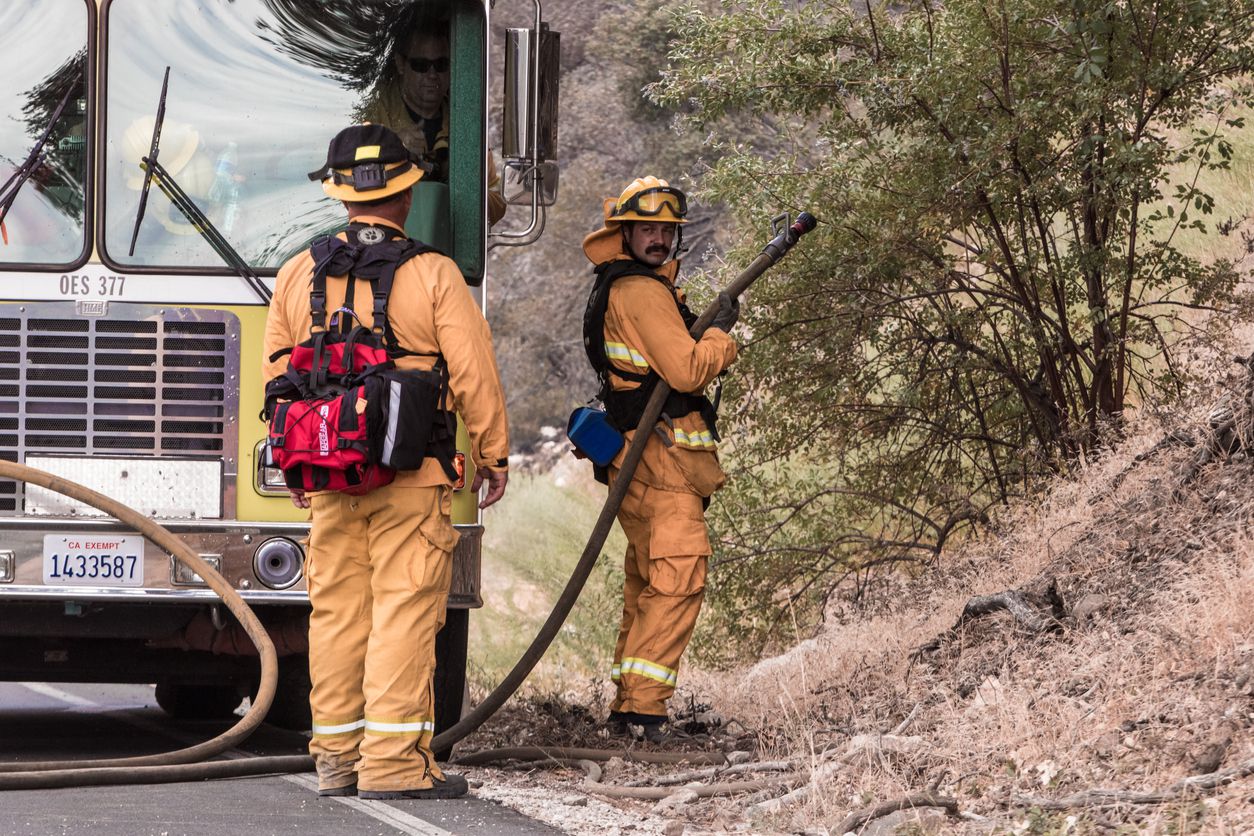
Would you want a robot showing up to fight a fire or provide life-saving procedures while en route to the hospital? Probably not. Emergency responders like firefighters, paramedics, and even lifeguards are careers that simply require manpower. Not just that, but these careers involve fast and nuanced decision-making that can’t be replicated by an algorithm.
Sign up for our newsletter
Journalists
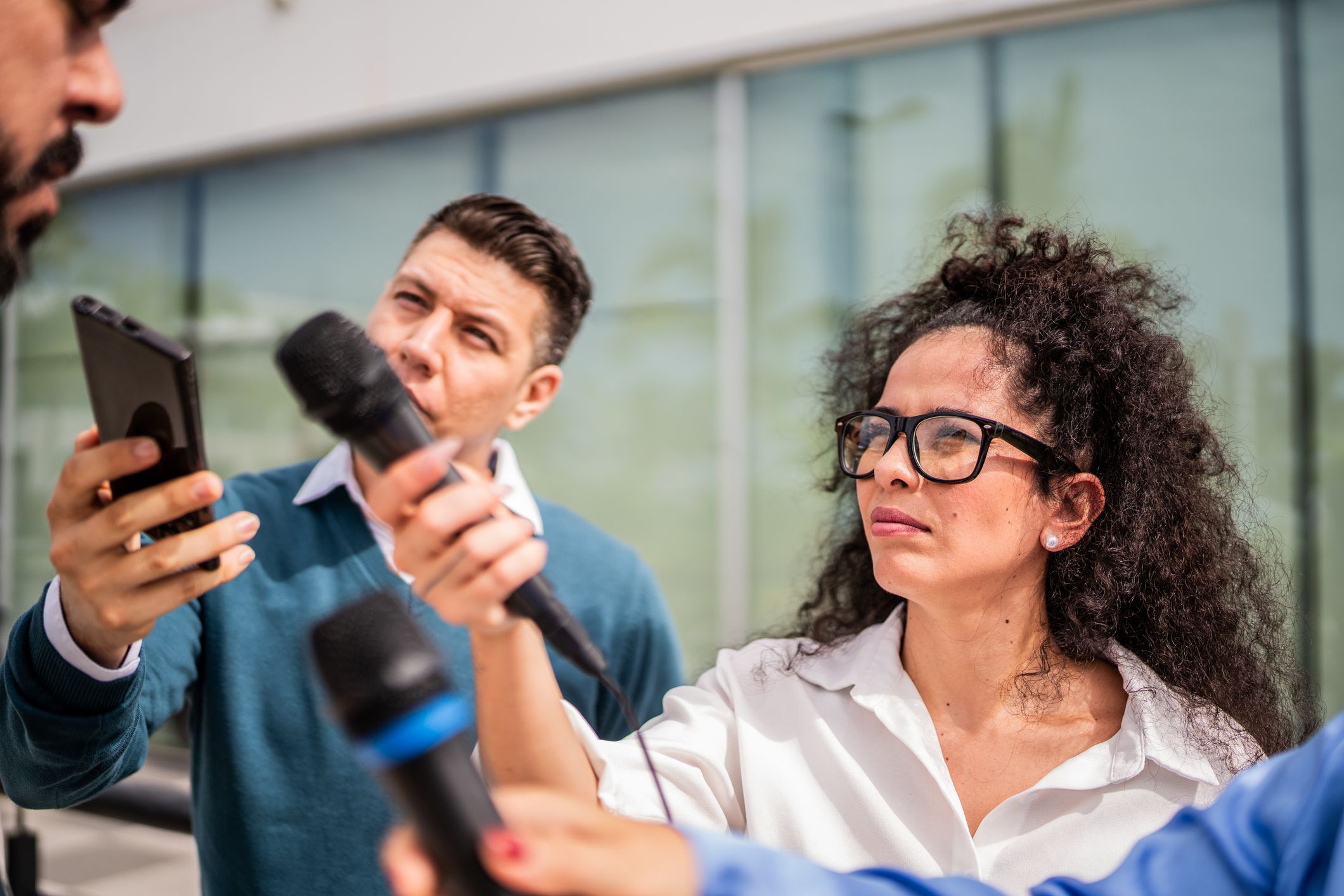
Writers and creatives have concerns when it comes to artificial intelligence replacing them — but true journalists will never be replaced by AI technology. The industry involves on-the-ground research, human interaction and understanding, and unbiased reporting, a trifecta of which artificial intelligence will not be able to achieve any time soon.
Chefs and Service Industry Employees

Artificial intelligence can certainly make meal prepping and healthy eating easier, but it will never replace the finesse of the restaurant industry. Chefs, bakers, sommeliers, and service industry employees like line cooks and caterers require human skill, physical presence, and interaction that is safe from being replaced by AI.
Social Workers

Social work is one of the most sensitive career fields; social workers are required to have incredible interpersonal skills and empathy as well as the ability to navigate complex family dynamics and precarious situations. Artificial intelligence might be able to help with the logistical side of the career, but could never replace the nuance of working with vulnerable people.
Sales

It might not seem like it on the surface, but the sales industry is deeply interpersonal. Good salespeople require a solid understanding of human psychology, interpersonal skills, and the ability to read the room accurately. Salespeople are successful by building strong human connections and relationships as well as cultivating a strong sense of persuasion and negotiation that artificial intelligence can’t replicate.
Personal Trainers

Artificial intelligence can certainly help with hitting fitness goals by way of meal prepping, creating workout plans, or suggestions on how to live a healthier lifestyle, but it cannot offer the same level of guidance and feedback as a real personal trainer. Personal trainers help to ensure effective and proper workout routines by adjusting form and providing feedback and encouragement both in and out of the gym.
Childcare Workers

It’s almost laughable to think about artificial intelligence taking over the childcare industry. Whether it’s daycare employees, nannies, or even babysitters, childcare requires personal touch, attentiveness, patience, and empathy that AI technology does not offer.
Public Relations

The public relations industry could be shaken up by artificial intelligence technology, but it will never be fully replaced. Public relations professionals are trained to deal with public perception, crisis management, and strong communication skills in order to properly ensure that the public’s view of a given client remains positive. Yes, artificial intelligence could theoretically help with planning or preparing, but it can’t replace the human eye overlooking the brand and its perception.
Clinical Psychologist / Mental Health Specialist

AI can assist with screening tools or suggest therapy exercises, but real mental health care relies on deep human empathy, trust, and nuanced emotional understanding — qualities AI can’t genuinely replicate. Roles like psychologists, psychotherapists, and mental health counselors are consistently ranked among the least likely to be replaced by AI because they require ongoing human connection and judgment.
Scientific Researcher

Careers in scientific research — like biologists, chemists, environmental scientists, or lab researchers — involve hypothesis creation, experimental design, complex data interpretation, and ethical judgments that go beyond task automation. While AI can crunch data, it can’t originate scientific questions or interpret real-world context the way humans do.
More From Cheapism

- No Raise, No Problem: ‘Gave Myself a Raise by Doing Less Work’ — Workers share how being passed over for pay bumps has some dialing back effort and reevaluating what they owe their employer — and themselves.
- AI Roles Are America’s Fastest-Growing Jobs, and Everyone Is Just Trying to Keep Up — A new LinkedIn-based study shows jobs tied to artificial intelligence are exploding in demand as professionals scramble to skill up for the future of work.
- U.S. Job Growth Ends 2025 on Its Slowest Pace Since 2020 — Despite small gains, the latest labor figures reveal hiring barely moved last year, marking the weakest stretch of U.S. job growth since the pandemic.