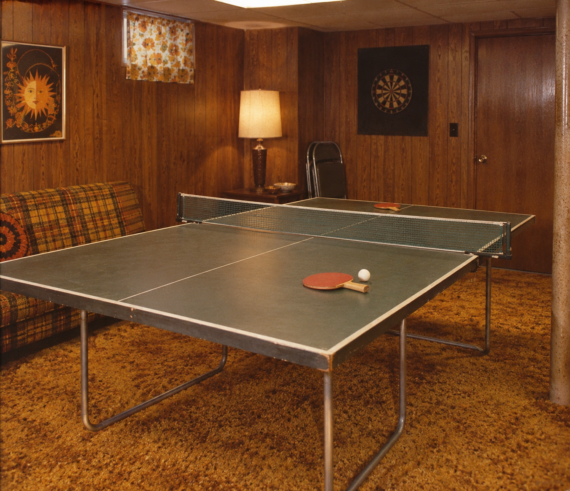
When Baby boomers were young, during the 1960s, 1970s, and early 1980s, they had to put up with situations that would frustrate many young people today. Without smartphones, instant job applications, or even online banking, Baby boomer hassles often meant resolving issues by phone or by visiting a company in person. Here are situations Baby boomers had to deal with in their youth, things newer generations don’t have to face!
Finding an Apartment Through Newspaper Classifieds
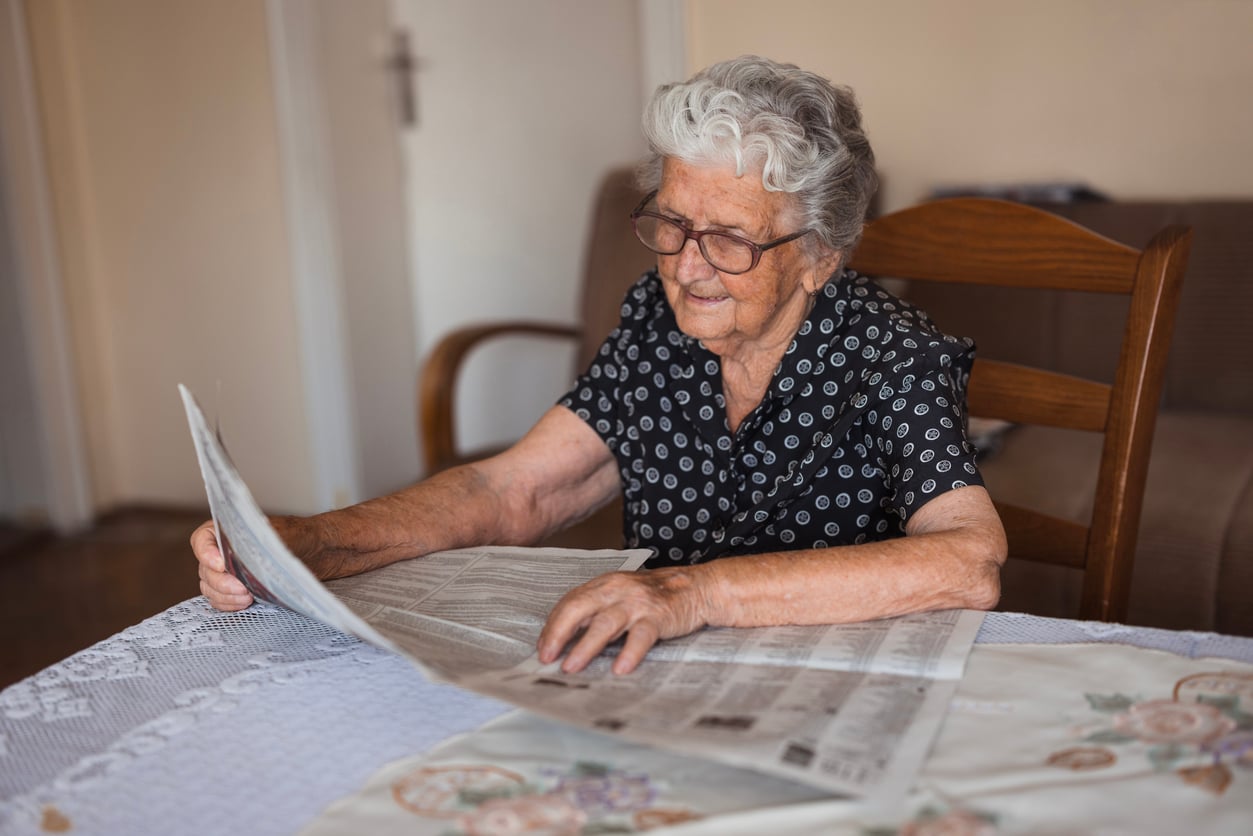
When Baby boomers were young adults looking for a new apartment, they had to read through various newspapers; the classifieds section would list a dozen or so apartments along with the landlords’ phone numbers. These Baby boomer hassles meant highlighting apartments that appealed to them and calling the owners to find out more about the properties. Nowadays, however, there are rental websites that provide dozens of photos, location maps, and even reviews from people who already viewed the units.
Getting Lost With No GPS to Rescue Them

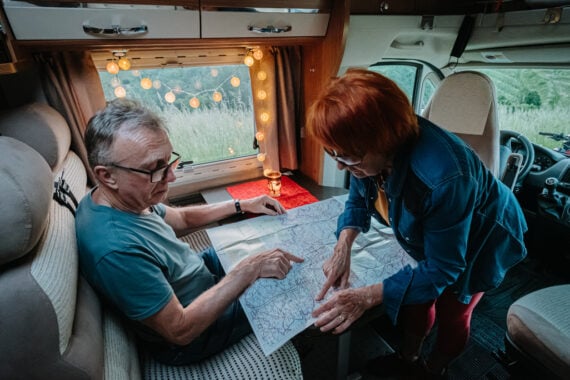
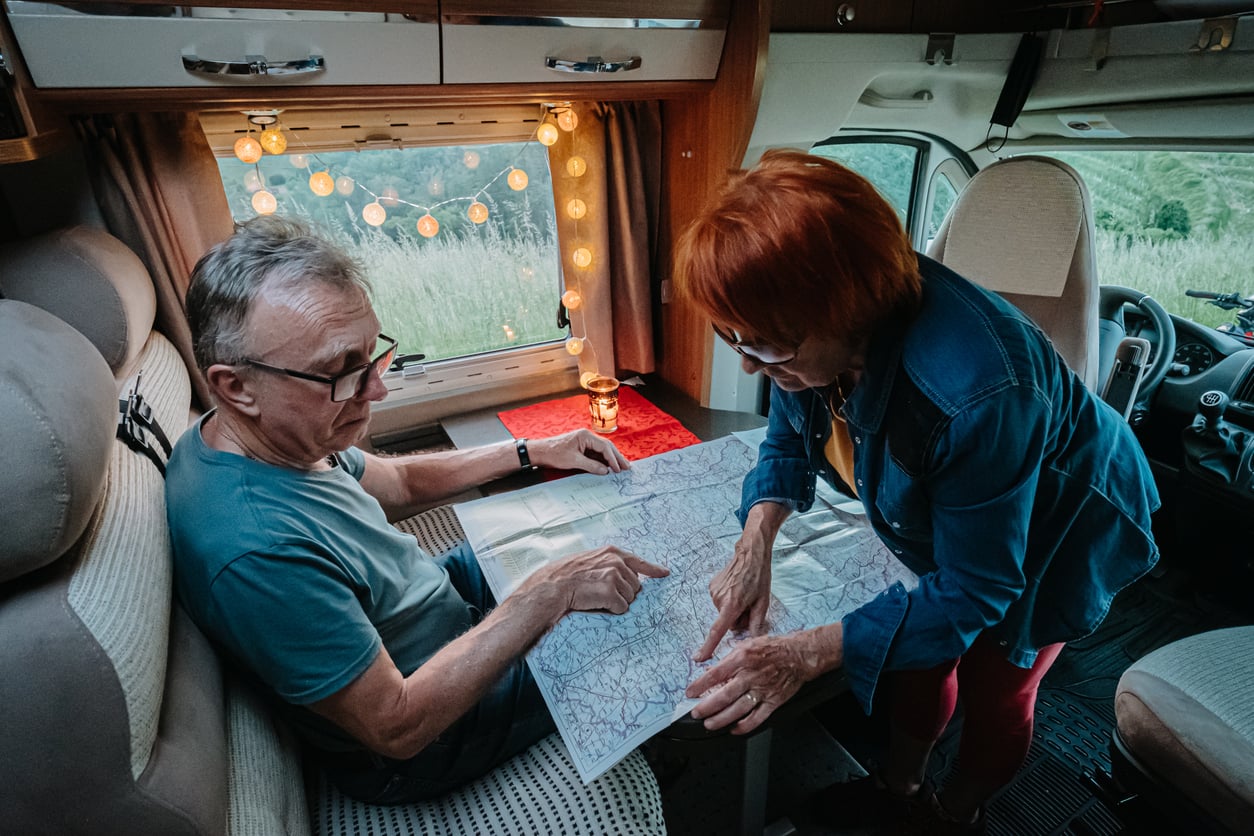
A few decades ago, GPS for personal use did not exist; consequently, if you took a wrong turn during a road trip, you had to rely on asking strangers for directions to reach your destination or get back on your planned route. Baby boomer hassles included using road atlases and handwritten directions to navigate journeys. The difference today is that a GPS instantly corrects your course after a wrong turn by recalculating the route.
Waiting at Home for Important Phone Calls
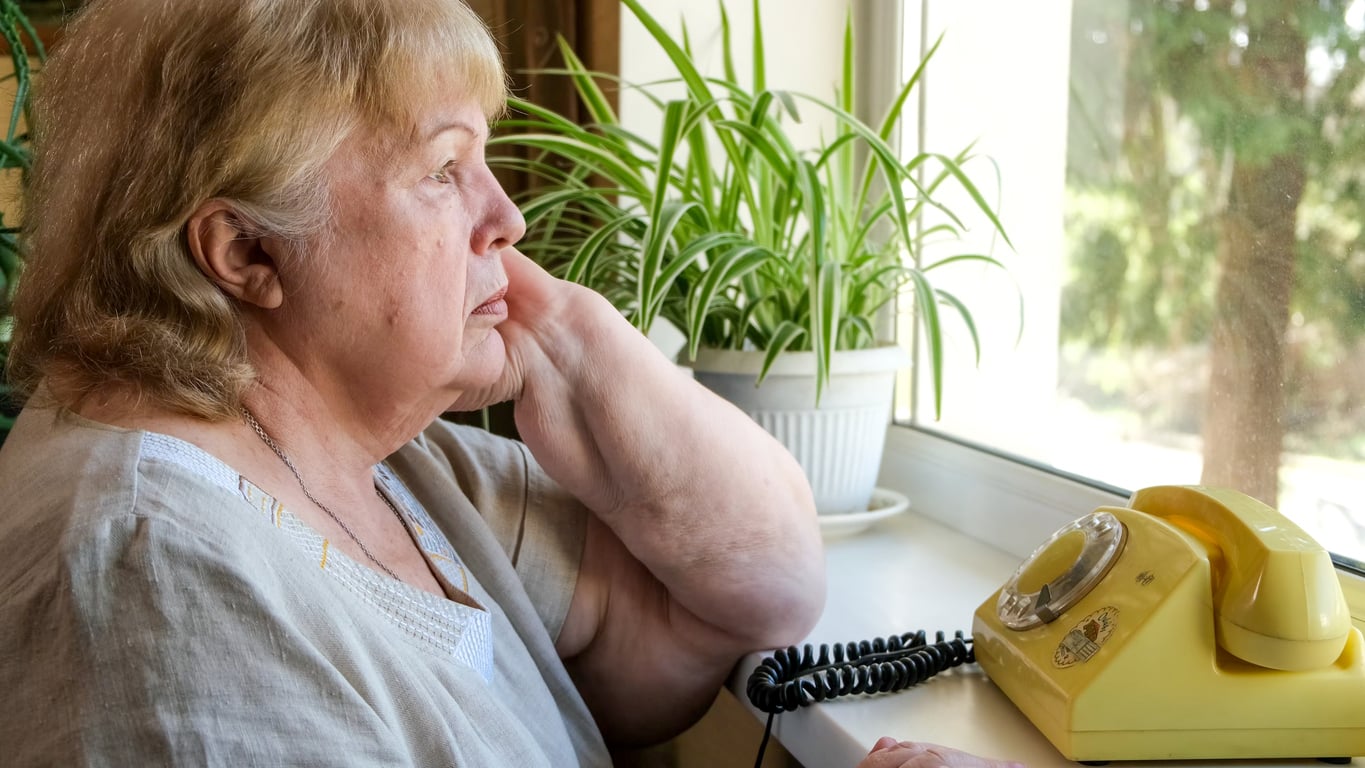
Since the vast majority of Baby boomers did not have cell phones in their younger years, they had to wait at home for calls from employers, landlords, or dates if they said they would call. These Baby boomer hassles meant that missing such a call could delay tasks by hours or even days. Over the years, the advent of cell phones made these matters much simpler, allowing people to go about their daily routines while waiting for a call or text message.
Applying for Jobs in Person

A few decades ago, when young people applied for a job, they had to dress appropriately, go to the company in person, fill out paper applications, and drop off résumés at various businesses. Baby boomer hassles also included searching the “help-wanted” section of the newspaper for these opportunities. Nowadays, applications, résumés, and interviews can all be handled online, allowing more applicants to connect with employers.
Waiting for a Paycheck to Clear
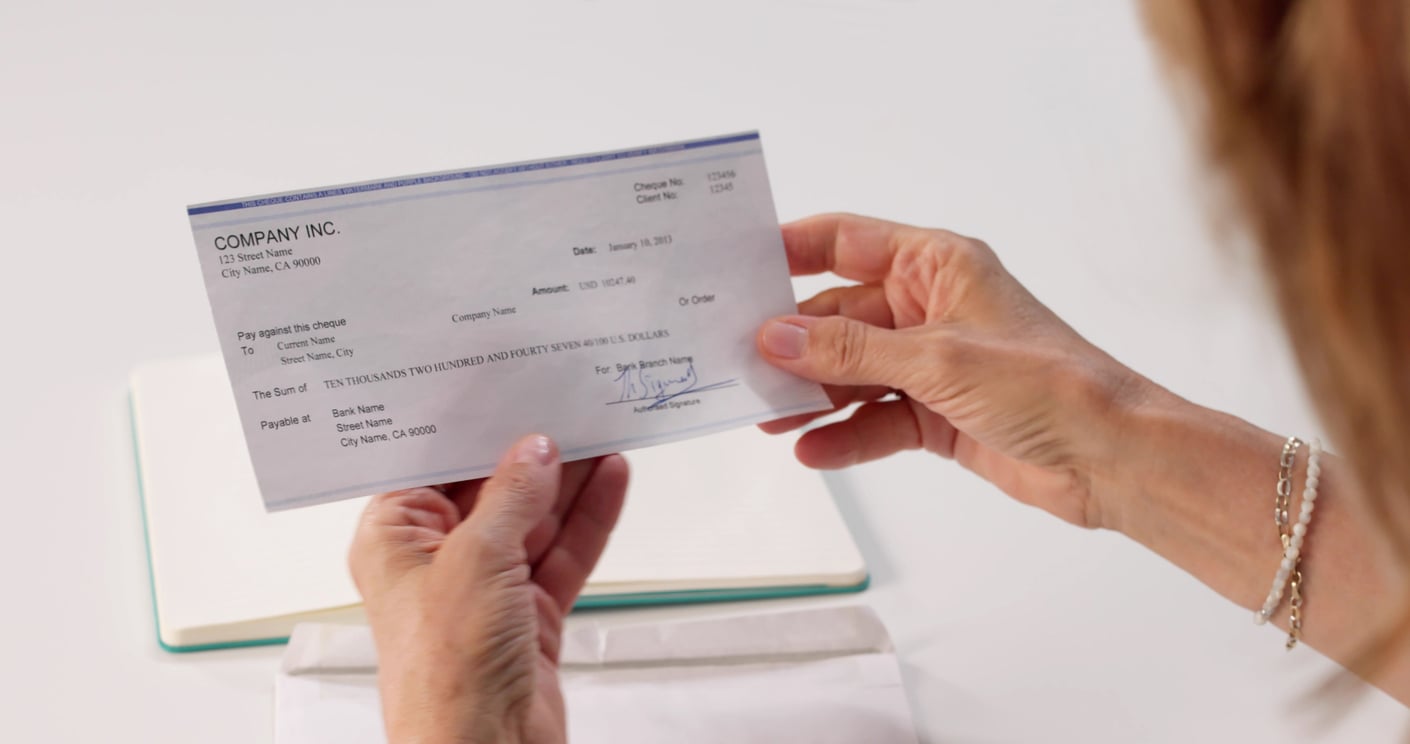
When Baby boomers received payment for their work, they were usually paid by check, which had to be deposited into their bank accounts; but this process was done physically, and the funds could take time to become available. These Baby boomer hassles are far less common today, given the availability of direct deposit, mobile banking, and instant account information.
Trending on Cheapism


Paying Bills by Mail

Many of the bills payments Baby boomers used to make, such as rent, credit card bills, and utilities, still exist today. However, decades ago, you had to write a check, buy stamps, and mail the payment. Baby boomer hassles like these have largely disappeared as millions of people now pay online with just a few clicks, and an “autopay” option can schedule payments automatically.
Carrying Enough Cash for the Entire Day

Baby boomers had to carry the cash they would need throughout the day in their wallets because credit cards were far less universally accepted, and ATMs weren’t always just a few blocks away like they are today. These Baby boomer hassles meant that running out of cash could be a real problem. The landscape is very different now: cards are widely accepted, and there are mobile wallets and banking apps. In fact, people use cash less and less.
Comparing Prices by Physically Visiting Stores

To find the best price when buying an item, Baby boomers had to physically visit several stores or read the newspaper beforehand to check the ads. Baby boomer hassles included having no instant way to know which retailer was cheaper. Young people today handle their task much more easily using price-comparison sites, checking store apps, and even reviewing online inventory.
Sign up for our newsletter
Making Long-Distance Calls Carefully
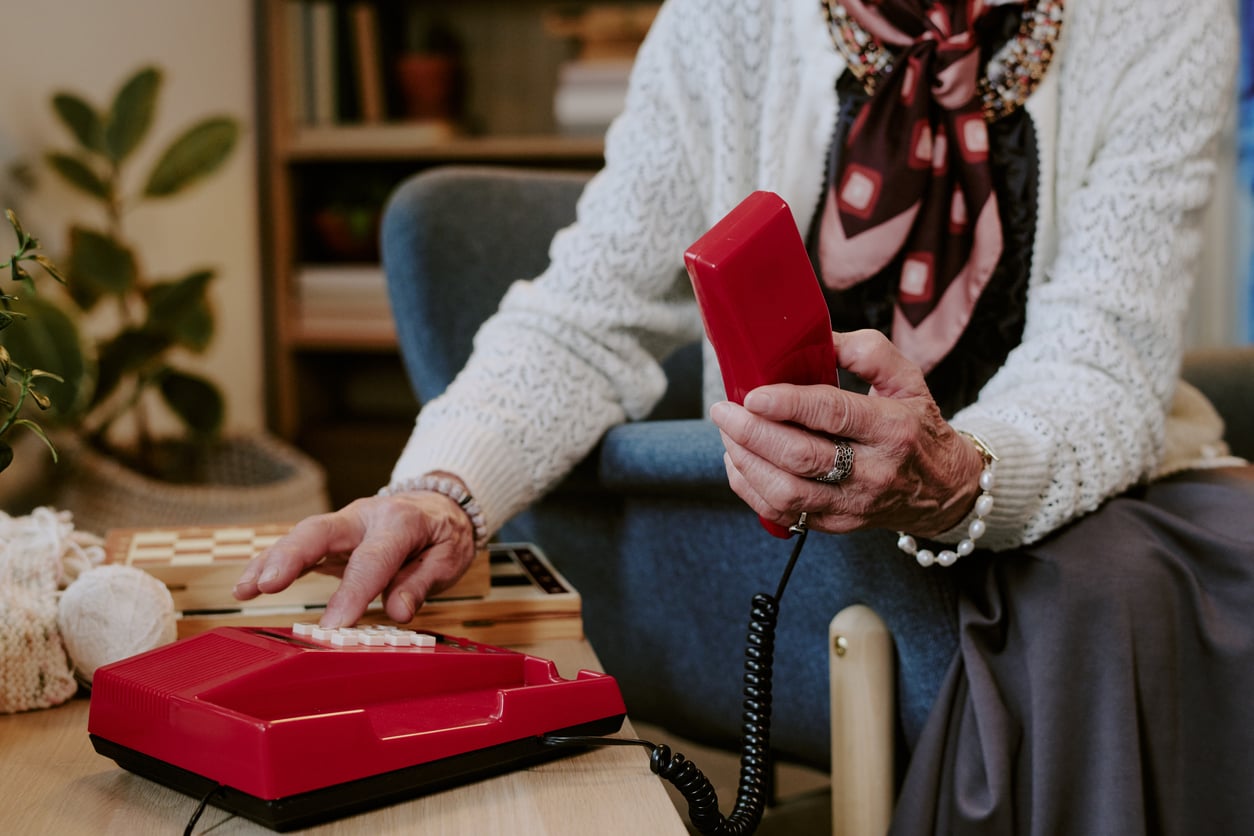
Long-distance calls had to be made carefully, with “long-distance” defined as calling another city or state within the United States. Rates changed at night or on weekends, so many people waited for those times to connect with loved ones. Baby boomer hassles like these became much less common once unlimited calling and internet-based messaging plans reduced or eliminated many long-distance charges.
Waiting Days to See Vacation Photos

Although photography existed decades ago, young Baby boomers didn’t have the digital photos of today, where phones let you view an image instantly, choose to take a new one, edit it, and even share it right away. These Baby boomer hassles included using bulky cameras and waiting days after having film developed before an envelope arrived at home containing dozens of images, which might turn out blurry and feature people with their eyes closed.
Planning Travel Without Online Reviews

Modern online reviews, which bring information about vacation spots and restaurants you might want to visit but don’t yet know to your fingertips, evolved from the guidebooks Baby boomers used decades ago. Baby boomer hassles included relying on guidebooks, travel agents, and recommendations from people they knew when planning a trip in the pre-internet era.
Memorizing Important Phone Numbers

When a Baby boomer wanted to add a new phone number to their contacts, they had to memorize it or write it down in an address book. These Baby boomer hassles meant that losing a note or forgetting a number could cause problems with friends, employees, family members, and business dealings. Nowadays, smartphones come with an integrated contact list, allowing you to create a new contact in seconds without having to memorize anything.
Fixing Cars Without Instant Tutorials

Many Baby boomers were car enthusiasts who learned basic repairs to keep their vehicles running. However, they learned these repairs from parents or friends, or by reading repair manuals, a process that often involved trial and error. Baby boomer hassles included having no easy way to look up a video tutorial as you can today. The internet has made detailed repair videos and instant diagnostics available to young people.
Waiting Around for Deliveries and Repair People

If an appliance or fixture in the home broke down, Baby boomers had to wait at home for service appointments without knowing exactly when the technician would arrive. These Baby boomer hassles meant there was no such thing as text alerts or real-time tracking maps like there are today. If Baby boomers left the house for even a few minutes, they risked missing the repair person.
Looking Things Up in Encyclopedias and Libraries
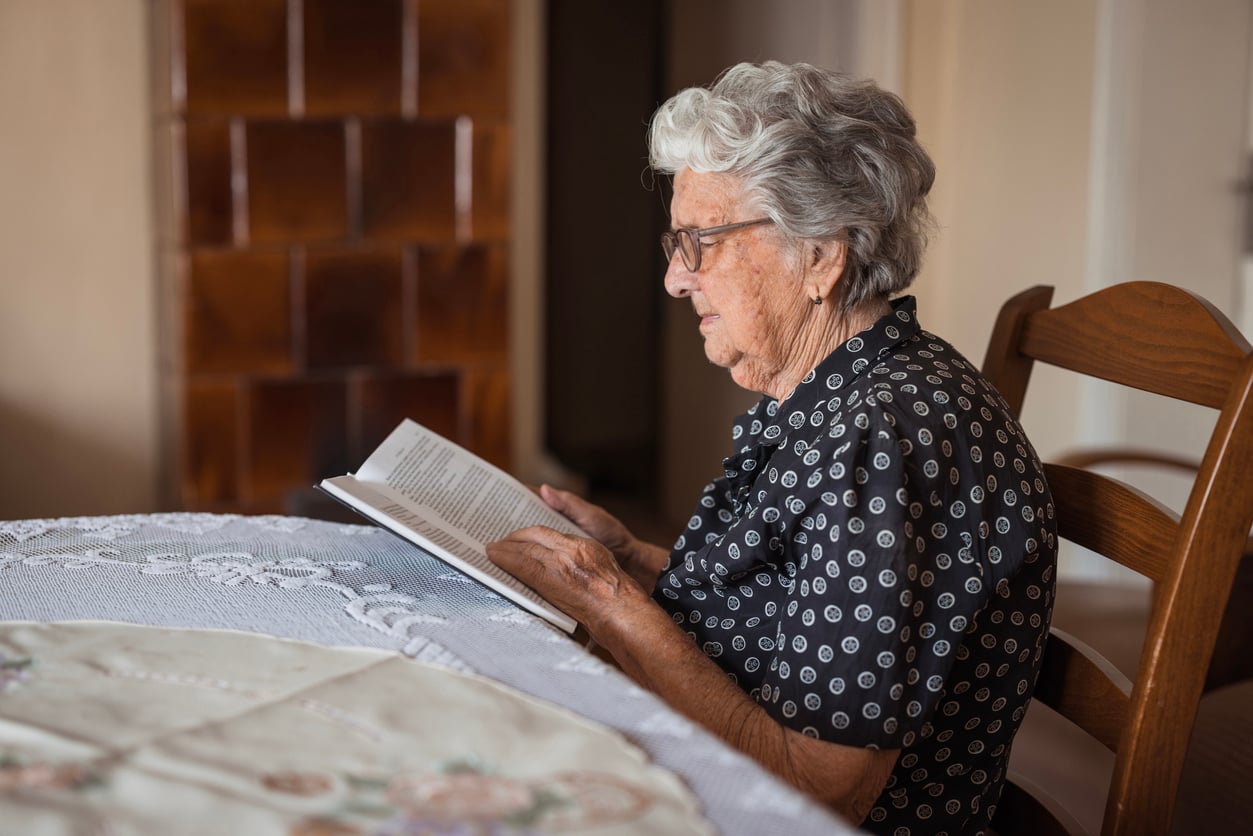
When Baby boomers were young, looking up information or verifying a fact meant going to a bookstore or consulting an encyclopedia to verify it. Other options included looking up a word in the dictionary or phoning someone who might know the answer. Information was not instantly available as it is today, when you can search for it not only in a book but also on the phone.
Being Completely Unreachable Once They Left Home

People used to be completely out of touch with one another for hours. Once they left home, they didn’t have a phone nearby, so no one even knew where they were. If you wanted to change plans already made with someone else, it required a great deal of advance coordination. Nowadays, text messaging, location sharing, and mobile phones in general make such changes effortless.
Conclusion
Many of the daily hassles Baby boomers faced were not dramatic, though they could occasionally spark an argument. Some situations were complex to resolve, such as looking for a job or handling banking transactions, whereas today, Baby boomer hassles such as these can often be handled much more quickly. Above all, uncertainty was a part of everyday life. One might not know a family member’s whereabouts or whether a chosen restaurant would be to one’s liking, yet Baby boomers handled it all well.