
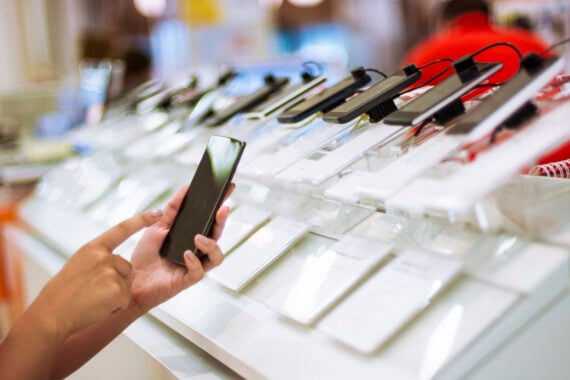
Every year, smartphone companies unveil sleeker designs, sharper cameras, and flashy new features meant to convince you your current phone is suddenly outdated (we’re looking at you, iPhone 18 Pro). The pressure to upgrade has become so normalized that many people replace perfectly functional devices long before they actually need to. But lately, more consumers are realizing the annual upgrade cycle often delivers more hype than meaningful improvement. One Reddit user admitted to going through around 15 phones in 13 years before realizing that each new model felt almost exactly the same in day-to-day life.
Modern smartphones are more powerful and longer-lasting than ever before. Unless your phone is broken, painfully slow, or no longer supported, there’s a good chance you can keep using it for years without missing much. Here are eight reasons why you shouldn’t buy a new phone every year.
New Phones Cost a Fortune
Flagship smartphones now regularly cost $1,000 or more, especially once you add storage upgrades, cases, chargers, insurance plans, and accessories. Even when carriers advertise “free” upgrades, the reality is often hidden in installment plans, trade-in requirements, and long-term contracts. Upgrading every year means constantly paying for something that may only be slightly better than what you already own.
For many people, that money could go toward savings, travel, emergencies, or experiences that actually improve their lives. A phone is a tool, and replacing it annually can become an expensive habit rather than a necessity.
Most Yearly Upgrades Barely Change Your Daily Experience
Phone launches are marketed like revolutionary events, but most year-to-year improvements are surprisingly minor. Slightly brighter screens, somewhat faster chips, and incremental camera upgrades rarely change how average people use their devices.
One Reddit user who upgraded from an iPhone 11 Pro to a 13 Pro and later to a 16 Pro Max said the experience ultimately felt identical: same apps, same routines, same everyday tasks. For people who mainly text, scroll social media, watch videos, use maps, and take casual photos, the difference between generations is often barely noticeable.
Even tech enthusiasts increasingly admit that smartphones have hit a point of diminishing returns, where improvements sound exciting in commercials but feel trivial in real life.
Modern Phones Already Last Much Longer

A decade ago, phones became outdated quickly because processors, cameras, and software evolved rapidly. Today’s smartphones are dramatically more durable and capable than older generations. Many devices easily last four to seven years with proper care.
Companies are also extending software support. Apple supports iPhones longer than most competitors, while Google and Samsung now promise up to seven years of updates for some newer models. That means a phone bought today could remain secure and functional for most of the decade.
In the Reddit discussion, several users said they keep their phones for five years or more before replacing them. One person even continued using an iPhone 6s as a daily phone years after its release.
Battery Problems Don’t Always Mean You Need a New Phone
One of the biggest reasons people upgrade is declining battery life. But replacing the battery is usually far cheaper than buying a completely new device.
After a few years, lithium-ion batteries naturally lose capacity, which can make a phone feel older even if the rest of the hardware still works perfectly. In many cases, a battery replacement can make a phone feel dramatically better and extend its life by several more years.
Several people in the Reddit thread mentioned that battery wear — not outdated technology — was often the only issue pushing them toward replacement.
Upgrading Constantly Creates Unnecessary E-waste
Smartphones contain lithium, cobalt, rare earth metals, and other materials that require extensive mining and manufacturing. Producing new devices consumes energy, water, and raw resources long before the phone even reaches a store shelf.
When millions of people replace perfectly usable phones every year, it contributes to growing electronic waste around the world. Even recycled phones require energy-intensive processing, and many old devices ultimately end up in landfills.
Holding onto a phone for an extra year or two may seem small, but multiplied across millions of consumers, it can significantly reduce waste and environmental impact.
Trending on Cheapism

Marketing Is Designed to Make You Feel Behind

Tech companies spend enormous amounts of money convincing consumers that last year’s phone is obsolete. Launch events, influencer reviews, glossy ads, and trade-in promotions all create a sense that upgrading is normal and expected.
But several Reddit commenters pointed out that the urge to upgrade often comes more from hype and fear of missing out than genuine need. Once the excitement of unboxing fades, most people return to using their phones exactly the same way they did before.
One commenter summed it up bluntly by saying modern upgrades are now driven mostly by “marketing, FOMO culture, and planned obsolescence.”
Older or Refurbished Phones Can Still Work Great
A growing number of consumers intentionally buy phones that are one or two generations old instead of the newest release. Since smartphone improvements have slowed down, older flagship models often perform almost identically to newer ones for everyday tasks.
Many Reddit users said they buy refurbished phones or discounted previous-generation devices for a fraction of the cost. Others mentioned upgrading only when their current device truly stops functioning properly.
For average users, a two-year-old premium phone is still incredibly powerful.
Waiting Longer Actually Makes Upgrades Feel Exciting Again
Ironically, upgrading less often can make new technology feel far more impressive. One Reddit user explained that keeping a phone for nearly a decade made their eventual upgrade feel genuinely exciting because the technology had changed so dramatically over time.
When you replace a phone every year, improvements blur together. But when you wait several years, the differences in battery life, speed, cameras, and design become much more noticeable — and often feel worth the investment.
Instead of chasing every release cycle, many consumers are realizing it’s smarter to upgrade only when their phone truly no longer meets their needs.
Sign up for our newsletter
More From Cheapism
- Have an iPhone? You Could Get Up to $95 From Apple’s New Settlement — Bought a recent iPhone for Apple’s promised AI features? You may be eligible for a payout from a proposed $250 million settlement.
- Sneaky Phone Plan Add-Ons You Can Remove to Save Money — From unused data packages to forgotten streaming bundles, these phone bill extras could be quietly costing you hundreds a year.
- Costco’s Trade-In Program Lets You Swap Old Electronics for Grocery Money — That old phone, tablet, or laptop in your drawer could become a Digital Costco Shop Card, but the fine print matters.