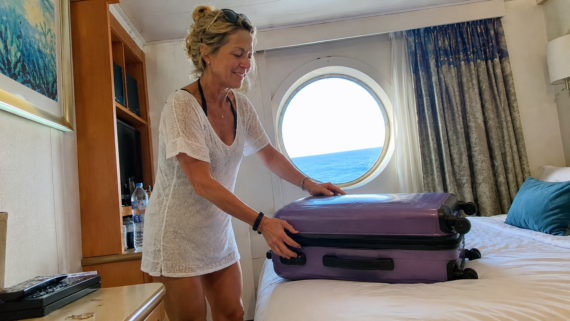
Travel hacks can make a cruise feel a lot less expensive, especially when you know where the real costs hide. Cruise lines advertise tempting fares, but experienced travelers know to look beyond the base price and compare things like drink packages, Wi-Fi, excursions, cabin upgrades, and pre-cruise hotels. As Cruise Critic explains, even checking for price drops after booking can help travelers save before they ever step onboard.
Book During Wave Season

Wave Season, usually January through March, is when cruise lines try hard to fill cabins for the year ahead. The savings are not always a simple lower fare, so read the offer carefully. The real value may come from onboard credit, reduced deposits, included gratuities, Wi-Fi, specialty dining, or cabin upgrades. That can be worth more than a small fare discount, especially for couples.
Reprice Your Cruise After Booking

One of the smartest cruise hacks is checking your fare after you have already booked. Many cruise lines and travel agents can help adjust the price before final payment if the same cabin category drops. Sometimes that means a lower balance due, sometimes onboard credit, and sometimes a better cabin. The trick is to check regularly, because prices move with demand. Do not assume the cruise line will call you. Also, watch the fine print: after final payment, your options may be limited or unavailable.
Use A Cruise-Focused Travel Agent

A general travel site can book a cruise, but a cruise-focused agent may know where the better value is hiding. Some agencies hold group space, offer onboard credit, or know which promotions can be combined. Good agents can also explain cabin locations, refund rules, fare codes, insurance, and final-payment deadlines. That is especially useful for older travelers who do not want to spend hours comparing confusing offers.
Sail During Shoulder Season
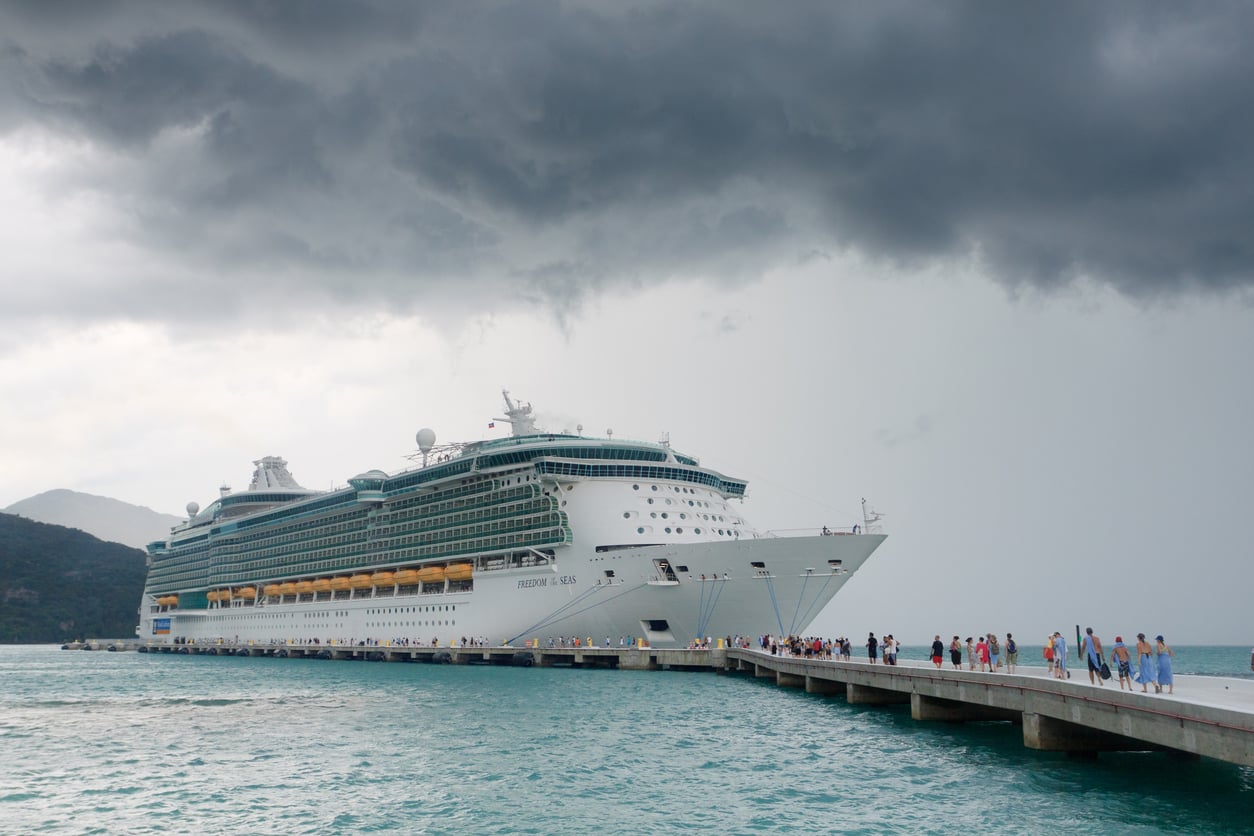
Cruises are often cheaper when families are not tied to school breaks and holiday weeks. For the Caribbean, that can mean early December, parts of January, late spring, or fall. Alaska and Europe can also be cheaper near the beginning or end of their seasons. The tradeoff is weather. Fall Caribbean cruises may run into hurricane-season changes, while shoulder-season Alaska can be cooler or rainier. Still, flexible travelers often get a better cabin or longer itinerary for the same money by avoiding peak weeks.
Book An Interior Cabin
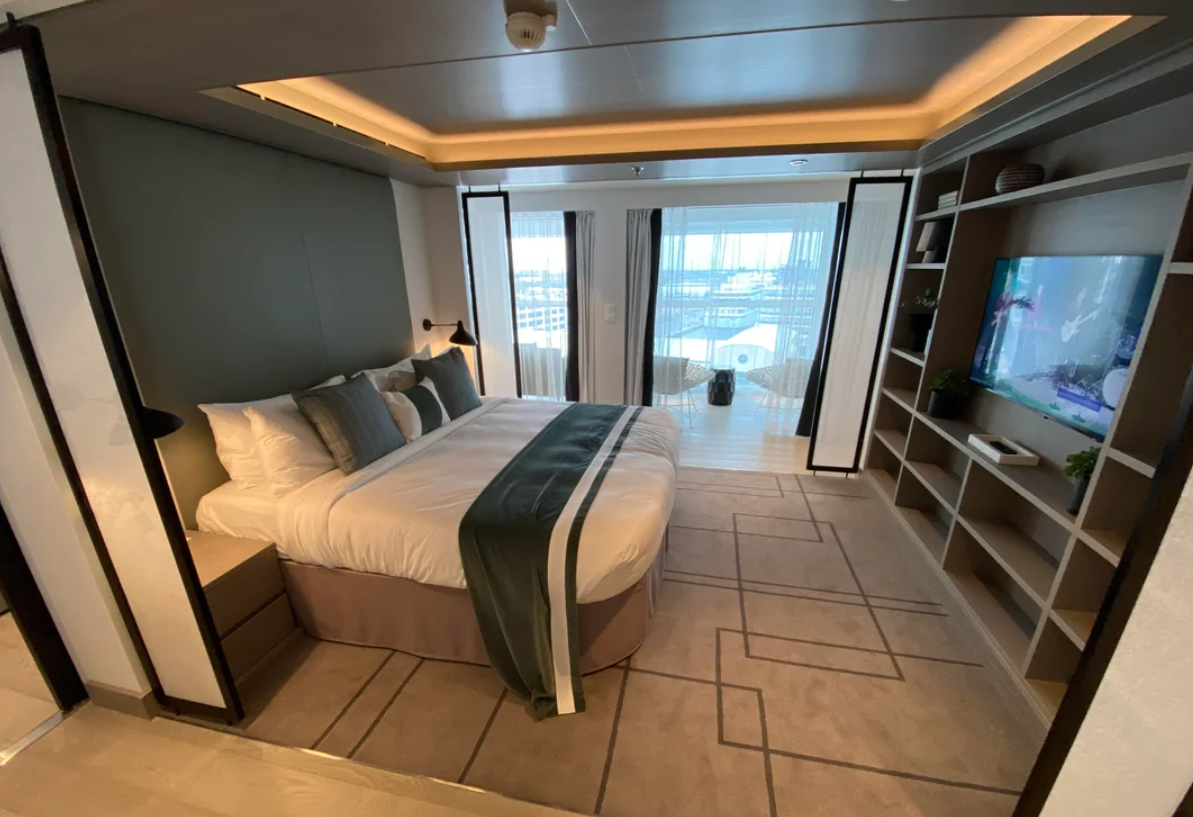
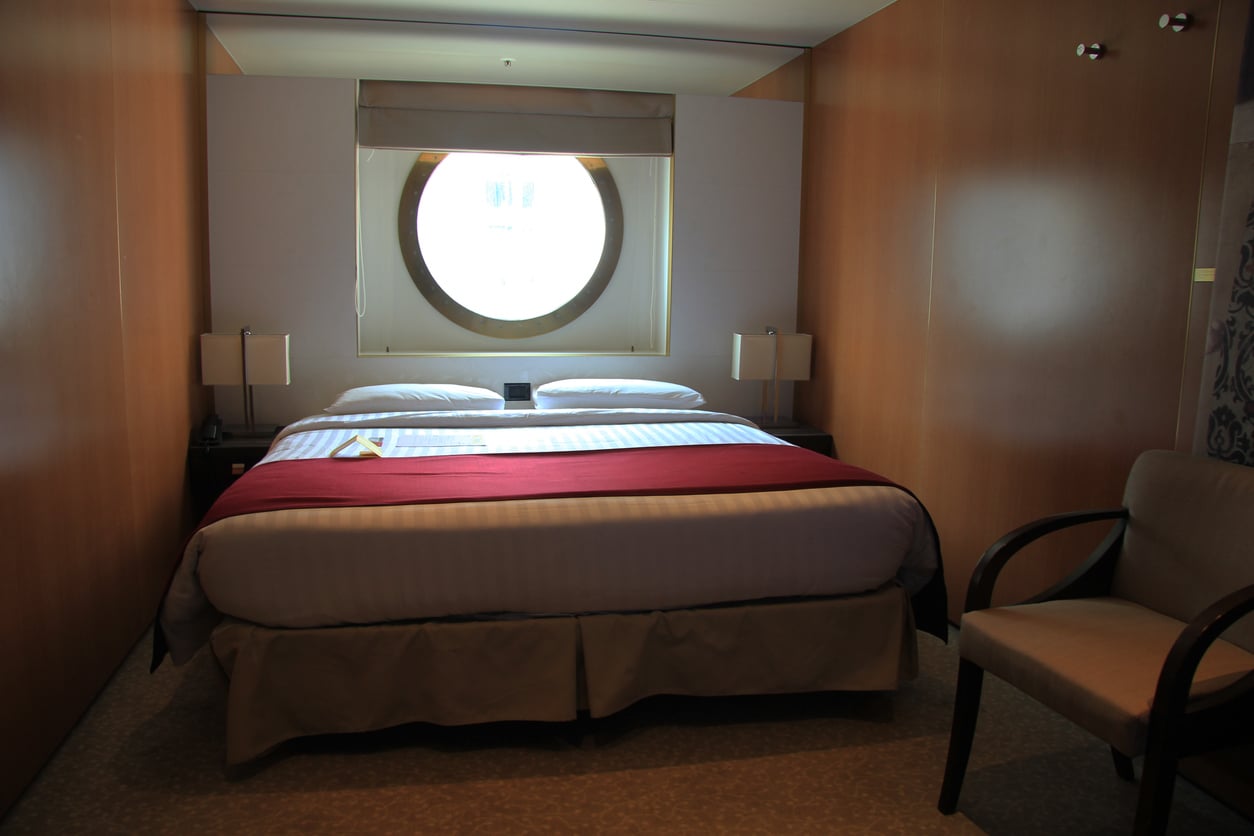
Balcony cabins are lovely, but they can add hundreds or even thousands of dollars to the total. Travelers who spend most of the day on deck, in lounges, at shows, or off the ship may get better value from an interior cabin. Modern ships have plenty of public spaces with ocean views, so you are not stuck inside all day. The downside is obvious: no private balcony, less natural light, and sometimes less space. For light sleepers, though, the darkness can actually be a bonus.
Trending on Cheapism


Consider A Guarantee Cabin Carefully
A guarantee cabin can be cheaper because you choose the category, but the cruise line chooses the exact room. That can work well if you only care about getting on the ship for less. It is less ideal if you need a quiet location, want to be near elevators, want cabins together, or are sensitive to motion. You could end up under a noisy venue or far from the people you are traveling with. Treat it as a money-saving gamble, not a secret upgrade trick.
Buy Discounted Cruise Gift Cards When They Fit
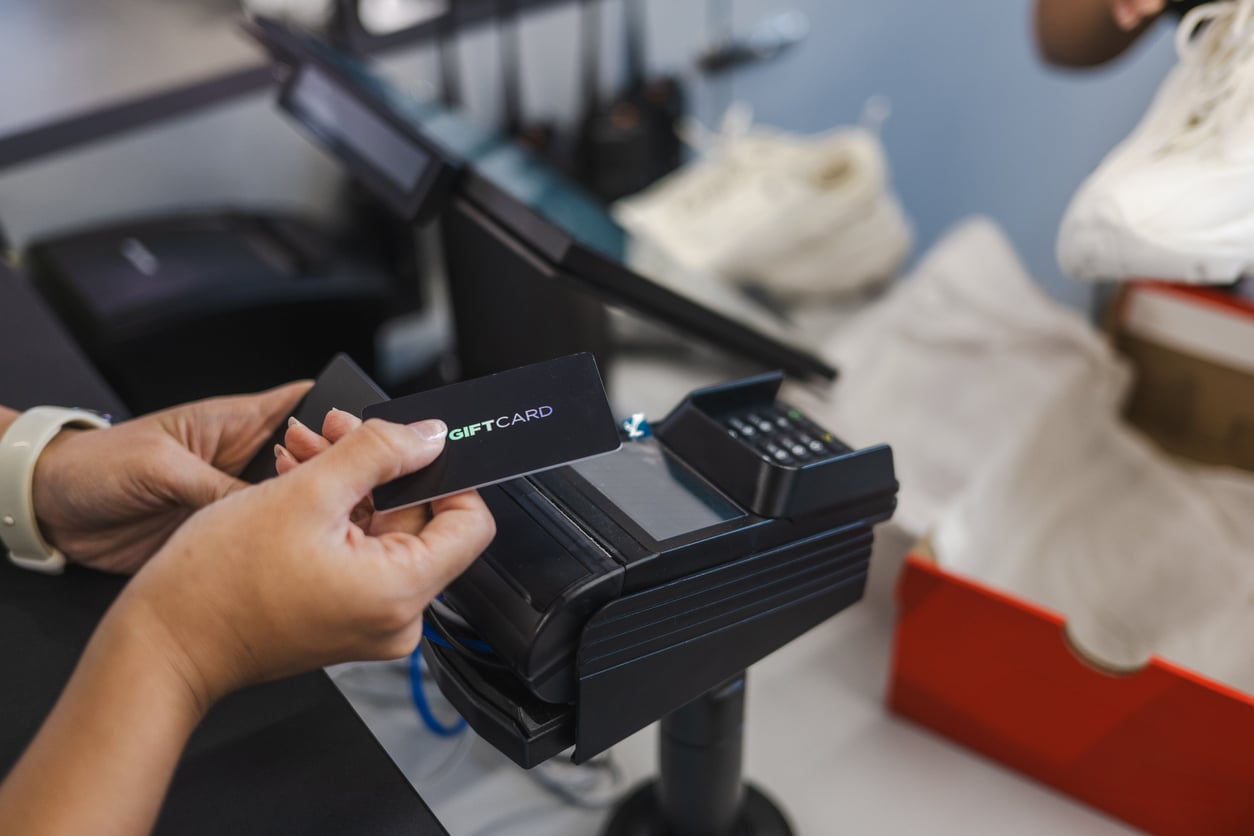
Discounted gift cards can be an easy win if you already know which cruise line you will use. Warehouse clubs and membership programs sometimes sell travel or cruise-related gift cards below face value. A 5% or 10% discount can add up fast on a family cruise, gratuities, or onboard expenses. The important word is “sometimes.” Availability changes, brands vary, and gift cards may have restrictions.
Fly In The Day Before

Flying in on embarkation morning is one of those risks that looks frugal until something goes wrong. A delayed flight, missed connection, or lost bag can cost far more than a hotel near the port. Experienced cruisers usually arrive at least one day early, especially for winter flights, international sailings, or ports that are far from the airport. This is less about luxury and more about protecting the whole trip. A modest airport hotel can be cheaper than trying to catch the ship at the next port.
Sign up for our newsletter
Skip The Unlimited Drink Package Unless The Math Works

Drink packages are heavily promoted because they feel convenient, not because they are always a deal. Before buying, divide the total package cost by the number of cruise days, then compare that with what you would realistically drink. Remember that port days, early excursions, medications, personal habits, and sea-day plans all matter. Many moderate drinkers save by paying as they go. The package can make sense for some travelers, but it should be a math decision.
Book Independent Shore Excursions, But Leave A Time Cushion
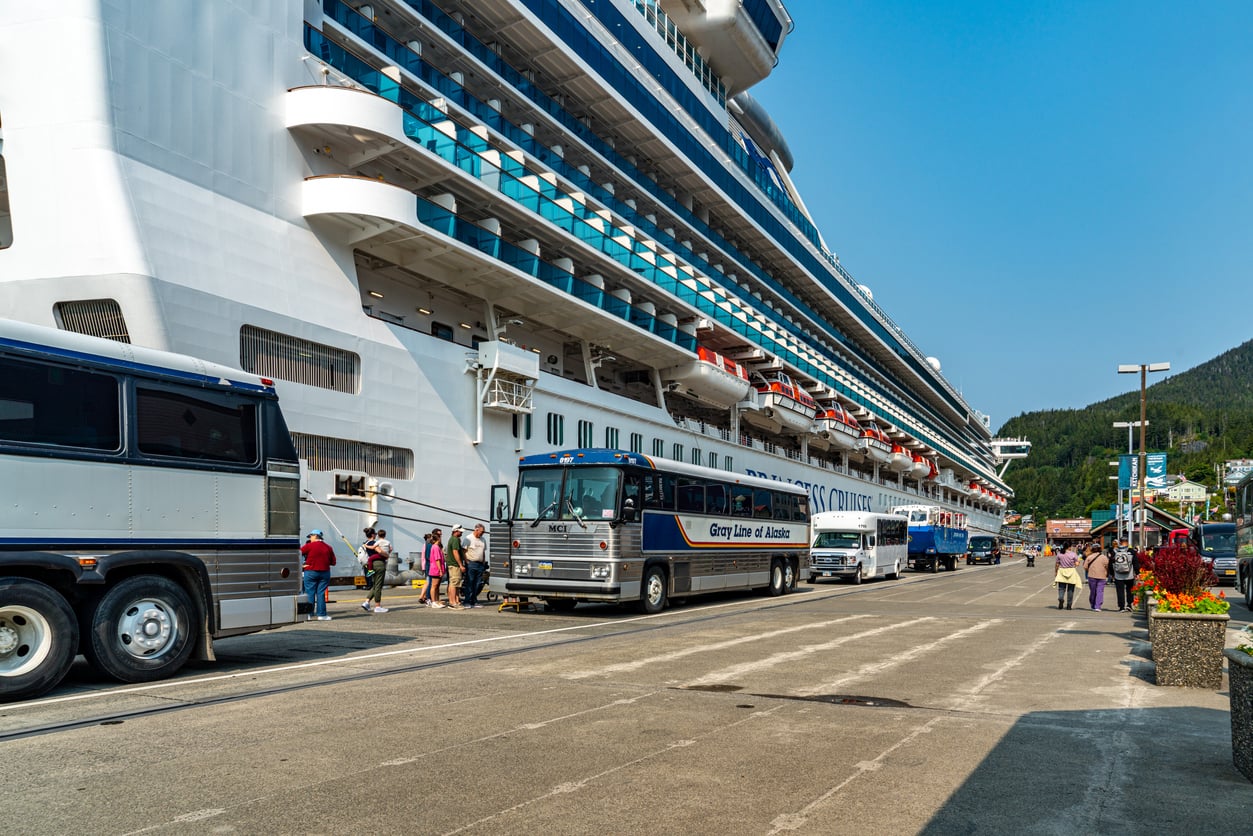
Independent tours can cost less than cruise-line excursions, especially for families or small groups. Local operators may offer smaller groups, more flexible stops, or better prices. The risk is timing. If a cruise-line excursion returns late, the ship usually handles it. If an independent tour returns late, you may be on your own. This hack works best in easy ports close to the ship, with well-reviewed operators and a generous return cushion.
Stick With One Loyalty Program

Cruise loyalty perks start small, but they can become valuable after several sailings. Depending on the line and tier, benefits may include priority boarding, laundry, onboard events, discounted internet, specialty dining discounts, or member-only offers. For retirees or frequent travelers, concentrating trips with one line can beat hopping around for tiny one-time savings. Still, loyalty should not make you ignore better deals elsewhere.
Use Points For Flights And Hotels Instead Of The Cruise Fare
Travel rewards are often easier to use on the expensive pieces around the cruise: flights, airport hotels, and pre-cruise stays. Booking the cruise itself with points can be clunky or poor value, depending on the card. Many experienced travelers use points to cover the parts that make a cruise expensive before they even board. This is especially helpful for one-way repositioning cruises or sailings from ports that require a flight.
Book Future Cruises While Onboard

If you already know you want to cruise again, the future-cruise desk can be worth a stop. Some lines offer reduced deposits, onboard credit, or flexible placeholder bookings when you book onboard. Norwegian’s CruiseNext program, Princess Future Cruise Deposits, and Royal Caribbean’s NextCruise are examples of programs built around this idea. The catch is that deposits, expiration dates, cancellation rules, and transfer rules vary. Do not buy because the desk feels busy.
Wait On Wi-Fi Until You Know You Need It

Cruise internet has improved, but it can still be pricey. Before buying a full voyage package, think about how connected you really need to be. Some travelers only need to check messages in port, use an international phone plan briefly, or share one device plan with a spouse. Others need reliable access for work, medical updates, or family communication, and should buy early if pre-cruise pricing is lower.
Look For Repositioning Cruises
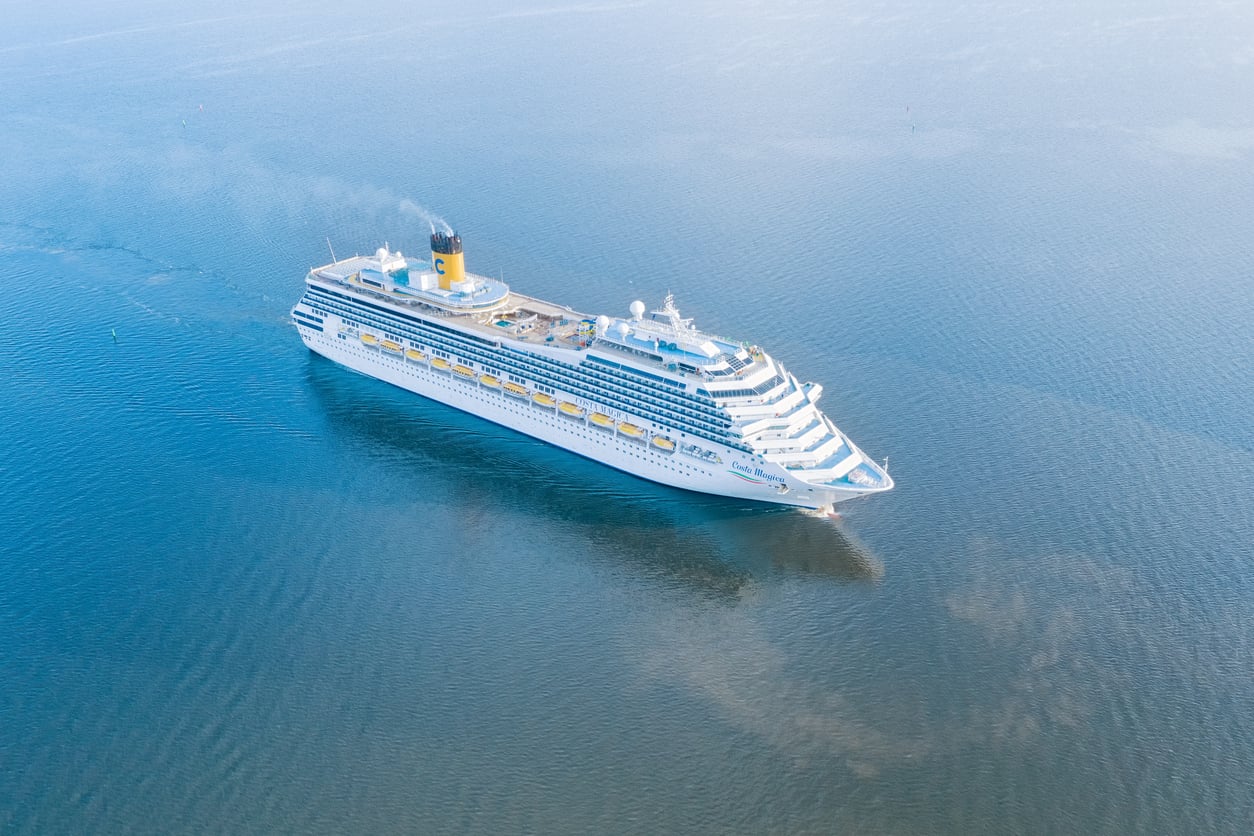
Repositioning cruises move ships from one seasonal market to another, such as from the Caribbean to Europe or Alaska to warmer routes. They can offer low per-day pricing because they are often one-way and include more sea days. That makes them appealing for travelers who enjoy the ship itself and have flexible schedules. The downside is logistics. You may need one-way airfare, extra hotel nights, or more time away from home.
Buy The Right Travel Insurance, Not Just The First Box Offered

Cruises combine several expensive moving parts: flights, hotels, deposits, medical care, and sometimes international ports. That is why travel insurance can be a money-saving move, not just an extra cost. Compare policies for trip delay, missed connection, medical coverage, and emergency evacuation. This matters even more for older travelers, people with medical concerns, and cruises far from home. The cheapest policy may not cover what you actually need.