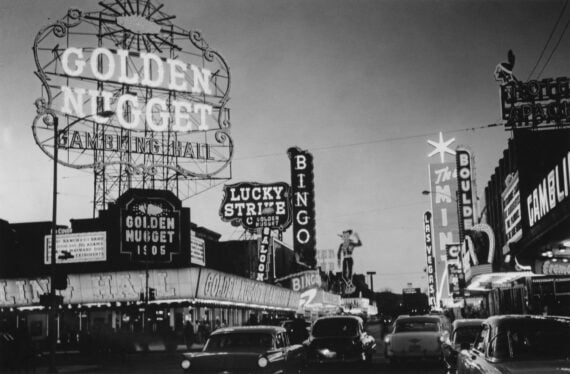
Major American cities 50 years ago looked remarkably different from the bustling urban centers we know today. Downtown skylines were shorter, neighborhoods reflected different architectural styles, highways were still under construction in many places, and familiar landmarks often stood surrounded by landscapes that have long since disappeared. Rapid population growth, redevelopment projects, and decades of economic and cultural change have transformed these cities in ways that are sometimes hard to recognize.
These fascinating historical photos capture major American cities as they appeared more than 50 years ago, offering a glimpse into everyday street scenes, iconic landmarks, waterfronts, and neighborhoods frozen in time. Whether it’s the vintage cars lining busy avenues, historic storefronts, or long-lost buildings, each image highlights just how dramatically urban America has evolved over the decades.
New York City, New York
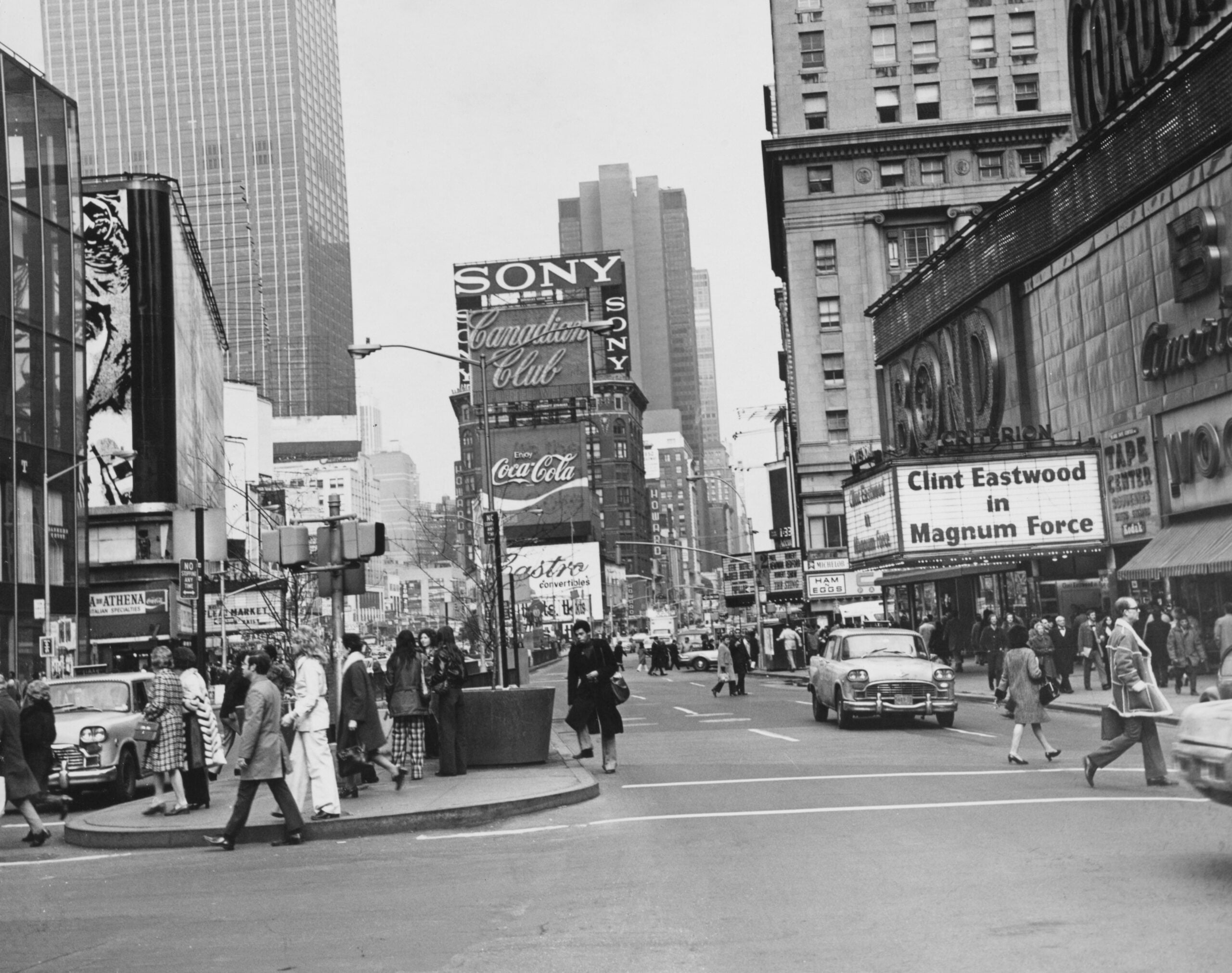
More than 50 years ago, New York City was already America’s largest metropolis, but it looked noticeably different from today. Times Square was filled with old theater marquees instead of towering digital billboards, the World Trade Center had only recently opened, and many neighborhoods had yet to undergo the revitalization that would reshape the city in later decades.
Los Angeles, California
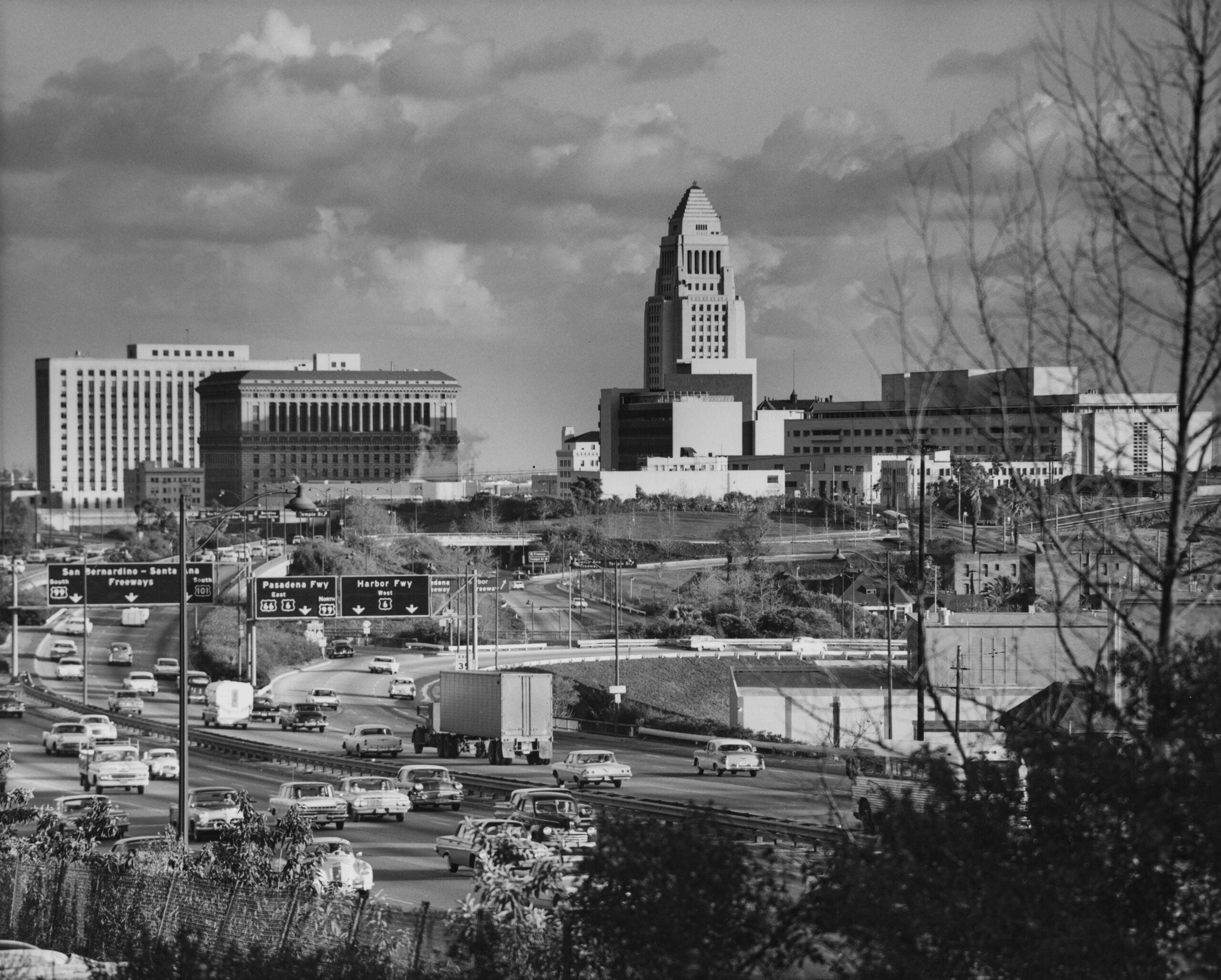
Los Angeles in the early 1970s was a sprawling city defined by freeways, palm-lined boulevards, and a rapidly growing population. Downtown had far fewer skyscrapers than today, while Hollywood retained much of its classic mid-century appearance and the city’s suburban expansion continued in every direction.
Chicago, Illinois
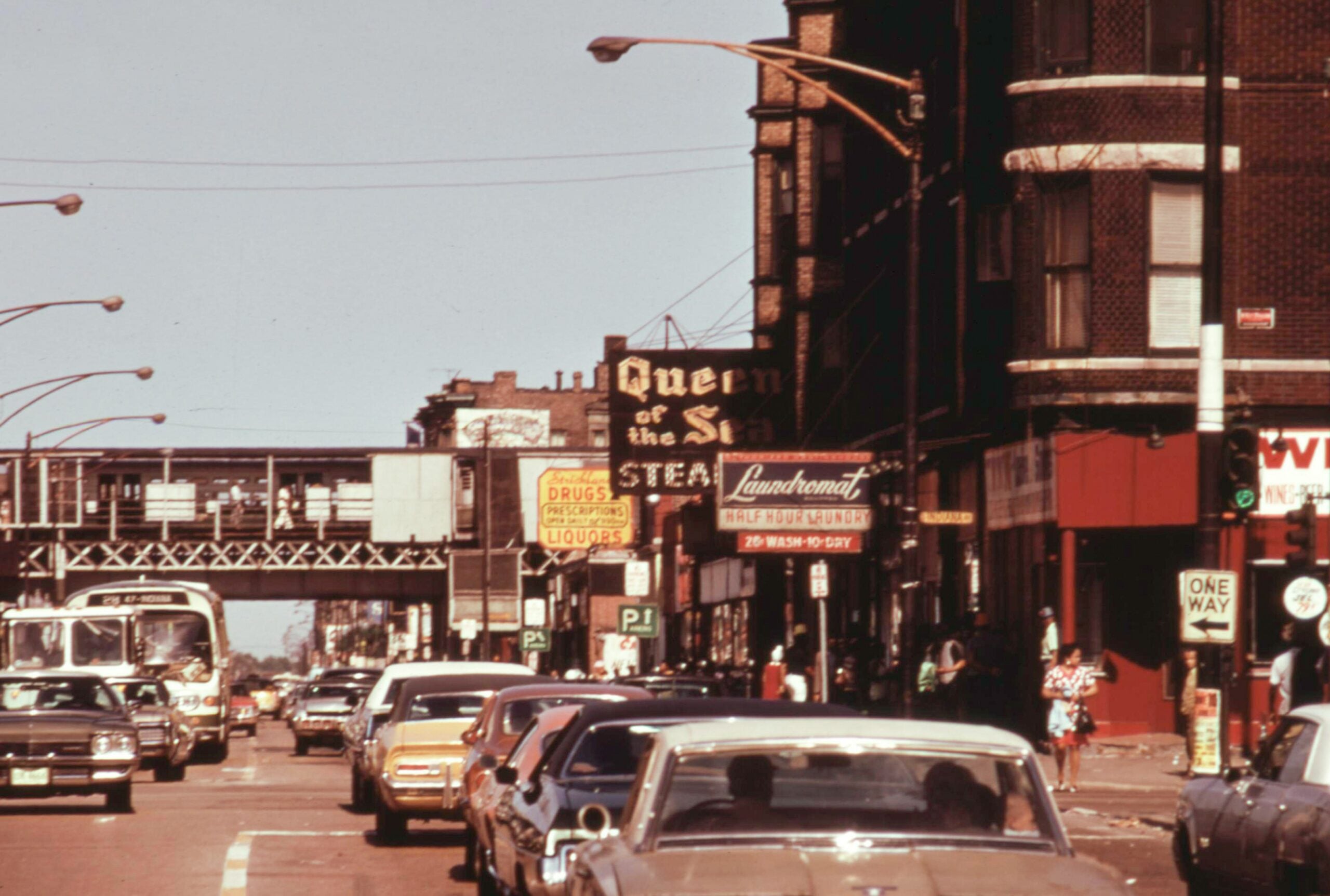
Chicago remained one of America’s great industrial centers over 50 years ago. The skyline was impressive but still missing many of the modern towers that now define it, while busy rail yards, factories, and the Chicago River reflected the city’s importance as a manufacturing and transportation hub.
San Francisco, California
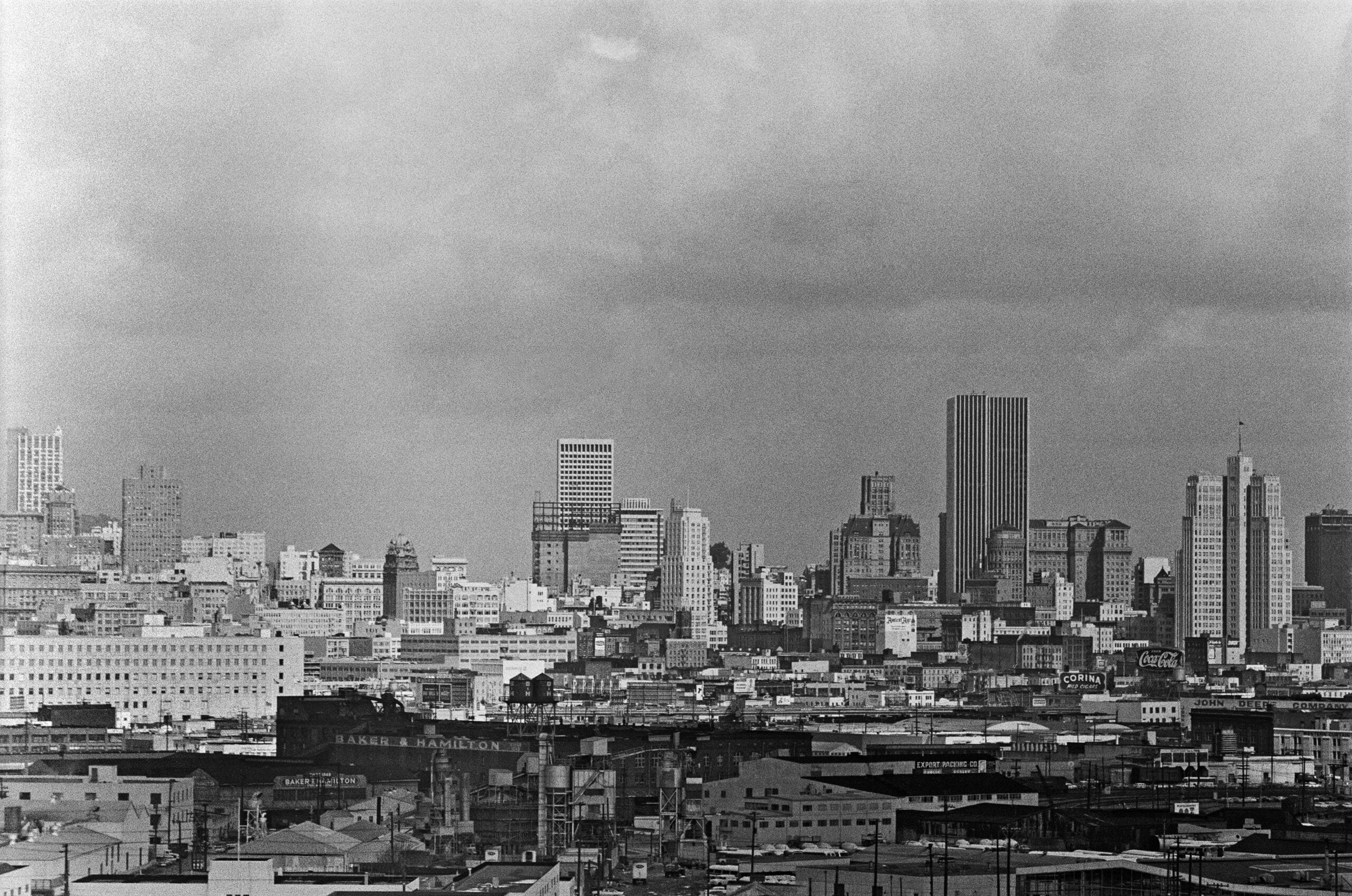
San Francisco had already become famous for its steep streets, cable cars, and Victorian homes, but its waterfront and skyline looked far less developed than they do today. Before the technology boom transformed the Bay Area, the city retained a slower pace and a distinctly local character.
Boston, Massachusetts
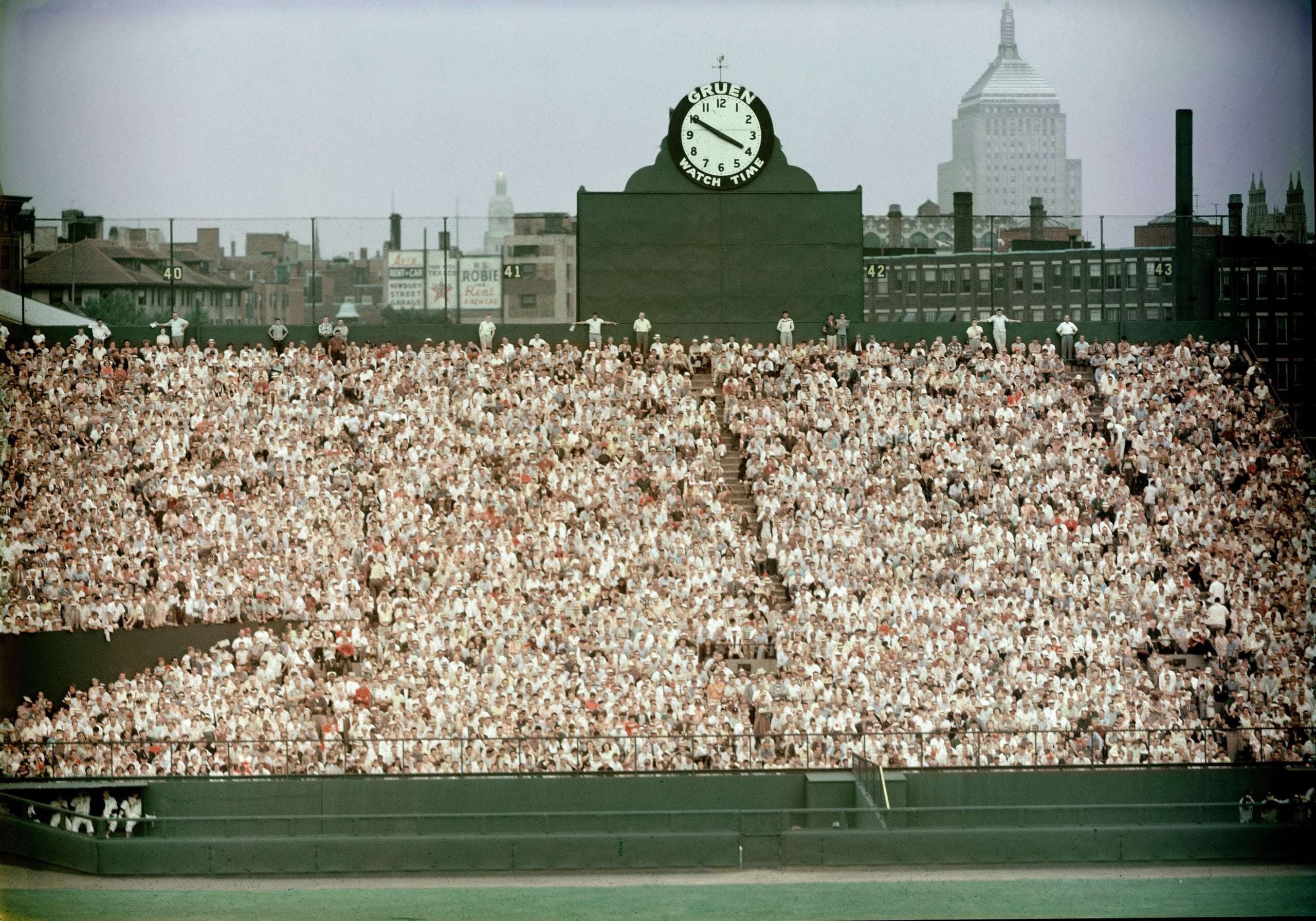
Boston still displayed much of its colonial charm 50 years ago, even as large urban renewal projects reshaped parts of downtown. Historic brick neighborhoods stood alongside new developments that reflected the city’s changing identity during the postwar era.
Trending on Cheapism


Philadelphia, Pennsylvania
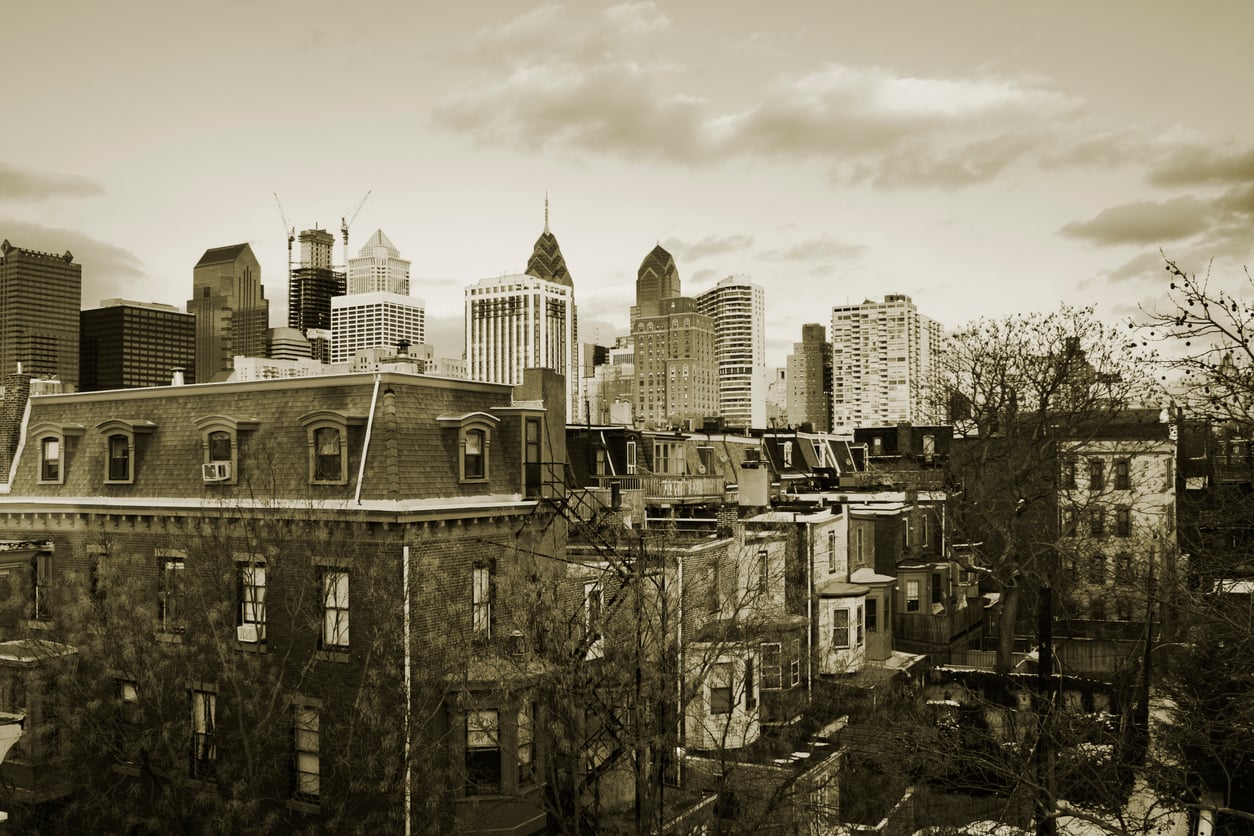
Philadelphia combined centuries of American history with an active industrial economy. Independence Hall and other historic landmarks remained at the city’s heart, while busy factories, warehouses, and traditional rowhouse neighborhoods dominated much of the surrounding landscape.
Washington, D.C.
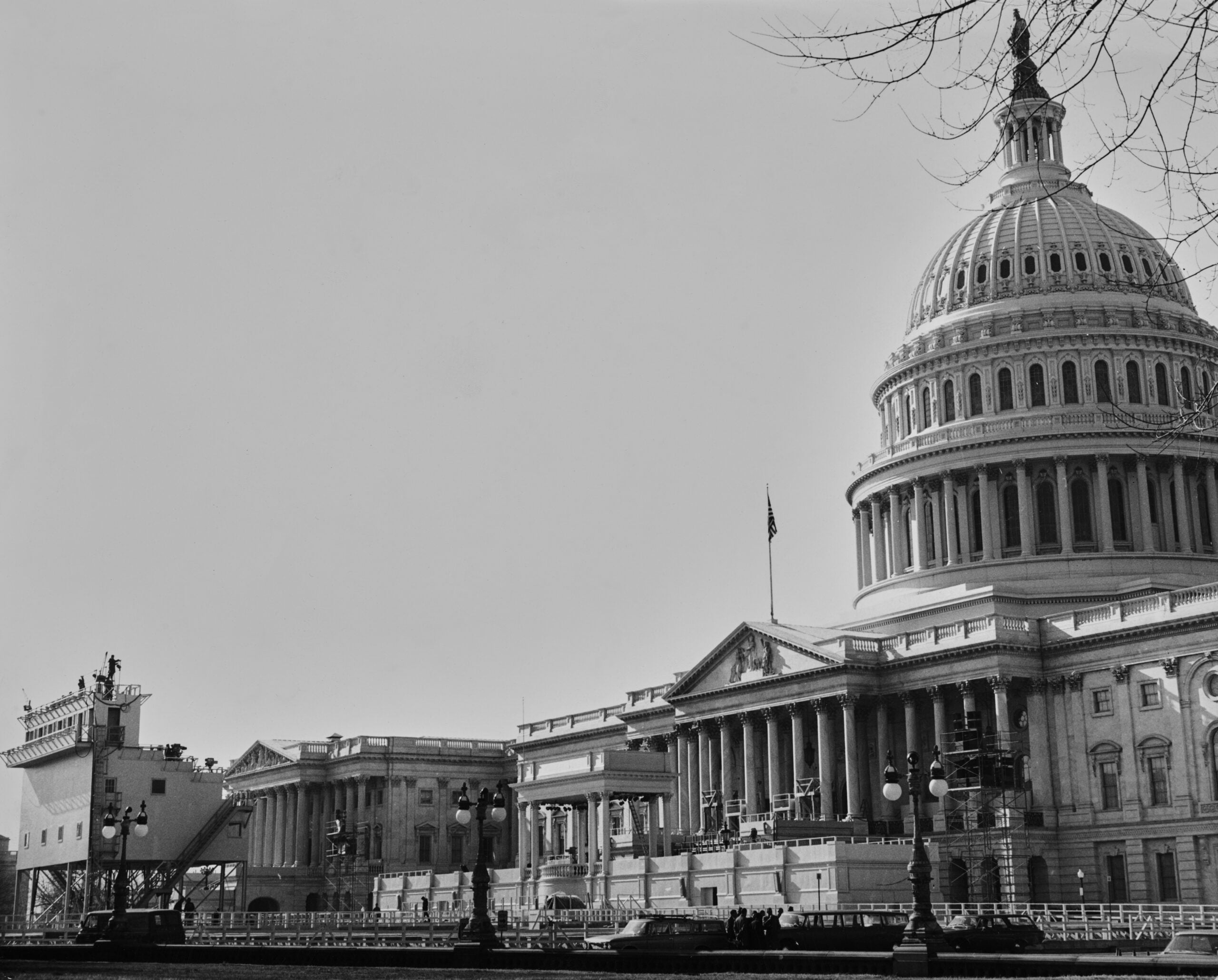
The nation’s capital looked far quieter than it does today. Government buildings dominated the skyline, strict height limits kept towers relatively low, and many neighborhoods had yet to experience the redevelopment that would occur in later decades.
Miami, Florida
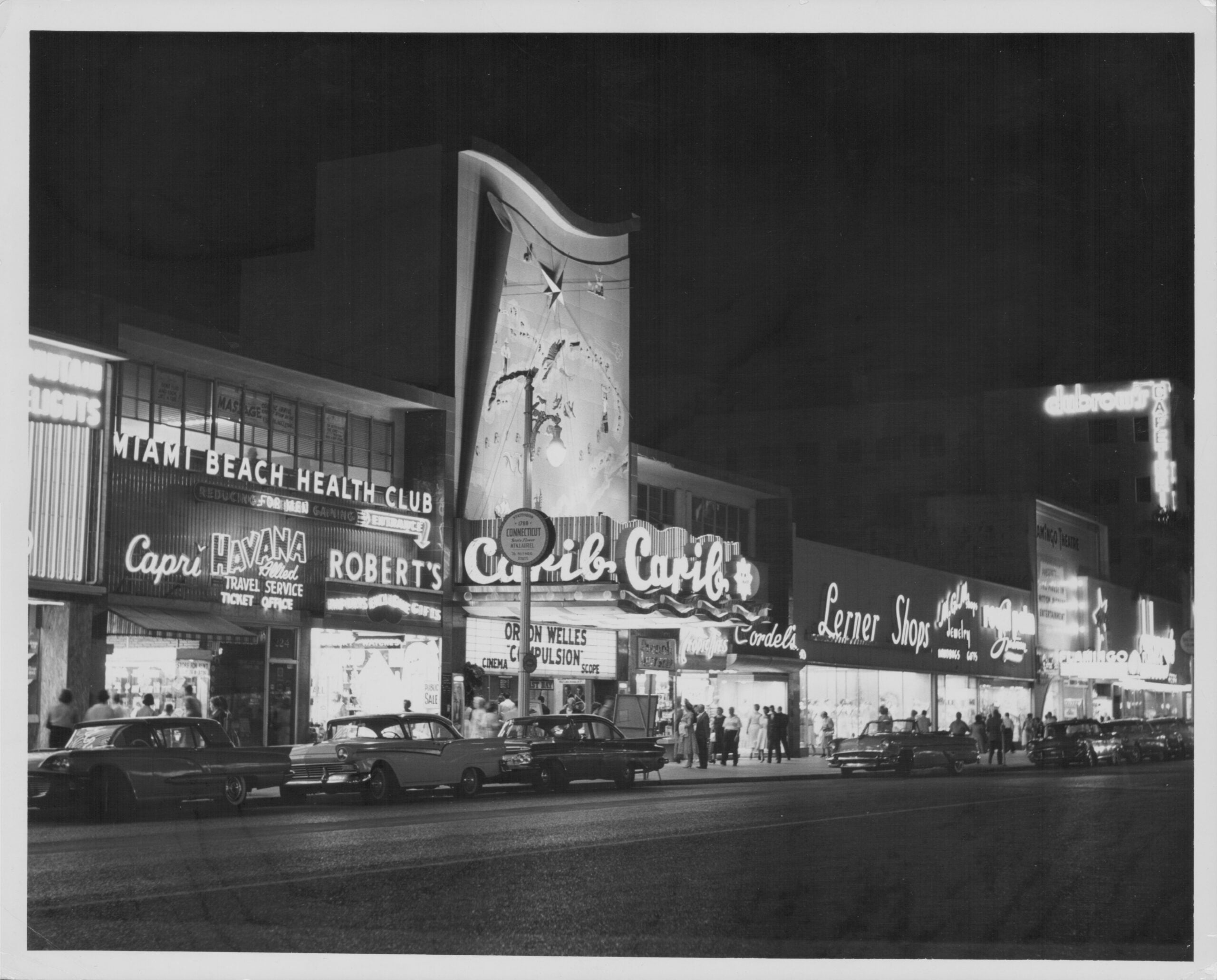
Miami was growing quickly thanks to tourism and migration, but its skyline remained relatively modest. Ocean Drive featured classic Art Deco hotels, while the beaches and marinas had already made the city one of America’s favorite vacation destinations.
Sign up for our newsletter
Seattle, Washington
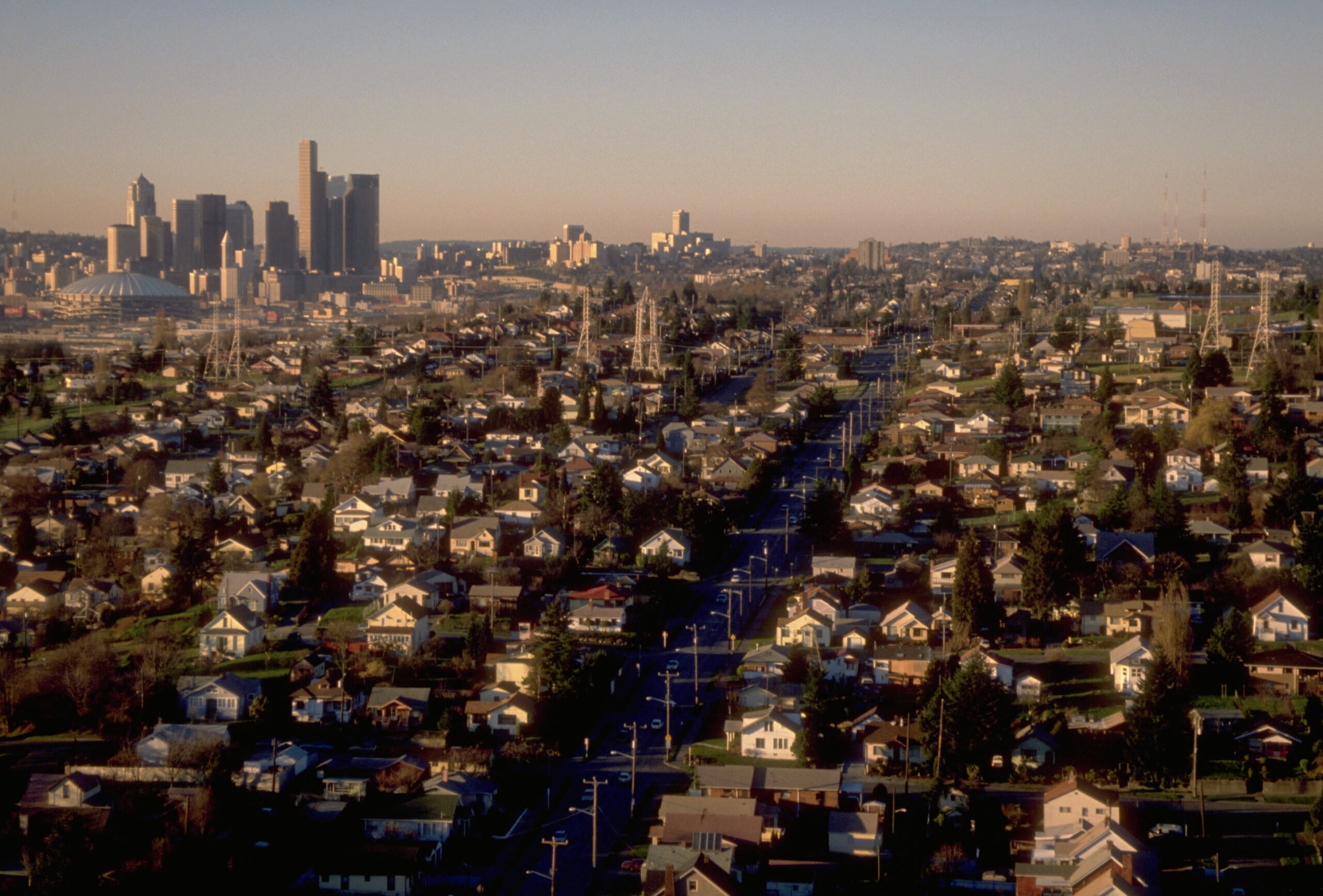
Seattle more than 50 years ago was still known primarily for aerospace and shipping rather than technology. The Space Needle, built for the 1962 World’s Fair, dominated a skyline that was much smaller than the one visitors see today.
Houston, Texas
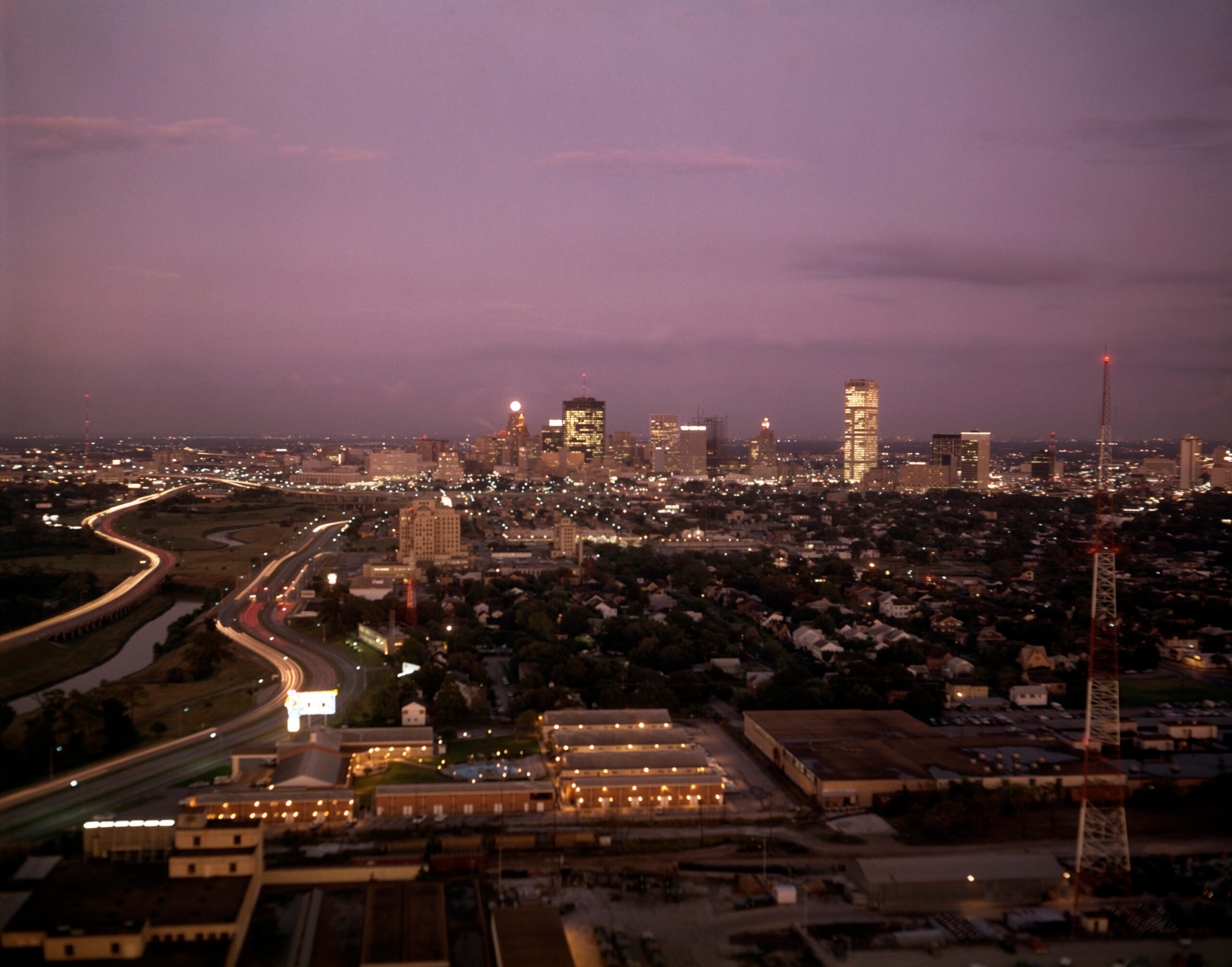
Houston was one of the fastest-growing cities in America during the early 1970s. Oil wealth fueled new construction, highways stretched farther into expanding suburbs, and downtown was beginning to develop the skyline that now ranks among the nation’s largest.
Dallas, Texas
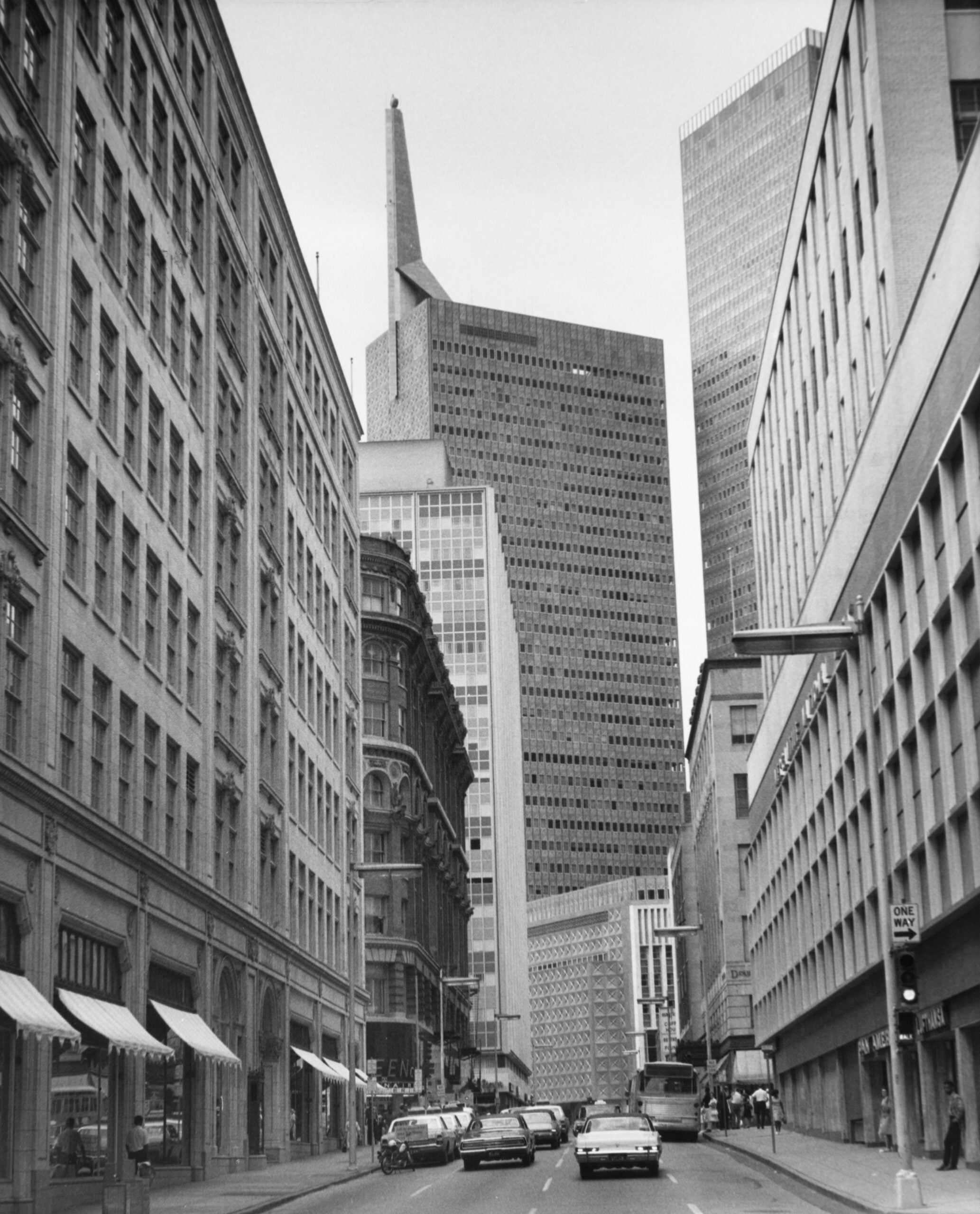
Dallas was rapidly transforming into a major business center more than 50 years ago. Modern office buildings were beginning to reshape downtown, while new residential neighborhoods spread across North Texas as the city’s population continued to grow.
Detroit, Michigan
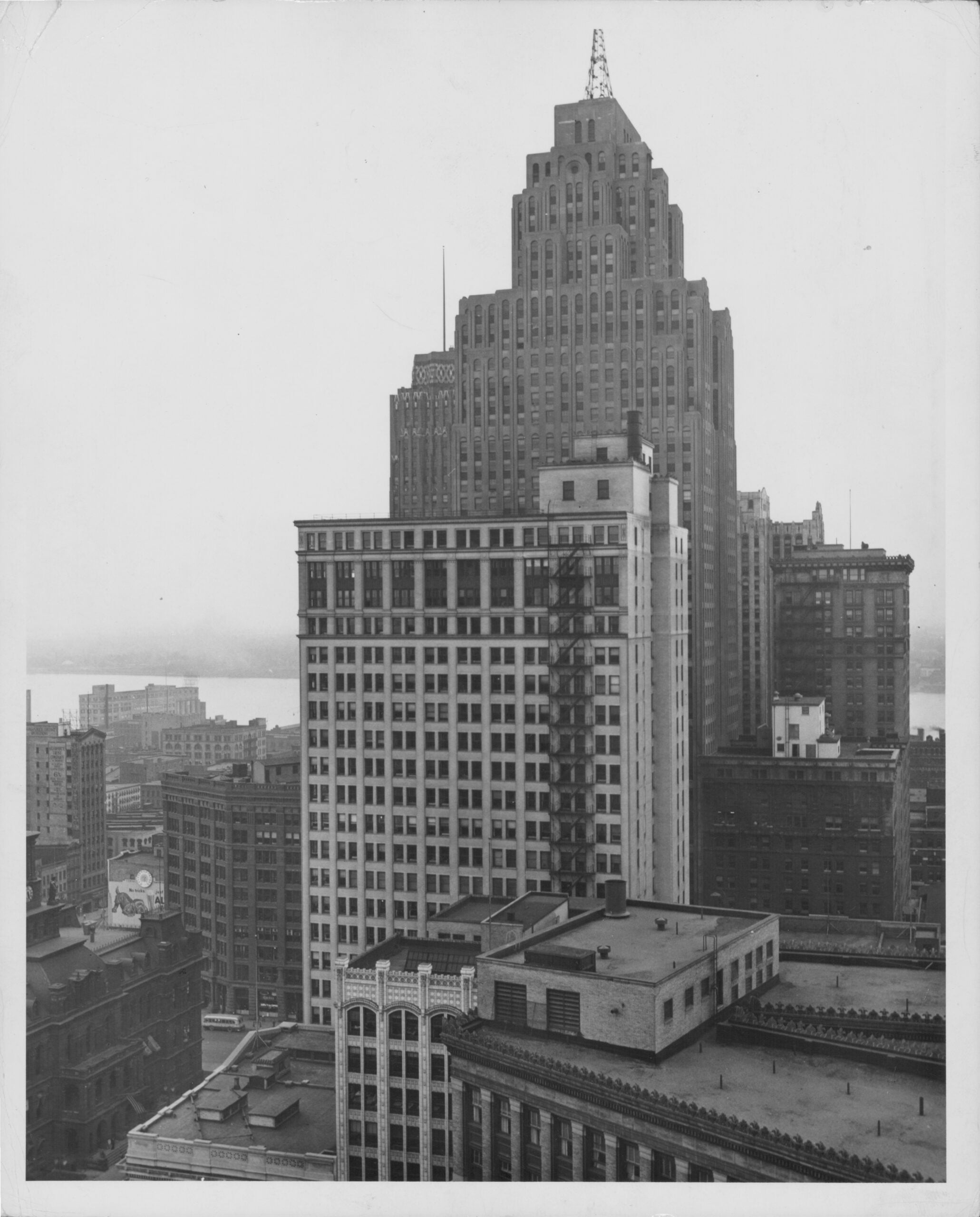
Detroit remained deeply connected to the American auto industry, with factories employing hundreds of thousands of workers. Although the city had begun experiencing economic challenges, it was still defined by automobile manufacturing, broad avenues, and iconic Art Deco architecture.
New Orleans, Louisiana
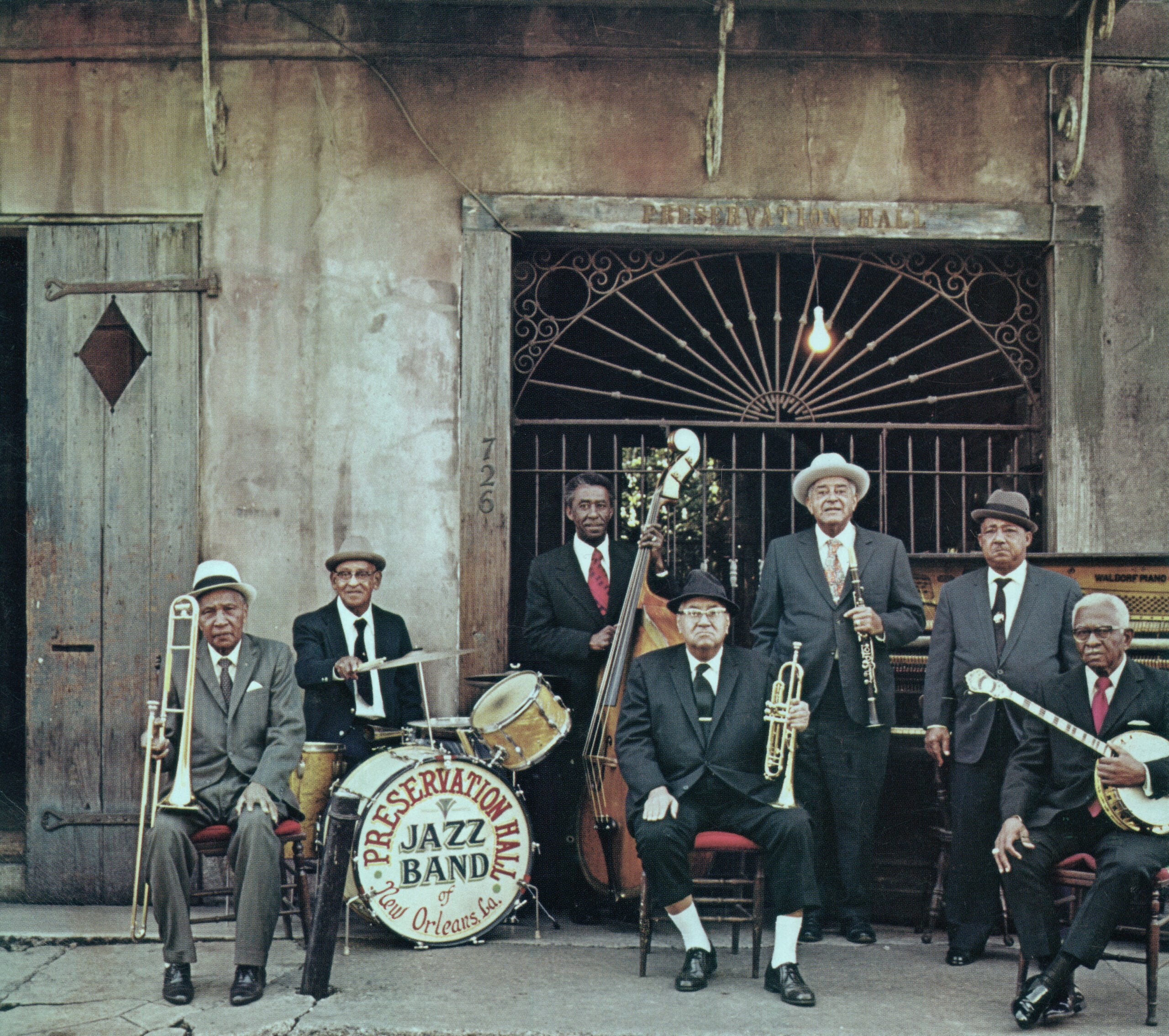
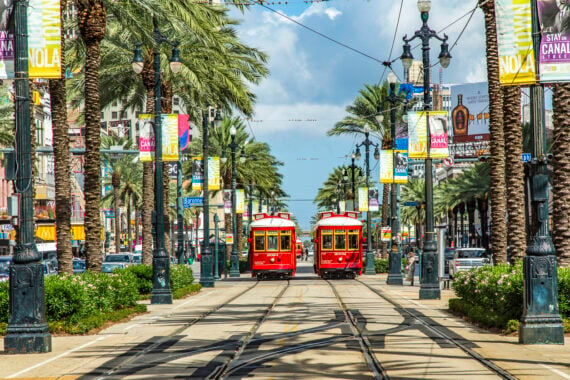
New Orleans preserved much of its historic charm more than half a century ago. The French Quarter remained filled with colorful balconies, jazz clubs, and bustling markets, while the Mississippi River waterfront continued to serve as one of the country’s busiest ports.
Atlanta, Georgia
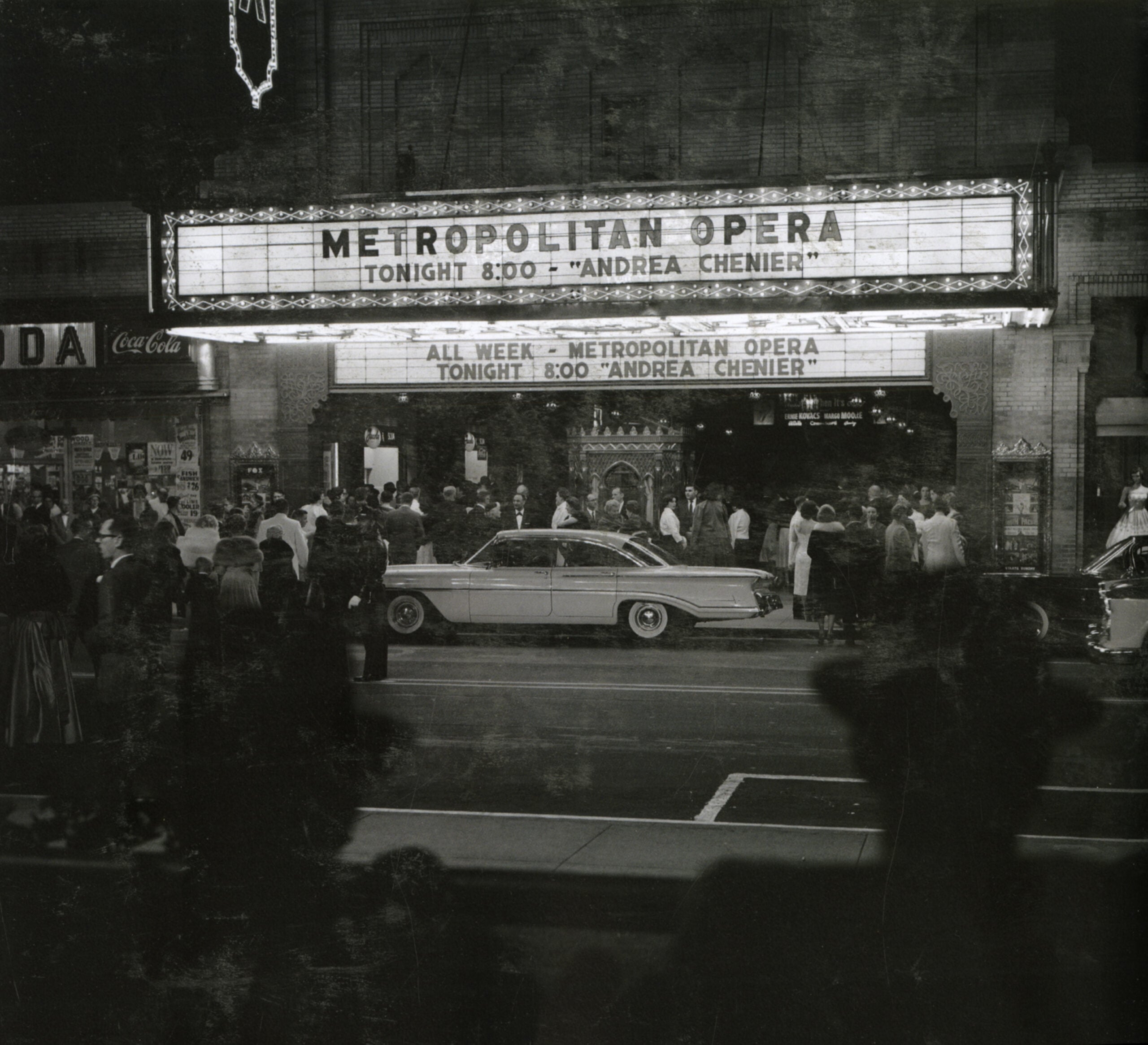
Atlanta was emerging as the commercial center of the Southeast. Its skyline was much smaller than today, but new office towers, expanding highways, and a growing airport reflected the city’s rising national importance.
Denver, Colorado
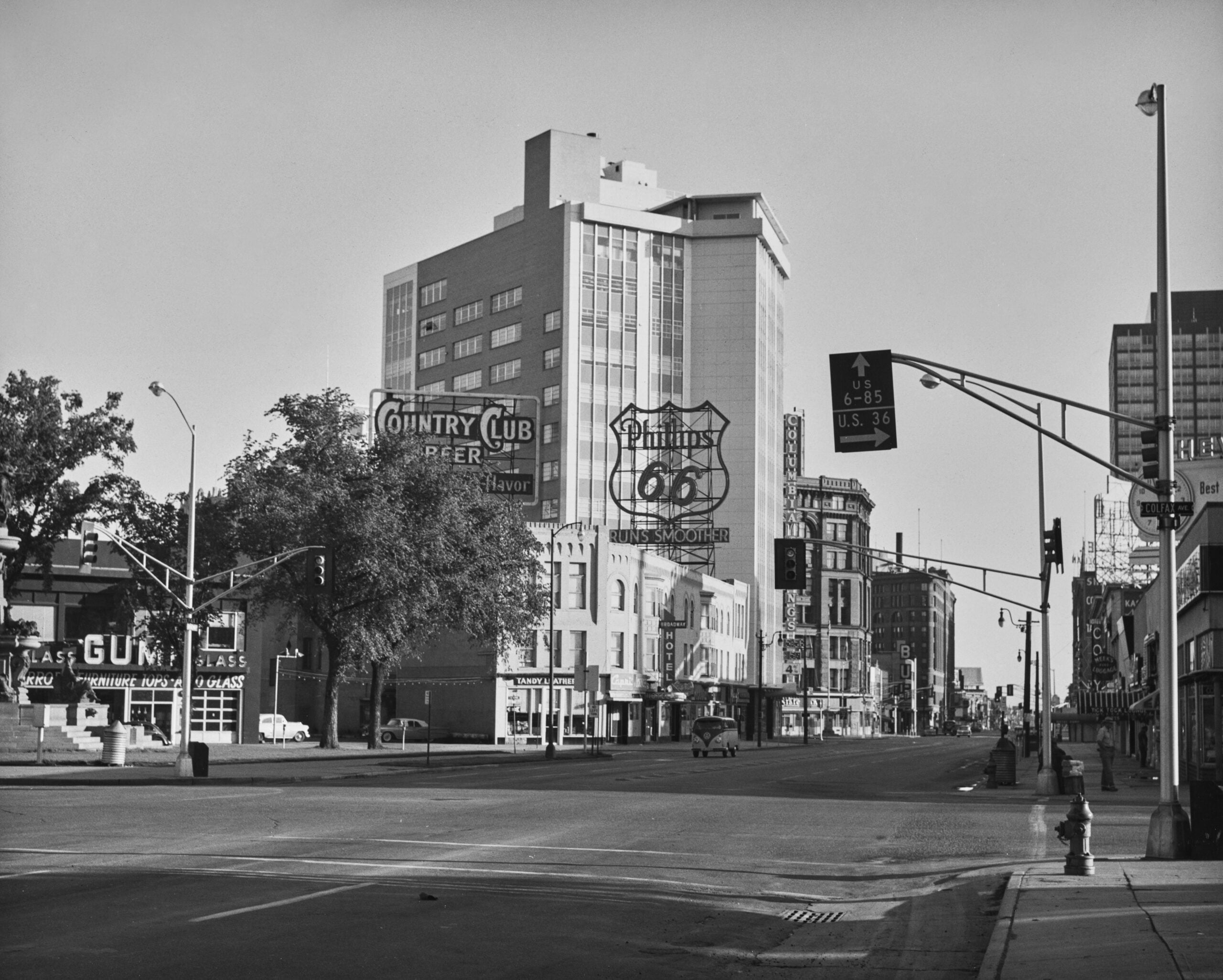
Denver still retained much of its Western identity in the early 1970s. The downtown skyline was relatively low-rise, while the nearby Rocky Mountains remained an ever-present backdrop as the city experienced steady growth.
Phoenix, Arizona
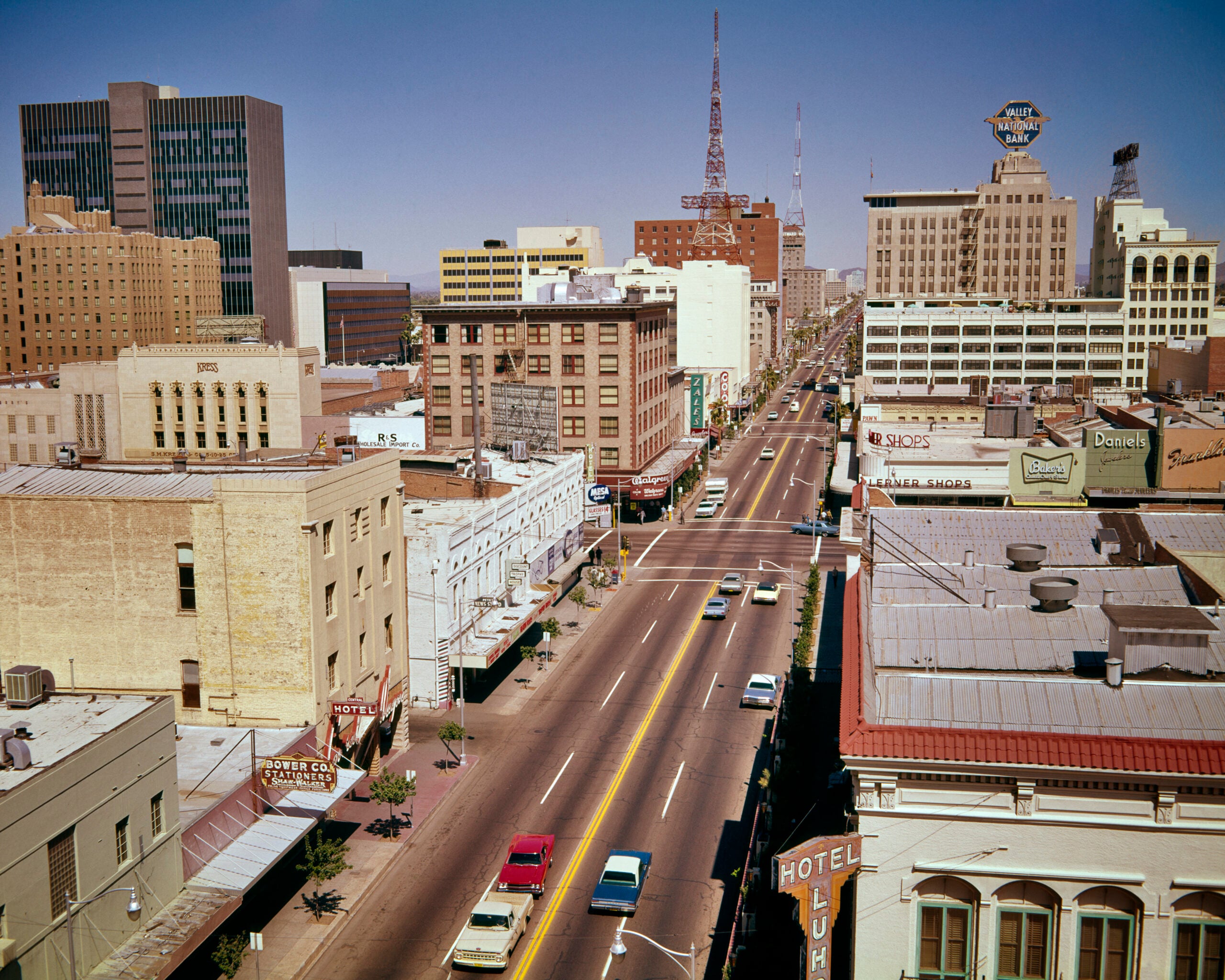
Phoenix looked dramatically smaller than it does today. Desert landscapes surrounded much of the city, neighborhoods were still expanding outward, and the skyline consisted of only a handful of taller buildings compared with its modern appearance.
St. Louis, Missouri
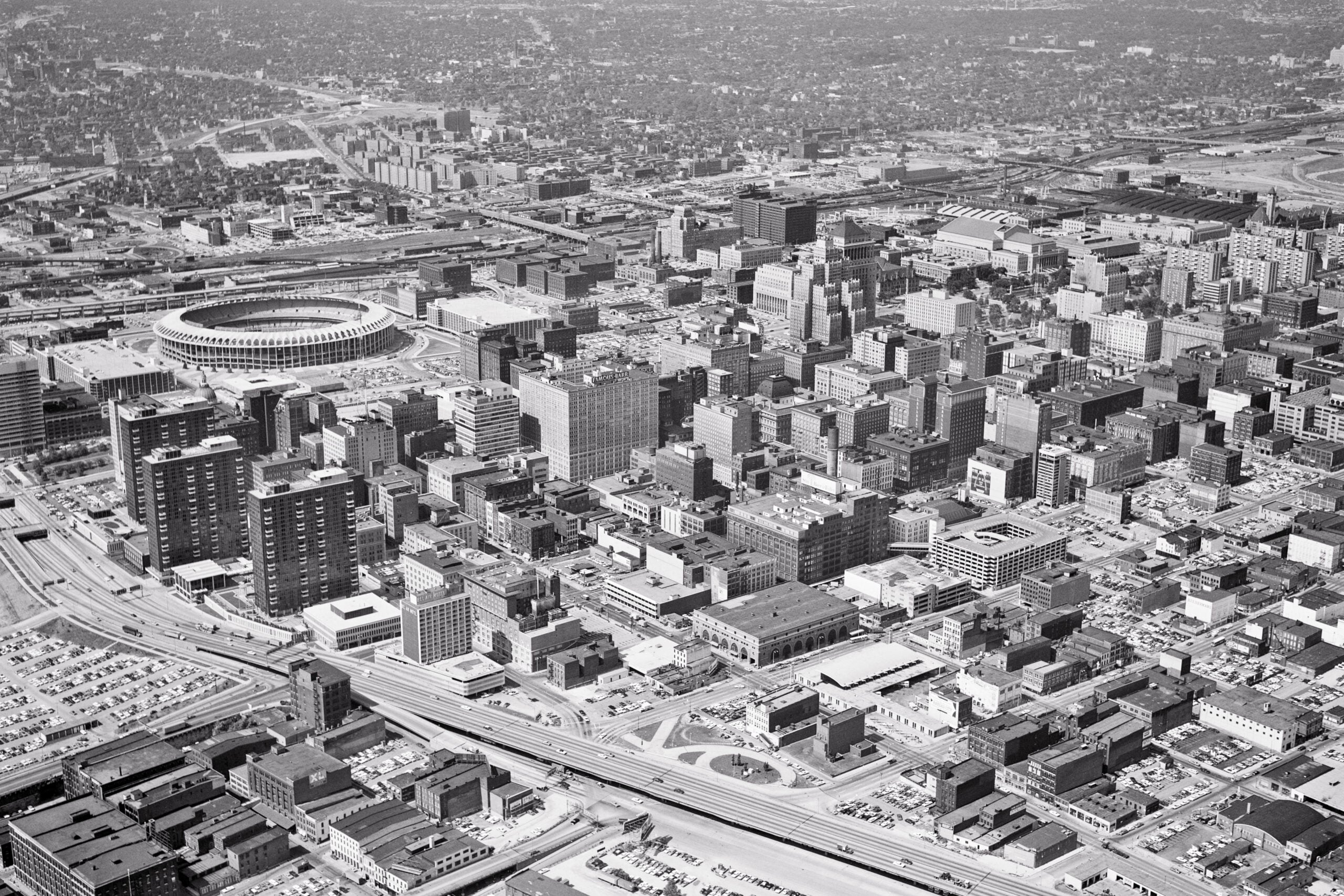
St. Louis was anchored by the recently completed Gateway Arch, which had become an instant landmark by the late 1960s. River traffic, historic brick buildings, and long-established neighborhoods gave the city a distinctive character during this period.
San Diego, California
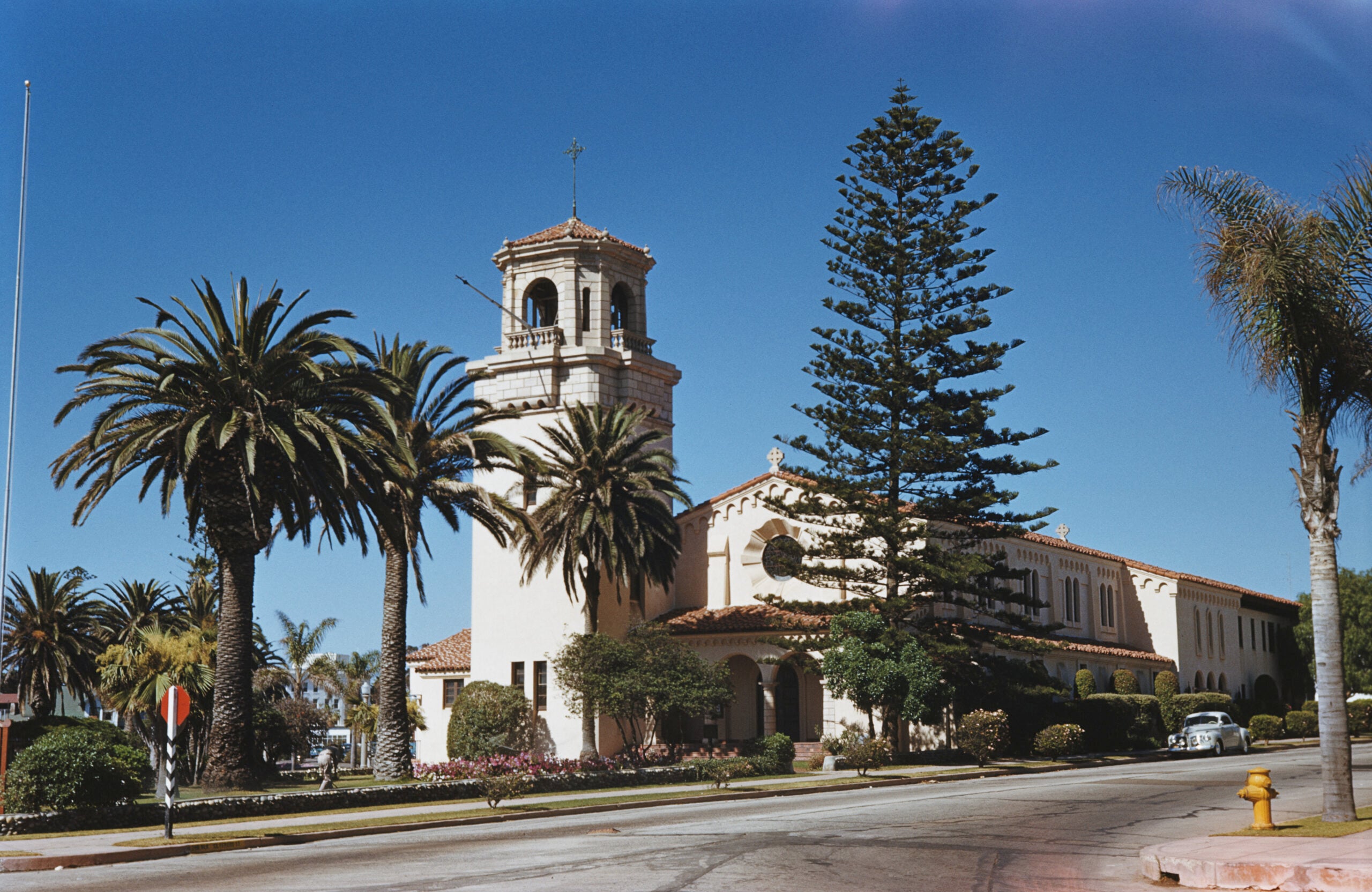
San Diego balanced its military presence with growing tourism and coastal development. More than 50 years ago, its beaches, harbor, and Spanish Colonial architecture attracted visitors long before the city’s modern skyline reached its current size.
Baltimore, Maryland
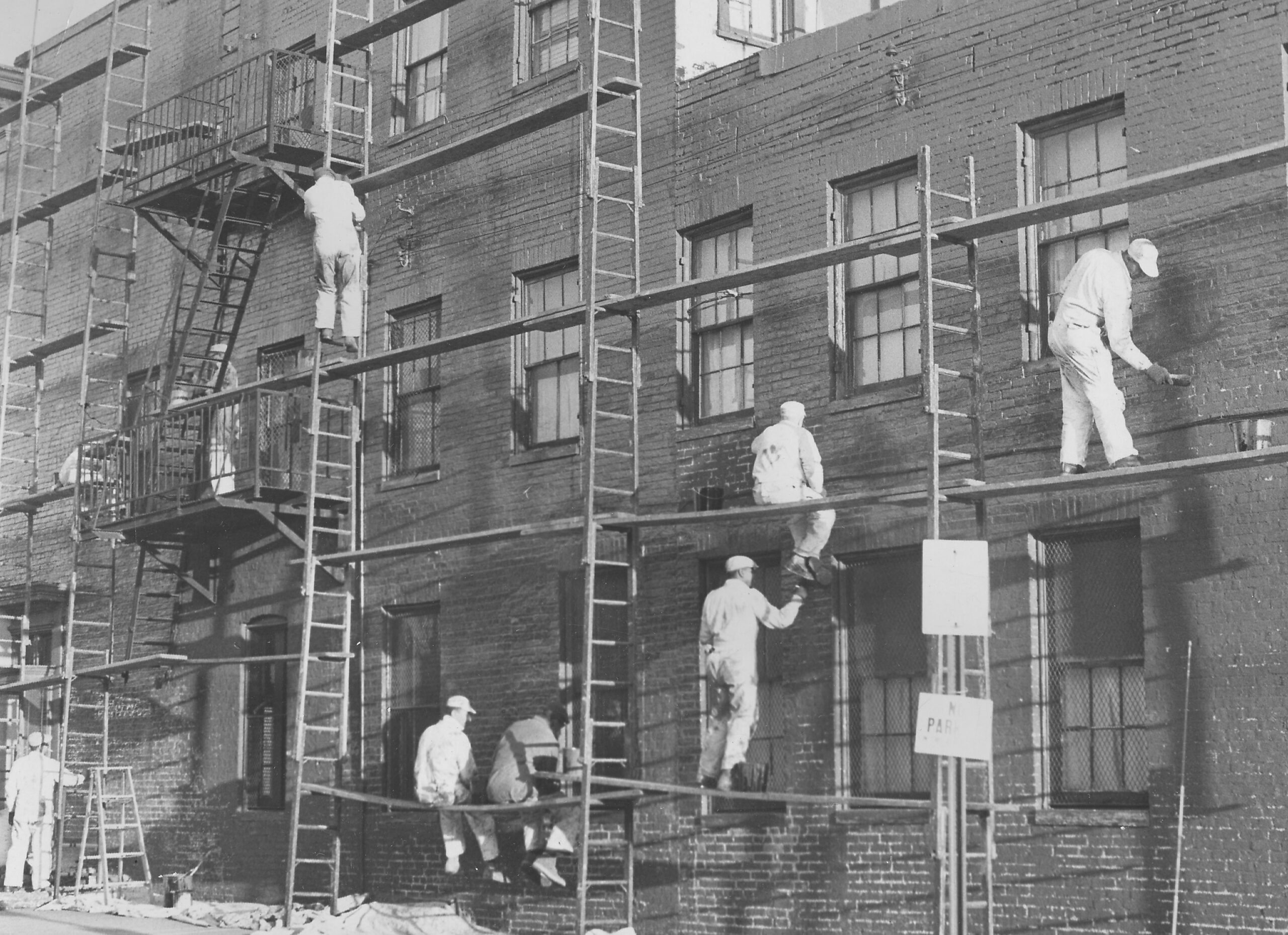
Baltimore’s Inner Harbor looked very different before its famous redevelopment in the late 1970s and 1980s. Warehouses, shipping terminals, and working docks dominated the waterfront, reflecting the city’s long maritime history.
Las Vegas, Nevada
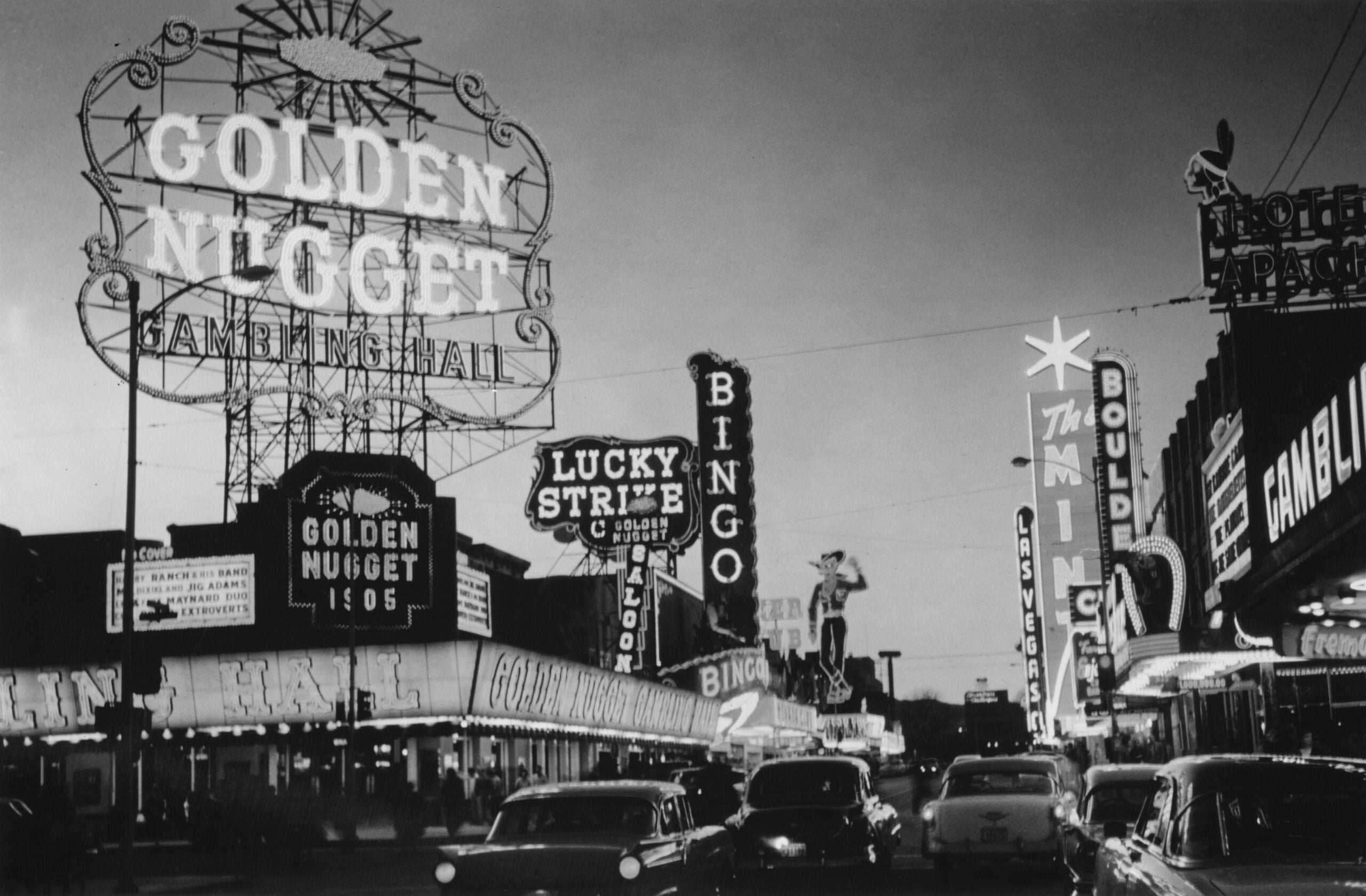
Las Vegas was already famous for its casinos and neon signs, but the Strip was far shorter than it is today. Classic resorts defined the skyline, while the surrounding desert remained largely undeveloped compared with the sprawling city visitors now recognize.