
It’s smart to keep important paperwork organized and accessible, but that doesn’t mean it belongs in your wallet, purse, or everyday bag. If your backpack is lost, your car is broken into, or your wallet is stolen, the financial fallout could go far beyond replacing a few credit cards. Many common documents contain sensitive personal details that identity thieves can use to open accounts, drain your savings, or commit fraud in your name.
While it may feel convenient to keep certain papers on hand “just in case,” carrying them daily often creates unnecessary risk. In fact, there are several financial documents to avoid carrying, because losing them could expose you to fraud or identity theft. Here are 10 financial documents you should always leave at home in a secure place — and why bringing them along could cost you.
Birth Certificate
Your birth certificate contains key personal details — full name, date of birth, place of birth, and parents’ names — that identity thieves can use to open accounts or commit fraud. There’s almost never a reason to carry it daily, so store it safely in a locked file or safe.
Social Security Card
This is one of the most sensitive documents you own. If someone gets your Social Security number, they could open credit accounts, file fraudulent tax returns, or access government benefits in your name. Memorize the number and keep the card secured at home.
Blank Checks
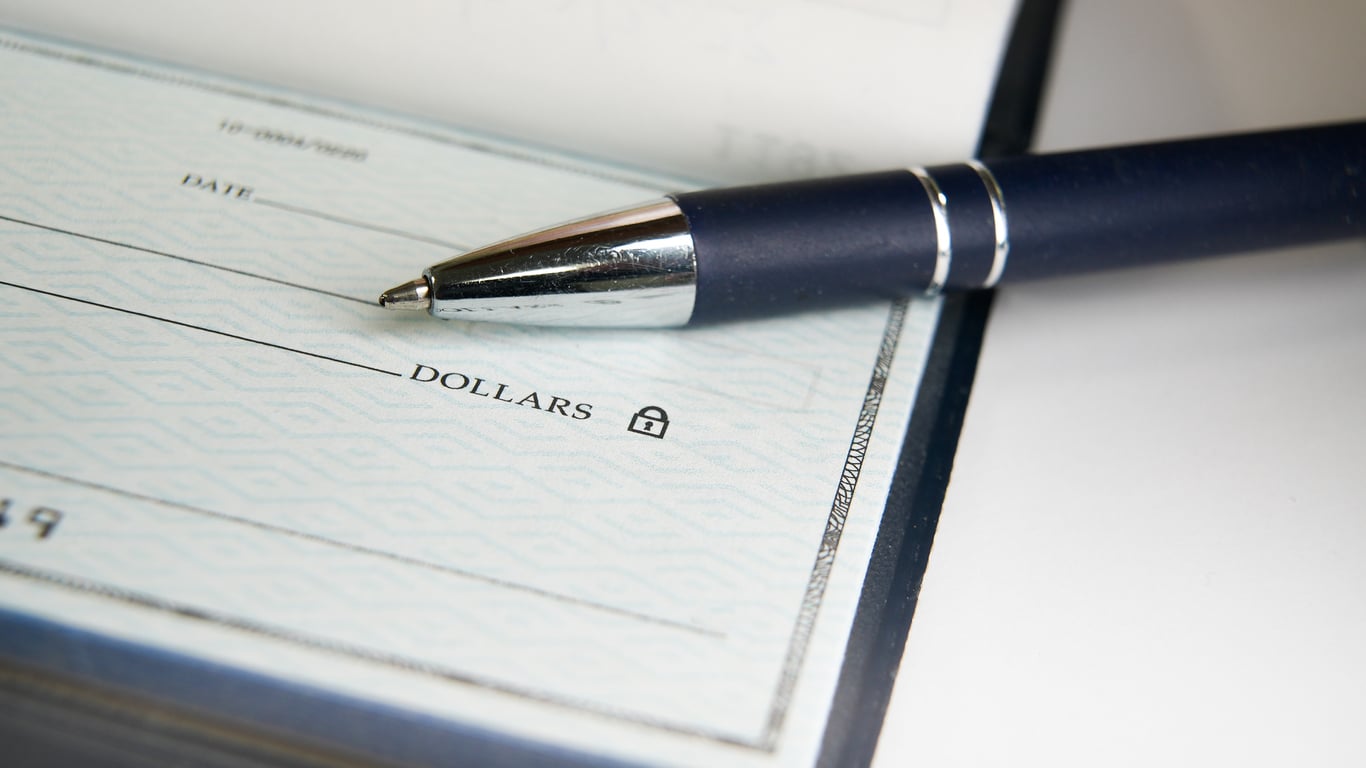
Blank checks are essentially signed permission slips for fraud. If stolen, they can be altered or forged to drain your bank account. Only carry a check when you know you’ll need it.
Passport (When Not Traveling)
A passport is a powerful identity document. Losing it can expose you to identity theft and create a lengthy replacement process. Unless you’re traveling or need it for a specific reason, it’s safer locked away.
Student Loan Paperwork
Loan documents contain account numbers, balances, and personal information that could be used for fraud or scams. Digital access or a secure file at home is far safer than carrying physical copies.
Trending on Cheapism


Medical Bills

Medical paperwork often includes your full name, address, date of birth, insurance details, and sometimes even your Social Security number. That’s a goldmine for identity thieves — and unnecessary to carry day to day.
Tax Returns
Your tax return includes income details, employer information, Social Security numbers, and bank data. If it falls into the wrong hands, it can lead to tax fraud or identity theft. Keep it stored securely.
Banking Statements
Bank statements display account numbers and transaction history — exactly the kind of information scammers look for. There’s no reason to carry full statements around unless you’re heading to a financial appointment.
Sign up for our newsletter
Vehicle Title
Your car title proves ownership. If stolen, it can complicate selling your vehicle or even open the door to fraudulent transfers. Keep it in a secure location — not your glove compartment.
Investment or Retirement Account Documents

Brokerage statements and retirement account paperwork include account numbers and financial balances. Losing them could expose your long-term savings to fraud attempts. Store them safely at home or in a secure digital format.
More From Cheapism
- Well, This Is Awkward: Tax Refund Delays Could Impact a Whopping 20 Million Americans — If you’re counting on that refund this year, don’t be too shocked to see it stuck in limbo: IRS rules and credit checks are holding back millions of refunds until March.
- Why Americans Earn More Than Ever — and Still Can’t Afford Anything — Even though paychecks have climbed, inflation and rising costs mean many workers feel like they’re getting less cash in their pockets than before.
- Everyday Expenses People Didn’t Budget for 10 Years Ago — From streaming fees to airline add-ons and app subscriptions, modern costs you barely thought about a decade ago now quietly eat into your budget.