Your monthly electricity bill isn’t determined by a single appliance. It’s shaped by the small habits you repeat every day. Long, hot showers, thermostat settings, laundry routines, and other everyday choices can quietly drive up your energy costs over time. According to the U.S. Department of Energy, Energy Saver, and Consumer Reports, making a few simple changes to those routines can noticeably reduce electricity use. The best part? You don’t need to invest in expensive upgrades or new appliances—just a handful of smarter habits that can help you spend less and save more each month.
Drains Electricity – Keeping the Thermostat Too Cold All Summer
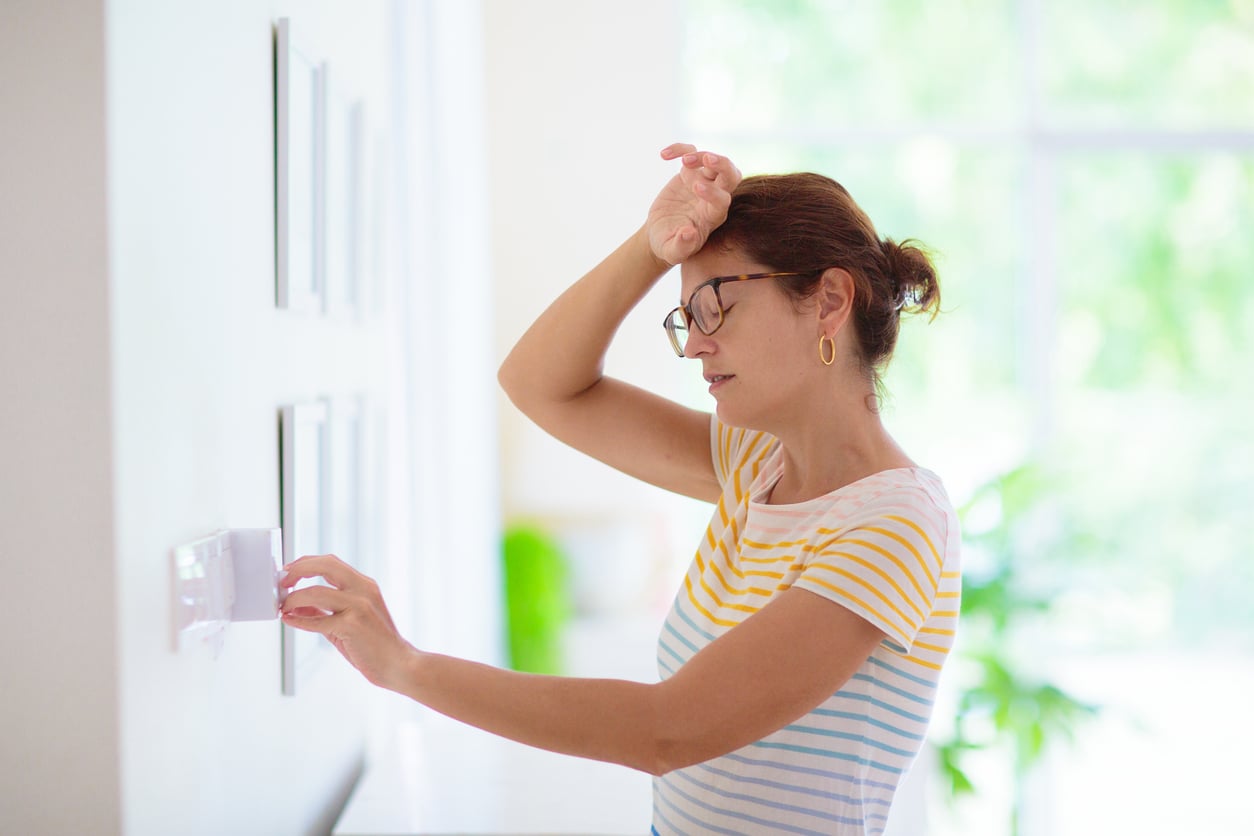
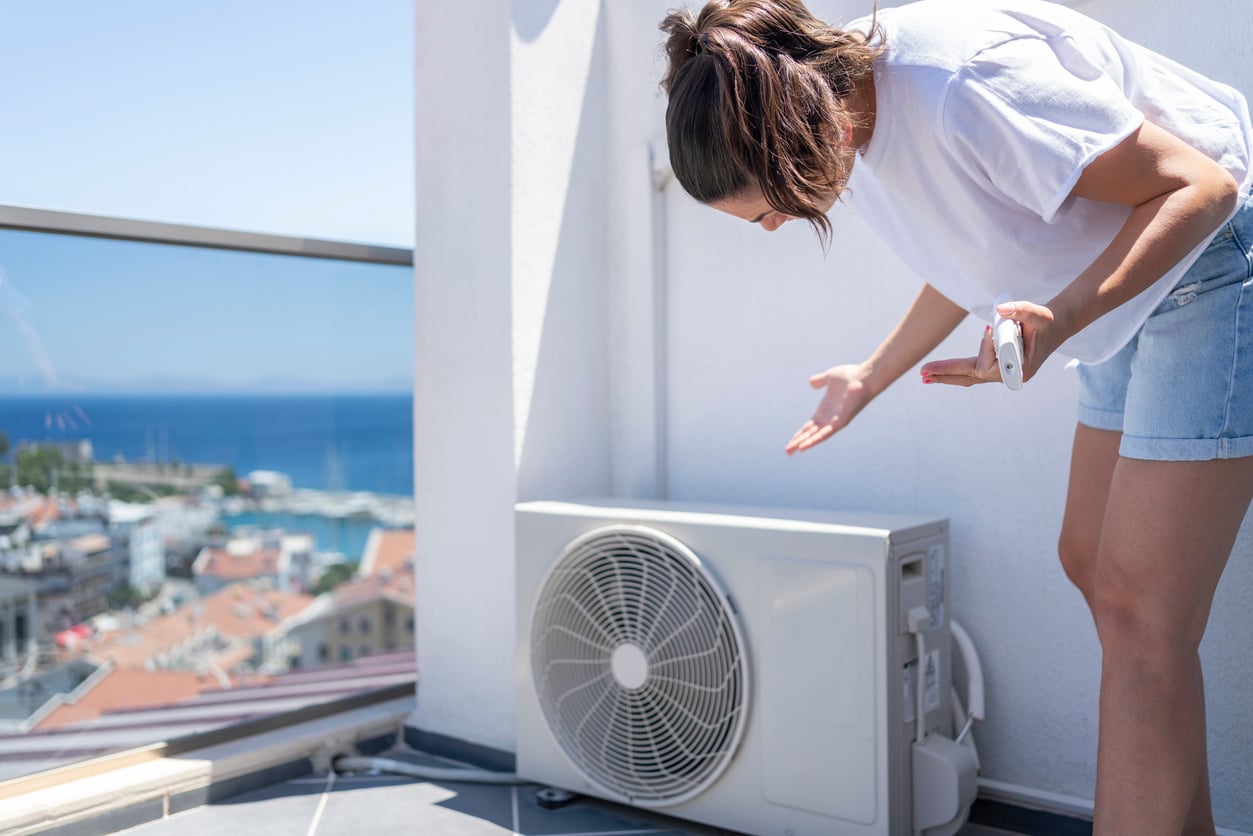
Keep in mind that for every degree you raise the thermostat setting, the system needs to run for a longer period. Since air conditioners are among the most frequently used household appliances, keeping your home cool while the occupants are at work or school is not a good idea because it causes your electricity bill to keep rising. The best approach is to program the air conditioner to turn on an hour before you arrive home. The DOE indicates that the efficiency of a room air conditioner is measured by the Energy Efficiency Ratio, which is the ratio of the cooling capacity to the power input. The higher the EER, the more efficient the air conditioner.
Saves Electricity – Let The Thermostat Work With Your Schedule
Smart thermostats can save you a lot of money by raising the temperature when the house is empty during the day and cooling it down shortly before the occupants return. While the process is automatic, you should adjust the settings to your preference, as the default sleeping temperature is often higher than many people expect. Just avoid making constant adjustments throughout the day. This habit also helps lower your electricity bill. The Department of Energy (DOE) recommends adjusting your thermostat by 7° F to 10° F for 8 hours a day from your normal setting to cut heating and cooling costs by up to 10%.
Drains Electricity – Taking Long, Hot Showers Every Day
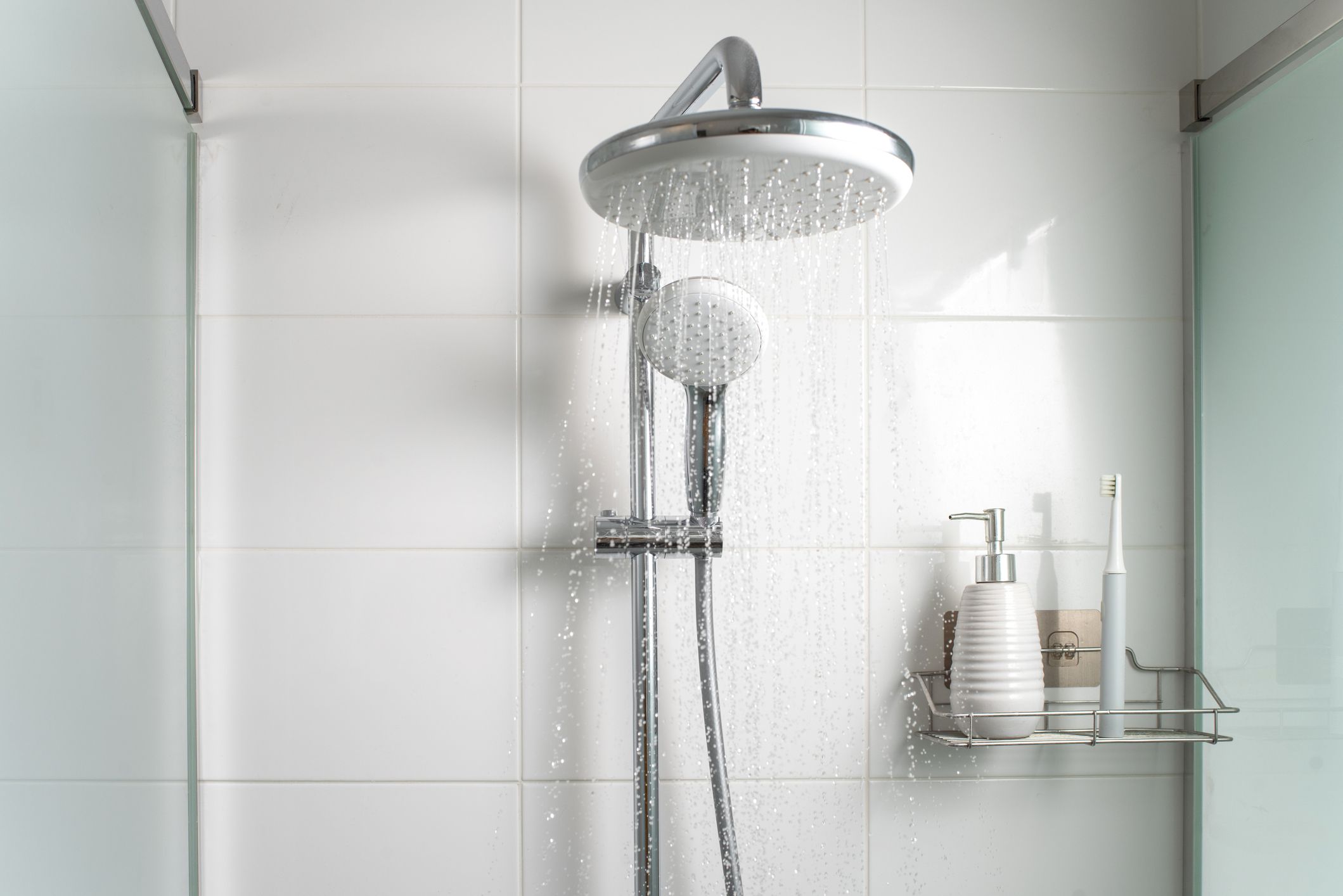
One of the highest sources of electricity consumption is heating water for hot showers. Every minute spent under hot water requires a system that is constantly running to heat the water. Hot water for laundry and dishwashing compounds the effect, and in all-electric homes, consumption is enormous. That can quickly increase your electricity bill. The DOE states that water heating accounts for about 18% of your home’s energy use and is the typically the second largest energy expense in any home.
Saves Electricity – Wash Almost Everything in Cold Water
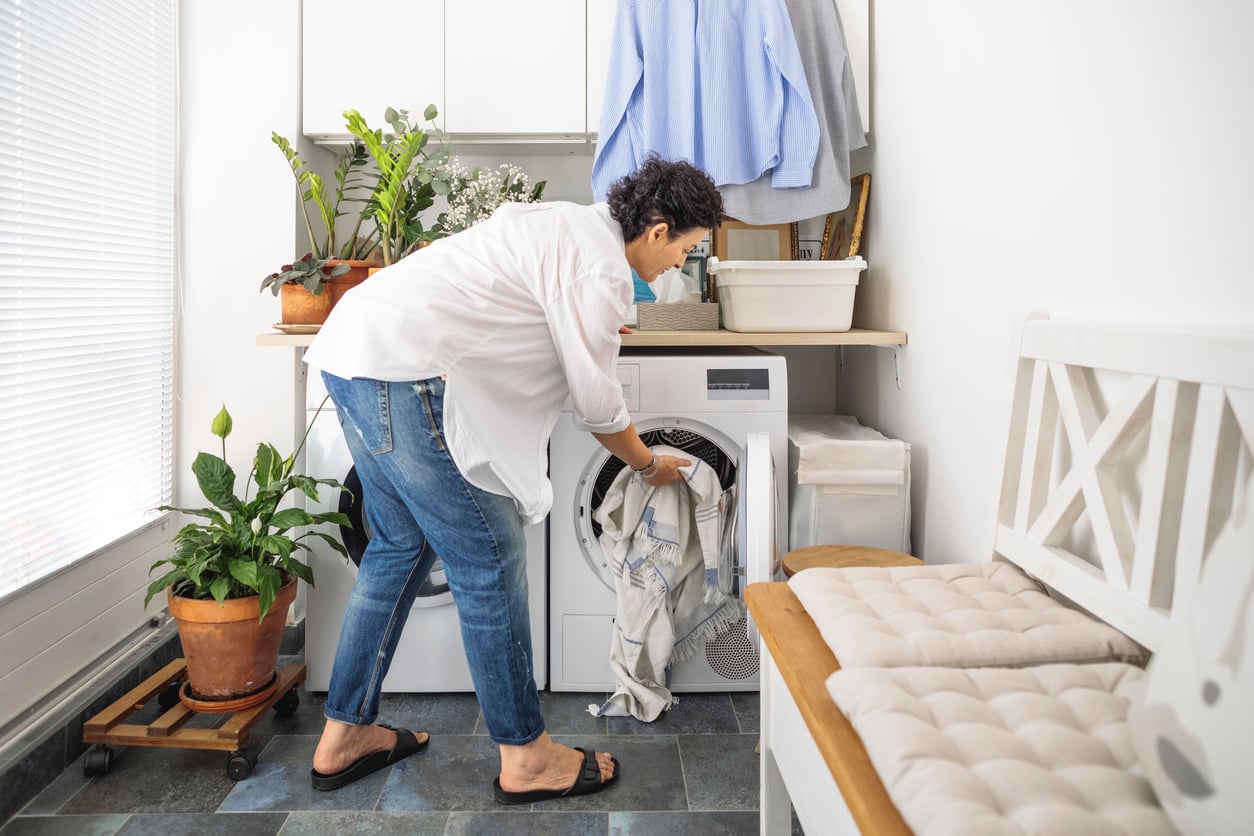
Many modern detergents work wonders in cold water, so using hot water is unnecessary and will save you money. Additionally, colors are better preserved in cold water because it doesn’t fade the hues and reduces the risk of garments shrinking. Mastering this habit requires neither special equipment nor extra spending. It is an easy way to lower your electricity bill. DOE states that one of the easiest ways to cut laundry costs is washing with cold water because 90% of a washer’s energy goes toward heating water. Switching your machine from hot to cold can slash a load’s energy use by over half.
Drains Electricity – Running Half-Empty Dishwashers and Washing Machines

When running the dishwasher, make sure it is completely full, because every wash cycle uses the same amount of energy regardless of whether the machine is full or not. Washing partial loads throughout the week results in unnecessary expense and higher electricity consumption. Overloading isn’t ideal either, just balance the load. Doing this helps reduce your electricity bill. The DOE recommends running only full loads because modern dishwashers use the exact same amount of water and electricity regardless of their load.
Trending on Cheapism


Saves Electricity – Batch Chores Together

Just as with the washing machine, when you turn on the oven, it is best to cook all your meals for the day at once to save energy, rather than turning it on multiple times throughout the day. This habit requires planning and organization, but it will save you money. The same applies to ironing, do it all in one session, because reheating the iron on another day consumes more electricity. It can also lower your electricity bill. The DOE promotes household task batching and energy efficiency in two distinct ways: Appliance power management and task management.
Drains Electricity – Constantly Opening the Refrigerator
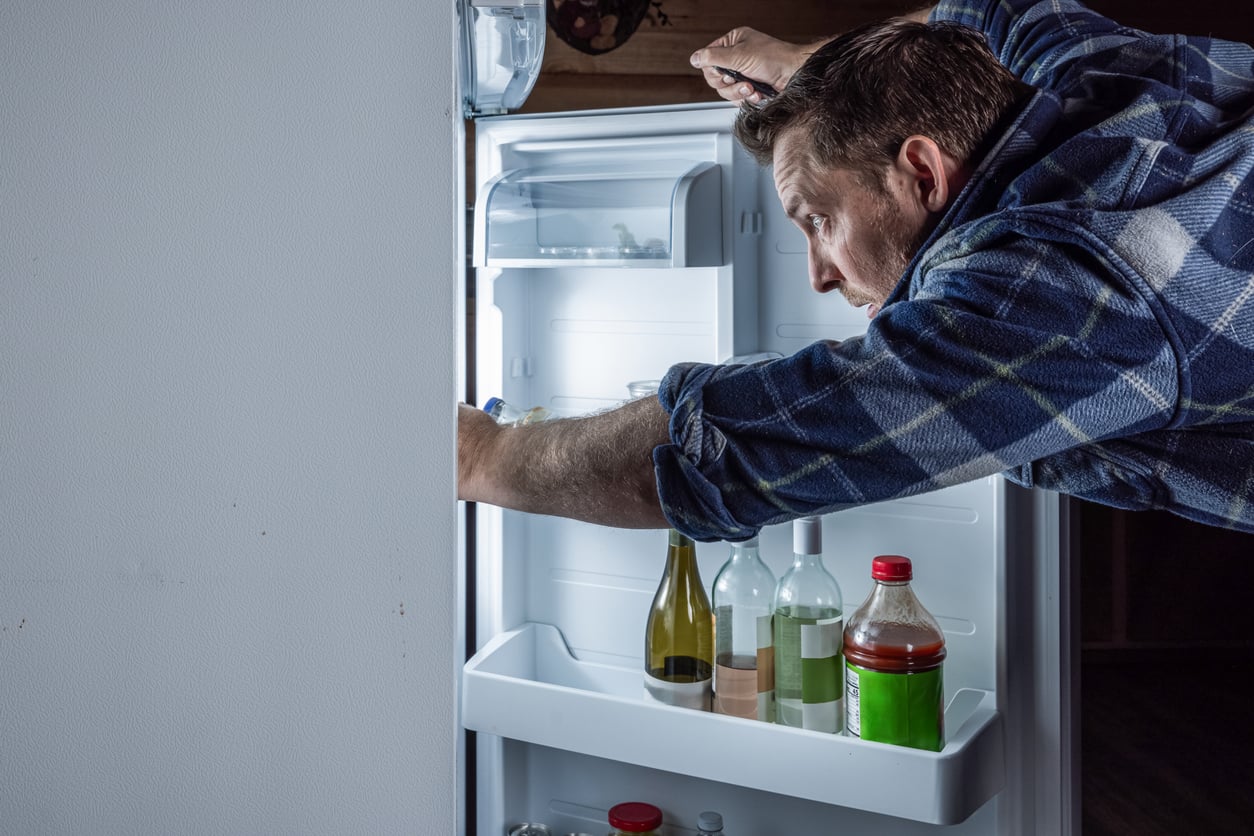
When you open the refrigerator door, cold air escapes, and the compressor has to work to restore the lost temperature. Deciding what to take out while the door is open increases electricity consumption. Therefore, organizing your fridge, knowing where everything is, and deciding what you want before opening the door will save you a significant amount of money over the course of the year. Small habits like this can reduce your electricity bill. The DOE emphasizes leaving the refrigerator doors open causes temperature fluctuations, decreases food safety and increases energy consumption. They recommend keeping the temperature between 35° F and 38° F.
Saves Electricity – Cook Several Meals at Once

Heating the oven just once a day can save you a lot of money over the course of the month. One habit you can adopt is cooking more food than usual, ensuring you have leftovers ready for your next meal. Alternatively, you can cook several different meals at once while the oven is hot. This also helps prevent the room from heating up during the summer, making you feel more comfortable. It can make a noticeable difference in your electricity bill. The DOE recommends selecting energy-efficient products when you buy new equipment. Your contractor should be able to give you energy fact sheets for different types, models and designs to help you compare energy usage.
Sign up for our newsletter
Drains Electricity – Using the Clothes Dryer for Every Single Load
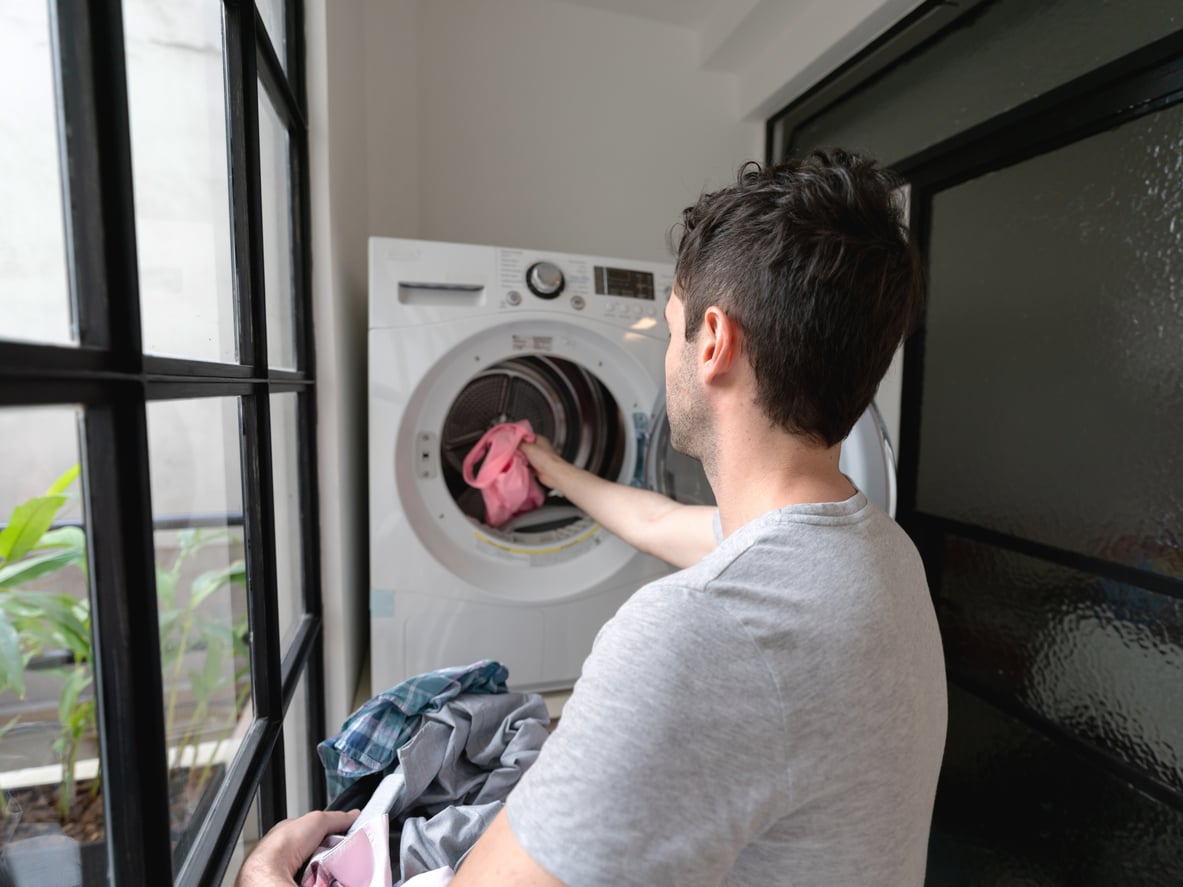
Just like heating water for a shower, another energy-intensive habit is using the tumble dryer for every load of laundry. Some of your garments don’t even need to go through that process. Also, make the most of the space when loading the dryer, as it consumes the same amount of energy whether it is full or not. Finally, always ensure the filters are clean, otherwise the machine has to work harder. These habits help keep your electricity bill under control. The DOE indicates that there are several models of clothes dryer, the ones that run on electricity are the Electric Clothes Dryers, that both heat source and drum blower are driven by electric motors. Gas clothes dryers are another common alternative.
Saves Electricity – Air-Dry What Doesn’t Need the Dryer

Certain items, such as sportswear, delicate fabrics, or everyday clothing can be sun-dried, so take advantage of this and skip the tumble dryer. By avoiding a few drying cycles each week, you will lower your annual costs. Many people compare the results of a short drying cycle with air-drying, and there isn’t much difference. Your electricity bill will benefit as well. The DOE suggests considering air-drying clothes on clothes lines or drying racks because the clothes manufacturers recommend it for some fabrics.
Drains Electricity – Cooling Rooms Nobody Is Using
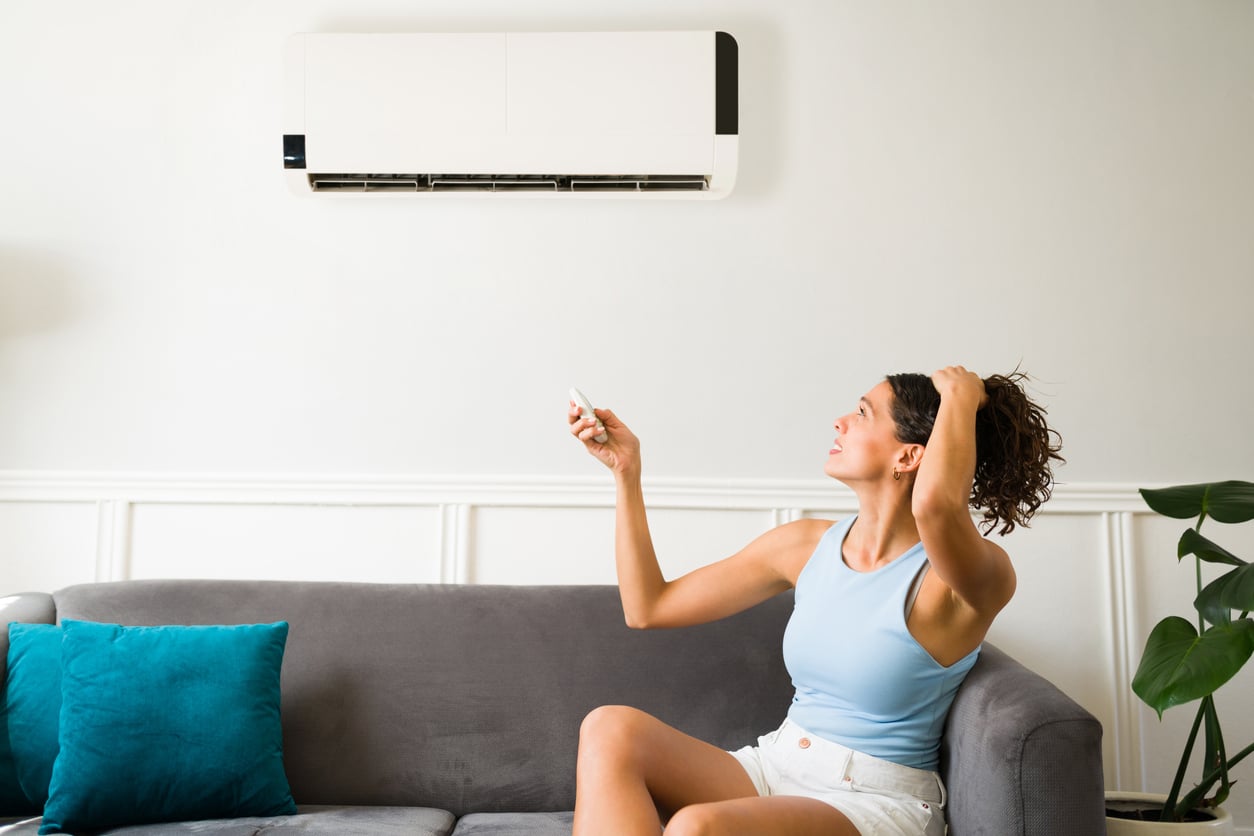
There are rooms in your home that you don’t use every day, such as the guest room, the basement, or any other spare room, so there is no need to cool them. If you leave the doors to these areas open, the air conditioning will flow into spaces where it isn’t needed, so keep them closed. Also, if you use fans, only turn them on when you are actually in the room; otherwise, it is an unnecessary expense. This can lower your electricity bill. The DOE provides alternatives to cool the house that require less energy use like fans, evaporative coolers, or heat pumps.
Saves Electricity – Close Curtains Before the Afternoon Sun Hits

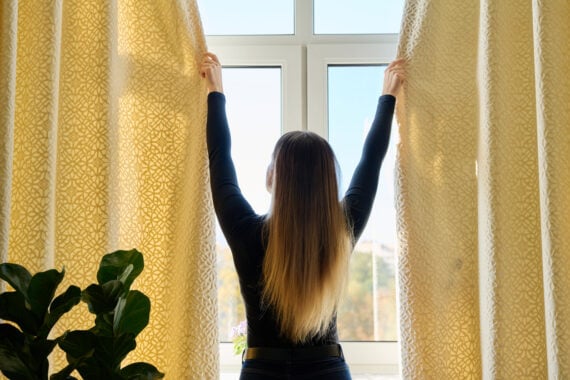
It comes as no surprise that the sun’s rays provide heat wherever they reach, consequently, if your home is exposed to the sun, room temperatures will rise during the day. The best solution is to close the curtains during the hours of exposure to reduce the need for cooling, and by extension, electricity consumption. It’s a simple habit to adopt in your daily routine. It also helps reduce your electricity bill. The DOE also suggests keeping window covering closed during summer days to block the sun’s heat.
Drains Electricity – Leaving Electronics Running All Day
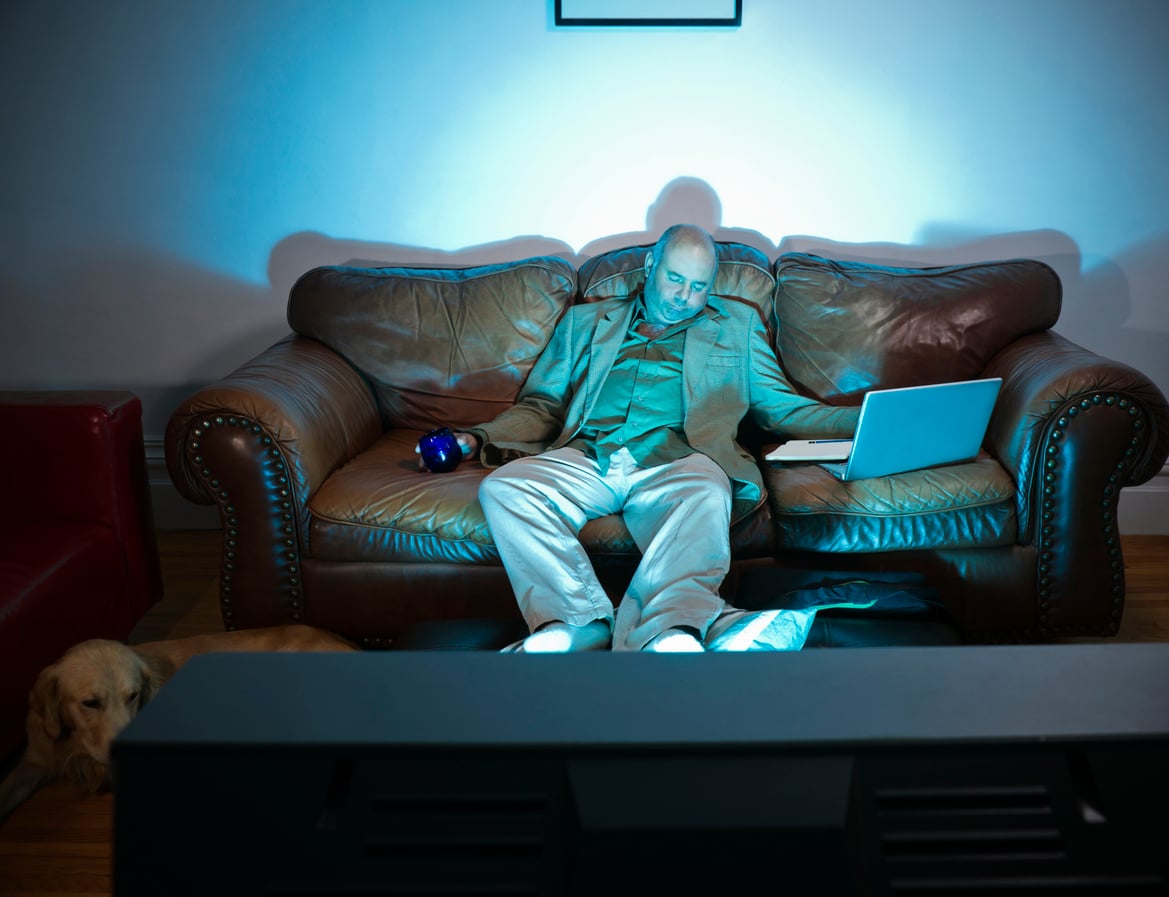
Some people leave electronic devices, such as game consoles, computers, and televisions turned on even when they aren’t using them. This type of equipment consumes a significant amount of electricity, even in sleep mode. The highest energy consumption comes from larger electronics, not from your phone charger. The DOE indicates that plugged-in electronics waste electricity when turned off. These invisible draws add up, accounting for anywhere from 5% to 20% of a household’s total energy consumption. That can noticeably increase your electricity bill.
Saves Electricity – Use Ceiling Fans Before Lowering the Thermostat

The function of a fan is to cool a room without having to lower the thermostat setting. Modern fans use very little energy, but you should turn them off when you leave the room because they cool people, not the room itself. You can save a lot of money by opting for fans instead of lowering the thermostat temperature further. The DOE states that proper use of ceiling fans allows people to raise the thermostat setting by about 4° F without losing comfort.
Drains Electricity – Leaving Outdoor Lighting On Until Morning

Outdoor lights, such as those on the porch, garage, or landscape lighting, are often left on far longer than necessary. It is easy to forget about them since they are decorative, but adding motion sensors will drastically reduce their operating time. The DOE suggests designing outdoor lighting by considering the purpose of the lighting along with basic methods for achieving energy efficiency.
Saves Electricity – Think About When You Use Big Appliances

Turning on the oven, dishwasher, or washing machine increases the heat inside the house, forcing air conditioners to work harder. If you use these appliances at night or early in the morning, the workload is reduced because the outdoor temperature is not as intense. Additionally, some utility companies offer lower rates during certain times of the day; you could take advantage of that. The DOE suggests to estimate the number of hours per day an appliance runs, find the wattage of the product, find the daily energy and annual consumption with a formula they provide and finally know the annual cost to run that appliance.
Drains Electricity – Ignoring Basic Home Maintenance
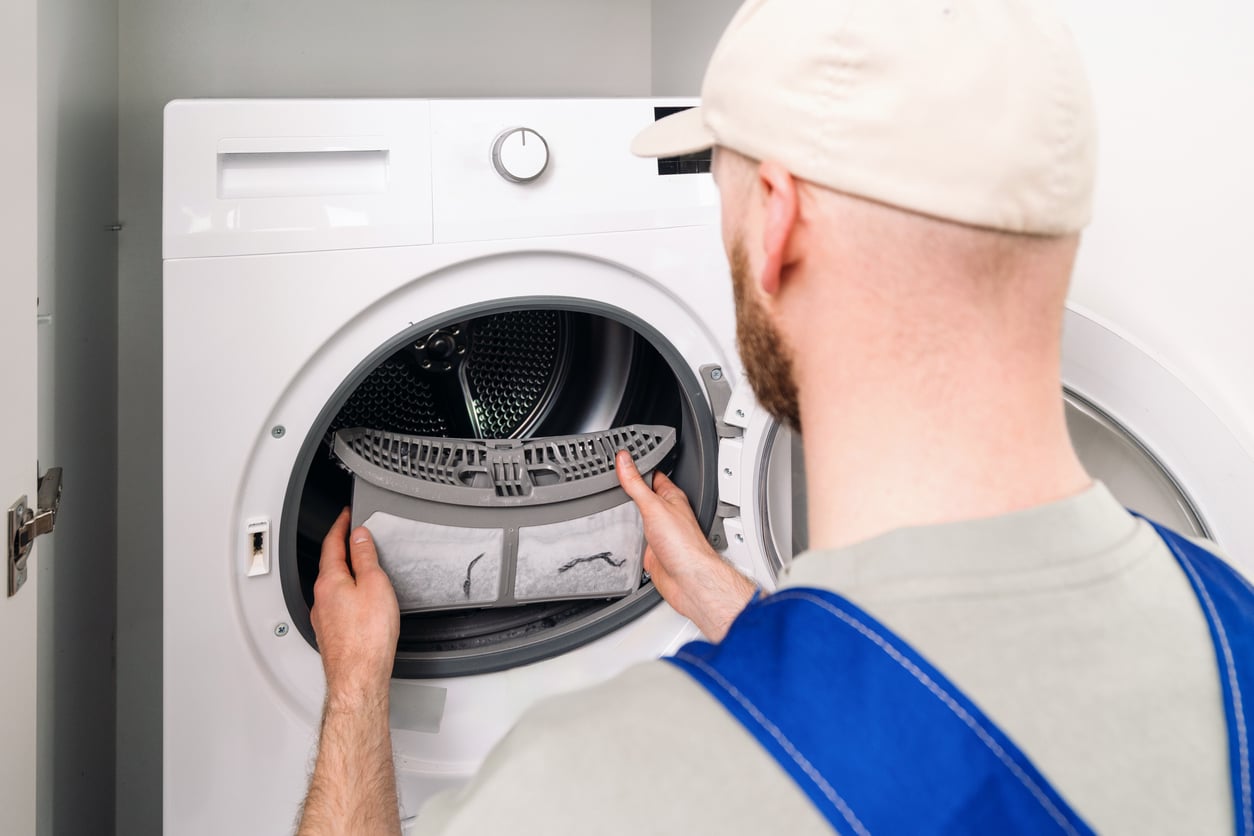
Properly maintaining your home’s electrical appliances prevents them from requiring extra power to operate. Dirty HVAC filters, dryer vents clogged with lint, refrigerator coils covered in dust, and worn weatherstripping that allows conditioned air to escape are some of the issues to avoid. If you ignore these minor problems, you will be wasting money on electricity bills. The DOE emphasizes seasonal adjustments, air sealing, and equipment servicing to cut utility bills.
Saves Electricity – Build a Weekly ‘Energy Check’ Routine
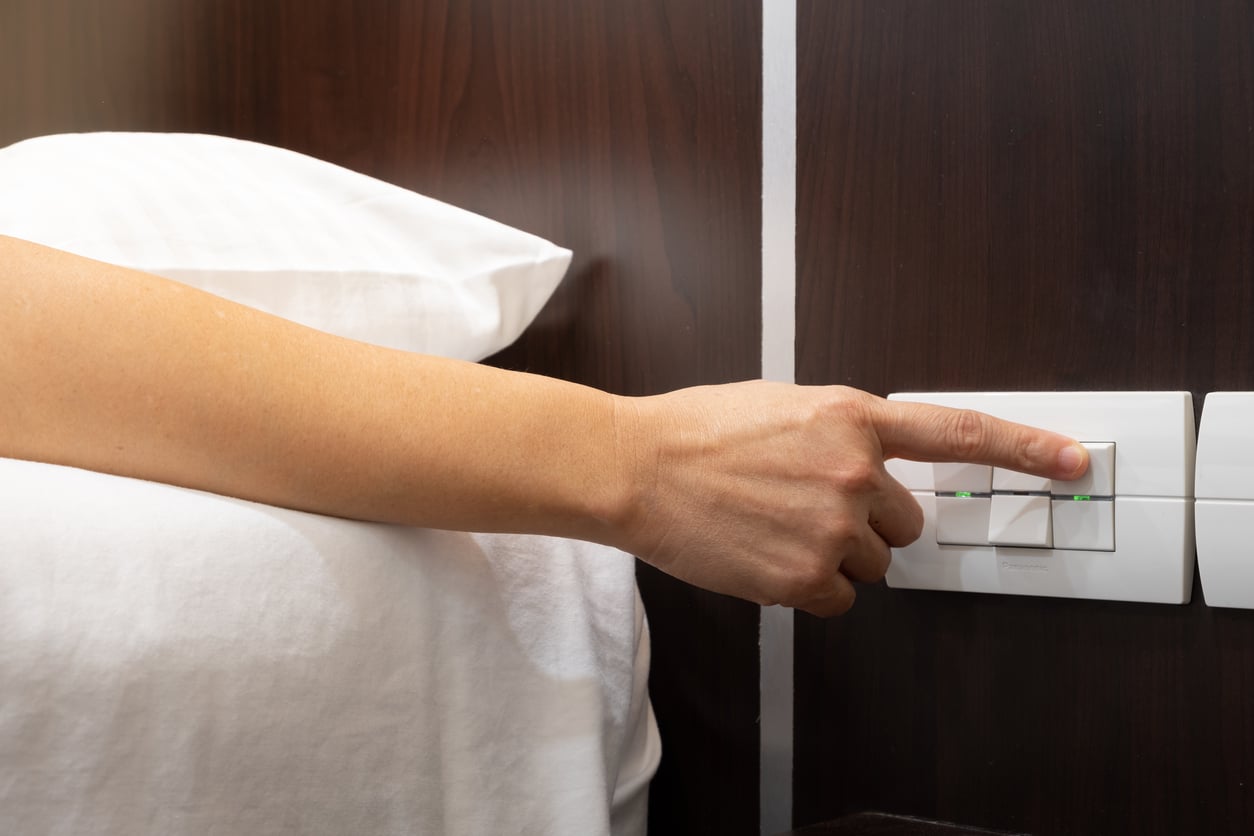
When you are ready to turn in for the night, check the house, turn off unnecessary lights, and unplug any electronics you won’t be using until the next day. Make sure the curtains are properly positioned to block out the sun for the following day, adjust the thermostat, and ensure the washing machine and dishwasher are fully loaded before starting their cycles. The DOE recommends a routine home energy checklist to reduce utility bills and improve comfort. You can also identify leaks and inefficient appliances when doing so.
Bigger Picture / Why It Matters

The good news is that you don’t have to make drastic changes to lower your electricity bill. It comes down to adopting a dozen small habits that will yield significant savings. You should pay special attention to heating and cooling your home, as well as heating water and how you use major appliances. By understanding how energy usage works, you can focus on the changes that need to be made.