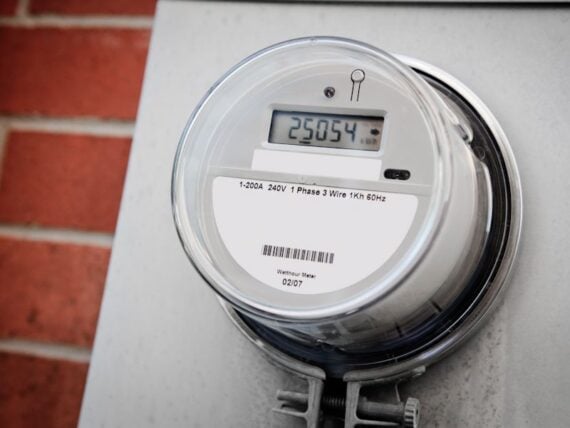
What drives up a family’s monthly expenses usually isn’t one major purchase. It’s the small, everyday habits that quietly chip away at the budget month after month. From paying for subscriptions you rarely use to cooling rooms no one ever spends time in, these overlooked routines can add up faster than most people realize. Guidance from the U.S. Department of Energy (DOE), EPA WaterSense, and Consumer Reports shows that many common household habits waste more money than people think. Here are 20 everyday habits that could be quietly increasing your monthly bills.
Cooling or Heating an Empty House All Day
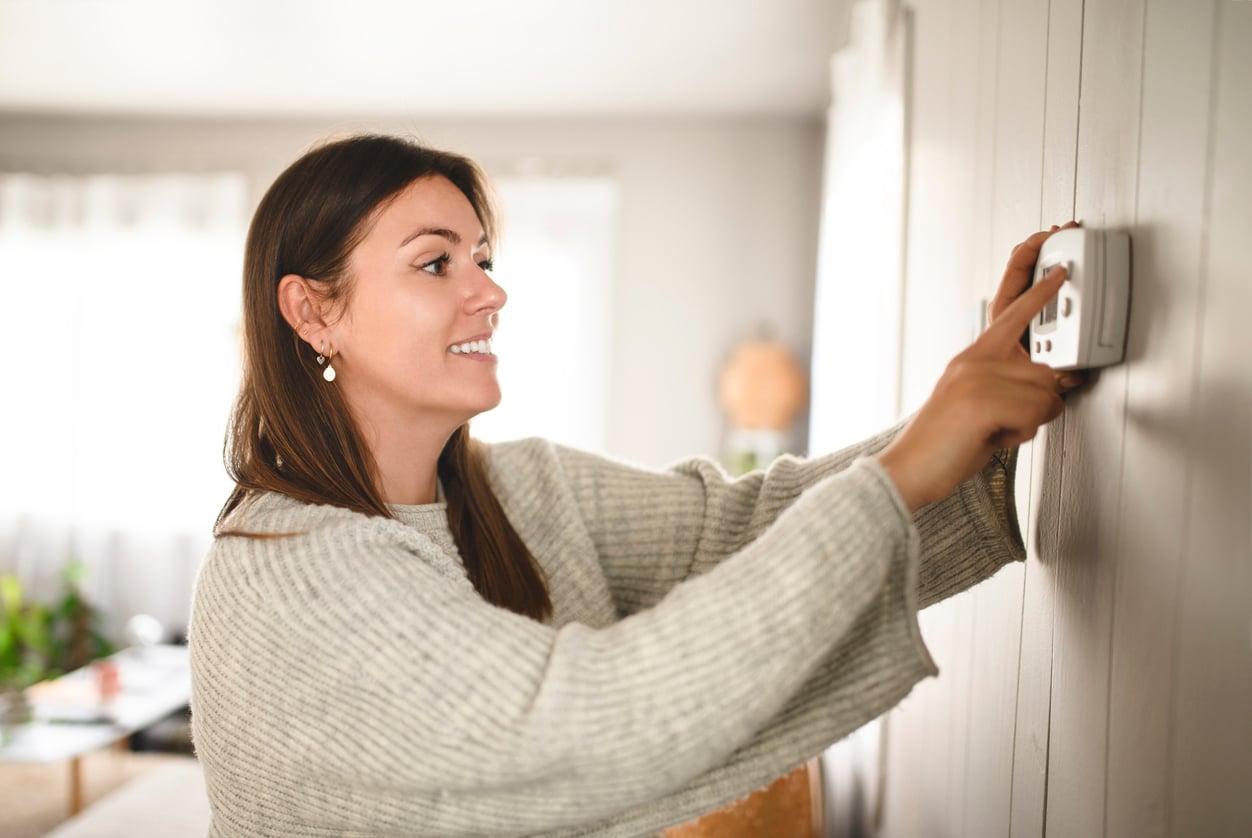
Keeping your home at a comfortable temperature is one of the most expensive utility costs there is. It often involves unnecessary electricity consumption, as thermostats are frequently programmed to activate when no one is home. Even a slight adjustment to the thermostat setting can mean a higher electricity bill and is a very costly habit. The Department of Energy (DOE) recommends setting your thermostat 7°F higher than your normal comfort level when you are away for the day.
Washing Almost Every Load in Hot Water
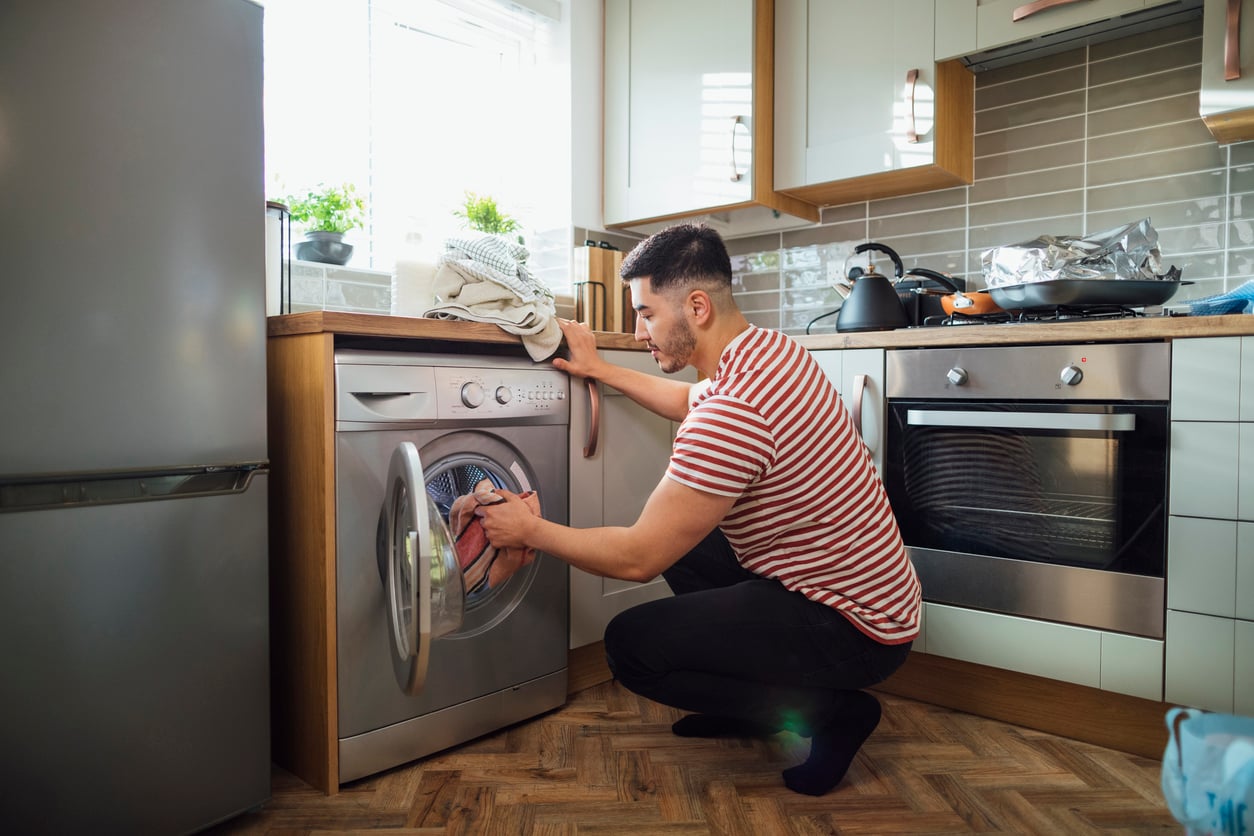
A large portion of the energy a washing machine consumes goes toward heating the water needed for the wash; however, this should only be used when washing heavy items or things that require sanitizing. You can switch to the cold water setting to reduce electricity costs, which is also gentler on your clothes. The DOE states that heating water accounts for about 90% of the energy consumed by a washing machine. By switching your wash setting from hot to warm, you’ll cut a load’s energy use in half.
Running the Dryer for Everything
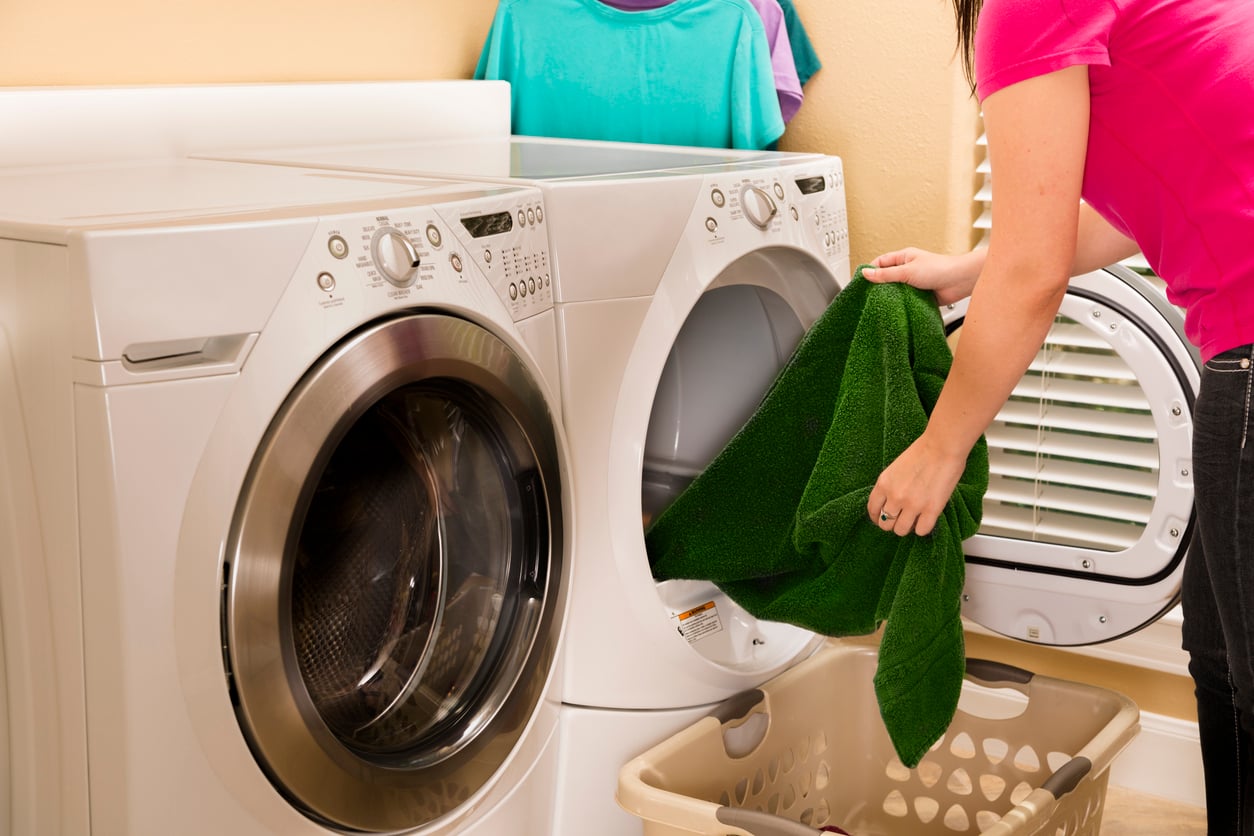
Clothes dryers are among the appliances that consume the most energy. Many garments can be partially or completely air-dried by hanging them up. In fact, constantly using these machines can shorten the lifespan of your clothes. Additionally, drying small or partial loads is generally less energy-efficient than drying full loads. To maximize energy efficiency and reduce utility costs when using a clothes dryer, the DOE recommends drying full loads with automatic moisture sensors.
Ignoring Air Filters Until They’re Completely Dirty
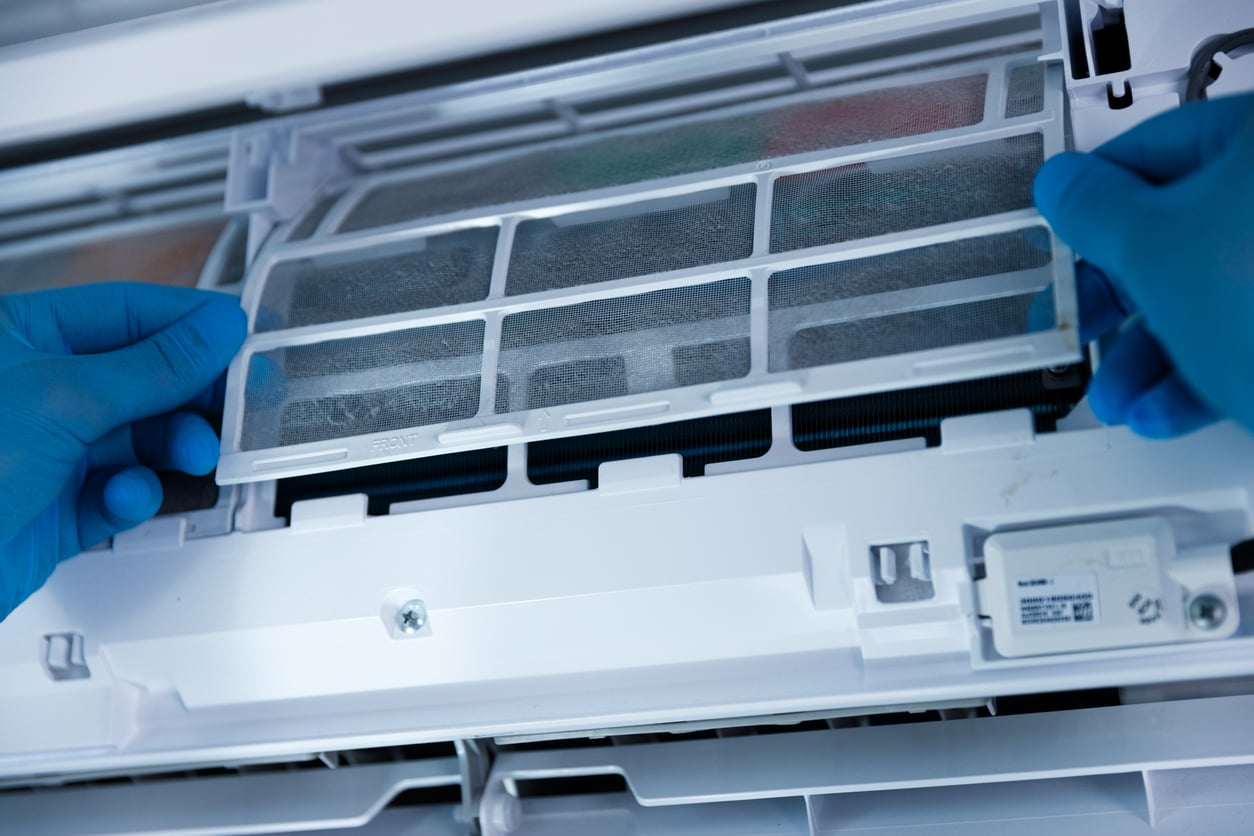
Filters in various appliances must be kept clean; when they become dirty, they cause the machine to overwork and consume more energy. Dirty filters in HVAC units, heating or cooling systems, or washing machines lead to significant costs, so clean or replace them if they are dirty. It is a simple task. The DOE advises focusing on clothes dryer and air-conditioning filters and their maintenance because a clogged filter restricts airflow. That issue could increase the energy consumption by up to 30%.
Paying for Streaming Services You Barely Watch

Subscriptions to various streaming services have become a monthly expense for households, yet many people pay for services they rarely use. The best approach would be to rotate subscriptions to reduce annual costs and to pay attention to monthly charges that often go unnoticed and renew automatically. You could save hundreds of dollars a year by changing this habit. Consumer Reports indicates that nearly half of consumers pay for streaming subscriptions they no longer use.
Trending on Cheapism
Buying Bottled Water Instead of Using a Filter
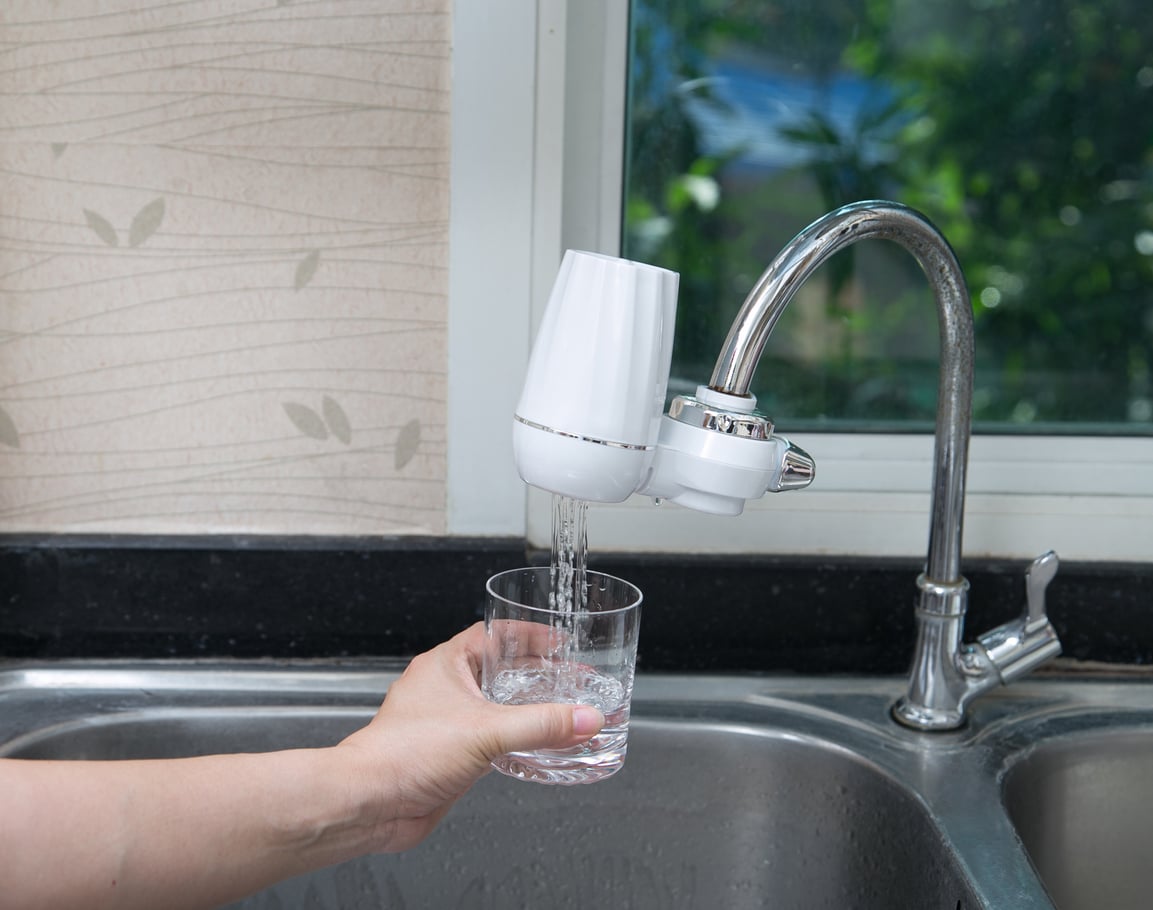
Bottled water can cost hundreds of times more than your home tap water, and since many municipal water systems have strict safety measures in place to ensure the water is safe, you can rely on it. Cut down on the money you spend on bottled water from the grocery store by refilling your own bottle at home. Consumer Reports recommends installing a filter to reduce contaminants found in your water system.
Letting Small Water Leaks Continue for Months
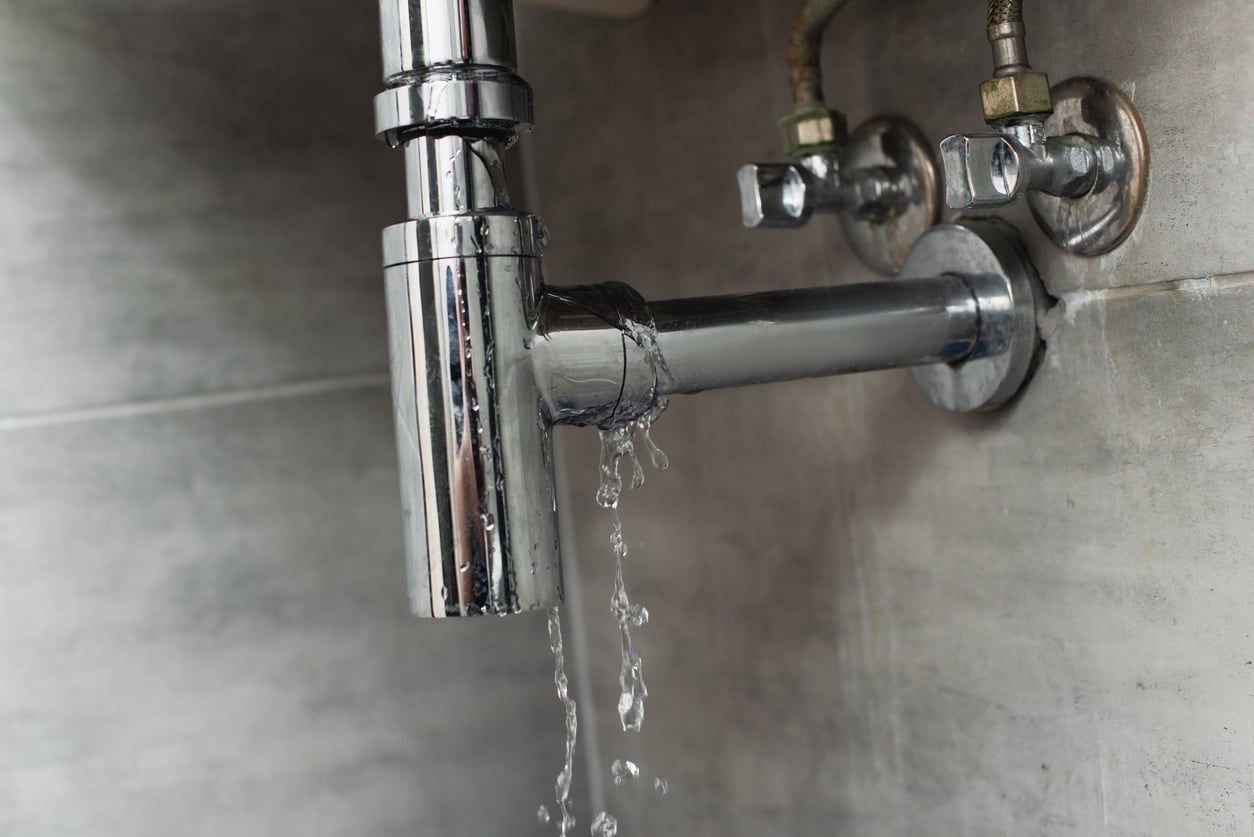
A leaking tap or a toilet that keeps running without stopping amounts to a significant waste of money. Those small leaks can turn into costly repairs or steep water bills at the end of the month. If you regularly inspect your water fixtures, you can avoid future problems. The Environmental Protection Agency (EPA) reveals that the average home wastes nearly 10,000 gallons of water per year from easy-to-fix drips.
Cooking Small Meals in a Full-Size Oven

Heating an oven to cook just one or two portions of food is inefficient and wastes a lot of energy. A good alternative would be to use smaller ovens or air fryers. Another option is to cook larger quantities, thereby making better use of your oven. By planning your meals more effectively, you can reduce electricity consumption. The DOE states that residential ovens typically draws 2,000 to 5,000 watts, that about $12 to $20 per month.
Sign up for our newsletter
Grocery Shopping Without a List

Small impulse purchases add up easily and can end up being a significant expense. Shopping while hungry or without a list of what you actually need from the grocery store is risky. You can plan your meals to be more efficient when shopping. It is a habit that is easy to correct. Consumer Reports indicates that using a grocery list is a way to cut food waste.
Throwing Away Food Every Week

One of the biggest expenses for families is food waste. They forget about leftovers or have expired products in the pantry. Freezing meals can extend their shelf life, and organizing your pantry will help you keep track of what you have and what needs to be used before it spoils. Consumer Reports noted that you have to know yourself and track what foods you throw out and why, and then adjust your shopping and cooking habits accordingly.
Buying Extended Warranties for Everything
Many products come with manufacturer warranties, yet many credit cards offer additional protection services. These extended warranties overlap with existing coverage. Consumer Reports strongly advises against purchasing extended warranties for cars, electronics, and appliances, concluding they are generally an expensive gamble. Over 50% of buyers never use the coverage.
Leaving Electronics Running Around the Clock

Many household electronics, such as desktop computers, game consoles, and televisions, are left on longer than necessary. While ‘sleep’ mode helps, it is better to turn them off when not in use. Furthermore, those who work from home have drastically increased their electricity consumption. The DOE suggests purchasing energy-efficient products and operating them efficiently. Use an advanced power strip to reduce the electricity waste when electronics are not in use.
Paying Full Price for Household Products

You know that some products in your home are nonperishable, so you could take advantage of warehouse club discounts and your subscriptions to buy those items in bulk and save money. Products such as toilet paper, detergents, cleaning supplies, and napkins won’t spoil. Consumer Reports suggests utilizing price tracking tools and evaluate whether a paid membership aligns with your budget to cut costs.
Watering the Lawn at the Wrong Time
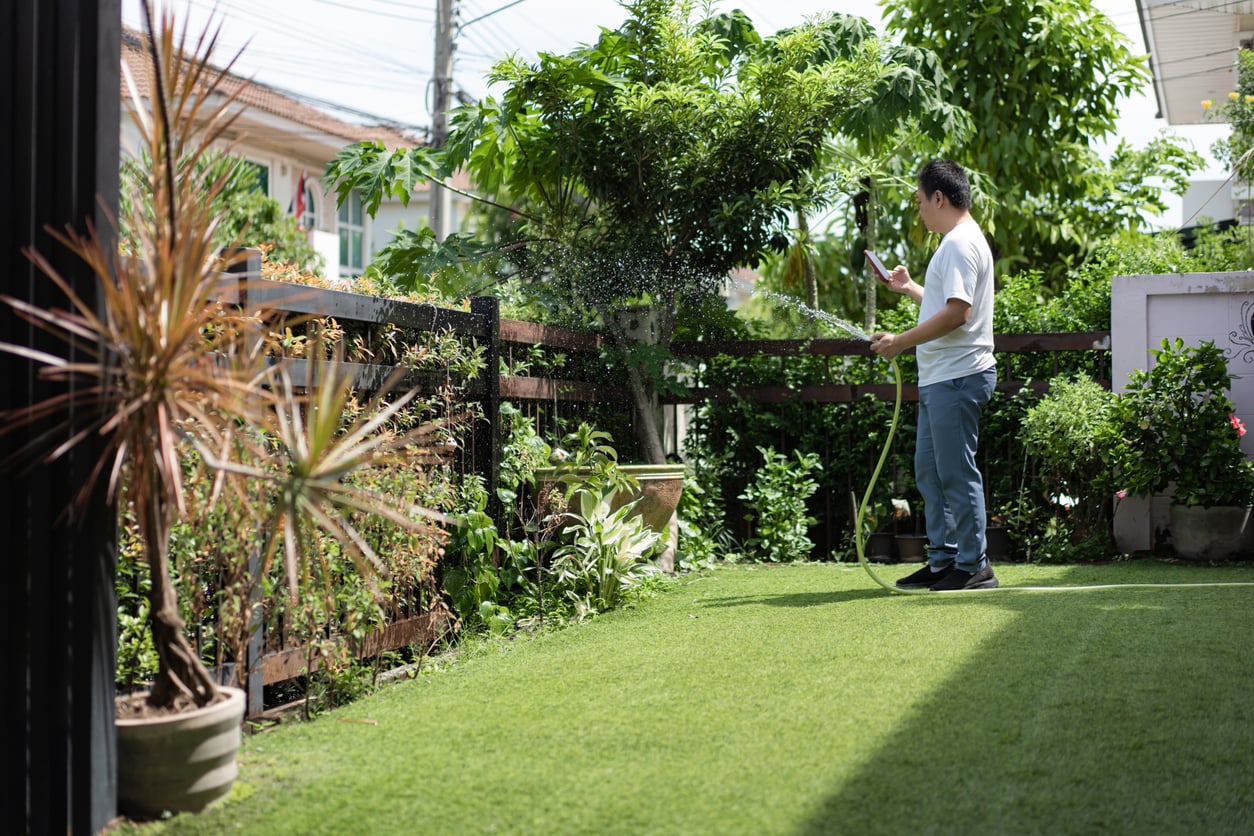
When watering your garden, avoid doing so at midday, as some of the water will evaporate due to the sun and fail to reach the plants’ roots. The best time to water is early in the morning. Alternatively, you can install a smart sprinkler system that knows when to skip watering because natural rainfall is expected. The EPA recommends applying about an inch of water per week, including rainfall.
Paying Interest by Carrying Credit Card Balances
Credit card debt can cost far more than combined electricity and water bills. Making a habit of paying only the minimum amount drastically extends the repayment period. Setting up automatic payments can help you avoid late payment fees. To maintain healthy financial habits, stay on top of your payments. Consumer Reports also suggests calling your card issuer to ask for a reduced APR.
Buying Single-Serve Coffee Every Morning

That coffee you drink every morning can easily cost hundreds of dollars a year. You can break that habit by making your own coffee at home. Premium beans cost less than store-bought coffee, allowing you to save money. According to Consumer Reports, brewing coffee at home costs significantly less than buying it at a café, where specialty drinks routinely cost $7 or more per day. By comparison, brewing a daily cup of ground coffee at home generally ranges from $0.50 to $1.50.
Replacing Things Before They Actually Need Replacing
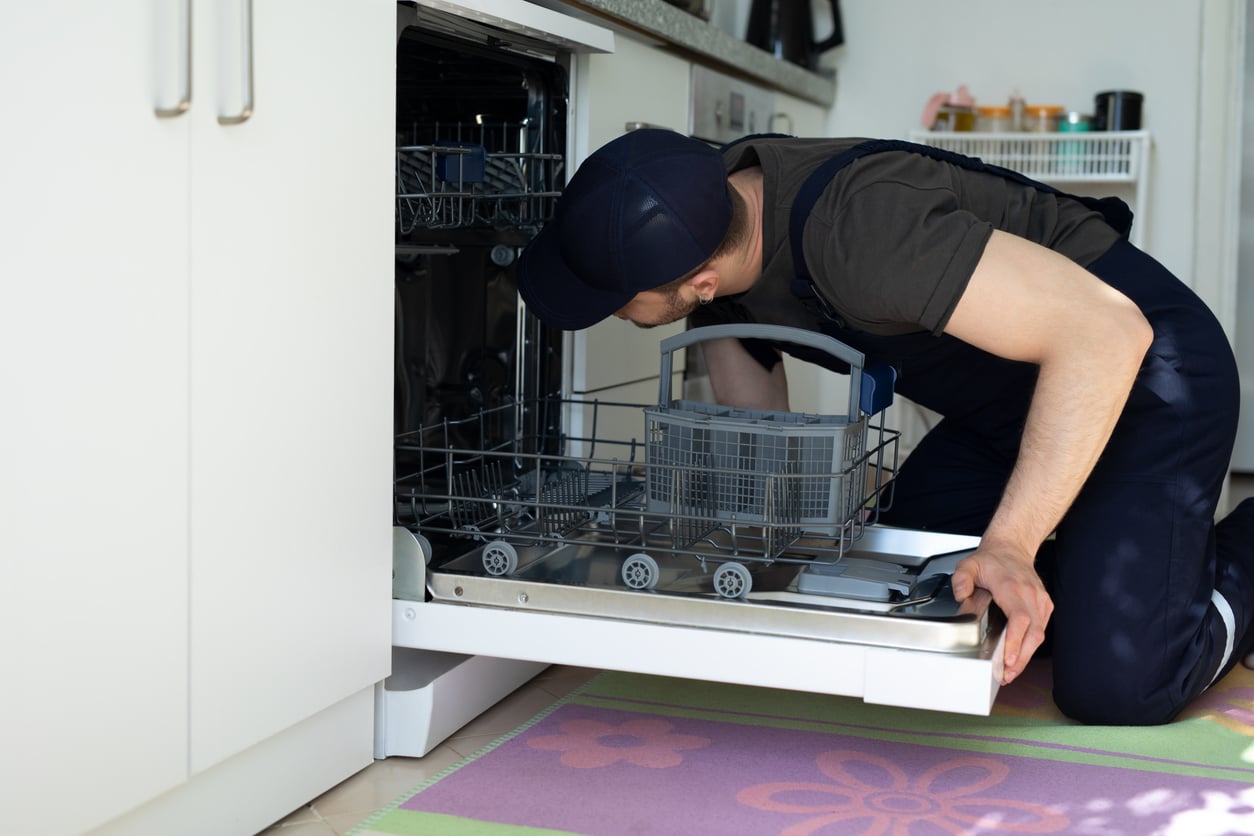
Appliances have a limited lifespan, but when they break down, repairs can cost almost as much as buying a new replacement. You should perform preventive maintenance to avoid facing that decision and plan for replacement parts, which cost less than dealing with a completely non-functional appliance. Consumer Reports has a Repair or Replace Tool to weigh the cost of a repair against your appliance’s age and depreciation.
Paying for Internet Speed You Never Use
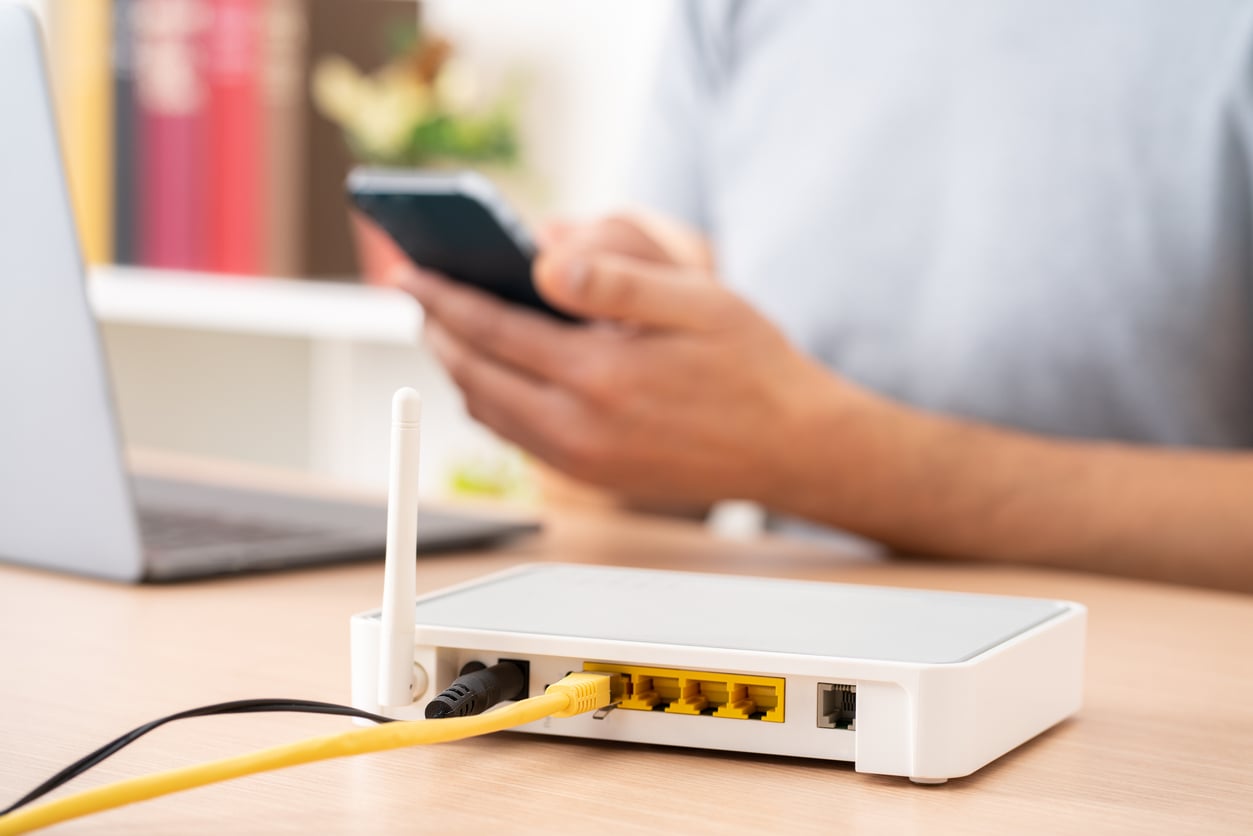
People are often tempted to sign up for internet speeds far higher than necessary. Streaming and web browsing frequently require less bandwidth than advertised, and you should keep in mind that the monthly cost of the service increases. Check your current plan, evaluate whether you actually need that level of speed, and if not, look for a cheaper plan. Consumer Reports indicates that almost any internet speed is fine for receiving texts, emails, or listening to Spotify, but you need as much as 25 Mbps to watch a 4K Netflix movie in HDR at its highest quality.
Shopping Without Comparing Insurance Rates

The cost of car and home insurance tends to rise gradually over the years. The fact is that many customers stick with the same insurer for years because bundling policies makes it cheaper. However, you should compare rates from other insurers. Simply being loyal to a company does not mean they are offering you the best financial deal. Consumer Report reported that median annual car insurance premium is just under $1,500 and $1,700 for houses.
Never Reviewing Your Monthly Bills

You need to be aware of what you pay each month. Small increases in subscriptions, services, and purchases happen and add up. You could even receive a duplicate charge by mistake, so reviewing those expenses can save you money. Consumer Reports recommends that you can always divide expenses by sharing subscriptions with a friend, or fixing machines to consume less energy or water.
Bigger Picture / Why It Matters

All these habits and behaviors lead people to spend money unnecessarily. By correcting some of these situations, you will notice monthly savings, and over time, you will recoup hundreds of dollars. You don’t need complicated strategies, just pay closer attention to these points.