

Just when you thought you were making headway with your bills — BAM. A visit to the ER throws everything off track.
Unexpected medical bills can feel overwhelming, but before you reach for your wallet, there are a few ways to lower what you owe. Hospitals and insurers often have systems in place to help customers struggling with sky-high medical costs — you just have to know how to use them.
Call Your Insurance Company Before Paying Anything

Billing mistakes are surprisingly common, so start by making sure your bill was processed correctly. Sometimes charges are coded wrong, or an in-network doctor is mistakenly listed as out-of-network. To avoid falling into that trap, request a detailed, itemized bill and go through it line by line with your insurer to confirm what they will — and won’t — cover. You’d be surprised how a simple correction or adjustment can shave hundreds off your total.
Negotiate Directly With the Clinic or Hospital

If you don’t currently have insurance or are facing a high deductible, call the hospital’s billing office and inquire about a settlement amount or financial assistance program. Many hospitals quietly offer reduced rates to patients who ask — sometimes slashing bills by up to 50%. These policies aren’t widely advertised, so it’s worth picking up the phone. Be polite but firm, and don’t hesitate to request an itemized statement to see exactly what you’re being charged for.
Some facilities will even pause collections or, in some cases, forgive part of the balance entirely if you offer to pay it off at once, also known as a “prompt pay” discount. As one Redditor shared, “Before you pay a hospital bill, call them up and ask for a discount if you pay today in full over the phone. I just got a 20% discount ($1,000) off the bill for my child’s birth.”
Set Up a Payment Plan Instead of Paying in Full

Most hospitals would rather see steady payments over time than a lump sum they know most patients can’t afford. Ask if you can set up monthly payments with little or no interest. Remember, billing departments would rather receive something than nothing, so they’re often willing to work with you. Some facilities will even pause collections as long as you’re making consistent payments, even if they’re in small amounts.
Use a HSA or FSA Account for Tax-Free Payments
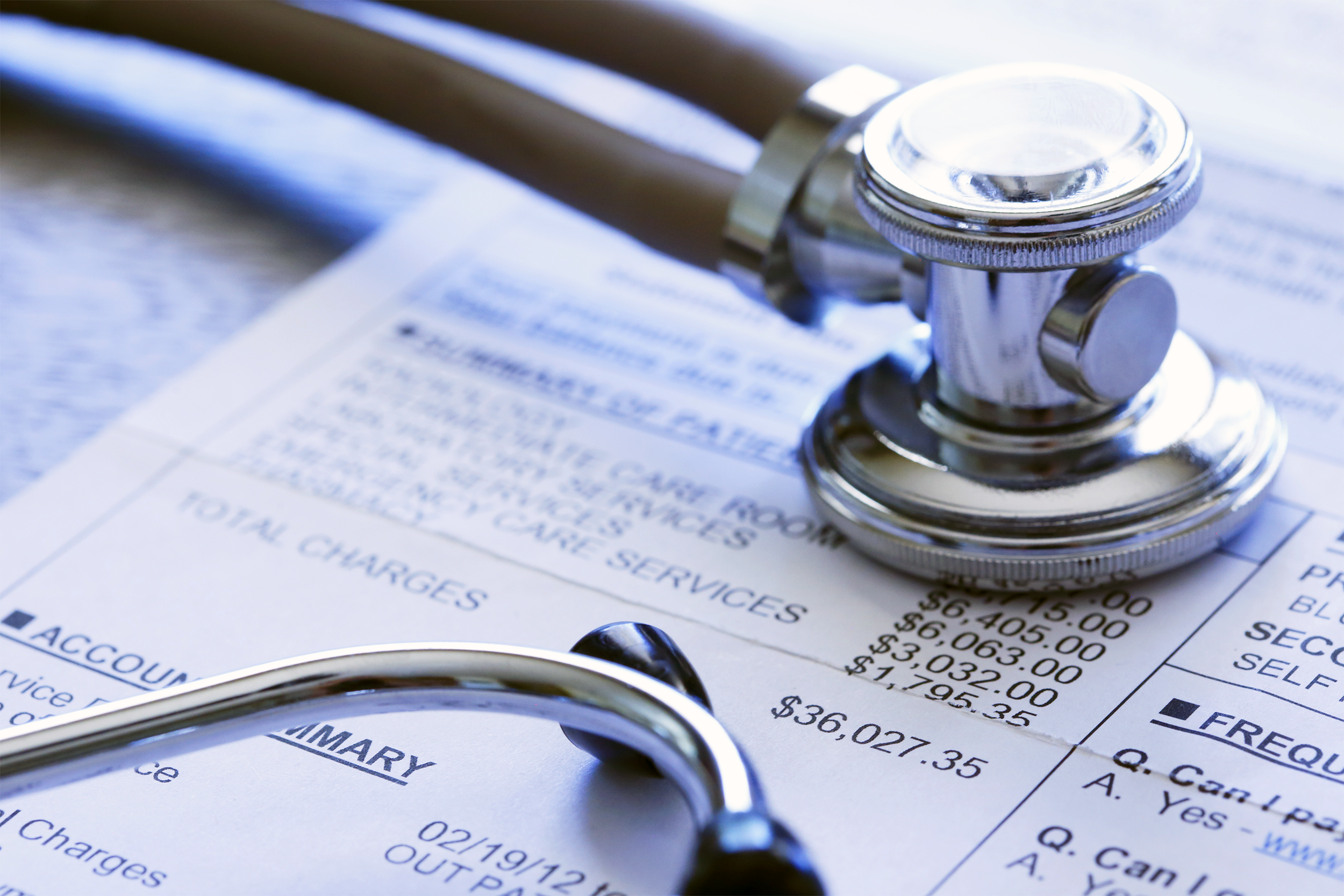
If you have a Health Savings Account (HSA) or Flexible Spending Account (FSA), which is typically offered through an employer, you can use it to cover eligible medical costs before paying out of pocket. These accounts allow you spend pre-tax dollars on approved health care expenses, which can save you up to 30% depending on your tax bracket. Just make sure the expense qualifies — things like hospital bills, prescriptions, lab fees, and even medical equipment typically do.
Pro tip: Always keep your receipts and copies of any medical bills in case your HSA or FSA provider requests documentation in the future. That way, if questions come up later about what you spent or why, you’ll have everything ready to prove the expense was eligible.
Take Advantage of State or Local Payment Plans

Some states offer their own medical debt relief or payment programs for residents who meet certain income thresholds. For example, Nevada and Maryland require hospitals to provide free or discounted care for patients that fall below the federal poverty line. Check your state’s Department of Health website or call your local hospital’s billing office to ask about state or county-level programs. You might find that a portion of your bill can be forgiven or deferred through a public aid option you didn’t even know existed.
Trending on Cheapism


Leverage Services Like ‘Dollar For’

If your bill is still sky-high, non-profits like Dollar For can step in and do the heavy lifting for you. The organization, which is run on a volunteer basis, helps patients apply for hospital financial assistance programs by taking care of paperwork, communicate with billing departments, and following up until a resolution is reached. The service is free to use and, in many cases, patients see their bills reduced by thousands, or even wiped out entirely.
“I dislocated my elbow two months ago while I was uninsured, and I just got my $4,400 hospital bill reduced 99% to $50,” said one Redditor who used the service.
Before you pay a dime, remember that medical bills are often negotiable. A few phone calls and a bit of persistence can turn what feels like an impossible bill into something you can actually manage.
More health care content:

- How ‘Dollar For’ Can Help Reduce Your Medical Bills — A growing number of patients are finding relief through a non-profit called Dollar For, which helps people apply for hospital financial assistance.
- 19 Real Medical Bill Horror Stories That Show How Expensive Healthcare Can Get — These real stories of outrageous medical bills reveal the darker side of the U.S. health care system.
- Can’t Drive After a Medical Procedure? These Tips Can Help You Get Home — Not everyone has a friend or family member who can provide assistance after a medical procedure — but there are options.