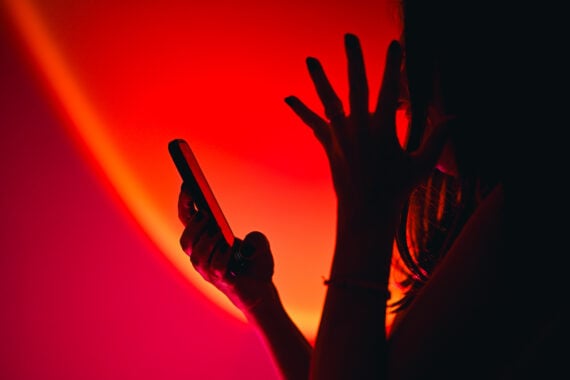
The advent of smartphones has shaped the amount of time people spend looking at screens. Nowadays, when you need to communicate, shop, find entertainment, get directions, access information, seek emergency assistance, or handle a host of other matters, the phone is the go-to tool according to Pew Research Center. Human life has changed since smartphones became an extension of the body, yet life before smartphones reminds us there are times when it is better not to look at a screen, some of which are highlighted below.
Conversations Had Fewer Interruptions

When having face-to-face conversation, there are no distractions, such as push notifications, social media messages, or work emails, that tempt you to mentally disengage from the discussion at hand. During life before smartphones, conversations were deeper and involved more interaction than those taking place via a screen. The Pew Research Center stated that 82% of adults said cellphone use at social gatherings at least occasionally hurt the conversation atmosphere.
Family Meals Felt More Like Family Time

During life before smartphones, at breakfast or dinnertime, families would often share their thoughts or talk about their day, treating the meal as a natural pause in their routine. Today, however, the prevalence of screens means that while many families may be physically together at the table, they engage in separate conversations and forms of entertainment via their mobile phones, televisions, or touchscreens. The Pew Research Center notes that some families have tried instituting “no-phone” dinners to foster better connections, the old-fashioned way.
Being Unreachable Was Perfectly Normal

Another aspect of life before smartphones that has changed completely is that when you left home, there was no way to get in touch with you unless someone knew the number of the shop, workplace, or house you were visiting. Consequently, no one had to explain why they hadn’t answered a message for 20 minutes or hadn’t shared their location. A downside was that this limited access made things difficult during emergencies, but a positive aspect was having more personal time free from outside interruptions.
Waiting Was Allowed to Be Boring
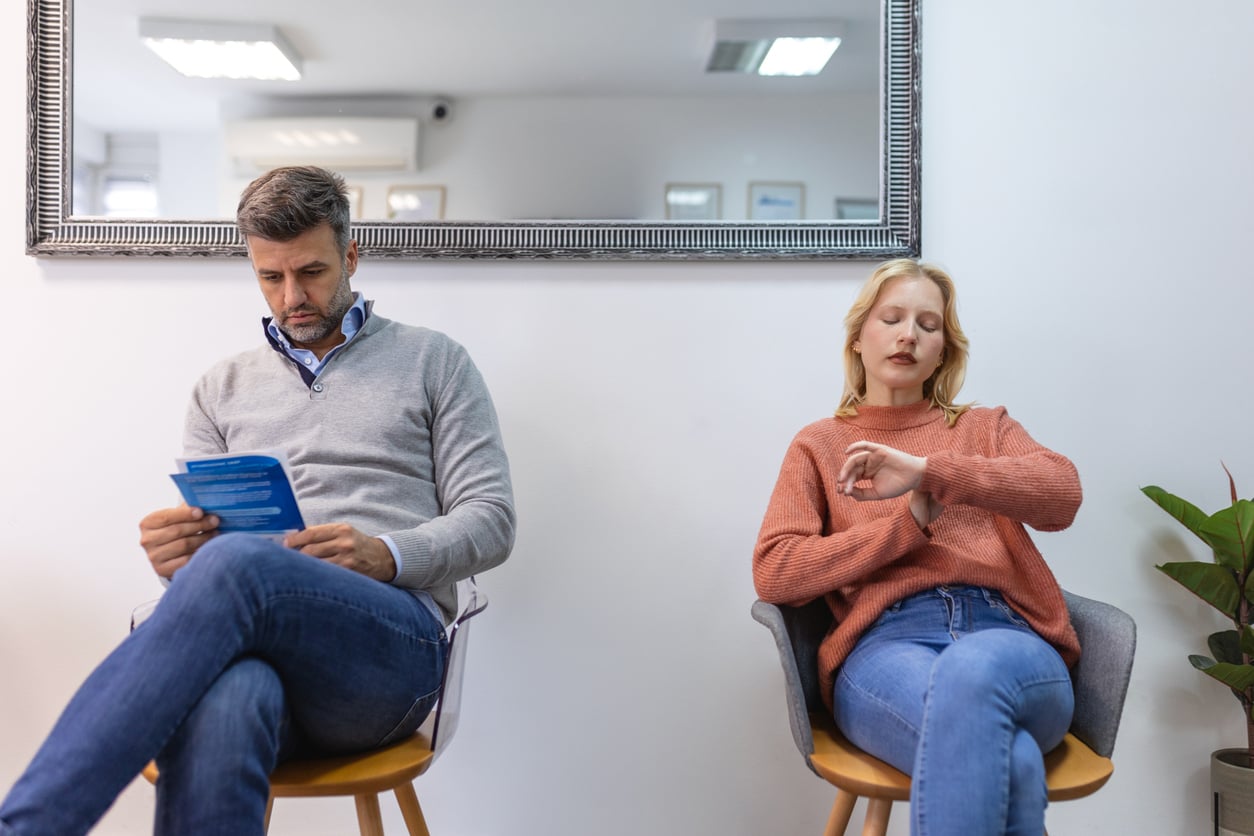
In certain situations requiring a wait, such as at bus stops, in lines to pay for a service, or in waiting rooms during life before smartphones, people used to observe, imagine, converse, or simply do nothing. Today, no more than five seconds pass before they pick up their phones, even without any real need to do so. While being bored may not be productive, eliminating those opportunities for reflection or spontaneous conversation is not beneficial for people.
Kids Had More Unstructured Time Outside

During life before smartphones, children used to spend a great deal of time outdoors, playing in the garden or exploring nature. Even though these activities competed with watching television, reading books, or engaging in activities scheduled by their parents, children largely preferred spending time outside. However, the advent of portable entertainment devices changed everything. Children stopped creating their own games and exploring their surroundings. They ceased the physical activity that came with exploration and instead began sitting in front of a screen.
Trending on Cheapism


Bedtime Had a Clearer Boundary

In the past, simply entering the bedroom at bedtime meant you would be asleep within minutes. However, with the advent of screens, many people delay their rest because they are reading books, checking messages, browsing the internet, or watching movies. According to a PubMed study, using electronic devices at the time is associated with poor sleep quality, in comparison to life before smartphones.
Work Was Easier to Leave at Work

Consider that once people finished their workday, they no longer had access to files, colleagues, or voicemail messages until the following day. Smartphones have made work more flexible, but they have also led to interruptions during weekends and off-hours. The Pew Research Center stated that 41% of adults described themselves as almost constantly online.
Hobbies Received Undivided Attention

When you decided to take up a hobby, such as gardening, painting, cooking, or woodworking, you weren’t interrupted by message alerts or app notifications that diverted your attention from what you were doing. Admittedly, smartphones allow you to pursue a wider range of hobbies, as you can use them to learn or look up instructions, much different in comparison to life before smartphones. However, research from PubMed suggests that interruptions while in a state of deep engagement can be linked to lower life satisfaction.
Sign up for our newsletter
More Free Time Naturally Involved Movement

During life before smartphones, leisure time involved watching a fair amount of television, but that type of entertainment didn’t follow you into every room, into the car, or out of the house. All that screen time leads to less exercise, and it has been proven that those who watch more television sacrifice time that could be spent on recreation or physical activity.
Road Trips Built a Better Sense of Direction

Unlike life before smartphones, today using GPS to reach your destination on a road trip eliminates wrong turns and getting lost, but it also means you don’t pay as much attention to your surroundings, the highway number you’ve traveled, or nearby landmarks. PubMed stated that habitual turn-by-turn navigation reduces active engagement with landmarks and the formation of internal cognitive maps.
Photos Were Fewer and More Intentional
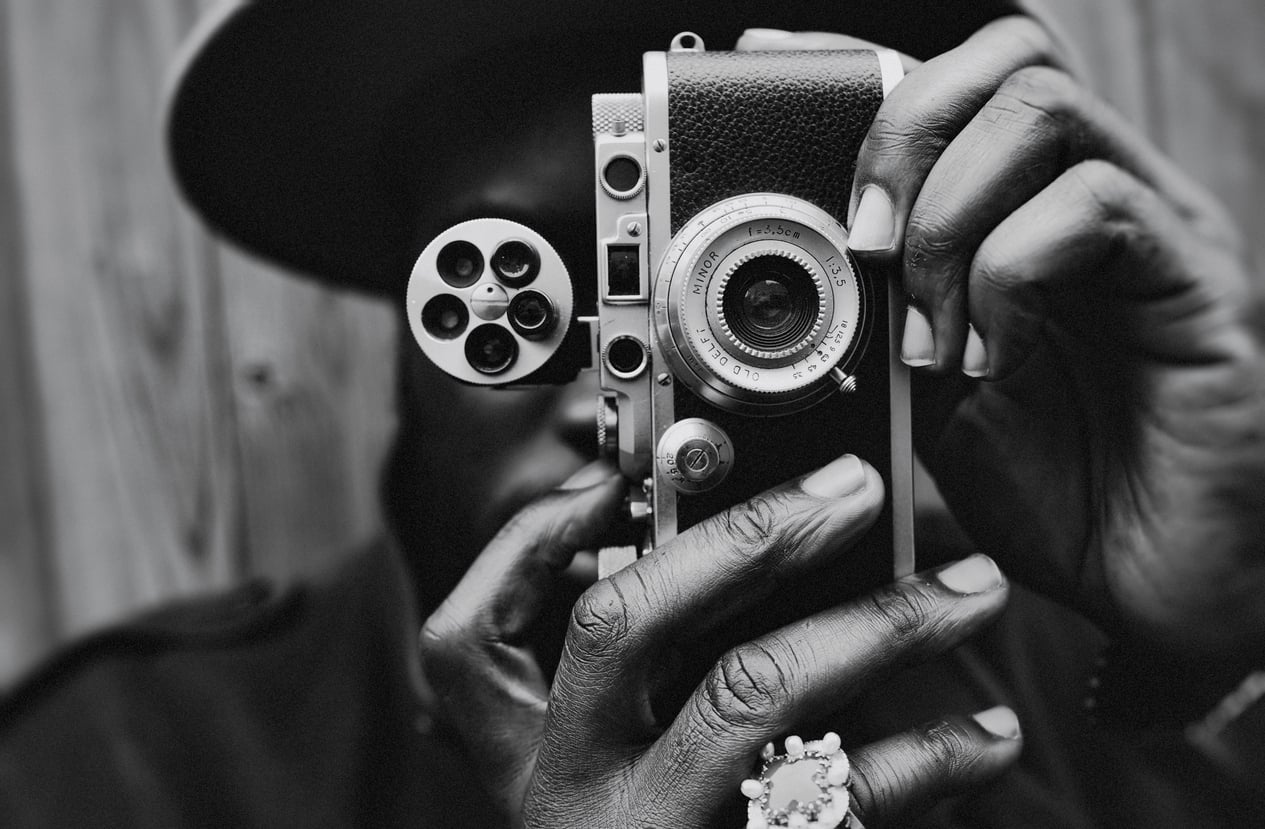
In the past, the cost of film and limited exposures encouraged people to save photographs for special occasions like birthdays and vacations. That has changed, as digital cameras and mobile phones can photograph anything. PubMed notes that constant documentation can make the experience itself feel secondary.
Concerts and Events Were Watched Instead of Recorded
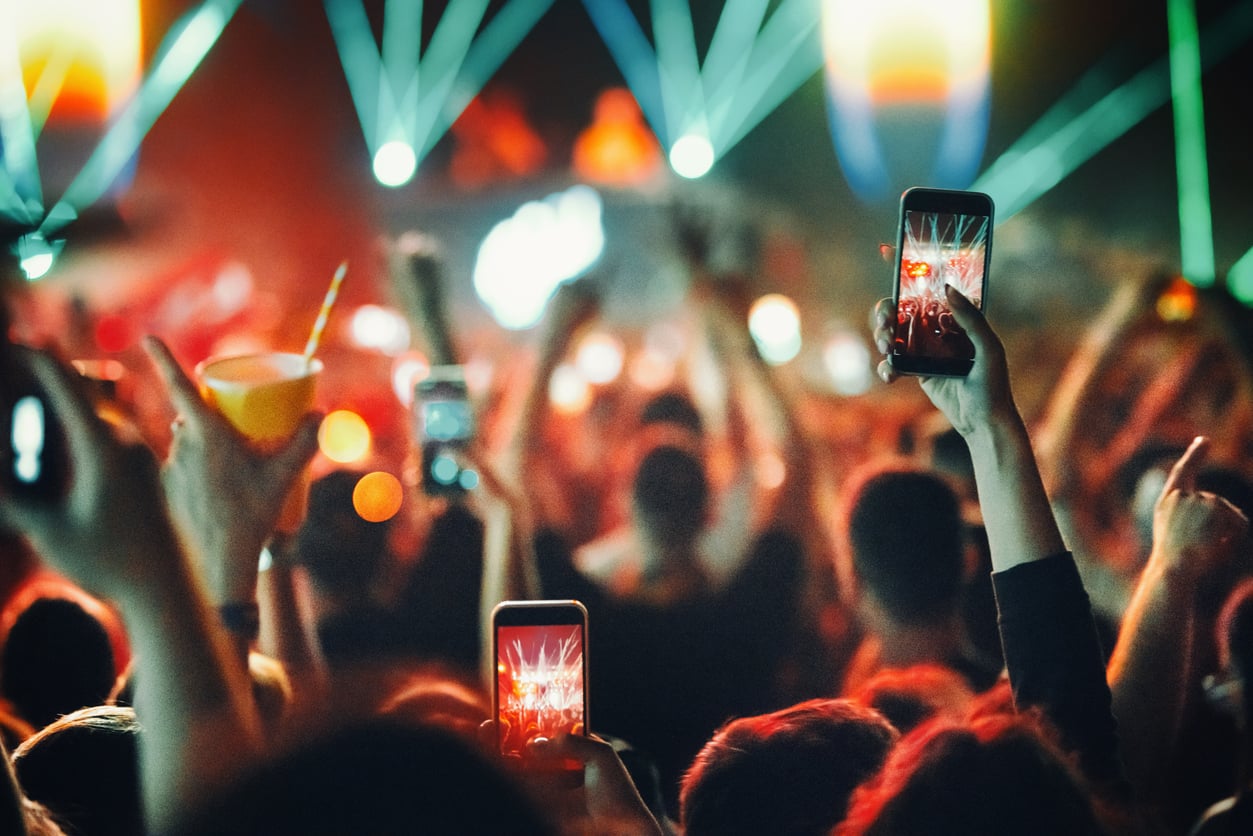
During life before smartphones, it used to be common to snap a few photos when attending an event, even though cameras were often restricted at many concerts. Today, smartphones allow you to capture significant moments, but they also shift your focus toward framing the shot, checking the image, and posting the result while the performance is still unfolding, causing you to miss out on actually experiencing the moment itself.
The News Had a Stopping Point

People used to stay informed through newspapers delivered to their homes once or twice a day, or later, through scheduled television newscasts. While they stayed informed, they did not receive constant updates right at their fingertips. Today, you can get information through live blogs, comments, social media posts, videos, and algorithmic recommendations, much different in comparison to life before smartphones.
Shopping Involved Less Personalized Persuasion
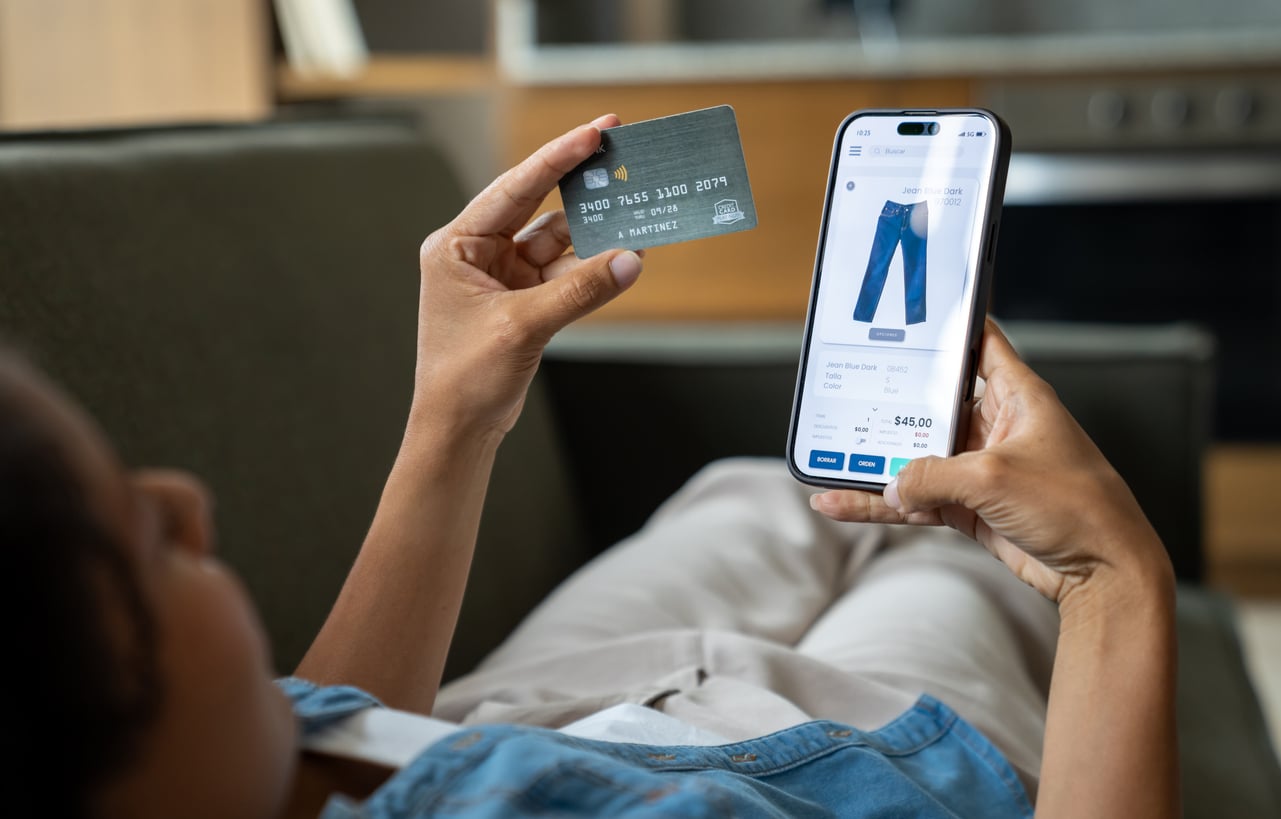
During life before smartphones, early forms of advertising targeted society at large through catalogs, newspapers, and television commercials. However, digital platforms now combine data from your internet searches, location, history, and recorded purchases to select the right advertisement to prompt you to buy specific products.
Social Comparison Stayed Closer to Home

People have always compared themselves to others, regarding clothing, appearance, careers or vacation destinations, among other things. However, such comparisons used to be limited to neighbors, coworkers, or celebrities featured in magazines. In recent years, social media has expanded this scope of comparison to include people thousands of miles away and a constant stream of retouched images. PubMed indicates that social media exposure is linked to psychological distress and body dissatisfaction.
Everyday Privacy Required Less Maintenance
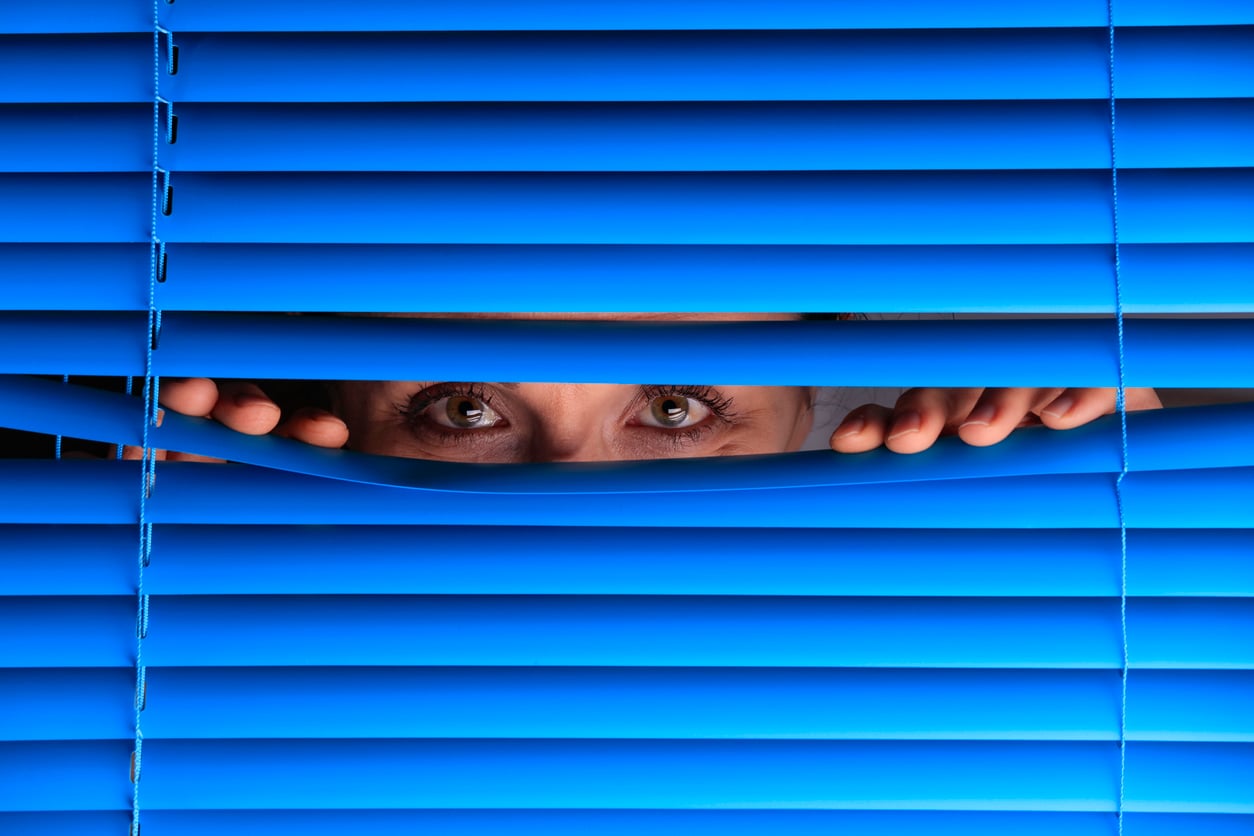
Life before smartphones offered better privacy because companies only knew about you when you physically visited a store or which fuel you bought for your car. Nowadays, using many applications requires granting permissions regarding your age, account history, location, cookies, passwords, and much more. Platforms gather information about their users, and sometimes even non-users, to store and share vast amounts of data about individuals.
Memory Had to Do More of the Work

You used to have to memorize phone numbers, addresses, birthdays, appointment times, routes, and basic facts because you couldn’t save them on a phone. Nowadays, all of that can be stored on an electronic device, though the price you pay is the risk of running out of battery, losing the phone, forgetting a password, or having a weak signal. That was life before smartphones appeared.
Reading Came with Fewer Competing Tabs
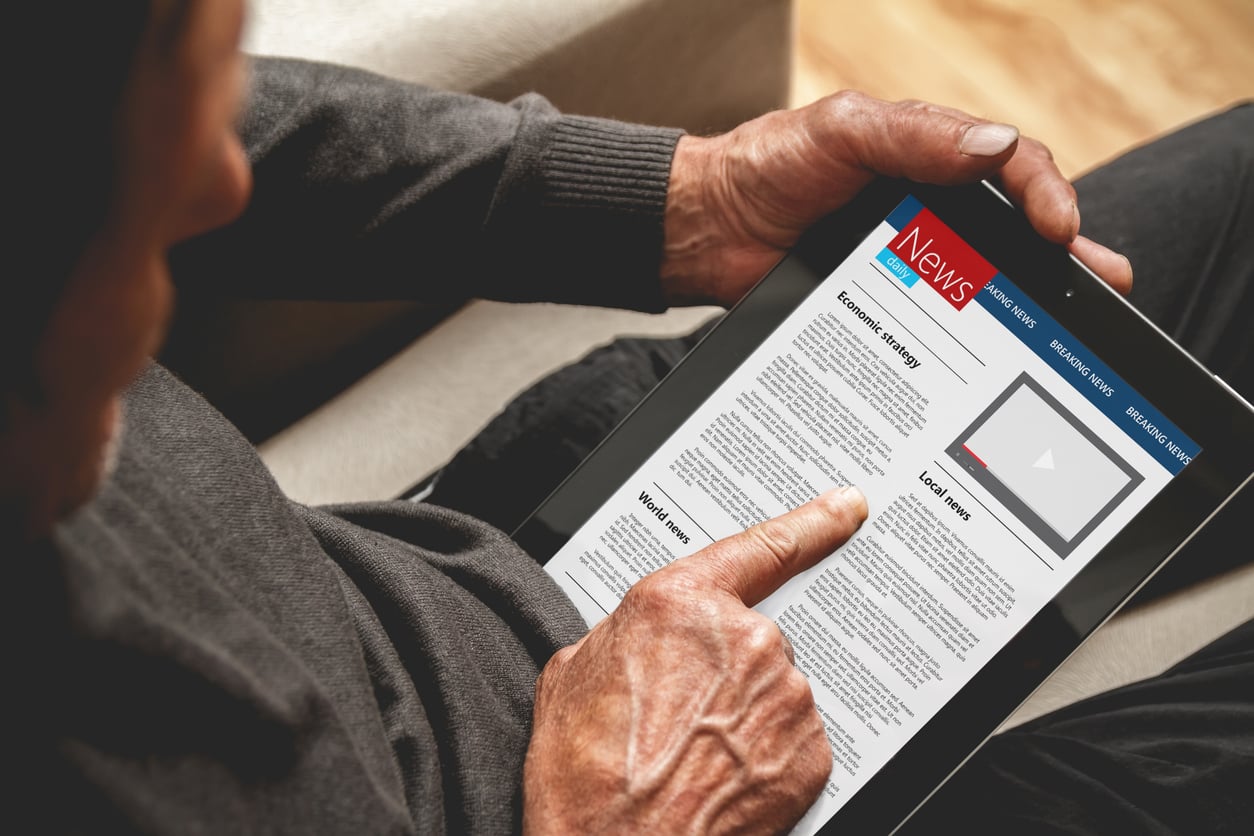
During life before smartphones, when you sat down to read, you wouldn’t be interrupted by message notifications, video suggestions, or comments from other users about the text, because you were reading a paper book. Digital reading has introduced all those interruptions, but it also makes a vast number of books available, easy to carry and customizable for a more comfortable reading experience. The Bureau of Labor Statistics revealed that Americans averaged about 16 minutes of reading for personal interest per day in 2025.
Entertainment Was More Often Shared

Back when there was a limited number of television channels, movies in theaters, and radio programs, people shared common cultural touchstones, references that almost everyone understood, when talking to coworkers or friends. That changed with the advent of streaming platforms, which allow users to watch thousands of movies and maintain personalized accounts. Now, even within the same household, family members might watch different series in adjoining rooms.
Social Plans Require More Deliberate Commitment

Nowadays, it is easy to meet up with someone you care about. You can send a text message about your arrival time or any delays or even share your location. During life before smartphones, punctuality and preparation really mattered because you had to agree to meet a person at a specific place and time, and you couldn’t afford to miss the mark, or else you wouldn’t find each other. Smartphones have made these meetups more flexible. Now you can know where you’ll meet, but maybe you don’t know what you’re going to do.
Conclusion
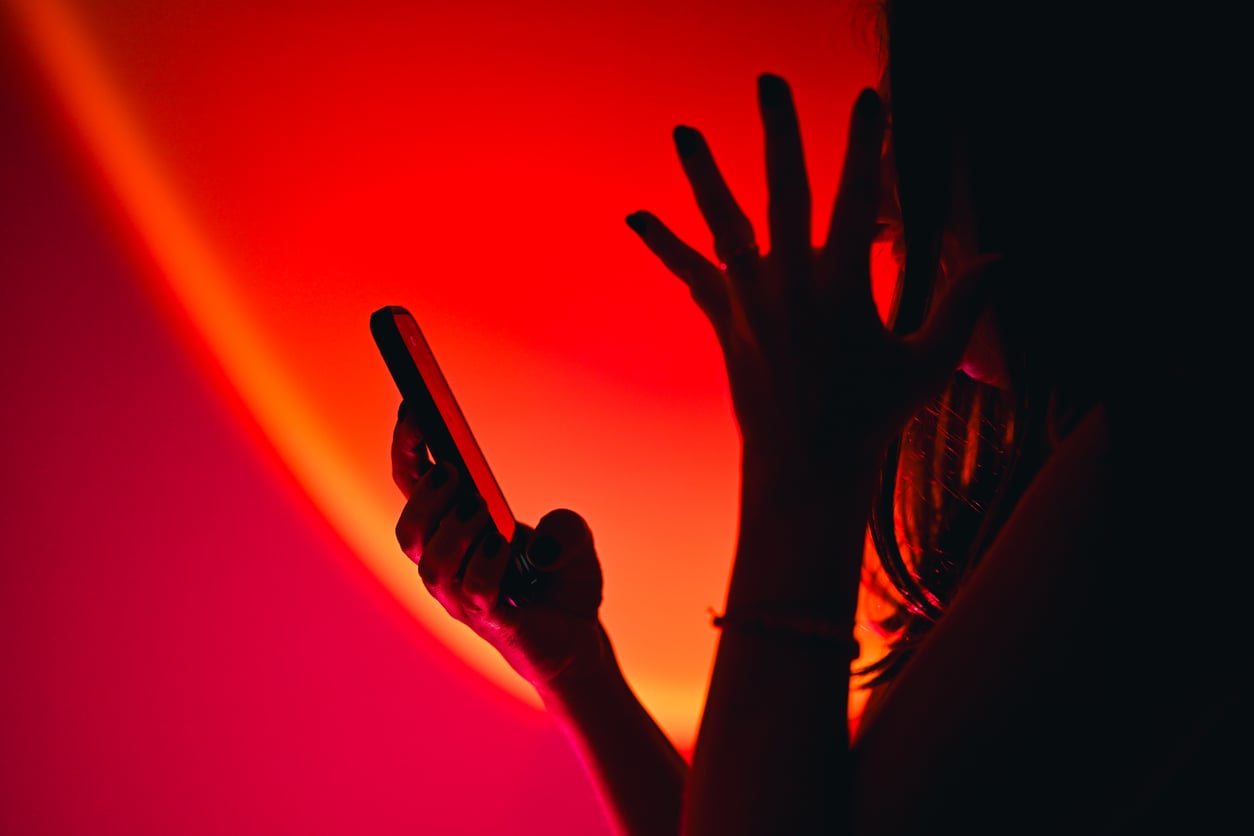
A major difference between life before smartphones and today is that there used to be a clear boundary between work and home, public and private life, and times when one was available to others versus when one was not. There are certainly positive aspects, such as the ability to stay connected during emergencies, access to tools and information for problem-solving, and having affordable entertainment right at one’s fingertips. However, screens also negatively impact our lives by depriving people of sleep, time for activities, and a certain degree of privacy.