
Like a thief in the night, unemployment creeps in to rob workers of their sense of stability and incites a frantic scramble to find a new job ASAP. Whether you’re updating your LinkedIn profile picture to showcase an “Open to Work” banner or you’re filing for unemployment, it’s common practice to try to find a fast fix when you lose your job. But sometimes, the fast is s-l-o-w, leading to long-term unemployment, which now accounts for a whopping 25% of all jobless workers in the U.S.
What Is Long-Term Unemployment?
According to the Bureau of Labor Statistics, long-term unemployment refers to workers who are unemployed and have been searching for work for six months or more. The share of people in this category has been steadily rising for the last three years, despite the fact that job growth is on the rise. Many of those added jobs are in the health care field, so anyone unemployed and unqualified outside of that sector can’t exactly submit their application and expect anything good to happen from it.
The Domino Effects of Long-Term Unemployment
The only cushion anyone gets to land on when they’re faced with unemployment is the unemployment insurance payments (which typically only account for 40% of their usual income). Anyone falling into the long-term unemployment category, though, has likely already exhausted the time limit to receive those benefits, meaning they don’t even get that small contribution.
One Redditor mentioned that being unemployed for one year is all it takes to ruin your whole life, adding, “No one will hire you. Can’t do credit apps. As soon as you slip into homelessness, you’ll lose all the contacts and respect you had before. Everything costs money, so you will burn through all your irreplaceable savings very fast. If you are already in debt, say hello to 500 credit scores.”
How Are Workers Handling This?
On a viral Reddit thread asking workers who have been unemployed for a long time how they stay positive, one user said, “There is no choice. You have to keep applying until you find someone who thinks you’re the guy for the job out of everyone else.”
Another shared, “I stopped caring what employers thought of me and I don’t go above and beyond to impress them anymore. They quickly filter me out so I do the same. I don’t like the job search process these days. It feels like begging. Instead, I’m focused on building my businesses now.”
Job seeker Tequila Turner told CNBC she had to turn to freelance projects and gig work like DoorDash after losing her six-figure job, and plenty of workers are doing the same to get by, with some doing so in preparation for potential job loss. One Redditor shared, “This is why I keep a side project as a current employer to prevent the question of an employment gap from even coming up in the first place. I’m not lying as they told me as long as I’m willing to work for them, that I have a job there. Does it pay much? No, but it takes 3-4 hours of my time each month.”
Have you ever faced long-term unemployment? Share your experience in the comments.
More From Cheapism
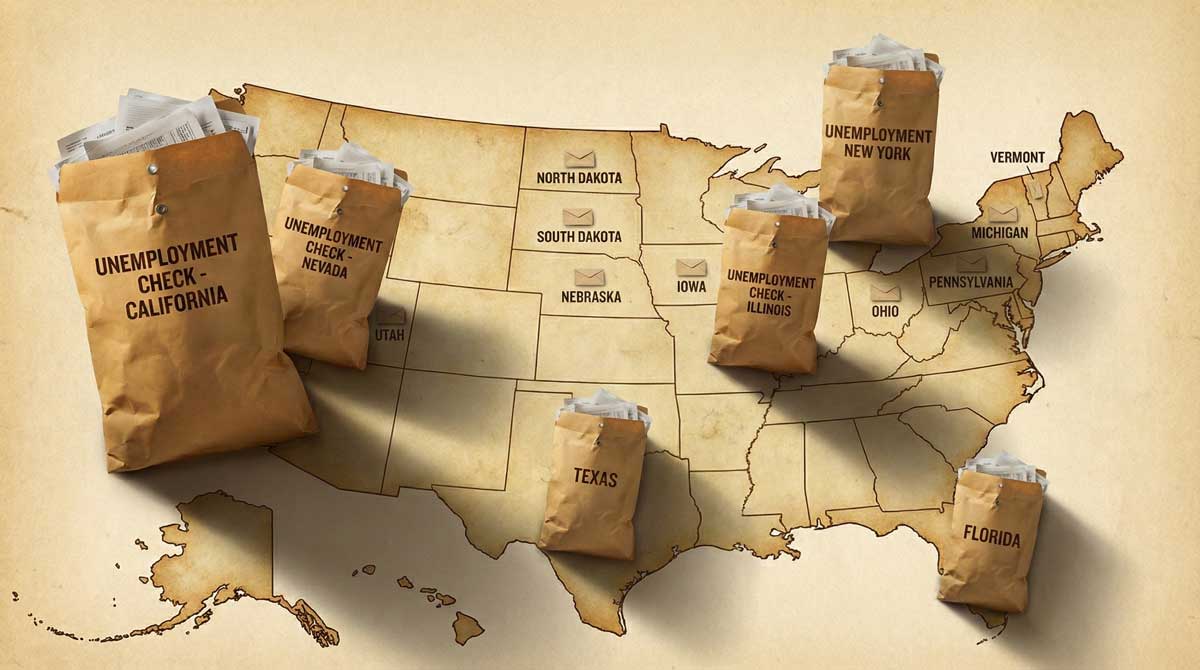
- Here’s How Much Unemployment Someone Can Collect in Every State — Some states offer relatively generous benefits, while others cap payments at much lower levels or limit the duration of assistance.
- Laid Off? In This Economy? These 8 Mistakes Might Make Things Worse — Whether you lost your job at one of the world’s biggest tech companies or were just laid off from a small mom-and-pop shop, there are some actions you want to avoid.
- Report Says Employers Added 130K Jobs in January. Job Seekers Aren’t Seeing Them — Apparently the economy is doing just fine. Tell that to people who are unemployed.