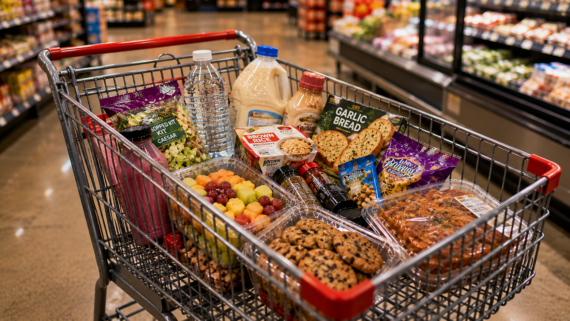
Companies no longer compete to create an improved product, but instead focus their efforts on better positioning through packaging, promotion, and even by creating a perceived need for it in your home. You could check on Walmart and Costco for prices like we did. Read on to discover these grocery store items you shouldn’t buy at convenience stores!
Pre-Cut Fruit
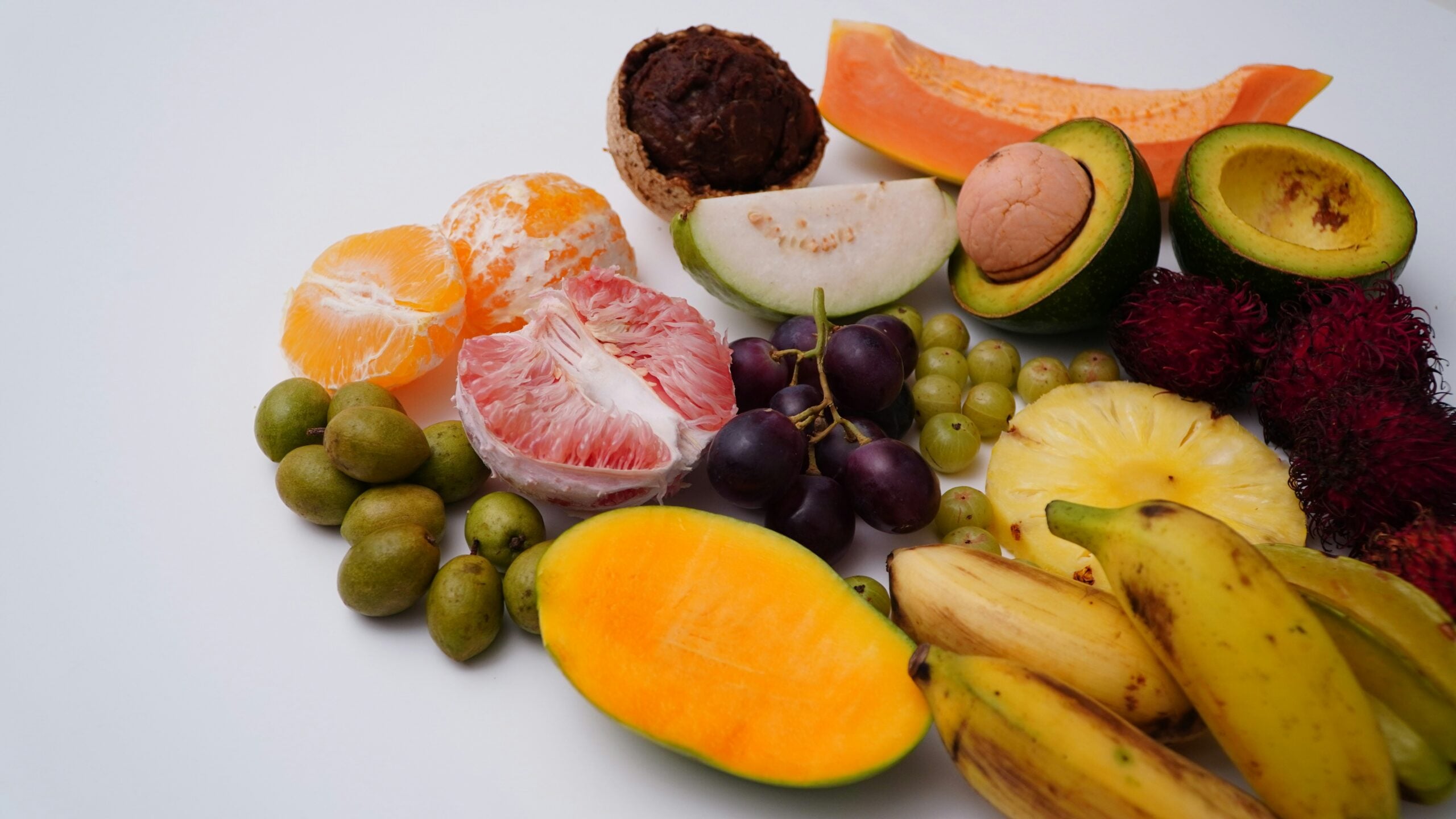
Pre-cut fruit is often much more expensive when bought by the pound than when purchased whole, as was common practice years ago. Grocery stores typically charge more for the cost of getting the product to the shelf, and the fruit also has a shorter shelf life. If you’re looking to save money, opt for melons, pineapples, and apples, which are usually cheaper when you cut them yourself at home.
Bottled Water

Bottled water can cost significantly more when purchased by the gallon than tap water. Many cities in the United States already have tap water that is safe for human consumption, so why not turn on the tap and use it? And amidst all this, you can use reusable water bottles and water filters, which are a cheaper option in the long run.
Name Brand Spices
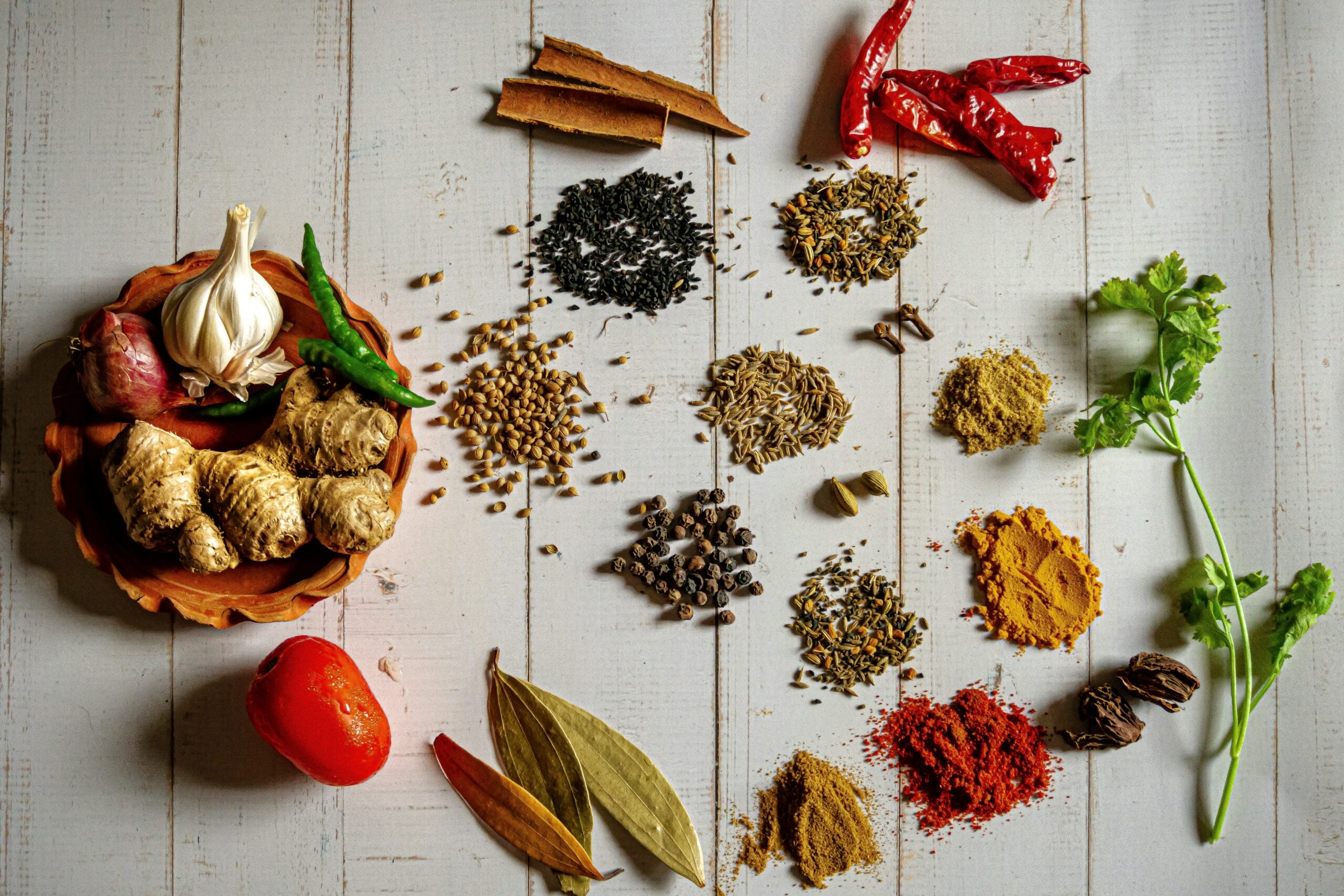
Spices sold in grocery stores are much more expensive than similar spices you can buy wholesale or from international retailers. In fact, most of these spices lose their flavor and effectiveness over time, regardless of the manufacturer. That’s why you should opt for ethnic stores, which often sell large quantities of spices for less money.
Single Serve Snack Packs
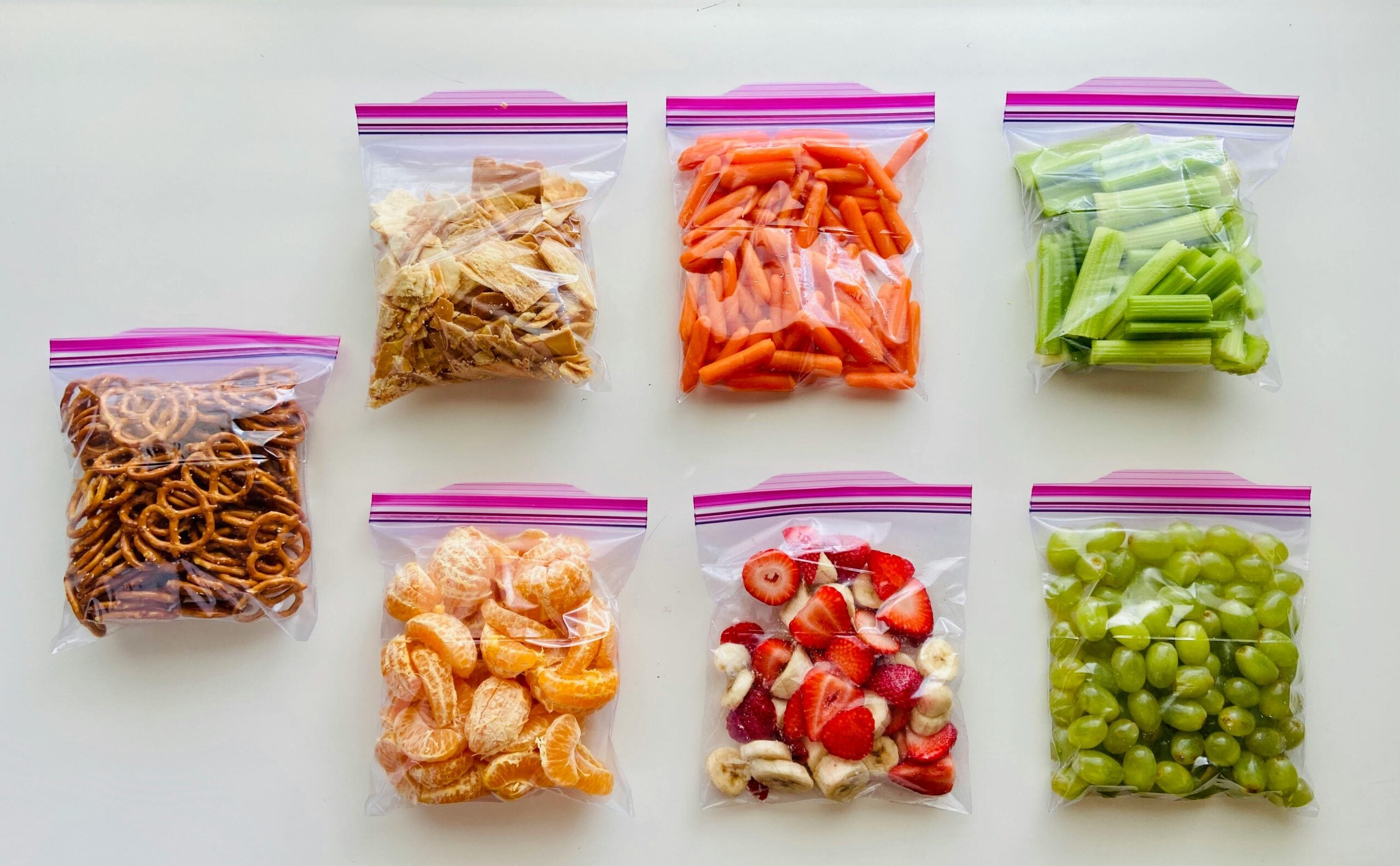
Snacks sold individually are more expensive per ounce than those sold in larger packaged sizes. Both the packaging and product placement at your local supermarket have increased the price. Some families have a trick for saving money: they divide snacks and store them in containers at home, so they last longer and don’t spoil. In fact, you can completely cut out snacks; they provide no nutritional value.
Bakery Cookies From the Display Case

Store-bought cookies are usually more expensive than the ones you could make at home. And don’t tell me it’s not fun to spend an afternoon baking cookies! Undoubtedly, the cost of ingredients is lower when making homemade cookies. If you think about it, you can keep any leftover cookie dough in the refrigerator for next time, and it will cost you much less per serving.
Trending on Cheapism


Microwave Rice Cups
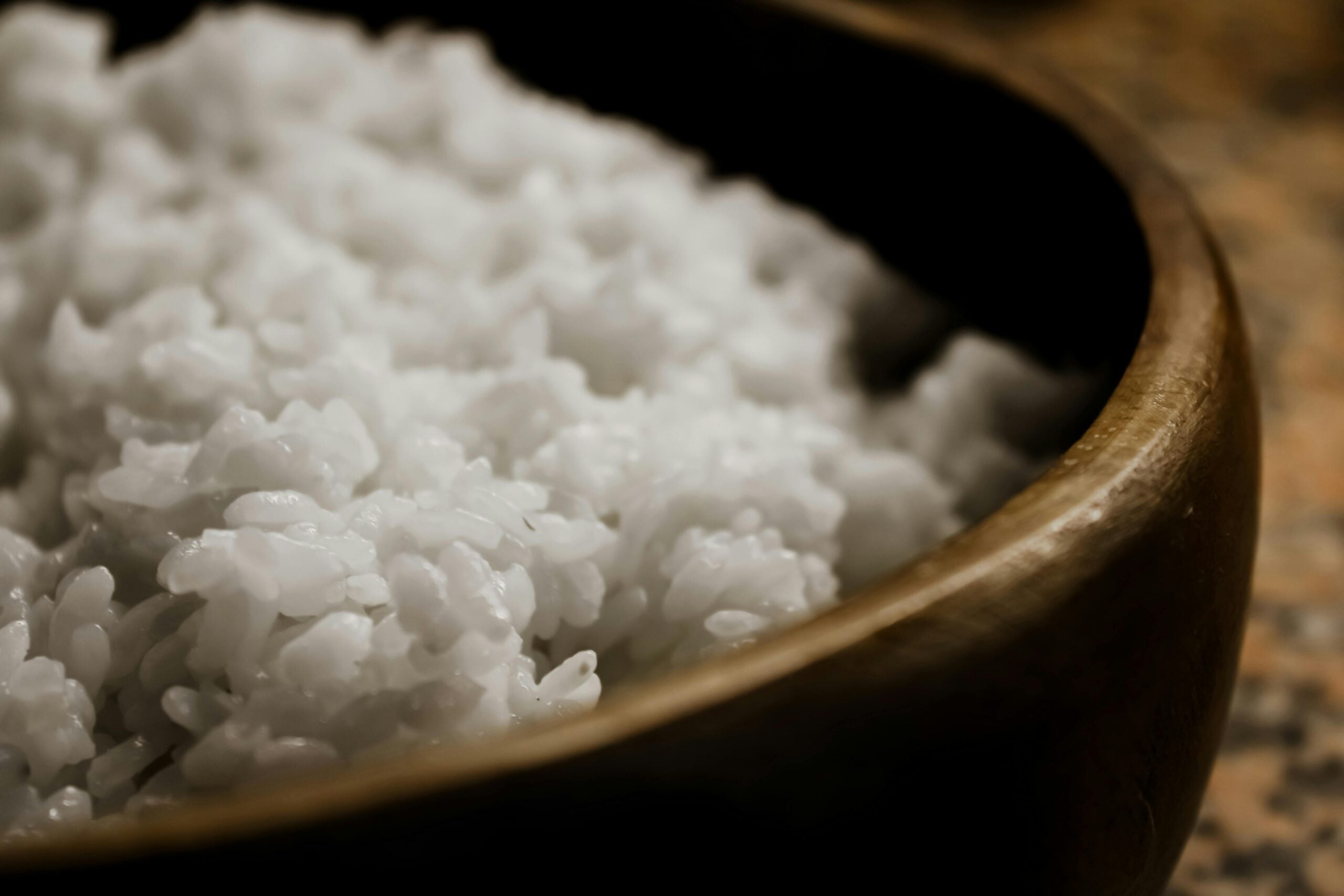
Microwaved products, such as instant rice, are more expensive than regular rice when you consider the price per serving. Again, buying rice in bulk will save you money. Additionally, using a rice cooker or cooking rice on the stovetop will significantly reduce preparation costs.
Pre-Made Smoothies

We all dream of being able to buy a smoothie from the well-known brands in our city, but they’re too expensive. Bottled smoothies also contain a lot of added sugar, which you could avoid by making them at home. To replace one of this grocery store items, choose frozen fruit and yogurt, which will make homemade smoothies cheaper. And to top it all off, some smoothies from grocery stores are labeled as healthy products when they’re not, due to their high calorie content.
Salad Kits
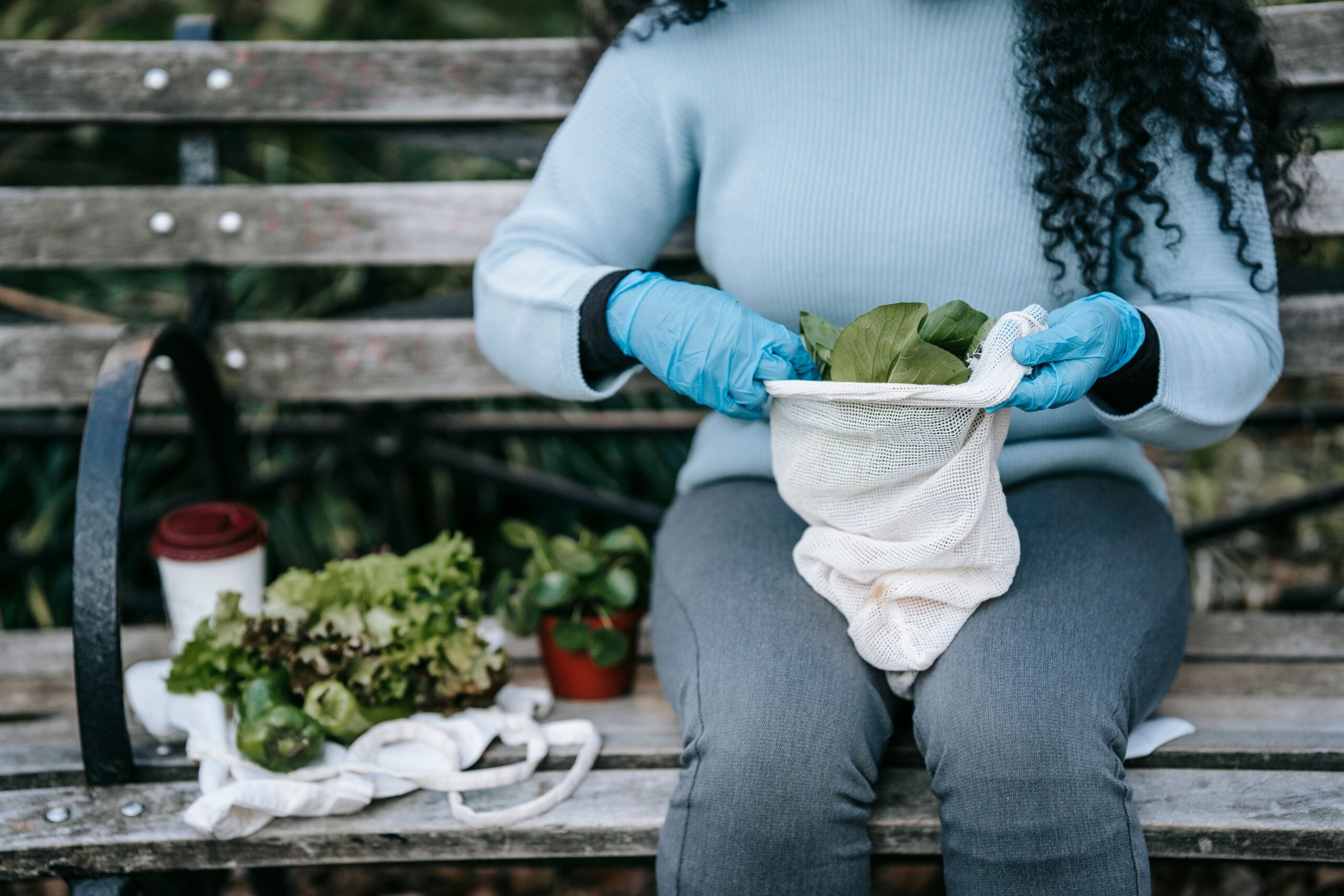
Packaged salads are often expensive per serving, and to save money, you could buy the lettuce and dressings separately. These pre-packaged salads tend to spoil very quickly. It’s not as simple as making your own salad at home; that way, you can make larger batches for more people for the same price.
Sign up for our newsletter
Premium Frozen Garlic Bread

Garlic bread sold frozen and labeled as “Premium” is nothing more than an overpriced product containing simple ingredients like bread, butter, and garlic. It makes no sense. Bread you can make at home costs much less and takes only seconds to prepare. Grocery store items like bread and garlic butter can be used to make larger batches for less money. If you follow these ways to save money, it will become a habit over time.
Refrigerated Pancake Batter
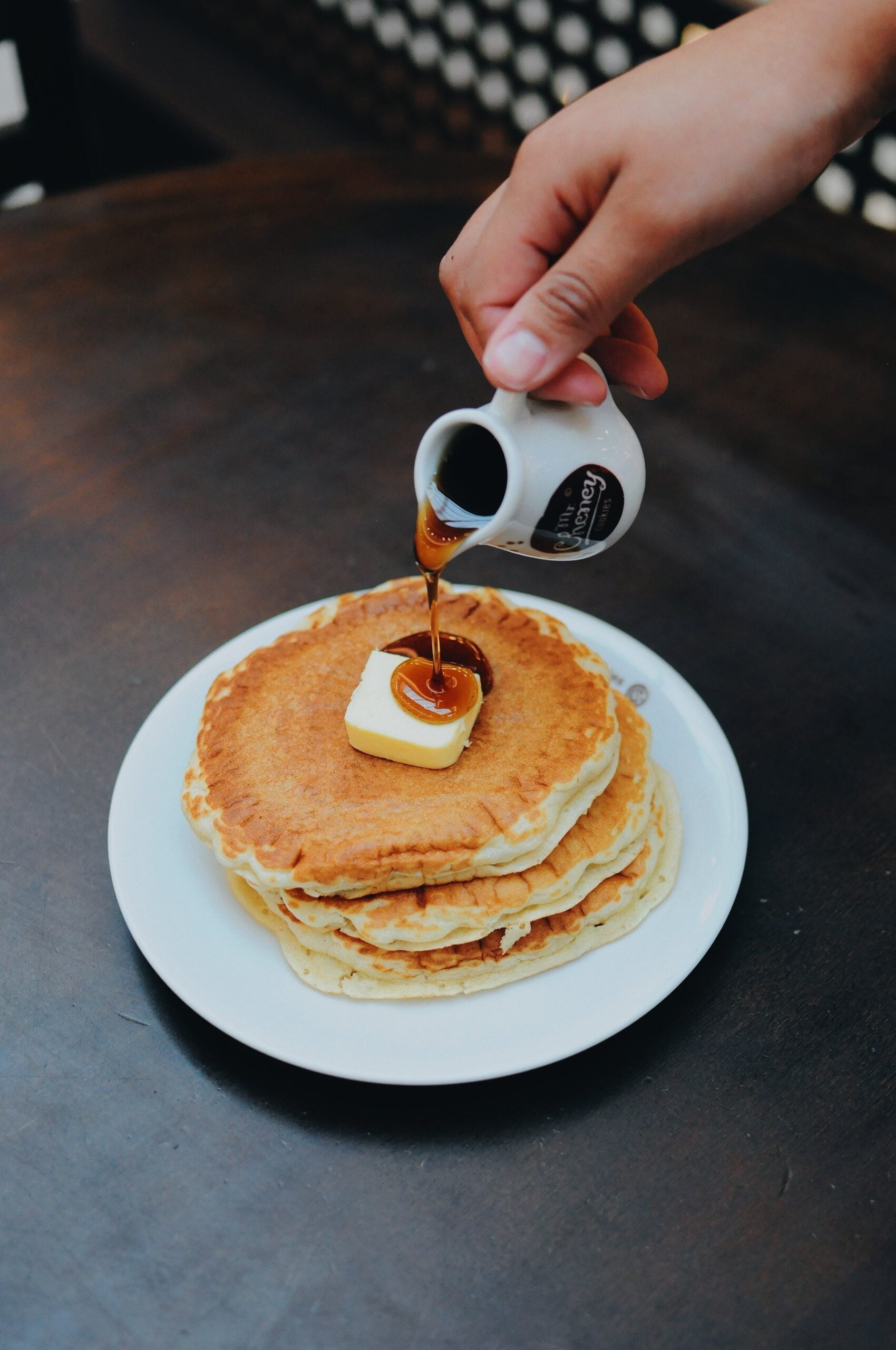
Refrigerated pancake mix will cost you more than the dry kind. Making pancakes isn’t complicated; it uses very basic and inexpensive ingredients, so don’t choose one of this grocery store items version. It’s all about the packaging they try to sell you, which significantly increases the cost per serving.
Fancy Coffee Creamers

The specialty creamers you love for your morning coffee often contain additives like oils, sugar, and other ingredients that increase costs and negatively impact your health. Not to mention, they’re significantly more expensive than the milk you’d use to make them at home. Seasonal flavors can also add a taste that might lead to a “Premium” label. Which, as you know, means selling it for more.
Pre- Marinated Meat
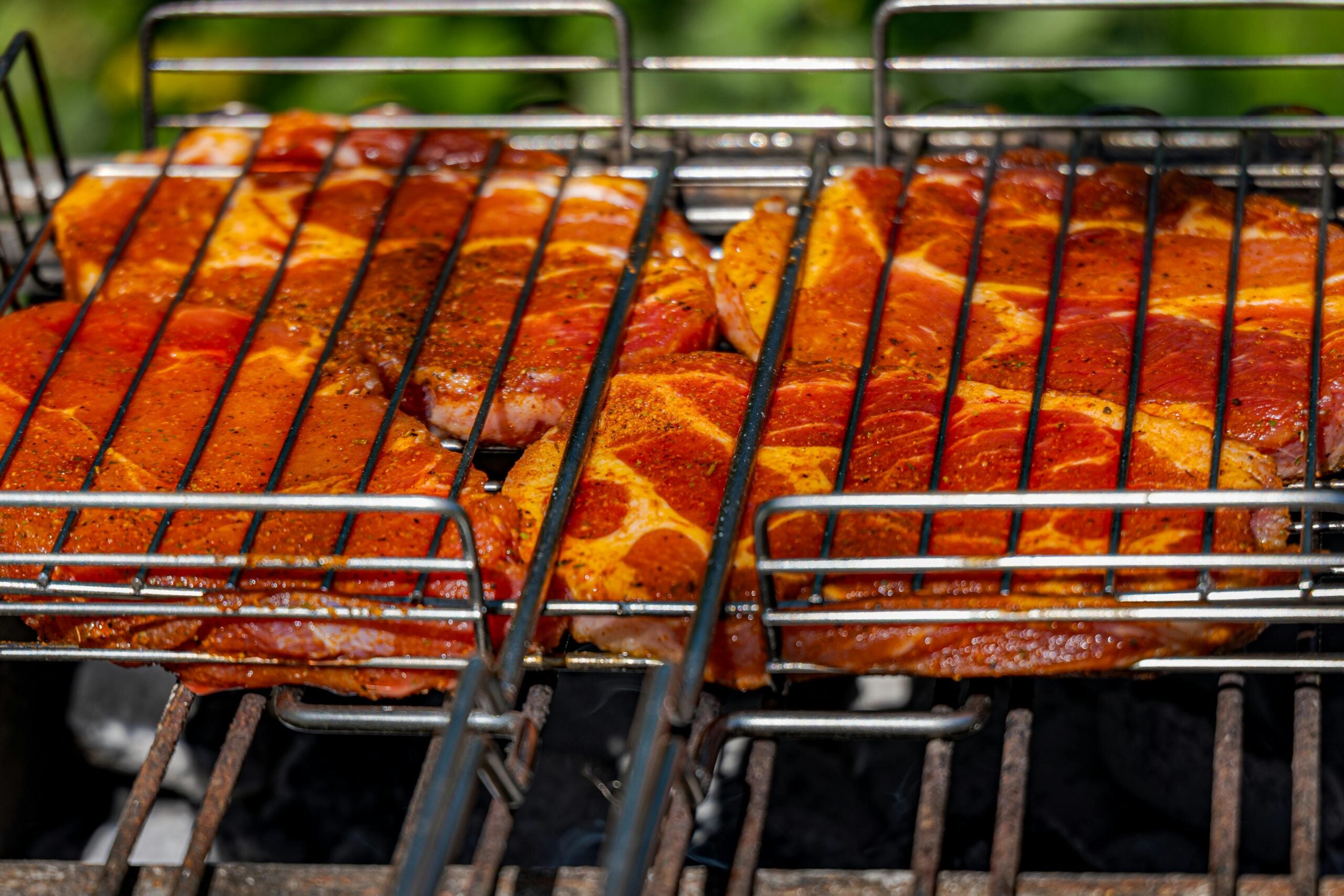
Pre-marinated meat usually costs significantly more per pound than unseasoned cuts. The marinade itself is inexpensive to make, and you can easily prepare it at home. Simply sauté an onion and garlic in olive oil, then add tomatoes and herbs. It’s ready in about 15 minutes. One reason to avoid store-bought marinades is that they often mask the poor quality of the meat. It’s one of the expensive grocery store items.
More from Cheapism

- These Are the Last States Where Filling Your Tank Doesn’t Hurt Emotionally — An overview of the U.S. states where drivers pay the least for fuel and the economic factors that help keep gas prices lower.
- Gas Prices Are So Bad People Are Finally Learning What Fuel Points Actually Do — A guide to the fuel rewards, grocery points, Cashback offers, and gas-price apps that can help drivers reduce the cost of filling up their tanks.
- Steak Is So Expensive These Days, But Here’s How You Can Still Enjoy It In 2026 — A look at how rising costs have made stake more expensive and where consumers can still find the best value on quality cuts of meat.