
With airfare, gas, hotels, and restaurant meals all taking a bigger bite out of travel budgets in 2026, staying closer to home can make a lot of financial sense. According to NerdWallet’s 2026 Summer Travel Report, Americans planning trips that require airfare or paid lodging expect to spend thousands before factoring in food, attractions, parking, and other extras. For households looking to stretch their vacation dollars, staycation savings can mean spending more on enjoyable experiences and less on simply getting somewhere and finding a place to sleep.
You Can Skip Airfare That’s Up More Than 25%

Flying has become one of the clearest arguments for staying closer to home. Airline fares were 25.5% higher in July 2026 than a year earlier and rose another 2.2% just from June to July. A staycation within driving or transit distance removes airfare entirely, which can mean hundreds of dollars saved for a couple and substantially more for a family. That money can go toward several outings at home rather than disappearing before the vacation has even begun.
You Don’t Have to Pay for a Hotel Every Night

Sleeping in your own bed has a surprisingly valuable perk: no nightly room bill. CoStar reported that U.S. hotels averaged $173.76 per night in June 2026, meaning five nights at that rate would run about $869 before taxes and other charges. The figure was unusually elevated partly because World Cup demand boosted hotel performance, so prices won’t look the same everywhere. Still, skipping several nights of paid lodging remains one of the biggest ways to reduce a vacation budget.
High Gas Prices Make Long Road Trips Hurt Too
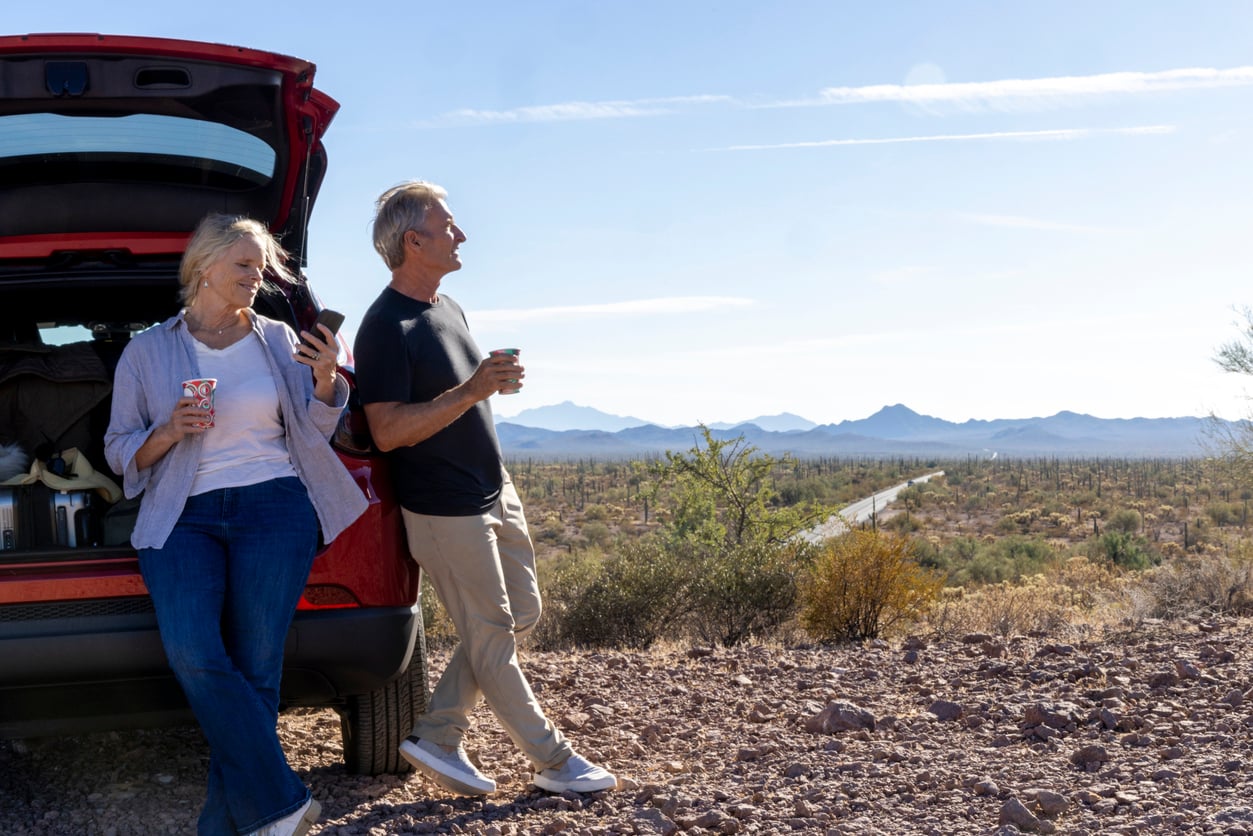
Driving instead of flying does not necessarily make a distant vacation cheap. Gasoline was 24.6% more expensive in July than a year earlier, according to BLS. A 1,500-mile road trip in a car getting 25 mpg would require about 60 gallons before counting sightseeing or extra driving at the destination. A staycation does not eliminate gasoline, but choosing outings within an hour or two of home can dramatically shrink how much of the vacation budget ends up in the tank.
Airport Parking and Transfers Become Somebody Else’s Problem
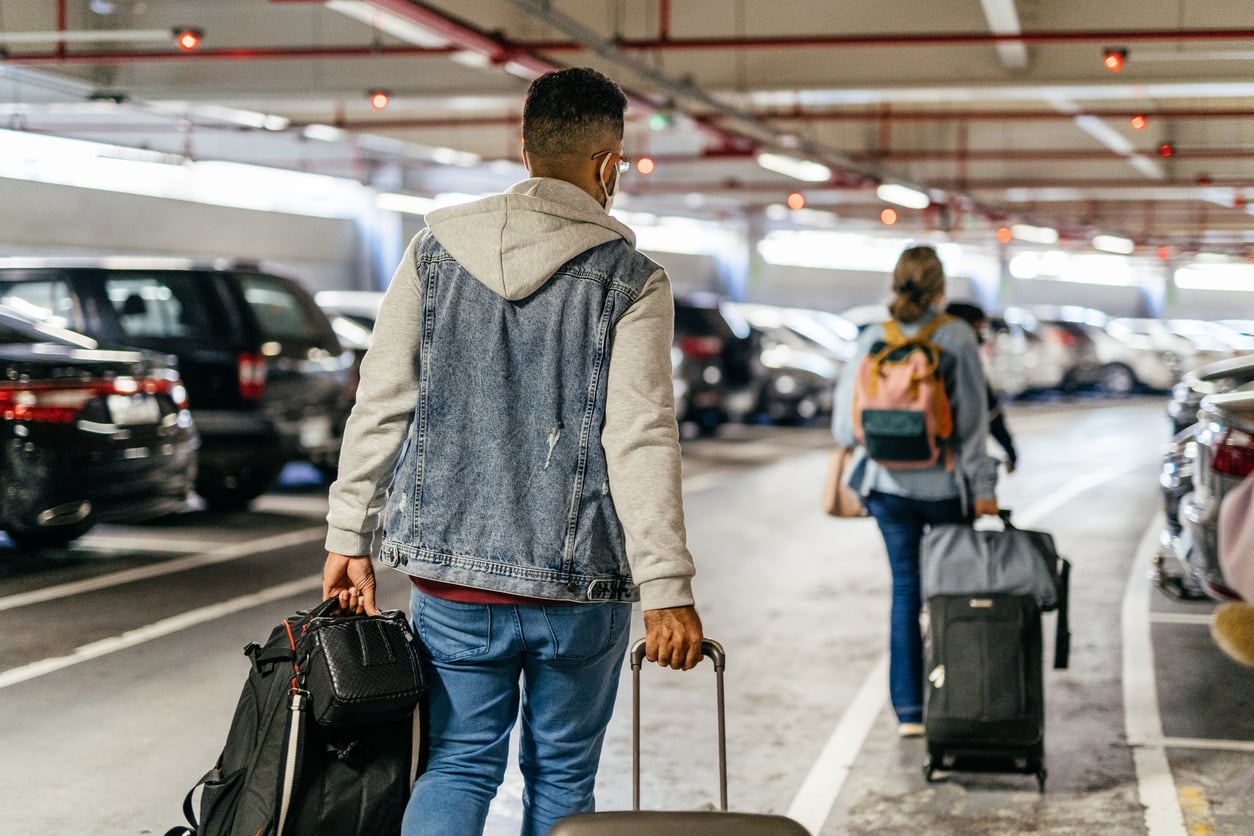
The plane ticket is only the beginning of airport spending. Leaving a car at the airport, taking a taxi or rideshare, paying tolls, and arranging transportation at both ends can quietly add another layer to a vacation budget. BLS data show parking fees and tolls were 3.5% higher over the year ending July 2026. Staying local lets many travelers start the vacation from their own driveway and use transportation they already have instead of paying simply to reach and leave an airport.
You Can Skip the Rental Car Bill

Rental-car prices themselves are not a 2026 inflation story: BLS says car and truck rental prices were actually 3.9% lower in July than a year earlier. But cheaper than last year does not mean free. Travelers may still face the base rental rate, taxes, gasoline, parking, tolls, and optional insurance or add-ons. A staycation can let households use their own vehicle or familiar public transit instead. The savings depend heavily on the destination, but eliminating an entire rental category simplifies the budget considerably.
Trending on Cheapism

You Don’t Have to Eat Every Meal Out

Restaurant meals are another vacation cost that can sneak up on people. Food away from home was 3.4% more expensive in July 2026 than a year earlier, compared with 2.7% for groceries eaten at home. On a traditional trip, breakfast, lunch, dinner, coffee, snacks, and drinks may all come from restaurants or convenience stores. A staycation makes it easy to eat breakfast at home, pack food for a day trip, then spend more deliberately on one restaurant meal that actually feels special.
It’s Easier to Avoid Vacation Credit-Card Debt

A cheaper vacation matters even more if the alternative would end up on a credit card. NerdWallet found that 74% of 2025 summer travelers who used credit cards for vacation expenses did not pay those charges off immediately. Even more striking, 35% still had some of that debt when surveyed in 2026. A lower-cost staycation is not automatically debt-free, but it can be easier to cover from existing savings or checking-account money rather than paying interest on last summer’s memories months later.
You Can Avoid Baggage Fees and Airline Extras

Airfare does not always include everything travelers need. Checked bags alone can add a meaningful amount. American Airlines, for example, currently charges $55 at the airport for a first checked bag on many U.S. itineraries, or $50 when prepaid online; Basic Economy passengers may pay more. Those fees apply per traveler and in each direction. Other airlines have different rules, and some passengers qualify for free bags, but staying local means nobody has to calculate whether an extra suitcase is worth another fee.
Sign up for our newsletter
Pets and the House Don’t Need Vacation Care

A week away can generate bills before travelers even leave town. Pet boarding, dog walking, house sitting, lawn care, plant care, and other temporary services can become necessary simply because nobody is home. These costs vary too widely by location and pet to justify one national dollar figure, but households with multiple animals can feel them especially quickly. A staycation keeps normal home routines intact. The downside is obvious: travelers who want a complete break from chores may not find staying home quite as relaxing.
Nearby Free Attractions Can Fill Entire Days

Staying local makes it easier to build a vacation around places that cost little or nothing: public parks, historic districts, trails, beaches, libraries, community events, and some federal recreation sites. The National Park Service lists hundreds of properties, many of which do not require an entrance pass, and fee-charging parks also have designated free-entry dates for U.S. residents in 2026. Local does not automatically mean free, of course, but mixing two paid outings with several free days can keep the week’s total surprisingly low.
Older Americans May Already Qualify for Cheap Recreation Passes

For readers 62 and older, nearby federal lands can offer particularly good value. The National Park Service’s Senior Annual Pass costs $20 for eligible U.S. citizens and residents, while the Senior Lifetime Pass costs $80. It covers entrance or standard day-use fees at participating federal recreation lands and can provide discounts on some amenities. It does not cover every reservation, concession, or special-use fee, so it is not a universal free pass, but it can make repeated local outings much cheaper.
You May Not Need Travel Insurance or a Refundable Fare
Travelers increasingly pay extra to protect expensive trips. NerdWallet found that 67% of Americans think refundable flights are worth paying more for, while 62% say the same about travel insurance. Those protections can make sense when thousands of dollars are tied up in flights and lodging, but a low-cost staycation usually puts much less prepaid money at risk. You might still want cancellation protection for an expensive event or hotel booking, but a picnic, museum day, or local drive generally does not require an insurance policy.
You Can Spend More on the Fun Part

The strongest argument for a staycation is not that vacation spending must drop to zero. It’s that less money has to disappear into logistics. NerdWallet’s surveyed 2026 summer travelers who need airfare or paid lodging expect to spend $3,940 on average on those categories. Redirect even part of a traditional travel budget and a household could afford restaurant dinners, theater tickets, a spa visit, a concert, a boat rental, or one good hotel night nearby while still spending considerably less overall.
The Total Budget Is Much Easier to Control

A distant trip can lock travelers into expenses once they’re already hundreds of miles from home. In 2026, airfare is up 25.5%, gasoline is up 24.6%, restaurant food is up 3.4%, and June’s national hotel room rate was elevated as well. A staycation strips away several of those moving pieces. Set a $500 or $1,000 limit, decide which experiences matter most, and leave some money uncommitted. If spending starts creeping upward, the easiest money-saving option is still available: go home.