For some, the American dream is to own a house with a picket fence. For others, it’s a house on wheels — a recreational vehicle such as a motorhome or fifth wheel — that can take them wherever they want, whenever they want, and vacation on the cheap.
But RVs are a big investment, especially if you want one with all the comforts of home.
Here are 21 reasons to think carefully before falling in love with an RV.
Buying an RV Can Be a Minefield
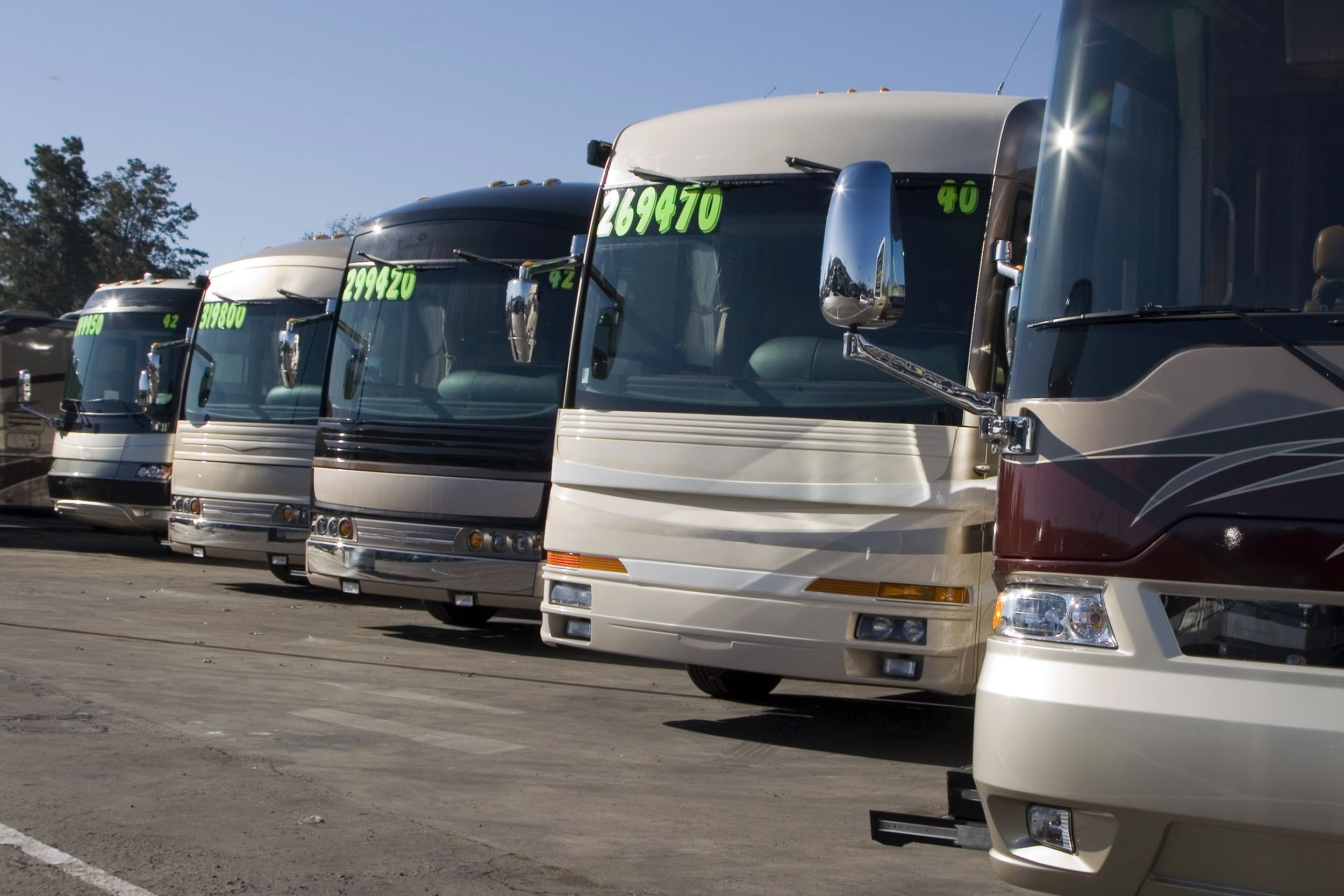
Very few people look forward to setting foot on a car dealer’s lot, and it’s no different with RVs. Buyers can expect to deal with similar frustrations, from rampant upselling and scare tactics to pricing games and salespeople ignorant about what they’re selling. Study up before even thinking about going to a dealership, and don’t be afraid to ask tons of questions and test every single part of the RV while you’re there just to make sure you really do want to buy that RV.
Savings Tip: If you’re looking to rent an RV, try RV Share for a wide selection of drivable, towable, and pet-friendly RVs.
RVs Can Be Insanely Expensive
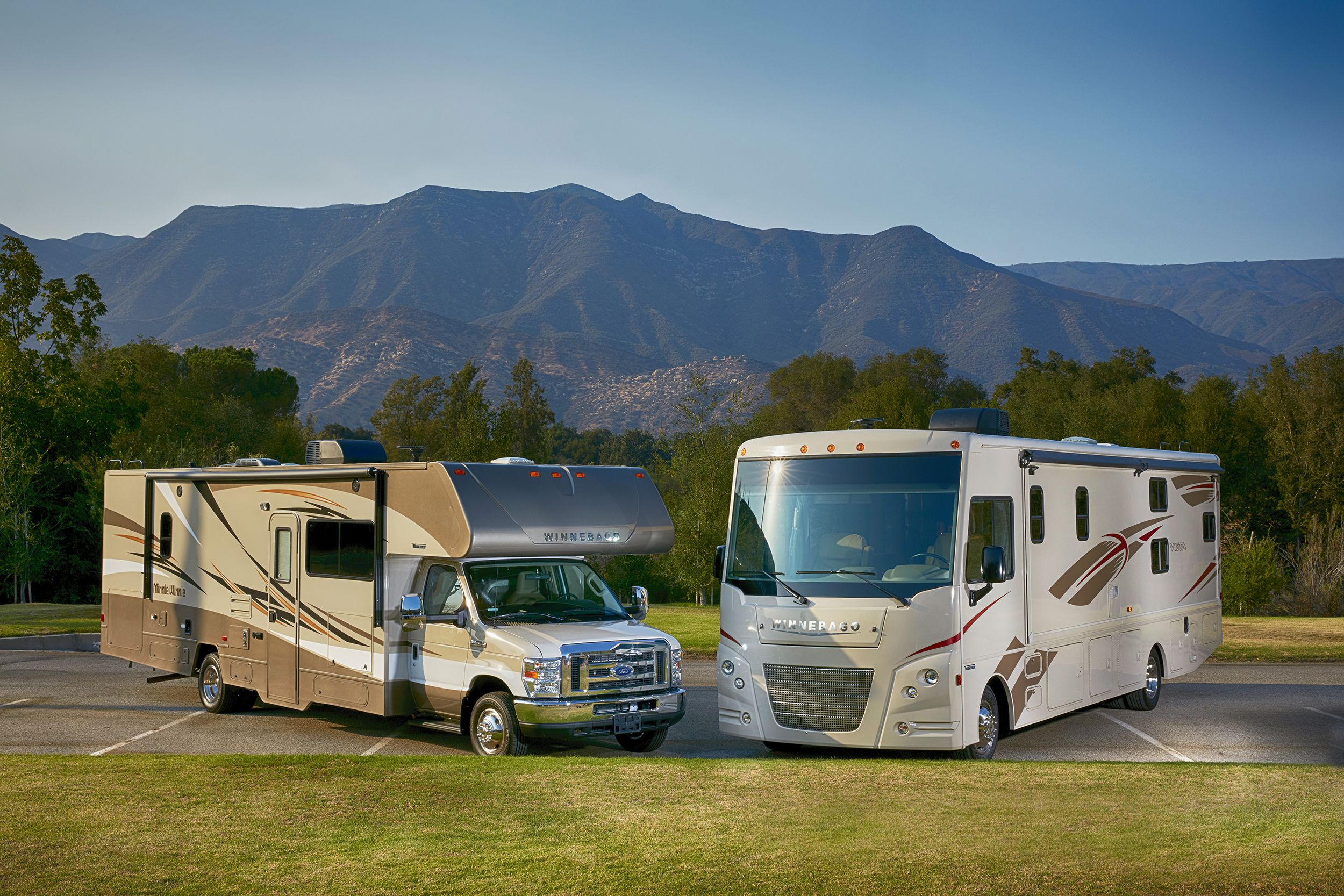
Planning to go big? A new Class A motorhome now starts at roughly $50,000 and can easily climb past $600,000 for luxury models, with ultra-premium coaches topping $2 million. Some high-end custom motorhomes still push into multi-million-dollar territory, including luxury concepts like the EleMMent Palazzo. Smaller motorhomes remain more affordable, but new models still commonly range from about $90,000 to $200,000 depending on size and features. Travel trailers, pop-up campers, and fifth wheels continue to be the budget-friendlier option, with entry-level trailers starting around $10,000, while well-equipped or luxury towables can exceed $100,000.
Savings Tip: Joining an RV membership club can save you on camping fees, RV accessories, and even gas. Check out Good Sam Club for RV discounts and roadside assistance.
RVs Depreciate Like Crazy
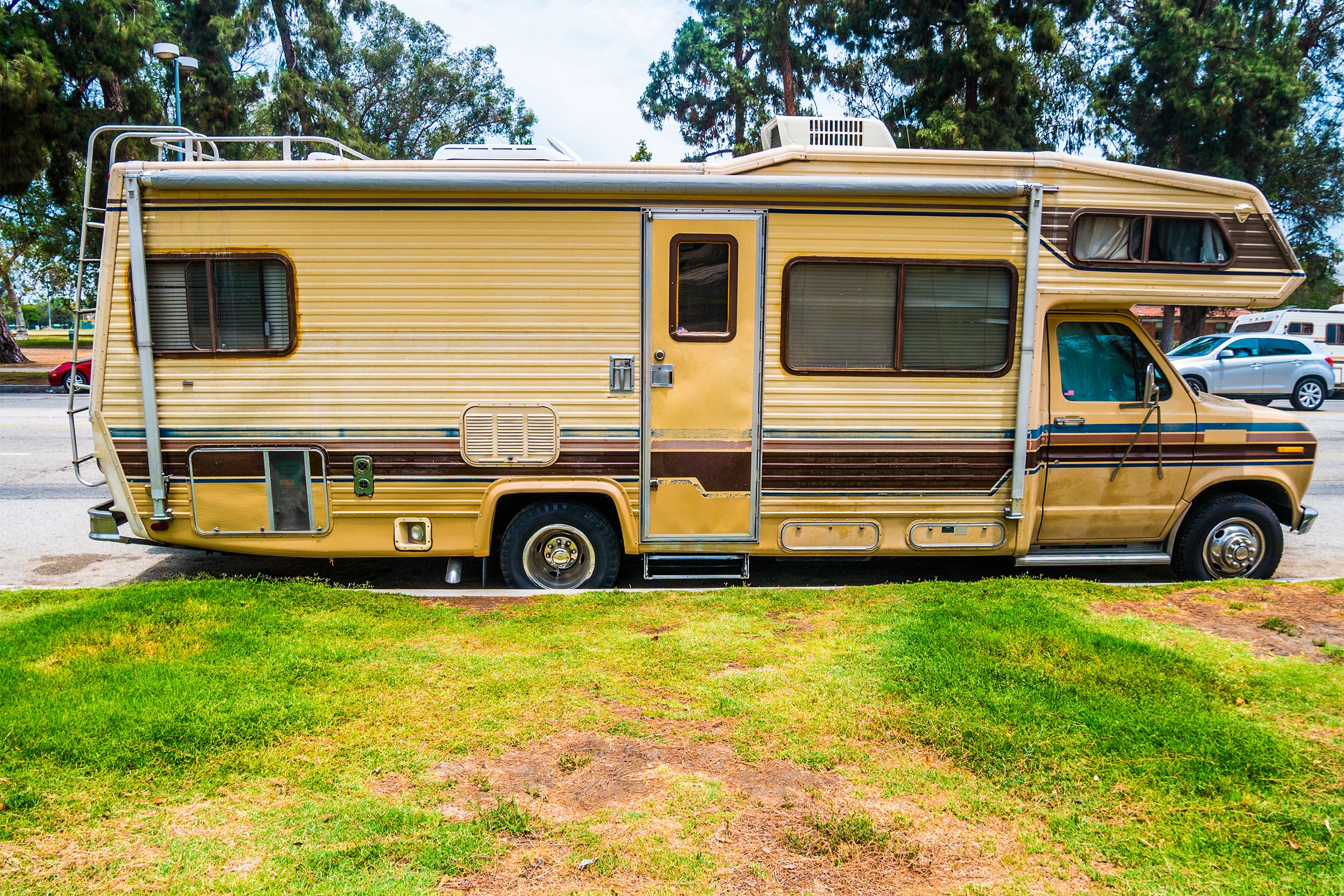
Like any new vehicle, driving an RV off the lot still triggers a steep drop in value — typically around 20% to 25% in the first year alone, according to multiple RV depreciation studies. In today’s market, most RVs lose roughly 35% to 40% of their value within five years, depending on the type and condition. By the 10-year mark, many motorhomes have depreciated by 50% to 60%, which is why buying used is often considered the smarter financial move for budget-conscious travelers.
RVs Are Gas Guzzlers
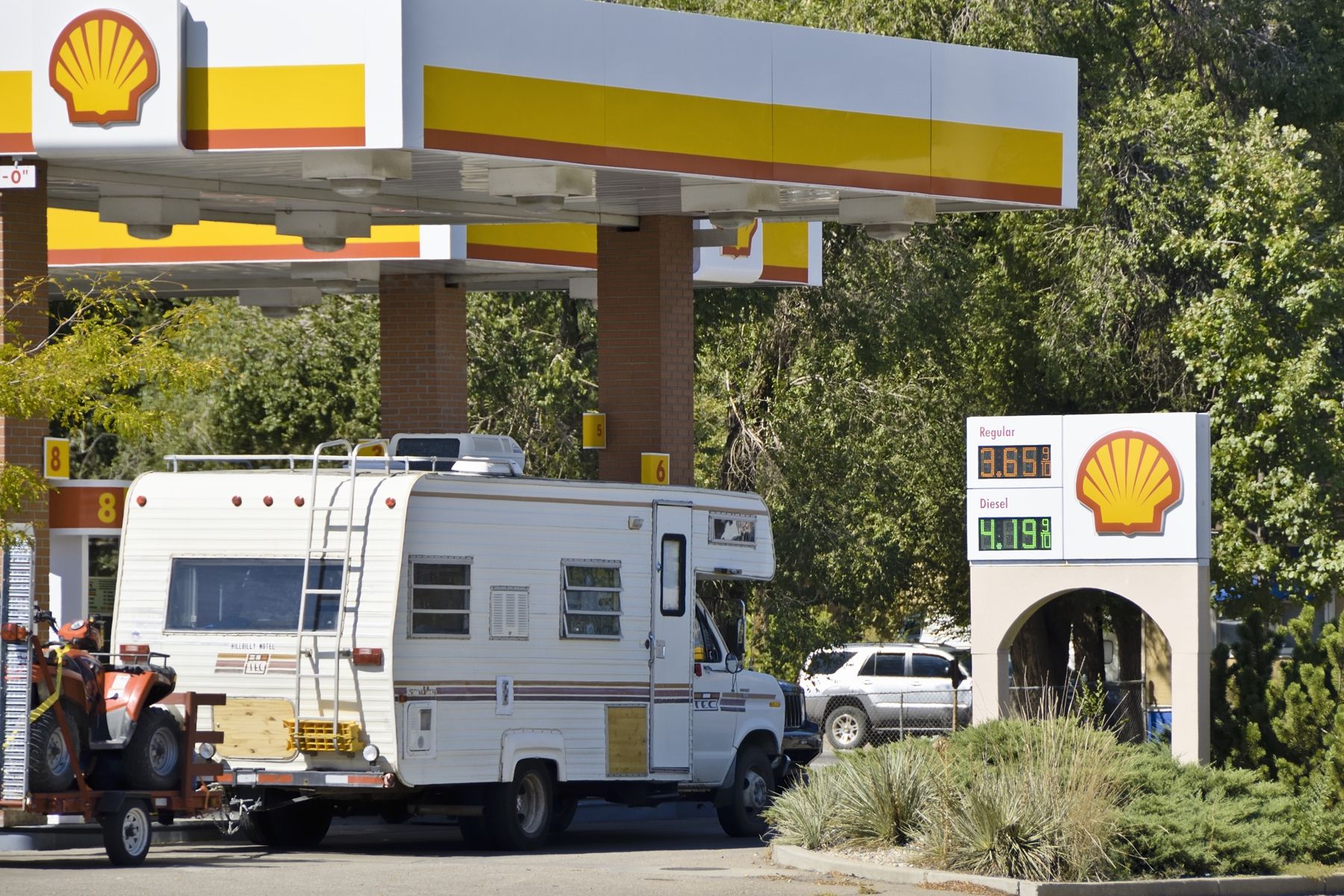
No one ever accused RVs of being fuel efficient. The biggest motorhomes, Class A, will get only 7 to 13 mpg, according to the Camping & RVing British Columbia Coalition. Downsizing to a Class B or Class C could mean anywhere from 14 to 25 mpg, but a lower number is a better bet.
At 10 mpg, that short 500-mile round trip can cost $150 or more in gas, depending on gas prices. That 2,500-mile cross-country dream trip? Expect to spend over $775 … and that’s just one way.
RVs Can Be Terrifying to Drive

RVs demand confident drivers who understand that larger vehicles require special skills behind the wheel. For instance, you’ll need to learn how to park using mirrors instead of being able to judge distance and potential obstacles over your shoulder, and learn how to travel downhill without stomping constantly on the brakes. And you always have to remember that an RV cannot — and will not — stop on a dime.
Trending on Cheapism
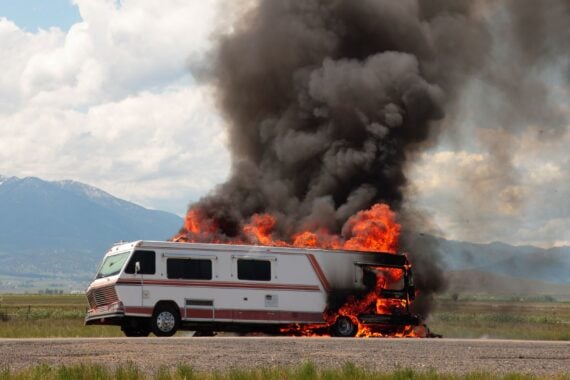
You Can’t Escape Housework in an RV

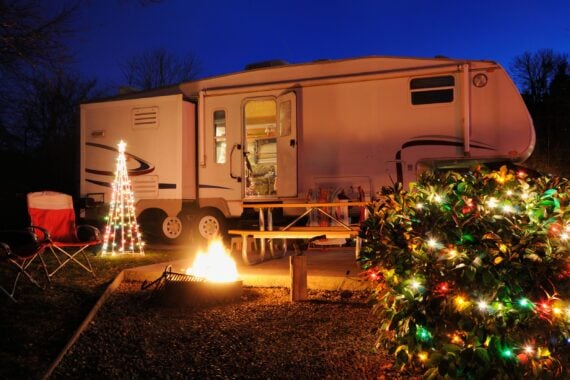
In an RV, chores follow you on vacation. No dishwasher? That means washing dishes by hand, of course. There’s sweeping and vacuuming since floors and upholstery get dirty quickly when people tromp in and out all day. There’s laundry, which often involves hunting down a laundromat or doing the tiniest of loads in a portable washer. And there’s a lot of cleaning to be done after a trip.
RVs Aren’t Meant for Urban Exploration
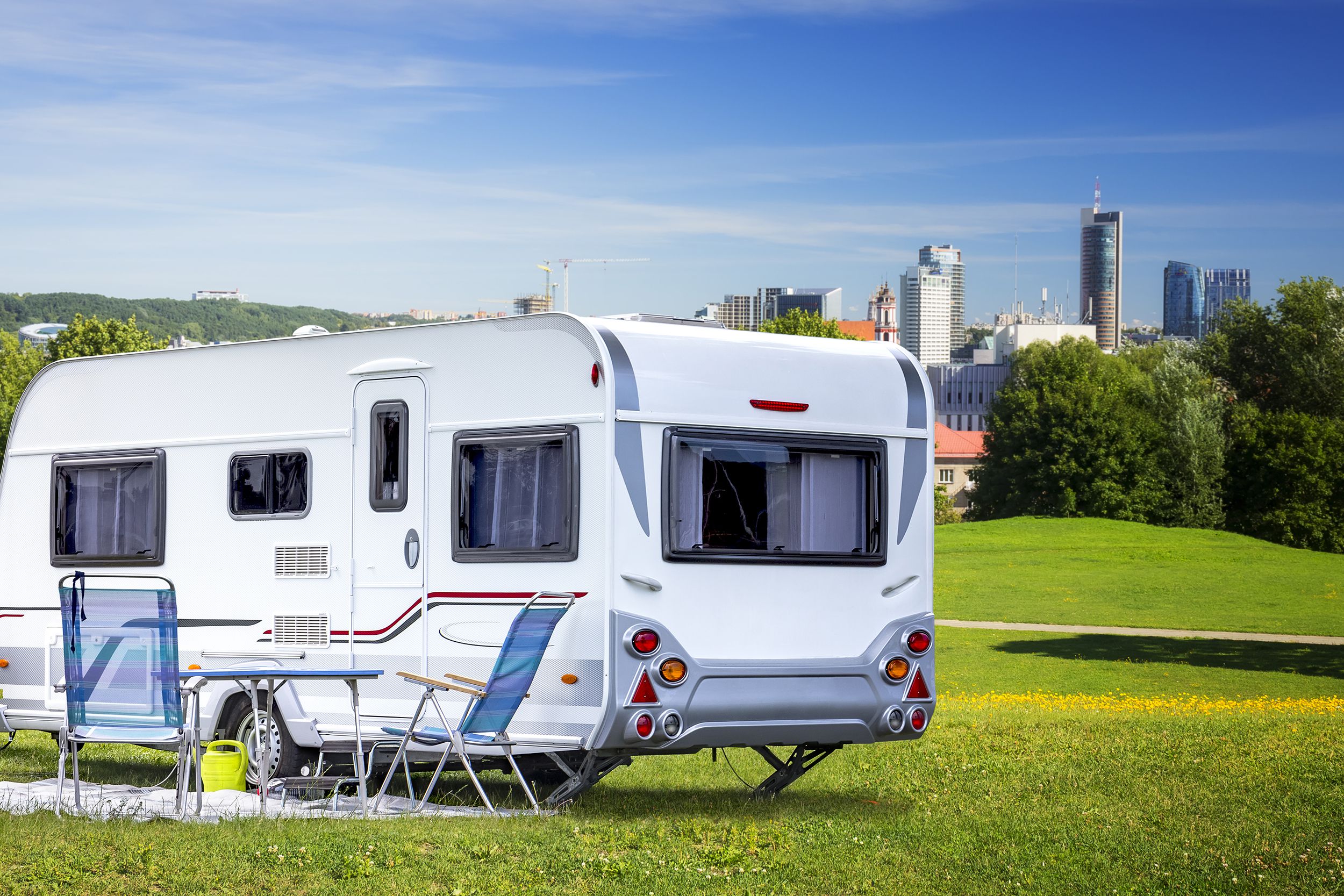
There’s a reason compact cars are marketed heavily toward city dwellers: Space, especially parking, is at a premium — so good luck with that 40-foot behemoth.
Motorhome USA goes so far as to recommend ditching the RV for a city sojourn, leaving it at a shopping mall or some other location with plenty of parking and using public transportation from there. Campanda has some suggestions for cities friendlier to RVs, including Las Vegas and Orlando.
You Can’t Just Park an RV Anywhere for the Night
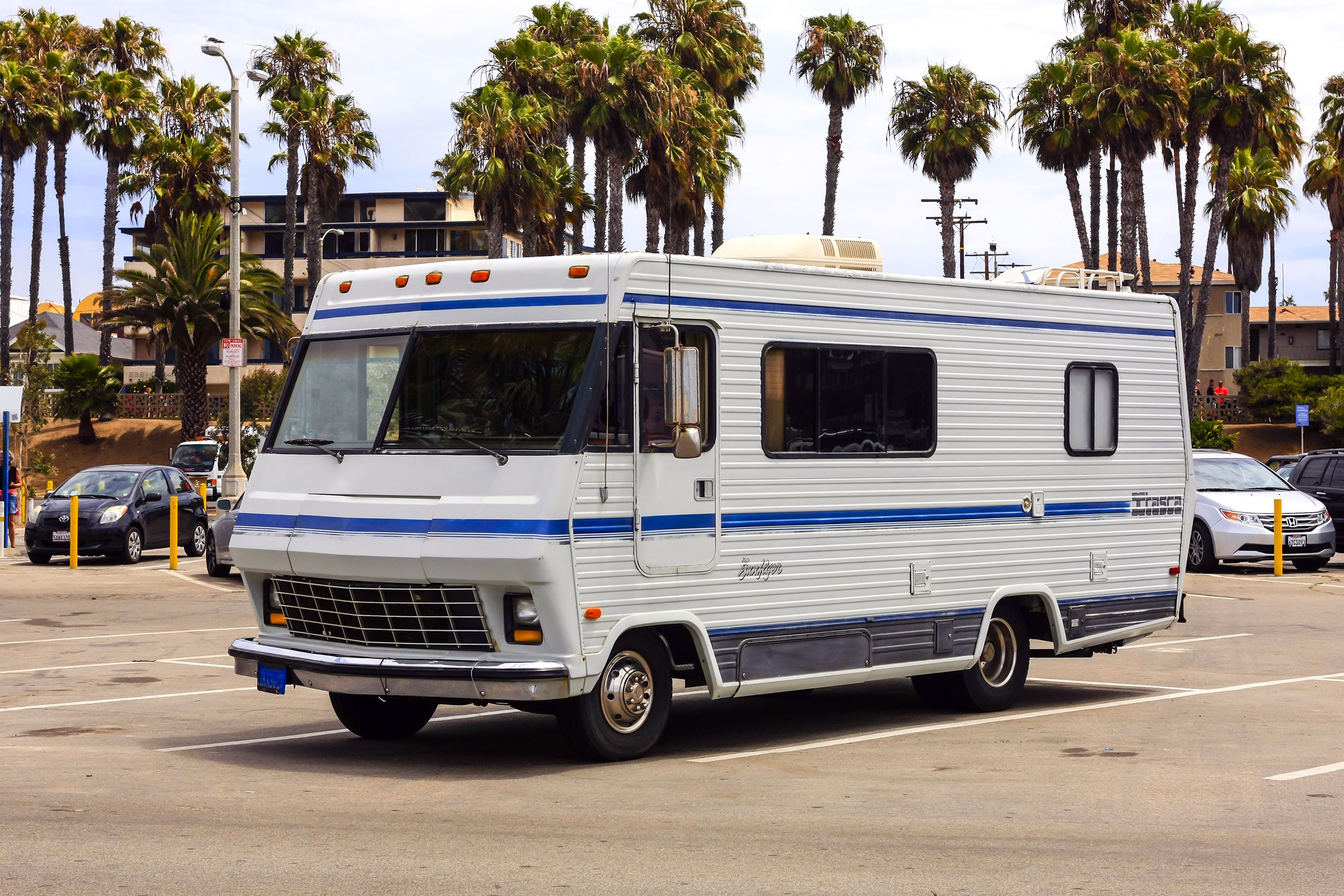
Obviously, if you want to have the proper hookups for electricity and water, you’ll need to find an RV park. Penny-pinchers may wonder if they can just pull over and “rough it” to save some dough. The answer? It depends, and if you don’t make sure it’s kosher ahead of time, you can get hit with steep fines for violating laws or regulations against overnight camping, RVshare warns.
Even Walmart, which is famously welcoming to RVs, may not allow overnight parking, depending on local laws and management. But road trip apps like Walmart Overnight Parking can help you find camper-friendly lots.
Sign up for our newsletter
It’s Hard Not to Feel Cramped Sometimes

Even in a massive RV with slide-out rooms, you just don’t have much space. Models top out around 400 square feet — anything more, and they may be considered manufactured homes. Suffice to say, sometimes sharing one tiny bathroom doesn’t cut it. And the feeling that there’s no privacy can extend outside at a campground, where there are other travelers living just feet away.
You’ll Have Yet Another Insurance Bill

To stay street-legal, RV owners still need insurance — and the bigger the rig, the higher the premium is likely to be. In 2026, annual insurance costs for a Class A motorhome commonly range from about $1,500 to more than $4,000 depending on the vehicle and coverage levels. Smaller travel trailers and camper vans generally cost far less to insure, often a few hundred dollars per year.
Of course, several factors can dramatically affect what you’ll pay, including whether you use the RV occasionally or live in it full-time; your driving history; where you store the vehicle; deductible amount; and optional protections like roadside assistance, vacation liability, and personal belongings coverage.
Upkeep Is Expensive, Too
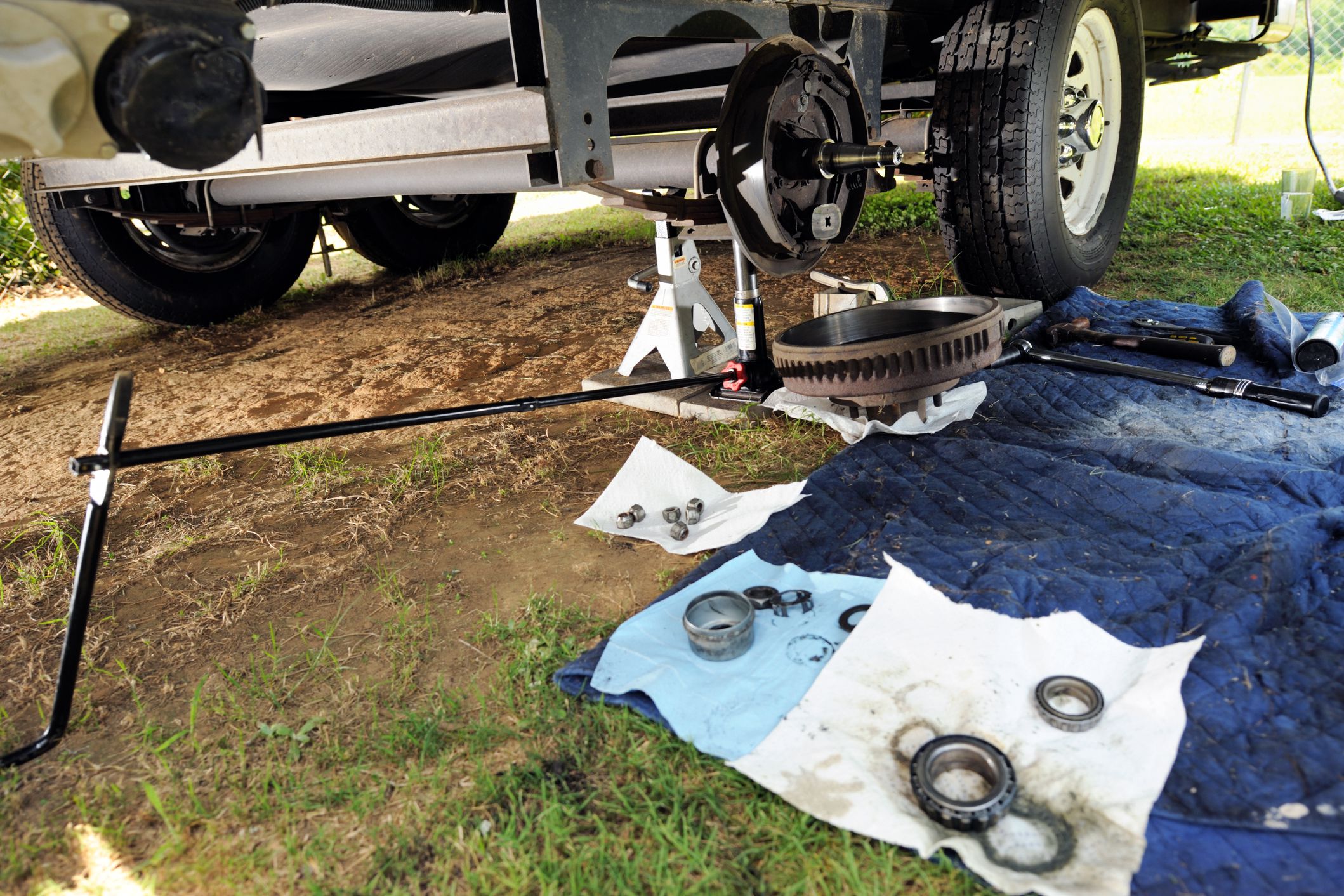
Just like homes and cars, RVs can be expensive to maintain. Recent industry estimates put average annual RV maintenance and repair costs between roughly $1,500 and $3,000 per year, depending on the age and type of RV — or about $125 to $250 per month. Older motorhomes and full-time rigs can cost substantially more when major repairs arise.
Routine upkeep includes familiar vehicle expenses like oil changes, tire replacements, brake service, battery replacement, and roof sealing. But RV owners also face specialized repair costs for components unique to RV living, including generators, awnings, water pumps, slide-out motors, plumbing systems, and appliances like refrigerators and water heaters.
You’ll Need a Place to Park an RV When It’s Not in Use
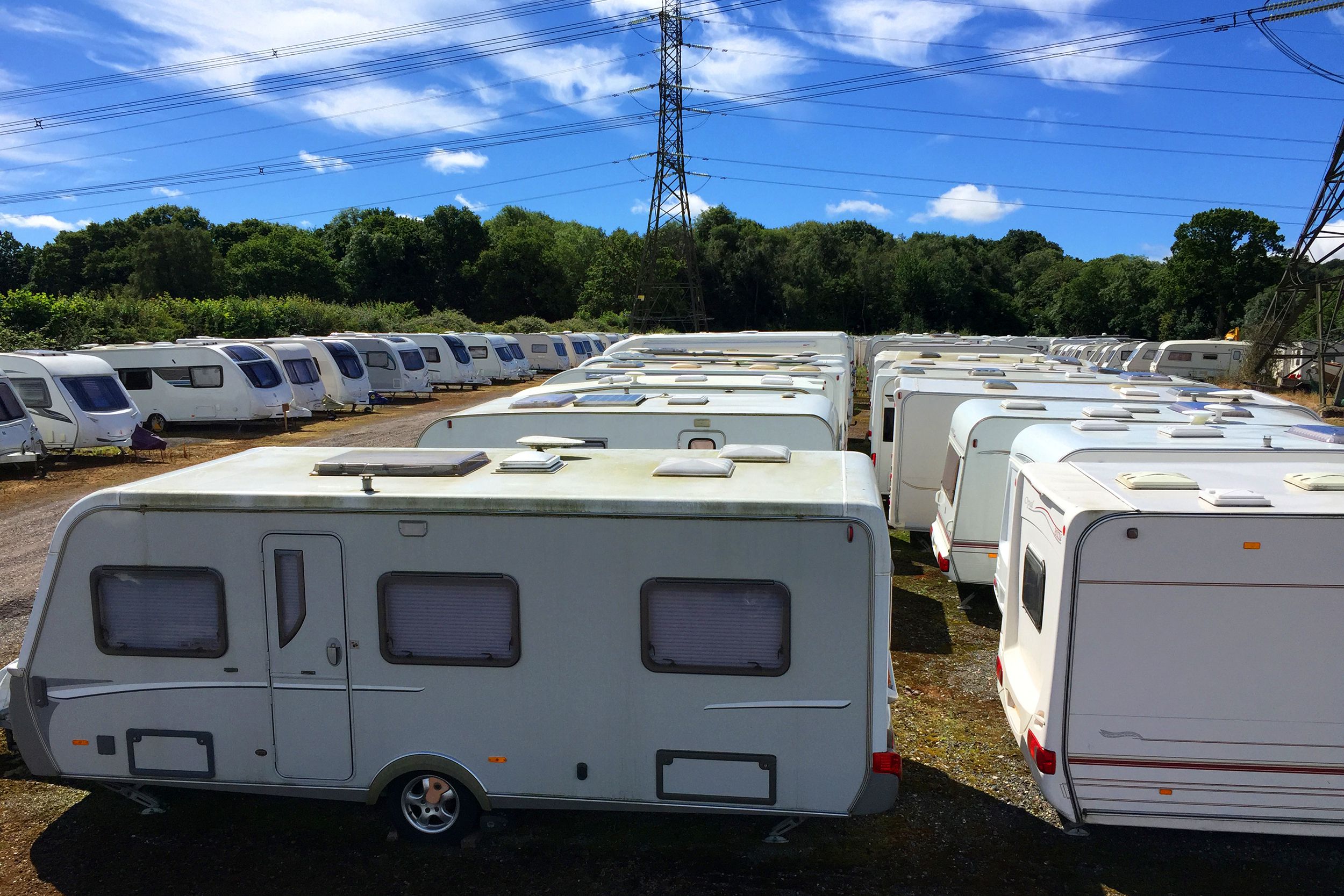
RVs are fabulous on the open road, but what about at home? Not everyone is lucky enough to have a massive garage or a long driveway. Simply parking a big RV in the driveway might not even be allowed, depending on whether you have a homeowners’ association that considers it an eyesore.
Of course, there are facilities that will store an RV for you, but that’s yet another bill. Depending on the size of the RV and the type of storage (bigger RVs and climate-controlled storage cost more), you could pay anywhere from $30 to $450 a month.
You’re Still Vulnerable to the Elements

It’s tempting to think of an RV as a tank on wheels, but RVs can be a dangerous place to be during severe weather. RVshare recommends always knowing where you can seek shelter in truly bad conditions (for instance, extreme winds or tornado warnings).
Even a minor storm can toss the outdoor furniture, damage awnings, and send a branch crashing down on that shiny windshield. An emergency weather radio is a must in case your phone dies or can’t get service.
You’ll Be Buying Lots of RV Accessories
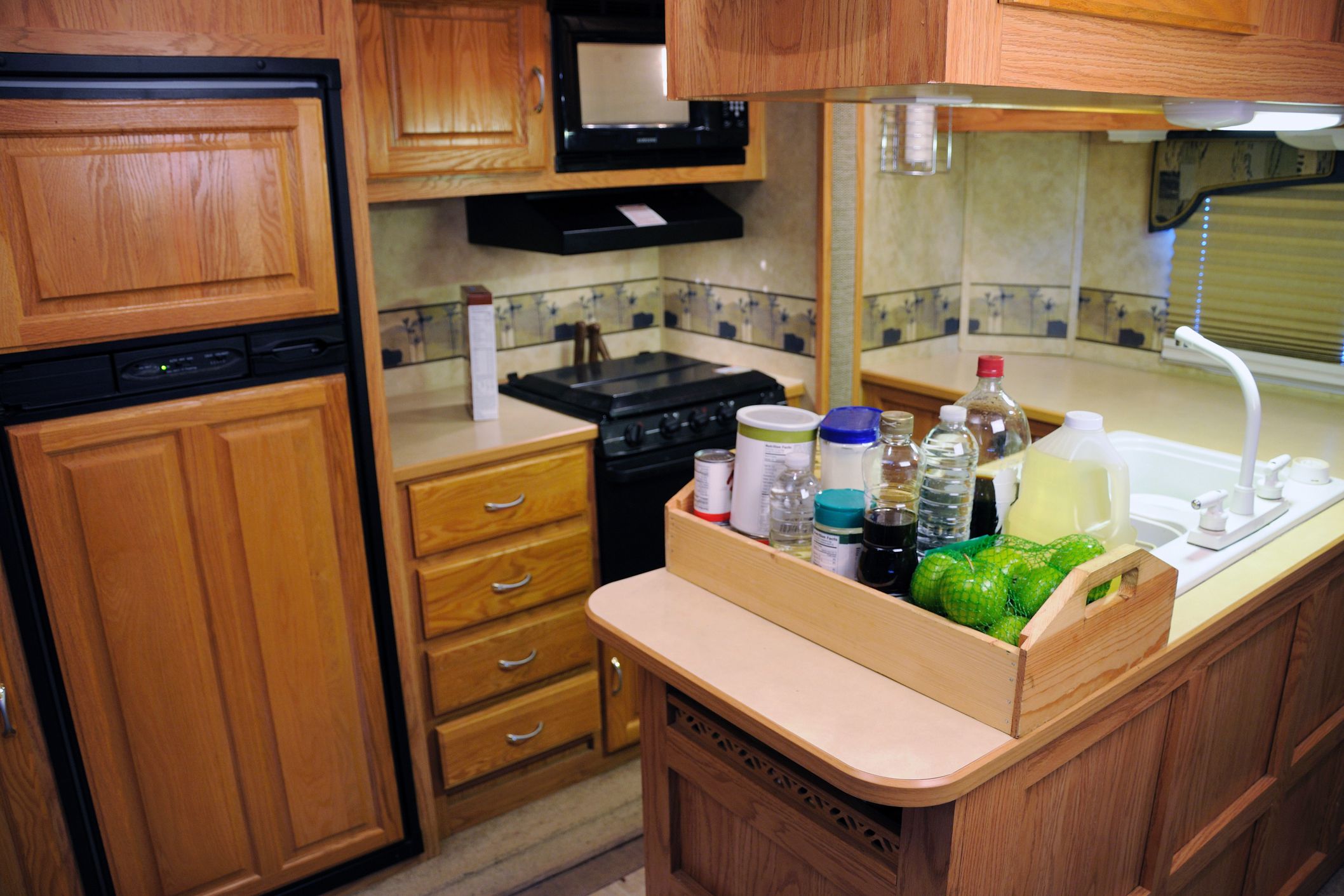
Sure, RVs can help you streamline and simplify, but a lot of stuff you already own won’t cut it in such a small space. You’ll probably need a lot of gear — from RV-sized appliances to things such as stackable or collapsible kitchen accessories to save space, plates that will actually fit in the tiny microwave or cabinets, special sheets to fit non-standard mattresses, and camp chairs for sitting outside.
RV Life Can Feel Isolating

Staying in an RV park? You might be able to look forward to planned events, such as live entertainment, coffee hours, or even ice cream socialst. But you may also find cliques, or even worse, discover you absolutely loathe the people who’ve pulled in beside you.
Even if you do find a great group of fellow RVers, everyone is keeping their own travel schedule, often putting an end to budding friendships before they can flourish.
One Word: Sewage
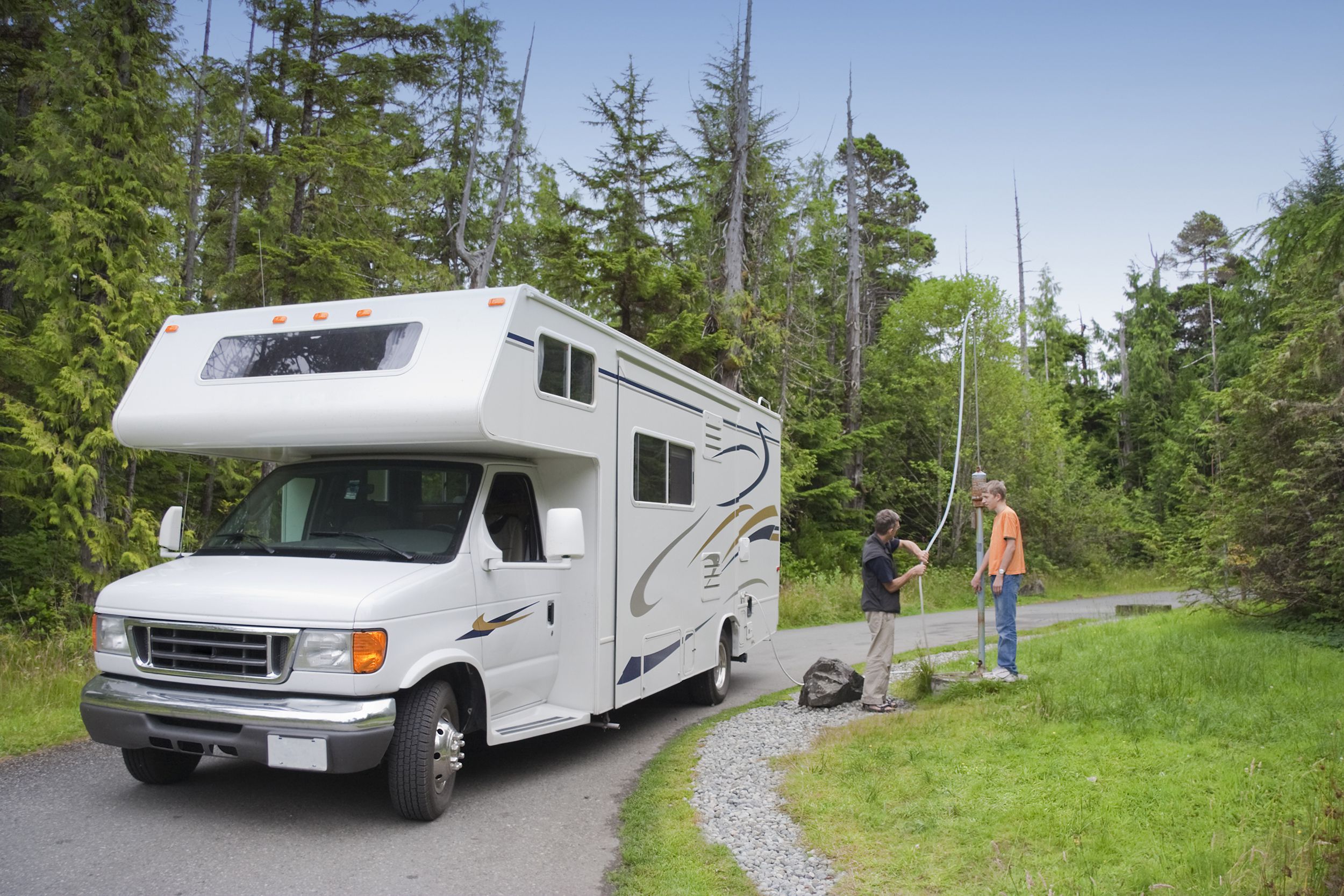
One of the quickest ways RV life loses its glamour is when you realize you’re essentially driving around with a portable septic system. Every RV has a black water tank that stores toilet waste, and unless you’re parked at a full-hookup campsite, that tank fills up faster than many first-time owners expect — especially when multiple people are sharing the rig.
Once it’s full, there’s no ignoring it. RV owners have to empty the tank at designated dump stations using a sewer hose, a process that’s notoriously smelly, messy, and easy to get wrong if you’re inexperienced. Even after dumping, the job isn’t over: Tanks need regular flushing to prevent buildup and odors, and many owners rely on special chemicals and RV-safe toilet paper to keep sensors, pipes, and valves from clogging.
And if something does clog? Repairs involving RV plumbing and waste systems are among the least pleasant — and potentially most expensive — problems owners face.
RV Quality Can Be Very Poor
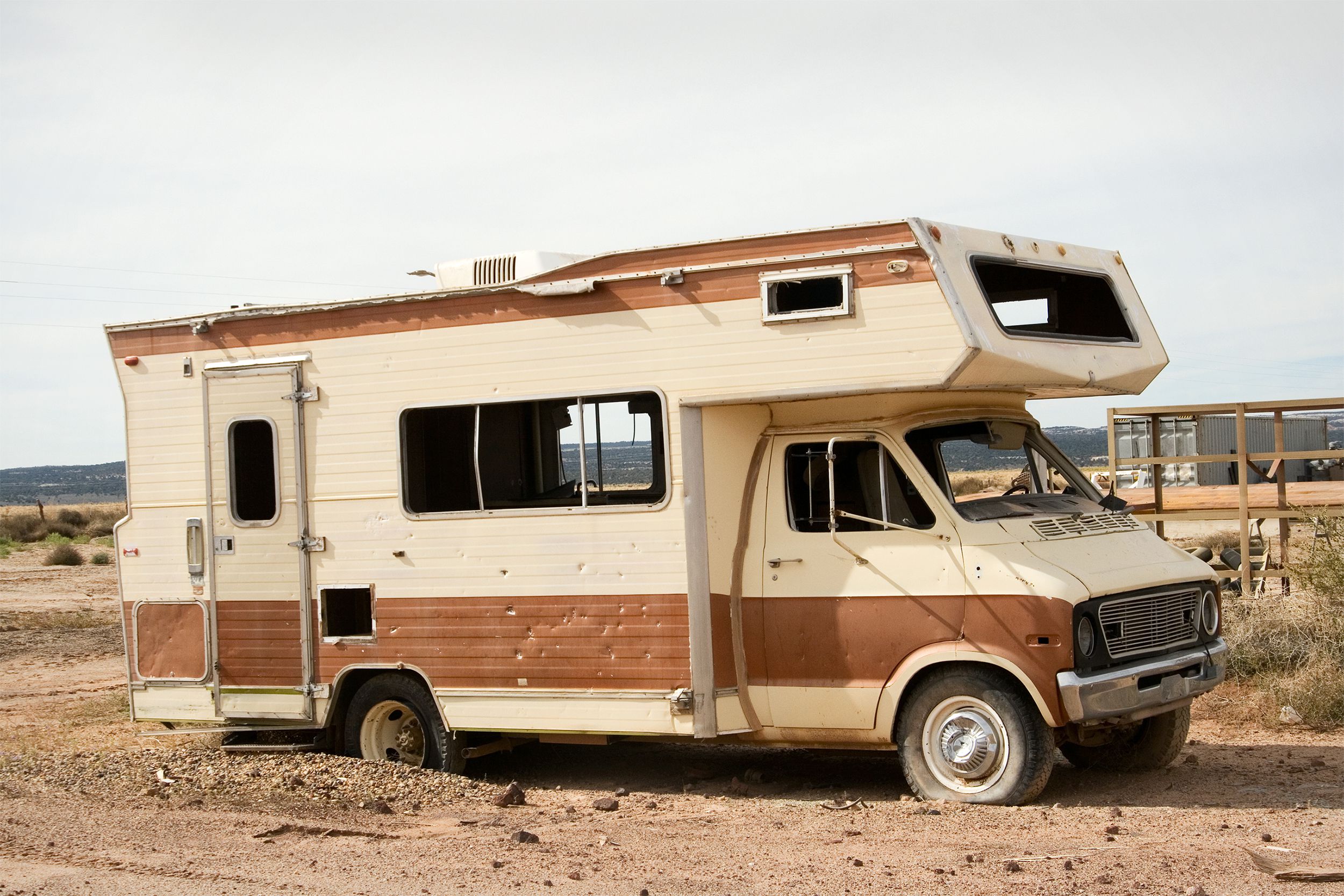
RV forums are filled with complaints about shoddy workmanship, from poor finishes and loose screws to more serious issues such as excessive vibration and poorly done electrical wiring. RVs are, by and large, still built one at a time by workers whose skill levels are all over the map.
Since the lack of automation makes RVs expensive to build, manufacturers are always looking to cut corners, which can lead to problems down the road — even for the most expensive models.
The Logistics of RV Travel Can Be Exhausting
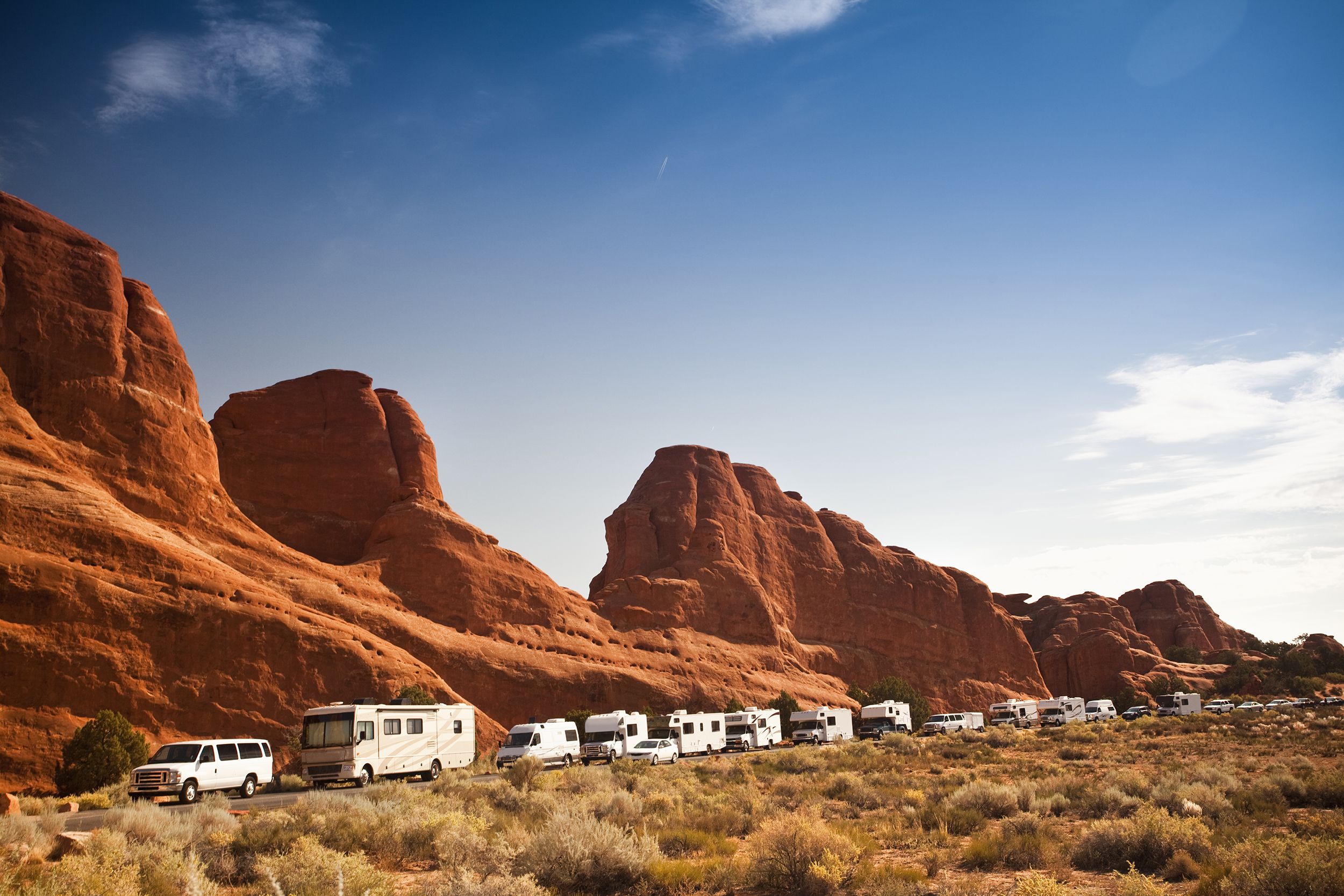
It’s not as easy as grabbing an atlas and heading out on the open road. There are campground reservations to make; there is the time-consuming process of setting up and breaking down campsites; and there’s finding the best local grocery store and cheapest gas.
There are even worries about plotting the smoothest route between Point A and Point B — can the RV handle those hills or fit under that bridge? Bottom line: You’ll be doing a lot more than propping up your feet by the campfire.
Internet Access Can Be Unreliable and Expensive

There are plenty of ways to stay connected while road tripping, but your Wi-Fi may be unstable, and a more reliable option like satellite is expensive. If you aren’t willing to spend the money on a satellite install, you’ll be limited to a mobile hotspot, your smartphone’s cellular data, or public internet connections at coffee shops and libraries.
That might not be a problem for surfing the web, but gaming, streaming, and important video calls could be a burden for your mobile internet. At the end of the day, nothing beats a hard-wired connection at home or at a hotel.
Safety Can Be an Issue

Living out of an RV poses unique safety challenges compared to traditional housing. For starters, they can be easier to break into compared to a house or apartment — and, as mentioned above, you can’t just park your RV anywhere. RVs are also more vulnerable to hazards like gas leaks, fires, and carbon monoxide poisoning, especially if heating and cooking equipment are not properly maintained.
Traveling in an RV also brings the risk of accidents or breakdowns in remote areas, where help may not be readily available. Moreover, staying in unfamiliar locations can expose occupants to the risk of theft or physical harm from strangers.
Cleaning Out the Septic Tank Stinks (Literally)
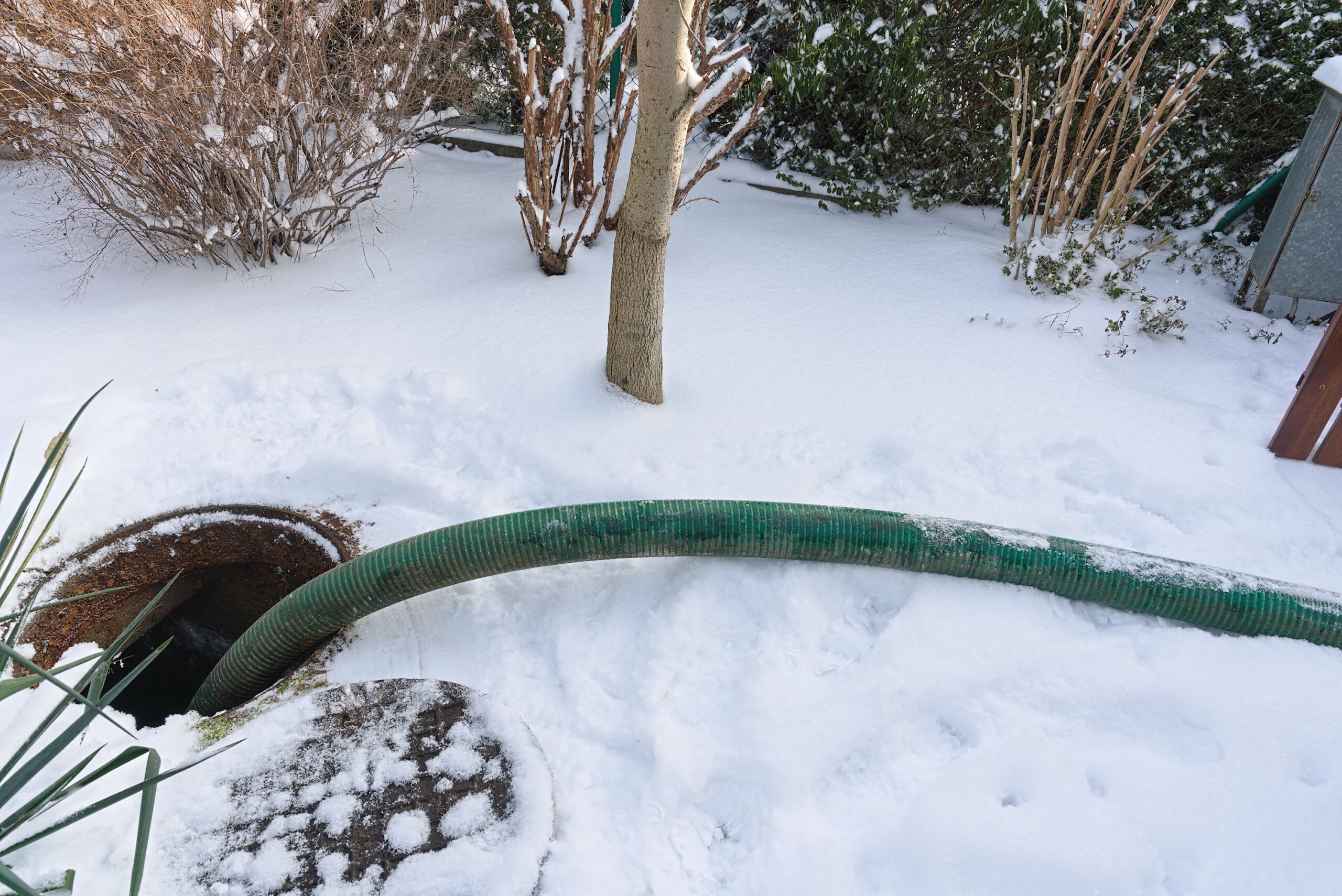
Another significant deterrent to RV life is having to regularly clean out the septic tank, also known as the holding tank. As one can imagine, this task can be particularly unpleasant and inconvenient as it involves dealing with waste directly, which is not for the faint of smell. The process also requires finding and traveling to designated dump stations that may not always be conveniently located or available.
On top of having to deal with nasty poop smells, improper maintenance of the septic system can lead to blockages or backups, which can be costly to repair and also cause unsanitary conditions and potential health hazards in your living space.
More From Cheapism
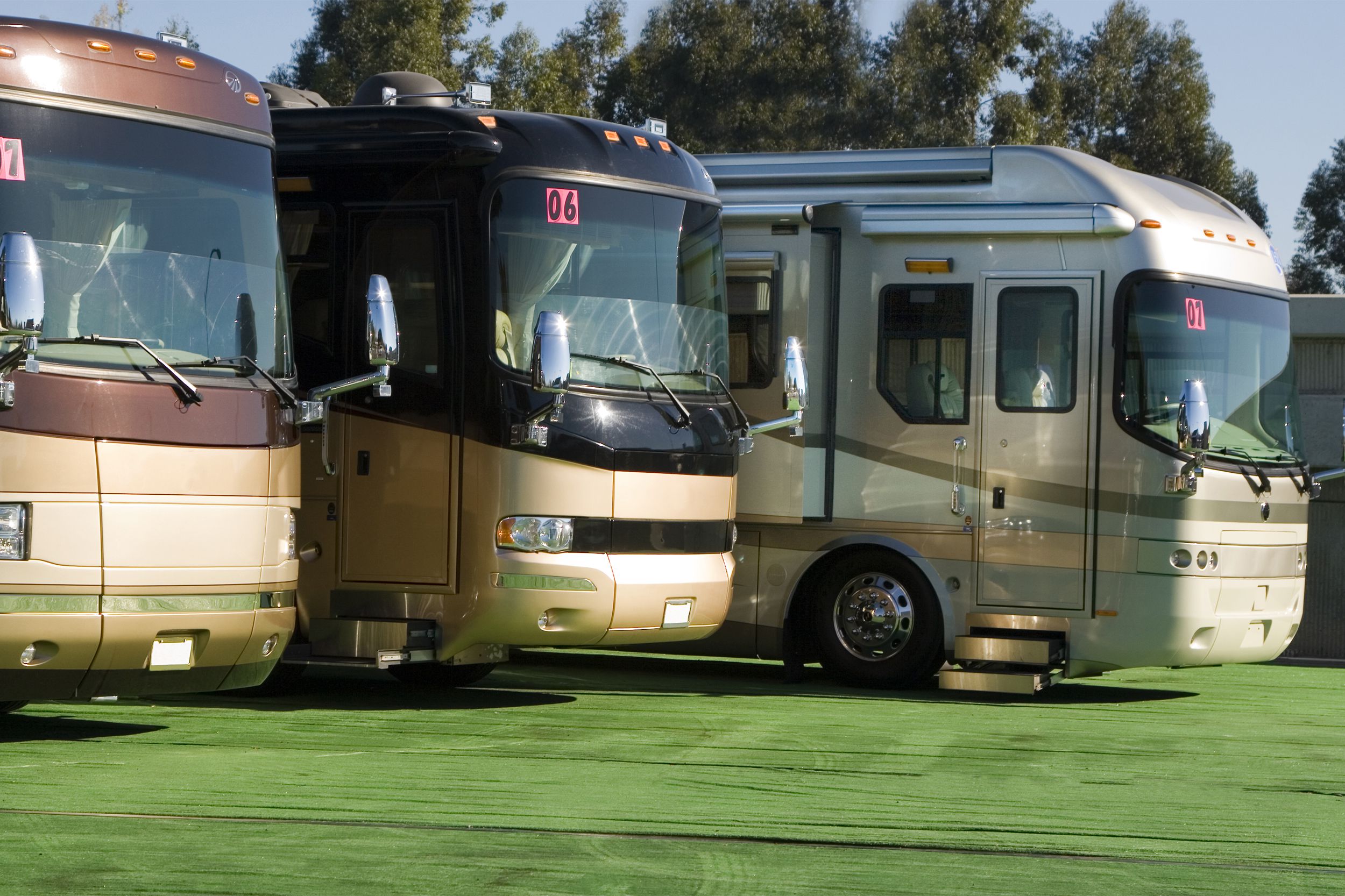
- Why You Should Avoid These RV Brands — Before you buy or rent an RV, see which brands owners and RV experts say are most likely to come with leaks, faulty slide-outs, electrical problems, and repair headaches.
- New RV Owner Regrets: What To Know Before Buying — From storage and space issues to towing surprises and maintenance headaches, new RV owners share what they wish they’d known before buying.
- 15 Gas Station Mistakes That Are Costing You Money — Small habits at the pump, from skipping price comparisons to buying premium gas you don’t need, could be making every fill-up more expensive.