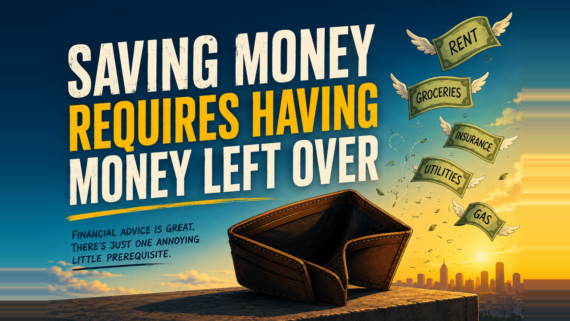
Consumer confidence just hit a seven month low. Apparently, we’re not appreciating all this economic resilience properly.
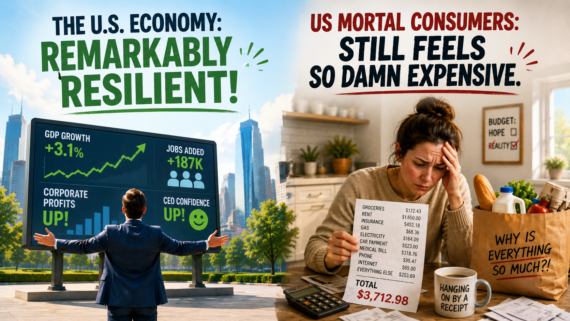
I keep hearing that the American economy is remarkably resilient. That’s wonderful. I just wish somebody would explain why living in this remarkably resilient economy still feels so damn expensive.
From where I’m standing, groceries are expensive. Housing is expensive. Insurance is doing whatever insurance has apparently decided to do. Going out for dinner with your family can suddenly require a small strategic planning session, and every few months some completely ordinary expense seems to quietly graduate into a luxury purchase.
Maybe I’m just not appreciating our economic success properly. Fortunately, I now have some evidence that I’m not the only ungrateful American failing to enjoy all this resilience. The Conference Board’s latest Consumer Confidence Index fell again in August to 89.4, its lowest level in seven months. Consumers became more pessimistic about business conditions and jobs over the next six months, while their expected inflation rate rose to 5.8%.
What’s particularly amusing, in a somewhat irritating way, is that we’ve spent years hearing about the remarkable resilience of the American consumer. And yet, we’re increasingly worried about what’s coming next. Apparently both things are true.
Apparently both things are true.
The Resilient American Consumer Would Like a Word
I understand what economists mean when they talk about resilience. They aren’t claiming we’re all rolling around in piles of disposable income wondering whether to buy another boat. They’re talking about economic activity. We keep spending, businesses keep selling, people remain employed and the economy continues moving despite everything that’s been thrown at it.
The part that gets me is how easily “people continue spending money” starts sounding like “people are doing great.”
I spent money on groceries this week. I wasn’t expressing confidence in the American economy. I was expressing an ongoing preference for eating.
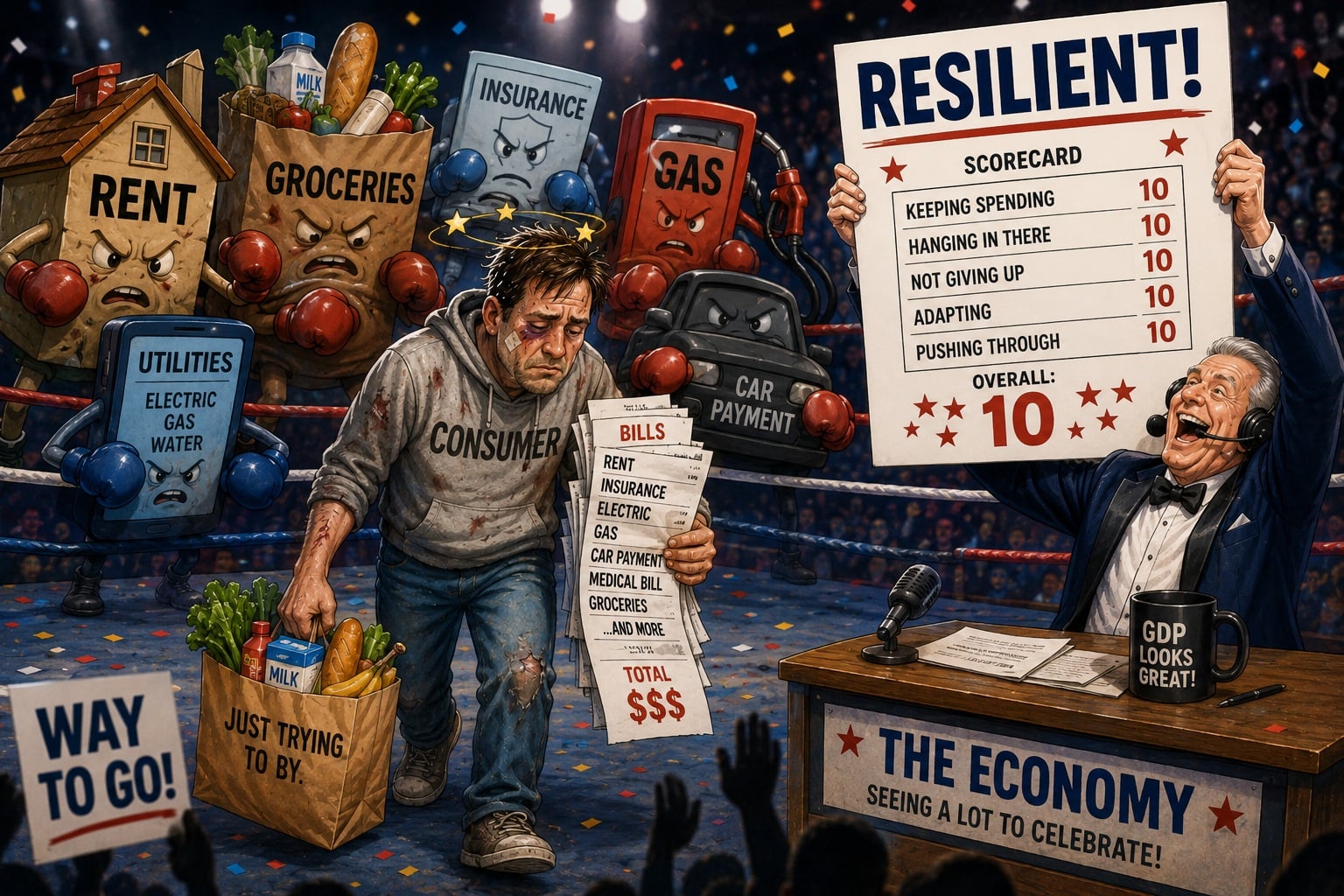
The same applies to housing, electricity, insurance, gasoline, car repairs and the approximately 14,000 things children suddenly announce they need. We can cut back. We can shop around. We can postpone purchases. But there is a certain amount of money required simply to participate in American life, and apparently every time we successfully hand it over, we’re demonstrating our remarkable economic resilience.
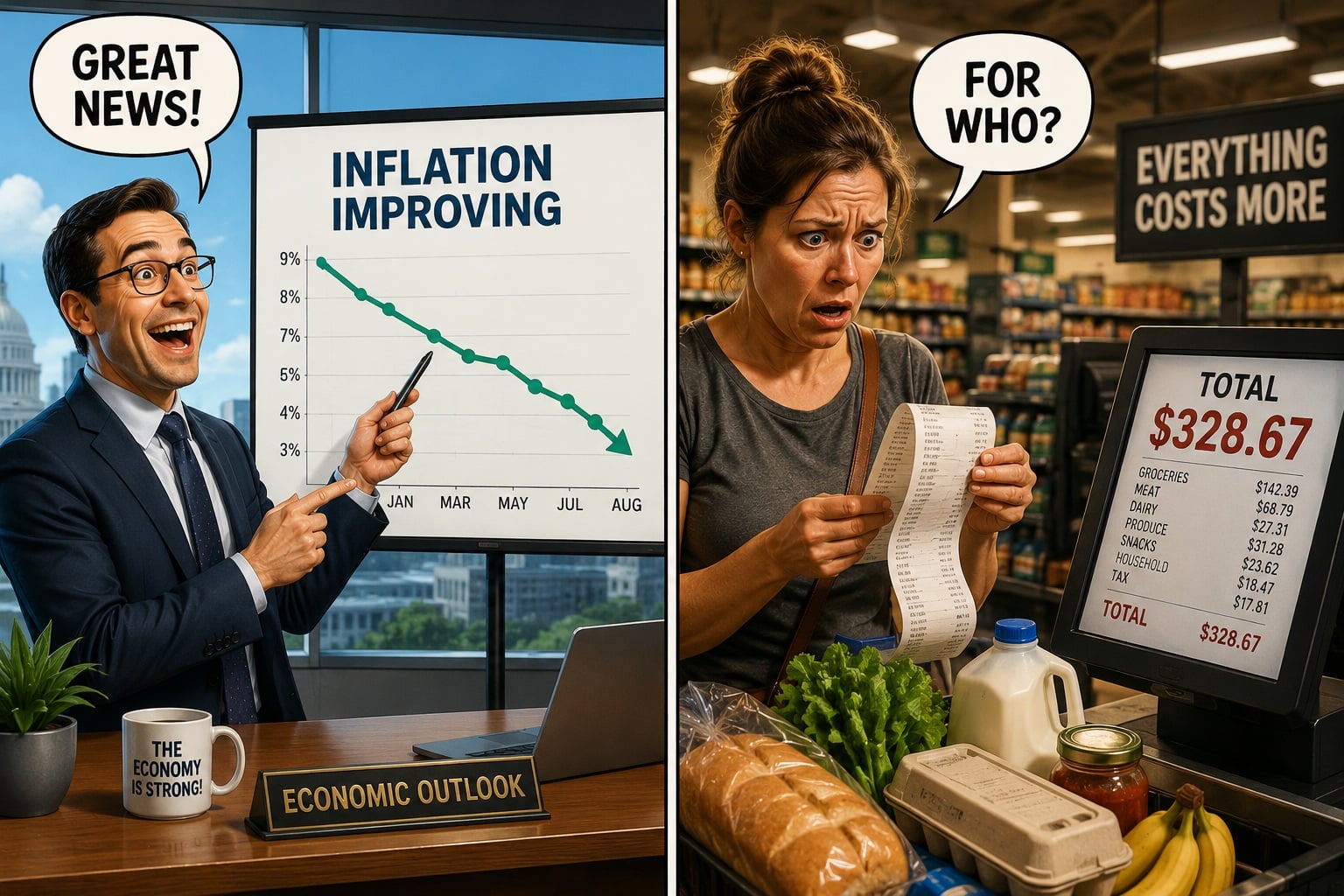
Inflation Is Better. My Grocery Bill Forgot to Celebrate.
One of my favorite economic conversations is the one about inflation improving. To be clear, lower inflation is absolutely good. I am very much in favor of prices taking their foot off the accelerator for a change.
But the slightly annoying detail is that this doesn’t mean everything that became expensive suddenly becomes inexpensive again. It mostly means those already high prices are now climbing the mountain at a more leisurely pace. I wish I had the same energy as consumer prices when I’m climbing a mountain.
Even the Conference Board’s current economic outlook acknowledges the disconnect rather beautifully: “Inflation has improved, but affordability has not.”
Thank you. That’s what I’ve been trying to say.
You can show me a beautiful chart demonstrating that inflation has moderated, and I will believe you. But then I’m going to the supermarket, where apparently nobody informed the chicken breasts that we’re winning.
That’s the strange thing about this economy. The good news can be completely legitimate while doing absolutely nothing to make the receipt in my hand less annoying. In one America, inflation has moderated and the economy has demonstrated impressive resilience. In the other America, somebody is standing in a grocery aisle staring at something completely ordinary and thinking, When the hell did that start costing $8?
Apparently both Americas occupy the same ZIP code.
The People Running Companies Seem a Little More Cheerful
Here’s another contrast I particularly enjoy. The Conference Board also surveys CEOs, and its latest measure found CEO confidence rose above 50 in the third quarter, meaning positive responses once again outnumbered negative ones. The Conference Board described leaders of large U.S. companies as showing “cautious optimism.”
Good for them. Seriously. I don’t want CEOs terrified. Terrified CEOs have an unfortunate tendency to do things that eventually make the rest of us terrified too.
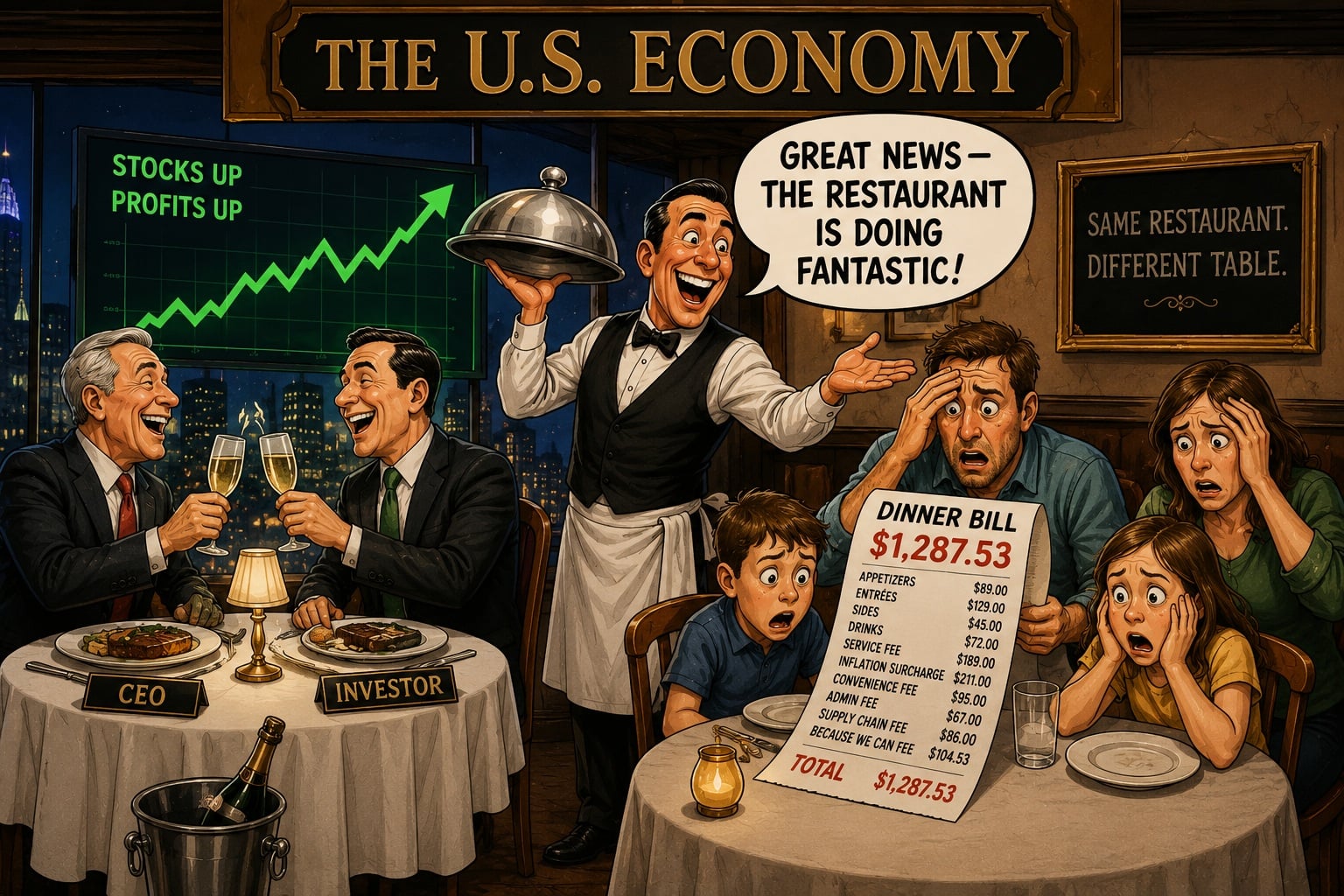
But it does create a wonderful split screen. On one side, leaders of large companies are becoming somewhat more optimistic. On the other, consumer confidence just fell to a seven-month low.
Same economy. Different seats.
And that’s really the part I care about. I don’t live inside a GDP chart. I live in the economy where people pay rent and mortgages, buy groceries, renew insurance policies, replace tires, pay medical bills and occasionally attempt the financially reckless act of taking their family to a restaurant.
I live in the economy where people pay rent and mortgages, buy groceries, renew insurance policies, replace tires, pay medical bills and occasionally attempt the financially reckless act of taking their family to a restaurant.
That’s the economy I care about, and apparently it all depends which side of the receipt you’re standing on.
Congratulations on Our Continued Resilience
I’m not rooting against a strong economy. Obviously. I would much rather hear that the U.S. economy is resilient than hear that it’s collapsing.
But I do think we’ve become far too comfortable treating “the economy is doing well” and “Americans are doing well” as though they’re interchangeable statements. They’re not.
The economy can grow. Companies can prosper. Stocks can rise. Consumers can keep spending. And millions of ordinary people can simultaneously feel increasingly uncomfortable about how much it costs to maintain an ordinary life.
Perhaps that’s what annoys me so much about constantly hearing how resilient we are. Our ability to absorb higher costs shouldn’t automatically be interpreted as evidence that those costs aren’t hurting us. Sometimes resilience just means you paid the damn bill.
So congratulations to the resilient American economy, and congratulations especially to all of us remarkably resilient consumers who keep paying the bills and keeping this whole machine moving.
Apparently we’re doing an amazing job. It would just be nice if it felt like it.
I’d love to hear from my fellow remarkably resilient consumers: When you hear that the U.S. economy is “strong” or “resilient,” does that resemble the economy you’re actually living in. or does it feel like they’re talking about somebody else’s?