Walk into an American home in the 1960s and you’d probably recognize plenty of these 1960s household items — the sofa, refrigerator, television, and telephone. Look a little closer, though, and the differences start piling up.
Telephones were attached to walls, televisions could be enormous pieces of wooden furniture, and some families had insulated metal boxes outside specifically for milk deliveries. Other once-common household fixtures disappeared as technology improved, decorating tastes changed, or the routines they were designed around simply faded away.
From razor-blade slots hidden inside bathroom walls to record players that could change their own records, here are 16 things that were once perfectly ordinary to have at home.
Console Televisions
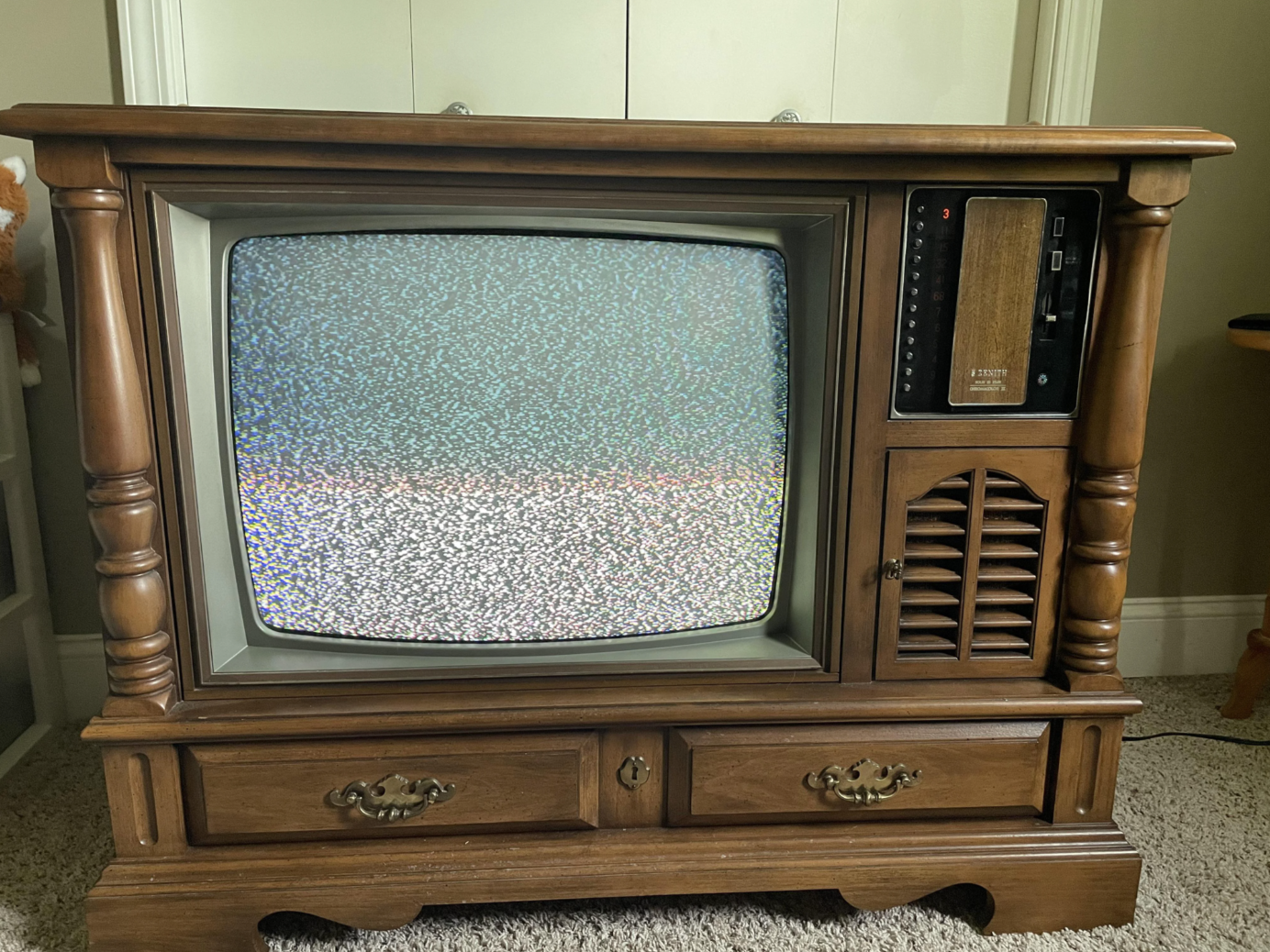
Before flat-screens practically disappeared into the wall, televisions could take up a serious amount of living-room real estate. In the 1960s, console TVs were often built into large wooden cabinets designed to look as much like furniture as electronics. Brands such as RCA, Zenith, and Philco offered models in different wood finishes, and families frequently arranged the entire living room around the set. Today’s giant TVs may have much bigger screens, but at least you don’t need a piece of furniture the size of a credenza to hold one.
Rotary Wall Phones
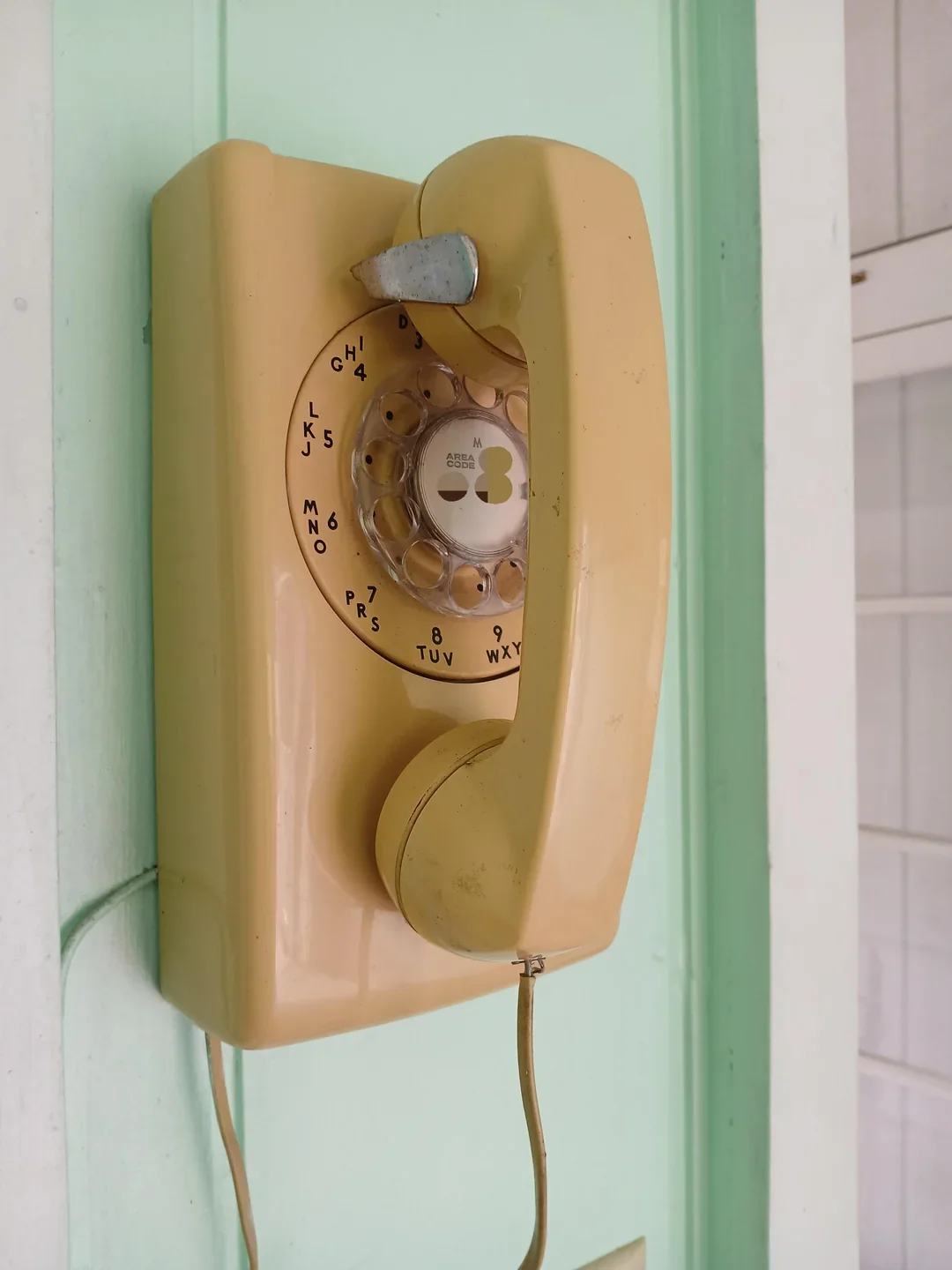
Making a phone call used to require standing in one particular part of the house and physically rotating a dial for every digit. Wall-mounted rotary phones were especially common in kitchens and hallways, and households often had just one telephone line. A long cord was a coveted feature because it offered at least a chance of escaping your family’s ears during a private conversation. Smartphones have made the whole setup feel almost impossibly restrictive today.
Built-In Telephone Niches
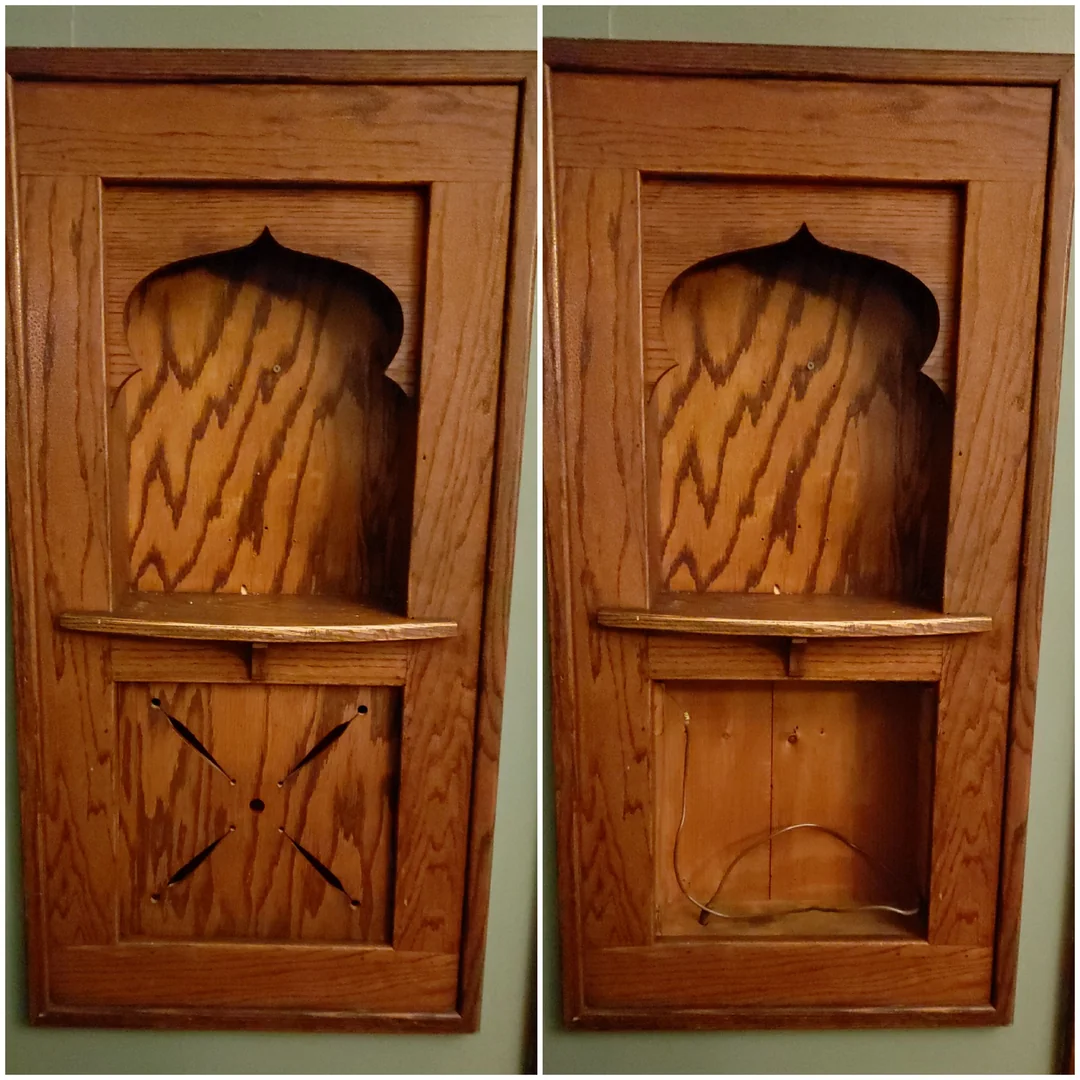
Some houses didn’t just have a designated place for the phone — the place was literally built into the wall. Telephone niches were small recessed alcoves designed to hold the family’s landline, sometimes with an additional shelf for phone books or even a nearby seat. It made perfect sense when a telephone was permanently tethered to one spot. Many surviving niches have since been turned into shelves or decorative nooks, leaving behind a strangely specific reminder of how much the phone once influenced home design.
Hi-Fi Stereo Consoles
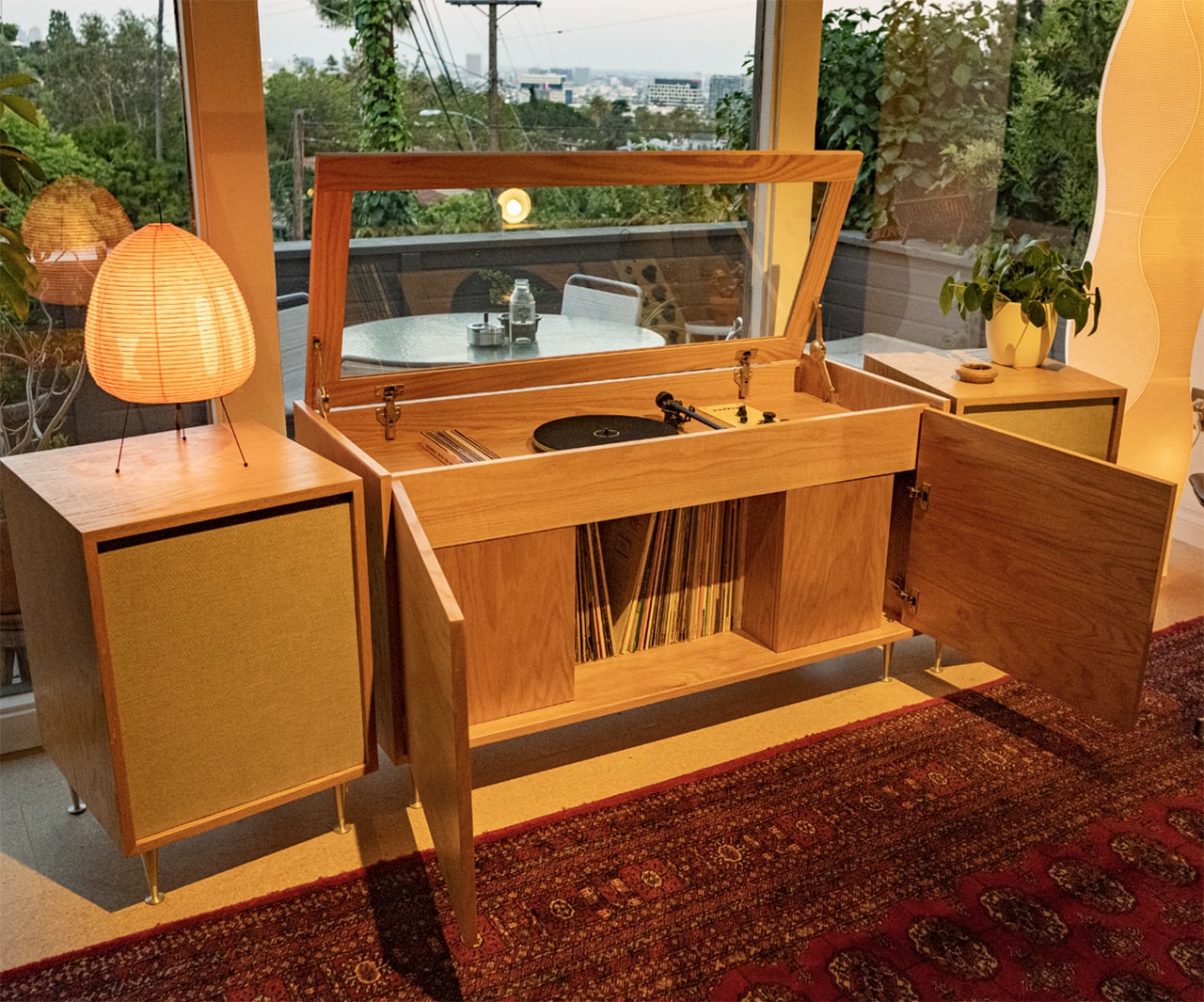
A home sound system wasn’t always something you could stick on a bookshelf. Hi-fi consoles combined a turntable, radio, speakers, and record storage inside a substantial wooden cabinet that could occupy several feet of a living-room wall. Magnavox, Zenith, Motorola, and other manufacturers sold them as furniture as much as electronics. Playing an album meant lifting the lid and putting a record on the turntable — a far cry from asking a smart speaker to play a song.
Metal Milk Boxes
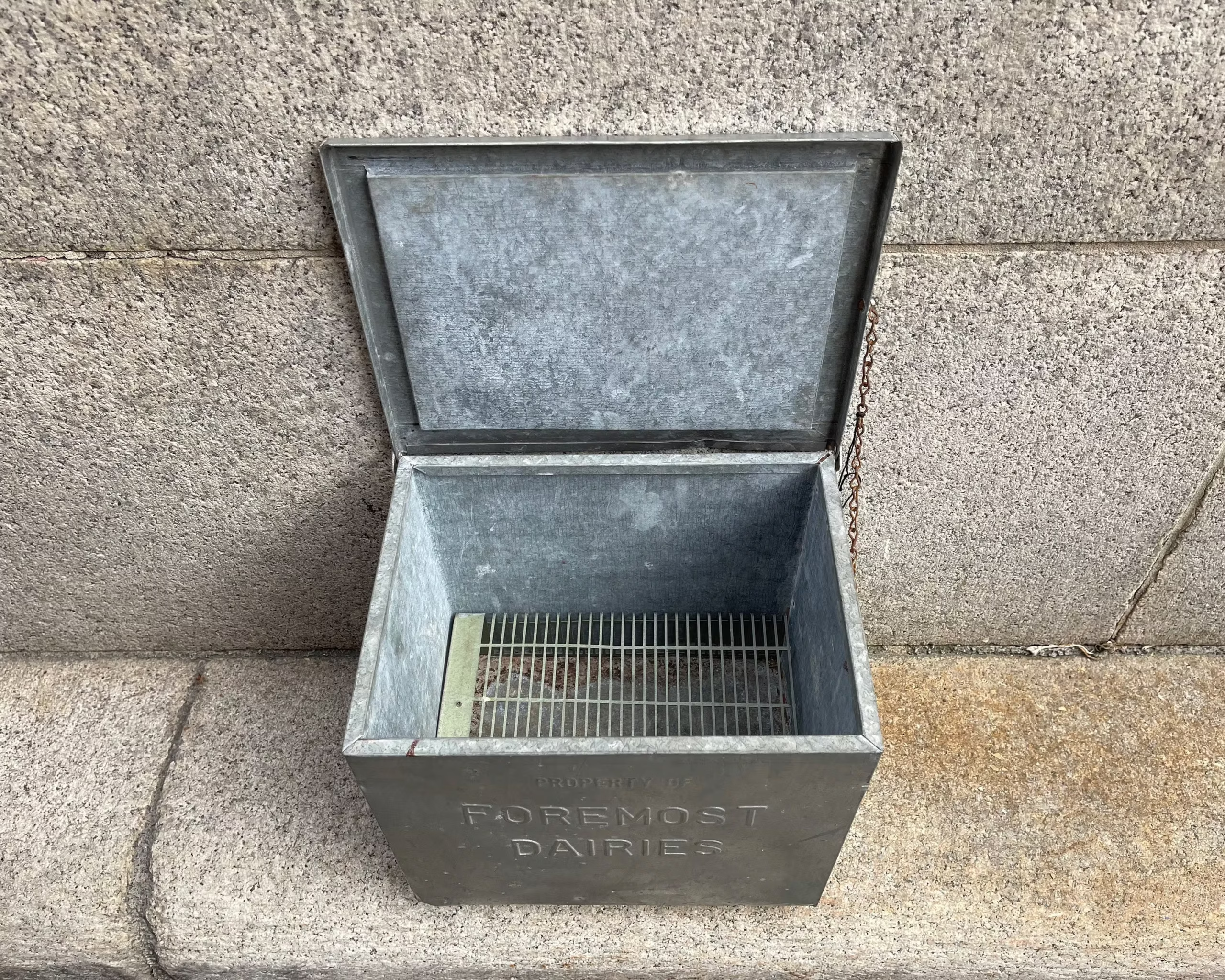
If your family had milk delivered, you needed somewhere for the milkman to put it. Insulated metal milk boxes commonly sat near a side or back door, protecting glass bottles until someone brought them inside. Empty bottles went back into the box to be collected and reused on the next delivery. As supermarkets became more convenient, refrigerators got bigger, and traditional neighborhood milk routes declined, these little boxes largely disappeared along with the routine they supported.
Trending on Cheapism


Built-In Ironing Boards
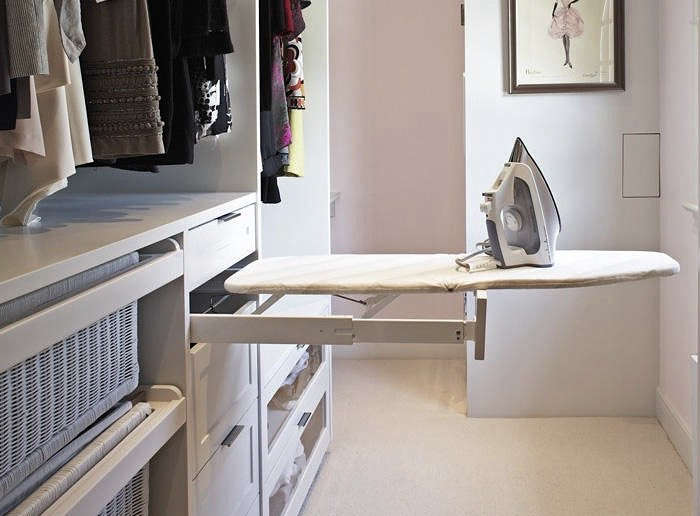
Ironing was enough of a household chore that some homes dedicated permanent wall space to it. Built-in ironing boards folded out from narrow cabinets in kitchens, hallways, or laundry areas, providing a full-size board without taking up closet space. Some cabinets even included storage for the iron. Wrinkle-resistant fabrics, improved dryers, and handheld steamers eventually made frequent ironing less essential — and new houses stopped treating the ironing board like it deserved its own room feature.
Pole Lamps
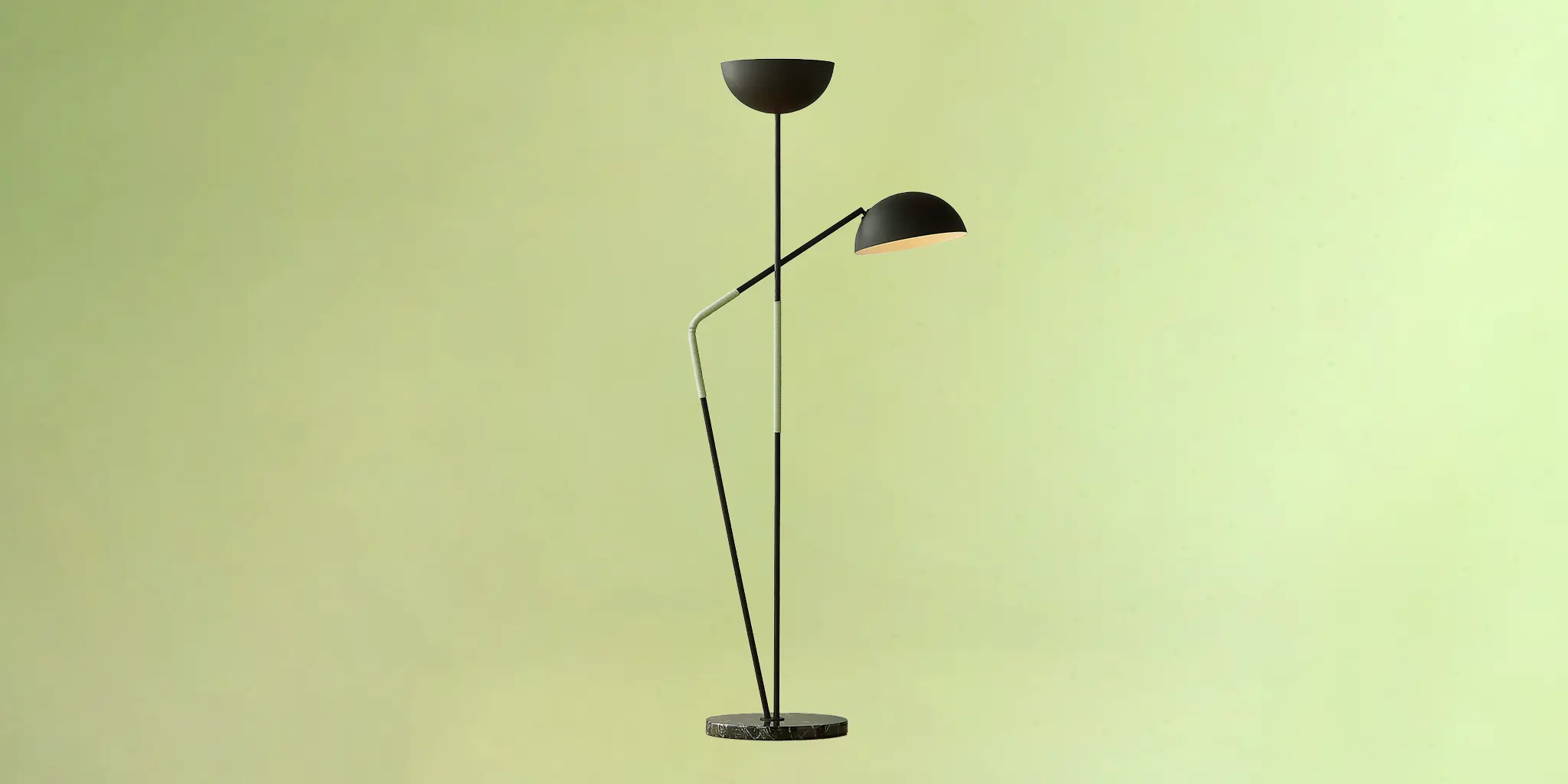
Nothing says mid-century living room quite like a lamp stretched from the floor all the way to the ceiling. Tension-pole lamps typically held several adjustable lights, sometimes topped with colorful cone-shaped shades pointed in different directions. They provided plenty of illumination without requiring side tables and fit right in with the brass, wood-grain, and bold finishes of the era. Recessed lighting and changing decorating trends eventually sent this unmistakably ’60s fixture out of fashion.
Metal TV Tray Sets
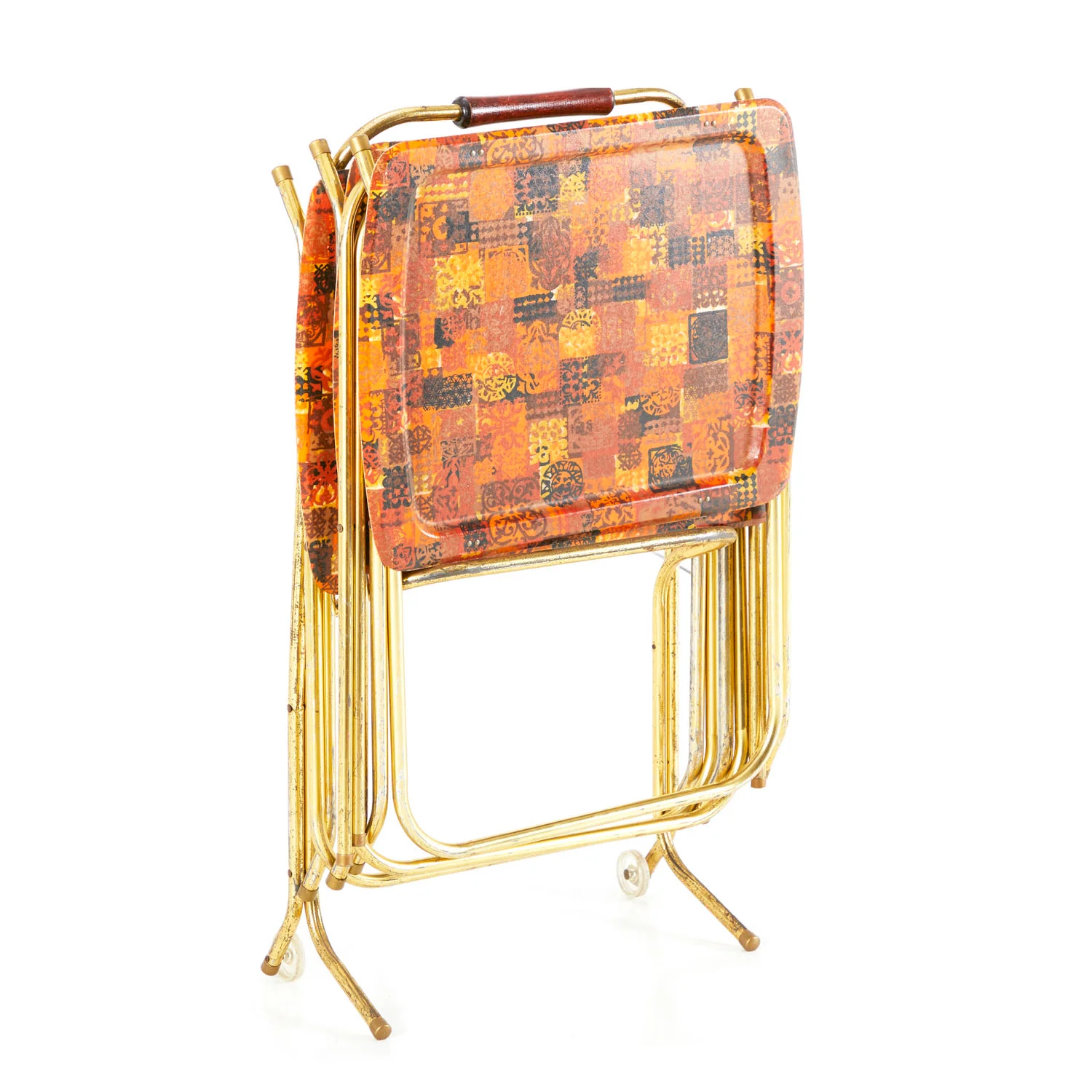
TV dinners needed TV trays. Folding metal trays allowed families to eat while watching television without attempting to balance dinner on their laps. They commonly came in matching sets of four with their own storage rack and featured floral patterns, faux wood, or other decorative designs. Folding trays haven’t completely vanished, but coordinated metal sets aren’t exactly a staple of the modern living room.
Sign up for our newsletter
Cigarette Stands and Ashtrays
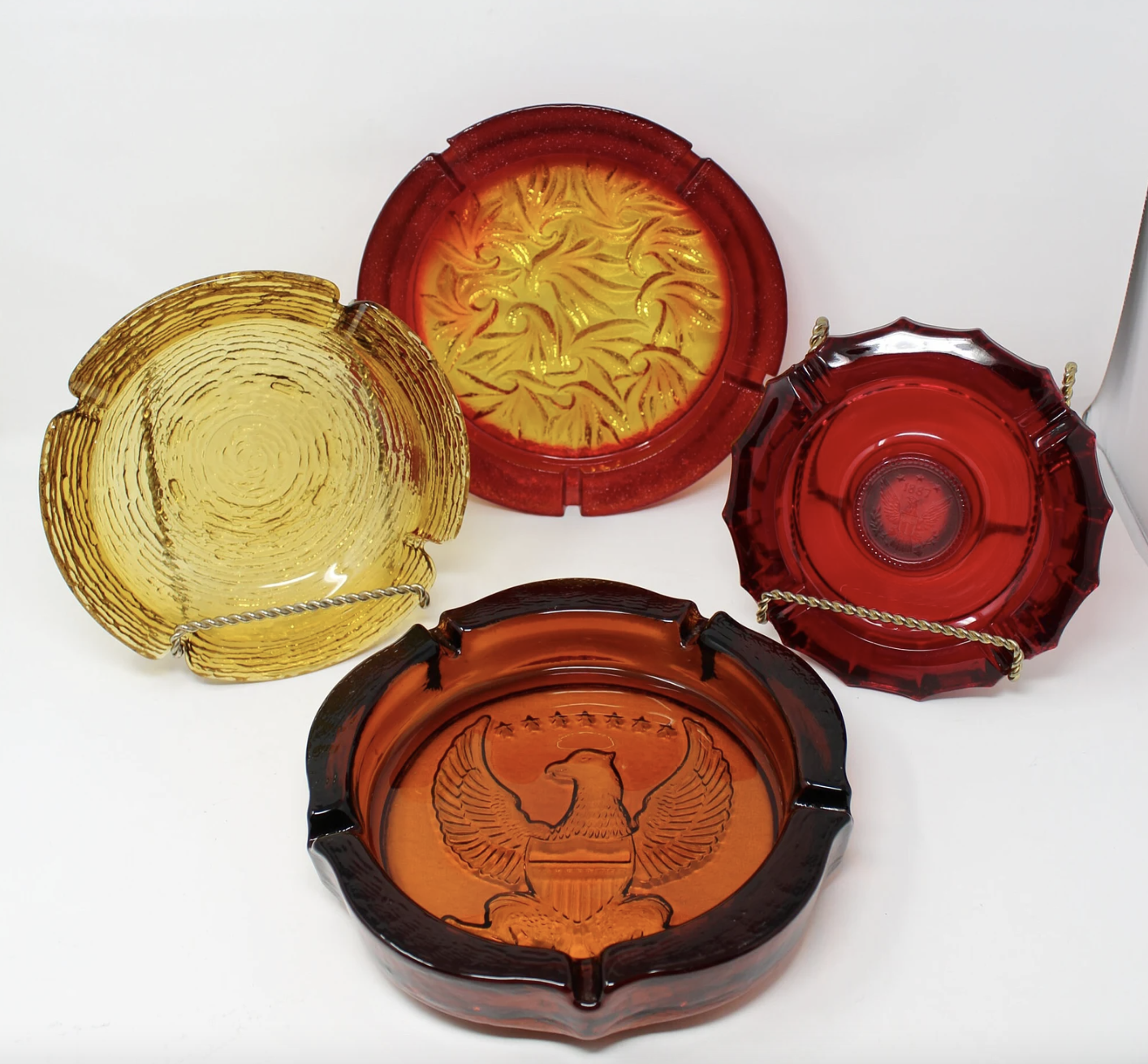
An ashtray on the coffee table wasn’t necessarily a sign that someone in the house smoked. In an era when smoking was far more common, hosts could reasonably expect guests to light up indoors, too. Homes might have decorative glass or ceramic ashtrays on tables and even freestanding cigarette stands beside chairs. As smoking rates declined and awareness of secondhand smoke grew, the idea of keeping permanent smoking accessories in the living room became increasingly unusual.
Encyclopedia Sets
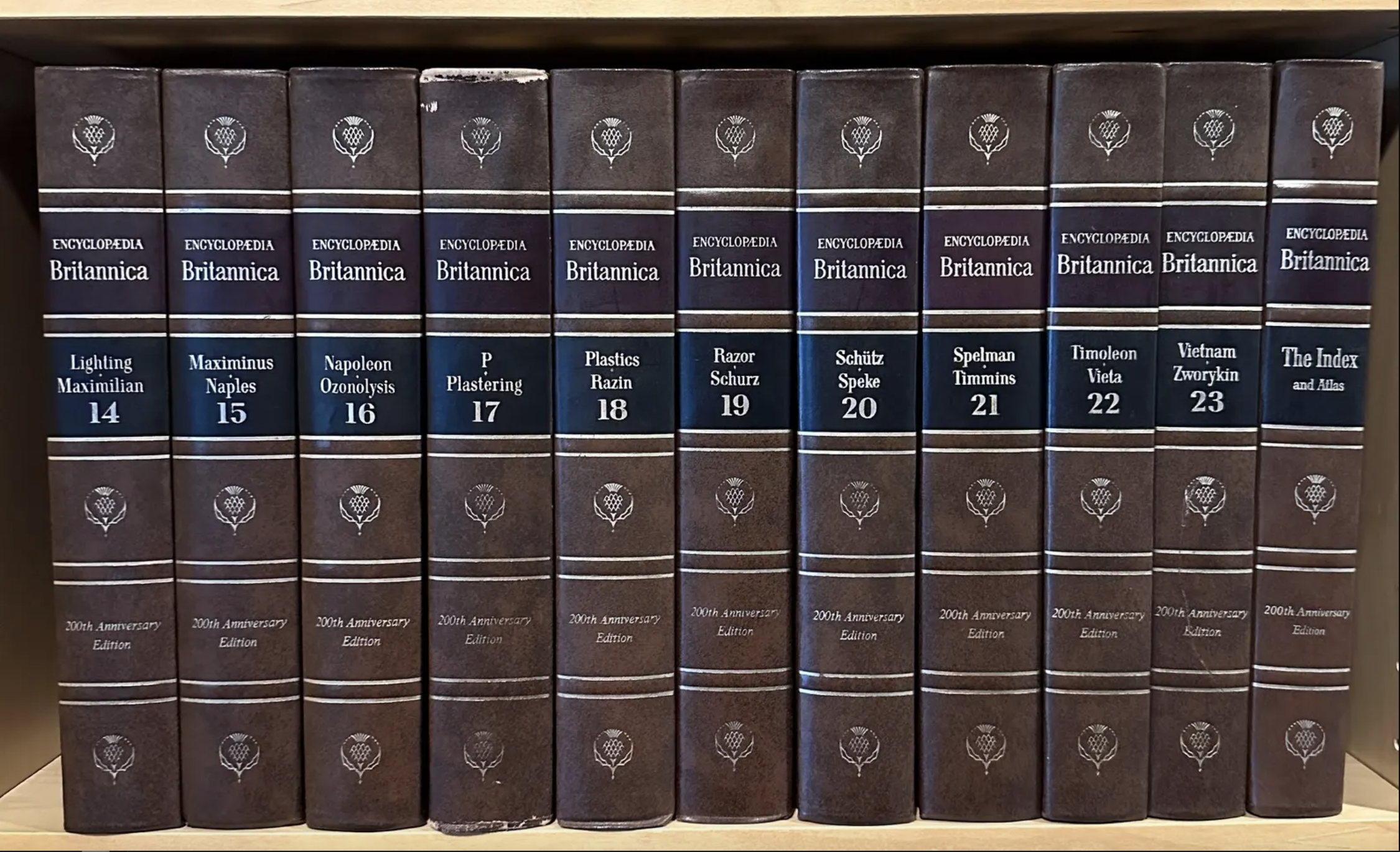
Before you could settle a family argument with a 10-second Google search, there was the encyclopedia. Multi-volume sets from publishers such as Encyclopaedia Britannica and World Book could occupy an entire shelf, and families bought them as long-term educational investments for themselves and their children. Students turned to them for homework, while annual update volumes tried to keep the information reasonably current. The internet eventually made an entire shelf of reference books difficult to justify.
Sewing Machines Built Into Cabinets
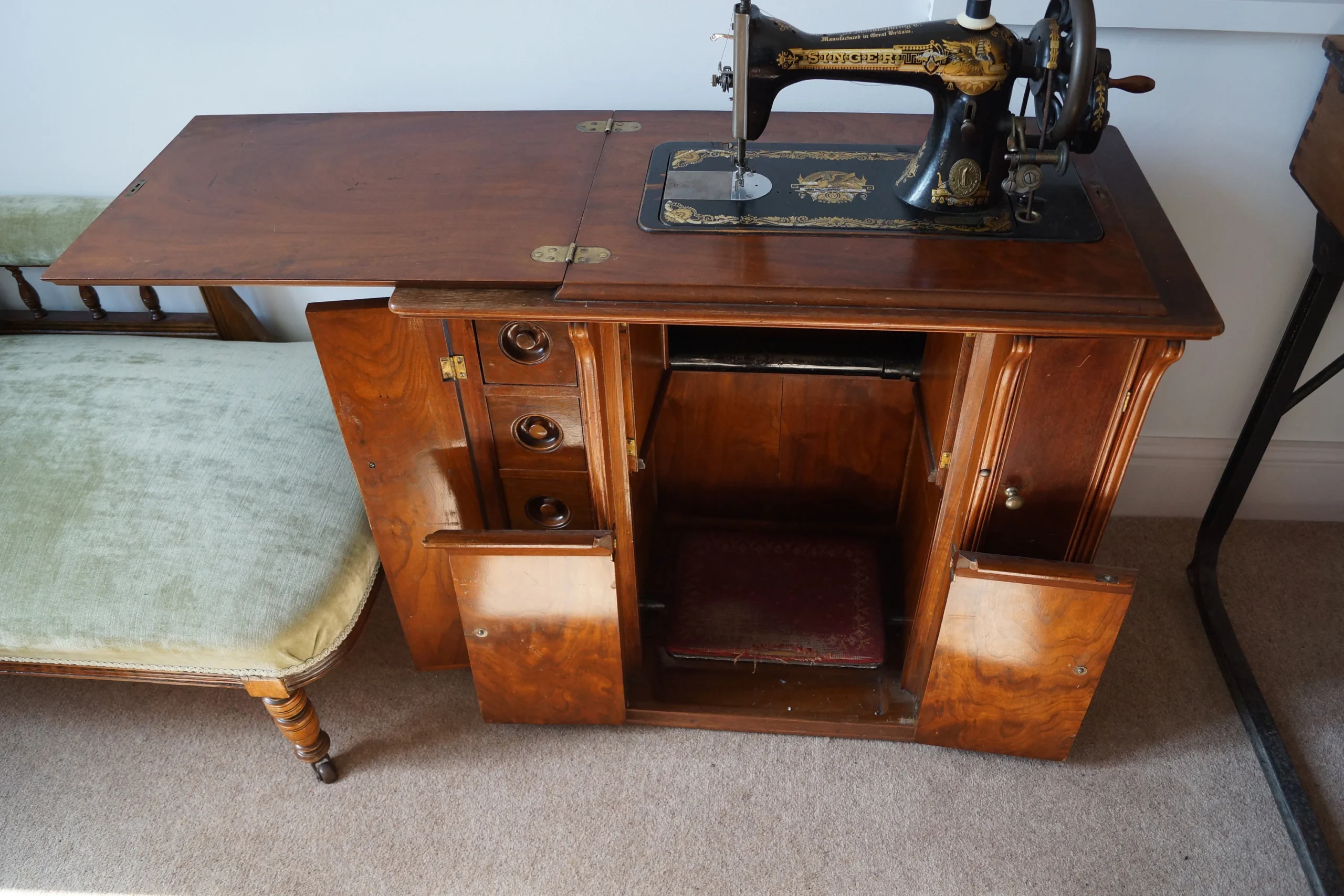
A sewing machine could once be another substantial piece of household furniture. Many were installed inside wooden cabinets, with the machine folding away when it wasn’t needed so the top could double as a table. Families used them to mend clothes, hem pants, make curtains, and sometimes sew entire garments. Home sewing certainly hasn’t disappeared, but inexpensive ready-made clothing and portable machines have made the built-in sewing cabinet much less common.
Labeled Kitchen Canister Sets
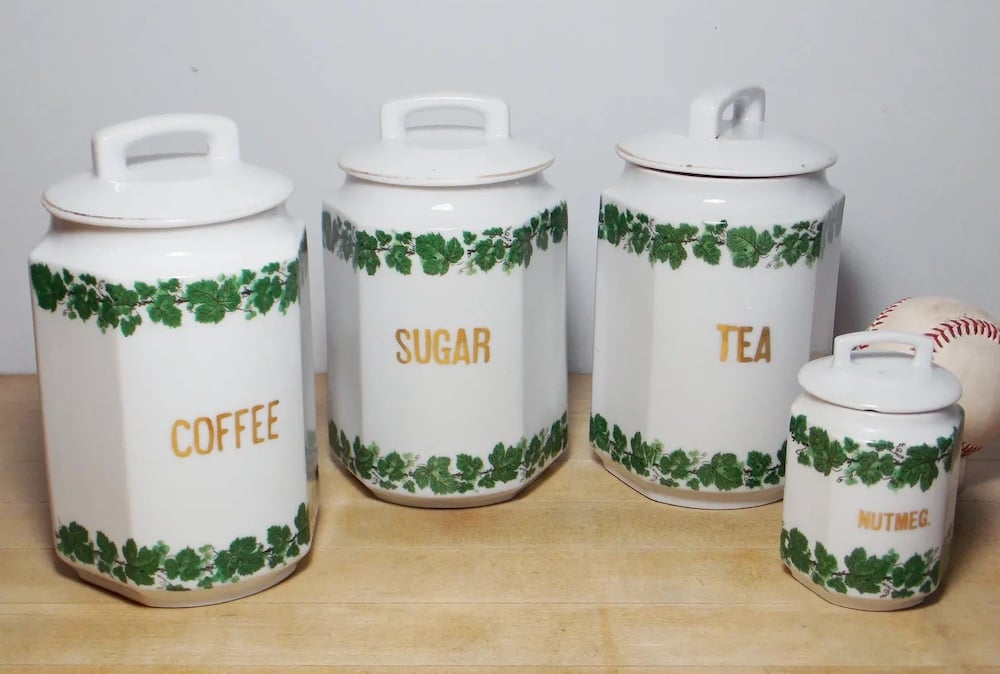
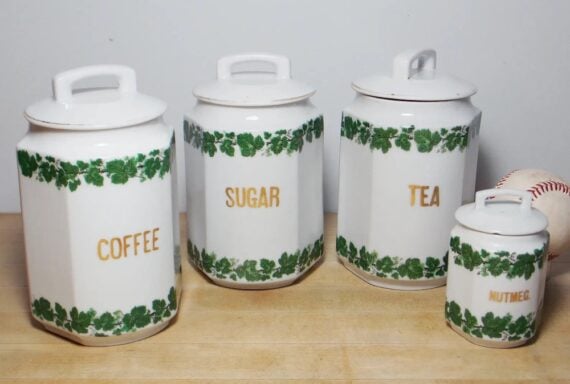
“Flour,” “Sugar,” “Coffee,” and “Tea” weren’t just ingredients — they were practically a kitchen decorating scheme. Coordinated four-piece canister sets were common countertop accessories, with designs ranging from chrome and enamel to florals, faux wood, and colors that would look unmistakably retro today. Modern kitchens are more likely to hide ingredients in a pantry or display them in clear, minimalist containers, but Grandma probably didn’t need a label maker to know which canister held the sugar.
Medicine Cabinets With Razor-Blade Slots
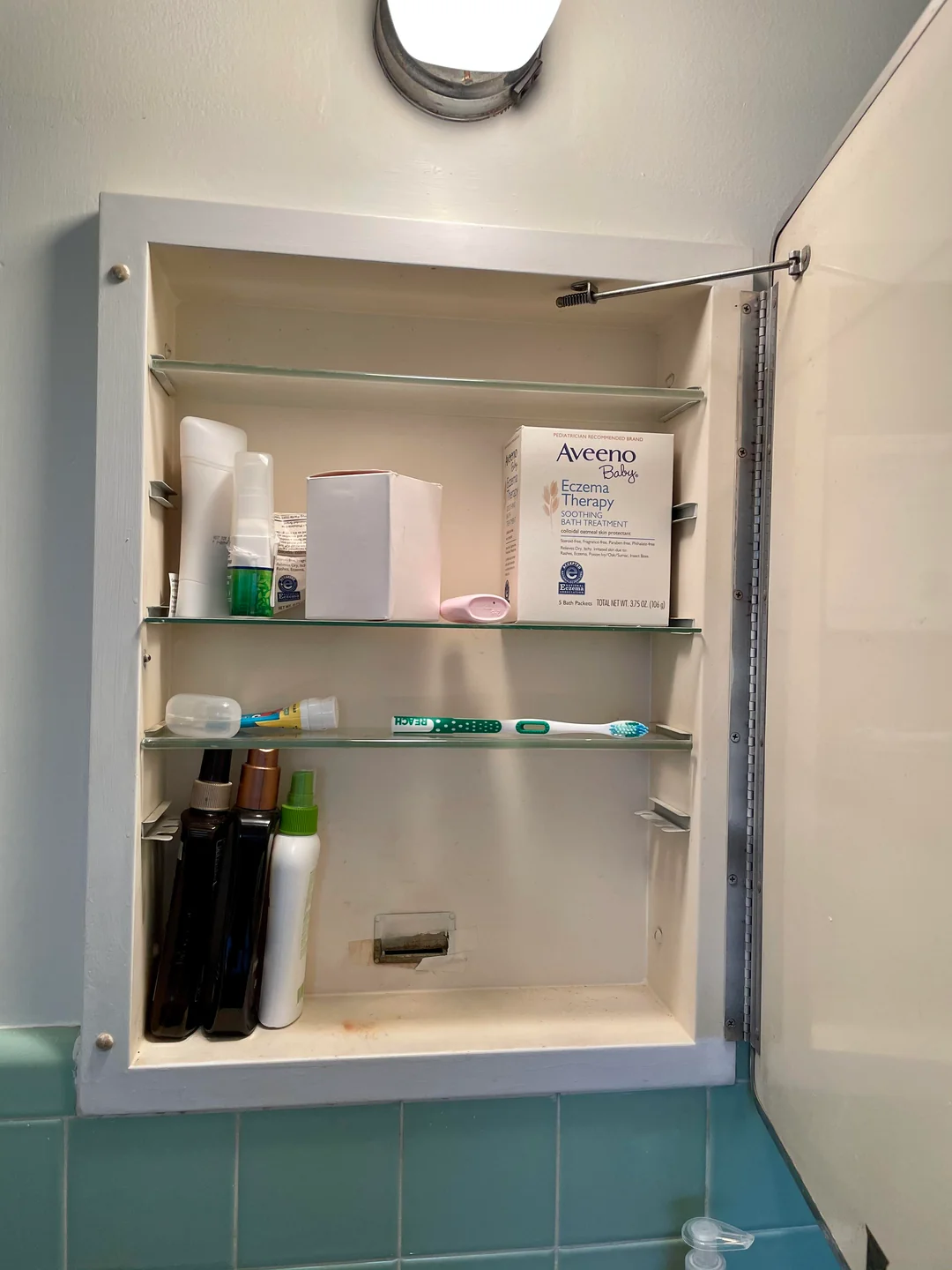
This one sounds made up until you’ve renovated an old bathroom. Some medicine cabinets included a narrow slot where people could dispose of used double-edge razor blades. Where did the blades go? Straight into the empty wall cavity behind the cabinet. They were essentially left there permanently, which means contractors working on older homes can still discover piles of decades-old razor blades inside walls. Disposable and cartridge razors eventually made this bizarre little architectural feature largely obsolete.
Fold-Down Kitchen Tables
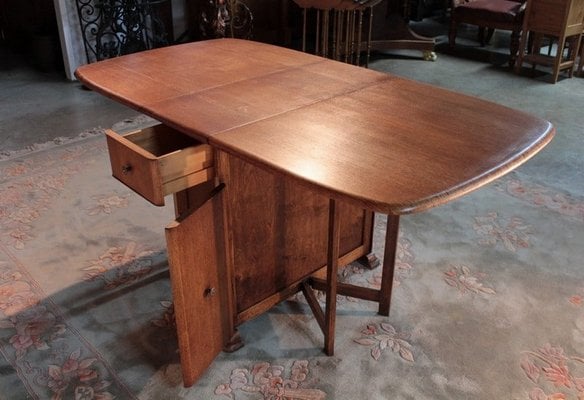
Long before oversized kitchen islands became the dream, some households were trying to squeeze every possible inch out of much smaller kitchens. Wall-mounted tables could fold down for breakfast, homework, or extra food-prep space and disappear against the wall afterward. Some even came with matching stools that tucked underneath. As kitchens grew larger and open-plan layouts became more popular, there was less need to make the breakfast table vanish after every meal.
Metal Bread Boxes
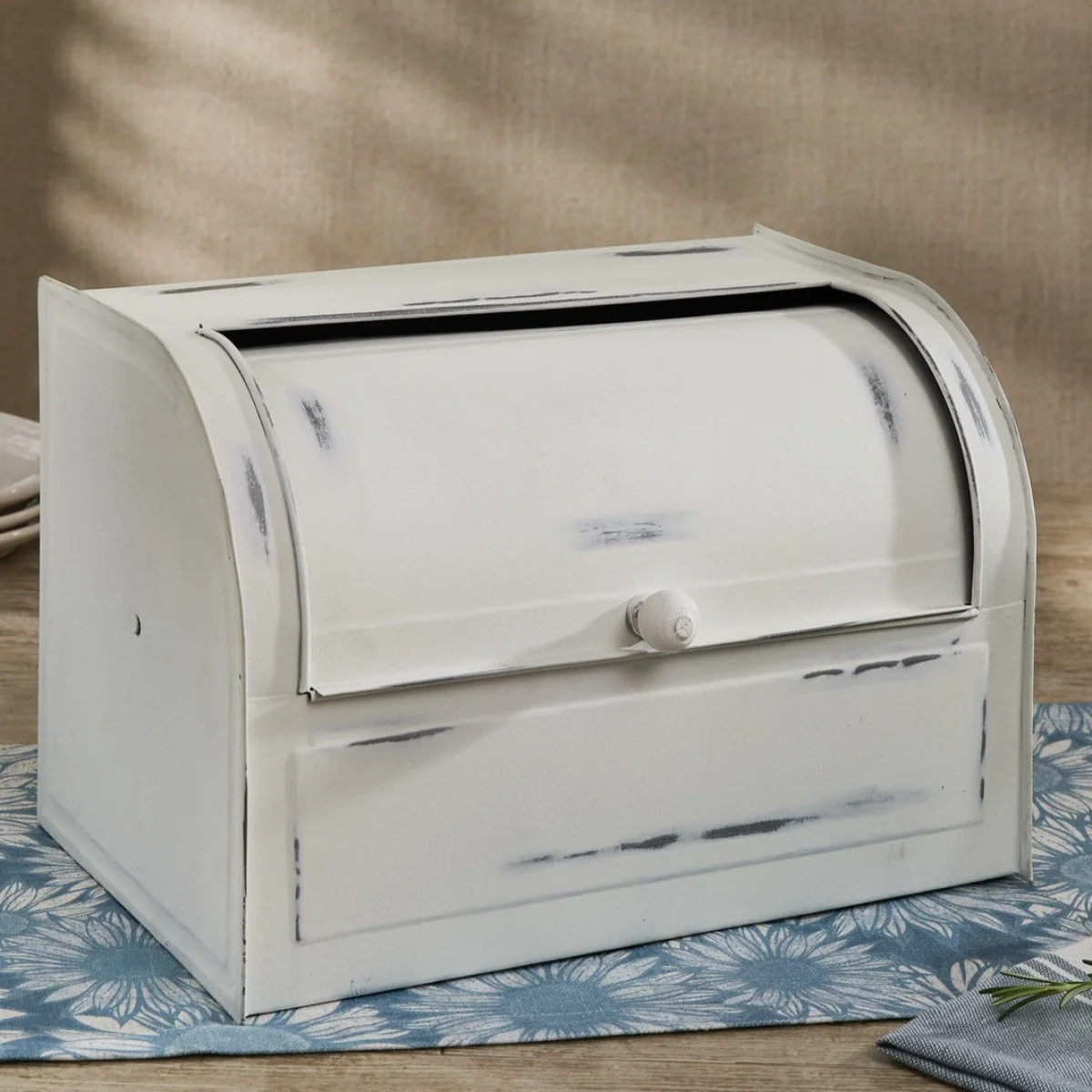
Bread once had its own dedicated piece of countertop equipment. Metal bread boxes helped protect loaves and baked goods while allowing enough airflow to keep them from going stale too quickly. They came in chrome, enamel, and colorful finishes designed to coordinate with other kitchen accessories, including those matching canister sets. Better commercial packaging, larger refrigerators and freezers, and changing storage habits eventually made surrendering that much counter space to bread seem unnecessary.
Record-Changer Turntables
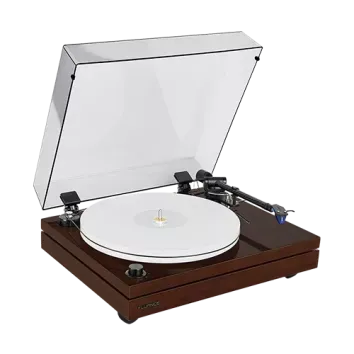
Playlists existed before Spotify — they just required a precarious-looking stack of vinyl. Many record players allowed listeners to place several records on a tall spindle. When one finished, the next would automatically drop onto the turntable and start playing, letting the music continue without someone getting up every few minutes. The feature disappeared as cassettes, CDs, and digital music arrived, while today’s vinyl enthusiasts generally favor single-play turntables that treat records a little more gently.
What makes these objects feel so distant isn’t simply their age. They reveal household routines that have disappeared along with them. Milk arrived at the door, one telephone served an entire family, music systems occupied several feet of furniture, and encyclopedias took up entire bookshelves. Which of these did your family still have when you were growing up?