The 1990s were a golden age for chain restaurants. Dining rooms were packed, value menus actually felt like bargains, portions were generous, and many chains became regular stops for family dinners, birthday celebrations, and late-night meals. Whether it was grabbing a Whopper after school, eating pizza under Pizza Hut’s iconic stained-glass lamps, or meeting friends at TGI Fridays, these restaurants became part of everyday American life.
Many of those brands are still around today, but longtime customers increasingly argue that the experience isn’t what it used to be. Browse Reddit, Google Reviews, restaurant forums, and social media, and you’ll find the same complaints appearing again and again: higher prices, smaller portions, recipe changes, inconsistent quality, and the disappearance of many of the features that made these chains feel special in the first place.
Some of that change is inevitable. Rising labor costs, inflation, supply chain challenges, and changing consumer habits have forced restaurant companies to adapt over the past three decades. At the same time, nostalgia naturally makes childhood favorites seem even better in hindsight. Still, the recurring criticism across customer reviews suggests many diners genuinely believe certain chains have lost some of the magic that made them household names during the 1990s.
Here are 16 fast-food chains from the ’90s and restaurant favorites that customers most often say just aren’t the same anymore.
McDonald’s
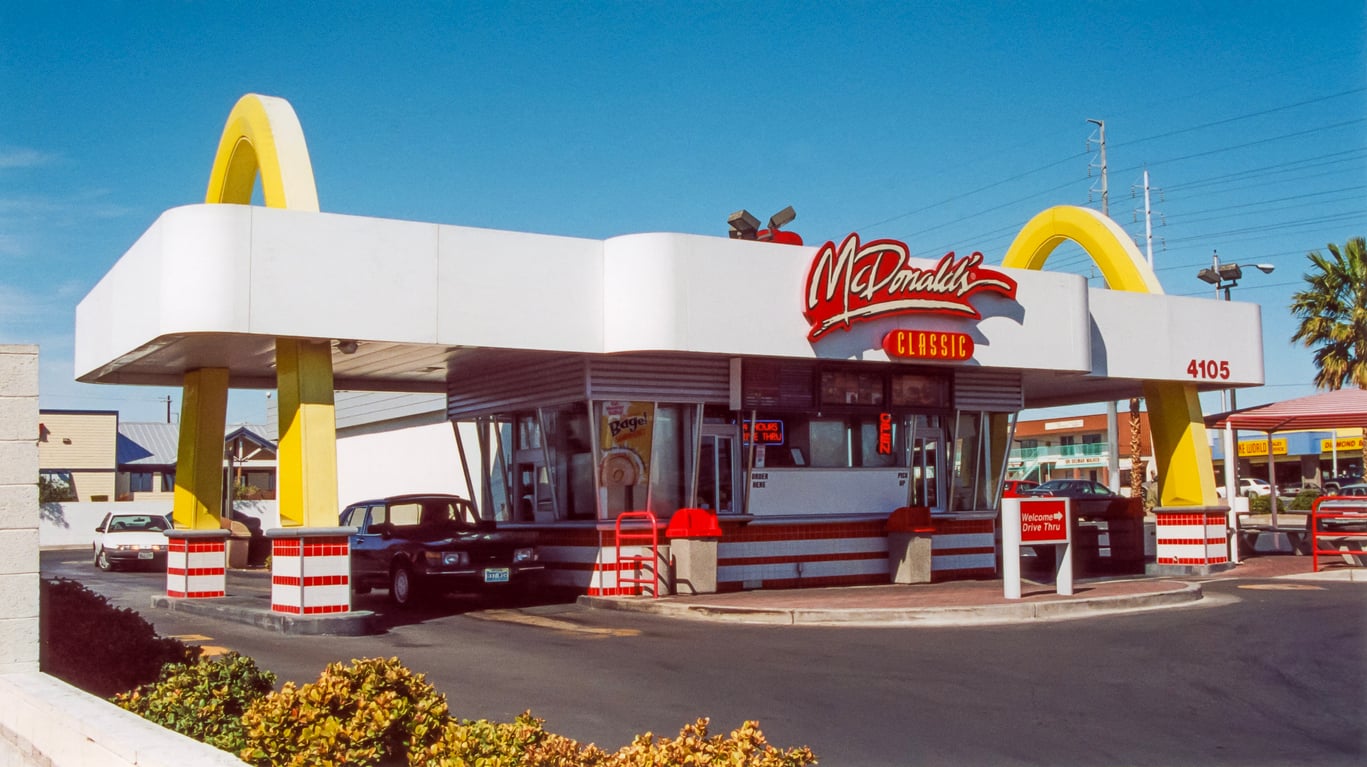
McDonald’s remains one of the world’s biggest fast-food chains, but many longtime customers say it no longer delivers the same experience they remember from the 1990s. While the Big Mac, Quarter Pounder, and Chicken McNuggets remain staples, discussions across Reddit and Google Reviews frequently focus on rising menu prices, smaller perceived value, and the disappearance of beloved features like playgrounds and affordable value meals. Many diners also miss discontinued favorites such as fried apple pies, Super Size options, and the Arch Deluxe, arguing the chain has become less distinctive over time. Even loyal customers often admit that a quick meal now costs significantly more than they expect from fast food.
Pizza Hut
Pizza Hut was once synonymous with family pizza nights, complete with red plastic cups, stained-glass lamps, all-you-can-eat lunch buffets, and bustling dine-in restaurants. Many customers say today’s Pizza Hut feels more like a takeout operation than the neighborhood pizzeria they grew up visiting. Online discussions frequently mention recipe changes, less flavorful crusts, and the disappearance of many iconic dining rooms that helped create the chain’s atmosphere. Although Pizza Hut still serves millions of customers each year, nostalgia dominates many conversations, with diners saying the experience simply isn’t as memorable as it once was.
Subway
During the 1990s, Subway built its reputation on affordable footlong sandwiches, customizable toppings, and the promise of fresh ingredients prepared in front of customers. Longtime fans now commonly complain that prices have climbed dramatically while portion sizes—especially meat—have become less generous. Others argue the bread and ingredients don’t taste as fresh as they once did, while increased competition from chains like Jersey Mike’s and Firehouse Subs has raised customer expectations. Subway continues operating thousands of locations, but many customers believe the brand has lost much of the value that fueled its rapid growth.
Burger King
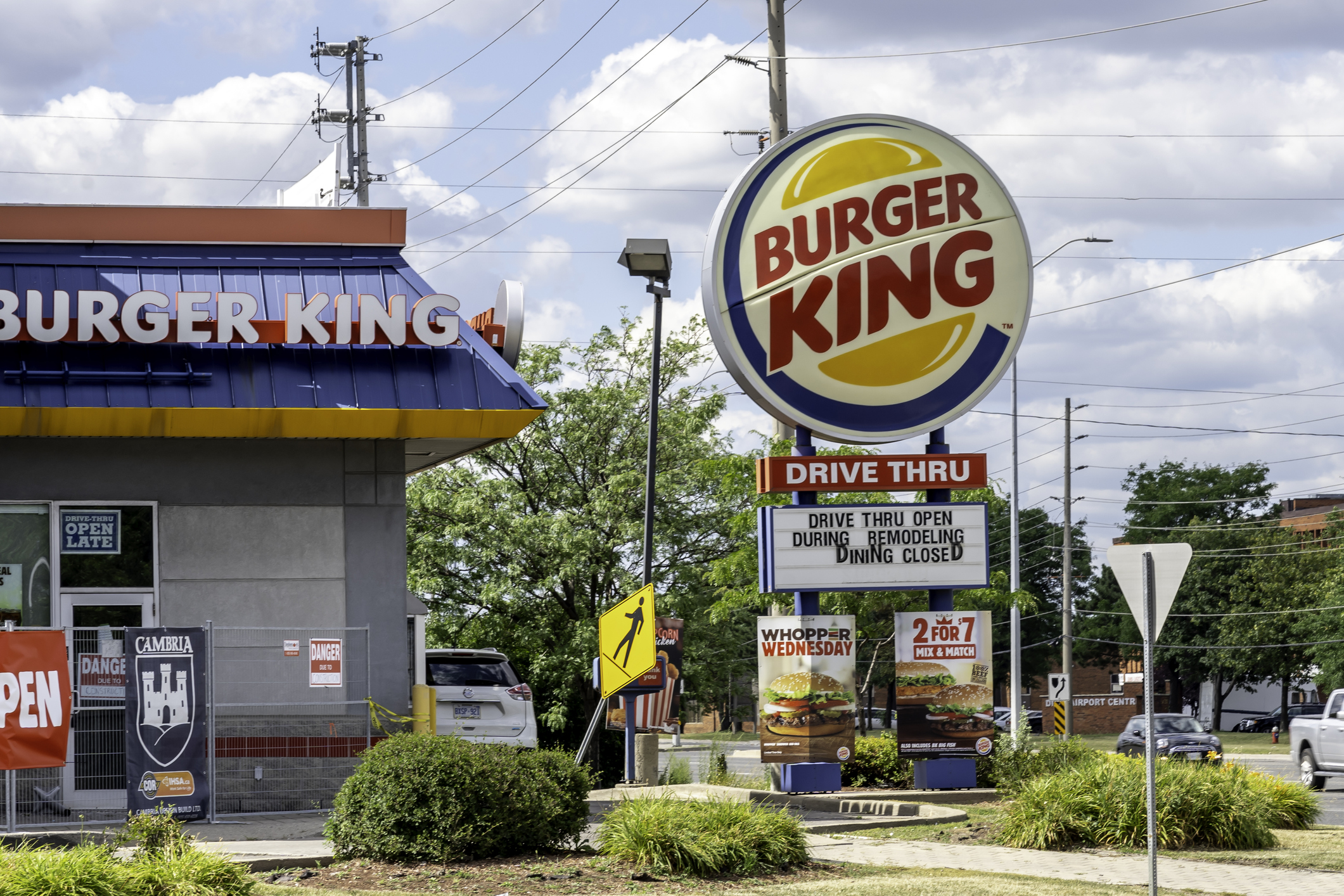
Burger King earned a loyal following during the ’90s thanks to its flame-grilled burgers and the enduring popularity of the Whopper. Many customers still appreciate that signature grilled flavor, but they often say consistency has become the chain’s biggest weakness. Reviews frequently mention long wait times, uneven food quality between locations, and restaurants that feel understaffed compared to years past. While some Burger King locations continue to receive excellent reviews, diners regularly say it’s become much harder to know what kind of experience they’ll get before placing an order.
Applebee’s
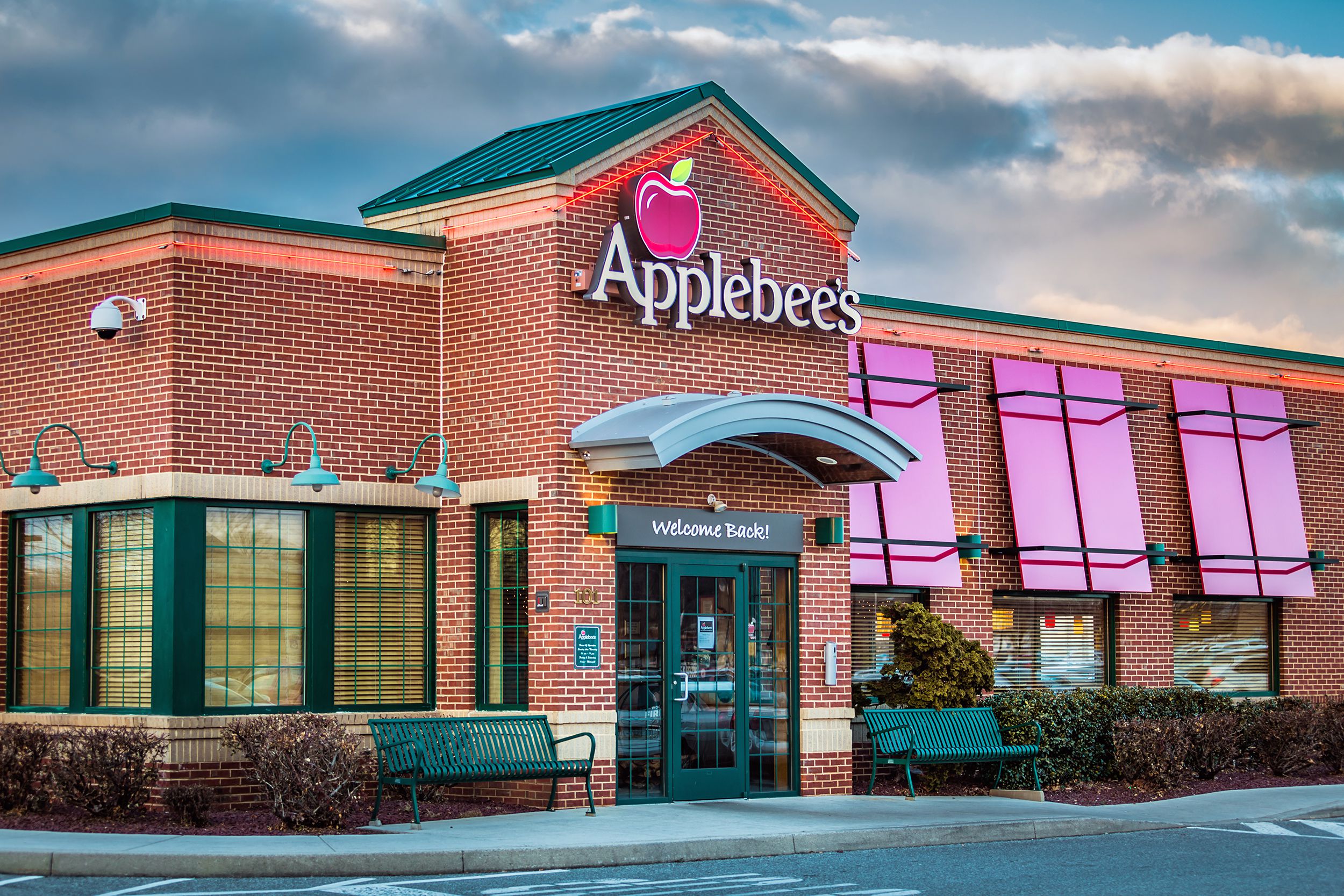
Applebee’s became a fixture of suburban America during the 1990s, offering casual dining that felt affordable enough for weeknight family dinners, birthdays, and after-work gatherings. Today, many customers say rising menu prices have made the chain less appealing, especially when compared with independent restaurants offering similar meals. Online reviews also mention smaller portions and menus that some diners consider less exciting than they once were. Although Applebee’s continues introducing promotions and limited-time specials, many longtime guests feel it has lost some of the neighborhood charm that originally made it a favorite.
TGI Fridays
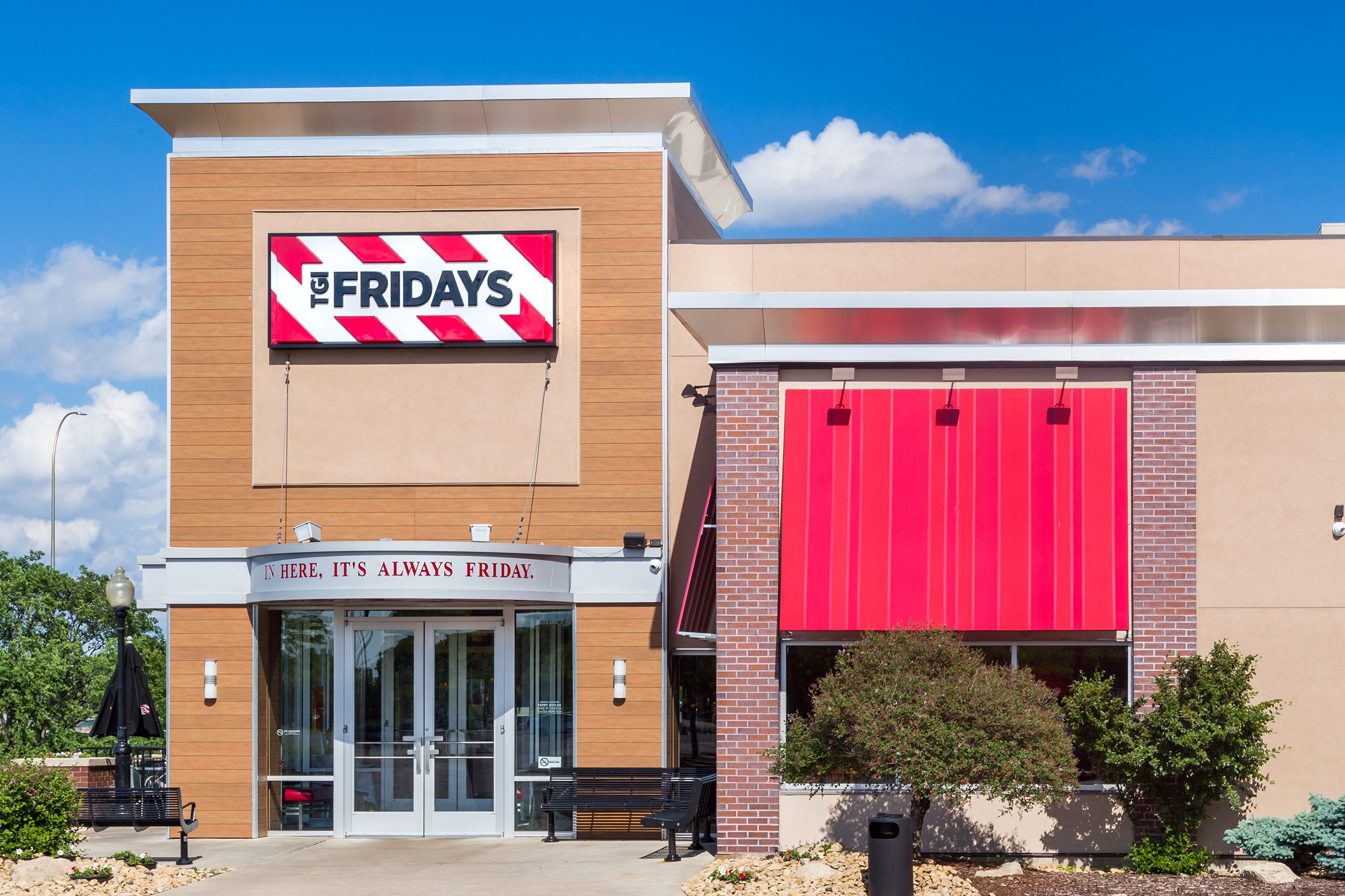
Few casual dining chains captured the lively energy of the 1990s quite like TGI Fridays. The colorful décor, upbeat atmosphere, and energetic staff helped make the restaurant feel like a destination rather than simply a place to eat. Customers today often describe a noticeably different experience, pointing to restaurant closures, reduced menus, and quieter dining rooms that lack the excitement they remember. While many still enjoy signature items like loaded potato skins and burgers, longtime fans frequently say the brand no longer feels as unique in an increasingly crowded restaurant market.
Denny’s
For decades, Denny’s served as America’s dependable 24-hour diner, welcoming everyone from road-trippers and night-shift workers to families looking for affordable breakfasts. While the iconic Grand Slam remains popular, many customers now mention higher prices, inconsistent service, and varying food quality depending on the location. Some diners also feel portions have become less generous than they remember from previous decades. Denny’s still attracts loyal regulars, but online discussions often suggest the experience is no longer as reliably satisfying as it once was.
KFC
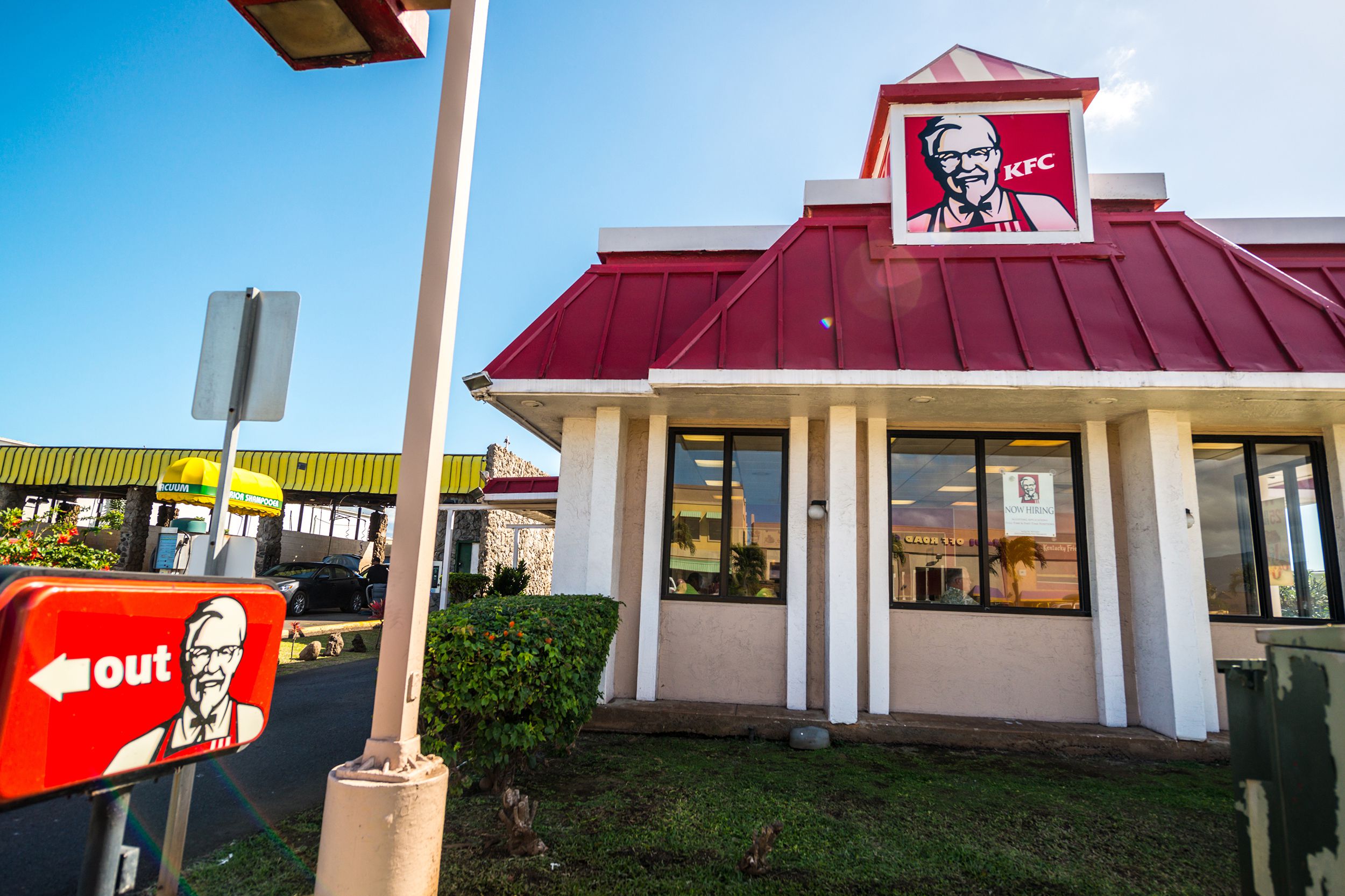
KFC helped define family dinners throughout the 1990s, with buckets of Original Recipe chicken becoming a familiar sight at gatherings across the country. Today, many longtime customers argue the chicken isn’t as crispy or flavorful as they remember, with discussions frequently focusing on recipe consistency, portion sizes, and menu prices. Some fans also miss discontinued side dishes and promotions that once made KFC feel like a better value. Although the chain continues introducing new sandwiches and menu innovations, nostalgia for the “old KFC” remains one of the most common themes among longtime customers.
Send me the next prompt when you’re ready, and I’ll write the remaining eight chains plus the conclusion in the same style.
IHOP
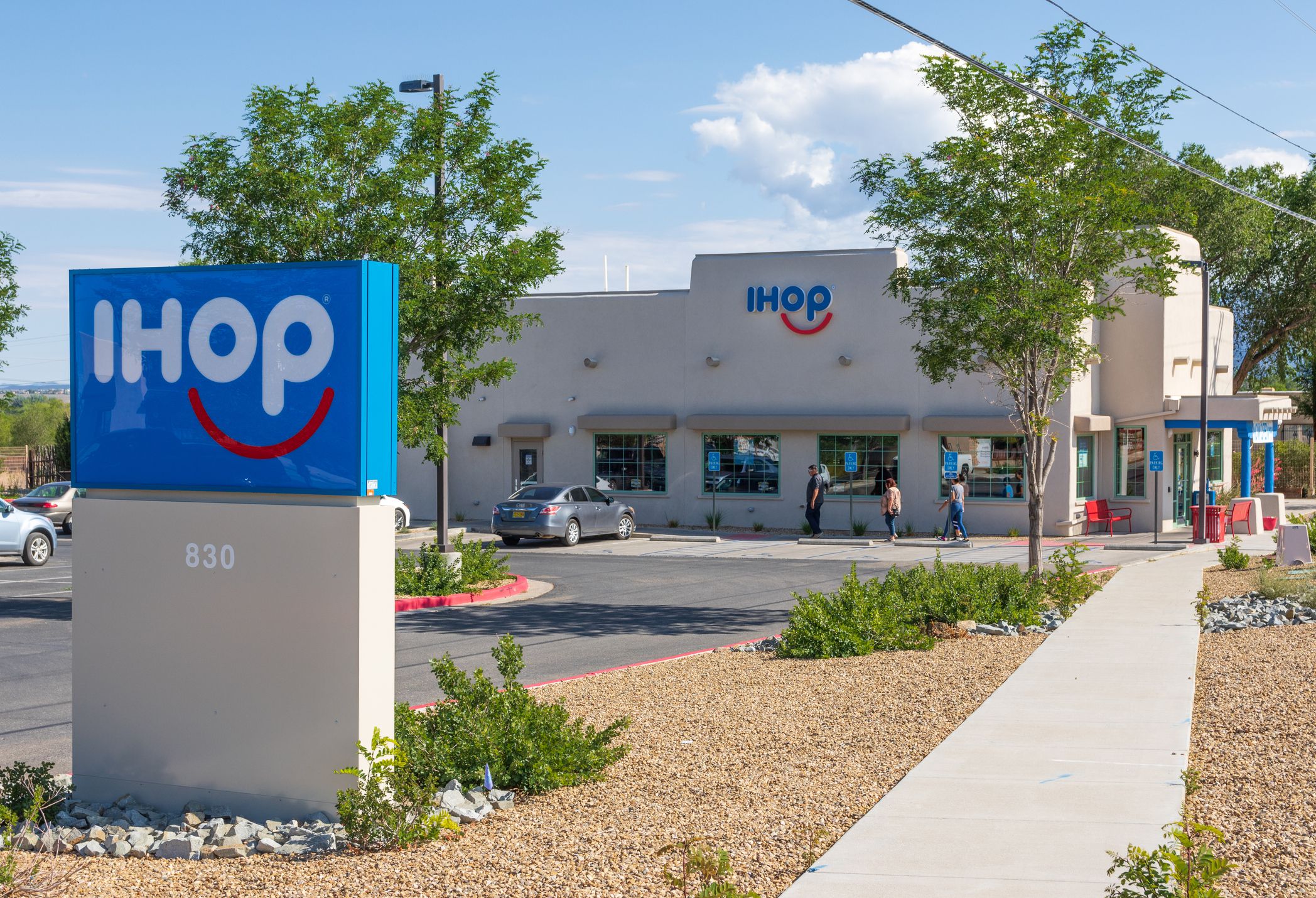
IHOP built its reputation during the 1990s as the go-to destination for affordable breakfasts at nearly any hour of the day. Families, college students, and road-trippers flocked to the chain for stacks of pancakes, omelets, and all-day breakfast specials that felt like a great value. Today, many customers still enjoy IHOP’s signature pancakes, but online reviews frequently mention higher prices, smaller portions, and inconsistent service between locations. Some diners also feel the menu has become more expensive without offering much more in return, making it a less frequent choice than it was decades ago.
Taco Bell
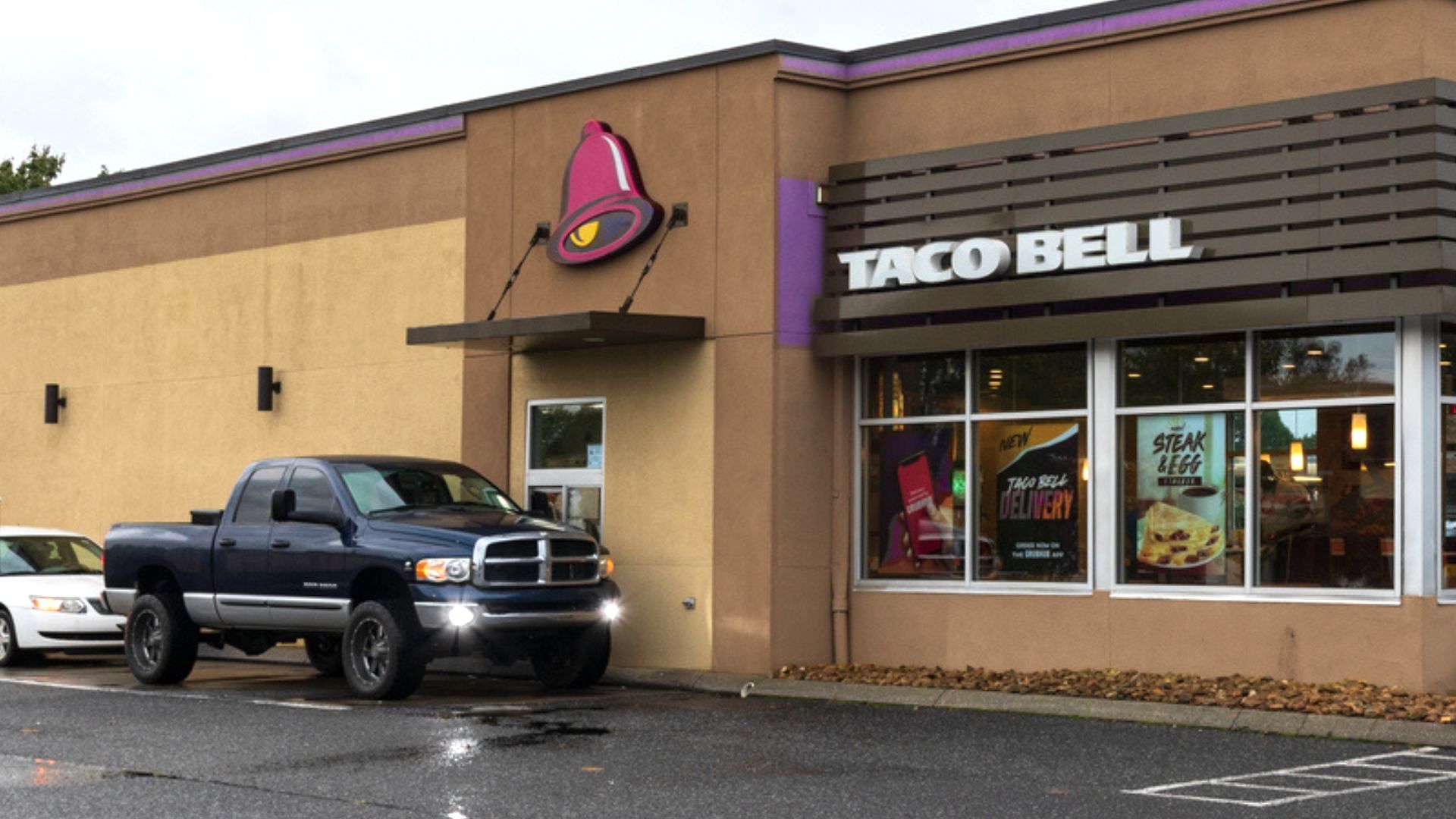
Taco Bell became a fast-food icon during the ’90s thanks to its inexpensive menu, memorable advertising campaigns, and value offerings that let customers fill up for just a few dollars. Longtime fans often say today’s prices have climbed far faster than expected, especially for menu items that were once considered budget-friendly. Online discussions also regularly mourn discontinued favorites like the Chili Cheese Burrito in many markets, the Double Decker Taco, and other limited-time classics that never returned permanently. While Taco Bell continues introducing creative new items, many customers believe the chain has drifted away from the unbeatable value that helped make it famous.
Boston Market
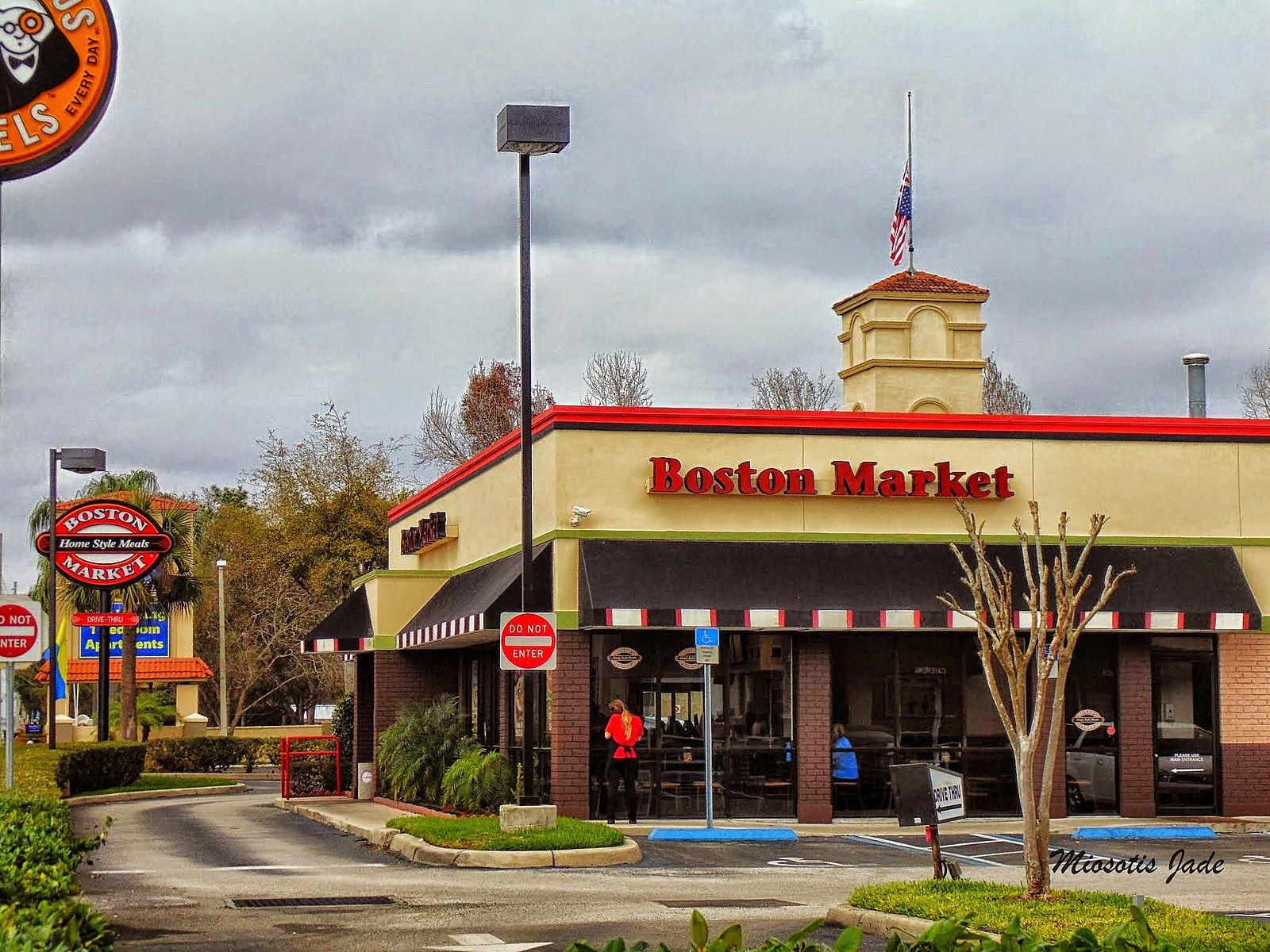
Boston Market once seemed poised to dominate the fast-casual dining category by offering rotisserie chicken, meatloaf, mashed potatoes, and other comfort foods that felt like homemade dinners without the work. Throughout the 1990s, the chain expanded rapidly and became a popular alternative to traditional fast food. Today, customer discussions often center on widespread restaurant closures, inconsistent food quality, and locations that no longer deliver the same experience people remember. Although some restaurants continue serving loyal customers, Boston Market is frequently cited as one of the biggest restaurant declines of the past few decades.
Sbarro
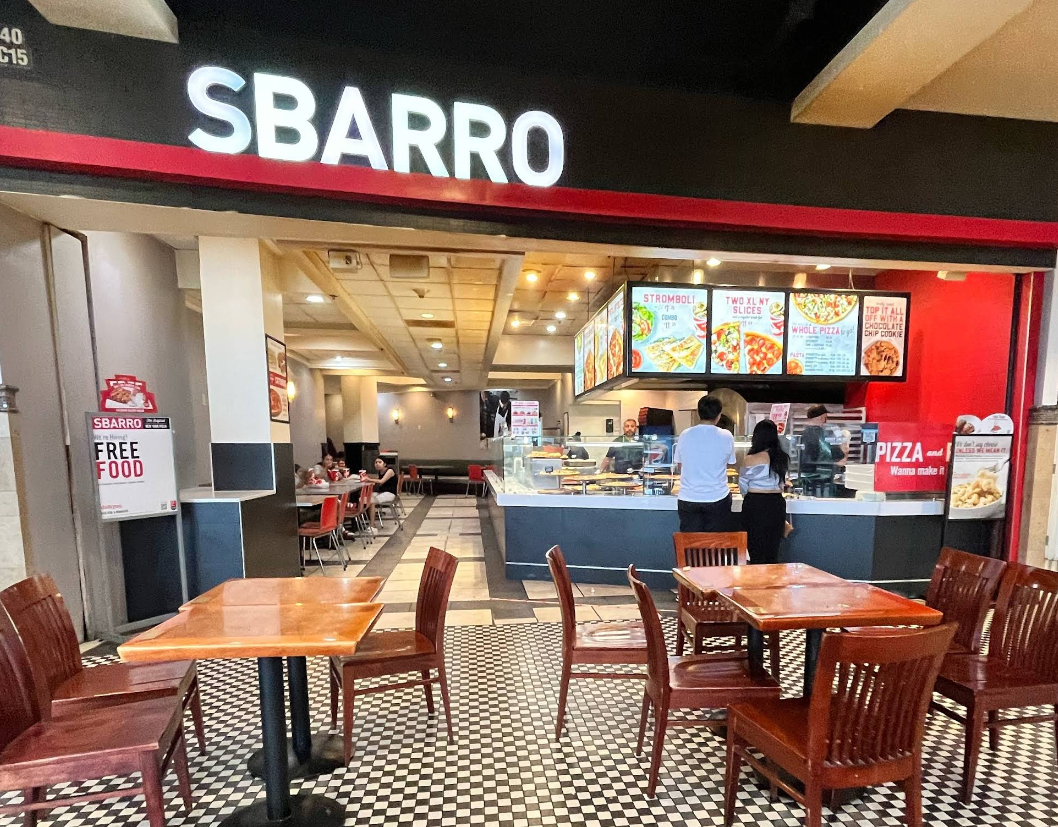
For anyone who spent time at shopping malls during the 1990s, Sbarro was almost impossible to avoid. Oversized slices of New York-style pizza, baked pasta, and garlic knots made it a food court favorite across the country. As malls lost foot traffic over the years, Sbarro’s visibility declined as well. Customers often say the food itself feels less memorable today, though many admit part of what they miss is the experience of grabbing a slice during a busy afternoon at the mall. For many people, nostalgia for the setting is just as strong as nostalgia for the pizza.
Ruby Tuesday
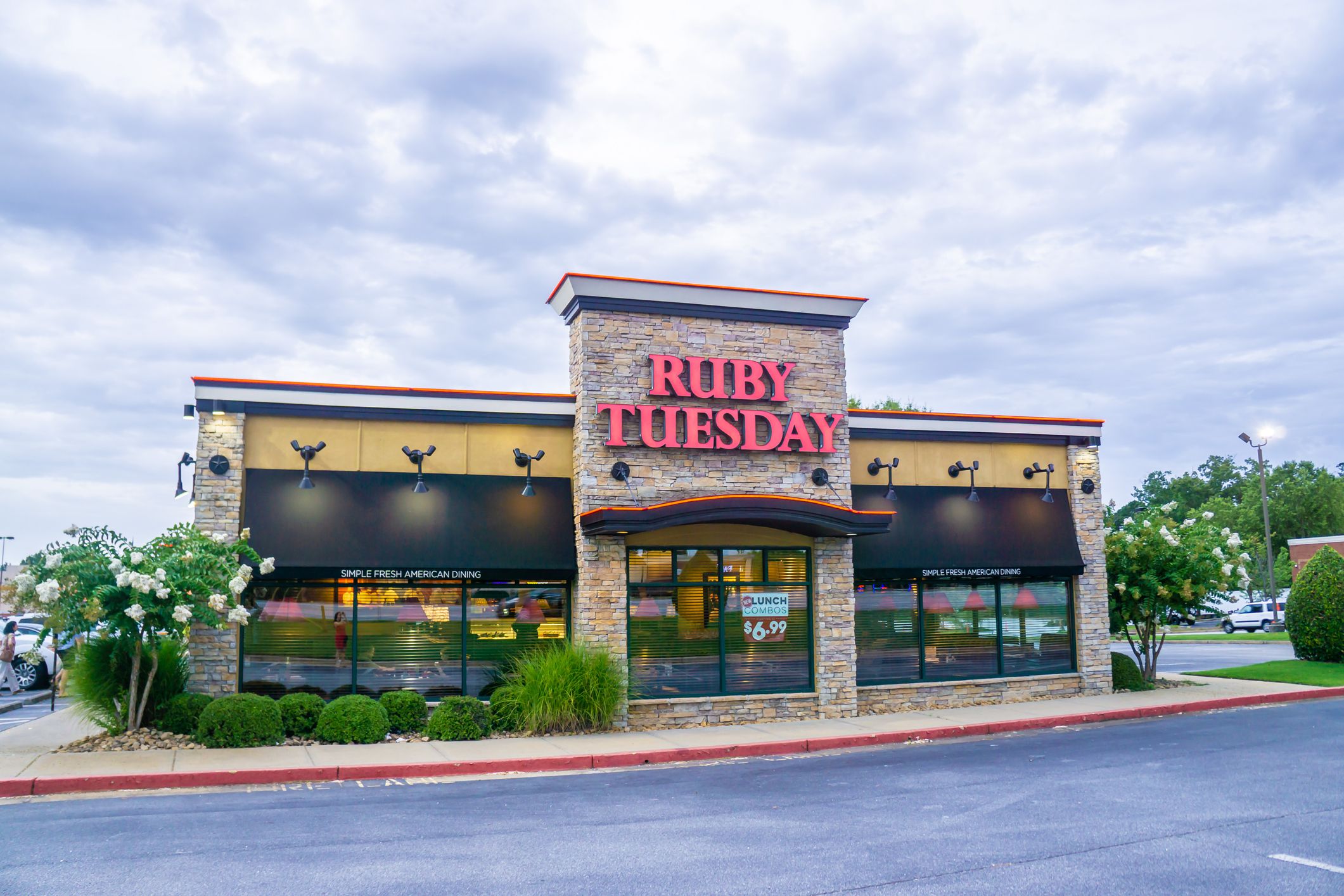
Ruby Tuesday expanded rapidly throughout the 1990s, attracting diners with its casual atmosphere, extensive salad bar, and broad menu of burgers, steaks, and pasta dishes. Many longtime customers now say the chain has struggled to stand out in an increasingly competitive casual dining market. Reviews frequently mention restaurant closures, menu changes, and experiences that feel less distinctive than they once did. While some locations continue earning strong local reputations, many diners associate Ruby Tuesday more with memories of the ’90s than with their current dining habits.
Friendly’s
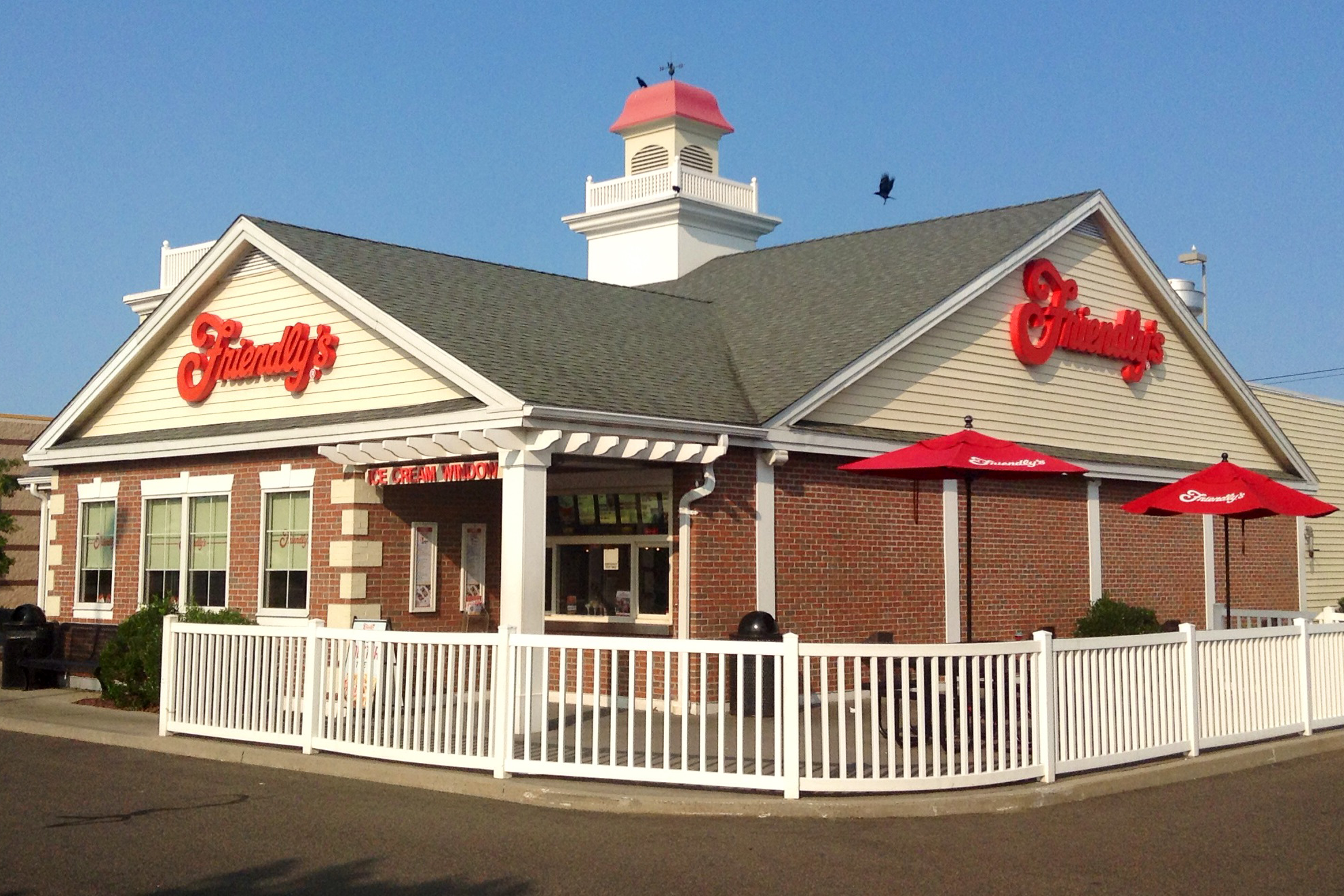
Friendly’s carved out a unique place in American dining by combining classic comfort food with ice cream sundaes, milkshakes, and family-friendly service. For many people in the Northeast, childhood birthdays and weekend outings often included a stop at Friendly’s. Today, longtime customers frequently lament the large number of store closures and say the restaurants that remain don’t quite capture the same atmosphere they remember growing up with. Although its famous ice cream still has devoted fans, many online discussions focus more on nostalgia than on the current restaurant experience.
Long John Silver’s
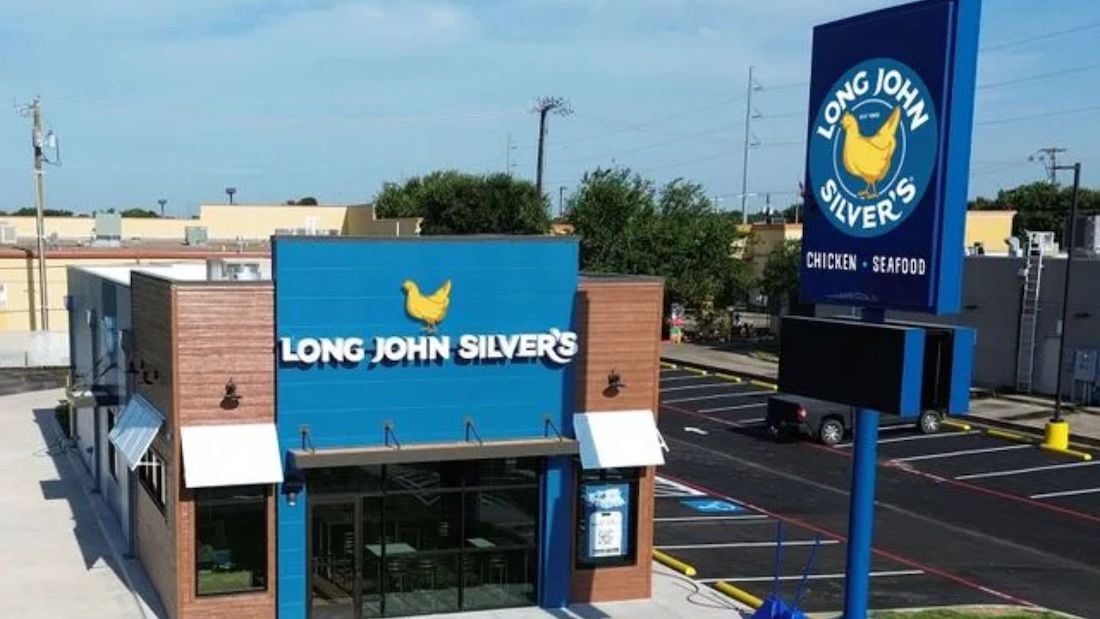
Long John Silver’s enjoyed widespread popularity during the 1990s by offering fried fish, shrimp, chicken, and its signature crispy crumbs at affordable prices. Over time, however, the chain has closed many locations, making it much harder for customers to find. Reviews often mention inconsistent food quality between restaurants, while others point to changing consumer tastes and increased competition in the seafood category. Even fans who still enjoy the chain often acknowledge that it no longer has the nationwide presence it once did.
Quiznos
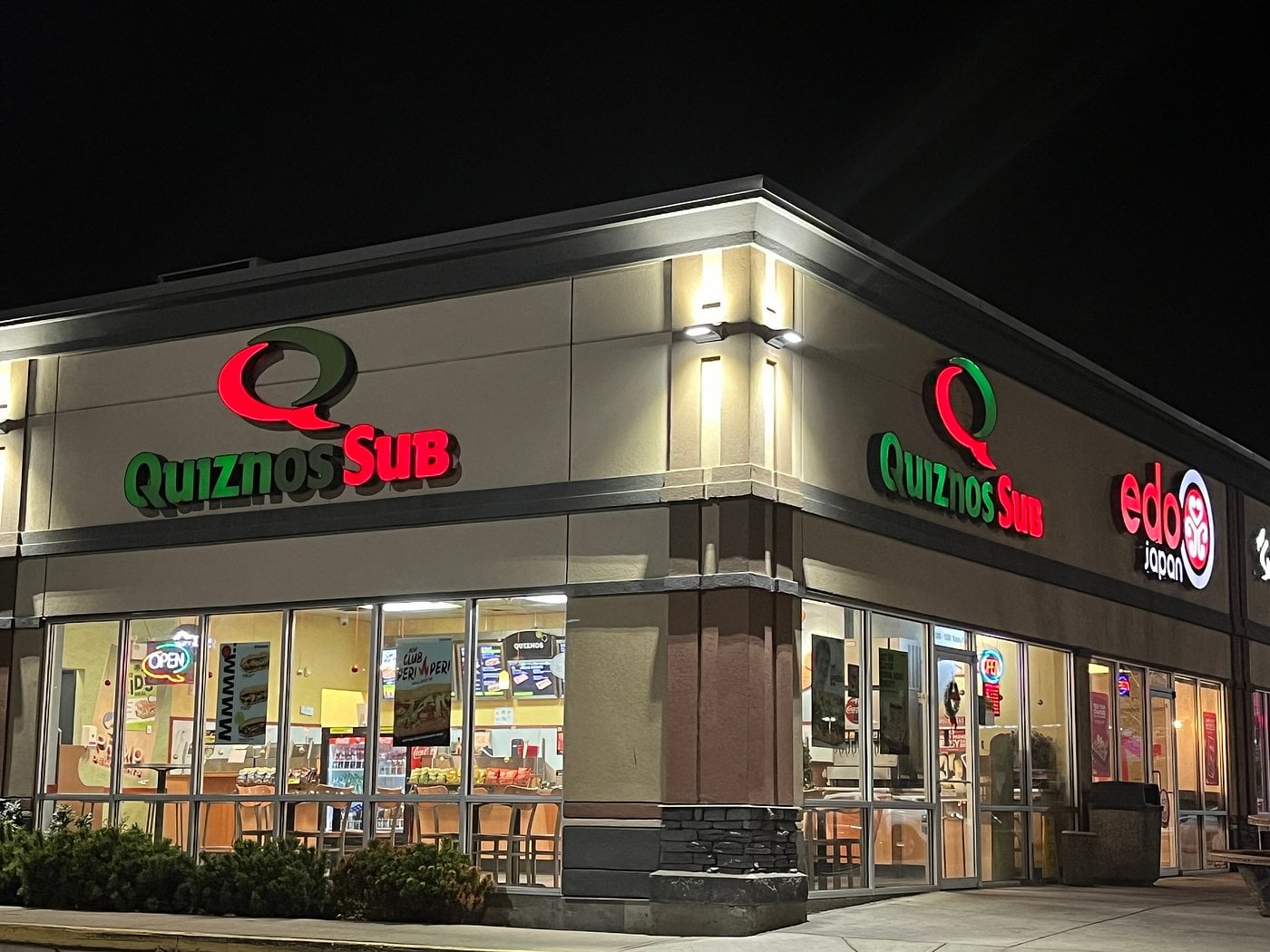
Few restaurant chains experienced a rise and fall as dramatic as Quiznos. During the late 1990s and early 2000s, its toasted subs helped set it apart from competitors, and the chain expanded rapidly across North America. Financial struggles and widespread franchise closures eventually reduced its footprint to only a fraction of its former size. Many customers still remember the sandwiches fondly and argue that Quiznos offered higher-quality ingredients than many competitors. Whenever diners discuss restaurant chains that declined after reaching enormous popularity, Quiznos almost always appears near the top of the conversation.
Why Do Fast-food Chains from the ’90s Feel Different Today?
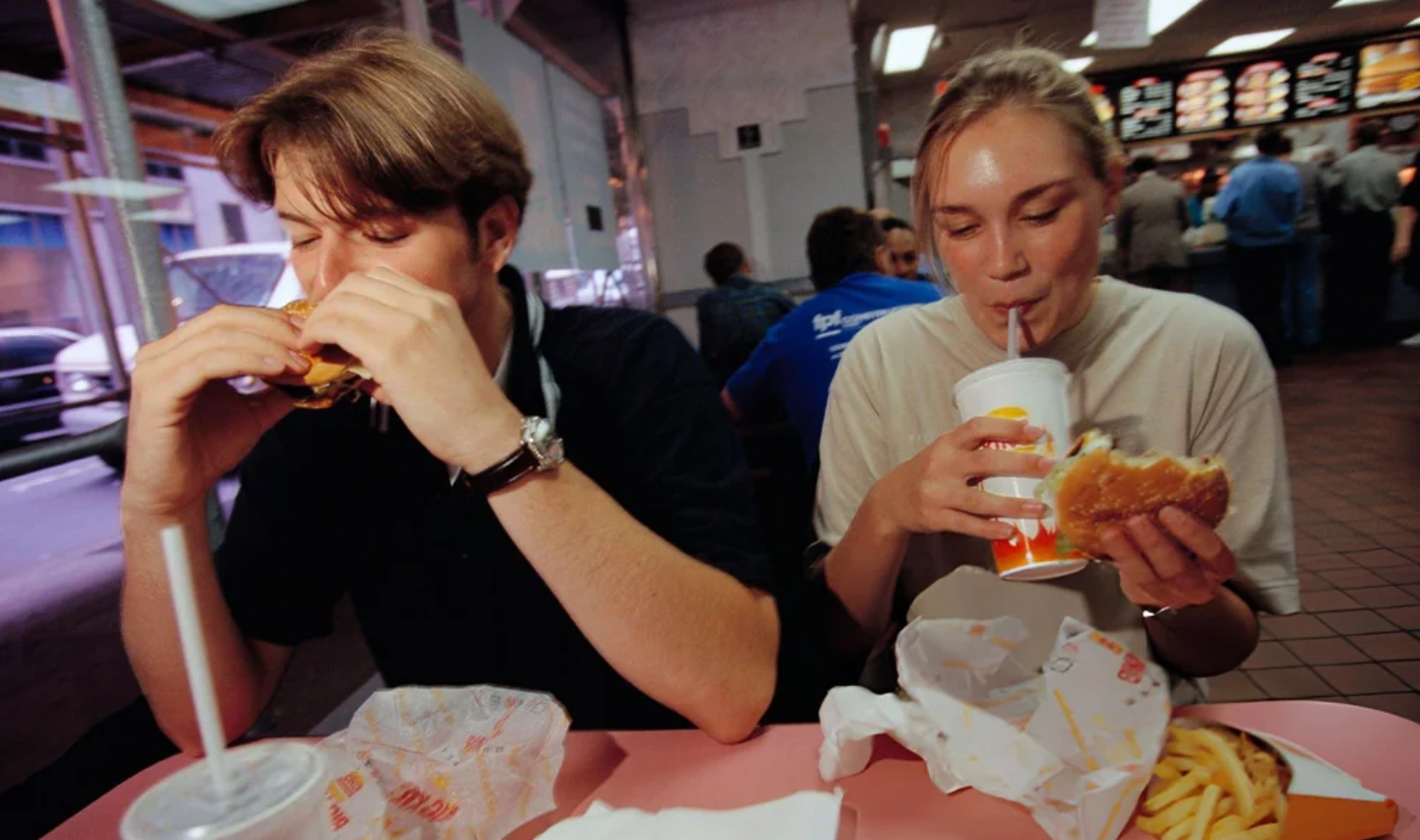
There isn’t a single reason these chains receive so much criticism. Over the past three decades, restaurants have faced rising labor costs, higher ingredient prices, inflation, changing consumer expectations, and increased competition from fast-casual concepts and local independent restaurants. Many companies have responded by adjusting recipes, simplifying menus, reducing staffing, or increasing prices to remain profitable.
At the same time, nostalgia plays a powerful role. Childhood memories often make favorite restaurants seem larger, tastier, and more exciting than they may have actually been. Even so, the recurring themes across Reddit, Google Reviews, and restaurant forums—higher prices, smaller portions, discontinued menu items, and inconsistent quality—suggest many customers genuinely believe fast-food chains from the ’90s haven’t fully recaptured what made them so popular.