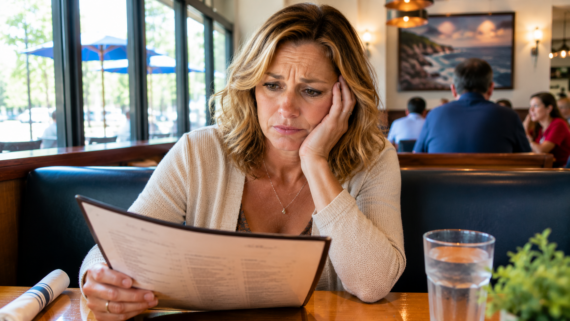
A lot of restaurant meals that used to feel like easy budget picks now come with a little sticker shock. In 2026, higher food costs, labor costs, delivery fees, and smaller portions have changed the way many Americans think about eating out. Meals that once felt safely under $10 can now creep toward $15, $20, or even $30 once drinks, taxes, and tips are added. The food may still be convenient and enjoyable, but the value does not always feel the same.
Fast-Food Combo Meals
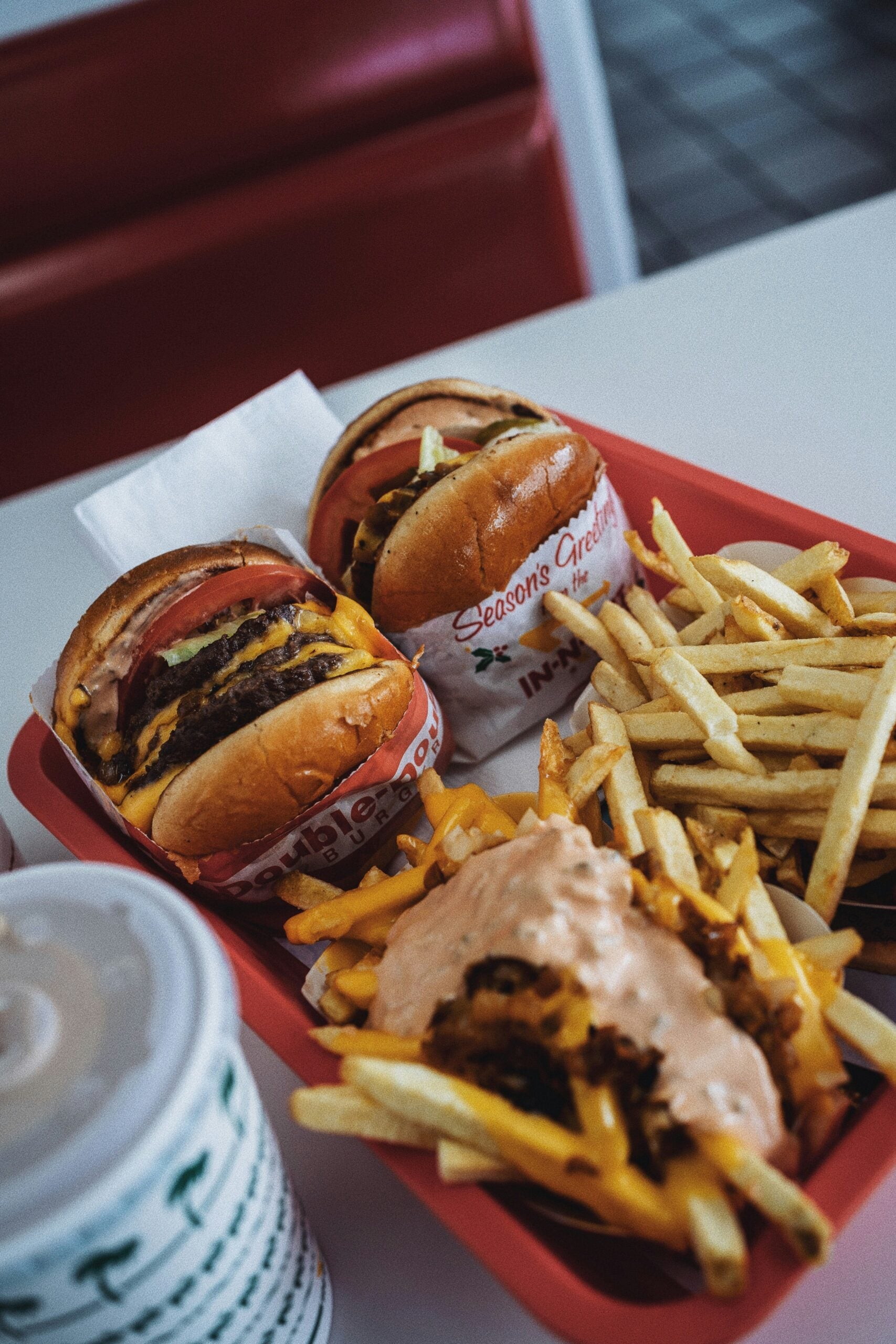
Fast-food combos used to be the easy answer when nobody wanted to cook. Now, even a basic meal at a major chain can cost $10 to $15 in many cities, and premium burger or chicken combos can go even higher. That makes the whole thing feel different. People are not just paying for something quick anymore, they are asking whether a burger, fries, and a drink are really worth the same as a casual lunch somewhere else. App deals can soften the blow, but the regular menu prices are getting harder to ignore.
Diner Breakfasts
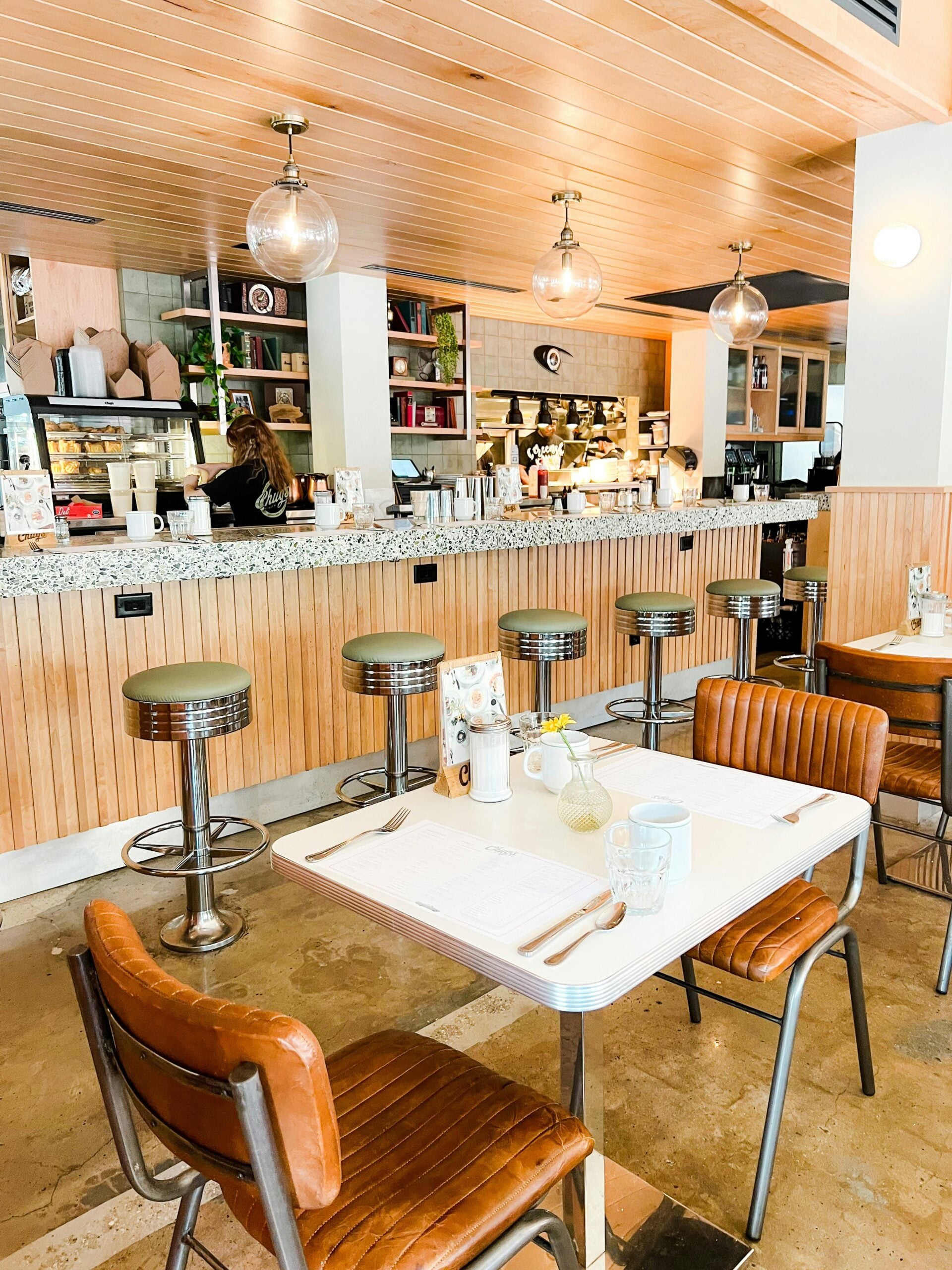
A diner breakfast used to feel like one of the last simple bargains: eggs, toast, bacon, potatoes, and coffee for a price that did not make you think twice. Now, that same plate can feel surprisingly expensive once you add coffee, tax, and tip. Diners are dealing with the same pressures as everyone else, higher food costs, wages, rent, and supplies, and those costs eventually show up on the menu. A basic breakfast can still be comforting, but it does not always feel cheap anymore. What used to be an easy morning habit now feels a little more like a small treat.
Chicken Wings
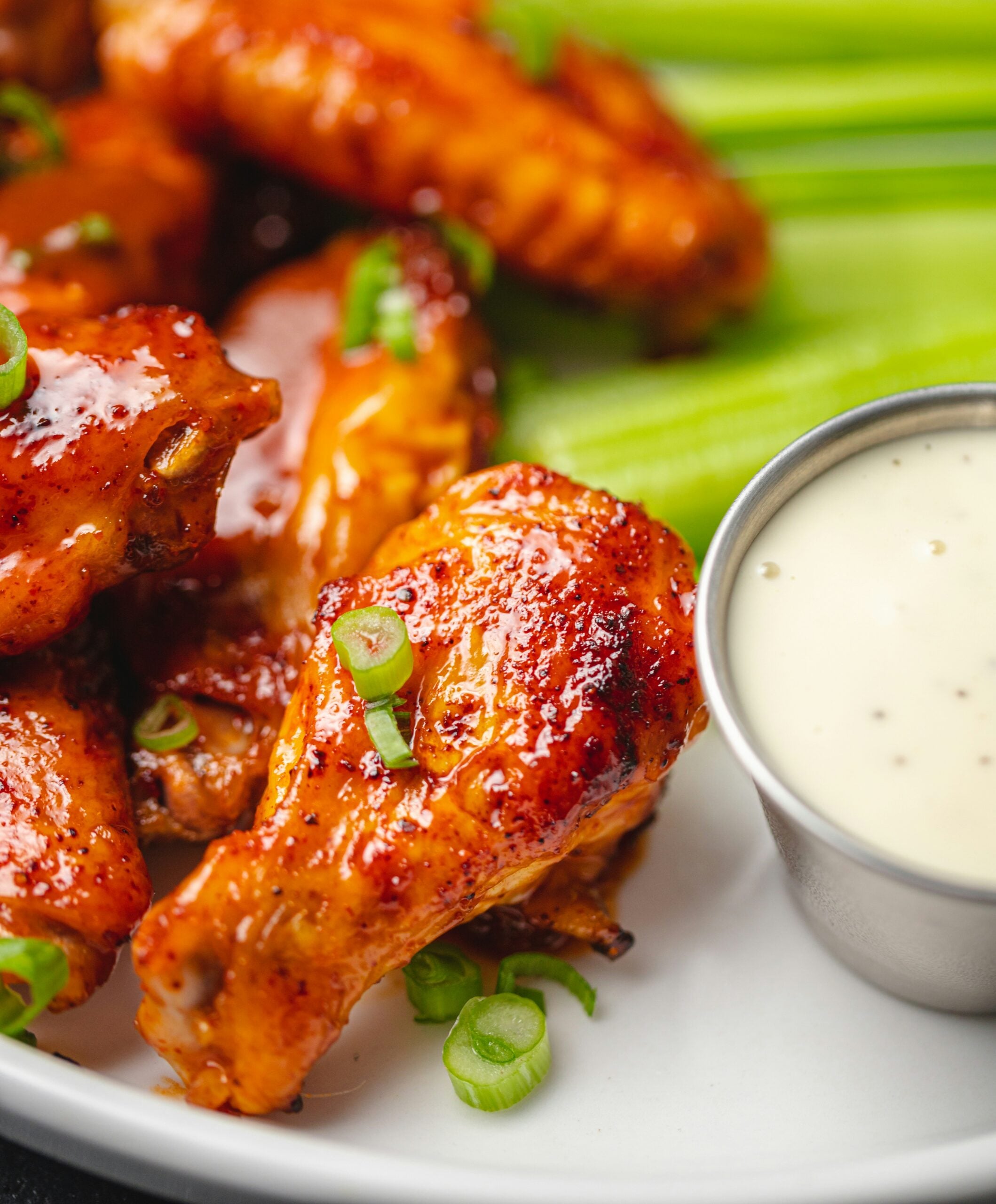
Chicken wings used to be the perfect cheap group order, especially on game nights or during happy hour. Now, they feel more like something people think twice about before adding fries, drinks, or extra sauces. Even when wing prices cool down behind the scenes, restaurant markups, labor costs, delivery-app pricing, and plain old demand can still make the menu price feel high. People still love wings, of course, but a basket of them does not always feel like the easy low-cost snack it once was. For many customers, wing night has become more of a treat than a regular habit.
Casual Pizza Delivery
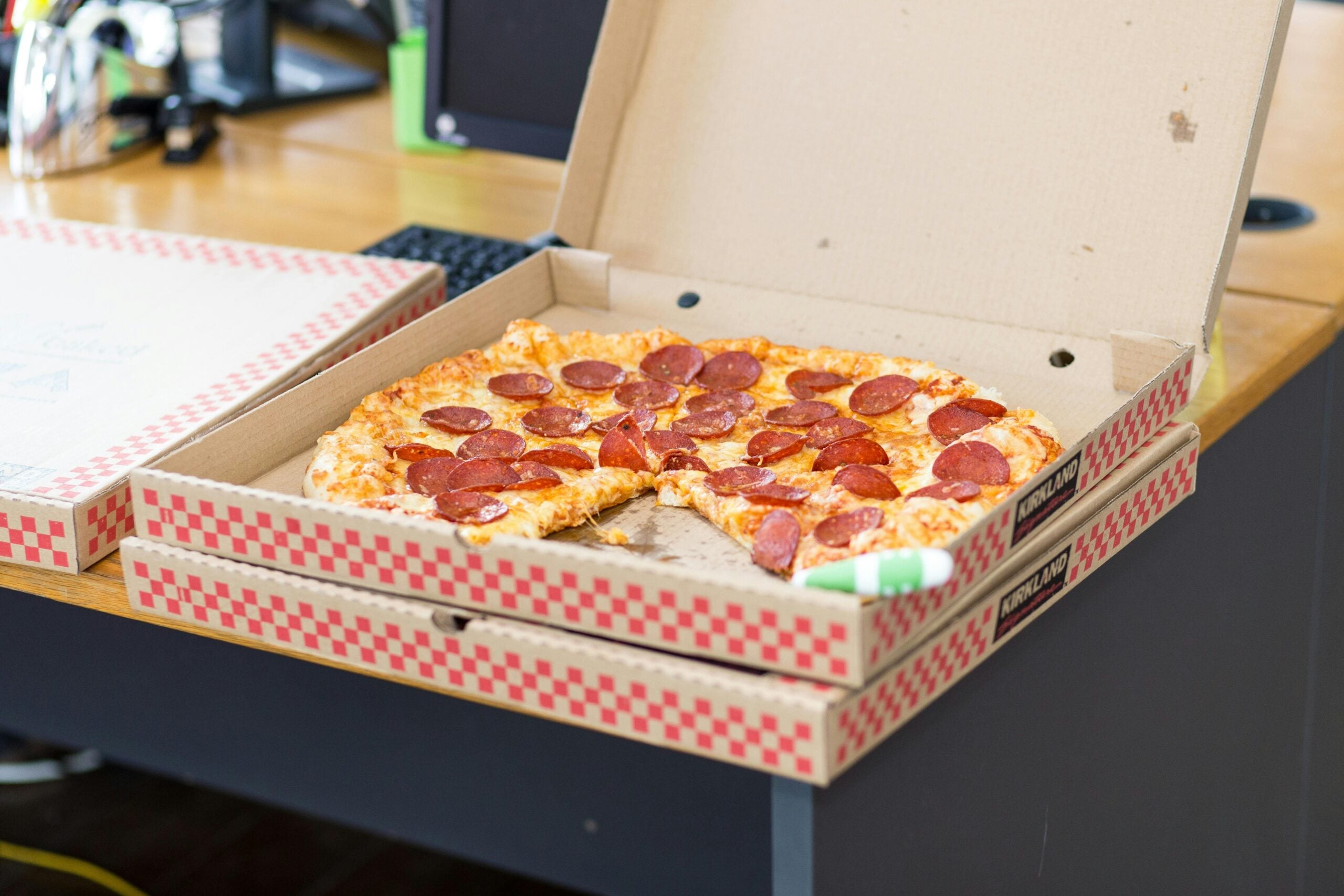
Pizza chains still know how to make dinner look cheap at first. A large pizza deal from Domino’s, Pizza Hut, or Papa Johns can sound like an easy win, especially for families. But delivery is where the price starts to change. Once the delivery fee, service charge, taxes, tip, extra toppings, sides, or drinks are added, a simple pizza night can quickly turn into a $40 to $60 order. That is why pickup often feels like the smarter move. Pizza is still convenient, but delivery can now feel like paying an extra convenience tax on top of what used to be one of the easiest cheap dinners around.
Burrito Chains
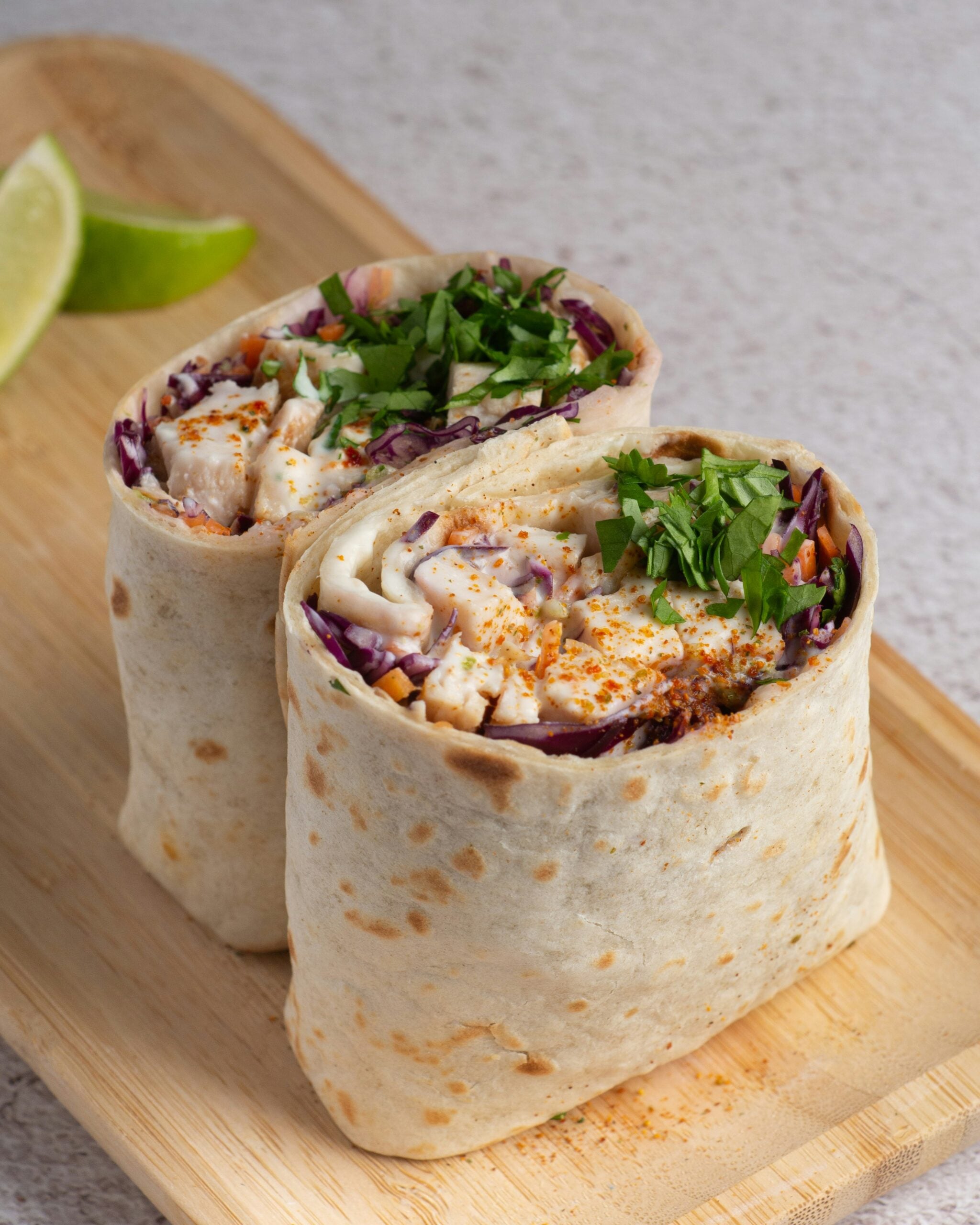
Burrito chains used to feel like a smart lunch move because one burrito or bowl could keep you full for hours. They can still do that, but the price is not always as friendly anymore. Once you add chips, a drink, guacamole, queso, or extra protein, a quick counter-service lunch can easily move into the $15 to $20 range. That is a lot for something many people still think of as a simple weekday meal. The value is still there if you keep the order basic, but the more loaded it gets, the less it feels like a bargain.
Trending on Cheapism
Family Restaurant Burgers
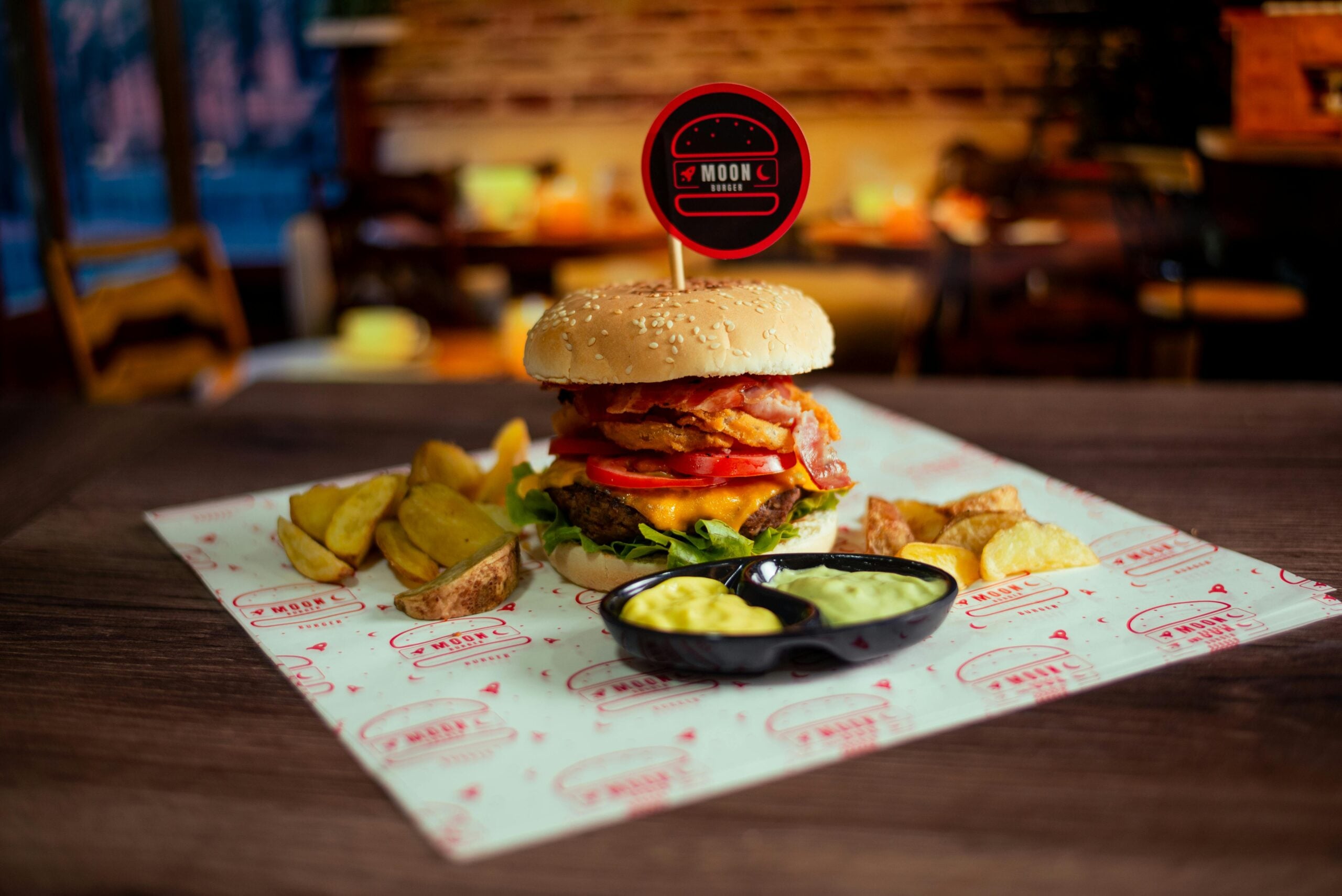
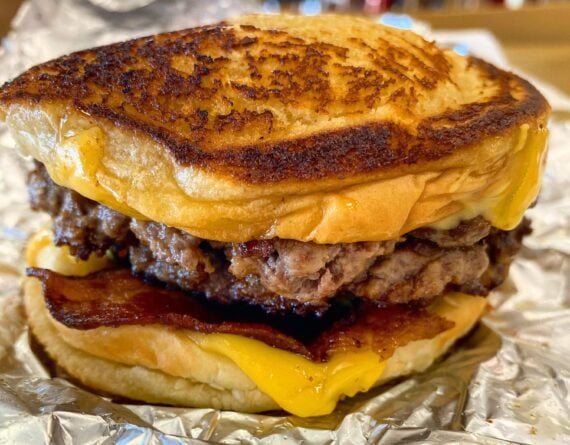
A burger at a casual family restaurant used to feel like one of the safer budget choices on the menu. Now, even a basic sit-down burger can cost $15 to $22 before drinks, tax, or tip. Add bacon, cheese, specialty sauce, or upgraded fries, and the total climbs even higher. What makes it stand out is that burgers still feel like simple comfort food, so the higher price is harder to ignore. When a family-restaurant burger starts costing close to a steakhouse lunch, it is fair for customers to wonder if the old value is still there.
Chinese Takeout
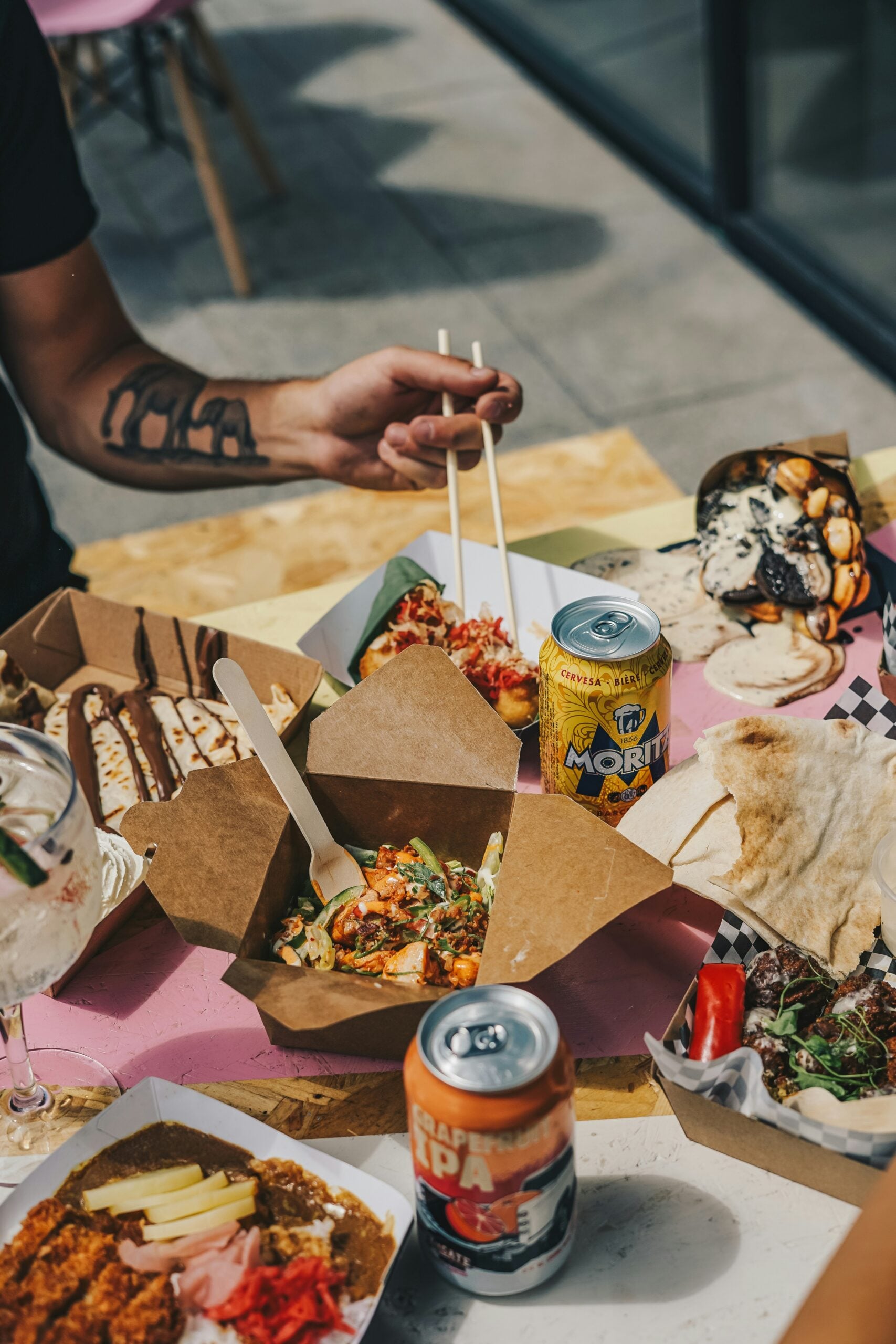
Chinese takeout used to be the easy answer for an affordable family dinner, especially when there were leftovers for the next day. It can still stretch further than some restaurant meals, but the price shock is real. A few entrées, rice, appetizers, soup, and delivery can easily turn into a $50 to $80 order in many areas. Restaurants are also dealing with higher ingredient, labor, packaging, and delivery costs, and those costs eventually show up on the menu. Lunch specials can still be a decent deal, but the big takeout dinner does not feel nearly as cheap as it used to.
Sandwich Shops
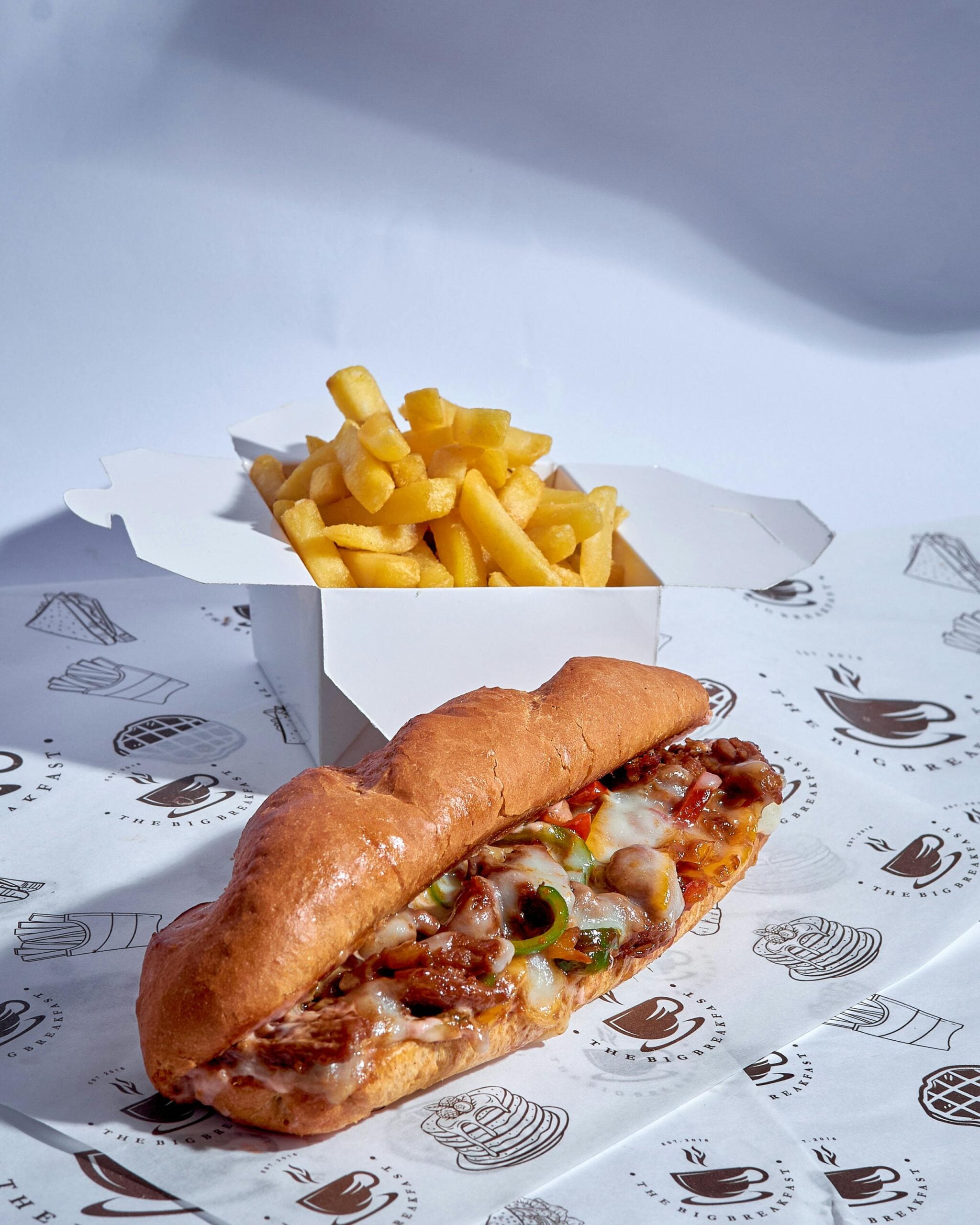
Sandwich shops used to be the kind of place you could stop without thinking too much about the price. You got a filling lunch, grabbed chips and a drink, and moved on with your day. Now, a footlong or premium sandwich combo can easily hit $15 or more, especially once upgraded meats, chips, and a drink are included. That makes people compare it with a local deli, a grocery-store sandwich, or just making lunch at home. The convenience is still there, but the value does not feel as obvious anymore. What used to feel like a cheap lunch can now feel like a lot of money for bread and fillings.
Sign up for our newsletter
Coffee Shop Breakfasts
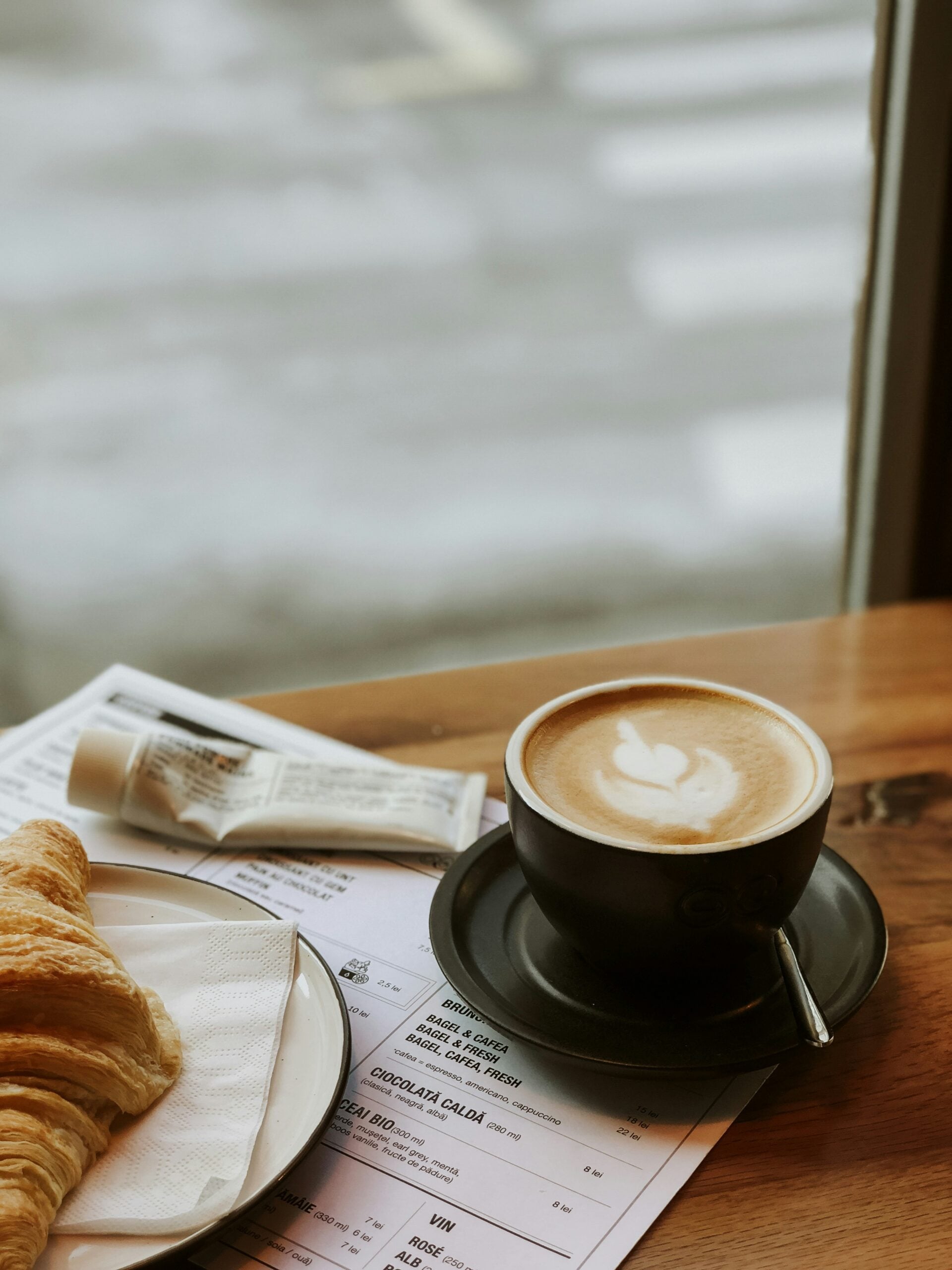
A coffee shop breakfast is one of the easiest ways to spend more than you meant to before the day even starts. A specialty drink and breakfast sandwich can quickly reach $12 to $18 at many café chains, especially if the drink is large, iced, or customized. That is a lot for something many people end up eating in the car, on the train, or at their desk. Rewards apps and smaller drinks can help, but the old grab-and-go habit does not feel as harmless as it used to. More customers are making coffee at home or skipping the sandwich, not because they stopped liking the routine, but because the routine got expensive.
Sushi Rolls
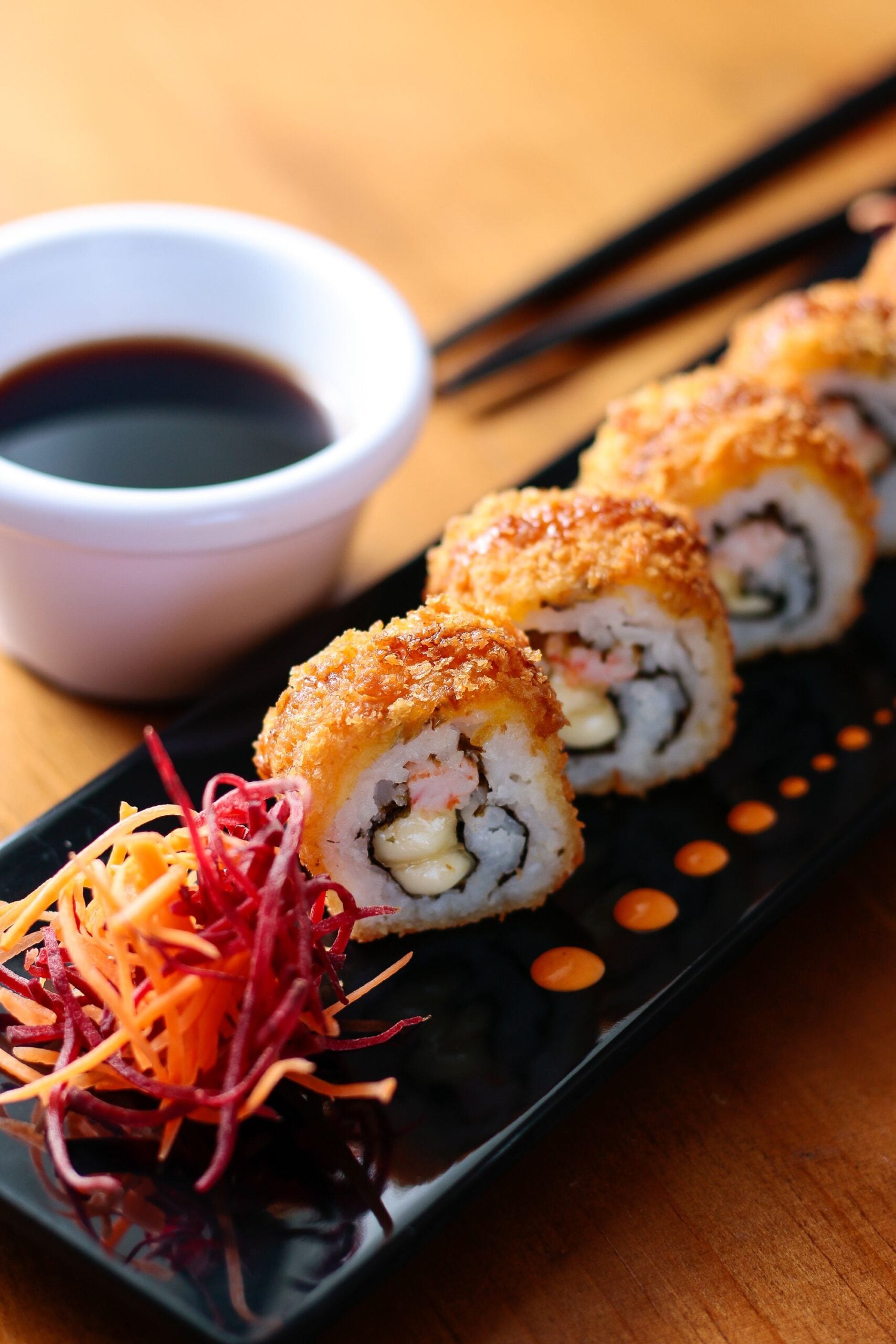
Sushi used to feel like an affordable treat if you kept it simple with basic rolls or lunch specials. Now, the bill can climb fast. In many cities, specialty rolls can cost $15 to $25 each, and one roll is not always enough for dinner. Add miso soup, edamame, a drink, tax, and tip, and a casual sushi night can start to feel like a much bigger outing. Higher seafood prices and restaurant labor costs explain part of it, but they do not make the final bill any easier to swallow.
Steakhouse Meals
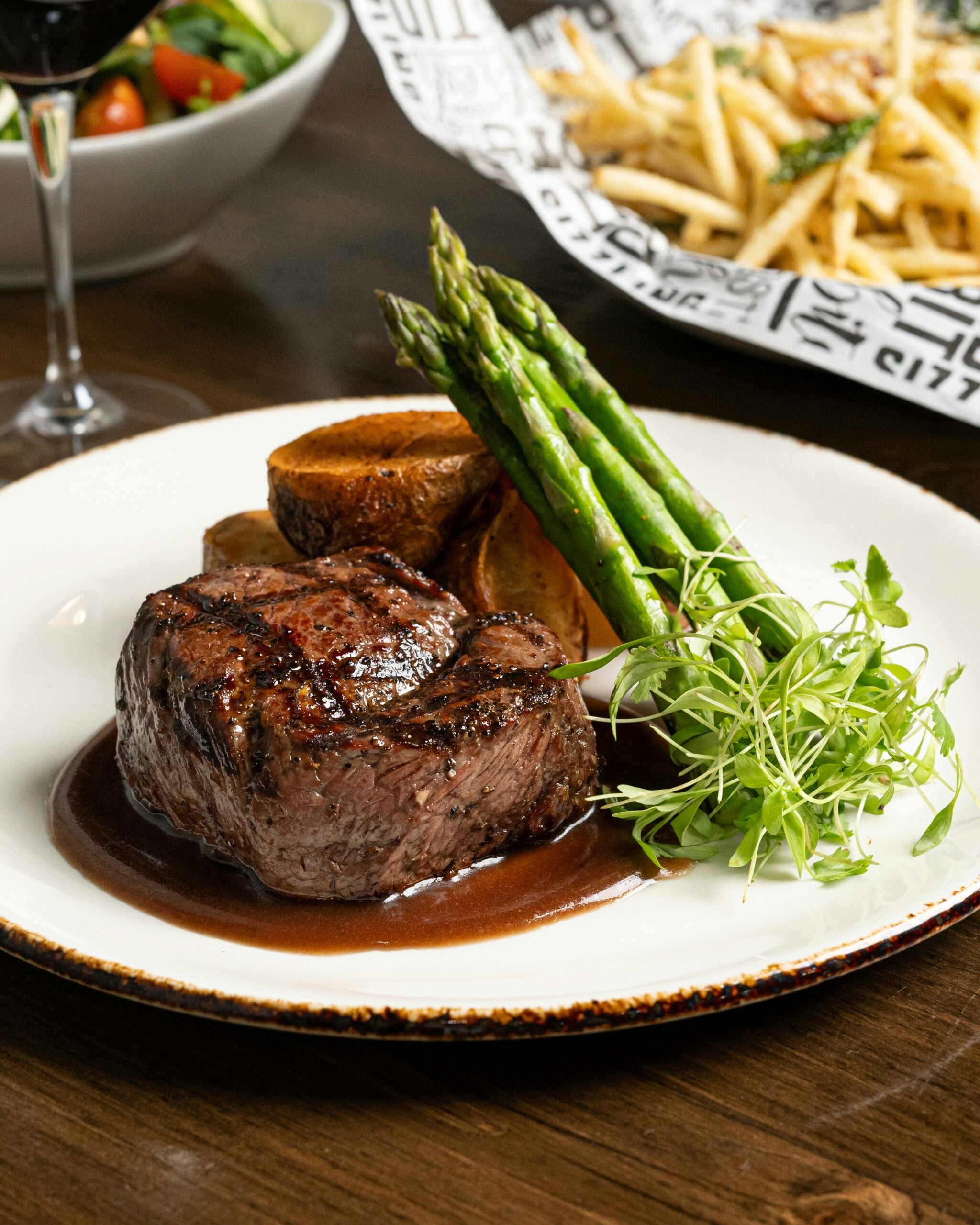
Steakhouse dinners were never supposed to be cheap, but they used to feel like a treat people could plan for once in a while. Now, the prices can be a lot harder to swallow. A ribeye or filet can easily cost $40 to $70 before sides, drinks, tax, and tip are added. Higher beef prices and rising restaurant costs are part of the reason, but that does not make the bill feel any easier. For many families, a steakhouse dinner is no longer a casual weekend splurge. It is something saved for birthdays, anniversaries, or nights when everyone is ready for the total.
Casual Mexican Restaurant Dinners
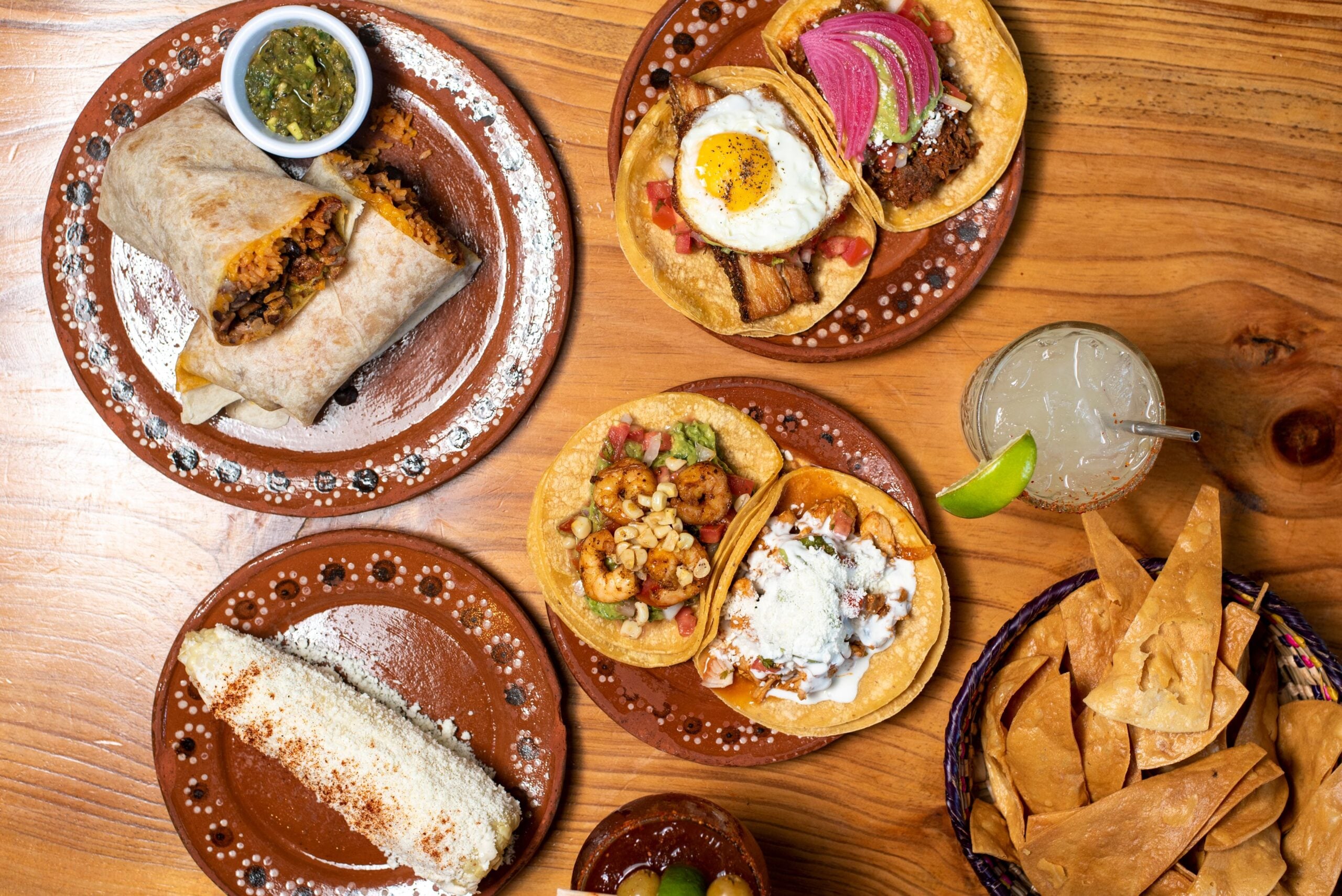
Casual Mexican restaurants used to feel like one of the better deals for a sit-down dinner, especially for families. The portions were generous, the chips and salsa helped stretch the meal, and everyone could usually find something affordable. Now, combo plates and fajitas can easily land between $18 and $30 depending on where you live. Add queso, margaritas, appetizers, kids’ meals, tax, and tip, and the bill climbs fast. The food can still feel fun, filling, and worth it, but the final total does not always feel as casual as the restaurant does.
Restaurant meals still give people convenience, comfort, and a reason to get out of the house. But higher menu prices have changed the way many customers order. More people are saving restaurants for social plans, splitting meals, using app deals, choosing pickup, or comparing the total with what they could buy at the grocery store. In 2026, dining out has not disappeared, but it feels less automatic. For many Americans, the question is not just whether the food sounds good anymore. It is whether the meal still feels worth the bill.
More from Cheapism:
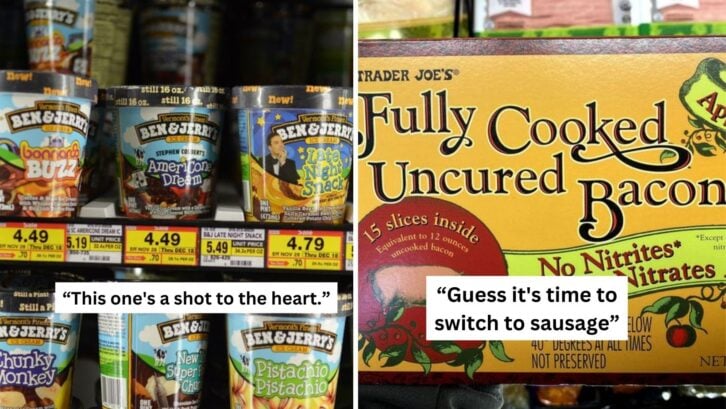
- 20 Foods That Are Getting More Expensive – A data-backed look at grocery staples with rising prices, from orange juice and eggs to bacon, sugar, lettuce, and ground beef.
- Foods That Are Getting More Expensive – A price-hike guide explaining why everyday items like milk, eggs, chicken, beef, crackers, mayonnaise, and snacks became costlier, plus cheaper swaps.
- 22 Stupidly Expensive Foods You Won’t Believe Ever Existed – A fun roundup of outrageous luxury foods with wild price tags, including $75 coffee, $100 milkshakes, $200 fries, and gold-covered dishes.