In recent years, restaurants prices have skyrocketed. These establishments subtly try to deceive their customers through tactics, menu designs, and other methods that we’ll reveal below, all to get visitors to pay more. Restaurants are using psychological pricing and paying attention to details that weren’t the case in previous years, thus achieving higher profits. But customers must also be prepared for this. But don’t worry, we’ll unmask those restaurant menu tricks so you don’t overlook them.
The Missing Dollar Sign Trick
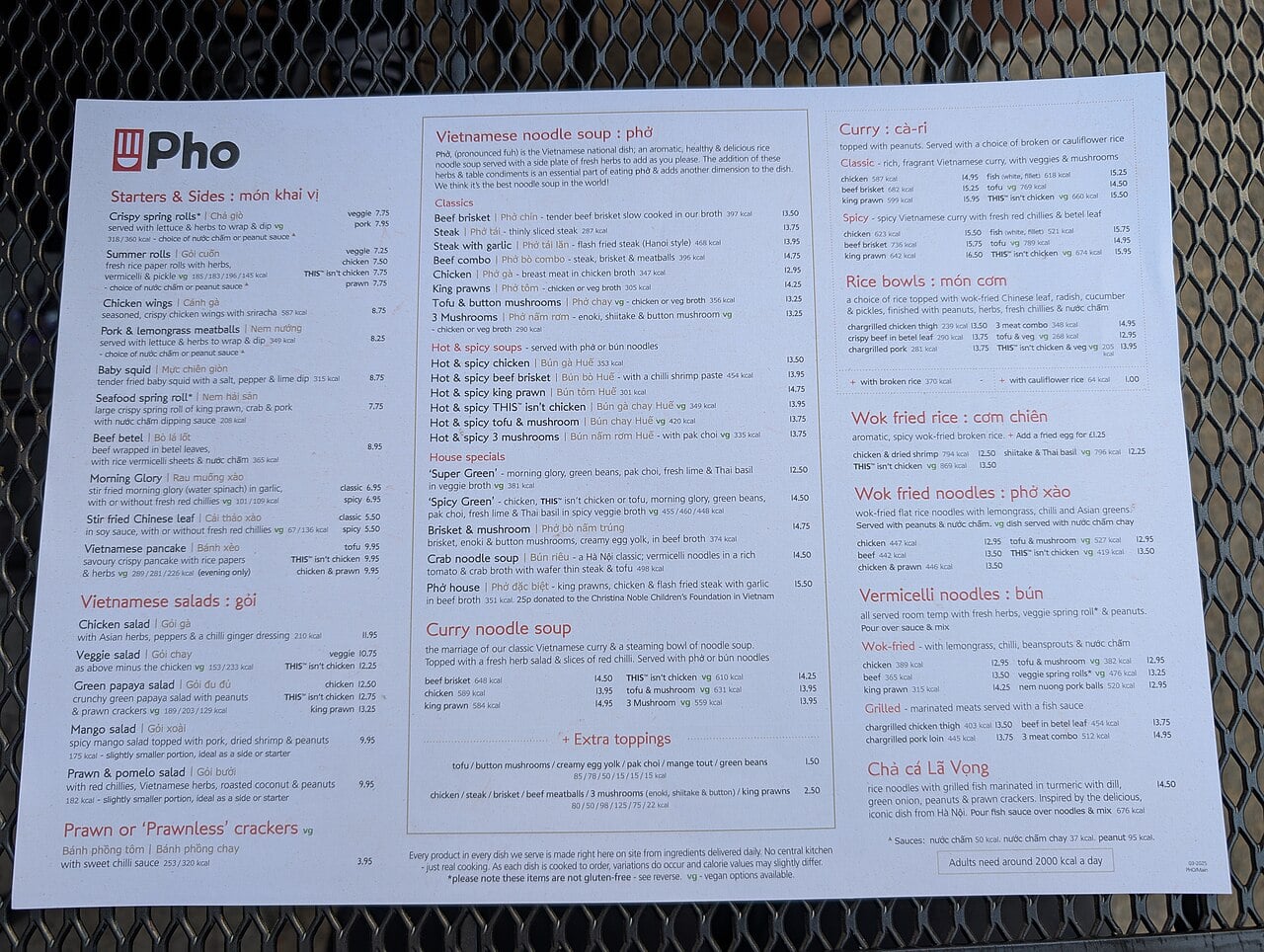
One of the psychological tricks restaurants use is removing the dollar sign from menu prices. According to a Cornell University study, in which a group of people were given a menu with the dollar sign and another without, those without the sign were more inclined to spend money. They would put “18” instead of “$18”: and your mind interprets it differently.
Steering Customers Toward High-Profit Items
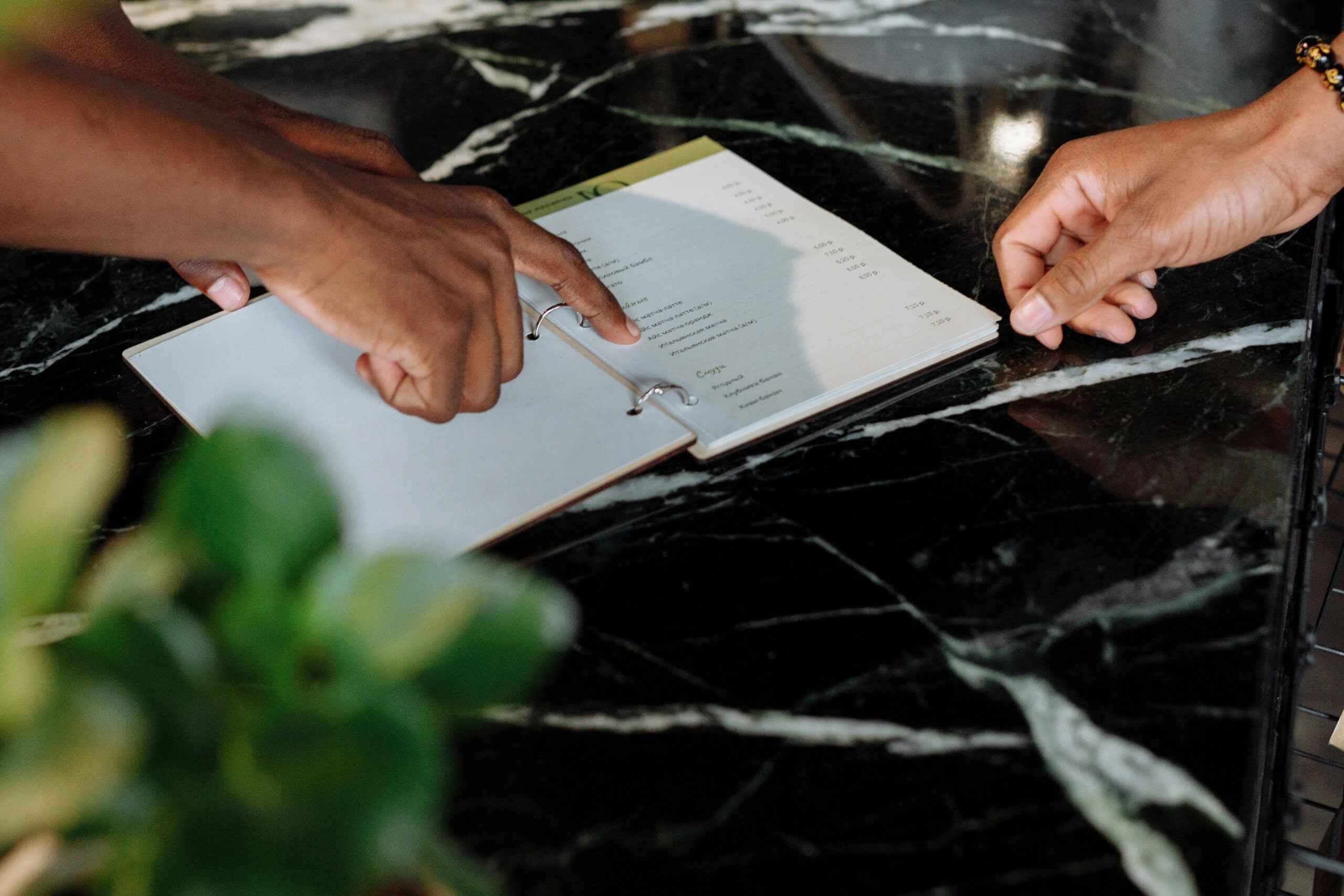
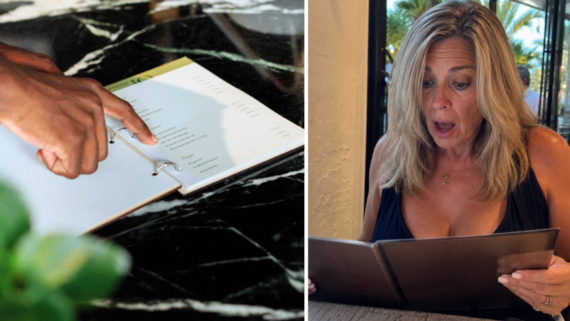
Restaurants also study menu layout: they know where your eyes will be drawn, so they place the most expensive dishes in those areas. According to some studies developed in The Establishment in Cornell University, the upper right section of the menu attracts the most attention, or if other areas of the menu are highlighted, attention will also be drawn there.
The Expensive Decoy Entrée
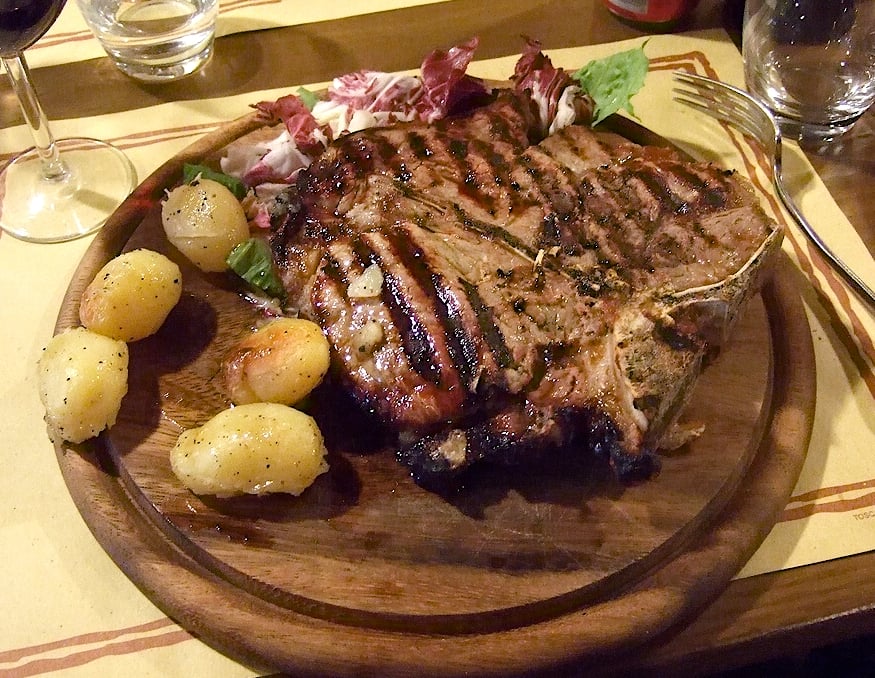
Some menus display extremely expensive dishes so that other potential choices appear more reasonable. This is a calculated strategy called anchoring, which can make a steak appear to be priced at $95 USD but if you then place one below it for $42 USD, it will seem like a bargain. This changes how diners perceive other options, they don’t expect you to order that expensive item in the menu.
Market Price Can Mean Almost Anything
The term “Market Price” often appears on seafood dishes or other specialty foods. This designation means that restaurant diners don’t know the price of their meal until the bill arrives at the end of the night. While some restaurants don’t take advantage of this, others do, because there are good and bad people in every industry. It should function as a method of trust and transparency, but that’s not always the case.
Add-On Upcharges Everywhere
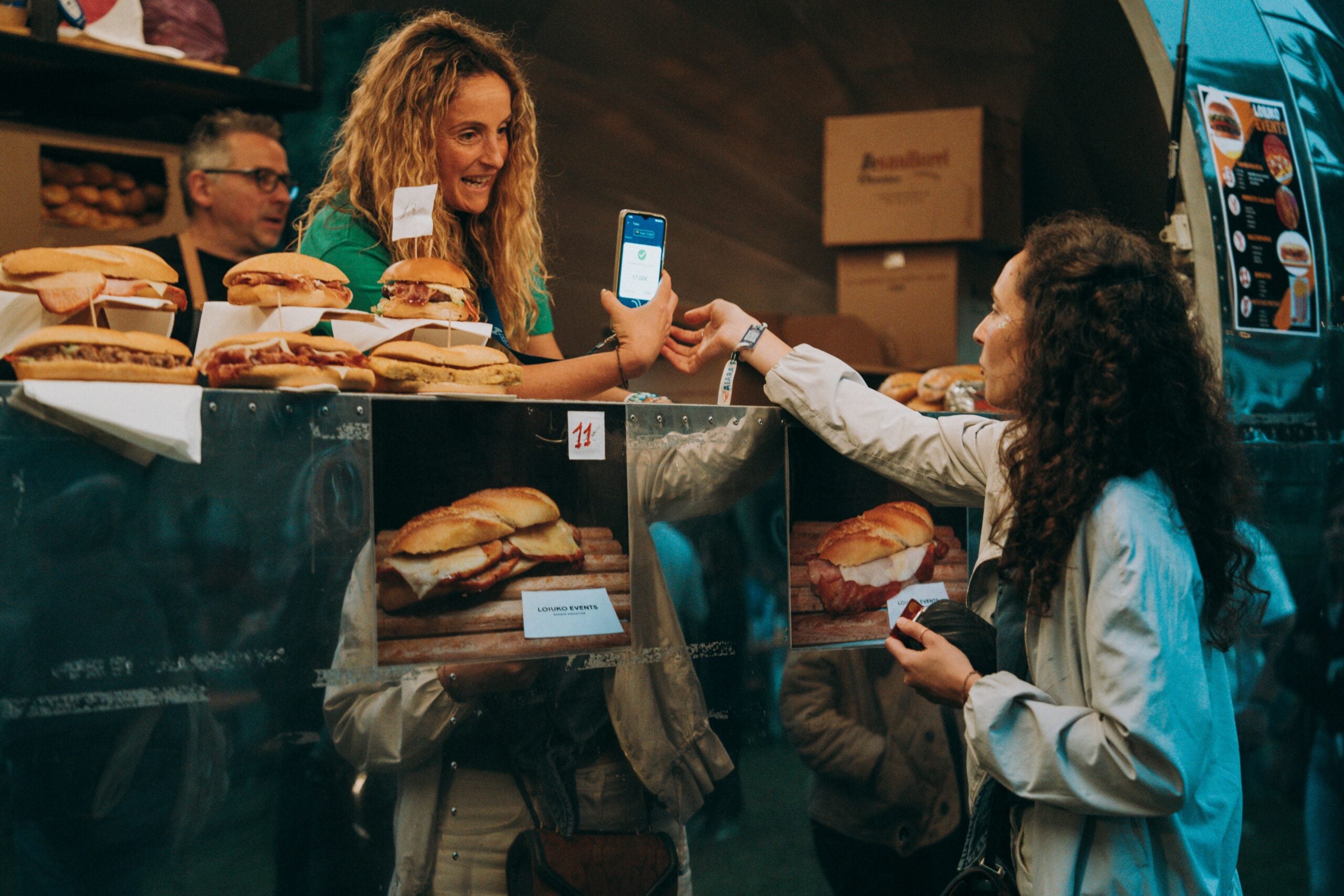
Extra charges for items added to a meal have been on menus for years, but it’s true that they’re appearing with increasing detail and for items that were previously included in the price. It’s a way to increase the cost, as they do for cheese, avocado, bacon, sauces, premium sides, and dressings. But you’ll notice them most when you order food delivery.
Trending on Cheapism
Combo Upgrades That Seem Cheap
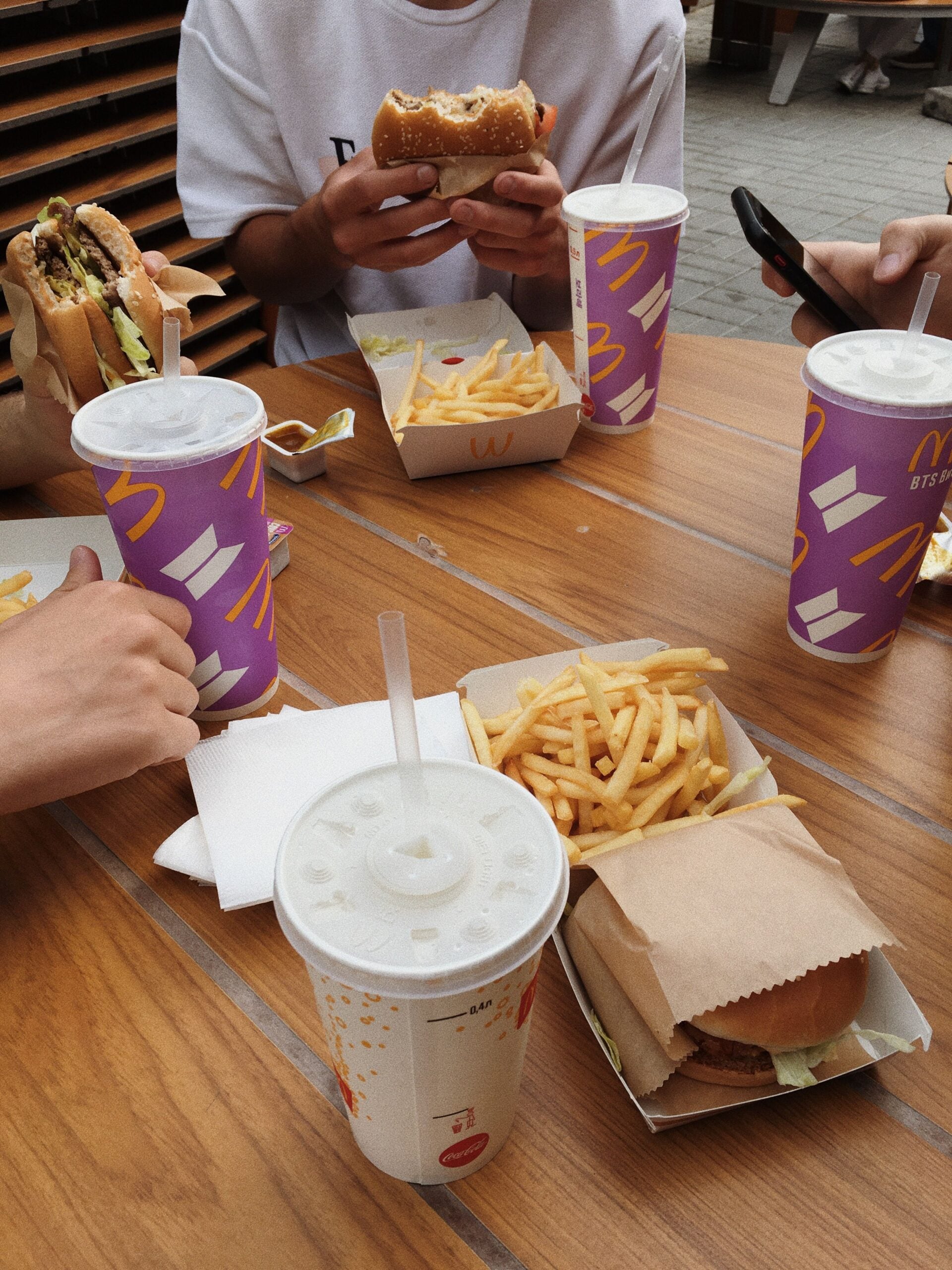
The typical question you encounter at a fast-food restaurant after ordering your favorite combo meal is whether you want to upgrade. While it might cost you a few dollars more, for restaurants it’s a significant profit considering the number of people who accept the offer. Psychologically, a customer focuses on the extra perk they’ll receive, not the price they’ll pay for it.
Oversized Appetizers Designed for Sharing
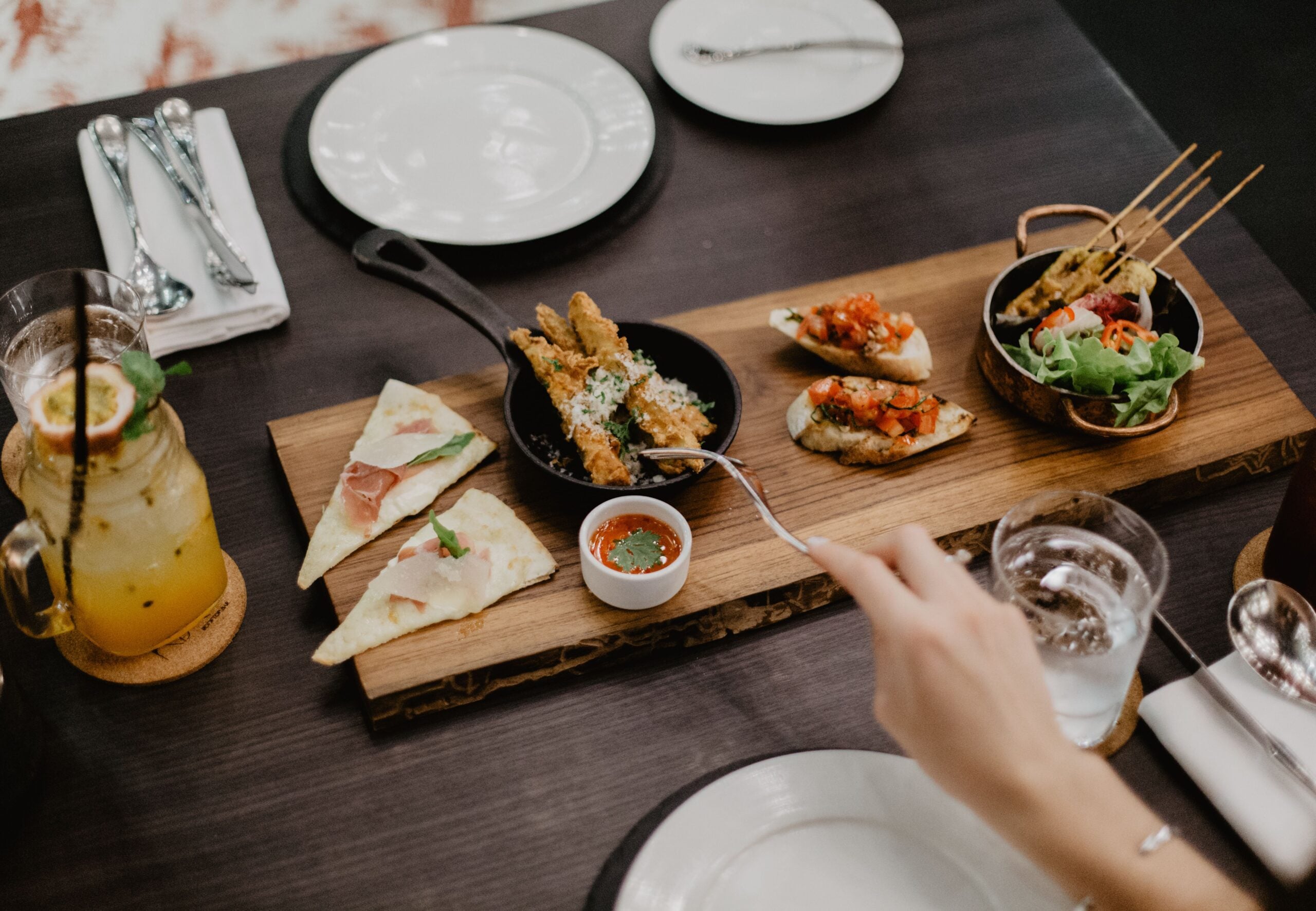
Those appetizers you enjoy while waiting for your food can generate an unexpected expense when you go to a restaurant. They succeed in killing time while you wait, and restaurants take advantage of this because their profit margin on these dishes is higher than on main courses. In your mind, appetizers should be your enemy, with the only purpose to increase the price of a bill.
Specialty Drinks Carry Huge Markups
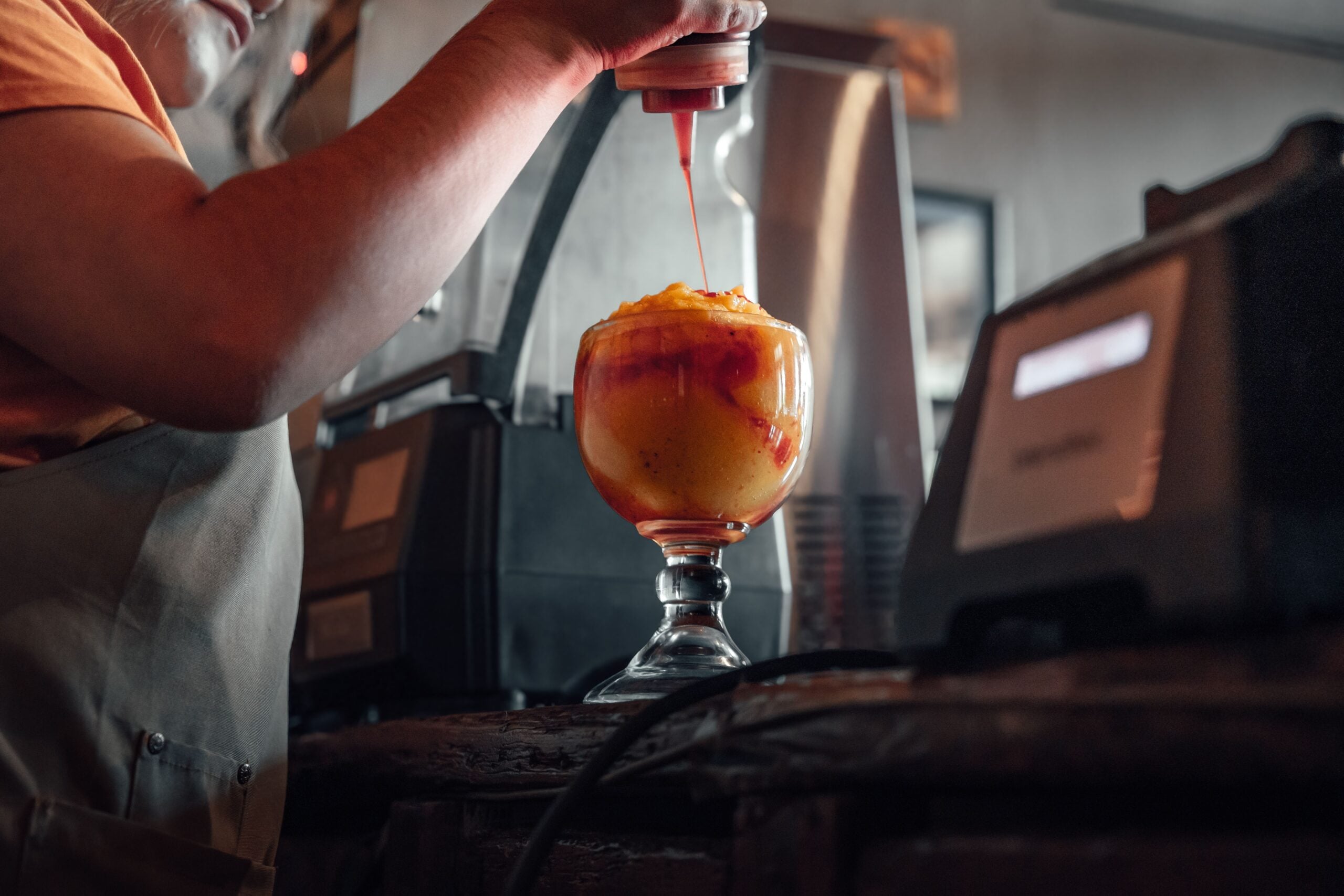
Drinks in general represent a large profit margin for restaurants, just think about how much a bottle of the same drink costs at a restaurant compared to one at the grocery store. But when you focus on specialty drinks, like lemonades, mocktails or pitcher drinks, that’s where servers are trained to offer them and increase your expenses.
Sign up for our newsletter
Fancy Descriptions Make Food Seem More Valuable
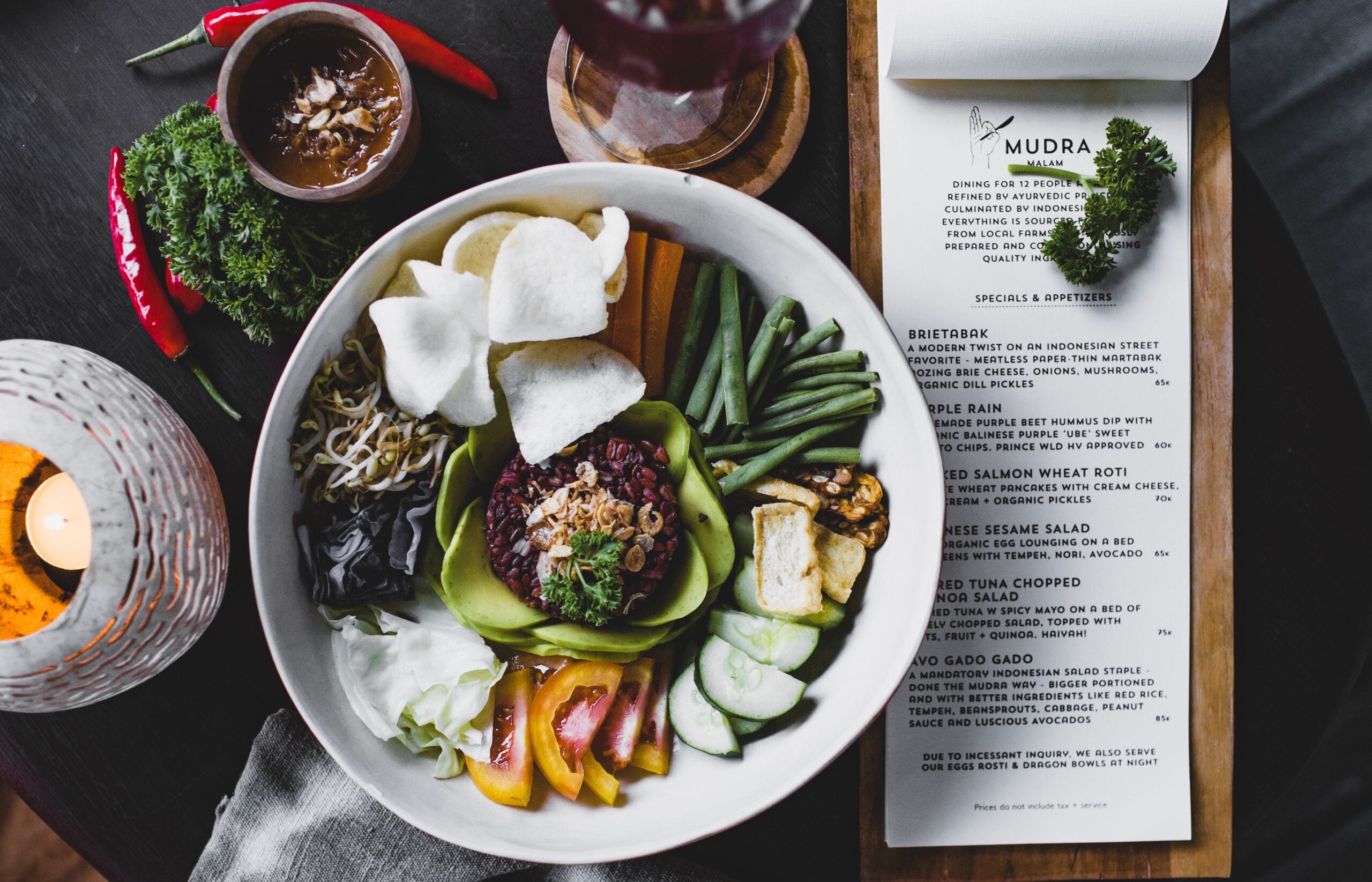
You’ve probably noticed the descriptions under the dishes on menus. Over the years, these details have become more elegant, with more sophisticated language and terms like “handcrafted”, “signature”, “house-made” and “chef-inspired”. But you already know what you’re going to eat, and the only reason that appears is to enhance your perception of the value of your meal.
Limited-Time Offers Create Urgency
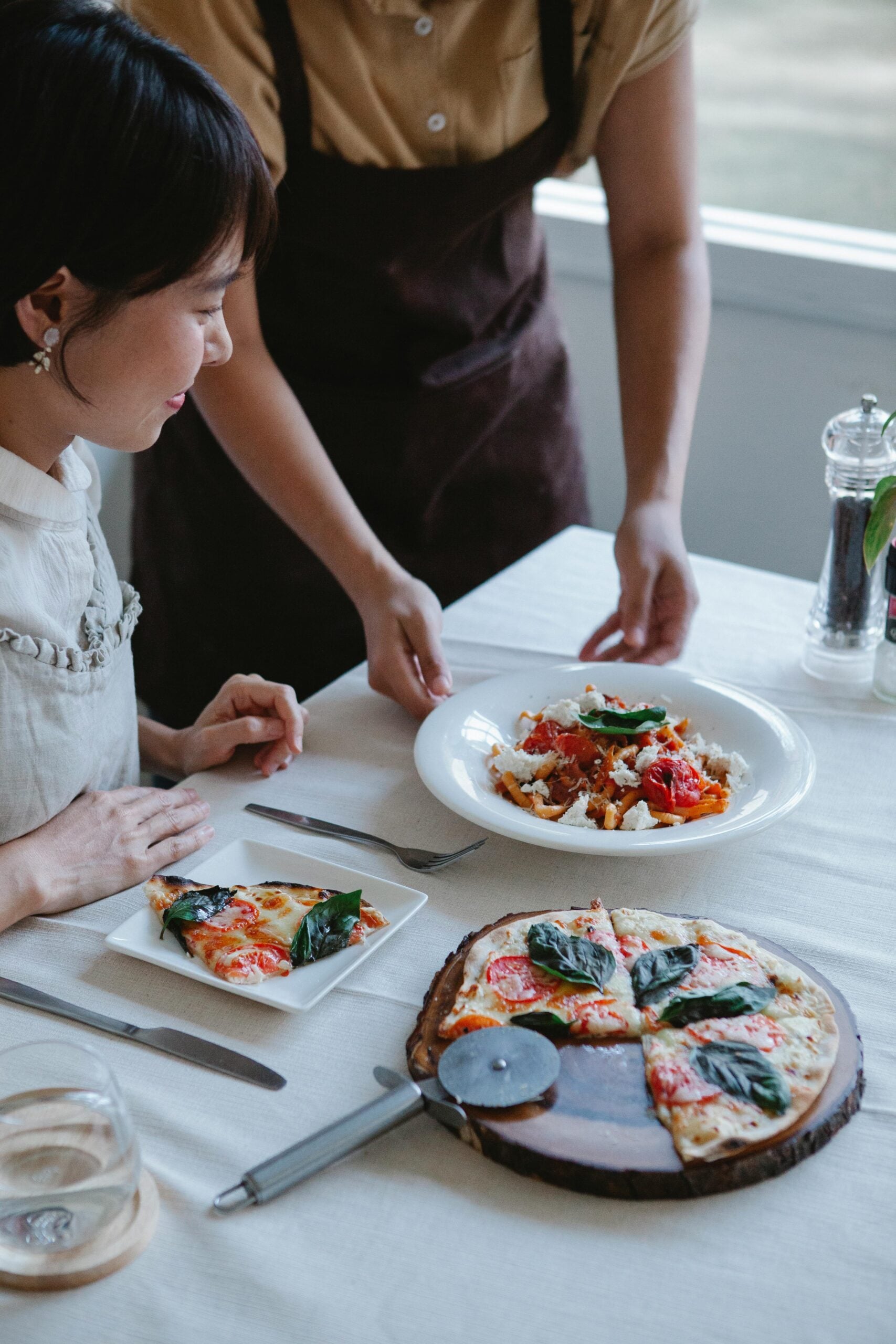
When the phrase “limited time only” appears when you’re deciding what to eat, it creates a sense of urgency that’s unnecessary. The trick behind those words is that, since there’s little time left to order, you should grab it before it’s gone. This can lead you to choose a dish you probably wouldn’t have considered under other circumstances. The same thing happens if the waiter tells you they don’t know if they have any of that dish because it’s scarce.
Servers Are Often Trained to Upsell
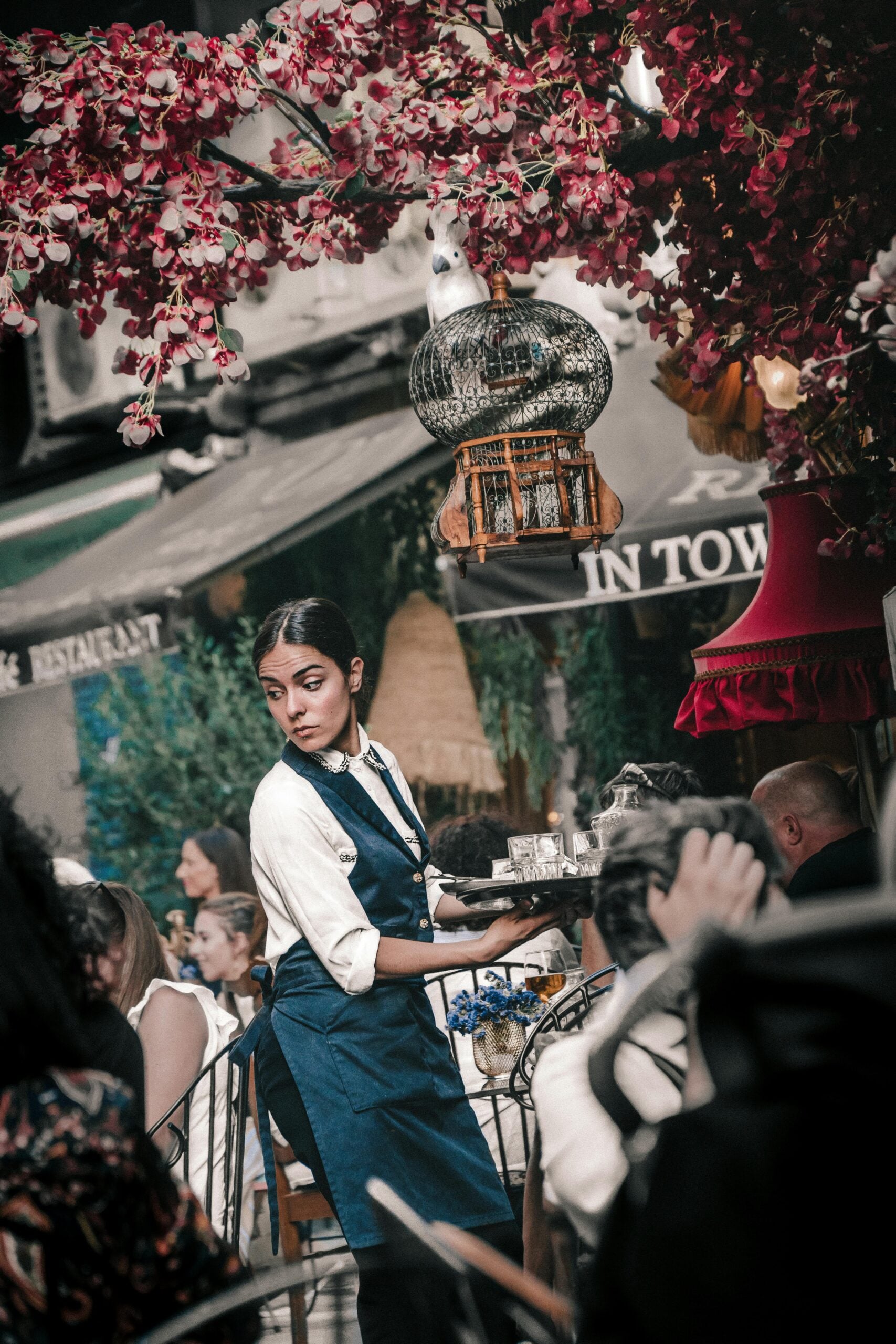
The waiter and waitresses may be hospitable, friendly, and answer your question well, but remember they belong to the restaurant’s company. Servers are trained to suggest appetizers, drinks, desserts and upgrades to your dish to increase sales. In fact, some employees receive monetary incentives tied to their sales.
Premium Side Substitutions Add Up Fast
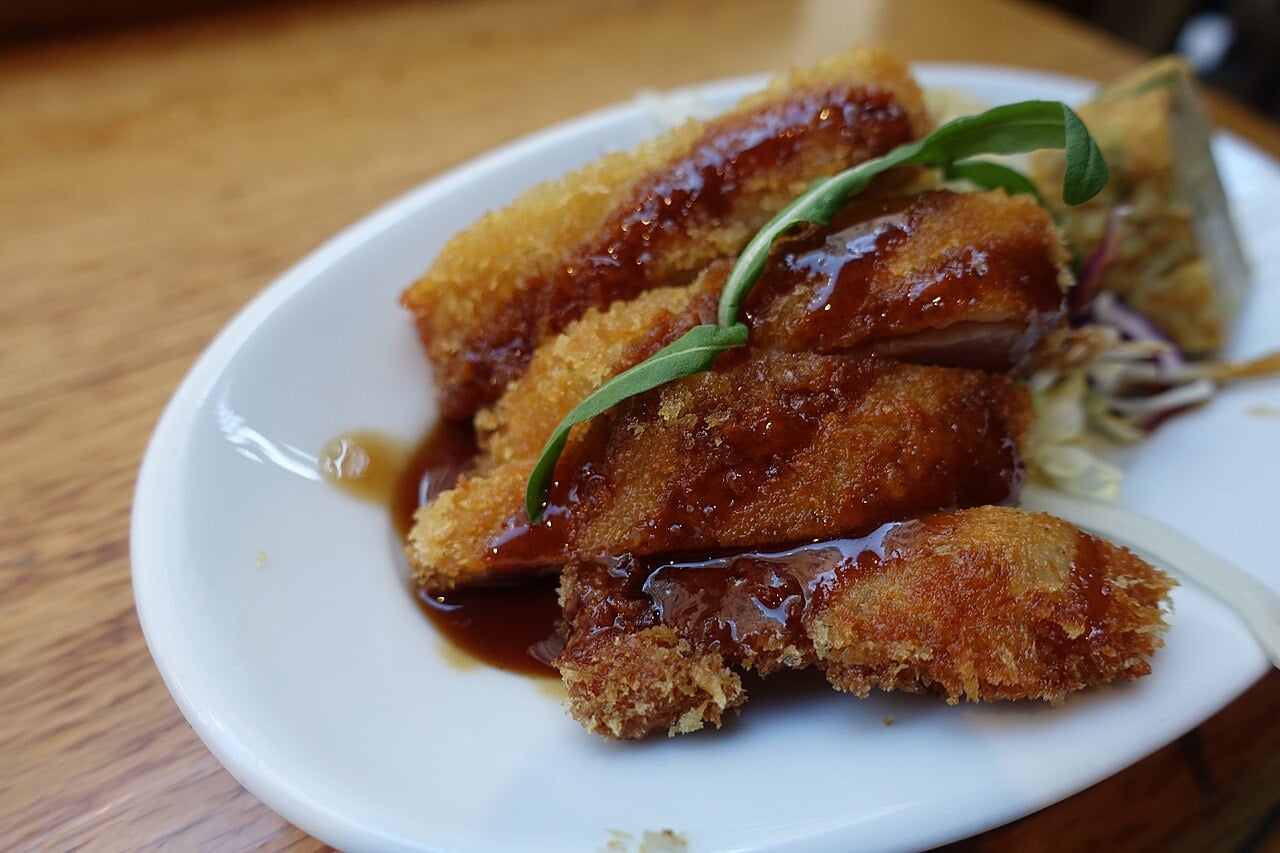
When you want to replace one side dish with another, it will almost certainly incur an extra charge. This can happen when you upgrade your fries to onion rings, soup salad, or other options. You might decide quickly and impulsively, but it will add money to your final bill. It will be a few extra dollars that you won’t even realize you’re paying extra for but it’s your money.
Digital Ordering Makes Upselling Easier
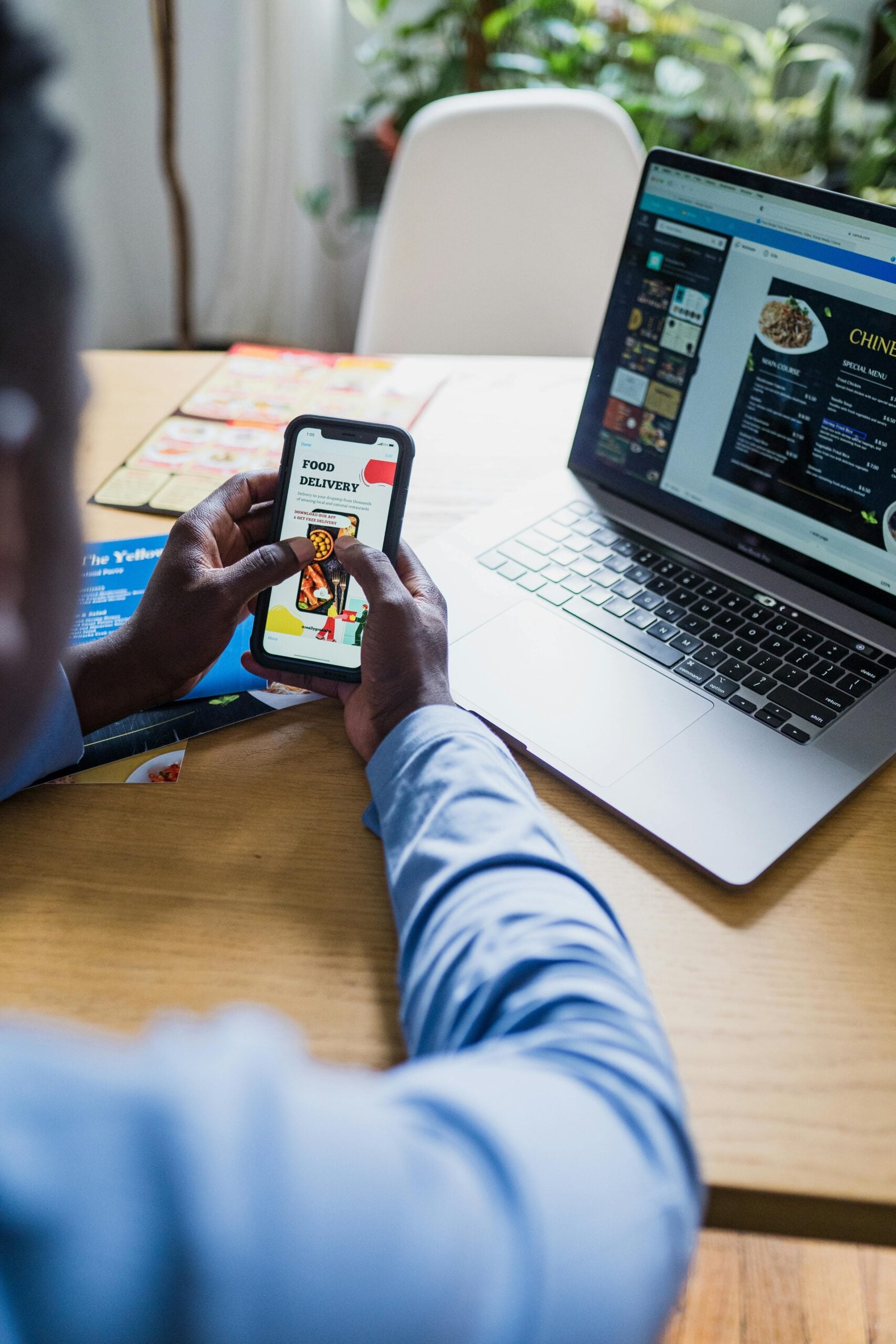
In most food delivery apps, you’ll usually be offered the option to add an extra dish or side before you pay. The digital system is designed for this purpose: To tempt you before you see the final price, and restaurants rely on this type of technology. It’s similar to when a waiter leaves you a dessert menu at the end of your meal without you even asking for it, but more effective.
Dessert Menus Appear After Customers Are Full
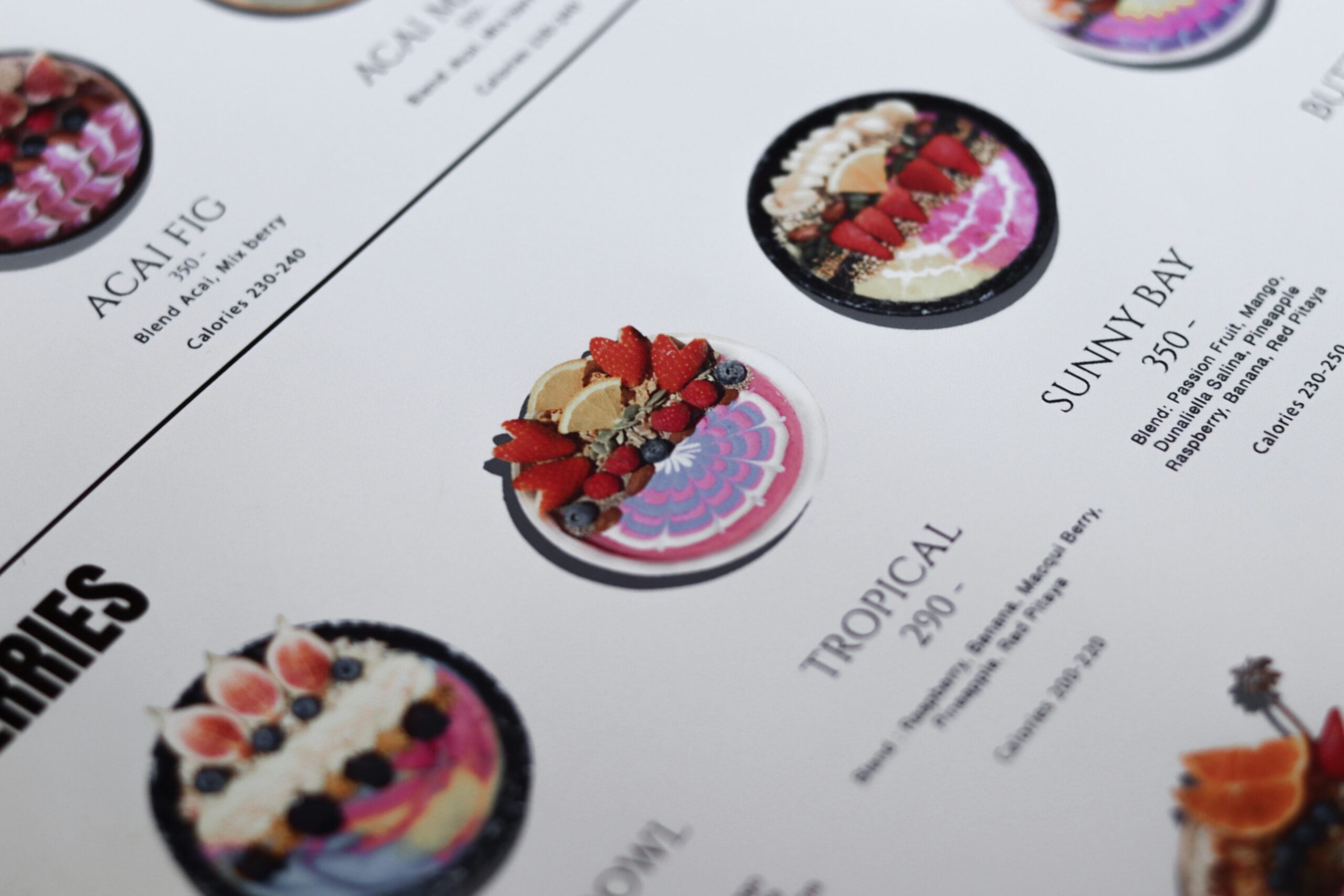
Dessert menus often appeal to people’s instinctive impulses. Those decisions you make without much thought, you see a picture of a dessert and start imagining the flavor, that’s why they usually include so many images on them. It’s another area where restaurants make a significant profit margin.
Alcohol Is Often the Biggest Profit Driver
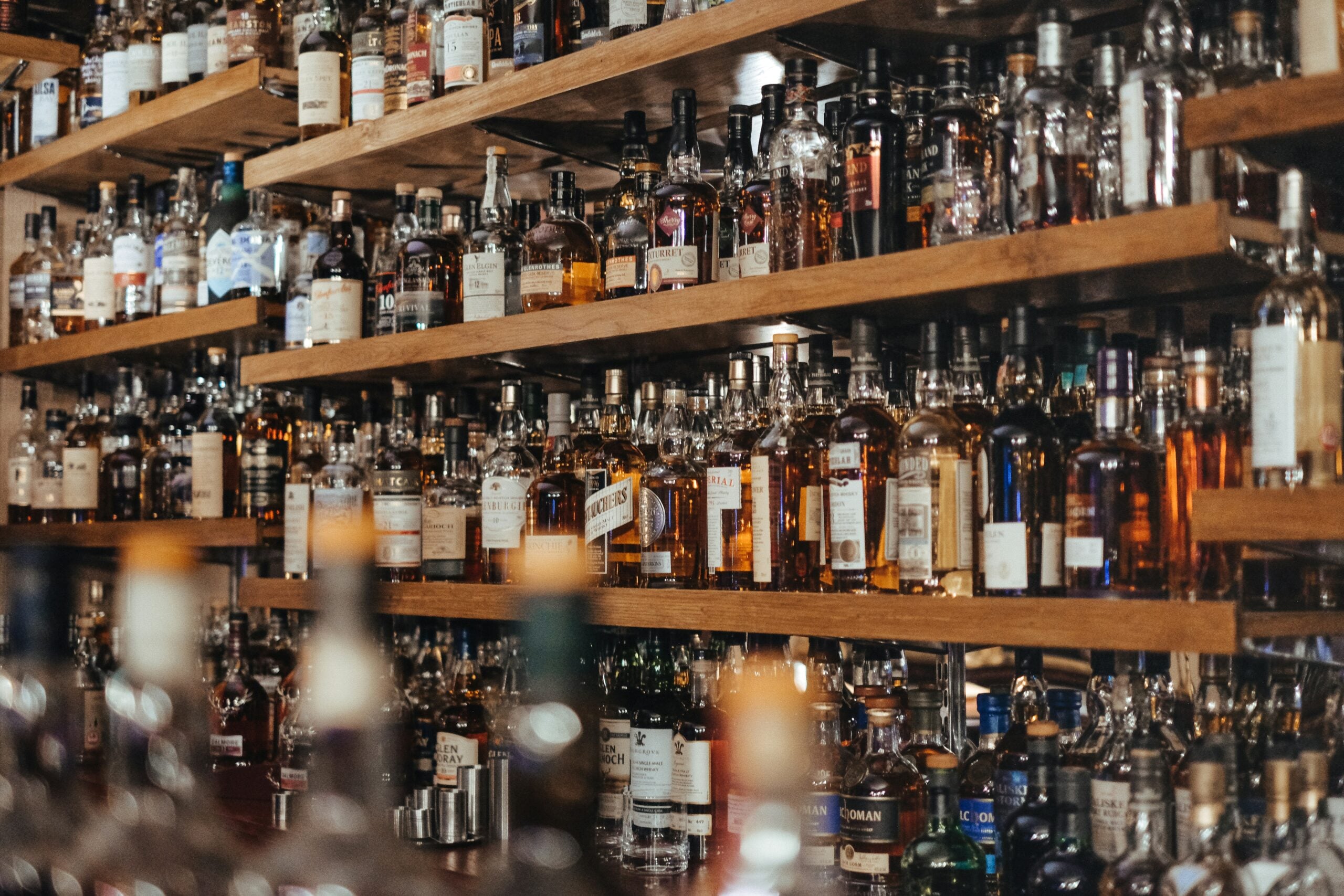
The prices of wines, cocktails and mixed alcoholic drinks can be quite high in restaurants. This is one of the most profitable margins for these establishments, so they don’t let it go to waste. In fact, some people, when they order meat, only eat it if it’s accompanied by wine, or similarly with some of the dishes on the menu.
Families Bundles Aren’t Always a Deal
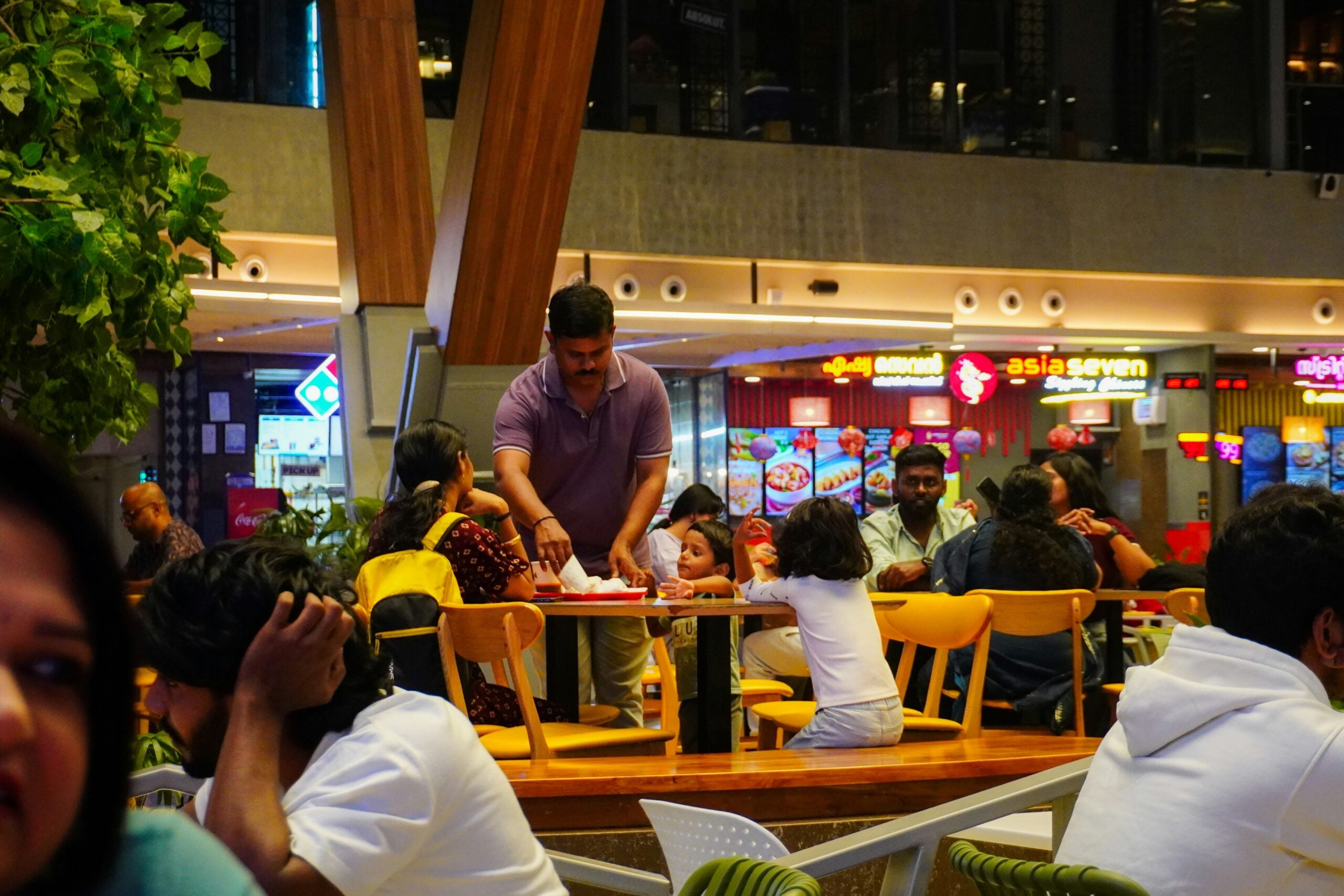
Bundle prices often obscure the individual prices of the items, which are usually significantly higher. Even with the family combo, you can’t save money. If the restaurant revealed the exact price of each item in the combo, you could decide if it’s worth the deal. However, sometimes the combo includes smaller portions or less of a meal, making it difficult to decipher the individual price.
Signature Items Often Carry Premium Pricing
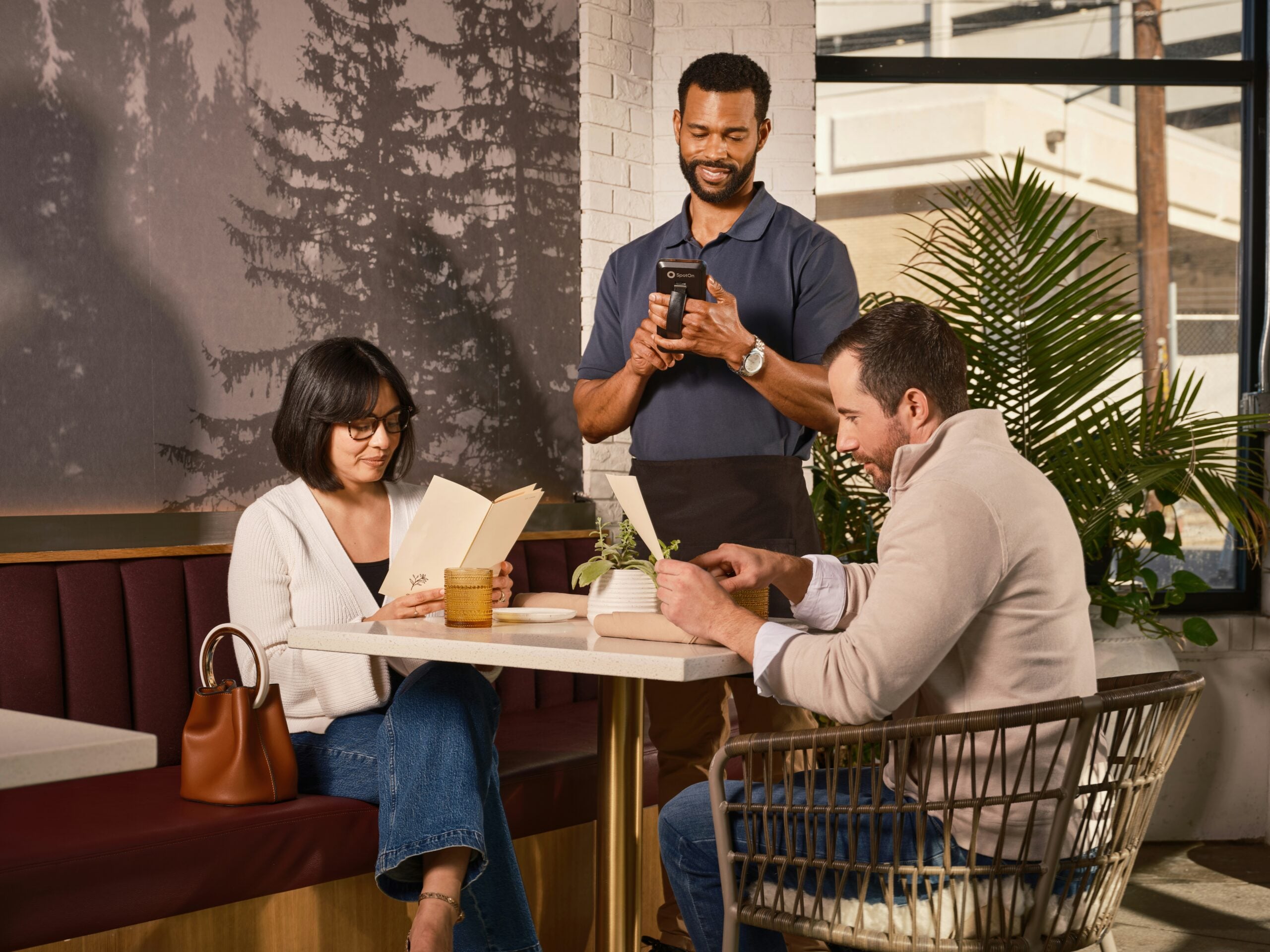
Restaurants often charge more for signature dishes than for other dishes. These menu items are more expensive, but because they imbue the dish with the restaurant’s identity, they justify the extra price you pay. Perhaps your psychology helps you understand all of this and accept it without even considering an alternative.
Menu Photos Can Increase Spending
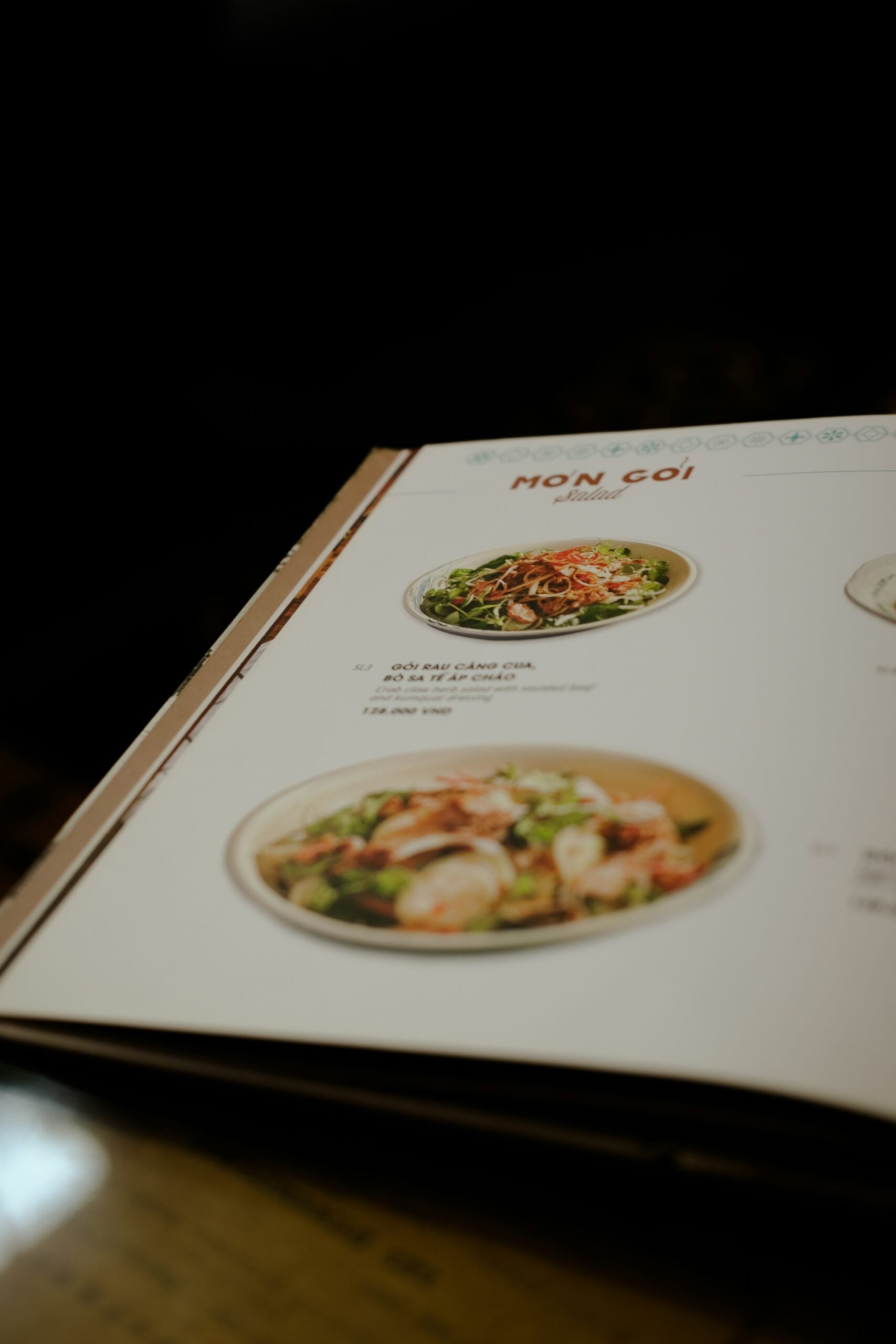
The method of placing an image next to the dish you’re about to order generates more desire in the person, thus leading to an increase in what they spend. Images appeal to impulse buying, so seeing what you’ll be eating is beneficial for the company when it comes to sales. That’s why they also appear on digital menus when you order delivery to your home.
Delivery Apps Introduce New Spending Traps
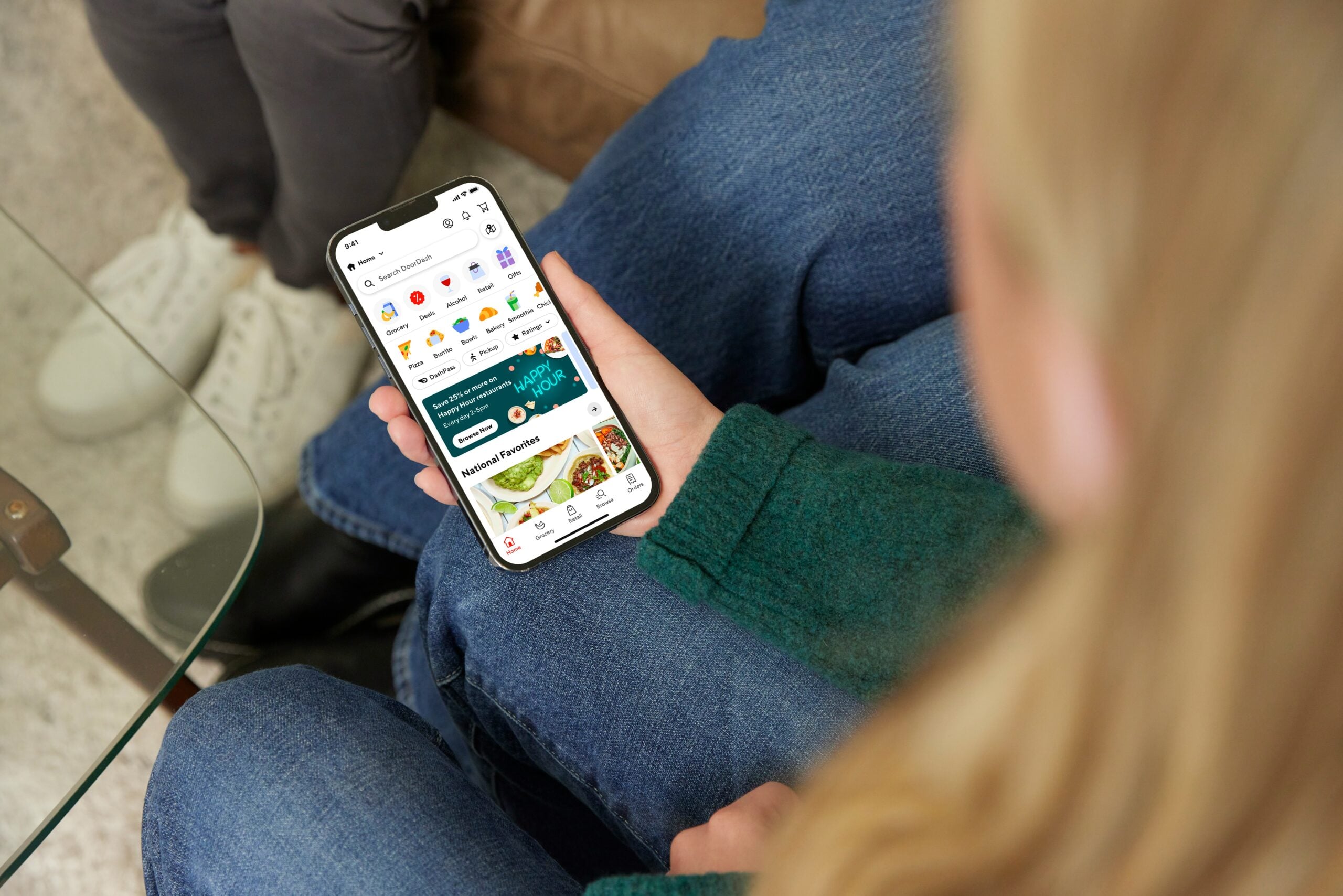
It’s certainly more convenient to order food to your home when you don’t feel like leaving and want to enjoy a restaurant meal. However, the digital system will also try to entice you to spend more money before you actually pay. Service fees, delivery charges, and suggestions for tipping can increase the cost. These factors can raise the final price.
Why These Tricks Work So Well
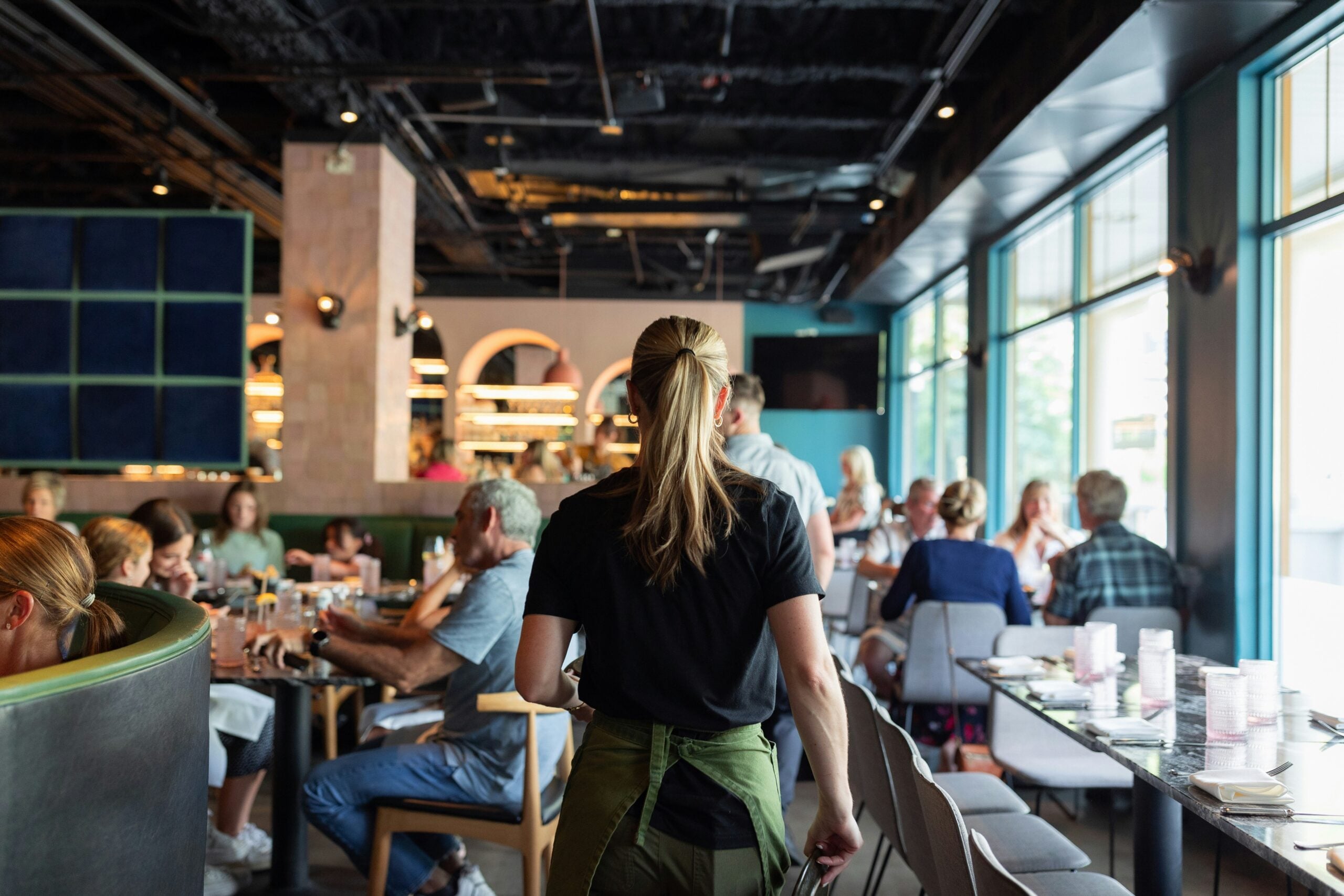
The reason these tricks work so well is because restaurants have specialized in understanding people’s psychological behavior and how to influence their purchasing decisions. Most of these strategies focus on increasing the average spend without making customers feel pressured. But they also analyze menu design to determine where to place the most expensive dishes to draw attention to them.