
Seniors tend to own their homes and have strong credit and ample savings, according to the FBI — all factors that make scams targeting seniors increasingly common. They’re also less likely to report fraud and tend to be less familiar with technology. The result? They’re are a favorite target for fraudsters.
Seniors lose more money to scams than any other demographic, according to the Federal Trade Commission (FTC). Here are some scams to look out for — and how you can avoid falling victim to one.
Selling Anxiety

What to look out for: Scams often start with unsolicited phone calls offering products aimed at easing a person’s fears. Calls such as these were at the heart of a case in which a company contacted seniors (even those listed on the national Do Not Call Registry) to hawk medical-alert pendants. The company shipped products without getting an order and threatened legal action or verbally abused seniors who didn’t pay.
Risks: Victims lose the cost of the product and could be exposed to identity theft.
Helpful resources: The FTC takes complaints about shady companies.
You’ve Won!

What to look out for: Another scam that often starts with an email or phone call, this one relies on a sense of hope rather than fear. Victims are told they’ve won a lottery or other large prize, but first they must transfer money to cover the accompanying taxes and fees.
Risks: Victims face the loss of those funds, and identity theft is also a risk.
Helpful resources: The FTC maintains a web page specifically about prize scams.
Health Insurance Fraud

What to look out for: Mobile “health-care labs” sometimes park at retirement homes, malls, or health clubs, and fake or unnecessary tests are administered on “patients” whose identifying information is used to bill insurance companies and Medicare. Similar rackets involving unneeded medical equipment also target seniors.
Risks: Often directed at the elderly by perpetrators who leverage the term “Medicare,” this scam seeks personal information and could expose seniors to identity theft.
Helpful resources: The government maintains a dedicated web page on Medicare fraud.
The Grandchild Hook

What to look out for: In the “grandparent scam,” crooks call seniors claiming to be a grandchild who has run into financial or legal difficulties while in another country, or a lawyer or United States official at a foreign embassy representing the grandchild. The scammer begs the targeted senior not to tell the grandchild’s parents and to wire money to a bail bondsman.
Risks: Victims forfeit not just the money but critical personal and financial data.
Helpful resources: SES (Stop Elderly Scams) offers tips to help seniors beat this scam.
Fake Government Agents
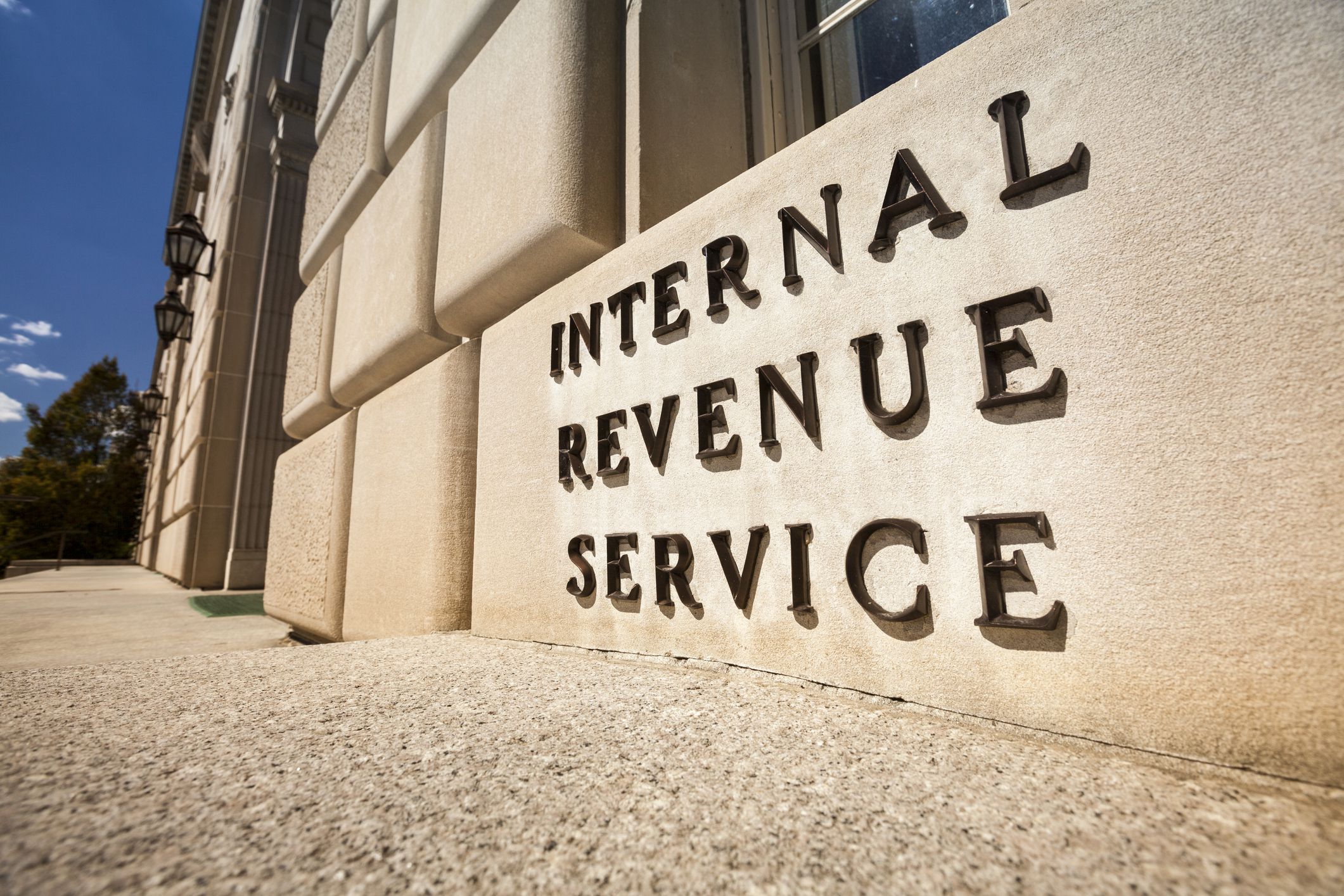
What to look out for: In one scenario, a caller informs the victim they’ve missed jury duty, and unless they pay to satisfy a warrant, they’ll be arrested. Another scam, especially popular around tax time, involves telling victims they owe taxes and need to settle up right away. The scammers can be especially persistent and tricky, making the caller ID read “IRS” and arranging for follow-up calls by the “police.”
Risks: Once submitted, payments are unlikely to be recovered.
Helpful resources: AARP shares how to spot the jury duty scam, and the Internal Revenue Service offers tips on how to avoid tax scams.
Trending on Cheapism


Fake Products

What to look out for: Some scammers sell fake products that promise youthful vibrancy and breakthrough treatments that have no side effects. These items may be harmless sugar pills that hurt only the victim’s wallet, but others, such as fake Botox, can cause temporary paralysis or other physical harm.
Risks: People lose money on fake products, but this kind of scam, as well as those selling cheap counterfeit prescription drugs, could also lead to serious illness or injury.
Helpful resources: The Food and Drug Administration maintains a web page dedicated to medication health fraud.
Too-Good-to-Be-True Investments

What to look out for: Pyramid, Ponzi, or advance-fee schemes, as well as the now-infamous “419” fraud, all fall into this category. In the 419 scam, a foreign national (often a “Nigerian prince”) requests money and finagles access to personal and financial data with the lure of sharing his immense wealth. Advance-fee schemes typically involve the sale of a product or service or arranging a so-called profitable venture in exchange for a finder’s fee.
Risks: Once the fee is paid, the scammer disappears. Identity theft is also a risk.
Helpful resources: AARP’s Fraud Watch Network offers advice on recognizing and reporting fraud.
Stealing From the Grieving

What to look out for: Widows and widowers are told that their spouse had outstanding debts that must be settled. Sometimes, the scammer may appear at the victim’s doorstep with a pay-on-delivery package that was supposedly ordered by the deceased. The con artists find widowed spouses by browsing public obituary listings or snooping at funeral homes. Sometimes the funeral home is the perpetrator and tacks on additional fees or pushes unnecessary items, such as an expensive casket for a cremation.
Risks: The bereaved can be scammed out of money or upsold on funeral expenses.
Helpful resources: TDI (Texas Department of Insurance) offers tips about how to avoid scams after the death of a loved one.
Sign up for our newsletter
Phony Sweethearts

What to look out for: Sometimes referred to as the “sweetheart” scam, fraudsters target the lonely using online dating sites in an attempt to form a trusting relationship and take advantage. The con artists may make up a heartbreaking story and ask for financial help, request that the target be a cosignatory for a loan, or even convince the target to sign over power of attorney, allowing the perpetrator to take out a home equity loan.
Risks: Victims face a loss of funds and risk being saddled with unwanted debts. Identity theft is also possible.
Helpful resources: KnowledgeFlow offers an in-depth look at Stealing From the Grieving and how to avoid becoming a victim.
Reverse Mortgage Scams

What to look out for: Many people’s life savings are tied to the equity in their homes, a prime target for thieves. Reverse mortgages are a popular way for seniors to take cash out of their homes without having to move. Scams related to this sometimes-useful tool come in many forms, from fees hidden in the fine print to failure to disclose the consequences of unexpected default.
Risks: Victims can lose their homes or be subject to excessive fees.
Helpful resources: Lending Tress has issued a consumer advisory about the dangers of reverse mortgages.
Unneeded Repairs

What to look out for: In this scenario, scammers case a neighborhood looking for elderly residents and knock on the door posing as handymen. They point out a few things that they insist need repair. Payment may be demanded up front, and if the work is done at all, it’s often unlicensed and sloppy.
Risks: Homeowners stand to lose the upfront payment and face damage to their property due to shoddy workmanship.
Helpful resources: The FTC offers tips to help people, especially seniors, avoid home-improvement scams.
Online Phishing

What to look out for: Online scams don’t necessarily target seniors, but people less familiar with technology are more susceptible. Phishing, the attempt to steal sensitive information online by posing as someone else, is a popular trick. Emails from supposedly official organizations, including governments and large businesses, ask recipients to change their passwords, update account information, or pay an outstanding debt. Sometimes, simply clicking on a link is enough to infect a computer with malicious software that can steal personal information.
Risks: The scammers can come away with access to the victim’s accounts and identity, along with a quick payday.
Helpful resources: The FTC offers advice on how to avoid phishing scams.
Tech Support Scam

What to look out for: Scammers often pose as representatives from software or computer companies and announce they’ve identified viruses or other problems with a person’s computer. They then try to sell the victim bogus software, offer to “run a scan,” or ask for permission to access the computer.
Risks: Victims face potential identity theft and harm to their computer.
Helpful resources: The FTC maintains a page dedicated to tech support scams.
Work-From-Home Rip-Offs

What to look out for: Fake companies offer side gigs that promise to pay big bucks with minimal effort to people who want to work from home. But the bogus businesses require an upfront payment to get started. Common scams involve envelope stuffing, refund recovery, medical billing, and product assembly.
Risks: After making the upfront payment, victims never hear from the company again.
Helpful resources: The FTC offers advice about how to avoid work-from-home scams.
Amazon Scam

What to look out for: In another phishing scam, unlucky recipients get a convincing email supposedly from Amazon claiming that a charge has not gone through on a purchase and billing information needs to be resubmitted. If you receive an email like this, take a deep breath and look closely. You’ll likely spot a non-Amazon website address at the top of the page.
Risks: Not only does this scam steal your personal information, if you provide your billing information it nabs your credit card, too.
Helpful resources: Never respond directly to an email requesting personal information. Instead, contact the retailers directly if you have questions.
Coronavirus Scams

What to look out for: Since the coronavirus has been especially dangerous for the elderly, fraudsters have gone about tricking people with claims of a “cure,” as well as “setting up websites to sell bogus products, and using fake emails, texts, and social media posts as a ruse to take your money and get your personal information,” the FTC warns. The scammers might try to tempt you with items such as face masks or hand sanitizer. Some scammers also claim to be charities, which ultimately harms legitimate charities.
Risks: People lose money on fake products, but this kind of scam could also lead to serious illness or injury.
Helpful resources: The FTC offers guidance on how scammers try to take advantage of the pandemic.
Fake Charity

What to look out for: Scammers may try to sucker you by claiming to be a charity, which ultimately hurts real charities that actually help people.
Risks: You may have a warm feeling about giving to the needy, but they’ll never see a penny.
Helpful resources: Consumer Protection WA has some tips on how to tell a fake charity from a real one.
More From Cheapism

- 10 Tips for Seniors to Avoid Getting Scammed — Don’t answer unknown calls, never give out personal info, and be skeptical when someone pressures you or asks for unusual payments: a few simple precautions can save you from major losses.
- 15 Common Financial Scams (And How to Avoid Them) — From “you’ve won the lottery” calls to phishing emails and fake invoices, these widespread tricks prey on everyday people.
- 12 Scary Scams That Seniors Need to Watch Out For — Scammers impersonating government agencies, faking charitable donations or emergencies, or pretending to be relatives are among the nasty scams targeting older adults — and vigilance is the best defense.