Subscriptions have become the default way we pay for the everyday grind. More than entertainment or apps, we pay for news, workouts, productivity tools, or hobbies we meant to stick with. The charges are small and easy to ignore — which is exactly the point.
That’s called subscription creep: the slow accumulation of background charges that thrive on inattention. It’s capitalism on autopilot, billing you month after month for things you stopped using, forgot about, or never fully committed to in the first place.
According to CNET’s annual subscription survey, the average American spends $1,080 a year on subscriptions, with about $200 going toward services they don’t even use.
Here are some of the most common ways those forgotten charges sneak in — and how to fix them before they drain your account.
‘Free Trial’ Auto-Renews You Forgot About
Scrolling through your account, you see a $140 charge from an app that was supposed to keep your houseplants alive. You forgot to cancel after the free trial, the plants died months ago, and now you’re committed to a yearlong subscription for greenery that no longer exists.
Apps and streaming services count on inattention and feed off your bank account. They sell guaranteed convenience — cancel anytime free of charge, leave your credit card details and you are good to go, it’s all free. Until you forget to cancel, so it’s not. Some consumer friendly apps send renewal reminders. Many don’t.
In 2024 the Federal Trade Commission proposed the helpful “Click to Cancel” rule, whose goal was to improve cancellation tactics and help people remember what they’re paying for. However, it was later delayed and ultimately abandoned by a federal appeals court in the summer of 2025, shortly before it was supposed to go into effect.
Fix: Keep track of apps you sign up for on a whim, set reminders before free trials expire, and check your subscriptions regularly. There are also subscription-tracking apps —but ironically, they’re paid subscriptions themselves.
Streaming Services You Don’t Use
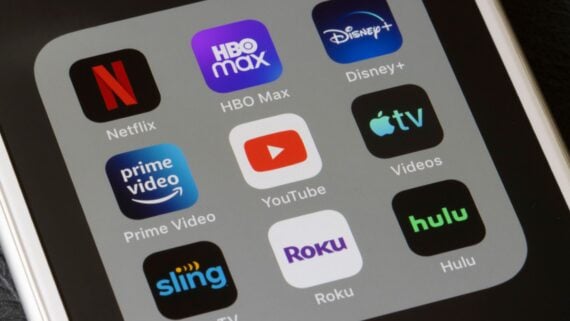
Streaming may be the easiest subscription to justify — and one of the easiest to lose track of. As of 2025, surveys show roughly 83% to 90% of Americans use streaming services, with the average household subscribed to more than four platforms at a time. Inevitably, at least one of those subscriptions ends up sitting unused for weeks or months.
It usually starts with a single show worth binging on Netflix ($17.99 ad-free). Then there’s Disney+ ($18.99 ad-free) for kids or grandkids, Paramount+ ($7.99) for something a friend recommended, and Hulu ($19 ad-free) that was supposed to last only through a free trial. According to Deloitte’s 2025 Media Trends report, the average American household spends around $69 monthly on streaming services. The charges stack up quietly in the background until you realize you’re paying a fortune a month to watch TV.
Fix: What might help is making a list of how many shows/movies you’ve seen on each streamer the last month in order to determine which streamer(s) you can drop. You can also rotate subscriptions. Most streaming services work on monthly subscriptions, so you can turn on and off streamers as you go.
Premium Versions of Free Apps
There are many useful tools that you download for free and seemingly work fine for you, until the upgrade to premium to unlock features pops up.That’s because apps are betting on FOMO and human nature to reach for better. In reality, the unlocked features don’t necessarily translate into more utility, and many users continue using the basic features while paying for premium.
Fix: Keep a track of how much you’re using the advanced features of the app compared to the basic ones. It will give a clear picture of whether you realistically need the premium version at all.
Cloud Storage Plans
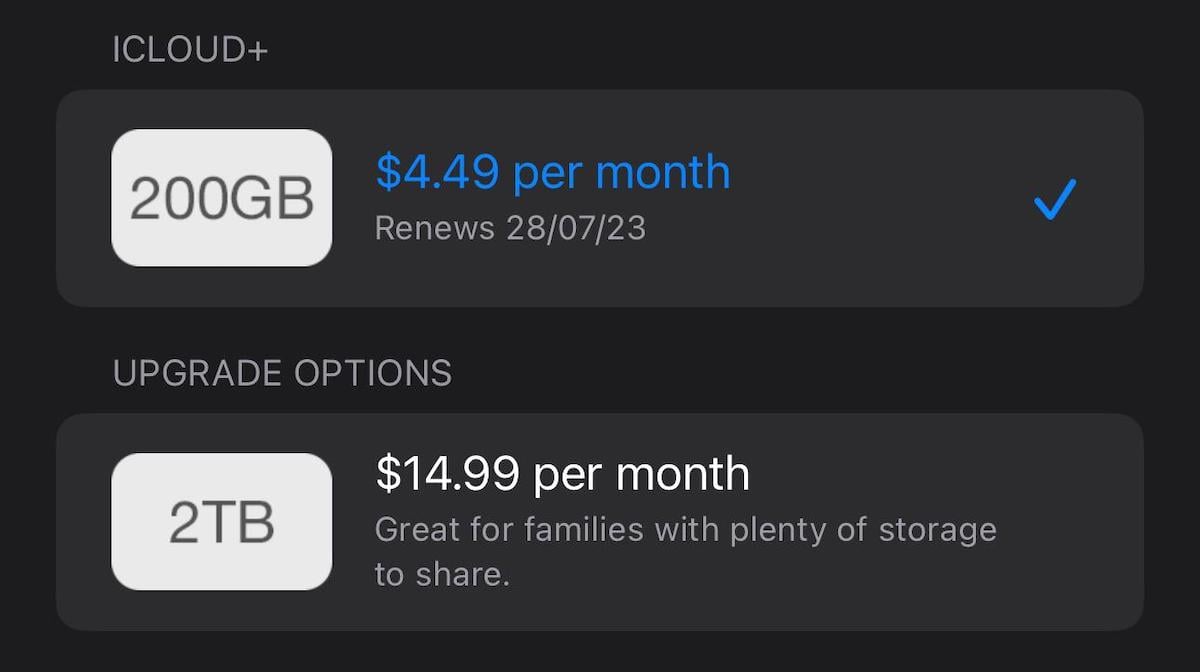
Storage plans often start out as a necessity, especially when your phone or laptop bullies you into getting one as you’re running out of space; many times people subscribe to storage plans under pressure. There are times that plans like Dropbox, Google Drive or iCloud are useful. The problem is that these plans tend to stick around long after they’re useful. People switch devices, clean out files, or move things elsewhere, but the monthly charge keeps hitting anyway, quietly renewing in the background.
Fix: Make sure your storage plans are current and you remember to cancel it when you’re changing an email address.
Lifestyle Changes Apps
There’s an app for everything these days. Every time you want to do something new, whether it’s improving your fitness routine or learning a new language, there’s a perfect app ready to help. Having a tool to support a new habit is genuinely useful.
The problem is that sometimes motivation fades, but the subscription for the life-changing app keeps going anyway, quietly charging you for learning Mandarin.
Fix: Stick to the free versions of apps when you can. Many of them let you keep using the core features in exchange for watching ads. It’s annoying, yes — but it hurts a lot less than paying a monthly fee for something you stopped using months ago.
Trending on Cheapism


News & Magazine Subscriptions
News and magazine subscriptions are a classic case of paying for access you barely use. Top-tier publishers like The New York Times, The New Yorker, or The Atlantic often place paywalls right at the start of an article you really want to read. You subscribe on impulse, read the piece, and then don’t return for months while the charges keep coming.
Fix: The simplest way to break the cycle is to treat subscriptions like utilities instead of aspirations. If you haven’t used a paid feature in the past 30 days, it’s probably not essential.
More From Cheapism

- 20 Subscriptions That Are Actually Worth The Money — Subscriptions can be pricey, but here are some that Redditors and others found to be worth the money.
- Why Regal Unlimited Is My Favorite Movie Theater Subscription For Saving Money — Here are the most popular movie theater services, along with the prices, details, and everything else you need to know.
- Want to Save Money on Streaming? Rotate Your Subscriptions — Not only does this strategy let you take advantage of occasional promotions, but it also reduces your monthly streaming bill.