Few things trigger grocery-store sticker shock faster than remembering what certain foods used to cost 20 or 25 years ago.
While overall inflation has pushed prices higher across the board, some grocery categories have climbed far faster than others due to supply shortages, labor costs, disease outbreaks, climate pressures, transportation expenses, and changing consumer demand. These trends help explain why grocery prices since 2000 have increased so dramatically for certain everyday foods. In many cases, shoppers don’t notice the increases until they compare today’s prices with what they paid in the early 2000s.
According to data from the U.S. Department of Agriculture (USDA), Bureau of Labor Statistics (BLS), and Federal Reserve Economic Data (FRED), several everyday grocery staples have experienced especially dramatic price growth over the past quarter century. Regional prices vary significantly, but these categories stand out as some of the biggest contributors to modern grocery sticker shock.
Beef Steaks
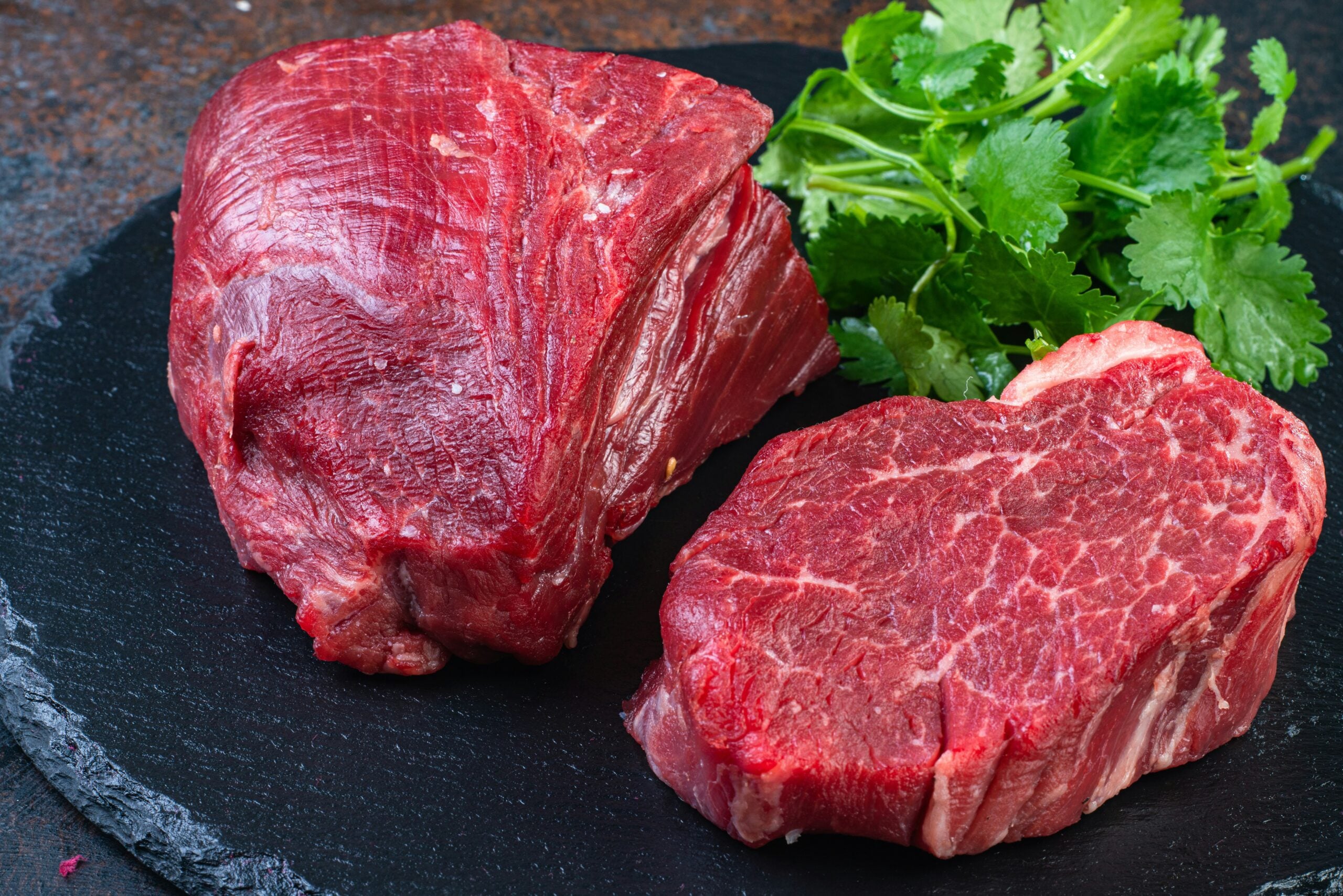
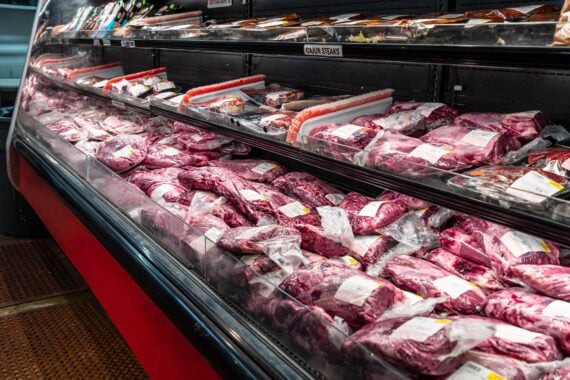
Few grocery items better illustrate rising food costs than beef steaks. USDA and BLS data show that retail steak prices have increased substantially since 2000, with cuts such as ribeye, striploin, and sirloin becoming increasingly expensive. Drought conditions across major cattle-producing states, shrinking cattle herds, higher feed costs, and labor shortages throughout the supply chain have all contributed to higher prices. Average retail steak prices have more than doubled since the early 2000s, even before adjusting for inflation. Today, many households reserve steak dinners for special occasions rather than regular weeknight meals.
Ground Beef

Ground beef was once considered one of the most affordable proteins in the grocery store. While it remains popular, rising cattle costs have pushed prices significantly higher over the past two decades. As beef prices climbed, many families began stretching ground beef with rice, beans, lentils, or vegetables to make meals go further. Others have increasingly turned to lower-cost alternatives such as ground turkey or chicken. Ground beef remains one of the most frequently cited examples when consumers discuss grocery inflation.
Eggs
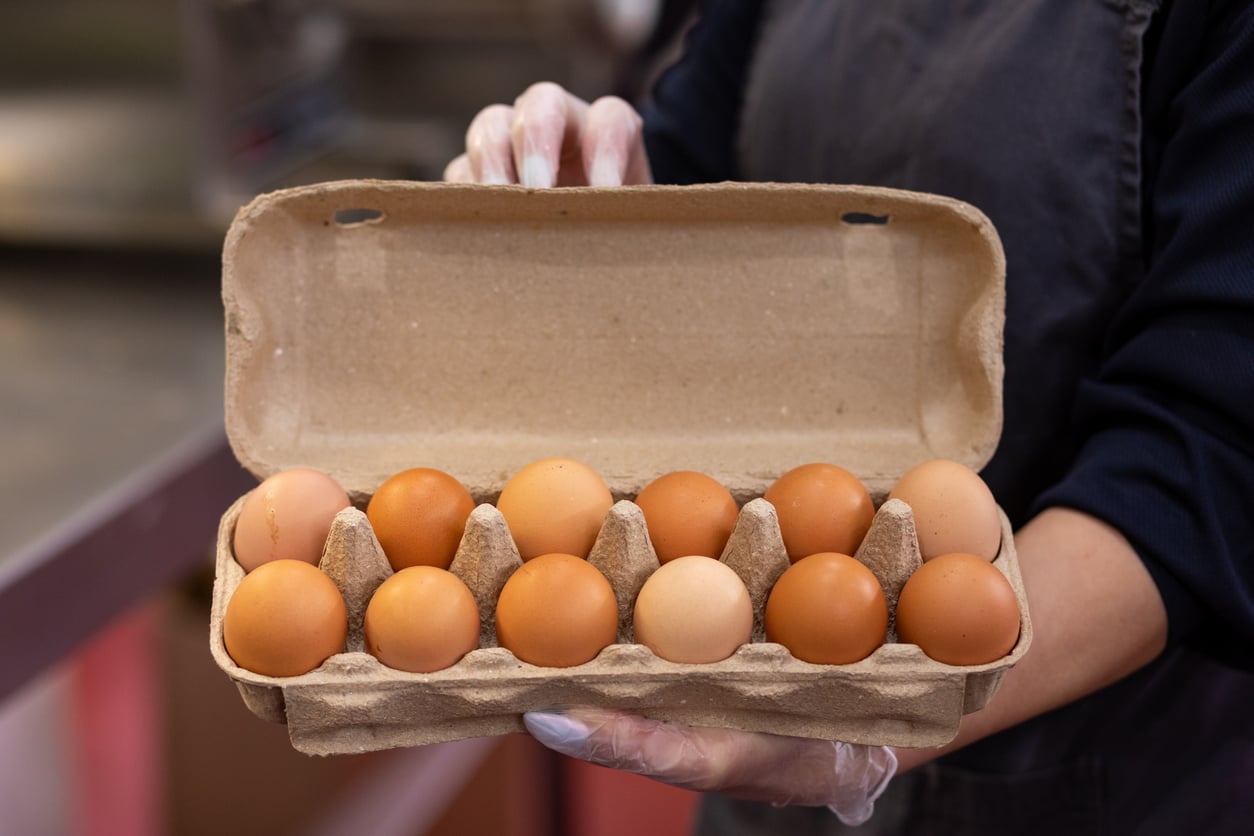
Egg prices have become one of the most volatile grocery categories in recent years. Although eggs have experienced periods of lower prices, recurring outbreaks of highly pathogenic avian influenza, commonly known as bird flu, have triggered dramatic spikes. During major outbreaks, millions of laying hens are removed from production, creating supply shortages that rapidly drive prices upward. As a result, consumers increasingly discuss egg substitutes and alternative breakfast options whenever egg prices surge. Many shoppers vividly remember paying well under today’s prices for a dozen eggs.
Orange Juice
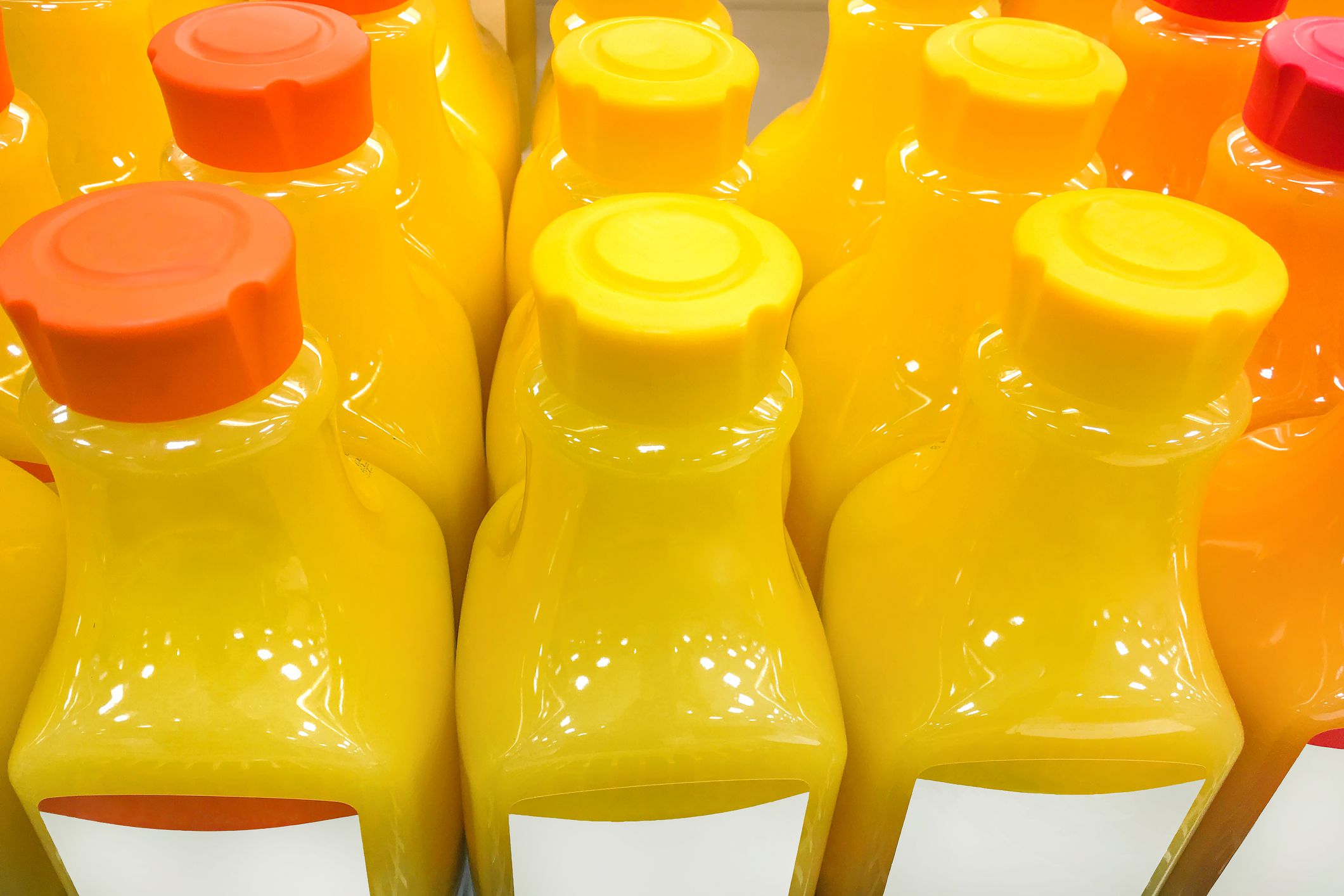
Orange juice has transformed from a breakfast staple into an increasingly expensive grocery item. One major reason is citrus greening disease, which has devastated orange production in Florida for years. Lower yields, combined with inflationary pressures and weather-related crop challenges, have pushed orange juice prices sharply higher. Some consumers who once bought orange juice weekly now view it as an occasional purchase due to its cost. Industry experts frequently point to orange juice as one of the clearest examples of how agricultural disease can reshape grocery prices.
Bacon
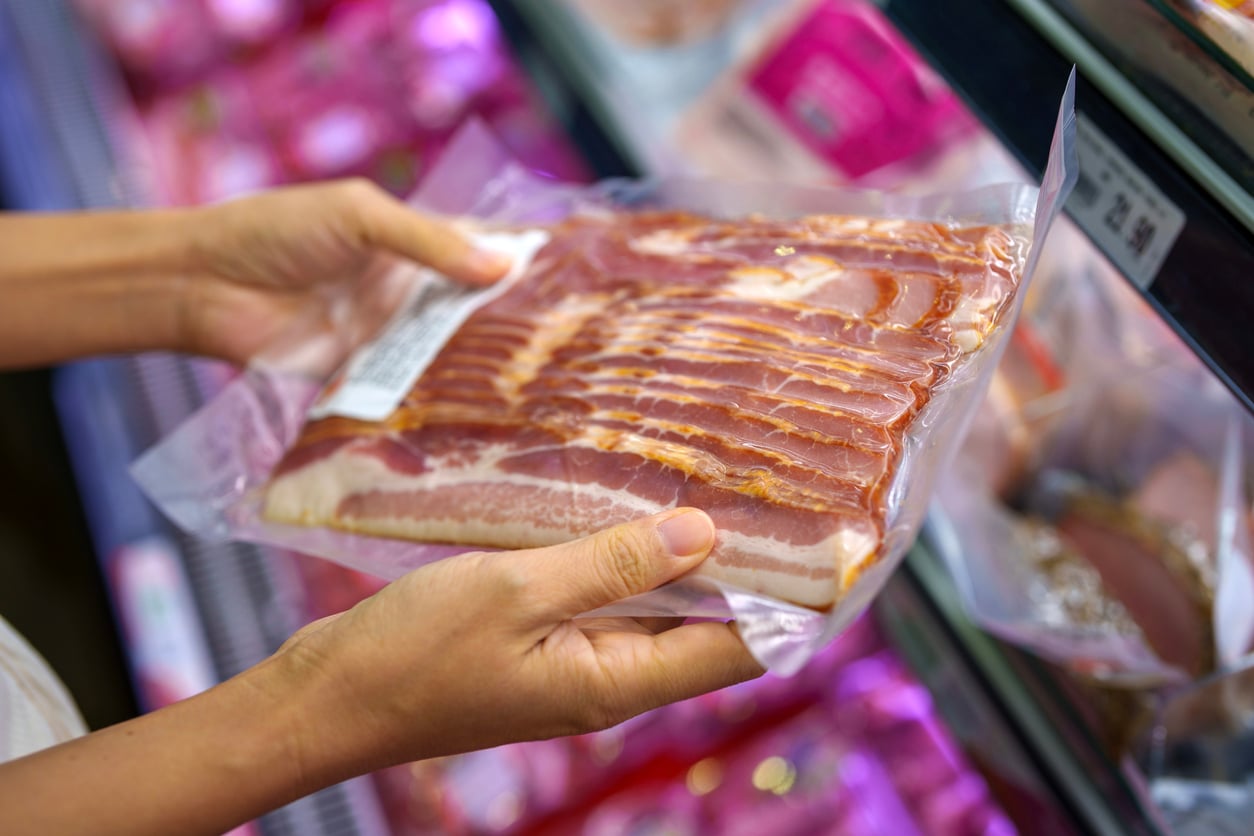
Bacon remains a beloved breakfast favorite, but it has become noticeably more expensive than it was in the early 2000s. Rising feed costs, labor expenses, transportation costs, and fluctuations in pork production have all contributed to higher prices. Many households now wait for sales before stocking up and often freeze extra packages when discounts appear. Despite the price increases, bacon continues to maintain strong consumer demand.
Trending on Cheapism
Coffee
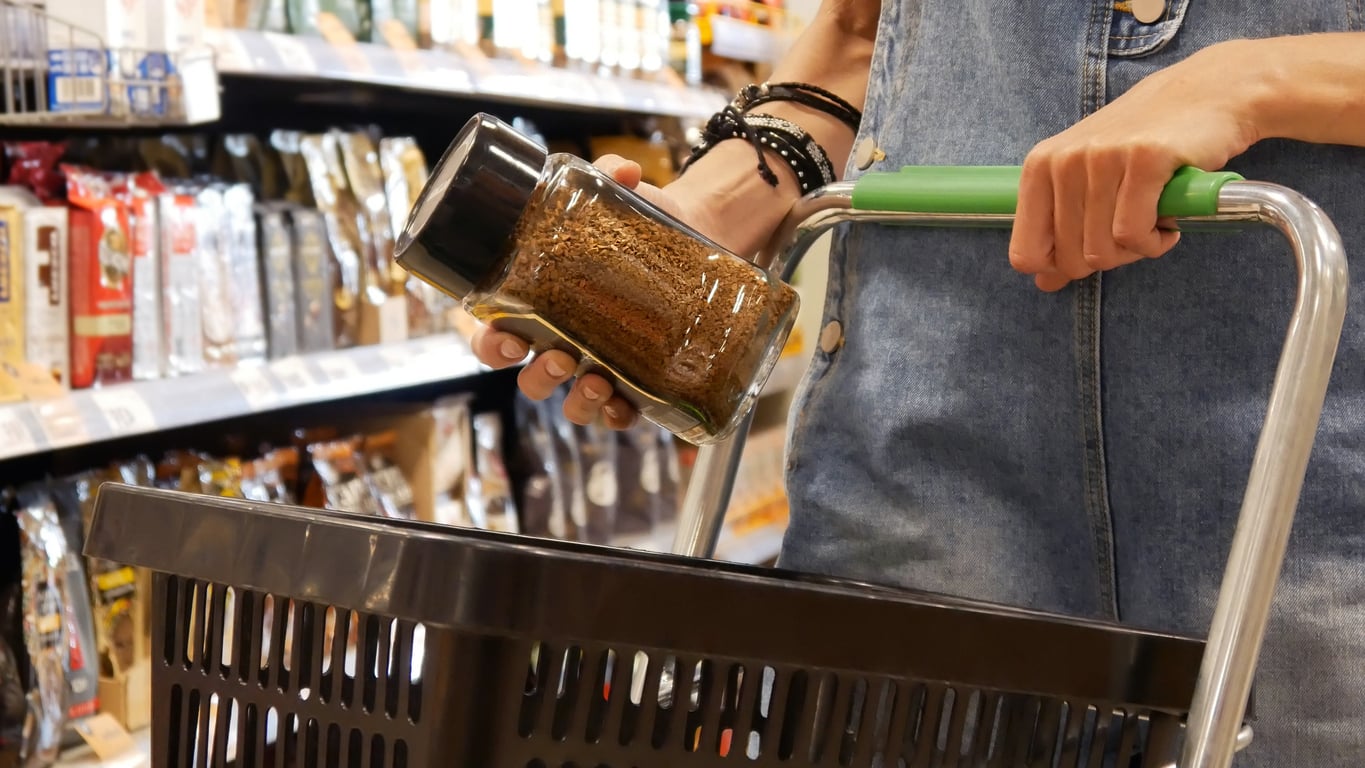
Coffee prices have faced significant pressure from climate disruptions, labor shortages, and global supply-chain challenges. Weather events in major coffee-producing regions have affected harvests, while rising transportation costs have increased expenses throughout the supply chain. Premium coffee brands have seen particularly steep increases, prompting many consumers to comparison-shop more carefully or switch brands. Coffee remains one of the most visible examples of how global agricultural issues can directly affect everyday grocery bills.
Butter
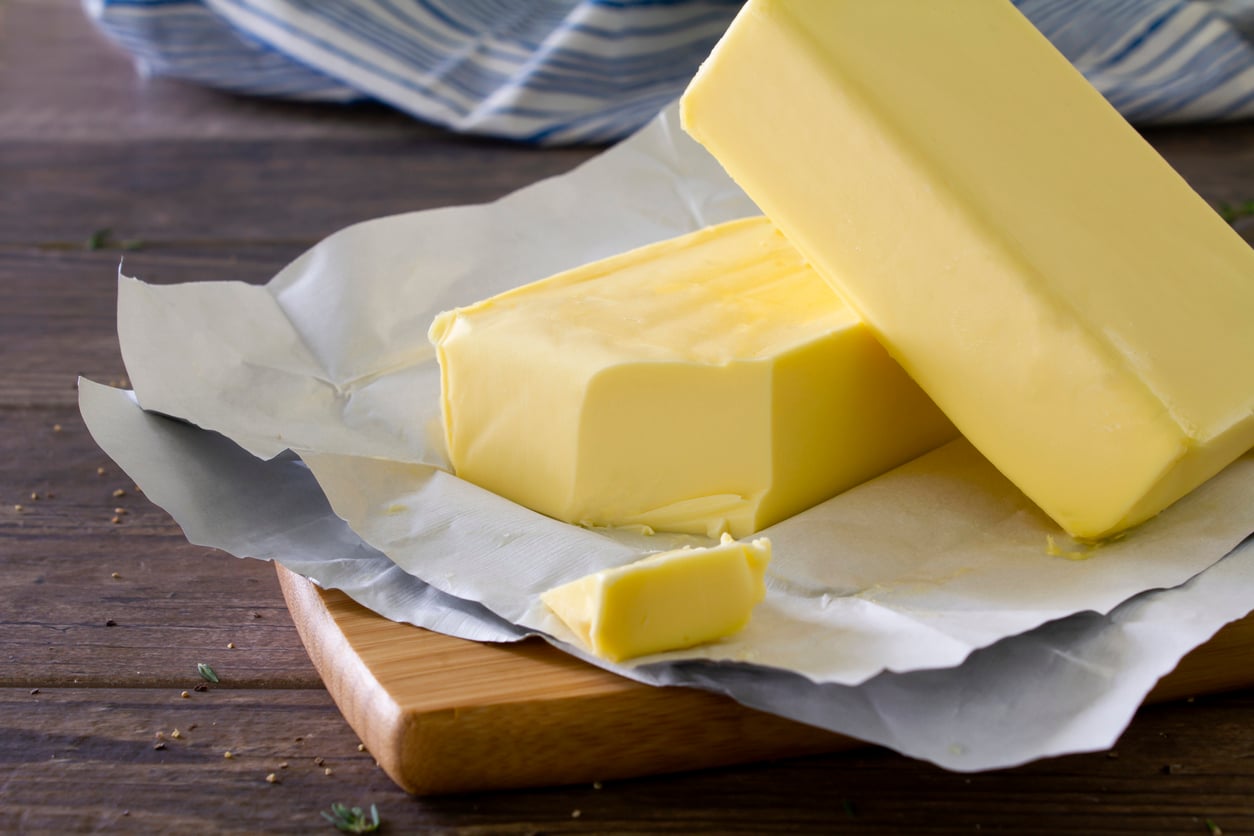
Butter prices have risen considerably since 2000, driven by higher dairy production costs, transportation expenses, and labor costs. The increases often become especially noticeable during holiday baking seasons, when demand rises and prices frequently spike. Many consumers now plan baking purchases around sales and promotions. For shoppers who remember bargain-priced butter from decades ago, today’s prices can be particularly surprising.
Fresh Salmon
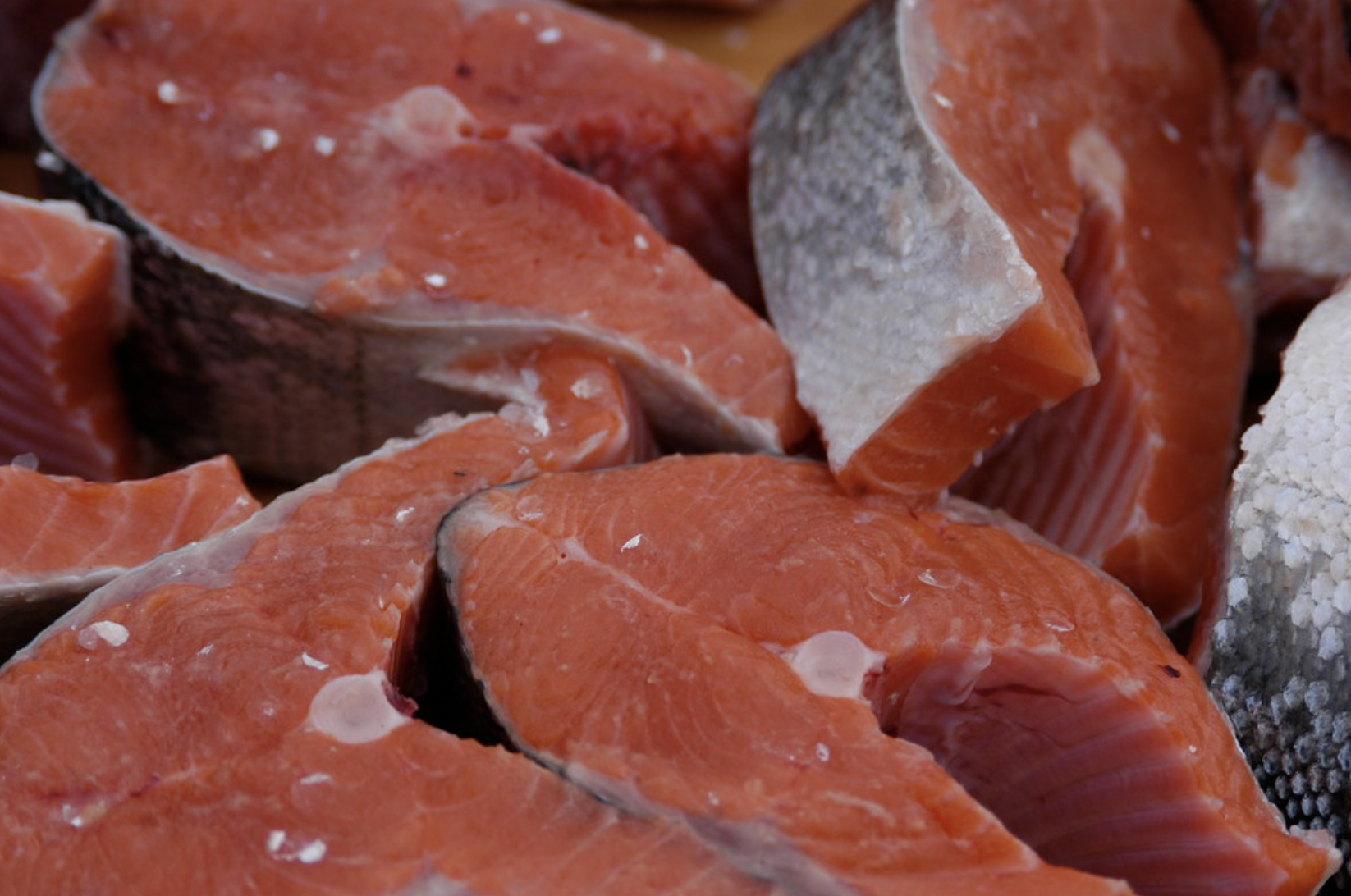
Seafood prices have generally trended upward over the past two decades, and fresh salmon is no exception. Growing demand for salmon as a healthy source of protein has increased pressure on supply, while transportation costs, feed expenses, and production challenges have raised prices. As a result, some shoppers increasingly purchase frozen salmon instead of fresh fillets to save money. Even with the higher prices, salmon remains one of the most popular seafood choices in the United States.
Sign up for our newsletter
Chicken Wings
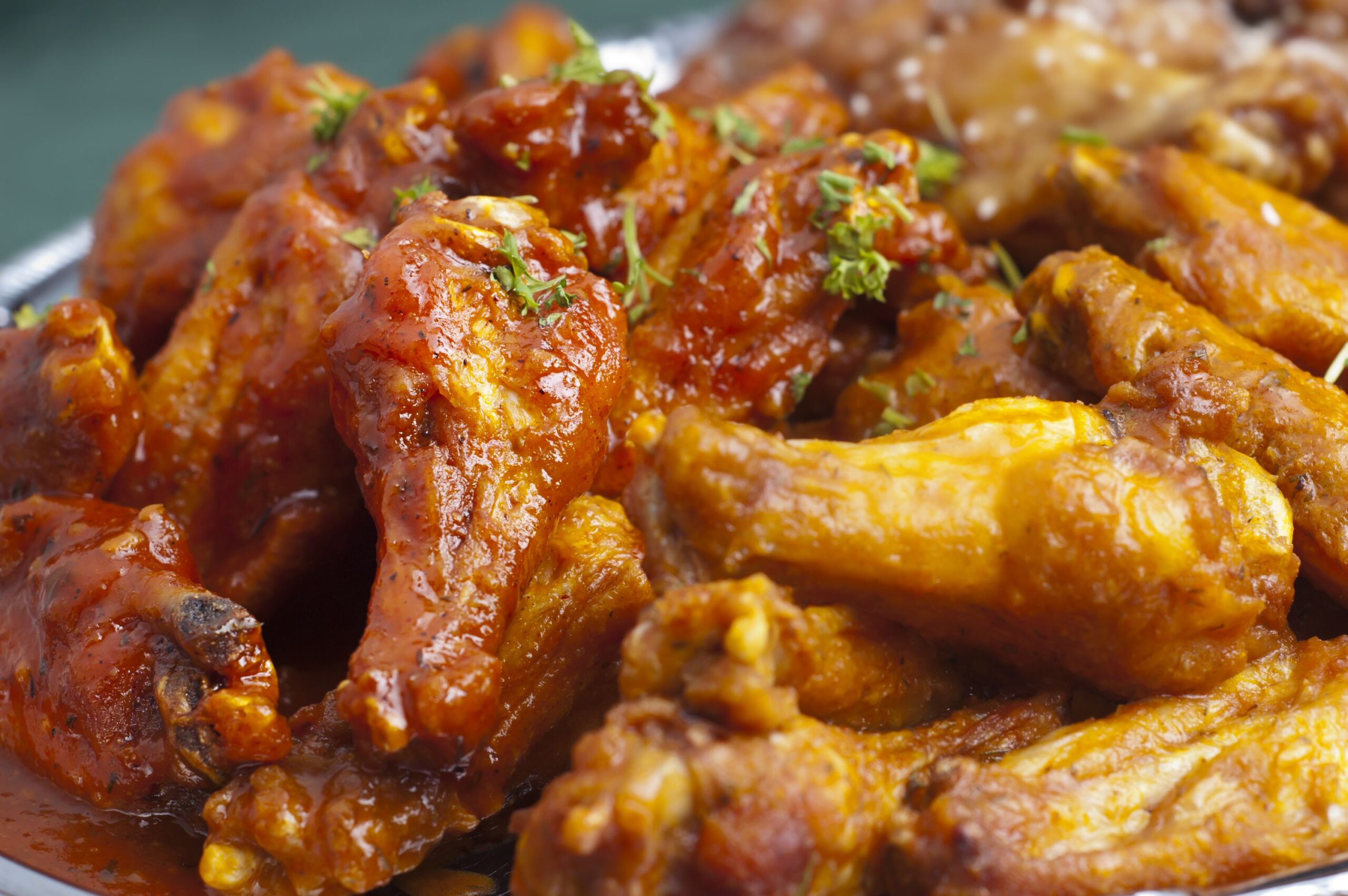
Chicken wings experienced some of the most dramatic price increases of any poultry product. Demand surged as wings became a centerpiece of sporting events, restaurant promotions, and takeout orders. Periodic supply shortages pushed prices even higher, leading some restaurants to reduce wing specials or temporarily substitute other menu items. Consumers who remember inexpensive wing nights often find today’s prices difficult to believe.
Breakfast Cereal
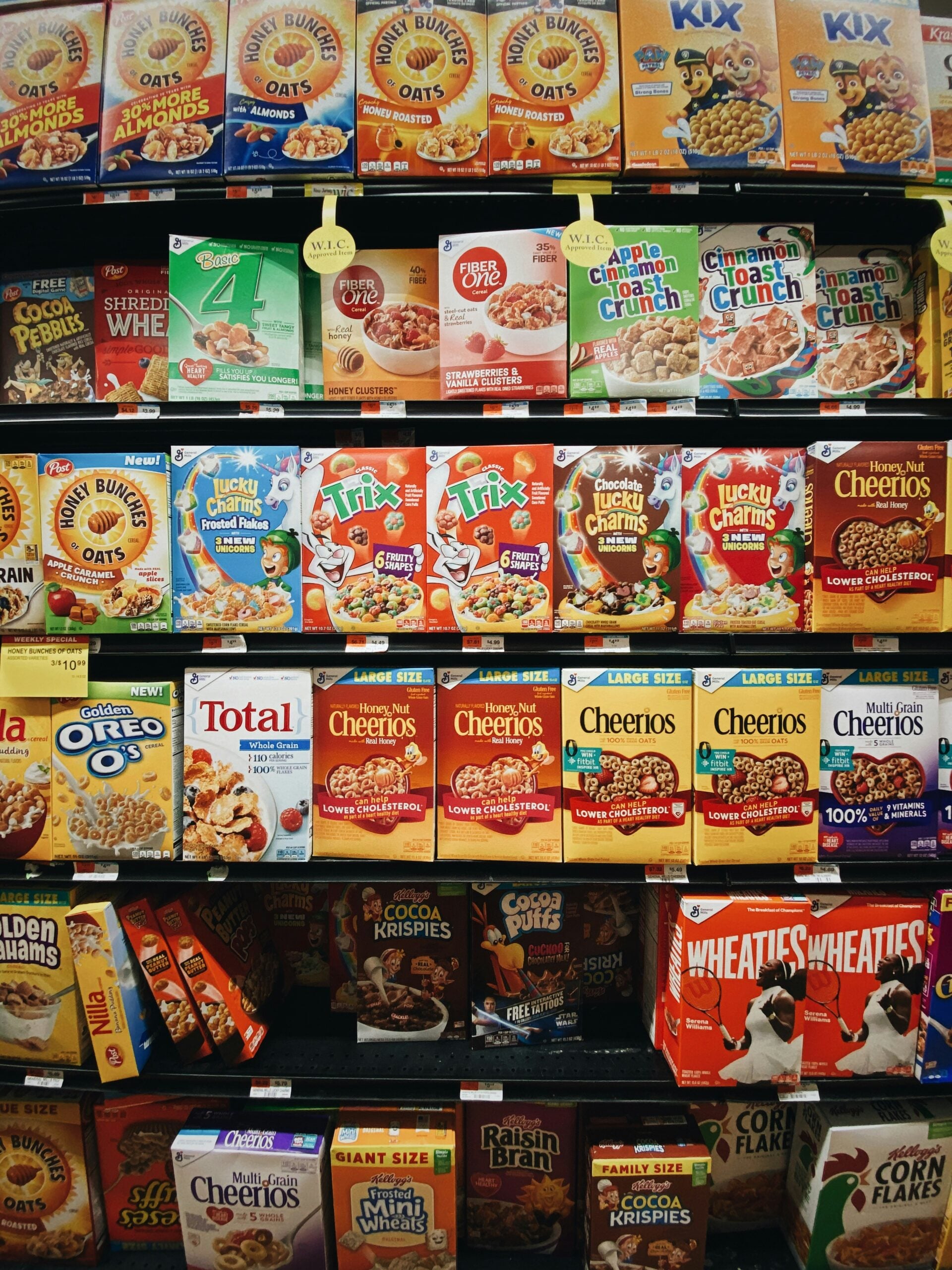
National cereal brands have become significantly more expensive over the past 25 years. At the same time, many manufacturers reduced package sizes, creating what consumers commonly call shrinkflation. As prices climbed, shoppers increasingly turned to store brands and discount retailers for better value. For many households, cereal is no longer viewed as the inexpensive breakfast option it once was.
Ice Cream
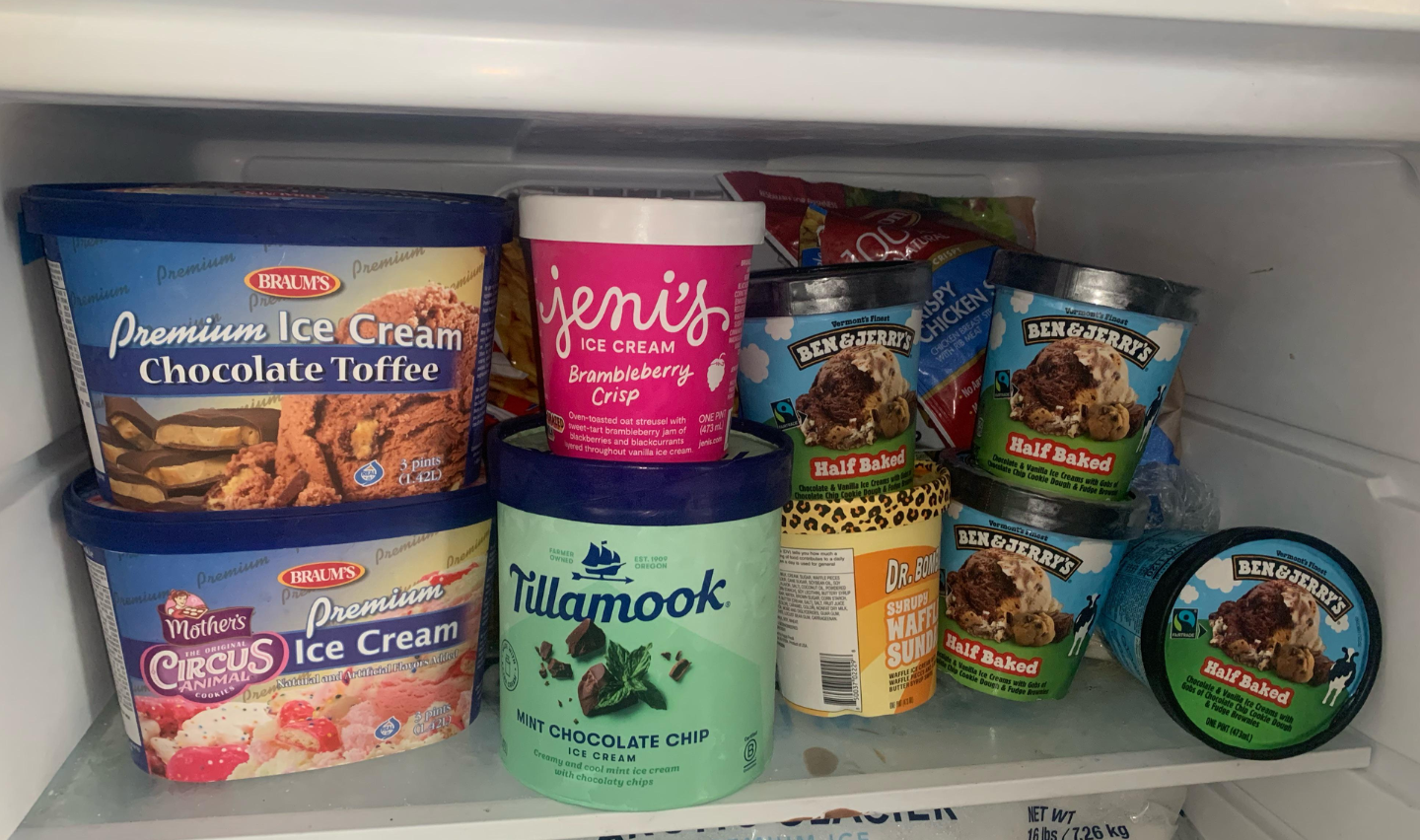
Premium ice cream brands have seen substantial price increases since 2000. Dairy costs, transportation expenses, and packaging costs have all contributed to higher prices. Meanwhile, many brands reduced container sizes while maintaining or increasing prices, making ice cream one of the products most frequently mentioned in shrinkflation discussions. Some consumers now opt for store-brand alternatives to save money.
Frozen Pizza
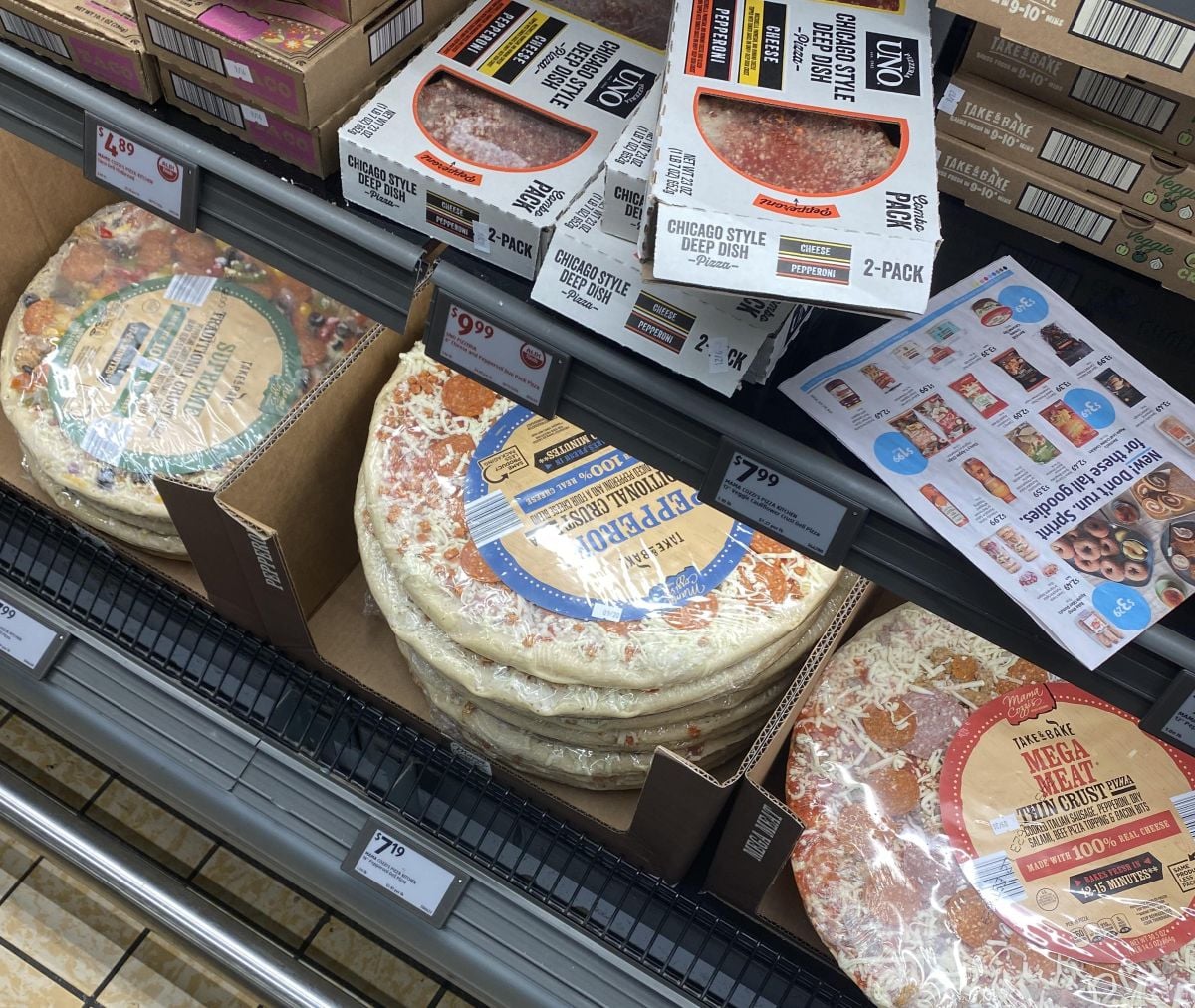
Frozen pizza prices have risen alongside the costs of cheese, meat toppings, packaging, and transportation. While frozen pizza was once viewed as a low-cost alternative to restaurant pizza, the price gap has narrowed in some markets. Consumers increasingly rely on promotions and sales when purchasing frozen pizzas, while store brands continue to gain popularity among budget-conscious shoppers.
Potato Chips
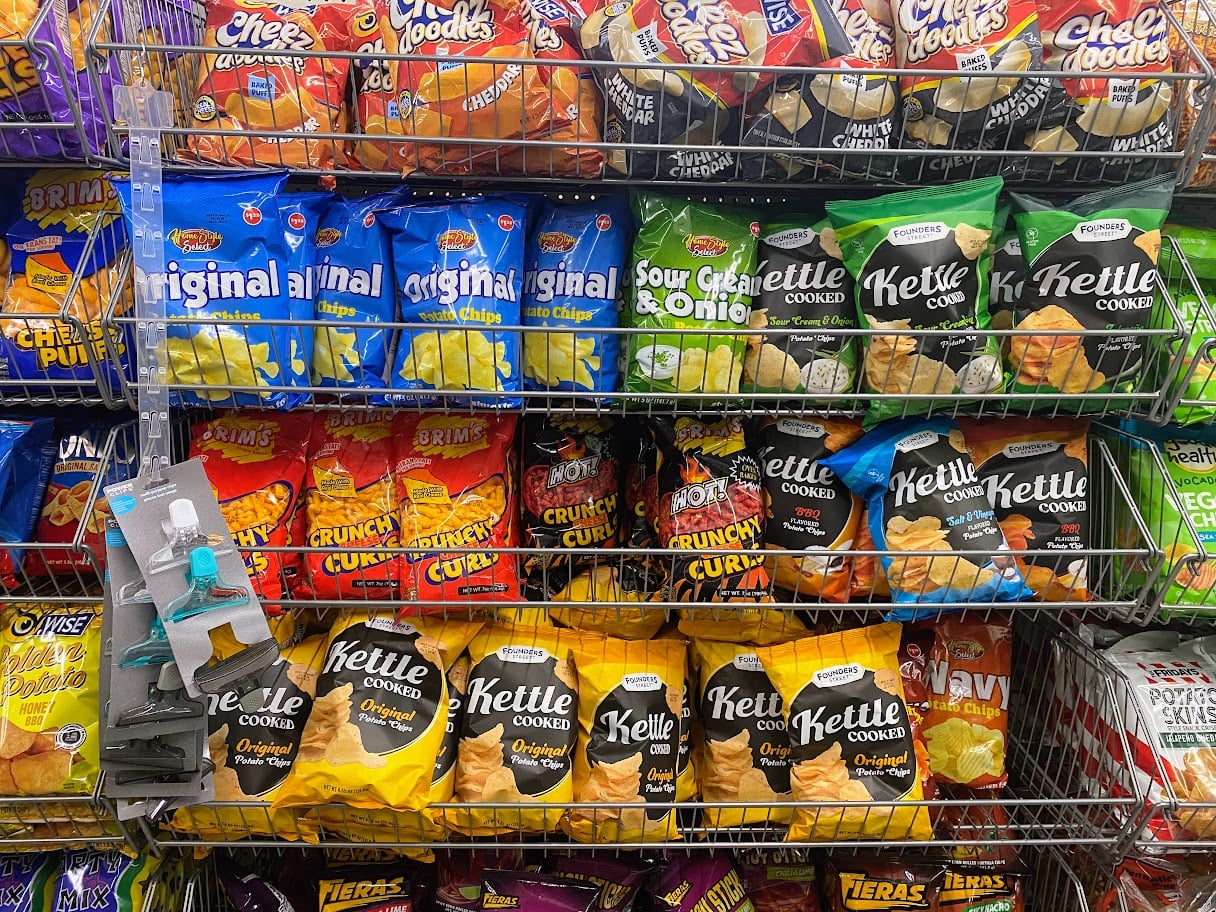
Potato chips are among the products most commonly associated with shrinkflation. Consumers often report paying more for bags that appear noticeably smaller than they were years ago. Rising ingredient costs, packaging expenses, fuel prices, and transportation costs have all contributed to higher prices. Many shoppers now wait for promotions before purchasing their favorite snack brands.
Fresh Berries
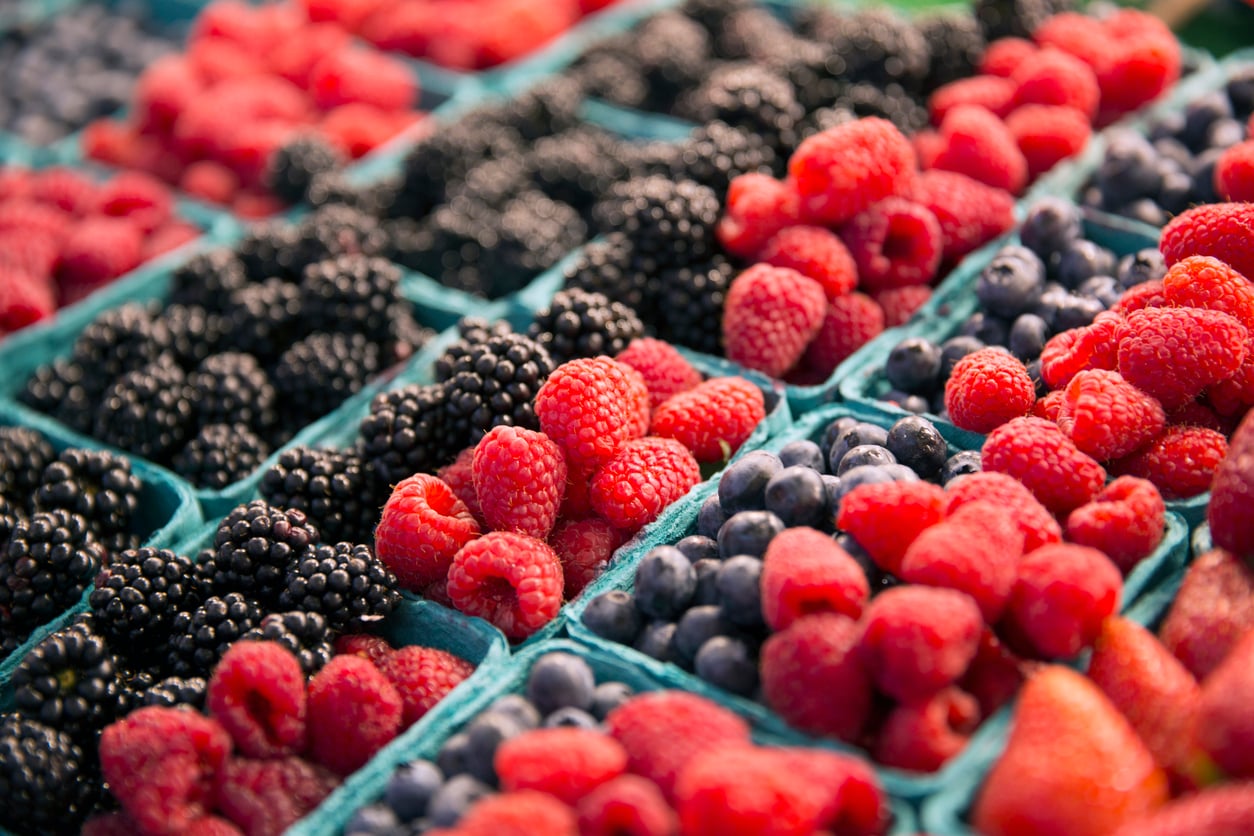
Blueberries, raspberries, and strawberries have become year-round grocery staples, but their prices remain much higher than many consumers remember. Berry production requires intensive labor for harvesting, and the fruit’s perishability adds transportation and storage costs. While availability has improved dramatically since 2000, the convenience comes at a price. Many consumers buy berries selectively based on weekly sales and seasonal promotions.
Cheese
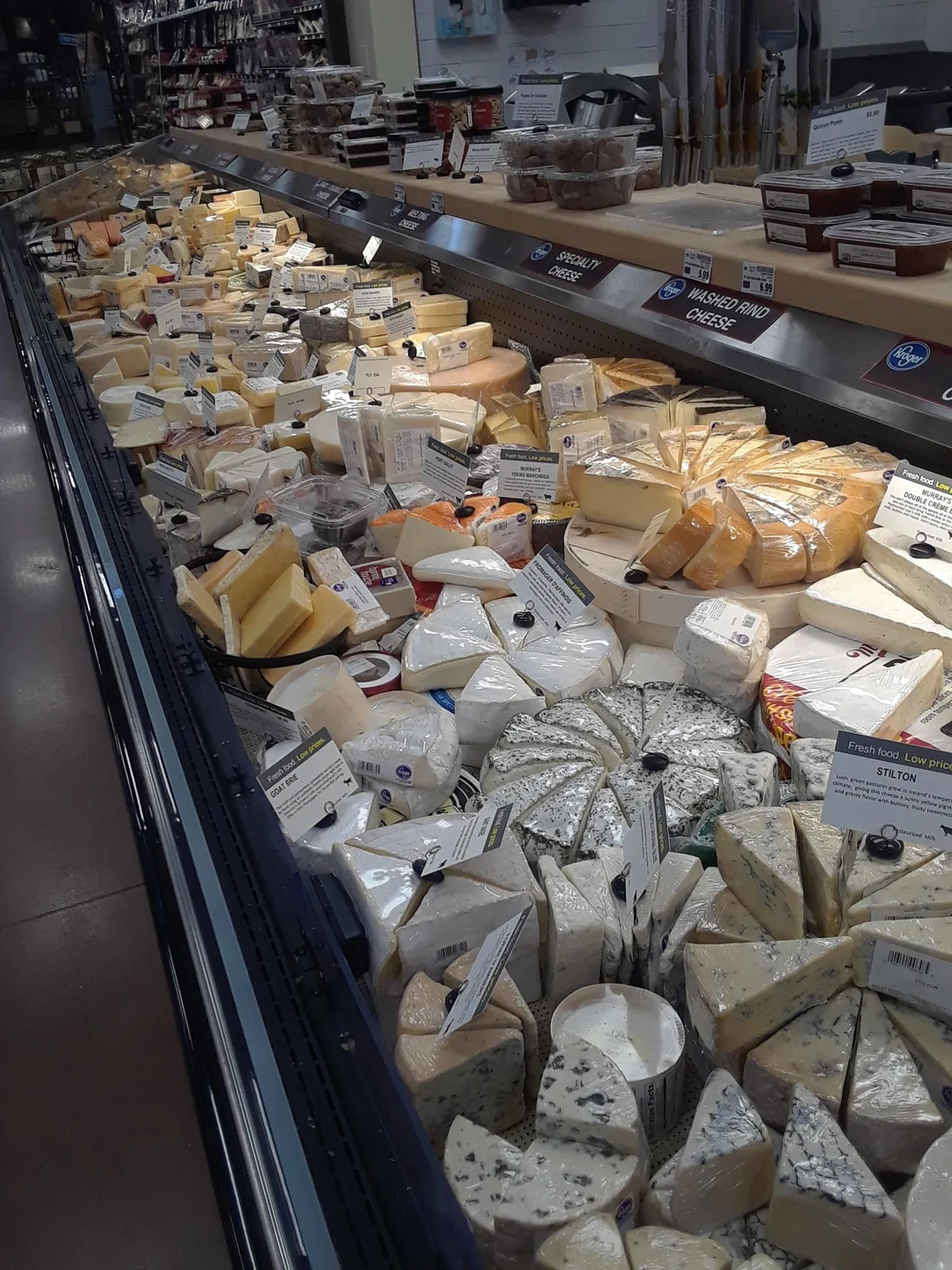
Cheese prices have risen significantly alongside broader dairy inflation. Specialty cheeses in particular have experienced sharp increases due to production costs, transportation expenses, and strong consumer demand. The popularity of pizza and prepared foods also contributes to ongoing demand for cheese products. To offset rising costs, many consumers comparison-shop carefully or purchase larger quantities from warehouse clubs.
Why Some Grocery Prices Rose Faster Than Others
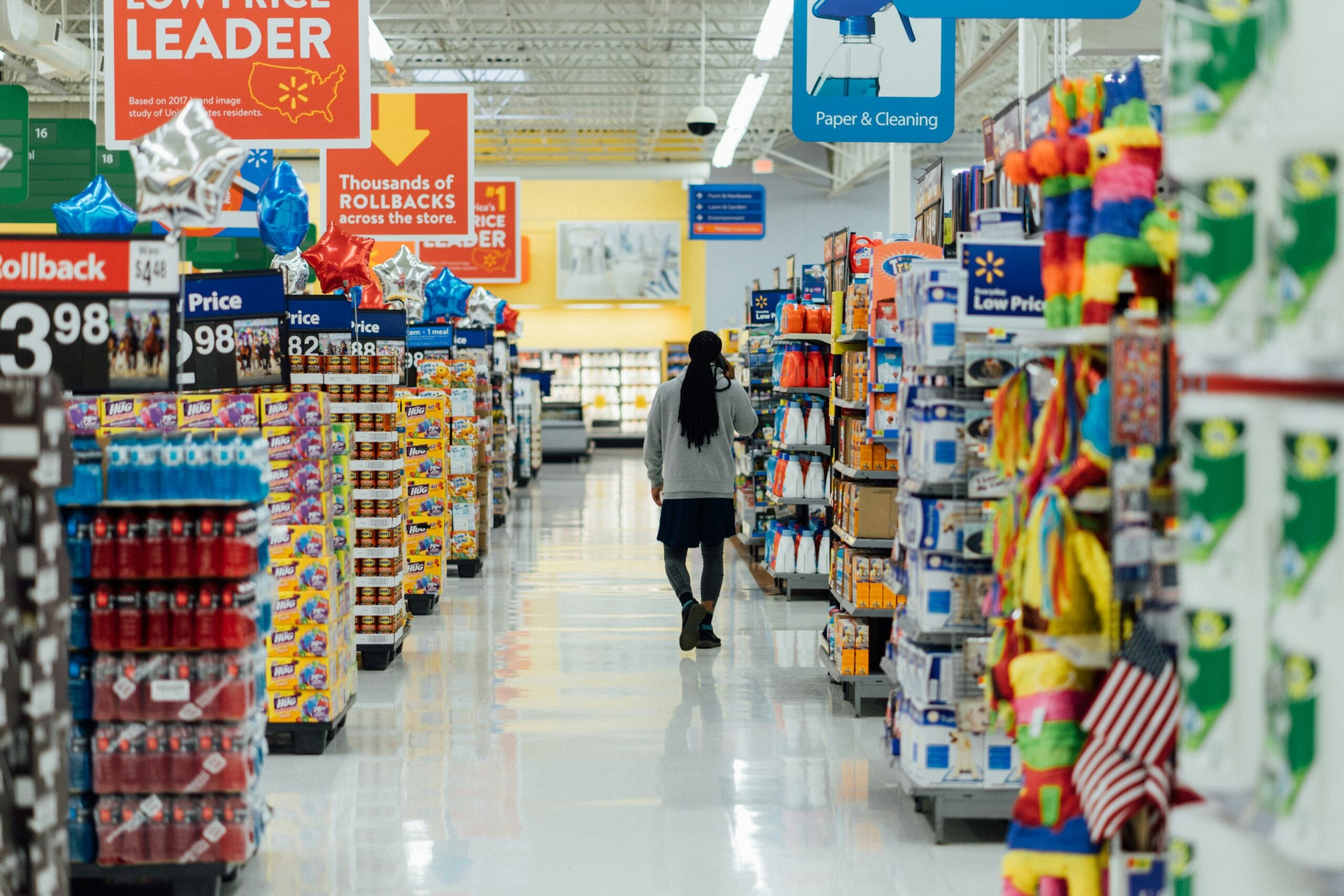
Not all grocery items have followed the same path over the last quarter century. The largest price increases generally occurred in categories facing multiple pressures at the same time.
Beef producers dealt with droughts, reduced cattle herds, and rising feed costs. Egg producers battled recurring bird flu outbreaks. Orange growers faced devastating citrus diseases. Coffee farmers encountered climate-related production challenges. In each case, supply constraints collided with steady or growing consumer demand.
Meanwhile, other food categories experienced increases closer to overall inflation rates. The result is a grocery landscape where some products cost dramatically more than consumers remember paying in 2000, while others have remained relatively stable.
The biggest takeaway is that food inflation hasn’t been uniform. Understanding which grocery categories faced the greatest pressures helps explain why many shoppers feel their grocery bills have changed so dramatically over the past 25 years.