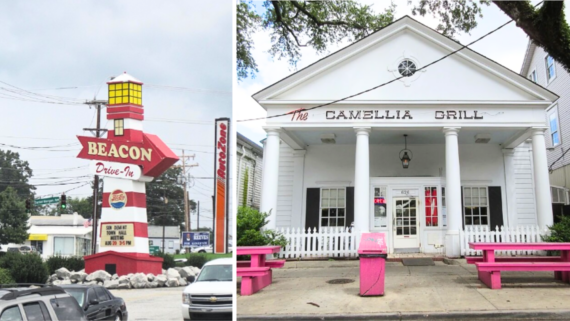
In 2026, a lot of travelers are not just looking for a place to eat. They are looking for the feeling of an older road trip: neon signs, pie cases, big breakfasts, handwritten specials, counter seats, and restaurants that still feel local instead of overly polished.
The best roadside restaurants do not have to be fancy. They win people over because they feel tied to a real place, a highway, or a family tradition that has somehow survived. These diners, drive-ins, barbecue spots, and roadside landmarks still preserve the kind of American travel culture people miss, even if they only know it from old family stories.
The Big Texan Steak Ranch – Amarillo, Texas
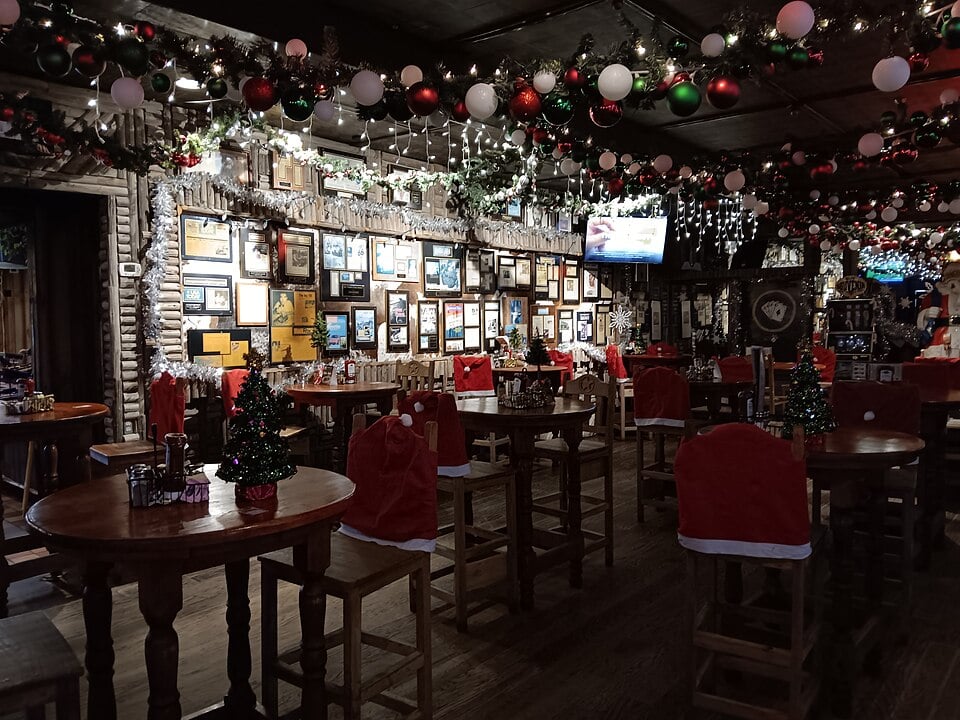
The Big Texan is exactly the kind of roadside stop people remember from old road trips: loud signs, huge portions, gift-shop energy, and a dining room that knows it is part restaurant and part attraction. The Amarillo landmark dates back to 1960 and still leans into its famous 72-ounce steak challenge, which is less about fine dining than the fun of saying you stopped there. It feels big, odd, touristy, and unmistakably American in the best possible way.
Wall Drug Cafe – Wall, South Dakota
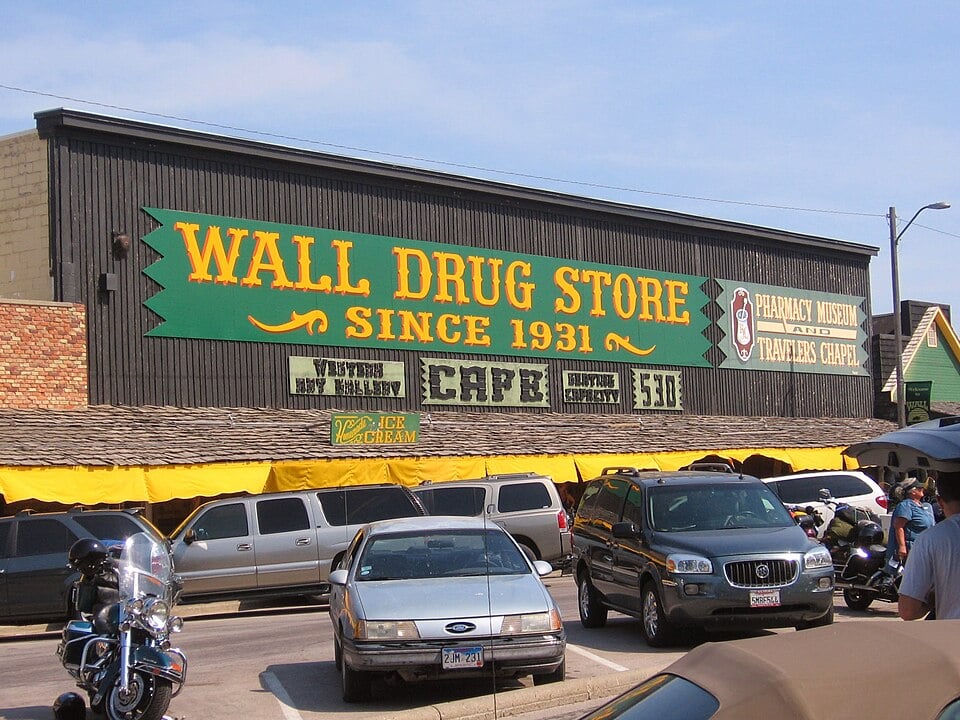
Wall Drug began as a Depression-era drugstore and turned into one of America’s most recognizable roadside detours thanks to billboards, free ice water, 5-cent coffee, and a whole lot of Western kitsch. The cafe is not trying to be trendy, and that is part of the charm. It is the kind of place where travelers stop for donuts, coffee, burgers, souvenirs, and a break from the highway before or after the Badlands. That is why it still works: it feels like a road trip stop from another decade.
Lou Mitchell’s – Chicago, Illinois
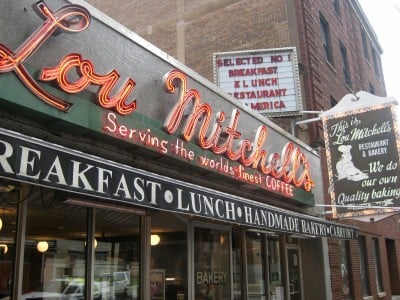
Lou Mitchell’s has been feeding Chicago locals and Route 66 travelers since 1923, and it still feels more like a classic breakfast stop than a polished brunch brand. The restaurant sits near the historic eastern starting point of Route 66, which gives it real road-trip history, but the appeal is simple too: eggs, pancakes, coffee, pastries, and the feeling that generations of people have sat down here before heading out on long drives.
Blue Benn Diner – Bennington, Vermont
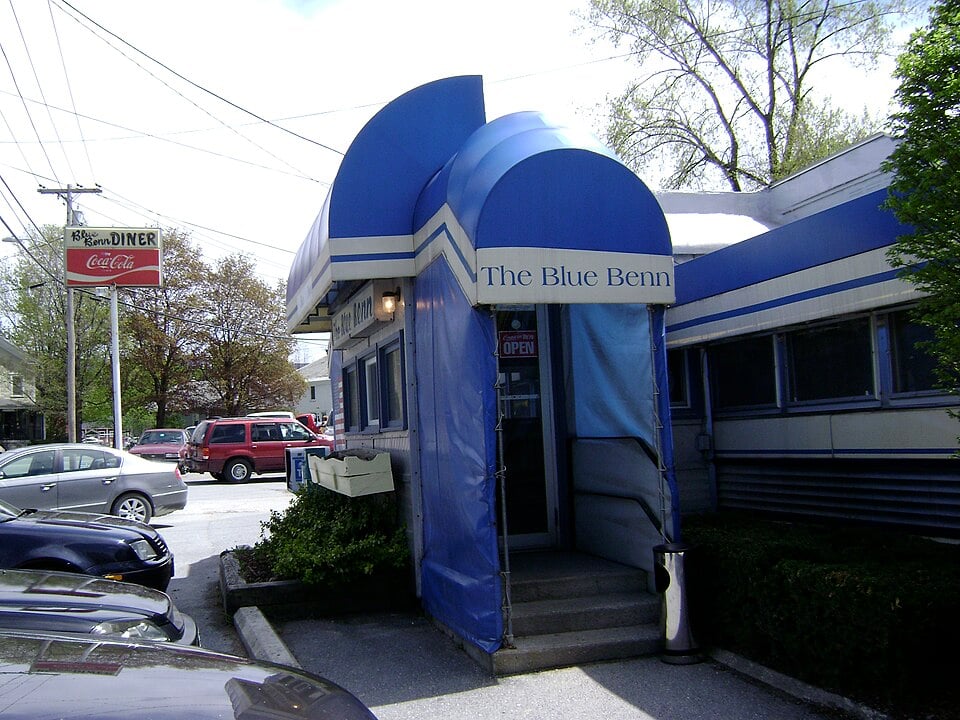
Blue Benn keeps the old New England diner feeling alive with counter seats, breakfast plates, homemade pies, and the kind of regulars that make a restaurant feel lived in. Its vintage railcar look is a big part of the charm, but the real draw is that it has not been polished into something generic. It still feels like the sort of place where pancakes, coffee, and a seat at the counter can be the whole point of the trip.
The Camellia Grill – New Orleans, Louisiana
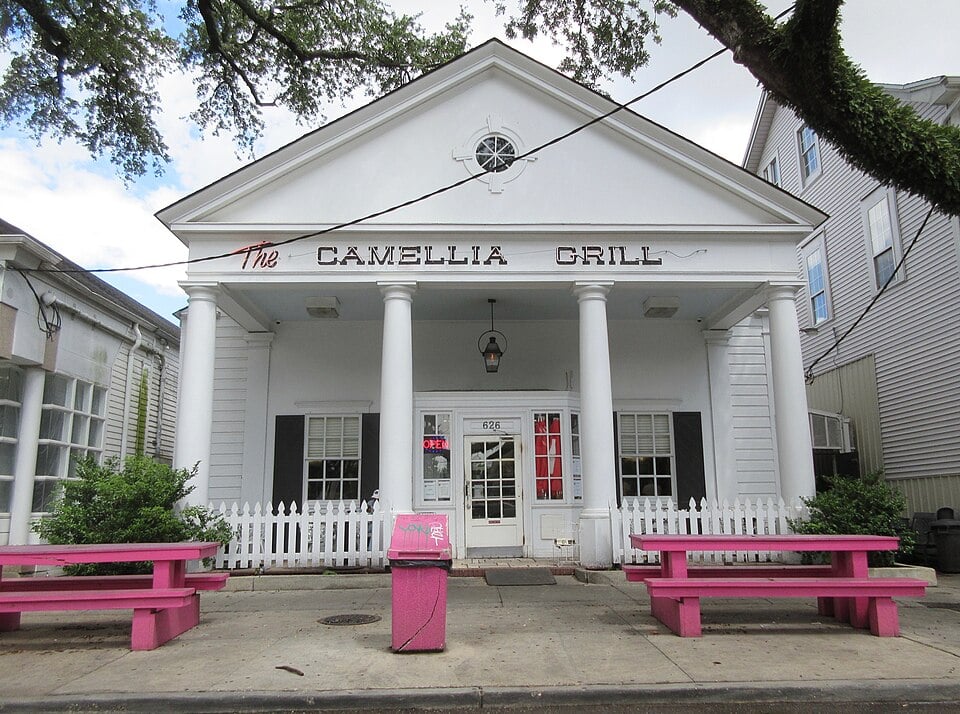
The Camellia Grill feels nostalgic in a very New Orleans way: bow-tied servers, counter seating, quick banter, and classic diner food served with personality. The Uptown landmark is known as much for its old-fashioned service style as for its burgers, omelets, and breakfast plates. It is not a quiet, candlelit restaurant, but that is exactly the charm. It feels social, local, and refreshingly unmodern.
Trending on Cheapism
The Beacon Drive-In – Spartanburg, South Carolina
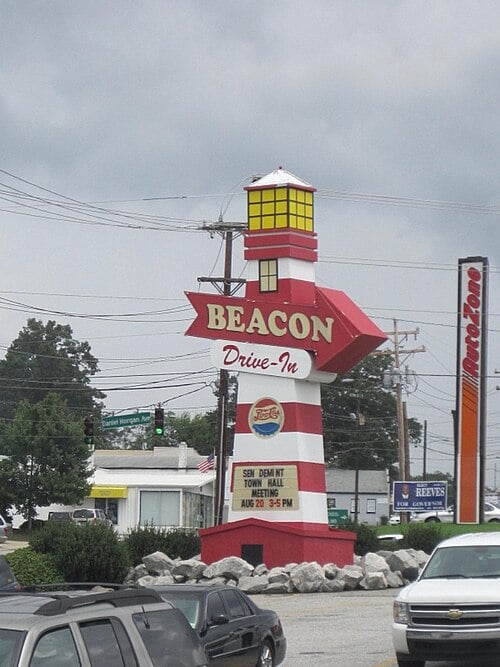
The Beacon is the kind of Southern drive-in that built its reputation on big plates, chili-cheese burgers, sweet tea, and a little chaos at the counter. The portions and pace are part of the experience. It feels less like a restaurant designed for Instagram and more like a community habit that has lasted because people know exactly what they are coming for: comfort food, speed, and old-school roadside personality.
Moonlite Bar-B-Q Inn – Owensboro, Kentucky
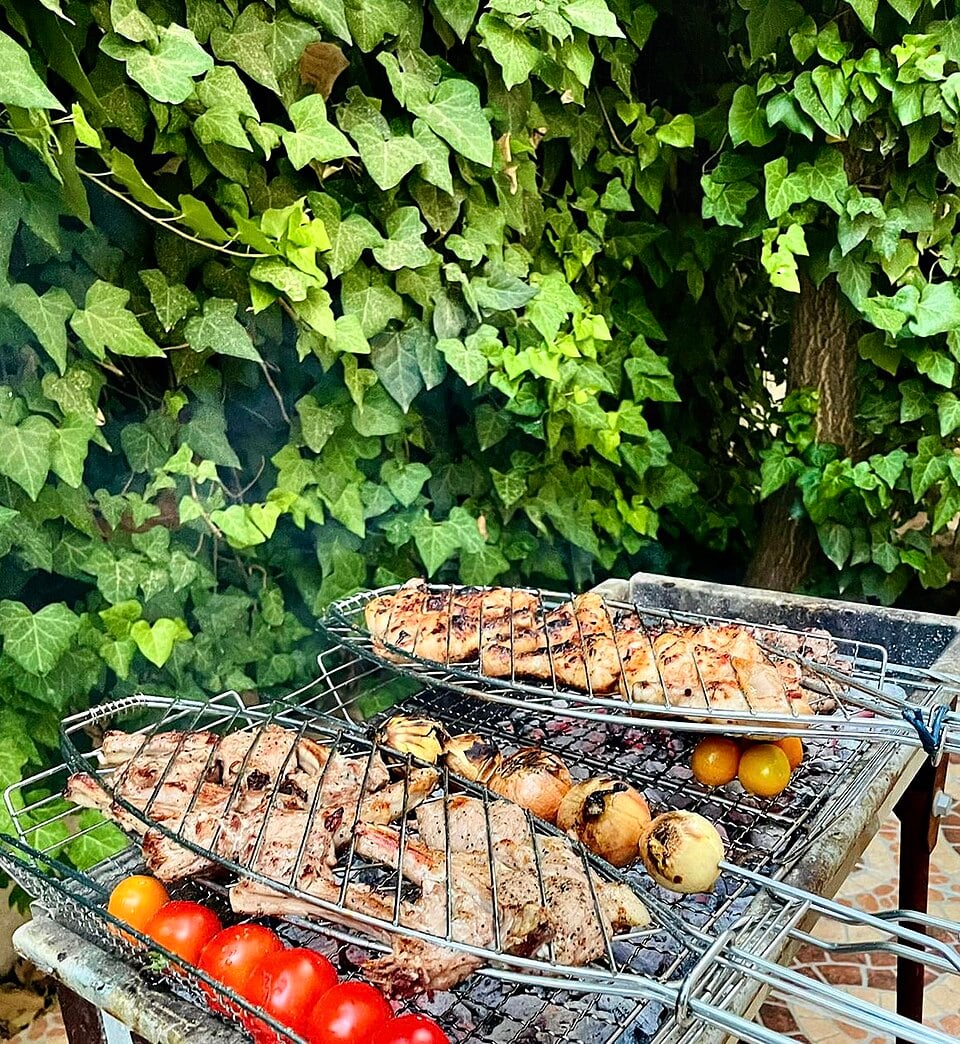
Moonlite Bar-B-Q Inn belongs on this list because it preserves a very specific regional food tradition: Owensboro-style barbecue, especially mutton and burgoo. That makes it more than just another highway barbecue stop. It is tied to western Kentucky history, church-picnic cooking, and buffet-style comfort food that feels rooted in the community. Travelers who want the older America of regional foodways and family restaurants can still find it in places like this.
Fleetwood Diner – Ann Arbor, Michigan
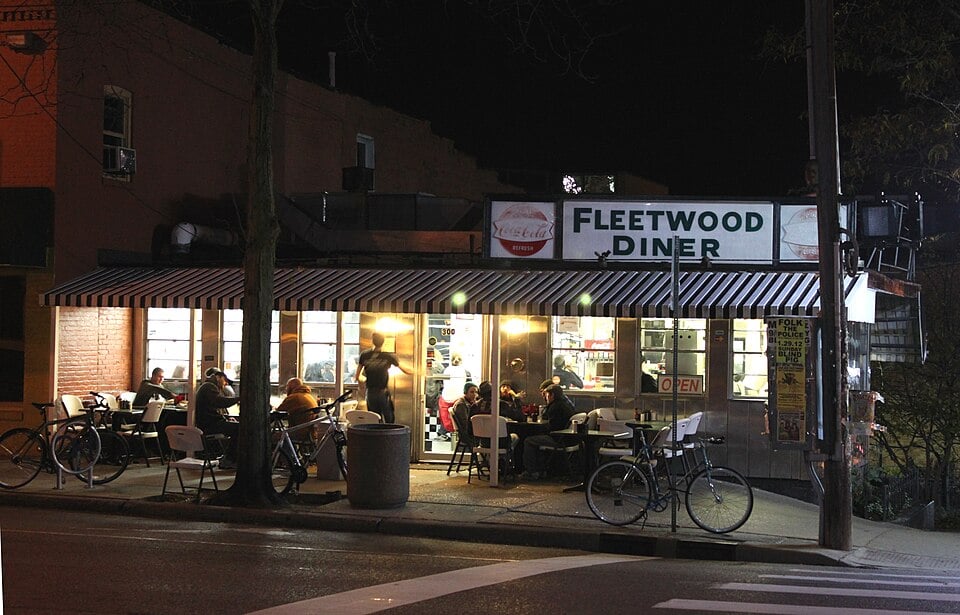
Fleetwood Diner has the chrome-and-neon look people want from a classic diner, but it also has a college-town weirdness that keeps it from feeling like a museum. Its Hippie Hash, a pile of hash browns with vegetables and feta, is the signature order, and the diner’s late-night reputation is part of the appeal. It feels independent, a little quirky, and stubbornly unlike a chain.
Sign up for our newsletter
Keller’s Drive-In – Dallas, Texas
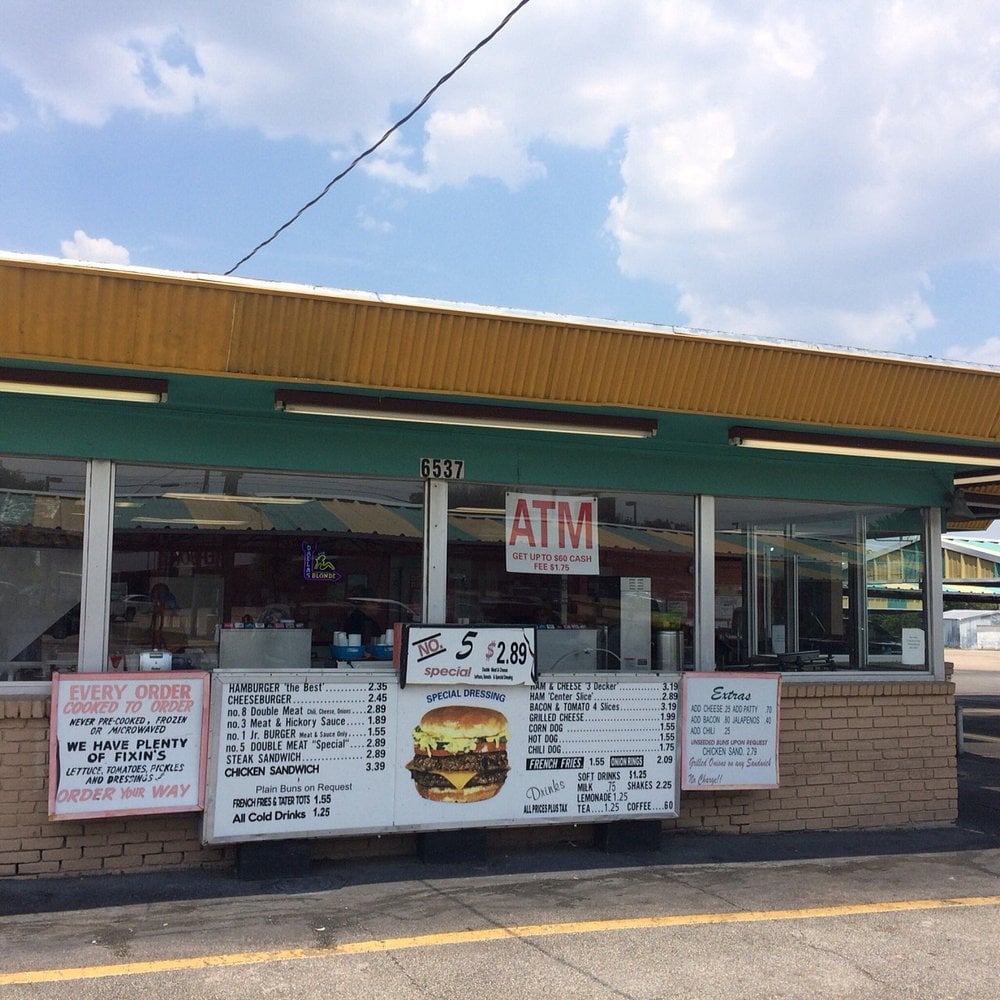
Keller’s preserves the simple ritual of eating burgers in the car while a carhop brings the order out. That might sound ordinary, but it is exactly what many travelers miss: affordable food, parked cars, regulars, and a scene that does not feel engineered by a corporate concept team. The Dallas drive-in is still known for burgers, cold drinks, and the kind of relaxed roadside atmosphere that used to be everywhere.
Polly’s Pancake Parlor – Sugar Hill, New Hampshire
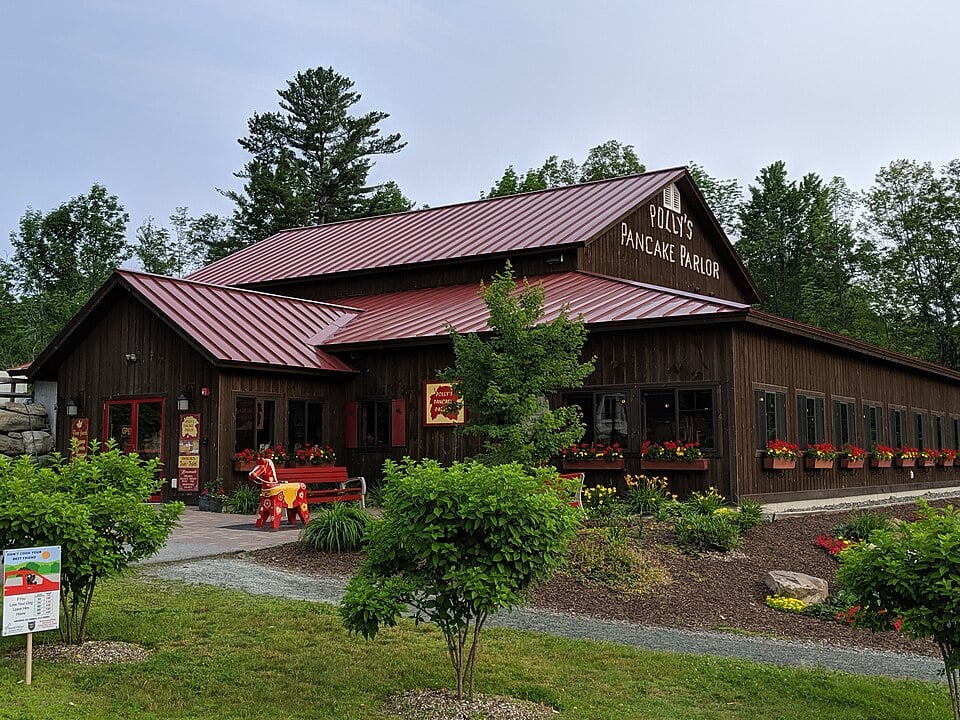
Polly’s Pancake Parlor feels like a New England road-trip reward: mountain scenery, maple syrup, pancakes, and a dining room built around breakfast rather than flash. The appeal is not just the food, but the setting, which makes the whole stop feel slower and more connected to the region. It is the kind of place travelers remember because breakfast there feels tied to where they are, not like something they could have eaten anywhere.
Frank’s Diner – Kenosha, Wisconsin
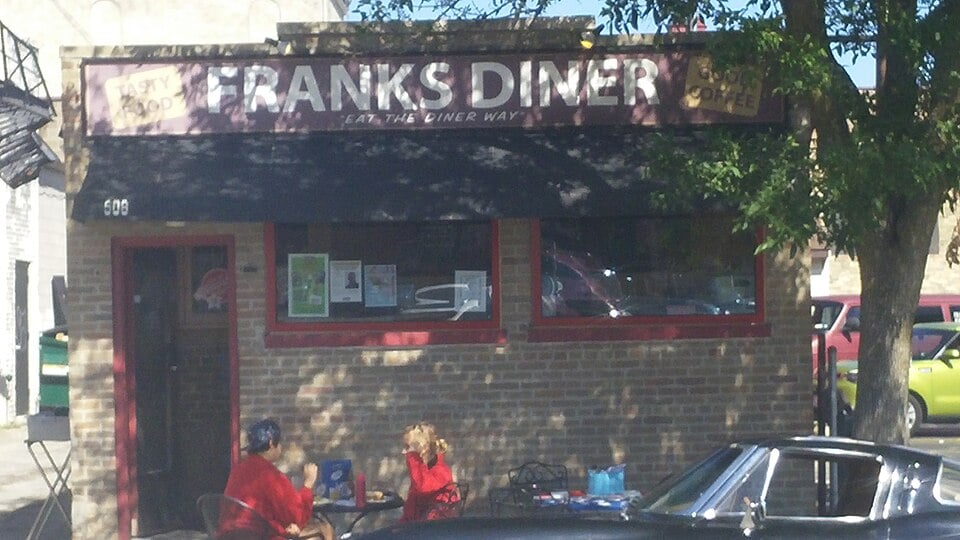
Frank’s Diner has the story and the food to justify the detour. The Kenosha dining car dates back to 1926 and is best known for its Garbage Plate, a hearty breakfast pile that sounds ridiculous until you realize that is exactly the point. It is loud, tight, filling, and proudly old-school. In an era of polished breakfast chains, Frank’s still feels like a real local institution.
Palace Diner – Biddeford, Maine
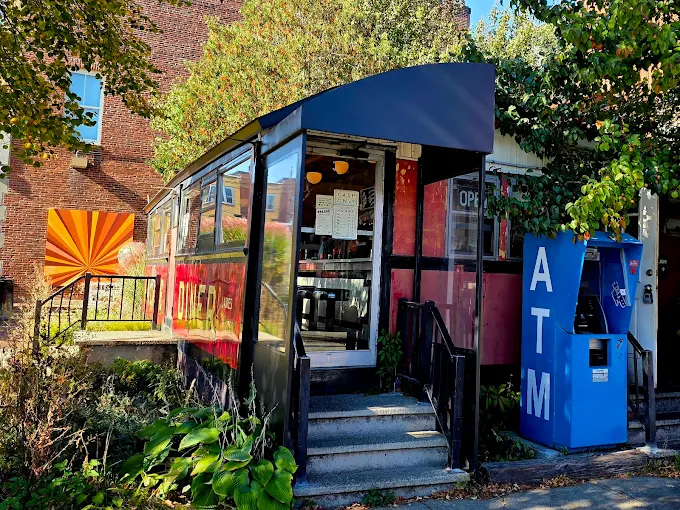
Palace Diner is tiny, historic, and almost impossible to confuse with a chain. The Biddeford restaurant operates from a 1927 Pollard dining car and serves breakfast and lunch from a short 15-seat counter, which gives the whole meal a close-up, old-America feeling. It is more curated than some greasy spoons, but it still preserves the best part of diner culture: simple food, a small space, and a reason to linger.
The best old roadside restaurants are not really about perfection. They are about personality, history, and the pleasure of finding a place that could not be swapped with anywhere else. In 2026, that kind of stop feels more valuable than ever because it reminds travelers that the road itself can still be part of the vacation.
More from Cheapism:
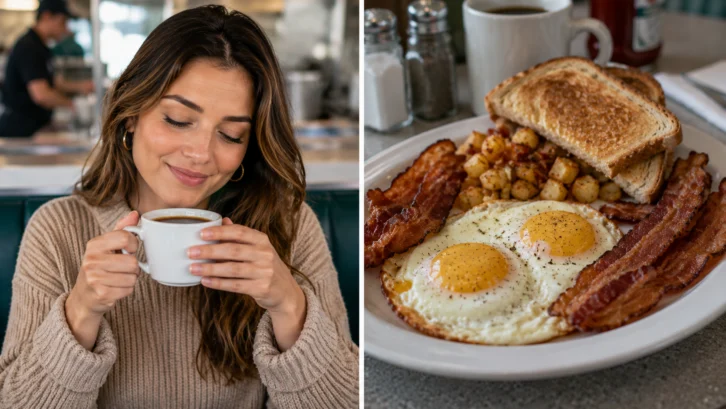
- The Best Roadside Breakfast Spots in Every State – A state-by-state roundup of local diners, cafes, and breakfast counters worth pulling off the highway for.
- 12 Iconic Old-School Diners Across America That Will Take You Back in Time – A nostalgic list of classic American diners with retro booths, burgers, shakes, all-day breakfast, and vintage charm.
- America’s Best Old-School Cafeterias Are Like a Trip Back in Time – A comfort-food guide to long-running cafeterias serving affordable, home-style meals with old-fashioned charm.