Retail shopping has become faster, more digital, and far more self-service, but not every change has made the experience better. Many shoppers appreciate mobile payments, curbside pickup, and quick self-checkout, yet they still miss the practical store features that once made errands easier, more comfortable, and less confusing. Concerns about digital-only discounts are especially relevant for older shoppers, with AARP warning that app-based grocery deals can disadvantage customers who lack smartphones or reliable internet access.
Fully Staffed Checkout Lanes
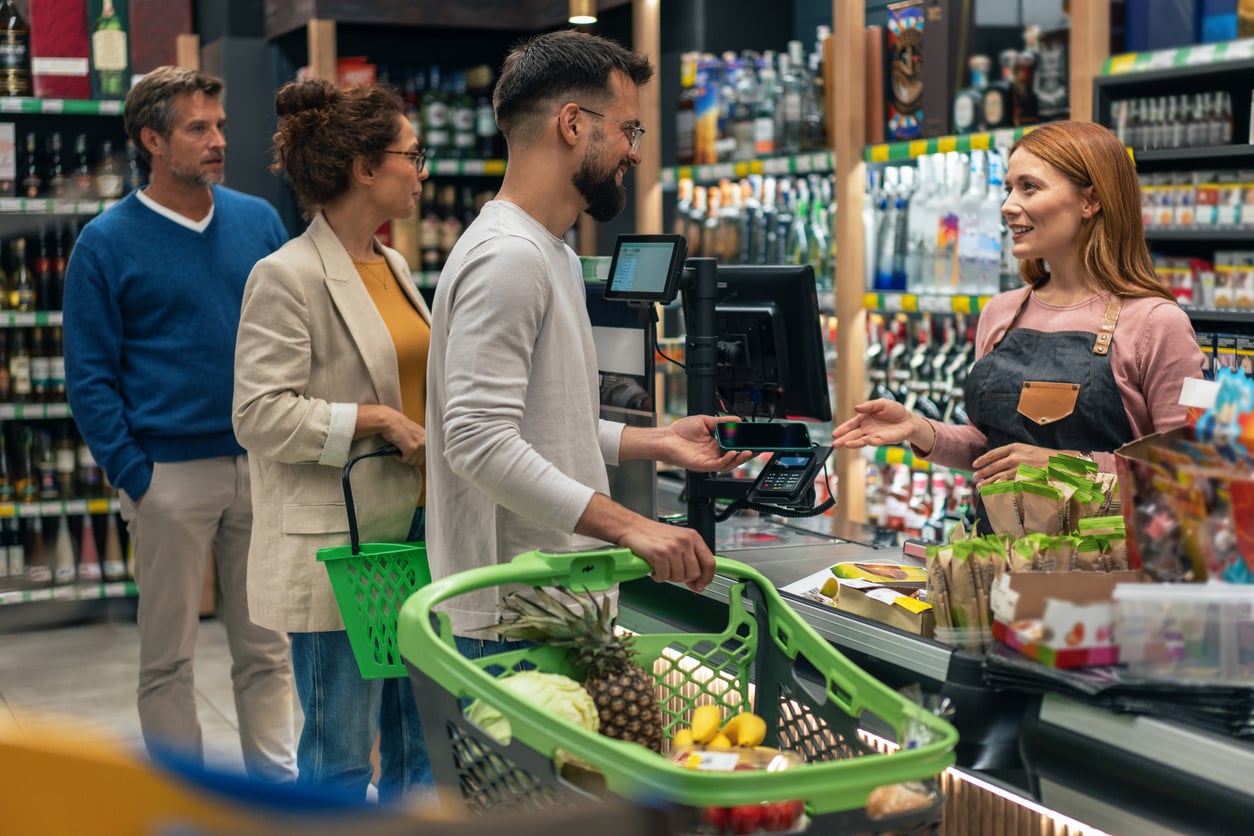
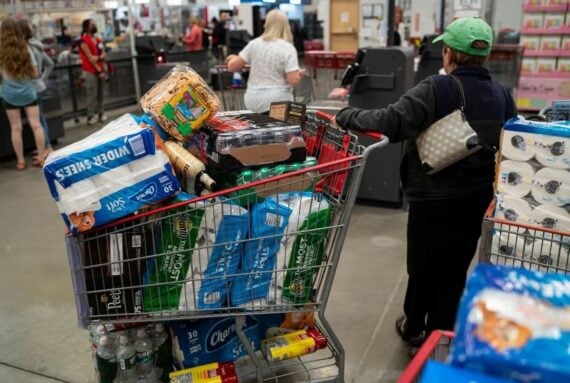
Self-checkout can be convenient when someone has three items and no complicated coupons. It is considerably less appealing with a full cart, produce codes, alcohol approvals, or a machine repeatedly demanding assistance. Customers regularly complain about stores operating banks of kiosks while keeping only one traditional register open. Retailers have also reconsidered self-checkout because of theft and errors. The most popular compromise appears to be choice: keep the kiosks, but staff enough regular lanes for shoppers who need them.
Price-Check Scanners in the Aisles
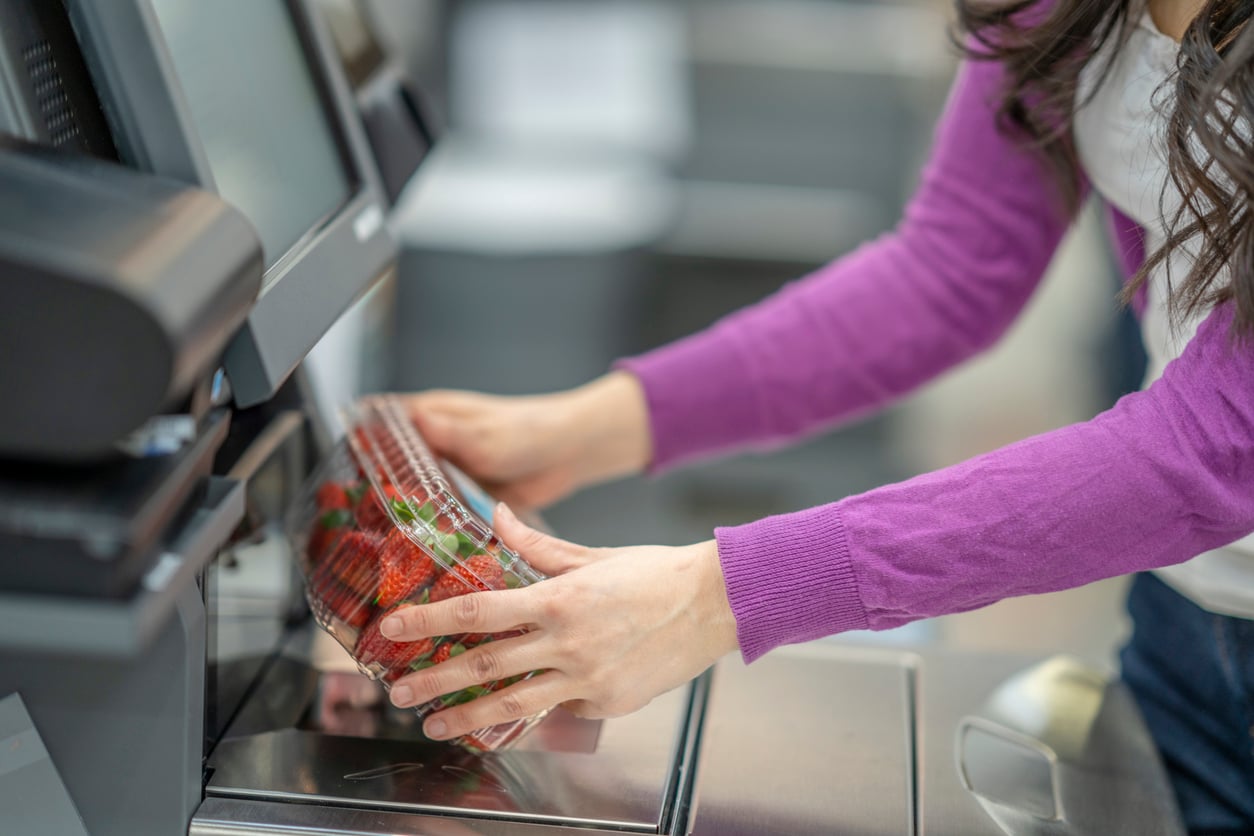
The old wall-mounted price scanner solved a simple problem without requiring an account, a smartphone, or an employee. Scan the barcode, see the price, and decide whether the item fits the budget. Some stores now expect customers to download an app instead, even when shelf labels are missing or unclear. In one recent discussion, shoppers complained after a supermarket removed its scanners, while Kohl’s workers noted that many older customers were unlikely to use an app merely to check a price.
Grocery Stores Open 24 Hours
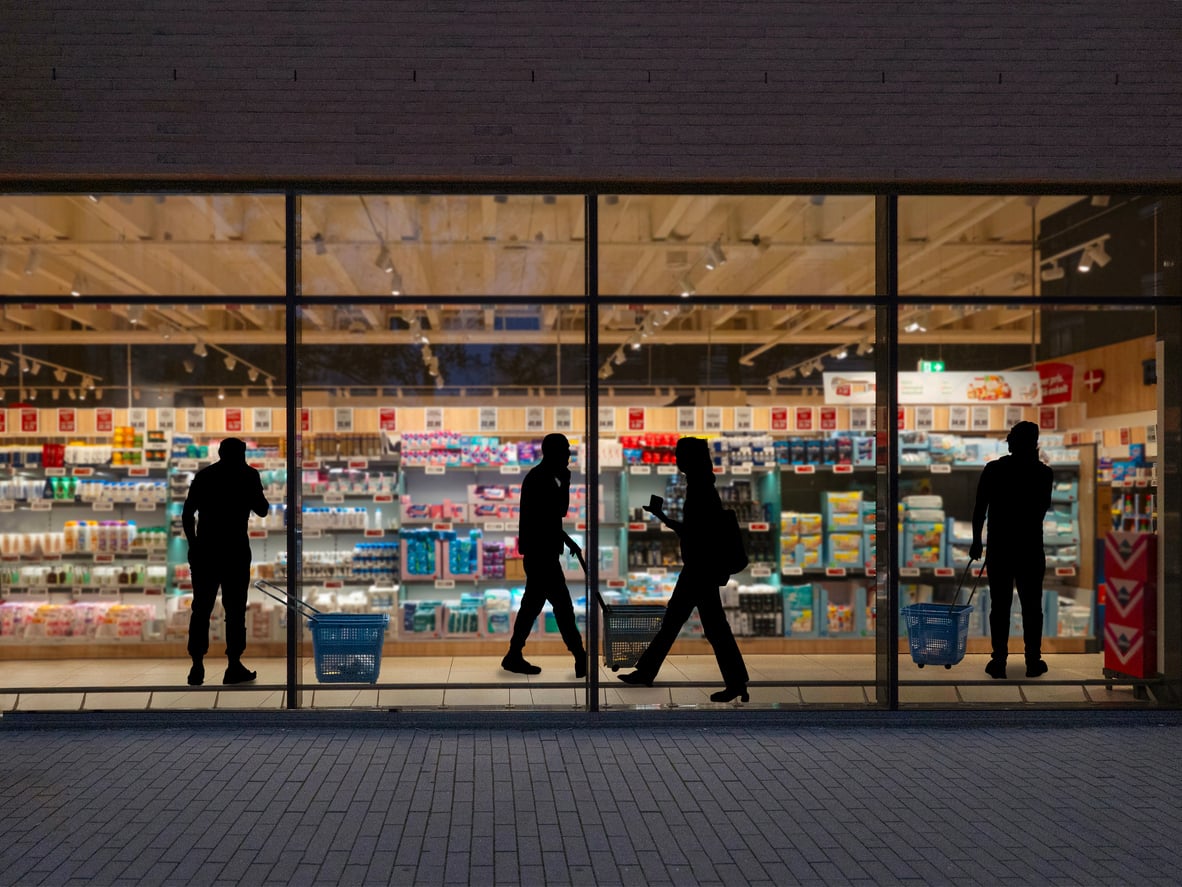
Late-night supermarkets were especially useful for nurses, factory workers, travelers, parents, and anyone trying to shop without daytime crowds. Many chains reduced their hours in 2020 and never returned to round-the-clock schedules. Walmart, for example, confirmed in 2024 that it had no plans to resume 24-hour operations nationwide, while Harris Teeter said in 2026 that most locations now close by 11 p.m. Overnight staffing and security are legitimate concerns, but shoppers with unconventional schedules still miss the flexibility.
Paper Coupons Alongside Digital Deals
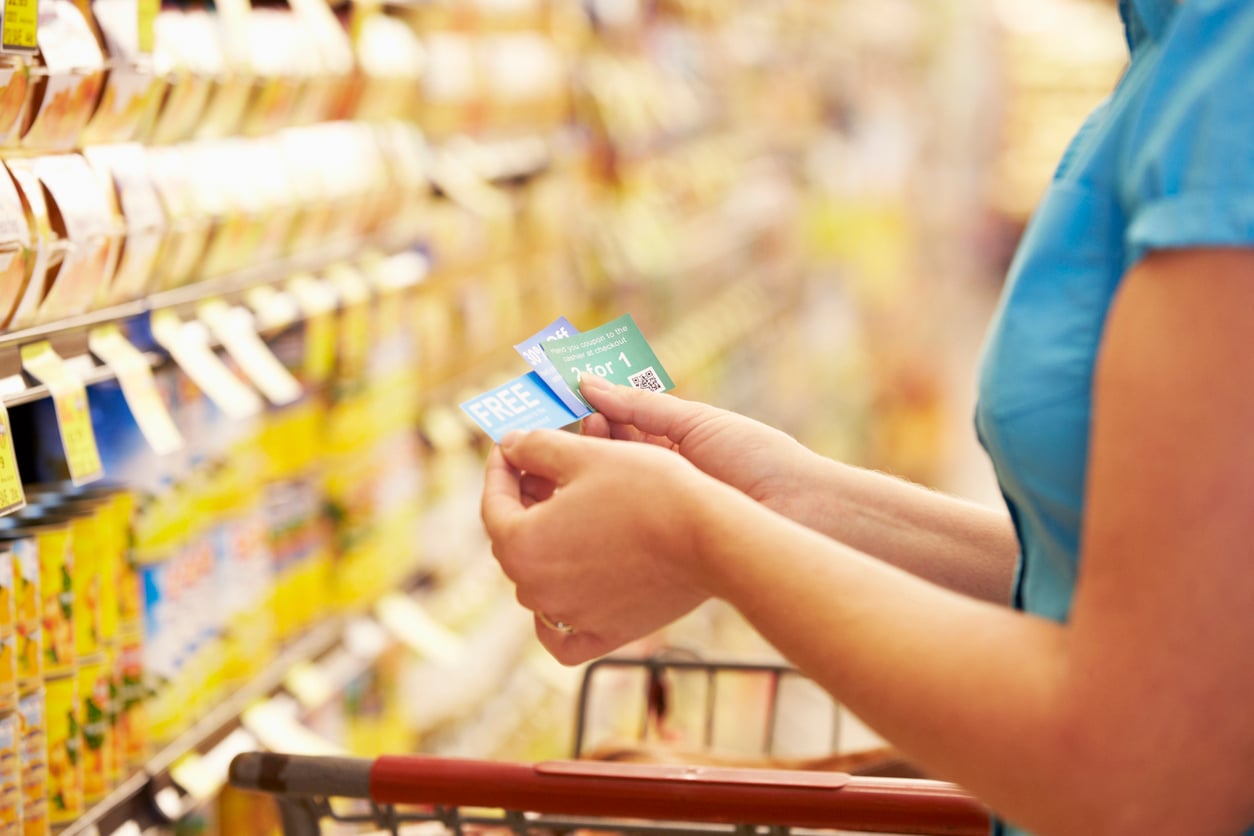
Digital coupons are widely used, but they are not equally convenient for everyone. Shoppers may need a smartphone, internet connection, loyalty account, password, and several store apps merely to receive the advertised price. AARP has warned that digital-only discounts can shut out older people without reliable technology. Stop & Shop responded by installing in-store kiosks that allow customers to activate and print digital offers.
Employees Who Know Their Departments
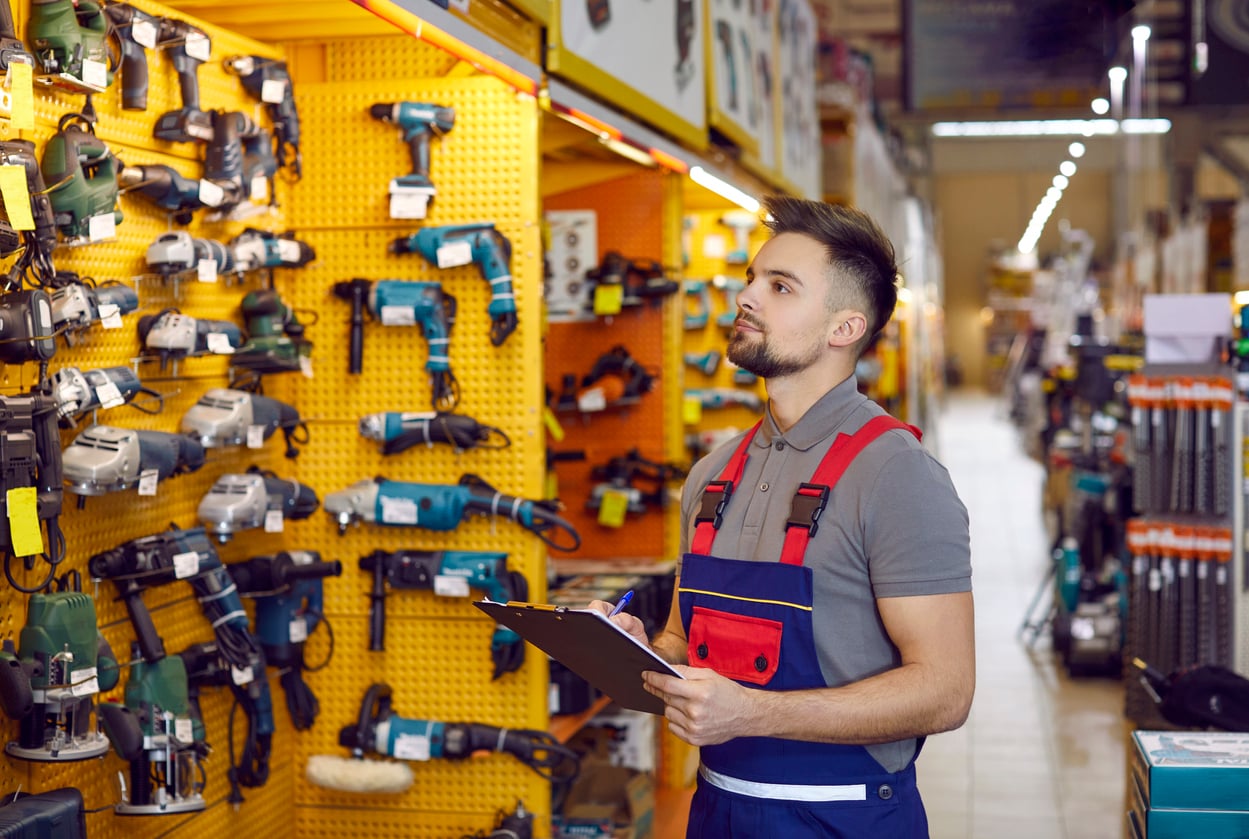
Hardware, appliances, cameras, paint, and electronics are easier to shop for when an experienced employee can explain the differences between products. Customers increasingly say they must research everything at home because the person working nearby may cover several departments or have little product-specific training. The problem is not necessarily the employee. Gallup research found that inadequate staffing was the leading barrier workers identified to delivering exceptional service.
Trending on Cheapism

Cafes and Lunch Counters Inside Stores

A department-store restaurant or bookstore cafe gave shoppers a reason to slow down instead of treating the visit like a race through the aisles. Older customers remember meeting friends, taking children for lunch, or resting midway through a long shopping trip. Recent nostalgia discussions about department-store cafeterias attracted hundreds of responses, and some shoppers say the few surviving cafes provide a welcome break from noisy food courts.
Printed Weekly Sales Flyers
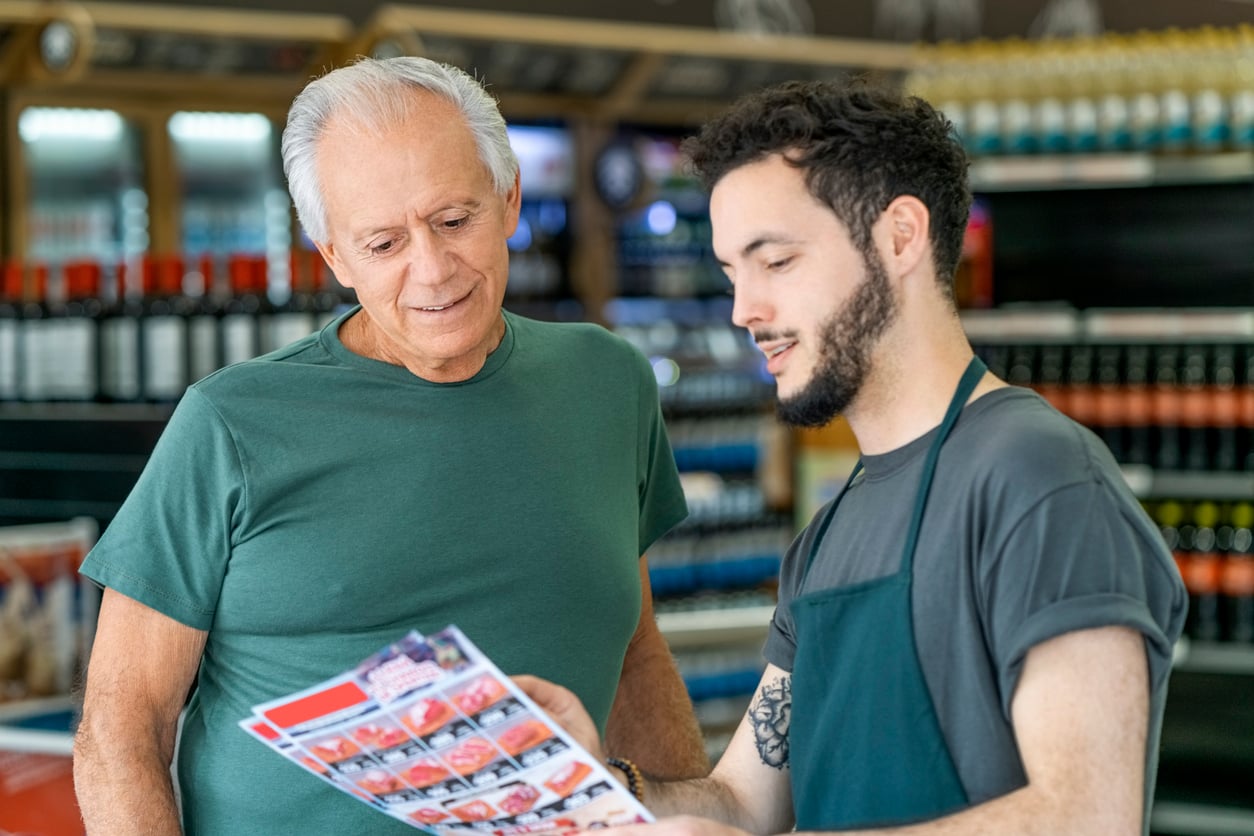
Retail apps can display hundreds of offers, but that does not mean they are easier to browse. A printed circular lets shoppers compare the week’s meat, produce, and household deals at a glance, circle what they need, and plan meals without repeatedly opening a phone. Frugal shoppers still describe weekly flyers as an important defense against rising grocery costs. Paper ads can become outdated and create waste, so stores need not deliver them to every home.
Benches and Rest Areas
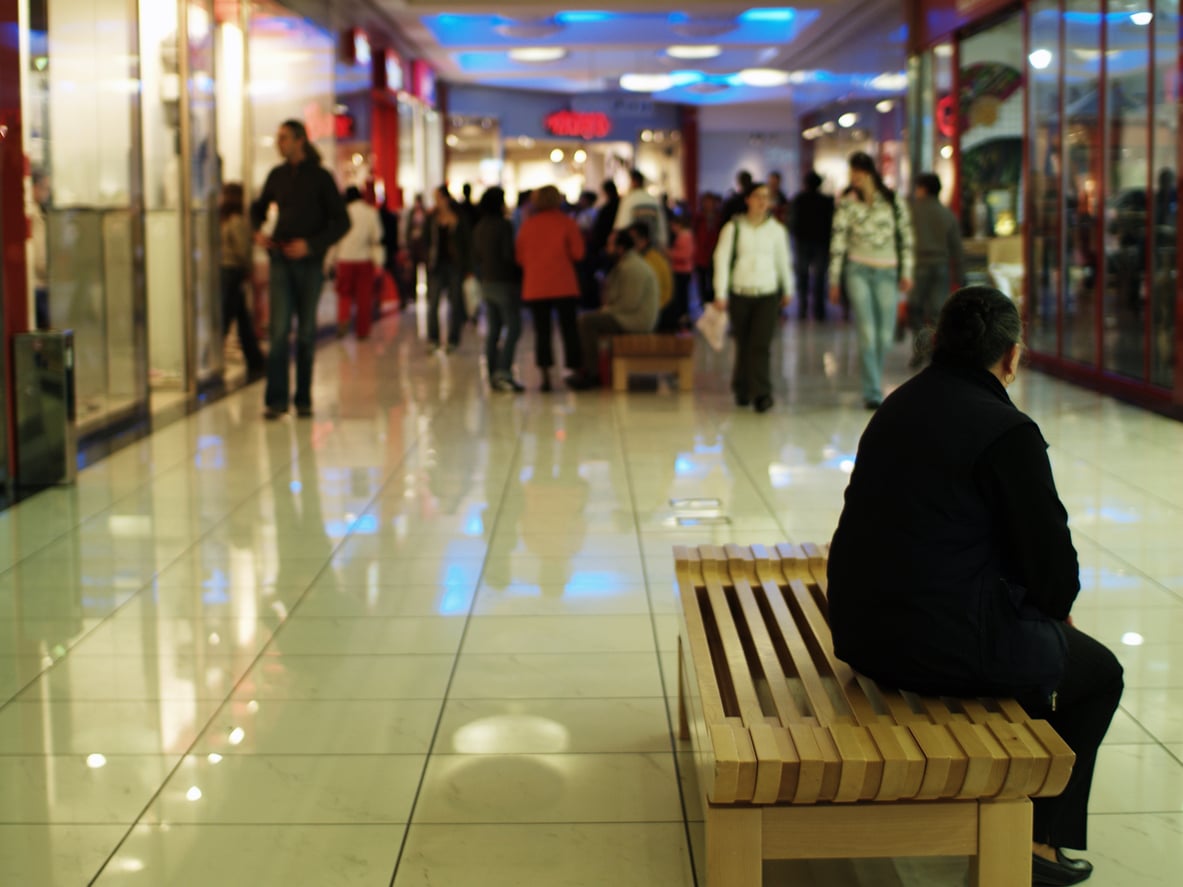
Removing seating may create more display space, but it also makes large stores harder to use. Older adults, pregnant shoppers, people with disabilities, and anyone recovering from illness may need a short rest before completing a long shopping trip. Recent discussions from shoppers with chronic illnesses describe choosing delivery or avoiding large stores because there is nowhere to sit. A few sturdy benches would occupy little space and could help customers remain in the store longer rather than abandoning the trip early.
Sign up for our newsletter
Grocery Bagging Assistance
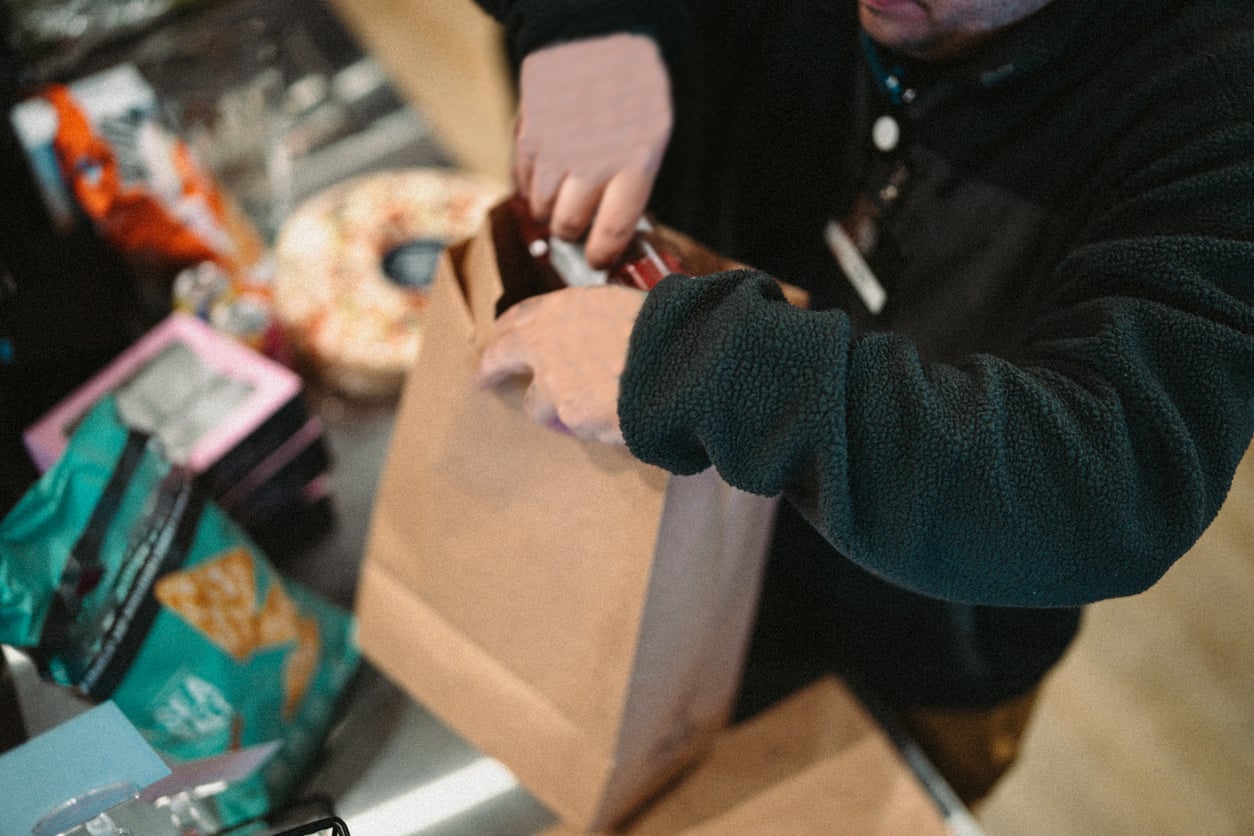
Many customers are perfectly willing to bag a few groceries. The frustration begins when one person is expected to unload a large cart, watch prices, handle payment, pack everything safely, and move quickly enough not to delay the next customer. Shoppers report seeing bagging assistance disappear even from staffed checkout lanes. Dedicated baggers may not be practical everywhere, particularly during staffing shortages, but help with large purchases, fragile goods, or customers with mobility limitations would make checkout feel like a service again.
Rain Checks for Sold-Out Specials
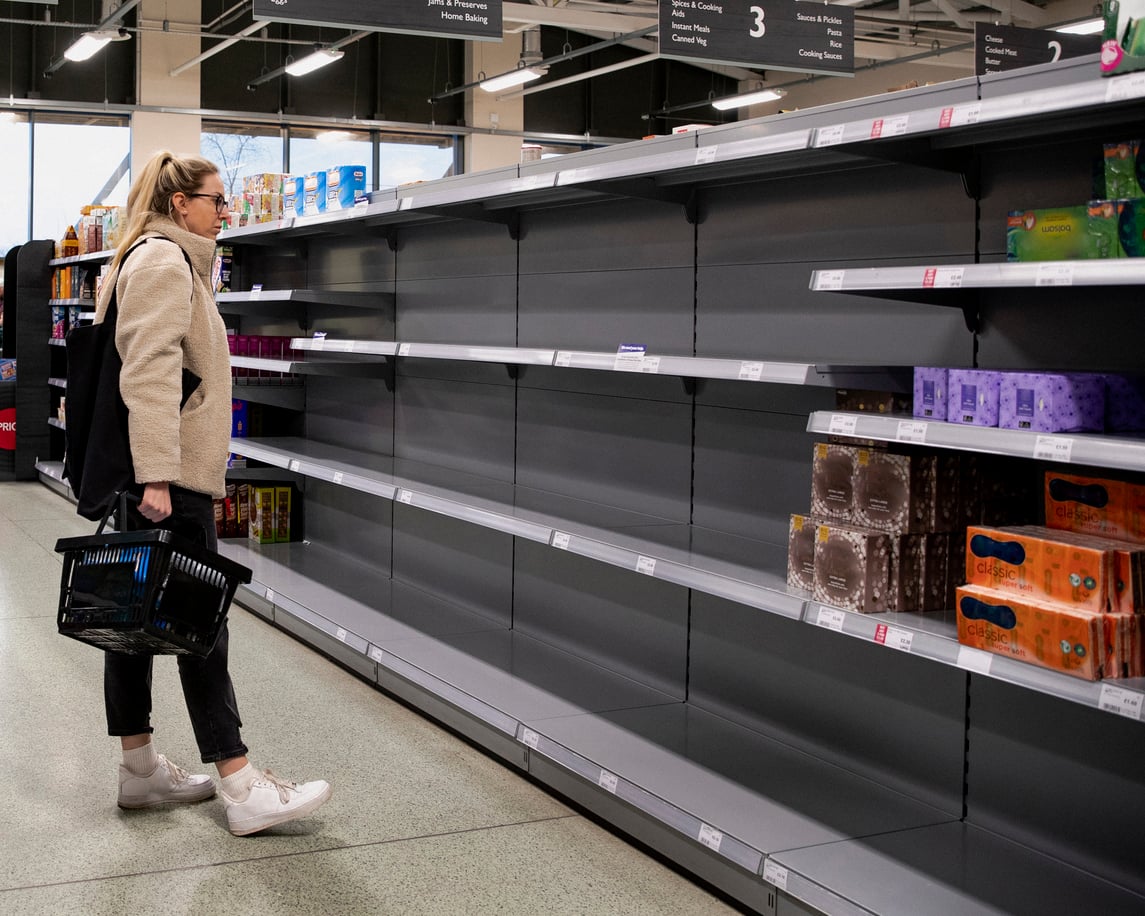
A deeply discounted item is not much of a deal when the shelf is empty before most customers arrive. Rain checks once allowed shoppers to purchase an advertised product later at the sale price after it was restocked. Some stores still issue them, but customers describe inconsistent policies and exclusions. Restoring clearly explained rain checks would discourage the feeling that a promotion merely lured people into the store.
Traditional Layaway
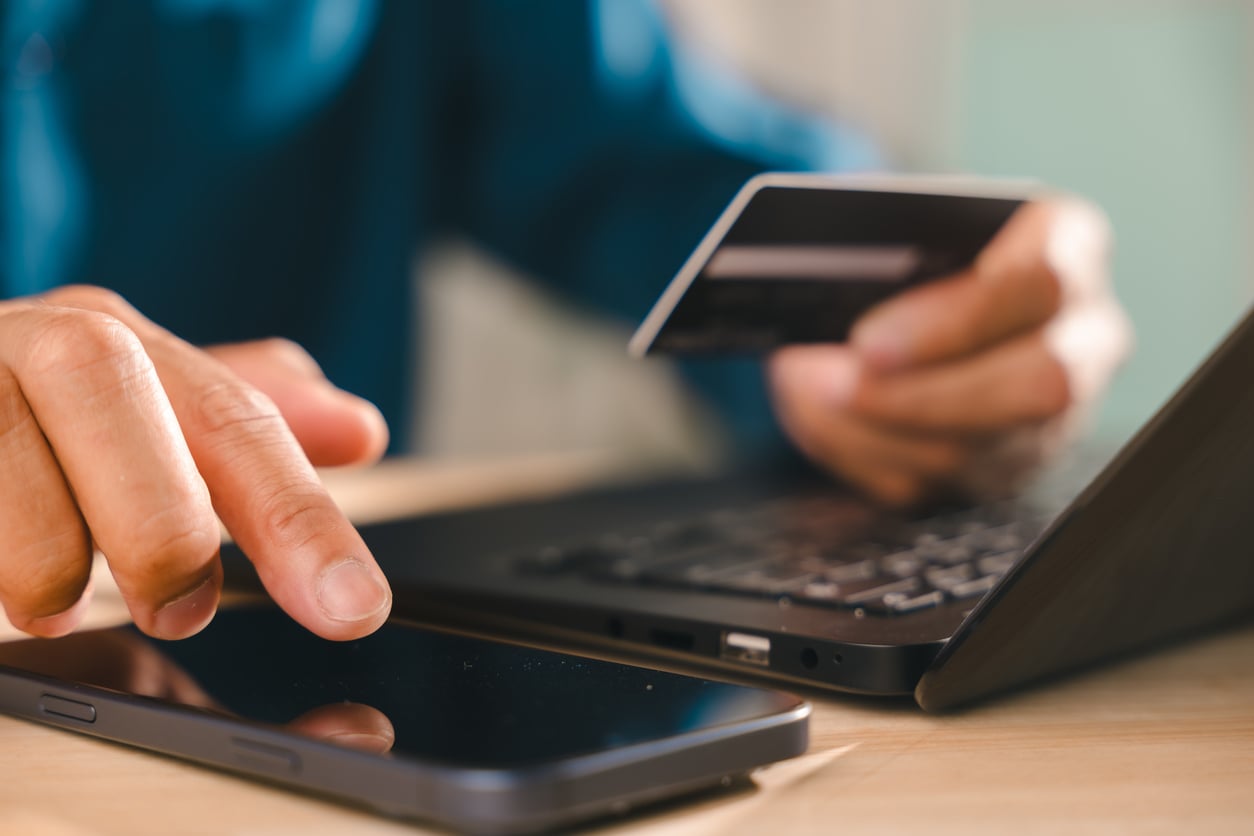
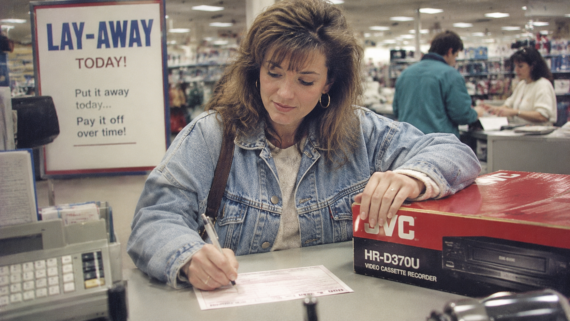
Layaway helped families prepare for Christmas or back-to-school season without taking the merchandise home or borrowing money. Shoppers placed items on hold and paid gradually, receiving them only after the balance was covered. Many major retailers have replaced that system with buy-now-pay-later financing. Walmart’s current payment page, for example, promotes financing and other digital payment options rather than traditional layaway.
Shelves That Stay Reliably Stocked
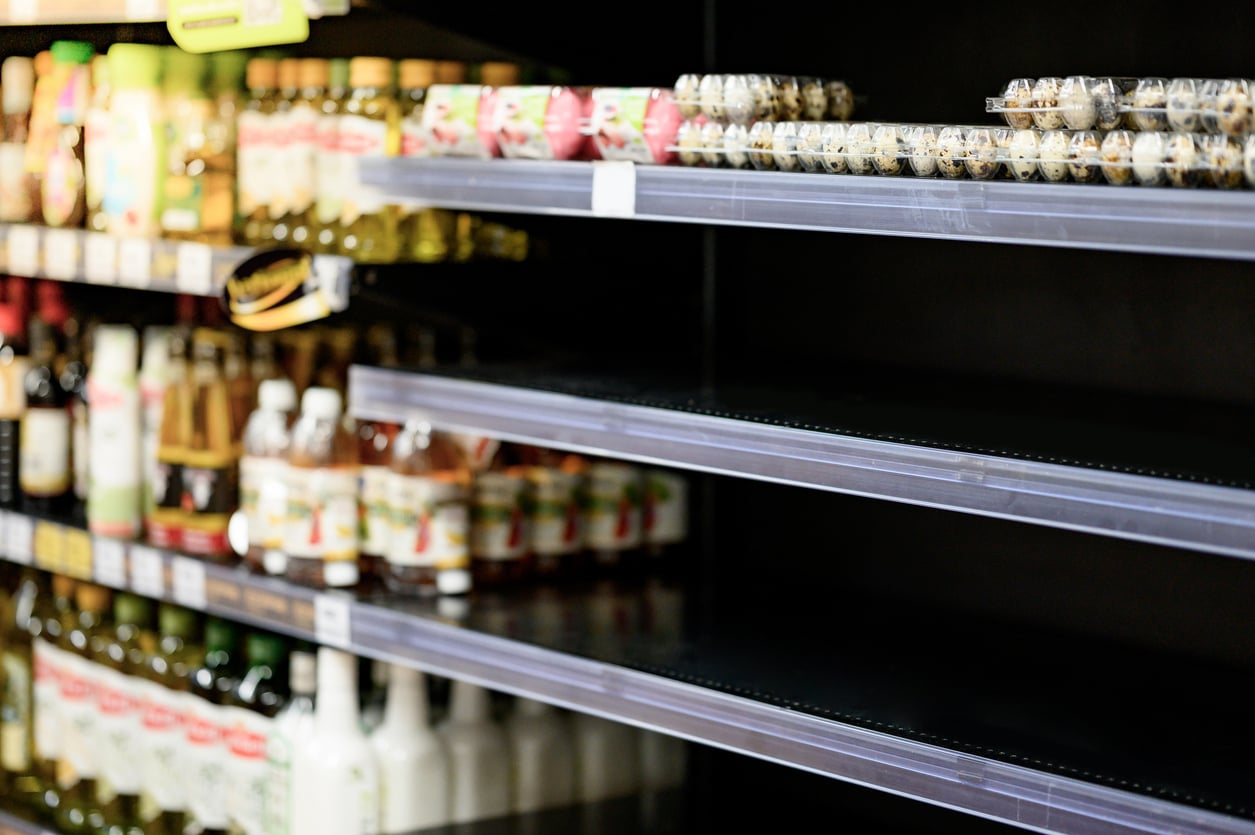
Empty shelves waste time and make sale planning difficult, particularly when a shopper has driven across town for an advertised special. Customers regularly report arriving on the first day of a promotion only to find the featured merchandise unavailable. Retailers cannot anticipate every rush, and carrying excessive backup inventory raises storage costs and creates food waste. Still, better forecasting, timely restocking, and honest availability information would help.