
Baby boomers grew up in a time when products were built to last, appliances didn’t need apps, and people repaired things instead of replacing them. Because of that, many boomers are far more practical shoppers than younger generations. They usually prefer reliability and usefulness over flashy trends or internet hype.
That mindset explains why there are certain products boomers simply refuse to spend money on. Whether it’s complicated technology, trendy gadgets, or items they see as unnecessary, many boomers would rather stick with what already works.
Here are 15 things most boomers refuse to buy and the reasons they continue avoiding them today.
Furniture That Requires Assembly
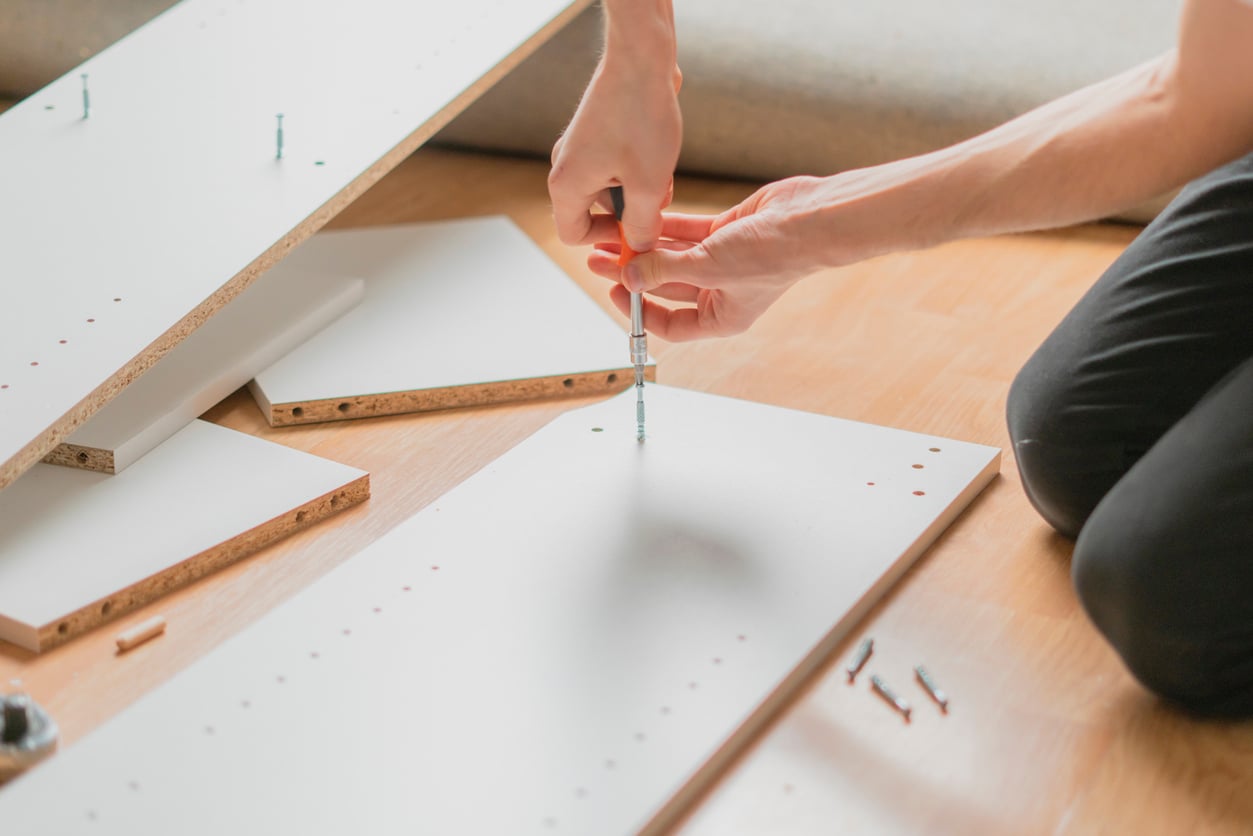
Many boomers hate furniture that arrives in a giant box with dozens of screws and confusing instructions. They grew up buying couches, tables, and dressers that came fully assembled and ready to use. Spending an entire afternoon building a bookshelf feels more frustrating than convenient to them.
A lot of boomers also think ready-to-assemble furniture is cheaply made. (Psst: They’re not wrong!) They prefer sturdy wood furniture that lasts for years instead of particleboard pieces that wobble after a short time. For them, durability matters more than trendy designs or lower prices.
Air Fryers and Trendy Kitchen Gadgets
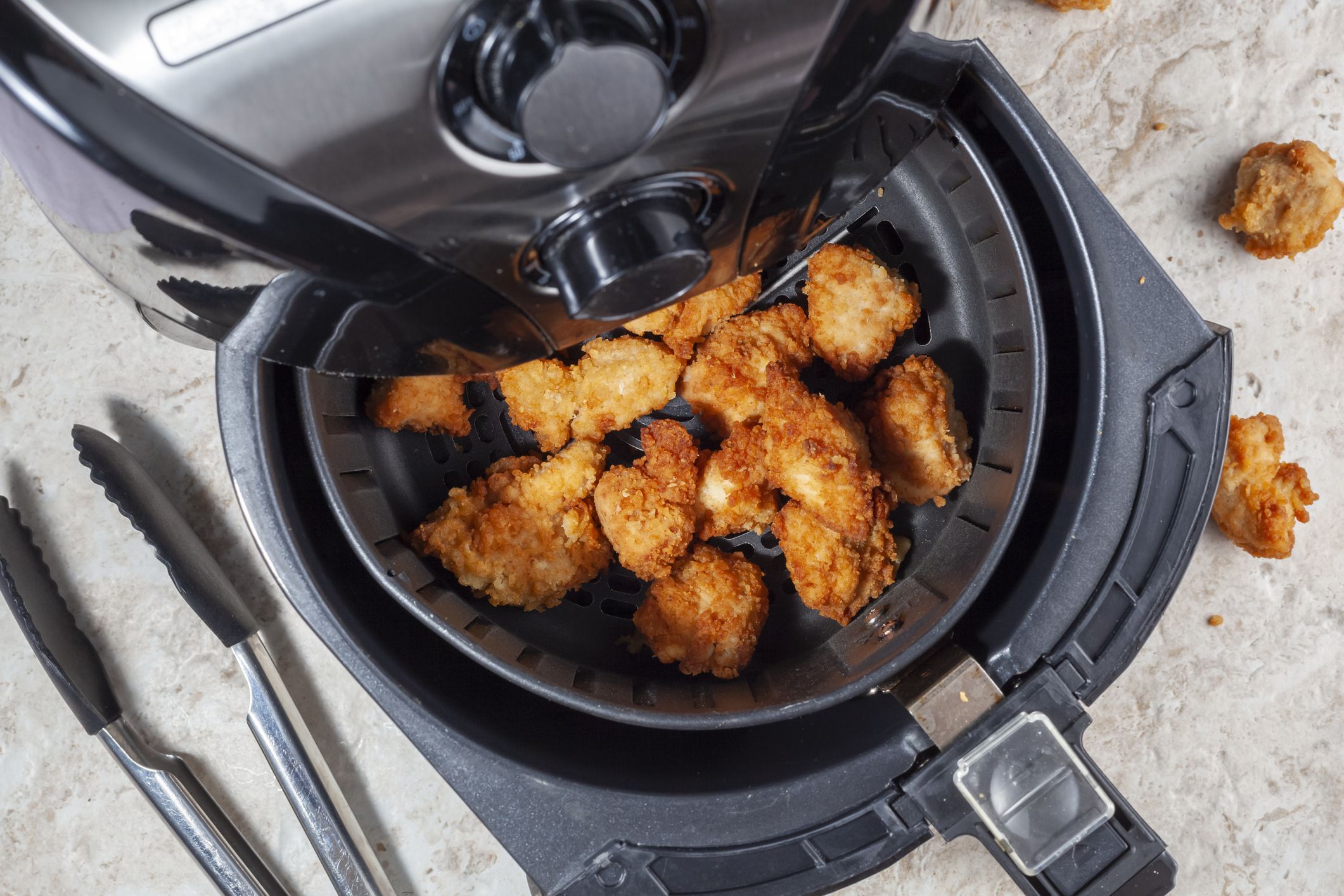
Boomers are often skeptical of trendy kitchen appliances that suddenly become popular online. Many already know how to cook perfectly well using ovens, stovetops, and slow cookers. To them, an air fryer can seem like just another bulky appliance taking up counter space.
Some boomers also feel modern kitchen gadgets solve problems that never really existed. If their current setup works, they don’t see the need to replace it.
Smart Refrigerators
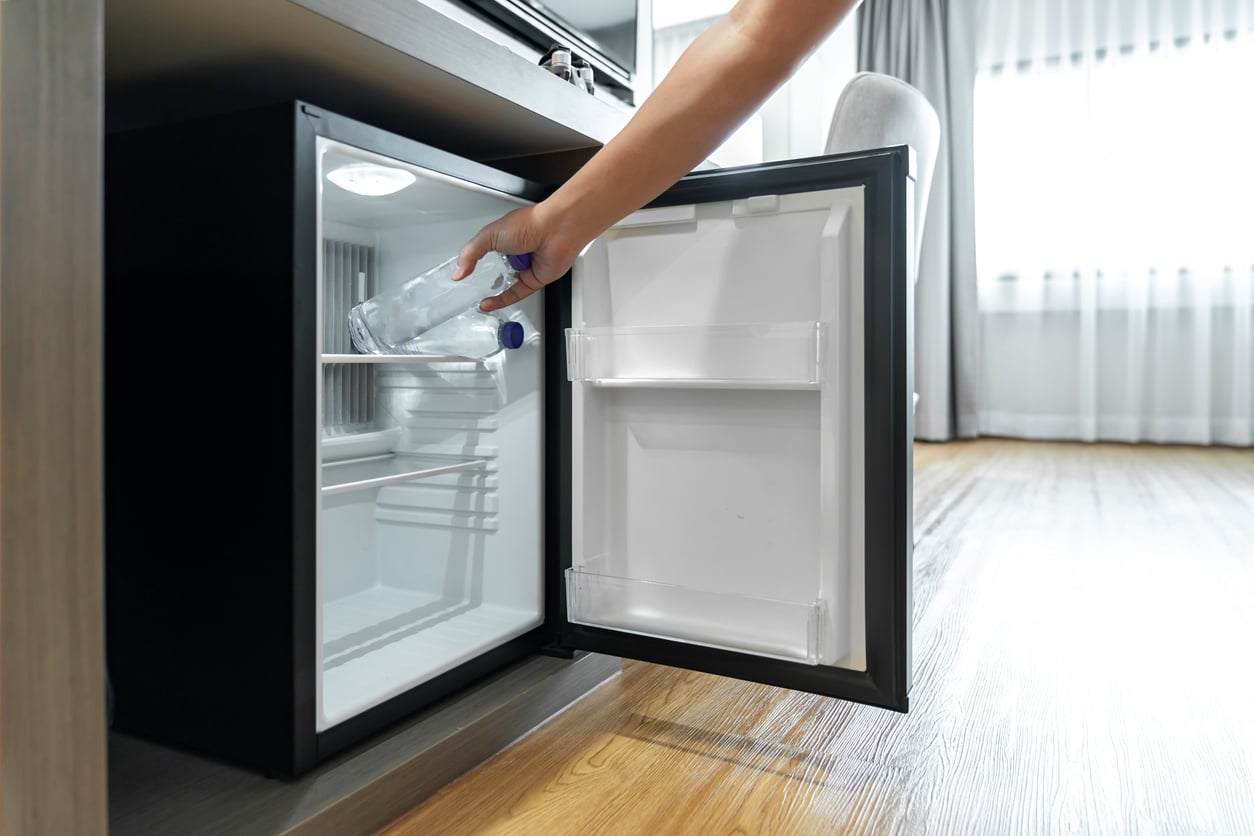
The idea of a refrigerator with Wi-Fi and touchscreens feels unnecessary to many boomers. Most simply want a fridge that keeps food cold and lasts a long time — you know, the things a normal fridge is supposed to do. Features like apps and internet connectivity don’t seem useful enough to justify the higher cost.
Many boomers also worry smart appliances will be harder and more expensive to repair — not to mention they can actually pose a risk to their privacy.
Subscription Boxes

Monthly subscription boxes don’t appeal to many boomers. They’d rather buy products themselves instead of paying for surprise items they may not even want. Many feel subscription services encourage unnecessary spending.
Boomers also tend to dislike waste, and many subscription boxes include excessive packaging or unused products. They often prefer shopping in stores where they can see exactly what they’re buying. For them, surprise deliveries feel more annoying than exciting.
Meal Kits
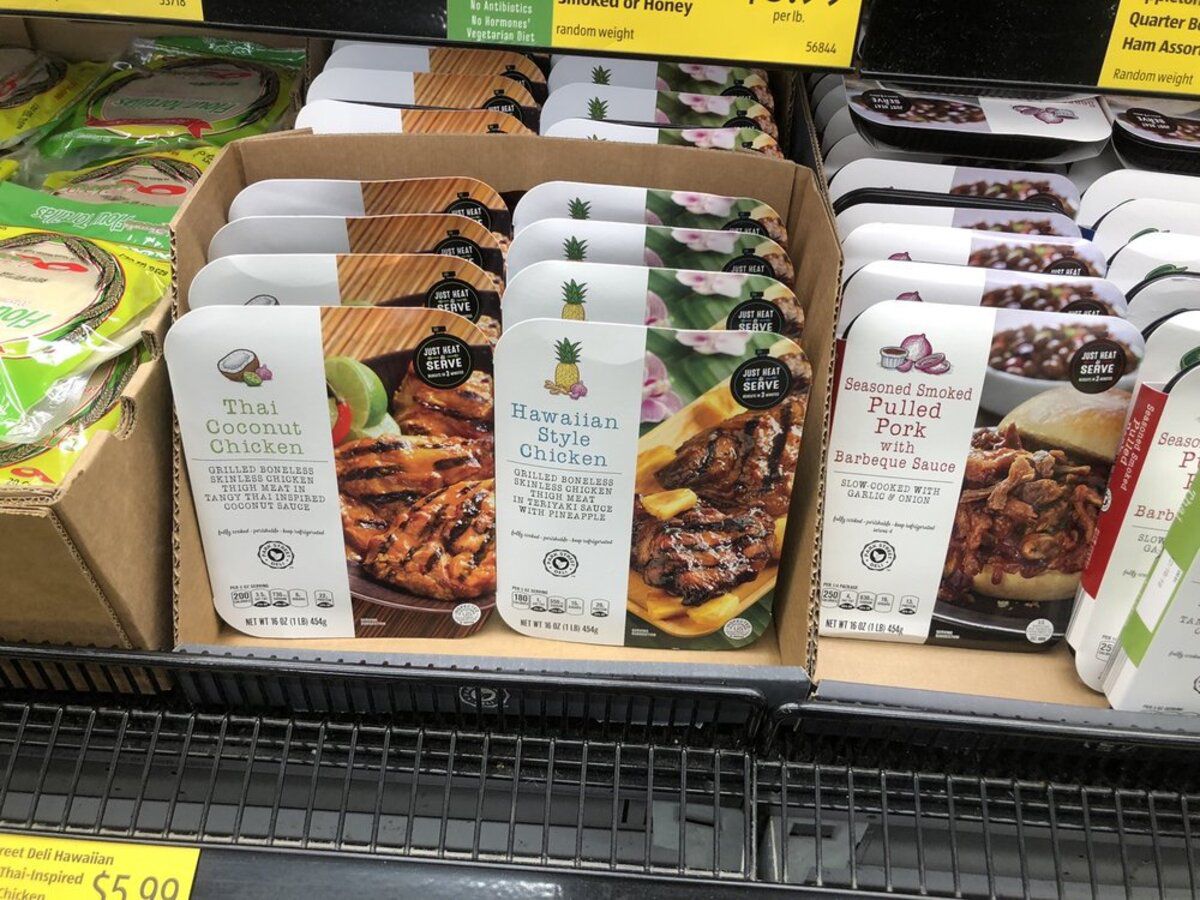
Many boomers don’t understand paying extra for pre-portioned ingredients and recipe cards. They learned how to cook decades before meal kits existed and usually feel confident planning meals on their own. Grocery shopping is simply part of life to them.
Some also dislike how much packaging comes with meal kits. The insulated boxes, ice packs, and plastic containers can feel excessive and wasteful. To many boomers, meal kits just seem like overpriced groceries.
Trending on Cheapism

Electric Toothbrushes With Apps
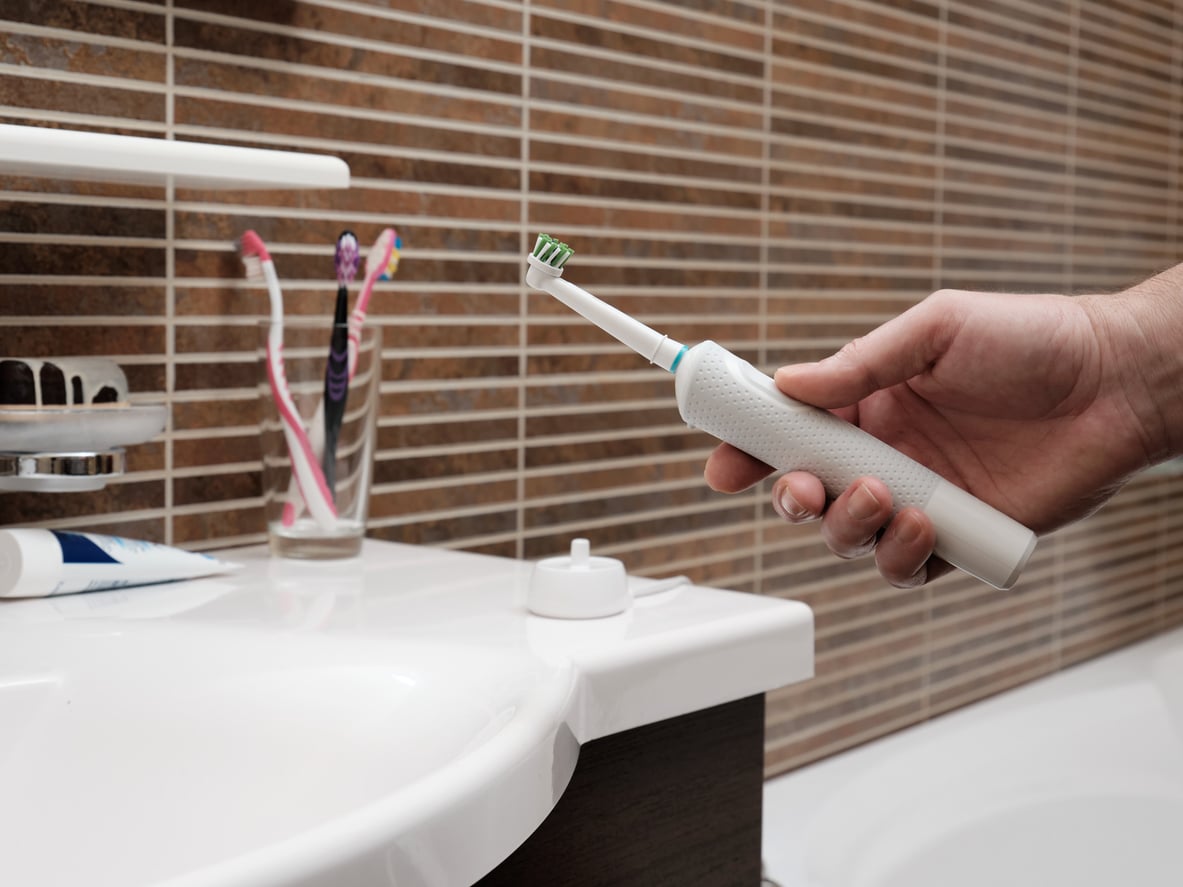
Boomers often laugh at the idea of a toothbrush needing Bluetooth or an app. While some may use electric toothbrushes, app-connected versions can feel overly complicated. Most feel perfectly capable of brushing their teeth without digital tracking.
Many boomers prefer products that are simple and straightforward. The more technology added to an everyday item, the less interested they become. To them, brushing teeth should never require software updates.
Fast Fashion
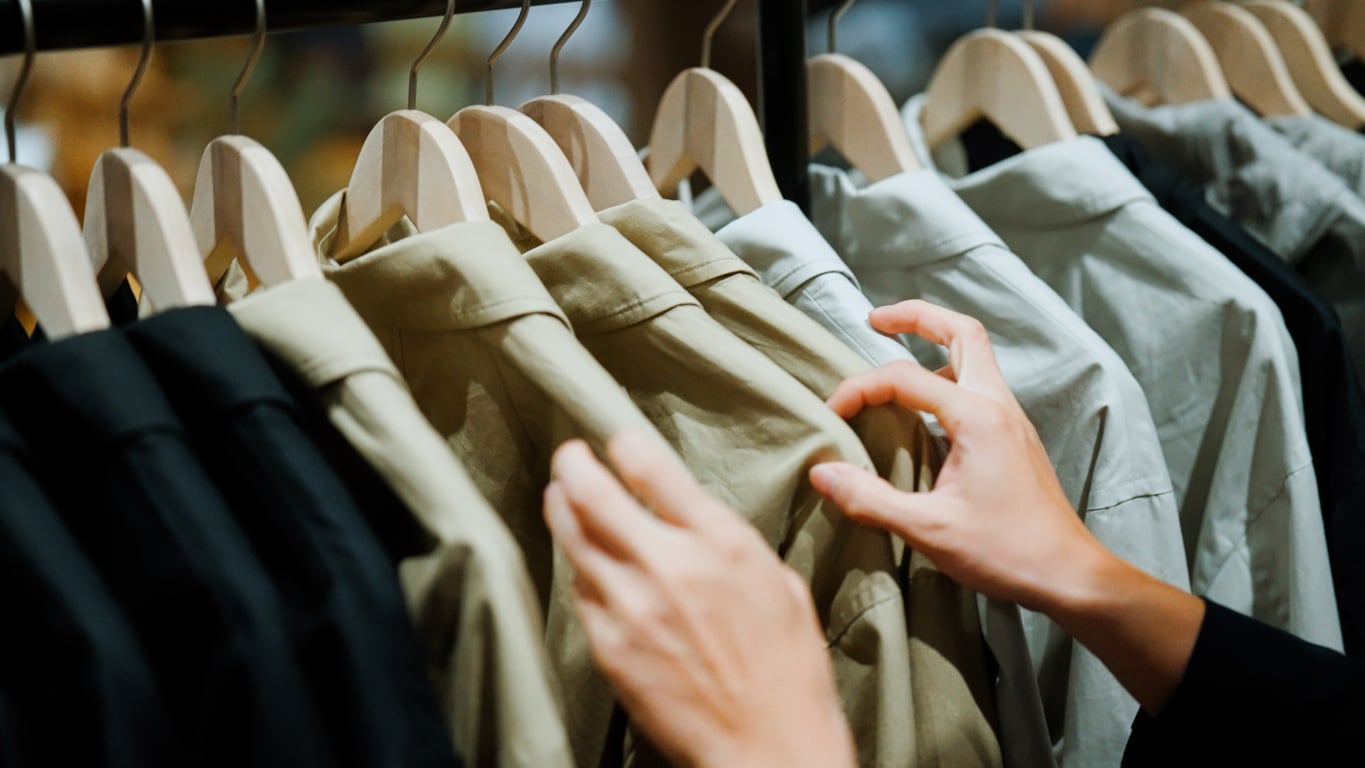
A lot of boomers avoid fast fashion because they grew up buying clothes designed to last. They tend to value durable fabrics and classic styles over constantly changing trends — and honestly, we should all be doing the same.
Many also dislike how disposable modern fashion has become. Instead of buying large amounts of trendy clothing, boomers often prefer fewer high-quality pieces. They’d rather own one good coat than replace a cheap one every year.
Virtual Reality Headsets
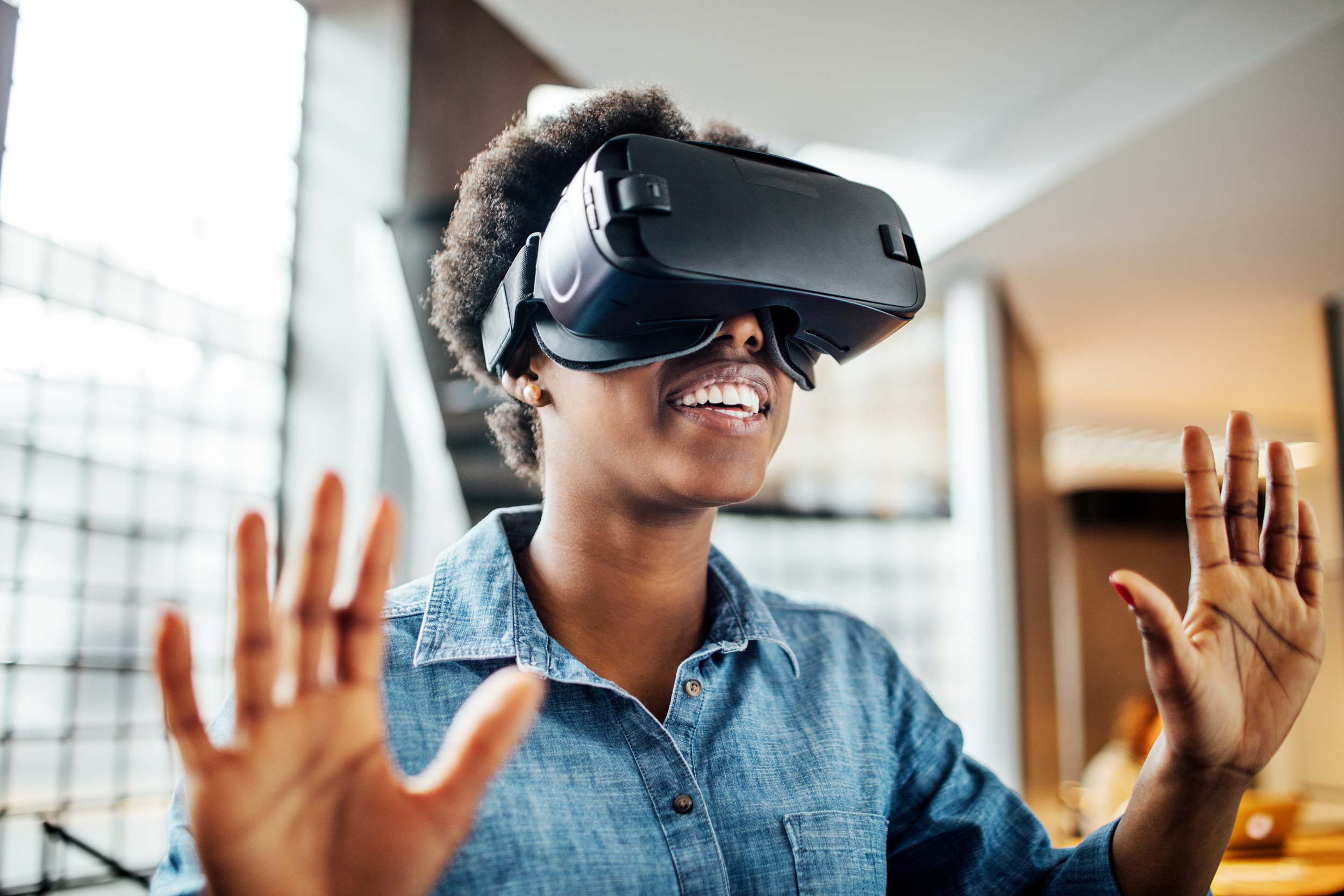
Some boomers find bulky VR headsets uncomfortable, while others simply don’t understand the appeal of spending time in virtual worlds. They often prefer real-life activities over digital experiences.
Many boomers also see VR as isolating rather than entertaining. Instead of using headsets, they’d rather watch TV, travel, or spend time with family and friends. For them, virtual experiences can feel unnecessary.
Sign up for our newsletter
Robot Vacuums
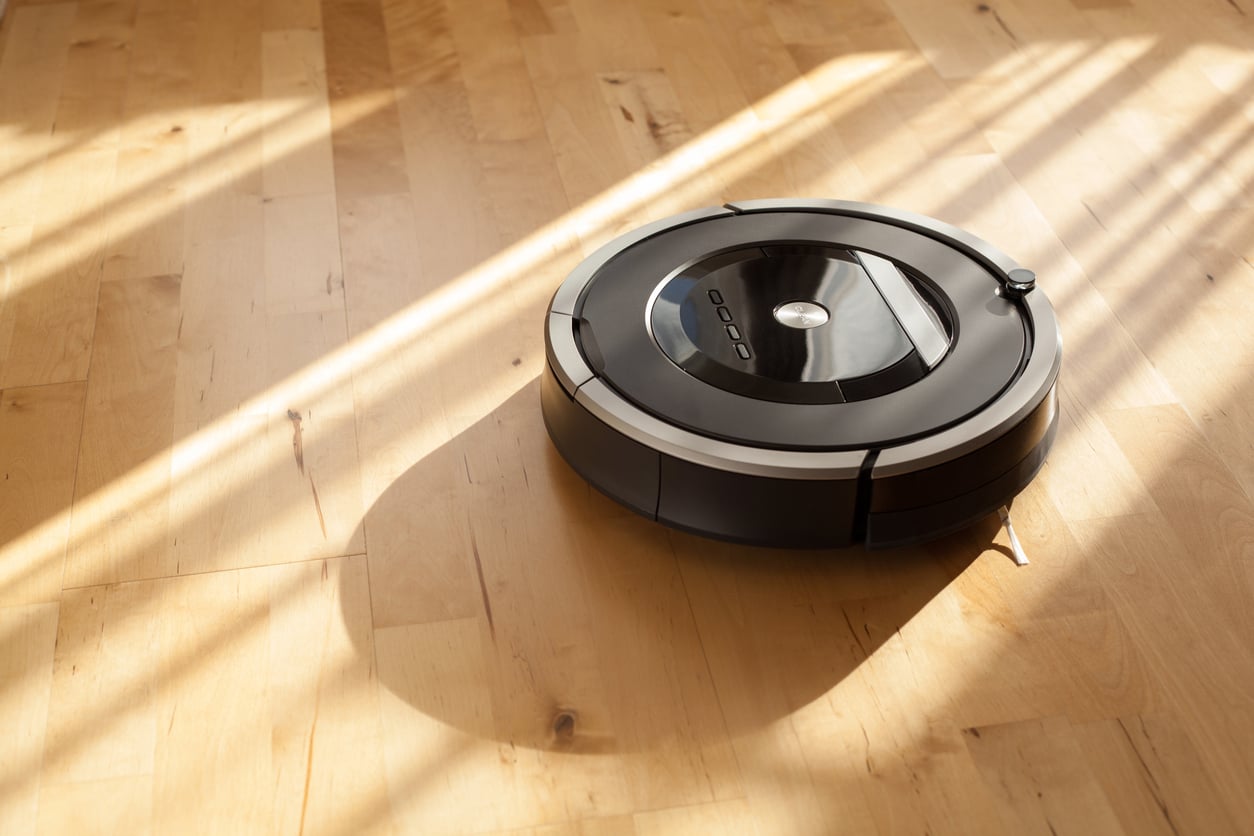
Many boomers remain unconvinced that robot vacuums clean as well as regular vacuums. Some see them as expensive gadgets that randomly bump around the house instead of properly cleaning floors. They often trust traditional cleaning methods more.
Boomers also tend to dislike products that require apps and constant charging. A regular vacuum cleaner feels simpler and more dependable to them. If they can clean the house themselves, they don’t see the point of automation.
Digital-Only Books
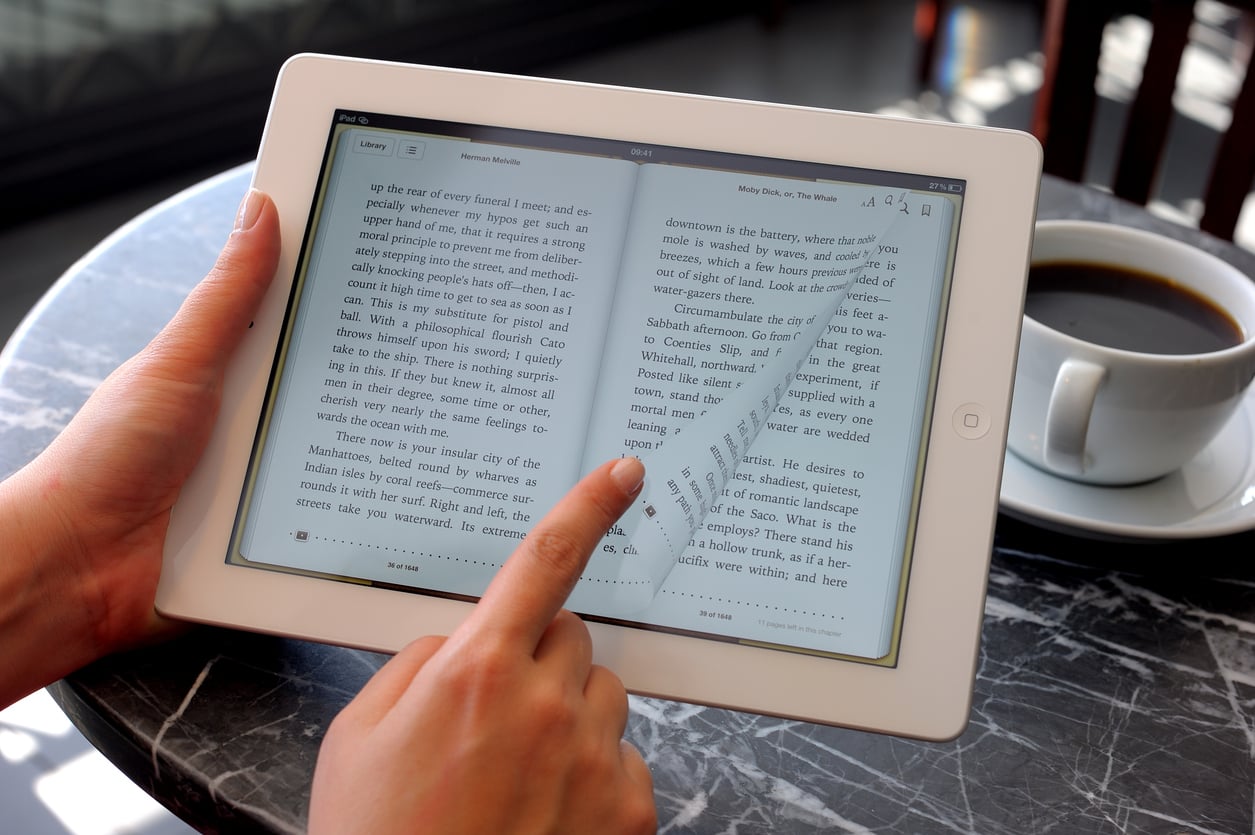
Many boomers still strongly prefer physical books over e-readers. They enjoy turning real pages and keeping books on shelves at home. Reading from a screen often feels less relaxing to them.
Some boomers also worry about relying too much on technology. Physical books don’t need batteries, internet access, or software updates. To them, printed books feel more permanent and reliable.
Self-Driving Car Features
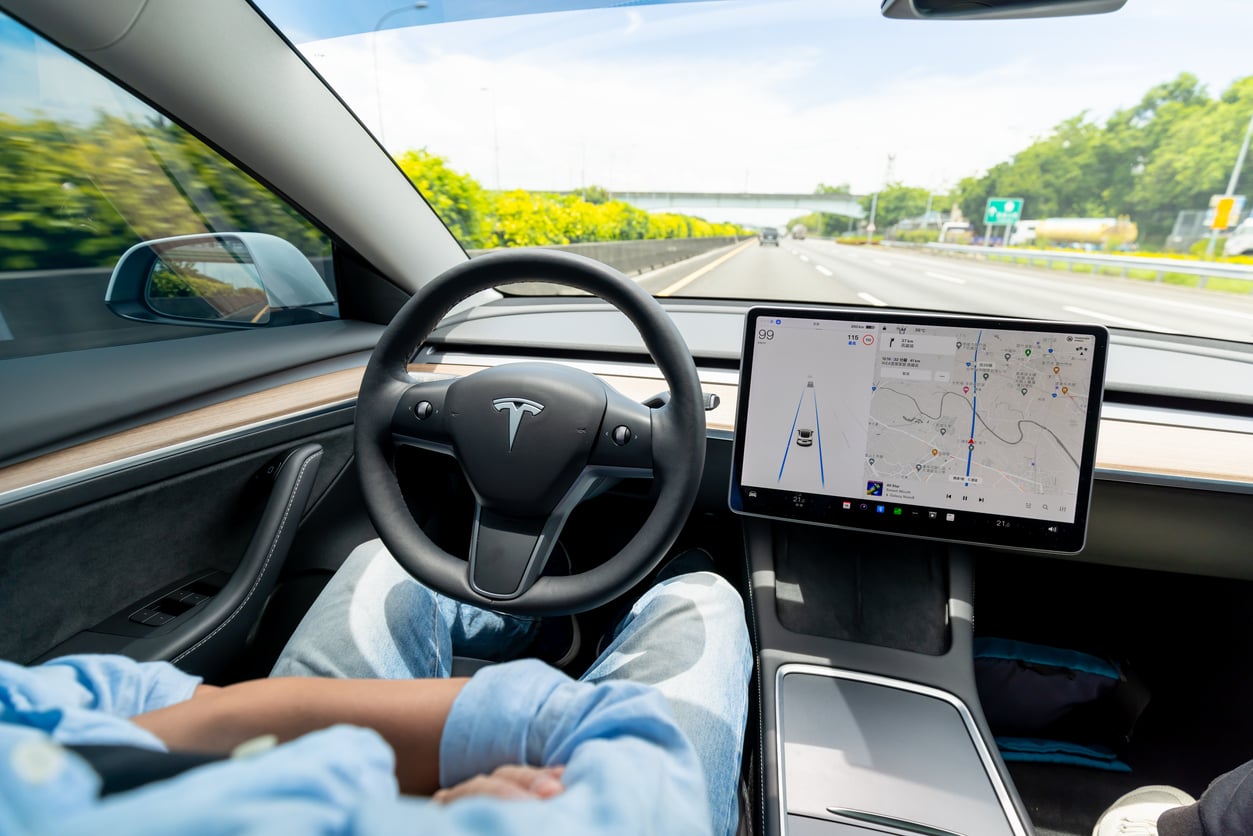
Advanced driving technology makes many boomers uncomfortable. Features that partially steer or brake automatically can feel unsafe to people who spent decades fully controlling their own vehicles. Many simply don’t trust computers to drive properly.
Some boomers also worry these systems encourage distracted driving. They prefer cars with straightforward controls instead of complicated automation. For them, driving is a skill people should continue doing themselves.
Standing Desks
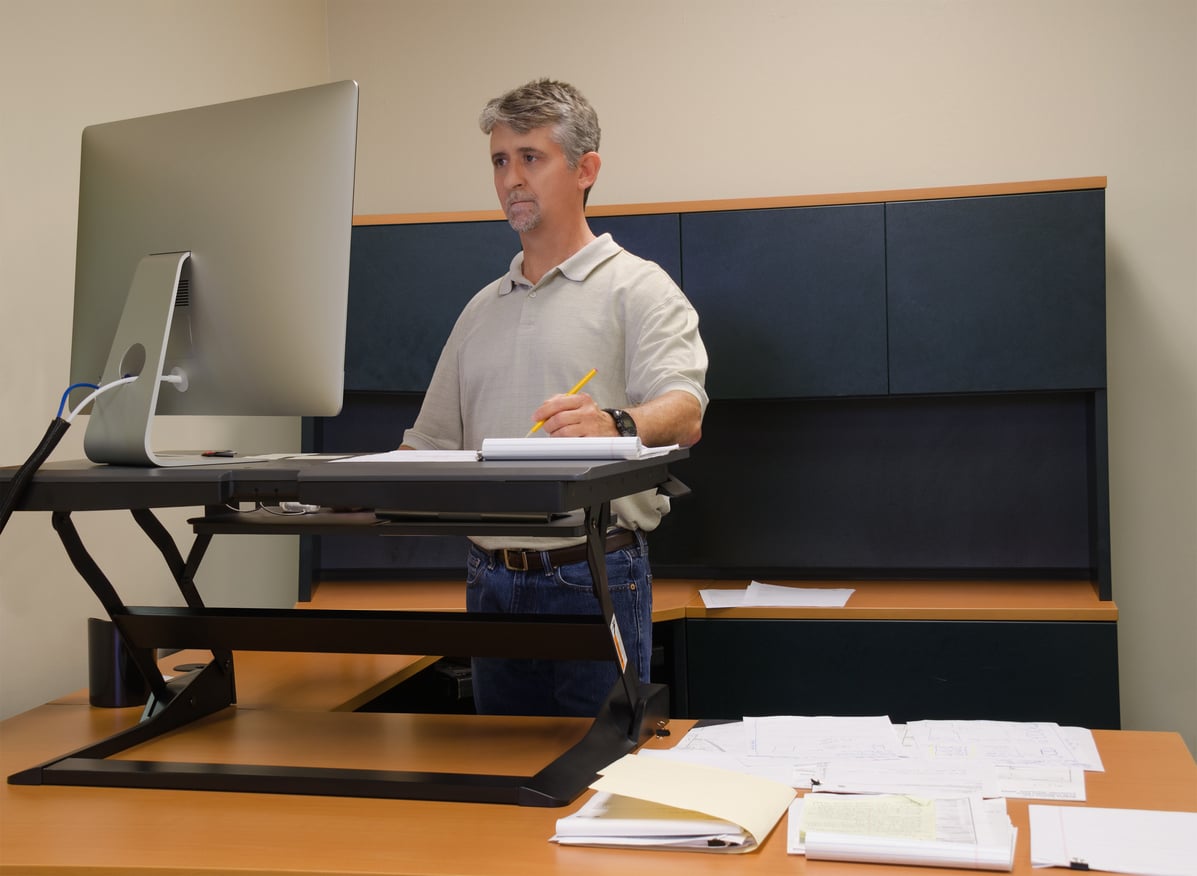
What’s with all the standing desks? After years of working at traditional desks, the trend can seem unnecessary or uncomfortable. Some boomers see it as another workplace fad.
Instead of spending large amounts on ergonomic office furniture, many boomers prefer using what they already own. Practicality usually matters more to them than trendy wellness products. If a normal desk worked for decades, they don’t see why it suddenly became a problem.
Designer Water Bottles

Boomers often think expensive reusable water bottles are overpriced. They grew up using simple thermoses or kitchen cups without treating water containers like fashion accessories. Spending large amounts on a bottle seems unnecessary to many of them.
Some are especially confused by how trendy certain brands have become online. They don’t understand why people collect multiple bottles in different colors and styles. To them, a water bottle only needs to do one job.
Smart Home Assistants
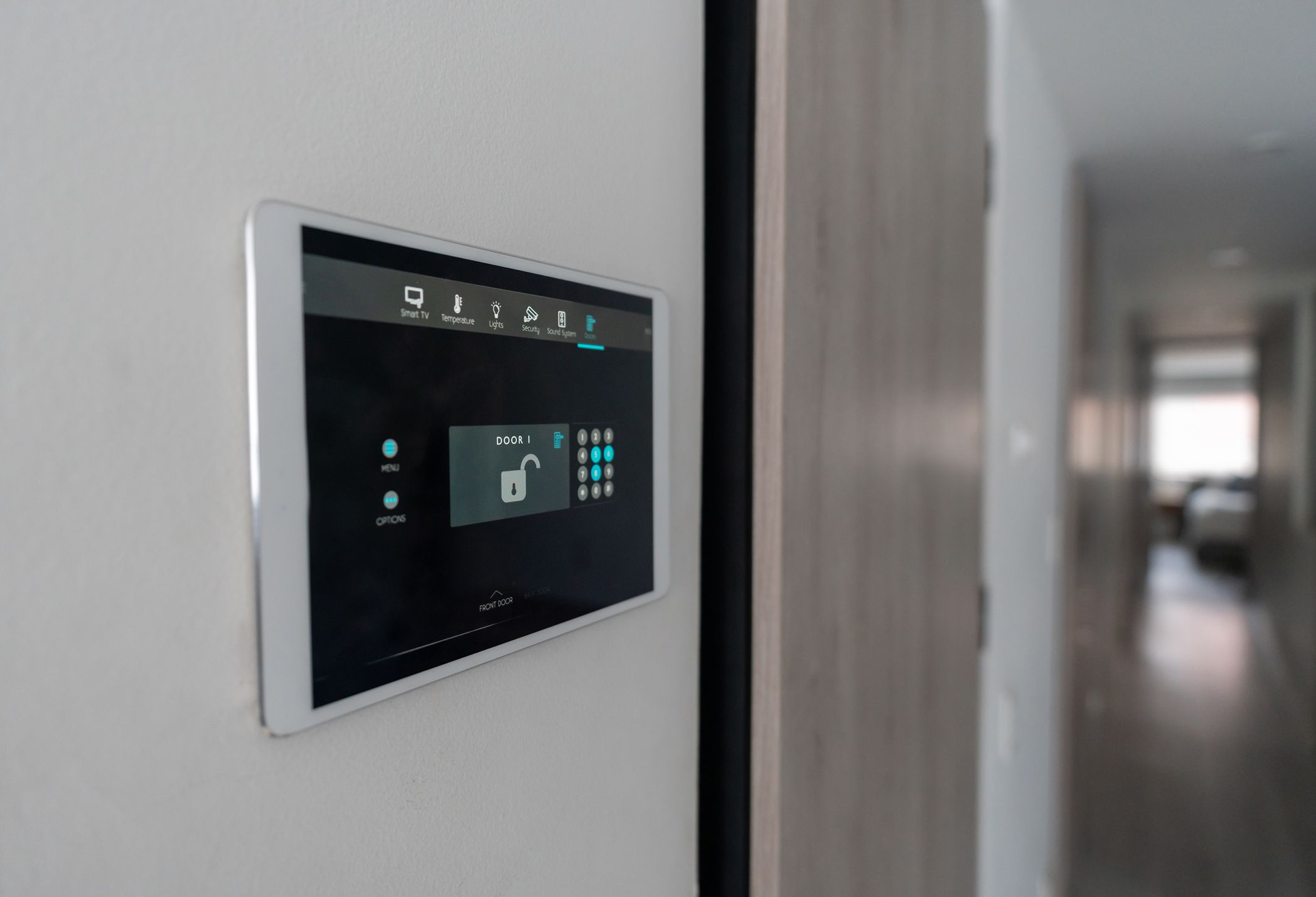
Voice assistants and smart speakers make many boomers uncomfortable. Some dislike the idea of devices constantly listening inside their homes. Others simply don’t see why they need technology to turn lights on or play music.
Privacy concerns are also a major reason many avoid smart home products. Boomers tend to be more cautious about companies collecting personal information. Traditional appliances feel safer and easier to understand.
Streaming Service Bundles
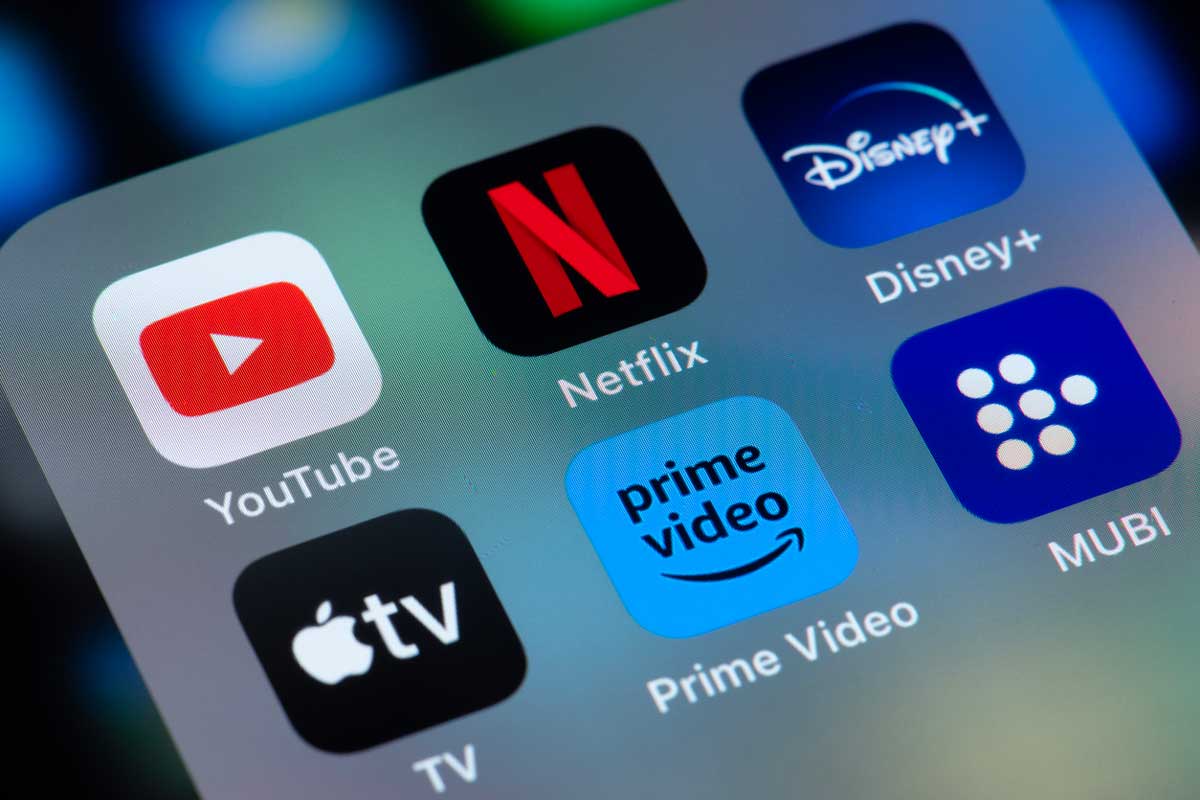
Many boomers are frustrated by how many streaming services now exist. Instead of simplifying entertainment, streaming often feels just as expensive and confusing as cable television. Managing multiple apps and passwords can become irritating.
Some boomers also miss the simplicity of traditional TV channels. They’d rather turn on the television without constantly switching between services. For many, cable still feels easier to use than modern streaming platforms.
More From Cheapism

- These ‘Middle-Class Success’ Purchases Are Actually a Huge Burden — From RVs and boats to oversized homes and travel sports, these status-symbol purchases can quickly turn into expensive money pits.
- 5 Small Debts That Can Wreck Your Credit Score — Even small unpaid bills, from utilities to phone service, can do major damage if they’re sent to collections.
- 22 Ways Boomers Accidentally Torch Their Retirement Savings — From supporting adult kids to skipping senior discounts, these common retirement habits can quietly drain a nest egg.