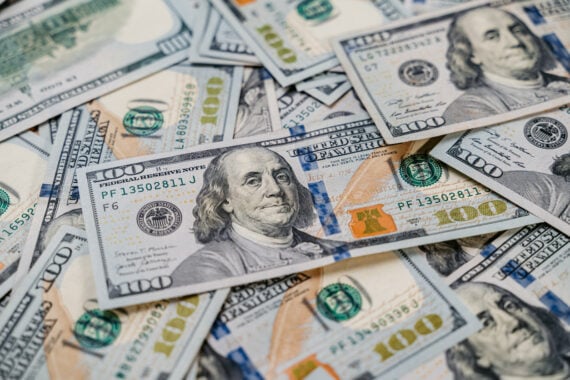
The U.S. dollar just logged its steepest one-day decline since early 2022, sliding to a nearly four-year low as currency markets continued a broader selloff that’s been building for months.
On Tuesday, the ICE (Intercontinental Exchange) U.S. Dollar Index — which measures the dollar against a basket of major global currencies — fell as much as 1.5%, marking its sharpest daily drop since April and extending what is now the currency’s weakest stretch since 2022. By late afternoon, the dollar was trading at levels not seen since the post-pandemic recovery period, which feels pretty blatantly bleak.
What Drove the Drop
The dollar was already under pressure before Tuesday, with traders reacting to a mix of global currency movements, trade uncertainty, and recent policy signals. Those pressures intensified after comments from President Donald Trump, who said he was not concerned about the dollar’s recent slide.
Markets interpreted the remarks as a signal that near-term policy support for a stronger dollar may not be a priority, accelerating the currency’s decline. Recent swings in foreign currencies — particularly the Japanese yen following political developments abroad — have added to global currency volatility, further pressuring the dollar.
What This Means for Consumers
A declining dollar has real-world consequences for Americans. When the dollar weakens, international travel becomes more expensive, since U.S. currency doesn’t go as far abroad. Imported goods can also become pricier, putting pressure on consumer prices over time.
A weaker dollar can also make U.S. assets slightly less attractive to foreign investors, while increasing costs for businesses that rely on imported materials. There is a potential upside: American exporters can benefit, since U.S.-made goods become cheaper for overseas buyers. That can support certain industries, even if the benefits aren’t felt by consumers immediately.
How are you feeling about the decline of the U.S. dollar? Sound off in the comments.
More From Cheapism
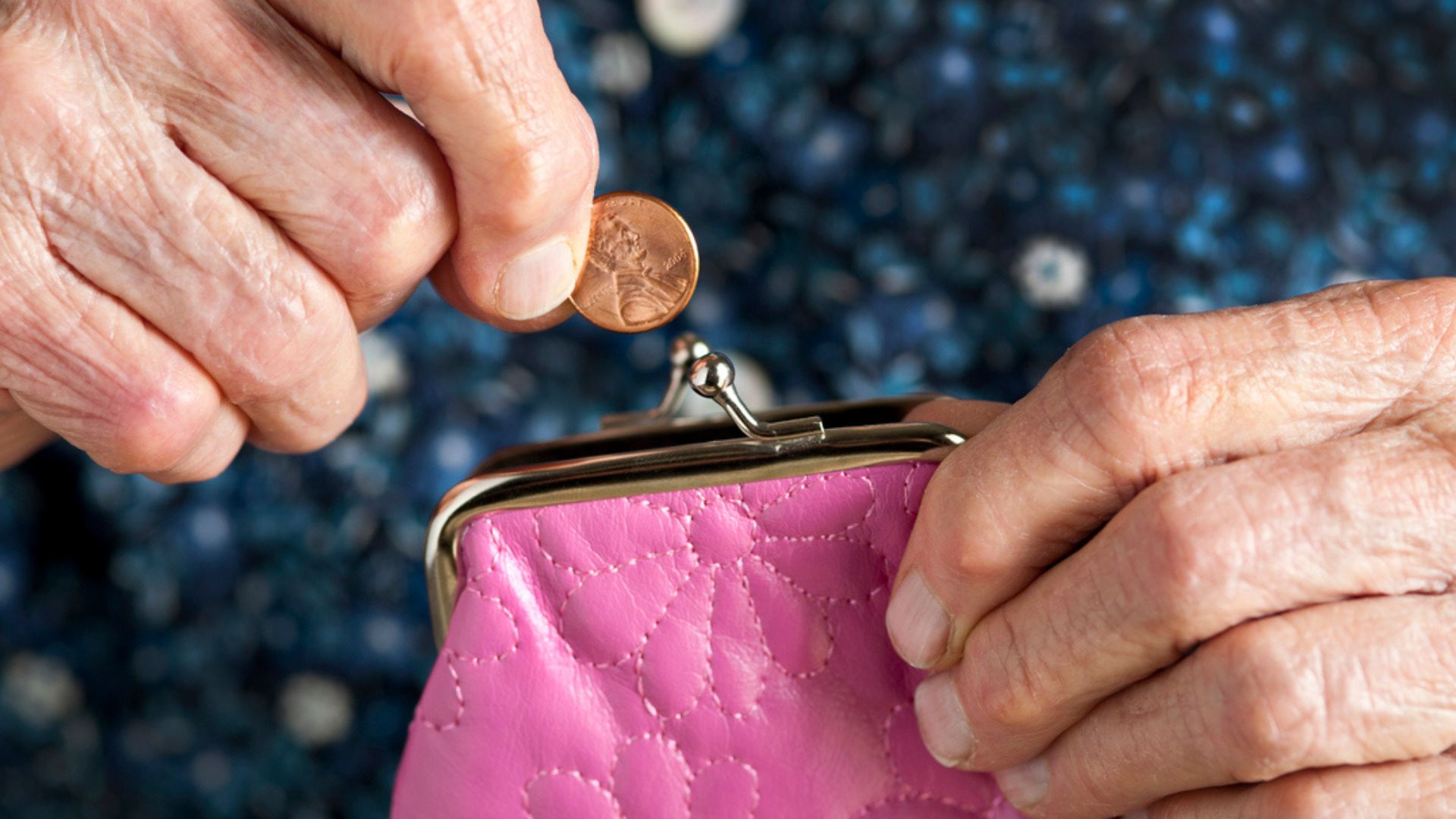
- Pennies Are Officially Over — Here’s How It’s Already Hitting Your Wallet — While saying goodbye might sound simple, stores are finding out the transition isn’t so smooth.
- Another Milestone Nobody Wanted: Wealth Inequality in the U.S. Has Its Widest Gap in 30 Years — The richest households are pulling further ahead, while everyone else watches from the sidelines, adjusting budgets and canceling subscriptions.
- Why Grocery Shopping Still Feels Brutal: U.S. Food Prices Are Up 19% Since 2022 — American households spent $310 more on groceries in 2025 than in 2024.